- 분류 전체보기 (4676)

| 일 | 월 | 화 | 수 | 목 | 금 | 토 |
|---|---|---|---|---|---|---|
| 1 | 2 | 3 | 4 | 5 | 6 | 7 |
| 8 | 9 | 10 | 11 | 12 | 13 | 14 |
| 15 | 16 | 17 | 18 | 19 | 20 | 21 |
| 22 | 23 | 24 | 25 | 26 | 27 | 28 |
- no
- make it
- By The Way
- entrance fee
- Yeah
- set up
- work out
- Please
- Hey
- I'm not sure
- come up with
- I'm sorry
- Yes
- Sure
- OKay
- What Happened?
- too.
- please.
- Don't worry
- well
- Right?
- I'm glad to hear that.
- hold on
- please?
- Actually
- Show Up
- Oh No
- Sorry
- pick up
- oh
- Today
- Total
인과함께
Day119 - religion, freedom of religion, state religion, organized religion, personal religion, world religions, religious belief, religious community, secular society (as a context for religion), religion and politics, founder of a religion 본문
Day119 - religion, freedom of religion, state religion, organized religion, personal religion, world religions, religious belief, religious community, secular society (as a context for religion), religion and politics, founder of a religion
미인생 2025. 11. 17. 18:41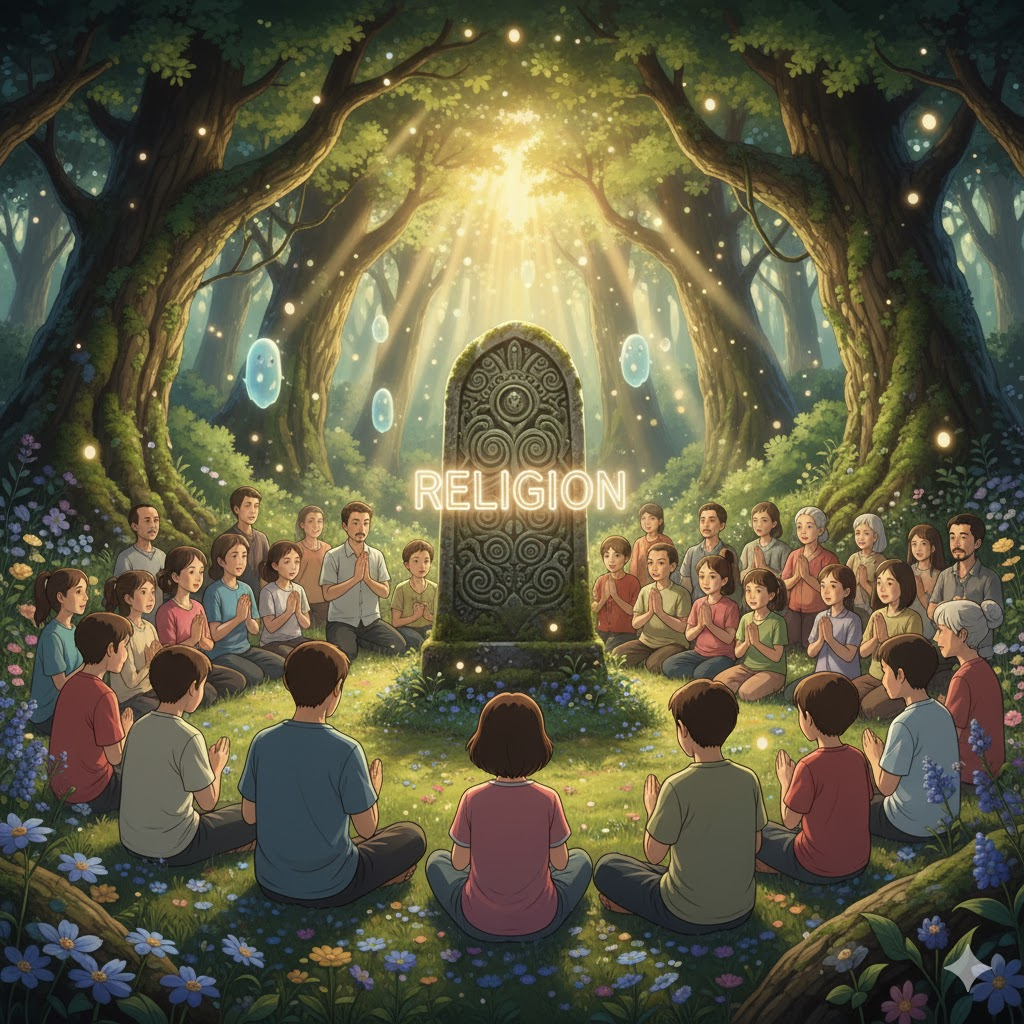
AI Audio Overview
religion [rɪˈlɪdʒən] 삶의 의미와 신앙 체계를 뜻하는 단어.
(명사) 종교, 신앙, 종교적 신념
'religion'은 기본적으로 "종교"라는 뜻으로 쓰이며, 초자연적인 힘에 대한 믿음과 숭배, 그리고 그에 따른 행동 규범, 의례, 윤리를 포함하는 사회적-문화적 시스템을 의미합니다. 윤리, 사회, 역사, 정치 관련 지문에서 가장 근본적이고 핵심적인 개념입니다.
1. freedom of religion (종교의 자유)
- 해석: 개인이 자신이 원하는 종교를 자유롭게 믿고, 실천하고, 변경하거나, 갖지 않을 헌법상의 권리. (정치, 법률 지문에서 가장 중요)
- 예문: The constitution guarantees freedom of religion to all citizens, regardless of their background. (헌법은 배경에 관계없이 모든 시민에게 종교의 자유를 보장한다.)
- 예문: Protecting freedom of religion is a crucial element of liberal democracy. (종교의 자유를 보호하는 것은 자유 민주주의의 중요한 요소이다.)
2. state religion (국교)
- 해석: 국가나 정부에 의해 공식적으로 인정되고 지원받는 종교. (정치, 역사 지문에서 중요)
- 예문: In many historical monarchies, the state religion was closely tied to the political authority of the ruling family. (많은 역사적 군주제에서 국교는 통치 가문의 정치적 권위와 밀접하게 연결되어 있었다.)
3. organized religion (조직화된 종교)
- 해석: 공식적인 교리, 성직자 계층, 건물, 그리고 체계적인 의례를 갖춘 종교. (개인의 영성과 대비)
- 예문: Critics of organized religion often argue that institutions can sometimes overshadow spiritual meaning. (조직화된 종교에 대한 비평가들은 기관이 때때로 영적인 의미를 가릴 수 있다고 주장한다.)
4. personal religion (개인적 종교/개인의 신앙)
- 해석: 공식적인 조직이나 교리에 얽매이지 않고, 개인의 내면에서 형성되는 주관적인 신념과 영성.
- 예문: For some, belief is a matter of personal religion rather than affiliation with a formal church. (일부 사람들에게 신앙은 공식적인 교회 소속보다는 개인적 종교의 문제이다.)
5. world religions (세계 종교)
- 해석: 전 세계적으로 수많은 추종자를 가지며, 광범위한 지역과 문화를 초월하여 영향을 미치는 주요 종교들 (예: 기독교, 불교, 이슬람교).
- 예문: Comparative study of world religions helps foster intercultural understanding and tolerance. (세계 종교에 대한 비교 연구는 문화 간 이해와 관용을 증진하는 데 도움이 된다.)
6. religious belief (종교적 믿음/신념)
- 해석: 종교의 교리나 가르침에 대한 개인의 확신이나 믿음.
- 예문: The policy faced challenges because it conflicted with deeply held religious beliefs of a minority group. (그 정책은 소수 집단의 깊은 종교적 믿음과 충돌했기 때문에 도전에 직면했다.)
7. religious community (종교 공동체)
- 해석: 같은 종교를 믿는 사람들이 함께 모여 의례를 수행하고 사회적 유대감을 나누는 집단.
- 예문: The local religious community often organizes volunteer activities and charity drives. (지역 종교 공동체는 종종 자원봉사 활동과 자선 모금을 조직한다.)
8. secular society (as a context for religion) (세속 사회)
- 해석: 국가와 종교가 분리되어 있으며, 공공 영역에서 종교적 권위가 제한되는 사회.
- 예문: In a secular society, public institutions must remain neutral toward all forms of religion. (세속 사회에서 공공 기관은 모든 형태의 종교에 대해 중립을 유지해야 한다.)
9. religion and politics (종교와 정치)
- 해석: 종교적 가치관과 정치적 권력, 정책이 서로 상호 작용하거나 충돌하는 관계.
- 예문: Debates about the proper role of religion and politics are central to many modern democracies. (종교와 정치의 적절한 역할에 대한 논쟁은 많은 현대 민주주의 국가의 핵심이다.)
10. founder of a religion (종교의 창시자)
- 해석: 특정 종교의 교리, 신앙, 또는 체계를 처음으로 확립하고 시작한 인물.
- 예문: Analyzing the core teachings of the founder of a religion is essential for understanding its modern practices. (종교의 창시자의 핵심 가르침을 분석하는 것은 그 종교의 현대적 실천을 이해하는 데 필수적이다.)

대한민국 입시 주요 POINT
'religion'은 문화적 다양성, 사회 통합과 분열, 개인의 기본권, 그리고 윤리적 가치를 다루는 사회, 윤리, 정치 지문에서 가장 핵심적인 개념입니다.
1. 개인의 권리 보호 (Freedom of Religion)
- freedom of religion은 개인의 자율성(autonomy)과 국가의 중립성(neutrality)을 강조하는 인권 및 법률 지문의 핵심 원칙입니다. 지문은 이 자유가 다른 시민의 권리를 침해하지 않는 범위 내에서 보장되어야 한다는 윤리적 한계를 논합니다.
2. 종교의 사회적 역할과 갈등 (Organized Religion / Religion and Politics)
- organized religion은 사회적 유대감(social cohesion)과 복지 서비스 제공에 기여하는 긍정적인 역할과 함께, 정치적 권력화나 교리적 독단성으로 인한 사회적 갈등($conflict$)의 문제를 동시에 논합니다. religion and politics는 공공 영역에서 종교적 가치가 어디까지 영향을 미쳐야 하는지에 대한 민주주의의 딜레마를 다룹니다.
3. 문화적 이해와 포용 (World Religions / Secular Society)
- world religions와 secular society의 대비는 글로벌 시대의 문화적 이해의 중요성을 강조합니다. 세속 사회에서는 종교 간의 관용(tolerance)과 상호 존중이 사회 통합을 위한 필수 조건임을 논합니다.
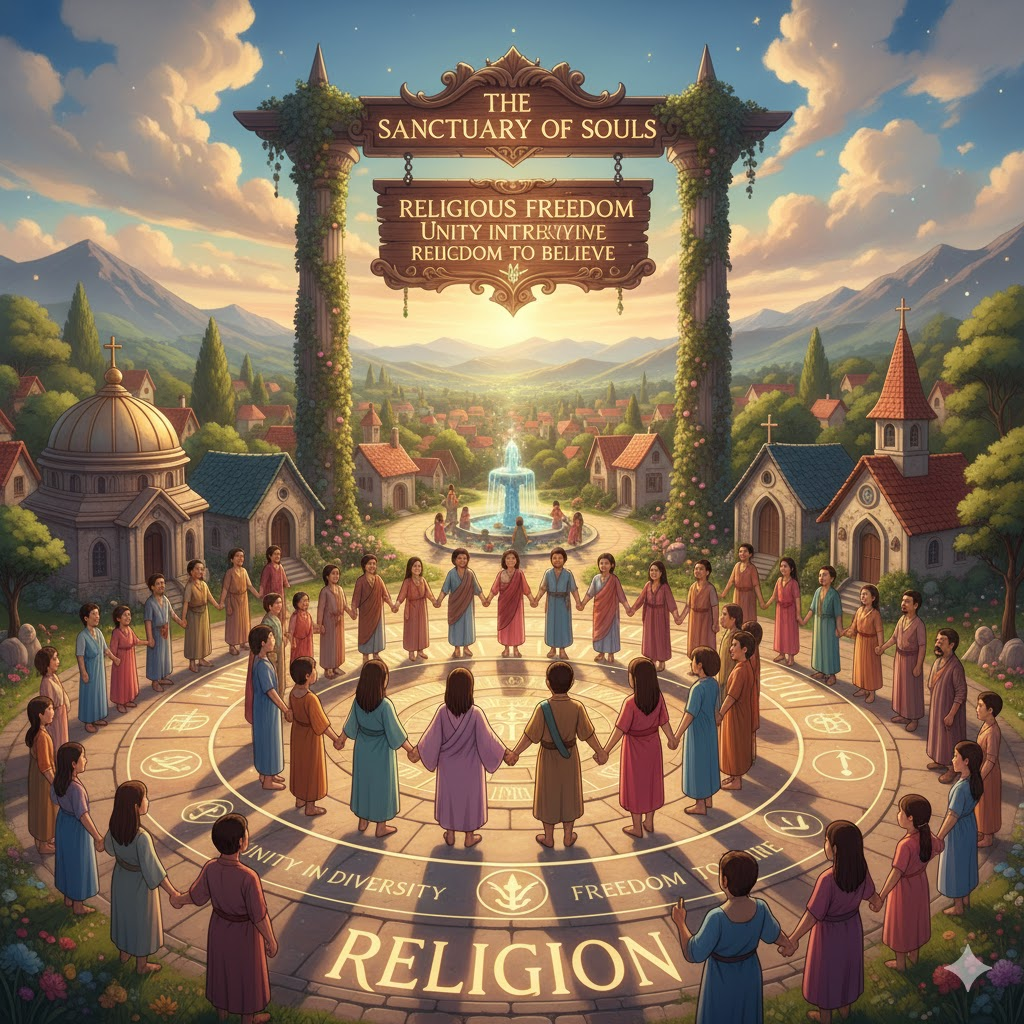
religion [rɪˈlɪdʒən] 삶의 의미와 신을 믿는 체계
핵심 뜻
신 또는 초자연적인 존재에 대한 믿음과 숭배를 포함하는 체계적인 신앙 및 신앙 체계; 또는 특정 신조, 종교.
단어별 뉘앙스, 의미 연결 흐름 (표)
단어 구성 요소 의미 연결 흐름 뉘앙스 요약
| re- (접두사) | '다시', '되풀이하여' | 신성한 것에 계속 묶여 있음. | 반복/연결 (Reiteration/Connection) |
| ligare (라틴어) | '묶다', '연결하다' | 인간을 신성한 것 또는 도덕률에 묶어주는 것. | 속박/연결 (Binding/Link) |
| -ion (접미사) | 명사형 접미사 | '행위' 또는 '상태' | 묶어주는 행위나 그 결과 |
| 종합 뉘앙스 | 인간과 신성한 존재를 연결하고, 삶을 통제하는 도덕적, 의식적 구속력을 가진 신앙 체계. | '신성한 연결과 속박' |
단어 어원적 의미 핵심 뉘앙스 현대적 의미 연결 흐름
| 라틴어 religiō (신에 대한 의무, 경외심) | "신성한 것에 의해 묶여 있는 상태" | 신앙 및 숭배 체계 → 도덕률과 의무 → 개인의 헌신/신조 |

품사별 의미와 쉬운 예문 (표)
품사 의미 상세 설명 쉬운 예문
| 명사 (N.) | 종교, 신앙 | 신성한 존재에 대한 믿음과 그에 따른 의례, 도덕률의 집합체. | Christianity is the dominant religion in the West. (기독교는 서구에서 지배적인 종교이다.) |
| 명사 (N.) | 신조, 헌신 | 개인의 삶을 이끄는 확고한 도덕적 원칙이나 열렬한 헌신. | Fitness has become his religion. (건강 관리가 그의 신조가 되었다.) |
| 명사 (N.) | 종교 단체 | 특정 신앙을 공유하는 조직화된 집단. | He joined a local religion group after moving. (그는 이사 후 지역 종교 단체에 가입했다.) |
활용 예문 (리스트)
- Freedom of religion is a fundamental human right. (종교의 자유는 기본적인 인권이다.)
- The country's laws separate the state from religion. (그 나라의 법은 국가를 종교로부터 분리한다.)
- She finds great spiritual comfort in her religion. (그녀는 자신의 종교에서 큰 영적 위안을 찾는다.)
- His personal religion is to always tell the truth. (그의 개인적인 신조는 항상 진실을 말하는 것이다.)
- Different religions have different views on the afterlife. (다른 종교들은 사후 세계에 대해 다른 견해를 가지고 있다.)
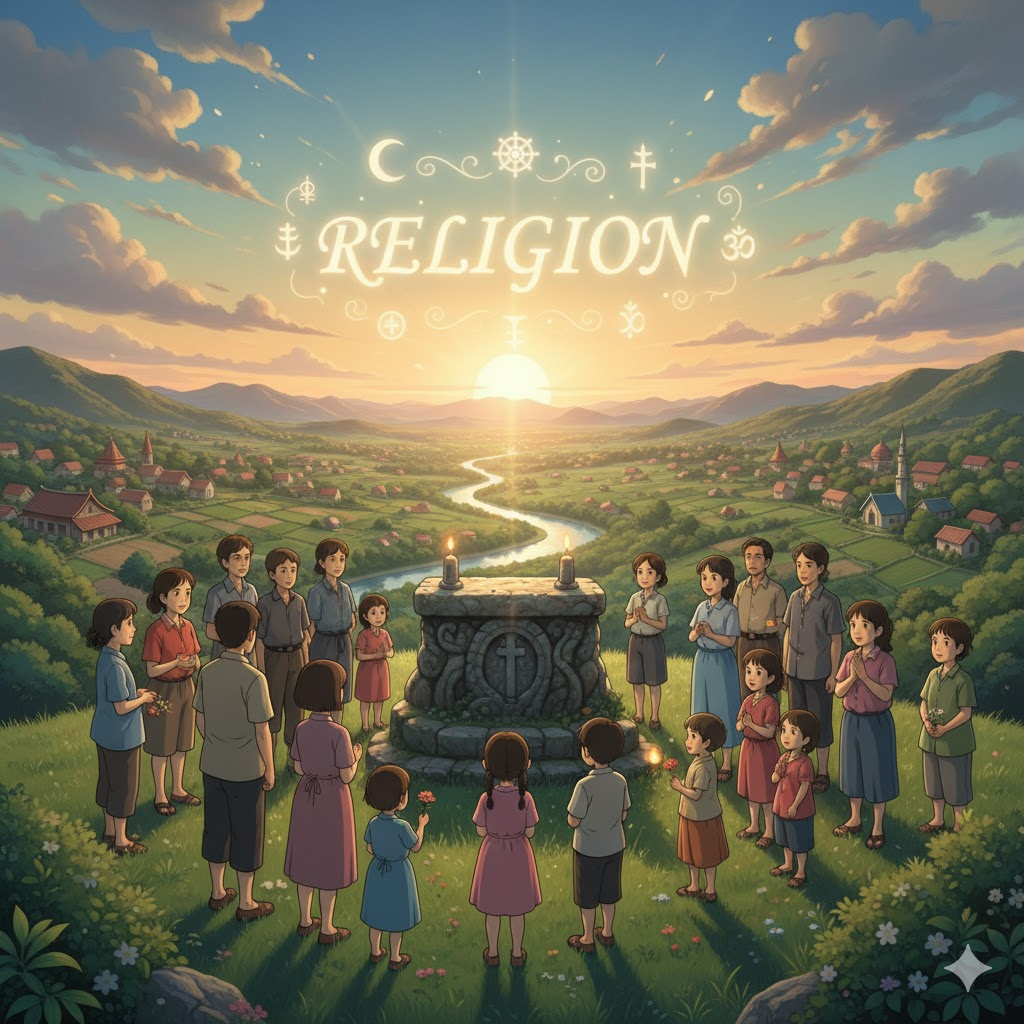
전체 뉘앙스 설명
religion은 '다시(re-) 묶는다(ligare)'는 어원에서 알 수 있듯이, 인간을 신이나 초월적인 존재에 연결하고 도덕적 의무로 묶어주는 체계를 의미합니다. 핵심은 믿음, 숭배, 그리고 공동체적 규율입니다. 단순히 개인적인 믿음을 넘어, 조직화된 의식(ritual)과 도덕률을 포함하는 사회적 시스템으로서의 뉘앙스가 강합니다. 확장되어 사용될 때는 특정 활동이나 원칙에 대한 열렬한 헌신(신조)을 비유적으로 표현하기도 합니다.
마지막 핵심 정리
religion은 '신성한 존재와의 관계 및 도덕률을 포함하는 체계적인 신앙' 또는 '개인의 신념/헌신'을 의미합니다.

파생어 (발음 포함) (리스트)
- religious [rɪˈlɪdʒəs] (형용사): 종교적인, 독실한
- religiously [rɪˈlɪdʒəsli] (부사): 종교적으로, 독실하게, 철저히
유의어 비교 (표)
단어 품사 뉘앙스 차이 및 사용 맥락
| Religion | 명사 | 신성한 존재, 숭배, 의식, 공동체를 포함하는 체계적인 신앙 체계. (조직화된 믿음 강조) |
| Faith | 명사 | 증거 없이 어떤 것에 대한 개인적이고 강한 믿음이나 신뢰. (개인적 신뢰 강조) |
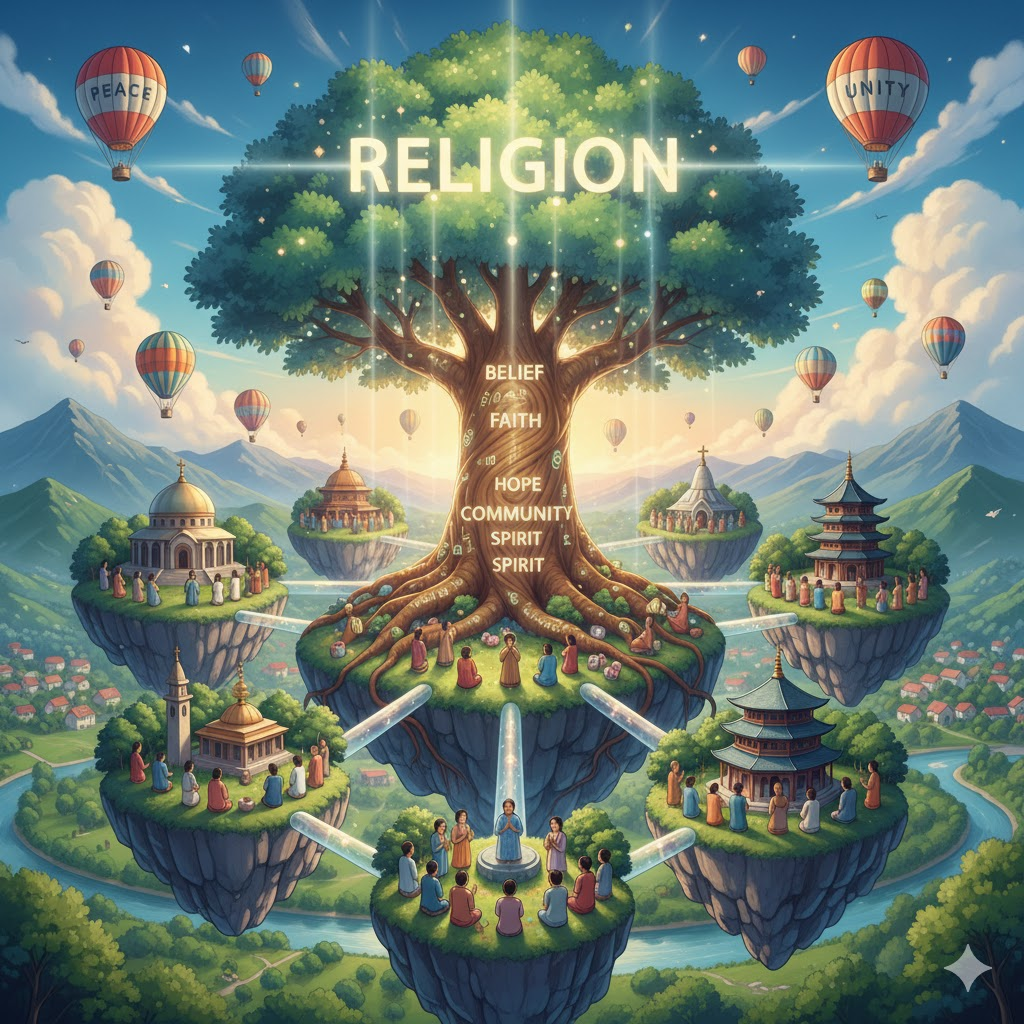
| Belief | 명사 | 특정 명제나 교리가 사실이라고 수용하는 일반적인 행위나 생각. (인지적 수용 강조) |
| Creed | 명사 | 종교적 또는 정치적 집단이 공식적으로 천명한 신조나 교리 목록. (공식 교리 강조) |

유의어 예문 (해석 포함) (리스트)
- Faith: She never lost faith in her husband's honesty. (그녀는 남편의 정직함에 대한 믿음을 잃지 않았다.)
- Belief: Their core belief is that all humans are equal. (그들의 핵심 믿음은 모든 인간이 평등하다는 것이다.)
- Creed: The new members had to memorize the group's creed. (새로운 회원들은 그룹의 신조를 암기해야 했다.)
결론 정리
religion은 '신성한 것에 묶어주는' 어원을 통해, 인간의 삶과 행동을 통제하고 초월적 존재와 연결하는 조직화된 신앙 시스템을 나타내는 핵심 단어입니다.

religion [rɪˈlɪdʒən]
(명사) 종교, 신앙, 종교적 신념
'신'(God)이나 '초월적'(transcendent) '존재'(existence)에 대한 '믿음'(belief), '숭배'(worship) 의식, 그리고 '도덕적'(moral) '규범'(norms)을 '공유'(share)하는 '조직적'(organized)인 '시스템'(system)이나 '신앙'(faith) 체계를 의미합니다. '삶'(life)의 '궁극적인'(ultimate) '의미'(meaning)와 '목적'(purpose)에 대한 '개인의'(personal) '견해'(view)와 '태도'(attitude)에 초점이 맞춰집니다.
- The professor's lecture covered the history of world religions. (교수님의 강의는 세계 종교의 역사를 다루었다.)
- The manager said employees must respect each other's religion in the workplace. (관리자는 직원들은 직장에서 서로의 종교를 존중해야 한다고 말했다.)
- The judge said the law must protect the freedom of religion. (판사는 법은 종교의 자유를 보호해야 한다고 말했다.)
- I find refuge in my religion when I am full of worry. (나는 걱정으로 가득 차 있을 때 나의 종교에서 위안을 찾는다.)
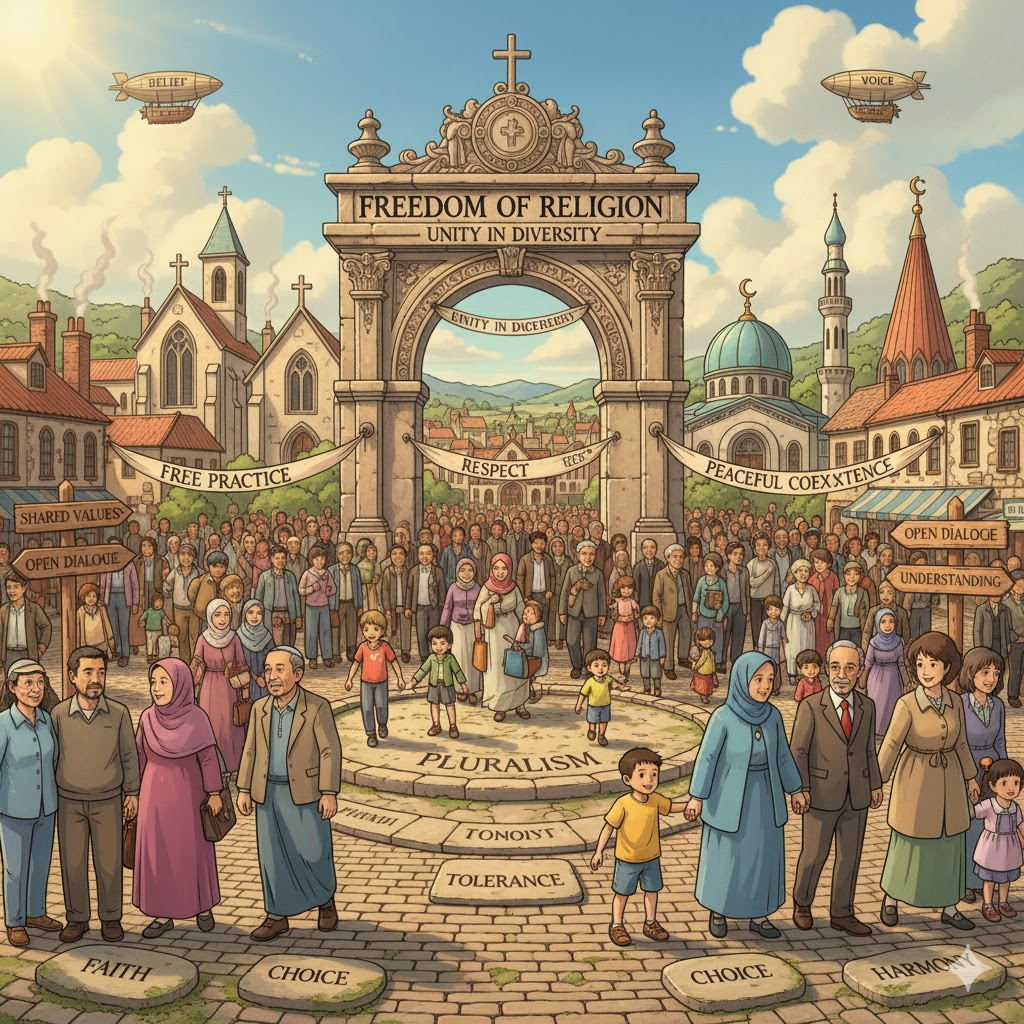
freedom of religion [ˈfriːdəm əv rɪˈlɪdʒən]
(명사) 종교의 자유
'개인'(individual)이 '어떤'(any) '종교'(religion)를 '선택'(choose)하거나 '따를'(follow) 수 있고, '국가'(nation)나 '정부'(government)의 '간섭'(interference) '없이'(without) '자신의'(one's) '신념'(belief)에 '따라'(by) '예배'(worship)나 '의식'(ritual)을 '실천'(practice)할 '수' 있는 '기본적인'(fundamental) '인권'(human right)을 의미합니다. '정치적'(political) '중립'(neutrality)과 '관용'(tolerance)을 강조합니다.
- The nation's constitution guarantees the freedom of religion to all citizens. (국가의 헌법은 모든 시민에게 종교의 자유를 보장한다.)
- The judge said the law must uphold the freedom of religion against any form of discrimination. (판사는 법은 어떤 형태의 차별에도 맞서 종교의 자유를 옹호해야 한다고 말했다.)
- The professor's lecture covered the history of the struggle for freedom of religion. (교수님의 강의는 종교의 자유를 위한 투쟁 역사를 다루었다.)
- The manager said we must ensure that the organizational culture respects the freedom of religion. (관리자는 우리가 조직 문화가 종교의 자유를 존중하도록 보장해야 한다고 말했다.)

state religion [steɪt rɪˈlɪdʒən]
(명사) 국교, 국정 종교
'정부'(government)가 '공식적으로'(officially) '인정'(recognize)하고 '지원'(support)하며, '국가'(nation)의 '법률'(law)이나 '운영'(operation)에 '영향'(influence)을 '미치는'(impact) '종교'(religion)를 의미합니다. '세금'(taxes) '지원'이나 '법적'(legal) '특권'(privilege)을 '받는'(receive) '특정'(specific) '신앙'(faith) 체계를 강조합니다.
- The professor's study analyzes the relationship between political power and state religion. (교수님의 연구는 정치적 권력과 국교 사이의 관계를 분석한다.)
- The judge said a modern democracy should not have a state religion. (판사는 현대 민주주의는 국교를 가져서는 안 된다고 말했다.)
- The manager said the company must be careful not to promote one religion over others. (관리자는 회사가 다른 종교보다 하나의 종교를 장려하지 않도록 조심해야 한다고 말했다.)
- The lawyer argued that the client's right was violated due to the influence of state religion. (변호사는 의뢰인의 권리가 국교의 영향 때문에 침해되었다고 주장했다.)

organized religion [ˈɔːrɡənaɪzd rɪˈlɪdʒən]
(명사) 조직화된 종교, 제도 종교
'정형화된'(formalized) '교리'(doctrine), '계층'(hierarchy), '의례'(ritual), 그리고 '공식적인'(official) '지도자'(leader)가 있는 '대규모의'(large scale) '신앙'(faith) '집단'(group)을 의미합니다. '개인의'(personal) '신념'(belief)과 달리, '사회적'(social) '구조'(structure)와 '제도'(institution)를 '가지고'(have) '운영'(operate)되는 '종교'(religion) 형태를 강조합니다.
- The professor's study analyzed the structure and influence of organized religion. (교수님의 연구는 조직화된 종교의 구조와 영향력을 분석했다.)
- The manager said we must respect the holidays of organized religion. (관리자는 우리가 조직화된 종교의 휴일을 존중해야 한다고 말했다.)
- The judge said the law provides legal protection for all organized religions. (판사는 법은 모든 조직화된 종교를 위한 법적 보호를 제공한다고 말했다.)
- I worry about the conflict that can arise between different organized religions. (나는 서로 다른 조직화된 종교 사이에서 발생할 수 있는 갈등에 대해 걱정한다.)
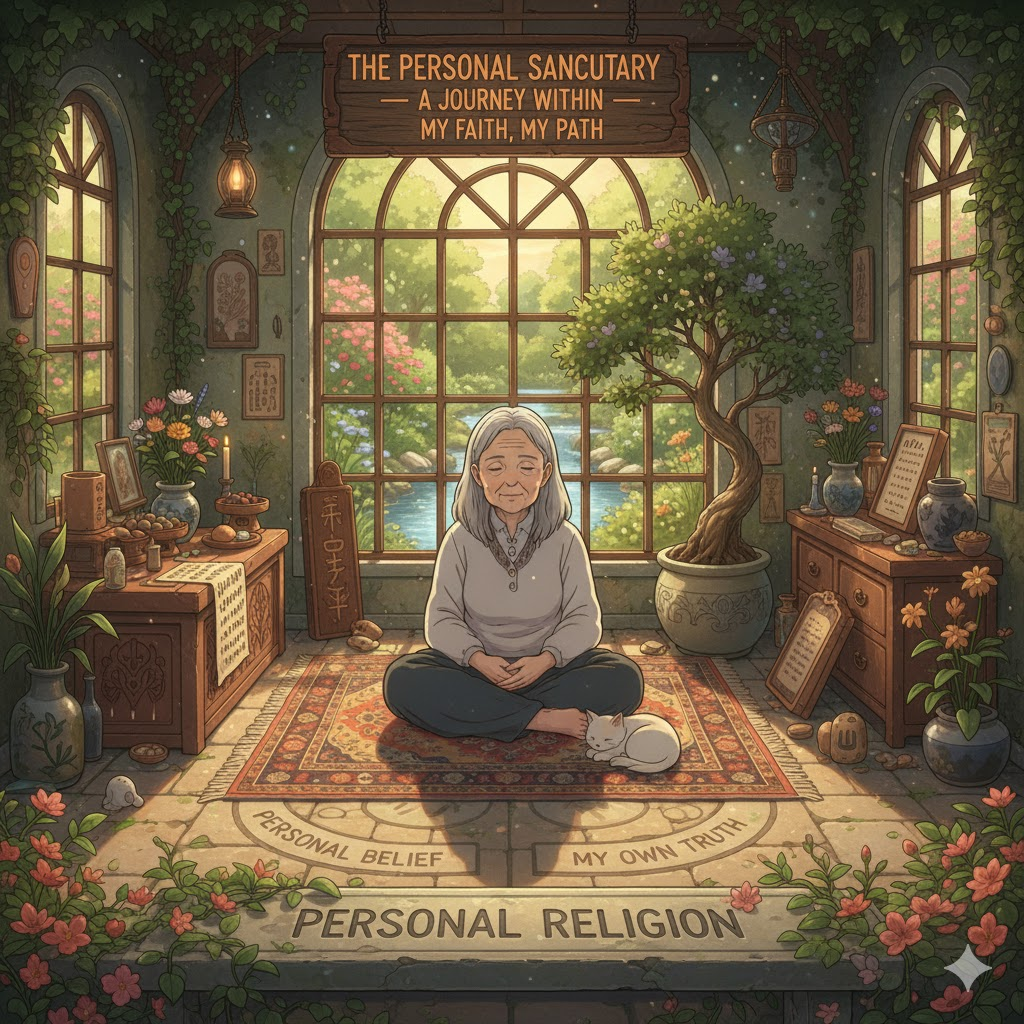
personal religion [ˈpɜːrsənl rɪˈlɪdʒən]
(명사) 개인적인 신앙, 개인적 종교
'제도적'(institutional)인 '조직'(organization)이나 '공식적인'(official) '교리'(doctrine)에 '구속'(bound)되지 않고, '개인'(individual)이 '스스로'(self) '형성'(form)하고 '실천'(practice)하는 '내면적'(internal)이고 '주관적'(subjective)인 '신념'(belief)이나 '영적'(spiritual) '태도'(attitude)를 의미합니다. '개인의'(personal) '자유'(freedom)와 '자기'(self) '성찰'(reflection)을 강조합니다.
- The manager said he keeps his personal religion out of the workplace discussions. (관리자는 자신이 개인적인 종교를 직장 토론에서 제외한다고 말했다.)
- The professor's lecture covered the philosophy of personal religion and inner peace. (교수님의 강의는 개인적인 종교와 내적 평화의 철학을 다루었다.)
- The judge said the law must respect the privacy of one's personal religion. (판사는 법은 개인의 개인적인 종교 프라이버시를 존중해야 한다고 말했다.)
- I find that my personal religion helps me maintain a positive attitude toward life. (나는 나의 개인적인 종교가 내가 삶에 대해 긍정적인 태도를 유지하도록 돕는다는 것을 알아낸다.)

world religions [wɜːrld rɪˈlɪdʒənz]
(명사) 세계 종교 (주요 종교들)
'세계'(world) '인구'(population)의 '상당한'(significant) '부분'(part)이 '따르거나'(follow) '영향'(influence)을 '미치는'(impact) '주요'(major) '종교'(religion) (예: 기독교, 이슬람교, 불교)들을 '집합적'(collective)으로 '총칭'(refer)하는 용어입니다. '문화적'(cultural) '다양성'(diversity)과 '역사적'(historical) '영향'(impact)을 강조합니다.
- The professor's course provides an overview of the major world religions. (교수님의 강좌는 주요 세계 종교에 대한 개요를 제공한다.)
- The manager said we must consider the holidays of world religions when setting the work schedule. (관리자는 우리가 업무 일정을 정할 때 세계 종교의 휴일을 고려해야 한다고 말했다.)
- The judge said the law of nations must respect the principles of world religions. (판사는 국제법은 세계 종교의 원칙들을 존중해야 한다고 말했다.)
- The study analyzed the origin and growth of the major world religions. (그 연구는 주요 세계 종교의 기원과 성장을 분석했다.)
religion, freedom of religion, state religion, organized religion, personal religion, world religions
(명사) 종교, 신앙 / (숙어) 종교의 자유, 국교, 조직 종교, 개인적인 신앙, 세계 종교
'religion'은 '초자연적인 존재에 대한 믿음과 그에 따른' '숭배, 의례, 도덕률을 포함하는' '체계'를 의미하는 가장 기본적인 단어입니다. 'freedom of religion'은 '자신이 원하는 종교를 믿고' '실행할 수 있는' '기본적인 권리'를 의미합니다. 'state religion'은 '국가가 공식적으로 인정하고' '지지하는 종교'를, 'organized religion'은 '체계적인 교리와 위계질서를 갖춘' '정립된 종교'를 의미합니다. 'personal religion'은 '공식 조직에 속하지 않고' '개인이 내면적으로 갖는 신앙'을, 'world religions'는 '전 세계적으로' '많은 신자를 가진' '주요 종교들'을 의미합니다.
- The constitution guarantees freedom of religion for all citizens. (헌법은 모든 시민에게 종교의 자유를 보장한다.)
- Anglicanism is the state religion in England. (성공회는 영국의 국교이다.)
- She prefers a less formal personal religion over an organized religion. (그녀는 조직 종교보다 덜 형식적인 개인적인 신앙을 선호한다.)
- Christianity, Islam, and Buddhism are considered world religions. (기독교, 이슬람교, 불교는 세계 종교로 간주된다.)
- My religion teaches forgiveness and tolerance. (나의 종교는 용서와 관용을 가르친다.)
- The debate revolves around the role of organized religion in modern society. (그 논쟁은 현대 사회에서 조직 종교의 역할에 초점을 맞춘다.)
- The law protects the right to express personal religion privately. (그 법은 개인적인 신앙을 사적으로 표현할 권리를 보호한다.)
- Freedom of religion is a cornerstone of democracy. (종교의 자유는 민주주의의 초석이다.)
핵심 뜻
종교, 신앙. 초자연적 존재에 대한 믿음 체계와 그 분류.
| religion | 종교, 신앙 | 명사로, '신앙' '체계'. | '초자연적' '인' '것에' '대한' '믿음,' '의례,' '도덕' '규범' '을' '포함' '하는' '체계' '임을' '나타내는' '기본' '개념'. |
| freedom of | ~의 자유 | 숙어구로, '권리'. | '국가' '의' '간섭' '없이' '자신' '이' '선택' '한' '종교' '를' '믿을' '수' '있는' '기본' '권리' '임을' '강조함'. |
| state | 국가의 | 형용사로, '공식' '인정'. | '종교' '가' '국가' '에' '의해' '공식' '적' '으로' '지정' '되고' '지원' '됨' '을' '나타냄'. |
| organized/personal | 조직된/개인적인 | 형용사로, '형태' '의' '구분'. | '종교' '가' '체계적' '인' '조직' '을' '갖추었는지' '(', 'organized' ') '아니면' '개인' '의' '내면' '에' '머무는지' '(', 'personal' ')' '를' '구분함'. |
| world | 세계의 | 형용사로, '범위'. | '특정' '지역' '이' '아닌' '전' '세계적' '으로' '널리' '퍼져' '있음' '을' '나타냄'. |
비슷한 어휘 깔끔하게 표로 정리하고 밑에 예문,해석 하나씩 나열하기
| faith | 신앙, 믿음 |
| creed | 교리, 신조 (종교적) |
| sect | 종파, 분파 |
faith
예문: His faith gives him strength.
해석: 그의 신앙은 그에게 힘을 준다.
creed
예문: The organization's creed is based on honesty.
해석: 그 조직의 신조는 정직에 기반한다.
sect
예문: The small religious sect was persecuted.
해석: 그 작은 종교 분파는 박해를 받았다.

religious belief [rɪˈlɪdʒəs bɪˈliːf]
(명사) 종교적 신념, 신앙심
'신'(God)의 '존재'(existence), '삶'(life)의 '사후'(afterlife), 또는 '신성한'(sacred) '교리'(doctrine)와 같은 '종교'(religion)의 '핵심'(core) '가르침'(teaching)을 '사실'(fact)로 '받아들이고'(accept) '따르는'(follow) '개인의'(personal) '확신'(conviction)을 의미합니다. '행동'(behavior)과 '도덕적'(moral) '가치'(value)의 '근거'(basis)가 됩니다.
- The professor's study analyzes the influence of religious belief on political philosophy. (교수님의 연구는 종교적 신념이 정치 철학에 미치는 영향을 분석한다.)
- The manager said we must be sensitive to employees' religious beliefs when setting the schedule. (관리자는 우리가 일정을 정할 때 직원들의 종교적 신념에 민감해야 한다고 말했다.)
- The judge said the law must not discriminate against any religious belief. (판사는 법은 어떤 종교적 신념에 대해서도 차별해서는 안 된다고 말했다.)
- She found inner peace by adopting a firm religious belief. (그녀는 확고한 종교적 신념을 채택함으로써 내적 평화를 찾았다.)

religious community [rɪˈlɪdʒəs kəˈmjuːnəti]
(명사) 종교 공동체, 신앙 공동체
'공통된'(common) '종교'(religion)나 '신념'(belief)을 '공유'(share)하며, '함께'(together) '예배'(worship) 의식(ritual)을 '수행'(perform)하고 '사회적'(social) '유대'(bond)를 '형성'(form)하는 '사람들'(people)의 '집단'(group)을 의미합니다. '상호'(mutual) '지원'(support)과 '공유된'(shared) '가치'(value)에 초점이 맞춰집니다.
- The non-profit organization received financial support from the local religious community. (그 비영리 단체는 지역 종교 공동체로부터 재정적 지원을 받았다.)
- The manager said volunteering in a religious community is a good leisure activity. (관리자는 종교 공동체에서 자원봉사하는 것은 훌륭한 여가 활동이라고 말했다.)
- The judge said the court must respect the customs of the religious community. (판사는 법원은 종교 공동체의 관습을 존중해야 한다고 말했다.)
- The professor's study analyzed the social behavior within a religious community. (교수님의 연구는 종교 공동체 내의 사회적 행동을 분석했다.)

secular society (as a context for religion) [ˈsekjələr səˈsaɪəti]
(명사) 세속 사회, 비종교적 사회
'정부'(government)나 '공공'(public) '제도'(institution)가 '특정'(specific) '종교'(religion)나 '신념'(belief)에 '편향'(biased)되거나 '지지'(support)하지 않고, '종교'와 '정치'(politics)가 '분리'(separation)된 '상태'(state)의 '사회'(society)를 의미합니다. '종교의'(religious) '자유'(freedom)와 '중립성'(neutrality)이 '법'(law)으로 '보장'(guarantee)됩니다.
- The professor's lecture covered the challenges of personal religion in a secular society. (교수님의 강의는 세속 사회에서 개인적인 종교의 난제들을 다루었다.)
- The manager said the workplace must operate as a secular society to avoid conflict. (관리자는 직장은 갈등을 피하기 위해 세속 사회로 운영되어야 한다고 말했다.)
- The judge said the law reflects the nation's commitment to a secular society. (판사는 법은 국가의 세속 사회에 대한 헌신을 반영한다고 말했다.)
- I believe that a secular society must still respect moral philosophy. (나는 세속 사회는 여전히 도덕 철학을 존중해야 한다고 믿는다.)

religion and politics [rɪˈlɪdʒən ænd ˈpɑːlɪtɪks]
(숙어) 종교와 정치 (관계/갈등)
'종교'(religion) '단체'(organization)나 '신념'(belief)이 '정치적'(political) '정책'(policy), '선거'(election), 또는 '권력'(power) '구조'(structure)에 '미치는'(impact) '영향'(influence)이나, 그 '사이'(between)의 '갈등'(conflict) '관계'(relationship)를 의미합니다. '정치적'(political) '논쟁'(debate)의 '주요'(main) '쟁점'(issue)이 됩니다.
- The professor's study analyzed the complex relationship between religion and politics. (교수님의 연구는 종교와 정치 사이의 복잡한 관계를 분석했다.)
- The manager said employees should not mix religion and politics in the office discussion. (관리자는 직원들은 사무실 토론에서 종교와 정치를 혼합해서는 안 된다고 말했다.)
- The judge said the line between religion and politics must be clearly defined. (판사는 종교와 정치 사이의 경계는 명확하게 정의되어야 한다고 말했다.)
- The politician's actions were often seen as an attempt to use religion for politics. (그 정치인의 행동은 종종 정치를 위해 종교를 사용하려는 시도로 보였다.)

founder of a religion [ˈfaʊndər əv ə rɪˈlɪdʒən]
(명사) 종교의 창시자, 교조
'특정'(specific) '종교'(religion)의 '교리'(doctrine), '신앙'(faith) '체계'(system), 그리고 '의례'(ritual)를 '처음'(first)으로 '수립'(establish)하고 '가르침'(teaching)을 '전파'(disseminate)하기 '시작'(start)한 '역사적'(historical) '인물'(figure)을 의미합니다. '추종자'(followers)의 '믿음'(belief)과 '숭배'(worship)의 '중심'(core) '대상'(object)이 됩니다.
- The professor's lecture covered the life and teachings of the founder of Buddhism. (교수님의 강의는 불교 창시자의 삶과 가르침을 다루었다.)
- The judge said the principles of the faith relate back to the founder of the religion. (판사는 그 신앙의 원칙들은 종교의 창시자로 거슬러 올라가 관련된다고 말했다.)
- The religious organization celebrated the anniversary of the founder of the religion. (종교 단체는 종교의 창시자 기념일을 축하했다.)
- I wonder if the intent of the founder of the religion is still maintained. (나는 종교의 창시자의 의도가 여전히 유지되는지 궁금하다.)
religious belief, religious community, secular society (as a context for religion), religion and politics, founder of a religion
(숙어) 종교적 믿음, 종교 공동체, 세속 사회, 종교와 정치, 종교의 창시자
이 표현들은 종교의 '내용', '사회적 집합체', '세속과의 관계', '창시자'에 초점을 맞춥니다. 'religious belief'는 '종교가 가르치는' '특정 교리나 사상'을 의미합니다. 'religious community'는 '같은 종교를 믿는' '사람들의 집단'을 의미합니다. 'secular society'는 '종교의 영향으로부터' '분리된' '세속 사회'를 의미하며, 종교가 작동하는 배경을 나타냅니다. 'religion and politics'는 '종교와 정치가' '서로 영향을 주고받는' 관계를 의미합니다. 'founder of a religion'은 '특정 종교를' '처음 시작한 사람'을 뜻합니다.
- Her actions are guided by her religious beliefs. (그녀의 행동은 종교적 믿음에 의해 인도된다.)
- The small town has a strong religious community. (그 작은 마을은 강력한 종교 공동체를 가지고 있다.)
- The country operates as a secular society. (그 나라는 세속 사회로 운영된다.)
- The history course covers the intersection of religion and politics. (그 역사 강좌는 종교와 정치의 교차점을 다룬다.)
- Buddha is the founder of a religion that originated in India. (부처는 인도에서 기원한 종교의 창시자이다.)
- Religious beliefs can offer comfort and meaning to life. (종교적 믿음은 삶에 위안과 의미를 제공할 수 있다.)
- Maintaining a neutral stance on religion and politics is difficult. (종교와 정치에 대한 중립적인 입장을 유지하는 것은 어렵다.)
- The religious community organized a large charity event. (종교 공동체가 대규모 자선 행사를 조직했다.)
핵심 뜻
종교의 사회적 역할. 믿음의 내용, 공동체, 세속과의 관계, 창시자.
| belief | 믿음 | 명사로, '내용'. | '종교' '의' '가르침' '에' '대한' '개인' '의' '신념' '과' '내용' '을' '나타냄'. |
| community | 공동체 | 명사로, '집단'. | '같은' '종교' '를' '믿는' '사람들' '의' '사회적' '인' '모임' '을' '의미함'. |
| secular society | 세속 사회 | 명사로, '환경'. | '종교' '가' '정부' '나' '공공' '영역' '에서' '분리' '된' '사회' '임을' '강조함'. |
| and politics | 그리고 정치 | 숙어구로, '상호작용'. | '종교' '와' '정치' '라는' '두' '영역' '이' '서로' '에게' '미치는' '영향' '을' '나타냄'. |
| founder of | ~의 창시자 | 명사로, '기원'. | '종교' '를' '처음' '시작' '하고' '교리' '를' '만든' '사람' '임을' '나타냄'. |
비슷한 어휘 깔끔하게 표로 정리하고 밑에 예문,해석 하나씩 나열하기
| doctrine | 교리, 신조 |
| congregation | 신자 집단, 교구 |
| non-religious state | 비종교적 국가 |
doctrine
예문: The church teaches a strict doctrine.
해석: 그 교회는 엄격한 교리를 가르친다.
congregation
예문: The whole congregation prayed together.
해석: 모든 신자들이 함께 기도했다.
non-religious state
예문: Turkey is officially a non-religious state.
해석: 튀르키예는 공식적으로 비종교적 국가이다.
결론 정리
'religious belief'는 종교의 내용을, 'religious community'는 공동체를, 'secular society'는 세속적 환경을, 'founder of a religion'은 창시자를 나타냅니다.


