
- 분류 전체보기 (4673)

| 일 | 월 | 화 | 수 | 목 | 금 | 토 |
|---|---|---|---|---|---|---|
| 1 | 2 | 3 | 4 | 5 | 6 | 7 |
| 8 | 9 | 10 | 11 | 12 | 13 | 14 |
| 15 | 16 | 17 | 18 | 19 | 20 | 21 |
| 22 | 23 | 24 | 25 | 26 | 27 | 28 |
- work out
- Show Up
- I'm not sure
- no
- Yes
- hold on
- pick up
- I'm glad to hear that.
- Actually
- please?
- too.
- set up
- entrance fee
- please.
- OKay
- Sure
- make it
- Oh No
- Please
- well
- Yeah
- come up with
- I'm sorry
- What Happened?
- Don't worry
- Sorry
- By The Way
- Hey
- oh
- Right?
- Today
- Total
인과함께
Day47 - disadvantage , at a disadvantage , have a disadvantage , a disadvantage (to/of) , put (someone) at a disadvantage , overcome a disadvantage , face/experience/encounter a disadvantage , major/minor disadvantage , disadvantage compared to/when compa 본문
Day47 - disadvantage , at a disadvantage , have a disadvantage , a disadvantage (to/of) , put (someone) at a disadvantage , overcome a disadvantage , face/experience/encounter a disadvantage , major/minor disadvantage , disadvantage compared to/when compa
미인생 2025. 8. 28. 14:27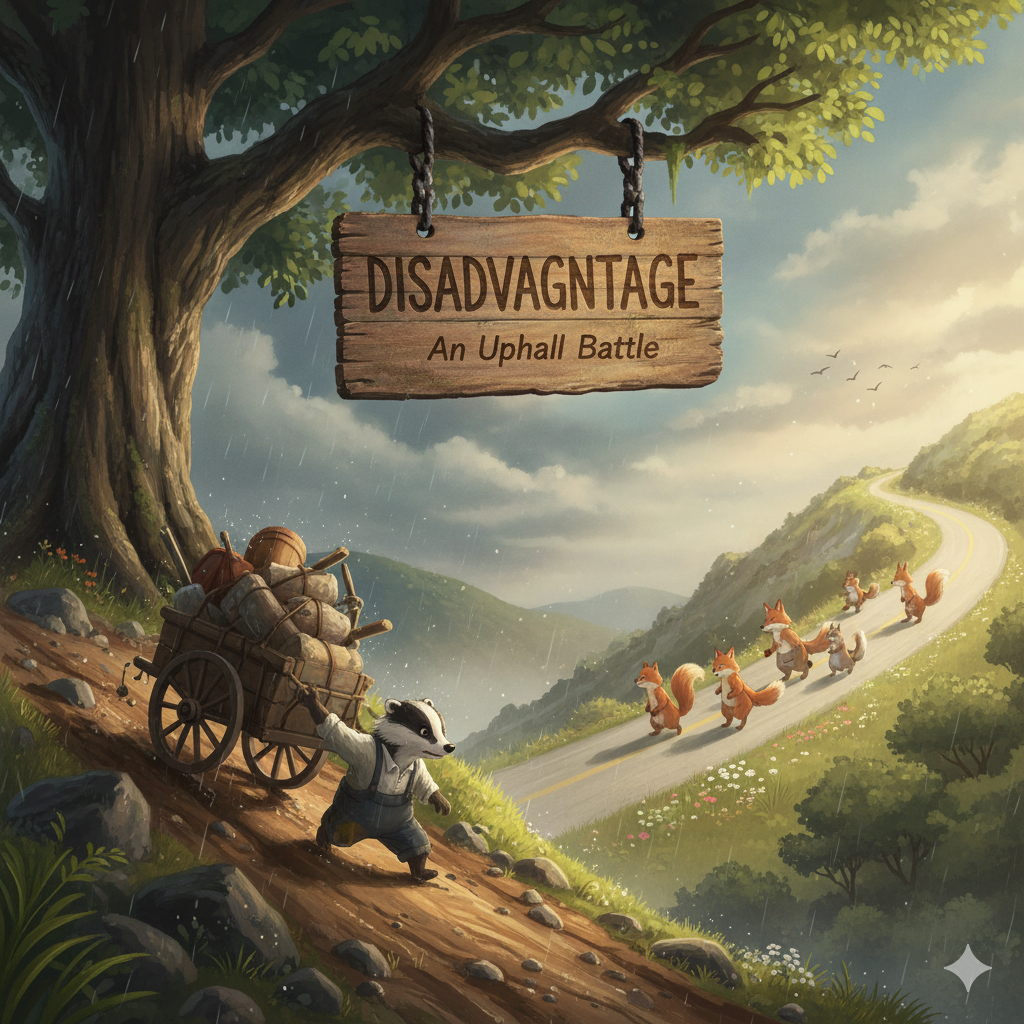
disadvantage [ˌdɪsədˈvæntɪdʒ] 경쟁에서 뒤처지는 점, 개선이 필요한 부분
(명사) 불리한 점, 약점, 불이익
어떤 상황에서 다른 사람이나 사물보다 불리한 위치에 놓이게 하는 조건이나 특징을 의미합니다. '장점(advantage)'과 반대되는 개념으로, 성공이나 목표 달성을 방해하는 **'불이익'**이나 **'약점'**에 초점을 맞춥니다.
- The lack of experience was a great disadvantage for him in the interview. (경험 부족은 면접에서 그에게 큰 불리한 점이었다.)
- There are several disadvantages to living in the city center. (도시 중심에 사는 것에는 여러 가지 단점이 있다.)
- He has a physical disadvantage in this sport. (그는 이 스포츠에서 신체적으로 불리한 점을 가지고 있다.)
- The country is at a disadvantage in international trade negotiations. (그 나라는 국제 무역 협상에서 불리한 위치에 있다.)
- The company's small size is a disadvantage when competing with large corporations. (그 회사의 작은 규모는 대기업과 경쟁할 때 불리한 점이다.)
- His lack of experience was a disadvantage. (그의 경험 부족은 불리한 점이었다.)

AI Audio Overview
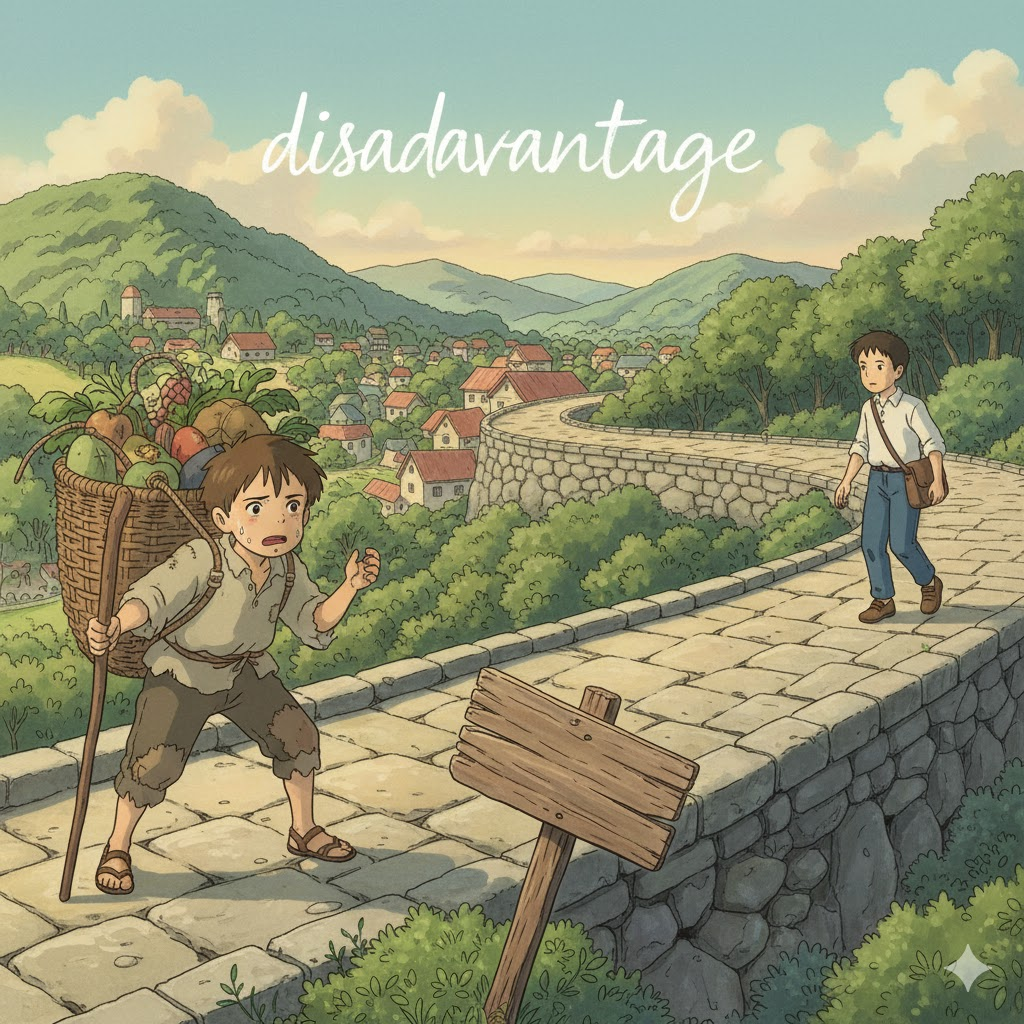
- at a disadvantage
- 뜻: 불리한 입장에 있는, 불이익을 받는
- 예문: Children without internet access are at a disadvantage.
- (인터넷을 사용할 수 없는 아이들은 불리한 입장에 있다.)
- have a disadvantage
- 뜻: 불리함/단점이 있다
- 예문: Older workers may have a disadvantage in technology jobs.
- (나이 많은 근로자들은 기술 직종에서 불리함이 있을 수 있다.)
- a disadvantage (to/of)
- 뜻: ~의 단점/불리함
- 예문: One disadvantage of city life is the noise.
- (도시 생활의 단점 중 하나는 소음이다.)
- put (someone) at a disadvantage
- 뜻: ~를 불리하게 만들다, 불이익을 주다
- 예문: The rule puts smaller companies at a disadvantage.
- (그 규칙은 소규모 업체를 불리하게 만든다.)
- overcome a disadvantage
- 뜻: 불리함을 극복하다
- 예문: She overcame her disadvantages through hard work.
- (그녀는 노력으로 자신의 불리함을 극복했다.)
- face/experience/encounter a disadvantage
- 뜻: 불리함/불이익을 겪다
- 예문: Students from rural areas often face disadvantages.
- (농촌 출신 학생들은 종종 불리함을 겪는다.)
- major/minor disadvantage
- 뜻: 큰/작은 단점, 주요/경미한 불이익
- 예문: The cost is a major disadvantage of this product.
- (가격이 이 제품의 큰 단점이다.)
- disadvantage compared to/when compared with
- 뜻: ~와 비교했을 때의 불리함
- 예문: This system has a disadvantage compared to the previous one.
- (이 시스템은 이전 것과 비교했을 때 불리함이 있다.)
대한민국 입시 주요 POINT
- "disadvantage"는 불리함, 단점, 불이익, 극복, 비교, 주요/경미한 불리함 등 사회·경제·교육·생활 지문에서 복합 명사(collocation) 및 동사+명사/전치사 결합 형태로 자주 출제됩니다.
- at/have/face/experience/encounter/overcome a disadvantage, put at a disadvantage, compared to/with, a (major/minor) disadvantage 등 구조별 의미를 확실히 구분해 암기하세요.
- 예문 반복 학습으로 실제 상황에서의 불리함·단점·비교·극복 과정을 자연스럽게 이해하고 적용하면 독해·문법·어휘 문제에서 빠르고 정확하게 대응할 수 있습니다.
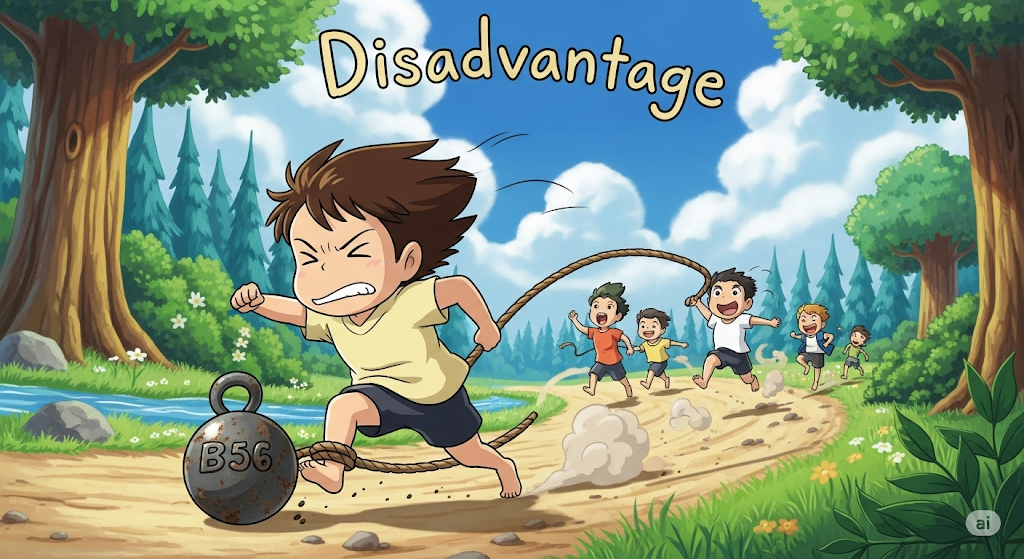
disadvantage [ˌdɪsədˈvæntɪdʒ] 경쟁에서 뒤처지는 점, 개선이 필요한 부분
핵심 뜻
- (명사) 단점, 약점: 어떤 사람이나 사물의 바람직하지 않거나 불리한 측면.
- (명사) 불이익, 불리한 점: 다른 사람이나 상황에 비해 불리하거나 불이익을 주는 요인.
의미 연결 흐름
프랑스어 desavantage ("불이익, 손실")에서 유래 → des- ("~이 아닌, 반대") + avantage ("이점, 이득") → 즉, '이점이 아닌 것, 이득이 없는 것' → 영어로 유입 → 원래 **'손실이나 손해를 초래하는 것'**을 의미했음 → 이 의미가 현대 영어에서 '어떤 상황이나 대상이 가진 부정적이거나 약한 측면' (단점, 약점) 명사로 굳어졌어요. 나아가 '경쟁 상황 등에서 다른 것에 비해 불리한 위치에 놓이게 하는 요인' (불이익, 불리한 점)의 의미를 가지게 되었어요. 즉, **'이점이 되지 않거나 손해를 입히는 부정적인 요소'**를 나타내는 핵심 단어예요.
품사별 의미와 쉬운 예문
품사 의미 쉬운 예문 해석
| 명사 | 단점, 약점 | The main disadvantage of this plan is its high cost. | 이 계획의 주요 단점은 높은 비용이야. |
| 명사 | 불이익, 불리한 점 | His lack of experience put him at a disadvantage. | 그의 경험 부족이 그를 불리한 위치에 놓이게 했어. |
활용 예문
- Every job has its advantages and disadvantages.
- 모든 직업에는 장점과 단점이 있어.
- One major disadvantage of living in the city is the noise.
- 도시에 사는 것의 한 가지 큰 단점은 소음이야.
- We discussed the disadvantages of online learning.
- 우리는 온라인 학습의 단점들을 논의했어.
- She felt she was at a disadvantage because of her age.
- 그녀는 나이 때문에 불리하다고 느꼈어.
- The company tried to turn its disadvantage into an advantage.
- 회사는 자신들의 불리한 점을 이점으로 바꾸려고 노력했어.
전체 뉘앙스 설명
- *'disadvantage'**는 명사일 때 **'특정 대상이나 상황이 가진 부정적이거나 바람직하지 않은 측면'**이라는 핵심 뉘앙스를 가집니다. 이는 **'경쟁이나 비교 상황에서 불리한 위치를 만들어내는 요소'**를 의미하며, **'결점'**이나 **'약점'**과 유사하게 사용될 수 있습니다. 핵심적으로 **'이롭지 않거나 해로운 요소'**를 의미합니다.
마지막 핵심 정리
- *‘disadvantage’**는 어떤 사람이나 사물의 바람직하지 않거나 불리한 측면인 단점, 약점이거나, 다른 사람이나 상황에 비해 불리하거나 불이익을 주는 불이익, 불리한 점을 의미합니다.
파생어 (발음 포함)
- disadvantaged [ˌdɪsədˈvæntɪdʒd] (형용사: 불우한, 혜택받지 못한)
유의어 비교
단어 발음 의미 차이점
| drawback | [ˈdrɔːbæk] | 결점, 문제점 (계획, 시스템의 숨겨진 단점) | (명사) 계획, 시스템, 또는 상황이 가진 숨겨져 있거나 덜 분명한 결점이나 문제점. 'disadvantage'가 일반적인 단점이라면, 'drawback'은 '예상치 못했거나 나중에 드러나는 단점'. |
| handicap | [ˈhændikæp] | 불리한 조건, 장애 (성공을 방해하는 요소) | (명사) 성공을 방해하거나 정상적인 기능을 어렵게 만드는 조건이나 장애 (신체적/상황적). 'disadvantage'가 일반적인 불이익이라면, 'handicap'은 '특히 경쟁 상황에서 불리하게 작용하는 조건' 또는 '신체적 장애'. |
| downside | [ˈdaʊnsaɪd] | 단점, 부정적인 면 (덜 긍정적인 측면) | (명사) 어떤 상황이나 계획의 덜 긍정적이거나 부정적인 측면. 'disadvantage'와 매우 유사하며, 특히 '장점과 대비될 때' 사용. |
| weakness | [ˈwiːknəs] | 약점, 취약점 (힘이나 능력이 부족한 점) | (명사) 힘, 효율성, 또는 능력이 부족한 점. 'disadvantage'가 '외부 환경에 의한 불리함'을 포함한다면, 'weakness'는 '내재된 결함이나 능력 부족'. |
| flaw | [flɔː] | 결함, 흠 (불완전하거나 잘못된 부분) | (명사) 어떤 것의 완벽함을 손상시키는 결함이나 흠. 'disadvantage'가 '불리한 특성'이라면, 'flaw'는 '내부적으로 잘못되거나 깨진 부분'. |
| advantage | [ədˈvæntɪdʒ] | 장점, 이점 (유리한 측면) | (명사) 어떤 사람이나 사물의 유리하거나 바람직한 측면. 'disadvantage'의 반대 개념. |
| benefit | [ˈbenɪfɪt] | 이점, 혜택 (도움이 되는 것) | (명사) 도움이 되거나 이로운 것. 'disadvantage'의 반대 개념. |
| strength | [streŋθ] | 강점, 장점 (힘이나 능력이 뛰어난 점) | (명사) 힘, 효율성, 또는 능력이 뛰어난 점. 'disadvantage'의 '약점'과 반대됨. |
| perfection | [pərˈfekʃn] | 완벽 (결함 없는 상태) | (명사) 결함이나 부족함이 없는 상태. 'disadvantage'의 '단점'과 대조됨. |
| superiority | [suːˌpɪriˈɔːrəti] | 우월함, 탁월함 (더 나은 상태) | (명사) 다른 것보다 더 낫거나 우월한 상태. 'disadvantage'의 '불리함'과 반대됨. |
| disadvantage | [ˌdɪsədˈvæntɪdʒ] (명사) | 단점, 약점 / 불이익, 불리한 점 | 어떤 사람이나 사물의 바람직하지 않거나 불리한 측면이거나, 다른 사람이나 상황에 비해 불리하거나 불이익을 주는 요인을 의미하는 것. |
유의어 예문 (해석 포함)
- drawback (결점)
- The only drawback of the plan is the tight deadline.
- 그 계획의 유일한 결점은 촉박한 마감 기한이야.
- handicap (불리한 조건)
- He overcame a significant physical handicap to become an athlete.
- 그는 운동선수가 되기 위해 상당한 신체적 장애를 극복했어.
- downside (단점)
- The downside of living in a big city is the high cost of living.
- 대도시에 사는 것의 단점은 높은 생활비야.
- weakness (약점)
- Procrastination is one of my biggest weaknesses.
- 미루는 버릇은 내 가장 큰 약점 중 하나야.
- flaw (결함)
- The product was recalled due to a manufacturing flaw.
- 그 제품은 제조상의 결함 때문에 리콜되었어.
- advantage (장점)
- Her experience gave her an advantage in the interview.
- 그녀의 경험이 면접에서 그녀에게 이점을 주었어.
- benefit (혜택)
- The new policy will bring many benefits to the community.
- 새 정책은 지역 사회에 많은 혜택을 가져올 거야.
- strength (강점)
- His greatest strength is his ability to motivate others.
- 그의 가장 큰 강점은 다른 사람들에게 동기를 부여하는 능력이야.
- perfection (완벽)
- She strives for perfection in everything she does.
- 그녀는 자신이 하는 모든 일에서 완벽함을 추구해.
- superiority (우월함)
- The team demonstrated its superiority in the championship game.
- 그 팀은 챔피언십 경기에서 우월함을 보여주었어.
- disadvantage (단점)
- It's important to weigh the advantages and disadvantages before making a decision.
- 결정을 내리기 전에 장점과 단점을 신중하게 따져보는 것이 중요해.

at a disadvantage [æt ə ˌdɪsədˈvæntɪdʒ]
(숙어) 불리한 입장에 처한, 불이익을 당하는
뉘앙스:
다른 사람(someone)이나 집단(group)에 비해 '자원', '기회', 또는 '능력' 등에서 **'열세'**에 있어 '성공'(success)이나 '공정'(fairness)한 결과(result)를 얻기 어려운 상태를 의미합니다. 이는 '불평등한 경쟁' 상황에 초점이 맞춰져 있습니다.
예문:
- The team was at a disadvantage because their star player sustained a serious injury. (팀은 주축 선수가 심각한 부상을 입었기 때문에 불리한 입장에 처했다.)
- Without up-to-date information, we will be at a disadvantage in the negotiation. (최신 정보가 없으면, 우리는 협상에서 불리한 입장에 처할 것이다.)
- The manager said that small-scale manufacturers are often at a disadvantage compared to major global firms. (관리자는 소규모 제조업체들이 종종 주요 글로벌 회사들에 비해 불리한 입장에 처한다고 말했다.)
- The lack of a clear law put the plaintiff at a major disadvantage in the lawsuit. (명확한 법률 부족이 소송에서 원고를 중대한 불리한 입장에 처하게 했다.)
at a disadvantage
(숙어) 불리한 입장에 있는
뉘앙스: 'at a disadvantage'는 '불리한 위치에 있는'을 의미합니다. 이 숙어는 어떤 상황이나 경쟁에서 다른 사람이나 상황보다 불리한 조건에 놓여 있음을 나타냅니다. 이는 공정한 기회를 얻지 못하거나 성공하기 위해 더 많은 노력을 해야 하는 상황을 묘사하는 뉘앙스를 담고 있습니다.
예문:
- She was at a disadvantage because of her lack of experience. (그녀는 경험 부족 때문에 불리한 입장에 있었다.)
- The team was at a disadvantage after their star player was injured. (그 팀은 주전 선수가 부상당한 후 불리한 입장에 놓였다.)
핵심 뜻
불리한 입장에 있는. 다른 사람이나 상황에 비해 성공하거나 이길 가능성이 낮은 상태.
| at | ~에 있는 | 전치사로, '특정' '위치'나 '상태'에 '있음'을 나타냄. | a disadvantage라는 '불리한' '상태'에 '있음'을 명확히 함. |
| a disadvantage | 불이익, 불리한 점 | 명사로, 좋지 않은 조건이나 위치. | '현재' '놓여' 있는 '상황'이 '불리함'임을 구체화. |
The team was at a disadvantage because of their lack of experience.
그 팀은 경험 부족 때문에 불리한 입장에 있었다.
비슷한 어휘 깔끔하게 표로 정리하고 밑에 예문,해석 하나씩 나열하기
| in a vulnerable position | 취약한 위치에 있는 |
| on the back foot | 수세에 몰린 |
| in a weak position | 약한 위치에 있는 |
in a vulnerable position
예문: The company is in a vulnerable position due to the economic downturn.
해석: 그 회사는 경기 침체 때문에 취약한 위치에 있다.
on the back foot
예문: Our team was on the back foot from the very beginning.
해석: 우리 팀은 시작부터 수세에 몰려 있었다.
in a weak position
예문: The negotiator was in a weak position without any leverage.
해석: 그 협상가는 아무런 영향력도 없이 약한 위치에 있었다.
- *'at a disadvantage'**는 특정 조건으로 인해 불리함을 겪는 상황을 묘사할 때 사용됩니다. 이는 경쟁, 협상, 스포츠 등 다양한 맥락에서 쓰일 수 있습니다.
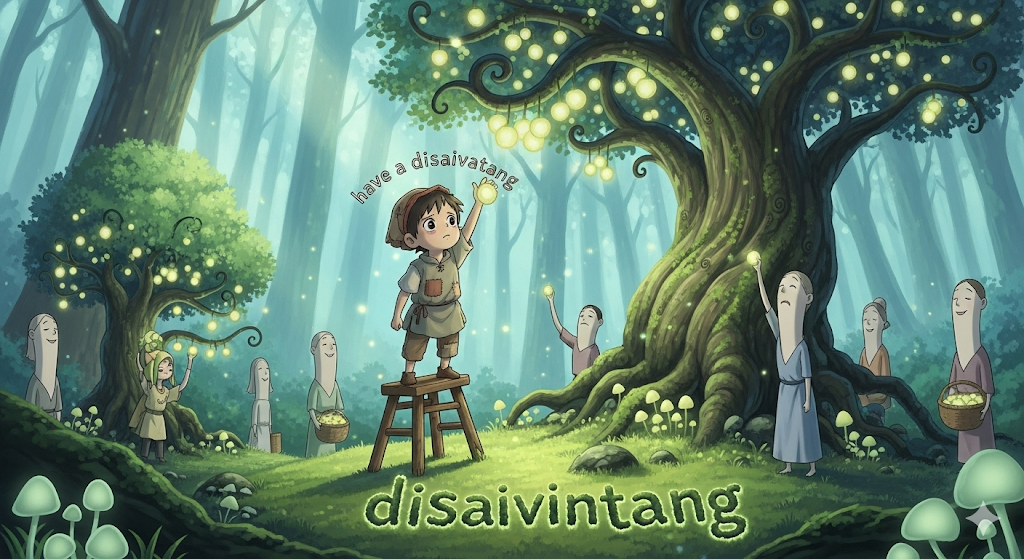
have a disadvantage [hæv ə ˌdɪsədˈvæntɪdʒ]
(숙어) 불리한 점을 가지고 있다, 단점을 지니다
뉘앙스:
다른 것과 비교할 때 '특정' 속성, 조건(condition), 또는 상태가 '자신에게 불리하게 작용'하는 '단점'(disadvantage)을 '소유'하고 있는 상태를 의미합니다. 이는 '내재된 **약점'**에 초점이 맞춰져 있습니다.
예문:
- The old machine has a disadvantage of low engine efficiency. (그 오래된 기계는 엔진 효율성이 낮다는 불리한 점을 가지고 있다.)
- Despite having a slight disadvantage in height, the player still managed to score a goal. (키 면에서 약간의 불리한 점을 가지고 있음에도 불구하고, 그 선수는 여전히 득점하는 데 성공했다.)
- Living in a remote location has a disadvantage regarding access to health care. (외딴 지역에 사는 것은 의료 서비스 접근성에 불리한 점이 있다.)
- The manager said that every design will have a disadvantage; the key is to minimize it. (관리자는 모든 설계가 불리한 점을 가질 것이며, 비결은 그것을 최소화하는 것이라고 말했다.)
have a disadvantage
(숙어) 불리함을 가지고 있다
뉘앙스: 'have'는 '가지다'를, 'a disadvantage'는 '불리함'을 의미합니다. 이 숙어는 개인이나 집단이 어떤 특성, 조건 또는 상황 때문에 불리한 위치에 있음을 나타냅니다. 이는 선천적이거나 후천적인 요인으로 인해 다른 사람보다 어려운 상황에 처해 있음을 묘사하는 뉘앙스를 담고 있습니다.
예문:
- She has a disadvantage in the race because of her short legs. (그녀는 다리가 짧아서 경주에서 불리하다.)
- They had a disadvantage when competing with bigger companies. (그들은 더 큰 회사들과 경쟁할 때 불리함을 가지고 있었다.)
핵심 뜻
불리한 점을 가지고 있다. 어떤 대상이나 상황이 불리한 특징이나 약점을 내재하고 있는 상태.
| have | 가지고 있다 | 동사로, '특징'이나 '특성'을 '소유'하는 상태. | a disadvantage라는 '불리한' '점'을 '가지고' 있음을 나타냄. |
| a disadvantage | 불리한 점 | 명사로, 약점이나 결점. | '가지고' 있는 '것'이 '불리한' '특징'임을 구체화. |
The old system has a disadvantage of being very slow.
그 오래된 시스템은 매우 느리다는 불리한 점을 가지고 있다.
비슷한 어휘 깔끔하게 표로 정리하고 밑에 예문,해석 하나씩 나열하기
| suffer from a drawback | 결점 때문에 고통받다 |
| have a weakness | 약점을 가지고 있다 |
| be a handicap | 불리한 점이 되다 |
suffer from a drawback
예문: The plan suffers from a major drawback.
해석: 그 계획은 중대한 결점을 가지고 있다.
have a weakness
예문: Every strategy has its weaknesses.
해석: 모든 전략에는 약점이 있다.
be a handicap
예문: His lack of experience will be a handicap in this job.
해석: 그의 경험 부족은 이 직업에서 불리한 점이 될 것이다.
- *'have a disadvantage'**는 어떤 것이 내재적으로 가지고 있는 불리한 속성을 설명할 때 사용됩니다. 이는 주로 사물이나 시스템의 결점을 지적하는 데 쓰입니다.
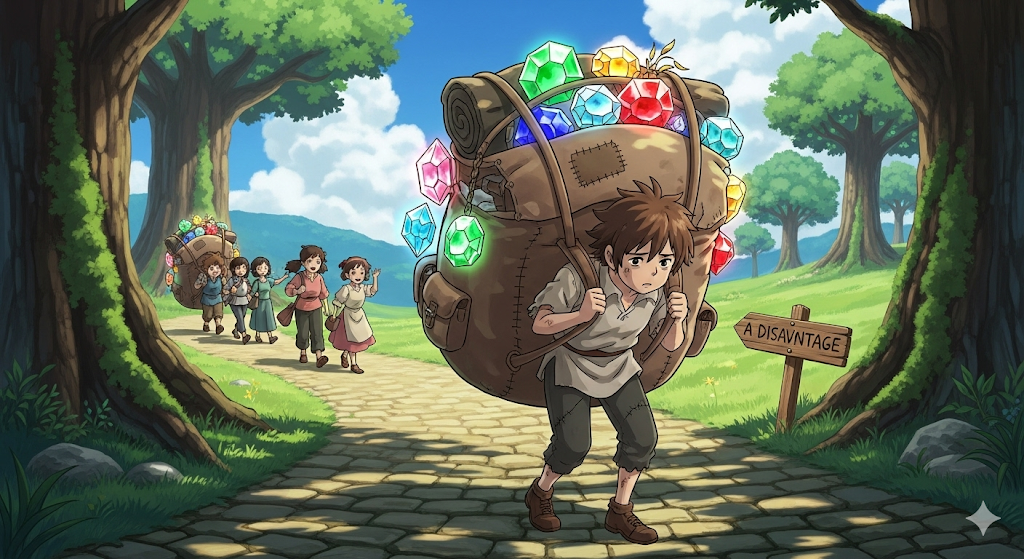
a disadvantage (to/of) [ə ˌdɪsədˈvæntɪdʒ tuː/ɑːv]
(명사) ~의 단점/불리한 점
뉘앙스:
특정 개념, 대상, 또는 행위가 '자신'에게 '초래'하는 '단점'(drawback)이나 '불이익'(liability)을 의미합니다. 이는 '무엇'의 단점인지 '대상'을 명확히 할 때 사용됩니다.
예문:
- A disadvantage of the urban lifestyle is the high cost of living. (도시 생활 방식의 단점은 높은 생활비이다.)
- The lack of hands-on experience is a major disadvantage to a new engineer. (실습 경험 부족은 새로운 엔지니어에게 중대한 불리한 점이다.)
- The manager pointed out a disadvantage to the team's proposal which was the high risk level. (관리자는 팀의 제안에 대해 높은 위험 수준이라는 단점을 지적했다.)
- The judge said that the long distance from the court was a disadvantage to the defendant. (판사는 법원으로부터의 먼 거리가 피고에게 불리한 점이었다고 말했다.)
a disadvantage (to / of)
(숙어) (~에 대한) 불리한 점
뉘앙스: 'a disadvantage'는 '불리한 점'을, 'to'와 'of'는 각각 '대해'와 '의'를 의미합니다. 이 숙어는 어떤 특정한 상황, 사람, 또는 사물이 가지고 있는 불리한 점이나 단점을 나타냅니다. 이는 어떤 특정 요소가 다른 것보다 열등하거나 불리하게 작용하는 상황을 묘사하는 뉘앙스를 담고 있습니다.
예문:
- A small car can be a disadvantage in a snowy climate. (작은 차는 눈이 오는 기후에서 불리한 점이 될 수 있다.)
- One of the disadvantages of living alone is a lack of company. (혼자 사는 것의 단점 중 하나는 함께할 사람이 부족하다는 점이다.)
핵심 뜻
(~에 대한) 불리한 점. 특정 대상이나 상황에 내재된 단점.
| a disadvantage | 불리한 점 | 명사로, 좋지 않은 특징. | to/of와 결합하여 '단점'이 '무엇'에 '관한' '것'인지 명확히 함. |
| to / of | ~에 대한 / ~의 | 전치사로, '불리한 점'이 '속한' '대상'을 나타냄. | '단점'의 '대상'이 '무엇'인지 구체화. |
A major disadvantage of this car is its high fuel consumption.
이 자동차의 주요한 불리한 점은 높은 연료 소비량이다.
비슷한 어휘 깔끔하게 표로 정리하고 밑에 예문,해석 하나씩 나열하기
| a drawback of | ~의 결점 |
| a downside to | ~의 단점 |
| a negative aspect of | ~의 부정적인 측면 |
a drawback of
예문: The only drawback of the plan is the high cost.
해석: 그 계획의 유일한 결점은 높은 비용이다.
a downside to
예문: The downside to working from home is the lack of social interaction.
해석: 재택근무의 단점은 사회적 교류가 부족하다는 점이다.
a negative aspect of
예문: We must consider every negative aspect of the proposal.
해석: 우리는 그 제안의 모든 부정적인 측면을 고려해야 한다.
- *'a disadvantage (to/of)'**는 특정 대상의 단점을 열거하거나 분석할 때 주로 사용됩니다. 이는 장점과 단점을 비교하는 맥락에서 흔히 볼 수 있습니다.

put (someone) at a disadvantage [pʊt ˈsʌmwʌn æt ə ˌdɪsədˈvæntɪdʒ]
(숙어) ~을 불리한 입장에 놓이게 하다, 불이익을 주다
뉘앙스:
'자신의', 또는 '외부적인' 행위(action)나 상황(situation)이 다른 사람(someone)을 '열세'(at a disadvantage)에 있도록 '만드는' 결과를 초래하는 행위를 의미합니다. 이는 '불공정'(unfairness)의 **'원인'**에 초점이 맞춰져 있습니다.
예문:
- The manager was accused of intentionally putting the junior staff at a disadvantage by withholding key information. (관리자는 핵심 정보를 보류함으로써 하급 직원을 고의로 불리한 입장에 놓이게 했다는 비난을 받았다.)
- The lack of a proper internet connection put the remote students at a disadvantage. (적절한 인터넷 연결 부족이 원격 학생들을 불리한 입장에 놓이게 했다.)
- The judge ruled that the new law should be revised because it put low-income families at a disadvantage. (판사는 새 법률이 저소득층 가구들을 불리한 입장에 놓이게 했기 때문에 수정되어야 한다고 판결했다.)
- We must not put our team at a disadvantage by going against the coach's instructions. (우리는 코치의 지시에 반함으로써 우리 팀을 불리한 입장에 놓이게 해서는 안 된다.)
put (someone) at a disadvantage
(숙어) (~에게) 불리하게 만들다
뉘앙스: 'put'은 '놓다', '~ at a disadvantage'는 '불리한 위치에'를 의미합니다. 이 숙어는 어떤 행동이나 상황이 다른 사람을 경쟁이나 상황에서 불리한 위치에 놓이게 하는 것을 나타냅니다. 이는 의도적으로 또는 의도치 않게 누군가에게 불이익을 주는 상황을 묘사하는 뉘앙스를 담고 있습니다.
예문:
- The new rule will put small companies at a disadvantage. (새로운 규칙은 소규모 회사들을 불리하게 만들 것이다.)
- His late arrival put the entire team at a disadvantage. (그의 늦은 도착은 팀 전체를 불리하게 만들었다.
핵심 뜻
(~을) 불리하게 만들다. 어떤 사람이나 그룹을 불리한 위치에 놓이게 하는 행위.
| put | 놓다, 만들다 | 동사로, '상태'를 '변화시키는' 행위. | '누군가를' at a disadvantage라는 '불리한' '상태'에 '놓는' 행위를 나타냄. |
| at a disadvantage | 불리한 입장에 | 불리한 상태. | '만들어지는' '상태'가 '불리함'임을 구체화. |
The rule change will put us at a disadvantage.
그 규칙 변경은 우리를 불리하게 만들 것이다.
비슷한 어휘 깔끔하게 표로 정리하고 밑에 예문,해석 하나씩 나열하기
| handicap | 불리하게 만들다 |
| disadvantage | 불리하게 만들다 (동사) |
| undermine | ~의 기반을 약화시키다 |
handicap
예문: The weight difference will handicap the younger boxer.
해석: 체중 차이는 그 젊은 복서에게 불리하게 작용할 것이다.
disadvantage
예문: The late start will disadvantage the team.
해석: 늦은 출발은 그 팀을 불리하게 만들 것이다.
undermine
예문: His mistakes undermined the team's morale.
해석: 그의 실수는 팀의 사기를 약화시켰다.
- *'put (someone) at a disadvantage'**는 외부적인 요인이나 행위로 인해 불리한 상황이 초래될 때 사용됩니다. 이는 경쟁의 공정성을 논할 때 중요한 표현입니다.

overcome a disadvantage [ˌoʊvərˈkʌm ə ˌdɪsədˈvæntɪdʒ]
(숙어) 불리한 점을 극복하다, 약점을 이겨내다
뉘앙스:
'내재된' 또는 '외부적인' 불리한 조건(disadvantage)이나 '약점'을 '노력'(effort)과 '결단력'(determination)을 통해 '이겨내고', '성공'(success)을 '달성'하는 행위를 의미합니다. 이는 '역경 **극복'**의 영웅적(heroic) 뉘앙스를 가집니다.
예문:
- He worked tirelessly to overcome his lack of experience and get the promotion. (그는 경험 부족을 극복하고 승진을 얻기 위해 지칠 줄 모르고 일했다.)
- The manager said that great leaders are those who overcome a disadvantage. (관리자는 훌륭한 리더들은 불리한 점을 극복하는 사람들이라고 말했다.)
- The small-scale manufacturer managed to overcome the disadvantage of scale by focusing on quality. (그 소규모 제조업체는 품질에 집중함으로써 규모의 불리한 점을 극복하는 데 성공했다.)
- It takes a strong sense of self-discipline to overcome a disadvantage in academic study. (학업에서 불리한 점을 극복하는 것은 강한 자기 훈련이 필요하다.)
overcome a disadvantage
(숙어) 불리함을 극복하다
뉘앙스: 'overcome'은 '극복하다'를, 'a disadvantage'는 '불리함'을 의미합니다. 이 숙어는 어떤 불리한 조건이나 상황에도 불구하고 그것을 이겨내고 성공을 이루는 것을 나타냅니다. 이는 역경에 굴하지 않고 노력과 의지를 통해 목표를 달성하는 강인함과 승리의 뉘앙스를 담고 있습니다.
예문:
- She was able to overcome her disadvantage and win the competition. (그녀는 불리함을 극복하고 대회에서 우승할 수 있었다.)
- They had to overcome the disadvantage of having limited resources. (그들은 제한된 자원이라는 불리함을 극복해야 했다.)
핵심 뜻
불리한 점을 극복하다. 어떤 약점이나 불리한 조건을 이겨내고 성공하는 행위.
| overcome | 극복하다, 이겨내다 | 동사로, '난관'을 '헤쳐나가는' '승리'를 나타냄. | a disadvantage라는 '불리한' '점'을 '이겨내는' 행위를 나타냄. |
| a disadvantage | 불리한 점 | 명사로, 약점이나 불이익. | '극복해야' 할 '대상'이 '불리한' '점'임을 구체화. |
The athlete had to overcome a disadvantage of a knee injury.
그 선수는 무릎 부상이라는 불리한 점을 극복해야 했다.
비슷한 어휘 깔끔하게 표로 정리하고 밑에 예문,해석 하나씩 나열하기
| conquer a weakness | 약점을 극복하다 |
| turn a disadvantage into an advantage | 불리한 점을 유리한 점으로 바꾸다 |
| triumph over adversity | 역경을 이겨내다 |
conquer a weakness
예문: He worked hard to conquer his weakness in public speaking.
해석: 그는 대중 연설에서의 약점을 극복하기 위해 열심히 노력했다.
turn a disadvantage into an advantage
예문: She was able to turn her lack of experience into an advantage.
해석: 그녀는 자신의 경험 부족을 유리한 점으로 바꿀 수 있었다.
triumph over adversity
예문: Their success is a story of triumph over adversity.
해석: 그들의 성공은 역경을 이겨낸 승리의 이야기이다.
- *'overcome a disadvantage'**는 노력과 끈기를 통해 불리한 조건을 이겨낸 성공적인 이야기를 묘사할 때 사용됩니다.

face / experience / encounter a disadvantage
[feɪs / ɪkˈspɪəriəns / ɪnˈkaʊntər ə ˌdɪsədˈvæntɪdʒ]
(숙어) 불리한 점에 직면하다/경험하다
뉘앙스:
자신의 삶(life)이나 활동(activity) 중에 '불리한 조건'(disadvantage)이나 '약점'을 '마주'(face)하거나 '직접 겪게'(experience/encounter) 되는 상황을 의미합니다. 이는 '예상치 못한 난관'(difficulty)에 초점이 맞춰져 있습니다.
예문:
- The company is facing a major disadvantage in the global market due to high production costs. (그 회사는 높은 생산 비용 때문에 글로벌 시장에서 중대한 불리한 점에 직면해 있다.)
- Junior employees often experience a disadvantage in salary negotiations compared to senior staff. (하급 직원들은 선임 직원들과 비교하여 급여 협상에서 종종 불리한 점을 경험한다.)
- The engineer encountered a disadvantage when he realized he lacked the expert knowledge needed for the task. (엔지니어는 그 임무에 필요한 전문 지식이 부족하다는 것을 깨달았을 때 불리한 점에 직면했다.)
- The team knew they would face a disadvantage because they didn't have their best player. (팀은 최고의 선수가 없기 때문에 불리한 점에 직면할 것임을 알고 있었다.)
face / experience / encounter a disadvantage
(숙어) 불리한 점에 직면하다 / 경험하다 / 마주치다
뉘앙스: 'face', 'experience', 'encounter'는 모두 '직면하다, 경험하다, 마주치다'를 의미합니다. 이 숙어는 예상치 못한 불리한 상황이나 조건에 처하게 되는 것을 나타냅니다. 이는 개인이나 조직이 외부적인 요인으로 인해 어려움에 부딪히는 상황을 묘사하는 뉘앙스를 담고 있습니다.
예문:
- We faced a disadvantage when the weather suddenly changed. (날씨가 갑자기 바뀌면서 우리는 불리한 상황에 직면했다.)
- The small team experienced a disadvantage in the competition. (그 작은 팀은 경쟁에서 불리한 점을 겪었다.)
- The explorers encountered a disadvantage when their map was lost. (탐험가들은 지도를 잃어버리면서 불리한 점에 마주쳤다.)
핵심 뜻
불리한 점에 직면하다 / 경험하다 / 맞닥뜨리다. 어떤 불리한 조건이나 상황을 겪게 되는 행위.
| face / experience / encounter | 직면하다 / 경험하다 / 맞닥뜨리다 | 동사로, '예상치 못한' '불이익'에 '부딪히는' 행위. | a disadvantage라는 '불리한' '점'을 '경험하는' 행위를 나타냄. |
| a disadvantage | 불리한 점 | 명사로, 약점이나 불이익. | '마주치게' 되는 '것'이 '불리한' '점'임을 구체화. |
Small businesses often face a disadvantage in the market.
소기업들은 종종 시장에서 불리한 점에 직면한다.
비슷한 어휘 깔끔하게 표로 정리하고 밑에 예문,해석 하나씩 나열하기
| be confronted with a drawback | 결점에 직면하다 |
| be subject to a disadvantage | 불리한 점에 시달리다 |
| contend with a weakness | 약점과 싸우다 |
be confronted with a drawback
예문: The new system will be confronted with a drawback in terms of speed.
해석: 새로운 시스템은 속도 면에서 결점에 직면할 것이다.
be subject to a disadvantage
예문: The small country is subject to a disadvantage in international trade.
해석: 그 작은 나라는 국제 무역에서 불리한 점에 시달린다.
contend with a weakness
예문: The team has to contend with a weakness in its defense.
해석: 그 팀은 수비에서의 약점과 싸워야 한다.
- *'face / experience / encounter a disadvantage'**는 불리한 상황이나 조건을 겪게 되는 현실을 묘사할 때 사용됩니다. 이는 주로 비판적이거나 분석적인 맥락에서 쓰입니다.

major / minor disadvantage [ˈmeɪdʒər / ˈmaɪnər ˌdɪsədˈvæntɪdʒ]
(명사) 중대한/사소한 불리한 점
뉘앙스:
'불리한 조건'(disadvantage)의 '심각성'(severity)이나 '영향'(impact)의 '정도'(level)를 구분하는 표현입니다. **'major'**는 '결정적인 실패'(failure)를 야기할 수 있는 '큰 **약점'**을 의미하며, **'minor'**는 '쉽게 극복'할 수 있는 '작은 **단점'**을 의미합니다.
예문:
- The lack of finance was the major disadvantage that prevented the startup from succeeding. (자금 부족은 그 스타트업이 성공하는 것을 막은 중대한 불리한 점이었다.)
- The minor disadvantage of the hotel was that it was not within walking distance of the main road. (호텔의 사소한 불리한 점은 주도로에서 걸어갈 수 있는 거리에 있지 않다는 것이었다.)
- The judge's final decision focused on the major disadvantage to the public health caused by the company. (판사의 최종 결정은 회사가 야기한 공중 보건에 대한 중대한 불리한 점에 집중했다.)
- Discipline problems are only a minor disadvantage if they are addressed quickly by the manager. (규율 문제는 관리자에 의해 빠르게 다루어진다면 사소한 불리한 점일 뿐이다.)
major / minor disadvantage
(숙어) 크고 작은 불리한 점
뉘앙스: 'major'는 '주요한, 큰'을, 'minor'는 '사소한, 작은'을 의미합니다. 이 숙어는 불리함의 정도나 중요성을 나타냅니다. 'major disadvantage'는 극복하기 어려운 큰 불리함을, 'minor disadvantage'는 비교적 사소하고 쉽게 해결할 수 있는 불리함을 뜻합니다. 이는 삶에서 마주치는 다양한 크기의 난관을 비유하는 뉘앙스를 담고 있습니다.
예문:
- The team's lack of funding was a major disadvantage. (팀의 자금 부족은 큰 불리한 점이었다.)
- The slight rain was only a minor disadvantage for the runners. (약간의 비는 달리기 선수들에게는 사소한 불리한 점일 뿐이었다.)
핵심 뜻
major disadvantage: 중대한 불리한 점.
minor disadvantage: 사소한 불리한 점.
| major / minor | 중대한 / 사소한 | 형용사로, '불리한' '점'의 '중요성'을 나타냄. | disadvantage가 '얼마나' '중요한지' 명확히 함. |
| disadvantage | 불리한 점 | 명사로, 약점이나 결점. | '명시된' '수준'의 '불리한' '점'임을 구체화. |
The car's high price is a major disadvantage for us.
그 차의 높은 가격은 우리에게 중대한 불리한 점이다.
비슷한 어휘 깔끔하게 표로 정리하고 밑에 예문,해석 하나씩 나열하기
| significant drawback | 중대한 결점 |
| slight negative | 약간의 부정적인 점 |
| huge downside | 엄청난 단점 |
significant drawback
예문: Lack of skilled labor is a significant drawback to the project.
해석: 숙련된 노동력의 부족은 그 프로젝트의 중대한 결점이다.
slight negative
예문: The only slight negative is the color.
해석: 유일한 사소한 부정적인 점은 색깔이다.
huge downside
예문: The huge downside of the job is the long working hours.
해석: 그 직업의 엄청난 단점은 긴 근무 시간이다.
- *'major / minor disadvantage'**는 어떤 것의 단점을 평가하고 그 중요도를 구분할 때 사용됩니다. 이는 의사 결정 과정에서 중요한 역할을 합니다.
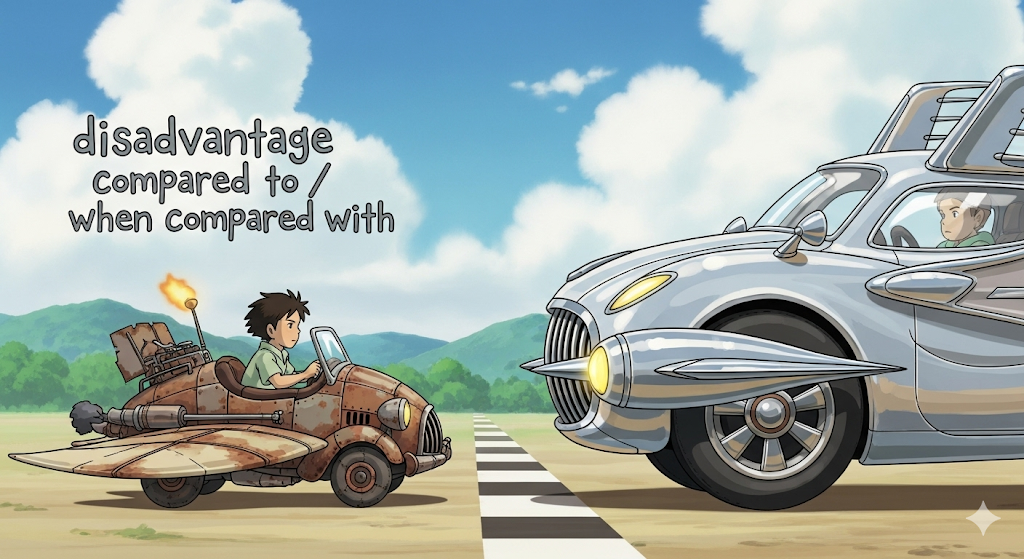
disadvantage compared to / when compared with
[ˌdɪsədˈvæntɪdʒ kəmˈpɛərd tuː / wɛn kəmˈpɛərd wɪð]
(숙어) ~와 비교했을 때의 불리한 점
뉘앙스:
둘 이상의 대상(object)을 **'상대적'**으로 '비교'(compare)할 때, '자신'이 '다른 대상'보다 '불리한 조건'(disadvantage)에 있음을 '명확히 규명'하는 표현입니다. 이는 '경쟁적 **평가'**에 초점이 맞춰져 있습니다.
예문:
- The new software has a major disadvantage compared to the old one when it comes to speed. (새 소프트웨어는 속도 면에서 옛 소프트웨어와 비교했을 때 중대한 불리한 점이 있다.)
- The country is at a disadvantage when compared with its neighbors in terms of natural resources. (그 나라는 천연자원 면에서 이웃 나라들과 비교했을 때 불리한 입장에 있다.)
- The manager said that the cost is a disadvantage compared to the market leader. (관리자는 비용이 시장 선도 기업과 비교했을 때 불리한 점이라고 말했다.)
- Learning a dead language is a disadvantage compared to learning an official language for a career. (사어를 배우는 것은 경력을 위해 공식 언어를 배우는 것과 비교했을 때 불리한 점이다.)
disadvantage compared to / when compared with
(숙어) (~와 비교했을 때) 불리한 점
뉘앙스: 'compared to'와 'when compared with'는 '~와 비교했을 때'를 의미합니다. 이 숙어는 어떤 대상이 다른 대상과 비교했을 때 가지는 불리한 점을 나타냅니다. 이는 두 가지 이상의 대상을 비교하여 한쪽이 다른 쪽보다 불이익을 가지고 있음을 명확히 보여주는 뉘앙스를 담고 있습니다.
예문:
- This model has a disadvantage compared to the new one. (이 모델은 새 모델과 비교했을 때 불리한 점이 있다.)
- Her speed was a disadvantage when compared with the other runners. (다른 선수들과 비교했을 때 그녀의 속도는 불리한 점이었다.)
핵심 뜻
(~와) 비교했을 때 불리한 점. 특정 대상과의 비교를 통해 드러나는 불리한 조건.
| disadvantage | 불리한 점 | 명사로, 약점이나 불이익. | compared to/with와 결합하여 '비교'를 '통해' '드러나는' '불리한' '점'임을 명확히 함. |
| compared to / when compared with | ~와 비교했을 때 | 비교를 나타내는 구문. | '무엇'과 '비교'했을 때 '불리한지' 구체화. |
The product has a disadvantage compared to its competitors.
그 제품은 경쟁사에 비교했을 때 불리한 점이 있다.
비슷한 어휘 깔끔하게 표로 정리하고 밑에 예문,해석 하나씩 나열하기
| relative weakness | 상대적인 약점 |
| competitive disadvantage | 경쟁 열위 |
| a drawback in comparison with | ~와 비교했을 때의 결점 |
relative weakness
예문: The company's relative weakness is its lack of marketing.
해석: 그 회사의 상대적인 약점은 마케팅 부족이다.
competitive disadvantage
예문: The high price is a competitive disadvantage for the product.
해석: 높은 가격은 그 제품에게 경쟁 열위이다.
a drawback in comparison with
예문: The old version had a major drawback in comparison with the new one.
해석: 구 버전은 새 버전과 비교했을 때 중대한 결점이 있었다.
- *'disadvantage compared to / when compared with'**는 두 개 이상의 대상을 비교 분석하는 맥락에서 사용됩니다. 이는 상대적인 약점을 객관적으로 평가하는 데 유용합니다.
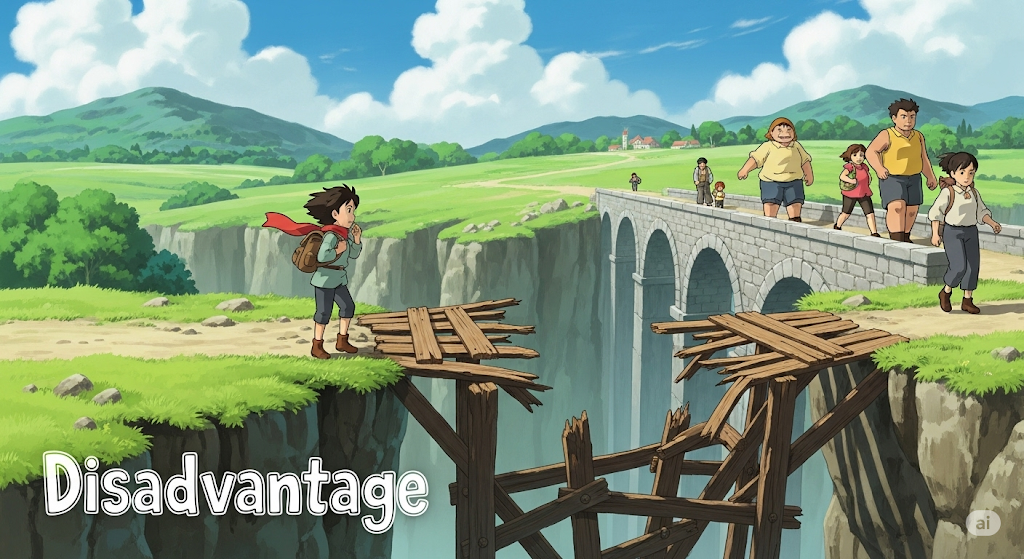
disadvantage [ˌdɪsədˈvæntɪdʒ]
(명사) 불리한 점, 약점, 불이익
뉘앙스:
어떤 상황에서 다른 사람이나 사물보다 불리한 위치에 놓이게 하는 조건이나 특징을 의미합니다니다. 장점(advantage)과 대비되는 개념으로, 성공(success)이나 목표(goal) 달성을 방해하는 불이익이나 약점에 초점이 맞추어져 있습니다.
예문:
- The lack of experience was a great disadvantage for him in the interview. (경험 부족은 면접에서 그에게 큰 불리한 점이었다.)
- There are several disadvantages to living in the city center. (도시 중심에 사는 것에는 여러 가지 단점이 있다.)
- He has a physical disadvantage in this sport. (그는 이 스포츠에서 신체적으로 불리한 점을 가지고 있다.)
- The country is at a disadvantage in international trade negotiations. (그 나라는 국제 무역 협상에서 불리한 위치에 있다.)