- 분류 전체보기 (5491)

| 일 | 월 | 화 | 수 | 목 | 금 | 토 |
|---|---|---|---|---|---|---|
| 1 | 2 | |||||
| 3 | 4 | 5 | 6 | 7 | 8 | 9 |
| 10 | 11 | 12 | 13 | 14 | 15 | 16 |
| 17 | 18 | 19 | 20 | 21 | 22 | 23 |
| 24 | 25 | 26 | 27 | 28 | 29 | 30 |
| 31 |
- make it
- I'm not sure
- come up with
- once in a while
- no
- Read between the lines
- please.
- Sure
- I'm glad to hear that.
- By The Way
- Yeah
- Don't worry
- Hey
- Yes
- call off
- Actually
- entrance fee
- too.
- pick up
- Excuse me
- oh
- work out
- hold on
- I'm sorry
- well
- OKay
- Right?
- please?
- Sorry
- Please
- Today
- Total
인과함께
Day390 , shoe, shoe in, in someone's shoes, if the shoe fits, old shoe, shoe on the other foot, shoestring, shoehorn, drop the other shoe, fill someone's shoes, wait for the other shoe to drop 본문
Day390 , shoe, shoe in, in someone's shoes, if the shoe fits, old shoe, shoe on the other foot, shoestring, shoehorn, drop the other shoe, fill someone's shoes, wait for the other shoe to drop
미인생 2026. 5. 10. 07:15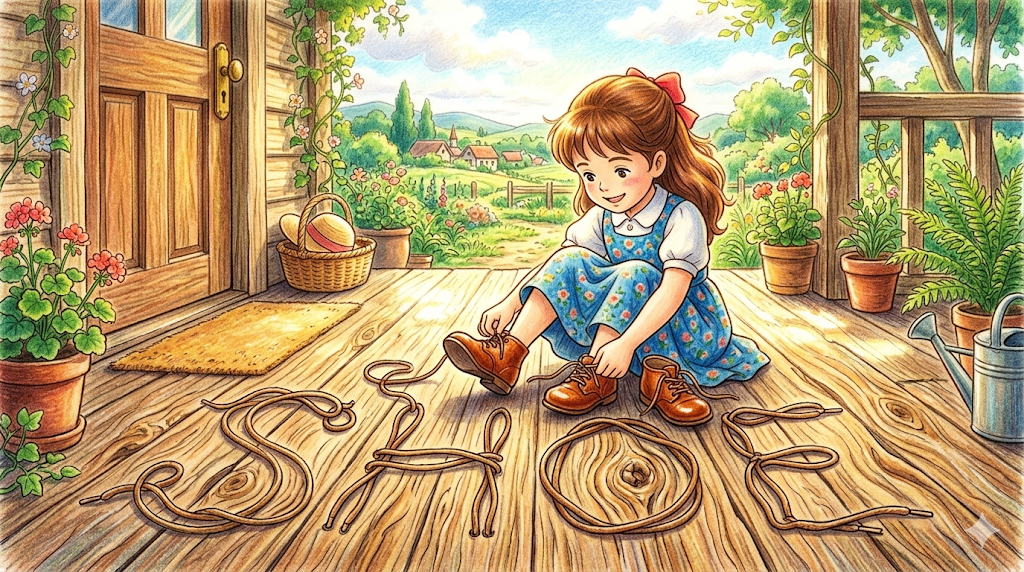
shoe [ʃuː]
(명사/동사) 신발, 편자, 신발을 신기다
(만약 네가 그녀의 입장이라면, 그녀가 왜 그렇게 어려운 결정을 내렸는지 이해할 수 있을 거야.)
'shoe'를 단순히 "신발"로만 외우면 수능에서 반드시 틀립니다.
shoe는 "발을 보호하고 지지하는 것, 또는 어떤 위치나 역할을 맡아 그 안에서 살아가는 것" 이라는 핵심 이미지에서 출발해, 실제 신발·말 편자·어떤 사람의 상황이나 역할·타인의 입장까지 폭넓게 쓰이는 핵심 다의어입니다. 특히 shoe(보호하고 지지하는 것, 특정 역할이나 상황) vs. boot(무릎까지 오는 강한 보호) vs. sandal(개방된 가벼운 보호) 의 뉘앙스 차이, in someone's shoes(다른 사람의 입장에서), fill someone's shoes(누군가의 역할을 대신하다) 패턴은 수능 독해 심리·사회·역사·문학 지문에서 핵심적으로 등장합니다.
'shoe'는 고대 영어 scōh(신발)에서 유래했으며, 게르만어 skōhaz(신발)에 뿌리를 두고 있습니다. 어원의 핵심 이미지는 "발을 보호하고 지탱하여 걸을 수 있게 해주는 것" 으로, 단순한 신발이 아닌 어떤 사람의 위치·역할·상황을 감싸고 지탱해 주는 보호와 정체성의 이미지가 이 단어의 본질입니다.
1. shoe in [ʃuː ɪn]
(동사구/수능) "확실한 승리자, 쉽게 이기다"를 뜻합니다. 경쟁에서 확실하게 이길 것으로 예상되는 사람이나 결과를 강조합니다. 수능 독해 사회·정치·스포츠·교육 지문의 핵심 표현입니다.
Everyone thought she was a shoe-in for the student council president because she had more support than anyone else. (그녀가 다른 누구보다 더 많은 지지를 가지고 있었기 때문에 모두가 그녀가 학생회 회장의 확실한 당선자라고 생각했다.)
2. in someone's shoes [ɪn ˈsʌmwʌnz ʃuːz]
(전치사구/수능) "다른 사람의 입장에서, ~의 처지가 되어"를 뜻합니다. 다른 사람의 상황이나 경험을 이해하기 위해 그 사람의 관점을 취하는 것을 강조합니다. 수능 독해 심리·사회·문학·교육 지문의 핵심 표현입니다.
Try to put yourself in her shoes before judging her decision because you have not been through what she has. (당신이 그녀가 겪은 것을 경험하지 않았기 때문에 그녀의 결정을 판단하기 전에 그녀의 입장이 되어 보세요.)
3. if the shoe fits [ɪf ðə ʃuː fɪts]
(접속사구/수능) "맞는 말이면 받아들여라, 사실이면 인정해라"를 뜻합니다. 어떤 비판이나 설명이 정확하게 들어맞는다면 그것을 인정해야 한다는 것을 강조합니다. 수능 독해 심리·사회·문학 지문에서 자주 등장합니다.
She said she was not talking about anyone in particular, but if the shoe fits, then maybe people should think about their own behaviour. (그녀는 특정 누구에 대해 말하는 것이 아니라고 했지만 맞는 말이라면 사람들이 자신의 행동에 대해 생각해야 할 것이라고 했다.)
4. old shoe [oʊld ʃuː]
(명사구/수능) "오래된 친구, 편안하고 친숙한 사람이나 것"을 뜻합니다. 오래 신어 발에 완전히 맞게 된 신발처럼 오랫동안 알아와서 편안하고 친숙한 사람이나 상황을 강조합니다. 수능 독해 심리·사회·문학·문화 지문에서 자주 등장합니다.
He was comfortable in the new town because his cousin was there, an old shoe who always made him feel at home wherever they were. (그는 그가 어디에 있든 편안하게 느끼게 해주는 오랜 친구인 사촌이 그곳에 있었기 때문에 새 마을에서 편안했다.)
5. shoe on the other foot [ʃuː ɒn ðə ˈʌðər fʊt]
(명사구/수능) "상황이 반대가 되다, 입장이 바뀌다"를 뜻합니다. 이전에 유리했던 사람이 불리한 위치에 처하거나 반대로 상황이 역전되는 것을 강조합니다. 수능 독해 심리·사회·역사·문학 지문의 핵심 표현입니다.
Now the shoe is on the other foot and the person who used to make all the decisions has to follow orders like everyone else. (이제 상황이 반전되어 모든 결정을 내리던 사람이 다른 모든 사람처럼 명령을 따라야 한다.)
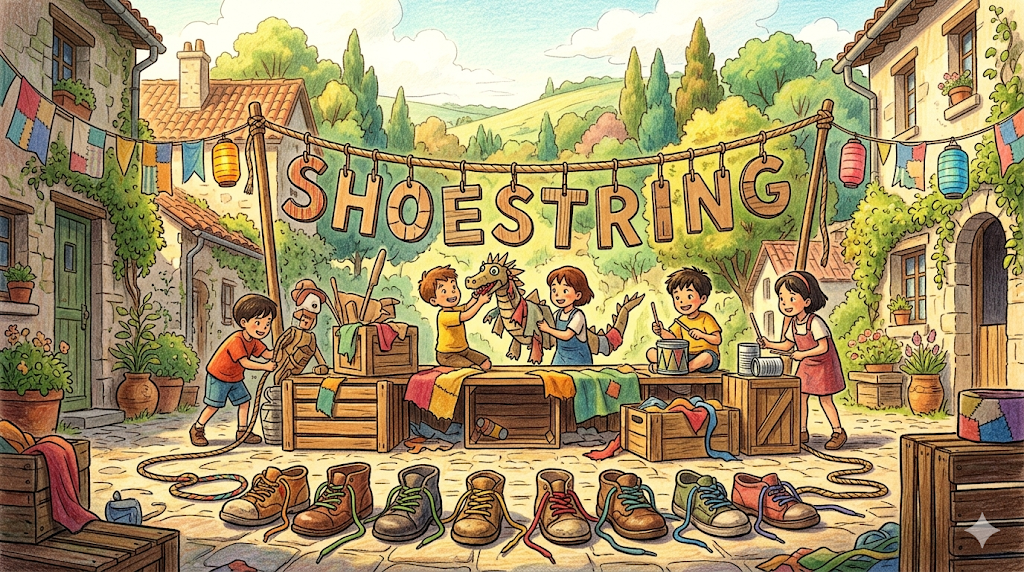
6. shoestring [ˈʃuːstrɪŋ]
(명사/형용사/수능) "신발 끈, 아주 적은 돈·예산"을 뜻합니다. 신발 끈처럼 얇고 작은 것처럼 매우 적은 돈이나 자원으로 하는 것을 강조합니다. 수능 독해 경제·사회·역사·문화 지문에서 자주 등장합니다.
They made the film on a shoestring budget but it became one of the most talked-about movies of the year because the story was so powerful. (그들은 아주 적은 예산으로 영화를 만들었지만 이야기가 너무 강력해서 그 해 가장 많이 이야기된 영화 중 하나가 됐다.)
7. shoehorn [ˈʃuːhɔːrn]
(명사/동사/수능) "구둣주걱, 억지로 끼워 맞추다"를 뜻합니다. 신발을 신을 때 사용하는 도구이거나 어떤 것을 억지로 좁은 공간이나 상황에 끼워 넣는 것을 강조합니다. 수능 독해 사회·심리·교육·역사 지문에서 자주 등장합니다.
The teacher tried to shoehorn too many topics into one lesson and as a result none of them were explained well. (선생님은 너무 많은 주제를 하나의 수업에 억지로 끼워 맞추려 했으며 결과적으로 그 중 어느 것도 잘 설명되지 않았다.)
8. drop the other shoe [drɒp ðə ˈʌðər ʃuː]
(동사구/수능) "예상된 나쁜 소식이 오다, 기다리던 일이 일어나다"를 뜻합니다. 한 가지 나쁜 일이 일어난 후 예상되는 두 번째 나쁜 일이 마침내 일어나는 것을 강조합니다. 수능 독해 심리·사회·역사 지문에서 자주 등장합니다.
After the first round of layoffs, everyone at the company was waiting for the other shoe to drop and wondering who would be next. (첫 번째 해고가 있은 후 회사의 모든 사람이 다음 나쁜 소식이 올 것을 기다리며 다음은 누가 될지 궁금해했다.)
9. fill someone's shoes [fɪl ˈsʌmwʌnz ʃuːz]
(동사구/수능) "누군가의 역할이나 자리를 대신하다"를 뜻합니다. 어떤 훌륭한 사람이 떠난 후 그 역할을 대신할 만큼 능력 있는 사람이 되는 것을 강조합니다. 수능 독해 사회·역사·교육·심리 지문의 핵심 표현입니다.
It will be very hard to fill her shoes because she had been the head teacher for twenty years and knew every student and family personally. (그녀가 20년 동안 교장이었으며 모든 학생과 가족을 개인적으로 알았기 때문에 그녀의 자리를 대신하는 것은 매우 어려울 것이다.)
10. wait for the other shoe to drop [weɪt fɔːr ðə ˈʌðər ʃuː tuː drɒp]
(동사구/수능) "두 번째 나쁜 소식을 기다리다, 불안하게 기다리다"를 뜻합니다. 첫 번째 나쁜 일이 일어난 후 피할 수 없이 올 것 같은 두 번째 나쁜 일을 불안하게 기다리는 상태를 강조합니다. 수능 독해 심리·사회·역사 지문의 핵심 표현입니다.
She passed her first exam but was still waiting for the other shoe to drop because she had two more difficult ones left. (그녀는 첫 번째 시험에 합격했지만 두 개의 더 어려운 것이 남아 있었기 때문에 여전히 다음 나쁜 일이 올까 봐 불안하게 기다리고 있었다.)
POINT 1. shoe vs. boot vs. sandal — 수능 최빈출 뉘앙스 구별
세 표현 모두 "발을 덮는 것"과 관련되지만 뉘앙스가 다릅니다.
shoe → 발 전체를 감싸 보호하고 지지하는 것, 어떤 역할이나 상황을 살아가는 것 (보호·지지·역할·상황 강조), boot → 발목이나 그 이상까지 덮어 강하게 보호하는 것 (강한 보호·힘 강조), sandal → 발 아래만 받쳐주는 개방적이고 가벼운 것 (가벼움·개방성 강조). 수능에서 shoe는 반드시 어떤 역할이나 상황을 감싸고 지탱해 주는 것이라는 문맥이 함께 등장합니다.
예)
I would not want to be in her shoes right now. (나는 지금 그녀의 입장이 되고 싶지 않다.) — 보호·지지·역할·상황 강조 He pulled on his boots and headed out into the snow. (그는 부츠를 신고 눈 속으로 나갔다.) — 강한 보호·힘 강조 She wore light sandals on the beach and let the sand run between her toes. (그녀는 해변에서 가벼운 샌들을 신고 발가락 사이로 모래가 흐르게 했다.) — 가벼움·개방성 강조
POINT 2. in someone's shoes / fill someone's shoes — 수능 심리·사회 지문 핵심
in someone's shoes와 fill someone's shoes는 수능 독해 심리·사회·역사·교육 지문에서 가장 자주 출제되는 shoe 관련 표현입니다.
in someone's shoes → 다른 사람의 상황이나 경험을 이해하기 위해 그 사람의 관점을 취하는 것, fill someone's shoes → 훌륭한 사람이 떠난 후 그 역할을 대신할 만큼 능력 있는 사람이 되는 것. 두 표현이 함께 등장하면 글쓴이가 공감이나 역할 계승을 논하고 있다는 신호입니다.
POINT 3. scōh 어원 — 수능 어휘 확장 필수
shoe의 어원 scōh(신발)와 관련된 표현들이 수능에서 자주 출제됩니다.
shoemaker [ˈʃuːˌmeɪkər] → 신발 제조자 (신발 만드는 사람), shoestring [ˈʃuːstrɪŋ] → 신발 끈, 아주 적은 예산 (신발의 끈), horseshoe [ˈhɔːrsʃuː] → 말 편자 (말의 신발), snowshoe [ˈsnoʊʃuː] → 설피 (눈 위의 신발). 이 단어들은 모두 "발을 보호하고 지지하는 것"이라는 공통 이미지를 가지고 있습니다.
(명사) ① 신발 (실제 물건)
shoe의 가장 기본적인 명사 의미로, 발을 보호하고 지지하는 신발을 나타냅니다. 반드시 발을 감싸고 지탱하는 물체라는 문맥이 함께 옵니다.
- She looked for her other shoe for ten minutes before finding it under the bed where the cat had pushed it during the night. (그녀는 고양이가 밤에 거기로 밀어놓은 것을 발견하기 전까지 10분 동안 침대 아래에서 다른 신발을 찾았다.)
- He always kept his shoes clean and polished because his father had told him that people notice the condition of your shoes more than any other part of your appearance. (그는 아버지가 사람들이 외모의 다른 어떤 부분보다 신발 상태에 더 많이 주목한다고 말했기 때문에 항상 신발을 깨끗하고 잘 닦인 상태로 유지했다.)
- The hikers wore strong shoes with thick rubber soles that could grip wet rocks and muddy paths without slipping. (등산객들은 미끄러지지 않고 젖은 바위와 진흙탕 길을 잡을 수 있는 두꺼운 고무 밑창이 있는 튼튼한 신발을 신었다.)
(동사) ② 편자를 박다, 신발을 신기다
말 발굽에 편자를 박거나 신발을 신기는 것을 나타냅니다. 수능 독해 역사·사회·문학 지문에서 자주 등장합니다.
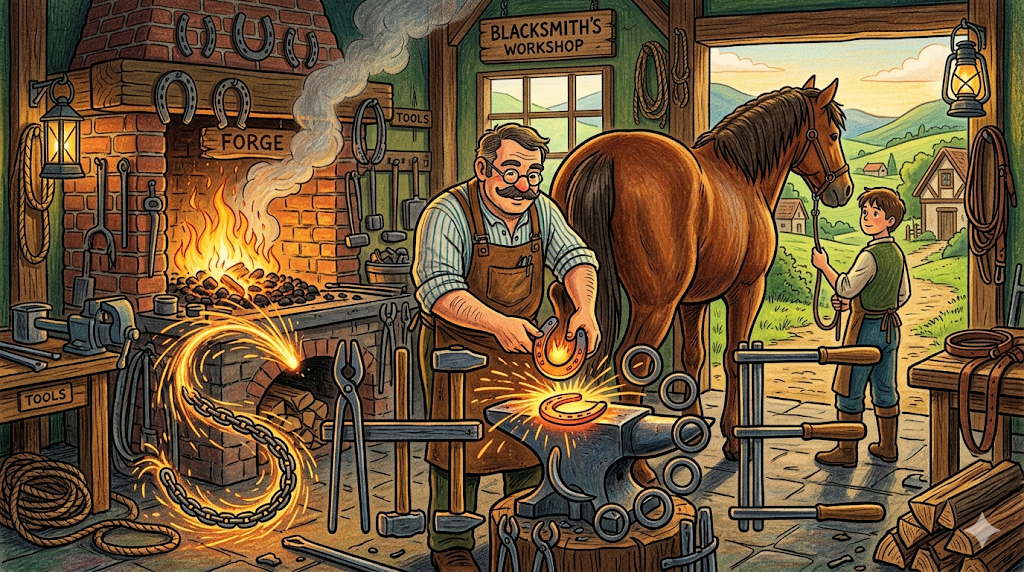
- The blacksmith shod the horse carefully, checking that each nail was in exactly the right place so the animal would be comfortable during the long journey ahead. (대장장이는 말에게 조심스럽게 편자를 박았으며 긴 여정 동안 동물이 편안하도록 각 못이 정확히 올바른 위치에 있는지 확인했다.)
- In the past, a well-shod horse was a sign that its owner was wealthy because good iron horseshoes were expensive and needed to be replaced regularly. (과거에 잘 편자가 박힌 말은 좋은 철제 편자가 비쌌고 정기적으로 교체해야 했기 때문에 주인이 부유하다는 표시였다.)
- The old photograph showed children from the village poorly shod in thin shoes that were clearly too small, which told the historian a great deal about how difficult daily life was for their families. (오래된 사진은 마을의 아이들이 분명히 너무 작은 얇은 신발을 신고 제대로 신발을 갖춰 입지 못한 모습을 보여줬으며 이것이 역사가에게 그들의 가족에게 일상생활이 얼마나 어려웠는지에 대해 많은 것을 말해줬다.)
(명사) ③ 상황·역할·입장 (비유적)
어떤 사람이 처한 상황이나 역할을 나타냅니다. 수능 독해 심리·사회·역사·문학 지문에서 가장 자주 등장합니다.
- Nobody wanted to be in the doctor's shoes when she had to tell the family the bad news that the treatment had not worked and there was nothing more that could be done. (치료가 효과가 없었고 더 이상 할 수 있는 것이 없다는 나쁜 소식을 가족에게 전해야 했을 때 아무도 의사의 입장이 되고 싶지 않았다.)
- Being in someone else's shoes for even a short time can change how you see the world completely, which is why schools that use role-playing exercises often find that students become more understanding of people different from themselves. (잠깐이라도 다른 사람의 입장이 되는 것은 세상을 바라보는 방식을 완전히 바꿀 수 있으며 이것이 역할극 활동을 사용하는 학교들이 종종 학생들이 자신과 다른 사람들에 대해 더 이해심 있게 된다는 것을 발견하는 이유이다.)
- The new manager was terrified because she knew she was stepping into very big shoes — the previous head had built the whole organisation from nothing over forty years and was loved by everyone who worked there. (새 관리자는 매우 큰 역할에 들어간다는 것을 알았기 때문에 두려워했다 — 이전 대표는 40년 동안 아무것도 없는 것에서 전체 조직을 만들었으며 그곳에서 일하는 모든 사람에게 사랑받았다.)

뉘앙스·의미 연결 흐름 표
핵심 이미지 연결 흐름 뉘앙스 요약
| 입장·공감 | 다른 사람의 입장에서 → 누군가의 역할을 대신하다 → 맞는 말이면 인정해라 | in someone's shoes·fill someone's shoes·if the shoe fits |
| 예상·불안 | 예상된 나쁜 소식 → 불안하게 기다리다 → 상황이 반전되다 | drop the other shoe·wait for the other shoe to drop·shoe on the other foot |
| 자원·방법 | 아주 적은 예산 → 억지로 끼워 맞추다 → 확실한 승리자 | shoestring·shoehorn·shoe in |
어원 흐름 표
단어 구성 요소 의미 연결 흐름 뉘앙스 요약
| 고대 영어 scōh(신발) | 신발 → 발을 감싸는 것 → 역할·상황을 감싸는 것 | 발을 보호하고 지탱하여 걸을 수 있게 해주는 것 |
| shoe (명사/동사) | 신발·편자 → 입장·역할 → 억지로 맞추다 | 물리적 신발에서 비유적 역할·상황으로 확장 |
품사별 의미 표
품사 의미 예문
| 명사 | 신발 | Tie your shoe. (신발 끈을 묶어라.) |
| 명사 | 말 편자 | The horse needs a new shoe. (말에게 새 편자가 필요하다.) |
| 동사 | 편자를 박다 | They shod the horse. (그들은 말에 편자를 박았다.) |
| 형용사 | 신발을 신은 | Well-shod travellers. (잘 신발을 갖춰 신은 여행자들.) |
활용 예문 리스트
- The young journalist was considered a shoe-in for the award because her investigation had uncovered a story that nobody else had been willing to look into. (젊은 기자는 다른 누구도 기꺼이 살펴보려 하지 않았던 이야기를 발굴했기 때문에 상의 확실한 수상자로 여겨졌다.)
- It was not easy to fill his shoes when the beloved coach retired because he had spent fifteen years building the team's culture and the players trusted him completely. (사랑받는 코치가 은퇴했을 때 그의 역할을 대신하는 것은 쉽지 않았는데 그가 15년 동안 팀의 문화를 만들었고 선수들이 그를 완전히 신뢰했기 때문이다.)
- They produced the documentary on a shoestring budget using just one camera and natural light, but the honesty of the interviews made it more powerful than many expensive productions. (그들은 카메라 하나와 자연광만 사용하여 아주 적은 예산으로 다큐멘터리를 만들었지만 인터뷰의 솔직함이 많은 비싼 작품들보다 더 강력하게 만들었다.)
- The shoe was on the other foot when the company that had dismissed so many small competitors found itself being taken over by a larger firm that showed no interest in keeping its staff. (그렇게 많은 소규모 경쟁사를 해고했던 회사가 직원 유지에 관심을 보이지 않는 더 큰 회사에 인수되는 것을 발견했을 때 상황이 역전됐다.)
- She tried to shoehorn a whole year of vocabulary learning into two weeks before the test and predictably found that almost none of it had actually stayed in her memory. (그녀는 시험 전에 2주 안에 1년치 어휘 학습을 억지로 끼워 맞추려 했으며 예상대로 거의 아무것도 실제로 기억에 남지 않았다는 것을 알았다.)
전체 뉘앙스 설명
shoe는 '발을 보호하고 지탱하여 걸을 수 있게 해주는 것처럼, 어떤 역할이나 상황을 감싸고 지탱해 주는 보호와 정체성의 언어'입니다.
boot와의 차이: boot는 발목 이상까지 강하게 보호하는 힘과 강인함을 강조하고, shoe는 발 전체를 감싸 보호하고 지지하는 것, 특히 어떤 역할이나 상황에서 살아가는 것을 강조합니다.
sandal과의 차이: sandal은 발 아래만 받쳐주는 개방적이고 가벼운 것을 강조하고, shoe는 발 전체를 감싸 완전히 보호하는 것을 강조합니다.
slipper와의 차이: slipper는 실내에서 편안하게 신는 부드러운 것을 강조하고, shoe는 바깥 세계를 걸어나가기 위한 보호와 지지를 강조합니다.
마지막 핵심 정리
shoe는 단순히 "신발"이 아닙니다 — 고대 영어 scōh(신발)에서 출발해, 확실한 승리자(shoe in)·다른 사람의 입장에서(in someone's shoes)·맞는 말이면 인정해라(if the shoe fits)·오랜 친구(old shoe)·상황이 반전되다(shoe on the other foot)·아주 적은 예산(shoestring)·억지로 끼워 맞추다(shoehorn)·예상된 나쁜 소식이 오다(drop the other shoe)·누군가의 역할을 대신하다(fill someone's shoes)·불안하게 기다리다(wait for the other shoe to drop)까지 확장되는 단어이며, shoe vs. boot vs. sandal 뉘앙스 구별·in someone's shoes / fill someone's shoes 심리·사회 지문 패턴·scōh 어원 패밀리가 수능 핵심 출제 포인트입니다.
파생어 표
파생어 발음기호 품사 의미
| shoemaker | [ˈʃuːˌmeɪkər] | 명사 | 신발 제조자, 구두 수선공 |
| shoestring | [ˈʃuːstrɪŋ] | 명사/형용사 | 신발 끈, 아주 적은 예산 |
| horseshoe | [ˈhɔːrsʃuː] | 명사 | 말 편자 |
| snowshoe | [ˈsnoʊʃuː] | 명사 | 설피 |
| shoehorn | [ˈʃuːhɔːrn] | 명사/동사 | 구둣주걱, 억지로 끼워 맞추다 |
| shoelace | [ˈʃuːleɪs] | 명사 | 신발 끈 |
유의어 비교표
단어 공통점 뉘앙스 차이 예문
| shoe | 신발·발 보호 | 발 전체 감싸는 일반적 신발·역할 강조 | Tie your shoe. |
| boot | 신발·발 보호 | 발목 이상까지 강하게 보호하는 것 강조 | She wore tall boots. |
| sandal | 신발·발 보호 | 발 아래만 받치는 개방적 신발 강조 | He wore sandals to the beach. |
| slipper | 신발·발 보호 | 실내용 부드럽고 편안한 신발 강조 | She put on her slippers. |
| sneaker | 신발·발 보호 | 운동이나 일상용 가벼운 신발 강조 | He wore sneakers to school. |
유의어 예문 리스트
- (boot) The soldier laced up his heavy boots before heading out into the rain because he knew the terrain ahead would be muddy and wet for most of the march. (병사는 행군의 대부분이 진흙탕이고 젖을 것을 알았기 때문에 빗속으로 나가기 전에 무거운 부츠 끈을 묶었다.)
- (sandal) She chose to wear comfortable sandals for the summer festival because she knew she would be standing and walking for most of the day and did not want her feet to hurt. (그녀는 하루의 대부분을 서 있고 걸어야 할 것을 알았으며 발이 아프지 않기를 원했기 때문에 여름 축제를 위해 편안한 샌들을 선택했다.)
- (slipper) As soon as she got home from work, she kicked off her tight shoes and put on her soft slippers which immediately made her feel much more relaxed and comfortable. (퇴근하자마자 그녀는 꽉 끼는 신발을 벗고 즉시 훨씬 더 편안하고 안락하게 느끼게 해주는 부드러운 슬리퍼를 신었다.)
- (sneaker) He wore his favourite white sneakers to the art gallery even though his mother said it looked too casual, because he felt that being comfortable helped him think more clearly. (그는 어머니가 너무 캐주얼해 보인다고 말했음에도 불구하고 편안함이 더 명확하게 생각하는 데 도움이 된다고 느꼈기 때문에 미술관에 좋아하는 흰 운동화를 신었다.)
결론 정리
shoe는 단순히 "신발"이 아니라, 발을 보호하고 지탱하여 걸을 수 있게 해주는 이미지에서 출발해 타인의 입장 이해·역할 계승·상황의 역전·불안한 기다림·아주 적은 자원까지 확장되는 단어다 — shoe가 있는 곳엔 언제나 '단순한 신발이 아닌, 어떤 사람의 위치·역할·상황을 감싸고 지탱해 주는' 보호와 정체성의 선언이 있다.
💡 shoe는 "발을 보호하고 지지하는 것처럼 어떤 역할이나 상황을 감싸는 것"의 언어 — in someone's shoes·fill someone's shoes·shoe on the other foot·wait for the other shoe to drop·shoestring이 수능 최빈출.
🌟 초등학생 버전 shoe는 발에 꼭 맞는 신발처럼, 누군가의 삶이나 역할에 딱 맞는 상황을 표현하는 단어예요! in someone's shoes는 "잠시 다른 사람의 신발을 신고 그 사람이 어떻게 느끼는지 상상하는 것"이고 fill someone's shoes는 "훌륭한 사람이 떠난 뒤 그 사람만큼 잘 할 수 있는 것"이에요! 👟✨

shoe in [ʃuː ɪn]
(동사구/명사구) 확실한 승리자, 쉽게 이기다
경쟁에서 확실하게 이길 것으로 예상되는 사람이나 결과를 강조합니다. 처음부터 결과가 정해진 것처럼 확실하다는 뉘앙스가 강합니다. 수능 독해 사회·정치·스포츠·교육 지문에서 핵심 표현으로 자주 등장합니다.
- The experienced team was considered a shoe-in to win the regional competition because they had trained harder than any other team and lost only one match all season. (경험 많은 팀은 시즌 내내 한 경기만 졌고 다른 어떤 팀보다 더 열심히 훈련했기 때문에 지역 대회에서 우승할 확실한 팀으로 여겨졌다.)
- Even though she was considered a shoe-in for the role, she still prepared for weeks because she believed that being well prepared was the most respectful thing you could do for the people interviewing you. (그녀가 그 역할의 확실한 선택으로 여겨졌음에도 불구하고 잘 준비되는 것이 면접관들에게 할 수 있는 가장 존중적인 일이라고 믿었기 때문에 여전히 몇 주간 준비했다.)
- History shows that even the most seemingly obvious shoe-ins sometimes lose because the world rarely goes exactly as expected, which is why preparation always matters more than confidence. (역사는 가장 명백해 보이는 확실한 승리자들도 때로는 지는데 세상은 예상대로 정확하게 흘러가는 경우가 거의 없기 때문이며 이것이 준비가 항상 자신감보다 더 중요한 이유이다.)

in someone's shoes [ɪn ˈsʌmwʌnz ʃuːz]
(전치사구) 다른 사람의 입장에서, ~의 처지가 되어
다른 사람의 상황이나 경험을 이해하기 위해 그 사람의 관점을 취하는 것을 강조합니다. 진정한 공감은 자신의 관점을 잠시 내려놓고 상대방의 신발 안으로 들어가는 것이라는 뉘앙스가 강합니다. 수능 독해 심리·사회·문학·교육 지문에서 핵심 표현으로 자주 등장합니다.
- The best managers are those who can put themselves in their employees' shoes and understand what daily pressures they face before making decisions that affect everyone on the team. (최고의 관리자는 직원들의 입장이 될 수 있고 팀의 모든 사람에게 영향을 미치는 결정을 내리기 전에 그들이 매일 직면하는 압박을 이해하는 사람들이다.)
- Children who are taught to put themselves in other people's shoes from an early age tend to grow into more empathetic adults who are better at managing friendships and working relationships. (다른 사람의 입장이 되어 보도록 어린 나이부터 가르침을 받은 아이들은 우정과 직장 관계를 더 잘 관리하는 더 공감적인 어른으로 자라는 경향이 있다.)
- The judge asked both parties to spend a moment thinking about what it would feel like to be in the other person's shoes before the discussion continued, hoping it would help both sides listen more openly to what the other had to say. (판사는 토론이 계속되기 전에 양측에게 상대방의 입장이 되는 것이 어떤 느낌일지 잠시 생각하는 시간을 갖도록 요청하며 이것이 양측이 상대방이 할 말을 더 열린 마음으로 듣는 데 도움이 되길 바랐다.)

if the shoe fits [ɪf ðə ʃuː fɪts]
(접속사구) 맞는 말이면 받아들여라, 사실이면 인정해라
어떤 비판이나 설명이 정확하게 들어맞는다면 그것을 인정해야 한다는 것을 강조합니다. 내가 직접 말하지 않더라도 스스로 맞는 부분이 있다면 적용하라는 뉘앙스가 강합니다. 수능 독해 심리·사회·문학 지문에서 자주 등장합니다.
- The teacher said she was not referring to any particular student when she talked about people who never did their homework, but added that if the shoe fits, people should take note. (선생님은 숙제를 절대 하지 않는 사람들에 대해 말할 때 특정 학생을 언급하는 것이 아니라고 했지만 맞는 말이라면 사람들이 주목해야 한다고 덧붙였다.)
- She did not name anyone in her speech about leaders who take credit for other people's work, but everyone in the room understood that if the shoe fits, it should make some people uncomfortable. (그녀는 다른 사람들의 공을 빼앗는 지도자들에 대한 연설에서 아무도 지목하지 않았지만 방 안의 모든 사람은 맞는 말이라면 일부 사람들을 불편하게 만들어야 한다는 것을 이해했다.)
- The saying "if the shoe fits, wear it" reminds us that defensiveness itself can be a sign of guilt and that honest self-reflection is always more useful than immediately dismissing criticism. ("맞는 말이라면 받아들여라"라는 말은 방어적임 자체가 죄책감의 표시일 수 있으며 솔직한 자기 성찰이 비판을 즉시 무시하는 것보다 항상 더 유용하다는 것을 상기시킨다.)

old shoe [oʊld ʃuː]
(명사구) 오래된 친구, 편안하고 친숙한 사람이나 것
오래 신어 발에 완전히 맞게 된 신발처럼 오랫동안 알아와서 편안하고 친숙한 사람이나 상황을 강조합니다. 긴 시간이 가져다주는 안락함과 자연스러운 편안함이라는 뉘앙스가 강합니다. 수능 독해 심리·사회·문학·문화 지문에서 자주 등장합니다.
- After years of living abroad, coming back to her home city felt like putting on an old shoe — comfortable and familiar in a way that nothing else could quite match. (수년간 해외에서 생활한 후 고향 도시로 돌아오는 것은 오래된 신발을 신는 것처럼 느껴졌다 — 다른 어떤 것도 완전히 맞출 수 없는 방식으로 편안하고 친숙했다.)
- The classic book had become something of an old shoe to her, read so many times that she could open it to any page and feel immediately at home in the story. (고전 책은 그녀에게 오래된 신발 같은 것이 됐으며 너무 많이 읽어서 어느 페이지나 펼쳐 이야기에서 즉시 편안함을 느낄 수 있었다.)
- There is a comfort in old shoe friendships that newer relationships cannot offer — a kind of unspoken understanding that you do not have to explain yourself or perform because you both already know who the other person really is. (오래된 신발 우정에는 새로운 관계가 줄 수 없는 위안이 있다 — 양측 모두 이미 상대방이 진정으로 누구인지 알고 있기 때문에 자신을 설명하거나 연기할 필요가 없다는 일종의 말 없는 이해이다.)

shoe on the other foot [ʃuː ɒn ðə ˈʌðər fʊt]
(명사구) 상황이 반대가 되다, 입장이 바뀌다
이전에 유리했던 사람이 불리한 위치에 처하거나 반대로 상황이 역전되는 것을 강조합니다. 권력이나 이점이 한쪽에서 다른 쪽으로 이동하는 역전의 이미지라는 뉘앙스가 강합니다. 수능 독해 심리·사회·역사·문학 지문에서 핵심 표현으로 자주 등장합니다.
- After spending years as the strictest teacher in the school, she retired and became a student herself in a language class where she finally understood how her own students had felt — the shoe was very much on the other foot. (학교에서 가장 엄격한 선생님으로 수년을 보낸 후 그녀는 은퇴하여 어학 수업에서 학생이 됐으며 마침내 자신의 학생들이 어떻게 느꼈는지 이해했다 — 상황이 완전히 역전됐다.)
- The company that had once demanded loyalty from all its workers found the shoe on the other foot when those same workers formed a union and began making demands of their own that the company had no easy way to refuse. (모든 직원들에게 충성을 요구했던 회사는 같은 직원들이 노조를 결성하고 회사가 쉽게 거부할 방법이 없는 자신들만의 요구를 하기 시작했을 때 상황이 역전됐다.)
- History is full of moments when the shoe ended up on the other foot — when the powerful became powerless and those who had been ignored discovered they had more strength than anyone, including themselves, had realised. (역사는 상황이 역전된 순간들로 가득하다 — 권력 있는 사람이 무력해지고 무시받던 사람들이 자신들을 포함한 누구도 깨닫지 못했던 것보다 더 많은 힘을 가지고 있다는 것을 발견했을 때이다.)
shoestring [ˈʃuːstrɪŋ]
(명사/형용사) 신발 끈, 아주 적은 돈·예산
신발 끈처럼 얇고 작은 것처럼 매우 적은 돈이나 자원으로 하는 것을 강조합니다. 제한된 자원으로도 창의성과 노력으로 훌륭한 결과를 낼 수 있다는 뉘앙스가 강합니다. 수능 독해 경제·사회·역사·문화 지문에서 자주 등장합니다.
- The community theatre group operated on a shoestring for years, asking local businesses to donate materials and relying on volunteers for everything from building sets to making costumes. (지역 사회 극단은 수년간 아주 적은 예산으로 운영했으며 지역 사업체에 재료를 기부해 달라고 요청하고 세트 제작에서 의상 만들기까지 모든 것을 자원봉사자에게 의존했다.)
- Many of the world's most important scientific discoveries were made on a shoestring because the researchers cared more about finding the truth than having the best equipment, which showed that curiosity and dedication are worth more than any budget. (세계에서 가장 중요한 과학적 발견 중 많은 것들이 아주 적은 예산으로 이루어졌는데 연구자들이 최고의 장비를 갖추는 것보다 진실 찾기에 더 신경 썼기 때문이며 이것이 호기심과 헌신이 어떤 예산보다 더 가치 있다는 것을 보여줬다.)
- Living on a shoestring while saving for the future requires a different relationship with money — one based not on what you cannot have but on creativity about what you can do with the little you do have. (아주 적은 돈으로 살면서 미래를 위해 저축하는 것은 돈과의 다른 관계를 필요로 한다 — 가질 수 없는 것이 아니라 가진 작은 것으로 무엇을 할 수 있는지에 대한 창의성에 기반한 관계이다.)

shoehorn [ˈʃuːhɔːrn]
(명사/동사) 구둣주걱, 억지로 끼워 맞추다
신발을 신을 때 사용하는 도구이거나 어떤 것을 억지로 좁은 공간이나 상황에 끼워 넣는 것을 강조합니다. 원래는 맞지 않지만 억지로 집어넣으려는 것이라는 무리함의 뉘앙스가 강합니다. 수능 독해 사회·심리·교육·역사 지문에서 자주 등장합니다.
- The city tried to shoehorn too many apartments into the small development area, which meant each flat was tiny and had almost no space for storage or natural light. (도시는 너무 많은 아파트를 작은 개발 구역에 억지로 끼워 맞추려 했으며 이것은 각 아파트가 작고 수납이나 자연광을 위한 공간이 거의 없다는 것을 의미했다.)
- Trying to shoehorn a complex scientific concept into a five-minute presentation almost always fails because some ideas need time and space to be understood properly. (복잡한 과학 개념을 5분 발표에 억지로 끼워 맞추려 하면 거의 항상 실패하는데 일부 아이디어는 제대로 이해되기 위해 시간과 공간이 필요하기 때문이다.)
- Writers who try to shoehorn a political message into a story that does not naturally call for one usually end up with a book that satisfies neither the message nor the story, because readers can feel when something has been forced. (억지로 끼워 맞춘 정치적 메시지를 자연스럽게 요구하지 않는 이야기에 넣으려는 작가들은 보통 메시지도 이야기도 만족시키지 못하는 책을 내놓는데 독자들은 무언가 강요됐을 때 느낄 수 있기 때문이다.)
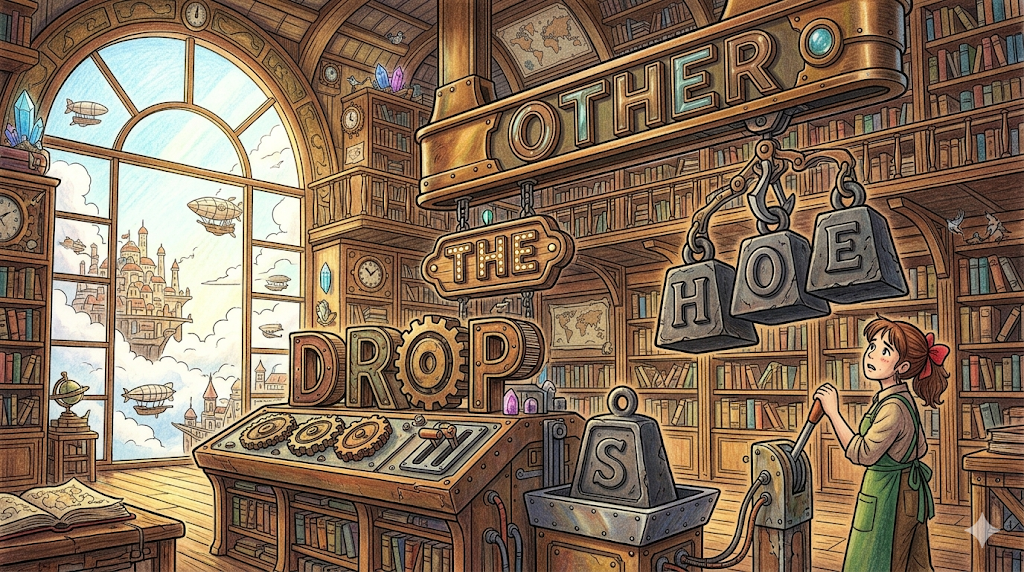
drop the other shoe [drɒp ðə ˈʌðər ʃuː]
(동사구) 예상된 나쁜 소식이 오다, 기다리던 일이 일어나다
한 가지 나쁜 일이 일어난 후 예상되는 두 번째 나쁜 일이 마침내 일어나는 것을 강조합니다. 첫 번째 신발 소리를 들은 후 두 번째 신발이 떨어질 것을 기다리는 것처럼 피할 수 없다는 뉘앙스가 강합니다. 수능 독해 심리·사회·역사 지문에서 자주 등장합니다.
- The company announced small budget cuts in January, and everyone spent the next three months waiting for the other shoe to drop because they knew from experience that the first cuts were never the last. (회사는 1월에 소규모 예산 삭감을 발표했으며 모두가 경험으로 첫 번째 삭감이 절대 마지막이 아니라는 것을 알았기 때문에 다음 3개월 동안 다음 나쁜 소식이 올 것을 기다렸다.)
- When the coach said the training schedule would be getting harder after the holidays, the players could tell that another shoe was about to drop but nobody knew exactly which part of their already tough routine was about to get worse. (코치가 방학 후 훈련 일정이 더 어려워질 것이라고 말했을 때 선수들은 다른 나쁜 소식이 곧 올 것을 알 수 있었지만 아무도 이미 힘든 루틴의 어느 부분이 나빠질지 정확히 알지 못했다.)
- She had been through enough difficult periods in her life to know that when things seemed to be going smoothly it did not mean she could relax — she was always half waiting for the other shoe to drop and never fully surprised when it did. (그녀는 삶에서 충분히 어려운 시기를 겪어 일이 순조롭게 진행되는 것 같아 보일 때 긴장을 풀 수 있다는 것을 의미하지 않는다는 것을 알았다 — 그녀는 항상 절반쯤 다음 나쁜 소식을 기다리고 있었으며 그것이 왔을 때 완전히 놀라지 않았다.)

fill someone's shoes [fɪl ˈsʌmwʌnz ʃuːz]
(동사구) 누군가의 역할이나 자리를 대신하다
어떤 훌륭한 사람이 떠난 후 그 역할을 대신할 만큼 능력 있는 사람이 되는 것을 강조합니다. 훌륭한 사람이 남긴 자리가 크면 클수록 그 신발을 채우기 더 어렵다는 뉘앙스가 강합니다. 수능 독해 사회·역사·교육·심리 지문에서 핵심 표현으로 자주 등장합니다.
- Nobody expected the quiet new player to fill the captain's shoes after he retired, but within six months she had earned the respect of everyone on the team through her consistent effort and calm leadership. (조용한 새 선수가 주장이 은퇴한 후 그의 역할을 대신할 것이라고 아무도 기대하지 않았지만 6개월 내에 그녀는 일관된 노력과 침착한 리더십을 통해 팀의 모든 사람의 존중을 얻었다.)
- The challenge of filling someone's shoes after a long and successful career is not just about having the right skills — it is about finding your own way of doing the job that builds on what came before without simply copying it. (길고 성공적인 경력 후 누군가의 역할을 대신하는 도전은 단순히 올바른 기술을 갖추는 것뿐만 아니라 단순히 이전 것을 복사하지 않고 이전 것을 기반으로 하는 자신만의 일을 하는 방법을 찾는 것이다.)
- When trying to fill someone's shoes, the worst mistake is to pretend you are just like the person before you, because people will always notice the difference and the comparison will be unfair to you as well as to them. (누군가의 역할을 대신하려 할 때 가장 큰 실수는 이전 사람과 똑같은 척하는 것인데 사람들은 항상 차이를 알아챌 것이며 비교가 그들에게도 당신에게도 불공평할 것이기 때문이다.)

wait for the other shoe to drop [weɪt fɔːr ðə ˈʌðər ʃuː tuː drɒp]
(동사구) 두 번째 나쁜 소식을 기다리다, 불안하게 기다리다
첫 번째 나쁜 일이 일어난 후 피할 수 없이 올 것 같은 두 번째 나쁜 일을 불안하게 기다리는 상태를 강조합니다. 알고 있지만 어떻게 할 수 없는 무기력한 불안의 뉘앙스가 강합니다. 수능 독해 심리·사회·역사 지문에서 핵심 표현으로 자주 등장합니다.
- The patients were told the treatment had worked but spent the next year waiting for the other shoe to drop because they had been told that recovery from this illness often came in stages and not everyone stayed well long-term. (환자들은 치료가 효과가 있었다는 말을 들었지만 이 질병에서의 회복이 종종 단계적으로 이루어지며 모든 사람이 장기적으로 건강을 유지하지는 않는다는 말을 들었기 때문에 다음 1년을 다음 나쁜 소식을 기다리며 보냈다.)
- Psychologists say that the state of waiting for the other shoe to drop can be more stressful than the bad event itself because your mind is forced to imagine many possible outcomes, all of them negative, without being able to do anything to stop them. (심리학자들은 다음 나쁜 소식을 기다리는 상태가 나쁜 사건 자체보다 더 스트레스가 많을 수 있다고 말하는데 마음이 그것들을 막기 위해 아무것도 할 수 없으면서 많은 가능한 결과들을, 모두 부정적인, 상상하도록 강요받기 때문이다.)
- She grew up in a home where nothing was ever stable and had spent so much of her life waiting for the other shoe to drop that she found it almost impossible to enjoy good moments without a quiet fear that they were about to be taken away. (그녀는 아무것도 안정적이지 않은 가정에서 자랐으며 삶의 너무 많은 시간을 다음 나쁜 소식을 기다리며 보내서 좋은 순간들이 곧 빼앗길 것이라는 조용한 두려움 없이 즐기는 것이 거의 불가능하다는 것을 알았다.)
숙어 그룹 묶음 1 — 입장·공감 shoe 핵심 패턴
표현 의미 핵심 뉘앙스 주요 맥락
| in someone's shoes | 다른 사람의 입장에서 | 진정한 공감을 위한 관점 바꾸기 | 심리·사회·문학·교육 |
| fill someone's shoes | 누군가의 역할을 대신하다 | 훌륭한 사람이 남긴 자리 채우기 | 사회·역사·교육·심리 |
| if the shoe fits | 맞는 말이면 인정해라 | 스스로 맞는다면 받아들이는 솔직함 | 심리·사회·문학 |
이 세 표현은 모두 shoe의 "신발이 발에 맞듯이 상황이나 역할에 맞는 것"의 이미지를 공유하되, 각각 다른 사람의 상황을 이해하기 위해 그 신발 안으로 들어가는 것(in someone's shoes)·훌륭한 사람이 남긴 신발을 채울 만큼 능력 있게 되는 것(fill someone's shoes)·자신에게 맞는 비판이라면 솔직하게 인정하는 것(if the shoe fits)의 관점에서 접근합니다.
- The teacher asked students to put themselves in the shoes of historical figures they were studying, then discussed whether any of them would be able to truly fill those people's shoes given what those leaders had faced, and added that if the shoe fits they should think about what their own reactions might have been. (선생님은 학생들에게 공부하고 있는 역사적 인물들의 입장이 되어 보도록 요청한 다음 그 지도자들이 직면했던 것을 감안하면 그들 중 누가 진정으로 그 사람들의 역할을 대신할 수 있을지 토론했으며 자신에게 맞는 말이라면 자신의 반응이 어떠했을지 생각해야 한다고 덧붙였다.)
- She found that being in a patient's shoes helped her become a better doctor, that learning to fill her mentor's shoes gradually made her a better practitioner, and that the hardest lesson was accepting, when criticism came, that if the shoe fits it should be worn rather than thrown back at the person who offered it. (그녀는 환자의 입장이 되는 것이 더 나은 의사가 되는 데 도움이 된다는 것을 발견했으며 멘토의 역할을 대신하는 법을 배우는 것이 점차 더 나은 전문가로 만들었고 가장 어려운 교훈은 비판이 왔을 때 맞는 말이라면 그것을 제안한 사람에게 돌려보내는 것이 아니라 받아들여야 한다는 것을 인정하는 것이었다.)
- The novel followed three characters who had to be in each other's shoes, each trying to fill roles that had been left by people they could never replace, and showing that if the shoe fits is always easier said than done when the shoes in question are extraordinary. (소설은 서로의 입장이 되어야 했던 세 캐릭터를 따라갔으며 각각 결코 대체할 수 없는 사람들이 남긴 역할을 채우려 했고 맞는 말이라면 받아들이라는 것이 문제의 신발이 특별한 때 항상 말하기보다 행하기가 더 어렵다는 것을 보여줬다.)
숙어 그룹 묶음 2 — 예상·불안 shoe 패턴
표현 의미 핵심 뉘앙스 주요 맥락
| drop the other shoe | 예상된 나쁜 소식이 오다 | 첫 번째 후 피할 수 없는 두 번째 | 심리·사회·역사 |
| wait for the other shoe to drop | 불안하게 기다리다 | 무기력한 불안 속의 기다림 | 심리·사회·역사 |
| shoe on the other foot | 상황이 반전되다 | 권력이나 이점의 역전 | 심리·사회·역사·문학 |
이 세 표현은 모두 shoe의 "무언가가 일어나기를 기다리는 것"의 이미지를 공유하되, 각각 예상했던 두 번째 나쁜 일이 마침내 일어나는 것(drop the other shoe)·첫 번째 나쁜 일 후 두 번째를 불안하게 기다리는 상태(wait for the other shoe to drop)·이전에 유리했던 상황이 역전되는 것(shoe on the other foot)의 관점에서 접근합니다.
- The workers waited for the other shoe to drop after the first round of changes, and when it finally dropped six months later many of them were surprised not by what happened but by how much the shoe had ended up on the other foot — the managers who had made the changes found themselves facing the same kind of uncertainty they had created for everyone else. (근로자들은 첫 번째 변화 후 다음 나쁜 소식을 기다렸으며 6개월 후 마침내 나쁜 소식이 왔을 때 그들 중 많은 사람들이 일어난 것이 아닌 상황이 얼마나 역전됐는지에 놀랐다 — 변화를 만든 관리자들이 모든 다른 사람들을 위해 만든 것과 같은 종류의 불확실성에 직면하게 됐다.)
- She had spent so long waiting for the other shoe to drop in her career that when the shoe finally did and the company announced cuts, she was almost relieved because the shoe on the other foot scenario she had feared turned out to be much more manageable than the anxiety itself had been. (그녀는 커리어에서 다음 나쁜 소식을 기다리는 데 너무 오랜 시간을 보내서 마침내 나쁜 소식이 왔을 때와 회사가 삭감을 발표했을 때 거의 안도했는데 그녀가 두려워했던 상황이 역전되는 시나리오가 불안 자체보다 훨씬 더 감당 가능한 것으로 밝혀졌기 때문이다.)
- In the story, the family waits for the other shoe to drop after a period of unexpected prosperity, and when it finally does the shoe is on the other foot in a way they never saw coming — not disaster but a deeper happiness that only arrived because they had learned to live with uncertainty rather than constantly fearing it. (이야기에서 가족은 예상치 못한 번영 기간 후 다음 나쁜 소식을 기다리며 마침내 왔을 때 상황이 역전되는 것이 그들이 결코 예상하지 못한 방식으로 일어났다 — 재난이 아니라 항상 불확실성을 두려워하는 대신 그것과 함께 사는 법을 배웠기 때문에 도달한 더 깊은 행복이었다.)
숙어 그룹 묶음 3 — 자원·방법 shoe 심화 패턴
표현 의미 핵심 뉘앙스 주요 맥락
| shoestring | 아주 적은 예산 | 제한된 자원으로 이루어내는 창의성 | 경제·사회·역사·문화 |
| shoehorn | 억지로 끼워 맞추다 | 원래 맞지 않는 것을 무리하게 넣는 것 | 사회·심리·교육·역사 |
| shoe in | 확실한 승리자 | 처음부터 결과가 정해진 것 같은 확실성 | 사회·정치·스포츠·교육 |
이 세 표현은 모두 shoe의 "신발이라는 도구와 방법"의 이미지를 공유하되, 각각 신발 끈처럼 얇은 아주 적은 자원(shoestring)·구둣주걱처럼 억지로 넣으려는 것(shoehorn)·신발이 딱 맞게 들어가듯 확실한 결과(shoe in)의 관점에서 접근합니다.
- The project was done on a shoestring because someone tried to shoehorn it into a budget that was never designed for it, but the team was considered a shoe-in for the award because they had achieved so much with so little. (프로젝트는 누군가 그것을 위해 결코 설계되지 않은 예산에 억지로 끼워 맞추려 했기 때문에 아주 적은 예산으로 이루어졌지만 팀은 적은 것으로 너무 많이 달성했기 때문에 상의 확실한 수상자로 여겨졌다.)
- When you are working on a shoestring, do not make the mistake of trying to shoehorn every idea into the work — instead focus on the most important things and do them brilliantly, which is usually what makes you a shoe-in for recognition anyway. (아주 적은 예산으로 일할 때 모든 아이디어를 작업에 억지로 끼워 맞추려는 실수를 하지 마세요 — 대신 가장 중요한 것들에 집중하고 그것들을 훌륭하게 하세요 이것이 보통 어쨌든 당신을 인정받을 확실한 후보로 만드는 것이기 때문입니다.)
- The documentary was made entirely on a shoestring because the director refused to shoehorn the story into a conventional format just to attract bigger funding, believing that being a shoe-in for commercial success would cost her the honesty that made the story worth telling in the first place. (다큐멘터리는 더 큰 자금을 유치하기 위해 이야기를 관습적인 형식에 억지로 끼워 맞추기를 거부했기 때문에 전적으로 아주 적은 예산으로 만들어졌으며 상업적 성공의 확실한 후보가 되는 것이 처음부터 이야기를 말할 가치 있게 만든 솔직함을 잃게 할 것이라고 믿었다.)
숙어 그룹 묶음 4 — 친숙함·편안함 shoe 심화 패턴
표현 의미 핵심 뉘앙스 주요 맥락
| old shoe | 오래된 친구 | 긴 시간이 가져다주는 안락함과 친숙함 | 심리·사회·문학·문화 |
| in someone's shoes | 다른 사람의 입장에서 | 진정한 공감을 위한 관점 바꾸기 | 심리·사회·문학·교육 |
| shoestring | 아주 적은 예산 | 제한된 자원으로 이루어내는 창의성 | 경제·사회·역사·문화 |
이 세 표현은 함께 shoe가 담고 있는 삶의 경험과 편안함의 흐름을 보여줍니다. old shoe → 오래 함께해서 생긴 편안함, in someone's shoes → 다른 사람의 경험 속으로 들어가는 공감, shoestring → 제한된 자원으로도 만들어가는 삶의 현실로 연결됩니다.
- The old shoe comfort of their long friendship meant that when she was struggling on a shoestring he never made her feel ashamed about it, always treating her in the shoes of someone who deserved dignity and respect no matter what her circumstances were. (오래된 친구 같은 편안함의 긴 우정은 그녀가 아주 적은 돈으로 힘들어하고 있을 때 그가 그녀가 그것에 대해 부끄럽게 느끼게 하지 않았으며 항상 그녀의 상황이 어떻든 존엄과 존중을 받을 자격이 있는 사람의 입장에서 그녀를 대했다는 것을 의미했다.)
- She wrote about how being in a child's shoes — imagining the world from a small person's perspective — had become as natural to her as slipping on an old shoe, and how this ability had helped her create books for young readers even when her budget was strictly a shoestring one. (그녀는 어린아이의 입장이 되는 것 — 작은 사람의 관점에서 세상을 상상하는 것 — 이 오래된 신발을 신는 것만큼 자연스럽게 됐으며 예산이 엄격하게 아주 적은 것일 때도 이 능력이 어린 독자들을 위한 책을 만드는 데 도움이 됐다고 썼다.)
- The memoir described how growing up poor and living on a shoestring had made the author deeply empathetic because she had been forced to be in other people's shoes so often, and how those experiences had become an old shoe comfort that she returned to in her writing whenever she needed to understand a character who was struggling. (회고록은 가난하게 자라며 아주 적은 돈으로 사는 것이 그녀를 깊이 공감하는 사람으로 만들었는데 너무 자주 다른 사람들의 입장이 될 수밖에 없었기 때문이며 그 경험들이 어려움을 겪는 캐릭터를 이해해야 할 때마다 글쓰기에서 돌아가는 오래된 신발 같은 편안함이 됐다고 묘사했다.)
전체 요약표
표현 의미 핵심 뉘앙스
| shoe | 신발, 편자, 입장·역할 | 발을 보호하고 지탱하여 걸을 수 있게 해주는 것 |
| shoe in | 확실한 승리자 | 처음부터 결과가 정해진 것 같은 확실성 |
| in someone's shoes | 다른 사람의 입장에서 | 진정한 공감을 위한 관점 바꾸기 |
| if the shoe fits | 맞는 말이면 인정해라 | 스스로 맞는다면 받아들이는 솔직함 |
| old shoe | 오래된 친구 | 긴 시간이 가져다주는 안락함과 친숙함 |
| shoe on the other foot | 상황이 반전되다 | 권력이나 이점의 역전 |
| shoestring | 아주 적은 예산 | 제한된 자원으로 이루어내는 창의성 |
| shoehorn | 억지로 끼워 맞추다 | 원래 맞지 않는 것을 무리하게 넣는 것 |
| drop the other shoe | 예상된 나쁜 소식이 오다 | 첫 번째 후 피할 수 없는 두 번째 |
| fill someone's shoes | 누군가의 역할을 대신하다 | 훌륭한 사람이 남긴 자리 채우기 |
| wait for the other shoe to drop | 불안하게 기다리다 | 무기력한 불안 속의 기다림 |
유의어 비교표

단어 공통점 뉘앙스 차이 예문
| shoe | 신발·발 보호 | 발 전체 감싸는 일반적 신발·역할 강조 | Tie your shoe. |
| boot | 신발·발 보호 | 발목 이상까지 강하게 보호하는 것 강조 | She wore tall boots. |
| sandal | 신발·발 보호 | 발 아래만 받치는 개방적 신발 강조 | He wore sandals to the beach. |
| slipper | 신발·발 보호 | 실내용 부드럽고 편안한 신발 강조 | She put on her slippers. |
| sneaker | 신발·발 보호 | 운동이나 일상용 가벼운 신발 강조 | He wore sneakers to school. |
결론 정리
shoe는 단순히 "신발"이 아니라, 발을 보호하고 지탱하여 걸을 수 있게 해주는 이미지에서 출발해 타인의 입장 이해·역할 계승·상황의 역전·불안한 기다림·아주 적은 자원까지 확장되는 단어다 — shoe가 있는 곳엔 언제나 '단순한 신발이 아닌, 어떤 사람의 위치·역할·상황을 감싸고 지탱해 주는' 보호와 정체성의 선언이 있다.
💡 shoe는 "발을 보호하고 지지하는 것처럼 어떤 역할이나 상황을 감싸는 것"의 언어 — in someone's shoes·fill someone's shoes·shoe on the other foot·wait for the other shoe to drop·shoestring이 수능 최빈출.
🌟 초등학생 버전 shoe는 발에 꼭 맞는 신발처럼, 누군가의 삶이나 역할에 딱 맞는 상황을 표현하는 단어예요! in someone's shoes는 "잠시 다른 사람의 신발을 신고 그 사람이 어떻게 느끼는지 상상하는 것"이고 fill someone's shoes는 "훌륭한 사람이 떠난 뒤 그 사람만큼 잘 할 수 있는 것"이에요! 👟✨


