- 분류 전체보기 (4915)

| 일 | 월 | 화 | 수 | 목 | 금 | 토 |
|---|---|---|---|---|---|---|
| 1 | 2 | 3 | 4 | 5 | 6 | 7 |
| 8 | 9 | 10 | 11 | 12 | 13 | 14 |
| 15 | 16 | 17 | 18 | 19 | 20 | 21 |
| 22 | 23 | 24 | 25 | 26 | 27 | 28 |
| 29 | 30 | 31 |
- Hey
- work out
- make it
- By The Way
- no
- Yes
- Don't worry
- come up with
- well
- OKay
- I'm not sure
- Please
- What Happened?
- entrance fee
- Right?
- set up
- Actually
- I'm sorry
- I'm glad to hear that.
- Sure
- Oh No
- too.
- pick up
- oh
- please.
- Show Up
- Sorry
- Yeah
- Excuse me
- please?
- Today
- Total
인과함께
Day280 , explore , explore the possibility, explore new territory, explore in depth, explore options, explore the relationship between, explorer, explore the impact, explore beyond, explore together, uncharted territory to explore 본문
Day280 , explore , explore the possibility, explore new territory, explore in depth, explore options, explore the relationship between, explorer, explore the impact, explore beyond, explore together, uncharted territory to explore
미인생 2026. 3. 21. 09:36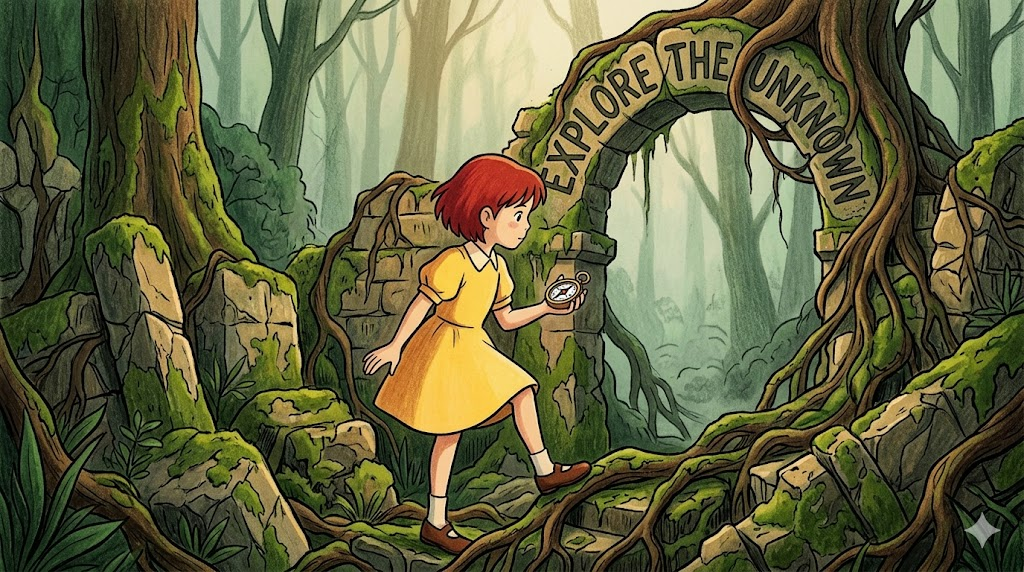
explore [ɪkˈsplɔːr]
(동사) 탐험하다, 탐구하다, 살펴보다, 조사하다
단순히 "탐험하다"로만 외우면 수능에서 반드시 틀립니다. explore는 "큰 소리를 내며 모든 곳을 돌아다니는" 어원적 이미지에서 출발해 물리적 탐험부터 지적 탐구·가능성 조사·관계 분석까지 폭넓게 쓰이는 핵심 동사입니다. 특히 explore the possibility, explore the relationship between, explore in depth 패턴은 수능 독해 과학·사회·철학·학술 지문에서 핵심적으로 등장하며, explore vs. exploration vs. exploratory 의 품사 구별은 수능 어법 출제 포인트입니다.
'explore'는 라틴어 explorare(정찰하다, 탐색하다, 큰 소리로 조사하다) 에서 유래했으며, ex-(밖으로, 완전히) + plorare(큰 소리를 내다, 울부짖다) 가 핵심 어근입니다. 어원의 핵심 이미지는 "큰 소리를 내며 미지의 영역을 샅샅이 돌아다니는" 것으로, 단순히 지나치는 것이 아닌 "아직 알려지지 않은 것을 적극적으로 파고들어 밝혀내려는" 능동적 탐구가 이 단어의 본질입니다.
1. explore the possibility [ɪkˈsplɔːr ðə ˌpɒsɪˈbɪlɪti]
(학술/비즈니스/정치/수능) 어떤 것이 실현될 수 있는지를 적극적으로 검토하고 조사하는 것을 뜻합니다. 수능 독해 과학·사회·경제 지문의 핵심 표현입니다.
The research team was formed specifically to explore the possibility of developing a vaccine that would be effective against multiple strains of the virus simultaneously. (연구팀은 바이러스의 여러 변종에 동시에 효과적인 백신 개발 가능성을 탐구하기 위해 특별히 구성되었습니다.)
2. explore new territory [ɪkˈsplɔːr njuː ˈtɛrɪtəri]
(학술/예술/비즈니스/수능) 아직 다루어지지 않은 새로운 분야나 영역을 적극적으로 개척하는 것을 뜻합니다.
The composer spent the final decade of her career exploring new territory, abandoning the orchestral forms that had made her famous in favour of intimate chamber works. (그 작곡가는 경력의 마지막 10년을 새로운 영역을 탐구하며 보냈으며, 자신을 유명하게 만든 오케스트라 형식을 버리고 친밀한 실내악 작품을 선택했습니다.)
3. explore in depth [ɪkˈsplɔːr ɪn dɛpθ]
(학술/교육/수능) 어떤 주제를 표면적으로만 다루지 않고 깊이 있게 파고드는 것을 뜻합니다. 수능 독해 학술·교육 지문의 핵심 표현입니다.
The seminar was designed to give students the time and space to explore in depth the ethical implications of emerging technologies rather than merely surveying them. (그 세미나는 학생들이 단순히 개요를 파악하는 것이 아니라 신흥 기술의 윤리적 함의를 깊이 있게 탐구할 시간과 공간을 주기 위해 설계되었습니다.)
4. explore options [ɪkˈsplɔːr ˈɒpʃənz]
(비즈니스/의료/법률/수능) 결정을 내리기 전에 가능한 선택지들을 체계적으로 살펴보는 것을 뜻합니다. 수능 독해 경제·의료·법률 지문의 핵심 표현입니다.
Before committing to a course of treatment, patients are encouraged to explore all available options with their medical team, including second opinions from independent specialists. (치료 방침을 결정하기 전에 환자들은 독립적인 전문가의 두 번째 의견을 포함하여 의료팀과 함께 모든 가능한 선택지를 탐색하도록 권장됩니다.)
5. explore the relationship between [ɪkˈsplɔːr ðə rɪˈleɪʃənʃɪp bɪˈtwiːn]
(학술/과학/사회/수능) 두 가지 요소 사이의 연결·상관관계·인과관계를 적극적으로 조사하는 것을 뜻합니다. 수능 독해 과학·사회·심리 지문의 최빈출 표현입니다.
The study sought to explore the relationship between early childhood language exposure and long-term cognitive development, tracking participants from birth to age eighteen. (그 연구는 참가자들을 출생부터 18세까지 추적하며 유아기 언어 노출과 장기적 인지 발달 사이의 관계를 탐구하고자 했습니다.)
6. explorer [ɪkˈsplɔːrər]
(역사/과학/일상) 미지의 세계나 새로운 분야를 적극적으로 탐험하는 사람을 뜻합니다. 수능 독해 역사·과학·자기 계발 지문의 핵심 어휘입니다.
The greatest explorers in history were not merely adventurers seeking excitement — they were driven by a combination of scientific curiosity, political ambition, and the human need to know what lies beyond the horizon. (역사상 가장 위대한 탐험가들은 단순히 흥분을 추구하는 모험가가 아니었습니다 — 그들은 과학적 호기심, 정치적 야망, 그리고 수평선 너머에 무엇이 있는지 알고자 하는 인간의 필요에 의해 움직였습니다.)
7. explore the impact [ɪkˈsplɔːr ðiː ˈɪmpækt]
(학술/사회/과학/수능) 어떤 것이 미치는 영향이나 결과를 체계적으로 조사하는 것을 뜻합니다. 수능 독해 사회·과학·환경 지문의 핵심 표현입니다.
The documentary explored the impact of fast fashion on garment workers in developing countries, giving voice to individuals whose labour makes affordable clothing possible. (그 다큐멘터리는 개발도상국의 의류 노동자들에 대한 패스트 패션의 영향을 탐구하며, 저렴한 의류를 가능하게 하는 노동을 하는 개인들의 목소리를 담았습니다.)
8. explore beyond [ɪkˈsplɔːr bɪˈjɒnd]
(학술/철학/과학) 기존에 알려진 것이나 익숙한 것의 경계를 넘어서 탐구하는 것을 뜻합니다.
Children naturally explore beyond the boundaries set for them — a behaviour that, when safely supported, develops into the intellectual curiosity that drives innovation. (아이들은 자연스럽게 자신에게 설정된 경계를 넘어서 탐구합니다 — 안전하게 지원될 때 혁신을 이끄는 지적 호기심으로 발전하는 행동입니다.)
9. explore together [ɪkˈsplɔːr təˈɡɛðər]
(교육/사회/일상) 혼자가 아닌 함께 공동으로 탐구하고 발견하는 것을 뜻합니다.
The most effective classroom environments are those where teachers and students explore together — where the teacher's role is not to deliver answers but to guide shared inquiry. (가장 효과적인 교실 환경은 교사와 학생이 함께 탐구하는 환경입니다 — 교사의 역할이 답을 전달하는 것이 아니라 공유된 탐구를 안내하는 것인 곳입니다.)
10. uncharted territory to explore [ʌnˈtʃɑːtɪd ˈtɛrɪtəri tuː ɪkˈsplɔːr]
(학술/역사/철학/수능) 아직 지도에 그려지지 않은 것처럼 아무도 탐구하지 않은 미지의 분야를 뜻합니다. 수능 독해 과학·역사·철학 지문의 핵심 표현입니다.
Consciousness remains one of the great uncharted territories of science — a domain where the most basic questions have yet to yield to the investigative tools we have so far developed. (의식은 과학의 위대한 미탐구 영역 중 하나로 남아 있습니다 — 우리가 지금까지 개발한 조사 도구에 가장 기본적인 질문들이 아직 굴복하지 않은 영역입니다.)
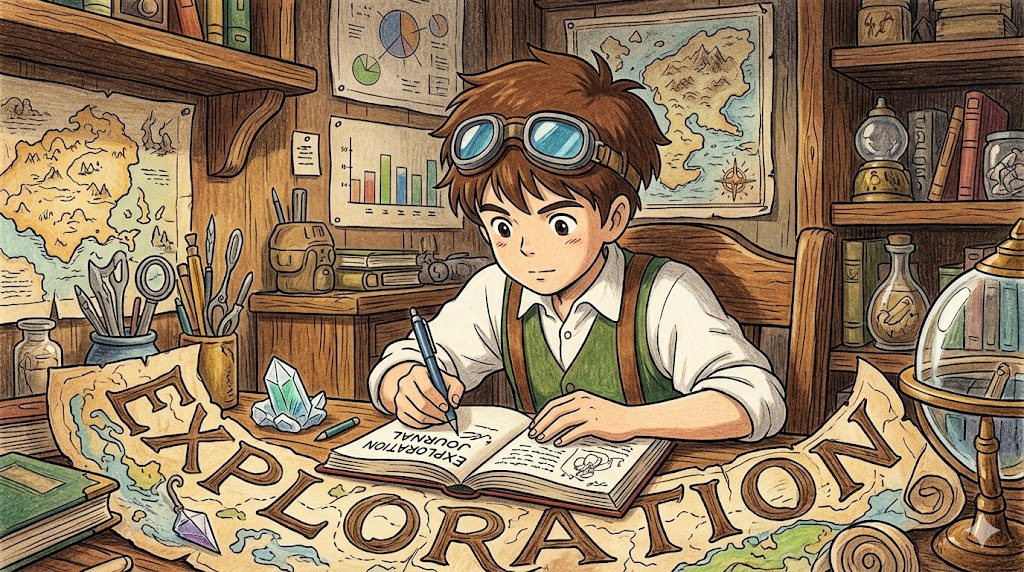
1. explore의 세 가지 핵심 의미 — 수능 독해 必수 구별
수능에서 가장 자주 출제되는 explore의 다의어 구별입니다.
- ① 물리적 탐험: 미지의 장소를 직접 돌아다니며 조사하다
- The expedition explored the Amazon basin for three months. (원정대는 3개월 동안 아마존 유역을 탐험했습니다.)
- ② 지적·학문적 탐구 (수능 핵심): 주제·아이디어·관계를 깊이 있게 조사하다
- The paper explores the link between poverty and health outcomes. (논문은 빈곤과 건강 결과의 연관성을 탐구합니다.)
- ③ 가능성·선택지 검토 (수능 핵심): 결정 전에 선택지나 가능성을 체계적으로 살펴보다
- We should explore all options before deciding. (결정하기 전에 모든 선택지를 탐색해야 합니다.)
2. explore the relationship between — 수능 독해 핵심 표현
explore the relationship between은 수능 독해 과학·사회·심리 지문에서 가장 자주 출제되는 explore 핵심 표현입니다.
- 핵심 의미: 두 요소 사이의 연결·상관관계·인과관계를 체계적으로 조사하다
- The study explores the relationship between diet and mental health. (연구는 식이요법과 정신 건강 사이의 관계를 탐구합니다.)
- Researchers explored the relationship between leadership style and employee performance. (연구자들은 리더십 스타일과 직원 성과 사이의 관계를 탐구했습니다.)
- 수능 주의: explore the relationship between A and B = A와 B의 관계를 탐구하다 — "관계를 개선하다"❌
3. explore의 파생어 패밀리 (수능 어휘 확장 필수)
explore에서 파생된 단어들은 수능에서 독립적으로 자주 출제됩니다.
- exploration [ˌɛkspləˈreɪʃən] (명사): 탐험, 탐구, 조사 (수능 최빈출)
- explorer [ɪkˈsplɔːrər] (명사): 탐험가, 탐구자
- exploratory [ɪkˈsplɒrətəri] (형용사): 탐구적인, 예비적인 (exploratory research = 탐색적 연구, 수능 빈출)
- unexplored [ˌʌnɪkˈsplɔːd] (형용사): 탐구되지 않은, 미개척의 (수능 어휘 빈출)
- explorable [ɪkˈsplɔːrəbl] (형용사): 탐구 가능한
큰 소리를 내며 미지의 영역을 샅샅이 돌아다니듯, "아직 알려지지 않은 것을 적극적으로 파고들어 밝혀내려는" 능동적 탐구의 이미지를 담고 있습니다. explore가 쓰이는 순간, 그것은 단순한 관찰이 아니라 "미지의 것 앞에서 물러서지 않고 적극적으로 파고들어 밝혀내려는" 지적 용기의 선언입니다.
1. The impulse to explore — to push past the known boundary and find out what lies beyond — is one of the most distinctively human characteristics, present in children from the earliest months of life. (탐구하려는 충동 — 알려진 경계를 넘어서 너머에 무엇이 있는지 알아내려는 — 은 삶의 초기 몇 달부터 아이들에게 존재하는 가장 독특하게 인간적인 특성 중 하나입니다.)
2. Science does not merely describe the world — it explores it, subjecting assumptions to tests that may confirm or overturn everything a generation believed to be true. (과학은 단순히 세계를 묘사하는 것이 아닙니다 — 그것은 세계를 탐구하며, 한 세대가 진실이라고 믿었던 모든 것을 확인하거나 뒤집을 수 있는 테스트에 가정을 맡깁니다.)
3. To truly explore an idea is to follow it wherever it leads — including into territory that makes you uncomfortable, challenges your existing beliefs, and demands more from your thinking than you initially expected to give. (아이디어를 진정으로 탐구하는 것은 그것이 이끄는 어디든 따라가는 것입니다 — 불편하게 만드는 영역, 기존 믿음에 도전하는 영역, 처음에 주려고 생각했던 것보다 더 많은 것을 사고로부터 요구하는 영역까지 포함하여.)
단어별 뉘앙스·의미 연결 흐름 표
단어 구성 요소 의미 연결 흐름 뉘앙스 요약
| ex- (접두사) | 라틴어 "밖으로, 완전히" | 완전히 밖으로 나아가는 방향성 | 적극적 탐구의 이미지 |
| plorare (어근) | 라틴어 "큰 소리를 내다, 울부짖다" | 큰 소리를 내며 미지의 영역을 샅샅이 돌아다니는 행위 | 능동적 탐구의 출발점 |
| -ore (결합형) | 탐구한 상태 | 미지의 것을 적극적으로 파고들어 밝혀낸 상태 | 지적 용기·능동적 발견의 완성 |
어원적 의미 핵심 뉘앙스 현대적 의미 연결 흐름
| "큰 소리를 내며 미지의 영역을 샅샅이 돌아다니다" | 아직 알려지지 않은 것을 물러서지 않고 적극적으로 파고들어 밝혀내려는 능동적 탐구 | 물리적 탐험 → 지적 탐구 → 가능성 검토 → 관계 분석 |
| "미지의 것 앞에서 물러서지 않고 파고들다" | 단순한 관찰이 아닌 적극적 개입과 발견을 추구하는 지적 용기 | explore the possibility → explore in depth → explore the relationship between |
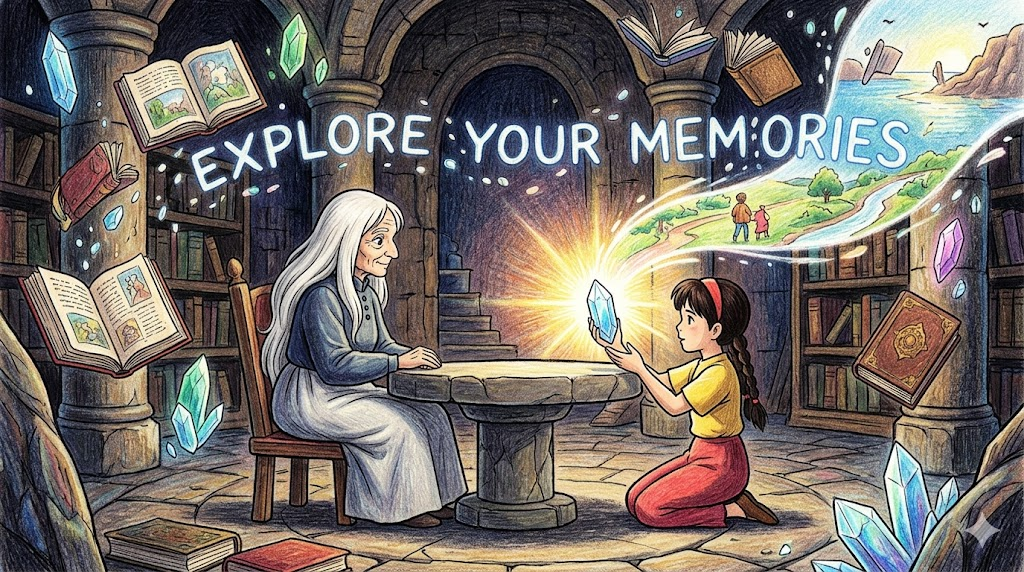
품사별 의미와 쉬운 예문 표
품사 의미 상세 설명 쉬운 예문
| 동사 (V.) | 탐험하다 | 미지의 장소를 직접 돌아다니며 조사하다 | Explore the forest. (숲을 탐험하다.) |
| 동사 (V.) | 탐구하다 | 주제·아이디어·관계를 깊이 있게 조사하다 | Explore the topic. (주제를 탐구하다.) |
| 동사 (V.) | 검토하다, 살펴보다 | 결정 전에 선택지나 가능성을 체계적으로 살펴보다 | Explore options. (선택지를 탐색하다.) |
활용 예문 리스트
1. Explore the possibility. (가능성을 탐구하다. - 수능 과학·경제·사회 지문 핵심)
2. Explore the relationship between. (A와 B 사이의 관계를 탐구하다. - 수능 과학·사회·심리 지문 최빈출)
3. Explore in depth. (깊이 있게 탐구하다. - 수능 학술·교육 지문 핵심)
4. Exploratory research. (탐색적 연구. - 수능 어휘 빈출)
5. Unexplored. (탐구되지 않은, 미개척의. - 수능 어휘 빈출)
전체 뉘앙스 설명
explore는 '미지의 것 앞에서 물러서지 않고 적극적으로 파고들어 밝혀내려는 지적 용기의 언어' 입니다.
- investigate와의 차이: investigate는 "특정 사실이나 사건의 진상을 밝히기 위해 조사하는" 것이고, explore는 "무엇을 발견할지 모르는 상태에서 적극적으로 탐구하는" 것으로 개방성이 더 큽니다.
- examine와의 차이: examine은 "정확한 판단을 위해 꼼꼼히 살펴보는" 것이고, explore는 "미지의 영역을 적극적으로 헤쳐 나가며 발견하는" 것으로 능동성이 더 강합니다.
- study와의 차이: study는 "배우기 위해 체계적으로 공부하는" 것이고, explore는 "새로운 것을 발견하기 위해 적극적으로 탐구하는" 것으로 발견지향성이 더 강합니다.
- search와의 차이: search는 "특정 목표물을 찾는" 것이고, explore는 "무엇을 발견할지 모르는 상태에서 포괄적으로 탐구하는" 것입니다.
마지막 핵심 정리
explore는 단순히 "탐험하다"가 아닙니다 — 큰 소리를 내며 미지의 영역을 샅샅이 돌아다니듯, 아직 알려지지 않은 것을 물러서지 않고 적극적으로 파고들어 밝혀내려는 능동적 탐구를 담은 단어이며, exploration(탐험)·exploratory(탐구적인)·unexplored(미탐구의) 의 파생어 패밀리까지 수능 핵심 어휘입니다.
파생어 (발음기호 포함)
- exploration [ˌɛkspləˈreɪʃən] (명사): 탐험, 탐구, 조사
- explorer [ɪkˈsplɔːrər] (명사): 탐험가, 탐구자
- exploratory [ɪkˈsplɒrətəri] (형용사): 탐구적인, 예비적인, 탐색적인
- unexplored [ˌʌnɪkˈsplɔːd] (형용사): 탐구되지 않은, 미개척의
- explorable [ɪkˈsplɔːrəbl] (형용사): 탐구 가능한
유의어 비교표
단어 공통점 뉘앙스 차이 예문
| explore | 조사하다, 탐구하다 | 미지의 것을 물러서지 않고 적극적으로 파고들어 발견하다. 개방성·능동성 최강 | Explore the topic. |
| investigate | 조사하다 | 특정 사실이나 사건의 진상을 밝히기 위해 조사하다. 목표가 구체적 | Investigate the case. |
| examine | 살펴보다, 검사하다 | 정확한 판단을 위해 꼼꼼히 살펴보다. 정밀성에 초점 | Examine the evidence. |
| study | 공부하다, 연구하다 | 배우기 위해 체계적으로 공부하다. 학습에 초점 | Study the subject. |
| research | 연구하다, 조사하다 | 체계적인 방법으로 새로운 지식을 얻다. 방법론에 초점 | Research the topic. |
유의어 예문 리스트
1. Investigate: The independent commission was appointed to investigate allegations of corruption within the procurement process, with full access to financial records and witness testimony. (독립 위원회는 재정 기록과 증인 증언에 대한 완전한 접근 권한을 가지고 조달 과정 내의 부패 혐의를 조사하기 위해 임명되었습니다.)
2. Examine: The ethics committee was asked to examine the research proposal carefully before approving the use of human subjects, particularly given the sensitivity of the data to be collected. (윤리 위원회는 특히 수집될 데이터의 민감성을 고려하여 인간 피험자 사용을 승인하기 전에 연구 제안을 신중하게 검토하도록 요청받았습니다.)
3. Research: Students who research their topics thoroughly before beginning to write consistently produce more persuasive and better-organised arguments than those who rely on their existing knowledge alone. (작성을 시작하기 전에 주제를 철저히 연구하는 학생들은 기존 지식에만 의존하는 학생들보다 일관되게 더 설득력 있고 더 잘 구성된 논거를 만들어냅니다.)
결론 정리
explore는 단순히 "탐험하다"가 아니라, 큰 소리를 내며 미지의 영역을 샅샅이 돌아다니듯 아직 알려지지 않은 것을 물러서지 않고 적극적으로 파고들어 밝혀내려는 능동적 탐구를 담은 단어다 — explore가 있는 곳엔 언제나 '단순한 관찰이 아닌, 미지의 것 앞에서 물러서지 않고 적극적으로 파고들어 발견하려는' 지적 용기의 선언이 있다.
💡 한 줄 핵심 요약
explore는 큰 소리를 내며 미지의 영역을 샅샅이 돌아다니듯 아직 알려지지 않은 것을 물러서지 않고 적극적으로 파고들어 밝혀내려는 능동적 탐구를 담은 단어.
🌟 초등학생 버전 explore는 지도에 없는 낯선 숲 속으로 "여기 뭐가 있을까?" 하고 겁내지 않고 직접 들어가 샅샅이 살펴보는 단어.
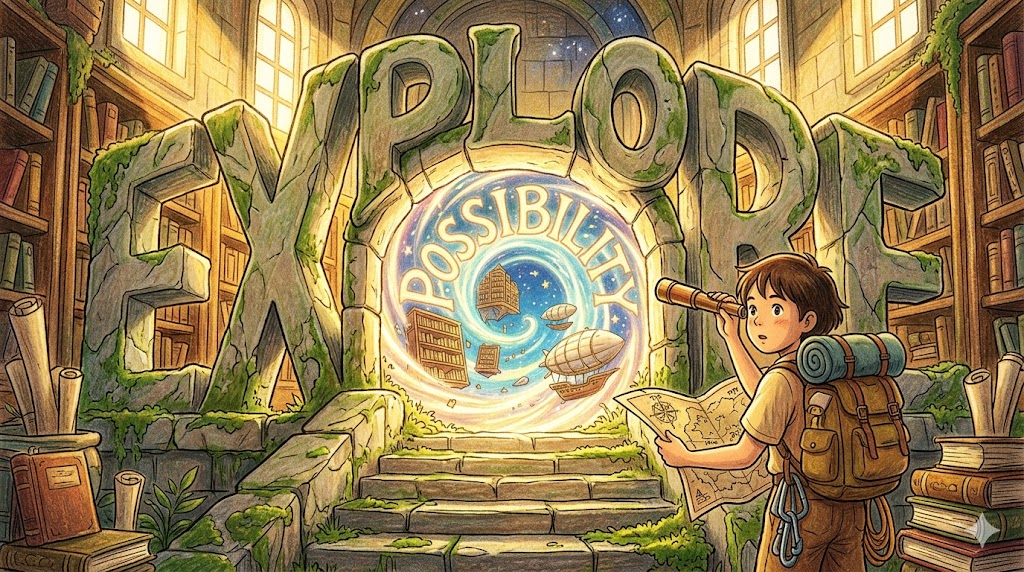
explore the possibility [ɪkˈsplɔːr ðə ˌpɒsɪˈbɪlɪti]
(동사구) 가능성을 탐구하다, 가능성을 적극적으로 검토하다
어떤 것이 실현될 수 있는지를 적극적으로 검토하고 조사하는 것을 뜻합니다. 수능 독해 과학·사회·경제·정치 지문의 핵심 표현입니다.
1. The two governments agreed to open diplomatic talks to explore the possibility of a bilateral trade agreement that would reduce tariffs on agricultural and manufactured goods. (두 정부는 농산물과 제조 상품의 관세를 줄이는 양자 무역 협정의 가능성을 탐구하기 위해 외교적 대화를 시작하기로 합의했습니다.)
2. Engineers are currently exploring the possibility of using hydrogen as a primary fuel source for commercial aviation, a transition that would dramatically reduce the sector's carbon footprint. (엔지니어들은 현재 상업 항공의 주요 연료원으로 수소를 사용하는 가능성을 탐구하고 있으며, 이는 해당 부문의 탄소 발자국을 극적으로 줄일 것입니다.)
3. Rather than dismissing the idea outright, the committee agreed to explore the possibility further — recognising that premature rejection can close doors that careful investigation might have opened. (위원회는 아이디어를 즉시 거부하기보다 더 깊이 가능성을 탐구하기로 합의했습니다 — 섣부른 거부가 신중한 조사가 열 수 있었던 문을 닫을 수 있다는 것을 인식하면서.)
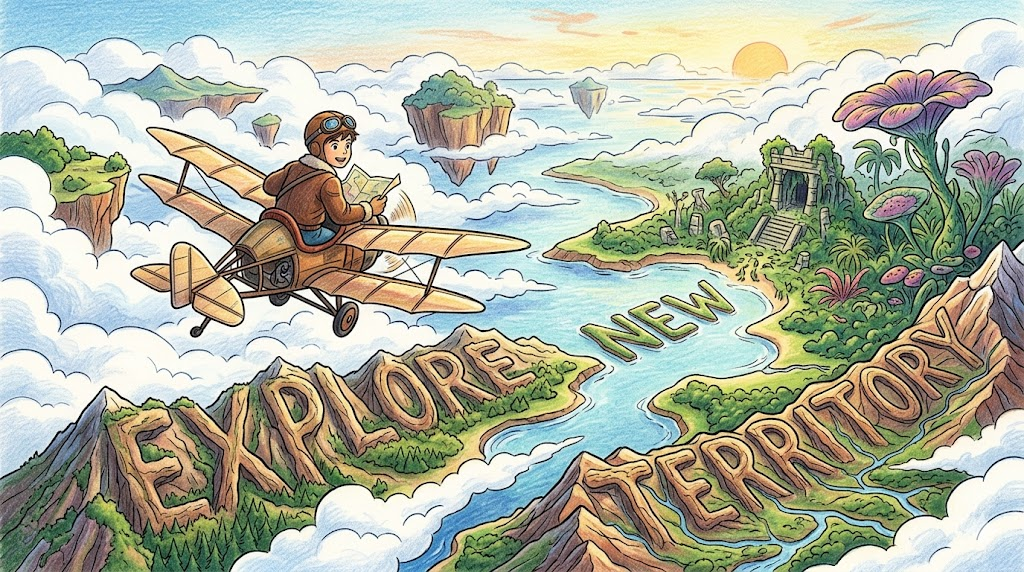
explore new territory [ɪkˈsplɔːr njuː ˈtɛrɪtəri]
(동사구) 새로운 영역을 개척하다, 미지의 분야를 탐구하다
아직 다루어지지 않은 새로운 분야나 영역을 적극적으로 개척하는 것을 뜻합니다. 학술·예술·비즈니스·과학 맥락에서 핵심적으로 씁니다.
1. The most transformative scientists are those willing to explore new territory even when the available methods are inadequate — improvising tools as they go rather than waiting for conditions to become perfect. (가장 변혁적인 과학자들은 가능한 방법이 불충분할 때도 새로운 영역을 탐구하려는 의지가 있는 사람들입니다 — 조건이 완벽해지기를 기다리기보다 가면서 도구를 즉흥적으로 만들어 나가는 사람들입니다.)
2. The novelist deliberately chose to explore new territory with her fourth book, departing from the domestic realism of her earlier work to write a novel set across three continents and four centuries. (소설가는 세 개의 대륙과 네 세기에 걸쳐 배경을 두는 소설을 쓰기 위해 이전 작품의 가정적 리얼리즘에서 벗어나 네 번째 책에서 의도적으로 새로운 영역을 탐구하기로 선택했습니다.)
3. Start-ups that explore new territory accept a higher risk of failure in exchange for the possibility of creating markets that previously did not exist, rather than competing in ones that already do. (새로운 영역을 탐구하는 스타트업들은 이미 존재하는 시장에서 경쟁하는 것이 아니라 이전에 존재하지 않았던 시장을 창출할 가능성을 위해 더 높은 실패 위험을 받아들입니다.)
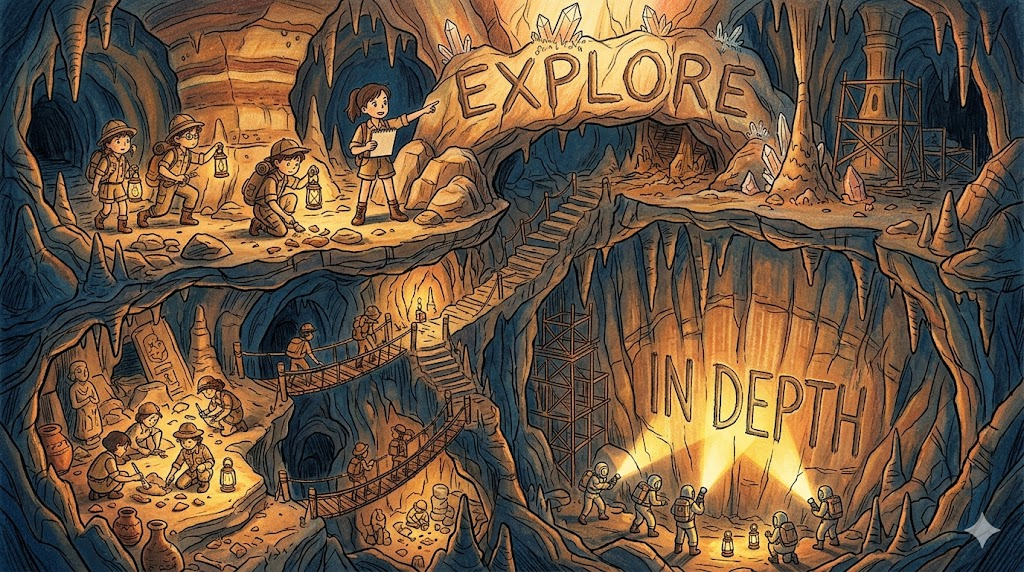
explore in depth [ɪkˈsplɔːr ɪn dɛpθ]
(동사구) 깊이 있게 탐구하다, 심층적으로 조사하다
어떤 주제를 표면적으로만 다루지 않고 깊이 있게 파고드는 것을 뜻합니다. 수능 독해 학술·교육·과학 지문의 핵심 표현입니다.
1. The course was specifically designed for students who wanted to explore in depth the philosophical questions surrounding free will and moral responsibility, rather than receiving a general introduction to ethics. (그 과정은 윤리에 대한 일반적인 소개를 받는 것이 아니라 자유 의지와 도덕적 책임을 둘러싼 철학적 질문들을 깊이 있게 탐구하고자 하는 학생들을 위해 특별히 설계되었습니다.)
2. Journalism that merely reports events is valuable, but journalism that explores in depth the conditions that produced those events is irreplaceable for democratic accountability. (단순히 사건을 보도하는 저널리즘은 가치 있지만, 그 사건을 만들어낸 조건들을 깊이 있게 탐구하는 저널리즘은 민주적 책임을 위해 대체 불가능합니다.)
3. When a student explores a subject in depth, they do not merely accumulate more facts — they begin to see the underlying patterns, tensions, and open questions that define the frontier of that field. (학생이 주제를 깊이 있게 탐구할 때, 단순히 더 많은 사실을 축적하는 것이 아닙니다 — 그들은 그 분야의 최전선을 정의하는 근본적인 패턴, 긴장, 그리고 미해결 질문들을 보기 시작합니다.)
explore the possibility, explore new territory, explore in depth
- explore the possibility: 어떤 것이 실현될 수 있는지를 적극적으로 검토하고 조사하다.
- explore new territory: 아직 다루어지지 않은 새로운 분야나 영역을 적극적으로 개척하다.
- explore in depth: 어떤 주제를 표면적으로만 다루지 않고 깊이 있게 파고들다.
표현 탐구의 성격 핵심 뉘앙스 주요 맥락
| explore the possibility | 가능성 검토 | 아직 확인되지 않은 것의 실현 가능성을 조사하다 | 과학·경제·정치·의료 |
| explore new territory | 미개척 분야 개척 | 아직 다루어지지 않은 새로운 영역으로 나아가다 | 학술·예술·비즈니스·과학 |
| explore in depth | 심층적 탐구 | 표면을 넘어 깊이 있게 파고들다 | 학술·교육·저널리즘·철학 |
1. The scientists decided to explore in depth the mechanisms behind a phenomenon that previous researchers had noted but never explored as new territory, ultimately exploring the possibility that it could form the basis of an entirely new class of medical treatments. (과학자들은 이전 연구자들이 언급했지만 결코 새로운 영역으로 탐구하지 않았던 현상의 메커니즘을 깊이 있게 탐구하기로 결정했으며, 궁극적으로 그것이 완전히 새로운 종류의 의료 치료의 기초를 형성할 수 있는 가능성을 탐구했습니다.)
2. A truly ambitious curriculum would explore in depth ideas that most syllabuses only touch upon, explore new territory at the intersection of disciplines that are usually taught separately, and always explore the possibility that what students believe to be settled may in fact still be open. (진정으로 야심찬 교육과정은 대부분의 교육과정이 단지 언급만 하는 아이디어들을 깊이 있게 탐구하고, 보통 별도로 가르치는 학문들의 교차점에서 새로운 영역을 탐구하며, 항상 학생들이 해결된 것으로 믿는 것이 사실 아직 열려 있을 가능성을 탐구해야 합니다.)
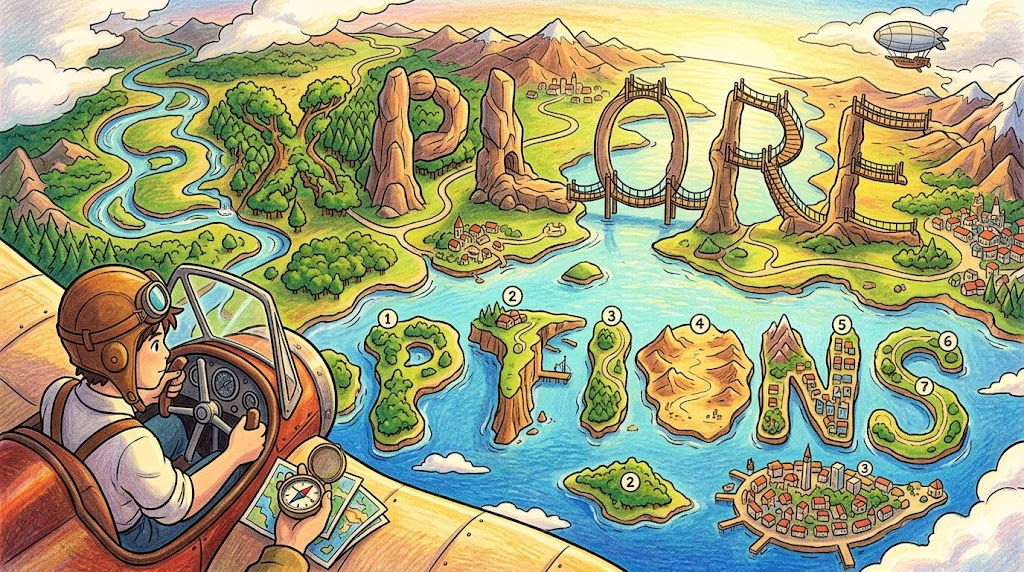
explore options [ɪkˈsplɔːr ˈɒpʃənz]
(동사구) 선택지를 탐색하다, 선택 가능성을 살펴보다
결정을 내리기 전에 가능한 선택지들을 체계적으로 살펴보는 것을 뜻합니다. 수능 독해 경제·의료·법률·교육 지문의 핵심 표현입니다.
1. Families facing a loved one's terminal diagnosis are encouraged to explore all options — including palliative care and hospice services — before committing to aggressive treatment that may extend life but reduce its quality. (사랑하는 사람의 말기 진단에 직면한 가족들은 삶을 연장할 수 있지만 그 질을 낮출 수 있는 적극적인 치료에 전념하기 전에 완화 의료와 호스피스 서비스를 포함한 모든 선택지를 탐색하도록 권장됩니다.)
2. A responsible financial adviser does not simply recommend the first suitable product available — they explore options across the market to ensure the client receives advice that genuinely serves their interests. (책임감 있는 재정 고문은 단순히 이용 가능한 첫 번째 적합한 상품을 추천하지 않습니다 — 그들은 고객이 진정으로 자신의 이익에 부합하는 조언을 받을 수 있도록 시장 전반에 걸쳐 선택지를 탐색합니다.)
3. The mediator's role was not to propose a solution but to create the conditions in which both parties felt safe enough to explore options they had previously dismissed as unacceptable. (조정자의 역할은 해결책을 제안하는 것이 아니라 양측이 이전에 받아들일 수 없다고 기각했던 선택지들을 탐색할 만큼 충분히 안전하다고 느끼는 조건을 만드는 것이었습니다.)
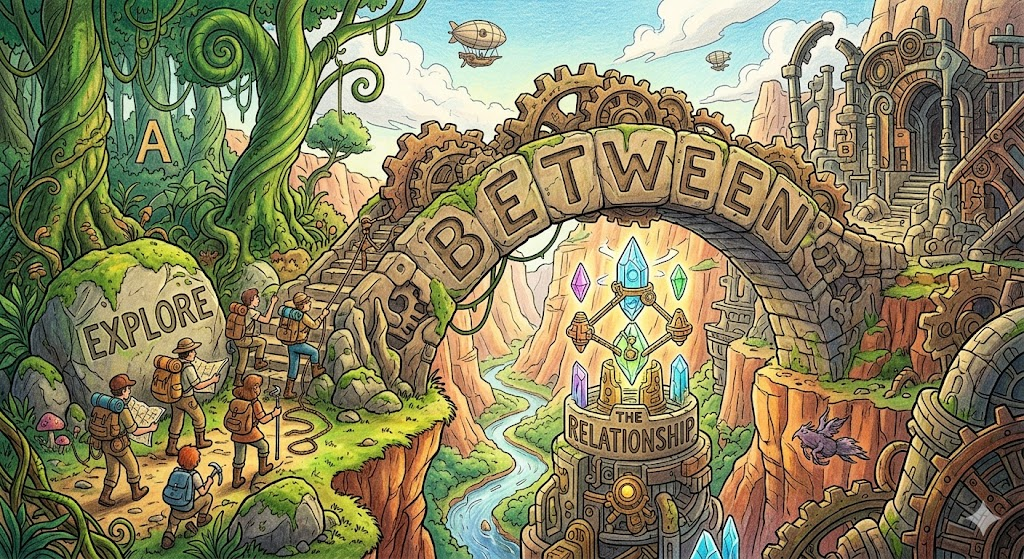
explore the relationship between [ɪkˈsplɔːr ðə rɪˈleɪʃənʃɪp bɪˈtwiːn]
(동사구) A와 B 사이의 관계를 탐구하다, 연관성을 조사하다
두 가지 요소 사이의 연결·상관관계·인과관계를 적극적으로 조사하는 것을 뜻합니다. 수능 독해 과학·사회·심리·경제 지문의 최빈출 표현입니다.
1. The sociologist spent fifteen years exploring the relationship between neighbourhood design and residents' sense of community, finding that physical proximity alone was insufficient to generate the trust that social cohesion requires. (그 사회학자는 15년을 동네 설계와 주민들의 공동체 의식 사이의 관계를 탐구하는 데 보냈으며, 물리적 근접성만으로는 사회적 결속이 요구하는 신뢰를 만들기에 불충분하다는 것을 발견했습니다.)
2. Economists have long explored the relationship between trade openness and domestic inequality, with results that challenge both the optimism of free trade advocates and the pessimism of their critics. (경제학자들은 오랫동안 무역 개방성과 국내 불평등 사이의 관계를 탐구해 왔으며, 자유 무역 옹호자들의 낙관론과 비평가들의 비관론 모두에 도전하는 결과를 얻었습니다.)
3. The neuroscientist's landmark paper explored the relationship between sleep deprivation and decision-making, demonstrating that even moderate sleep loss impairs the kind of complex judgement that professionals in high-stakes roles must exercise daily. (신경과학자의 획기적인 논문은 수면 부족과 의사결정 사이의 관계를 탐구하여, 심지어 적당한 수면 부족도 위험한 역할을 하는 전문가들이 매일 행사해야 하는 복잡한 판단을 손상시킨다는 것을 보여주었습니다.)
explore options, explore the relationship between
- explore options: 결정을 내리기 전에 가능한 선택지들을 체계적으로 살펴보다.
- explore the relationship between: 두 가지 요소 사이의 연결·상관관계·인과관계를 조사하다.
표현 탐구의 대상 핵심 뉘앙스 주요 맥락
| explore options | 선택지·가능성 | 결정 전에 선택지를 체계적으로 살펴보다 | 의료·법률·경제·교육 |
| explore the relationship between | 두 요소의 관계 | 두 요소 사이의 연결·상관·인과관계를 조사하다 | 과학·사회·심리·경제 |
1. Researchers exploring the relationship between poverty and educational attainment found that schools serving low-income communities had systematically failed to explore options that wealthier institutions took for granted — including enrichment programmes, specialist teachers, and adequate facilities. (빈곤과 교육 성취 사이의 관계를 탐구하는 연구자들은 저소득 지역사회를 섬기는 학교들이 체계적으로 부유한 기관들이 당연시했던 선택지들을 탐색하지 못했다는 것을 발견했습니다 — 심화 프로그램, 전문 교사, 적절한 시설을 포함하여.)
2. The best policy decisions are those that explore the relationship between intended outcomes and unintended consequences before acting — and that continue to explore options for correction once implementation reveals the limits of what was initially understood. (최선의 정책 결정은 행동하기 전에 의도된 결과와 의도하지 않은 결과 사이의 관계를 탐구하고 — 실행이 처음에 이해된 것의 한계를 드러낸 후에도 수정을 위한 선택지를 계속 탐색하는 것입니다.)
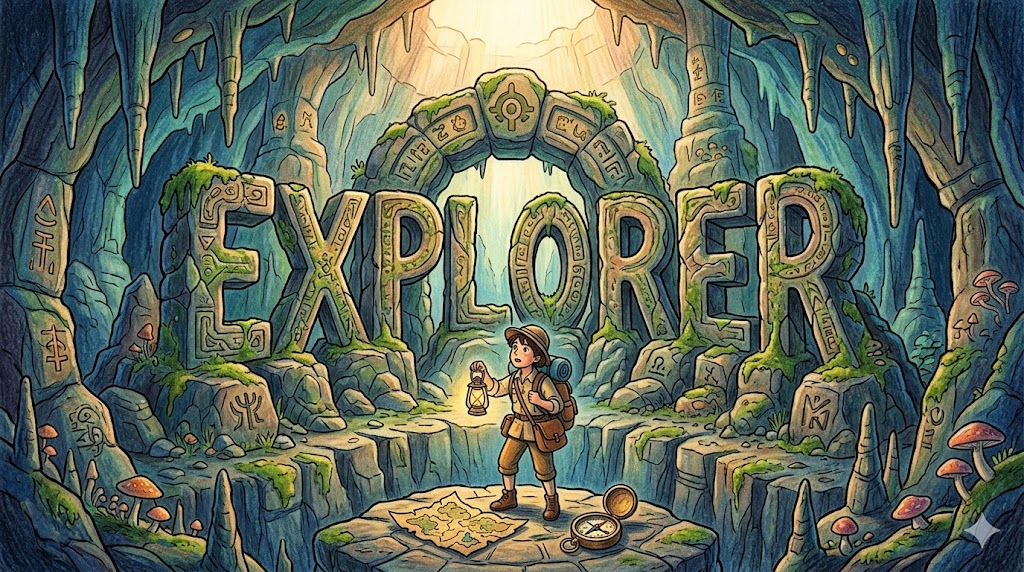
explorer [ɪkˈsplɔːrər]
(명사) 탐험가, 탐구자
미지의 세계나 새로운 분야를 적극적으로 탐험하는 사람을 뜻합니다. 역사·과학·비유적 맥락에서 핵심적으로 씁니다.
1. The great explorers of the Age of Discovery were simultaneously agents of knowledge and instruments of empire — their voyages opening new worlds to science while also enabling conquest, enslavement, and the destruction of existing civilisations. (대항해 시대의 위대한 탐험가들은 동시에 지식의 대리인이자 제국의 도구였습니다 — 그들의 항해는 과학에 새로운 세계를 열면서도 정복, 노예화, 기존 문명의 파괴를 가능하게 했습니다.)
2. In the modern era, the most significant explorers are not those who travel to unvisited places but those who venture into unvisited ideas — scientists, philosophers, and artists who map the territory of what is not yet known. (현대에는 가장 중요한 탐험가들은 방문하지 않은 장소로 여행하는 사람들이 아니라 방문하지 않은 아이디어로 모험을 떠나는 사람들입니다 — 아직 알려지지 않은 것의 영역을 지도로 만드는 과학자, 철학자, 예술가들입니다.)
3. Every curious child is an explorer by nature — the tragedy of conventional schooling is that it too often transforms this instinct for discovery into a passive reception of pre-packaged answers. (모든 호기심 있는 아이는 본능적으로 탐험가입니다 — 전통적인 학교 교육의 비극은 너무 자주 이 발견에 대한 본능을 미리 포장된 답의 수동적 수용으로 변환시킨다는 것입니다.)

explore the impact [ɪkˈsplɔːr ðiː ˈɪmpækt]
(동사구) 영향을 탐구하다, 영향을 조사하다
어떤 것이 미치는 영향이나 결과를 체계적으로 조사하는 것을 뜻합니다. 수능 독해 사회·과학·환경·경제 지문의 핵심 표현입니다.
1. The commission was tasked with exploring the impact of automation on employment, particularly in manufacturing sectors where the displacement of human labour by machines had been most rapid. (위원회는 자동화가 고용에 미치는 영향을 탐구하는 임무를 받았으며, 특히 기계에 의한 인간 노동의 대체가 가장 빠른 제조 부문에서의 영향을 조사했습니다.)
2. Researchers who explored the impact of social media on adolescent mental health found that the relationship was more complex than either alarmist or dismissive narratives had suggested. (청소년 정신 건강에 대한 소셜 미디어의 영향을 탐구한 연구자들은 그 관계가 경보론적이거나 무시적인 어느 서사가 시사했던 것보다 더 복잡하다는 것을 발견했습니다.)
3. The artist's retrospective exhibition explored the impact of personal loss on her creative output, tracing how periods of grief had consistently produced the most technically ambitious and emotionally raw work of her career. (그 예술가의 회고전은 개인적 상실이 그녀의 창작물에 미친 영향을 탐구하며, 슬픔의 기간이 일관되게 경력에서 가장 기술적으로 야심차고 감정적으로 날것의 작품을 만들어냈다는 것을 추적했습니다.)
explorer, explore the impact
- explorer: 미지의 세계나 새로운 분야를 적극적으로 탐험하는 사람.
- explore the impact: 어떤 것이 미치는 영향이나 결과를 체계적으로 조사하다.
표현 탐구의 성격 핵심 뉘앙스 주요 맥락
| explorer | 탐구하는 주체 | 미지의 것을 적극적으로 찾아나서는 사람 | 역사·과학·교육·비유 |
| explore the impact | 결과·영향 탐구 | 어떤 것이 미치는 영향을 체계적으로 조사하다 | 사회·과학·환경·경제 |
1. True explorers are not satisfied with simply discovering what exists — they must also explore the impact of that discovery on everything that was previously understood, including the assumptions they themselves brought to the journey. (진정한 탐험가들은 단순히 존재하는 것을 발견하는 것에 만족하지 않습니다 — 그들은 또한 그 발견이 이전에 이해된 모든 것에 미치는 영향을 탐구해야 하며, 자신들이 여정에 가져온 가정들을 포함하여 그렇게 해야 합니다.)
2. The scientists who explore the impact of climate change are, in a sense, explorers of a territory that humanity has never before encountered — a world reshaped by forces that our species itself set in motion. (기후 변화의 영향을 탐구하는 과학자들은 어떤 의미에서, 인류가 이전에 결코 마주치지 않았던 영역의 탐험가들입니다 — 우리 종 자체가 시작한 힘들에 의해 재형성된 세계입니다.)
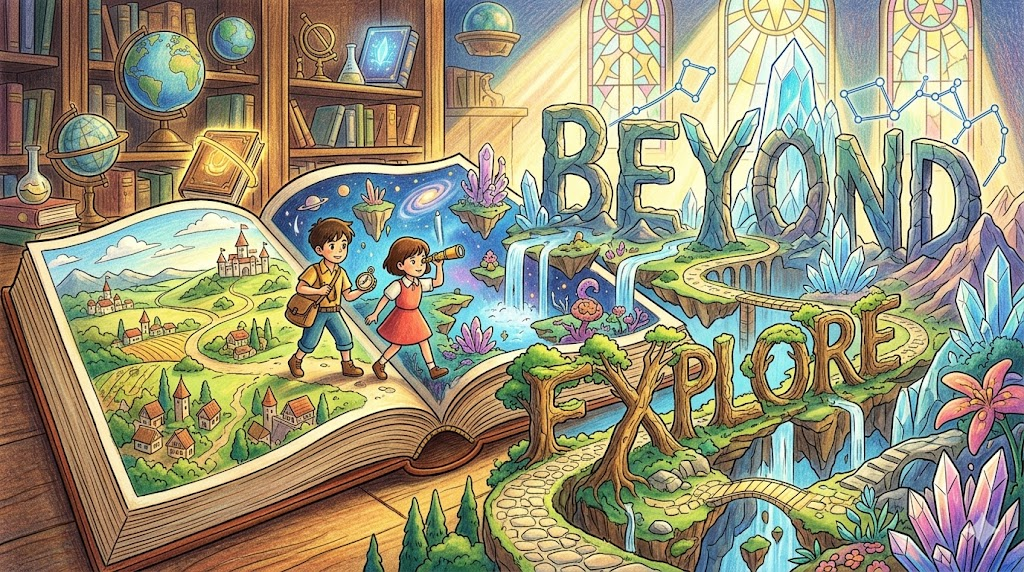
explore beyond [ɪkˈsplɔːr bɪˈjɒnd]
(동사구) ~을 넘어서 탐구하다, 경계를 초월하여 탐구하다
기존에 알려진 것이나 익숙한 것의 경계를 넘어서 탐구하는 것을 뜻합니다. 학술·철학·과학·교육 맥락에서 핵심적으로 씁니다.
1. The most intellectually courageous thinkers are those who explore beyond the consensus of their field — accepting the risk of being wrong in exchange for the possibility of being right in ways that orthodoxy cannot accommodate. (지적으로 가장 용감한 사상가들은 자신의 분야의 합의를 넘어서 탐구하는 사람들입니다 — 정통이 수용할 수 없는 방식으로 옳을 가능성을 위해 틀릴 위험을 받아들이는 사람들입니다.)
2. Space missions that explore beyond the solar system represent humanity's deepest act of curiosity — an acknowledgement that we are not content to understand only what is near, but are driven to know what lies at the furthest reaches of the cosmos. (태양계를 넘어서 탐구하는 우주 임무는 인류의 가장 깊은 호기심의 행위를 나타냅니다 — 우리가 가까운 것만 이해하는 것에 만족하지 않고 우주의 가장 먼 곳에 무엇이 있는지 알고자 하는 충동에 의해 움직인다는 것을 인정합니다.)
3. Children who are encouraged to explore beyond the answers given in textbooks develop a more sophisticated relationship with knowledge — one that treats understanding as a process rather than a destination. (교과서에서 주어진 답을 넘어서 탐구하도록 격려받는 아이들은 지식과 더 정교한 관계를 발전시킵니다 — 이해를 목적지가 아닌 과정으로 취급하는 관계입니다.)
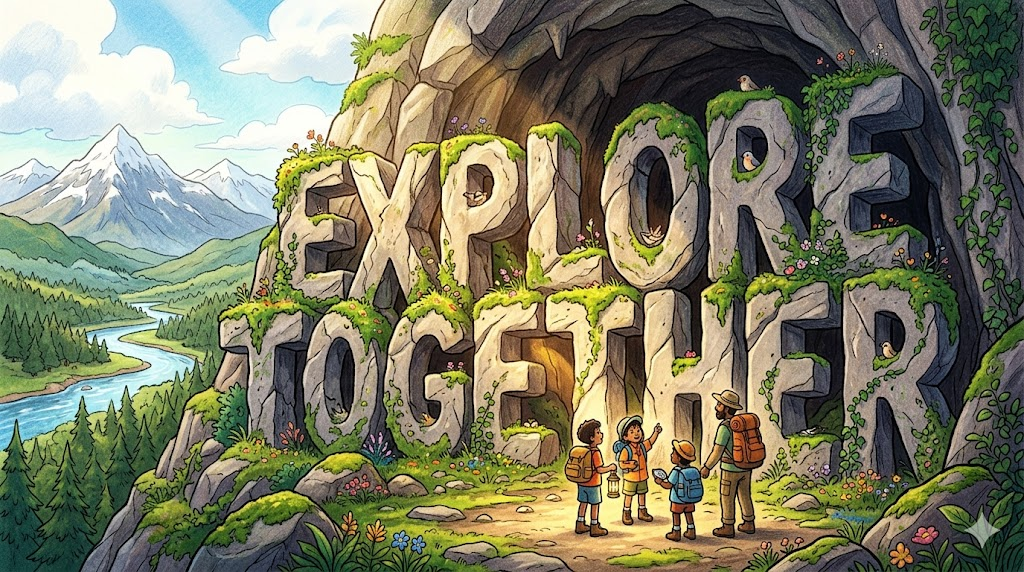
explore together [ɪkˈsplɔːr təˈɡɛðər]
(동사구) 함께 탐구하다, 공동으로 탐험하다
혼자가 아닌 함께 공동으로 탐구하고 발견하는 것을 뜻합니다. 교육·사회·과학·철학 맥락에서 핵심적으로 씁니다.
1. The Socratic method works precisely because it invites teacher and student to explore together — the teacher does not deliver knowledge but asks questions that help the student discover it for themselves. (소크라테스 방법은 교사와 학생이 함께 탐구하도록 초대하기 때문에 정확히 효과가 있습니다 — 교사는 지식을 전달하지 않고 학생이 스스로 발견하도록 돕는 질문을 합니다.)
2. The beauty of collaborative research is that different minds exploring together can identify angles and connections that no single researcher, however gifted, would have noticed working in isolation. (협력적 연구의 아름다움은 함께 탐구하는 다른 마음들이 아무리 재능 있는 단일 연구자도 혼자 작업하면 알아차리지 못했을 각도와 연결을 식별할 수 있다는 것입니다.)
3. The expedition was designed not as a competitive race to plant a flag but as a collaborative undertaking — a chance for scientists from twelve countries to explore together a region whose secrets belonged to no single nation. (그 탐험은 깃발을 꽂기 위한 경쟁적 경주가 아니라 협력적 사업으로 설계되었습니다 — 12개 국가의 과학자들이 어느 한 나라에도 속하지 않는 비밀을 가진 지역을 함께 탐구할 기회였습니다.)
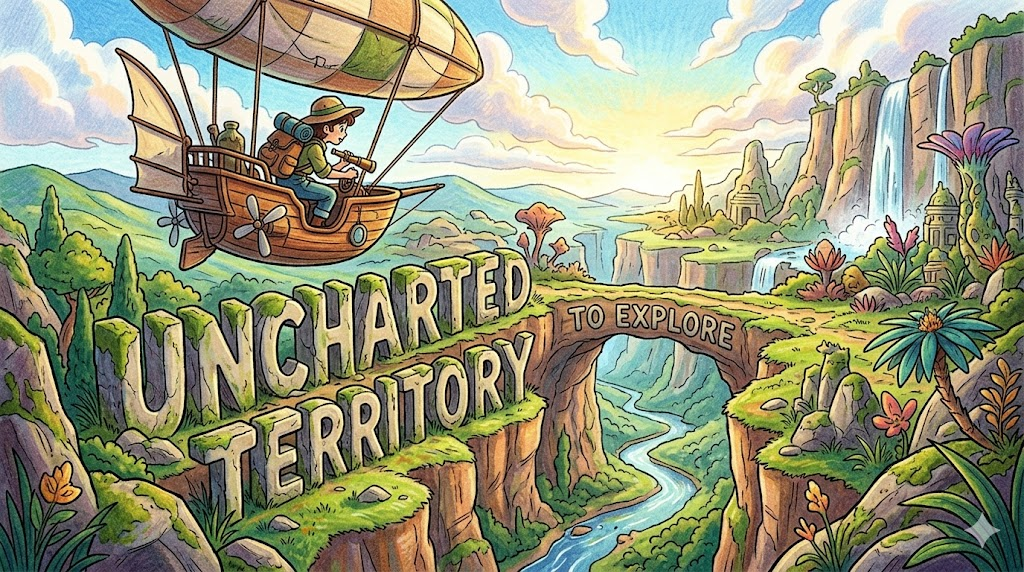
uncharted territory to explore [ʌnˈtʃɑːtɪd ˈtɛrɪtəri tuː ɪkˈsplɔːr]
(명사구) 탐구해야 할 미지의 영역, 미개척 분야
아직 지도에 그려지지 않은 것처럼 아무도 탐구하지 않은 미지의 분야를 뜻합니다. 수능 독해 과학·역사·철학·교육 지문의 핵심 표현입니다.
1. The human genome, once sequenced, revealed not an endpoint but a vast uncharted territory still to explore — millions of sequences whose function remains unknown and whose implications for medicine are yet to be understood. (인간 게놈은 한번 서열이 밝혀지자 종점이 아니라 여전히 탐구해야 할 광대한 미지의 영역을 드러냈습니다 — 기능이 여전히 알려지지 않고 의학에 대한 함의가 아직 이해되지 않은 수백만 개의 서열입니다.)
2. For every philosophical problem that has been resolved, new uncharted territory emerges to explore — the answers we find have a tendency to generate questions more interesting than those they settle. (해결된 모든 철학적 문제에 대해, 탐구할 새로운 미지의 영역이 등장합니다 — 우리가 찾는 답들은 그것들이 해결하는 것보다 더 흥미로운 질문들을 생성하는 경향이 있습니다.)
3. The therapist framed the process of self-discovery not as an excavation of painful memories but as an adventure into uncharted territory — a positive reframing that encouraged clients to explore aspects of themselves they had previously avoided. (치료사는 자기 발견의 과정을 고통스러운 기억의 발굴이 아니라 미지의 영역으로의 모험으로 틀지었습니다 — 이전에 피했던 자신의 측면을 탐구하도록 내담자를 격려한 긍정적인 재구성이었습니다.)
explore beyond, explore together, uncharted territory to explore
- explore beyond: 기존에 알려진 것이나 익숙한 것의 경계를 넘어서 탐구하다.
- explore together: 혼자가 아닌 함께 공동으로 탐구하고 발견하다.
- uncharted territory to explore: 아무도 탐구하지 않은 미지의 분야.
표현 탐구의 방식 핵심 뉘앙스 주요 맥락
| explore beyond | 경계 초월 탐구 | 알려진 한계를 넘어서 미지의 것으로 나아가다 | 학술·철학·과학·교육 |
| explore together | 공동 탐구 | 다른 마음들과 함께 탐구하여 더 넓은 발견을 하다 | 교육·과학·사회·협력 |
| uncharted territory to explore | 미개척 영역 | 아무도 지도로 만들지 않은 미지의 분야 | 과학·역사·철학·교육 |
1. When scientists explore together, they are better equipped to explore beyond the limits of any single perspective — navigating the uncharted territory that no individual could explore alone without losing their way. (과학자들이 함께 탐구할 때, 그들은 어느 한 관점의 한계를 넘어서 탐구하기에 더 잘 갖추어져 있습니다 — 어떤 개인도 혼자서는 길을 잃지 않고는 탐구할 수 없는 미지의 영역을 항해하면서.)
2. The greatest educational gift a teacher can give is the invitation to explore together — modelling what it looks like to explore beyond what is already known, and showing students that uncharted territory is not something to fear but to seek. (교사가 줄 수 있는 가장 위대한 교육적 선물은 함께 탐구하자는 초대입니다 — 이미 알려진 것을 넘어서 탐구하는 것이 어떻게 보이는지 보여주고, 학생들에게 미지의 영역이 두려워할 것이 아니라 찾아야 할 것임을 보여주는 것입니다.)
전체 요약표
표현 의미 핵심 뉘앙스
| explore | 탐험하다, 탐구하다, 살펴보다 | 미지의 것을 물러서지 않고 적극적으로 파고들어 밝혀내려는 능동적 탐구 |
| explore the possibility | 가능성을 탐구하다 | 아직 확인되지 않은 것의 실현 가능성을 적극적으로 검토하다 |
| explore new territory | 새로운 영역을 개척하다 | 아직 다루어지지 않은 분야로 적극적으로 나아가다 |
| explore in depth | 깊이 있게 탐구하다 | 표면을 넘어 깊이 있게 파고들다 |
| explore options | 선택지를 탐색하다 | 결정 전에 가능한 선택지를 체계적으로 살펴보다 |
| explore the relationship between | A와 B의 관계를 탐구하다 | 두 요소 사이의 연결·상관·인과관계를 조사하다 |
| explorer | 탐험가, 탐구자 | 미지의 것을 적극적으로 찾아나서는 사람 |
| explore the impact | 영향을 탐구하다 | 어떤 것이 미치는 영향을 체계적으로 조사하다 |
| explore beyond | ~을 넘어서 탐구하다 | 알려진 한계를 넘어서 미지의 것으로 나아가다 |
| explore together | 함께 탐구하다 | 다른 마음들과 함께 탐구하여 더 넓은 발견을 하다 |
| uncharted territory to explore | 탐구해야 할 미지의 영역 | 아무도 지도로 만들지 않은 미개척 분야 |
유의어 비교표
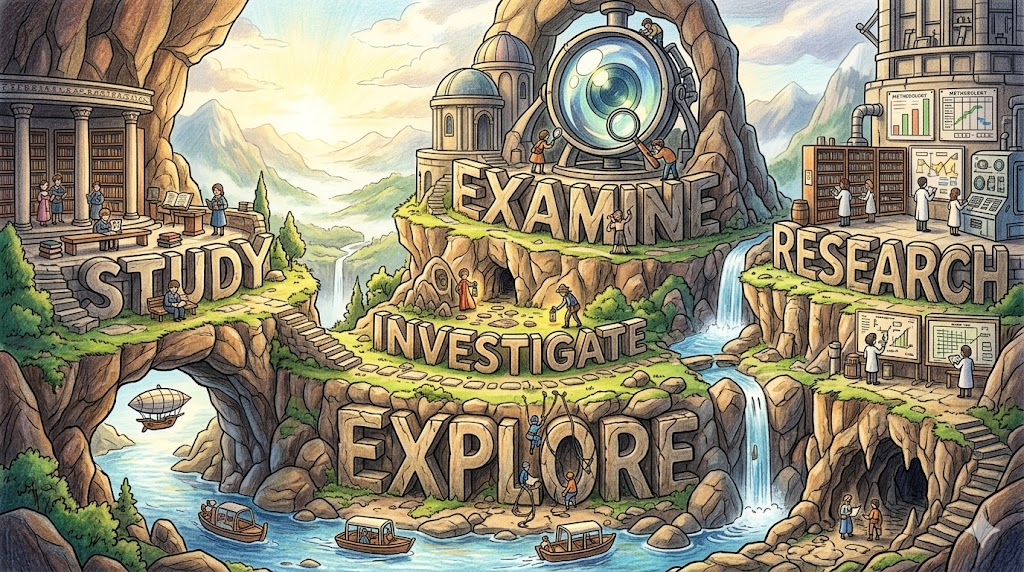
단어 공통점 뉘앙스 차이 예문
| explore | 조사하다, 탐구하다 | 미지의 것을 물러서지 않고 적극적으로 파고들어 발견하다. 개방성·능동성 최강 | Explore the topic. |
| investigate | 조사하다 | 특정 사실이나 사건의 진상을 밝히기 위해 조사하다. 목표가 구체적 | Investigate the case. |
| examine | 살펴보다, 검사하다 | 정확한 판단을 위해 꼼꼼히 살펴보다. 정밀성에 초점 | Examine the evidence. |
| study | 공부하다, 연구하다 | 배우기 위해 체계적으로 공부하다. 학습에 초점 | Study the subject. |
| research | 연구하다, 조사하다 | 체계적인 방법으로 새로운 지식을 얻다. 방법론에 초점 | Research the topic. |
유의어 예문 리스트
1. Investigate: The independent commission was appointed to investigate allegations of corruption within the procurement process, with full access to financial records and witness testimony. (독립 위원회는 재정 기록과 증인 증언에 대한 완전한 접근 권한을 가지고 조달 과정 내의 부패 혐의를 조사하기 위해 임명되었습니다.)
2. Examine: The ethics committee was asked to examine the research proposal carefully before approving the use of human subjects, particularly given the sensitivity of the data to be collected. (윤리 위원회는 특히 수집될 데이터의 민감성을 고려하여 인간 피험자 사용을 승인하기 전에 연구 제안을 신중하게 검토하도록 요청받았습니다.)
3. Research: Students who research their topics thoroughly before beginning to write consistently produce more persuasive and better-organised arguments than those who rely on their existing knowledge alone. (작성을 시작하기 전에 주제를 철저히 연구하는 학생들은 기존 지식에만 의존하는 학생들보다 일관되게 더 설득력 있고 더 잘 구성된 논거를 만들어냅니다.)
결론 정리
explore는 단순히 "탐험하다"가 아니라, 큰 소리를 내며 미지의 영역을 샅샅이 돌아다니듯 아직 알려지지 않은 것을 물러서지 않고 적극적으로 파고들어 밝혀내려는 능동적 탐구를 담은 단어다 — explore가 있는 곳엔 언제나 '단순한 관찰이 아닌, 미지의 것 앞에서 물러서지 않고 적극적으로 파고들어 발견하려는' 지적 용기의 선언이 있다.
💡 한 줄 핵심 요약
explore는 큰 소리를 내며 미지의 영역을 샅샅이 돌아다니듯 아직 알려지지 않은 것을 물러서지 않고 적극적으로 파고들어 밝혀내려는 능동적 탐구를 담은 단어.
🌟 초등학생 버전 explore는 지도에 없는 낯선 숲 속으로 "여기 뭐가 있을까?" 하고 겁내지 않고 직접 들어가 샅샅이 살펴보는 단어.


