- 분류 전체보기 (4679)

| 일 | 월 | 화 | 수 | 목 | 금 | 토 |
|---|---|---|---|---|---|---|
| 1 | 2 | 3 | 4 | 5 | 6 | 7 |
| 8 | 9 | 10 | 11 | 12 | 13 | 14 |
| 15 | 16 | 17 | 18 | 19 | 20 | 21 |
| 22 | 23 | 24 | 25 | 26 | 27 | 28 |
- come up with
- well
- Yes
- please.
- Sure
- Yeah
- too.
- Please
- I'm glad to hear that.
- work out
- make it
- Actually
- oh
- Sorry
- I'm not sure
- Don't worry
- entrance fee
- Oh No
- pick up
- I'm sorry
- Show Up
- set up
- please?
- By The Way
- Right?
- OKay
- Hey
- What Happened?
- hold on
- no
- Today
- Total
인과함께
Day157 , understanding , mutual understanding, gain an understanding, come to an understanding, deep understanding, lack of understanding, basic understanding, understanding between people, gentleman's understanding, understanding a language, understandin 본문
Day157 , understanding , mutual understanding, gain an understanding, come to an understanding, deep understanding, lack of understanding, basic understanding, understanding between people, gentleman's understanding, understanding a language, understandin
미인생 2025. 12. 5. 16:51
understanding [ˌʌndərˈstændɪŋ] 다른 사람의 생각이나 마음을 알아주는 것을 뜻하는 단어.
(명사) 이해, 이해력, 합의, 공감
'understanding'은 기본적으로 "이해", "이해력"이라는 뜻으로 쓰이며, 사물, 개념, 또는 상황을 파악하고 해석하는 능력을 의미합니다. 또한, "합의", "양해", "관용"이라는 뜻도 가집니다. 심리, 교육, 논리, 사회, 외교 등 광범위한 분야에서 핵심 단어로 등장합니다.
1. mutual understanding (상호 이해)
- 해석: 두 당사자가 서로의 관점, 상황, 또는 의견을 동등하게 이해하는 상태. (외교, 관계 지문에서 중요)
- 예문: Mutual understanding is the first step toward resolving any international conflict. (상호 이해는 모든 국제 분쟁을 해결하기 위한 첫걸음이다.)
- 예문: The marriage counselor helped the couple reach mutual understanding of their needs. (결혼 상담사는 부부가 자신들의 필요에 대한 상호 이해에 도달하도록 도왔다.)
2. gain an understanding (이해를 얻다/파악하다)
- 해석: 학습, 경험, 또는 분석을 통해 새로운 지식이나 개념을 습득하는 행위.
- 예문: Researchers conducted the field study to gain a deeper understanding of the ecosystem. (연구원들은 생태계에 대한 더 깊은 이해를 얻기 위해 현장 연구를 수행했다.)
3. come to an understanding (합의에 이르다/이해하다)
- 해석: 논의 끝에 서로 동의하는 지점을 찾거나 특정 사안에 대한 이해에 도달하는 행위. (negotiation 지문에서 중요)
- 예문: The two companies finally came to an understanding regarding the terms of the merger. (두 회사는 마침내 합병 조건에 관한 합의에 이르렀다.)
4. deep understanding (심도 깊은 이해)
- 해석: 단순한 사실을 아는 것을 넘어 근본적인 원리, 맥락, 함의까지 파악하는 수준의 이해.
- 예문: Mastering the subject requires deep understanding, not just memorization. (그 주제를 숙달하는 것은 단순한 암기가 아니라 심도 깊은 이해를 필요로 한다.)
5. lack of understanding (이해 부족/오해)
- 해석: 필요한 지식이나 공감이 부족하여 상황을 잘못 해석하는 상태.
- 예문: Many conflicts arise from a simple lack of understanding of different cultural norms. (많은 갈등은 다른 문화적 규범에 대한 단순한 이해 부족에서 발생한다.)
6. basic understanding (기초 지식/기본 이해)
- 해석: 복잡한 개념을 다루기 위해 가장 근본적으로 알아야 할 지식.
- 예문: The course provides students with a basic understanding of economic principles. (그 강좌는 학생들에게 경제 원리에 대한 기초 지식을 제공한다.)
7. understanding between people (사람들 간의 이해/관용)
- 해석: 서로의 차이점을 인정하고 공감하며 관용을 베푸는 관계.
- 예문: Promoting understanding between people is the goal of international exchange programs. (사람들 간의 이해/관용을 증진하는 것이 국제 교환 프로그램의 목표이다.)
8. gentleman's understanding (신사적 합의/구두 합의)
- 해석: 공식적인 계약서 없이 신뢰를 바탕으로 한 비공식적인 합의. (법적 구속력은 약함)
- 예문: The verbal deal was based on a gentleman's understanding rather than a written contract. (그 구두 거래는 서면 계약보다는 신사적 합의에 기반을 두었다.)
9. understanding a language (언어를 이해하는 것)
- 해석: 언어의 의미, 문법, 사용법 등을 파악하는 능력.
- 예문: She excels not only at speaking but also at understanding a language's cultural context. (그녀는 말하기뿐만 아니라 언어의 문화적 맥락을 이해하는 것에도 뛰어나다.)
10. understanding of the problem (문제 인식/문제 이해)
- 해석: 해결해야 할 난관의 근본적인 원인과 본질을 정확히 파악하는 것.
- 예문: The first step in problem-solving is to ensure a clear understanding of the problem. (문제 해결의 첫 단계는 명확한 문제 인식을 확보하는 것이다.)

대한민국 입시 주요 POINT
'understanding'은 소통의 효율성, 지식의 깊이, 그리고 사회적 관계의 본질을 다루는 심리, 교육, 사회, 철학 지문에서 가장 핵심적인 개념입니다.
1. 다의어의 구분 (Comprehension vs. Agreement)
- 'understanding'은 문맥에 따라 지적 이해(깊이 있는 파악) 를 의미할 수도 있고, 협상이나 외교에서의 합의(agreement) 를 의미할 수도 있습니다. 특히 외교 관련 지문에서는 합의의 의미로 쓰이는 경우가 많으므로 혼동하지 않도록 주의해야 합니다.
2. 지식의 수준 (Deep vs. Basic Understanding)
- 교육 지문은 basic understanding (기초 지식)을 넘어, deep understanding (개념의 근본적인 원리 파악)을 목표로 하는 비판적 사고의 중요성을 강조합니다. 단순히 외우는 것과 본질을 이해하는 것의 차이가 논의됩니다.
3. 관계의 본질과 갈등 (Mutual Understanding / Lack of Understanding)
- mutual understanding은 공감(empathy) 과 관용을 통해 갈등을 해소하는 수단으로 다뤄집니다. lack of understanding은 사회적 갈등, 오해, 그리고 차별의 근본 원인으로 제시됩니다.
understanding [ˌʌndərˈstændɪŋ] 상황이나 감정을 잘 아는 것, 배려의 태도
핵심 뜻
사물, 사실, 개념 등의 의미나 본질을 파악하는 능력; 또는 이해, 지식 (명사). 이해심 있는, 공감하는 (형용사).

단어별 뉘앙스, 의미 연결 흐름 (표)
단어 구성 요소 의미 연결 흐름 뉘앙스 요약
| under- (접두사) | '밑에', '가운데' | 무언가의 밑바닥에 다다름. | 기초 (Foundation) |
| stand (어근) | '서다', '확고히 하다' | 의미의 밑바탕 위에 확고하게 서 있는 상태. | 확고한 파악 (Firm Grasp) |
| -ing (접미사) | 명사/형용사형 | 행위를 하는 상태나 결과. | 행위/능력 (Action/Ability) |
| 종합 뉘앙스 | (1) 지식이나 개념의 근본적인 의미를 파악하는 지적 능력. (2) 타인의 감정을 헤아리는 마음. | '근본 파악 및 공감' |
단어 어원적 의미 핵심 뉘앙스 현대적 의미 연결 흐름
| 고대 영어 understandan (밑에 서다, 파악하다) | "핵심을 파악하여 확고히 서다" | 이해력/지능 → 공감/이해심 → 지식/정보 → 합의/협정 (상호 이해) |
품사별 의미와 쉬운 예문 (표)
품사 의미 상세 설명 쉬운 예문
| 명사 (N.) | 이해, 이해력 | 사물의 의미나 원리를 파악하는 능력. | A good teacher explains things so that everyone has an understanding. (좋은 선생님은 모두가 이해할 수 있도록 설명한다.) |
| 명사 (N.) | 합의, 협정 | (두 당사자 간의) 상호 이해나 묵시적인 약속. | They have a mutual understanding on the matter. (그들은 그 문제에 대해 상호 이해/합의가 있다.) |
| 명사 (N.) | 지식 | (주로 of와 함께) 특정 사실에 대한 앎. | He has a deep understanding of physics. (그는 물리학에 대한 깊은 지식이 있다.) |
| 형용사 (A.) | 이해심 있는 | (주로 be understanding) 타인의 입장을 잘 헤아리는. | Please be understanding of her situation. (그녀의 상황을 이해해 주세요.) |

활용 예문 (리스트)
- We need a deeper understanding of the causes of poverty. (우리는 빈곤 원인에 대한 더 깊은 이해가 필요하다.)
- The lack of mutual understanding led to the conflict. (상호 이해 부족이 갈등을 초래했다.)
- She showed great understanding and patience during the crisis. (그녀는 위기 동안 큰 이해심과 인내심을 보여주었다.)
- The final exam tests your fundamental understanding of the subject. (기말고사는 그 과목에 대한 당신의 근본적인 이해도를 시험한다.)
- It is the implicit understanding that payment is due upon receipt. (대금은 수령 시에 지불 기한이 도래한다는 것은 암묵적인 합의이다.)
전체 뉘앙스 설명
understanding은 '아래에 서다(under-stand)' 는 어원에서 알 수 있듯이, 지식이나 개념의 밑바닥, 즉 근본적인 원리 위에 확고하게 서는 지적인 행위를 의미합니다. 이는 단순히 정보를 아는 것(knowledge)을 넘어, '왜, 어떻게' 라는 원리를 파악하는 깊은 이해력을 강조합니다. 또한, 타인의 감정이나 상황을 헤아리는 '이해심' 의 의미로도 사용됩니다.
마지막 핵심 정리
understanding은 '사물의 본질을 파악하는 능력', '이해/지식', 또는 '이해심 있는/합의' 를 의미하는 명사/형용사입니다.

파생어 (발음 포함) (리스트)
- understand [ˌʌndərˈstænd] (동사): 이해하다
- misunderstand [ˌmɪsʌndərˈstænd] (동사): 오해하다
- understandable [ˌʌndərˈstændəbl] (형용사): 이해할 수 있는
유의어 비교 (표)
단어 품사 뉘앙스 차이 및 사용 맥락
| Understanding | 명사 | 지식이나 개념의 근본적인 원리를 파악하는 능력 또는 공감. (깊은 파악 강조) |
| Knowledge | 명사 | 경험이나 학습을 통해 습득한 사실이나 정보의 총체. (정보 축적 강조) |
| Comprehension | 명사 | 주어진 정보를 받아들이고 논리적으로 해석하는 능력. (정보 처리 강조) |
| Insight | 명사 | 사물이나 상황의 숨겨진 본질을 꿰뚫어 보는 날카로운 통찰력. (직관적 파악 강조) |
유의어 예문 (해석 포함) (리스트)
- Knowledge: He has extensive knowledge of military history. (그는 군사 역사에 대한 광범위한 지식이 있다.)
- Comprehension: Reading comprehension skills are essential for the exam. (읽기 이해력은 시험에 필수적이다.)
- Insight: The book offered new insight into human behavior. (그 책은 인간 행동에 대한 새로운 통찰을 제공했다.)
결론 정리
understanding은 '밑바닥 위에 서다' 는 어원 그대로, 지식의 근본을 확실히 파악하는 능력을 뜻하며, 단순한 정보를 넘어 상호 공감과 깊은 지적 파악을 나타내는 데 사용되는 중요한 단어입니다.
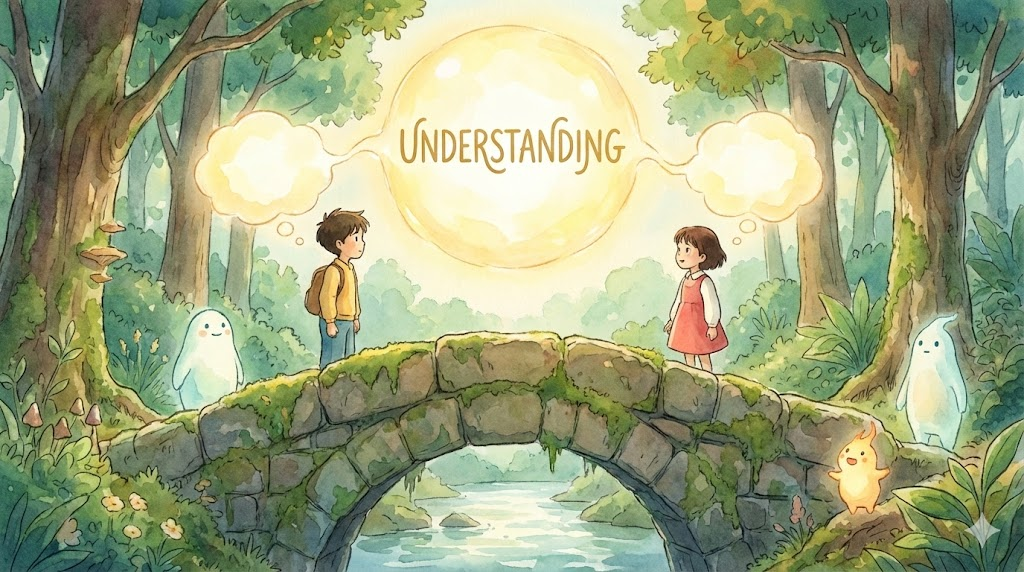
understanding [ˌʌndərˈstændɪŋ]
(명사) 이해, 이해력, 합의, 공감
어떤 사물, 현상, 또는 말의 의미를 파악하는 지적 능력(이해력)을 의미합니다. 또한, 사람 사이에 서로 공유하는 지식이나 비공식적인 동의(합의), 혹은 상대방의 처지에 대한 공감(sympathy)을 뜻하기도 합니다.
- Reading the complex legal document requires deep understanding. (복잡한 법률 문서를 읽는 것은 깊은 이해력을 필요로 한다.)
- I have a better understanding of the problem now. (나는 이제 그 문제에 대한 더 나은 이해를 가지고 있다.)
- We reached an understanding about the contract terms. (우리는 계약 조건에 대한 합의에 도달했다.)
- She showed great understanding and patience. (그녀는 큰 공감과 인내심을 보여주었다.)

mutual understanding [ˈmjuːtʃuəl ˌʌndərˈstændɪŋ]
(명사) 상호 이해, 서로의 공감
둘 이상의 당사자들이 서로의 생각, 입장, 혹은 의도를 똑같이 공유하고 이해하는 상태를 의미합니다. 효과적인 소통과 긍정적인 관계 유지를 위한 핵심 요소입니다.
- Mutual understanding is the key to a good relationship. (상호 이해는 좋은 관계의 비결이다.)
- The negotiation led to a mutual understanding of their goals. (협상은 그들의 목표에 대한 상호 이해로 이어졌다.)
- Lack of mutual understanding caused the conflict. (상호 이해 부족이 갈등을 야기했다.)
- Diplomacy requires mutual understanding between nations. (외교는 국가들 사이에 상호 이해를 필요로 한다.)

gain an understanding [ɡeɪn ən ˌʌndərˈstændɪŋ]
(숙어) 이해하게 되다, 지식을 얻다
시간과 노력을 들여 새로운 지식, 통찰력, 또는 특정 주제에 대한 더 명확한 파악 능력을 획득하는 과정을 강조합니다.
- He gained an understanding of game theory after months of study. (그는 몇 달간의 연구 끝에 게임 이론을 이해하게 되었다.)
- The research helped us gain an understanding of the spread of the disease. (그 연구는 우리가 질병의 확산을 이해하는 데 도움을 주었다.)
- She gained an understanding of the culture while studying abroad. (그녀는 유학 중에 그 문화를 이해하게 되었다.)
- Reading the report helped me gain an understanding of the issues. (보고서를 읽는 것은 내가 문제들을 이해하는 데 도움이 되었다.)
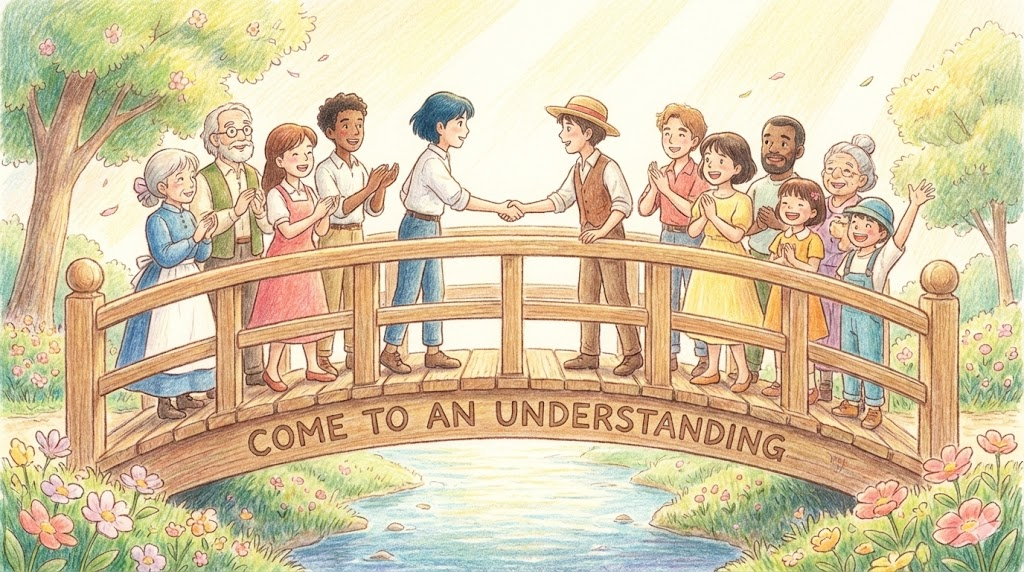
come to an understanding [kʌm tuː ən ˌʌndərˈstændɪŋ]
(숙어) (비공식적인) 합의에 이르다, 이해에 도달하다
논쟁이나 혼란스러운 상황 끝에, 당사자들이 비공식적이고 구두로 동의하거나 서로의 입장을 수용하는 결론에 도달하는 것을 의미합니다. 서면 계약(contract)보다는 덜 공식적인 합의를 나타냅니다.
- We finally came to an understanding about the work schedule. (우리는 마침내 근무 일정에 대해 합의에 이르렀다.)
- The two countries came to an understanding to ease tensions. (두 국가는 긴장 완화를 위해 합의를 보았다.)
- They came to an understanding after the argument. (그들은 언쟁 후에 이해에 도달했다.)
- It took time, but the couple came to an understanding about their future. (시간이 걸렸지만, 그 커플은 미래에 대해 합의에 이르렀다.)
understanding, mutual understanding, gain an understanding, come to an understanding
(명사) 이해, 이해력, 합의 / (숙어) 상호 이해, 이해를 얻다, 합의에 이르다
'understanding'은 '어떤 정보나 개념을' '파악하고 해석하는 능력'을 의미하는 가장 기본적인 단어입니다. 명사로 쓰일 때는 '양해'나 '합의'의 의미도 가집니다. 'mutual understanding'은 '두 사람 또는 집단 간의' '상호적인 이해나 합의'를 의미합니다. 'gain an understanding'은 '지식이나 상황에 대한' '이해를 획득하는' 능동적인 행위를 나타냅니다. 'come to an understanding'은 '논쟁이나 의견 불일치 끝에' '서로 동의하거나 합의에 이르는' 것을 의미합니다.
- It takes time and effort to gain an understanding of quantum physics. (양자 물리학에 대한 이해를 얻는 것은 시간과 노력이 필요하다.)
- Our partnership is built on mutual understanding. (우리의 파트너십은 상호 이해를 바탕으로 한다.)
- The two leaders finally came to an understanding on the terms of the treaty. (두 지도자는 마침내 조약 조건에 대해 합의에 이르렀다.)
- Reading the manual helped me gain an understanding of the software. (설명서를 읽는 것이 소프트웨어에 대한 이해를 얻는 데 도움이 되었다.)
- We achieved a better understanding of the problem after the discussion. (토론 후 우리는 문제에 대한 더 나은 이해를 얻었다.)
- Diplomacy aims for mutual understanding between nations. (외교는 국가 간의 상호 이해를 목표로 한다.)
- We must come to an understanding before signing the contract. (계약서에 서명하기 전에 합의에 이르러야 한다.)
- The lecture helped the students gain an understanding of the complex theory. (그 강의는 학생들이 복잡한 이론을 이해하는 것을 돕는 데 기여했다.)
핵심 뜻
이해, 합의. 정보를 파악하는 능력, 상호적인 공감, 그리고 의견 일치.
| understanding | 이해, 합의 | 명사로, '인지' '와' '공감'. | '정보' '를' '파악하는' '능력' '이거나' '의견' '이' '일치' '된' '상태' '를' '나타내는' '기본' '개념'. |
| mutual | 상호적인 | 형용사로, '쌍방'. | '이해' '나' '합의' '가' '한쪽' '이' '아닌' '양쪽' '모두' '에게' '적용' '됨' '을' '강조함'. |
| gain | 얻다, 획득하다 | 동사로, '습득'. | '노력' '이나' '경험' '을' '통해' '지식' '을' '자신의' '것으로' '만듦' '을' '나타냄'. |
| come to | ~에 이르다 | 동사구로, '결론'. | '논의' '나' '과정' '을' '거쳐' '마침내' '합의' '라는' '결론' '에' '도달' '함' '을' '의미함'. |
비슷한 어휘 깔끔하게 표로 정리하고 밑에 예문,해석 하나씩 나열하기
| comprehension | 이해, 이해력 (격식) |
| agreement | 합의, 동의 |
| insight | 통찰 (깊은 이해) |
comprehension
예문: Reading speed doesn't always reflect comprehension.
해석: 읽기 속도가 항상 이해력을 반영하는 것은 아니다.
agreement
예문: We reached a formal agreement on the terms.
해석: 우리는 조건에 대해 공식적인 합의에 도달했다.
insight
예문: The report provided valuable insight into the market.
해석: 그 보고서는 시장에 대한 귀중한 통찰을 제공했다.
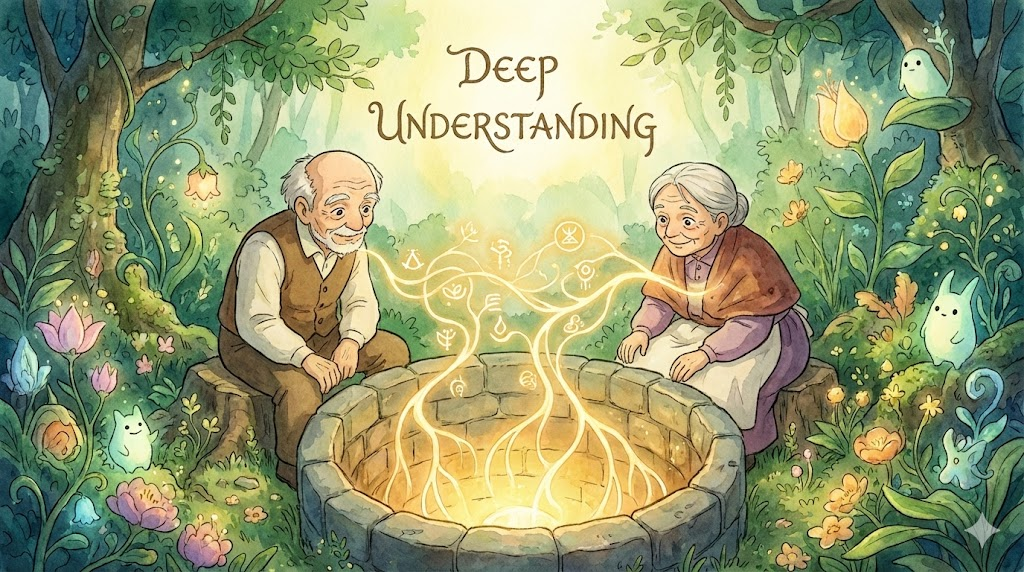
deep understanding [diːp ˌʌndərˈstændɪŋ]
(명사) 깊은 이해, 심도 있는 이해
단순히 표면적인 사실을 아는 것을 넘어, 복잡한 주제의 근본적인 원리, 맥락, 그리고 숨겨진 함의까지 완전히 파악하는 지적 능력을 의미합니다.
- The project requires a deep understanding of physics and engineering. (그 프로젝트는 물리학과 공학에 대한 깊은 이해를 필요로 한다.)
- He has a deep understanding of human nature. (그는 인간 본성에 대한 심도 있는 이해를 가지고 있다.)
- The professor's book demonstrates a deep understanding of the subject. (교수님의 책은 그 주제에 대한 깊은 이해를 보여준다.)
- Achieving a deep understanding requires constant study. (깊은 이해를 달성하는 것은 끊임없는 연구를 필요로 한다.)
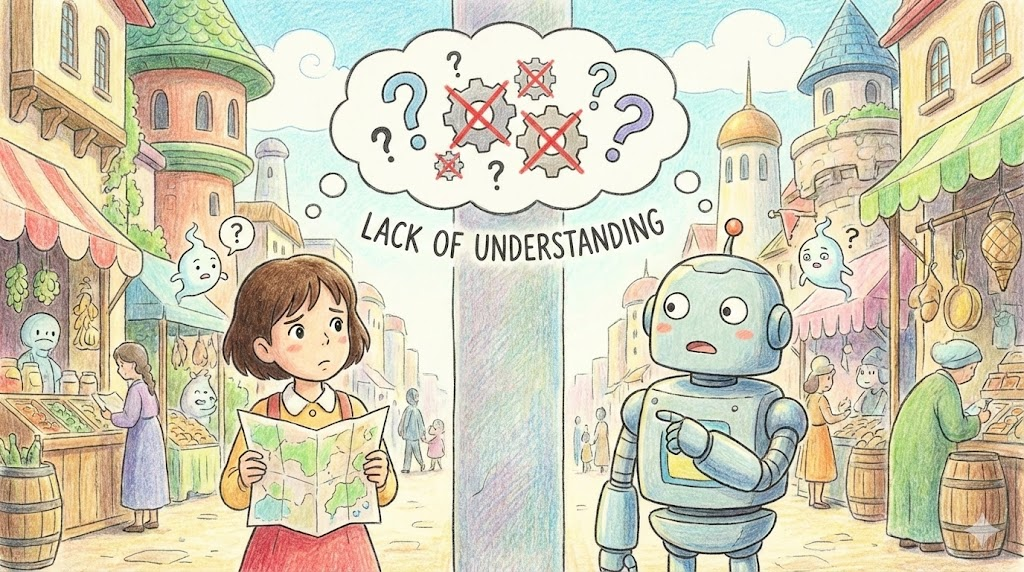
lack of understanding [læk əv ˌʌndərˈstændɪŋ]
(숙어) 이해 부족, 몰이해
필요한 사실, 정보, 혹은 상대방의 감정이나 의도를 파악하지 못하는 상태를 의미합니다. 실수, 오해, 또는 갈등의 주요 원인이 됩니다.
- The conflict was caused by a lack of understanding between the two leaders. (그 갈등은 두 지도자 사이의 이해 부족 때문에 야기되었다.)
- His error resulted from a lack of understanding of the instructions. (그의 오류는 지시 사항에 대한 이해 부족에서 비롯되었다.)
- The manager criticized the lack of understanding of company policy. (관리자는 회사 정책에 대한 이해 부족을 비판했다.)
- There is a general lack of understanding of the technology. (그 기술에 대한 전반적인 이해 부족이 있다.)

basic understanding [ˈbeɪsɪk ˌʌndərˈstændɪŋ]
(명사) 기본적인 이해, 기초 지식
주제나 문제에 대한 가장 근본적이고 핵심적인 개념만을 파악하는 것을 의미합니다. 깊은 전문 지식은 부족하더라도, 핵심 원리를 이해하고 있음을 나타냅니다.
- The job requires at least a basic understanding of computer science. (그 일은 적어도 컴퓨터 과학에 대한 기본적인 이해를 필요로 한다.)
- A basic understanding of the law is necessary for all citizens. (법에 대한 기초 지식은 모든 시민들에게 필수적이다.)
- The course aims to give students a basic understanding of economics. (그 강좌는 학생들에게 경제학에 대한 기본적인 이해를 제공하는 것을 목표로 한다.)
- He has a basic understanding of the system, but not the details. (그는 시스템에 대한 기초적인 이해는 있지만, 세부 사항은 모른다.)

understanding between people [ˌʌndərˈstændɪŋ bɪˈtwiːn ˈpiːpl]
(숙어) 사람들 간의 이해, 공감
개인, 집단, 또는 국가 간에 서로의 입장, 문화, 감정 등을 존중하고 공유하는 능력을 의미합니다. 사회적 조화와 평화의 기초가 됩니다.
- Promoting understanding between people is essential for world peace. (사람들 간의 이해를 증진하는 것은 세계 평화에 필수적이다.)
- Lack of understanding between people often leads to prejudice. (사람들 간의 이해 부족은 종종 편견으로 이어진다.)
- Cultural exchange programs foster understanding between people. (문화 교류 프로그램은 사람들 간의 이해를 조성한다.)
- We should work toward greater understanding between people of different backgrounds. (우리는 서로 다른 배경을 가진 사람들 간의 더 큰 이해를 위해 노력해야 한다.)

gentleman’s understanding [ˈdʒentlmənz ˌʌndərˈstændɪŋ]
(명사) 신사적인 합의, 구두 약속 (신뢰에 기반한)
법적인 서류 없이, 두 당사자가 상호 존중과 명예(honor)에 기반하여 말로만 맺는 비공식적인 약속이나 합의를 의미합니다. 신뢰를 깨는 것(breach of trust)이 곧 명예를 잃는 것으로 간주됩니다.
- The deal was finalized based on a gentleman’s understanding. (그 거래는 신사적인 합의에 기반하여 마무리되었다.)
- Although there was no contract, the gentleman’s understanding was binding. (비록 계약서는 없었지만, 신사적인 합의는 구속력이 있었다.)
- His word is as good as a contract; he operates on a gentleman’s understanding. (그의 말은 계약서만큼이나 믿을 만하다; 그는 신사적인 합의로 일한다.)
- Breaking the gentleman’s understanding ruined his reputation. (신사적인 합의를 깬 것은 그의 평판을 망쳤다.)
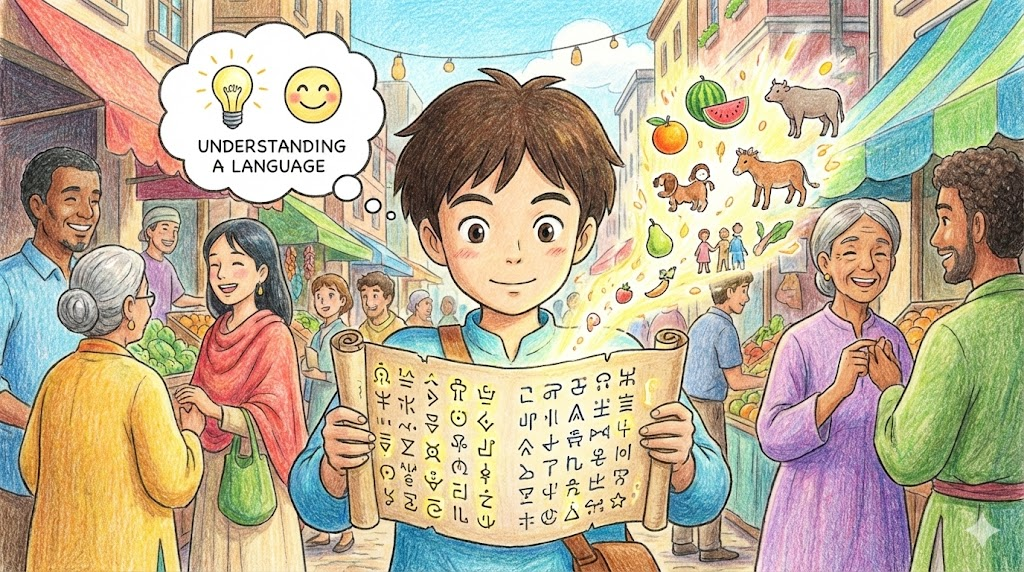
understanding a language [ˌʌndərˈstændɪŋ ə ˈlæŋɡwɪdʒ]
(숙어) 언어를 이해하는 능력
특정 언어의 문법, 어휘, 구조를 파악하여 그 언어로 된 내용(말이나 글)을 인지하고 해석하는 인지적 능력을 의미합니다. 단순히 말을 할 수 있는 것과는 별개로 언어에 담긴 의미를 파악하는 것을 강조합니다.
- Understanding a language is often harder than speaking it. (언어를 이해하는 것은 종종 말하는 것보다 더 어렵다.)
- Studying abroad helped her improve her understanding of the language. (유학은 그녀가 언어 이해력을 향상시키는 데 도움이 되었다.)
- He struggles with understanding the language used in legal documents. (그는 법률 문서에 사용된 언어를 이해하는 데 어려움을 겪는다.)
- Full understanding a language requires cultural knowledge. (언어를 완전히 이해하는 것은 문화적 지식을 필요로 한다.)
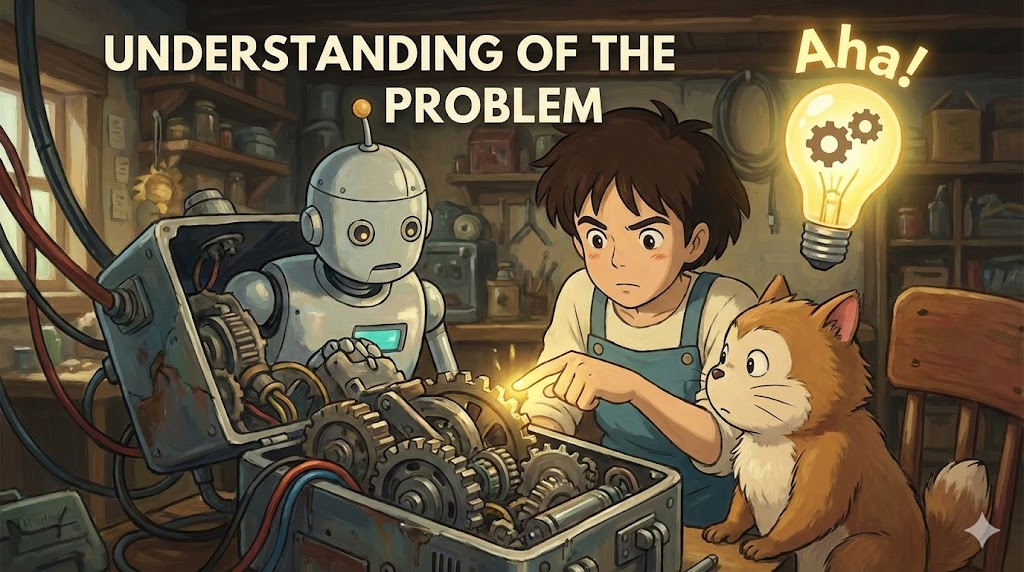
understanding of the problem [ˌʌndərˈstændɪŋ əv ðə ˈprɑːbləm]
(숙어) 문제에 대한 이해
특정 문제의 본질, 원인, 그리고 복잡성을 명확하게 파악하는 것을 의미합니다. 해결책(solution)을 찾기 위한 가장 필수적인 선행 조건입니다.
- A clear understanding of the problem is the key to finding a solution. (문제에 대한 명확한 이해가 해결책을 찾는 열쇠이다.)
- His report showed a deep understanding of the problem. (그의 보고서는 문제에 대한 깊은 이해를 보여주었다.)
- The team spent the first week achieving a mutual understanding of the problem. (팀은 첫 주를 문제에 대한 상호 이해를 달성하는 데 보냈다.)
- We lack a full understanding of the problem. (우리는 문제에 대한 완전한 이해가 부족하다.)
deep understanding, lack of understanding, basic understanding, understanding between people, gentleman’s understanding, understanding a language, understanding of the problem
(숙어) 깊은 이해, 이해 부족, 기본적인 이해, 사람들 사이의 이해, 신사적인 합의(구두 합의), 언어 이해, 문제에 대한 이해
이 표현들은 이해의 '깊이', '결여', '대상', '비공식적 합의'를 나타냅니다. 'deep understanding'은 '표면적인 지식을 넘어선' '근본적이고 심오한 이해'를 의미합니다. 'lack of understanding'은 '지식이나 이해력이 부족한' 상태를 의미하며, 'basic understanding'은 '가장 기초적이고 핵심적인 이해'를 뜻합니다. 'understanding between people'은 '사람들 간의 공감대나 상호 이해'를, 'gentleman's understanding'은 '법적 문서 없이' '신사적인 약속에 기반한 구두 합의'를 의미합니다. 'understanding a language'와 'understanding of the problem'은 이해의 '구체적인 대상'을 명시합니다.
- She has a deep understanding of human psychology. (그녀는 인간 심리에 대한 깊은 이해를 가지고 있다.)
- The failure was caused by a lack of understanding of the new system. (실패는 새 시스템에 대한 이해 부족 때문에 발생했다.)
- I only have a basic understanding of coding. (나는 코딩에 대한 기본적인 이해만 가지고 있다.)
- Their business operates purely on a gentleman's understanding. (그들의 사업은 순전히 신사적인 합의로 운영된다.)
- Lack of understanding often leads to conflict. (이해 부족은 종종 갈등으로 이어진다.)
- Understanding a language means more than just translation. (언어를 이해하는 것은 번역 이상을 의미한다.)
- We must achieve a deep understanding of the customer's needs. (우리는 고객의 필요에 대한 깊은 이해를 달성해야 한다.)
- The mediator worked to foster understanding between people. (중재자는 사람들 사이의 이해를 증진하기 위해 노력했다.)
핵심 뜻
이해의 수준과 대상. 깊이, 부족, 기초, 언어/문제에 대한 파악, 비공식적 합의.
| deep/basic | 깊은/기본적인 | 형용사로, '수준'. | '이해' '의' '정도' '가' '심오' '한지' '(', 'deep' ') '아니면' '가장' '기초적' '인' '수준' '인지' '(', 'basic' ')' '를' '구분함'. |
| lack of | ~의 부족 | 숙어구로, '결여'. | '필요한' '지식' '이나' '이해력' '이' '모자란' '상태' '임을' '나타냄'. |
| gentleman's | 신사의 | 형용사로, '비공식' '합의'. | '법적' '구속력' '없이' '개인' '의' '신뢰' '와' '명예' '에' '기반한' '약속' '임을' '의미함'. |
| of the problem | 문제에 대한 | 숙어구로, '초점'. | '이해' '의' '대상이' '추상적' '인' '것이' '아닌' '해결' '해야' '할' '구체적' '인' '문제' '임을' '명시함'. |
비슷한 어휘 깔끔하게 표로 정리하고 밑에 예문,해석 하나씩 나열하기
| profound insight | 심오한 통찰 (deep understanding 유사) |
| misconception | 오해, 잘못된 생각 (lack of understanding 관련) |
| verbal agreement | 구두 합의 (gentleman's understanding 유사) |
profound insight
예문: Her research offers a profound insight into the topic.
해석: 그녀의 연구는 그 주제에 대한 심오한 통찰을 제공한다.
misconception
예문: The failure was due to a fundamental misconception.
해석: 그 실패는 근본적인 오해 때문이었다.
verbal agreement
예문: We settled the matter with a verbal agreement.
해석: 우리는 구두 합의로 그 문제를 해결했다.
결론 정리
'deep/basic understanding'은 이해의 수준을, 'lack of understanding'은 결여를, 'gentleman's understanding'은 비공식 합의를 나타냅니다.


