
- 분류 전체보기 (4676)

| 일 | 월 | 화 | 수 | 목 | 금 | 토 |
|---|---|---|---|---|---|---|
| 1 | 2 | 3 | 4 | 5 | 6 | 7 |
| 8 | 9 | 10 | 11 | 12 | 13 | 14 |
| 15 | 16 | 17 | 18 | 19 | 20 | 21 |
| 22 | 23 | 24 | 25 | 26 | 27 | 28 |
- Actually
- What Happened?
- Sure
- Right?
- Hey
- please?
- please.
- I'm sorry
- hold on
- set up
- oh
- By The Way
- pick up
- Don't worry
- come up with
- entrance fee
- no
- too.
- work out
- make it
- Sorry
- Show Up
- I'm not sure
- Oh No
- well
- OKay
- Please
- Yeah
- Yes
- I'm glad to hear that.
- Today
- Total
인과함께
Day106 - population, population growth, population density, population decline, world population, local population, target population, sampling population, population census, population control, at-risk population 본문
Day106 - population, population growth, population density, population decline, world population, local population, target population, sampling population, population census, population control, at-risk population
미인생 2025. 11. 6. 05:04
AI Audio Overview
population [ˌpɑːpjəˈleɪʃən] 특정 지역에 살고 있는 사람들의 수를 뜻하는 단어.
(명사) 인구, 주민, 개체 수
'population'은 기본적으로 "인구", "집단"이라는 뜻으로 쓰이며, 특정 지역이나 집단에 거주하는 총 개체 수나 통계적으로 연구 대상이 되는 전체 집단을 의미합니다. 지리, 환경, 통계, 사회학, 경제학 등 광범위한 분야에서 핵심 단어로 등장합니다.
1. population growth (인구 증가)
- 해석: 특정 기간 동안 특정 지역의 인구 수가 늘어나는 현상.
- 예문: Rapid population growth can strain a country's resources and infrastructure. (급격한 인구 증가는 한 나라의 자원과 기반 시설에 부담을 줄 수 있다.)
- 예문: Government policies aim to slow down population growth through education and family planning. (정부 정책은 교육과 가족 계획을 통해 인구 증가를 늦추는 것을 목표로 한다.)
2. population density (인구 밀도)
- 해석: 특정 면적당 거주하는 사람의 수를 나타내는 통계적 측정치.
- 예문: High population density often leads to challenges related to traffic congestion and housing shortages. (높은 인구 밀도는 종종 교통 체증 및 주택 부족과 관련된 문제를 야기한다.)
3. population decline (인구 감소)
- 해석: 특정 기간 동안 특정 지역의 인구 수가 줄어드는 현상 (출산율 저하, 이민 등으로 발생).
- 예문: Many industrialized nations are currently struggling with the economic implications of population decline. (많은 산업화된 국가들이 현재 인구 감소의 경제적 함의로 어려움을 겪고 있다.)
4. world population (세계 인구)
- 해석: 현재 지구 전체에 거주하는 인간의 총합적인 수.
- 예문: The world population is expected to stabilize after reaching a peak in the mid-21st century. (세계 인구는 21세기 중반에 정점에 도달한 후 안정화될 것으로 예상된다.)
5. local population (지역 주민/지역 개체군)
- 해석: 특정 도시, 마을 또는 구역에 거주하는 주민, 또는 특정 지역의 동식물 개체군.
- 예문: The plan requires consultation with the local population to address their specific concerns. (그 계획은 지역 주민들의 특정 우려 사항을 해결하기 위해 그들과의 협의를 필요로 한다.)
6. target population (표적 집단/목표 모집단)
- 해석: 연구, 마케팅, 또는 정책의 초점이 되는 특정 특성을 가진 사람들 또는 집단 전체.
- 예문: The survey was designed to gather feedback exclusively from the 18-25 age group, which is the target population. (그 설문조사는 표적 집단인 18세에서 25세 연령층으로부터 피드백을 수집하도록 설계되었다.)
7. sampling population (표본 추출 집단)
- 해석: 통계적 연구를 위해 일부 표본(sample)이 추출되는 전체 집단 (모집단).
- 예문: The results of the experiment can only be generalized to the defined sampling population. (실험 결과는 정의된 표본 추출 집단에게만 일반화될 수 있다.)
8. population census (인구 조사)
- 해석: 국가가 특정 시점에 전체 인구의 규모, 구성, 위치 등을 파악하기 위해 실시하는 공식적인 조사.
- 예문: Data from the population census is vital for allocating government resources and planning infrastructure. (인구 조사에서 얻은 데이터는 정부 자원을 배분하고 기반 시설을 계획하는 데 필수적이다.)
9. population control (인구 조절)
- 해석: 출산율, 사망률, 이민 등을 통제하여 인구 규모의 성장 속도를 늦추거나 조절하려는 정책이나 노력.
- 예문: Historical debates on population control often raise complex ethical issues regarding individual reproductive rights. (인구 조절에 대한 역사적 논쟁은 종종 개인의 생식권에 관한 복잡한 윤리적 문제를 제기한다.)
10. at-risk population (위험 집단/취약 계층)
- 해석: 질병, 빈곤, 재해 등 특정 위험에 노출될 가능성이 높거나 취약한 사람들로 구성된 집단.
- 예문: Public health campaigns prioritize vaccination efforts for the at-risk population. (공중 보건 캠페인은 위험 집단/취약 계층에 대한 예방 접종 노력을 우선시한다.)

대한민국 입시 주요 POINT
'population'은 사회 문제의 규모, 자원 분배, 통계적 방법론, 그리고 환경적 지속 가능성을 다루는 모든 사회, 과학, 경제 지문에서 핵심적인 개념입니다.
1. 인구 변화의 동향과 함의 (Growth vs. Decline)
- population growth와 population decline의 대비는 미래 사회의 구조적 변화를 논합니다. 인구 증가는 환경 문제나 자원 고갈과 연결되고, 인구 감소는 노동력 부족, 소비 위축, 고령화와 같은 경제적 위협을 다룹니다.
2. 통계와 연구의 객관성 (Target/Sampling Population)
- target population과 sampling population은 연구의 타당성(validity)과 일반화(generalization) 문제를 논하는 통계 및 연구 방법론 지문에서 중요합니다. 표본(sample)을 추출할 모집단을 명확히 정의하는 것이 객관적인 결론을 도출하는 데 필수적임을 강조합니다.
3. 사회적 책임과 자원 배분 (At-Risk Population / Population Census)
- at-risk population에 대한 논의는 사회의 공동체적 책임과 복지 시스템의 필요성을 강조합니다. population census는 국가 정책과 사회 기반 시설을 계획하기 위한 정확한 기본 데이터의 중요성을 보여줍니다.

population [ˌpɑːpjuˈleɪʃn] 특정 지역에 사는 사람들의 총수
핵심 뜻
- (명사) 인구: 특정 지역, 국가 또는 세계에 거주하는 총인원 수.
- (명사) 모집단, 개체군: 통계학이나 생물학에서 연구 대상이 되는 전체 집단.
단어별 뉘앙스, 의미 연결 흐름
단어 어원적 의미 핵심 뉘앙스 현대적 의미 연결 흐름
| population | 라틴어 populus (국민, 인민, 대중) | 특정 지역에 거주하는 사람들의 전체 수. | '인민/대중' (집합된 사람들) → '인구' (수치화된 총 인원) → '모집단' (통계적 연구 대상) |

품사별 의미와 쉬운 예문
품사 의미 쉬운 예문 해석
| 명사 | 인구 | The city's population is growing rapidly. | 그 도시의 인구가 빠르게 증가하고 있다. |
| 명사 | 모집단, 개체군 | The study focused on the entire student population. | 그 연구는 전체 학생 모집단에 초점을 맞췄다. |
활용 예문
- The world population reached eight billion last year. (세계 인구가 작년에 80억 명에 도달했다.)
- Population density is very high in this region. (인구 밀도가 이 지역에서 매우 높다.)
- The company needs to analyze the target population for the new product. (그 회사는 새 제품의 목표 모집단을 분석할 필요가 있다.)
- A major decline in the bird population is a sign of environmental problems. (새 개체군의 주요 감소는 환경 문제의 징후이다.)
- Population growth creates new challenges for urban planning. (인구 증가는 도시 계획에 새로운 도전 과제를 만든다.)
전체 뉘앙스 설명
'population'은 명사로서 '특정 지리적 또는 개념적 경계 내에 거주하거나 속하는 모든 사람이나 개체의 총수'라는 핵심 뉘앙스를 가집니다. 이는 단순히 '사람들의 수(인구)'를 의미하는 것을 넘어, 통계학이나 생물학에서 '연구나 분석의 대상이 되는 전체 집단(모집단/개체군)'을 의미하기도 합니다. 항상 '총체적인 집합의 수'와 '경계 내의 모든 구성원'이라는 개념을 강조합니다.
마지막 핵심 정리
‘population’은 특정 지역, 국가 또는 세계에 거주하는 총인원 수인 인구이거나, 통계학이나 생물학에서 연구 대상이 되는 전체 집단인 모집단, 개체군을 의미합니다.

뉘앙스
‘population’은 ‘특정 공간이나 조건 내에서 수치적으로 측정되고 정의된 전체 구성원의 총체’라는 핵심 뉘앙스를 가집니다. 이는 수치적 총량과 경계(Boundaries)라는 개념을 강조합니다.
파생어 (발음 포함)
- populate [ˈpɑːpjuleɪt] (동사: 거주시키다, 채우다)
- populous [ˈpɑːpjələs] (형용사: 인구가 많은, 붐비는)
- overpopulation [ˌoʊvərpɑːpjuˈleɪʃn] (명사: 인구 과잉)
- depopulate [ˌdiːˈpɑːpjuleɪt] (동사: 인구를 감소시키다)

유의어 비교 (깔끔하게 표로 정리)
단어 발음 핵심 뜻 차이점
| people | [ˈpiːpl] | 사람들, 국민 (일반적이고 질적인 집합) | 개인들의 일반적인 집합이나 문화적 공동체. 'population'은 수치적인 총량에 초점. |
| demographics | [ˌdeməˈɡræfɪks] | 인구 통계 (인구의 통계적 특성) | 인구의 연령, 성별, 소득 등 '통계적인 특성 데이터'. 'population'은 '수', 'demographics'는 '그 수의 구성'. |
| inhabitants | [ɪnˈhæbɪtənts] | 주민 (특정 장소에 사는 사람들) | 특정 지역에 '거주하는' 사람들. 'population'은 '수', 'inhabitants'는 '거주민'에 초점. |
| multitude | [ˈmʌltɪtuːd] | 다수, 군중 (매우 많은 수) | 매우 많은 수나 양 (문학적). 'population'보다 '막연히 많은 수'를 강조. |
| census | [ˈsensəs] | 인구 조사 (인구를 세는 행위) | 'population'을 파악하기 위한 공식적인 절차. |
| density | [ˈdensəti] | 밀도 (단위 면적당 수) | 단위 면적당 'population'의 수. 'population'의 측정 기준. |
| depletion | [dɪˈpliːʃn] | 고갈, 감소 (반대) | 자원이나 수량이 심각하게 줄어드는 것. 'population'의 감소. |
| increase | [ɪnˈkriːs] | 증가 (반대) | 수량이 늘어나는 것. 'population'의 증가. |

유의어 예문 (해석 포함)
- The city people gathered in the square. (도시 사람들이 광장에 모였다.)
- The company studies the demographics of its target customers. (그 회사는 목표 고객의 인구 통계를 연구한다.)
- The ancient ruins were once home to thousands of inhabitants. (그 고대 유적은 한때 수천 명의 주민들이 살던 곳이었다.)
- A multitude of stars filled the night sky. (수많은 별들이 밤하늘을 채웠다.)
- The government conducts a census every ten years. (정부는 10년마다 인구 조사를 실시한다.)
- Population density is highest in the downtown area. (인구 밀도는 도심 지역에서 가장 높다.)
- The depletion of the fish stock is a serious concern. (어류 자원의 고갈은 심각한 우려 사항이다.)
- We saw a sharp increase in sales last quarter. (우리는 지난 분기에 매출의 급격한 증가를 보았다.)
결론 정리
‘population’은 특정 지역, 국가 또는 세계에 거주하는 총인원 수인 인구이거나, 통계학이나 생물학에서 연구 대상이 되는 전체 집단인 모집단, 개체군을 의미합니다.

population [ˌpɑːpjəˈleɪʃən]
(명사) 인구, 주민, 개체 수
'특정' '지역'(area), '국가'(nation), 또는 '환경'(environment) 내에서 '서식'(inhabit)하거나 '거주'(reside)하는 '사람'(people)이나 '생명체'(organisms)의 '총'(total) '수'(number)를 의미합니다. '통계적'(statistical) '측정'(measure)의 '대상'(object)이며, '자원'(resources) '관리'(management)나 '정책'(policy) '수립'(development)에 초점이 맞춰집니다.
- The government is concerned about the decline in the rural area population. (정부는 시골 지역 인구의 감소에 대해 우려한다.)
- The professor's study analyzed the rate of population growth in developing nations. (교수님의 연구는 개발 도상국의 인구 증가율을 분석했다.)
- The manager said the metropolitan area has a high population density. (관리자는 대도시 지역은 높은 인구 밀도를 가진다고 말했다.)
- The judge said the law must consider the needs of the entire nation's population. (판사는 법은 국가 전체의 인구의 필요를 고려해야 한다고 말했다.)
population growth [ˌpɑːpjəˈleɪʃən ɡroʊθ]
(명사) 인구 증가, 인구 성장
'특정' '기간'(time period) 동안 '지역'(area)이나 '국가'(nation)의 '총'(total) '인구'(population) '수'(number)가 '늘어나는'(increase) '현상'(phenomenon)을 의미합니다. '출생률'(birth rate)과 '사망률'(death rate)의 '차이'(difference)에 의해 '발생'(happen)하며, '경제적'(economic) '발전'(development)이나 '환경'(environment) '문제'(issue)와 연관됩니다.
- The professor's lecture covered the challenges associated with rapid population growth. (교수님의 강의는 급격한 인구 증가와 관련된 난제들을 다루었다.)
- The manager said the increase in customer base was due to population growth in the district. (관리자는 고객 기반 증가는 지역의 인구 증가 때문이었다고 말했다.)
- The judge said the government must have a plan to manage population growth. (판사는 정부가 인구 증가를 관리할 계획을 가져야 한다고 말했다.)
- The study analyzes the impact of population growth on environmental pollution. (그 연구는 인구 증가가 환경 오염에 미치는 영향을 분석한다.)
population density [ˌpɑːpjəˈleɪʃən ˈdensəti]
(명사) 인구 밀도
'특정' '지역'(area)의 '단위'(unit) '면적'(area) (예: 1평방킬로미터)당 '거주'(reside)하는 '사람'(people)의 '평균'(average) '수'(number)를 의미합니다. '밀집'(crowding) 정도를 '측정'(measure)하는 '지리적'(geographical) '지표'(indicator)이며, '도시'(urban) 계획에 중요합니다.
- The metropolitan area has the highest population density in the nation. (대도시 지역은 국가에서 가장 높은 인구 밀도를 가진다.)
- The manager said a high population density can increase the risk of disease spread. (관리자는 높은 인구 밀도가 질병 확산 위험을 늘릴 수 있다고 말했다.)
- The professor's study covered the relationship between noise pollution and population density. (교수님의 연구는 소음 공해와 인구 밀도 사이의 관계를 다루었다.)
- The judge ruled that the new apartment building was in violation of the population density law. (판사는 새로운 아파트 건물이 인구 밀도 법을 위반했다고 판결했다.)

population decline [ˌpɑːpjəˈleɪʃən dɪˈklaɪn]
(명사) 인구 감소
'특정' '기간'(time period) 동안 '지역'(area)이나 '국가'(nation)의 '총'(total) '인구'(population) '수'(number)가 '줄어드는'(reduce) '현상'(phenomenon)을 의미합니다. '저출산'(low birth rate)이나 '이주'(emigration)가 주된 '원인'(cause)이며, '경제적'(economic) '활동'(activity)과 '노동력'(labor force)에 '부정적'(negative) '영향'(impact)을 미칩니다.
- The government is introducing policies to address the problem of population decline. (정부는 인구 감소 문제를 다루기 위한 정책들을 도입하고 있다.)
- The manager said the company is suffering from a labor shortage due to population decline. (관리자는 회사가 인구 감소 때문에 노동력 부족으로 고통받고 있다고 말했다.)
- The judge said the social consequences of population decline are a serious worry. (판사는 인구 감소의 사회적 결과는 심각한 걱정거리라고 말했다.)
- The professor's study analyzes how population decline affects the national economy. (교수님의 연구는 인구 감소가 국가 경제에 어떻게 영향을 미치는지 분석한다.)
world population [wɜːrld ˌpɑːpjəˈleɪʃən]
(명사) 세계 인구
'지구'(Earth) '전체'(entirety)에 '거주'(reside)하는 '인간'(human) '개체'(individual)의 '총'(total) '수'(number)를 의미합니다. '국제적'(international) '협력'(cooperation), '자원'(resources) '고갈'(depletion), '기후'(climate) '변화'(change), 또는 '빈곤'(poverty)과 같은 '글로벌'(global) '문제'(issue)의 '맥락'(context)에서 사용됩니다.
- The United Nations is working to manage the growth of the world population. (유엔은 세계 인구의 증가를 관리하기 위해 노력하고 있다.)
- The professor's lecture covered the history of world population trends. (교수님의 강의는 세계 인구 추세의 역사를 다루었다.)
- The manager said the company must develop products that can serve the entire world population. (관리자는 회사가 전체 세계 인구에게 봉사할 수 있는 제품을 개발해야 한다고 말했다.)
- The judge said the principle of human rights applies to the entire world population. (판사는 인권 원칙은 전체 세계 인구에 적용된다고 말했다.)
population, population growth, population density, population decline, world population
(명사) 인구, 주민 수 , (숙어) 인구 증가, 인구 밀도, 인구 감소, 세계 인구
'population'은 '특정 지역이나 범위 내에 사는' '사람 또는 동물의 총 수'를 의미하는 가장 기본적인 단어입니다. 'population growth'는 '인구가 시간이 지남에 따라' '증가하는 현상'을, 'population density'는 '단위 면적당' '인구의 집중도'를 의미합니다. 'population decline'은 '인구가 줄어드는 현상'을, 'world population'은 '전 지구의 총 인구 수'를 뜻합니다. 이 표현들은 인구의 '양적 변화'와 '공간적 분포'에 초점을 맞춥니다.
- The city has a rapidly increasing population. (그 도시는 빠르게 증가하는 인구를 가지고 있다.)
- Population growth is slowing down in many developed countries. (인구 증가는 많은 선진국에서 둔화되고 있다.)
- Seoul has a very high population density. (서울은 매우 높은 인구 밀도를 가지고 있다.)
- The government is concerned about the severe population decline. (정부는 심각한 인구 감소에 대해 우려하고 있다.)
- The world population is expected to reach 8 billion soon. (세계 인구는 곧 80억 명에 달할 것으로 예상된다.)
- A high population density often leads to traffic congestion. (높은 인구 밀도는 종종 교통 체증으로 이어진다.)
- We must address the factors contributing to population decline. (우리는 인구 감소에 기여하는 요인들을 다루어야 한다.)
- The study focuses on the distribution of the world population. (그 연구는 세계 인구의 분포에 중점을 둔다.)
핵심 뜻
인구, 주민 수. 특정 지역에 거주하는 총인원과 그 수의 변화 및 분포.
| population | 인구, 주민 수 | 명사로, '총' '개체' '수'. | '정의' '된' '지역' '에' '거주' '하는' '개체' '의' '전체' '수' '임을' '나타내는' '기본' '개념'. |
| growth/decline | 증가/감소 | 명사로, '변화' '의' '방향'. | '인구' '수' '가' '시간' '에' '따라' '늘어나거나' '(', 'growth' ') '줄어드는지' '(', 'decline' ')' '를' '나타냄'. |
| density | 밀도 | 명사로, '집중도'. | '단위' '면적' '당' '인구' '가' '얼마나' '밀집' '되어' '있는지' '를' '나타냄'. |
| world | 세계의 | 형용사로, '범위'. | '영역' '이' '지구' '전체' '임을' '강조함'. |
비슷한 어휘 깔끔하게 표로 정리하고 밑에 예문,해석 하나씩 나열하기
| inhabitants | 주민, 거주자 (격식) |
| demographics | 인구 통계 |
| overpopulation | 인구 과잉 |
inhabitants
예문: The inhabitants of the village are mostly elderly.
해석: 그 마을의 주민들은 대부분 노인이다.
demographics
예문: The company analyzes demographics before launching a product.
해석: 그 회사는 제품 출시 전에 인구 통계를 분석한다.
overpopulation
예문: Overpopulation is a global concern in some regions.
해석: 인구 과잉은 일부 지역의 세계적인 관심사이다.

local population [ˈloʊkəl ˌpɑːpjəˈleɪʃən]
(명사) 지역 주민, 현지 인구
'특정'(specific) '도시'(city), '마을'(town), 또는 '지역'(area) 내에 '영구적'(permanent)으로 '거주'(reside)하거나 '살고'(live) 있는 '사람들'(people)의 '집단'(group)을 의미합니다. '관광객'(tourists)이나 '일시적'(temporary)인 '방문자'(visitors)와 대비되며, '지역'(local) '사회'(community)의 '특징'(characteristic)이나 '요구'(demand)에 초점이 맞춰집니다.
- The new factory will create employment opportunities for the local population. (새로운 공장은 지역 주민을 위한 고용 기회를 창출할 것이다.)
- The manager said the company must gain the acceptance of the local population for the construction. (관리자는 회사가 건설에 대해 지역 주민의 수용을 얻어야 한다고 말했다.)
- The judge said the law must protect the health of the local population from pollution. (판사는 법은 오염으로부터 지역 주민의 건강을 보호해야 한다고 말했다.)
- The professor's study analyzed the impact of tourism on the consumption pattern of the local population. (교수님의 연구는 관광이 지역 주민의 소비 패턴에 미치는 영향을 분석했다.)

target population [ˈtɑːrɡɪt ˌpɑːpjəˈleɪʃən]
(명사) 목표 모집단, 대상 집단
'연구'(research), '조사'(survey), '마케팅'(marketing) '캠페인', 또는 '정책'(policy)의 '노력'(effort)이 '궁극적으로'(ultimately) '향하는', 혹은 '영향'(impact)을 '미치고자'(influence) '의도'(intended)된 '특정'(specific) '특징'(characteristic)을 '공유'(share)하는 '사람'(people)이나 '집단'(group)을 의미합니다. '마케팅'(marketing)이나 '통계학'(statistics)에서 사용됩니다.
- The manager said we must clearly define the target population before launching the advertisement. (관리자는 광고를 출시하기 전에 우리가 대상 집단을 명확히 정의해야 한다고 말했다.)
- The professor's study used a small sample to make conclusions about the target population. (교수님의 연구는 대상 집단에 대한 결론을 내기 위해 작은 샘플을 사용했다.)
- The government policy was designed to provide support for the low-income target population. (정부 정책은 저소득층 대상 집단을 위한 지원을 제공하도록 설계되었다.)
- The engineer focused his design on the specific needs of the target population. (엔지니어는 대상 집단의 특정 필요에 집중하여 자신의 설계를 했다.)
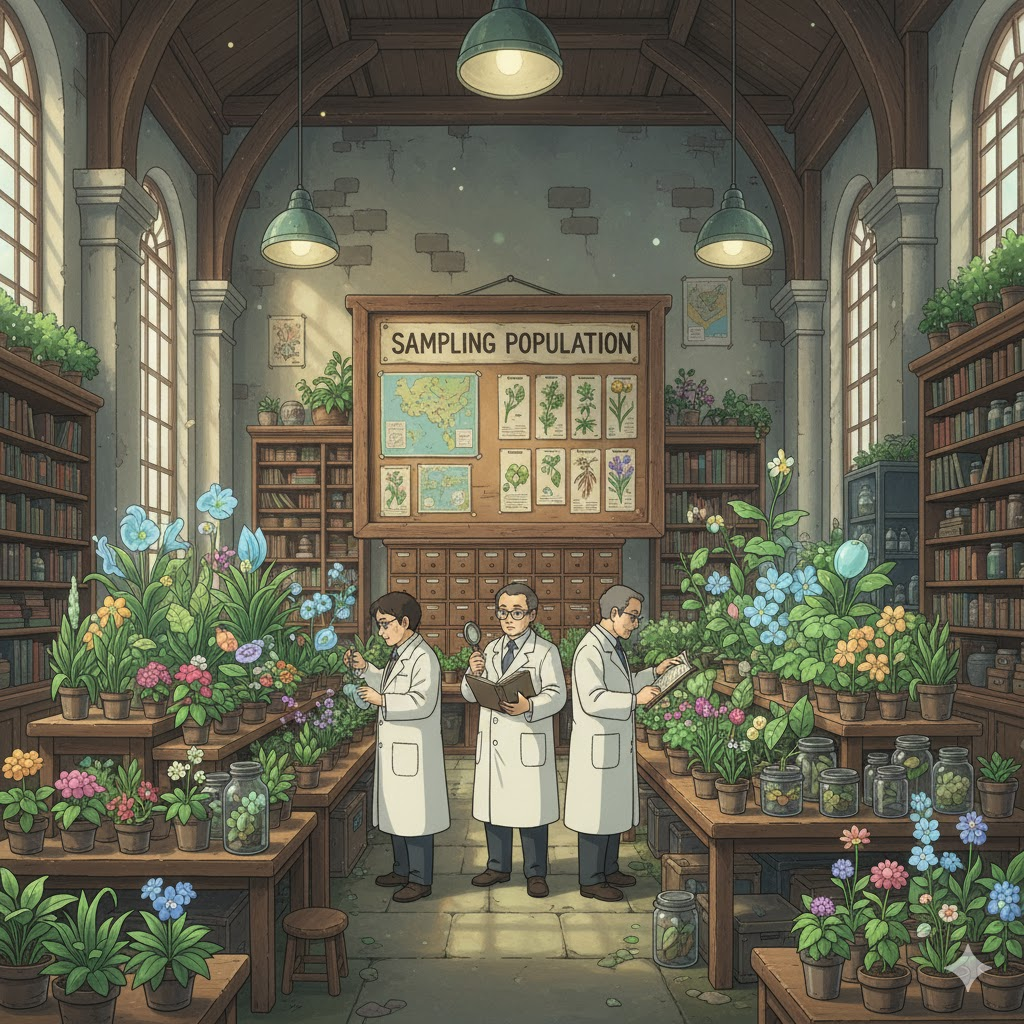
sampling population [ˈsæmplɪŋ ˌpɑːpjəˈleɪʃən]
(명사) 표본 추출 모집단
'통계적'(statistical) '연구'(study)나 '조사'(survey)에서 '결과'(result)를 '일반화'(generalize)할 '목표'(goal)를 가진 '가장'(most) '광범위한'(broad) '집단'(population)을 의미하며, '실제'(actual) '자료'(data) '수집'(collect)이 '이루어지는' '표본'(sample)이 '추출'(drawn)되는 '근원'(source)이 됩니다. '통계학'(statistics) '방법론'(methodology)의 '핵심'(core) 개념입니다.
- The professor explained the difference between the target population and the sampling population. (교수님은 대상 집단과 표본 추출 모집단 사이의 차이점을 설명했다.)
- The research methodology ensured that the sample was representative of the sampling population. (연구 방법론은 표본이 표본 추출 모집단을 대표하도록 보장했다.)
- The manager said the survey results were flawed because the sampling population was too narrow. (관리자는 표본 추출 모집단이 너무 좁아서 설문 결과가 결함이 있다고 말했다.)
- The judge ruled that the data used in the study did not accurately reflect the sampling population. (판사는 연구에 사용된 자료가 표본 추출 모집단을 정확하게 반영하지 못했다고 판결했다.)

population census [ˌpɑːpjəˈleɪʃən ˈsensəs]
(명사) 인구 조사, 센서스
'특정' '지역'(area)이나 '국가'(nation)의 '모든'(all) '인구'(population)에 대한 '정보'(information) (예: 연령, 성별, 직업)를 '체계적'(systematic)으로 '수집'(collect)하고 '기록'(record)하는 '공식적인'(official) '조사'(survey)를 의미합니다. '정부'(government)의 '정책'(policy) 수립 및 '자원'(resources) '배분'(distribution)을 위한 '기초'(foundation) '자료'(data)를 제공합니다.
- The government conducts a population census every ten years. (정부는 10년마다 인구 조사를 실시한다.)
- The manager used the population census data to analyze the demographics of the target market. (관리자는 타겟 시장의 인구 통계를 분석하기 위해 인구 조사 자료를 사용했다.)
- The professor's research relied heavily on historical population census records. (교수님의 연구는 역사적인 인구 조사 기록에 크게 의존했다.)
- The judge said the accuracy of the population census is vital for fair representation. (판사는 공정한 대표성을 위해 인구 조사의 정확성이 필수적이라고 말했다.)

population control [ˌpɑːpjəˈleɪʃən kənˈtroʊl]
(명사) 인구 조절, 인구 통제
'특정' '지역'(area)이나 '국가'(nation)의 '인구'(population) '증가'(growth)나 '감소'(decline) '속도'(rate)를 '규제'(regulate)하고 '관리'(management)하기 위해 '취하는'(take) '정책'(policy)이나 '조치'(measures)를 의미합니다. '자원'(resources) '한계'(limit)나 '경제적'(economic) '안정'(stability) 확보를 '목표'(goal)로 합니다.
- The professor's lecture covered the ethical implications of population control policies. (교수님의 강의는 인구 조절 정책의 윤리적 영향을 다루었다.)
- The manager said the company must consider the long-term effects of population control on the labor market. (관리자는 회사가 노동 시장에 대한 인구 조절의 장기적인 영향을 고려해야 한다고 말했다.)
- The judge said the law must not violate human rights in the name of population control. (판사는 법은 인구 조절의 이름으로 인권을 침해해서는 안 된다고 말했다.)
- The international organization provides aid to countries that promote responsible population control. (국제 기구는 책임감 있는 인구 조절을 장려하는 나라들에 원조를 제공한다.)

at-risk population [æt rɪsk ˌpɑːpjəˈleɪʃən]
(명사) 위험에 처한 집단, 취약 계층
'질병'(disease), '빈곤'(poverty), '폭력'(violence), 또는 '재난'(disaster)과 같은 '부정적인'(negative) '사건'(event)이나 '상황'(situation)에 '노출'(exposure)될 '가능성'(possibility)이 '다른'(other) '집단'(group)보다 '훨씬'(much) '높은'(high) '사람들'(people)의 '특정'(specific) '그룹'을 의미합니다. '보호'(protection), '지원'(support), 그리고 '예방'(prevention)이 '필수적'(essential)입니다.
- The doctor said the elderly are a major at-risk population for the new infectious disease. (의사는 노년층은 새로운 전염병의 주요 위험에 처한 집단이라고 말했다.)
- The aid organization is dedicated to providing help to the at-risk population in the urban area. (구호 단체는 도시 지역의 위험에 처한 집단에게 도움을 제공하는 데 전념하고 있다.)
- The judge said the law must protect the rights of the at-risk population at all costs. (판사는 법은 어떤 대가를 치르더라도 위험에 처한 집단의 권리를 보호해야 한다고 말했다.)
- The manager said we must take extra safety measures for the at-risk population of workers. (관리자는 우리가 작업자들의 위험에 처한 집단을 위해 추가적인 안전 조치를 취해야 한다고 말했다.)
local population, target population, sampling population, population census, population control, at-risk population
(숙어) 지역 주민, 목표 인구, 표본 집단, 인구 조사, 인구 조절, 위험에 처한 인구
이 표현들은 인구의 '구체적인 분류', '통계적 활용', '관리 정책', '취약성'에 초점을 맞춥니다. 'local population'은 '특정 지역에 거주하는' 주민을, 'target population'은 '연구나 마케팅의 대상이 되는' '목표 집단'을 의미합니다. 'sampling population'은 '실제 조사에 사용되는' '표본 집단'을, 'population census'는 '국가의 총인구를' '공식적으로 조사하는' 행정 절차를 의미합니다. 'population control'은 '인구 수를' '의도적으로 관리하거나' '조절하는 정책'을, 'at-risk population'은 '질병, 가난 등' '특정 위험에 취약한' 집단을 뜻합니다.
- The new library will benefit the local population. (새 도서관은 지역 주민에게 이익이 될 것이다.)
- The survey's target population is young adults aged 18 to 25. (그 설문 조사의 목표 인구는 18세에서 25세 사이의 젊은 성인이다.)
- The population census is conducted every ten years. (인구 조사는 10년마다 실시된다.)
- The government implemented policies for population control. (정부는 인구 조절 정책을 시행했다.)
- Children and the elderly are often considered at-risk populations during a heat wave. (어린이와 노인은 열파 동안 종종 위험에 처한 인구로 간주된다.)
- Researchers selected a random sampling population for the study. (연구자들은 연구를 위해 무작위 표본 집단을 선택했다.)
- We must prioritize the needs of the at-risk population. (우리는 위험에 처한 인구의 필요를 최우선으로 해야 한다.)
- The study's results were generalized from the sampling population to the target population. (그 연구 결과는 표본 집단으로부터 목표 인구로 일반화되었다.)
핵심 뜻
인구의 분류와 관리. 특정 지역, 목표, 통계, 정책, 취약성에 따른 인구의 구분.
| local/target/sampling | 지역/목표/표본 | 형용사로, '범위' '와' '목적'. | '인구' '가' '특정' '지역,' '연구' '대상,' '표본' '으로' '분류' '됨' '을' '나타냄'. |
| census | 조사 | 명사로, '공식' '기록'. | '국가' '의' '총인구' '를' '파악하기' '위한' '공식적' '인' '집계' '행위' '임을' '강조함'. |
| control | 조절 | 명사로, '정책'. | '인구' '의' '수' '를' '줄이거나' '관리' '하는' '정부' '의' '능동적' '인' '정책' '임을' '나타냄'. |
| at-risk | 위험에 처한 | 형용사로, '취약성'. | '질병,' '재해' '등' '에' '노출' '되어' '피해' '를' '입을' '가능성' '이' '높은' '집단' '임을' '나타냄'. |
비슷한 어휘 깔끔하게 표로 정리하고 밑에 예문,해석 하나씩 나열하기
| demographic | 인구 집단 |
| survey | 조사 (일반적) |
| vulnerable group | 취약 계층 |
demographic
예문: The marketing is aimed at the younger demographic.
해석: 그 마케팅은 젊은 인구 집단을 목표로 한다.
survey
예문: A national survey was conducted on public health.
해석: 공중 보건에 대한 전국적인 조사가 실시되었다.
vulnerable group
예문: We must protect vulnerable groups from exploitation.
해석: 우리는 취약 계층이 착취당하는 것을 막아야 한다.
결론 정리
'local/target/sampling'은 인구의 분류를, 'census'는 공식 조사를, 'control'은 정책을, 'at-risk'는 취약성을 나타냅니다.


