- 분류 전체보기 (4670)

| 일 | 월 | 화 | 수 | 목 | 금 | 토 |
|---|---|---|---|---|---|---|
| 1 | 2 | 3 | 4 | 5 | 6 | 7 |
| 8 | 9 | 10 | 11 | 12 | 13 | 14 |
| 15 | 16 | 17 | 18 | 19 | 20 | 21 |
| 22 | 23 | 24 | 25 | 26 | 27 | 28 |
- please?
- Right?
- OKay
- Show Up
- What Happened?
- Please
- too.
- Oh No
- oh
- By The Way
- I'm sorry
- pick up
- Yeah
- Sorry
- Actually
- I'm glad to hear that.
- make it
- Don't worry
- no
- work out
- I'm not sure
- Hey
- entrance fee
- set up
- well
- please.
- Yes
- hold on
- Sure
- come up with
- Today
- Total
인과함께
Day106 - politics, party politics, local politics, world politics, identity politics, school politics, petty politics, get into politics, quit politics, political science (as the study of politics), inside politics 본문
Day106 - politics, party politics, local politics, world politics, identity politics, school politics, petty politics, get into politics, quit politics, political science (as the study of politics), inside politics
미인생 2025. 11. 6. 05:01
AI Audio Overview
politics [ˈpɑːlɪtɪks] 국가 운영과 권력 관계를 다루는 체계를 뜻하는 단어.
(명사) 정치, 정치학, (개인의) 정치적 견해
'politics'는 기본적으로 "정치", "정치학"이라는 뜻으로 쓰이며, 정부나 국가의 권력과 통치에 관련된 활동, 이론, 또는 실무를 의미합니다. 또한, 조직이나 집단 내에서 권력과 지위를 얻기 위한 행위라는 비유적인 의미도 가집니다. 사회, 윤리, 역사, 경영 등 광범위한 분야에서 핵심 단어로 등장합니다.
1. party politics (정당 정치)
- 해석: 정당 간의 경쟁과 협력을 중심으로 이루어지는 정치 활동이나 과정.
- 예문: The debate often devolved into unproductive party politics instead of focusing on the merits of the policy. (그 토론은 정책의 장점을 논하기보다 종종 비생산적인 정당 정치로 전락했다.)
- 예문: A focus on party politics can sometimes overshadow the need for national unity. (정당 정치에 대한 집중은 때때로 국가 통합의 필요성을 가릴 수 있다.)
2. local politics (지방 정치)
- 해석: 도시나 지방 자치 단체 등 지역 차원에서 이루어지는 정치 활동과 의사 결정.
- 예문: Engaging in local politics allows citizens to have a direct impact on their communities. (지방 정치에 참여하는 것은 시민들이 자신의 지역 사회에 직접적인 영향을 미칠 수 있도록 한다.)
3. world politics (세계 정치/국제 정치)
- 해석: 국가 간의 관계, 국제 기구, 글로벌 이슈 등을 다루는 정치적 활동과 역학 관계.
- 예문: Understanding the principles of world politics is essential for analyzing international conflicts. (세계 정치의 원리를 이해하는 것은 국제 분쟁을 분석하는 데 필수적이다.)
4. identity politics (정체성 정치)
- 해석: 인종, 성별, 종교, 민족 등 공유된 집단 정체성을 기반으로 하여 정치적 이익을 추구하는 방식. (사회, 정치 지문에서 중요)
- 예문: Critics argue that identity politics can sometimes fragment the broader national discussion. (비평가들은 정체성 정치가 때로는 더 넓은 국가적 논의를 분열시킬 수 있다고 주장한다.)
5. school politics (학교 정치)
- 해석: 학교 내에서 교사, 행정가, 학부모 등이 권력, 예산, 의사 결정을 두고 벌이는 경쟁이나 역학 관계. (비유적 의미)
- 예문: Dealing with the complicated school politics was often more stressful than teaching the students. (복잡한 학교 정치를 다루는 것은 학생들을 가르치는 것보다 종종 더 스트레스였다.)
6. petty politics (사소한 정치/지엽적 정쟁)
- 해석: 사소하고 비본질적인 문제에 집착하며 에너지와 자원을 낭비하는 정치 활동. (부정적 맥락에서 사용)
- 예문: Voters were tired of the constant petty politics and demanded solutions to serious issues. (유권자들은 끊임없는 사소한 정치에 지쳤고 심각한 문제에 대한 해결책을 요구했다.)
7. get into politics (정계에 입문하다)
- 해석: 정치인, 공무원 등 정치 분야에서 일을 시작하는 행위.
- 예문: She decided to get into politics after working for years as a community activist. (그녀는 지역 사회 운동가로 수년간 일한 후 정계에 입문하기로 결정했다.)
8. quit politics (정계를 떠나다/정치 활동을 그만두다)
- 해석: 정치인으로서의 활동을 중단하고 공직에서 물러나는 행위.
- 예문: The veteran senator announced his decision to quit politics after serving for four decades. (그 베테랑 상원의원은 40년간 봉사한 후 정계를 떠나겠다고 발표했다.)
9. political science (as the study of politics) (정치학)
- 해석: 정치 체제, 행동, 이론 등을 학문적으로 연구하는 분야.
- 예문: The seminar focused on comparative analysis within political science. (그 세미나는 정치학 내의 비교 분석에 초점을 맞추었다.)
10. inside politics (내부 정치/비밀스러운 정치)
- 해석: 일반 대중에게 알려지지 않은, 조직이나 정당 내부의 권력 다툼이나 비밀 거래.
- 예문: The journalist claimed his book would reveal the shocking details of inside politics. (그 기자는 자신의 책이 내부 정치의 충격적인 세부 사항을 폭로할 것이라고 주장했다.)
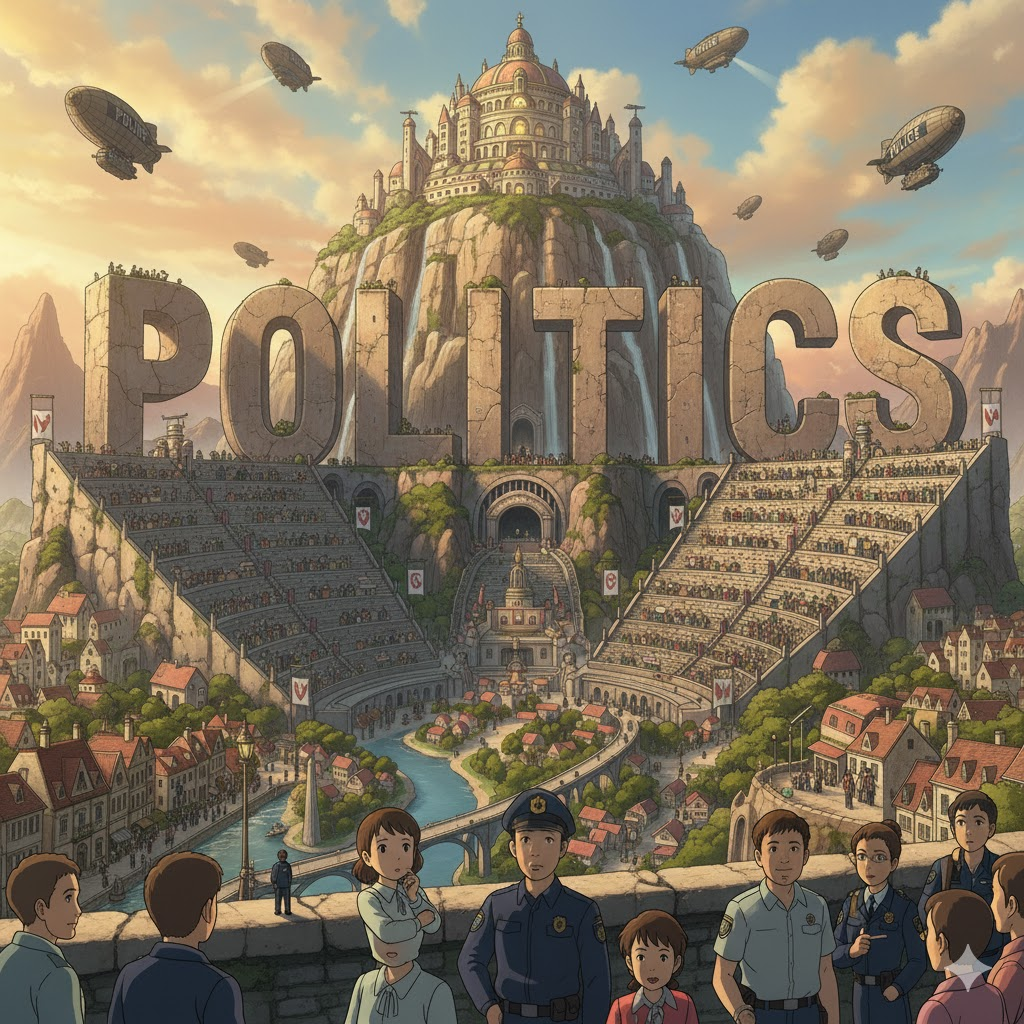
대한민국 입시 주요 POINT
'politics'는 권력과 의사 결정, 집단 간의 갈등, 그리고 사회적 가치관의 충돌을 다루는 정치, 사회, 윤리 지문에서 가장 핵심적인 주제입니다.
1. 권력 배분과 갈등의 원인 (Party/Identity Politics)
- party politics와 identity politics는 사회의 분열(fragmentation)과 갈등의 원인을 논합니다. 정체성 정치는 소수자 권리 보호에 기여하지만, 집단 간의 편협성(parochialism)을 심화시킬 수 있다는 비판적 논의가 자주 출제됩니다.
2. 정치 참여와 일상 생활의 관계 (Local Politics)
- local politics는 개인의 삶과 가장 밀접하게 연결된 정치 영역임을 강조합니다. 지문은 정치적 무관심(apathy)을 비판하며, 시민들이 지역 사회 문제 해결에 적극적으로 참여(engagement) 해야 하는 이유를 논합니다.
3. 정치의 본질적 목표와 윤리 (Petty Politics)
- petty politics는 정치가 사소하고 비본질적인 정쟁에 매몰될 때 발생하는 자원 낭비와 비효율성을 비판합니다. 이는 정치의 진정한 목표(공익, 정의 실현)에 집중해야 한다는 윤리적 요구를 강조하는 맥락에서 사용됩니다.

politics [ˈpɑːlətɪks] 국가 운영과 권력의 분배, 사회적 논쟁의 대상
핵심 뜻
- (명사, 단수 취급) 정치, 국정: 국가나 정부를 통치하고 관리하는 활동이나 과정.
- (명사, 복수 취급) 정치적 견해/활동: 개인이나 집단이 권력과 지위를 얻거나 유지하기 위해 벌이는 활동.
- (명사, 단수 취급) 정치학: 정부와 권력에 대한 이론 및 실제를 연구하는 학문.
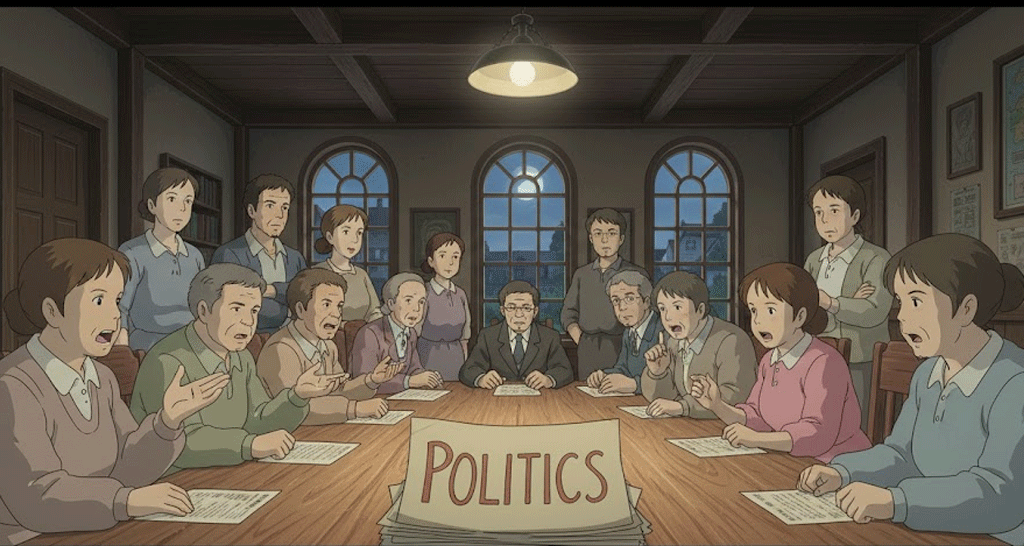
단어별 뉘앙스, 의미 연결 흐름
단어 어원적 의미 핵심 뉘앙스 현대적 의미 연결 흐름
| politics | 그리스어 polis (도시, 도시 국가) | 도시 국가나 공동체의 통치와 운영에 관련된 모든 활동. | '국정/통치' (정부의 공식 활동) → '정치적 활동' (권력을 얻기 위한 전략) → '정치학' (연구 분야) |
품사별 의미와 쉬운 예문
품사 의미 쉬운 예문 해석
| 명사 | 정치, 국정 | I try to follow current politics. | 나는 현재의 정치 상황을 따르려고 노력한다. |
| 명사 | 정치적 견해/활동 | Office politics can be complicated. | 직장 정치(활동)는 복잡할 수 있다. |
| 명사 | 정치학 | She majored in politics at college. | 그녀는 대학에서 정치학을 전공했다. |

활용 예문
- We debated the role of politics in society. (우리는 사회에서 정치의 역할에 대해 토론했다.)
- The two sides often clash over economic politics. (양측은 경제 정책(정치)을 두고 종종 충돌한다.)
- He's tired of the constant politics and maneuvering in his company. (그는 회사 내의 끊임없는 정치적 활동과 술수에 지쳤다.)
- Understanding politics is crucial for being an informed citizen. (정치를 이해하는 것은 정보에 입각한 시민이 되는 데 필수적이다.)
- International politics often involves complex negotiations. (국제 정치는 종종 복잡한 협상을 포함한다.)

전체 뉘앙스 설명
'politics'는 명사로서 '국가나 공동체의 권력 획득, 통치, 그리고 운영과 관련된 활동'이라는 핵심 뉘앙스를 가집니다. 이는 정부의 공식적인 행위(국정)를 의미하는 단수 취급(politics is...)과, 개인이나 집단이 이익을 위해 벌이는 전략적인 활동이나 갈등(Office politics are...)을 의미하는 복수 취급의 두 가지 용법이 있습니다. 또한, '정치학'이라는 학문 분야를 지칭하기도 합니다. 핵심적으로 '권력, 통치, 그리고 전략적 활동'을 포괄하는 다의어입니다.
마지막 핵심 정리
‘politics’는 국가나 정부를 통치하고 관리하는 활동이나 과정인 정치, 국정이거나, 개인이나 집단이 권력과 지위를 얻거나 유지하기 위해 벌이는 활동인 정치적 견해/활동이거나, 정부와 권력에 대한 이론 및 실제를 연구하는 학문인 정치학을 의미합니다.

뉘앙스
‘politics’는 ‘공동체의 방향을 결정하고 자원을 배분하기 위해 권력을 획득하고 사용하는 전략적인 행위’라는 핵심 뉘앙스를 가집니다. 이는 통제, 권력 투쟁, 그리고 공공의 의사 결정이라는 의미를 강조합니다.
파생어 (발음 포함)
- political [pəˈlɪtɪkl] (형용사: 정치적인)
- politician [ˌpɑːləˈtɪʃn] (명사: 정치가)
- politic [ˈpɑːlətɪk] (형용사: 현명한, 신중한 - 구식)
- apolitical [ˌeɪpəˈlɪtɪkl] (형용사: 정치에 무관심한)

유의어 비교 (깔끔하게 표로 정리)
단어 발음 핵심 뜻 차이점
| government | [ˈɡʌvərnmənt] | 정부 (통치하는 조직이나 기관) | 통치하는 '조직' 자체. 'politics'는 '조직이 수행하는 활동이나 과정'. |
| policy | [ˈpɑːləsi] | 정책 (정부의 구체적인 행동 방침) | 정부가 내린 '구체적인 행동 방침'. 'politics'는 '정책을 결정하는 과정'. |
| state | [steɪt] | 국가 (주권을 가진 정치적 실체) | 주권을 가진 '정치적 실체'나 '영토'. 'politics'는 '활동'. |
| strategy | [ˈstrætədʒi] | 전략 (목표 달성을 위한 장기 계획) | 목표 달성을 위한 '장기적인 계획'. 'politics'는 '전략을 실행하는 과정'에 초점. |
| diplomacy | [dɪˈploʊməsi] | 외교 (국가 간의 관계 관리) | 국가 간의 평화적인 관계 관리. 'politics'의 한 분야. |
| anarchy | [ˈænərki] | 무정부 상태 (통치의 부재) | 정치적 통제나 질서가 없는 상태. 'politics'의 반대 개념. |
| bureaucracy | [bjʊˈrɑːkrəsi] | 관료주의 (관료에 의한 통치) | 정부 조직의 행정 체계. 'politics'가 '방향 설정'이라면, 'bureaucracy'는 '규칙에 따른 집행'. |
| ideology | [ˌaɪdiˈɑːlədʒi] | 이념, 사상 (정치적 신념 체계) | 정치적 행동의 근간이 되는 '신념 체계'. 'politics'는 '이념을 실현하는 행위'. |

유의어 예문 (해석 포함)
- The government is responsible for public education. (그 정부는 공교육에 책임이 있다.)
- The new economic policy aims to reduce unemployment. (새로운 경제 정책은 실업률을 줄이는 것을 목표로 한다.)
- The state controls the national currency. (국가는 국가 통화를 통제한다.)
- The military strategy was kept secret. (군사 전략은 비밀로 유지되었다.)
- Diplomacy is essential for maintaining international relations. (외교는 국제 관계 유지를 위해 필수적이다.)
- The collapse of order led to social anarchy. (질서의 붕괴는 사회적 무정부 상태로 이어졌다.)
- The project was delayed by excessive bureaucracy. (그 프로젝트는 과도한 관료주의 때문에 지연되었다.)
- The two parties differ greatly in their core ideology. (두 정당은 핵심 이념에서 크게 다르다.)
결론 정리
‘politics’는 국가나 정부를 통치하고 관리하는 활동이나 과정인 정치, 국정이거나, 개인이나 집단이 권력과 지위를 얻거나 유지하기 위해 벌이는 활동인 정치적 견해/활동이거나, 정부와 권력에 대한 이론 및 실제를 연구하는 학문인 정치학을 의미합니다.

politics [ˈpɑːlɪtɪks]
(명사) 정치, 정치학, (개인의) 정치적 견해
'정부'(government)의 '정책'(policy) 수립, '권력'(power) 획득과 '배분'(distribution), 그리고 '공공'(public) '자원'(resources)의 '관리'(management)와 관련된 '모든'(all) '활동'(activity)과 '이론'(theory)을 의미합니다. 단순히 '정치인'(politician)의 '행위'(action)를 넘어, '사회'(society)의 '질서'(order), '정의'(justice), 그리고 '권리'(rights)를 '결정'(determine)하는 '과정'(process)을 포괄하는 개념에 초점이 맞춰집니다.
- The professor's lecture covered the history of world politics. (교수님의 강의는 세계 정치 역사를 다루었다.)
- The manager said we must avoid discussing politics in the office. (관리자는 우리가 사무실에서 정치에 대해 논의하는 것을 피해야 한다고 말했다.)
- The judge said the law must remain independent from party politics. (판사는 법은 정당 정치로부터 독립적인 상태를 유지해야 한다고 말했다.)
- The new policy was a compromise born of local politics. (새로운 정책은 지역 정치에서 비롯된 타협안이었다.)

party politics [ˈpɑːrti ˈpɑːlɪtɪks]
(명사) 정당 정치, 파당 정치
'정치적'(political) '결정'(decision)이나 '활동'(activity)이 '국가'(nation) '전체'(whole)의 '이익'(benefit)보다는, '특정' '정당'(party)의 '이념'(ideology)이나 '목표'(goal)를 '추구'(pursuit)하는 데 '좌우'(depend)되는 '방식'(manner)을 의미합니다. '분열'(division)과 '갈등'(conflict)을 '유발'(cause)할 수 있는 '당파적'(partisan) '태도'(attitude)를 강조합니다.
- The judge said that the court must not be influenced by party politics. (판사는 법원은 정당 정치의 영향을 받아서는 안 된다고 말했다.)
- The professor's lecture analyzed the negative impact of party politics on governance. (교수님의 강의는 정당 정치가 국정 운영에 미치는 부정적인 영향을 분석했다.)
- The manager said the internal conflict in the department felt like party politics. (관리자는 부서의 내부 갈등이 정당 정치처럼 느껴졌다고 말했다.)
- The politician promised to put an end to party politics if he takes office. (그 정치인은 자신이 취임하면 정당 정치를 종식하겠다고 약속했다.)
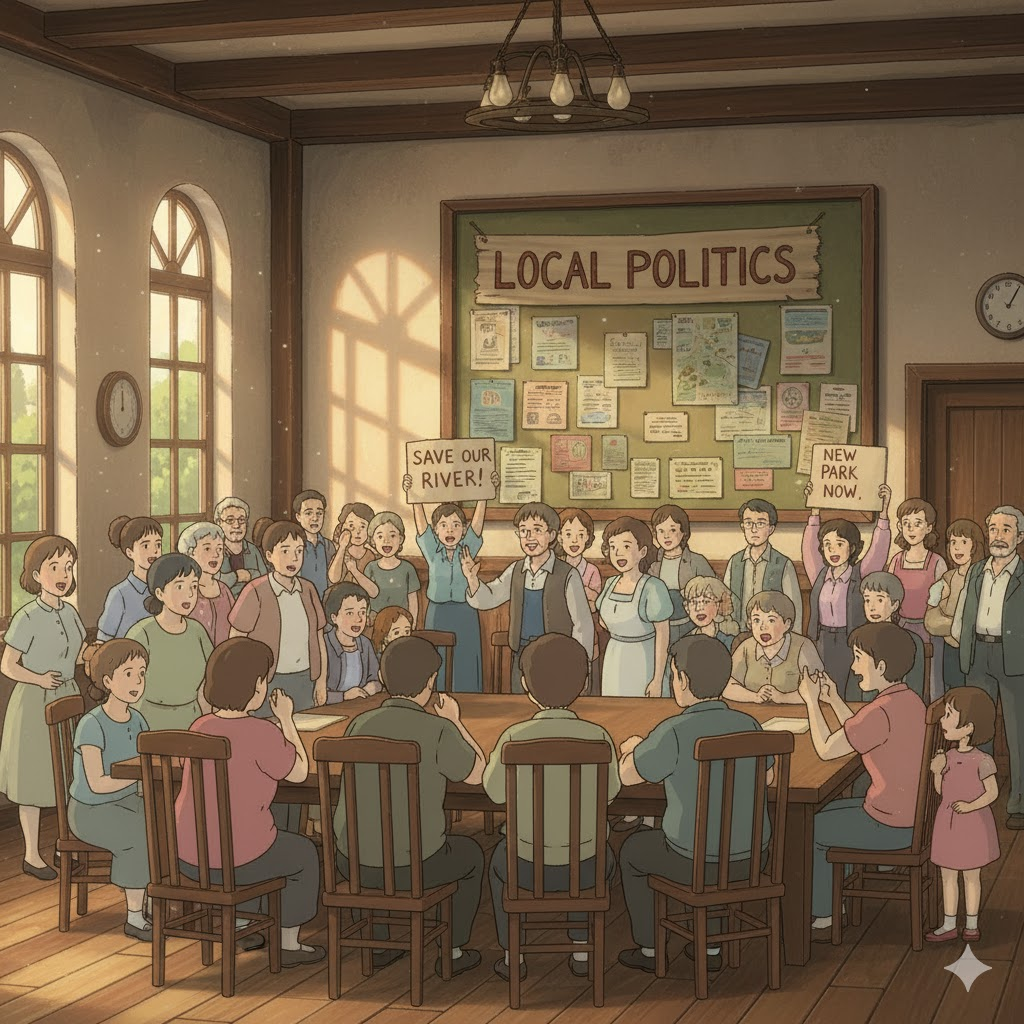
local politics [ˈloʊkəl ˈpɑːlɪtɪks]
(명사) 지방 정치, 지역 정치
'국가'(nation) '차원'이 아닌, '도시'(city), '지역'(district), 또는 '주'(state)와 같은 '작은'(smaller) '지리적'(geographical) '영역'(area)의 '정부'(government)와 '정책'(policy)을 '대상'(target)으로 하는 '정치'(politics) '활동'(activity)을 의미합니다. '주민'(resident)들의 '일상'(daily) '생활'(life)과 '직접적'(direct)으로 '관련'(related)된 '사안'(issue)에 초점이 맞춰집니다.
- The manager decided to run for office in local politics to improve the community. (관리자는 지역 사회를 개선하기 위해 지방 정치 공직에 출마하기로 결정했다.)
- The judge said that corruption in local politics can have a big impact on people's lives. (판사는 지방 정치의 부패는 사람들의 삶에 큰 영향을 미칠 수 있다고 말했다.)
- The professor's study analyzes the role of the local news in shaping local politics. (교수님의 연구는 지역 뉴스가 지방 정치를 형성하는 데 있어서의 역할을 분석한다.)
- The engineer said the construction project was delayed due to local politics. (엔지니어는 건설 프로젝트가 지역 정치 때문에 지연되었다고 말했다.)
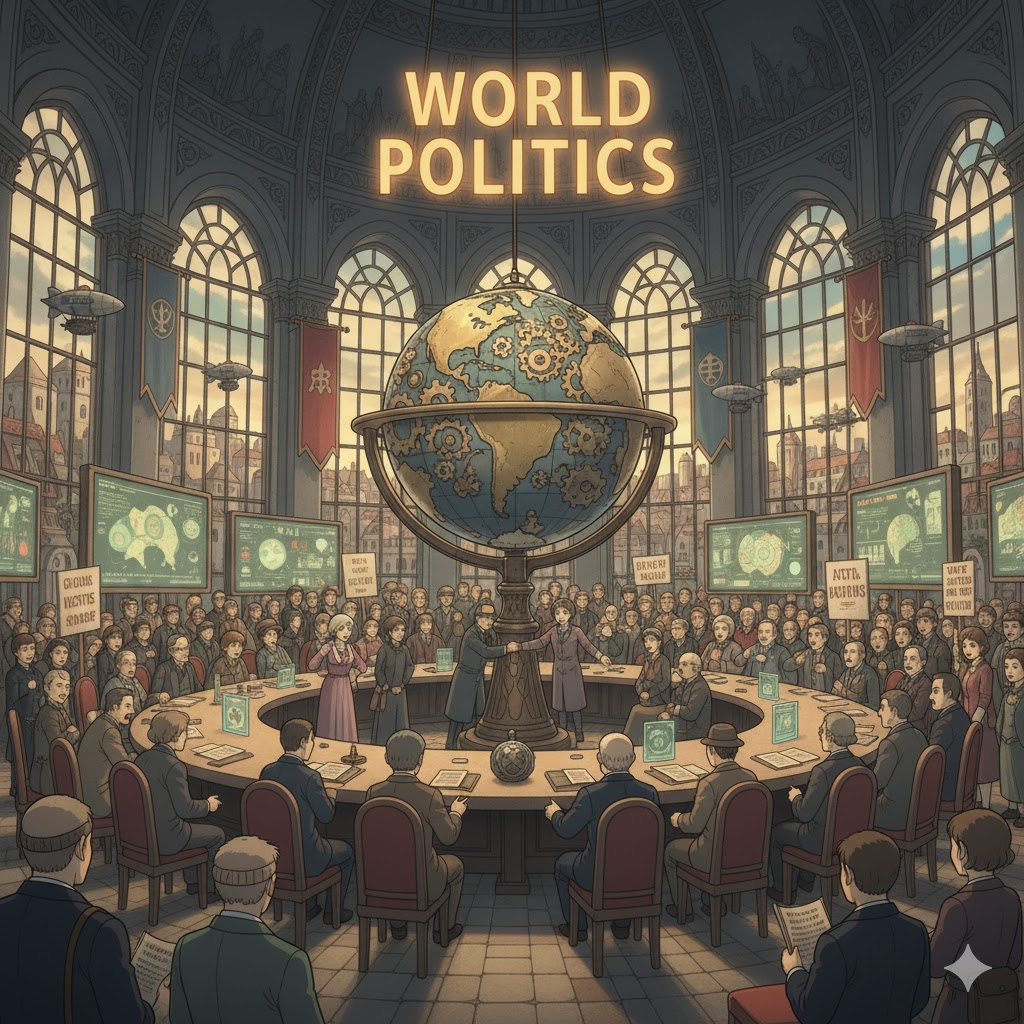
world politics [wɜːrld ˈpɑːlɪtɪks]
(명사) 세계 정치, 국제 정치
'국가'(nation) '간'(between)의 '권력'(power) '관계'(relationship), '외교'(diplomacy), '전쟁'(war), '평화'(peace), 그리고 '국제'(international) '협력'(cooperation)과 관련된 '정치'(politics) '활동'(activity) 및 '이론'(theory)을 의미합니다. '글로벌'(global) '안보'(security), '무역'(trade), 또는 '환경'(environment) '문제'(issue)에 초점이 맞춰집니다.
- The professor will give a lecture on the current state of world politics. (교수님은 세계 정치의 현재 상태에 대한 강의를 할 것이다.)
- The manager said the fluctuation in the market is a direct consequence of world politics. (관리자는 시장 변동은 세계 정치의 직접적인 결과라고 말했다.)
- The judge said the law of nations is a key element in world politics. (판사는 국제법은 세계 정치의 핵심 요소라고 말했다.)
- I gained a new perspective on world politics after studying history. (나는 역사를 공부한 후 세계 정치에 대한 새로운 관점을 얻었다.)
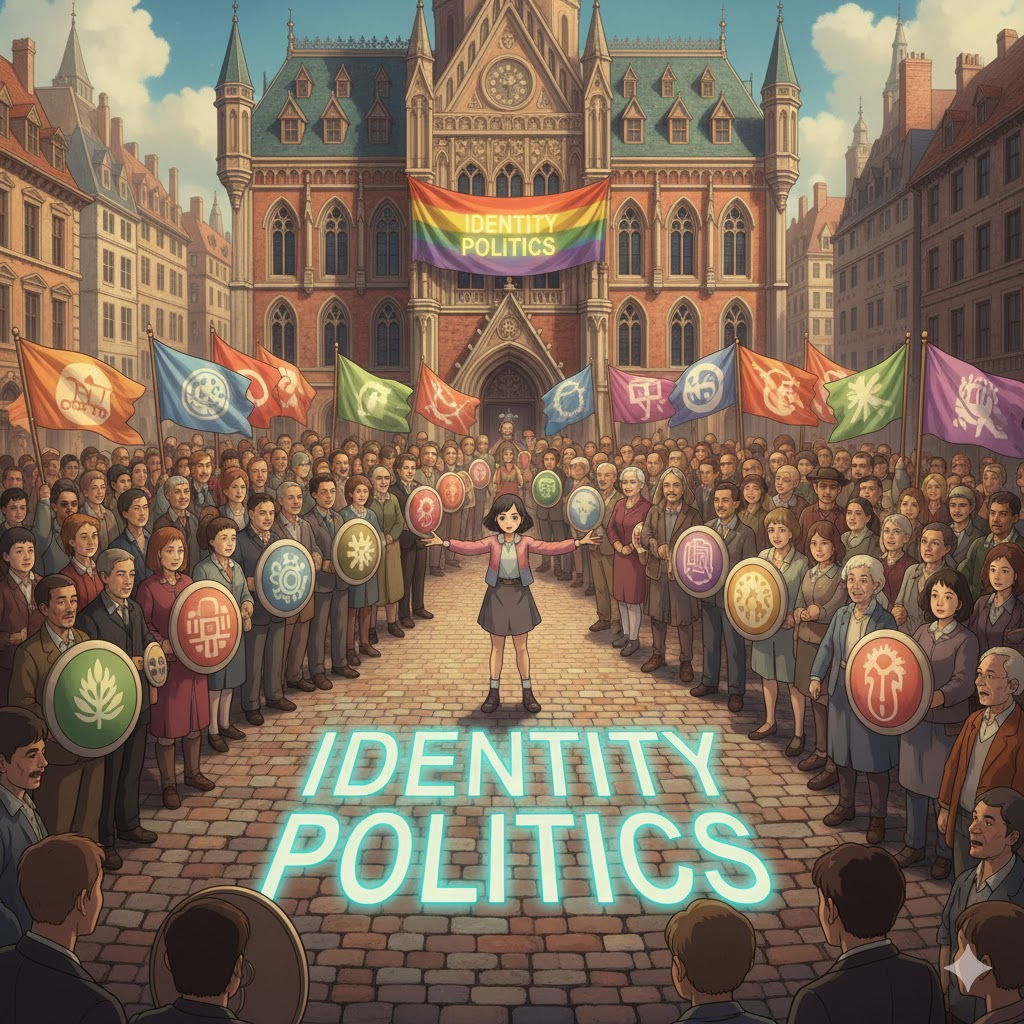
identity politics [aɪˈdentəti ˈpɑːlɪtɪks]
(명사) 정체성 정치
'성별'(gender), '인종'(race), '민족'(ethnicity), '성적'(sexual) '취향'(preference), 또는 '종교'(religion)와 같은 '공유'(share)된 '집단'(group) '정체성'(identity)을 '바탕'(basis)으로 '정치적'(political) '동맹'(alliance)을 '형성'(form)하고, '특정' '집단'의 '권리'(rights)나 '이익'(interest)을 '추구'(pursuit)하는 '정치'(politics) '전략'(strategy)을 의미합니다. '사회적'(social) '평등'(equality)과 '소수'(minority) '권리'에 초점이 맞춰집니다.
- The professor's study analyzes the impact of identity politics on social cohesion. (교수님의 연구는 정체성 정치가 사회적 결속에 미치는 영향을 분석한다.)
- The manager said the focus on individual differences in the office can lead to identity politics. (관리자는 사무실에서 개인차에 집중하는 것은 정체성 정치로 이어질 수 있다고 말했다.)
- The judge said the law must not take the part of any specific identity politics. (판사는 법은 어떤 특정 정체성 정치의 편도 들어서는 안 된다고 말했다.)
- The journalist wrote an article that questions the effectiveness of identity politics. (그 언론인은 정체성 정치의 효과에 의문을 제기하는 기사를 작성했다.)
politics, party politics, local politics, world politics, identity politics
(명사) 정치, 정치학, 정세 , (숙어) 정당 정치, 지방 정치, 세계 정치, 정체성 정치
'politics'는 '국가나 공동체를' '운영하고 관리하는' '행위나 기술'을 의미하는 가장 기본적인 단어입니다. 'party politics'는 '정당 간의' '경쟁과 대립'이 중심이 되는 정치를 의미합니다. 'local politics'와 'world politics'는 정치의 '지리적 범위'를 구분하며, 'local'은 지역 문제에, 'world'는 국제 관계에 초점을 둡니다. 'identity politics'는 '성별, 인종, 종교 등' '정체성에 기반한 집단 이익을' '대변하는 정치'를 의미합니다.
- The debate quickly devolved into petty party politics. (그 토론은 빠르게 하찮은 정당 정치로 전락했다.)
- Understanding local politics is important for community issues. (지방 정치를 이해하는 것은 지역사회 문제에 중요하다.)
- The conflict requires careful diplomacy in world politics. (그 갈등은 세계 정치에서 신중한 외교를 필요로 한다.)
- Identity politics often leads to fragmentation in society. (정체성 정치는 종종 사회의 분열로 이어진다.)
- She is studying the history of party politics in Europe. (그녀는 유럽 정당 정치의 역사를 공부하고 있다.)
- The news focused on the recent changes in world politics. (뉴스는 최근의 세계 정치 변화에 집중했다.)
- Many people believe that identity politics can create division. (많은 사람들은 정체성 정치가 분열을 초래할 수 있다고 믿는다.)
- The mayor is deeply involved in local politics. (시장은 지방 정치에 깊이 관여하고 있다.)
핵심 뜻
정치, 통치. 국가나 공동체를 운영하는 행위와 관련된 유형, 범위, 그리고 형태.
| politics | 정치, 정세 | 명사로, '관리' '와' '권력'. | '공동체' '를' '운영' '하고' '권력' '을' '배분' '하는' '행위' '를' '나타내는' '기본' '개념'. |
| party | 정당 | 명사로, '경쟁' '구도'. | '정당' '들' '간의' '이해' '관계' '와' '경쟁' '에' '초점' '을' '맞춘' '정치' '임을' '강조함'. |
| local/world | 지방/세계 | 형용사로, '범위'. | '정치' '의' '영역' '이' '지역' '사회' '에' '국한' '되는지' '국제' '사회' '인지' '를' '구분함'. |
| identity | 정체성 | 명사로, '집단' '이익'. | '인종,' '성별' '등' '집단' '의' '정체성' '을' '기반' '으로' '하는' '정치' '임을' '나타냄'. |
비슷한 어휘 깔끔하게 표로 정리하고 밑에 예문,해석 하나씩 나열하기
| governance | 통치, 관리 (격식) |
| ideology | 이데올로기, 사상 |
| diplomacy | 외교 (world politics 유사) |
governance
예문: Good governance is essential for stability.
해석: 좋은 통치는 안정에 필수적이다.
ideology
예문: The party is driven by a clear ideology.
해석: 그 정당은 명확한 이데올로기에 의해 움직인다.
diplomacy
예문: International diplomacy aims to resolve global conflicts.
해석: 국제 외교는 세계 분쟁을 해결하는 것을 목표로 한다.

school politics [skuːl ˈpɑːlɪtɪks]
(명사) 학교 내 정치, 학내 정치
'학교'(school)나 '대학'(college) '환경'(environment) 내에서 '교직원', '학생'(student), 또는 '학부모'(parent) 사이에 '권력'(power), '인정'(recognition), 또는 '자원'(resources) '배분'(distribution)을 '둘러싼' '비공식적'(informal)이거나 '숨겨진'(hidden) '갈등'(conflict) 및 '경쟁'(competition) 활동을 의미합니다. '사소한'(minor) '쟁점'(issue)에 '과도하게'(excessively) '집중'(focus)하는 것을 암시합니다.
- The manager said he left his old job to avoid the petty school politics. (관리자는 자신이 사소한 학교 내 정치를 피하기 위해 옛 직장을 떠났다고 말했다.)
- The professor's lecture covered the impact of school politics on academic achievement. (교수님의 강의는 학교 내 정치가 학업 성취에 미치는 영향을 다루었다.)
- The judge said the principal must maintain fairness to overcome school politics. (판사는 교장은 학내 정치를 극복하기 위해 공정함을 유지해야 한다고 말했다.)
- The parent teacher association often becomes a battleground for school politics. (학부모-교사 연합회는 종종 학내 정치의 싸움터가 된다.)

petty politics [ˈpeti ˈpɑːlɪtɪks]
(명사) 사소한 정치, 하찮은 당파 싸움
'중요한'(important) '사회적'(social) 또는 '국가적'(national) '목표'(goal)와는 '무관하게', '개인적'(personal)인 '이익'(gain), '경쟁'(competition), 또는 '사소한'(petty) '갈등'(conflict)을 '해결'(solve)하기 위해 '취하는' '정치적'(political) '활동'(activity)을 의미합니다. '비효율성'(inefficiency)과 '시간'(time) 낭비를 강조하는 '부정적'(negative)인 '평가'(assessment)입니다.
- The manager refused to waste time on petty politics and focused on the main object. (관리자는 사소한 정치에 시간을 낭비하는 것을 거부하고 주요 목표에 집중했다.)
- The judge said the court must not be used for petty politics or personal revenge. (판사는 법원은 사소한 정치나 개인적인 복수를 위해 사용되어서는 안 된다고 말했다.)
- The professor's article criticized the government for focusing on petty politics. (교수님의 기사는 정부가 사소한 정치에 집중하는 것을 비판했다.)
- I can't help but wonder if the conflict is just petty politics. (나는 갈등이 단지 사소한 정치일 뿐인지 궁금해하지 않을 수 없다.)
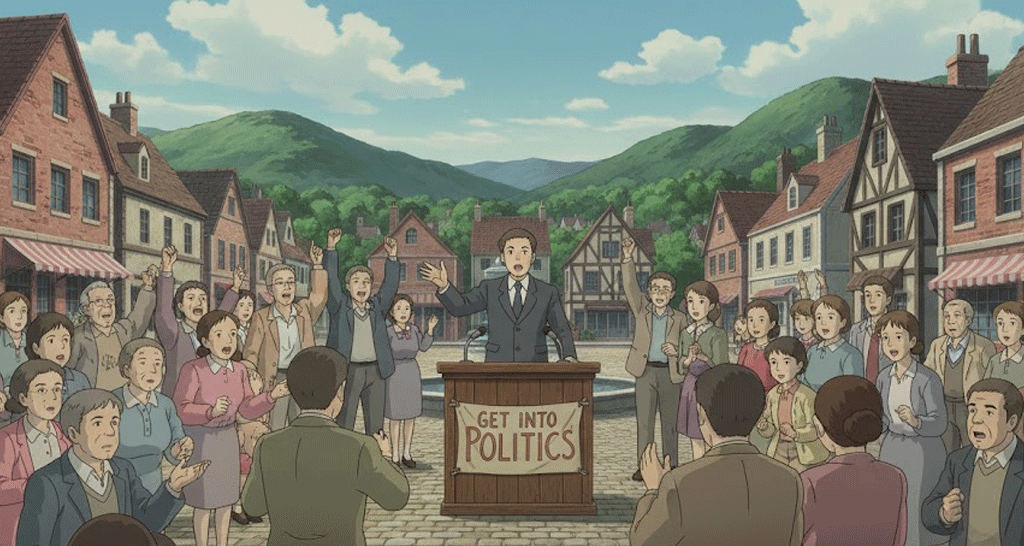
get into politics [ɡet ˈɪntuː ˈpɑːlɪtɪks]
(숙어) 정치에 입문하다, 정계에 발을 들이다
'일반적인'(normal) '직업'(job)이나 '활동'(activity)을 '중단'(stop)하고, '정치'(politics) '분야'(field)에 '공직'(office) '후보자'(candidate) 또는 '활동가'(activist)로 '참여'(join)하기 '시작'(start)하는 행위를 의미합니다. '경력'(career)의 '주요'(major) '전환'(transition)을 강조합니다.
- The manager left his successful career to get into politics. (관리자는 정치에 입문하기 위해 자신의 성공적인 경력을 떠났다.)
- The politician said he got into politics to fight for the common people. (그 정치인은 일반 대중을 위해 싸우기 위해 정치에 입문했다고 말했다.)
- The judge said a lawyer often has the opportunity to get into politics. (판사는 변호사는 종종 정치에 입문할 기회를 가진다고 말했다.)
- I think it takes a strong personality to get into politics. (나는 정치에 입문하는 것은 강한 성격을 필요로 한다고 생각한다.)
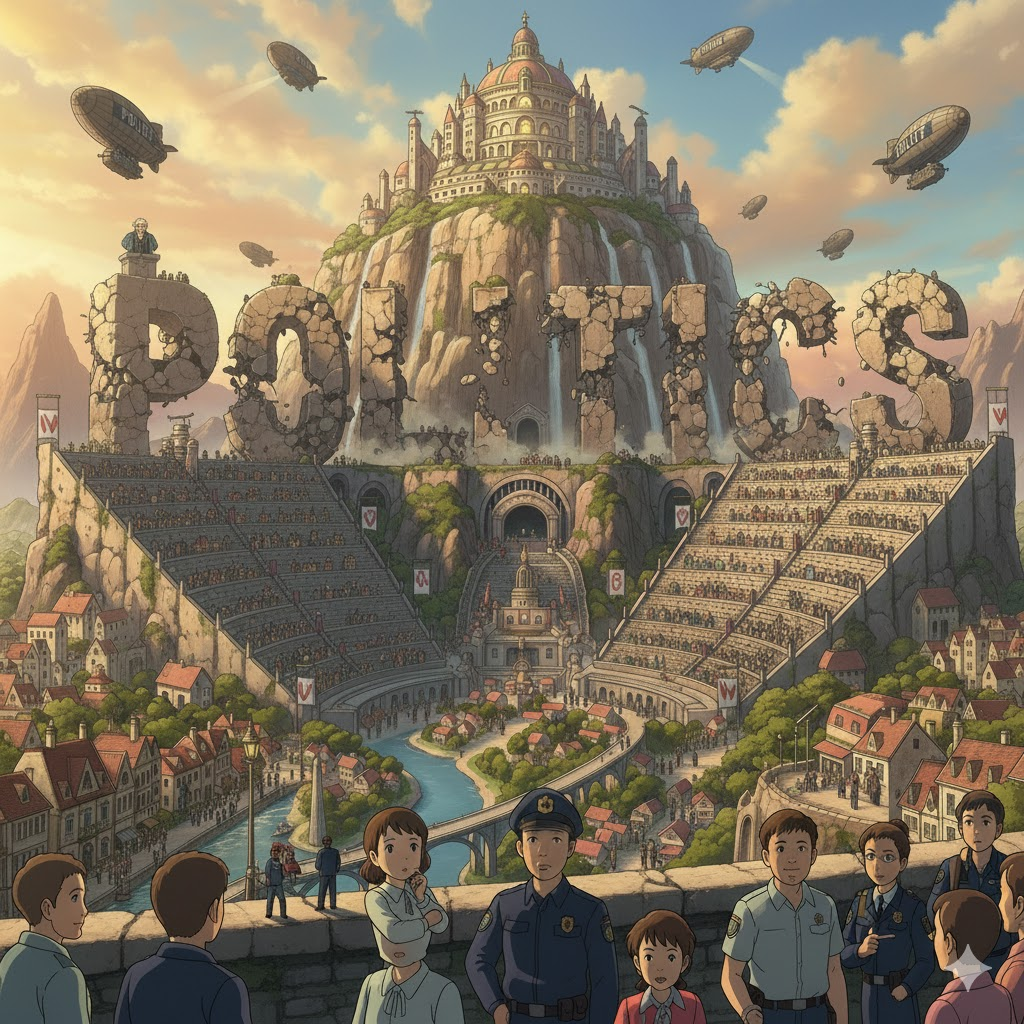
quit politics [kwɪt ˈpɑːlɪtɪks]
(숙어) 정계를 은퇴하다, 정치 활동을 그만두다
'공직'(office)이나 '정치적'(political) '활동'(activity)을 '수행'(perform)하는 것을 '의식적'(conscious)으로 '중단'(stop)하고 '떠나는'(leave) 행위를 의미합니다. '은퇴'(retirement)나 '정계'(political life) '활동'(activity) '종료'(end)를 강조하며, '개인의'(personal) '선택'(choice)이나 '압력'(pressure)에 따른 '결과'(result)일 수 있습니다.
- The politician decided to quit politics after the scandal broke. (그 정치인은 스캔들이 터진 후 정계를 은퇴하기로 결정했다.)
- The manager said he would quit politics if it started to negatively impact his family. (관리자는 정치 활동이 자신의 가족에게 부정적인 영향을 미치기 시작하면 정계를 은퇴할 것이라고 말했다.)
- The judge said some people quit politics to pursue a more peaceful life. (판사는 어떤 사람들은 더 평화로운 삶을 추구하기 위해 정치 활동을 그만둔다고 말했다.)
- I think the pressure of public life made him want to quit politics. (나는 공적인 삶의 압박이 그가 정계를 은퇴하기를 원하도록 만들었다고 생각한다.)

inside politics [ˈɪnsaɪd ˈpɑːlɪtɪks]
(명사) 내부 정치, 이면의 정치적 행위
'공개적'(public)인 '시선'(view)이나 '매체'(media) '보도'(report)에 '드러나지'(hidden) 않는, '조직'(organization), '정당'(party), 또는 '정부'(government)의 '내부'(inside)에서 '발생'(happen)하는 '비밀'(secret)스러운 '권력'(power) '다툼'이나 '협잡' 활동을 의미합니다. '이면'(behind the scenes)의 '거래'(deal)나 '음모'(conspiracy)를 강조하는 '부정적'(negative)인 의미를 가집니다.
- The journalist wrote an article about the inside politics of the ruling party. (그 언론인은 집권당의 내부 정치에 대한 기사를 작성했다.)
- The manager said he prefers to avoid the petty inside politics of the head office. (관리자는 본사의 사소한 내부 정치를 피하는 것을 더 좋아한다고 말했다.)
- The judge said the lawyer's success came from his knowledge of inside politics. (판사는 변호사의 성공은 그의 내부 정치에 대한 지식에서 비롯되었다고 말했다.)
- I can't help but wonder what inside politics is happening in the back office. (나는 후선 부서에서 무슨 이면의 정치적 행위가 일어나고 있는지 궁금해하지 않을 수 없다.)

political science [pəˈlɪtɪkəl ˈsaɪəns]
(명사) 정치학
'정치'(politics) '현상'(phenomenon), '정부'(government) '체제'(system), '정치적'(political) '행동'(behavior), 그리고 '이론'(theory)을 '체계적'(systematic)이고 '분석적'(analytical)인 '방법론'(methodology)을 '사용'(use)하여 '탐구'(study)하는 '학문'(academic discipline) 분야를 의미합니다. '지식'(knowledge)의 '생산'(production)과 '객관적'(objective)인 '이해'(understanding)를 목표로 합니다.
- The professor will teach a course on comparative political science next semester. (교수님은 다음 학기에 비교 정치학 강좌를 가르칠 것이다.)
- The manager said a degree in political science can be useful for understanding global trade. (관리자는 정치학 학위가 국제 무역을 이해하는 데 유용할 수 있다고 말했다.)
- The judge said the principles of law and order are a focus of political science. (판사는 법과 질서의 원리들은 정치학의 초점이라고 말했다.)
- I gained a new perspective on human nature after studying political science. (나는 정치학을 공부한 후 인간 본성에 대한 새로운 관점을 얻었다.)
school politics, petty politics, get into politics, quit politics, inside politics, political science
(숙어) 학교 내 권력 다툼, 하찮은 정치, 정치에 입문하다, 정계를 떠나다, 내부 정치, 정치학
이 표현들은 정치의 '영역', '질', '개인의 참여', '학문'에 초점을 맞춥니다. 'school politics'는 '학교나 직장 같은 작은 조직 내의' '권력 다툼'을 비유적으로 의미하며, 'petty politics'는 '사소하고 하찮은' '정치적 공방'을 의미합니다. 'get into politics'는 '정치인이 되어' '정계에 입문하는' 행위를, 'quit politics'는 '정치 활동을 그만두는' 것을 의미합니다. 'inside politics'는 '일반에 공개되지 않은' '정치권 내부의 숨겨진 역학'을, 'political science'는 '정치 현상을 탐구하는' '학문 분야'를 의미합니다.
- The drama in the office feels like ridiculous school politics. (사무실 내의 드라마는 우스꽝스러운 학교 내 권력 다툼처럼 느껴진다.)
- I decided to get into politics to make a difference in my community. (지역사회에 변화를 만들기 위해 정치에 입문하기로 결정했다.)
- The veteran politician decided to quit politics after his defeat. (그 베테랑 정치인은 패배 후 정계를 떠나기로 결정했다.)
- The media often covers the petty politics of local government. (언론은 종종 지방 정부의 하찮은 정치를 다룬다.)
- Learning the hidden rules of inside politics is essential for a new lobbyist. (새 로비스트에게 내부 정치의 숨겨진 규칙을 배우는 것은 필수적이다.)
- She has a degree in political science. (그녀는 정치학 학위를 가지고 있다.)
- Many young people are discouraged by the constant petty politics in the government. (많은 젊은이들이 정부의 끊임없는 하찮은 정치에 실망한다.)
- After 20 years, he felt it was the right time to quit politics. (20년 후, 그는 정계를 떠날 적절한 시기라고 느꼈다.)
핵심 뜻
정치 행위의 세부 영역. 내부 권력 다툼, 개인의 정계 참여/퇴장, 학문적 탐구.
| school/petty | 학교/하찮은 | 형용사로, '질' '과' '규모'. | '정치' '가' '좁은' '영역' '(학교)' '에서' '일어나거나' '내용' '이' '사소함' '을' '나타냄'. |
| get into/quit | 입문하다/떠나다 | 동사로, '참여' '의' '시작/종료'. | '개인' '이' '정치' '를' '경력' '으로' '시작' '하거나' '중단' '하는' '행위' '를' '나타냄'. |
| inside | 내부의 | 형용사로, '비밀' '성'. | '공개' '되지' '않은' '정치' '권' '내부' '의' '은밀한' '역학' '관계' '임을' '강조함'. |
| science | 과학, 학문 | 명사로, '탐구'. | '정치' '현상' '을' '연구' '대상' '으로' '하는' '학문' '분야' '임을' '나타냄'. |
비슷한 어휘 깔끔하게 표로 정리하고 밑에 예문,해석 하나씩 나열하기
| infighting | 내부 싸움 |
| enter public life | 공직 생활을 시작하다 |
| political theory | 정치 이론 |
infighting
예문: The department suffered from constant infighting.
해석: 그 부서는 끊임없는 내부 싸움으로 고통받았다.
enter public life
예문: He decided to enter public life after his business success.
해석: 그는 사업 성공 후 공직 생활을 시작하기로 결정했다.
political theory
예문: The course covers classical political theory.
해석: 그 강좌는 고전 정치 이론을 다룬다.
결론 정리
'school/petty politics'는 내부 갈등을, 'get into/quit politics'는 개인의 참여를, 'political science'는 학문적 탐구를 나타냅니다.


