
- 분류 전체보기 (5714)

| 일 | 월 | 화 | 수 | 목 | 금 | 토 |
|---|---|---|---|---|---|---|
| 1 | 2 | 3 | ||||
| 4 | 5 | 6 | 7 | 8 | 9 | 10 |
| 11 | 12 | 13 | 14 | 15 | 16 | 17 |
| 18 | 19 | 20 | 21 | 22 | 23 | 24 |
| 25 | 26 | 27 | 28 | 29 | 30 | 31 |
- well
- no
- Please
- Actually
- I'm sorry
- Yes
- OKay
- Read between the lines
- entrance fee
- please?
- come up with
- By The Way
- make it
- hold on
- Excuse me
- I'm glad to hear that.
- Sorry
- too.
- Show Up
- Don't worry
- oh
- get through
- Hey
- Right?
- pick up
- work out
- set up
- please.
- Yeah
- Sure
- Today
- Total
인과함께
Day443 , exaggerate, exaggerate the importance of, wildly exaggerate, exaggerate a claim, tend to exaggerate, exaggerated sense of, without exaggeration, exaggerate the effects of, greatly exaggerated, exaggerated response, exaggerated fear 본문
Day443 , exaggerate, exaggerate the importance of, wildly exaggerate, exaggerate a claim, tend to exaggerate, exaggerated sense of, without exaggeration, exaggerate the effects of, greatly exaggerated, exaggerated response, exaggerated fear
미인생 2026. 10. 2. 09:37
exaggerate [ɪɡˈzædʒəreɪt]
(동사/형용사파생) 과장하다, 지나치게 강조하다, 실제보다 크게 나타내다
단순히 "과장하다"로만 외우면 수능에서 반드시 틀립니다. exaggerate는 "어떤 것을 실제보다 더 크거나 더 심각하거나 더 중요하거나 더 많은 것으로 나타내는 것 — 사실 자체를 완전히 꾸며내는 것이 아니라 실제로 존재하는 것을 의도적으로 또는 무의식적으로 그 실제 정도를 넘어서 과하게 표현하는 것" 이라는 핵심 이미지에서 출발해, 말의 과장에서 반응의 지나침·중요성의 부풀리기·공포의 과장·효과의 과대평가까지 폭넓게 쓰이는 핵심 다의어입니다. 특히 exaggerate(과장하다) vs. overstate(지나치게 말하다) vs. embellish(꾸미다) 의 뉘앙스 차이, exaggerated sense of(과장된 ~감각), without exaggeration(과장 없이) 패턴은 수능 독해 심리·사회·교육·과학·역사 지문에서 핵심적으로 등장합니다.
'exaggerate'는 라틴어 exaggerare(쌓아 올리다, 높이 쌓다)에서 유래했습니다. ex(밖으로·완전히)와 aggerare(쌓다, 더하다)가 결합하여, 원래 "무언가를 실제보다 더 높거나 더 크게 쌓아올리는 것" 을 뜻했습니다. exaggerate의 핵심 이미지는 "실제로 존재하는 것을 기반으로 하되 그것을 실제 크기나 정도나 중요성을 훨씬 넘어서서 과하게 표현하는 것 — 마치 실제 산을 산보다 몇 배나 높게 그리는 지도처럼, 사실에 기반하지만 그 사실의 실제 크기를 훨씬 넘어서 부풀려 나타내는 것" 으로, 이 이미지에서 말의 과장·반응의 지나침·중요성의 부풀리기·공포의 과장·효과의 과대평가가 모두 확장되었습니다.
1. exaggerate the importance of [ɪɡˈzædʒəreɪt ðə ɪmˈpɔːrtəns əv]
(교육/사회/수능) "~의 중요성을 과장하다, ~이 지나치게 중요한 것처럼 나타내다"를 뜻합니다. 어떤 것의 실제 중요성보다 훨씬 더 중요한 것처럼 강조하는 것을 강조합니다. 수능 독해 교육·사회·심리 지문의 핵심 표현입니다.
It is easy to exaggerate the importance of the first impression in social encounters — while initial judgements do influence how interactions develop, people are capable of updating those judgements considerably when given sufficient time and information to see beyond what they initially noticed. (첫인상의 중요성을 과장하기는 쉽다 — 초기 판단이 상호작용의 발전에 영향을 미치는 것은 사실이지만 사람들은 처음 알아챈 것을 넘어 볼 충분한 시간과 정보가 주어졌을 때 그 판단을 상당히 업데이트할 수 있다.)
2. wildly exaggerate [ˈwaɪldli ɪɡˈzædʒəreɪt]
(사회/심리/수능) "심하게 과장하다, 터무니없이 과장하다"를 뜻합니다. 단순한 과장을 넘어 극도로 또는 통제되지 않을 만큼 과하게 나타내는 것을 강조합니다. 수능 독해 사회·심리·역사 지문에서 자주 등장합니다.
Media coverage of rare but dramatic events can wildly exaggerate the risk they represent in everyday life — plane crashes receive far more coverage than car accidents despite being statistically far less likely, which leads many people to fear flying more than driving even though the evidence clearly favours the opposite concern. (드물지만 극적인 사건들에 대한 미디어 보도는 그것들이 일상생활에서 나타내는 위험을 심하게 과장할 수 있다 — 비행기 추락은 통계적으로 훨씬 덜 일어남에도 자동차 사고보다 훨씬 더 많은 보도를 받는데 이것이 많은 사람들이 증거가 명확히 반대의 우려를 지지함에도 운전보다 비행을 더 두려워하게 만든다.)
3. exaggerate a claim [ɪɡˈzædʒəreɪt ə kleɪm]
(사회/교육/수능) "주장을 과장하다, 진술을 부풀리다"를 뜻합니다. 어떤 주장이나 진술의 내용을 실제보다 더 강하거나 더 확실한 것으로 만드는 것을 강조합니다. 수능 독해 사회·교육·심리 지문의 핵심 표현입니다.
Scientists are trained to be cautious about exaggerating a claim beyond what their evidence actually supports — the careful language of published research is not a sign of uncertainty about the importance of the findings but a reflection of professional norms that distinguish legitimate science from advocacy. (과학자들은 증거가 실제로 지지하는 것 이상으로 주장을 과장하는 것에 대해 신중하도록 훈련된다 — 발표된 연구의 신중한 언어는 발견의 중요성에 대한 불확실성의 신호가 아니라 합법적인 과학을 옹호와 구별하는 전문적인 규범의 반영이다.)
4. tend to exaggerate [tend tuː ɪɡˈzædʒəreɪt]
(심리/사회/수능) "과장하는 경향이 있다"를 뜻합니다. 특정 상황이나 특성에 의해 과장이 반복적으로 일어나는 경향을 강조합니다. 수능 독해 심리·사회·교육 지문에서 자주 등장합니다.
People who are anxious tend to exaggerate both the probability and the severity of negative outcomes — a mental pattern that is understandable as a protective mechanism but that, when it becomes chronic, prevents people from making accurate assessments of risk and interferes with everyday functioning. (불안한 사람들은 부정적인 결과의 확률과 심각성 모두를 과장하는 경향이 있다 — 보호 메커니즘으로 이해할 수 있는 정신적 패턴이지만 만성적이 될 때 사람들이 위험에 대한 정확한 평가를 내리지 못하게 하고 일상적인 기능을 방해한다.)
5. exaggerated sense of [ɪɡˈzædʒəreɪtɪd sens əv]
(심리/사회/수능) "과장된 ~감각, 과도한 ~느낌"을 뜻합니다. 어떤 감각이나 인식이 실제보다 훨씬 강하게 느껴지는 것을 강조합니다. 수능 독해 심리·사회·교육 지문의 핵심 표현입니다.
A leader with an exaggerated sense of their own indispensability is likely to make decisions that prioritise maintaining their own position over the long-term health of the organisation — not out of cynicism but out of a genuine belief that they are irreplaceable, a belief that is rarely justified by the evidence. (자신의 과장된 없어서는 안 된다는 감각을 가진 지도자는 조직의 장기적인 건강보다 자신의 위치 유지를 우선시하는 결정을 내릴 가능성이 높다 — 냉소주의에서가 아니라 자신이 대체 불가능하다는 진정한 믿음에서 나오는데 이 믿음은 증거에 의해 정당화되는 경우가 드물다.)
6. without exaggeration [wɪˈðaʊt ɪɡˌzædʒəˈreɪʃən]
(사회/교육/수능) "과장 없이, 솔직히 말해서"를 뜻합니다. 지금 말하는 것이 과장이 아니라 사실 그대로임을 강조할 때 사용합니다. 수능 독해 사회·교육·역사 지문에서 자주 등장합니다.
Without exaggeration, the development of antibiotics was one of the most significant events in the history of medicine — the diseases that had killed more people than any war in history became treatable, life expectancy rose dramatically, and surgical procedures that had previously been too dangerous to consider became routine. (과장 없이 말하면 항생제의 개발은 의학 역사에서 가장 중요한 사건 중 하나였다 — 역사상 어떤 전쟁보다 더 많은 사람을 죽였던 질병들이 치료 가능해지고, 기대 수명이 극적으로 상승했으며, 이전에는 고려하기에 너무 위험했던 수술 절차들이 일상이 됐다.)
7. exaggerate the effects of [ɪɡˈzædʒəreɪt ðə ɪˈfekts əv]
(과학/사회/수능) "~의 효과를 과장하다, ~의 영향을 부풀리다"를 뜻합니다. 어떤 것이 실제로 미치는 영향이나 효과를 실제보다 훨씬 크게 나타내는 것을 강조합니다. 수능 독해 과학·사회·심리 지문의 핵심 표현입니다.
Health supplement companies frequently exaggerate the effects of their products by using testimonials from a small number of satisfied customers, citing studies conducted under conditions very different from real-world use, or making claims that are technically true but misleading when taken out of context. (건강 보조식품 회사들은 소수의 만족한 고객들의 증언을 사용하거나, 실제 사용 조건과 매우 다른 조건에서 수행된 연구를 인용하거나, 맥락에서 벗어나면 기술적으로 사실이지만 오해를 불러일으키는 주장을 함으로써 자주 제품의 효과를 과장한다.)
8. greatly exaggerated [ˈɡreɪtli ɪɡˈzædʒəreɪtɪd]
(사회/역사/수능) "크게 과장된, 심각하게 부풀려진"을 뜻합니다. 어떤 것이 실제보다 훨씬 크거나 심각하게 표현됐음을 강조합니다. 수능 독해 사회·역사·심리 지문에서 자주 등장합니다.
Reports of the organisation's decline turned out to be greatly exaggerated — what had looked like terminal decay when viewed from the outside was actually a period of difficult but necessary restructuring that eventually produced a leaner, more focused institution capable of operating more effectively than before. (조직 쇠퇴에 대한 보도는 크게 과장된 것으로 밝혀졌다 — 외부에서 봤을 때 치명적인 쇠락처럼 보였던 것이 실제로는 어렵지만 필요한 구조조정 기간이었으며 결국 이전보다 더 효과적으로 운영될 수 있는 더 날씬하고 집중된 기관을 만들어냈다.)
9. exaggerated response [ɪɡˈzædʒəreɪtɪd rɪˈspɒns]
(심리/사회/수능) "과장된 반응, 지나친 대응"을 뜻합니다. 어떤 상황이나 자극에 대해 실제 상황이 요구하는 것보다 훨씬 강하게 반응하는 것을 강조합니다. 수능 독해 심리·사회·교육 지문의 핵심 표현입니다.
The exaggerated response to minor criticism that some people display is not usually a sign of fragility but often a reflection of previous experiences in which critical feedback was delivered harshly, unfairly, or without acknowledgement of the effort the person had invested in the work being judged. (일부 사람들이 보이는 사소한 비판에 대한 과장된 반응은 보통 취약함의 신호가 아니라 종종 비판적인 피드백이 가혹하게, 불공정하게, 또는 평가되는 작업에 투자된 노력에 대한 인정 없이 전달된 이전 경험의 반영이다.)
10. exaggerated fear [ɪɡˈzædʒəreɪtɪd fɪər]
(심리/사회/수능) "과장된 공포, 지나친 두려움"을 뜻합니다. 실제 위험의 정도에 비해 훨씬 강하게 느껴지는 공포나 두려움을 강조합니다. 수능 독해 심리·사회·교육 지문에서 자주 등장합니다.
Exaggerated fear of failure can be more damaging to performance than failure itself — the anticipation of negative outcomes occupies cognitive resources that would otherwise be available for the task at hand, and the avoidance behaviours it generates prevent people from gaining the experience through which competence and confidence are actually built. (실패에 대한 과장된 공포는 실패 자체보다 수행에 더 해로울 수 있다 — 부정적인 결과에 대한 예상이 다른 경우라면 당면한 과제에 사용할 수 있는 인지 자원을 차지하며 그것이 만들어내는 회피 행동이 실제로 역량과 자신감이 구축되는 경험을 얻지 못하게 한다.)
대한민국 입시 및 학술 주요 POINT
POINT 1. exaggerate vs. overstate vs. embellish — 수능 최빈출 뉘앙스 구별
세 단어 모두 "실제보다 크게 나타내다"와 관련되지만 뉘앙스가 다릅니다. exaggerate → 어떤 것을 실제 정도를 훨씬 넘어서 과하게 표현하는 것, 의도적이거나 무의식적으로 이루어질 수 있음 (실제 정도 초과·과도한 강조·사실 기반 부풀리기 강조) overstate → 어떤 것을 지나치게 또는 과도하게 강하게 표현하는 것, 더 공식적이고 지적인 맥락에서 사용 (공식적·지적 맥락·표현의 과도함 강조) embellish → 어떤 것을 더 흥미롭거나 매력적으로 보이게 하기 위해 세부 사항을 추가하거나 꾸미는 것 (추가적 장식·매력화·이야기 꾸미기 강조) 예) She exaggerated how difficult the exam was. (그녀는 시험이 얼마나 어려웠는지를 과장했다.) — 실제 정도를 넘어서 표현 It would be difficult to overstate the significance of this discovery. (이 발견의 중요성을 지나치게 말하기는 어려울 것이다.) — 공식적이고 지적인 강조 He embellished the story with dramatic details. (그는 극적인 세부 사항을 추가하여 이야기를 꾸몄다.) — 장식적 세부 사항 추가
POINT 2. exaggerated sense of / without exaggeration / greatly exaggerated — 수능 심리·사회 지문 핵심
세 표현 모두 exaggerate의 "실제 정도를 넘어서 나타내는" 이미지를 공유하지만 맥락이 다릅니다. exaggerated sense of → 어떤 감각이나 인식이 실제보다 훨씬 강하게 느껴지는 것 (내부적 인식·심리적 왜곡·과도한 감각 강조) without exaggeration → 지금 말하는 것이 과장이 아니라 사실 그대로임을 강조할 때 사용 (사실 확인·신뢰성 강조·과장 배제 강조) greatly exaggerated → 어떤 것이 실제보다 훨씬 크거나 심각하게 표현됐음을 강조 (과장의 정도·잘못된 인식·사실과의 괴리 강조) 이 세 표현이 등장하면 글쓴이가 어떤 것의 실제 정도와 표현된 정도 사이의 차이를 논하고 있다는 신호입니다.
POINT 3. exaggerate 어근 확장 — 수능 어휘 확장 필수
라틴어 aggerare(쌓다, 더하다)에서 유래한 단어들이 수능에서 자주 출제됩니다. exaggerate [ɪɡˈzædʒəreɪt] → 과장하다, 지나치게 강조하다 exaggeration [ɪɡˌzædʒəˈreɪʃən] → 과장, 과대 표현 exaggerated [ɪɡˈzædʒəreɪtɪd] → 과장된, 지나치게 강조된 exaggeratedly [ɪɡˈzædʒəreɪtɪdli] → 과장되게, 지나치게 understate [ˌʌndəˈsteɪt] → 과소평가하다, 실제보다 작게 말하다 이 단어들은 모두 "실제보다 더 크거나 더 많거나 더 중요하게 나타내는" 공통 이미지에서 시작합니다.
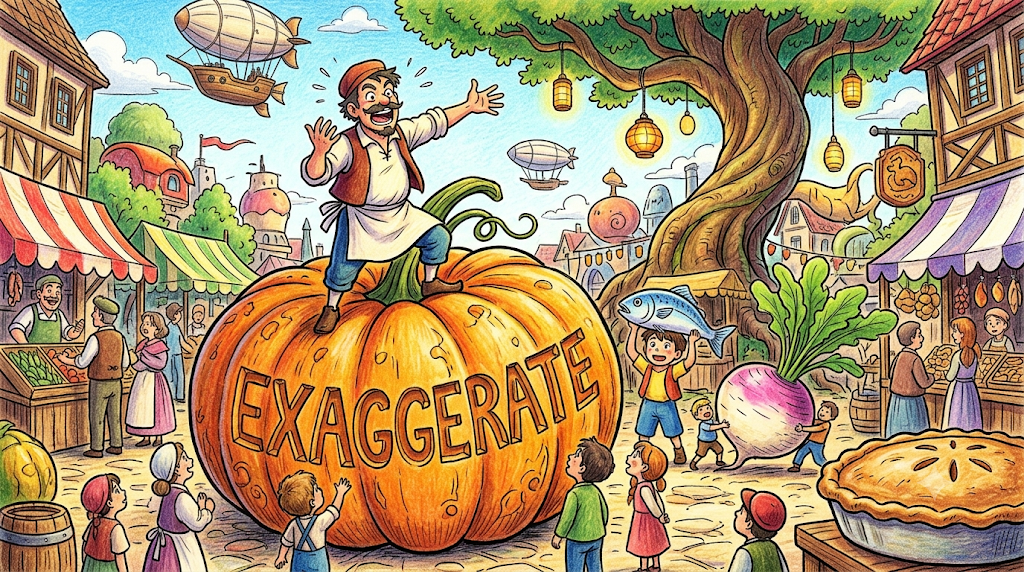
(동사) ① 과장하다, 실제보다 크게 나타내다 (말·표현·설명)
exaggerate의 가장 기본적인 의미로, 어떤 것을 실제 정도를 넘어서 과하게 표현하는 것을 나타냅니다.
- Children exaggerate naturally when recounting experiences — a long car journey becomes an endless ordeal, a small cut becomes a terrible wound — and this is not dishonesty but a developmental stage in which emotional intensity has not yet been calibrated to proportionate verbal expression. (아이들은 경험을 이야기할 때 자연스럽게 과장한다 — 긴 자동차 여행이 끝없는 시련이 되고 작은 상처가 끔찍한 부상이 된다 — 이것은 부정직함이 아니라 감정적 강도가 아직 비례적인 언어 표현으로 조정되지 않은 발달 단계이다.)
- Humour often depends on exaggerating real patterns until they become absurd — taking something that is genuinely true and amplifying it so far beyond its actual scale that the gap between the exaggeration and reality becomes the source of the joke. (유머는 종종 실제 패턴이 터무니없어질 때까지 과장하는 것에 달려있다 — 진정으로 사실인 것을 가져와 실제 규모를 훨씬 넘어서 증폭시켜 과장과 현실 사이의 차이가 농담의 원천이 되게 한다.)
- The temptation to exaggerate when writing a personal statement or cover letter is understandable but usually counterproductive — employers who interview candidates often find that the person in the room does not match the person on the page, and the resulting loss of credibility is harder to recover from than a more modest but accurate self-presentation would have been. (개인 진술서나 자기소개서를 작성할 때 과장하려는 유혹은 이해할 수 있지만 보통 역효과를 낸다 — 지원자를 면접하는 고용주들은 종종 방 안의 사람이 페이지의 사람과 맞지 않는다는 것을 발견하며 결과적인 신뢰성 손실은 더 겸손하지만 정확한 자기 제시보다 회복하기가 더 어렵다.)

(동사) ② 과대평가하다, 지나치게 강조하다 (중요성·위험·영향)
어떤 것의 실제 중요성이나 위험이나 영향을 실제보다 훨씬 크게 나타내는 것을 나타냅니다. 수능 독해 사회·심리·과학 지문에서 자주 등장합니다.
- Political campaigns routinely exaggerate the threats posed by opposing policies — not usually through outright lies but by selecting the worst-case interpretations of what opponents propose, applying them to idealised rather than typical scenarios, and omitting the countervailing evidence that would complicate the picture. (정치 캠페인은 일상적으로 반대 정책이 제기하는 위협을 과장한다 — 보통 노골적인 거짓말을 통해서가 아니라 상대방이 제안하는 것의 최악의 경우 해석을 선택하고 전형적인 시나리오가 아닌 이상적인 시나리오에 적용하며 그림을 복잡하게 만들 반박 증거를 생략함으로써이다.)
- Research on memory consistently shows that people exaggerate both how much they knew before an event and how different the world looks after a major discovery — what is called hindsight bias creates the false impression that outcomes were more predictable than they actually were, which can make decision-makers seem worse than they were and lucky guessers seem more prescient than they were. (기억에 대한 연구는 일관되게 사람들이 사건 전에 얼마나 많이 알았는지와 주요 발견 후 세상이 얼마나 다르게 보이는지 모두를 과장한다는 것을 보여준다 — 사후 확증 편향이라고 불리는 것이 결과가 실제보다 더 예측 가능했다는 잘못된 인상을 만들어 의사결정자들을 실제보다 더 나쁘게 보이게 하고 운 좋은 추측자들을 실제보다 더 선견지명 있어 보이게 할 수 있다.)
- Organisations that exaggerate the scale of the problem they exist to address are not necessarily being dishonest — they may genuinely believe what they are saying — but the exaggeration has real consequences for how resources are allocated and for whether the people who fund them can make informed decisions about relative priorities. (해결하기 위해 존재하는 문제의 규모를 과장하는 조직들이 반드시 부정직한 것은 아니다 — 그들은 진심으로 말하는 것을 믿을 수 있다 — 하지만 과장은 자원이 배분되는 방식과 그들에게 자금을 지원하는 사람들이 상대적 우선순위에 대해 정보에 입각한 결정을 내릴 수 있는지에 실질적인 결과를 갖는다.)
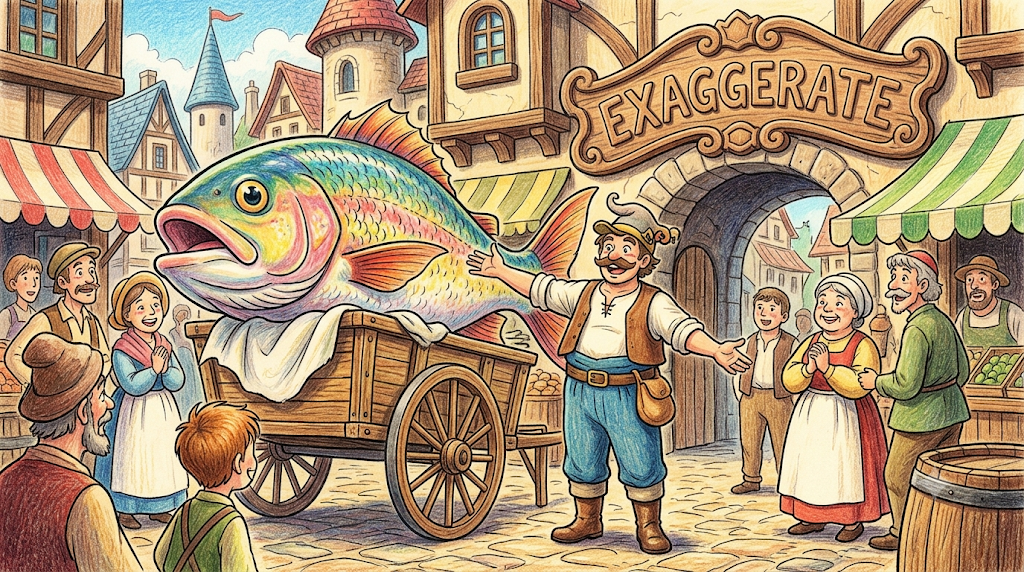
(명사·exaggeration) ③ 과장, 과대 표현
실제보다 크거나 강하거나 중요하게 나타내는 표현이나 그 결과를 나타냅니다.
- The difference between metaphor and exaggeration is not always clear — "he was a giant among men" is clearly metaphorical, while "he was the most important figure in the history of the field" might be either genuine assessment or exaggeration depending on the evidence, and the same statement can be one or the other depending on who makes it and why. (비유와 과장의 차이가 항상 명확한 것은 아니다 — "그는 사람들 사이의 거인이었다"는 분명히 은유이며 "그는 분야 역사에서 가장 중요한 인물이었다"는 증거에 따라 진정한 평가 또는 과장일 수 있으며 같은 진술이 누가 왜 하느냐에 따라 둘 중 하나가 될 수 있다.)
- The use of exaggeration as a rhetorical device dates back at least to classical rhetoric, where it was called hyperbole and was recognised as a legitimate and effective tool for emphasis — provided it was used in contexts where the audience would understand it as deliberate amplification rather than as factual claim. (과장을 수사적 장치로 사용하는 것은 적어도 고전 수사학까지 거슬러 올라가는데 거기서 그것은 과장법이라고 불렸으며 강조를 위한 합법적이고 효과적인 도구로 인정됐다 — 청중이 그것을 사실적 주장이 아닌 의도적인 증폭으로 이해할 맥락에서 사용된다면이다.)
- The tendency toward exaggeration in oral storytelling traditions served important functions — stories needed to be memorable enough to be retold accurately across generations, and the dramatic heightening that exaggeration provides makes narratives more emotionally engaging and therefore more likely to be preserved and transmitted faithfully at the level of their essential content. (구전 이야기 전통에서 과장에 대한 경향은 중요한 기능을 했다 — 이야기가 세대에 걸쳐 정확하게 다시 전해질 만큼 기억에 남을 필요가 있었고 과장이 제공하는 극적인 고조가 서사를 더 감정적으로 참여적이게 만들어 본질적인 내용 수준에서 보존되고 충실하게 전달될 가능성을 높인다.)
뉘앙스·의미 연결 흐름 표
핵심 이미지 연결 흐름 뉘앙스 요약
| 실제로 존재하는 것을 기반으로 하되 그 실제 크기나 정도나 중요성을 훨씬 넘어서 과하게 표현하는 것 | 말의 과장 → 중요성 부풀리기 → 위험 과대평가 → 반응의 지나침 → 공포의 과장 | 사실에 기반하지만 그 사실의 실제 크기를 훨씬 넘어서 부풀리는 이미지 |
| 과장의 정도 | exaggerate → wildly exaggerate → greatly exaggerated | 일반적 과장→심한 과장→크게 과장된의 이미지 |
| 과장의 결과 | exaggerated response → exaggerated fear → exaggerated sense of | 과장된 반응→과장된 공포→과장된 감각의 이미지 |
어원 흐름 표
단어 구성 요소 의미 연결 흐름 뉘앙스 요약
| 라틴어 ex (밖으로·완전히) + aggerare (쌓다·더하다) → exaggerare | 밖으로 더 쌓다 → 실제보다 높게 쌓아올리다 → 실제 정도를 넘어서 표현하다 | 실제 산보다 훨씬 높게 그리는 것처럼 사실을 넘어서 부풀리는 핵심 이미지 |
| exaggerate (동사→명사·exaggeration→형용사·exaggerated→부사·exaggeratedly) | 과장하다 → 과장·과대 표현 → 과장된·지나치게 강조된 → 과장되게 | 사실을 넘어서 부풀리는 이미지에서 다양한 맥락으로 완성 |
품사별 의미 표
품사 의미 예문
| 동사 | 과장하다, 실제보다 크게 나타내다 | exaggerate a story (이야기를 과장하다) |
| 동사 | 과대평가하다, 지나치게 강조하다 | exaggerate the risk (위험을 과장하다) |
| 명사 (exaggeration) | 과장, 과대 표현 | without exaggeration (과장 없이) |
| 형용사 (exaggerated) | 과장된, 지나치게 강조된 | exaggerated claims (과장된 주장) |
| 부사 (exaggeratedly) | 과장되게, 지나치게 | react exaggeratedly (과장되게 반응하다) |
활용 예문 리스트
- The report was criticised for exaggerating the effects of the policy change — presenting projections based on best-case assumptions as though they were typical outcomes and burying the uncertainty ranges that would have given readers a more accurate sense of how confident the authors actually were in their conclusions. (보고서는 정책 변화의 효과를 과장한다는 비판을 받았다 — 최선의 경우 가정에 기반한 예측을 전형적인 결과인 것처럼 제시하고 저자들이 실제로 결론에 얼마나 확신했는지에 대한 더 정확한 감각을 독자들에게 줬을 불확실성 범위를 묻었다.)
- Children who tend to exaggerate the difficulty of tasks before attempting them are sometimes doing so as a form of self-protection — if the task is described as impossibly hard and they still complete it, they look impressive; if they fail, they have already established an excuse. (과제를 시도하기 전에 과제의 어려움을 과장하는 경향이 있는 아이들은 때로 자기 보호의 한 형태로 그렇게 한다 — 과제가 불가능하게 어렵다고 묘사되고 그들이 여전히 그것을 완료하면 인상적으로 보이고 실패하면 이미 변명을 확립한 것이다.)
- It would be difficult to make this point without exaggeration — the transformation in how people access and share information that has occurred in the past three decades has no clear historical parallel, and its social, political, and economic consequences are still working themselves out in ways that are genuinely difficult to predict. (과장 없이 이 요점을 말하기는 어려울 것이다 — 지난 3십 년간 발생한 사람들이 정보에 접근하고 공유하는 방식의 변화는 명확한 역사적 유사점이 없으며 그 사회적, 정치적, 경제적 결과는 진정으로 예측하기 어려운 방식으로 여전히 전개되고 있다.)
- The exaggerated response that people sometimes have to personal criticism — shutting down, becoming aggressive, or catastrophising — often has less to do with the specific content of the criticism than with what it activates from past experiences, which is why the same criticism delivered in the same way can produce very different reactions from different people. (사람들이 때로 개인적 비판에 보이는 과장된 반응 — 마음을 닫거나, 공격적이 되거나, 파국화하는 — 은 종종 비판의 구체적인 내용보다 그것이 과거 경험에서 활성화하는 것과 더 관련이 있는데 이것이 왜 같은 방식으로 전달된 같은 비판이 다른 사람들에게서 매우 다른 반응을 만들어낼 수 있는 이유이다.)
- Stories about technological risks tend to exaggerate the likelihood of dramatic, sudden failures while underplaying the more common and statistically more significant risks of gradual degradation, inadequate maintenance, and the accumulated consequences of many small errors that never make individual headlines but collectively cause most of the harm that technology-related failures produce. (기술적 위험에 대한 이야기들은 점진적인 저하, 부적절한 유지보수, 그리고 개별적으로 헤드라인을 만들지 않지만 집합적으로 기술 관련 실패가 만들어내는 대부분의 해를 일으키는 많은 작은 오류들의 누적된 결과의 더 일반적이고 통계적으로 더 중요한 위험을 과소평가하면서 극적이고 갑작스러운 실패의 가능성을 과장하는 경향이 있다.)
전체 뉘앙스 설명
exaggerate는 '실제로 존재하는 것을 기반으로 하되 그 실제 크기나 정도나 중요성을 훨씬 넘어서 과하게 표현하는 것에서 출발하는 모든 말의 과장·중요성 부풀리기·위험 과대평가·반응의 지나침·공포의 과장의 언어'입니다.
overstate와의 차이: overstate는 더 공식적이고 지적인 맥락에서 어떤 것을 지나치게 또는 과도하게 강하게 표현하는 것을 강조하고, exaggerate는 더 일반적으로 실제 정도를 넘어서 과하게 나타내는 것을 강조합니다. embellish와의 차이: embellish는 어떤 것을 더 흥미롭거나 매력적으로 보이게 하기 위해 세부 사항을 추가하거나 꾸미는 것을 강조하고, exaggerate는 더 강하게 실제 크기나 정도를 부풀리는 것을 강조합니다. amplify와의 차이: amplify는 어떤 것을 더 강하거나 더 크게 만드는 것을 강조하며 반드시 부정적인 뉘앙스는 없고, exaggerate는 더 구체적으로 실제 정도를 넘어서 과하게 표현하는 부정적인 뉘앙스를 강조합니다.
마지막 핵심 정리
exaggerate는 단순히 "과장하다"가 아닙니다 — 라틴어 exaggerare(높이 쌓아올리다)에서 출발해, ~의 중요성을 과장하다(exaggerate the importance of)·심하게 과장하다(wildly exaggerate)·주장을 과장하다(exaggerate a claim)·과장하는 경향이 있다(tend to exaggerate)·과장된 ~감각(exaggerated sense of)·과장 없이(without exaggeration)·~의 효과를 과장하다(exaggerate the effects of)·크게 과장된(greatly exaggerated)·과장된 반응(exaggerated response)·과장된 공포(exaggerated fear)까지 확장되는 단어이며, exaggerate vs. overstate vs. embellish의 뉘앙스 구별·exaggerated sense of·without exaggeration·greatly exaggerated 패턴이 수능 핵심 출제 포인트입니다.
파생어 표 (발음기호 포함)
파생어 발음기호 품사 의미
| exaggeration | [ɪɡˌzædʒəˈreɪʃən] | 명사 | 과장, 과대 표현 |
| exaggerated | [ɪɡˈzædʒəreɪtɪd] | 형용사 | 과장된, 지나치게 강조된 |
| exaggeratedly | [ɪɡˈzædʒəreɪtɪdli] | 부사 | 과장되게, 지나치게 |
| understate | [ˌʌndəˈsteɪt] | 동사 | 과소평가하다, 실제보다 작게 말하다 |
| hyperbole | [haɪˈpɜːrbəli] | 명사 | 과장법, 수사적 과장 |
유의어 비교표
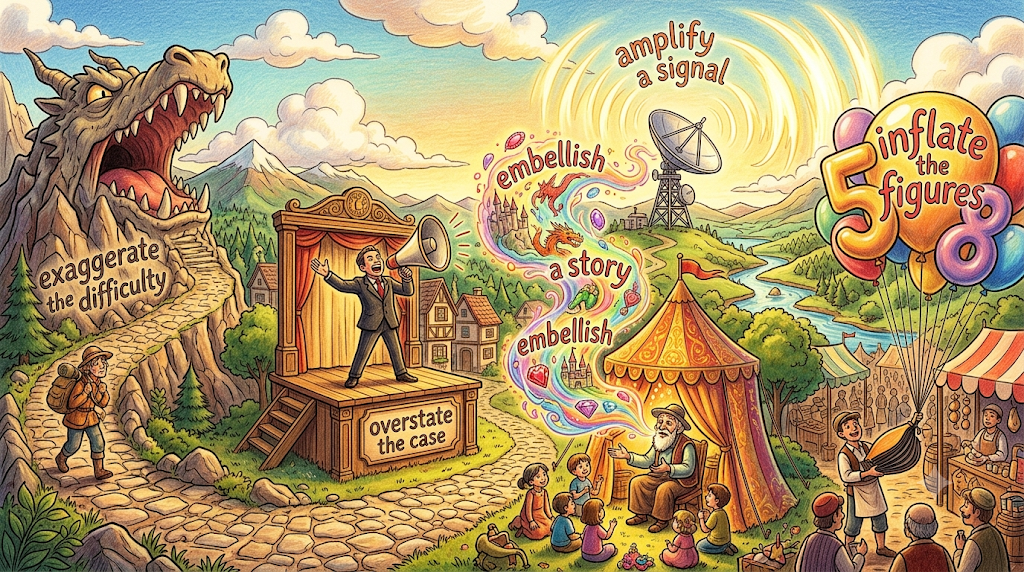
단어 공통점 뉘앙스 차이 예문
| exaggerate | 과장 관련 | 실제 정도를 넘어서 과하게 표현하는 것 강조 | exaggerate the difficulty |
| overstate | 과장 관련 | 공식적·지적 맥락에서 지나치게 강하게 표현하는 것 강조 | overstate the case |
| embellish | 과장 관련 | 더 흥미롭게 하기 위해 세부 사항을 추가하거나 꾸미는 것 강조 | embellish a story |
| amplify | 과장 관련 | 어떤 것을 더 강하거나 더 크게 만드는 것 강조 | amplify a signal |
| inflate | 과장 관련 | 숫자나 가치나 중요성을 인위적으로 부풀리는 것 강조 | inflate the figures |
유의어 예문 리스트
- (overstate) It would be difficult to overstate the significance of the treaty — not because the negotiators had achieved everything they hoped for, but because the fact that they had agreed to keep talking and to submit future disputes to arbitration rather than unilateral action changed the fundamental dynamics of the relationship between the two countries. (조약의 중요성을 지나치게 말하기는 어려울 것이다 — 협상가들이 희망했던 모든 것을 달성했기 때문이 아니라 계속 대화하고 일방적인 행동이 아닌 중재에 미래 분쟁을 제출하기로 합의했다는 사실이 두 나라 사이의 관계의 근본적인 역학을 바꿨기 때문이다.)
- (embellish) The account she gave of the incident was not dishonest in its essentials, but she had clearly embellished it in the retelling — adding details about her own composure and quick thinking that made her role in what had happened sound more impressive than the more straightforward version that other witnesses described. (그녀가 사건에 대해 한 이야기는 본질적으로 부정직하지 않았지만 그녀는 분명히 재이야기하면서 꾸몄다 — 다른 목격자들이 묘사한 더 직접적인 버전보다 일어난 일에서 그녀의 역할을 더 인상적으로 들리게 만드는 자신의 침착함과 빠른 사고에 대한 세부 사항을 추가했다.)
- (amplify) Social media platforms amplify the most emotionally charged content because that content generates more engagement — meaning that measured, qualified statements of fact consistently lose out to dramatic, clear-cut declarations, which gradually shifts the information environment toward the extreme and the sensational. (소셜 미디어 플랫폼은 그 콘텐츠가 더 많은 참여를 만들어내기 때문에 가장 감정적으로 충전된 콘텐츠를 증폭시킨다 — 이것은 측정되고 단서가 달린 사실 진술이 일관되게 극적이고 명확한 선언에 지게 된다는 것을 의미하며 이것이 정보 환경을 극단적이고 선정적인 방향으로 점진적으로 이동시킨다.)
- (inflate) The company was found to have systematically inflated its reported earnings by recognising revenue from contracts before the work required by those contracts had been completed — a practice that made its financial performance look much stronger than it actually was until the gap between reported and real performance became too large to conceal. (회사는 계약이 요구하는 작업이 완료되기 전에 계약으로부터의 수익을 인식함으로써 보고된 수익을 체계적으로 부풀린 것으로 밝혀졌다 — 보고된 성과와 실제 성과 사이의 차이가 숨기기에 너무 커질 때까지 재무 성과를 실제보다 훨씬 강하게 보이게 한 관행이었다.)
결론 정리
exaggerate는 단순히 "과장하다"가 아니라, 실제로 존재하는 것을 기반으로 하되 그 실제 크기나 정도나 중요성을 훨씬 넘어서 과하게 표현하는 것의 이미지에서 출발해 ~의 중요성을 과장하다·심하게 과장하다·주장을 과장하다·과장하는 경향이 있다·과장된 ~감각·과장 없이·~의 효과를 과장하다·크게 과장된·과장된 반응·과장된 공포까지 확장되는 단어다 — exaggerate가 있는 곳엔 언제나 '실제 산보다 훨씬 높게 그리는 지도처럼 사실에 기반하지만 그 사실의 실제 크기를 훨씬 넘어서 부풀려 나타내는' 과장의 이미지가 있다.
💡 exaggerate는 "실제로 존재하는 것을 기반으로 하되 그 실제 크기나 정도나 중요성을 훨씬 넘어서 과하게 표현하는 것을 가리키는" 단어 — exaggerated sense of·without exaggeration·greatly exaggerated 가 수능 최빈출. overstate(공식적 과도한 표현)·embellish(이야기 꾸미기)와의 구별이 핵심 출제 포인트.
🌟 초등학생 버전 exaggerate는 단순히 "과장하다"가 아니에요! wildly exaggerate는 학교에서 10분 정도 걸었는데 집에 와서 "오늘 몇 km는 걸은 것 같아, 발이 다 떨어져 나갈 것 같아"라고 말하는 것처럼 실제로 일어난 것은 맞지만 그것을 실제 크기나 정도보다 훨씬 훨씬 더 크고 심각하게 나타내는 것이고, without exaggeration은 "진짜야, 거짓말 아니야, 과장 없이 말하는데 오늘 시험이 정말 역대급으로 어려웠어"처럼 지금 말하는 것이 부풀린 것이 전혀 없고 사실 그대로라는 것을 강조하는 것이에요! 🌍✨
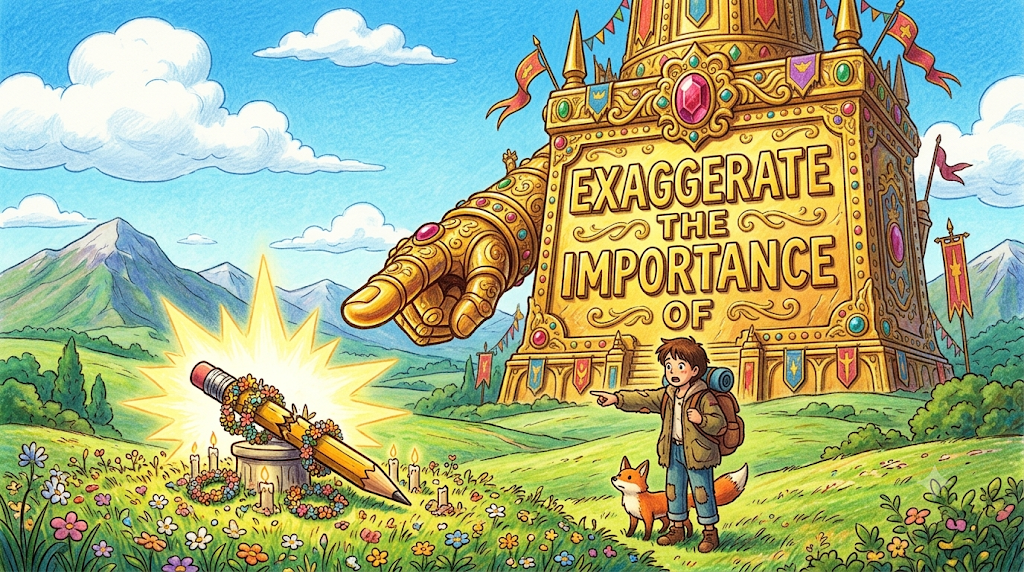
exaggerate the importance of [ɪɡˈzædʒəreɪt ðə ɪmˈpɔːrtəns əv]
품사/뉘앙스 설명
(동사구) ~의 중요성을 과장하다, ~이 지나치게 중요한 것처럼 나타내다
어떤 것의 실제 중요성보다 훨씬 더 중요한 것처럼 강조하는 것을 강조합니다. 중요성의 과도한 강조가 핵심 뉘앙스입니다. 수능 독해 교육·사회·심리 지문의 핵심 표현입니다.
- Educational systems often exaggerate the importance of examination performance relative to other kinds of learning — not because exam results are unimportant but because they are easy to measure and compare, which means that the things that matter but cannot easily be measured tend to be systematically undervalued in how schools allocate their attention and resources. (교육 시스템은 종종 다른 종류의 학습에 비해 시험 성과의 중요성을 과장한다 — 시험 결과가 중요하지 않아서가 아니라 그것들이 측정하고 비교하기 쉽기 때문인데 이것은 중요하지만 쉽게 측정할 수 없는 것들이 학교가 주의와 자원을 배분하는 방식에서 체계적으로 과소평가되는 경향이 있다는 것을 의미한다.)
- Business culture tends to exaggerate the importance of decisive action and to undervalue the kind of patient observation and careful analysis that often produces better outcomes — partly because decisive action is visible and attributable while careful analysis is invisible and its contribution to good outcomes hard to demonstrate. (비즈니스 문화는 결단력 있는 행동의 중요성을 과장하고 종종 더 나은 결과를 만들어내는 종류의 인내심 있는 관찰과 신중한 분석을 과소평가하는 경향이 있다 — 부분적으로는 결단력 있는 행동이 눈에 보이고 귀속 가능한 반면 신중한 분석은 눈에 보이지 않고 좋은 결과에 대한 기여를 입증하기 어렵기 때문이다.)
- Parents who exaggerate the importance of competitive achievement in their children's early years may be inadvertently teaching that value comes from performance rather than from character — a lesson that can produce high achievers who are chronically anxious, or people who are unwilling to attempt things they might not immediately excel at. (자녀의 초기 어린 시절에 경쟁적 성취의 중요성을 과장하는 부모들은 가치가 성격이 아닌 수행에서 온다는 것을 의도치 않게 가르치고 있을 수 있다 — 만성적으로 불안한 고성취자들을 만들어내거나 즉시 탁월하지 않을 수 있는 것들을 시도하려 하지 않는 사람들을 만들어내는 교훈이다.)

wildly exaggerate [ˈwaɪldli ɪɡˈzædʒəreɪt]
품사/뉘앙스 설명
(동사구) 심하게 과장하다, 터무니없이 과장하다
단순한 과장을 넘어 극도로 또는 통제되지 않을 만큼 과하게 나타내는 것을 강조합니다. 과장의 정도가 상식을 넘어설 만큼 크다는 것이 핵심 뉘앙스입니다. 수능 독해 사회·심리·역사 지문에서 자주 등장합니다.
- People wildly exaggerate their ability to detect when others are lying — most people believe they are significantly above average at this skill, whereas research consistently shows that untrained humans perform only slightly better than chance, and training rarely improves this much beyond chance level either. (사람들은 다른 사람들이 거짓말할 때 탐지하는 자신의 능력을 심하게 과장한다 — 대부분의 사람들이 이 기술에서 평균보다 상당히 높다고 믿는 반면 연구는 일관되게 훈련받지 않은 인간이 우연보다 약간만 더 잘 수행한다는 것을 보여주며 훈련도 이것을 우연 수준 이상으로 많이 향상시키지 못한다.)
- The popular account of the event wildly exaggerated the number of people present, the scale of the confrontation, and the casualties that resulted — not through deliberate falsification but through a process in which each retelling added vivid detail, and the versions that were most dramatic were the ones that spread furthest, regardless of their accuracy. (사건의 대중적 설명은 참석자 수, 대결의 규모, 그리고 결과적인 사상자를 심하게 과장했다 — 의도적인 위조를 통해서가 아니라 각 재이야기가 생생한 세부 사항을 추가하고 가장 극적인 버전이 정확성에 관계없이 가장 멀리 퍼진 과정을 통해서였다.)
- Teenagers are particularly prone to wildly exaggerating both positive and negative experiences — a great evening with friends becomes the best night of their lives, while a social embarrassment becomes a catastrophic humiliation — a pattern that reflects genuine intensity of experience rather than deliberate dishonesty, and that most adults recognise from their own adolescence in retrospect. (십대들은 긍정적이고 부정적인 경험 모두를 심하게 과장하는 경향이 특히 강하다 — 친구들과의 멋진 저녁이 인생 최고의 밤이 되고 사회적 당혹감이 치명적인 굴욕이 된다 — 의도적인 부정직함이 아닌 진정한 경험의 강도를 반영하는 패턴으로 대부분의 어른들이 소급하여 자신의 청소년기에서 인식하는 것이다.)

exaggerate a claim [ɪɡˈzædʒəreɪt ə kleɪm]
품사/뉘앙스 설명
(동사구) 주장을 과장하다, 진술을 부풀리다
어떤 주장이나 진술의 내용을 실제보다 더 강하거나 더 확실한 것으로 만드는 것을 강조합니다. 주장의 과도한 강도나 확실성이 핵심 뉘앙스입니다. 수능 독해 사회·교육·심리 지문의 핵심 표현입니다.
- Advertising that exaggerates a claim without technically lying does so by exploiting the gap between what is stated and what a reasonable listener would infer — a company can truthfully say its product is "clinically tested" without that testing having shown any positive results, because being tested and being proven effective are very different things. (주장을 과장하는 광고는 기술적으로 거짓말을 하지 않으면서도 진술된 것과 합리적인 청취자가 추론할 것 사이의 격차를 이용함으로써 그렇게 한다 — 회사는 그 검사가 어떤 긍정적인 결과도 보여주지 않았음에도 제품이 "임상적으로 검사됐다"고 진실되게 말할 수 있는데 검사됐다는 것과 효과적임이 증명됐다는 것은 매우 다른 것이기 때문이다.)
- Researchers who exaggerate a claim in their abstract or their press release — presenting findings as more conclusive than their data actually support — do real harm to the scientific enterprise, because the exaggerated claim is what journalists and policymakers see, while the careful caveats in the methodology section are read only by specialists. (초록이나 보도 자료에서 주장을 과장하는 연구자들 — 데이터가 실제로 지지하는 것보다 더 결정적인 것으로 발견을 제시하는 — 은 과학적 사업에 실질적인 해를 끼치는데 과장된 주장이 기자와 정책 입안자들이 보는 것이고 방법론 섹션의 신중한 단서들은 전문가들만 읽기 때문이다.)
- People who feel strongly about a cause tend to exaggerate their claims because they believe that the underlying truth justifies the exaggeration — a form of reasoning that is understandable but ultimately self-defeating, since it invites the scepticism that challenges the exaggerated version and, by association, the more defensible positions it was meant to support. (어떤 대의에 강하게 느끼는 사람들은 근본적인 진실이 과장을 정당화한다고 믿기 때문에 주장을 과장하는 경향이 있다 — 이해할 수 있지만 궁극적으로 자기 패배적인 추론의 형태인데 과장된 버전에 도전하는 회의주의를 초대하고 연관적으로 그것이 지지하도록 의도된 더 방어 가능한 입장들도 도전받게 하기 때문이다.)

tend to exaggerate [tend tuː ɪɡˈzædʒəreɪt]
품사/뉘앙스 설명
(동사구) 과장하는 경향이 있다
특정 상황이나 특성에 의해 과장이 반복적으로 일어나는 경향을 강조합니다. 과장이 의도적이기보다 자연스러운 패턴이라는 것이 핵심 뉘앙스입니다. 수능 독해 심리·사회·교육 지문에서 자주 등장합니다.
- Human beings universally tend to exaggerate how different their own inner lives are from those of others and how different others are from each other — partly because we have direct access to our own thoughts and feelings but only indirect access to those of others, which makes the private parts of our experience seem uniquely complex. (인간은 보편적으로 자신의 내면의 삶이 다른 사람들의 것과 얼마나 다른지, 그리고 다른 사람들이 서로 얼마나 다른지를 과장하는 경향이 있다 — 부분적으로는 우리가 자신의 생각과 느낌에 직접 접근하지만 다른 사람들의 것에는 간접적으로만 접근하기 때문인데 이것이 경험의 사적인 부분을 독특하게 복잡하게 보이게 만든다.)
- Eyewitnesses tend to exaggerate the confidence with which they report their memories — the feeling of certainty that accompanies a memory is not a reliable guide to its accuracy, and the most confidently reported memories are often no more accurate than those reported with hesitation, a finding that has profound implications for how courts should evaluate eyewitness testimony. (목격자들은 기억을 보고하는 자신감을 과장하는 경향이 있다 — 기억과 함께하는 확실성의 느낌이 그 정확성의 신뢰할 수 있는 안내가 아니며 가장 자신 있게 보고된 기억이 망설임과 함께 보고된 것보다 종종 더 정확하지 않은데 이것은 법원이 목격자 증언을 어떻게 평가해야 하는지에 심오한 의미를 갖는 발견이다.)
- Successful people tend to exaggerate in retrospect how much of their success they owe to their own qualities and how little to luck and circumstance — a form of exaggeration that is psychologically understandable as a way of maintaining a coherent self-narrative, but that produces systematically misleading models of how success actually works for those who use these accounts as guides. (성공한 사람들은 소급하여 자신의 성공 중 얼마나 많은 부분이 자신의 자질 덕분이고 얼마나 적은 부분이 운과 상황 덕분인지를 과장하는 경향이 있다 — 일관된 자기 서사를 유지하는 방법으로 심리적으로 이해할 수 있는 과장의 형태이지만 이 설명들을 안내로 사용하는 사람들에게 성공이 실제로 어떻게 작동하는지에 대한 체계적으로 오해를 불러일으키는 모델을 만들어낸다.)
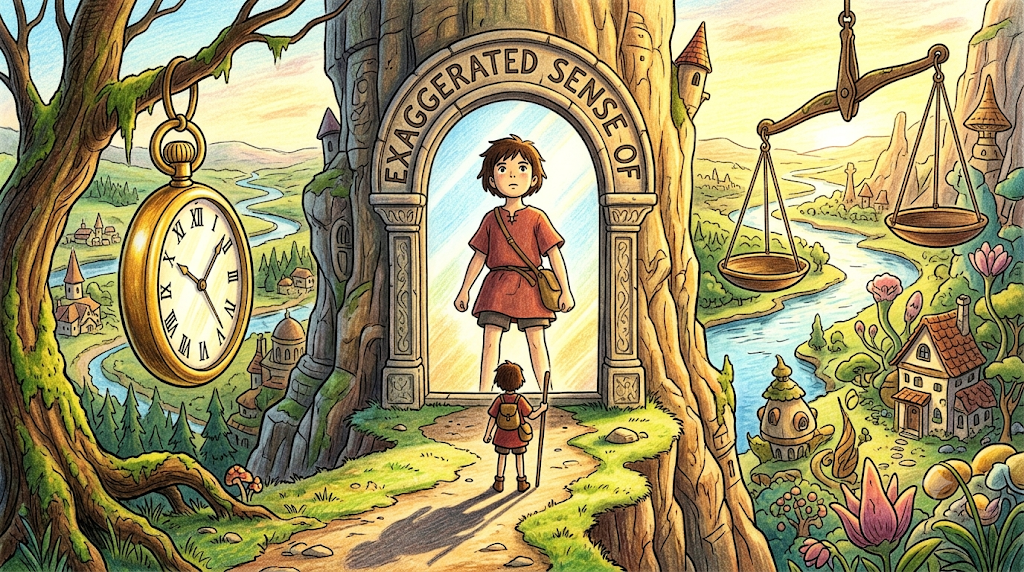
exaggerated sense of [ɪɡˈzædʒəreɪtɪd sens əv]
품사/뉘앙스 설명
(명사구) 과장된 ~감각, 과도한 ~느낌
어떤 감각이나 인식이 실제보다 훨씬 강하게 느껴지는 것을 강조합니다. 내부적 인식의 왜곡이 핵심 뉘앙스입니다. 수능 독해 심리·사회·교육 지문의 핵심 표현입니다.
- An exaggerated sense of fairness that leads people to accept personally costly outcomes purely to prevent others from doing better than themselves is not what most people think of as fair — but research consistently shows that people will reject offers that give them something valuable if they believe the other party in the transaction is getting an even better deal. (자신보다 다른 사람들이 더 잘 되는 것을 막기 위해 개인적으로 비용이 드는 결과를 순수하게 받아들이게 만드는 과장된 공정 감각은 대부분의 사람들이 공정하다고 생각하는 것이 아니다 — 하지만 연구는 일관되게 사람들이 거래의 다른 당사자가 더 좋은 거래를 하고 있다고 믿으면 가치 있는 것을 주는 제안을 거부할 것이라는 것을 보여준다.)
- Many conflicts within teams arise from an exaggerated sense of the differences between members' views — when people are asked to estimate how far their colleagues disagree with them on a contested question, they typically overestimate the gap considerably, and discovering the actual degree of agreement is often enough to shift the dynamic from conflict to collaboration. (팀 내 많은 갈등은 구성원들의 견해 사이의 차이에 대한 과장된 감각에서 나온다 — 사람들이 논쟁적인 질문에서 동료들이 자신과 얼마나 다른지 추정하도록 요청받을 때 전형적으로 격차를 상당히 과대평가하며 실제 동의 정도를 발견하는 것이 종종 역학을 갈등에서 협력으로 이동시키기에 충분하다.)
- An exaggerated sense of personal uniqueness — the feeling that one's experiences, struggles, and insights are more distinctive than they actually are — can make it harder to benefit from the experiences of others, because if your situation really is completely unlike anyone else's, then what worked for them really does not apply to you. (과장된 개인 독특성 감각 — 자신의 경험, 투쟁, 그리고 통찰이 실제보다 더 독특하다는 느낌 — 은 다른 사람들의 경험으로부터 혜택을 받기 더 어렵게 만들 수 있는데 자신의 상황이 정말로 다른 누구와도 완전히 다르다면 그들에게 효과가 있었던 것이 정말로 자신에게 적용되지 않기 때문이다.)

without exaggeration [wɪˈðaʊt ɪɡˌzædʒəˈreɪʃən]
품사/뉘앙스 설명
(부사구) 과장 없이, 솔직히 말해서
지금 말하는 것이 과장이 아니라 사실 그대로임을 강조할 때 사용합니다. 화자가 자신의 말의 신뢰성을 보증한다는 것이 핵심 뉘앙스입니다. 수능 독해 사회·교육·역사 지문에서 자주 등장합니다.
- Without exaggeration, the ability to write clearly is one of the most economically valuable skills that a person can develop — clear writing reflects and enables clear thinking, and the people who can express complex ideas simply and precisely are in demand across virtually every field that requires communication between people with different levels of knowledge. (과장 없이 말하면 명확하게 쓰는 능력은 사람이 개발할 수 있는 가장 경제적으로 가치 있는 기술 중 하나이다 — 명확한 글쓰기는 명확한 사고를 반영하고 가능하게 하며 복잡한 아이디어를 단순하고 정확하게 표현할 수 있는 사람들은 다른 수준의 지식을 가진 사람들 사이의 의사소통이 필요한 거의 모든 분야에서 수요가 있다.)
- The impact of the drought on agricultural output was, without exaggeration, catastrophic — not just in the immediate sense of reduced harvests, but in the longer-term sense of topsoil damage, debt accumulated by farmers during the crisis, and the departure of experienced farming families from the land that would take a generation to replace. (농업 생산량에 대한 가뭄의 영향은 과장 없이 재앙적이었다 — 단순히 감소한 수확의 즉각적인 의미에서만이 아니라 표토 손상, 위기 동안 농부들이 축적한 부채, 그리고 대체하는 데 한 세대가 걸릴 경험 있는 농업 가족들의 땅에서의 이탈이라는 장기적인 의미에서도이다.)
- Learning to recognise when you are using exaggeration is useful precisely because it means you can also deploy without exaggeration as a genuine signal — telling your audience that this time you are not using dramatic language for effect but meaning exactly what you say, which makes the claim more credible than if you had never used exaggeration at all. (과장을 사용하고 있을 때 알아채는 것을 배우는 것은 정확히 과장 없이를 진정한 신호로도 사용할 수 있다는 것을 의미하기 때문에 유용하다 — 이번에는 효과를 위해 극적인 언어를 사용하는 것이 아니라 정확히 말하는 것을 의미한다는 것을 청중에게 알리는 것으로 이것은 과장을 전혀 사용하지 않았을 때보다 주장을 더 신뢰할 수 있게 만든다.)
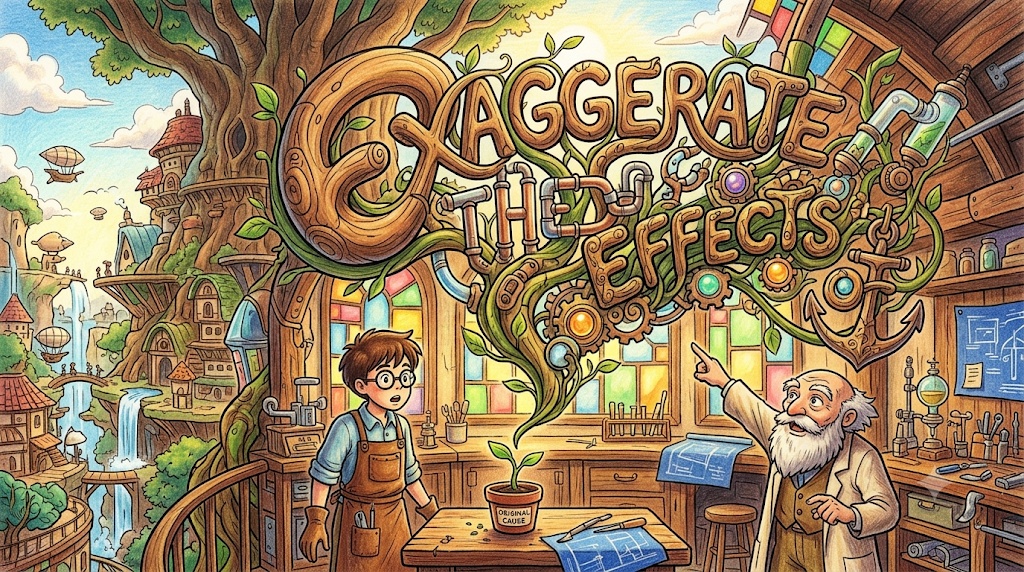
exaggerate the effects of [ɪɡˈzædʒəreɪt ðə ɪˈfekts əv]
품사/뉘앙스 설명
(동사구) ~의 효과를 과장하다, ~의 영향을 부풀리다
어떤 것이 실제로 미치는 영향이나 효과를 실제보다 훨씬 크게 나타내는 것을 강조합니다. 효과와 현실 사이의 괴리가 핵심 뉘앙스입니다. 수능 독해 과학·사회·심리 지문의 핵심 표현입니다.
- Popular accounts of psychology research regularly exaggerate the effects of findings that are real but small — a study showing that a particular intervention improves test scores by a statistically significant but tiny amount gets described as though it were a major breakthrough, when in practice the effect is too small to be meaningful for individual students. (심리학 연구의 대중적 설명은 실재하지만 작은 발견의 효과를 정기적으로 과장한다 — 특정 개입이 통계적으로 유의하지만 작은 양으로 시험 점수를 향상시킨다는 것을 보여주는 연구가 주요 돌파구인 것처럼 묘사되는데 실제로는 개별 학생들에게 의미 있기에는 효과가 너무 작다.)
- Critics of new technologies often exaggerate the effects of their downsides just as enthusiasts exaggerate their upsides — both patterns of exaggeration are driven by the same underlying mechanism, namely that we find it easier to imagine clear, simple stories than to hold in mind the genuinely complex, mixed reality that evidence usually reveals. (새로운 기술의 비판자들은 열성적인 사람들이 장점을 과장하는 것처럼 종종 단점의 효과를 과장한다 — 두 과장의 패턴 모두 같은 근본적인 메커니즘에 의해 이끌리는데 즉 우리가 증거가 일반적으로 드러내는 진정으로 복잡하고 혼합된 현실을 마음에 유지하는 것보다 명확하고 단순한 이야기를 상상하기 더 쉽다는 것이다.)
- Pharmaceutical companies that exaggerate the effects of drugs in marketing to physicians while burying the side effect data that would allow for a balanced assessment are engaged in a practice that has contributed to several major public health crises — with the opioid epidemic providing the most discussed recent example of what can happen when commercial incentives override scientific honesty. (약사들에게 마케팅에서 균형 잡힌 평가를 허용할 부작용 데이터를 묻으면서 의약품의 효과를 과장하는 제약 회사들은 몇 가지 주요 공중 보건 위기에 기여한 관행에 종사하고 있다 — 오피오이드 전염병이 상업적 인센티브가 과학적 정직성을 압도할 때 일어날 수 있는 것의 가장 많이 논의된 최근 예를 제공하면서이다.)
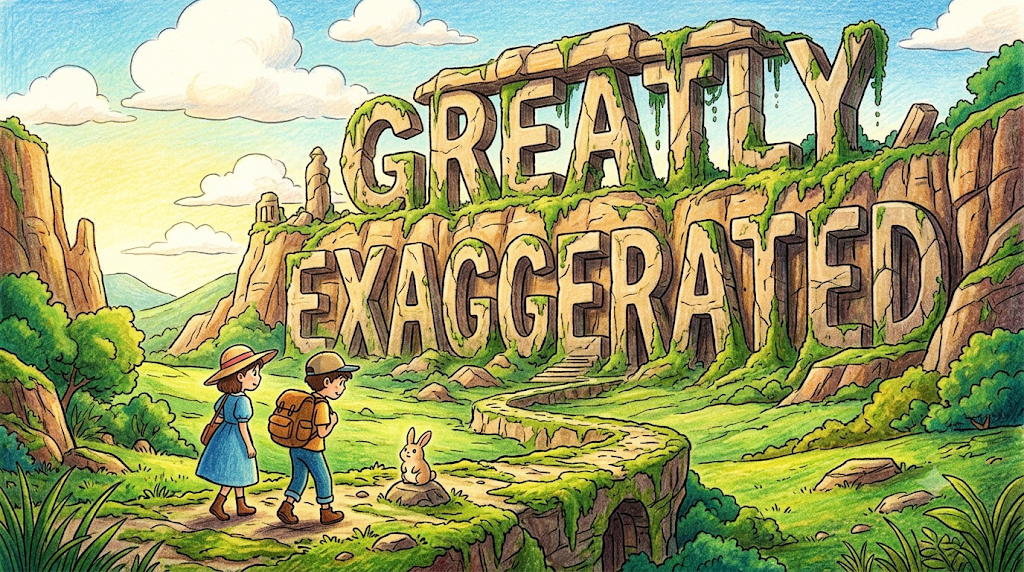
greatly exaggerated [ˈɡreɪtli ɪɡˈzædʒəreɪtɪd]
품사/뉘앙스 설명
(형용사구) 크게 과장된, 심각하게 부풀려진
어떤 것이 실제보다 훨씬 크거나 심각하게 표현됐음을 강조합니다. 인식과 현실 사이의 큰 괴리가 핵심 뉘앙스입니다. 수능 독해 사회·역사·심리 지문에서 자주 등장합니다.
- The fears about artificial intelligence displacing most human workers turned out to be greatly exaggerated — not because the technology was less capable than predicted, but because the range of tasks that remained valuable and difficult for machines to perform turned out to be much wider than the most alarming projections had assumed. (인공지능이 대부분의 인간 노동자들을 대체할 것이라는 두려움은 크게 과장된 것으로 밝혀졌다 — 기술이 예측보다 덜 유능해서가 아니라 기계가 수행하기에 가치 있고 어려운 것으로 남아있는 과제의 범위가 가장 경보적인 예측이 가정한 것보다 훨씬 더 넓은 것으로 밝혀졌기 때문이다.)
- The extent to which public disagreement on scientific questions represents genuine intellectual conflict rather than social or political identity expression may be greatly exaggerated by the attention given to the most extreme voices — surveys often find far more agreement on basic scientific questions among the general public than media coverage of those questions would suggest. (과학적 질문에 대한 공개적 불일치가 사회적이거나 정치적 정체성 표현이 아닌 진정한 지적 갈등을 나타내는 정도는 가장 극단적인 목소리에 주어진 관심에 의해 크게 과장됐을 수 있다 — 조사들은 종종 일반 대중 사이에서 기본 과학 질문들에 대해 그 질문들에 대한 미디어 보도가 시사하는 것보다 훨씬 더 많은 동의를 발견한다.)
- Claims that a particular educational intervention produces transformative improvements in student outcomes are almost always greatly exaggerated when the initial finding is subjected to replication studies conducted under more rigorous conditions with larger and more representative samples — a pattern so consistent that experienced educational researchers have learned to discount early results substantially while awaiting replication. (특정 교육적 개입이 학생 결과에 변환적인 개선을 만들어낸다는 주장은 더 엄격한 조건에서 더 크고 더 대표적인 표본으로 수행된 복제 연구에 초기 발견이 제출될 때 거의 항상 크게 과장됐다는 것이 밝혀진다 — 경험 있는 교육 연구자들이 복제를 기다리는 동안 초기 결과를 상당히 할인하는 것을 배운 만큼 일관된 패턴이다.)
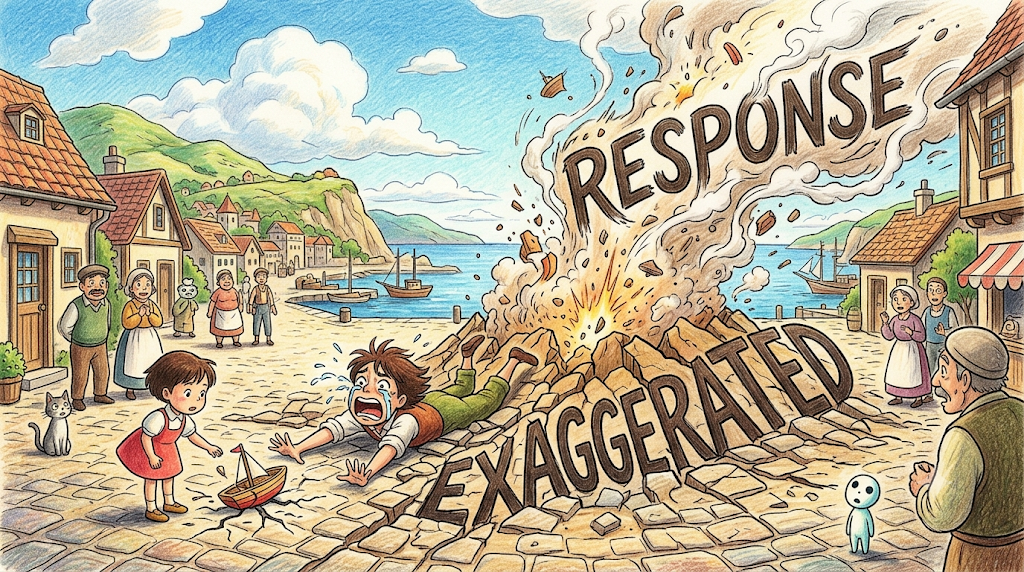
exaggerated response [ɪɡˈzædʒəreɪtɪd rɪˈspɒns]
품사/뉘앙스 설명
(명사구) 과장된 반응, 지나친 대응
어떤 상황이나 자극에 대해 실제 상황이 요구하는 것보다 훨씬 강하게 반응하는 것을 강조합니다. 반응의 비례성 문제가 핵심 뉘앙스입니다. 수능 독해 심리·사회·교육 지문의 핵심 표현입니다.
- An exaggerated response to perceived slights is characteristic of several psychological conditions — but it is also a learned pattern in some people that has nothing to do with clinical diagnosis, and distinguishing between the two requires attention to context, history, and the consistency of the pattern across different situations. (인식된 무시에 대한 과장된 반응은 여러 심리적 상태의 특성이다 — 하지만 그것은 또한 임상 진단과 아무 관련이 없는 일부 사람들의 학습된 패턴이며 두 가지를 구별하는 것은 맥락, 역사, 그리고 다른 상황들에 걸친 패턴의 일관성에 주의를 필요로 한다.)
- The immune system's exaggerated response to harmless substances in allergic reactions is a case where a protective mechanism causes more harm than the thing it is protecting against — the peanut that triggers a severe allergic reaction is not itself dangerous, but the cascade of immune responses it triggers can be. (알레르기 반응에서 무해한 물질에 대한 면역 시스템의 과장된 반응은 보호 메커니즘이 보호하려는 것보다 더 많은 해를 끼치는 경우이다 — 심각한 알레르기 반응을 유발하는 땅콩 자체는 위험하지 않지만 그것이 유발하는 면역 반응의 연쇄는 위험할 수 있다.)
- Countries that respond to minor security incidents with disproportionate force are not simply making tactical errors — an exaggerated response to provocation often escalates conflicts that might otherwise have de-escalated, radicalises populations that might otherwise have remained moderate, and creates the conditions for exactly the kind of sustained opposition that the response was meant to prevent. (사소한 보안 사건에 불균형적인 힘으로 대응하는 국가들은 단순히 전술적 오류를 범하는 것이 아니다 — 도발에 대한 과장된 반응은 종종 그렇지 않았다면 완화됐을 갈등을 고조시키고, 그렇지 않았다면 온건하게 남았을 인구를 급진화시키며, 대응이 막으려 했던 바로 그 종류의 지속적인 반대를 위한 조건을 만든다.)
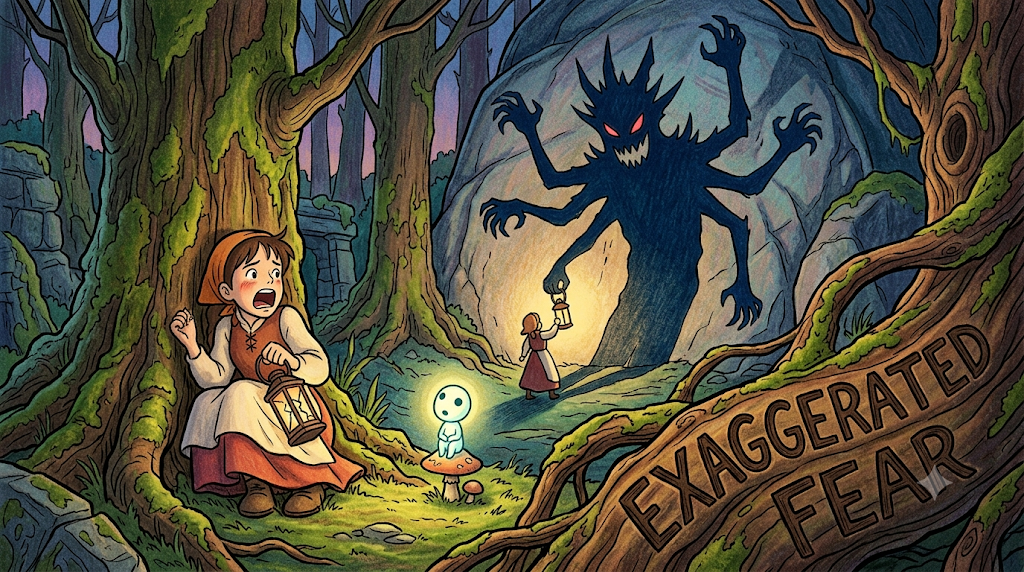
exaggerated fear [ɪɡˈzædʒəreɪtɪd fɪər]
품사/뉘앙스 설명
(명사구) 과장된 공포, 지나친 두려움
실제 위험의 정도에 비해 훨씬 강하게 느껴지는 공포나 두려움을 강조합니다. 위험의 실제 정도와 느껴지는 공포 사이의 괴리가 핵심 뉘앙스입니다. 수능 독해 심리·사회·교육 지문에서 자주 등장합니다.
- Exaggerated fear of crime in neighbourhoods with relatively low crime rates is often produced by intensive media coverage of crimes that occur elsewhere — the vividness and availability of crime-related imagery in the news creates an impression of pervasive danger that does not match the statistical reality of where and how often most people are actually at risk. (상대적으로 낮은 범죄율을 가진 지역에서의 범죄에 대한 과장된 공포는 종종 다른 곳에서 발생하는 범죄에 대한 집중적인 미디어 보도에 의해 만들어진다 — 뉴스에서 범죄 관련 이미지의 생생함과 가용성이 대부분의 사람들이 실제로 위험에 처하는 위치와 빈도의 통계적 현실과 일치하지 않는 만연한 위험의 인상을 만들어낸다.)
- Exaggerated fear of making the wrong choice can lead to decision paralysis — a state in which the anxiety about choosing incorrectly is worse than the consequences of any of the available options, with the result that no choice is made and the person ends up experiencing the worst outcome by default rather than by deliberate selection. (잘못된 선택을 하는 것에 대한 과장된 공포는 결정 마비로 이어질 수 있다 — 잘못 선택하는 것에 대한 불안이 이용 가능한 옵션들의 결과보다 더 나쁜 상태로 결과적으로 선택이 이루어지지 않고 사람이 의도적인 선택보다 기본적으로 최악의 결과를 경험하게 된다.)
- One of the most effective things that education can do is reduce exaggerated fears about subjects that children encounter as difficult — because the fear of maths, science, or writing that many students develop is often a response to early experiences of failure or humiliation rather than a reflection of genuine incapacity, and addressing that fear directly can unlock potential that the fear was preventing from being expressed. (교육이 할 수 있는 가장 효과적인 것들 중 하나는 아이들이 어렵다고 만나는 과목들에 대한 과장된 공포를 줄이는 것이다 — 많은 학생들이 개발하는 수학, 과학, 또는 쓰기에 대한 공포가 종종 진정한 무능함의 반영이 아닌 초기 실패나 굴욕 경험에 대한 반응이기 때문이며 그 공포를 직접 다루는 것이 공포가 표현되는 것을 막고 있던 잠재력을 열 수 있다.)
숙어 그룹 묶음 1 — 과장의 정도 exaggerate 핵심 패턴
표현 의미 핵심 뉘앙스 주요 맥락
| wildly exaggerate | 심하게 과장하다 | 과장의 정도가 상식을 넘어설 만큼 큰 것 | 사회·심리·역사 |
| greatly exaggerated | 크게 과장된 | 인식과 현실 사이의 큰 괴리 | 사회·역사·심리 |
| without exaggeration | 과장 없이 | 화자가 자신의 말의 신뢰성을 보증하는 것 | 사회·교육·역사 |
이 세 표현은 모두 exaggerate의 "실제와 표현 사이의 차이" 이미지를 공유하되, 각각 극도로 과하게 나타내는 과정(wildly exaggerate)·실제보다 훨씬 크게 표현된 상태(greatly exaggerated)·과장이 없다는 것을 강조하는 것(without exaggeration)의 관점에서 접근합니다.
- The reports had wildly exaggerated the damage, and the situation, while serious, was greatly exaggerated in the public's imagination — which meant that the task of communicating the real situation to people who had formed greatly exaggerated expectations required careful work to maintain credibility while delivering what might sound, without exaggeration, like relatively good news. (보도들은 피해를 심하게 과장했으며 상황이 심각하기는 했지만 대중의 상상에서 크게 과장됐다 — 이것은 크게 과장된 기대를 형성한 사람들에게 실제 상황을 전달하는 과제가 과장 없이 상대적으로 좋은 소식처럼 들릴 수 있는 것을 전달하면서 신뢰성을 유지하기 위한 신중한 작업을 필요로 한다는 것을 의미했다.)
- When accounts wildly exaggerate and the truth is found to be greatly exaggerated, the effect is not neutral — even when the corrected account is delivered without exaggeration, audiences who were prepared for something much worse sometimes react to the more accurate picture with a strange disappointment, as though the less dramatic reality had somehow let them down. (설명들이 심하게 과장하고 진실이 크게 과장됐다는 것이 밝혀질 때 효과는 중립적이지 않다 — 수정된 설명이 과장 없이 전달될 때도 훨씬 더 나쁜 것을 준비했던 청중이 때로 더 정확한 그림에 덜 극적인 현실이 어떻게든 그들을 실망시킨 것처럼 이상한 실망으로 반응한다.)
- Understanding that we routinely wildly exaggerate what we feel while actually experiencing it and that our retrospective accounts are often greatly exaggerated relative to what independent observers recorded at the time suggests that without exaggeration is a harder standard to meet than it sounds — because our subjective experience of events is always a greatly exaggerated version of their objective characteristics. (우리가 일상적으로 실제 경험하면서 느끼는 것을 심하게 과장하고 소급적 설명이 종종 독립적인 관찰자들이 당시 기록한 것에 비해 크게 과장된다는 것을 이해하는 것은 과장 없이가 들리는 것보다 충족하기 더 어려운 기준임을 시사한다 — 사건들에 대한 우리의 주관적 경험이 항상 객관적 특성의 크게 과장된 버전이기 때문이다.)
숙어 그룹 묶음 2 — 과장의 대상 exaggerate 심화 패턴
표현 의미 핵심 뉘앙스 주요 맥락
| exaggerate the importance of | ~의 중요성을 과장하다 | 중요성의 과도한 강조 | 교육·사회·심리 |
| exaggerate the effects of | ~의 효과를 과장하다 | 효과와 현실 사이의 괴리 | 과학·사회·심리 |
| exaggerate a claim | 주장을 과장하다 | 주장의 과도한 강도나 확실성 | 사회·교육·심리 |
이 세 표현은 모두 exaggerate의 "무언가의 실제 정도를 넘어서 나타내는" 이미지를 공유하되, 각각 어떤 것이 실제보다 더 중요한 것처럼 나타내는 것(exaggerate the importance of)·어떤 것의 영향이나 결과를 실제보다 크게 나타내는 것(exaggerate the effects of)·어떤 주장이나 진술의 내용을 더 강하게 나타내는 것(exaggerate a claim)의 관점에서 접근합니다.
- Advertisers who exaggerate a claim about their product's power are typically exaggerating the effects of a real property of the product, and in doing so they inevitably also exaggerate the importance of that property relative to other factors that actually determine the outcome the consumer cares about. (제품의 효능에 대한 주장을 과장하는 광고주들은 전형적으로 제품의 실제 특성의 효과를 과장하고 있으며 그렇게 함으로써 그들은 필연적으로 소비자가 신경 쓰는 결과를 실제로 결정하는 다른 요인들에 비해 그 특성의 중요성도 과장한다.)
- Scientists who resist the temptation to exaggerate a claim and who are careful not to exaggerate the effects of their findings are more likely to avoid the trap of exaggerating the importance of their field's contribution to addressing problems that in fact require solutions from many different areas of knowledge working together. (주장을 과장하려는 유혹에 저항하고 발견의 효과를 과장하지 않도록 신중한 과학자들은 실제로 함께 작동하는 많은 다른 지식 영역의 해결책이 필요한 문제를 해결하는 데 있어 자신의 분야의 기여의 중요성을 과장하는 함정을 피할 가능성이 더 높다.)
- The pattern of exaggerating the importance of early indicators, exaggerating the effects of initial results, and exaggerating claims about what those results mean for larger questions is so common in emerging fields that it has been given a name — the hype cycle — and awareness of this pattern is one of the things that distinguishes experienced researchers from those who are still learning to calibrate their expectations and their communication. (초기 지표의 중요성을 과장하고, 초기 결과의 효과를 과장하며, 그 결과가 더 큰 질문에 대해 무엇을 의미하는지에 대한 주장을 과장하는 패턴은 신흥 분야에서 너무 일반적이어서 이름이 붙여졌다 — 하이프 사이클 — 그리고 이 패턴에 대한 인식은 경험 있는 연구자들을 아직 기대와 소통을 조정하는 것을 배우고 있는 사람들과 구별하는 것들 중 하나이다.)
숙어 그룹 묶음 3 — 과장된 심리 상태 exaggerate 심화 패턴
표현 의미 핵심 뉘앙스 주요 맥락
| exaggerated sense of | 과장된 ~감각 | 내부적 인식의 왜곡 | 심리·사회·교육 |
| exaggerated fear | 과장된 공포 | 위험의 실제 정도와 느껴지는 공포 사이의 괴리 | 심리·사회·교육 |
| exaggerated response | 과장된 반응 | 반응의 비례성 문제 | 심리·사회·교육 |
이 세 표현은 모두 exaggerate의 "실제보다 크거나 강하게 느끼거나 반응하는" 이미지를 공유하되, 각각 어떤 것에 대한 내부적 인식이 실제보다 강한 것(exaggerated sense of)·위험보다 훨씬 강하게 느껴지는 두려움(exaggerated fear)·상황이 요구하는 것보다 훨씬 강한 반응(exaggerated response)의 관점에서 접근합니다.
- An exaggerated sense of danger can produce both exaggerated fear and exaggerated responses to perceived threats — and while each of these on its own can be managed, the combination is particularly difficult, because the exaggerated sense provides constant inputs that generate the fear, and the fear drives the responses that reinforce the sense by seeming to confirm that the vigilance was warranted. (과장된 위험 감각은 과장된 공포와 인식된 위협에 대한 과장된 반응 모두를 만들어낼 수 있다 — 그리고 이 각각이 혼자서는 관리될 수 있지만 조합은 특히 어려운데 과장된 감각이 공포를 만들어내는 지속적인 입력을 제공하고 공포가 경계가 정당했다는 것을 확인하는 것처럼 보임으로써 감각을 강화하는 반응들을 유도하기 때문이다.)
- Therapy for anxiety often works by helping people recognise that their exaggerated fear comes from an exaggerated sense of risk that then produces exaggerated responses — and that addressing the exaggerated sense directly through gradual exposure and cognitive reappraisal is more effective than trying to manage the fear and the responses separately. (불안에 대한 치료는 종종 사람들이 과장된 공포가 그 후 과장된 반응을 만들어내는 과장된 위험 감각에서 온다는 것을 인식하도록 돕는 것으로 작동한다 — 그리고 점진적인 노출과 인지적 재평가를 통해 과장된 감각을 직접 다루는 것이 공포와 반응을 별도로 관리하려는 것보다 더 효과적이다.)
- The exaggerated sense of certainty that some political actors project is designed to suppress the exaggerated responses of voters who are experiencing exaggerated fears about the future — because people who feel certain and secure do not react as dramatically to threatening information as those who already have an exaggerated sense that things are precarious. (일부 정치적 행위자들이 투사하는 과장된 확실성 감각은 미래에 대한 과장된 공포를 경험하는 유권자들의 과장된 반응을 억제하도록 설계됐다 — 확실하고 안전하게 느끼는 사람들이 이미 사물이 위태롭다는 과장된 감각을 가진 사람들만큼 위협적인 정보에 극적으로 반응하지 않기 때문이다.)
숙어 그룹 묶음 4 — 과장의 경향과 완성 exaggerate 완성 패턴
표현 의미 핵심 뉘앙스 주요 맥락
| tend to exaggerate | 과장하는 경향이 있다 | 과장이 의도적이기보다 자연스러운 패턴 | 심리·사회·교육 |
| exaggerated sense of | 과장된 ~감각 | 내부적 인식의 왜곡 | 심리·사회·교육 |
| without exaggeration | 과장 없이 | 화자가 자신의 말의 신뢰성을 보증하는 것 | 사회·교육·역사 |
이 세 표현은 함께 exaggerate가 나타내는 경향·인식·진실성의 스펙트럼을 보여줍니다. tend to exaggerate는 과장이 일어나는 반복적 패턴을, exaggerated sense of는 그 과장이 내면의 인식에 어떻게 나타나는지를, without exaggeration은 그 과장의 반대인 진실 그대로의 말을 각각 강조합니다.
- People tend to exaggerate how unusual their own thought patterns are, developing an exaggerated sense of how different they are from others, when without exaggeration the most striking finding from decades of cognitive psychology research is how similar human minds are in their patterns of error, bias, and the particular ways they distort reality. (사람들은 자신의 사고 패턴이 얼마나 특이한지를 과장하는 경향이 있으며, 자신이 다른 사람들과 얼마나 다른지에 대한 과장된 감각을 개발하는데 과장 없이 말하면 수십 년간의 인지 심리학 연구에서 가장 놀라운 발견은 인간 마음이 오류, 편향, 그리고 현실을 왜곡하는 특정 방식의 패턴에서 얼마나 유사한가이다.)
- We all tend to exaggerate the degree to which our current exaggerated sense of how things are will persist into the future — and without exaggeration, one of the most consistent findings in psychology is that the emotional impact of both positive and negative events fades much faster than we predict it will when we are in the thick of experiencing them. (우리 모두는 사물이 어떠한지에 대한 현재의 과장된 감각이 미래에 얼마나 지속될지를 과장하는 경향이 있다 — 그리고 과장 없이 말하면 심리학에서 가장 일관된 발견 중 하나는 긍정적이고 부정적인 사건 모두의 감정적 영향이 우리가 그것들을 경험하는 한창 때 예측하는 것보다 훨씬 더 빠르게 사라진다는 것이다.)
- The fact that humans universally tend to exaggerate and that we all carry exaggerated senses of various things is not a reason for despair — it is, without exaggeration, one of the most important things that psychological research has taught us, because knowing that we systematically distort reality in specific ways allows us to design better systems, make better decisions, and treat each other with more appropriate humility. (인간이 보편적으로 과장하는 경향이 있고 우리 모두가 다양한 것들에 대한 과장된 감각을 갖고 있다는 사실은 절망의 이유가 아니다 — 그것은 과장 없이 말하면 심리학 연구가 우리에게 가르쳐준 가장 중요한 것들 중 하나인데 우리가 특정 방식으로 체계적으로 현실을 왜곡한다는 것을 아는 것이 더 나은 시스템을 설계하고, 더 나은 결정을 내리며, 더 적절한 겸손으로 서로를 대하도록 허용하기 때문이다.)
전체 요약표
표현 의미 핵심 뉘앙스
| exaggerate | 과장하다, 지나치게 강조하다, 실제보다 크게 나타내다 | 사실에 기반하지만 그 사실의 실제 크기를 넘어서 부풀리는 이미지 |
| exaggerate the importance of | ~의 중요성을 과장하다 | 중요성의 과도한 강조 |
| wildly exaggerate | 심하게 과장하다 | 과장의 정도가 상식을 넘어설 만큼 큰 것 |
| exaggerate a claim | 주장을 과장하다 | 주장의 과도한 강도나 확실성 |
| tend to exaggerate | 과장하는 경향이 있다 | 과장이 의도적이기보다 자연스러운 패턴 |
| exaggerated sense of | 과장된 ~감각 | 내부적 인식의 왜곡 |
| without exaggeration | 과장 없이 | 화자가 자신의 말의 신뢰성을 보증하는 것 |
| exaggerate the effects of | ~의 효과를 과장하다 | 효과와 현실 사이의 괴리 |
| greatly exaggerated | 크게 과장된 | 인식과 현실 사이의 큰 괴리 |
| exaggerated response | 과장된 반응 | 반응의 비례성 문제 |
| exaggerated fear | 과장된 공포 | 위험의 실제 정도와 느껴지는 공포 사이의 괴리 |
유의어 비교표
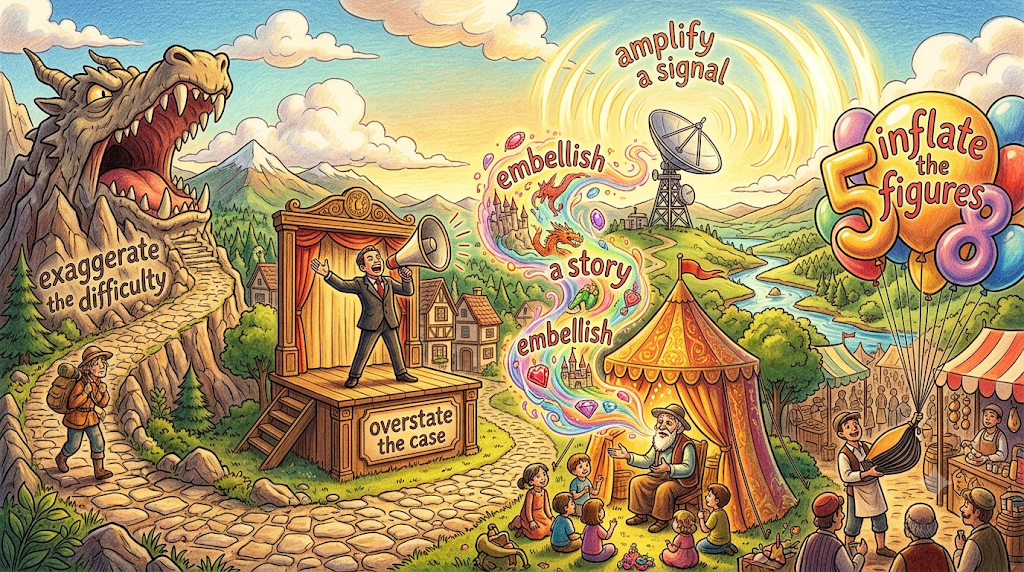
단어 공통점 뉘앙스 차이 예문
| exaggerate | 과장 관련 | 실제 정도를 넘어서 과하게 표현하는 것 강조 | exaggerate the difficulty |
| overstate | 과장 관련 | 공식적·지적 맥락에서 지나치게 강하게 표현하는 것 강조 | overstate the case |
| embellish | 과장 관련 | 더 흥미롭게 하기 위해 세부 사항을 추가하거나 꾸미는 것 강조 | embellish a story |
| amplify | 과장 관련 | 어떤 것을 더 강하거나 더 크게 만드는 것 강조 | amplify a signal |
| inflate | 과장 관련 | 숫자나 가치나 중요성을 인위적으로 부풀리는 것 강조 | inflate the figures |
결론 정리
exaggerate는 단순히 "과장하다"가 아니라, 실제로 존재하는 것을 기반으로 하되 그 실제 크기나 정도나 중요성을 훨씬 넘어서 과하게 표현하는 것의 이미지에서 출발해 ~의 중요성을 과장하다·심하게 과장하다·주장을 과장하다·과장하는 경향이 있다·과장된 ~감각·과장 없이·~의 효과를 과장하다·크게 과장된·과장된 반응·과장된 공포까지 확장되는 단어다 — exaggerate가 있는 곳엔 언제나 '실제 산보다 훨씬 높게 그리는 지도처럼 사실에 기반하지만 그 사실의 실제 크기를 훨씬 넘어서 부풀려 나타내는' 과장의 이미지가 있다.
💡 exaggerate는 "실제로 존재하는 것을 기반으로 하되 그 실제 크기나 정도나 중요성을 훨씬 넘어서 과하게 표현하는 것을 가리키는" 단어 — exaggerated sense of·without exaggeration·greatly exaggerated 가 수능 최빈출. overstate(공식적 과도한 표현)·embellish(이야기 꾸미기)와의 구별이 핵심 출제 포인트.
🌟 초등학생 버전 exaggerate는 단순히 "과장하다"가 아니에요! wildly exaggerate는 학교에서 10분 정도 걸었는데 집에 와서 "오늘 몇 km는 걸은 것 같아, 발이 다 떨어져 나갈 것 같아"라고 말하는 것처럼 실제로 일어난 것은 맞지만 그것을 실제 크기나 정도보다 훨씬 훨씬 더 크고 심각하게 나타내는 것이고, without exaggeration은 "진짜야, 거짓말 아니야, 과장 없이 말하는데 오늘 시험이 정말 역대급으로 어려웠어"처럼 지금 말하는 것이 부풀린 것이 전혀 없고 사실 그대로라는 것을 강조하는 것이에요! 🌍✨


