- 분류 전체보기 (5714)

| 일 | 월 | 화 | 수 | 목 | 금 | 토 |
|---|---|---|---|---|---|---|
| 1 | 2 | 3 | ||||
| 4 | 5 | 6 | 7 | 8 | 9 | 10 |
| 11 | 12 | 13 | 14 | 15 | 16 | 17 |
| 18 | 19 | 20 | 21 | 22 | 23 | 24 |
| 25 | 26 | 27 | 28 | 29 | 30 | 31 |
- Hey
- I'm glad to hear that.
- well
- OKay
- come up with
- entrance fee
- oh
- pick up
- too.
- please.
- I'm sorry
- no
- Actually
- Excuse me
- Sorry
- please?
- set up
- Read between the lines
- Yes
- Yeah
- hold on
- By The Way
- work out
- Don't worry
- Right?
- make it
- Sure
- get through
- Show Up
- Please
- Today
- Total
인과함께
Day443 , sneaky, sneaky move, sneaky look, sneaky way, in a sneaky manner, sneaky behaviour, sneaky trick, sneaky about, sneaky feeling, sneaky attempt, sneaky tactics 본문
Day443 , sneaky, sneaky move, sneaky look, sneaky way, in a sneaky manner, sneaky behaviour, sneaky trick, sneaky about, sneaky feeling, sneaky attempt, sneaky tactics
미인생 2026. 10. 1. 14:25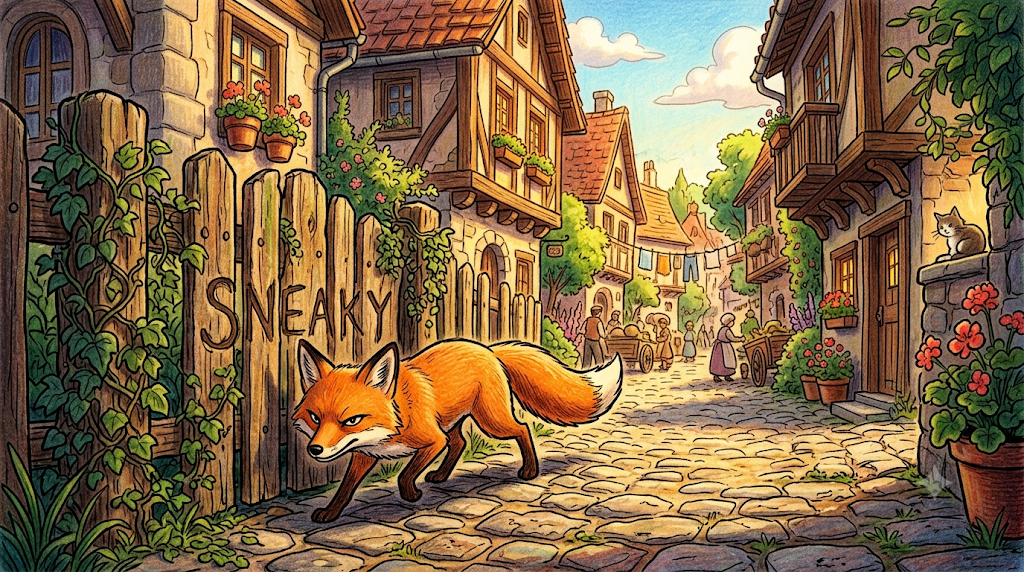
sneaky [ˈsniːki]
(형용사/부사파생) 몰래 하는, 교활한, 은밀한, 비열한
단순히 "교활한"으로만 외우면 수능에서 반드시 틀립니다. sneaky는 "어떤 것을 다른 사람이 알아채지 못하도록 숨기거나 감추면서 하는 것 — 정직하게 드러내놓고 하지 않고 몰래 또는 교묘하게 하는 것, 그 행동이나 방식이 다른 사람을 속이거나 피하거나 앞서 나가기 위해 눈에 띄지 않게 이루어지는 것" 이라는 핵심 이미지에서 출발해, 몰래 보는 행동에서 교활한 전술·은밀한 방식·비열한 속임수·숨겨진 의도까지 폭넓게 쓰이는 핵심 다의어입니다. 특히 sneaky(몰래 하는·교활한) vs. sly(약삭빠른·교활한) vs. cunning(영리하게 교활한) 의 뉘앙스 차이, sneaky move(교활한 수), sneaky tactics(교활한 전술) 패턴은 수능 독해 사회·심리·역사·교육 지문에서 핵심적으로 등장합니다.
'sneaky'는 sneak(살금살금 움직이다, 몰래 하다)에서 유래했습니다. sneak은 고대 영어 snican(기어가다, 살금살금 이동하다)에서 파생되어, 원래 "들키지 않으려고 소리를 내지 않고 몸을 낮추어 조용히 이동하는 것" 을 뜻했습니다. sneaky의 핵심 이미지는 "다른 사람이 알아채지 못하도록 몸을 낮추고 소리를 줄이며 그림자처럼 움직이는 것 — 정직하게 드러내놓고 하지 않고 들키지 않으려는 의도로 몰래 또는 교묘하게 하는 것, 그 행동이나 방식이 다른 사람을 속이거나 피하거나 앞서 나가기 위해 눈에 띄지 않게 이루어지는 것" 으로, 이 이미지에서 몰래 보는 행동·교활한 전술·은밀한 방식·비열한 속임수·숨겨진 의도가 모두 확장되었습니다.
1. sneaky move [ˈsniːki muːv]
(사회/심리/수능) "교활한 수, 은밀한 행동"을 뜻합니다. 상대방이 예상하지 못하게 몰래 또는 교묘하게 취하는 행동이나 전략을 강조합니다. 수능 독해 사회·심리·역사 지문의 핵심 표현입니다.
Quietly changing the terms of the agreement without telling the other party was a sneaky move that saved money in the short term but destroyed the trust that the relationship had taken years to build, making future cooperation far more difficult and expensive than the original saving had been worth. (상대방에게 말하지 않고 조용히 계약 조건을 변경하는 것은 단기적으로 돈을 절약한 교활한 수였지만 관계가 쌓는 데 수년이 걸린 신뢰를 파괴했으며 미래의 협력을 원래 절약보다 훨씬 더 어렵고 비싸게 만들었다.)
2. sneaky look [ˈsniːki lʊk]
(심리/사회/수능) "몰래 보는 눈빛, 슬쩍 보기"를 뜻합니다. 상대방이 알아채지 못하도록 몰래 훔쳐보거나 살짝 확인하는 것을 강조합니다. 수능 독해 심리·사회·문학 지문에서 자주 등장합니다.
She took a sneaky look at the other student's notes during the revision session — not to copy anything, she told herself, but just to check whether she had missed anything important — though the line between those two things is blurrier than it might seem. (그녀는 복습 시간에 다른 학생의 필기를 몰래 훔쳐봤다 — 무언가를 베끼기 위해서가 아니라 중요한 것을 놓쳤는지 확인하기 위해서라고 스스로에게 말했다 — 하지만 그 두 가지 사이의 경계는 보이는 것보다 더 흐릿하다.)
3. sneaky way [ˈsniːki weɪ]
(사회/심리/수능) "교활한 방법, 은밀한 방식"을 뜻합니다. 어떤 목적을 달성하기 위해 직접적이거나 정직하지 않은 방식으로 접근하는 것을 강조합니다. 수능 독해 사회·심리·교육 지문에서 자주 등장합니다.
Advertising that presents unrealistic body images alongside weight-loss products is a sneaky way of creating insecurity that the same advertisement then offers to solve — a strategy that is effective precisely because most people do not consciously notice that they are being manipulated by the pairing. (현실적이지 않은 신체 이미지를 체중 감량 제품과 함께 제시하는 광고는 같은 광고가 해결책을 제시하는 불안감을 만드는 교활한 방법이다 — 대부분의 사람들이 그 짝지음에 의해 조종되고 있다는 것을 의식적으로 알아채지 못하기 때문에 효과적인 전략이다.)
4. in a sneaky manner [ɪn ə ˈsniːki ˈmænər]
(사회/심리/수능) "교활한 방식으로, 몰래, 은밀하게"를 뜻합니다. 어떤 행동이 은밀하고 직접적이지 않은 방식으로 이루어지는 것을 강조합니다. 수능 독해 사회·심리·역사 지문에서 자주 등장합니다.
The information was introduced in a sneaky manner — not as a direct statement but embedded in what appeared to be casual conversation, so that by the time the listener realised what they had been told, they had already formed an impression that was difficult to dislodge. (정보는 교활한 방식으로 도입됐다 — 직접적인 진술이 아니라 가벼운 대화처럼 보이는 것에 내포되어 있었으며 청취자가 자신이 무엇을 들었는지 알아챌 때쯤에는 이미 제거하기 어려운 인상을 형성해 있었다.)
5. sneaky behaviour [ˈsniːki bɪˈheɪvjər]
(심리/교육/수능) "교활한 행동, 은밀한 행동 패턴"을 뜻합니다. 숨기려는 의도를 가지고 반복적으로 이루어지는 행동 패턴을 강조합니다. 수능 독해 심리·교육·사회 지문의 핵심 표현입니다.
Children who develop sneaky behaviour — hiding mistakes, lying about where they have been, concealing things from parents — often do so not because they are fundamentally dishonest but because the consequences of honesty in their environment feel too high, which is why addressing the underlying climate matters more than punishing the behaviour itself. (교활한 행동을 개발하는 아이들 — 실수를 숨기고, 어디 있었는지에 대해 거짓말하고, 부모에게 것들을 감추는 — 은 종종 근본적으로 부정직해서가 아니라 환경에서 정직함의 결과가 너무 높게 느껴지기 때문에 그렇게 하는데 이것이 왜 행동 자체를 처벌하는 것보다 근본적인 환경을 다루는 것이 더 중요한 이유이다.)
6. sneaky trick [ˈsniːki trɪk]
(사회/심리/수능) "교활한 속임수, 은밀한 꼼수"를 뜻합니다. 상대방을 속이거나 원하는 것을 얻기 위해 사용하는 교묘한 방법을 강조합니다. 수능 독해 사회·심리·역사 지문에서 자주 등장합니다.
The magician's performance relied on a simple but effective sneaky trick — while the audience's attention was directed to the dramatic movement of his right hand, his left hand was making the preparation that would make the illusion possible, demonstrating the principle of misdirection that underlies so much of what we call deception. (마술사의 공연은 단순하지만 효과적인 교활한 속임수에 의존했다 — 관중의 주의가 오른손의 극적인 움직임으로 향해있는 동안 왼손은 착각을 가능하게 할 준비를 하고 있었는데 우리가 속임수라고 부르는 많은 것의 기초가 되는 주의 분산의 원칙을 보여줬다.)
7. sneaky about [ˈsniːki əˈbaʊt]
(심리/사회/수능) "~에 대해 몰래 하는, ~을 숨기는"을 뜻합니다. 특정 것에 대해 다른 사람들이 알지 못하도록 숨기거나 은폐하는 것을 강조합니다. 수능 독해 심리·사회·교육 지문의 핵심 표현입니다.
There is no need to be sneaky about wanting time alone — most people understand the need for solitude if it is explained honestly, and the elaborate pretexts that some people construct to get time to themselves create more social difficulty than the honest request would have done. (~에 대해 몰래 할 필요가 없다 — 혼자만의 시간을 원하는 것 — 대부분의 사람들은 정직하게 설명되면 고독의 필요를 이해하며 일부 사람들이 혼자만의 시간을 갖기 위해 만드는 정교한 구실들은 정직한 요청이 했을 것보다 더 많은 사회적 어려움을 만든다.)
8. sneaky feeling [ˈsniːki ˈfiːlɪŋ]
(심리/사회/수능) "묘한 느낌, 어딘가 수상한 느낌"을 뜻합니다. 무언가가 잘못됐거나 숨겨진 것이 있다는 직관적이고 확인되지 않은 감각을 강조합니다. 수능 독해 심리·사회 지문에서 자주 등장합니다.
She had a sneaky feeling that the explanation she had been given was not the whole story — not because she could identify any specific inconsistency, but because her experience had taught her to pay attention to the small signs of discomfort that surface when something important is being left unsaid. (그녀는 자신이 받은 설명이 전체 이야기가 아니라는 묘한 느낌이 들었다 — 특정 불일치를 확인할 수 있어서가 아니라 경험이 중요한 것이 말해지지 않을 때 나타나는 불편함의 작은 신호에 주의를 기울이도록 가르쳐줬기 때문이다.)
9. sneaky attempt [ˈsniːki əˈtempt]
(사회/심리/수능) "교활한 시도, 은밀한 시도"를 뜻합니다. 다른 사람들이 눈치채지 못하도록 몰래 무언가를 달성하려는 시도를 강조합니다. 수능 독해 사회·심리·역사 지문에서 자주 등장합니다.
The amendment was described by its opponents as a sneaky attempt to change the law without the public debate that a more straightforward legislative proposal would have required — using technical legal language that most people would not read carefully enough to understand what was actually changing. (그 수정안은 반대자들에 의해 더 직접적인 입법 제안이 요구했을 공개 토론 없이 법을 바꾸려는 교활한 시도로 묘사됐다 — 대부분의 사람들이 실제로 무엇이 바뀌는지 이해하기에 충분히 주의 깊게 읽지 않을 기술적인 법률 언어를 사용하여.)
10. sneaky tactics [ˈsniːki ˈtæktɪks]
(사회/역사/수능) "교활한 전술, 은밀한 전략"을 뜻합니다. 목적 달성을 위해 상대방이 인식하지 못하는 방식으로 사용하는 전략이나 방법을 강조합니다. 수능 독해 사회·역사·심리 지문의 핵심 표현입니다.
The negotiating team was accused of using sneaky tactics — agreeing in principle to points they had no intention of implementing, using procedural delays to exhaust the other side, and leaking information selectively to create pressure — behaviour that may produce short-term advantages but typically poisons the relationship needed for any agreement to actually work. (협상 팀은 교활한 전술을 사용했다는 비난을 받았다 — 시행할 의도가 없는 사항에 원칙적으로 동의하고, 상대방을 지치게 하기 위해 절차적 지연을 사용하며, 압박을 만들기 위해 선택적으로 정보를 유출하는 — 단기적 이점을 만들 수 있지만 전형적으로 합의가 실제로 작동하는 데 필요한 관계를 망치는 행동이다.)
대한민국 입시 및 학술 주요 POINT
POINT 1. sneaky vs. sly vs. cunning — 수능 최빈출 뉘앙스 구별
세 단어 모두 "교활한"과 관련되지만 뉘앙스가 다릅니다. sneaky → 들키지 않으려는 의도로 몰래 또는 은밀하게 하는 것, 다른 사람이 알아채지 못하도록 숨기면서 하는 것 (은밀함·몰래 함·들키지 않으려는 의도 강조) sly → 약삭빠르고 교활하게 자신의 이익을 위해 남을 속이는 것, 더 영리하고 계산적인 뉘앙스 (약삭빠름·계산적 속임·영리한 교활함 강조) cunning → 지능적으로 교묘하게 문제를 해결하거나 목적을 달성하는 것, 반드시 부정적이지만은 않음 (지능적 교묘함·창의적 속임·문제 해결의 영리함 강조) 예) He took a sneaky peek at the answers. (그는 답을 몰래 슬쩍 봤다.) — 들키지 않으려고 은밀하게 The fox is known for its sly behaviour. (여우는 약삭빠른 행동으로 알려져 있다.) — 자신의 이익을 위한 영리한 속임 The plan showed cunning use of available resources. (그 계획은 이용 가능한 자원의 교묘한 사용을 보여줬다.) — 지능적이고 창의적인 문제 해결
POINT 2. sneaky move / sneaky tactics / sneaky attempt — 수능 사회·심리 지문 핵심
세 표현 모두 sneaky의 "다른 사람이 알아채지 못하도록 은밀하게 하는" 이미지를 공유하지만 맥락이 다릅니다. sneaky move → 상대방이 예상하지 못하게 몰래 취하는 단일 행동이나 전략적 수 (단일 행동·전략적 선택·예상 밖의 수 강조) sneaky tactics → 목적 달성을 위해 체계적으로 사용하는 여러 은밀한 전략들 (체계적·복수의 전략·전술적 패턴 강조) sneaky attempt → 들키지 않으려는 의도를 가진 특정 목표를 향한 시도 (특정 목표·시도의 은밀함·의도성 강조) 이 세 표현이 등장하면 글쓴이가 어떤 것을 은밀하게 달성하려는 의도적인 행동을 논하고 있다는 신호입니다.
POINT 3. sneaky 어근 확장 — 수능 어휘 확장 필수
고대 영어 snican(기어가다, 살금살금 이동하다)에서 유래한 단어들이 수능에서 자주 출제됩니다. sneaky [ˈsniːki] → 몰래 하는, 교활한, 은밀한 sneak [sniːk] → 몰래 하다, 슬쩍 훔치다 / 고자질쟁이 sneakily [ˈsniːkɪli] → 몰래, 교활하게, 은밀하게 sneakiness [ˈsniːkinəs] → 교활함, 은밀함 sneak peek → 몰래 미리 보기, 사전 공개 이 단어들은 모두 "들키지 않으려고 조용히 몸을 낮추어 이동하는" 공통 이미지에서 시작합니다.

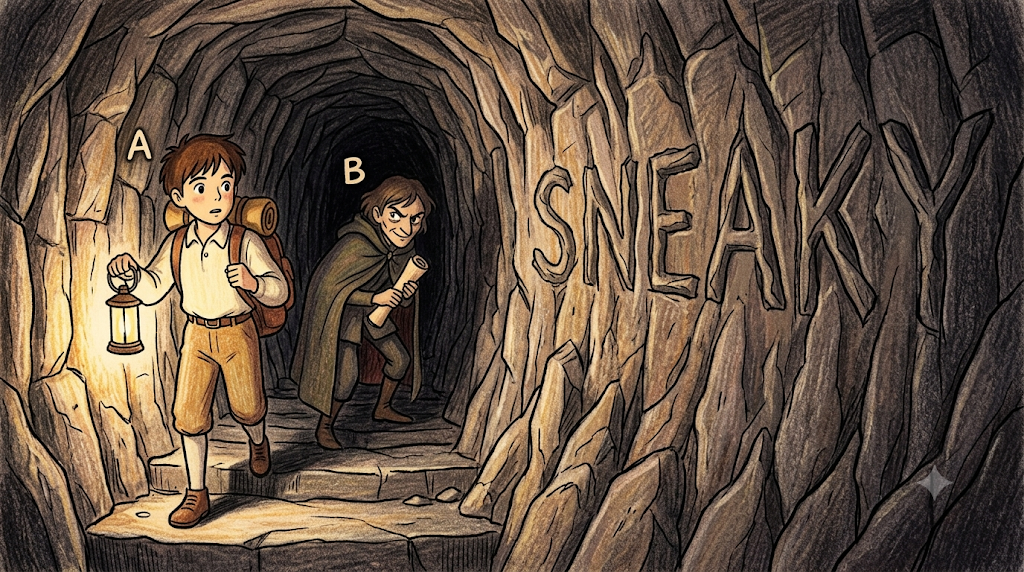
(형용사) ① 몰래 하는, 은밀한 (행동·시선·접근)
sneaky의 가장 기본적인 의미로, 다른 사람이 알아채지 못하도록 몰래 하는 것을 나타냅니다.
- The child's sneaky attempt to stay up past bedtime — moving so quietly that the floorboards barely creaked, watching through the gap in the door — was undone by the shadow visible beneath it, which his mother had noticed from the landing. (아이의 취침 시간 이후에도 깨어있으려는 몰래 하는 시도 — 마루판이 거의 삐걱거리지 않도록 너무 조용히 움직이며 문의 틈새로 보는 — 는 어머니가 계단 참에서 알아챈 그 아래로 보이는 그림자에 의해 들통났다.)
- The company's sneaky relabelling of the same product at a higher price — changing only the packaging and the font on the label — worked until a consumer journalist compared the ingredient lists and published a story that reached two million readers before the company could respond. (회사의 같은 제품에 더 높은 가격으로 몰래 라벨을 다시 붙이는 것 — 포장과 라벨의 글꼴만 바꾸는 — 은 소비자 기자가 성분 목록을 비교하고 회사가 대응할 수 있기 전에 2백만 명의 독자에게 도달한 기사를 발표할 때까지 효과가 있었다.)
- There is something inherently sneaky about the way that social media platforms design their notification systems — each ping is engineered to feel urgent and personal, creating a pattern of habitual checking that serves the platform's need for engagement far more than it serves the user's actual needs or intentions. (소셜 미디어 플랫폼이 알림 시스템을 설계하는 방식에는 본질적으로 교활한 것이 있다 — 각 알림음은 긴급하고 개인적으로 느껴지도록 설계되어 플랫폼의 참여 필요를 사용자의 실제 필요나 의도보다 훨씬 더 많이 제공하는 습관적인 확인 패턴을 만든다.)
(형용사) ② 교활한, 비열한 (의도·전술·행동)
어떤 행동이 다른 사람을 속이거나 불공정하게 앞서기 위해 이루어지는 것을 나타냅니다. 수능 독해 사회·심리·역사 지문에서 자주 등장합니다.
- What made the strategy sneaky was not that it was illegal — it operated within the letter of the rules — but that it exploited a gap between the rules' intention and their literal meaning in a way that everyone involved knew was contrary to the spirit of the agreement. (전략을 교활하게 만든 것은 그것이 불법이라는 것이 아니었다 — 규칙의 문자 안에서 운영됐다 — 하지만 그것이 관련된 모든 사람이 협의 정신에 반한다는 것을 알고 있는 방식으로 규칙의 의도와 문자적 의미 사이의 격차를 이용했기 때문이었다.)
- The most sneaky forms of persuasion are those that work without the target's awareness — techniques like priming, anchoring, and framing do not require the person being influenced to believe anything false, but they shape the context in which judgements are made in ways that consistently produce predictable biases in the desired direction. (설득의 가장 교활한 형태는 대상의 인식 없이 작동하는 것들이다 — 프라이밍, 앵커링, 프레이밍과 같은 기술은 영향받는 사람이 거짓된 것을 믿도록 요구하지 않지만 판단이 내려지는 맥락을 원하는 방향으로 예측 가능한 편향을 일관되게 만들어내는 방식으로 형성한다.)
- The historical record shows that sneaky manoeuvres in diplomacy — secret side agreements, deliberately ambiguous treaty language, promises made with no intention of keeping them — tend to produce short-term gains at the cost of long-term credibility, making each subsequent negotiation harder because the other parties have learned to trust less. (역사적 기록은 외교에서 교활한 책략 — 비밀 부수 협약, 의도적으로 모호한 조약 언어, 지킬 의도 없이 한 약속 — 이 상대방들이 덜 신뢰하는 것을 배웠기 때문에 이후의 각 협상을 더 어렵게 만들어 장기적 신뢰성을 희생하고 단기적 이익을 만들어내는 경향이 있다는 것을 보여준다.)

(형용사) ③ 묘한, 어딘가 수상한 (느낌·의심)
어딘가 잘못됐거나 숨겨진 것이 있다는 직관적인 감각을 나타냅니다.
- There was something sneaky about the way the offer had been worded — it was technically accurate, but the emphasis was placed in such a way that most people would come away with a very different understanding from what was actually being proposed, and the gap between those two things would only become apparent after the contract had been signed. (제안이 표현된 방식에는 묘한 것이 있었다 — 기술적으로 정확했지만 강조점이 실제로 제안되는 것으로부터 대부분의 사람들이 매우 다른 이해를 갖게 되는 방식으로 배치됐으며 그 두 가지 사이의 격차는 계약이 서명된 후에야 명확해질 것이었다.)
- The sneaky pleasure of reading someone else's diary — even a fictional one, even with permission — comes partly from the sense of access to thoughts that were not originally intended for you, which is also one reason why confessional writing in literature tends to generate such strong reader engagement. (다른 사람의 일기를 읽는 묘한 즐거움 — 허구의 것이더라도, 허락을 받고서라도 — 은 부분적으로 원래 당신을 위한 것이 아니었던 생각에 대한 접근감에서 오는데 이것은 또한 왜 문학에서 고백적 글쓰기가 그토록 강한 독자 참여를 만들어내는 경향이 있는 이유 중 하나이다.)
- Children have a highly developed sense for when adults are being sneaky — they may not be able to articulate what feels wrong, but they notice inconsistencies between what they are told and what they observe, and they remember those inconsistencies in ways that affect their trust even when the adults involved do not realise the discrepancy has been noticed. (아이들은 어른들이 교활하게 행동할 때에 대한 고도로 발달된 감각을 갖고 있다 — 무엇이 잘못된 것인지 표현하지 못할 수 있지만 자신들이 들은 것과 관찰하는 것 사이의 불일치를 알아채며 관련된 어른들이 불일치가 알아채졌다는 것을 깨닫지 못하더라도 신뢰에 영향을 미치는 방식으로 그 불일치를 기억한다.)
뉘앙스·의미 연결 흐름 표
핵심 이미지 연결 흐름 뉘앙스 요약
| 들키지 않으려는 의도로 몸을 낮추고 소리를 줄이며 그림자처럼 움직이는 것 | 몰래 보는 행동 → 교활한 전술 → 은밀한 방식 → 비열한 속임수 → 숨겨진 의도 | 드러내지 않고 감추면서 자신의 목적을 달성하려는 이미지 |
| 교활함의 강도 | sneaky → sly → cunning | 은밀한 몰래 함→약삭빠른 속임→지능적 교묘함의 이미지 |
| 교활한 행동의 종류 | sneaky look → sneaky move → sneaky tactics | 몰래 봄→교활한 수→체계적 전술의 이미지 |
어원 흐름 표
단어 구성 요소 의미 연결 흐름 뉘앙스 요약
| 고대 영어 snican (기어가다·살금살금 이동하다) → sneak → sneaky | 살금살금 기어가다 → 들키지 않게 몰래 하다 → 몰래 하는·교활한·은밀한 | 들키지 않으려고 조용히 몸을 낮추어 이동하는 핵심 이미지 |
| sneaky (형용사→부사·sneakily→명사·sneakiness→동사·sneak) | 몰래 하는·교활한 → 몰래·교활하게 → 교활함·은밀함 → 몰래 하다 | 은밀하고 들키지 않으려는 이미지에서 다양한 맥락으로 완성 |
품사별 의미 표
품사 의미 예문
| 형용사 | 몰래 하는, 은밀한 | a sneaky peek (몰래 슬쩍 보기) |
| 형용사 | 교활한, 비열한 | sneaky tactics (교활한 전술) |
| 형용사 | 묘한, 수상한 | a sneaky feeling (묘한 느낌) |
| 부사 (sneakily) | 몰래, 교활하게 | act sneakily (몰래 행동하다) |
| 명사 (sneakiness) | 교활함, 은밀함 | the sneakiness of the plan (계획의 교활함) |
활용 예문 리스트
- The policy change was introduced in a sneaky way — buried in a long document released on a Friday afternoon, when most journalists would not read it until the following week by which point the initial news cycle would have moved on and the change would receive far less scrutiny than it deserved. (정책 변경은 교활한 방식으로 도입됐다 — 금요일 오후에 발표된 긴 문서에 묻혀있었으며 대부분의 기자들이 다음 주까지 읽지 않아 그 시점까지 초기 뉴스 사이클이 이동하고 변경이 마땅히 받아야 할 것보다 훨씬 적은 조사를 받을 것이었다.)
- A sneaky move in negotiation is not always unethical — sometimes it is simply strategic, using information asymmetry or timing in a way that is within the rules but that the other party has not anticipated, and the line between smart negotiating and manipulation is one that professional negotiators spend a great deal of time thinking about. (협상에서 교활한 수는 항상 비윤리적인 것은 아니다 — 때로는 단순히 전략적이며 규칙 안에 있지만 상대방이 예상하지 못한 방식으로 정보 비대칭이나 타이밍을 사용하는데 영리한 협상과 조종 사이의 경계는 전문 협상가들이 많은 시간을 생각하는 것이다.)
- She had a sneaky feeling that she had forgotten something important before leaving the house — the kind of nagging awareness that sits just below conscious thought — and she was still trying to identify what it was when she arrived at the station and realised her ticket was still on the kitchen table. (그녀는 집을 떠나기 전에 중요한 것을 잊었다는 묘한 느낌이 들었다 — 의식적인 생각 바로 아래에 앉아있는 끊임없이 신경 쓰이는 인식의 종류 — 그리고 역에 도착하여 티켓이 여전히 주방 식탁에 있다는 것을 깨달았을 때 그것이 무엇인지 확인하려고 여전히 노력하고 있었다.)
- The use of sneaky tactics in marketing — hidden fees revealed only at the checkout stage, default opt-ins that users have to actively untick, free trials that require payment details and automatically convert — has been the subject of increasing regulatory attention as consumer protection bodies attempt to define the boundary between persuasion and manipulation. (마케팅에서 교활한 전술의 사용 — 결제 단계에서만 드러나는 숨겨진 수수료, 사용자가 적극적으로 체크 해제해야 하는 기본 선택, 결제 정보를 요구하고 자동으로 전환되는 무료 체험 — 은 소비자 보호 기관이 설득과 조종 사이의 경계를 정의하려 하면서 점점 더 많은 규제 관심의 대상이 됐다.)
- Sneaky behaviour in organisations — the workarounds, the selective reporting, the quiet non-compliance with processes that everyone knows about but nobody names — is often a signal that the official processes are not well-designed for the actual work being done, and that addressing the sneaky behaviour requires changing the processes rather than simply trying to enforce compliance. (조직에서의 교활한 행동 — 우회책, 선택적 보고, 모두가 알지만 아무도 언급하지 않는 과정의 조용한 미준수 — 은 종종 공식 과정이 실제 수행되는 업무에 잘 설계되지 않았다는 신호이며 교활한 행동을 해결하는 것은 단순히 준수를 강제하려 하기보다 과정을 변경하는 것을 필요로 한다.)
전체 뉘앙스 설명
sneaky는 '들키지 않으려는 의도로 몸을 낮추고 소리를 줄이며 그림자처럼 움직이는 것에서 출발하는 모든 몰래 보는 행동·교활한 전술·은밀한 방식·비열한 속임수·숨겨진 의도·수상한 느낌의 언어'입니다.
sly와의 차이: sly는 약삭빠르고 영리하게 자신의 이익을 위해 계산적으로 남을 속이는 것을 강조하고, sneaky는 더 구체적으로 들키지 않으려는 의도로 몰래 또는 은밀하게 하는 것을 강조합니다. cunning과의 차이: cunning은 지능적이고 창의적으로 교묘하게 목적을 달성하는 것을 강조하며 반드시 부정적이지는 않고, sneaky는 더 강하게 들키지 않으려는 의도와 은밀함을 강조합니다. deceptive와의 차이: deceptive는 거짓된 인상을 만들어내는 것을 강조하고, sneaky는 더 구체적으로 몰래 하거나 숨기면서 하는 것 자체를 강조합니다.
마지막 핵심 정리
sneaky는 단순히 "교활한"이 아닙니다 — 고대 영어 snican(기어가다)에서 출발해, 교활한 수(sneaky move)·몰래 보는 눈빛(sneaky look)·교활한 방법(sneaky way)·교활한 방식으로(in a sneaky manner)·교활한 행동(sneaky behaviour)·교활한 속임수(sneaky trick)·~을 숨기는(sneaky about)·묘한 느낌(sneaky feeling)·교활한 시도(sneaky attempt)·교활한 전술(sneaky tactics)까지 확장되는 단어이며, sneaky vs. sly vs. cunning의 뉘앙스 구별·sneaky move·sneaky tactics·sneaky feeling 패턴이 수능 핵심 출제 포인트입니다.
파생어 표 (발음기호 포함)
파생어 발음기호 품사 의미
| sneakily | [ˈsniːkɪli] | 부사 | 몰래, 교활하게, 은밀하게 |
| sneakiness | [ˈsniːkinəs] | 명사 | 교활함, 은밀함 |
| sneak | [sniːk] | 동사/명사 | 몰래 하다, 슬쩍 훔치다 / 고자질쟁이 |
| sneak peek | [sniːk piːk] | 명사구 | 몰래 미리 보기, 사전 공개 |
| sneaker | [ˈsniːkər] | 명사 | 운동화 (소리 없이 걷는 신발) |
유의어 비교표
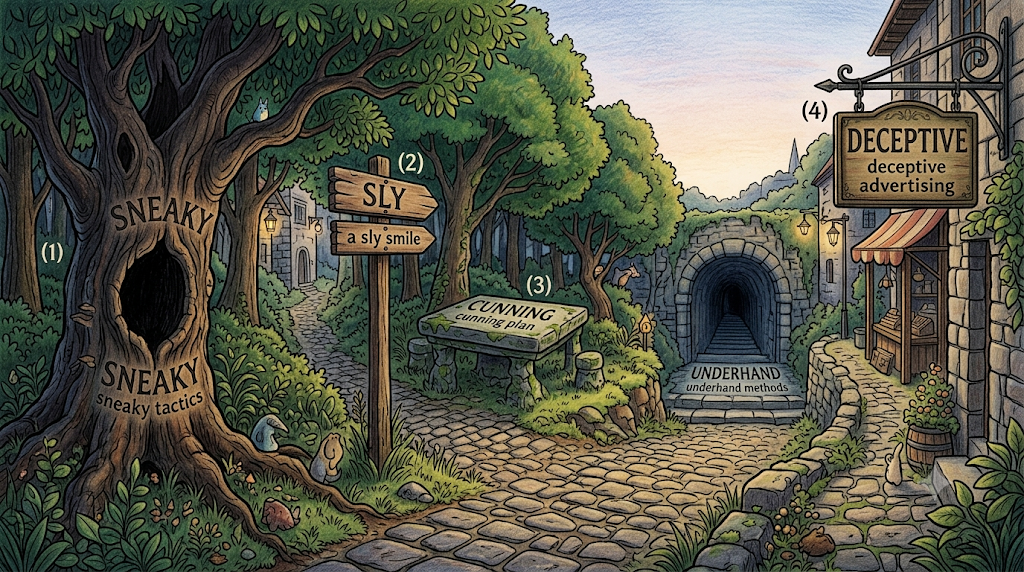
단어 공통점 뉘앙스 차이 예문
| sneaky | 교활함 관련 | 들키지 않으려는 의도로 몰래 또는 은밀하게 하는 것 강조 | sneaky tactics |
| sly | 교활함 관련 | 약삭빠르고 계산적으로 자신의 이익을 위해 남을 속이는 것 강조 | a sly smile |
| cunning | 교활함 관련 | 지능적이고 창의적으로 교묘하게 목적을 달성하는 것 강조 | cunning plan |
| deceptive | 교활함 관련 | 거짓된 인상을 만들어내어 상대방을 오도하는 것 강조 | deceptive advertising |
| underhand | 교활함 관련 | 정직하지 않고 비밀스럽게 공정하지 않은 방식으로 하는 것 강조 | underhand methods |
유의어 예문 리스트
- (sly) The negotiator's sly repositioning of the discussion — gradually shifting the frame of reference in ways that were barely perceptible until the conclusion he wanted seemed like the obvious outcome — was noticed only in retrospect by the other party, who had felt that they were reaching their own conclusion freely. (협상가의 토론의 약삭빠른 재위치 지정 — 그가 원하는 결론이 명백한 결과처럼 보일 때까지 거의 감지할 수 없는 방식으로 참조의 틀을 점진적으로 이동시키는 — 은 자유롭게 자신의 결론에 도달하고 있다고 느꼈던 상대방에 의해 회고해서만 알아채졌다.)
- (cunning) The children devised a cunning solution to the problem of needing to leave school early without permission — they arranged for one of them to be visibly ill in the corridor where a particular teacher always walked at lunchtime, knowing that this would result in all of them being sent home as precaution. (아이들은 허락 없이 일찍 학교를 떠나야 하는 문제에 대한 교묘한 해결책을 고안했다 — 특정 선생님이 항상 점심시간에 걷는 복도에서 그들 중 한 명이 눈에 띄게 아프도록 준비했는데 이것이 예방 조치로 그들 모두를 집에 보내는 결과를 낳을 것을 알면서였다.)
- (deceptive) The report's use of statistics was deeply deceptive — each individual figure was accurate, but the selection and arrangement created an overall impression that was almost the opposite of what a comprehensive reading of the same data would have produced, illustrating how powerfully framing can shape the conclusions that readers draw. (보고서의 통계 사용은 깊이 기만적이었다 — 각 개별 수치는 정확했지만 선택과 배열이 같은 데이터의 포괄적인 읽기가 만들어냈을 것과 거의 반대인 전체적인 인상을 만들어냈으며 프레이밍이 독자들이 내리는 결론을 얼마나 강력하게 형성할 수 있는지를 보여줬다.)
- (underhand) The campaign against the proposed development used underhand methods that its organisers later had to acknowledge — fabricated quotes attributed to local officials, photographs taken to misrepresent the scale of support at meetings, and anonymous letters making personal allegations about the developers. (제안된 개발에 반대하는 캠페인은 조직가들이 나중에 인정해야 했던 부정한 방법을 사용했다 — 지역 공무원들에게 귀속된 조작된 인용구, 회의에서 지지 규모를 잘못 나타내기 위해 찍은 사진들, 그리고 개발자들에 대한 개인적 주장을 하는 익명 편지들이었다.)
결론 정리
sneaky는 단순히 "교활한"이 아니라, 들키지 않으려는 의도로 몸을 낮추고 소리를 줄이며 그림자처럼 움직이는 것의 이미지에서 출발해 교활한 수·몰래 보는 눈빛·교활한 방법·교활한 방식으로·교활한 행동·교활한 속임수·~을 숨기는·묘한 느낌·교활한 시도·교활한 전술까지 확장되는 단어다 — sneaky가 있는 곳엔 언제나 '드러내지 않고 감추면서 들키지 않으려는 의도로 몰래 또는 은밀하게 자신의 목적을 달성하려는' 이미지가 있다.
💡 sneaky는 "들키지 않으려는 의도로 몰래 또는 은밀하게 하는 것을 가리키는" 단어 — sneaky move·sneaky tactics·sneaky feeling 이 수능 최빈출. sly(약삭빠른 속임)·cunning(지능적 교묘함)과의 구별이 핵심 출제 포인트.
🌟 초등학생 버전 sneaky는 단순히 "교활한"이 아니에요! sneaky move는 보드게임에서 친구가 주의를 돌린 사이에 살짝 말을 유리한 칸으로 옮기는 것처럼 상대방이 눈치채지 못하게 몰래 자신에게 유리한 행동을 취하는 것이고, sneaky feeling은 가방을 메고 학교에 가다가 "숙제를 두고 온 것 같은데..."라는 느낌이 드는 것처럼 무언가 잘못됐거나 놓친 것이 있다는 확인되지 않은 묘한 직감이에요! 🌍✨
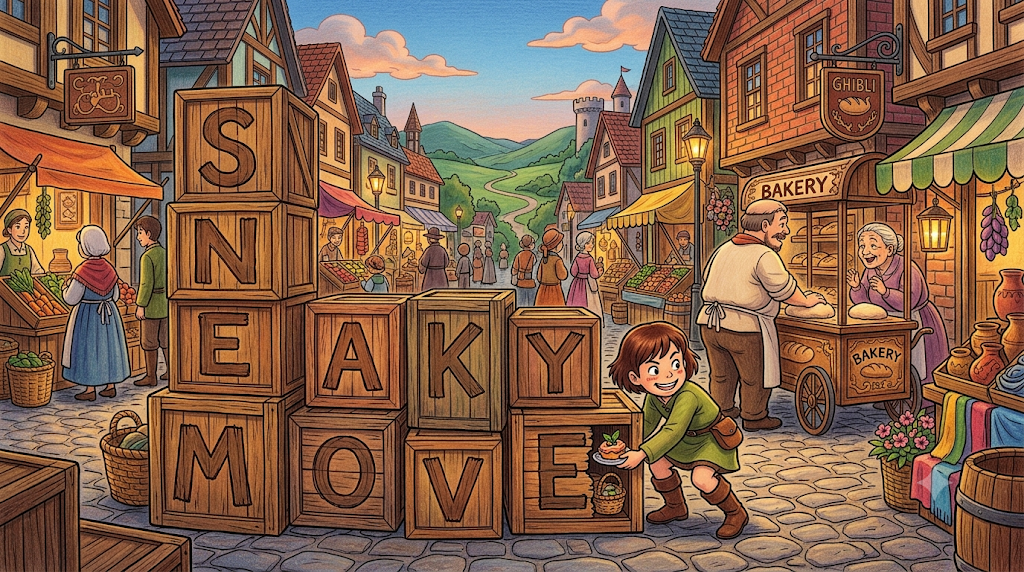
sneaky move [ˈsniːki muːv]
품사/뉘앙스 설명
(명사구) 교활한 수, 은밀한 행동
상대방이 예상하지 못하게 몰래 또는 교묘하게 취하는 행동이나 전략적 수를 강조합니다. 단일하고 계획된 행동의 은밀함이 핵심 뉘앙스입니다. 수능 독해 사회·심리·역사 지문의 핵심 표현입니다.
- In chess and in business alike, a sneaky move is only effective if the opponent does not see it coming — once anticipated, what seemed like a clever manoeuvre becomes simply a bad position, because the element of surprise that gave it its power has been eliminated. (체스에서와 비즈니스에서 모두 교활한 수는 상대방이 오는 것을 보지 못할 때만 효과적이다 — 일단 예상되면 영리한 책략처럼 보였던 것이 단순히 나쁜 위치가 되는데 그것에 힘을 준 놀라움의 요소가 제거됐기 때문이다.)
- The lawyer's sneaky move of scheduling the deposition for a date when she knew the key witness would be travelling was challenged by opposing counsel, who argued that the convenience of avoiding inconvenient testimony was not a legitimate reason to proceed on that particular date. (변호사의 핵심 증인이 여행 중일 것을 알고 그 날짜에 증인 심문을 예약하는 교활한 수는 상대 변호인에 의해 이의를 제기받았는데 불편한 증언을 피하는 편의가 그 특정 날짜에 진행하는 합법적인 이유가 아니라고 주장했다.)
- Looking back, what seemed at the time like a sneaky move — proposing an alliance with the smaller party — was actually a strategically necessary response to a changed political situation, and the perception of sneakiness came mainly from the fact that it was unexpected rather than from any actual dishonesty in how it was done. (돌이켜보면 당시 교활한 수처럼 보였던 것 — 더 작은 정당과의 동맹을 제안하는 것 — 은 실제로 변화된 정치 상황에 대한 전략적으로 필요한 대응이었으며 교활함의 인식은 주로 어떻게 행해졌는지의 실제 부정직함이 아니라 예상치 못했다는 사실에서 왔다.)

sneaky look [ˈsniːki lʊk]
품사/뉘앙스 설명
(명사구) 몰래 보는 눈빛, 슬쩍 보기
상대방이 알아채지 못하도록 몰래 훔쳐보거나 살짝 확인하는 것을 강조합니다. 시선이 감춰진다는 것이 핵심 뉘앙스입니다. 수능 독해 심리·사회·문학 지문에서 자주 등장합니다.
- The way that people take sneaky looks at their phones during meetings they have been asked not to use them in is a small but telling example of how the compulsive quality of digital engagement can override social commitments that people consciously endorse and would prefer to honour. (사용하지 말라고 요청받은 회의 중에 사람들이 전화기를 몰래 슬쩍 보는 방식은 디지털 참여의 강박적 특성이 사람들이 의식적으로 지지하고 지키고 싶어하는 사회적 약속을 무시할 수 있는 방식의 작지만 시사하는 예이다.)
- Even a quick sneaky look at the end of a novel before finishing it — a habit that many readers confess to and many more secretly practise — changes the reading experience in ways that are difficult to fully describe, partly because it transforms the relationship between suspense and understanding. (소설을 다 읽기 전에 끝 부분을 빠르게 몰래 슬쩍 보는 것조차 — 많은 독자들이 고백하고 더 많은 독자들이 비밀리에 실천하는 습관 — 긴장감과 이해 사이의 관계를 변환시키기 때문에 부분적으로 완전히 설명하기 어려운 방식으로 읽기 경험을 바꾼다.)
- The sneaky look that passed between two colleagues when the new manager made a particular comment told the meeting room everything it needed to know about how that team felt about the direction being proposed — a moment of non-verbal communication that contained more information than anything that was actually said aloud. (새 관리자가 특정 발언을 할 때 두 동료 사이에 지나간 몰래 보는 눈빛은 회의실에 그 팀이 제안된 방향에 대해 어떻게 느끼는지에 대해 알아야 할 모든 것을 말해줬다 — 실제로 소리 내어 말해진 어떤 것보다 더 많은 정보를 담은 비언어적 의사소통의 순간이었다.)
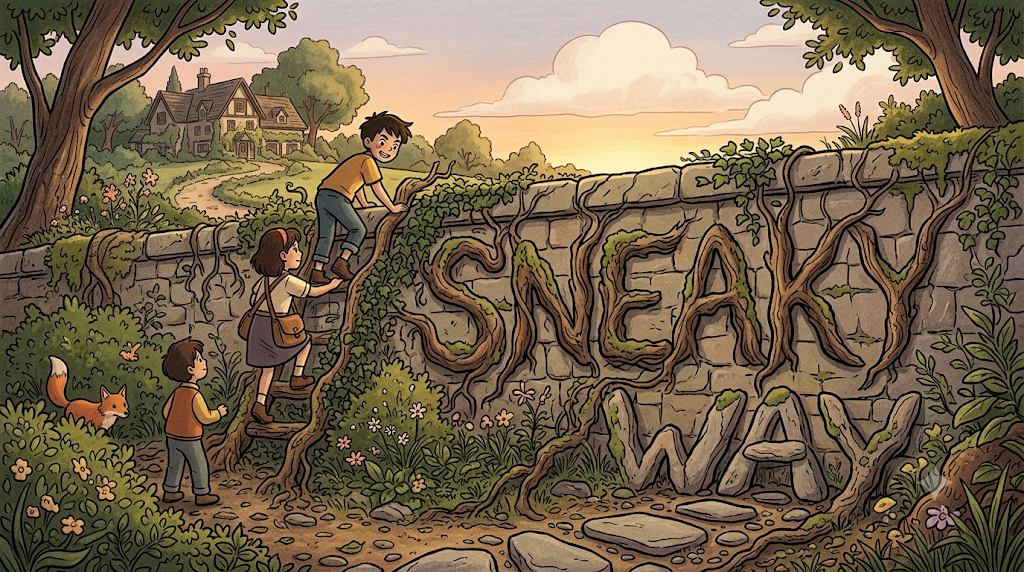
sneaky way [ˈsniːki weɪ]
품사/뉘앙스 설명
(명사구) 교활한 방법, 은밀한 방식
어떤 목적을 달성하기 위해 직접적이거나 정직하지 않은 방식으로 접근하는 것을 강조합니다. 목적 달성의 우회적 방식이 핵심 뉘앙스입니다. 수능 독해 사회·심리·교육 지문에서 자주 등장합니다.
- Using positive reviews that are actually written by the company's own employees — disclosed nowhere and presented as independent — is a sneaky way of manufacturing the appearance of social proof, and when exposed, tends to generate far more negative attention than the original absence of genuine positive reviews would have done. (어디에도 공개되지 않고 독립적인 것으로 제시된 실제로 회사 자체 직원들에 의해 작성된 긍정적인 리뷰를 사용하는 것은 사회적 증거의 외관을 만들어내는 교활한 방법이며 드러났을 때 진정한 긍정적인 리뷰의 원래 부재가 했을 것보다 훨씬 더 많은 부정적인 관심을 만들어내는 경향이 있다.)
- Flattery is a sneaky way of making people feel good about themselves in order to make them more receptive to what comes next — and while most people believe they can see through it, research consistently shows that even people who know they are being flattered respond more positively to those who do it than to those who do not. (아첨은 다음에 오는 것에 더 수용적이게 만들기 위해 사람들이 자신에 대해 좋게 느끼게 만드는 교활한 방법이다 — 대부분의 사람들이 그것을 꿰뚫어 볼 수 있다고 믿지만 연구는 일관되게 아첨받고 있다는 것을 아는 사람들도 그렇게 하는 사람들에게 그렇게 하지 않는 사람들보다 더 긍정적으로 반응한다는 것을 보여준다.)
- Framing a budget cut as a "strategic realignment of resources" is a sneaky way of describing an unpopular decision while making it sound like a positive development — a rhetorical technique that often fools nobody but that creates the appearance of thoughtfulness that unvarnished honesty might seem to lack. (예산 삭감을 "자원의 전략적 재조정"으로 표현하는 것은 인기 없는 결정을 긍정적인 발전처럼 들리게 하면서 설명하는 교활한 방법이다 — 종종 아무도 속이지 못하지만 꾸밈없는 정직함이 부족한 것처럼 보일 수 있는 사려 깊음의 외관을 만들어내는 수사적 기술이다.)
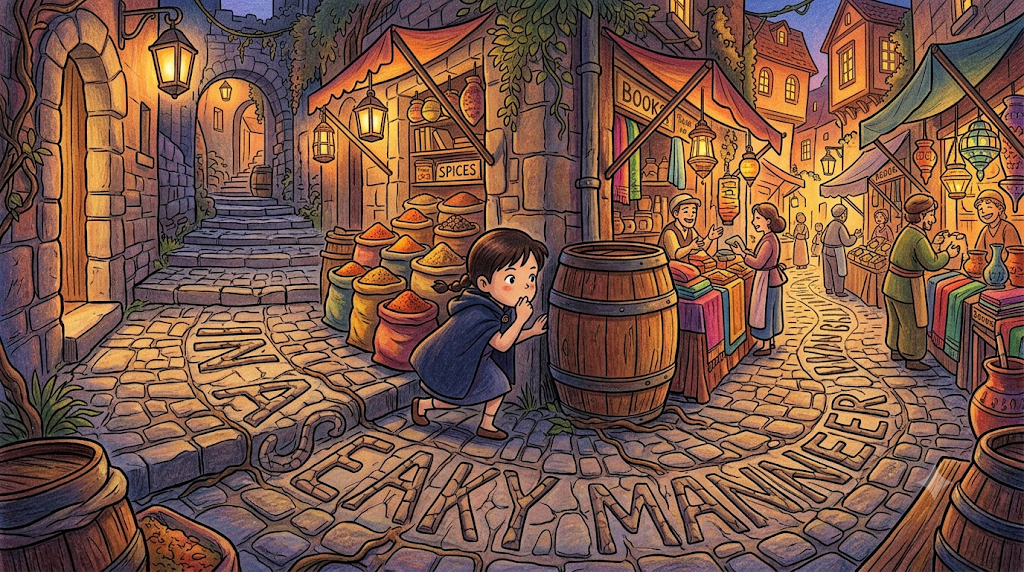
in a sneaky manner [ɪn ə ˈsniːki ˈmænər]
품사/뉘앙스 설명
(부사구) 교활한 방식으로, 몰래, 은밀하게
어떤 행동이 은밀하고 직접적이지 않은 방식으로 이루어지는 것을 강조합니다. 행동 방식의 은밀함 자체가 핵심 뉘앙스입니다. 수능 독해 사회·심리·역사 지문에서 자주 등장합니다.
- The rumour was spread in a sneaky manner — not through direct statement but through questions and implications that allowed the person spreading it to deny responsibility while ensuring that the damaging impression was formed regardless of whether the underlying claim was true. (소문은 교활한 방식으로 퍼졌다 — 직접적인 진술이 아니라 그것을 퍼뜨리는 사람이 근본적인 주장이 사실인지 여부에 관계없이 해로운 인상이 형성되도록 하면서 책임을 부인할 수 있게 하는 질문과 암시를 통해서였다.)
- Operating in a sneaky manner tends to create organisational cultures where everyone suspects everyone else of doing the same — where information is hoarded, credit is stolen, and alliances shift constantly, because the implicit norm has become that protecting yourself matters more than contributing to something collectively. (교활한 방식으로 운영하는 것은 모든 사람이 다른 모든 사람이 같은 것을 한다고 의심하는 조직 문화를 만드는 경향이 있다 — 정보가 비축되고, 공이 도용되며, 동맹이 끊임없이 이동하는데 암묵적인 규범이 집합적으로 무언가에 기여하는 것보다 자신을 보호하는 것이 더 중요하다는 것이 됐기 때문이다.)
- Animals that hunt in a sneaky manner — remaining still until the moment of action, using cover and shadow, moving only when the prey's attention is elsewhere — demonstrate that concealment and patience can be more effective strategies than speed and strength, a lesson that applies well beyond the natural world from which it comes. (교활한 방식으로 사냥하는 동물들 — 행동의 순간까지 가만히 있고, 덮개와 그림자를 사용하며, 먹이의 주의가 다른 곳에 있을 때만 움직이는 — 은 은폐와 인내가 속도와 힘보다 더 효과적인 전략이 될 수 있음을 보여주는데 이것은 그것이 온 자연 세계를 훨씬 넘어 잘 적용되는 교훈이다.)
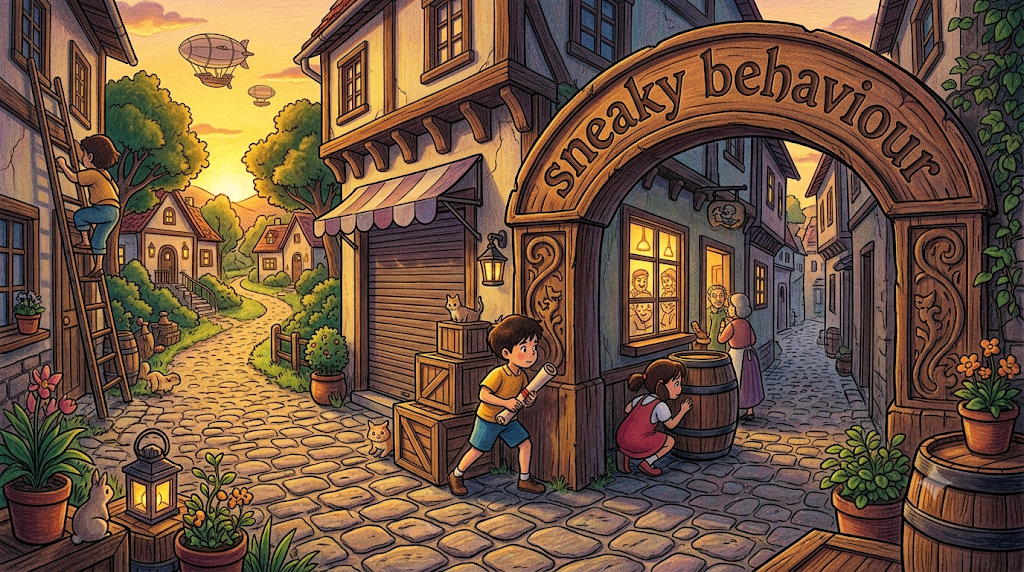
sneaky behaviour [ˈsniːki bɪˈheɪvjər]
품사/뉘앙스 설명
(명사구) 교활한 행동, 은밀한 행동 패턴
숨기려는 의도를 가지고 반복적으로 이루어지는 행동 패턴을 강조합니다. 단일 행동이 아닌 패턴이 핵심 뉘앙스입니다. 수능 독해 심리·교육·사회 지문의 핵심 표현입니다.
- Sneaky behaviour in the workplace — taking credit for others' work, withholding information to maintain advantage, undermining colleagues through carefully placed comments — is often rewarded in the short term in competitive environments, which creates a troubling incentive structure that organisations need to consciously counteract. (직장에서의 교활한 행동 — 다른 사람의 작업에 대한 공을 가져가고, 이점을 유지하기 위해 정보를 보류하며, 신중하게 배치된 발언을 통해 동료를 약화시키는 — 은 경쟁적인 환경에서 단기적으로 종종 보상을 받는데 이것은 조직이 의식적으로 반대해야 하는 문제있는 인센티브 구조를 만든다.)
- The animal's sneaky behaviour — pretending to be asleep when another animal approached the food source, then moving quickly once the other had passed — was not what the researchers had expected to observe and raised interesting questions about the cognitive sophistication required to enact a strategy that requires understanding how another individual's attention works. (동물의 교활한 행동 — 다른 동물이 음식 원천에 접근할 때 자는 척하다가 다른 동물이 지나가면 빠르게 이동하는 — 은 연구자들이 관찰할 것으로 예상한 것이 아니었으며 다른 개체의 주의가 어떻게 작동하는지 이해하는 것을 필요로 하는 전략을 실행하는 데 필요한 인지적 정교함에 대한 흥미로운 질문을 제기했다.)
- Distinguishing between sneaky behaviour and prudent discretion is sometimes genuinely difficult — not every decision to withhold information is dishonest, not every indirect approach is manipulative, and the same action can be either one depending on the intention behind it and the relationship between the people involved. (교활한 행동과 신중한 재량 사이를 구분하는 것은 때로 진정으로 어렵다 — 정보를 보류하기로 한 모든 결정이 부정직한 것은 아니고, 모든 간접적인 접근이 조종적인 것은 아니며, 같은 행동이 그 뒤에 있는 의도와 관련된 사람들 사이의 관계에 따라 둘 중 하나가 될 수 있다.)

sneaky trick [ˈsniːki trɪk]
품사/뉘앙스 설명
(명사구) 교활한 속임수, 은밀한 꼼수
상대방을 속이거나 원하는 것을 얻기 위해 사용하는 교묘한 방법을 강조합니다. 속임수가 교묘하게 숨겨져 있다는 것이 핵심 뉘앙스입니다. 수능 독해 사회·심리·역사 지문에서 자주 등장합니다.
- The sneaky trick of placing expensive items at eye level and cheaper alternatives at heights that require bending or reaching has been a standard retail design principle for so long that it has become invisible — which is exactly what makes it effective, because people make most purchasing decisions without consciously analysing the physical environment that has shaped them. (비싼 품목을 눈높이에 배치하고 저렴한 대안을 구부리거나 뻗어야 하는 높이에 배치하는 교활한 속임수는 너무 오랫동안 표준 소매 디자인 원칙이 되어 보이지 않게 됐다 — 사람들이 그것을 형성한 물리적 환경을 의식적으로 분석하지 않고 대부분의 구매 결정을 내리기 때문에 그것이 정확히 효과적이게 만드는 것이다.)
- The politician had used the sneaky trick of announcing popular measures on the same day as unpopular ones for years, knowing that media coverage would naturally focus on the positive story while the negative one received less attention — a manipulation of the news cycle that worked reliably until journalists began to notice and name the pattern. (정치인은 미디어 보도가 자연스럽게 긍정적인 이야기에 집중하는 동안 부정적인 것은 덜 주목받을 것을 알면서 수년 동안 같은 날 인기 조치와 인기 없는 조치를 발표하는 교활한 속임수를 사용했다 — 기자들이 패턴을 알아채고 이름을 붙이기 시작할 때까지 신뢰할 수 있게 작동한 뉴스 사이클의 조종이었다.)
- Teaching children to recognise common sneaky tricks — the false urgency of "limited time only", the artificial scarcity of "only three left", the social pressure of "most people choose" — is an increasingly important part of consumer education, because these techniques are deployed throughout the digital environments that children inhabit daily. (일반적인 교활한 속임수들을 알아보도록 아이들을 가르치는 것 — "한정 시간만"의 거짓 긴박감, "세 개만 남음"의 인공적 희소성, "대부분의 사람들이 선택한다"의 사회적 압박 — 은 소비자 교육의 점점 더 중요한 부분인데 이 기술들이 아이들이 매일 거주하는 디지털 환경 전반에 걸쳐 사용되기 때문이다.)

sneaky about [ˈsniːki əˈbaʊt]
품사/뉘앙스 설명
(형용사구) ~에 대해 몰래 하는, ~을 숨기는
특정 것에 대해 다른 사람들이 알지 못하도록 숨기거나 은폐하는 것을 강조합니다. 특정 대상에 대한 숨김이 핵심 뉘앙스입니다. 수능 독해 심리·사회·교육 지문의 핵심 표현입니다.
- Teenagers who are sneaky about their online activity are not necessarily doing anything wrong — they may simply value their privacy and find the experience of constant parental monitoring as intrusive as adults would find equivalent surveillance of their own private communications. (~에 대해 몰래 하는 십대들 — 온라인 활동 — 이 반드시 잘못된 것을 하고 있는 것은 아니다 — 그들은 단순히 프라이버시를 중요하게 여기고 지속적인 부모 모니터링 경험을 어른들이 자신의 사적인 소통에 대한 동등한 감시를 침해적이라고 느끼는 것과 마찬가지로 침해적이라고 생각할 수 있다.)
- People who are sneaky about their financial situation — even within close relationships — often feel they are protecting themselves from judgement, but the secrecy tends to create problems of its own: decisions get made on incomplete information, trust erodes when things eventually come to light, and the stress of maintaining the concealment adds to whatever stress the underlying situation is already producing. (재정 상황에 대해 몰래 하는 사람들 — 친밀한 관계에서도 — 은 종종 판단으로부터 자신을 보호하고 있다고 느끼지만 비밀주의는 그 자체로 문제를 만드는 경향이 있다: 불완전한 정보로 결정이 내려지고, 결국 상황이 드러날 때 신뢰가 무너지며, 은폐를 유지하는 스트레스가 근본적인 상황이 이미 만들고 있는 스트레스에 더해진다.)
- The organisation's decision to be sneaky about its funding sources — accepting money from interests with a direct stake in its published findings while publicly presenting itself as independent — was eventually exposed by an investigative journalist whose story made it much harder for the organisation to influence the policy debates it had been designed to shape. (조직이 자금 출처에 대해 몰래 하기로 한 결정 — 독립적으로 공개적으로 제시하면서 발표된 발견에 직접적인 이해관계가 있는 이해관계자들로부터 돈을 받는 — 은 결국 조직이 형성하도록 설계된 정책 토론에 영향을 미치기 훨씬 더 어렵게 만든 기사를 쓴 탐사 기자에 의해 드러났다.)
sneaky feeling [ˈsniːki ˈfiːlɪŋ]
품사/뉘앙스 설명
(명사구) 묘한 느낌, 어딘가 수상한 느낌
무언가가 잘못됐거나 숨겨진 것이 있다는 직관적이고 확인되지 않은 감각을 강조합니다. 명확하게 설명하기 어려운 직관이 핵심 뉘앙스입니다. 수능 독해 심리·사회 지문에서 자주 등장합니다.
- The sneaky feeling that you are being watched — whether or not you actually are — has been shown to change behaviour in measurable ways, making people more likely to conform to social norms and less likely to act in ways they know others would disapprove of, a phenomenon that has been used both to improve prosocial behaviour and to raise concerns about surveillance. (당신이 감시받고 있다는 묘한 느낌 — 실제로 그런지 여부에 관계없이 — 은 측정 가능한 방식으로 행동을 바꾸는 것으로 나타났으며 사람들이 사회적 규범을 따를 가능성을 높이고 다른 사람들이 반대할 것을 아는 방식으로 행동할 가능성을 낮추는데 이 현상은 친사회적 행동을 개선하고 감시에 대한 우려를 높이는 데 모두 사용됐다.)
- The sneaky feeling that emerges when you read a piece of writing and sense something is off — without being immediately able to say what — is often your pattern recognition systems detecting inconsistency faster than your conscious analytical processes can identify it, and is usually worth following up on rather than dismissing. (글을 읽고 무언가 잘못됐다고 느낄 때 나타나는 묘한 느낌 — 즉시 무엇인지 말할 수 없으면서 — 은 종종 패턴 인식 시스템이 의식적인 분석 과정이 그것을 확인할 수 있는 것보다 더 빠르게 불일치를 감지하는 것이며 무시하기보다 따라가는 것이 보통 가치 있다.)
- A sneaky feeling of guilt can sometimes indicate that you have done something that conflicts with your values even when you have not consciously identified the conflict — and paying attention to that feeling, rather than suppressing it, is often more productive than waiting until the discomfort becomes large enough to be impossible to ignore. (죄책감의 묘한 느낌은 때로 의식적으로 충돌을 확인하지 못했더라도 가치관과 충돌하는 것을 했다는 것을 나타낼 수 있다 — 그리고 그 느낌을 억제하기보다 주의를 기울이는 것이 종종 불편함이 무시하기 불가능할 만큼 커질 때까지 기다리는 것보다 더 생산적이다.)
sneaky attempt [ˈsniːki əˈtempt]
품사/뉘앙스 설명
(명사구) 교활한 시도, 은밀한 시도
다른 사람들이 눈치채지 못하도록 몰래 무언가를 달성하려는 시도를 강조합니다. 의도가 숨겨진 시도가 핵심 뉘앙스입니다. 수능 독해 사회·심리·역사 지문에서 자주 등장합니다.
- The legislation was characterised by opposition politicians as a sneaky attempt to restrict press freedom through technical regulation rather than through explicit censorship — which, they argued, was actually more dangerous because it was harder to oppose openly. (그 법안은 야당 정치인들에 의해 명시적인 검열이 아닌 기술적 규제를 통해 언론 자유를 제한하려는 교활한 시도로 특징지어졌다 — 그들은 이것이 실제로 더 위험하다고 주장했는데 공개적으로 반대하기가 더 어렵기 때문이었다.)
- What appeared to be a sneaky attempt to reopen a question that had been settled turned out, when the full context became clear, to have been a legitimate and overdue reassessment based on new information that had not been available when the original decision was made. (교활한 시도처럼 보였던 것 — 해결된 문제를 다시 열려는 — 은 전체 맥락이 명확해졌을 때 원래 결정이 내려졌을 때 이용 가능하지 않았던 새로운 정보에 기반한 합법적이고 오래 지난 재평가였음이 밝혀졌다.)
- Children making a sneaky attempt to secure a second helping of dessert — trying a different adult, using a different approach, waiting until the first refusal seems forgotten — demonstrate a natural capacity for strategic thinking that parents find simultaneously exasperating and impressive. (디저트를 두 번째로 확보하려는 교활한 시도를 하는 아이들 — 다른 어른을 시도하고, 다른 접근을 사용하며, 첫 번째 거절이 잊혀진 것처럼 보일 때까지 기다리는 — 은 부모들이 동시에 짜증스럽고 인상적이라고 생각하는 자연스러운 전략적 사고 능력을 보여준다.)
sneaky tactics [ˈsniːki ˈtæktɪks]
품사/뉘앙스 설명
(명사구) 교활한 전술, 은밀한 전략
목적 달성을 위해 상대방이 인식하지 못하는 방식으로 사용하는 전략이나 방법을 강조합니다. 체계적이고 복수의 전략적 방법이 핵심 뉘앙스입니다. 수능 독해 사회·역사·심리 지문의 핵심 표현입니다.
- The company's sneaky tactics for dealing with negative online reviews — creating fake positive reviews to dilute them, flagging critical reviews as violating terms of service, and occasionally sending legal threats to individual reviewers — were eventually documented by researchers and made the subject of a regulatory investigation that cost far more than the reviews had. (부정적인 온라인 리뷰를 처리하기 위한 회사의 교활한 전술들 — 그것들을 희석하기 위한 가짜 긍정적 리뷰 만들기, 비판적 리뷰를 서비스 약관 위반으로 표시하기, 가끔 개별 리뷰어에게 법적 위협 보내기 — 은 결국 연구자들에 의해 문서화됐으며 리뷰보다 훨씬 더 많은 비용이 든 규제 조사의 대상이 됐다.)
- Understanding the sneaky tactics used in persuasion does not make you immune to them — research consistently shows that people who are aware of specific influence techniques are still affected by them in measurable ways, which suggests that awareness needs to be combined with deliberate strategies for slowing down decision-making to have practical effect. (설득에 사용되는 교활한 전술들을 이해하는 것이 그것들에 면역이 되게 하지는 않는다 — 연구는 일관되게 특정 영향 기술을 인식하는 사람들이 여전히 측정 가능한 방식으로 그것들의 영향을 받는다는 것을 보여주는데 이것은 인식이 실용적인 효과를 갖기 위해 의사결정을 늦추기 위한 의도적인 전략과 결합될 필요가 있다는 것을 시사한다.)
- The use of sneaky tactics in competitive sport — from subtle illegal contact to time-wasting to manipulating the referee's perception — raises philosophical questions about the relationship between winning and integrity that coaches, players, and governing bodies continue to navigate differently, with no fully satisfying general answer that holds across all contexts. (경쟁 스포츠에서의 교활한 전술의 사용 — 미묘한 불법 접촉에서 시간 낭비, 심판의 인식 조종까지 — 은 코치, 선수, 그리고 관리 기관이 모든 맥락에서 통하는 완전히 만족스러운 일반적인 답 없이 계속해서 다르게 헤쳐나가는 승리와 무결성 사이의 관계에 대한 철학적 질문을 제기한다.)
숙어 그룹 묶음 1 — 몰래 보기와 은밀한 행동 sneaky 핵심 패턴
표현 의미 핵심 뉘앙스 주요 맥락
| sneaky look | 몰래 보는 눈빛 | 시선이 감춰진다는 것 | 심리·사회·문학 |
| sneaky behaviour | 교활한 행동 | 단일 행동이 아닌 패턴 | 심리·교육·사회 |
| sneaky about | ~을 숨기는 | 특정 대상에 대한 숨김 | 심리·사회·교육 |
이 세 표현은 모두 sneaky의 "다른 사람이 알아채지 못하도록 감추는" 이미지를 공유하되, 각각 시선이나 관심을 몰래 향하는 것(sneaky look)·숨기려는 의도가 반복되는 행동 패턴(sneaky behaviour)·특정 것을 다른 사람들로부터 감추는 것(sneaky about)의 관점에서 접근합니다.
- People who are sneaky about certain aspects of their life — taking sneaky looks at messages they do not want others to see, developing sneaky behaviour around their spending or their whereabouts — are often responding to an environment in which the cost of honesty feels too high, rather than being fundamentally deceptive by nature. (sneaky about 생활의 특정 측면 — 다른 사람들이 보기를 원하지 않는 메시지를 몰래 슬쩍 보고, 지출이나 위치에 대한 교활한 행동을 개발하는 — 인 사람들은 종종 본질적으로 속임수가 있기보다 정직함의 비용이 너무 높게 느껴지는 환경에 반응하고 있는 것이다.)
- The sneaky behaviour of taking sneaky looks at other people's screens in public spaces has become so normalised that many people do it without registering it as being sneaky about others' private information — a gradual erosion of the social norm that treated visible private communication as belonging to the person who created it. (공공장소에서 다른 사람의 화면을 몰래 슬쩍 보는 교활한 행동은 너무 정상화되어 많은 사람들이 다른 사람들의 사적인 정보에 대해 몰래 하는 것으로 인식하지 않고 그렇게 한다 — 보이는 사적인 의사소통을 그것을 만든 사람에게 속하는 것으로 취급하는 사회적 규범의 점진적인 침식이다.)
- Understanding that sneaky behaviour and being sneaky about things often begin with small things — a sneaky look here, a small omission there — helps explain why maintaining consistent honesty is a better strategy than assuming that minor deceptions are harmless, because habits of concealment tend to expand into larger areas once they become established. (교활한 행동과 것들에 대해 몰래 하는 것이 종종 작은 것들로 시작한다는 것을 이해하는 것 — 여기 몰래 슬쩍 보기, 저기 작은 누락 — 은 작은 속임수가 무해하다고 가정하는 것보다 일관된 정직함을 유지하는 것이 더 나은 전략인 이유를 설명하는 데 도움이 되는데 은폐의 습관은 일단 확립되면 더 큰 영역으로 확장되는 경향이 있기 때문이다.)
숙어 그룹 묶음 2 — 전술과 시도 sneaky 심화 패턴
표현 의미 핵심 뉘앙스 주요 맥락
| sneaky tactics | 교활한 전술 | 체계적이고 복수의 전략적 방법 | 사회·역사·심리 |
| sneaky attempt | 교활한 시도 | 의도가 숨겨진 시도 | 사회·심리·역사 |
| sneaky trick | 교활한 속임수 | 속임수가 교묘하게 숨겨져 있는 것 | 사회·심리·역사 |
이 세 표현은 모두 sneaky의 "목적 달성을 위해 은밀하게 행동하는" 이미지를 공유하되, 각각 체계적으로 사용하는 여러 은밀한 전략들(sneaky tactics)·특정 목표를 향한 숨겨진 시도(sneaky attempt)·상대방을 속이기 위한 교묘한 방법(sneaky trick)의 관점에서 접근합니다.
- The campaign's sneaky attempt to shift public opinion used a range of sneaky tactics and sneaky tricks that, viewed individually, were each defensible but whose cumulative effect was to create an impression that no honest communication of the same facts would have produced. (여론을 바꾸려는 캠페인의 교활한 시도는 개별적으로 보면 각각 방어 가능하지만 누적 효과가 같은 사실의 정직한 의사소통이 만들어냈을 인상을 만들어내지 않았을 인상을 만들어낸 다양한 교활한 전술들과 교활한 속임수들을 사용했다.)
- Distinguishing between sneaky tricks, sneaky tactics, and a sneaky attempt to achieve a larger goal helps clarify the difference between a one-off piece of clever manoeuvring, a consistent pattern of behaviour, and a deliberate overall strategy — distinctions that matter when deciding how seriously to take what you are observing and what kind of response it warrants. (교활한 속임수들, 교활한 전술들, 그리고 더 큰 목표를 달성하려는 교활한 시도 사이를 구분하는 것은 일회성의 영리한 책략, 일관된 행동 패턴, 그리고 의도적인 전반적 전략 사이의 차이를 명확히 하는 데 도움이 된다 — 관찰하는 것을 얼마나 심각하게 받아들일지와 어떤 종류의 대응이 필요한지 결정할 때 중요한 구분이다.)
- The most effective response to sneaky tricks and sneaky tactics used in a sneaky attempt to influence your decisions is usually not confrontation but awareness — knowing the common techniques being used allows you to slow down your response enough to engage your deliberate rather than your automatic processing, which significantly reduces their effectiveness without requiring you to identify and challenge each one individually. (교활한 속임수들과 교활한 전술들이 결정에 영향을 미치려는 교활한 시도에서 사용될 때 가장 효과적인 대응은 보통 대면이 아니라 인식이다 — 사용되는 일반적인 기술들을 아는 것은 자동적인 처리 대신 의도적인 처리를 충분히 느리게 하여 각각을 개별적으로 확인하고 도전할 필요 없이 그 효과를 상당히 줄인다.)
숙어 그룹 묶음 3 — 느낌과 방식 sneaky 심화 패턴
표현 의미 핵심 뉘앙스 주요 맥락
| sneaky feeling | 묘한 느낌 | 명확하게 설명하기 어려운 직관 | 심리·사회 |
| sneaky way | 교활한 방법 | 목적 달성의 우회적 방식 | 사회·심리·교육 |
| in a sneaky manner | 교활한 방식으로 | 행동 방식의 은밀함 자체 | 사회·심리·역사 |
이 세 표현은 모두 sneaky의 "드러나지 않는 것"의 이미지를 공유하되, 각각 무언가 숨겨진 것이 있다는 직관적 감각(sneaky feeling)·우회적이고 간접적인 달성 방법(sneaky way)·어떤 행동이 이루어지는 은밀한 방식(in a sneaky manner)의 관점에서 접근합니다.
- The sneaky feeling that something is being done in a sneaky manner — that there is a sneaky way of achieving something going on beneath what you can see — is worth taking seriously, because pattern recognition often identifies problems before conscious analysis has assembled enough evidence to name them. (무언가가 교활한 방식으로 행해지고 있다는 묘한 느낌 — 볼 수 있는 것 아래에서 무언가를 달성하기 위한 교활한 방법이 진행되고 있다는 — 은 진지하게 받아들일 가치가 있는데 패턴 인식이 종종 의식적인 분석이 그것들을 이름 붙이기에 충분한 증거를 모으기 전에 문제를 확인하기 때문이다.)
- What begins in a sneaky manner — information obtained in a sneaky way, a sneaky feeling that becomes the basis for an assumption — can shape entire relationships and strategies, which is why the quality of how information is gathered matters as much as the quality of the information itself. (교활한 방식으로 시작하는 것 — 교활한 방법으로 얻은 정보, 가정의 기초가 되는 묘한 느낌 — 은 전체 관계와 전략을 형성할 수 있는데 이것이 왜 정보 자체의 품질만큼 정보가 수집되는 방식의 품질이 중요한 이유이다.)
- Institutions that operate in a sneaky manner — achieving their goals in a sneaky way rather than transparently — tend to generate a persistent sneaky feeling in those who deal with them that is difficult to dispel even when specific examples of dishonesty cannot be identified, and this ambient distrust has real costs for the efficiency and quality of the relationships involved. (교활한 방식으로 운영하는 기관들 — 투명하게가 아니라 교활한 방법으로 목표를 달성하는 — 은 그들과 거래하는 사람들에게 부정직함의 구체적인 예가 확인될 수 없을 때도 불식시키기 어려운 지속적인 묘한 느낌을 만들어내는 경향이 있으며 이 주변적 불신은 관련된 관계의 효율성과 품질에 실질적인 비용을 갖는다.)
숙어 그룹 묶음 4 — 행동과 완성 sneaky 완성 패턴
표현 의미 핵심 뉘앙스 주요 맥락
| sneaky move | 교활한 수 | 단일하고 계획된 행동의 은밀함 | 사회·심리·역사 |
| sneaky tactics | 교활한 전술 | 체계적이고 복수의 전략적 방법 | 사회·역사·심리 |
| sneaky attempt | 교활한 시도 | 의도가 숨겨진 시도 | 사회·심리·역사 |
이 세 표현은 함께 sneaky가 나타내는 단일 행동·체계적 전략·의도적 시도의 스펙트럼을 보여줍니다. sneaky move는 상대방이 예상 못 한 한 번의 행동을, sneaky tactics는 반복적이고 체계적인 전략 패턴을, sneaky attempt는 특정 목표를 달성하려는 전체적인 시도를 각각 강조합니다.
- What starts as a single sneaky move can evolve into sneaky tactics and ultimately a sustained sneaky attempt to achieve something larger — which is why addressing the first instance clearly and early is usually more effective than waiting to see whether the pattern develops, because the cost of intervention increases sharply with each escalation. (단일 교활한 수로 시작하는 것은 교활한 전술들로 발전하고 궁극적으로 더 큰 것을 달성하려는 지속적인 교활한 시도로 발전할 수 있다 — 이것이 왜 패턴이 발전하는지 보기를 기다리는 것보다 보통 첫 번째 사례를 명확하고 일찍 해결하는 것이 더 효과적인 이유인데 개입 비용이 각 확대와 함께 급격히 증가하기 때문이다.)
- The auditors had been tasked with identifying whether the discrepancies in the accounts were the result of a single sneaky move, a pattern of sneaky tactics, or a coordinated sneaky attempt to mislead investors — distinctions that carried very different legal implications and would determine not just what had happened but who was responsible for it. (감사인들은 계정의 불일치가 단일 교활한 수, 교활한 전술들의 패턴, 또는 투자자들을 오도하려는 조정된 교활한 시도의 결과인지 확인하는 임무를 받았다 — 매우 다른 법적 의미를 갖고 무슨 일이 있었는지만이 아니라 누가 그것에 책임이 있는지를 결정할 구분이었다.)
- Competitive environments that reward sneaky moves, tolerate sneaky tactics, and ultimately enable sustained sneaky attempts to gain unfair advantage will eventually produce cultures where everyone behaves this way — not because people are fundamentally dishonest, but because they are rational actors responding to the incentives that the environment has created. (교활한 수들을 보상하고, 교활한 전술들을 용인하며, 궁극적으로 불공정한 이점을 얻으려는 지속적인 교활한 시도들을 가능하게 하는 경쟁 환경은 결국 모든 사람이 이런 방식으로 행동하는 문화를 만들 것이다 — 사람들이 근본적으로 부정직해서가 아니라 환경이 만든 인센티브에 반응하는 합리적인 행위자들이기 때문이다.)
전체 요약표
표현 의미 핵심 뉘앙스
| sneaky | 몰래 하는, 교활한, 은밀한, 묘한 | 드러내지 않고 감추면서 들키지 않으려는 이미지 |
| sneaky move | 교활한 수 | 단일하고 계획된 행동의 은밀함 |
| sneaky look | 몰래 보는 눈빛 | 시선이 감춰진다는 것 |
| sneaky way | 교활한 방법 | 목적 달성의 우회적 방식 |
| in a sneaky manner | 교활한 방식으로 | 행동 방식의 은밀함 자체 |
| sneaky behaviour | 교활한 행동 | 단일 행동이 아닌 패턴 |
| sneaky trick | 교활한 속임수 | 속임수가 교묘하게 숨겨져 있는 것 |
| sneaky about | ~을 숨기는 | 특정 대상에 대한 숨김 |
| sneaky feeling | 묘한 느낌 | 명확하게 설명하기 어려운 직관 |
| sneaky attempt | 교활한 시도 | 의도가 숨겨진 시도 |
| sneaky tactics | 교활한 전술 | 체계적이고 복수의 전략적 방법 |
유의어 비교표
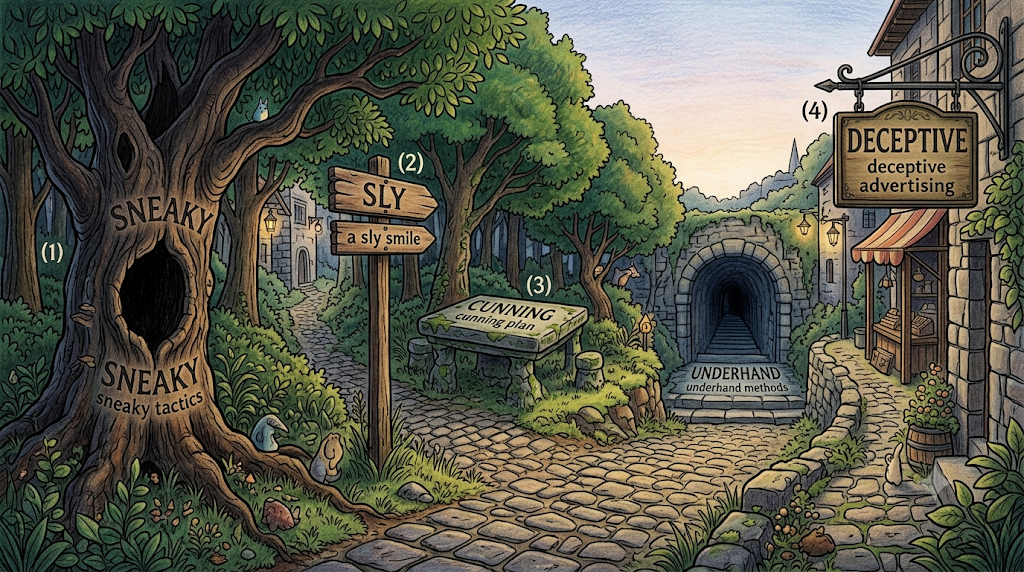
단어 공통점 뉘앙스 차이 예문
| sneaky | 교활함 관련 | 들키지 않으려는 의도로 몰래 또는 은밀하게 하는 것 강조 | sneaky tactics |
| sly | 교활함 관련 | 약삭빠르고 계산적으로 자신의 이익을 위해 남을 속이는 것 강조 | a sly smile |
| cunning | 교활함 관련 | 지능적이고 창의적으로 교묘하게 목적을 달성하는 것 강조 | cunning plan |
| deceptive | 교활함 관련 | 거짓된 인상을 만들어내어 상대방을 오도하는 것 강조 | deceptive advertising |
| underhand | 교활함 관련 | 정직하지 않고 비밀스럽게 공정하지 않은 방식으로 하는 것 강조 | underhand methods |
결론 정리
sneaky는 단순히 "교활한"이 아니라, 들키지 않으려는 의도로 몸을 낮추고 소리를 줄이며 그림자처럼 움직이는 것의 이미지에서 출발해 교활한 수·몰래 보는 눈빛·교활한 방법·교활한 방식으로·교활한 행동·교활한 속임수·~을 숨기는·묘한 느낌·교활한 시도·교활한 전술까지 확장되는 단어다 — sneaky가 있는 곳엔 언제나 '드러내지 않고 감추면서 들키지 않으려는 의도로 몰래 또는 은밀하게 자신의 목적을 달성하려는' 이미지가 있다.
💡 sneaky는 "들키지 않으려는 의도로 몰래 또는 은밀하게 하는 것을 가리키는" 단어 — sneaky move·sneaky tactics·sneaky feeling 이 수능 최빈출. sly(약삭빠른 속임)·cunning(지능적 교묘함)과의 구별이 핵심 출제 포인트.
🌟 초등학생 버전 sneaky는 단순히 "교활한"이 아니에요! sneaky move는 보드게임에서 친구가 주의를 돌린 사이에 살짝 말을 유리한 칸으로 옮기는 것처럼 상대방이 눈치채지 못하게 몰래 자신에게 유리한 행동을 취하는 것이고, sneaky feeling은 가방을 메고 학교에 가다가 "숙제를 두고 온 것 같은데..."라는 느낌이 드는 것처럼 무언가 잘못됐거나 놓친 것이 있다는 확인되지 않은 묘한 직감이에요! 🌍✨


