- 분류 전체보기 (5596)

| 일 | 월 | 화 | 수 | 목 | 금 | 토 |
|---|---|---|---|---|---|---|
| 1 | 2 | |||||
| 3 | 4 | 5 | 6 | 7 | 8 | 9 |
| 10 | 11 | 12 | 13 | 14 | 15 | 16 |
| 17 | 18 | 19 | 20 | 21 | 22 | 23 |
| 24 | 25 | 26 | 27 | 28 | 29 | 30 |
| 31 |
- oh
- hold on
- please.
- I'm glad to hear that.
- Sure
- Yes
- Yeah
- pick up
- get through
- I'm sorry
- make it
- come up with
- Show Up
- Excuse me
- please?
- set up
- Hey
- Sorry
- By The Way
- Read between the lines
- no
- entrance fee
- Please
- work out
- Actually
- Don't worry
- OKay
- too.
- well
- Right?
- Today
- Total
인과함께
Day415 , tooth, tooth and nail, sweet tooth, by the skin of one's teeth, cut one's teeth, long in the tooth, tooth fairy, armed to the teeth, get one's teeth into, tooth decay 본문
Day415 , tooth, tooth and nail, sweet tooth, by the skin of one's teeth, cut one's teeth, long in the tooth, tooth fairy, armed to the teeth, get one's teeth into, tooth decay
미인생 2026. 5. 19. 08:24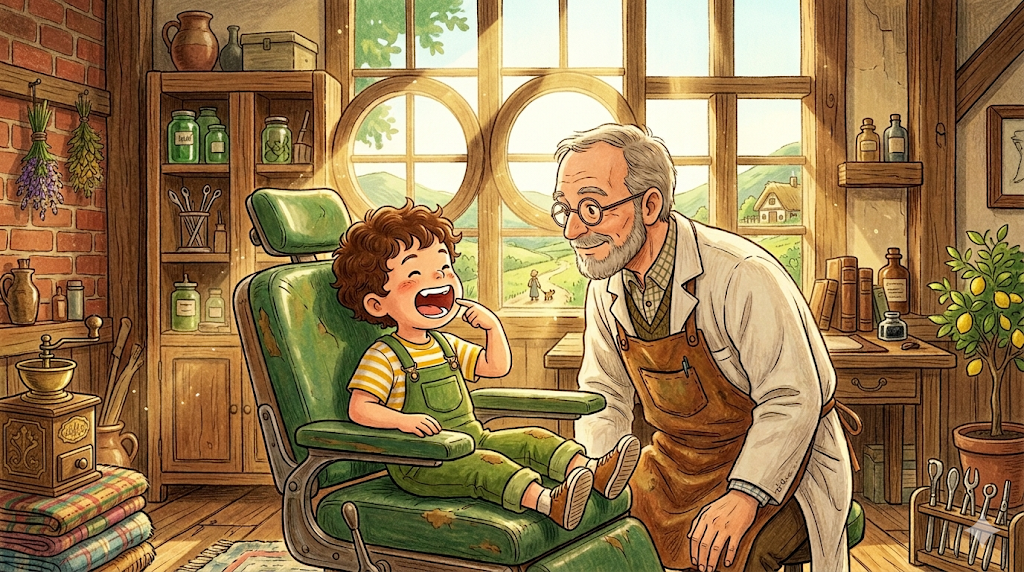
tooth [tuːθ]
(명사) 이, 치아 / (비유) 날카로운 부분, 힘
The community fought tooth and nail to protect the local park from being destroyed.
(지역 사회는 지역 공원이 파괴되는 것을 막기 위해 필사적으로 싸웠다.)
단순히 "이, 치아"로만 외우면 수능에서 반드시 틀립니다. tooth는 "단단하고 날카롭게 무언가를 물거나 맞서는" 이라는 핵심 이미지에서 출발해, 실제 신체 기관·완강한 싸움·아슬아슬한 탈출·경험을 통한 성장·충치 문제까지 폭넓게 쓰이는 핵심 다의어입니다. 특히 tooth and nail(필사적으로), by the skin of one's teeth(간신히), get one's teeth into(~에 열심히 달라붙다) 패턴은 수능 독해 심리·사회·논리 지문에서 핵심적으로 등장합니다.
'tooth'는 고대 영어 tōþ(치아)에서 유래했으며, 인도유럽어 *dont-(이빨)와 연결됩니다. 어원의 핵심 이미지는 "날카롭고 단단하게 물거나 잘라내는 것" 으로, 단순한 신체 기관을 넘어 필사적인 싸움·아슬아슬한 탈출·경험을 통한 성장·집요한 집중·법의 힘까지 확장되는 표현의 근원이 된 단어입니다.
1. tooth and nail [tuːθ ənd neɪl]
(일상/사회/수능) "필사적으로, 온 힘을 다해"를 뜻합니다. 이빨과 손톱을 모두 사용해 싸울 만큼 완강하고 격렬하게 무언가를 위해 싸우는 것을 강조합니다.
She fought tooth and nail to keep the community library open when the council announced it would be closed. (시 의회가 지역 도서관을 닫을 것이라고 발표했을 때 그녀는 도서관을 열린 상태로 유지하기 위해 필사적으로 싸웠다.)
2. sweet tooth [swiːt tuːθ]
(일상/문화/수능) "단것을 좋아하는 성향, 단 음식을 즐기는 취향"을 뜻합니다. 사탕, 케이크, 초콜릿 같은 단 음식을 특별히 좋아하는 것을 강조합니다.
She had a sweet tooth that made every trip to the market dangerous because she could never walk past the cake stall without buying something. (그녀는 단것을 좋아해서 케이크 가판대를 아무것도 사지 않고 지나칠 수 없었기 때문에 시장에 갈 때마다 위험했다.)
3. by the skin of one's teeth [baɪ ðə skɪn əv wʌnz tiːθ]
(일상/심리/수능) "간신히, 아슬아슬하게"를 뜻합니다. 아주 조금 차이로 겨우 성공하거나 위험에서 벗어난 것을 강조합니다.
He passed the exam by the skin of his teeth — one more wrong answer would have meant failing and having to retake the whole year. (그는 시험을 간신히 통과했다 — 하나만 더 틀렸어도 낙제해서 1년을 다시 해야 했을 것이다.)
4. cut one's teeth [kʌt wʌnz tiːθ]
(사회/학술/수능) "처음으로 경험을 쌓다, 첫 경험을 하다"를 뜻합니다. 어떤 분야에서 처음으로 기술이나 경험을 얻는 것을 강조합니다.
She cut her teeth as a journalist at a small local newspaper before moving on to work for a national TV channel. (그녀는 전국 TV 채널에서 일하기 전에 작은 지역 신문사에서 기자로 첫 경험을 쌓았다.)
5. long in the tooth [lɒŋ ɪn ðə tuːθ]
(일상/사회/수능) "나이가 많은, 늙은"을 뜻합니다. 말의 나이를 치아 길이로 판단하는 데서 유래한 표현으로, 어떤 사람이나 것이 오래됐다는 것을 강조합니다.
He was a bit long in the tooth to be starting a new career, but he had always believed it was never too late to learn something new. (그는 새로운 커리어를 시작하기에 나이가 좀 있었지만, 새로운 것을 배우기에 너무 늦은 때는 없다고 항상 믿었다.)
6. tooth fairy [tuːθ ˈfeəri]
(일상/문화/수능) "이의 요정, 이빨 요정"을 뜻합니다. 아이가 빠진 이를 베개 아래에 두면 밤에 와서 돈이나 선물과 바꿔간다는 이야기 속 존재를 강조합니다.
She still remembered the excitement of leaving her first baby tooth under her pillow for the tooth fairy and waking up to find a coin in its place. (그녀는 처음 빠진 이를 이의 요정을 위해 베개 아래에 두고 그 자리에 동전이 있는 것을 발견하며 깬 흥분을 여전히 기억했다.)
7. armed to the teeth [ɑːrmd tə ðə tiːθ]
(사회/역사/수능) "완전 무장한, 철저히 준비된"을 뜻합니다. 무기나 준비물을 최대한 갖추고 있는 것을 강조합니다.
The security team arrived armed to the teeth, which made everyone at the event feel both safer and slightly more nervous at the same time. (보안팀이 완전 무장한 상태로 도착했으며, 이것이 행사의 모든 사람을 동시에 더 안전하고 약간 더 긴장되게 만들었다.)
8. get one's teeth into [ɡet wʌnz tiːθ ˈɪntə]
(일상/학술/수능) "~에 열심히 달라붙다, ~을 진지하게 시작하다"를 뜻합니다. 어떤 일이나 과제를 진지하고 열심히 시작하는 것을 강조하며, 수능에서 자주 출제되는 표현입니다.
She was excited to finally get her teeth into the new project after weeks of waiting for all the approvals to come through. (모든 승인이 나기를 몇 주 동안 기다린 후 마침내 새 프로젝트에 열심히 달라붙을 수 있어서 그녀는 흥분됐다.)
9. tooth decay [tuːθ dɪˈkeɪ]
(일상/과학/수능) "충치, 이가 썩는 것"을 뜻합니다. 이가 박테리아나 산에 의해 손상되는 것을 강조합니다.
The dentist warned that drinking too much fizzy drink was one of the leading causes of tooth decay in young people today. (치과 의사는 탄산음료를 너무 많이 마시는 것이 오늘날 젊은 사람들의 충치의 주요 원인 중 하나라고 경고했다.)
10. tooth (명사: 이, 치아) [tuːθ]
(일상/과학/수능) 명사로 쓰여 "이, 치아"를 뜻합니다. 입안에서 음식을 씹는 데 사용되는 단단한 기관을 강조합니다.
She went to bed without brushing her teeth and woke up with a tooth ache that reminded her why the dentist always said not to skip that habit. (그녀는 이를 닦지 않고 잠들었다가 치과 의사가 항상 그 습관을 빠뜨리지 말라고 하는 이유를 상기시키는 치통으로 깼다.)
POINT 1. tooth — 수능 최빈출 비유·어휘 패턴
tooth는 수능 독해 심리·사회·논리 지문에서 비유적 표현으로 자주 출제됩니다.
tooth and nail → 온 힘을 다해 완강하게 싸울 때 예) She fought tooth and nail. 그녀는 필사적으로 싸웠다. by the skin of one's teeth → 아슬아슬하게 겨우 성공할 때 예) He passed by the skin of his teeth. 그는 간신히 통과했다. get one's teeth into → 어떤 일을 진지하게 시작할 때 예) She got her teeth into the project. 그녀는 프로젝트에 달라붙었다.
POINT 2. tooth / teeth의 수능 핵심 표현 비교
tooth 관련 표현들은 수능에서 자주 혼동됩니다.
tooth and nail → 필사적으로 (완전한 싸움의 이미지) 예) Fight tooth and nail. 필사적으로 싸워라. by the skin of one's teeth → 간신히 (아슬아슬한 탈출) 예) Escape by the skin of one's teeth. 간신히 탈출하다. get one's teeth into → 열심히 달라붙다 (집요한 집중) 예) Get your teeth into this. 이것에 달라붙어라.
POINT 3. tooth의 다양한 용법 — 수능 독해 문맥 파악 핵심
tooth는 수능 독해에서 문맥에 따라 의미가 완전히 달라지는 핵심 단어입니다.
신체 기관 → Tooth ache. 치통. 필사적 싸움 → Tooth and nail. 필사적으로. 아슬아슬함 → By the skin of one's teeth. 간신히. 단것 취향 → Sweet tooth. 단것 좋아함. 나이 → Long in the tooth. 나이가 많은.
(명사) ① 이, 치아 (신체 기관)
tooth의 가장 기본적인 의미로, 입안에서 음식을 씹는 데 사용되는 단단한 기관을 나타냅니다.
- She lost a tooth during the football match when she was hit in the face, and the dentist said it would be several months before the permanent one came through. (그녀는 축구 경기 중 얼굴에 맞아 이를 잃었으며, 치과 의사는 영구치가 나오는 데 몇 달이 걸릴 것이라고 했다.)
- He brushed his teeth for two full minutes every morning, which his dentist had always told him was the minimum needed to keep them properly clean. (그는 매일 아침 꼬박 2분 동안 이를 닦았으며, 치과 의사는 항상 그것이 제대로 깨끗하게 유지하는 데 필요한 최소 시간이라고 말했다.)
- The essay used the image of a tooth to explore the relationship between pain and growth — noting that the discomfort of a new tooth coming through is temporary but the result is a useful addition that lasts for years. (에세이는 이의 이미지를 사용해 고통과 성장의 관계를 탐구했다 — 새 이가 나오는 불편함은 일시적이지만 그 결과는 수년간 지속되는 유용한 추가물이라고 지적했다.)
(비유) ② 날카로움, 효력, 힘 (관용적)
tooth는 비유적으로 어떤 것의 강함이나 효력을 나타냅니다.
- The new environmental rules finally had teeth in them — meaning companies that broke them faced real financial penalties rather than just warnings. (새 환경 규칙은 마침내 실질적인 힘이 있었다 — 이것은 그것을 어기는 회사들이 단순한 경고가 아닌 실제 금전적 처벌에 직면한다는 것을 의미했다.)
- A policy without enforcement is toothless — it might look official on paper but has no real power to change the behaviour it was designed to address. (시행 없는 정책은 힘이 없다 — 서류상으로는 공식적으로 보일 수 있지만 그것이 해결하도록 설계된 행동을 변화시킬 실제적인 힘이 없다.)
- The essay argued that well-intentioned rules often fail not because they are wrong but because they lack teeth — and that giving them real consequences is the necessary step between a good idea and actual change. (에세이는 선의의 규칙들이 종종 잘못됐기 때문이 아니라 힘이 없기 때문에 실패한다고 주장했다 — 그리고 실제 결과를 부여하는 것이 좋은 아이디어와 실제 변화 사이의 필요한 단계라고 했다.)
(관용) ③ 이와 관련된 삶의 경험 (성장·나이·탈출)
tooth는 삶의 경험과 연결된 다양한 관용적 의미를 나타냅니다.
- He had cut his teeth in the most difficult markets available, which meant he was calm in situations that would have panicked a less experienced person. (그는 가장 어려운 시장에서 첫 경험을 쌓았기 때문에 경험이 적은 사람은 당황했을 상황에서 침착했다.)
- She escaped the difficult situation by the skin of her teeth, and spent the whole drive home trying to figure out how she would handle it better next time. (그녀는 어려운 상황을 간신히 벗어났으며, 집까지 운전하는 내내 다음 번에 더 잘 처리할 방법을 생각하려 했다.)
- The essay reflected on the phrase long in the tooth — noting that in many cultures age is seen as a disadvantage rather than an asset, when in fact the experience that comes with it is often the most valuable thing a person can bring to any situation. (에세이는 나이가 많은이라는 표현을 성찰했다 — 많은 문화에서 나이가 자산이 아닌 단점으로 여겨지지만, 실제로 그것과 함께 오는 경험이 종종 사람이 어떤 상황에 가져올 수 있는 가장 가치 있는 것이라고 지적했다.)
뉘앙스·의미 연결 흐름 표
핵심 이미지 연결 흐름 뉘앙스 요약
| 날카롭고 강한 싸움 | 필사적으로 → 완전 무장한 → 열심히 달라붙다 | tooth and nail, armed to the teeth, get one's teeth into |
| 아슬아슬함·경험·나이 | 간신히 → 첫 경험 쌓기 → 나이가 많은 | by the skin of one's teeth, cut one's teeth, long in the tooth |
| 일상·문화·건강 | 단것 좋아하는 취향 → 이의 요정 → 충치 | sweet tooth, tooth fairy, tooth decay |
어원 흐름 표
단어 구성 요소 의미 연결 흐름 뉘앙스 요약
| 인도유럽어 *dont-(이빨) → 고대 영어 tōþ | 날카롭고 단단하게 물거나 잘라내는 것 → tooth | 날카로움과 힘의 핵심 이미지 |
| tooth (명사) | 신체 기관 → 날카로운 힘 → 필사적 싸움 → 경험·성장 | 치아에서 힘·싸움·성장·문화까지 확장 |
품사별 의미 표
품사 의미 예문
| 명사 | 이, 치아 | A tooth ache. |
| 명사 (복수) | 효력, 힘 | Laws with teeth. |
| 관용구 | 필사적으로 | Tooth and nail. |
| 관용구 | 간신히 | By the skin of one's teeth. |
| 관용구 | 나이가 많은 | Long in the tooth. |
| 관용구 | 달라붙다 | Get teeth into. |
활용 예문 리스트
- She fought tooth and nail to protect the small park in her neighbourhood from being turned into a car park, and after two years of protests and petitions she finally won. (그녀는 동네의 작은 공원이 주차장으로 바뀌는 것을 막기 위해 필사적으로 싸웠으며, 2년간의 시위와 청원 후 마침내 승리했다.)
- He passed the driving test by the skin of his teeth — the examiner told him afterwards that two more mistakes would have meant an automatic fail. (그는 운전 면허 시험을 간신히 통과했다 — 시험관이 나중에 두 번만 더 실수했으면 자동 불합격이었다고 말했다.)
- She had a sweet tooth that made her particularly happy whenever anyone brought cake to the office, which happened far less often than she would have liked. (그녀는 단것을 좋아해서 누군가 사무실에 케이크를 가져올 때마다 특히 기뻤는데, 그것은 그녀가 원하는 것보다 훨씬 드물게 일어났다.)
- Once she got her teeth into the research, she found it so interesting that she stayed in the library three hours longer than she had planned. (연구에 달라붙기 시작하자 너무 흥미로워서 계획보다 세 시간이나 더 도서관에 머물렀다.)
- The dentist explained that tooth decay begins much earlier than most people think, and that prevention is always cheaper and less painful than treatment. (치과 의사는 충치가 대부분의 사람들이 생각하는 것보다 훨씬 일찍 시작되며, 예방이 항상 치료보다 더 저렴하고 덜 아프다고 설명했다.)
전체 뉘앙스 설명
tooth는 '날카롭고 단단하게 물거나 잘라내는 것에서 출발해 신체 기관·필사적 싸움·아슬아슬한 탈출·경험을 통한 성장·법의 효력·문화적 상징까지 확장되는 생동감 넘치는 언어'입니다.
fight와의 차이: fight는 단순히 싸우는 것을 강조하고, tooth and nail은 이빨과 손톱까지 동원하는 것처럼 극도로 완강하고 필사적인 싸움을 강조합니다. barely와의 차이: barely는 단순히 "간신히"를 강조하고, by the skin of one's teeth는 이빨의 얇은 표면만큼이나 아슬아슬한 차이로 겨우 성공했다는 것을 강조합니다. experience와의 차이: experience는 일반적인 경험을 강조하고, cut one's teeth는 처음으로 실전에서 기술을 익히는 특별한 첫 경험을 강조합니다.
마지막 핵심 정리
tooth는 단순히 "이"가 아닙니다 — 고대 영어 tōþ(치아)에서 출발해, 이·치아(tooth)에서 필사적으로(tooth and nail)·단것 좋아하는 취향(sweet tooth)·간신히(by the skin of one's teeth)·첫 경험 쌓기(cut one's teeth)·나이가 많은(long in the tooth)·이의 요정(tooth fairy)·완전 무장한(armed to the teeth)·열심히 달라붙다(get one's teeth into)·충치(tooth decay)까지 확장되는 단어이며, tooth and nail·by the skin of one's teeth·get one's teeth into의 비유적 의미 파악이 수능 핵심 출제 포인트입니다.
파생어 표
파생어 발음기호 품사 의미
| teeth | [tiːθ] | 명사 (복수) | 이들, 치아들 |
| toothache | [ˈtuːθeɪk] | 명사 | 치통 |
| toothbrush | [ˈtuːθbrʌʃ] | 명사 | 칫솔 |
| toothpaste | [ˈtuːθpeɪst] | 명사 | 치약 |
| toothless | [ˈtuːθləs] | 형용사 | 이가 없는, 힘이 없는 |
| toothy | [ˈtuːθi] | 형용사 | 이가 많이 보이는 |
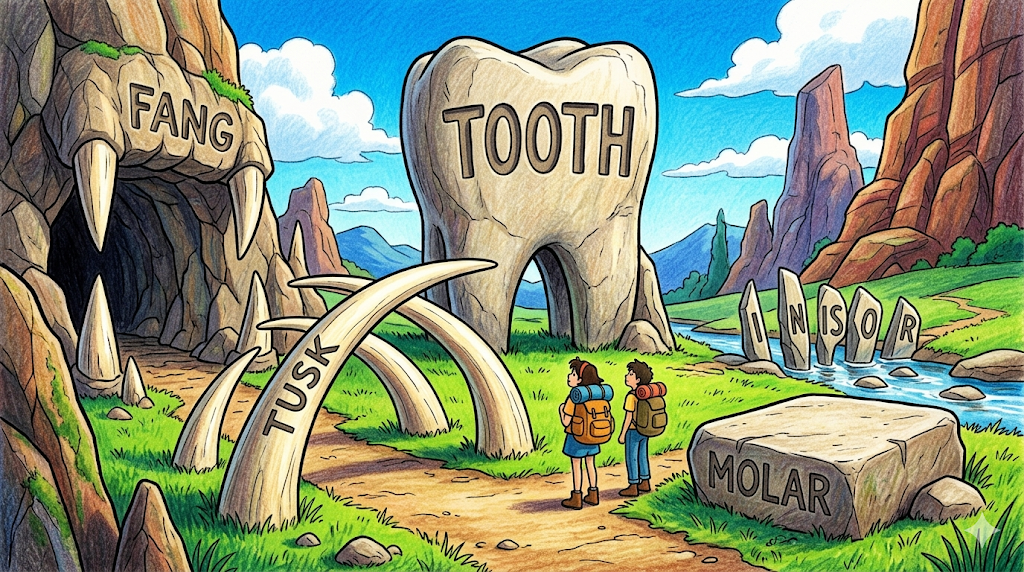
유의어 비교표
단어 공통점 뉘앙스 차이 예문
| tooth | 이, 날카로움 | 신체 기관·필사적 싸움·비유 풍부 | A tooth ache. |
| fang | 송곳니 | 뱀이나 동물의 독니 강조 | A snake's fang. |
| tusk | 엄니 | 코끼리·멧돼지의 긴 이빨 | An elephant's tusk. |
| molar | 어금니 | 음식을 가는 뒤쪽 이 | A back molar. |
| incisor | 앞니 | 앞쪽의 날카로운 이 | Front incisors. |
유의어 예문 리스트
- (fang) The snake raised its head and showed its fangs as a warning, which was enough to make everyone in the group take several large steps backwards without discussing it. (뱀이 머리를 들고 경고로 독니를 보였으며, 이것이 그룹의 모든 사람이 논의 없이 뒤로 여러 걸음 물러나게 만들기에 충분했다.)
- (tusk) The ivory from elephant tusks has been traded for thousands of years, which has contributed significantly to the danger many elephant populations now face. (코끼리 엄니의 상아는 수천 년 동안 거래돼왔으며, 이것이 많은 코끼리 개체군이 현재 직면한 위험에 크게 기여했다.)
- (molar) The dentist said her molar had a small crack that would need to be filled before it got worse, which she was not happy about but knew was better than the alternative. (치과 의사는 그녀의 어금니에 더 나빠지기 전에 채워야 할 작은 균열이 있다고 했는데, 그녀는 좋아하지 않았지만 대안보다 낫다는 것을 알았다.)
- (incisor) The rabbit used its sharp incisors to bite cleanly through the thick carrot, which made a satisfying crunching sound that the children watching found very funny. (토끼는 날카로운 앞니를 사용해 두꺼운 당근을 깔끔하게 물었으며, 보고 있는 아이들이 매우 재미있다고 생각하는 만족스러운 아삭거리는 소리가 났다.)
결론 정리
tooth는 단순히 "이"가 아니라, 고대 영어 tōþ(치아)에서 출발해 날카롭고 단단하게 물거나 잘라내는 것에서 신체 기관·필사적 싸움·아슬아슬한 탈출·경험을 통한 성장·법의 효력·문화적 상징까지 확장되는 단어다 — tooth가 있는 곳엔 언제나 '단순한 신체 기관이 아닌, 인간이 필사적으로 싸우고·간신히 극복하며·처음으로 경험을 쌓고·삶의 단맛을 즐기는 방식이 생생하게 살아숨쉬는' 생동감의 선언이 있다.
💡 tooth는 "날카롭고 단단하게 물거나 잘라내는 것에서 출발한" 생동감 넘치는 언어 — tooth and nail · by the skin of one's teeth · get one's teeth into가 수능 최빈출.
🌟 초등학생 버전 — tooth는 이, 치아이지만, "필사적으로"(tooth and nail), "간신히"(by the skin of one's teeth), "단것 좋아하는 취향"(sweet tooth)처럼 우리 생활과 감정 곳곳에 살아있는 단어예요! 🦷✨

tooth and nail [tuːθ ənd neɪl]
(관용구) 필사적으로, 온 힘을 다해
이빨과 손톱을 모두 사용해 싸울 만큼 완강하고 격렬하게 무언가를 위해 싸우는 것을 강조합니다. 수능 독해 심리·사회·일상 지문에서 핵심적으로 등장합니다.
- The local residents fought tooth and nail against the plans to build a new road through the park, attending every meeting and writing hundreds of letters until the council changed its decision. (지역 주민들은 시 의회가 결정을 바꿀 때까지 모든 회의에 참석하고 수백 통의 편지를 쓰며 공원을 통과하는 새 도로를 건설하는 계획에 필사적으로 싸웠다.)
- She had fought tooth and nail for the promotion for three years, and when it finally came she was so used to the fight that it took a while to believe it was actually over. (그녀는 3년 동안 승진을 위해 필사적으로 싸워서, 마침내 승진이 왔을 때 싸움에 너무 익숙해져서 실제로 끝났다는 것을 믿는 데 잠시 시간이 걸렸다.)
- The essay argued that fighting tooth and nail for something is not always the sign of determination people assume it is — sometimes it is a sign that a person has not yet learned to choose their battles wisely, and that the energy would be better spent elsewhere. (에세이는 무언가를 위해 필사적으로 싸우는 것이 항상 사람들이 가정하는 결단력의 표시가 아니라고 주장했다 — 때로는 그 사람이 아직 싸움을 현명하게 선택하는 것을 배우지 못했다는 표시이며, 에너지가 다른 곳에 더 잘 사용될 수 있다고 했다.)
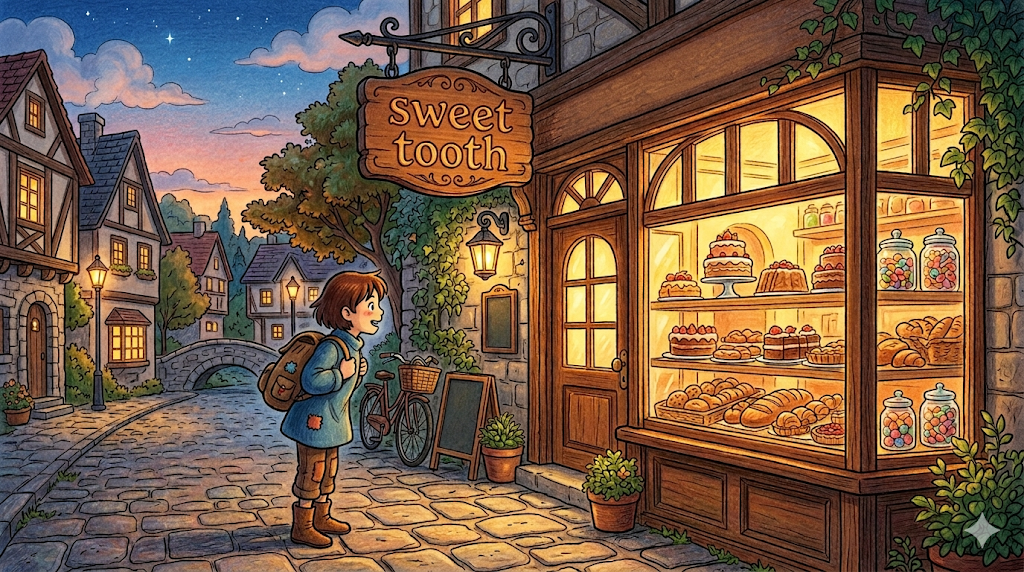
sweet tooth [swiːt tuːθ]
(명사구) 단것을 좋아하는 성향, 단 음식을 즐기는 취향
사탕, 케이크, 초콜릿 같은 단 음식을 특별히 좋아하는 것을 강조합니다. 수능 독해 일상·문화·심리 지문에서 자주 등장합니다.
- Her sweet tooth was legendary in the office — she was the one who always knew which bakeries were worth visiting and which ones to avoid. (그녀의 단것을 좋아하는 취향은 사무실에서 유명했다 — 그녀는 항상 어떤 베이커리가 방문할 가치가 있고 어떤 것은 피해야 하는지 알고 있는 사람이었다.)
- He had developed a sweet tooth later in life, which surprised him because he had never been particularly interested in dessert as a child. (그는 나중에 삶에서 단것을 좋아하는 취향이 생겼는데, 어린 시절에는 디저트에 특별히 관심이 없었기 때문에 그를 놀라게 했다.)
- The essay used a sweet tooth as a metaphor for any preference that feels pleasurable in the short term but requires careful management to avoid long-term harm — arguing that many of our most enjoyable habits follow the same pattern. (에세이는 단것을 좋아하는 취향을 단기적으로는 즐겁게 느껴지지만 장기적 해를 피하기 위해 신중한 관리가 필요한 모든 선호의 은유로 사용했다 — 우리의 가장 즐거운 습관들 중 많은 것이 같은 패턴을 따른다고 주장했다.)
숙어 그룹 묶음 1 — 싸움·취향 tooth 핵심 패턴
표현 의미 핵심 뉘앙스 주요 맥락
| tooth and nail | 필사적으로 | 이빨과 손톱 모두 동원하는 완강한 싸움 | 심리·사회·수능 |
| sweet tooth | 단것을 좋아하는 취향 | 달콤한 음식을 특별히 좋아하는 성향 | 일상·문화·수능 |
| by the skin of one's teeth | 간신히 | 아주 조금 차이로 겨우 성공하거나 탈출 | 심리·일상·수능 |
이 세 표현은 모두 tooth의 "이와 관련된 강렬한 인간 경험" 이미지를 공유하되, 각각 이와 손톱을 모두 쓰는 극도의 싸움(tooth and nail)·달콤한 것에 끌리는 인간의 취향(sweet tooth)·이빨의 얇은 표면만큼이나 아슬아슬한 탈출(by the skin of one's teeth)의 관점에서 접근합니다.
- She fought tooth and nail to win the baking competition despite having a sweet tooth that made it hard to taste things objectively, and won the title by the skin of her teeth after the judges disagreed right up until the final moment. (그녀는 사물을 객관적으로 맛보는 것을 어렵게 만드는 단것을 좋아하는 취향에도 불구하고 제빵 대회에서 우승하기 위해 필사적으로 싸웠으며, 심사위원들이 마지막 순간까지 의견이 맞지 않은 후 간신히 타이틀을 땄다.)
- The essay connected all three by arguing that tooth and nail, a sweet tooth, and by the skin of one's teeth all describe different ways that the body's most basic instincts — to fight, to desire, and to survive — express themselves through the same small organ. (에세이는 tooth and nail, 단것을 좋아하는 취향, 그리고 by the skin of one's teeth가 모두 신체의 가장 기본적인 본능들 — 싸우고, 욕구를 갖고, 생존하는 것 — 이 같은 작은 기관을 통해 표현되는 다른 방식들을 묘사한다고 주장하며 세 가지를 연결했다.)
- She concluded that learning when to fight tooth and nail, when to enjoy a sweet tooth without guilt, and how to handle a situation that can only be survived by the skin of one's teeth are three different but equally important life skills — each requiring a different relationship with risk, desire, and perseverance. (필사적으로 싸울 때, 죄책감 없이 단것을 즐길 때, 그리고 간신히만 살아남을 수 있는 상황을 처리하는 방법을 아는 것이 세 가지 다르지만 똑같이 중요한 삶의 기술이라고 그녀는 결론지었다 — 각각 위험, 욕구, 인내와 다른 관계를 필요로 한다.)

by the skin of one's teeth [baɪ ðə skɪn əv wʌnz tiːθ]
(관용구) 간신히, 아슬아슬하게
아주 조금 차이로 겨우 성공하거나 위험에서 벗어난 것을 강조합니다. 수능 독해 심리·일상·사회 지문에서 자주 등장합니다.
- She caught the last train home by the skin of her teeth — she arrived on the platform just as the doors were closing and had to squeeze through before they shut completely. (그녀는 간신히 마지막 기차를 탔다 — 문이 닫히는 바로 그때 플랫폼에 도착해서 완전히 닫히기 전에 비집고 들어가야 했다.)
- The company survived the difficult year by the skin of its teeth, and the experience taught everyone involved to build better financial reserves for unexpected challenges. (회사는 간신히 어려운 해를 버텼으며, 그 경험은 관련된 모든 사람에게 예상치 못한 도전을 위한 더 나은 재정적 예비금을 쌓도록 가르쳤다.)
- The essay used by the skin of one's teeth to explore what near-failures teach us — arguing that escaping something narrowly tends to be more educational than either comfortable success or complete failure, because it shows exactly where the edge is and what was necessary to avoid crossing it. (에세이는 by the skin of one's teeth를 사용해 아슬아슬한 실패가 우리에게 무엇을 가르치는지 탐구했다 — 무언가를 아슬아슬하게 탈출하는 것이 편안한 성공이나 완전한 실패 중 어느 것보다 더 교육적인 경향이 있다고 주장했다 — 경계가 어디에 있는지와 그것을 넘지 않기 위해 무엇이 필요했는지를 정확히 보여주기 때문이다.)
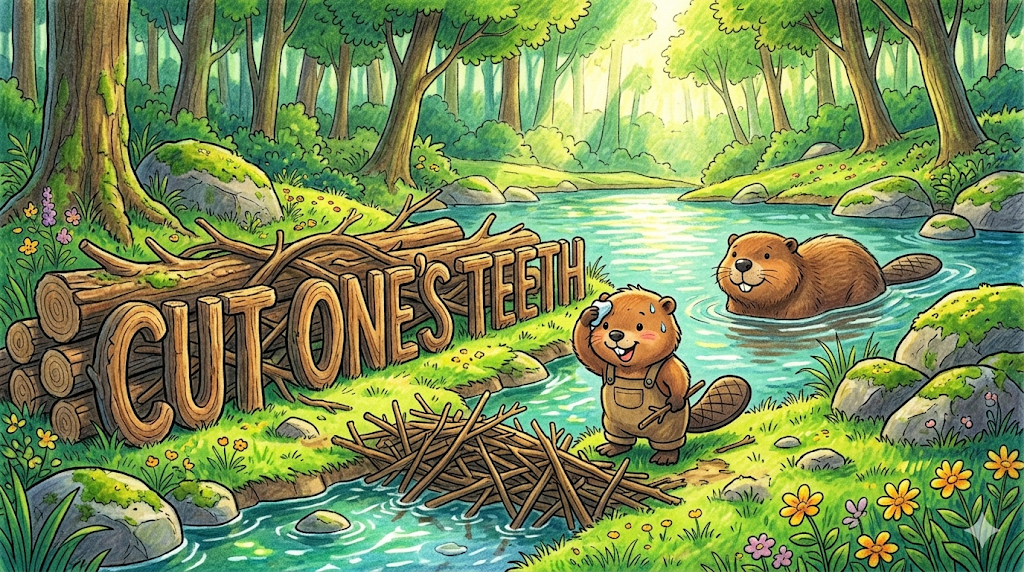
cut one's teeth [kʌt wʌnz tiːθ]
(동사구) 처음으로 경험을 쌓다, 첫 경험을 하다
어떤 분야에서 처음으로 기술이나 경험을 얻는 것을 강조합니다. 수능 독해 사회·학술·심리 지문에서 자주 등장합니다.
- He cut his teeth in the hospitality industry working at a small bed and breakfast before going on to manage one of the most successful hotels in the region. (그는 그 지역에서 가장 성공적인 호텔 중 하나를 관리하기 전에 작은 민박집에서 일하며 호텔 산업에서 첫 경험을 쌓았다.)
- Many of the most creative people in the film industry cut their teeth on low-budget short films where the lack of resources forced them to be more inventive than they might have been with unlimited money. (영화 산업의 가장 창의적인 사람들 중 많은 이들이 제한된 자원이 무제한의 돈이 있었을 때보다 더 창의적이 되도록 강요한 저예산 단편 영화에서 첫 경험을 쌓았다.)
- The essay argued that where a person cuts their teeth matters enormously — because the habits, standards, and approaches learned in the first years of any career tend to be the hardest ones to change later, which makes the choice of early environment one of the most consequential decisions a young professional can make. (사람이 첫 경험을 쌓는 곳이 엄청나게 중요하다고 에세이는 주장했다 — 왜냐하면 어떤 커리어의 첫 몇 년에서 배운 습관, 기준, 접근 방식이 나중에 바꾸기 가장 어려운 것들이기 때문이며, 이것이 초기 환경의 선택을 젊은 전문가가 내릴 수 있는 가장 중요한 결정 중 하나로 만든다고 했다.)
숙어 그룹 묶음 2 — 경험·나이·문화 tooth 패턴
표현 의미 핵심 뉘앙스 주요 맥락
| cut one's teeth | 첫 경험을 쌓다 | 어떤 분야에서 처음으로 기술 얻기 | 사회·학술·수능 |
| long in the tooth | 나이가 많은 | 나이가 많아 오래됐다는 것 강조 | 일상·사회·수능 |
| tooth fairy | 이의 요정 | 빠진 이와 바꿔주는 상상 속 존재 | 일상·문화·수능 |
이 세 표현은 모두 tooth의 "이빨이 나고 빠지는 삶의 단계" 이미지를 공유하되, 각각 이빨이 나는 것처럼 처음 경험이 시작되는 것(cut one's teeth)·이빨이 오래돼 길어진 것처럼 나이가 많은 것(long in the tooth)·어린 시절 빠진 이와 관련된 문화적 믿음(tooth fairy)의 관점에서 접근합니다.
- She had cut her teeth as a children's author writing books about the tooth fairy for young readers, but now, long in the tooth herself, she was ready to write something more serious for an adult audience. (그녀는 어린 독자들을 위해 이의 요정에 관한 책을 쓰며 아동 작가로서 첫 경험을 쌓았지만, 이제 자신이 나이가 들어 성인 독자를 위한 더 진지한 것을 쓸 준비가 됐다.)
- The essay connected the three by noting that cutting one's teeth, believing in tooth fairies, and being long in the tooth each mark a different chapter in the relationship between a person and their teeth — and therefore, metaphorically, between a person and their own development. (에세이는 첫 경험을 쌓는 것, 이의 요정을 믿는 것, 그리고 나이가 드는 것이 사람과 이빨의 관계에서 각각 다른 장을 표시한다고 지적하며 세 가지를 연결했다 — 따라서, 비유적으로, 사람과 자신의 발전 사이의 관계이기도 하다.)
- She concluded that from believing in the tooth fairy as a child, to cutting one's teeth in the first years of working life, to growing long in the tooth with experience, the humble tooth traces almost the entire arc of a human life — which is perhaps why it has accumulated so many meanings in our language. (어린 시절 이의 요정을 믿는 것에서 직장 생활 첫 몇 년에 첫 경험을 쌓는 것, 그리고 경험으로 나이가 드는 것에 이르기까지 소박한 이가 인간 삶의 거의 전체 호를 추적한다고 그녀는 결론지었다 — 이것이 아마도 우리 언어에서 그렇게 많은 의미를 쌓은 이유일 것이다.)

long in the tooth [lɒŋ ɪn ðə tuːθ]
(형용사구) 나이가 많은, 늙은
말의 나이를 치아 길이로 판단하는 데서 유래한 표현으로, 어떤 사람이나 것이 오래됐다는 것을 강조합니다. 수능 독해 일상·사회·문화 지문에서 자주 등장합니다.
- The technology was a bit long in the tooth by the time the company finally decided to replace it, and the newer system made everything run so much faster that the staff wondered why they had waited so long. (회사가 마침내 교체를 결정했을 때 그 기술은 약간 오래됐으며, 새로운 시스템이 모든 것을 훨씬 빠르게 실행시켜 직원들은 왜 그렇게 오래 기다렸는지 의아해했다.)
- She was considered long in the tooth for the sport by most standards, but she had trained smarter rather than harder in recent years and was still winning against athletes ten years younger than her. (그녀는 대부분의 기준으로 그 스포츠에서 나이가 많은 것으로 여겨졌지만, 최근 몇 년 동안 더 열심히가 아닌 더 스마트하게 훈련해 자신보다 10년 어린 선수들을 여전히 이기고 있었다.)
- The essay used long in the tooth to explore cultural attitudes toward age — arguing that in many fields, experience is consistently undervalued compared to youth, when in fact the combination of knowledge, pattern recognition, and emotional maturity that comes with being long in the tooth is extraordinarily difficult to replace. (에세이는 long in the tooth를 나이에 대한 문화적 태도를 탐구하는 데 사용했다 — 많은 분야에서 경험이 젊음에 비해 일관되게 저평가되는데, 실제로는 나이가 드는 것과 함께 오는 지식, 패턴 인식, 감정적 성숙의 조합이 대체하기 매우 어렵다고 주장했다.)

tooth fairy [tuːθ ˈfeəri]
(명사구) 이의 요정, 이빨 요정
아이가 빠진 이를 베개 아래에 두면 밤에 와서 돈이나 선물과 바꿔간다는 이야기 속 존재를 강조합니다. 수능 독해 일상·문화·심리 지문에서 자주 등장합니다.
- She found out the tooth fairy was not real when she stayed awake one night and saw her mum quietly opening the bedroom door — but even then she pretended to be asleep because she did not want the magic to end. (그녀는 어느 날 밤 깨어 있다가 엄마가 조용히 침실 문을 여는 것을 보고 이의 요정이 실재하지 않는다는 것을 알았다 — 하지만 그때도 마법이 끝나는 것을 원하지 않아서 자는 척했다.)
- Different families had different versions of the tooth fairy — some left coins, some left notes, and some left small gifts — which made comparing stories in the playground surprisingly complicated. (다른 가족들은 이의 요정의 다른 버전을 갖고 있었다 — 어떤 사람들은 동전을 남기고, 어떤 사람들은 편지를 남기며, 어떤 사람들은 작은 선물을 남겼다 — 이것이 운동장에서 이야기를 비교하는 것을 놀라울 정도로 복잡하게 만들었다.)
- The essay used the tooth fairy as an example of a benign cultural myth — arguing that stories like this serve an important function in helping children process physical changes and transitions, and that the 'truth' of such stories is not literal but lies in the comfort and ritual they provide. (에세이는 이의 요정을 무해한 문화적 신화의 예로 사용했다 — 이런 이야기들이 아이들이 신체적 변화와 전환을 처리하는 것을 돕는 데 중요한 기능을 한다고 주장했으며, 그런 이야기들의 '진실'은 문자 그대로가 아니라 그것들이 제공하는 위안과 의식에 있다고 했다.)
숙어 그룹 묶음 3 — 준비·집중·건강 tooth 심화 패턴
표현 의미 핵심 뉘앙스 주요 맥락
| armed to the teeth | 완전 무장한 | 무기나 준비물을 최대한 갖추고 있는 것 | 사회·역사·수능 |
| get one's teeth into | 열심히 달라붙다 | 어떤 일을 진지하고 열심히 시작하는 것 | 일상·학술·수능 |
| tooth decay | 충치 | 이가 박테리아나 산에 의해 손상되는 것 | 일상·과학·수능 |
이 세 표현은 모두 tooth의 "이빨의 기능과 상태" 이미지를 공유하되, 각각 이빨까지 완전히 갖춘 최대 준비 상태(armed to the teeth)·이빨로 무언가를 물듯 집요하게 시작하는 것(get one's teeth into)·이빨이 손상되는 것처럼 점진적으로 나빠지는 것(tooth decay)의 관점에서 접근합니다.
- She arrived for the presentation armed to the teeth with data and examples, got her teeth into the topic immediately, and impressed everyone — but later noticed that tooth decay had the same structure as the problem she had presented: something that seemed small at first and grew slowly until it became a crisis. (그녀는 데이터와 예시로 완전 무장한 채로 발표에 도착해 즉시 주제에 달라붙었으며, 모든 사람에게 깊은 인상을 줬다 — 하지만 나중에 충치가 자신이 발표한 문제와 같은 구조를 갖는다는 것을 알아챘다: 처음에는 작아 보이다가 위기가 될 때까지 천천히 자라는 것이다.)
- The essay connected the three by arguing that being armed to the teeth before getting your teeth into a challenge is good preparation, but that ignoring early signs of tooth decay in any system — whether literal or metaphorical — is exactly what turns manageable problems into serious ones. (에세이는 도전에 달라붙기 전에 완전 무장하는 것이 좋은 준비이지만, 어떤 시스템에서든 초기 충치 징후를 무시하는 것 — 문자 그대로든 비유적이든 — 이 관리 가능한 문제를 심각한 것으로 바꾸는 바로 그것이라고 주장하며 세 가지를 연결했다.)
- She concluded that the three tooth expressions describe three different relationships with readiness — armed to the teeth is about being too prepared to fail, getting one's teeth into is about committing fully once you begin, and tooth decay is about what happens when you stop maintaining what you worked hard to build. (세 가지 tooth 표현이 준비 상태와의 세 가지 다른 관계를 묘사한다고 그녀는 결론지었다 — 완전 무장하는 것은 실패하기에는 너무 준비된 것에 관한 것이고, 달라붙는 것은 시작하면 완전히 헌신하는 것에 관한 것이며, 충치는 열심히 세운 것을 유지하는 것을 멈출 때 무슨 일이 일어나는지에 관한 것이다.)

armed to the teeth [ɑːrmd tə ðə tiːθ]
(관용구) 완전 무장한, 철저히 준비된
무기나 준비물을 최대한 갖추고 있는 것을 강조합니다. 수능 독해 사회·역사·심리 지문에서 자주 등장합니다.
- She walked into the difficult meeting armed to the teeth with research, statistics, and examples, which meant that every objection raised was met with a prepared and confident answer. (그녀는 연구, 통계, 예시로 완전 무장한 채로 어려운 회의에 들어갔으며, 이것은 제기된 모든 반론이 준비되고 자신감 있는 답변으로 만나게 됐다는 것을 의미했다.)
- The hikers set out armed to the teeth with equipment for every possible weather condition, which turned out to be unnecessary but gave everyone peace of mind throughout the journey. (등산객들은 모든 가능한 날씨 조건을 위한 장비로 완전 무장한 채로 출발했으며, 이것이 불필요한 것으로 밝혀졌지만 여정 내내 모든 사람에게 마음의 평화를 줬다.)
- The essay argued that being armed to the teeth with information is valuable but not sufficient — because knowing a great deal about a problem does not automatically translate into knowing what to do about it, which requires a different kind of thinking entirely. (정보로 완전 무장하는 것이 가치 있지만 충분하지 않다고 에세이는 주장했다 — 문제에 대해 많이 아는 것이 그것에 대해 무엇을 해야 하는지 자동으로 알게 하지 않기 때문이며, 그것은 완전히 다른 종류의 사고를 필요로 한다고 했다.)
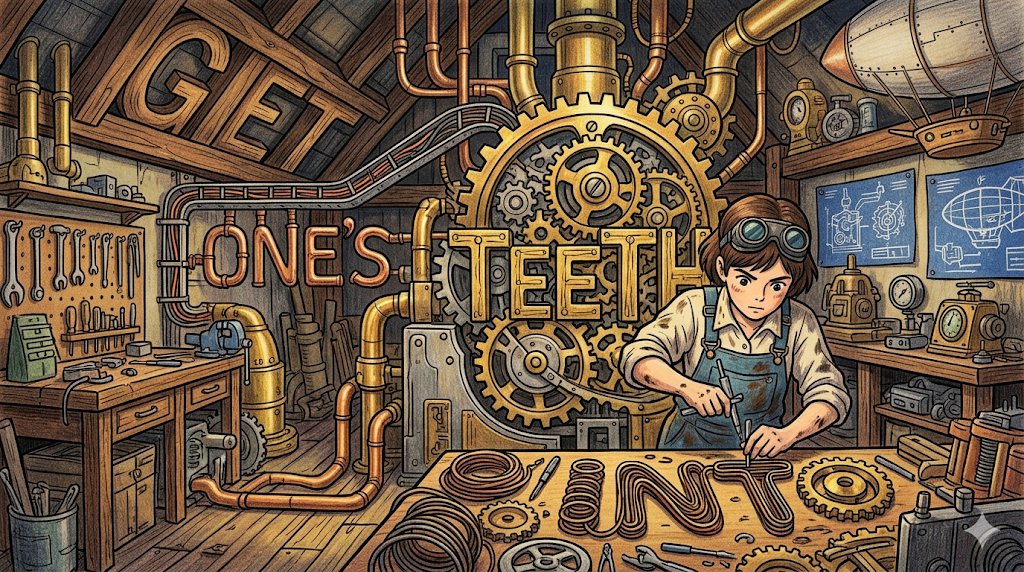
get one's teeth into [ɡet wʌnz tiːθ ˈɪntə]
(동사구) ~에 열심히 달라붙다, ~을 진지하게 시작하다
어떤 일이나 과제를 진지하고 열심히 시작하는 것을 강조하며, 수능에서 자주 출제되는 표현입니다.
- She had been waiting for months to get her teeth into the new research area, and once she started she quickly found that it was even more interesting than she had expected. (그녀는 새 연구 분야에 달라붙기를 몇 달 동안 기다렸으며, 일단 시작하자 예상보다 훨씬 더 흥미롭다는 것을 빠르게 발견했다.)
- He was the kind of person who needed something substantial to get his teeth into — small tasks left him restless, but a big complex challenge could keep him focused for weeks without any effort. (그는 달라붙을 실질적인 무언가가 필요한 종류의 사람이었다 — 작은 과제는 그를 불안하게 만들었지만, 크고 복잡한 도전은 아무런 노력 없이 몇 주 동안 집중하게 할 수 있었다.)
- The essay argued that getting one's teeth into something is not the same as being busy — it describes a state of genuine engagement where time passes differently, ideas come more easily, and the work itself becomes a source of energy rather than a drain. (무언가에 달라붙는 것이 바쁜 것과 같지 않다고 에세이는 주장했다 — 그것은 시간이 다르게 지나가고, 아이디어가 더 쉽게 오며, 작업 자체가 에너지 소모가 아니라 에너지 원천이 되는 진정한 참여 상태를 묘사한다고 했다.)
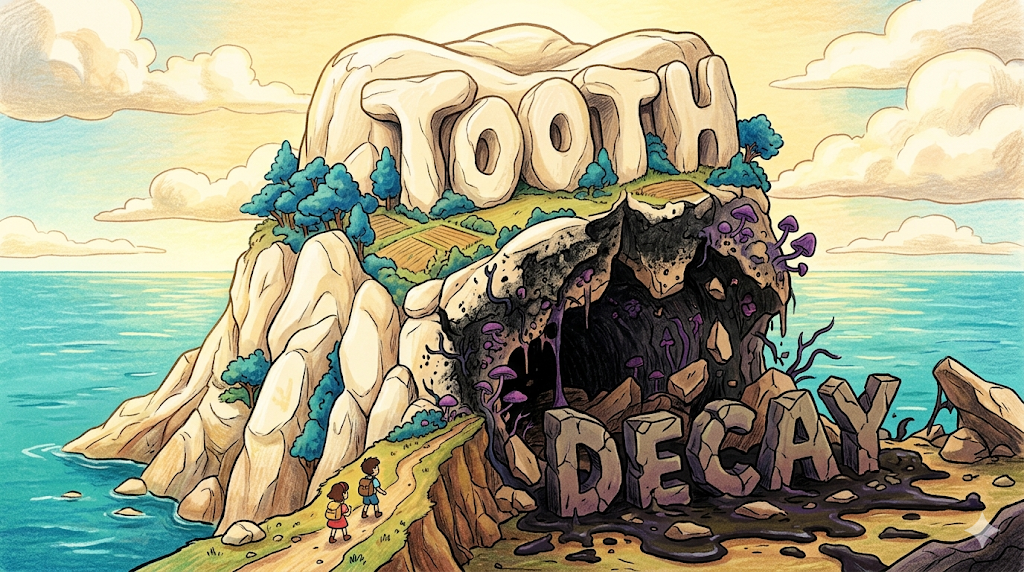
tooth decay [tuːθ dɪˈkeɪ]
(명사구) 충치, 이가 썩는 것
이가 박테리아나 산에 의해 손상되는 것을 강조합니다. 수능 독해 일상·과학·사회 지문에서 자주 등장합니다.
- The school started a programme to teach children about tooth decay after a study showed that many students were unaware that sugary drinks were damaging their teeth as much as sugary food. (학교는 많은 학생들이 당분이 있는 음료가 단 음식만큼 이빨을 손상시킨다는 것을 모른다는 연구 결과가 나온 후 아이들에게 충치에 대해 가르치는 프로그램을 시작했다.)
- Tooth decay is preventable in most cases, but it requires consistency rather than occasional heroic effort — brushing twice a day every day matters far more than brushing perfectly once a week. (충치는 대부분의 경우 예방 가능하지만, 가끔의 영웅적인 노력이 아닌 일관성이 필요하다 — 매주 한 번 완벽하게 닦는 것보다 매일 하루 두 번 닦는 것이 훨씬 더 중요하다.)
- The essay used tooth decay as a metaphor for the way small problems grow — arguing that just as decay begins with invisible bacteria working slowly beneath the surface, many of the most serious problems in organisations and relationships start the same way: quietly, invisibly, and much earlier than anyone notices. (에세이는 충치를 작은 문제들이 자라는 방식의 은유로 사용했다 — 부식이 보이지 않는 박테리아가 표면 아래에서 천천히 작동하는 것으로 시작하듯이, 조직과 관계에서 가장 심각한 문제들 중 많은 것들이 같은 방식으로 시작된다고 주장했다: 조용히, 보이지 않게, 그리고 아무도 알아채는 것보다 훨씬 일찍이다.)
숙어 그룹 묶음 4 — 종합 tooth 패턴
표현 의미 핵심 뉘앙스 주요 맥락
| tooth and nail | 필사적으로 | 이빨과 손톱 모두 동원하는 완강한 싸움 | 심리·사회·수능 |
| by the skin of one's teeth | 간신히 | 아주 조금 차이로 겨우 성공하거나 탈출 | 심리·일상·수능 |
| get one's teeth into | 열심히 달라붙다 | 어떤 일을 진지하고 열심히 시작하는 것 | 일상·학술·수능 |
이 세 표현은 수능 독해에서 가장 자주 출제되는 tooth의 핵심 패턴입니다. tooth and nail은 극도의 완강한 싸움을, by the skin of one's teeth는 아슬아슬한 탈출이나 성공을, get one's teeth into는 집요하고 진지한 시작을 각각 나타냅니다.
- She had fought tooth and nail to get the opportunity, survived the first difficult weeks by the skin of her teeth, and now was finally ready to get her teeth into the work properly — which was exactly the kind of story she had always hoped to tell. (그녀는 기회를 얻기 위해 필사적으로 싸웠고, 처음 어려운 몇 주를 간신히 살아남았으며, 이제 마침내 제대로 일에 달라붙을 준비가 됐다 — 이것이 그녀가 항상 말하고 싶었던 종류의 이야기였다.)
- The essay argued that tooth and nail, by the skin of one's teeth, and getting one's teeth into describe three sequential phases of any difficult achievement — the fight to get there, the narrow escape from failure, and the deep engagement that eventually produces something worth fighting for. (에세이는 tooth and nail, by the skin of one's teeth, 그리고 teeth into가 어려운 성취의 세 가지 순차적 단계를 묘사한다고 주장했다 — 거기에 도달하기 위한 싸움, 실패에서의 아슬아슬한 탈출, 그리고 결국 싸울 가치 있는 것을 만들어내는 깊은 참여이다.)
- She concluded that fighting tooth and nail, surviving by the skin of one's teeth, and eventually getting one's teeth into something worthwhile are three chapters of the same story — and that the people who have lived all three tend to appreciate what they have built more deeply than those for whom things came easily. (필사적으로 싸우고, 간신히 살아남으며, 결국 가치 있는 것에 달라붙는 것이 같은 이야기의 세 챕터이며, 세 가지 모두를 경험한 사람들이 쉽게 온 사람들보다 자신이 세운 것을 더 깊이 감사하는 경향이 있다고 그녀는 결론지었다.)
전체 요약표
표현 의미 핵심 뉘앙스
| tooth | 이, 치아 / 힘, 효력 | 날카로움과 힘의 핵심 이미지 |
| tooth and nail | 필사적으로 | 이빨과 손톱 모두 동원하는 완강한 싸움 |
| sweet tooth | 단것을 좋아하는 취향 | 달콤한 음식을 특별히 좋아하는 성향 |
| by the skin of one's teeth | 간신히 | 아주 조금 차이로 겨우 성공하거나 탈출 |
| cut one's teeth | 첫 경험을 쌓다 | 어떤 분야에서 처음으로 기술 얻기 |
| long in the tooth | 나이가 많은 | 나이가 많아 오래됐다는 것 강조 |
| tooth fairy | 이의 요정 | 빠진 이와 바꿔주는 상상 속 존재 |
| armed to the teeth | 완전 무장한 | 무기나 준비물을 최대한 갖추고 있는 것 |
| get one's teeth into | 열심히 달라붙다 | 어떤 일을 진지하고 열심히 시작하는 것 |
| tooth decay | 충치 | 이가 박테리아나 산에 의해 손상되는 것 |
유의어 비교표
단어 공통점 뉘앙스 차이 예문
| tooth | 이, 날카로움 | 신체 기관·필사적 싸움·비유 풍부 | A tooth ache. |
| fang | 송곳니 | 뱀이나 동물의 독니 강조 | A snake's fang. |
| tusk | 엄니 | 코끼리·멧돼지의 긴 이빨 | An elephant's tusk. |
| molar | 어금니 | 음식을 가는 뒤쪽 이 | A back molar. |
| incisor | 앞니 | 앞쪽의 날카로운 이 | Front incisors. |
유의어 예문 리스트
- (fang) The illustration in the children's book showed a friendly dragon with fangs that were clearly too large for its small body, which made it look more funny than frightening. (아동 도서의 삽화는 분명히 작은 몸에 비해 너무 큰 독니를 가진 친근한 용을 보여줬는데, 이것이 그것을 무서워 보이기보다 더 우스워 보이게 만들었다.)
- (tusk) The conservation team tracked the elephant for months to ensure her tusks were not being targeted by illegal hunters, who had already devastated the local population in previous years. (보전팀은 코끼리의 엄니가 이미 이전 몇 년에 지역 개체군을 황폐화시킨 불법 사냥꾼들의 표적이 되지 않도록 보장하기 위해 몇 달 동안 그 코끼리를 추적했다.)
- (molar) She had to have a molar removed after the infection spread too far to be treated, which left a gap that took weeks to get used to. (감염이 치료하기에 너무 멀리 퍼진 후 그녀는 어금니 하나를 뽑아야 했는데, 이것이 익숙해지는 데 몇 주가 걸리는 틈을 남겼다.)
- (incisor) The rabbit's incisors never stop growing, which is why rabbits need to constantly chew on things to keep them at a manageable length. (토끼의 앞니는 절대 자라는 것을 멈추지 않는데, 이것이 토끼가 관리 가능한 길이로 유지하기 위해 끊임없이 무언가를 씹어야 하는 이유이다.)
결론 정리
tooth는 단순히 "이"가 아니라, 고대 영어 tōþ(치아)에서 출발해 날카롭고 단단하게 물거나 잘라내는 것에서 신체 기관·필사적 싸움·아슬아슬한 탈출·경험을 통한 성장·법의 효력·문화적 상징까지 확장되는 단어다 — tooth가 있는 곳엔 언제나 '단순한 신체 기관이 아닌, 인간이 필사적으로 싸우고·간신히 극복하며·처음으로 경험을 쌓고·삶의 단맛을 즐기는 방식이 생생하게 살아숨쉬는' 생동감의 선언이 있다.
💡 tooth는 "날카롭고 단단하게 물거나 잘라내는 것에서 출발한" 생동감 넘치는 언어 — tooth and nail · by the skin of one's teeth · get one's teeth into가 수능 최빈출.
🌟 초등학생 버전 — tooth는 이, 치아이지만, "필사적으로"(tooth and nail), "간신히"(by the skin of one's teeth), "단것 좋아하는 취향"(sweet tooth)처럼 우리 생활과 감정 곳곳에 살아있는 단어예요! 🦷✨


