- 분류 전체보기 (5596)

| 일 | 월 | 화 | 수 | 목 | 금 | 토 |
|---|---|---|---|---|---|---|
| 1 | 2 | |||||
| 3 | 4 | 5 | 6 | 7 | 8 | 9 |
| 10 | 11 | 12 | 13 | 14 | 15 | 16 |
| 17 | 18 | 19 | 20 | 21 | 22 | 23 |
| 24 | 25 | 26 | 27 | 28 | 29 | 30 |
| 31 |
- Show Up
- well
- By The Way
- please?
- please.
- Excuse me
- too.
- Hey
- Read between the lines
- entrance fee
- work out
- oh
- Actually
- Right?
- no
- Please
- Sorry
- get through
- I'm glad to hear that.
- set up
- I'm sorry
- hold on
- OKay
- Yes
- come up with
- Don't worry
- pick up
- make it
- Sure
- Yeah
- Today
- Total
인과함께
Day415 , tomorrow, tomorrow morning, by tomorrow, tomorrow night, see you tomorrow, tomorrow's world, leave for tomorrow, tomorrow will be better, day after tomorrow, from tomorrow, tomorrow comes 본문
Day415 , tomorrow, tomorrow morning, by tomorrow, tomorrow night, see you tomorrow, tomorrow's world, leave for tomorrow, tomorrow will be better, day after tomorrow, from tomorrow, tomorrow comes
미인생 2026. 5. 19. 08:24
tomorrow [təˈmɒrəʊ]
(명사/부사) 내일, 미래 / 내일
The flight is scheduled to take off at 8:00 tomorrow morning.
(그 비행기는 내일 아침 8시에 이륙할 예정이다.)
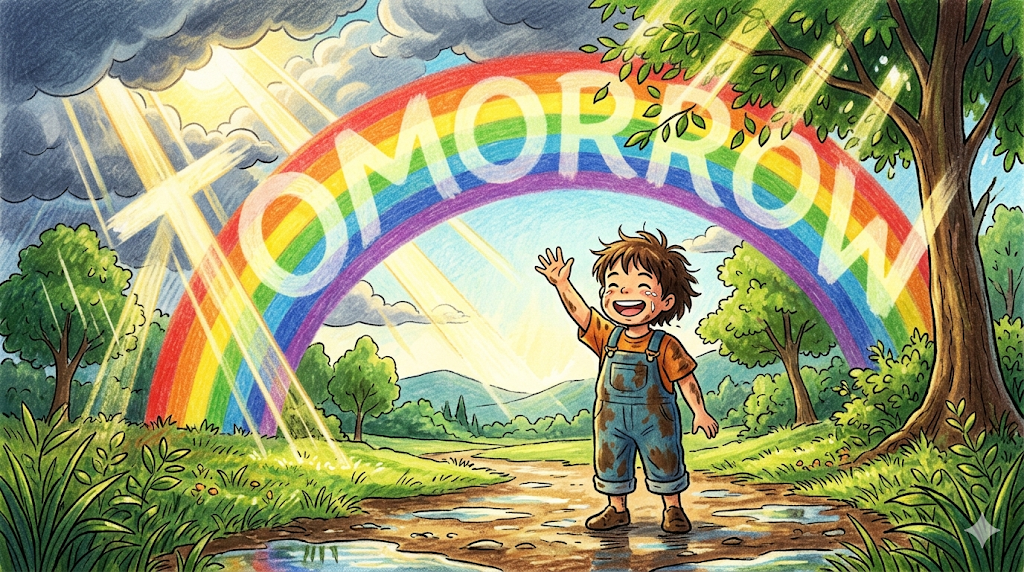
단순히 "내일"로만 외우면 수능에서 반드시 틀립니다. tomorrow는 "지금 이 순간에서 하루 뒤의 시간, 또는 아직 오지 않은 가까운 미래" 라는 핵심 이미지에서 출발해, 물리적인 내일 하루에서 희망·변화·미래 세대·가능성까지 폭넓게 쓰이는 핵심 다의어입니다. 특히 tomorrow(내일) vs. the next day(그 다음 날) vs. the future(미래) 의 뉘앙스 차이, tomorrow's world(미래 세계), leave for tomorrow(내일로 미루다) 패턴은 수능 독해 심리·사회·교육·인문 지문에서 핵심적으로 등장합니다.
'tomorrow'는 고대 영어 to morgene(아침을 향해)에서 유래했습니다. to(향해)와 morgen(아침)이 결합하여, 원래 "다음 아침을 향해" 를 뜻했습니다. tomorrow의 핵심 이미지는 "지금 이 순간 바로 다음에 오는 아침, 즉 아직 오지 않았지만 반드시 올 가까운 미래" 로, 이 이미지에서 내일 하루·희망·미래의 가능성·미래 세대가 모두 확장되었습니다.
1. tomorrow morning [təˈmɒrəʊ ˈmɔːrnɪŋ]
(일상/교육/수능) "내일 아침"을 뜻합니다. 다음 날 아침이라는 구체적인 시간을 강조합니다. 수능 독해 일상·교육 지문에서 자주 등장합니다.
She packed her school bag carefully tonight because she had a very important test tomorrow morning. (그녀는 내일 아침에 매우 중요한 시험이 있었기 때문에 오늘 밤 조심스럽게 가방을 쌌다.)
2. by tomorrow [baɪ təˈmɒrəʊ]
(교육/사회/수능) "내일까지, 내일까지는"을 뜻합니다. 내일이 되기 전에 반드시 완료해야 하는 기한을 강조합니다. 수능 독해 교육·사회·일상 지문에서 자주 등장합니다.
The teacher said all homework must be handed in by tomorrow or it will not be marked at all. (선생님은 모든 숙제를 내일까지 제출하지 않으면 채점하지 않겠다고 말했다.)
3. tomorrow night [təˈmɒrəʊ naɪt]
(일상/사회/수능) "내일 밤"을 뜻합니다. 다음 날 저녁이나 밤이라는 구체적인 시간대를 강조합니다. 수능 독해 일상·사회 지문에서 자주 등장합니다.
They decided to have a small party at home tomorrow night to celebrate the end of the school year. (그들은 학년 말을 축하하기 위해 내일 밤 집에서 작은 파티를 열기로 했다.)
4. see you tomorrow [siː juː təˈmɒrəʊ]
(일상/사회/수능) "내일 봐, 내일 만나"를 뜻합니다. 헤어질 때 내일 다시 만날 것을 기대하며 인사하는 것을 강조합니다. 수능 독해 일상·사회 지문에서 자주 등장합니다.
She waved goodbye to her friends at the school gate and said "See you tomorrow" before walking home in the rain. (그녀는 학교 정문에서 친구들에게 손을 흔들어 인사하며 빗속에서 집으로 걸어가기 전에 "내일 봐"라고 말했다.)
5. tomorrow's world [təˈmɒrəʊz wɜːrld]
(사회/인문/수능) "내일의 세계, 미래 세계"를 뜻합니다. 현재의 행동이나 선택이 만들어나갈 미래의 세상을 강조합니다. 수능 독해 사회·인문·교육 지문의 핵심 표현입니다.
The science teacher told students that they were the leaders of tomorrow's world and needed to start thinking about how to protect the environment now. (과학 선생님은 학생들이 내일의 세계의 리더이며 지금 환경을 어떻게 보호할지 생각하기 시작해야 한다고 말했다.)
6. leave for tomorrow [liːv fɔːr təˈmɒrəʊ]
(심리/일상/수능) "내일로 미루다, 나중으로 남겨두다"를 뜻합니다. 지금 해야 할 일을 미루어 나중에 하는 것을 강조합니다. 수능 독해 심리·일상·교육 지문의 핵심 표현입니다.
She had a habit of leaving for tomorrow everything that was hard, which made her feel more and more stressed over time. (그녀는 어려운 모든 것을 내일로 미루는 습관이 있었고 그것이 시간이 지남에 따라 점점 더 스트레스를 느끼게 만들었다.)
7. tomorrow will be better [təˈmɒrəʊ wɪl biː ˈbetər]
(심리/인문/수능) "내일은 더 나아질 것이다"를 뜻합니다. 오늘의 어려움과 상관없이 다음 날 더 좋은 상황이 올 것이라는 희망적인 믿음을 강조합니다. 수능 독해 심리·인문 지문의 핵심 표현입니다.
Even after the worst day at school, her father always told her that tomorrow will be better and that hard days make people stronger. (학교에서 최악의 날을 보낸 후에도 아버지는 항상 내일은 더 나아질 것이다라고 말하며 힘든 날이 사람을 더 강하게 만든다고 했다.)
8. day after tomorrow [deɪ ˈɑːftər təˈmɒrəʊ]
(일상/사회/수능) "모레, 내일의 다음 날"을 뜻합니다. 내일보다 하루 더 후의 날을 가리키는 것을 강조합니다. 수능 독해 일상·사회 지문에서 자주 등장합니다.
If the weather is still bad tomorrow, they will try again on the day after tomorrow when the forecast looks much better. (내일도 날씨가 여전히 나쁘면 예보가 훨씬 좋아 보이는 모레에 다시 시도할 것이다.)
9. from tomorrow [frɒm təˈmɒrəʊ]
(일상/심리/수능) "내일부터, 내일을 시작으로"를 뜻합니다. 어떤 행동이나 변화가 내일을 기점으로 시작된다는 것을 강조합니다. 수능 독해 일상·심리·교육 지문에서 자주 등장합니다.
He decided that from tomorrow he would wake up thirty minutes earlier every day to have time to read before school. (그는 내일부터 학교 전에 책을 읽을 시간을 갖기 위해 매일 30분 더 일찍 일어나기로 결심했다.)
10. tomorrow comes [təˈmɒrəʊ kʌmz]
(인문/심리/수능) "내일이 온다, 미래가 찾아온다"를 뜻합니다. 어떤 두려운 일이나 중요한 일이 반드시 오게 됨을 강조하거나 미래는 항상 찾아온다는 것을 강조합니다. 수능 독해 인문·심리 지문에서 자주 등장합니다.
No matter how scared she felt about the competition, she knew that tomorrow comes whether you are ready or not. (대회에 대해 얼마나 두려움을 느끼든 간에 내일은 오게 되어 있고 준비가 됐든 아니든 상관없다는 것을 그녀는 알았다.)

POINT 1. tomorrow vs. the next day vs. the future — 수능 최빈출 뉘앙스 구별
세 표현 모두 "미래 시간"과 관련되지만 뉘앙스가 다릅니다.
tomorrow → 말하는 시점에서 하루 뒤의 날, 희망적인 가까운 미래 (구체적인 다음 날·희망·가능성 강조) the next day → 이야기 속 특정 날에서 하루 뒤의 날 (과거 이야기 속 순서·다음 날 강조) the future → 현재 이후의 긴 미래 시간 전반 (광범위한 미래·추상적 미래 강조) 예) I will finish it tomorrow. (나는 내일 그것을 끝낼 것이다.) — 말하는 시점 기준 She woke up the next day feeling better. (그녀는 다음 날 기분이 더 나아서 깼다.) — 과거 이야기 속 순서 We must protect the future for our children. (우리는 아이들을 위해 미래를 보호해야 한다.) — 광범위한 미래
POINT 2. tomorrow's world / leave for tomorrow / tomorrow comes — 수능 심리·인문 지문 핵심
세 표현 모두 tomorrow의 "아직 오지 않은 시간" 이미지를 공유하지만 맥락이 다릅니다.
tomorrow's world → 현재의 행동이 만들어나갈 미래의 사회와 세상 (미래 사회·세대·결과 강조) leave for tomorrow → 지금 해야 할 것을 미루어 내일로 넘기는 것 (미루기·게으름·회피 강조) tomorrow comes → 피할 수 없이 다가오는 미래의 현실 (불가피성·준비·각오 강조) 이 세 표현이 등장하면 글쓴이가 미래·시간·책임을 논하고 있다는 신호입니다.
POINT 3. tomorrow 의미 확장 — 수능 어휘 확장 필수
tomorrow는 다양한 맥락에서 다른 의미로 쓰입니다.
tomorrow [명사] → Tomorrow is another day. (내일은 또 다른 날이다.) tomorrow [부사] → She will arrive tomorrow. (그녀는 내일 도착할 것이다.) tomorrow [비유·미래] → tomorrow's leaders (미래의 지도자들) tomorrow [비유·희망] → Tomorrow will bring better news. (내일은 더 좋은 소식을 가져올 것이다.) tomorrow [비유·지연] → never put off till tomorrow. (내일로 미루지 마라.)
(명사/부사) ① 내일 (구체적인 날)
tomorrow의 가장 기본적인 의미로, 오늘 바로 다음 날을 나타냅니다.
- She set three alarms on her phone because she absolutely could not be late for her job interview tomorrow. (그녀는 내일 취업 면접에 절대 늦을 수 없었기 때문에 전화기에 세 개의 알람을 설정했다.)
- "Don't worry about it now," he said. "We can deal with that problem tomorrow when we are both less tired." ("지금은 걱정하지 마," 그는 말했다. "우리 둘 다 덜 피곤할 내일 그 문제를 처리할 수 있어.")
- All the students were excited because the school trip they had been planning for weeks was finally happening tomorrow after school. (학생들은 몇 주 동안 계획해온 학교 여행이 마침내 내일 방과 후에 이루어지기 때문에 모두 흥분했다.)
(명사) ② 미래 (희망이나 변화를 상징)
가까운 미래나 더 나은 상황이 올 것이라는 희망을 나타냅니다. 수능 독해 인문·심리·사회 지문에서 자주 등장합니다.
- Every small act of kindness today plants a seed for a better tomorrow for the whole community. (오늘 하는 모든 작은 친절의 행동은 전체 지역 사회를 위한 더 나은 미래를 위한 씨앗을 심는다.)
- Scientists work hard today so that tomorrow the world will have better medicines, cleaner energy, and safer food for everyone. (과학자들은 내일 세상이 모든 사람을 위한 더 좋은 약과 더 깨끗한 에너지와 더 안전한 음식을 갖기 위해 오늘 열심히 일한다.)
- She believed that the difficult lessons she was learning now in school were building the foundation for a happier and more successful tomorrow. (그녀는 지금 학교에서 배우는 어려운 교훈들이 더 행복하고 성공적인 내일을 위한 기반을 쌓고 있다고 믿었다.)
(부사) ③ 내일 (시간 부사)
행동이나 사건이 내일 일어날 것임을 나타내는 부사로 사용됩니다.
- She reminded her son three times that evening that his dentist appointment was tomorrow and he should not forget to go straight there after school. (그녀는 그날 저녁 아들에게 내일이 치과 예약이고 방과 후 바로 거기에 가는 것을 잊으면 안 된다고 세 번 상기시켰다.)
- The results of the competition will be announced tomorrow and all the participants were finding it hard to sleep because of the excitement and nerves. (대회 결과가 내일 발표될 예정이었고 모든 참가자들이 흥분과 긴장 때문에 잠들기 어려웠다.)
- If it rains today they will cancel the outdoor event, but if the sky is clear tomorrow they will go ahead with the original plan. (오늘 비가 오면 야외 행사를 취소하겠지만 내일 하늘이 맑으면 원래 계획대로 진행할 것이다.)
뉘앙스·의미 연결 흐름 표
핵심 이미지 연결 흐름 뉘앙스 요약
| 지금 이 순간 바로 다음에 오는 아침 | 구체적인 내일 하루 → 희망의 상징 → 미래 세대 | 아직 오지 않았지만 반드시 올 가까운 미래의 이미지 |
| 시간적 계획과 기한 | by tomorrow → from tomorrow → day after tomorrow | 기한→시작→다음 날의 이미지 |
| 미래에 대한 태도 | leave for tomorrow → tomorrow will be better → tomorrow comes | 미루기→희망→불가피성의 이미지 |
어원 흐름 표
단어 구성 요소 의미 연결 흐름 뉘앙스 요약
| 고대 영어 to (향해) + morgen (아침) → to morgene | 다음 아침을 향해 → 내일 → 가까운 미래 | 다음 아침을 향하는 핵심 이미지 |
| tomorrow (명사→부사→복합 표현) | 내일 하루 → 미래의 상징 → 희망·경고 | 시간의 이미지에서 다양한 맥락으로 완성 |
품사별 의미 표
품사 의미 예문
| 명사 | 내일 (날) | Tomorrow is Monday. (내일은 월요일이다.) |
| 명사 | 미래, 장래 | a better tomorrow (더 나은 내일) |
| 부사 | 내일 (시간 부사) | Call me tomorrow. (내일 전화해.) |
활용 예문 리스트
- He promised himself that from tomorrow he would stop making excuses and start working on the project he had been putting off for weeks. (그는 내일부터 변명을 그만하고 몇 주 동안 미뤄온 프로젝트 작업을 시작할 것이라고 스스로에게 약속했다.)
- Tomorrow's world will be shaped by the choices that young people make today about education, the environment, and how they treat others. (내일의 세계는 젊은 사람들이 오늘 교육, 환경, 그리고 다른 사람들을 어떻게 대하는지에 대해 내리는 선택들에 의해 형성될 것이다.)
- She had learned the hard way never to leave for tomorrow the things that could be finished today because small delays had a way of becoming very big problems. (그녀는 작은 지연이 매우 큰 문제가 되는 경향이 있기 때문에 오늘 끝낼 수 있는 것들을 내일로 미루지 않는 것을 힘든 방식으로 배웠다.)
- Tomorrow comes and with it comes a fresh chance to start again, make better choices, and be the kind of person you want to be. (내일은 오게 되어 있고 그와 함께 다시 시작하고 더 나은 선택을 하며 되고 싶은 사람이 될 수 있는 새로운 기회가 온다.)
- The day after tomorrow was her birthday and she tried hard to pretend she had forgotten, hoping that her friends were planning something special as a surprise. (모레는 그녀의 생일이었고 그녀는 친구들이 특별한 깜짝 이벤트를 계획하고 있기를 바라며 잊은 척하려고 열심히 노력했다.)
전체 뉘앙스 설명
tomorrow는 '지금 이 순간 바로 다음에 오는 아침에서 출발하는 모든 내일 하루·희망·미래 세대·시간적 계획·각오의 언어'입니다.
the next day와의 차이: the next day는 이야기 속 특정 날에서 하루 뒤를 나타내며 주로 과거 이야기 속에서 사용하고, tomorrow는 말하는 시점 기준으로 하루 뒤를 나타냅니다. the future와의 차이: the future는 광범위하고 추상적인 미래 전반을 강조하고, tomorrow는 구체적이고 가까운 미래 또는 희망을 강조합니다. yesterday와의 차이: yesterday는 지나간 하루를 가리키고, tomorrow는 아직 오지 않은 다가올 하루를 가리킵니다.
마지막 핵심 정리
tomorrow는 단순히 "내일"이 아닙니다 — 고대 영어 to morgene(다음 아침을 향해)에서 출발해, 내일 아침(tomorrow morning)·내일까지(by tomorrow)·내일 밤(tomorrow night)·내일 봐(see you tomorrow)·내일의 세계(tomorrow's world)·내일로 미루다(leave for tomorrow)·내일은 더 나아질 것이다(tomorrow will be better)·모레(day after tomorrow)·내일부터(from tomorrow)·내일이 온다(tomorrow comes)까지 확장되는 단어이며, tomorrow vs. the next day vs. the future의 뉘앙스 구별·tomorrow's world·leave for tomorrow·tomorrow comes 패턴이 수능 핵심 출제 포인트입니다.
파생어 표 (발음기호 포함)
파생어 발음기호 품사 의미
| today | [təˈdeɪ] | 명사/부사 | 오늘 |
| yesterday | [ˈjestərdeɪ] | 명사/부사 | 어제 |
| the day after tomorrow | [ðə deɪ ˈɑːftər təˈmɒrəʊ] | 명사구 | 모레 |
| morrow | [ˈmɒrəʊ] | 명사 (문어체) | 다음 날, 내일 |
| morning | [ˈmɔːrnɪŋ] | 명사 | 아침 (tomorrow의 어근 관련) |
유의어 비교표
단어 공통점 뉘앙스 차이 예문
| tomorrow | 미래 시간 관련 | 말하는 시점 기준 하루 뒤·희망의 가까운 미래 강조 | Come back tomorrow. |
| the next day | 미래 시간 관련 | 과거 이야기 속 특정 날 기준 하루 뒤 강조 | The next day she felt better. |
| the future | 미래 시간 관련 | 광범위하고 추상적인 미래 전반 강조 | Plan for the future. |
| soon | 근미래 관련 | 정확하지 않지만 가까운 미래 강조 | It will happen soon. |
| shortly | 근미래 관련 | 매우 가까운 미래·공식적 표현 강조 | She will arrive shortly. |
유의어 예문 리스트
- (the next day) She went to sleep feeling worried about the argument, but the next day her friend called to apologise and everything felt much better again. (그녀는 다툼에 대해 걱정하며 잠들었지만 다음 날 친구가 사과하기 위해 전화했고 모든 것이 다시 훨씬 나아진 느낌이었다.)
- (the future) The science class talked about how people in the future might use technology to solve problems that seem impossible to us today. (과학 수업은 미래의 사람들이 오늘 우리에게 불가능해 보이는 문제를 해결하기 위해 기술을 어떻게 사용할지에 대해 이야기했다.)
- (soon) The doctor told her that she should start feeling much better very soon as long as she took the medicine and got plenty of rest. (의사는 약을 먹고 충분히 쉬기만 하면 곧 훨씬 나아진 느낌이 들 것이라고 말했다.)
- (shortly) The train will be arriving at the platform shortly, so all passengers are asked to have their tickets ready for inspection. (기차가 곧 플랫폼에 도착할 예정이므로 모든 승객은 검사를 위해 티켓을 준비해 달라고 요청받는다.)
결론 정리
tomorrow는 단순히 "내일"이 아니라, 지금 이 순간 바로 다음에 오는 아침에서 출발해 내일 아침·내일까지·내일 밤·내일 봐·내일의 세계·내일로 미루다·내일은 더 나아질 것이다·모레·내일부터·내일이 온다까지 확장되는 단어다 — tomorrow가 있는 곳엔 언제나 '아직 오지 않았지만 반드시 올 다음 아침을 향하는' 시간의 기대와 희망의 이미지가 있다.
💡 tomorrow는 "아직 오지 않았지만 반드시 올 가까운 미래를 가리키는" 단어 — tomorrow's world·leave for tomorrow·tomorrow comes 가 수능 최빈출.
🌟 초등학생 버전 tomorrow는 단순히 "내일"이 아니에요! tomorrow's world는 "우리가 지금 환경을 아끼면 내일의 세계는 더 깨끗하고 아름다울 거야"처럼 오늘 우리가 하는 선택이 만들어나갈 미래의 세상을 말하는 것이고, leave for tomorrow는 "숙제가 싫으니까 내일로 미루자!"처럼 지금 해야 할 것을 귀찮거나 힘들어서 나중으로 넘기는 것이에요! 🌍✨

tomorrow morning [təˈmɒrəʊ ˈmɔːrnɪŋ]
품사/뉘앙스 설명 (명사구) 내일 아침
다음 날 아침이라는 구체적인 시간을 강조합니다. 준비나 계획이 필요한 중요한 시간대라는 것이 핵심 뉘앙스입니다. 수능 독해 일상·교육 지문에서 자주 등장합니다.
- He laid out his sports clothes the night before so that getting ready would be quick and easy tomorrow morning when the alarm went off at six. (그는 알람이 6시에 울릴 내일 아침에 준비가 빠르고 쉽도록 전날 밤에 운동복을 꺼내 놓았다.)
- The meeting that had been delayed twice was finally confirmed for tomorrow morning and everyone on the team was asked to arrive ten minutes early. (두 번 연기됐던 회의가 마침내 내일 아침으로 확정됐고 팀의 모든 사람이 10분 일찍 도착하도록 요청받았다.)
- She read a few pages of her book before bed, hoping that a calm and quiet routine tomorrow morning would help her feel less anxious about the presentation at school. (그녀는 잠자리에 들기 전에 책을 몇 페이지 읽었고 내일 아침의 조용하고 차분한 루틴이 학교에서의 발표에 대한 불안감을 줄이는 데 도움이 되기를 바랐다.)

by tomorrow [baɪ təˈmɒrəʊ]
품사/뉘앙스 설명 (부사구) 내일까지, 내일까지는
내일이 되기 전에 반드시 완료해야 하는 기한을 강조합니다. 데드라인의 엄격함과 책임이 핵심 뉘앙스입니다. 수능 독해 교육·사회·일상 지문에서 자주 등장합니다.
- The editor told all the writers that their articles had to be finished and sent in by tomorrow afternoon or they would not be included in the magazine that week. (편집장은 모든 작가에게 기사를 내일 오후까지 완성해서 제출하지 않으면 그 주 잡지에 포함되지 않을 것이라고 말했다.)
- She realised that if she didn't start the project by tomorrow at the latest, she would never have enough time to do it properly before the deadline. (그녀는 늦어도 내일까지 프로젝트를 시작하지 않으면 마감 전에 제대로 할 충분한 시간이 절대 없을 것이라는 것을 깨달았다.)
- By tomorrow the whole class needed to have read the first three chapters so that the discussion could start right away without wasting any lesson time. (수업 시간을 낭비하지 않고 바로 토론을 시작할 수 있도록 내일까지 전체 학급이 처음 세 챕터를 읽어야 했다.)

tomorrow night [təˈmɒrəʊ naɪt]
품사/뉘앙스 설명 (명사구) 내일 밤
다음 날 저녁이나 밤이라는 구체적인 시간대를 강조합니다. 일과가 끝난 후의 사교나 여가 시간이라는 것이 핵심 뉘앙스입니다. 수능 독해 일상·사회 지문에서 자주 등장합니다.
- She spent the afternoon making a list of things to cook so that the dinner party tomorrow night would go smoothly without any last-minute rushing. (그녀는 내일 밤 저녁 파티가 마지막 순간의 서두름 없이 순조롭게 진행되도록 요리할 것들의 목록을 만드는 데 오후를 보냈다.)
- Tomorrow night was the final performance of the school play and the students had been practising every day for the past six weeks to be ready. (내일 밤은 학교 연극의 마지막 공연이었고 학생들은 준비를 위해 지난 6주 동안 매일 연습해왔다.)
- He called his grandmother to ask if she would be free tomorrow night so they could have dinner together and catch up on all the news they had missed over the past few months. (그는 지난 몇 달간 놓친 모든 소식을 나누며 함께 저녁 식사를 할 수 있도록 내일 밤이 자유로운지 할머니에게 전화했다.)

see you tomorrow [siː juː təˈmɒrəʊ]
품사/뉘앙스 설명 (관용구) 내일 봐, 내일 만나
헤어질 때 내일 다시 만날 것을 기대하며 인사하는 것을 강조합니다. 지속적인 관계와 내일을 기대하는 긍정적인 감정이 핵심 뉘앙스입니다. 수능 독해 일상·사회 지문에서 자주 등장합니다.
- As they left the library after studying for three hours, they all smiled and said "See you tomorrow" before heading off in different directions to their homes. (세 시간 공부한 후 도서관을 떠날 때 그들은 모두 미소 지으며 집을 향해 각자의 방향으로 향하기 전에 "내일 봐"라고 말했다.)
- Her teacher said "See you tomorrow" at the classroom door each afternoon, and it was such a small thing but it always made her feel like school was a welcoming place. (선생님은 매일 오후 교실 문에서 "내일 봐"라고 말했으며 그것은 아주 작은 것이었지만 항상 그녀가 학교를 환영받는 곳으로 느끼게 만들었다.)
- He found it hard to say "See you tomorrow" to his friend at the airport, knowing that "tomorrow" this time meant not one day but a whole year before they would meet again. (그는 이번에 "내일"이 하루가 아니라 다시 만나기까지 1년 전체를 의미한다는 것을 알면서 공항에서 친구에게 "내일 봐"라고 말하기 어려웠다.)

tomorrow's world [təˈmɒrəʊz wɜːrld]
품사/뉘앙스 설명 (명사구) 내일의 세계, 미래 세계
현재의 행동이나 선택이 만들어나갈 미래의 세상을 강조합니다. 현재 세대의 행동이 미래 세대에게 미치는 영향이 핵심 뉘앙스입니다. 수능 독해 사회·인문·교육 지문의 핵심 표현입니다.
- The children who are learning to code and problem-solve in classrooms today are being prepared to build tomorrow's world with skills that didn't even exist when their parents were young. (오늘 교실에서 코딩하고 문제를 해결하는 법을 배우는 아이들은 부모님이 어릴 때는 존재하지도 않았던 기술로 내일의 세계를 건설하도록 준비되고 있다.)
- Every decision we make about how we use energy and treat the natural environment is essentially a decision about what kind of tomorrow's world we want to leave behind for those who come after us. (우리가 에너지를 어떻게 사용하고 자연환경을 어떻게 대하는지에 대한 모든 결정은 본질적으로 우리 뒤에 오는 사람들에게 어떤 내일의 세계를 남겨줄 것인지에 대한 결정이다.)
- She told her students that reading widely and thinking critically were the most important things they could learn in school because tomorrow's world would be full of problems that required both knowledge and wisdom to solve. (그녀는 학생들에게 폭넓게 읽고 비판적으로 생각하는 것이 학교에서 배울 수 있는 가장 중요한 것이라고 말했는데 내일의 세계는 해결하기 위해 지식과 지혜가 모두 필요한 문제들로 가득할 것이기 때문이었다.)
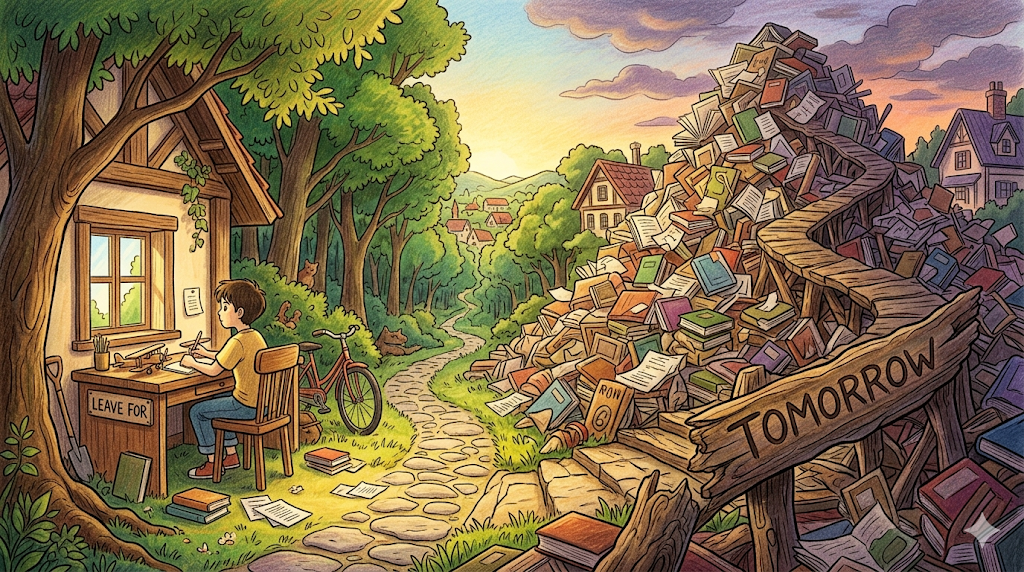
leave for tomorrow [liːv fɔːr təˈmɒrəʊ]
품사/뉘앙스 설명 (동사구) 내일로 미루다, 나중으로 남겨두다
지금 해야 할 일을 미루어 나중에 하는 것을 강조합니다. 미루는 습관이 결국 더 큰 문제를 만든다는 경고의 뉘앙스가 핵심입니다. 수능 독해 심리·일상·교육 지문의 핵심 표현입니다.
- The famous saying "Never leave for tomorrow what you can do today" is easy to remember but surprisingly difficult for most people to actually follow every single day. ("오늘 할 수 있는 것을 내일로 미루지 마라"는 유명한 격언은 기억하기 쉽지만 대부분의 사람들이 매일 실제로 따르기는 놀랍도록 어렵다.)
- She noticed that whenever she left things for tomorrow, she felt a low level of stress all day that disappeared only once she actually did the task she had been avoiding. (그녀는 일을 내일로 미룰 때마다 실제로 피하고 있던 작업을 하고 나서야 사라지는 낮은 수준의 스트레스를 하루 종일 느낀다는 것을 알아챘다.)
- His teacher advised him not to leave his reading for tomorrow because every day without practice made the skill a little harder to rebuild than it was before. (선생님은 연습 없이 보내는 매일이 그 기술을 이전보다 다시 쌓기 조금 더 어렵게 만들기 때문에 독서를 내일로 미루지 말라고 조언했다.)
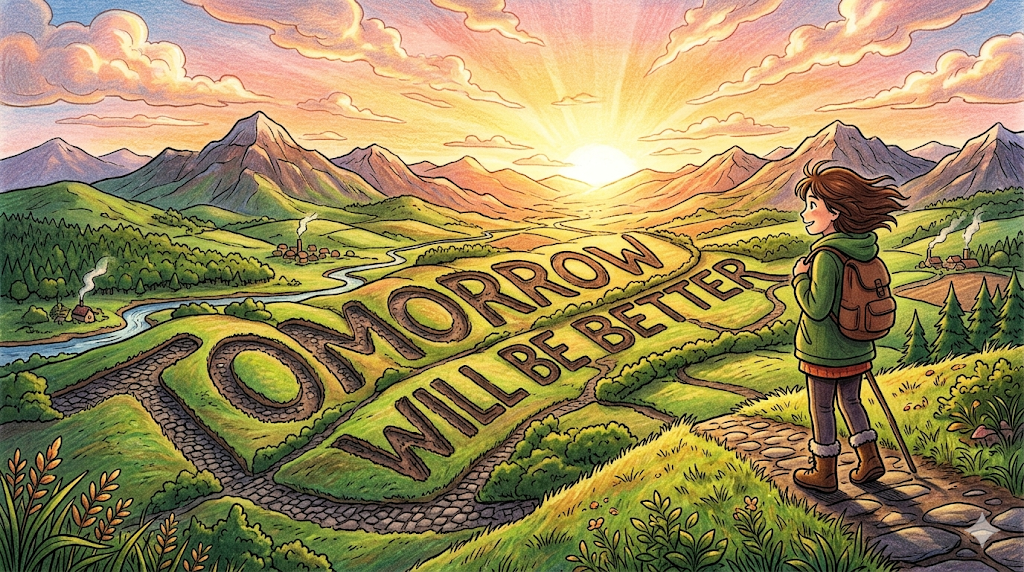
tomorrow will be better [təˈmɒrəʊ wɪl biː ˈbetər]
품사/뉘앙스 설명 (관용구) 내일은 더 나아질 것이다
오늘의 어려움과 상관없이 다음 날 더 좋은 상황이 올 것이라는 희망적인 믿음을 강조합니다. 오늘의 어려움을 견디게 해주는 희망과 회복력이 핵심 뉘앙스입니다. 수능 독해 심리·인문 지문의 핵심 표현입니다.
- When everything felt too heavy and difficult, she would close her eyes and remind herself that tomorrow will be better — and most of the time, she was right. (모든 것이 너무 무겁고 어렵게 느껴졌을 때 그녀는 눈을 감고 내일은 더 나아질 것이다라고 스스로에게 상기시켰다 — 그리고 대부분의 경우 그녀가 옳았다.)
- The simple belief that tomorrow will be better is not just wishful thinking — research shows that hopeful people are actually more likely to solve problems effectively because they keep trying instead of giving up. (내일은 더 나아질 것이다라는 단순한 믿음은 그냥 막연한 희망이 아니다 — 연구에 따르면 희망적인 사람들은 포기하는 것이 아니라 계속 노력하기 때문에 실제로 문제를 더 효과적으로 해결할 가능성이 높다.)
- She wrote the phrase "Tomorrow will be better" on a card and kept it on her desk during her hardest months of study as a daily reminder to keep going. (그녀는 "내일은 더 나아질 것이다"라는 문구를 카드에 적어서 공부가 가장 힘든 달 동안 계속 나아가라는 일일 상기로 책상 위에 놓아뒀다.)

day after tomorrow [deɪ ˈɑːftər təˈmɒrəʊ]
품사/뉘앙스 설명 (명사구) 모레, 내일의 다음 날
내일보다 하루 더 후의 날을 가리키는 것을 강조합니다. 계획이 내일보다 하루 더 여유가 있다는 것이 핵심 뉘앙스입니다. 수능 독해 일상·사회 지문에서 자주 등장합니다.
- The dentist couldn't see her tomorrow but had a free slot on the day after tomorrow, which gave her just enough time to prepare her questions and calm her nerves. (치과 의사가 내일은 볼 수 없었지만 모레 빈 시간이 있었고 그것이 그녀에게 질문을 준비하고 긴장을 가라앉히기에 딱 충분한 시간을 줬다.)
- She reminded her son that the school trip was not tomorrow but on the day after tomorrow, so he still had one full day to pack and prepare properly. (그녀는 아들에게 학교 여행이 내일이 아니라 모레이므로 제대로 짐을 싸고 준비할 하루가 아직 있다고 상기시켰다.)
- The results would be available tomorrow for most students, but those who had appealed would have to wait until the day after tomorrow to hear the final outcome. (결과는 대부분의 학생들에게 내일 이용 가능하겠지만 이의를 제기한 학생들은 최종 결과를 듣기 위해 모레까지 기다려야 할 것이었다.)
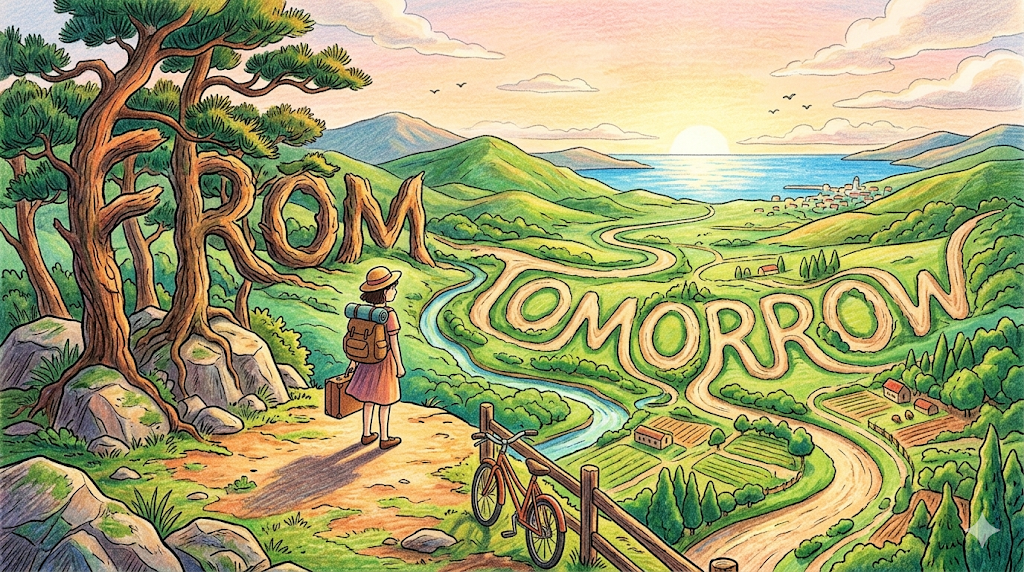
from tomorrow [frɒm təˈmɒrəʊ]
품사/뉘앙스 설명 (부사구) 내일부터, 내일을 시작으로
어떤 행동이나 변화가 내일을 기점으로 시작된다는 것을 강조합니다. 새로운 시작의 결심과 결단이 핵심 뉘앙스입니다. 수능 독해 일상·심리·교육 지문에서 자주 등장합니다.
- From tomorrow the new library rules would apply, meaning that phones had to be completely silent and food was no longer allowed anywhere in the building. (내일부터 새 도서관 규칙이 적용되어 전화기를 완전히 무음으로 해야 하고 건물 어디에서도 음식이 허용되지 않는다는 것을 의미했다.)
- She had been putting off regular exercise for too long and made a firm decision that from tomorrow she would go for a thirty-minute walk every single morning before breakfast. (그녀는 너무 오랫동안 규칙적인 운동을 미뤄왔고 내일부터 매일 아침 식사 전에 30분 걷기를 하겠다는 확고한 결심을 했다.)
- From tomorrow the shop would have new opening hours, closing an hour earlier on weekdays to allow staff to attend training sessions each evening after work. (내일부터 상점은 새로운 영업 시간을 갖게 되어 직원들이 매일 저녁 퇴근 후 교육 세션에 참석할 수 있도록 평일에 한 시간 일찍 문을 닫을 것이었다.)
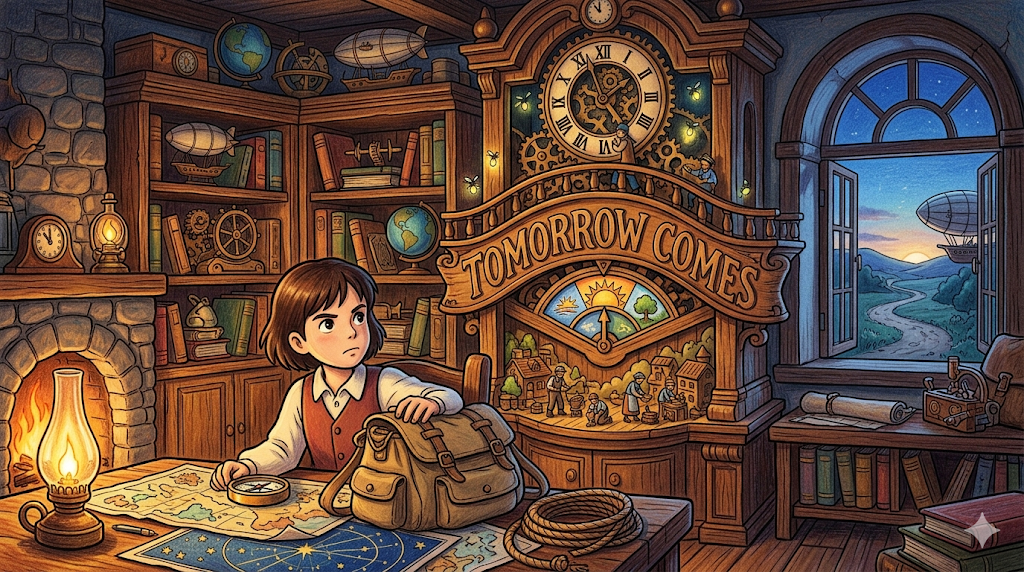
tomorrow comes [təˈmɒrəʊ kʌmz]
품사/뉘앙스 설명 (동사구) 내일이 온다, 미래가 찾아온다
어떤 두려운 일이나 중요한 일이 반드시 오게 됨을 강조하거나 미래는 항상 찾아온다는 것을 강조합니다. 미래는 피할 수 없으므로 준비하거나 받아들여야 한다는 것이 핵심 뉘앙스입니다. 수능 독해 인문·심리 지문에서 자주 등장합니다.
- No matter how much she wished the school play could be postponed, tomorrow comes and with it the stage, the lights, and the audience all waiting. (학교 연극이 연기됐으면 하고 얼마나 바라든 간에 내일은 오게 되어 있고 그와 함께 무대와 조명과 기다리는 관객이 있다.)
- He told himself that worrying all night would not stop tomorrow comes — the only thing that might actually help was to use the remaining hours to prepare as well as he possibly could. (밤새 걱정하는 것이 내일이 오는 것을 막지 못할 것이라고 스스로에게 말했다 — 실제로 도움이 될 수 있는 유일한 것은 남은 시간을 최대한 잘 준비하는 데 사용하는 것이었다.)
- The old saying that tomorrow comes whether you are ready or not is a reminder that time waits for no one and that action today is always more powerful than planning alone for some distant future. (내일은 준비가 됐든 아니든 오게 되어 있다는 옛말은 시간은 아무도 기다리지 않으며 오늘의 행동이 언젠가의 먼 미래를 위한 계획만 하는 것보다 항상 더 강력하다는 것을 상기시켜준다.)
숙어 그룹 묶음 1 — 구체적인 내일의 시간 tomorrow 핵심 패턴
표현 의미 핵심 뉘앙스 주요 맥락
| tomorrow morning | 내일 아침 | 준비나 계획이 필요한 중요한 시간대 | 일상·교육 |
| tomorrow night | 내일 밤 | 일과가 끝난 후의 사교나 여가 시간 | 일상·사회 |
| by tomorrow | 내일까지 | 내일이 되기 전 반드시 완료해야 하는 기한 | 교육·사회·일상 |
이 세 표현은 모두 tomorrow의 "구체적인 내일의 시간대" 이미지를 공유하되, 각각 내일의 시작 시간(tomorrow morning)·내일의 끝 시간(tomorrow night)·내일이 끝나기 전의 기한(by tomorrow)의 관점에서 접근합니다.
- She knew that by tomorrow she needed to hand in the report, so she worked all tomorrow morning in her head — planning what to write — and decided the best time to actually sit down and finish it would be after dinner when the house was quiet, so she didn't make any plans for tomorrow night. (그녀는 내일까지 보고서를 제출해야 한다는 것을 알았기 때문에 머릿속으로 내일 아침 내내 — 무엇을 쓸지 계획하며 — 작업했고 실제로 앉아서 끝내기에 가장 좋은 시간은 집이 조용한 저녁 식사 후일 것이라고 결정했으므로 내일 밤에 어떤 계획도 세우지 않았다.)
- The coach told the team that by tomorrow everyone needed to have reviewed their positions, that they would do a final practice tomorrow morning before the game, and that tomorrow night after the match they would all celebrate no matter what the result was. (코치는 팀에게 내일까지 모든 사람이 자신의 포지션을 검토해야 하고 경기 전 내일 아침에 마지막 연습을 할 것이며 내일 밤 경기 후 결과가 어떻든 모두 함께 축하할 것이라고 말했다.)
- She carefully planned: finish the first draft by tomorrow afternoon, review everything tomorrow morning with fresh eyes, and then relax completely tomorrow night knowing the work was done and the hardest part was behind her. (그녀는 신중하게 계획했다: 내일 오후까지 초안을 완성하고, 새로운 눈으로 내일 아침에 모든 것을 검토하며, 그런 다음 작업이 완료됐고 가장 힘든 부분이 끝났다는 것을 알며 내일 밤에 완전히 긴장을 푸는 것이었다.)
숙어 그룹 묶음 2 — 미래의 희망과 변화 tomorrow 심화 패턴
표현 의미 핵심 뉘앙스 주요 맥락
| tomorrow will be better | 내일은 더 나아질 것이다 | 어려움을 견디게 해주는 희망과 회복력 | 심리·인문 |
| tomorrow's world | 내일의 세계 | 오늘의 행동이 만들어나갈 미래 사회 | 사회·인문·교육 |
| from tomorrow | 내일부터 | 새로운 시작의 결심과 결단 | 일상·심리·교육 |
이 세 표현은 모두 tomorrow의 "더 나은 미래를 향한 변화" 이미지를 공유하되, 각각 어려움 속의 희망(tomorrow will be better)·오늘의 행동이 만드는 미래(tomorrow's world)·내일을 기점으로 한 새 시작(from tomorrow)의 관점에서 접근합니다.
- She told her students that tomorrow will be better only if they choose to make it better, that from tomorrow each of them should try one new habit that would help build the kind of tomorrow's world they wanted to live in. (그녀는 학생들에게 더 나아지려고 선택해야만 내일은 더 나아질 것이다라고 말했고 내일부터 각자가 살고 싶은 내일의 세계를 구축하는 데 도움이 될 새로운 습관 하나를 시도해야 한다고 말했다.)
- The community meeting ended with the mayor promising that from tomorrow concrete action would be taken, that tomorrow will be better for every resident once the changes were in place, and that building a fair tomorrow's world for the next generation was the most important goal they all shared. (지역 사회 회의는 시장이 내일부터 구체적인 조치가 취해질 것이고 변화가 이루어지면 모든 주민에게 내일은 더 나아질 것이며 다음 세대를 위한 공정한 내일의 세계를 구축하는 것이 모두가 공유하는 가장 중요한 목표라고 약속하며 끝났다.)
- He used to think that telling himself tomorrow will be better was just empty comfort, but when he started acting on it — committing from tomorrow to small daily improvements — he gradually began to see that his choices really were shaping tomorrow's world, at least the small one he lived in. (그는 내일은 더 나아질 것이다라고 스스로에게 말하는 것이 그냥 빈 위로라고 생각했었지만 그것을 행동으로 옮기기 시작했을 때 — 내일부터 작은 일상적인 개선에 헌신하며 — 점차 자신의 선택이 적어도 자신이 사는 작은 내일의 세계를 실제로 형성하고 있다는 것을 알기 시작했다.)
숙어 그룹 묶음 3 — 시간의 불가피성 tomorrow 심화 패턴
표현 의미 핵심 뉘앙스 주요 맥락
| tomorrow comes | 내일이 온다 | 미래는 피할 수 없으므로 준비하거나 받아들여야 함 | 인문·심리 |
| leave for tomorrow | 내일로 미루다 | 미루는 습관이 결국 더 큰 문제를 만든다는 경고 | 심리·일상·교육 |
| day after tomorrow | 모레 | 내일보다 하루 더 여유가 있는 계획 | 일상·사회 |
이 세 표현은 모두 tomorrow의 "시간은 멈추지 않는다" 이미지를 공유하되, 각각 미래의 불가피성(tomorrow comes)·미루기의 결과(leave for tomorrow)·다음 날 이후의 계획(day after tomorrow)의 관점에서 접근합니다.
- She understood that tomorrow comes no matter what, so leaving it for tomorrow never actually made the task go away — it just meant that on the day after tomorrow the pile of unfinished work would be two days bigger than it needed to be. (그녀는 어찌 됐든 내일은 오게 되어 있으므로 내일로 미루는 것이 실제로 작업을 없애주지 않는다는 것을 이해했다 — 그것은 단지 모레에 미완성 작업의 더미가 필요했던 것보다 이틀 더 커질 것을 의미했다.)
- The school counsellor explained that procrastination — leaving for tomorrow what should be done today — caused more stress than the work itself, that tomorrow comes whether you are ready or not, and that the students who thrived most were those who used the day after tomorrow as a motivating reminder rather than a comfortable escape. (학교 상담사는 미루기 — 오늘 해야 할 것을 내일로 미루는 것 — 가 일 자체보다 더 많은 스트레스를 일으키고 준비가 됐든 아니든 내일은 오게 되어 있으며 가장 잘 되는 학생들은 모레를 편안한 도피처가 아닌 동기부여 알림으로 사용하는 학생들이었다고 설명했다.)
- Looking at his long to-do list, he made a firm rule: anything important enough to matter should never be left for tomorrow because tomorrow comes with its own new tasks — and if he kept waiting, the day after tomorrow would arrive and he would still be exactly where he was now. (긴 할 일 목록을 보면서 그는 확고한 규칙을 만들었다: 중요하다고 생각하는 것은 절대 내일로 미루지 않는다 왜냐하면 내일은 자체적인 새로운 할 일과 함께 오게 되어 있기 때문이다 — 그리고 계속 기다리면 모레가 될 것이고 그는 여전히 지금과 정확히 같은 위치에 있을 것이다.)
숙어 그룹 묶음 4 — 연결과 인사 tomorrow 완성 패턴
표현 의미 핵심 뉘앙스 주요 맥락
| see you tomorrow | 내일 봐 | 지속적인 관계와 내일을 기대하는 긍정적 감정 | 일상·사회 |
| from tomorrow | 내일부터 | 새로운 시작의 결심과 결단 | 일상·심리·교육 |
| tomorrow will be better | 내일은 더 나아질 것이다 | 어려움을 견디게 해주는 희망과 회복력 | 심리·인문 |
이 세 표현은 함께 tomorrow가 나타내는 연결·시작·희망의 스펙트럼을 보여줍니다. see you tomorrow는 관계의 지속성을, from tomorrow는 변화의 시작점을, tomorrow will be better는 어려운 순간의 희망을 각각 강조합니다.
- As she said "See you tomorrow" to her closest friend at the school gate, she made a quiet promise that from tomorrow she would be more patient and understanding, because after the difficult day they'd had, she truly believed tomorrow will be better for them both. (학교 정문에서 가장 친한 친구에게 "내일 봐"라고 말하면서 그녀는 내일부터 더 인내심 있고 이해심 있는 사람이 되겠다는 조용한 약속을 했는데 그들이 보낸 힘든 하루 후에 두 사람 모두에게 내일은 더 나아질 것이다라고 진심으로 믿었기 때문이었다.)
- The retired teacher said "See you tomorrow" to his old students at the reunion, meaning it with every part of his heart, knowing he would carry their stories with him, and hoping that from tomorrow they would each live with the courage to make every day better, because he had always believed and always would believe that tomorrow will be better — that was what had kept him teaching for forty years. (은퇴한 선생님은 동창회에서 옛 학생들에게 "내일 봐"라고 말했고 그들의 이야기를 가슴에 품고 갈 것임을 알면서 진심으로 그 말을 했으며 내일부터 각자가 매일을 더 나아지게 할 용기를 갖고 살기를 바랐는데 그는 항상 내일은 더 나아질 것이다라고 믿었고 앞으로도 그럴 것이었다 — 그것이 40년 동안 그를 가르치게 한 것이었다.)
- She ended every hard day in the same way — saying "See you tomorrow" to the reflection in the mirror, committing herself to from tomorrow doing at least one thing differently, and telling herself firmly that tomorrow will be better not as an escape from today's reality, but as a genuine belief that every new morning was a chance to begin again. (그녀는 매일 힘든 날을 같은 방식으로 끝냈다 — 거울 속 자신에게 "내일 봐"라고 말하고 내일부터 최소한 하나를 다르게 하겠다고 스스로에게 헌신하며 오늘의 현실로부터의 도피가 아닌 매일 새로운 아침이 다시 시작할 기회라는 진정한 믿음으로 내일은 더 나아질 것이다라고 스스로에게 단호하게 말하는 것이었다.)
전체 요약표
표현 의미 핵심 뉘앙스
| tomorrow | 내일, 미래 | 아직 오지 않았지만 반드시 올 가까운 미래의 이미지 |
| tomorrow morning | 내일 아침 | 준비나 계획이 필요한 중요한 시간대 |
| by tomorrow | 내일까지 | 내일이 되기 전 반드시 완료해야 하는 기한 |
| tomorrow night | 내일 밤 | 일과가 끝난 후의 사교나 여가 시간 |
| see you tomorrow | 내일 봐 | 지속적인 관계와 내일을 기대하는 긍정적 감정 |
| tomorrow's world | 내일의 세계 | 오늘의 행동이 만들어나갈 미래 사회 |
| leave for tomorrow | 내일로 미루다 | 미루는 습관이 결국 더 큰 문제를 만든다는 경고 |
| tomorrow will be better | 내일은 더 나아질 것이다 | 어려움을 견디게 해주는 희망과 회복력 |
| day after tomorrow | 모레 | 내일보다 하루 더 여유가 있는 계획 |
| from tomorrow | 내일부터 | 새로운 시작의 결심과 결단 |
| tomorrow comes | 내일이 온다 | 미래는 피할 수 없으므로 준비하거나 받아들여야 함 |
유의어 비교표
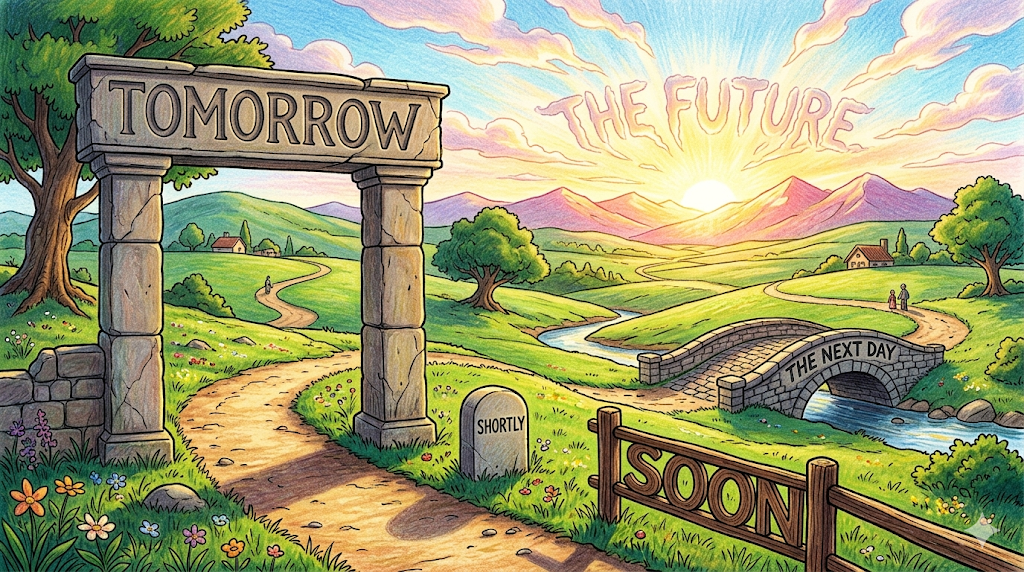
단어 공통점 뉘앙스 차이 예문
| tomorrow | 미래 시간 관련 | 말하는 시점 기준 하루 뒤·희망의 가까운 미래 강조 | Come back tomorrow. |
| the next day | 미래 시간 관련 | 과거 이야기 속 특정 날 기준 하루 뒤 강조 | The next day she felt better. |
| the future | 미래 시간 관련 | 광범위하고 추상적인 미래 전반 강조 | Plan for the future. |
| soon | 근미래 관련 | 정확하지 않지만 가까운 미래 강조 | It will happen soon. |
| shortly | 근미래 관련 | 매우 가까운 미래·공식적 표현 강조 | She will arrive shortly. |
결론 정리
tomorrow는 단순히 "내일"이 아니라, 지금 이 순간 바로 다음에 오는 아침에서 출발해 내일 아침·내일까지·내일 밤·내일 봐·내일의 세계·내일로 미루다·내일은 더 나아질 것이다·모레·내일부터·내일이 온다까지 확장되는 단어다 — tomorrow가 있는 곳엔 언제나 '아직 오지 않았지만 반드시 올 다음 아침을 향하는' 시간의 기대와 희망의 이미지가 있다.
💡 tomorrow는 "아직 오지 않았지만 반드시 올 가까운 미래를 가리키는" 단어 — tomorrow's world·leave for tomorrow·tomorrow comes 가 수능 최빈출.
🌟 초등학생 버전 tomorrow는 단순히 "내일"이 아니에요! tomorrow's world는 "우리가 지금 환경을 아끼면 내일의 세계는 더 깨끗하고 아름다울 거야"처럼 오늘 우리가 하는 선택이 만들어나갈 미래의 세상을 말하는 것이고, leave for tomorrow는 "숙제가 싫으니까 내일로 미루자!"처럼 지금 해야 할 것을 귀찮거나 힘들어서 나중으로 넘기는 것이에요! 🌍✨


