- 분류 전체보기 (5596)

| 일 | 월 | 화 | 수 | 목 | 금 | 토 |
|---|---|---|---|---|---|---|
| 1 | 2 | |||||
| 3 | 4 | 5 | 6 | 7 | 8 | 9 |
| 10 | 11 | 12 | 13 | 14 | 15 | 16 |
| 17 | 18 | 19 | 20 | 21 | 22 | 23 |
| 24 | 25 | 26 | 27 | 28 | 29 | 30 |
| 31 |
- I'm sorry
- Don't worry
- entrance fee
- Excuse me
- come up with
- work out
- too.
- set up
- well
- Yeah
- oh
- By The Way
- make it
- please?
- Show Up
- Hey
- no
- Right?
- Sure
- get through
- Read between the lines
- OKay
- pick up
- Actually
- Please
- Yes
- please.
- hold on
- Sorry
- I'm glad to hear that.
- Today
- Total
인과함께
Day410 , theater, movie theater, go to the theater, street theater, theater company, operating theater, home theater, theater district, open-air theater, musical theater, theater critic 본문
Day410 , theater, movie theater, go to the theater, street theater, theater company, operating theater, home theater, theater district, open-air theater, musical theater, theater critic
미인생 2026. 5. 17. 01:57
theater [ˈθɪətər]
(명사) 극장, 연극, 상영관, 수술실
The new movie theater near my house has special seats that move along with the action scenes.
(우리 집 근처의 새 영화관에는 액션 장면에 맞춰 움직이는 특별한 좌석들이 있다.)
'theater'를 단순히 "극장"으로만 외우면 수능에서 반드시 틀립니다. theater는 "사람들이 모여 특별한 경험을 함께 보거나 참여하는 공간" 이라는 핵심 이미지에서 출발해, 공연 예술·영화 상영·의학적 시술·사회적 광경까지 폭넓은 맥락에서 쓰이는 핵심 다의어입니다. 특히 theater(공연이나 특별한 경험을 공유하는 공간) vs. cinema(영화 전용 상영관) vs. auditorium(강연이나 공연을 위한 큰 홀) 의 뉘앙스 차이, operating theater(수술실), theater district(극장 밀집 지역) 패턴은 수능 독해 문화·예술·의학·사회·논설 지문에서 핵심적으로 등장합니다.
'theater'는 고대 그리스어 theatron(보는 장소)에서 유래했으며, theasthai(보다, 관찰하다)에 뿌리를 두고 있습니다. 어원의 핵심 이미지는 "사람들이 모여 무언가를 함께 바라보는 장소" 로, 단순한 건물이 아닌 관객이 모여 함께 경험을 공유하며 보고 느끼고 배우는 집단적이고 사회적인 공간이 이 단어의 본질입니다.
1. movie theater [ˈmuːvi ˈθɪətər]
(명사구/수능) "영화관, 극장 (영화 전용)"을 뜻합니다. 영화를 상영하는 건물이나 시설을 가리킵니다. 수능 독해 문화·사회·서사·교육 지문에서 자주 등장합니다.
She took her little brother to the movie theater to see the new animated film that had just come out. (그녀는 갓 나온 새 애니메이션 영화를 보러 남동생을 영화관에 데려갔다.)
2. go to the theater [ɡoʊ tə ðə ˈθɪətər]
(동사구/수능) "극장에 가다, 연극을 보러 가다"를 뜻합니다. 연극이나 공연을 보러 극장을 방문하는 것을 강조합니다. 수능 독해 문화·서사·사회·교육 지문에서 자주 등장합니다.
They made it a tradition to go to the theater every year on New Year's Eve to watch a play together. (그들은 매년 새해 전날에 함께 연극을 보기 위해 극장에 가는 것을 전통으로 만들었다.)
3. street theater [striːt ˈθɪətər]
(명사구/수능) "거리 연극, 야외 공연"을 뜻합니다. 거리나 공공 장소에서 일반 관객을 위해 공연하는 연극이나 퍼포먼스를 가리킵니다. 수능 독해 문화·사회·예술·교육 지문에서 자주 등장합니다.
A group of young actors performed street theater in the city square to raise awareness about the environment. (한 그룹의 젊은 배우들이 환경에 대한 인식을 높이기 위해 도시 광장에서 거리 연극을 공연했다.)
4. theater company [ˈθɪətər ˈkʌmpəni]
(명사구/수능) "극단, 연극 단체"를 뜻합니다. 연극을 제작하고 공연하는 배우와 스태프들의 단체를 가리킵니다. 수능 독해 문화·예술·교육·사회 지문에서 자주 등장합니다.
She joined a local theater company when she was sixteen and performed in her first play that winter. (그녀는 열여섯 살 때 지역 극단에 합류해서 그 겨울에 첫 번째 연극에서 공연했다.)
5. operating theater [ˈɒpəreɪtɪŋ ˈθɪətər]
(명사구/수능) "수술실"을 뜻합니다. 외과 수술이 이루어지는 병원의 특별 방을 가리킵니다. 수능 독해 의학·사회·과학·논설 지문의 핵심 표현입니다.
The patient was taken to the operating theater as soon as the doctor decided that surgery was needed. (의사가 수술이 필요하다고 결정하자마자 환자는 수술실로 이송됐다.)
6. home theater [hoʊm ˈθɪətər]
(명사구/수능) "홈 시어터, 가정용 영화 감상 시스템"을 뜻합니다. 집에서 영화관처럼 영화나 공연을 감상할 수 있도록 꾸민 시스템이나 방을 가리킵니다. 수능 독해 기술·사회·문화·경제 지문에서 자주 등장합니다.
He set up a home theater in the spare room with a big screen and powerful speakers. (그는 큰 화면과 강력한 스피커로 여분의 방에 홈 시어터를 설치했다.)
7. theater district [ˈθɪətər ˈdɪstrɪkt]
(명사구/수능) "극장 밀집 지역, 연극 지구"를 뜻합니다. 많은 극장이 모여 있는 도시의 특정 지역을 가리킵니다. 수능 독해 문화·사회·역사·도시 지문의 핵심 표현입니다.
New York's Broadway is the most famous theater district in the world, with dozens of stages all within a few blocks. (뉴욕의 브로드웨이는 몇 블록 안에 수십 개의 무대가 있는 세계에서 가장 유명한 극장 밀집 지역이다.)
8. open-air theater [ˈoʊpən eər ˈθɪətər]
(명사구/수능) "야외 극장"을 뜻합니다. 지붕이 없는 야외에 설치된 극장이나 공연장을 가리킵니다. 수능 독해 문화·역사·사회·예술 지문에서 자주 등장합니다.
The ancient open-air theater in Greece was so well built that actors did not need microphones for the audience to hear every word. (그리스의 고대 야외 극장은 너무 잘 지어져서 배우들이 마이크 없이도 관객이 모든 단어를 들을 수 있었다.)
9. musical theater [ˈmjuːzɪkəl ˈθɪətər]
(명사구/수능) "뮤지컬 연극, 뮤지컬"을 뜻합니다. 노래, 춤, 연기가 결합된 공연 예술 형식을 가리킵니다. 수능 독해 문화·예술·사회·교육 지문에서 자주 등장합니다.
She studied musical theater at university and hoped to perform on Broadway one day. (그녀는 대학에서 뮤지컬 연극을 공부했고 언젠가 브로드웨이에서 공연하기를 희망했다.)
10. theater critic [ˈθɪətər ˈkrɪtɪk]
(명사구/수능) "연극 평론가"를 뜻합니다. 연극이나 공연을 보고 전문적인 의견을 글로 쓰는 사람을 가리킵니다. 수능 독해 문화·예술·논설·사회 지문에서 자주 등장합니다.
The theater critic wrote that the performance was the best she had seen in twenty years of reviewing plays. (그 연극 평론가는 그 공연이 20년간의 연극 평론 중에서 본 것 중 최고였다고 썼다.)
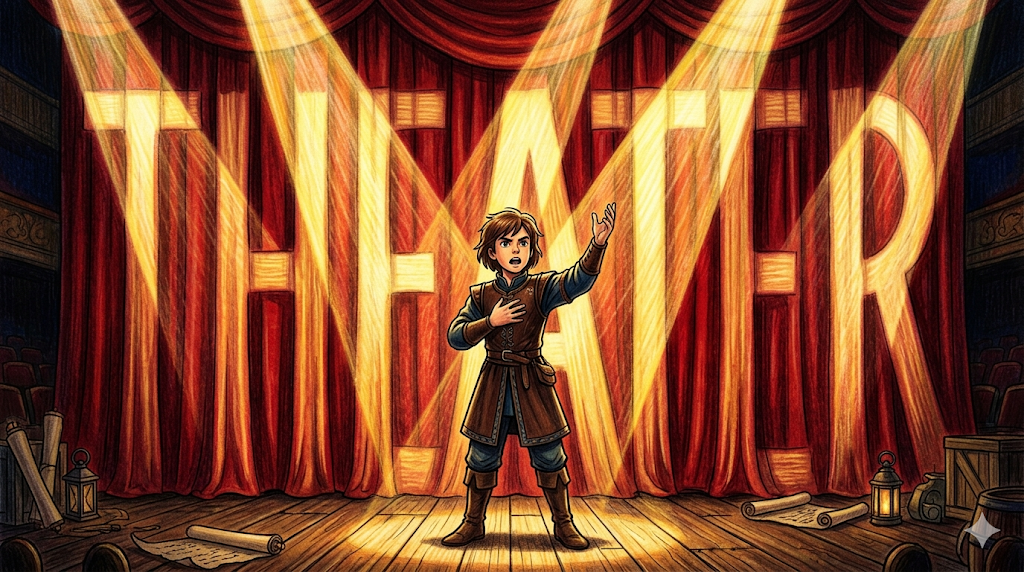
POINT 1. theater vs. cinema vs. auditorium — 수능 최빈출 뉘앙스 구별
세 단어 모두 "공연이나 상영을 위한 장소"와 관련되지만 뉘앙스가 다릅니다.
theater → 사람들이 모여 공연이나 특별한 경험을 함께 보는 모든 공간 (공연·공동 경험 강조), cinema → 영화 전용 상영 시설 (영화·스크린 강조), auditorium → 강연이나 공연을 위한 큰 홀 (크기·다목적 강조). 수능 독해에서 문맥에 따라 세 단어의 뉘앙스를 정확히 구별하는 것이 핵심입니다.
예)
She loves theater and goes to watch plays every month. (그녀는 연극을 좋아해서 매달 연극을 보러 간다.) — 공연 예술·공동 경험
The new cinema has eight screens and the latest sound technology. (새 영화관에는 8개의 화면과 최신 음향 기술이 있다.) — 영화 전용 시설
The school auditorium holds five hundred students for the end-of-year event. (학교 강당은 연말 행사를 위해 학생 500명을 수용한다.) — 크기·다목적
POINT 2. operating theater / theater district / musical theater — 수능 의학·문화·사회 지문 핵심
이 세 표현은 수능 독해에서 가장 자주 출제되는 theater 관련 표현입니다.
operating theater → 병원에서 수술이 이루어지는 특별 공간, theater district → 극장이 모인 도시 지역, musical theater → 노래와 춤이 결합된 공연 예술 형식. 세 표현이 등장하면 글쓴이가 의학·문화·예술을 논하고 있다는 신호입니다.
POINT 3. theatron 어원 — 수능 어휘 확장 필수
theater의 그리스어 어원 theatron(보는 장소)과 관련된 단어들이 수능에서 자주 출제됩니다.
theatrical [θɪˈætrɪkəl] → 연극적인, 극적인, theatrics [θɪˈætrɪks] → 과장된 행동, amphitheater [ˈæmfɪθɪətər] → 원형 극장. 이 단어들은 모두 "보다·관찰하다"라는 공통 이미지를 가지고 있습니다.
(명사) ① 극장, 공연장 (공연 예술)
theater의 가장 기본적인 의미로, 연극·뮤지컬·공연이 이루어지는 건물이나 공간을 나타냅니다.
- The old theater in the city centre was built in 1890 and still hosts over two hundred shows a year. (도시 중심의 오래된 극장은 1890년에 지어졌으며 여전히 1년에 200개 이상의 공연을 개최한다.)
- The children had never been inside a real theater before, so they sat in their seats wide-eyed with excitement. (아이들은 이전에 진짜 극장 안에 들어간 적이 없어서 흥분으로 눈을 크게 뜨고 자리에 앉았다.)
- The theater went completely silent as the curtain began to rise and the first actor walked slowly onto the stage. (극장은 커튼이 올라가기 시작하고 첫 번째 배우가 천천히 무대로 걸어 나오면서 완전히 조용해졌다.)
(명사) ② 연극, 공연 예술 (예술 형식)
건물이 아닌 예술 형식으로서의 연극을 나타냅니다. 수능 독해 문화·교육·논설 지문에서 자주 등장하는 핵심 의미입니다.
- Theater has the power to make people think about important issues in a way that a lecture or a book sometimes cannot. (연극은 강의나 책이 때로 할 수 없는 방식으로 사람들이 중요한 문제에 대해 생각하게 만드는 힘이 있다.)
- She believed that theater was the most human art form because it was the only one that could not exist without a live audience. (그녀는 연극이 살아있는 관객 없이는 존재할 수 없는 유일한 예술 형식이기 때문에 가장 인간적인 예술 형식이라고 믿었다.)
- The government cut funding for theater and arts programmes, which angered many people who believed culture was as important as sport. (정부가 연극과 예술 프로그램에 대한 자금을 삭감했고, 이것은 문화가 스포츠만큼 중요하다고 믿는 많은 사람들을 화나게 했다.)
(명사) ③ 상황의 무대, 행동 공간 (비유적)
특정 사건이나 행동이 이루어지는 공간을 나타냅니다.
- The courtroom became a theater for the lawyers who both performed brilliantly for the jury. (법정은 두 변호사 모두 배심원을 위해 훌륭하게 공연하는 무대가 됐다.)
- History books describe the European countryside as the main theater of operations during the Second World War. (역사책들은 유럽 농촌 지역을 2차 세계대전 중 주요 작전 공간으로 묘사한다.)
- Social media has become a theater where people perform different versions of themselves for different audiences. (소셜 미디어는 사람들이 다양한 관객을 위해 자신의 다른 버전을 공연하는 무대가 됐다.)

뉘앙스·의미 연결 흐름 표
핵심 이미지 연결 흐름 뉘앙스 요약
| 공연과 방문 | 극장에 가다 → 거리 연극 → 야외 극장 → 극장 밀집 지역 | go to the theater·street theater·open-air theater·theater district |
| 형식과 단체 | 뮤지컬 연극 → 극단 → 연극 평론가 | musical theater·theater company·theater critic |
| 장소와 기술 | 영화관 → 홈 시어터 → 수술실 | movie theater·home theater·operating theater |
어원 흐름 표
단어 구성 요소 의미 연결 흐름 뉘앙스 요약
| 고대 그리스어 theasthai(보다) → theatron(보는 장소) → 라틴어 theatrum → 영어 theater | 보다 → 함께 보는 장소 → 공동 경험의 공간 | 관객이 모여 함께 경험을 공유하며 보고 느끼고 배우는 집단적이고 사회적인 공간 이미지 |
| theater (명사) | 극장·공연장 → 연극·예술 형식 → 비유적 무대 | 공연·예술·공간·사회 네 방향으로 확장된 다의어 완성 |
품사별 의미 표
품사 의미 예문
| 명사 | 극장, 공연장 | go to the theater (극장에 가다) |
| 명사 | 연극, 공연 예술 | study theater (연극을 공부하다) |
| 명사 | 수술실 | in the operating theater (수술실에서) |
| 명사 (비유) | 무대, 공간 | a theater of war (전쟁의 무대) |
활용 예문 리스트
- She loved to go to the theater and always checked what the local theater company was performing before buying tickets. (그녀는 극장에 가는 것을 좋아해서 항상 티켓을 사기 전에 지역 극단이 무엇을 공연하는지 확인했다.)
- The movie theater near the station was closing down because more people were choosing to watch films on their home theater systems. (역 근처의 영화관이 문을 닫고 있었는데, 더 많은 사람들이 홈 시어터 시스템으로 영화를 보는 것을 선택하고 있었기 때문이다.)
- After the accident, he was rushed to the operating theater and the whole family waited outside for three hours until the surgery was done. (사고 후 그는 수술실로 급히 이송됐고 가족 전체가 수술이 끝날 때까지 3시간 동안 밖에서 기다렸다.)
- She walked through the theater district on a Friday night and saw posters for six different musical theater shows all within one street. (그녀는 금요일 밤에 극장 밀집 지역을 걸으며 한 거리 안에서 여섯 개의 서로 다른 뮤지컬 연극 공연 포스터를 봤다.)
- The theater critic wrote that the open-air theater production had been ruined by the rain, but the street theater performance she saw the next day more than made up for it. (연극 평론가는 야외 극장 공연이 비로 망쳤다고 썼지만 다음 날 본 거리 연극 공연이 그것을 충분히 보상해줬다고 했다.)
전체 뉘앙스 설명
theater는 '관객이 모여 함께 경험을 공유하며 보고 느끼고 배우는 집단적이고 사회적인 공간의 언어'입니다.
cinema와의 차이: cinema는 영화를 상영하는 전용 시설에 초점을 맞추고, theater는 살아있는 공연이 이루어지는 공간이나 공동 경험의 공간이라는 더 넓은 의미를 강조합니다.
auditorium과의 차이: auditorium은 크기와 다목적 사용을 강조하고, theater는 공연 예술이나 특별한 경험의 공유라는 목적을 강조합니다.
stage와의 차이: stage는 배우가 서 있는 무대 자체를 강조하고, theater는 무대와 관객석을 포함한 전체 공간이나 예술 형식을 강조합니다.
마지막 핵심 정리
theater는 단순히 "극장"이 아닙니다 — 고대 그리스어 theatron(보는 장소)에서 출발해, 공연과 방문(go to the theater·street theater·open-air theater·theater district)·형식과 단체(musical theater·theater company·theater critic)·장소와 기술(movie theater·home theater·operating theater)까지 확장되는 단어이며, theater vs. cinema vs. auditorium 뉘앙스 구별·operating theater / theater district / musical theater 의학·문화·사회 지문 패턴·theatron 어원 패밀리가 수능 핵심 출제 포인트입니다.
파생어 표
파생어 발음기호 품사 의미
| theatrical | [θɪˈætrɪkəl] | 형용사 | 연극적인, 극적인, 과장된 |
| theatrics | [θɪˈætrɪks] | 명사 | 과장된 행동, 연극적 행위 |
| amphitheater | [ˈæmfɪθɪətər] | 명사 | 원형 극장 |
| theatergoer | [ˈθɪətərɡoʊər] | 명사 | 연극 관람자, 극장을 자주 가는 사람 |
유의어 비교표
단어 공통점 뉘앙스 차이 예문
| theater | 공연·공간 관련 | 공연 예술·공동 경험의 공간 | go to the theater |
| cinema | 공연·공간 관련 | 영화 전용 상영 시설 | go to the cinema |
| auditorium | 공연·공간 관련 | 크고 다목적인 강당·홀 | school auditorium |
| playhouse | 공연·공간 관련 | 작고 친밀한 연극 전용 극장 | a local playhouse |
| amphitheater | 공연·공간 관련 | 원형이고 야외인 고대 극장 | a Roman amphitheater |
유의어 예문 리스트
- (cinema) The local cinema was showing three different films on the same evening, and they could not decide which one to watch. (지역 영화관은 같은 저녁에 세 편의 다른 영화를 상영하고 있었고 그들은 어떤 것을 볼지 결정할 수 없었다.)
- (auditorium) The whole school gathered in the auditorium to listen to the principal's speech on the first day back after the holidays. (방학 후 첫 날 교장 선생님의 연설을 듣기 위해 전교생이 강당에 모였다.)
- (playhouse) The small playhouse in the old part of town only had eighty seats but was known for the most passionate and creative performances in the city. (마을 옛 지역의 작은 연극 소극장은 80석밖에 없었지만 도시에서 가장 열정적이고 창의적인 공연으로 알려져 있었다.)
- (amphitheater) The outdoor concert was held in a beautiful amphitheater carved into the hillside, where the natural rock walls helped carry the sound. (야외 콘서트는 자연 암벽이 소리를 전달하는 데 도움이 되는 언덕에 새겨진 아름다운 원형 극장에서 열렸다.)
결론 정리
theater는 단순히 "극장"이 아니라, 관객이 모여 함께 경험을 공유하며 보고 느끼고 배우는 집단적이고 사회적인 공간의 이미지에서 출발해 공연과 방문·형식과 단체·장소와 기술까지 확장되는 단어다 — theater가 있는 곳엔 언제나 '단순한 건물이 아닌, 관객이 모여 함께 경험을 공유하며 보고 느끼고 배우는 집단적이고 사회적인 공간'의 선언이 있다.
💡 theater는 "관객이 모여 함께 경험을 공유하며 보고 느끼고 배우는 집단적이고 사회적인 공간"의 언어 — operating theater·theater district·musical theater·go to the theater·theater company가 수능 최빈출.
🌟 초등학생 버전 theater는 많은 사람들이 모여서 함께 무언가를 보고 느끼는 것처럼, 사람들이 함께 경험을 나누고 배우는 특별한 공간을 표현하는 단어예요! operating theater는 "의사들이 수술을 하는 수술실"이고, musical theater는 "노래와 춤과 연기가 함께 있는 뮤지컬 공연"이에요! 🎭✨
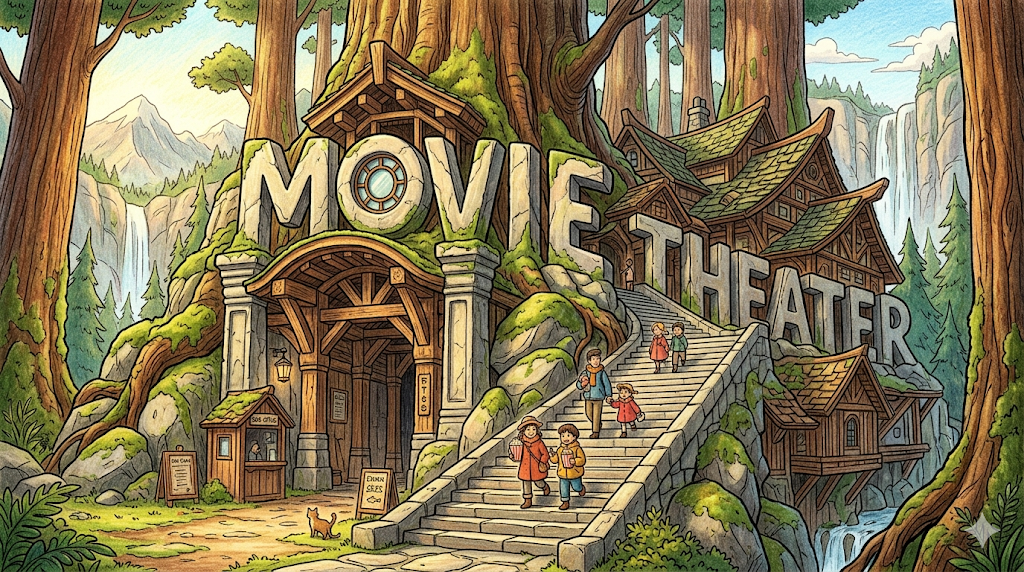
movie theater [ˈmuːvi ˈθɪətər]
(명사구) 영화관, 극장 (영화 전용)
영화를 큰 화면으로 상영하는 건물이나 시설을 가리킵니다. 집에서 보는 것과 달리 많은 사람이 함께 즐기는 사회적 영화 경험이라는 뉘앙스가 핵심입니다. 수능 독해 문화·사회·서사·교육 지문에서 자주 등장합니다.
- The movie theater was packed with people waiting to see the new superhero film on its opening night. (영화관은 개봉 첫날 밤 새 슈퍼히어로 영화를 보려는 사람들로 가득 찼다.)
- Going to a movie theater is different from watching a film at home because the big screen and loud sound make the experience feel much more powerful. (영화관에 가는 것은 집에서 영화를 보는 것과 다른데 큰 화면과 큰 소리가 경험을 훨씬 더 강렬하게 느끼게 해주기 때문이다.)
- She worked at the local movie theater every weekend to save money for her university fees. (그녀는 대학 등록금을 모으기 위해 매주 주말에 지역 영화관에서 일했다.)

go to the theater [ɡoʊ tə ðə ˈθɪətər]
(동사구) 극장에 가다, 연극을 보러 가다
단순히 이동하는 것이 아니라 연극이나 공연을 보기 위해 극장을 방문하는 문화적 행위를 강조합니다. 수능 독해 문화·서사·사회·교육 지문에서 자주 등장합니다.
- Her parents took her to go to the theater for her birthday every year, and it became one of her favourite memories from childhood. (그녀의 부모님은 매년 생일에 그녀를 데리고 극장에 갔고, 그것은 어린 시절 그녀가 가장 좋아하는 기억 중 하나가 됐다.)
- He had never gone to the theater before because he thought it would be boring, but after seeing his first play he was completely hooked. (그는 지루할 것이라고 생각해서 이전에 극장에 간 적이 없었지만 첫 번째 연극을 보고 나서 완전히 빠져들었다.)
- Going to the theater with a friend is a great way to spend an evening because you always have something interesting to talk about afterwards. (친구와 함께 극장에 가는 것은 저녁을 보내기 좋은 방법인데 항상 이후에 이야기할 흥미로운 것이 생기기 때문이다.)
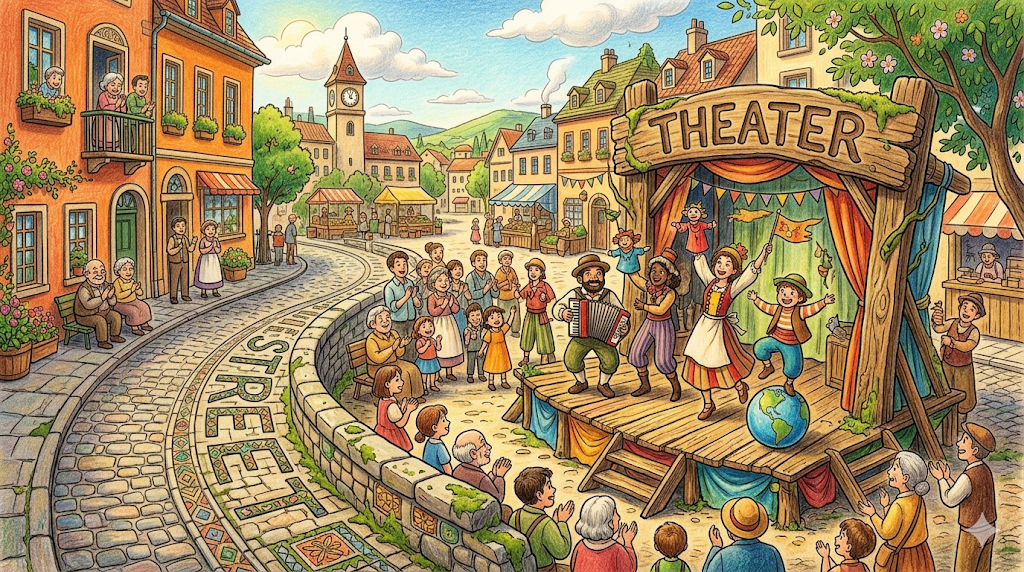
street theater [striːt ˈθɪətər]
(명사구) 거리 연극, 야외 공연
거리, 광장, 공원 등 일반 공공 장소에서 일반 사람들을 위해 공연하는 연극이나 퍼포먼스를 가리킵니다. 극장 건물 없이 누구나 볼 수 있다는 뉘앙스가 핵심입니다. 수능 독해 문화·사회·예술·교육 지문에서 자주 등장합니다.
- The street theater group performed a funny show about recycling in the middle of the shopping area, and a large crowd gathered to watch. (거리 연극 그룹이 쇼핑 구역 한가운데서 재활용에 관한 재미있는 공연을 했고 많은 군중이 모여서 봤다.)
- Street theater is a powerful way to reach people who would never normally buy a ticket to go inside a proper theater building. (거리 연극은 보통 제대로 된 극장 건물에 들어가기 위해 티켓을 사지 않을 사람들에게 다가갈 수 있는 강력한 방법이다.)
- She first became interested in acting after watching a street theater performance outside her school when she was ten years old. (그녀는 열 살 때 학교 밖에서 거리 연극 공연을 보고 처음으로 연기에 관심을 갖게 됐다.)
숙어 그룹 묶음 1 — 방문·거리·영화 theater 핵심 패턴
표현 의미 핵심 뉘앙스 주요 맥락
| movie theater | 영화관 | 영화를 큰 화면으로 함께 보는 사회적 공간 | 문화·사회·서사·교육 |
| go to the theater | 극장에 가다 | 연극이나 공연을 보러 극장을 방문하는 문화적 행위 | 문화·서사·사회·교육 |
| street theater | 거리 연극 | 공공 장소에서 누구나 볼 수 있는 야외 공연 | 문화·사회·예술·교육 |
이 세 표현은 모두 theater의 "사람들이 모여 함께 경험을 공유하는" 이미지를 공유하되, 각각 영화를 함께 보는 상업적 공간(movie theater)·연극을 보러 극장에 가는 문화적 행위(go to the theater)·거리에서 누구나 볼 수 있는 자유로운 공연(street theater)의 관점에서 접근합니다.
- She had gone to the theater to see a play, stopped to watch some street theater on the way home, and then picked up a film to watch at the movie theater the next day — art was everywhere if you looked for it. (그녀는 연극을 보러 극장에 갔고, 집에 오는 길에 거리 연극을 잠깐 보고, 그 다음 날 영화관에서 볼 영화를 골랐다 — 찾아보면 예술은 어디에나 있었다.)
- The arts teacher explained that whether you watched street theater for free, went to the theater for a ticket, or saw a blockbuster at the movie theater, you were participating in the same fundamental human activity: sharing a story with other people. (예술 선생님은 무료로 거리 연극을 보든, 티켓으로 극장에 가든, 영화관에서 블록버스터를 보든 같은 근본적인 인간 활동에 참여하고 있다고 설명했다: 다른 사람들과 이야기를 공유하는 것이었다.)
- He had started with street theater as a young man with no money, gone to the theater every chance he got to study the craft, and now ran his own movie theater in the town where he grew up — his whole life had been shaped by the stories that other people had told him from a stage or a screen. (그는 젊었을 때 돈도 없이 거리 연극으로 시작해서 기술을 공부하기 위해 기회가 있을 때마다 극장에 갔으며, 이제 자신이 자란 마을에서 영화관을 운영하고 있었다 — 그의 삶 전체가 다른 사람들이 무대나 스크린에서 들려준 이야기로 형성됐다.)

theater company [ˈθɪətər ˈkʌmpəni]
(명사구) 극단, 연극 단체
연극을 제작하고 정기적으로 공연하는 배우, 감독, 스태프들의 집단을 가리킵니다. 단순한 모임이 아닌 함께 예술을 만드는 조직이라는 뉘앙스가 핵심입니다. 수능 독해 문화·예술·교육·사회 지문에서 자주 등장합니다.
- The theater company had been performing in the same building for forty years and was loved by everyone in the local community. (극단은 같은 건물에서 40년 동안 공연을 해왔고 지역 사회의 모든 사람에게 사랑받았다.)
- She applied to join a professional theater company after finishing drama school and was accepted on her second try. (그녀는 드라마 학교를 마친 후 전문 극단에 합류하기 위해 지원했고 두 번째 시도에 합격했다.)
- The small theater company only had ten members but managed to produce shows that were as good as anything in the big city. (작은 극단은 열 명의 멤버밖에 없었지만 대도시의 어떤 것만큼이나 좋은 공연을 제작하는 데 성공했다.)
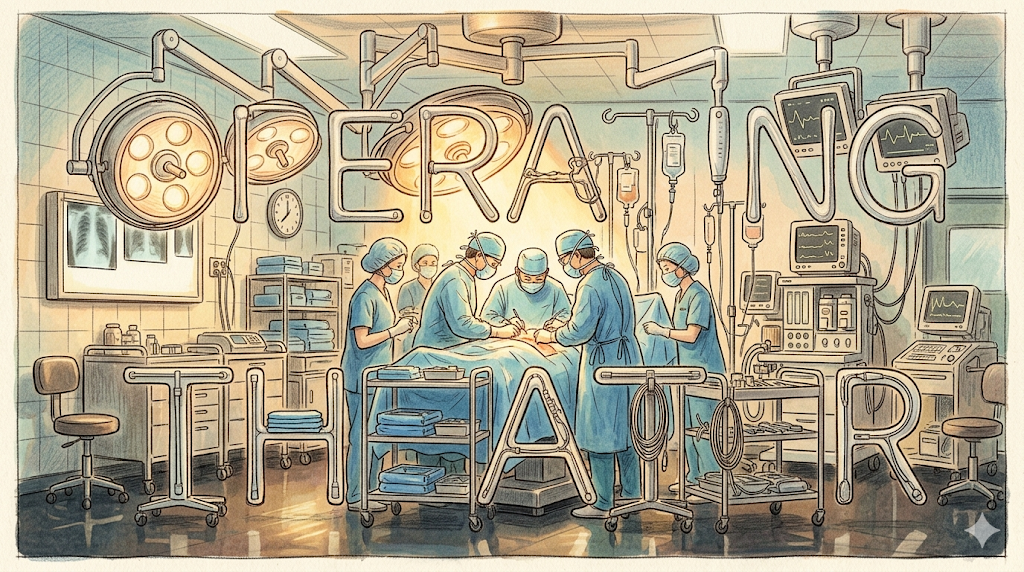
operating theater [ˈɒpəreɪtɪŋ ˈθɪətər]
(명사구) 수술실
병원에서 의사들이 수술을 하는 특별히 설계된 방을 가리킵니다. 수술 팀이 집중해서 작업하는 전문적이고 긴장된 공간이라는 뉘앙스가 핵심입니다. 수능 독해 의학·사회·과학·논설 지문에서 자주 등장합니다.
- The operating theater was kept at a very cold temperature and everyone inside had to wear special gowns and masks. (수술실은 매우 낮은 온도로 유지됐고 안에 있는 모든 사람은 특별한 가운과 마스크를 착용해야 했다.)
- She spent six hours in the operating theater removing the damaged tissue and repairing the injury as carefully as she could. (그녀는 6시간을 수술실에서 손상된 조직을 제거하고 최대한 조심스럽게 부상을 치료하는 데 보냈다.)
- The name operating theater comes from the old days when medical students sat in rows around the room to watch and learn from surgeons at work. (수술실이라는 이름은 의대생들이 작업 중인 외과 의사들로부터 보고 배우기 위해 방 주위에 줄지어 앉았던 옛날에서 유래했다.)

home theater [hoʊm ˈθɪətər]
(명사구) 홈 시어터, 가정용 영화 감상 시스템
집 안에 큰 화면, 좋은 음향 장비, 편안한 좌석 등을 갖추어 영화관과 비슷한 경험을 할 수 있도록 꾸민 공간이나 시스템을 가리킵니다. 수능 독해 기술·사회·문화·경제 지문에서 자주 등장합니다.
- The family invested in a home theater system so they could enjoy films together without leaving the house during cold winter evenings. (가족은 추운 겨울 저녁에 집을 나가지 않고 함께 영화를 즐길 수 있도록 홈 시어터 시스템에 투자했다.)
- The rise of home theater systems has changed how people watch films, making some people less likely to go out to a real movie theater. (홈 시어터 시스템의 등장은 사람들이 영화를 보는 방식을 바꿔서 일부 사람들이 실제 영화관에 덜 나가게 됐다.)
- He built a small home theater in his basement with a screen, comfortable seats, and a popcorn machine so his children would never want to go anywhere else on movie nights. (그는 아이들이 영화의 밤에 다른 어디로도 가고 싶지 않도록 화면, 편안한 좌석, 팝콘 기계가 있는 작은 홈 시어터를 지하실에 만들었다.)
숙어 그룹 묶음 2 — 단체·의학·가정 theater 패턴
표현 의미 핵심 뉘앙스 주요 맥락
| theater company | 극단 | 함께 예술을 만드는 연극 집단 조직 | 문화·예술·교육·사회 |
| operating theater | 수술실 | 수술이 이루어지는 병원의 전문 공간 | 의학·사회·과학·논설 |
| home theater | 홈 시어터 | 집에서 영화관 경험을 할 수 있는 시스템 | 기술·사회·문화·경제 |
이 세 표현은 모두 theater의 "특별한 경험이 이루어지는 전용 공간" 이미지를 공유하되, 각각 예술적 공연을 함께 만드는 집단(theater company)·생명을 살리는 수술이 이루어지는 전문 공간(operating theater)·집에서 영화관 경험을 재현하는 기술(home theater)의 관점에서 접근합니다.
- She had worked with a theater company for years, then trained as a nurse and spent time in the operating theater, and now in retirement she had built a home theater to share stories through film — different spaces, different roles, but always the same love of bringing people together. (그녀는 수년간 극단과 함께 일하다가 간호사로 훈련을 받고 수술실에서 시간을 보냈으며, 이제 은퇴 후 영화를 통해 이야기를 나누기 위해 홈 시어터를 만들었다 — 다른 공간, 다른 역할이지만 항상 사람들을 하나로 모으는 같은 사랑이었다.)
- The article compared three kinds of spaces: the theater company as a place where art was created together, the operating theater as a place where science was applied under pressure, and the home theater as a place where stories were enjoyed privately — and argued that all three showed how humans use designed spaces for powerful shared experiences. (기사는 세 종류의 공간을 비교했다: 예술이 함께 창조되는 공간으로서의 극단, 압박 아래 과학이 적용되는 공간으로서의 수술실, 그리고 이야기가 개인적으로 즐겨지는 공간으로서의 홈 시어터 — 그리고 세 가지 모두 인간이 강력한 공유 경험을 위해 설계된 공간을 어떻게 사용하는지를 보여준다고 주장했다.)
- The young doctor had dreamed of working in an operating theater the same way her older sister had dreamed of running a theater company, and their mother had always said the two were more similar than they looked — both required total focus, a team that trusted each other completely, and the courage to perform under pressure, even without a home theater audience to applaud at the end. (젊은 의사는 언니가 극단을 이끄는 것을 꿈꿨던 것처럼 수술실에서 일하는 것을 꿈꿔왔고, 어머니는 항상 둘이 보기보다 더 비슷하다고 말했다 — 둘 다 완전한 집중력, 서로를 완전히 신뢰하는 팀, 그리고 끝에 박수를 보내는 홈 시어터 관객 없이도 압박 아래에서 공연하는 용기가 필요했다.)
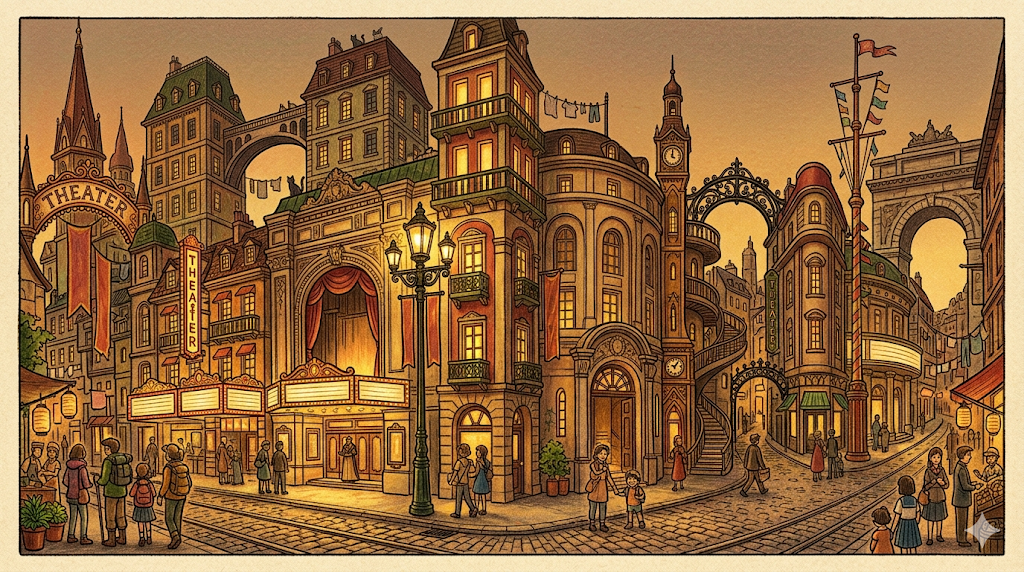
theater district [ˈθɪətər ˈdɪstrɪkt]
(명사구) 극장 밀집 지역, 연극 지구
도시에서 많은 극장들이 한 곳에 모여 있는 특정 지역을 가리킵니다. 공연 예술의 중심지라는 문화적 뉘앙스가 핵심입니다. 수능 독해 문화·사회·역사·도시 지문에서 자주 등장합니다.
- They spent the afternoon walking through the theater district and reading the posters outside each building to decide what to see that evening. (그들은 오후를 극장 밀집 지역을 걸으며 그날 저녁 무엇을 볼지 결정하기 위해 각 건물 밖의 포스터를 읽으며 보냈다.)
- The theater district came alive every evening at around seven when the doors opened and streams of people flowed from the cafes and restaurants into the buildings. (극장 밀집 지역은 문이 열리고 카페와 식당에서 수많은 사람들이 건물로 흘러 들어오는 7시 무렵이면 매일 저녁 활기를 띠었다.)
- City planners argued that investing in the theater district was good for the whole local economy because it brought visitors who then spent money in nearby shops and hotels. (도시 계획가들은 극장 밀집 지역에 투자하는 것이 방문객들을 데려와 근처 가게와 호텔에서 돈을 쓰게 하기 때문에 지역 경제 전체에 좋다고 주장했다.)
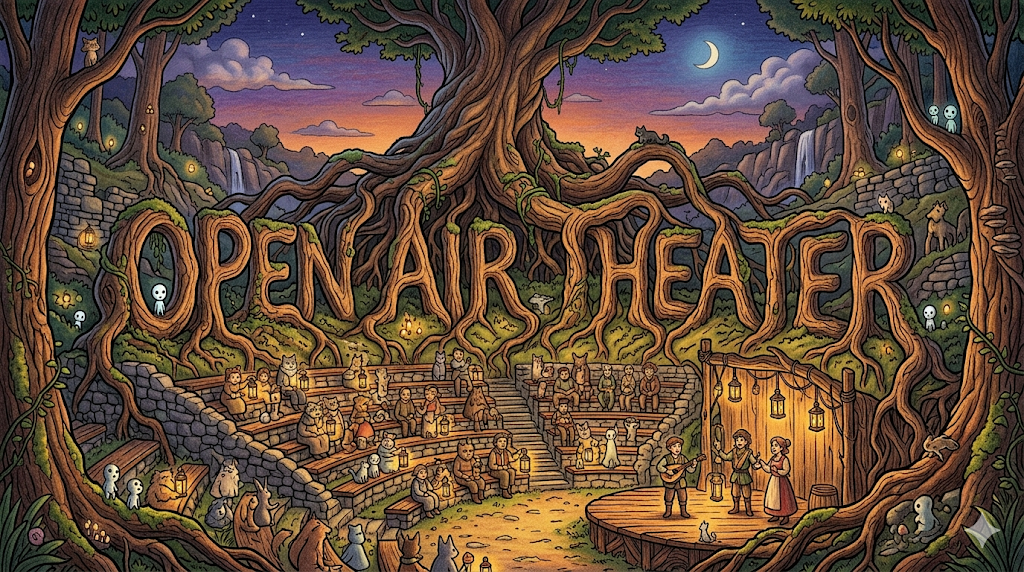
open-air theater [ˈoʊpən eər ˈθɪətər]
(명사구) 야외 극장
지붕 없이 하늘을 천장 삼아 야외에 설치된 극장이나 공연장을 가리킵니다. 자연환경과 어우러진 공연이라는 뉘앙스가 핵심입니다. 수능 독해 문화·역사·사회·예술 지문에서 자주 등장합니다.
- The summer festival featured three weeks of Shakespeare plays performed in the open-air theater in the park, whatever the weather. (여름 축제에는 날씨에 상관없이 공원의 야외 극장에서 공연되는 3주간의 셰익스피어 연극이 포함됐다.)
- Sitting in an open-air theater on a warm summer evening, watching the stars appear above the stage, is one of the most magical experiences in the world. (따뜻한 여름 저녁에 야외 극장에 앉아 무대 위로 별이 나타나는 것을 바라보는 것은 세상에서 가장 마법 같은 경험 중 하나이다.)
- The ancient Greek open-air theater could hold fourteen thousand people and was so well designed that a pin dropped on stage could be heard at the back row. (고대 그리스의 야외 극장은 만 사천 명을 수용할 수 있었고 너무 잘 설계되어서 무대에서 핀을 떨어뜨리면 맨 뒷줄에서도 들을 수 있었다.)

musical theater [ˈmjuːzɪkəl ˈθɪətər]
(명사구) 뮤지컬 연극, 뮤지컬
노래, 춤, 연기가 결합된 공연 예술 형식을 가리킵니다. 복잡한 감정이나 이야기를 음악과 동작으로 전달하는 종합 예술이라는 뉘앙스가 핵심입니다. 수능 독해 문화·예술·사회·교육 지문에서 자주 등장합니다.
- Musical theater combines acting, singing, and dancing in a way that allows performers to express emotions that would be too powerful for words alone. (뮤지컬 연극은 연기, 노래, 춤을 결합해서 공연자들이 말만으로는 너무 강렬할 감정을 표현할 수 있게 해준다.)
- She had loved musical theater since she was a child and had seen every major production that came to her city over twenty years. (그녀는 어린 시절부터 뮤지컬 연극을 사랑했고 20년 동안 도시에 온 모든 주요 공연을 봤다.)
- The school's musical theater programme helped shy students gain confidence because performing in front of an audience taught them to be comfortable in their own skin. (학교의 뮤지컬 연극 프로그램은 관객 앞에서 공연하는 것이 자신에 대해 편안하게 느끼는 것을 가르쳐줘서 수줍음 많은 학생들이 자신감을 얻도록 도왔다.)
숙어 그룹 묶음 3 — 지역·야외·예술 theater 심화 패턴
표현 의미 핵심 뉘앙스 주요 맥락
| theater district | 극장 밀집 지역 | 많은 극장이 모인 도시 문화 중심 지역 | 문화·사회·역사·도시 |
| open-air theater | 야외 극장 | 자연환경과 어우러진 지붕 없는 공연장 | 문화·역사·사회·예술 |
| musical theater | 뮤지컬 연극 | 노래·춤·연기가 결합된 종합 공연 예술 | 문화·예술·사회·교육 |
이 세 표현은 모두 theater의 "공연 예술이 이루어지는 특별한 공간과 형식" 이미지를 공유하되, 각각 도시에서 공연 예술이 집중된 지역(theater district)·하늘 아래 자연과 함께하는 공연(open-air theater)·음악과 춤이 어우러진 종합 예술(musical theater)의 관점에서 접근합니다.
- She spent her summer walking through the theater district every evening, watching open-air theater in the park whenever the weather was good, and saving up for one musical theater ticket she had been wanting to buy all season. (그녀는 매일 저녁 극장 밀집 지역을 걸으며 날씨가 좋을 때마다 공원에서 야외 극장을 보고, 시즌 내내 사고 싶었던 뮤지컬 연극 티켓 한 장을 위해 돈을 모으며 여름을 보냈다.)
- The city's theater district was famous for its musical theater productions, but locals also loved that on warm evenings, the open-air theater by the river offered free shows that anyone could stop and enjoy. (도시의 극장 밀집 지역은 뮤지컬 연극 공연으로 유명했지만 현지인들은 따뜻한 저녁에는 강변의 야외 극장이 누구나 멈춰서 즐길 수 있는 무료 공연을 제공한다는 것도 좋아했다.)
- The documentary explored how different forms of theater serve different human needs: the theater district serves those who want a formal night out, the open-air theater serves those who want art to feel natural and free, and musical theater serves those who want emotions to be expressed through something bigger than words alone. (다큐멘터리는 연극의 다양한 형식이 어떻게 다른 인간의 필요를 충족시키는지 탐구했다: 극장 밀집 지역은 공식적인 저녁 외출을 원하는 사람들을 위해, 야외 극장은 예술이 자연스럽고 자유롭게 느껴지기를 원하는 사람들을 위해, 뮤지컬 연극은 감정이 말만으로는 더 큰 무언가를 통해 표현되기를 원하는 사람들을 위해 봉사한다.)
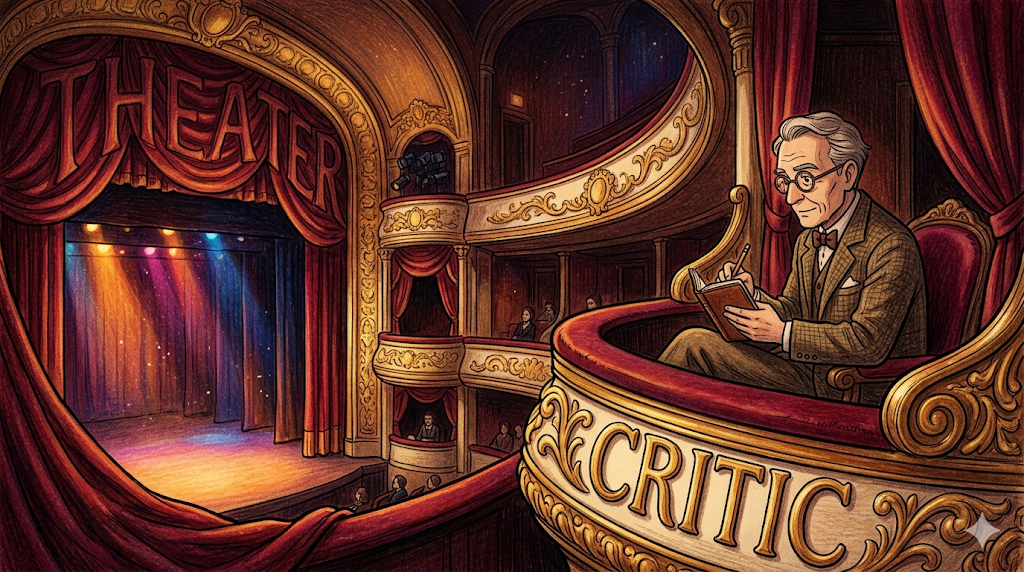
theater critic [ˈθɪətər ˈkrɪtɪk]
(명사구) 연극 평론가
연극이나 공연을 전문적으로 보고 분석하여 글로 평가하는 사람을 가리킵니다. 예술의 질을 판단하고 관객에게 방향을 제시하는 역할이라는 뉘앙스가 핵심입니다. 수능 독해 문화·예술·논설·사회 지문에서 자주 등장합니다.
- The young theater critic wrote that the production was one of the most daring and original she had seen in years, and ticket sales jumped the next day. (젊은 연극 평론가는 그 공연이 수년 만에 본 것 중 가장 대담하고 독창적인 것 중 하나라고 썼고 다음 날 티켓 판매가 급증했다.)
- A good theater critic does not just say whether a play is good or bad — they explain why it works or does not work and what it means for the art form. (좋은 연극 평론가는 단지 연극이 좋은지 나쁜지를 말하는 것이 아니라 왜 효과가 있거나 없는지, 그리고 예술 형식에 어떤 의미가 있는지를 설명한다.)
- She had wanted to be a theater critic since she was fifteen, when she first realised that writing about a performance could be as creative as performing itself. (그녀는 처음으로 공연에 대해 글을 쓰는 것이 공연 자체만큼 창의적일 수 있다는 것을 깨달은 열다섯 살 때부터 연극 평론가가 되고 싶었다.)
숙어 그룹 묶음 4 — 평론·완성 theater 패턴
표현 의미 핵심 뉘앙스 주요 맥락
| theater critic | 연극 평론가 | 공연을 전문적으로 분석하고 평가하는 사람 | 문화·예술·논설·사회 |
| theater company | 극단 | 함께 예술을 만드는 연극 집단 조직 | 문화·예술·교육·사회 |
| go to the theater | 극장에 가다 | 연극이나 공연을 보러 극장을 방문하는 문화적 행위 | 문화·서사·사회·교육 |
이 세 표현은 함께 theater가 담고 있는 가장 중요한 "공연 예술과 인간의 관계"를 보여줍니다. theater company → 공연 예술을 만드는 사람들의 집단, go to the theater → 그 예술을 소비하러 가는 관객, theater critic → 그 예술과 관객 사이를 연결하는 전문 평론가로 연결됩니다.
- She had been a member of the theater company for ten years, had gone to the theater as an audience member hundreds more times, and now she was writing her first review as a theater critic — looking at the same world she had always loved, but from a completely new angle. (그녀는 10년 동안 극단의 멤버였고 관객으로 수백 번 더 극장에 갔으며, 이제 연극 평론가로서 첫 번째 리뷰를 쓰고 있었다 — 항상 사랑했던 같은 세계를 바라보지만 완전히 새로운 각도에서였다.)
- The theater critic wrote that the theater company had created something extraordinary, and advised everyone to go to the theater before the run ended, because this kind of production came along only once in a decade. (연극 평론가는 극단이 특별한 무언가를 만들었다고 썼고 이런 종류의 공연은 10년에 한 번밖에 오지 않으니 공연이 끝나기 전에 극장에 갈 것을 모든 사람에게 권했다.)
- The documentary ended with a simple question: without a theater company to create, without audiences who go to the theater to receive, and without a theater critic to reflect and connect — could theater really exist at all? (다큐멘터리는 단순한 질문으로 끝났다: 창조할 극단 없이, 받아들이기 위해 극장에 가는 관객 없이, 그리고 반영하고 연결할 연극 평론가 없이 — 연극이 정말 존재할 수 있을까?)
전체 요약표
표현 의미 핵심 뉘앙스
| theater | 극장, 연극, 수술실 | 사람들이 모여 함께 경험을 공유하는 공간 |
| movie theater | 영화관 | 영화를 큰 화면으로 함께 보는 사회적 공간 |
| go to the theater | 극장에 가다 | 연극이나 공연을 보러 극장을 방문하는 문화적 행위 |
| street theater | 거리 연극 | 공공 장소에서 누구나 볼 수 있는 야외 공연 |
| theater company | 극단 | 함께 예술을 만드는 연극 집단 조직 |
| operating theater | 수술실 | 수술이 이루어지는 병원의 전문 공간 |
| home theater | 홈 시어터 | 집에서 영화관 경험을 할 수 있는 시스템 |
| theater district | 극장 밀집 지역 | 많은 극장이 모인 도시 문화 중심 지역 |
| open-air theater | 야외 극장 | 자연환경과 어우러진 지붕 없는 공연장 |
| musical theater | 뮤지컬 연극 | 노래·춤·연기가 결합된 종합 공연 예술 |
| theater critic | 연극 평론가 | 공연을 전문적으로 분석하고 평가하는 사람 |
유의어 비교표
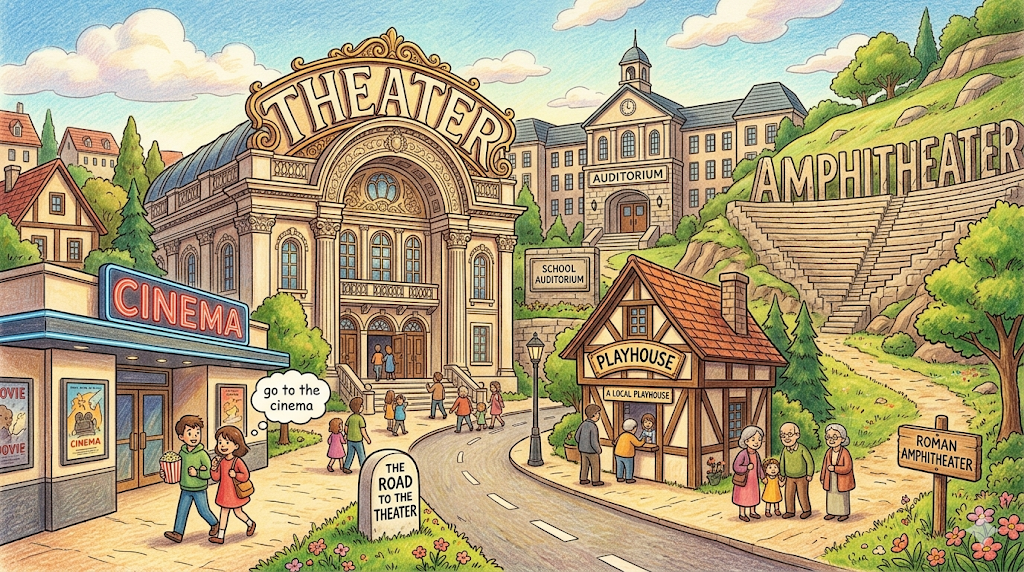
단어 공통점 뉘앙스 차이 예문
| theater | 공연·공간 관련 | 공연 예술·공동 경험의 공간 | go to the theater |
| cinema | 공연·공간 관련 | 영화 전용 상영 시설 | go to the cinema |
| auditorium | 공연·공간 관련 | 크고 다목적인 강당·홀 | school auditorium |
| playhouse | 공연·공간 관련 | 작고 친밀한 연극 전용 극장 | a local playhouse |
| amphitheater | 공연·공간 관련 | 원형이고 야외인 고대 극장 | a Roman amphitheater |
결론 정리
theater는 단순히 "극장"이 아니라, 관객이 모여 함께 경험을 공유하며 보고 느끼고 배우는 집단적이고 사회적인 공간의 이미지에서 출발해 공연과 방문·형식과 단체·장소와 기술까지 확장되는 단어다 — theater가 있는 곳엔 언제나 '단순한 건물이 아닌, 관객이 모여 함께 경험을 공유하며 보고 느끼고 배우는 집단적이고 사회적인 공간'의 선언이 있다.
💡 theater는 "관객이 모여 함께 경험을 공유하며 보고 느끼고 배우는 집단적이고 사회적인 공간"의 언어 — operating theater·theater district·musical theater·go to the theater·theater company가 수능 최빈출.
🌟 초등학생 버전 theater는 많은 사람들이 모여서 함께 무언가를 보고 느끼는 것처럼, 사람들이 함께 경험을 나누고 배우는 특별한 공간을 표현하는 단어예요! operating theater는 "의사들이 수술을 하는 수술실"이고, musical theater는 "노래와 춤과 연기가 함께 있는 뮤지컬 공연"이에요! 🎭✨


