- 분류 전체보기 (5611)

| 일 | 월 | 화 | 수 | 목 | 금 | 토 |
|---|---|---|---|---|---|---|
| 1 | 2 | |||||
| 3 | 4 | 5 | 6 | 7 | 8 | 9 |
| 10 | 11 | 12 | 13 | 14 | 15 | 16 |
| 17 | 18 | 19 | 20 | 21 | 22 | 23 |
| 24 | 25 | 26 | 27 | 28 | 29 | 30 |
| 31 |
- come up with
- Excuse me
- pick up
- Sure
- no
- Please
- work out
- please.
- OKay
- please?
- Read between the lines
- Yeah
- hold on
- Show Up
- By The Way
- too.
- I'm glad to hear that.
- Hey
- Yes
- Right?
- oh
- entrance fee
- Actually
- make it
- I'm sorry
- Sorry
- get through
- well
- set up
- Don't worry
- Today
- Total
인과함께
Day408 , television, on television, watch television, television programme, television screen, television channel, turn on the television, television set, television show, live television, television series 본문
Day408 , television, on television, watch television, television programme, television screen, television channel, turn on the television, television set, television show, live television, television series
미인생 2026. 5. 17. 01:51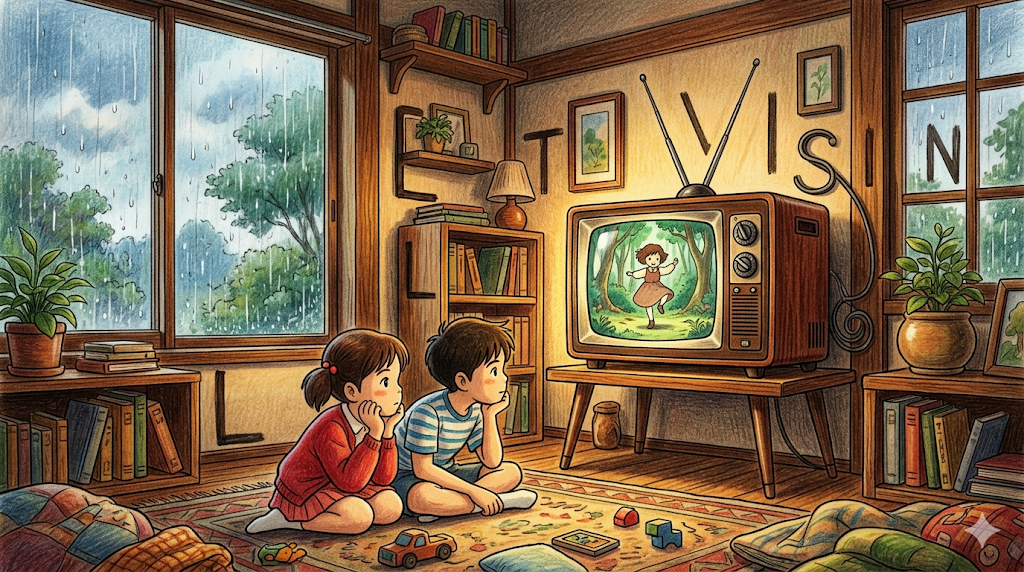
television [ˈtelɪvɪʒən]
(명사) 텔레비전, TV
The documentary on television inspired many viewers to protect endangered animals.
(텔레비전에서 방영된 그 다큐멘터리는 많은 시청자들이 멸종 위기 동물을 보호하도록 영감을 주었다.)
단순히 "텔레비전"으로만 외우면 수능에서 반드시 틀립니다. television은 "멀리서 오는 영상과 소리를 받아서 보여주는 것" 이라는 핵심 이미지에서 출발해, 전자 기기에서 방송 매체·사회적 영향력·문화·정보 전달까지 폭넓게 쓰이는 핵심 다의어입니다. 특히 television(텔레비전) vs. media(미디어) vs. broadcast(방송) 의 뉘앙스 차이, on television(TV에서·TV에 나와서), live television(생방송) 패턴은 수능 독해 사회·심리·교육·문화 지문에서 핵심적으로 등장합니다.
'television'은 그리스어 tele(멀리)와 라틴어 visio(보는 것)가 결합하여 유래했습니다. 원래 "멀리 있는 것을 보는 것" 을 뜻했습니다. television의 핵심 이미지는 "멀리 있는 영상과 정보를 가까이에서 볼 수 있도록 전달하는 것" 으로, 이 이미지에서 전자 기기·방송 매체·사회적 영향력·정보 전달이 모두 확장되었습니다.
1. on television [ɒn ˈtelɪvɪʒən]
(일상/사회/수능) "TV에서, TV에 방영되어"를 뜻합니다. 어떤 것이 텔레비전에 방영되거나 방송되고 있는 것을 강조합니다. 수능 독해 일상·사회·문화 지문에서 자주 등장합니다.
She saw the story about the new school on television and was happy that her town was getting attention. (그녀는 새 학교에 관한 이야기를 TV에서 보고 자신의 마을이 주목받고 있어서 기뻤다.)
2. watch television [wɒtʃ ˈtelɪvɪʒən]
(일상/교육/수능) "텔레비전을 보다, TV를 시청하다"를 뜻합니다. 텔레비전 앞에 앉아서 내용을 보는 행동을 강조합니다. 수능 독해 일상·교육·사회 지문에서 자주 등장합니다.
Studies show that children who watch television for too many hours a day may have a harder time focusing at school. (연구에 따르면 하루에 너무 많은 시간 동안 텔레비전을 보는 아이들은 학교에서 집중하기가 더 어려울 수 있다.)
3. television programme [ˈtelɪvɪʒən ˈprəʊɡræm]
(교육/사회/수능) "텔레비전 프로그램, TV 방송"을 뜻합니다. 방송국에서 만들어 내보내는 특정 내용의 방송을 강조합니다. 수능 독해 교육·사회·문화 지문에서 자주 등장합니다.
The television programme about wild animals was so interesting that she didn't want to turn it off even when dinner was ready. (야생 동물에 관한 텔레비전 프로그램이 너무 흥미로워서 저녁 식사가 준비됐을 때도 그녀는 끄고 싶지 않았다.)
4. television screen [ˈtelɪvɪʒən skriːn]
(일상/과학/수능) "텔레비전 화면"을 뜻합니다. 영상이 보이는 텔레비전의 평평한 앞부분을 강조합니다. 수능 독해 일상·과학·기술 지문에서 자주 등장합니다.
He sat so close to the television screen that his mother told him to move back or his eyes would get tired. (그는 텔레비전 화면에 너무 가까이 앉아서 어머니가 눈이 피로해질 것이니 뒤로 물러나라고 말했다.)
5. television channel [ˈtelɪvɪʒən ˈtʃænəl]
(일상/사회/수능) "텔레비전 채널"을 뜻합니다. 특정 방송국이나 특정 종류의 프로그램을 내보내는 방송 주파수를 강조합니다. 수능 독해 일상·사회·미디어 지문에서 자주 등장합니다.
She changed the television channel three times before finding a cooking show that she wanted to watch until bedtime. (그녀는 잠자리에 들기 전까지 보고 싶은 요리 프로그램을 찾기 전에 텔레비전 채널을 세 번 바꿨다.)
6. turn on the television [tɜːrn ɒn ðə ˈtelɪvɪʒən]
(일상/사회/수능) "텔레비전을 켜다"를 뜻합니다. 텔레비전을 작동 시작하는 행동을 강조합니다. 수능 독해 일상·사회 지문에서 자주 등장합니다.
She turned on the television as soon as she got home because she wanted to catch the news before making dinner. (그녀는 저녁을 만들기 전에 뉴스를 보고 싶었기 때문에 집에 오자마자 텔레비전을 켰다.)
7. television set [ˈtelɪvɪʒən set]
(일상/과학/수능) "텔레비전 수상기, TV 기기"를 뜻합니다. 텔레비전이라는 전자 기기 자체를 강조합니다. 수능 독해 일상·과학·사회 지문에서 자주 등장합니다.
The family bought a new television set because the old one had started making a strange noise every time it was switched on. (가족은 오래된 것이 켤 때마다 이상한 소리를 내기 시작했기 때문에 새 텔레비전 수상기를 샀다.)
8. television show [ˈtelɪvɪʒən ʃəʊ]
(일상/문화/수능) "텔레비전 프로그램, TV 쇼"를 뜻합니다. 텔레비전에서 방영되는 오락·교육·정보 등의 방송을 강조합니다. 수능 독해 일상·문화·사회 지문에서 자주 등장합니다.
The television show about cooking different foods from around the world gave her ideas for new meals she had never tried before. (전 세계의 다양한 음식을 요리하는 텔레비전 쇼가 그녀에게 이전에 한 번도 시도해본 적 없는 새로운 요리 아이디어를 줬다.)
9. live television [laɪv ˈtelɪvɪʒən]
(사회/문화/수능) "생방송 텔레비전, 실시간 방송"을 뜻합니다. 미리 녹화된 것이 아닌 그 순간에 바로 방송되고 있는 것을 강조합니다. 수능 독해 사회·문화·역사 지문의 핵심 표현입니다.
Millions of people watched the astronaut land on the moon on live television and many of them cried with joy. (수백만 명의 사람들이 생방송 텔레비전으로 우주비행사가 달에 착륙하는 것을 봤고 그들 중 많은 사람들이 기쁨의 눈물을 흘렸다.)
10. television series [ˈtelɪvɪʒən ˈsɪəriːz]
(문화/교육/수능) "텔레비전 시리즈, 연속 드라마"를 뜻합니다. 여러 편으로 나누어진 연속적인 텔레비전 프로그램을 강조합니다. 수능 독해 문화·교육·사회 지문에서 자주 등장합니다.
The television series about life in ancient Rome was so popular that it was watched by people in more than forty countries. (고대 로마의 생활에 관한 텔레비전 시리즈는 40개 이상의 나라에서 사람들이 볼 만큼 인기가 높았다.)

POINT 1. television vs. media vs. broadcast — 수능 최빈출 뉘앙스 구별
세 단어 모두 "정보 전달"과 관련되지만 뉘앙스가 다릅니다.
television → 영상과 소리를 통해 정보와 오락을 전달하는 특정 기기나 매체 (영상·특정 매체·기기 강조) media → 신문·라디오·TV·인터넷 등 정보를 전달하는 모든 수단을 통틀어 가리킴 (다양한 매체 전체·정보 전달 수단 강조) broadcast → 라디오나 TV를 통해 프로그램을 공중에게 내보내는 것 (공중 송출·프로그램 전달 행위 강조) 예) She watches television every evening. (그녀는 매일 저녁 텔레비전을 본다.) — 특정 기기·매체 The story was covered by all the media. (그 이야기는 모든 미디어에서 다뤘다.) — 다양한 매체 전체 The match will be broadcast live. (경기는 생중계로 방송될 것이다.) — 공중 송출 행위
POINT 2. on television / live television / television programme — 수능 사회·문화 지문 핵심
세 표현 모두 television의 "멀리서 영상을 전달하는" 이미지를 공유하지만 맥락이 다릅니다.
on television → 어떤 내용이 TV를 통해 방영되거나 출연하는 것 (방영·출연·TV를 통한 전달 강조) live television → 미리 녹화되지 않고 실시간으로 방송되는 것 (즉각성·실시간·현장감 강조) television programme → TV에서 방영되는 특정 주제나 목적의 방송 (특정 방송 내용·프로그램 단위 강조) 이 세 표현이 등장하면 글쓴이가 TV 방송과 미디어의 영향을 논하고 있다는 신호입니다.
POINT 3. television 어근 확장 — 수능 어휘 확장 필수
그리스어 tele(멀리)와 라틴어 visio(보는 것)에서 유래한 단어들이 수능에서 자주 출제됩니다.
television [ˈtelɪvɪʒən] → 텔레비전 televise [ˈtelɪvaɪz] → 텔레비전으로 방영하다 telecast [ˈtelɪkɑːst] → 텔레비전 방송, TV로 방송하다 telescope [ˈtelɪskəʊp] → 망원경 (멀리 보는 도구) telephone [ˈtelɪfəʊn] → 전화기 (멀리 소리를 전달하는 것) 이 단어들은 모두 "멀리서 정보나 신호를 전달하거나 받는" 공통 이미지를 가지고 있습니다.
(명사) ① 텔레비전 기기
television의 가장 기본적인 의미로, 영상과 소리를 내보내는 전자 기기를 나타냅니다.
- The children gathered around the television in the living room to watch their favourite cartoon before getting ready for school. (아이들은 학교 갈 준비를 하기 전에 좋아하는 만화를 보기 위해 거실의 텔레비전 주위에 모였다.)
- She dusted the television carefully because fingerprints on the screen always made the picture look worse than it really was. (화면의 지문이 항상 화질을 실제보다 나쁘게 보이게 했기 때문에 그녀는 텔레비전을 조심스럽게 닦았다.)
- He turned off the television at nine o'clock and went to bed because he had an important exam the next morning. (다음 날 아침에 중요한 시험이 있었기 때문에 그는 9시에 텔레비전을 끄고 잠자리에 들었다.)
(명사) ② 방송 매체·업계
정보나 오락을 전달하는 매체로서의 텔레비전을 나타냅니다. 수능 독해 사회·문화·교육 지문에서 자주 등장합니다.
- Television has played an important role in sharing news and events with people all over the world for the past seventy years. (텔레비전은 지난 70년간 전 세계 사람들과 뉴스와 사건을 공유하는 데 중요한 역할을 해왔다.)
- She dreamed of working in television because she wanted to make programmes that helped young people learn about science in a fun way. (그녀는 어린 사람들이 과학을 재미있는 방식으로 배울 수 있는 프로그램을 만들고 싶었기 때문에 텔레비전 업계에서 일하는 것을 꿈꿨다.)
- Critics of television say that spending too much time watching it can replace activities like reading, exercising, and talking with family. (텔레비전 비평가들은 너무 많은 시간 시청하면 독서, 운동, 가족과 대화하는 것 같은 활동을 대체할 수 있다고 말한다.)
(명사) ③ 텔레비전 방송·콘텐츠
TV에서 방영되는 내용이나 방송 자체를 나타냅니다.
- The quality of television has improved greatly over the decades as more money is spent on production and writing. (텔레비전의 품질은 제작과 각본에 더 많은 돈이 쓰이면서 수십 년에 걸쳐 크게 향상됐다.)
- Some researchers believe that well-made educational television can help young children develop language skills faster than many people once thought possible. (잘 만들어진 교육적 텔레비전이 많은 사람들이 한때 가능하다고 생각했던 것보다 더 빨리 어린 아이들이 언어 능력을 발달시키는 데 도움이 될 수 있다고 일부 연구자들은 믿는다.)
- Good television can inspire viewers to explore new interests, visit new places, and think about problems in their communities from a different angle. (좋은 텔레비전은 시청자들이 새로운 관심사를 탐구하고 새로운 장소를 방문하며 지역 사회의 문제를 다른 각도에서 생각하도록 영감을 줄 수 있다.)
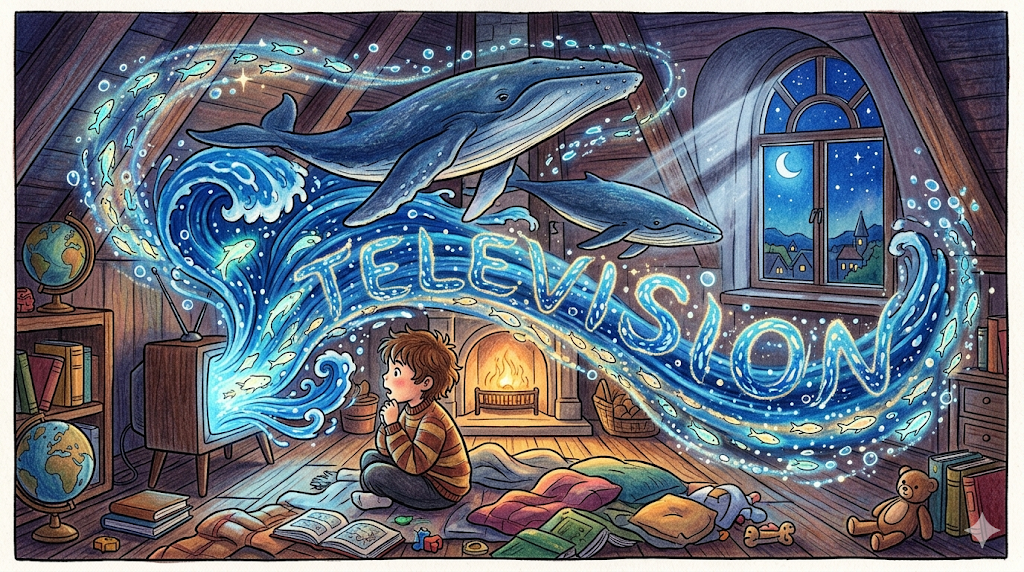
뉘앙스·의미 연결 흐름 표
핵심 이미지 연결 흐름 뉘앙스 요약
| 멀리서 영상과 소리를 전달하는 것 | 전자 기기 → 방송 매체 → 사회적 영향력 | 멀리 있는 것을 가까이서 볼 수 있게 하는 이미지 |
| 방송의 방식 | live television → on television → television programme | 실시간→방영→특정 내용의 이미지 |
| 시청 경험 | watch television → television screen → television set | 보는 행동→화면→기기의 이미지 |
어원 흐름 표
단어 구성 요소 의미 연결 흐름 뉘앙스 요약
| 그리스어 tele (멀리) + 라틴어 visio (보는 것) | 멀리 보는 것 → 영상 전달 기기 → 방송 매체 | 멀리 있는 것을 가까이서 볼 수 있게 전달하는 핵심 이미지 |
| television (명사→복합 표현) | 기기 → 방송 매체 → 콘텐츠 → 업계 | 전달의 이미지에서 다양한 맥락으로 완성 |
품사별 의미 표
품사 의미 예문
| 명사 | 텔레비전 기기 | Turn off the television. (텔레비전을 꺼라.) |
| 명사 | 방송 매체 | She works in television. (그녀는 텔레비전 업계에서 일한다.) |
| 명사 | 텔레비전 방송·콘텐츠 | Good television teaches us. (좋은 텔레비전은 우리를 가르친다.) |
활용 예문 리스트
- The whole family sat together to watch the football match on television and cheered loudly every time their team scored a goal. (온 가족이 함께 앉아 TV에서 축구 경기를 보고 팀이 골을 넣을 때마다 크게 응원했다.)
- The television programme about how bees make honey was both educational and fun, and it was recommended by many science teachers for their students. (꿀벌이 어떻게 꿀을 만드는지에 관한 텔레비전 프로그램은 교육적이고 재미있어서 많은 과학 선생님들이 학생들에게 추천했다.)
- Seeing the accident happen on live television was a shock to the thousands of people who were watching the race at home. (생방송 텔레비전에서 사고가 일어나는 것을 보는 것은 집에서 경주를 보고 있던 수천 명의 사람들에게 충격이었다.)
- The television series had twelve episodes and each one ended with something surprising that made everyone want to watch the next one immediately. (텔레비전 시리즈는 12편이었으며 각 편은 모든 사람이 즉시 다음 편을 보고 싶게 만드는 놀라운 것으로 끝났다.)
- She turned on the television to check the weather report before planning whether to go to the park with her little sister that afternoon. (그날 오후 여동생과 공원에 갈지 계획하기 전에 날씨 예보를 확인하기 위해 그녀는 텔레비전을 켰다.)
전체 뉘앙스 설명
television은 '멀리서 오는 영상과 소리를 받아서 보여주는 것에서 출발하는 모든 전자 기기·방송 매체·사회적 영향력·정보 전달의 언어'입니다.
media와의 차이: media는 신문·라디오·TV·인터넷 등 모든 정보 전달 수단을 총칭하고, television은 특히 영상을 통해 정보를 전달하는 특정 매체와 기기를 강조합니다. broadcast와의 차이: broadcast는 프로그램을 공중에게 내보내는 행위를 강조하고, television은 더 넓게 그 행위가 이루어지는 매체와 기기를 강조합니다. film과의 차이: film은 주로 극장에서 상영되는 영화를 강조하고, television은 가정에서 접할 수 있는 방송 매체를 강조합니다.
마지막 핵심 정리
television은 단순히 "텔레비전"이 아닙니다 — 그리스어 tele(멀리)와 라틴어 visio(보는 것)에서 출발해, TV에서(on television)·텔레비전을 보다(watch television)·텔레비전 프로그램(television programme)·텔레비전 화면(television screen)·텔레비전 채널(television channel)·텔레비전을 켜다(turn on the television)·텔레비전 수상기(television set)·텔레비전 쇼(television show)·생방송(live television)·텔레비전 시리즈(television series)까지 확장되는 단어이며, television vs. media vs. broadcast의 뉘앙스 구별·on television·live television·television programme 패턴이 수능 핵심 출제 포인트입니다.
파생어 표 (발음기호 포함)
파생어 발음기호 품사 의미
| televise | [ˈtelɪvaɪz] | 동사 | 텔레비전으로 방영하다 |
| telecast | [ˈtelɪkɑːst] | 명사/동사 | 텔레비전 방송, TV로 방송하다 |
| tele- | [ˈtelɪ] | 접두사 | 멀리, 원거리 |
| telescope | [ˈtelɪskəʊp] | 명사 | 망원경 |
| telephone | [ˈtelɪfəʊn] | 명사 | 전화기 |
유의어 비교표
단어 공통점 뉘앙스 차이 예문
| television | 방송·매체 관련 | 영상·특정 기기나 매체로서의 TV 강조 | Watch television. |
| media | 방송·매체 관련 | 모든 정보 전달 수단을 총칭 강조 | the media reported it |
| broadcast | 방송 관련 | 프로그램을 공중에게 내보내는 행위 강조 | broadcast the news |
| programme | 방송 내용 관련 | TV나 라디오에서 방영되는 특정 내용 강조 | a TV programme |
| screen | 화면·영상 관련 | 영상이 보이는 평평한 표면 강조 | the screen is big |
유의어 예문 리스트
- (media) The media covered the story from many different angles, with newspapers, television, and online sites all reporting it in their own way. (미디어는 신문, 텔레비전, 온라인 사이트 모두가 각자의 방식으로 보도하면서 많은 다른 각도에서 이야기를 다뤘다.)
- (broadcast) The radio station decided to broadcast the school concert live so that parents who couldn't attend could still hear their children perform. (라디오 방송국은 참석할 수 없는 부모들도 자녀가 공연하는 것을 들을 수 있도록 학교 콘서트를 생중계로 방송하기로 결정했다.)
- (programme) The school's favourite programme was the one that came on every Friday evening about animals living in different parts of the ocean. (학교에서 가장 좋아하는 프로그램은 매주 금요일 저녁에 방영되는 바다의 다른 부분에 사는 동물들에 관한 것이었다.)
- (screen) The movie screen at the old cinema was so large that children in the front row had to turn their heads to see the edges when something moved across it. (오래된 영화관의 화면이 너무 커서 무언가가 가로질러 움직일 때 앞줄의 아이들은 가장자리를 보기 위해 고개를 돌려야 했다.)
결론 정리
television은 단순히 "텔레비전"이 아니라, 멀리서 오는 영상과 소리를 가까이서 볼 수 있게 전달하는 이미지에서 출발해 TV에서·텔레비전을 보다·텔레비전 프로그램·텔레비전 화면·텔레비전 채널·텔레비전을 켜다·텔레비전 수상기·텔레비전 쇼·생방송·텔레비전 시리즈까지 확장되는 단어다 — television이 있는 곳엔 언제나 '멀리 있는 것을 가까이서 보고 느낄 수 있게 전달하려는' 연결과 정보 전달의 이미지가 있다.
💡 television은 "멀리 있는 영상과 정보를 가까이서 볼 수 있게 전달하는" 단어 — on television·live television·television programme 이 수능 최빈출.
🌟 초등학생 버전 television은 단순히 "TV"가 아니에요! live television은 운동회를 그 자리에서 바로 촬영해서 부모님들이 TV로 실시간으로 볼 수 있는 것처럼 미리 찍어둔 것이 아니라 바로 지금 이 순간에 방송되는 것이고, television series는 한 권으로 끝나는 책이 아닌 여러 권으로 이어지는 시리즈 책처럼 여러 편으로 나누어서 계속 이어지는 TV 프로그램이에요! 🌍✨
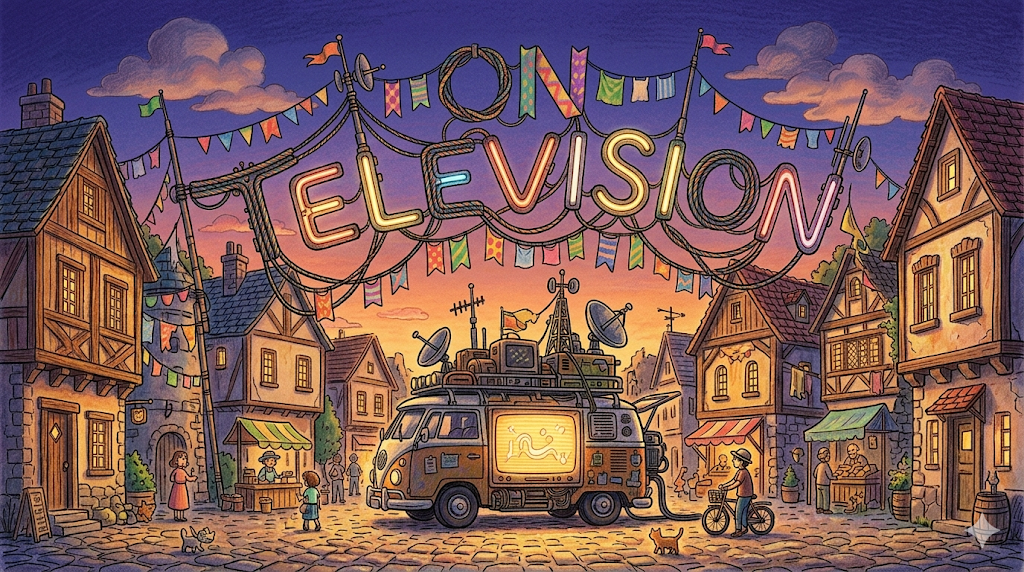
on television [ɒn ˈtelɪvɪʒən]
품사/뉘앙스 설명 (부사구) TV에서, TV에 방영되어
어떤 것이 텔레비전에 방영되거나 방송되고 있는 것을 강조합니다. 특정 사람이나 내용이 TV를 통해 대중에게 전달되는 것이 핵심 뉘앙스입니다. 수능 독해 일상·사회·문화 지문에서 자주 등장합니다.
- She was so excited to see her local hero on television being interviewed about his efforts to clean up the river that she called her mum straight away. (그녀는 강 정화 노력에 대해 인터뷰를 받는 지역 영웅을 TV에서 보고 너무 흥분해서 즉시 어머니에게 전화했다.)
- The documentary on television last night showed how people in some countries grow all their own food without using any chemicals at all. (어젯밤 TV에서 방영된 다큐멘터리는 일부 나라의 사람들이 화학물질을 전혀 사용하지 않고 자신의 모든 음식을 재배하는 방법을 보여줬다.)
- He had never appeared on television before, so when the reporter arrived at his door he was both nervous and excited at the same time. (그는 이전에 한 번도 TV에 나온 적이 없었기 때문에 기자가 문에 도착했을 때 동시에 긴장되고 흥분됐다.)

watch television [wɒtʃ ˈtelɪvɪʒən]
품사/뉘앙스 설명 (동사구) 텔레비전을 보다, TV를 시청하다
텔레비전 앞에 앉아서 내용을 보는 행동을 강조합니다. 능동적인 시청 행위라는 것이 핵심 뉘앙스입니다. 수능 독해 일상·교육·사회 지문에서 자주 등장합니다.
- His parents had a rule that he could only watch television after finishing all his homework and tidying his room. (그의 부모님은 모든 숙제를 끝내고 방을 정리한 후에만 텔레비전을 볼 수 있다는 규칙을 뒀다.)
- She found it hard to stop watching television once she started because one programme always seemed to lead into the next one without a natural stopping point. (한 프로그램이 항상 자연스러운 중단 지점 없이 다음 것으로 이어지는 것 같았기 때문에 그녀는 한 번 시작하면 텔레비전 보기를 멈추기 어려웠다.)
- Research suggests that the best time for young children to watch television is in short sessions with a parent nearby who can explain things and answer questions. (연구에 따르면 어린 아이들이 텔레비전을 보기 가장 좋은 때는 설명하고 질문에 답할 수 있는 부모가 근처에 있는 짧은 시간 동안이다.)

television programme [ˈtelɪvɪʒən ˈprəʊɡræm]
품사/뉘앙스 설명 (명사구) 텔레비전 프로그램, TV 방송
방송국에서 만들어 내보내는 특정 내용의 방송을 강조합니다. 방송 내용의 단위로서 목적과 내용이 있는 방송이라는 것이 핵심 뉘앙스입니다. 수능 독해 교육·사회·문화 지문에서 자주 등장합니다.
- The school used clips from a television programme about space to help students understand the lesson about planets and stars more easily. (학교는 행성과 별에 대한 수업을 더 쉽게 이해하도록 돕기 위해 우주에 관한 텔레비전 프로그램의 영상을 사용했다.)
- Making a good television programme requires a lot of planning, a strong team of writers and directors, and months of careful filming and editing. (좋은 텔레비전 프로그램을 만드는 것은 많은 계획, 작가와 감독의 강한 팀, 그리고 수개월의 신중한 촬영과 편집이 필요하다.)
- The television programme that had the most impact on her was a simple series about elderly people sharing stories from their lives with young visitors. (그녀에게 가장 큰 영향을 미친 텔레비전 프로그램은 노인들이 젊은 방문객들과 자신들의 삶에서 나온 이야기를 나누는 단순한 시리즈였다.)
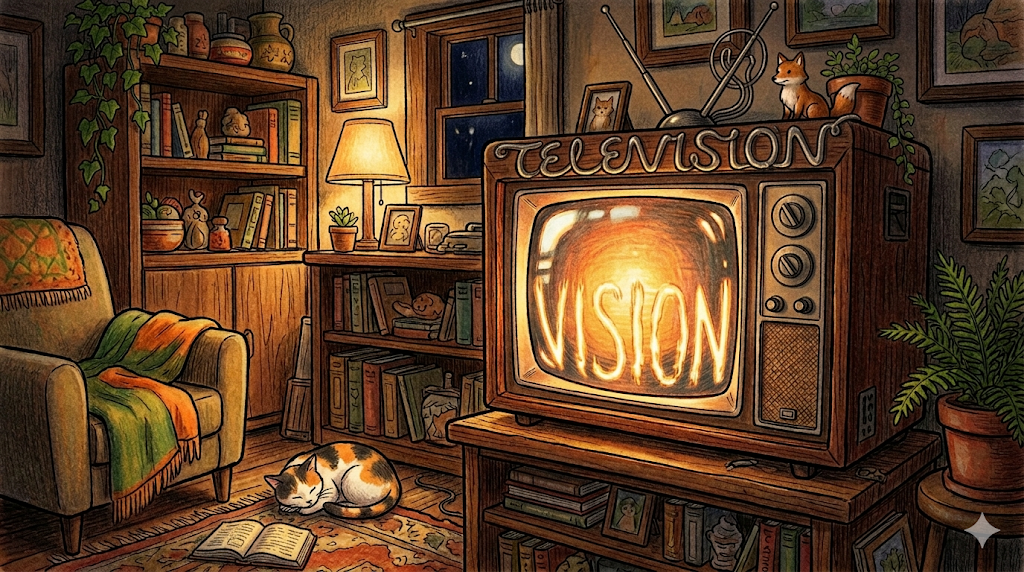
television screen [ˈtelɪvɪʒən skriːn]
품사/뉘앙스 설명 (명사구) 텔레비전 화면
영상이 보이는 텔레비전의 평평한 앞부분을 강조합니다. 영상이 실제로 표시되는 물리적 표면이라는 것이 핵심 뉘앙스입니다. 수능 독해 일상·과학·기술 지문에서 자주 등장합니다.
- The television screen was so bright in the dark room that she had to turn down the brightness settings before her eyes felt comfortable watching it. (텔레비전 화면이 어두운 방에서 너무 밝아서 그녀는 눈이 편안하게 볼 수 있기 전에 밝기 설정을 낮춰야 했다.)
- The small child pressed her nose right up against the television screen because she wanted to get as close as possible to the dancing penguins in the cartoon. (어린 아이는 만화의 춤추는 펭귄에 최대한 가까이 가고 싶었기 때문에 텔레비전 화면에 코를 바짝 갖다 댔다.)
- Scientists have worked hard over the past thirty years to make television screens thinner, clearer, and more energy-efficient than anyone thought possible back then. (과학자들은 그 당시 아무도 가능하다고 생각하지 않았던 것보다 텔레비전 화면을 더 얇고, 선명하며, 에너지 효율이 좋게 만들기 위해 지난 30년 동안 열심히 노력했다.)
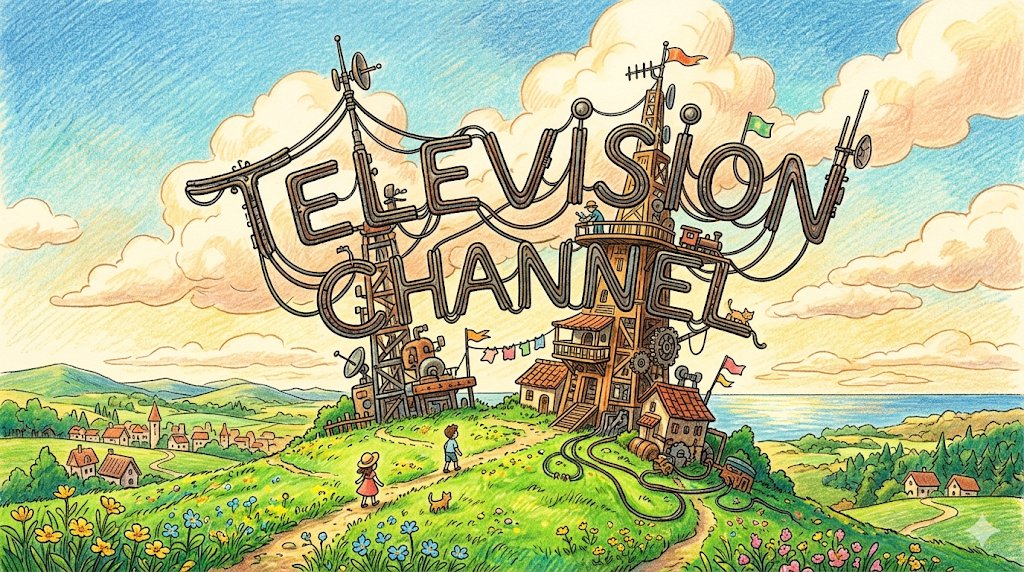
television channel [ˈtelɪvɪʒən ˈtʃænəl]
품사/뉘앙스 설명 (명사구) 텔레비전 채널
특정 방송국이나 특정 종류의 프로그램을 내보내는 방송 주파수를 강조합니다. 시청자가 선택할 수 있는 방송의 단위라는 것이 핵심 뉘앙스입니다. 수능 독해 일상·사회·미디어 지문에서 자주 등장합니다.
- There were over two hundred television channels available in their home, but the family usually only watched about five of them regularly each week. (집에서 200개 이상의 텔레비전 채널이 있었지만 가족은 보통 매주 약 5개만 정기적으로 시청했다.)
- The new television channel launched last month was aimed at teenagers and showed programmes about science, travel, and real stories from young people around the world. (지난달에 시작한 새 텔레비전 채널은 십대를 대상으로 과학, 여행, 전 세계 젊은 사람들의 실제 이야기에 관한 프로그램을 방영했다.)
- She couldn't find anything interesting to watch after switching through every television channel twice, so she decided to read a book instead. (두 번씩 모든 텔레비전 채널을 돌린 후에도 흥미로운 것을 찾을 수 없어서 그녀는 대신 책을 읽기로 결심했다.)

turn on the television [tɜːrn ɒn ðə ˈtelɪvɪʒən]
품사/뉘앙스 설명 (동사구) 텔레비전을 켜다
텔레비전을 작동 시작하는 행동을 강조합니다. 텔레비전 시청을 시작하는 첫 번째 행동이라는 것이 핵심 뉘앙스입니다. 수능 독해 일상·사회 지문에서 자주 등장합니다.
- As soon as he heard a loud noise outside, he turned on the television to see if there were any news reports about what might have happened in the street. (밖에서 큰 소리를 들었을 때 그는 거리에서 무슨 일이 일어났는지에 대한 뉴스 보도가 있는지 보기 위해 텔레비전을 켰다.)
- She had a habit of turning on the television the moment she arrived home each evening, even when she had no intention of watching anything specific. (특별히 볼 계획이 없을 때도 그녀는 매일 저녁 집에 도착하는 순간 텔레비전을 켜는 습관이 있었다.)
- Her parents decided to have one evening a week without turning on the television so the family would talk to each other and do other activities together instead. (그녀의 부모님은 가족이 서로 이야기하고 다른 활동을 함께 할 수 있도록 일주일에 하루 저녁은 텔레비전을 켜지 않기로 결정했다.)

television set [ˈtelɪvɪʒən set]
품사/뉘앙스 설명 (명사구) 텔레비전 수상기, TV 기기
텔레비전이라는 전자 기기 자체를 강조합니다. 방송 매체가 아닌 물리적인 기기라는 것이 핵심 뉘앙스입니다. 수능 독해 일상·과학·사회 지문에서 자주 등장합니다.
- In the 1950s, owning a television set was considered a sign of wealth and many families would invite neighbours over to watch shows together on it. (1950년대에 텔레비전 수상기를 소유하는 것은 부의 상징으로 여겨졌고 많은 가족들이 이웃을 초대해 함께 프로그램을 시청했다.)
- The old television set in her grandmother's house had a large box shape at the back and needed a long antenna on top to get a clear picture. (할머니 집의 오래된 텔레비전 수상기는 뒤쪽에 큰 박스 모양이 있었고 선명한 화면을 얻기 위해 위에 긴 안테나가 필요했다.)
- Modern television sets are much thinner and lighter than those from thirty years ago and can connect to the internet to show content from all around the world. (현대 텔레비전 수상기는 30년 전의 것보다 훨씬 얇고 가벼우며 전 세계의 콘텐츠를 보여주기 위해 인터넷에 연결할 수 있다.)

television show [ˈtelɪvɪʒən ʃəʊ]
품사/뉘앙스 설명 (명사구) 텔레비전 프로그램, TV 쇼
텔레비전에서 방영되는 오락·교육·정보 등의 방송을 강조합니다. 특히 오락적인 성격이 있는 방송을 가리키는 경우가 많다는 것이 핵심 뉘앙스입니다. 수능 독해 일상·문화·사회 지문에서 자주 등장합니다.
- The television show that helped her learn English the fastest was one she watched every morning as a child, because it used simple words and repeated them many times. (그녀가 영어를 가장 빨리 배우는 데 도움이 된 텔레비전 쇼는 어린 시절 매일 아침 본 것이었는데 간단한 단어를 사용하고 여러 번 반복했기 때문이었다.)
- The popular television show about finding old valuable objects in people's houses had millions of viewers every week and inspired many people to look through their own attics. (사람들의 집에서 오래된 귀중한 물건을 찾는 인기 텔레비전 쇼는 매주 수백만 명의 시청자를 가졌고 많은 사람들이 자신의 다락방을 뒤지도록 영감을 줬다.)
- She applied to appear on a television show about cooking after her friends all told her that her meals were so good she should share them with the whole country. (그녀는 친구들 모두가 음식이 너무 맛있어서 나라 전체와 공유해야 한다고 말한 후 요리에 관한 텔레비전 쇼에 출연 신청을 했다.)
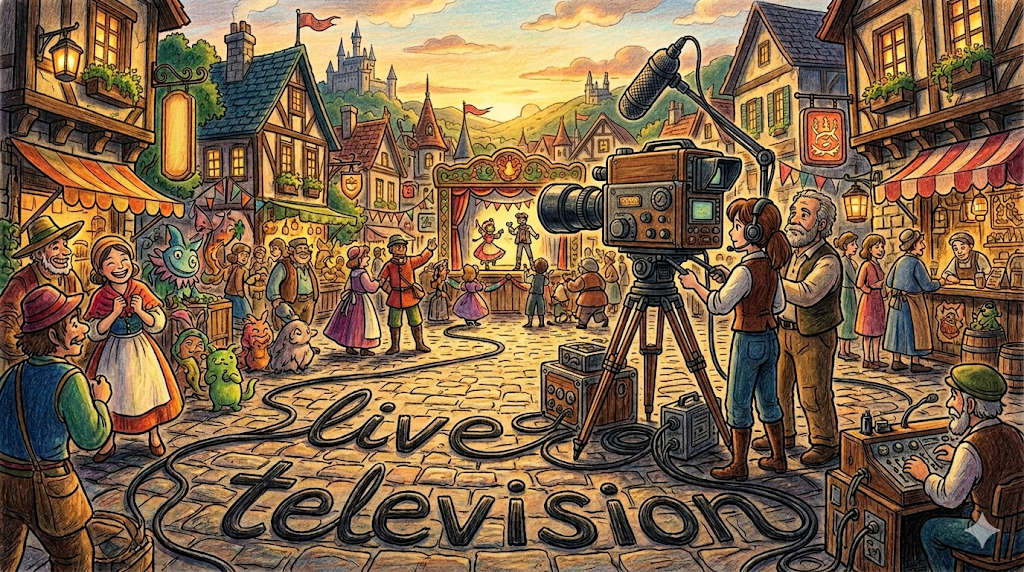
live television [laɪv ˈtelɪvɪʒən]
품사/뉘앙스 설명 (명사구) 생방송 텔레비전, 실시간 방송
미리 녹화된 것이 아닌 그 순간에 바로 방송되고 있는 것을 강조합니다. 즉각성과 현장감이 핵심 뉘앙스입니다. 수능 독해 사회·문화·역사 지문의 핵심 표현입니다.
- The concert was shown on live television and viewers all over the world could sing along with the artist at exactly the same moment. (콘서트는 생방송 텔레비전으로 방영됐고 전 세계 시청자들이 정확히 같은 순간에 가수와 함께 노래할 수 있었다.)
- The politician made a mistake during the interview on live television that he couldn't take back and it was discussed by everyone the next day. (정치인은 생방송 텔레비전에서 인터뷰 중에 취소할 수 없는 실수를 해서 다음 날 모든 사람들에게 논의됐다.)
- Watching sport on live television feels very different from watching a recorded match because the result is still unknown and every moment could change everything. (생방송 텔레비전으로 스포츠를 보는 것은 결과가 아직 알려지지 않았고 매 순간이 모든 것을 바꿀 수 있기 때문에 녹화된 경기를 보는 것과 매우 다르게 느껴진다.)

television series [ˈtelɪvɪʒən ˈsɪəriːz]
품사/뉘앙스 설명 (명사구) 텔레비전 시리즈, 연속 드라마
여러 편으로 나누어진 연속적인 텔레비전 프로그램을 강조합니다. 한 편으로 끝나지 않고 계속 이어지는 연속성이 핵심 뉘앙스입니다. 수능 독해 문화·교육·사회 지문에서 자주 등장합니다.
- The television series about a group of friends living in a big city ran for ten years and became one of the most watched programmes in the history of TV. (대도시에 사는 친구들 그룹에 관한 텔레비전 시리즈는 10년 동안 방영됐고 TV 역사상 가장 많이 시청된 프로그램 중 하나가 됐다.)
- She watched the whole television series in just four days because each episode ended at such an exciting point that she couldn't help clicking to the next one immediately. (각 에피소드가 너무 흥미로운 지점에서 끝나서 즉시 다음 것을 클릭하지 않을 수 없었기 때문에 그녀는 단 4일 만에 전체 텔레비전 시리즈를 봤다.)
- The award-winning television series was praised for showing stories of ordinary people in a way that made every viewer feel they were watching someone from their own life. (수상 경력의 텔레비전 시리즈는 모든 시청자들이 자신의 삶에서 누군가를 보는 것처럼 느끼게 하는 방식으로 평범한 사람들의 이야기를 보여줬다는 것으로 칭찬받았다.)
숙어 그룹 묶음 1 — 시청 경험과 기기 television 핵심 패턴
표현 의미 핵심 뉘앙스 주요 맥락
| watch television | 텔레비전을 보다 | 능동적인 TV 시청 행위 | 일상·교육·사회 |
| turn on the television | 텔레비전을 켜다 | 텔레비전 시청을 시작하는 첫 번째 행동 | 일상·사회 |
| television set | 텔레비전 수상기 | 물리적인 전자 기기로서의 텔레비전 | 일상·과학·사회 |
이 세 표현은 모두 television의 "물리적 기기와 시청 행위" 이미지를 공유하되, 각각 시청 행위(watch television)·시청 시작(turn on the television)·기기 자체(television set)의 관점에서 접근합니다.
- Every evening her father would turn on the television set, the whole family would gather to watch television together for an hour, and then he would switch off the television set so everyone could have a proper conversation before bedtime. (매일 저녁 아버지는 텔레비전 수상기를 켜고 온 가족이 한 시간 동안 함께 텔레비전을 보기 위해 모였다가 잠자리에 들기 전에 모두가 제대로 된 대화를 나눌 수 있도록 텔레비전 수상기를 끄곤 했다.)
- The small child learned very early that she needed to ask permission before she could turn on the television set, that she could only watch television for thirty minutes a day on school days, and that bumping into the television set could damage the screen permanently. (어린 아이는 텔레비전 수상기를 켜기 전에 허락을 구해야 하고, 학교 가는 날에는 하루에 30분만 텔레비전을 볼 수 있으며, 텔레비전 수상기에 부딪히면 화면이 영구적으로 손상될 수 있다는 것을 매우 일찍 배웠다.)
- In many households today, people don't just have one television set to watch television on — they have tablets, phones, and computers too, which means turning on the television set in the traditional sense is becoming less and less common for younger generations. (오늘날 많은 가정에서 사람들은 텔레비전을 보기 위해 하나의 텔레비전 수상기만 갖는 것이 아니라 태블릿, 전화기, 컴퓨터도 갖고 있는데 이것은 전통적인 의미에서 텔레비전 수상기를 켜는 것이 젊은 세대에게는 점점 덜 일반적이 되고 있다는 것을 의미한다.)
숙어 그룹 묶음 2 — 방송의 형태 television 심화 패턴
표현 의미 핵심 뉘앙스 주요 맥락
| on television | TV에서, TV에 방영되어 | 특정 내용이 TV를 통해 대중에게 전달되는 것 | 일상·사회·문화 |
| live television | 생방송 텔레비전 | 즉각성과 현장감이 있는 실시간 방송 | 사회·문화·역사 |
| television channel | 텔레비전 채널 | 시청자가 선택할 수 있는 방송의 단위 | 일상·사회·미디어 |
이 세 표현은 모두 television의 "방송의 형태와 방식" 이미지를 공유하되, 각각 방영 여부(on television)·실시간 방송의 즉각성(live television)·방송의 단위(television channel)의 관점에서 접근합니다.
- The event was shown on television across fifty television channels in different countries, but those watching on live television experienced the tension and excitement in a way that watching a recording later simply couldn't match. (행사는 다른 나라의 50개 텔레비전 채널에서 TV에 방영됐지만 생방송 텔레비전으로 보는 사람들은 나중에 녹화를 보는 것이 단순히 따라올 수 없는 방식으로 긴장감과 흥분감을 경험했다.)
- She searched through every television channel to find whether the speech was being shown on television anywhere, and when she finally found it playing on a news television channel as live television, she called her whole family in to watch it with her. (그녀는 연설이 어딘가에서 TV에 방영되고 있는지 찾기 위해 모든 텔레비전 채널을 검색했고 마침내 뉴스 텔레비전 채널에서 생방송 텔레비전으로 재생되고 있는 것을 찾았을 때 온 가족을 불러서 함께 봤다.)
- Television historians say that the most important moments in the history of the medium have always been the ones that happened on television for the very first time — when events went out across every available television channel as live television and changed the way the whole world saw something. (텔레비전 역사학자들은 이 매체 역사에서 가장 중요한 순간들은 항상 처음으로 TV에서 일어난 것들이었다고 말한다 — 모든 가능한 텔레비전 채널에서 생방송 텔레비전으로 나가면서 전 세계가 무언가를 보는 방식을 바꾼 사건들.)
숙어 그룹 묶음 3 — 프로그램 내용 television 심화 패턴
표현 의미 핵심 뉘앙스 주요 맥락
| television programme | 텔레비전 프로그램 | 목적과 내용이 있는 방송의 단위 | 교육·사회·문화 |
| television show | 텔레비전 쇼 | 특히 오락적인 성격이 있는 방송 | 일상·문화·사회 |
| television series | 텔레비전 시리즈 | 여러 편으로 나누어진 연속적인 프로그램 | 문화·교육·사회 |
이 세 표현은 모두 television의 "방송 콘텐츠" 이미지를 공유하되, 각각 특정 목적을 가진 방송 단위(television programme)·오락 중심의 방송(television show)·연속으로 이어지는 방송(television series)의 관점에서 접근합니다.
- She first became interested in history after watching a television programme about ancient civilisations, then got completely hooked on a television show about a fictional historian who solved mysteries, and finally binge-watched the entire television series about the rise and fall of the Roman empire. (그녀는 고대 문명에 관한 텔레비전 프로그램을 보고 역사에 처음 관심을 갖게 됐다가 미스터리를 해결하는 가상의 역사학자에 관한 텔레비전 쇼에 완전히 빠져들었고 마침내 로마 제국의 흥망에 관한 전체 텔레비전 시리즈를 몰아봤다.)
- The media studies teacher assigned students to watch one television programme made for education, one television show made purely for entertainment, and one episode from a long-running television series, and then compare how each one kept its audience interested. (미디어 연구 선생님은 학생들에게 교육을 위해 만들어진 텔레비전 프로그램 하나, 순수하게 오락을 위해 만들어진 텔레비전 쇼 하나, 오래된 텔레비전 시리즈에서 에피소드 하나를 보고 각각이 어떻게 시청자의 관심을 유지하는지 비교하도록 과제를 냈다.)
- Good storytelling appears in all three formats — a well-made television programme informs while it entertains, a television show with strong characters makes viewers feel something genuine, and a long television series with a careful arc gives audiences the rare pleasure of watching characters change and grow across time. (좋은 이야기 전달은 세 가지 형식 모두에 나타난다 — 잘 만들어진 텔레비전 프로그램은 즐기게 하면서 정보를 알려주고, 강한 캐릭터가 있는 텔레비전 쇼는 시청자들이 진정한 무언가를 느끼게 하며, 신중한 전개가 있는 긴 텔레비전 시리즈는 시청자들에게 시간에 걸쳐 캐릭터가 변화하고 성장하는 것을 볼 수 있는 드문 즐거움을 준다.)
숙어 그룹 묶음 4 — 시각적 경험 television 완성 패턴
표현 의미 핵심 뉘앙스 주요 맥락
| television screen | 텔레비전 화면 | 영상이 실제로 표시되는 물리적 표면 | 일상·과학·기술 |
| live television | 생방송 텔레비전 | 즉각성과 현장감이 있는 실시간 방송 | 사회·문화·역사 |
| watch television | 텔레비전을 보다 | 능동적인 TV 시청 행위 | 일상·교육·사회 |
이 세 표현은 함께 television의 시각적 경험 스펙트럼을 보여줍니다. television screen는 영상이 표시되는 물리적 표면을, live television는 실시간으로 전달되는 현장감을, watch television는 시청자가 그것을 받아들이는 행위를 각각 강조합니다.
- Sitting close to the television screen while watching television feels very different from watching live television of a sports event — in one you are a passive viewer looking at images, while in the other the tension in the room makes you feel you are almost part of what is happening on the television screen in real time. (텔레비전 화면 가까이에서 텔레비전을 보는 것은 스포츠 행사의 생방송 텔레비전을 보는 것과 매우 다르게 느껴진다 — 하나에서는 이미지를 보는 수동적인 시청자인 반면 다른 하나에서는 방의 긴장감이 실시간으로 텔레비전 화면에서 일어나는 것의 일부가 된 것처럼 느끼게 한다.)
- Designers who work on television screens think carefully about how viewers will feel watching television at different distances, and how live television coverage of major events must make viewers feel close to the action even when they are sitting far from the television screen in a large room. (텔레비전 화면을 만드는 디자이너들은 시청자들이 다양한 거리에서 텔레비전을 보는 방식과 주요 행사의 생방송 텔레비전 중계가 시청자들이 큰 방에서 텔레비전 화면에서 멀리 앉아 있을 때도 행동에 가까이 있는 것처럼 느끼게 해야 하는 방법을 신중하게 생각한다.)
- Her earliest memory of watching television was sitting on her father's knee in front of a small television screen in their old house, and she still remembered how he held his breath when the athlete they were following crossed the finish line first on what was probably the first time she had seen live television as a small child. (텔레비전을 보는 그녀의 가장 이른 기억은 오래된 집의 작은 텔레비전 화면 앞에서 아버지의 무릎에 앉아 있는 것이었으며 아마도 어린 아이로서 처음 생방송 텔레비전을 본 것이었을 때 그들이 따라가던 운동선수가 먼저 결승선을 통과할 때 아버지가 숨을 참았던 것을 여전히 기억했다.)
전체 요약표
표현 의미 핵심 뉘앙스
| television | 텔레비전 기기, 방송 매체 | 멀리 있는 영상과 정보를 가까이서 볼 수 있게 전달하는 이미지 |
| on television | TV에서, TV에 방영되어 | 특정 내용이 TV를 통해 대중에게 전달되는 것 |
| watch television | 텔레비전을 보다 | 능동적인 TV 시청 행위 |
| television programme | 텔레비전 프로그램 | 목적과 내용이 있는 방송의 단위 |
| television screen | 텔레비전 화면 | 영상이 실제로 표시되는 물리적 표면 |
| television channel | 텔레비전 채널 | 시청자가 선택할 수 있는 방송의 단위 |
| turn on the television | 텔레비전을 켜다 | 텔레비전 시청을 시작하는 첫 번째 행동 |
| television set | 텔레비전 수상기 | 물리적인 전자 기기로서의 텔레비전 |
| television show | 텔레비전 쇼 | 특히 오락적인 성격이 있는 방송 |
| live television | 생방송 텔레비전 | 즉각성과 현장감이 있는 실시간 방송 |
| television series | 텔레비전 시리즈 | 여러 편으로 나누어진 연속적인 프로그램 |
유의어 비교표

단어 공통점 뉘앙스 차이 예문
| television | 방송·매체 관련 | 영상·특정 기기나 매체로서의 TV 강조 | Watch television. |
| media | 방송·매체 관련 | 모든 정보 전달 수단을 총칭 강조 | the media reported it |
| broadcast | 방송 관련 | 프로그램을 공중에게 내보내는 행위 강조 | broadcast the news |
| programme | 방송 내용 관련 | TV나 라디오에서 방영되는 특정 내용 강조 | a TV programme |
| screen | 화면·영상 관련 | 영상이 보이는 평평한 표면 강조 | the screen is big |
결론 정리
television은 단순히 "텔레비전"이 아니라, 멀리서 오는 영상과 소리를 가까이서 볼 수 있게 전달하는 이미지에서 출발해 TV에서·텔레비전을 보다·텔레비전 프로그램·텔레비전 화면·텔레비전 채널·텔레비전을 켜다·텔레비전 수상기·텔레비전 쇼·생방송·텔레비전 시리즈까지 확장되는 단어다 — television이 있는 곳엔 언제나 '멀리 있는 것을 가까이서 보고 느낄 수 있게 전달하려는' 연결과 정보 전달의 이미지가 있다.
💡 television은 "멀리 있는 영상과 정보를 가까이서 볼 수 있게 전달하는" 단어 — on television·live television·television programme 이 수능 최빈출.
🌟 초등학생 버전 television은 단순히 "TV"가 아니에요! live television은 운동회를 그 자리에서 바로 촬영해서 부모님들이 TV로 실시간으로 볼 수 있는 것처럼 미리 찍어둔 것이 아니라 바로 지금 이 순간에 방송되는 것이고, television series는 한 권으로 끝나는 책이 아닌 여러 권으로 이어지는 시리즈 책처럼 여러 편으로 나누어서 계속 이어지는 TV 프로그램이에요! 🌍✨


