- 분류 전체보기 (5476)

| 일 | 월 | 화 | 수 | 목 | 금 | 토 |
|---|---|---|---|---|---|---|
| 1 | 2 | |||||
| 3 | 4 | 5 | 6 | 7 | 8 | 9 |
| 10 | 11 | 12 | 13 | 14 | 15 | 16 |
| 17 | 18 | 19 | 20 | 21 | 22 | 23 |
| 24 | 25 | 26 | 27 | 28 | 29 | 30 |
| 31 |
- Yeah
- entrance fee
- Read between the lines
- Actually
- no
- well
- come up with
- I'm not sure
- too.
- please?
- Sure
- I'm glad to hear that.
- hold on
- Sorry
- make it
- Don't worry
- once in a while
- Yes
- Please
- Right?
- oh
- pick up
- Excuse me
- I'm sorry
- please.
- By The Way
- Hey
- work out
- call off
- OKay
- Today
- Total
인과함께
Day395 , small, small talk, small print, feel small, small-minded, in a small way, small hours, think small, small change, no small feat 본문
Day395 , small, small talk, small print, feel small, small-minded, in a small way, small hours, think small, small change, no small feat
미인생 2026. 5. 12. 05:55
small [smɔːl]
(형용사/부사) 작은, 소규모의, 적은
(잡담을 나누는 것은 낯선 사람과의 어색함을 깨는 데 도움을 주는 유용한 기술이다.)
단순히 "작은"으로만 외우면 수능에서 반드시 틀립니다. small은 "크기나 중요성이 제한된" 이라는 핵심 이미지에서 출발해, 실제 물리적 크기·하찮은 일들·숨겨진 조건·자존감 감소·소심한 사고방식까지 폭넓게 쓰이는 핵심 다의어입니다. 특히 small talk(가벼운 잡담), small print(작은 글씨, 숨겨진 조건), no small feat(결코 쉽지 않은 일) 패턴은 수능 독해 사회·심리·논리 지문에서 핵심적으로 등장합니다.
'small'은 고대 영어 smæl(가는, 작은)에서 유래했으며, 인도유럽어 *smal-(작은, 가는)과 연결됩니다. 어원의 핵심 이미지는 "좁거나 작은 것" 으로, 단순한 물리적 크기를 넘어 하찮음·심리적 위축·숨겨진 정보·소박한 시작·한계 있는 사고방식까지 확장되는 표현의 근원이 된 단어입니다.
1. small talk [smɔːl tɔːk]
(일상/사회/수능) "가벼운 잡담, 일상적인 소소한 대화"를 뜻합니다. 날씨나 스포츠처럼 깊지 않은 주제에 대한 가벼운 대화를 강조하며, 수능에서 자주 출제되는 표현입니다.
She was never good at small talk and found it hard to chat about nothing in particular at parties. (그녀는 가벼운 잡담을 잘 못했으며 파티에서 특별한 주제 없이 이야기하는 것이 어렵다고 느꼈다.)
2. small print [smɔːl prɪnt]
(사회/경제/수능) "작은 글씨, 계약서의 숨겨진 조건"을 뜻합니다. 계약서나 광고에서 매우 작게 쓰여져 쉽게 놓칠 수 있는 중요한 조건이나 제한을 강조합니다.
She signed the contract without reading the small print and was surprised later when she found out about the extra fees she had agreed to pay. (그녀는 작은 글씨를 읽지 않고 계약서에 서명했으며 나중에 지불하기로 동의한 추가 요금을 알게 됐을 때 놀랐다.)
3. feel small [fiːl smɔːl]
(심리/사회/수능) "초라하게 느끼다, 무시당하는 느낌이 들다"를 뜻합니다. 누군가의 말이나 행동으로 인해 자신이 하찮거나 중요하지 않은 것처럼 느끼는 것을 강조합니다.
His harsh comment in front of everyone made her feel small and she could not look up for the rest of the meeting. (모든 사람 앞에서 그의 가혹한 말이 그녀를 초라하게 느끼게 만들었으며 회의 내내 고개를 들 수 없었다.)
4. small-minded [smɔːl ˈmaɪndɪd]
(심리/사회/수능) "속이 좁은, 편협한"을 뜻합니다. 새로운 아이디어나 다른 사람의 관점에 마음을 열지 않는 편협하고 좁은 생각을 강조합니다.
She thought it was small-minded to judge people purely by where they came from rather than by how they actually behaved. (그녀는 사람들을 실제 행동이 아닌 순전히 출신지로만 판단하는 것이 편협한 것이라고 생각했다.)
5. in a small way [ɪn ə smɔːl weɪ]
(일상/사회/수능) "작은 방식으로, 소박하게나마"를 뜻합니다. 크거나 완벽하지 않더라도 어느 정도의 방식으로 무언가에 기여하거나 도움이 되는 것을 강조합니다.
She wanted to help the local community in a small way, so she started volunteering at the food bank every Saturday. (그녀는 작은 방식으로나마 지역 사회를 돕고 싶어서 매주 토요일 푸드뱅크에서 자원봉사를 시작했다.)
6. small hours [smɔːl aʊərz]
(일상/문학/수능) "새벽 시간대, 한밤중"을 뜻합니다. 자정 이후부터 동이 트기 전까지의 이른 새벽 시간을 강조하며, 수능 문학·사회 지문에서 자주 등장합니다.
She was still working in the small hours of the morning, too focused on finishing the project to think about sleeping. (그녀는 아직 새벽 이른 시간에도 일하고 있었으며, 프로젝트를 끝내는 데 너무 집중해서 잠을 생각하지 못했다.)
7. think small [θɪŋk smɔːl]
(심리/사회/수능) "소박하게 생각하다, 작은 것에 집중하다"를 뜻합니다. 큰 목표보다 작고 구체적인 단계에 초점을 맞추는 것 또는 야망이 부족한 것을 강조합니다.
The teacher encouraged students not to think small when it came to their future goals, saying that big dreams were the starting point for great achievements. (선생님은 학생들이 미래 목표에 관해서 작게 생각하지 말라고 격려하며, 큰 꿈이 위대한 성취의 출발점이라고 말했다.)
8. small change [smɔːl tʃeɪndʒ]
(일상/경제/수능) "잔돈, 소액의 동전" 또는 비유적으로 "하찮은 금액"을 뜻합니다. 가치가 적은 동전이나 금액을 강조하며, 비유적으로 중요하지 않은 작은 것을 나타냅니다.
She checked her purse for small change to pay for the bus fare but only found a few coins at the bottom. (그녀는 버스 요금을 내기 위해 지갑에서 잔돈을 찾았지만 바닥에 동전 몇 개만 있었다.)
9. no small feat [nəʊ smɔːl fiːt]
(학술/사회/수능) "결코 쉽지 않은 일, 대단한 성취"를 뜻합니다. 겉으로 보기에 간단해 보일 수 있지만 실제로는 어렵거나 대단한 성취임을 강조하며, 수능에서 자주 출제되는 표현입니다.
Finishing the marathon at the age of sixty-five was no small feat, and everyone cheered loudly when she crossed the finish line. (65세에 마라톤을 완주하는 것은 결코 쉬운 일이 아니었으며, 그녀가 결승선을 넘었을 때 모든 사람이 크게 환호했다.)
10. small (형용사: 하찮은, 사소한) [smɔːl]
(일상/심리/수능) 형용사로 쓰여 "중요하지 않은, 하찮은"을 뜻합니다. 크기가 아닌 중요성이나 가치에서 작고 사소한 것을 강조합니다.
It is the small acts of kindness that people remember most — a smile, a kind word, or just taking the time to listen. (사람들이 가장 잘 기억하는 것은 작은 친절 — 미소, 친절한 말, 또는 단지 시간을 내어 들어주는 것이다.)
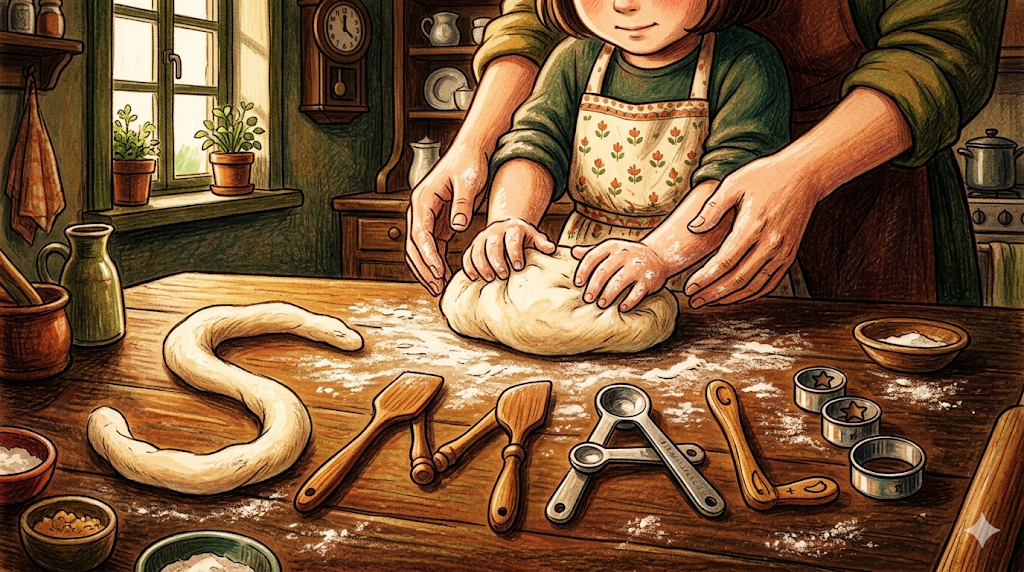
POINT 1. small — 수능 최빈출 비유·어휘 패턴
small은 수능 독해 사회·심리·논리 지문에서 비유적 표현으로 자주 출제됩니다.
small talk → 깊지 않은 가벼운 일상 대화를 나타낼 때 예) They made small talk at the party. (파티에서 가벼운 잡담을 나눴다.) no small feat → 쉽지 않은 대단한 성취를 강조할 때 예) It was no small feat. (이것은 결코 쉬운 일이 아니었다.) small print → 숨겨진 조건을 주의하라고 할 때 예) Always read the small print. 항상 작은 글씨를 읽어라.
POINT 2. small / little / tiny — 수능 어휘 핵심 비교
이 세 단어는 수능에서 자주 혼동되는 어휘입니다.
small → 크기나 양이 작은 (객관적·측정 가능) 예) A small room. 작은 방. little → 작은 (감정적 뉘앙스, 귀엽거나 하찮음) 예) A little dog. 작은 강아지 (귀여운). tiny → 매우 작은 (극도로 작은 크기 강조) 예) A tiny seed. 아주 작은 씨앗.
POINT 3. small의 다양한 용법 — 수능 독해 문맥 파악 핵심
small은 수능 독해에서 문맥에 따라 의미가 완전히 달라지는 핵심 단어입니다.
크기 작음 → A small house. 작은 집. 심리적 위축 → She felt small. 그녀는 초라하게 느꼈다. 가벼운 대화 → They had small talk. 가벼운 잡담을 나눴다. 숨겨진 조건 → Read the small print. 숨겨진 조건을 읽어라. 대단한 성취 → No small feat. 결코 쉬운 일이 아닌.
(형용사) ① 작은, 소규모의 (크기·양)
small의 가장 기본적인 의미로, 물리적 크기나 양이 작은 것을 나타냅니다.
- The café was small enough that every table could hear every other table's conversation, which made it a popular meeting place for people who wanted to feel connected to the energy of others. (카페는 모든 테이블이 다른 테이블의 대화를 들을 수 있을 만큼 작았으며, 이것이 다른 사람들의 에너지와 연결된 느낌을 원하는 사람들에게 인기 있는 만남의 장소로 만들었다.)
- She was surprised by how much happiness could fit into a small flat — it had only one bedroom and a tiny kitchen, but she filled it with plants, books, and the smell of good food. (그녀는 작은 아파트에 얼마나 많은 행복이 들어갈 수 있는지에 놀랐다 — 침실 하나와 작은 부엌뿐이었지만 그녀는 그것을 식물, 책, 좋은 음식 냄새로 채웠다.)
- The small detail he had noticed in the report turned out to be the most important piece of information in the whole investigation, proving once again that it pays to read things carefully. (보고서에서 그가 발견한 작은 세부 사항이 전체 조사에서 가장 중요한 정보였으며, 주의 깊게 읽는 것이 가치 있다는 것을 다시 한번 증명했다.)
(형용사) ② 하찮은, 중요하지 않은 (중요성)
small은 크기가 아닌 중요성이나 가치에서 작고 사소한 것을 나타냅니다.
- She never dismissed small kindnesses — holding a door, saying thank you, remembering someone's name — because she believed they were often more meaningful than big gestures. (그녀는 작은 친절들 — 문을 잡아주기, 감사하기, 누군가의 이름을 기억하기 — 을 결코 무시하지 않았는데, 그것들이 종종 큰 몸짓보다 더 의미 있다고 믿었기 때문이었다.)
- The argument had started over something so small that neither of them could quite remember what it was, which made it even harder to know how to resolve it. (논쟁은 너무 사소한 것으로 시작해서 두 사람 모두 그것이 무엇이었는지 정확히 기억할 수 없었으며, 이것이 해결하는 방법을 알기 더 어렵게 만들었다.)
- He had learned that small improvements made consistently over a long time produced results that were far more impressive than any sudden burst of effort followed by giving up. (그는 오랜 시간에 걸쳐 꾸준히 이루어진 작은 개선들이 노력의 갑작스러운 폭발 후 포기하는 것보다 훨씬 더 인상적인 결과를 낸다는 것을 배웠다.)
(형용사) ③ 편협한, 소심한 (사고방식)
small은 사람의 사고방식이 좁거나 편협한 것을 나타냅니다.
- She found the small thinking of those around her frustrating — they kept telling her that her ideas were too big, when she believed the problem was that their imagination was too limited. (그녀는 주변 사람들의 편협한 사고가 답답했다 — 그들은 그녀의 아이디어가 너무 크다고 계속 말했지만, 그녀는 문제가 그들의 상상력이 너무 제한적이라는 것이라고 믿었다.)
- It was the small thinking of those in charge that had kept the organisation from growing for years, and new leadership was finally willing to take the risks that change required. (담당자들의 소심한 사고가 수년 동안 조직이 성장하는 것을 막아왔으며, 새 리더십이 마침내 변화가 요구하는 위험을 감수할 의지가 있었다.)
- She noticed that the people most resistant to change were often those whose small view of what was possible had become a kind of protection — against failure, yes, but also against anything new. (그녀는 변화에 가장 저항하는 사람들이 종종 가능한 것에 대한 소심한 시각이 일종의 보호가 된 사람들이라는 것을 알아챘다 — 실패에 대한 보호이기도 하지만, 또한 어떤 새로운 것에 대한 보호이기도 했다.)
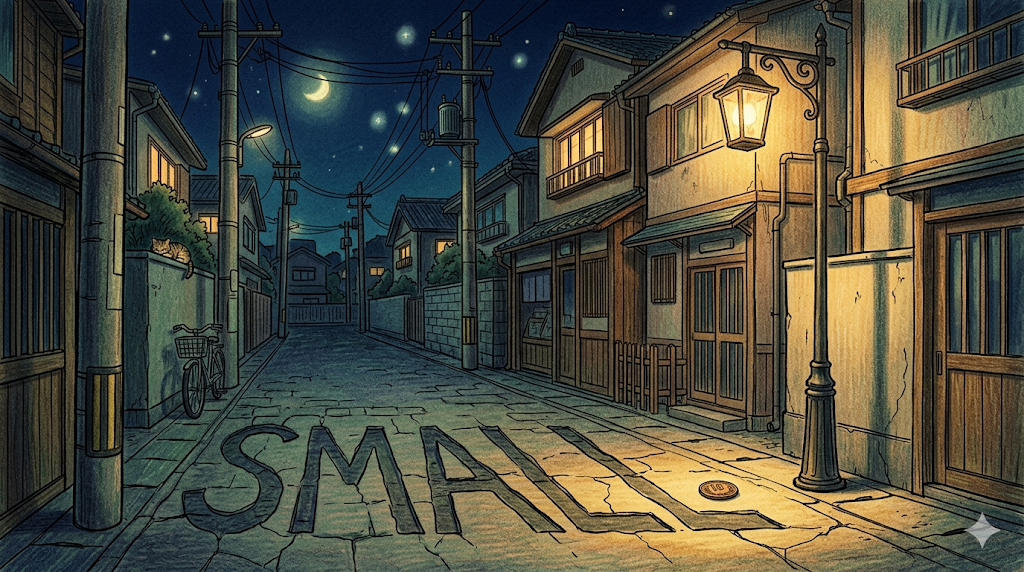
뉘앙스·의미 연결 흐름 표
핵심 이미지 연결 흐름 뉘앙스 요약
| 크기나 양이 제한된 것 | 잔돈 → 작은 시간대 → 소박하게 | small change, small hours, in a small way |
| 중요성이나 심리적으로 제한된 것 | 초라하게 느낌 → 편협한 → 소심하게 생각 | feel small, small-minded, think small |
| 사회적·언어적 의미 | 가벼운 잡담 → 숨겨진 조건 → 쉽지 않은 성취 | small talk, small print, no small feat |
어원 흐름 표
단어 구성 요소 의미 연결 흐름 뉘앙스 요약
| 인도유럽어 *smal-(작은·가는) → 고대 영어 smæl | 좁거나 작은 것 → small | 크기와 중요성의 핵심 이미지 |
| small (형용사/부사) | 물리적 작음 → 사소함 → 심리적 위축 → 편협함 | 크기에서 중요성·심리·사회까지 확장 |
품사별 의미 표
품사 의미 예문
| 형용사 | 작은, 소규모의 | A small house. |
| 형용사 | 하찮은, 사소한 | A small problem. |
| 형용사 | 편협한, 소심한 | A small mind. |
| 명사구 | 가벼운 잡담 | They made small talk. |
| 명사구 | 숨겨진 조건 | Read the small print. |
| 관용구 | 결코 쉽지 않은 일 | No small feat. |
활용 예문 리스트
- Making small talk with strangers came naturally to some people, but for her it required genuine effort and left her feeling tired in a way that deep conversation never did. (낯선 사람들과 가벼운 잡담을 나누는 것이 어떤 사람들에게는 자연스럽게 왔지만, 그녀에게는 진정한 노력이 필요했으며 깊은 대화와 달리 피곤하게 만들었다.)
- She always read the small print before signing anything, having once made the mistake of agreeing to something she did not fully understand and spending months dealing with the consequences. (그녀는 항상 무언가에 서명하기 전에 작은 글씨를 읽었는데, 한번은 충분히 이해하지 못한 것에 동의하는 실수를 해서 몇 달 동안 결과를 처리해야 했기 때문이었다.)
- Managing the whole event alone was no small feat — it involved coordinating thirty volunteers, booking a venue, and managing a budget that was barely enough to cover the basics. (혼자 전체 행사를 관리하는 것은 결코 쉬운 일이 아니었다 — 30명의 자원봉사자를 조율하고, 장소를 예약하며, 기본적인 것을 겨우 충당할 예산을 관리하는 것을 포함했다.)
- His comment was not meant to be cruel but it made her feel small in front of everyone, and she was quiet for the rest of the afternoon. (그의 말은 잔인하게 의도된 것이 아니었지만 모든 사람 앞에서 그녀를 초라하게 느끼게 만들었으며, 그녀는 오후 내내 조용했다.)
- She refused to be small-minded about other cultures and always tried to understand new ideas before forming any judgement about them. (그녀는 다른 문화에 대해 편협하게 되기를 거부했으며 항상 그것들에 대한 판단을 내리기 전에 새로운 아이디어를 이해하려 했다.)
전체 뉘앙스 설명
small은 '크기나 중요성이 제한된 것에서 출발해 물리적 크기·심리적 위축·가벼운 대화·숨겨진 조건·편협한 사고·대단한 성취까지 확장되는 생동감 넘치는 언어'입니다.
little과의 차이: little은 감정적 뉘앙스를 포함하거나 귀여움을 강조하고, small은 더 객관적이고 중립적인 크기나 양을 강조합니다. tiny와의 차이: tiny는 극도로 작은 크기를 강조하고, small은 단순히 크지 않은 것을 강조합니다. minor와의 차이: minor는 중요성이 덜한 것을 강조하고, small은 크기와 중요성 모두에서 작은 것을 강조합니다.
마지막 핵심 정리
small은 단순히 "작은"이 아닙니다 — 고대 영어 smæl(가는·작은)에서 출발해, 물리적 크기(small)에서 가벼운 잡담(small talk)·숨겨진 조건(small print)·심리적 위축(feel small)·편협함(small-minded)·소박한 방식(in a small way)·새벽 시간(small hours)·소심한 사고(think small)·잔돈(small change)·대단한 성취(no small feat)까지 확장되는 단어이며, small talk·no small feat·small print의 비유적 의미 파악이 수능 핵심 출제 포인트입니다.
파생어 표
파생어 발음기호 품사 의미
| smaller | [ˈsmɔːlər] | 형용사 | 더 작은 |
| smallest | [ˈsmɔːlɪst] | 형용사 | 가장 작은 |
| smallness | [ˈsmɔːlnəs] | 명사 | 작음, 소규모 |
| smallish | [ˈsmɔːlɪʃ] | 형용사 | 약간 작은 |
| small-scale | [smɔːl skeɪl] | 형용사 | 소규모의 |
유의어 비교표
단어 공통점 뉘앙스 차이 예문
| small | 작은, 사소한 | 크기·중요성·심리, 비유 풍부 | A small room. |
| little | 작은 | 감정적 뉘앙스, 귀여움·하찮음 | A little bird. |
| tiny | 아주 작은 | 극도로 작은 크기 강조 | A tiny dot. |
| minor | 사소한 | 중요성이 덜한 것 | A minor issue. |
| compact | 작고 효율적인 | 크기에 비해 내용이 충실한 것 | A compact car. |
유의어 예문 리스트
- (little) She kept a little notebook in her bag where she wrote down anything interesting she noticed during the day, from overheard conversations to strange cloud shapes. (그녀는 가방에 작은 공책을 들고 다니며 엿들은 대화부터 이상한 구름 모양까지 하루 동안 흥미롭게 발견한 것을 적었다.)
- (tiny) The scientist needed a tiny amount of the chemical — barely visible to the eye — to complete the experiment successfully. (과학자는 실험을 성공적으로 완료하기 위해 눈으로 거의 보이지 않는 아주 작은 양의 화학 물질이 필요했다.)
- (minor) She made only minor changes to the essay after her teacher's feedback, adjusting a few sentences without changing the overall argument. (그녀는 선생님의 피드백 후 에세이에 사소한 변경만 했으며, 전체적인 주장을 바꾸지 않고 몇 문장을 조정했다.)
- (compact) The new design was more compact than the original, making it easier to carry around without losing any of its original features. (새 디자인은 원래 것보다 더 작고 효율적이어서, 원래 기능을 전혀 잃지 않고 들고 다니기 더 쉽게 됐다.)
결론 정리
small은 단순히 "작은"이 아니라, 고대 영어 smæl(가는·작은)에서 출발해 크기나 중요성이 제한된 것에서 물리적 크기·심리적 위축·가벼운 대화·숨겨진 조건·편협한 사고·대단한 성취까지 확장되는 단어다 — small이 있는 곳엔 언제나 '단순한 크기가 아닌, 인간이 사소함과 중요함·겸손과 편협함·작은 시작과 큰 성취 사이에서 어떻게 의미를 만드는지가 생생하게 살아숨쉬는' 생동감의 선언이 있다.
💡 small은 "크기나 중요성이 제한된 것에서 출발한" 생동감 넘치는 언어 — small talk · no small feat · small print가 수능 최빈출.
🌟 초등학생 버전 — small은 작은이지만, "가벼운 잡담"(small talk), "숨겨진 조건"(small print), "결코 쉽지 않은 일"(no small feat)처럼 우리 생활과 언어 곳곳에 살아있는 단어예요! 🔍✨
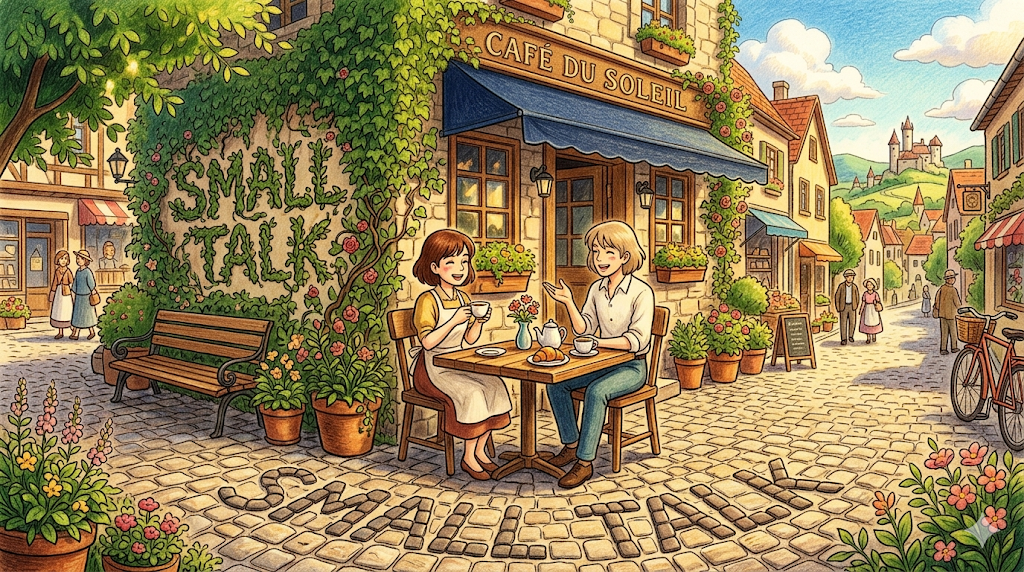
small talk [smɔːl tɔːk]
(명사구) 가벼운 잡담, 일상적인 소소한 대화
날씨나 스포츠처럼 깊지 않은 주제에 대한 가벼운 대화를 강조하며, 수능에서 자주 출제되는 표현입니다. 수능 독해 사회·심리·일상 지문에서 핵심적으로 등장합니다.
- Before the meeting officially started, everyone made small talk about the weekend, and the relaxed atmosphere it created actually helped the serious discussion that followed go more smoothly. (회의가 공식적으로 시작되기 전에 모든 사람이 주말에 대해 가벼운 잡담을 나눴으며, 그것이 만들어낸 편안한 분위기가 실제로 이어지는 진지한 토론이 더 원활하게 진행되도록 도왔다.)
- He was brilliant at deep conversations but terrible at small talk, which made the first few minutes of any social event feel awkward until someone raised a topic he could engage with properly. (그는 깊은 대화에는 뛰어났지만 가벼운 잡담에는 젬병이어서, 누군가가 그가 제대로 참여할 수 있는 주제를 꺼낼 때까지 어떤 사교 행사의 처음 몇 분도 어색하게 느껴졌다.)
- The essay argued that small talk is far more important than its name suggests — that it builds the social trust which makes deeper conversations possible, and that people who dismiss it are often overlooking the invisible work it does in maintaining relationships. (에세이는 가벼운 잡담이 이름이 시사하는 것보다 훨씬 더 중요하다고 주장했다 — 그것이 더 깊은 대화를 가능하게 하는 사회적 신뢰를 쌓으며, 그것을 무시하는 사람들이 종종 그것이 관계를 유지하는 데 하는 보이지 않는 일을 간과하고 있다고 했다.)
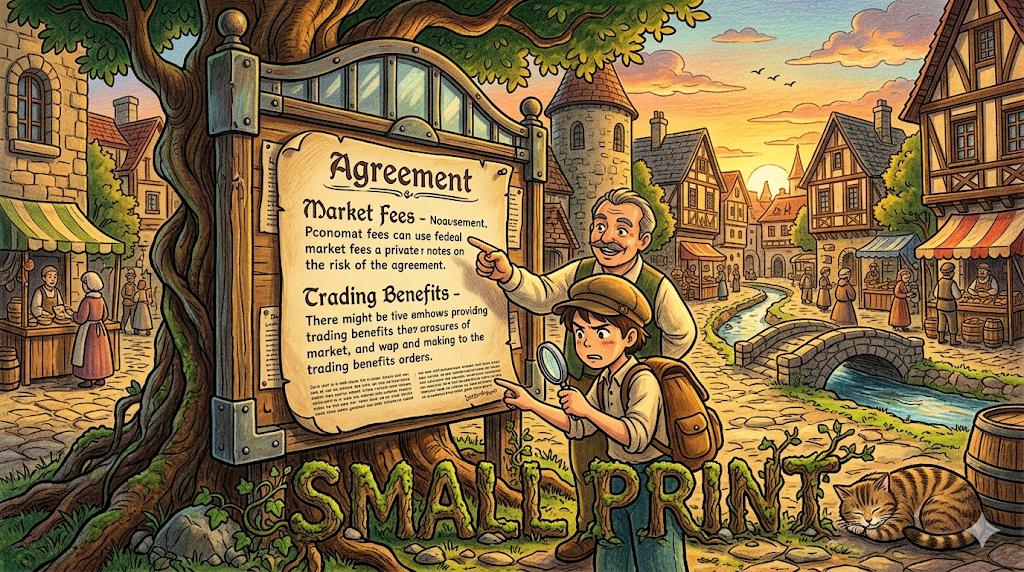
small print [smɔːl prɪnt]
(명사구) 작은 글씨, 계약서의 숨겨진 조건
계약서나 광고에서 매우 작게 쓰여져 쉽게 놓칠 수 있는 중요한 조건이나 제한을 강조합니다. 수능 독해 사회·경제·논리 지문에서 자주 등장합니다.
- The holiday deal looked amazing until she read the small print and discovered that the advertised price did not include flights, transfers, or any meals at all. (그 휴가 상품은 작은 글씨를 읽어 광고된 가격에 항공편, 교통편, 식사가 전혀 포함되지 않는다는 것을 알게 될 때까지 놀랍게 보였다.)
- The teacher told the class that life was full of small print — the unspoken rules, hidden expectations, and unstated conditions that shaped every social situation they would ever find themselves in. (선생님은 학급에게 삶이 작은 글씨로 가득하다고 말했다 — 그들이 처할 모든 사회적 상황을 형성하는 말하지 않은 규칙, 숨겨진 기대, 그리고 명시되지 않은 조건들이다.)
- The essay noted that the small print in any agreement deserves as much attention as the main terms — because it is precisely there that the real conditions of the deal are most likely to be hidden, often deliberately placed where people are least likely to look. (에세이는 어떤 합의에서든 작은 글씨가 주요 조건만큼 많은 주의를 받을 자격이 있다고 지적했다 — 거래의 실제 조건이 가장 숨겨질 가능성이 높은 곳이 정확히 그곳이기 때문이며, 종종 사람들이 가장 볼 가능성이 낮은 곳에 의도적으로 배치된다고 했다.)
숙어 그룹 묶음 1 — 사회·소통 small 핵심 패턴
표현 의미 핵심 뉘앙스 주요 맥락
| small talk | 가벼운 잡담 | 깊지 않은 주제의 일상적 대화 | 사회·심리·수능 |
| small print | 숨겨진 조건 | 계약서에 작게 쓰인 중요한 조항 | 사회·경제·수능 |
| feel small | 초라하게 느끼다 | 누군가로 인해 하찮게 느끼는 것 | 심리·사회·수능 |
이 세 표현은 모두 small의 "제한되거나 사소해 보이지만 중요한 것" 이미지를 공유하되, 각각 사소해 보이지만 중요한 사회적 대화(small talk)·사소해 보이지만 중요한 숨겨진 조건(small print)·다른 사람에 의해 작아지는 심리(feel small)의 관점에서 접근합니다.
- The company's contract was full of small print that made her feel small when she finally understood what she had agreed to, and it taught her that even during small talk at networking events, the real deals were often being set up in ways she had not noticed. (회사의 계약서는 그녀가 마침내 동의한 것을 이해했을 때 초라하게 느끼게 만드는 작은 글씨로 가득했으며, 이것이 네트워킹 행사에서 가벼운 잡담 동안에도 진짜 거래가 종종 그녀가 알아채지 못한 방식으로 설정되고 있다는 것을 가르쳐줬다.)
- He had learned to use small talk as a tool rather than a waste of time, to always read the small print before agreeing to anything, and to recognise immediately when someone was deliberately trying to make him feel small — because all three skills had saved him from trouble more than once. (그는 가벼운 잡담을 시간 낭비가 아닌 도구로 사용하는 것을, 어떤 것에 동의하기 전에 항상 작은 글씨를 읽는 것을, 그리고 누군가가 의도적으로 그를 초라하게 느끼게 만들려 할 때 즉시 알아채는 것을 배웠다 — 세 가지 기술 모두 한 번 이상 그를 곤경에서 구해줬기 때문이었다.)
- The essay connected the three by arguing that small talk, small print, and the moments that make people feel small are all places where power is quietly exercised — through inclusion or exclusion, through information shared or withheld, through recognition given or denied. (에세이는 가벼운 잡담, 작은 글씨, 그리고 사람들을 초라하게 느끼게 만드는 순간들이 모두 권력이 조용히 행사되는 곳이라고 주장하며 세 가지를 연결했다 — 포함이나 배제를 통해, 공유되거나 보류되는 정보를 통해, 주어지거나 거부되는 인정을 통해이다.)

feel small [fiːl smɔːl]
(동사구) 초라하게 느끼다, 무시당하는 느낌이 들다
누군가의 말이나 행동으로 인해 자신이 하찮거나 중요하지 않은 것처럼 느끼는 것을 강조합니다. 수능 독해 심리·사회·일상 지문에서 자주 등장합니다.
- A good leader never deliberately makes the people around them feel small, because they understand that people do their best work when they feel valued, not when they feel diminished. (좋은 리더는 가치 있게 느낄 때 최선을 다하고 작아진 느낌이 들 때는 그렇지 않다는 것을 알기 때문에 주변 사람들을 의도적으로 초라하게 느끼게 만들지 않는다.)
- She had spent years in a job where her manager's habit of talking over her in meetings had made her feel small, and it was only when she changed teams that she realised how much it had affected her confidence. (그녀는 회의에서 그녀의 말을 가로막는 매니저의 습관이 그녀를 초라하게 느끼게 만드는 직장에서 수년을 보냈으며, 팀을 바꿨을 때야 비로소 그것이 자신감에 얼마나 영향을 미쳤는지 깨달았다.)
- The essay explored why being made to feel small is often more damaging than direct criticism — because criticism gives you something specific to address, while being diminished without explanation leaves a person with no way to understand what to do differently. (초라하게 느끼게 만들어지는 것이 종종 직접적인 비판보다 더 해롭다고 에세이는 탐구했다 — 비판은 처리할 구체적인 것을 주지만, 설명 없이 작아지게 되는 것은 사람에게 다르게 무엇을 해야 하는지 이해하는 방법을 전혀 남기지 않기 때문이다.)

small-minded [smɔːl ˈmaɪndɪd]
(형용사) 속이 좁은, 편협한
새로운 아이디어나 다른 사람의 관점에 마음을 열지 않는 편협하고 좁은 생각을 강조합니다. 수능 독해 사회·심리·논리 지문에서 자주 등장합니다.
- She was disappointed by how small-minded some of the responses to the new programme had been, focusing only on the small costs while completely ignoring the enormous potential benefits. (그녀는 새 프로그램에 대한 일부 반응이 얼마나 편협했는지에 실망했으며, 엄청난 잠재적 혜택을 완전히 무시하면서 작은 비용에만 집중했다.)
- It was not his disagreement that she found small-minded but the fact that he had formed his opinion without taking any time to understand the evidence first. (그녀가 편협하다고 느낀 것은 그의 불일치가 아니라 그가 먼저 증거를 이해하는 데 전혀 시간을 들이지 않고 의견을 형성했다는 사실이었다.)
- The essay argued that small-minded thinking is not always the result of low intelligence — it is often the result of fear, and that the most effective way to change it is not to argue but to offer experiences that make a wider perspective feel safe rather than threatening. (편협한 사고가 항상 낮은 지능의 결과가 아니라고 에세이는 주장했다 — 그것은 종종 두려움의 결과이며, 그것을 바꾸는 가장 효과적인 방법은 논쟁이 아니라 더 넓은 관점을 위협적이기보다 안전하게 느끼게 하는 경험을 제공하는 것이라고 했다.)
숙어 그룹 묶음 2 — 심리·사고 small 패턴
표현 의미 핵심 뉘앙스 주요 맥락
| small-minded | 편협한 | 좁은 사고방식으로 새로운 것에 닫혀있는 것 | 사회·심리·수능 |
| in a small way | 소박하게나마 | 작지만 의미 있는 방식으로 기여하는 것 | 일상·사회·수능 |
| small hours | 새벽 시간대 | 자정 이후 이른 새벽 시간 | 일상·문학·수능 |
이 세 표현은 모두 small의 "제한적이지만 의미 있는" 이미지를 공유하되, 각각 편협하게 제한된 사고방식(small-minded)·작지만 의미 있는 기여(in a small way)·하루 중 가장 작고 조용한 시간(small hours)의 관점에서 접근합니다.
- In the small hours of the morning, when the small-minded voices of doubt were loudest, she reminded herself that doing good in a small way every day was worth more than waiting for the perfect moment to do something grand. (새벽 이른 시간에, 편협한 의심의 목소리가 가장 클 때, 그녀는 매일 소박하게나마 좋은 일을 하는 것이 무언가 웅장한 것을 할 완벽한 순간을 기다리는 것보다 가치 있다고 스스로에게 상기시켰다.)
- She had a small-minded colleague who had spent his career dismissing the contributions of others, while she had quietly worked in a small way over many years until it was suddenly the small hours of her final year of work — and she realised that her quiet accumulation of small kindnesses had outlasted every big dramatic gesture he had ever made. (그녀에게는 커리어 동안 다른 사람들의 기여를 무시한 편협한 동료가 있었는데, 그녀는 수년에 걸쳐 소박하게나마 조용히 일하다가 마지막 근무 연도의 이른 새벽 시간이 갑자기 됐을 때 — 그녀의 조용한 작은 친절들의 축적이 그가 한 모든 크고 극적인 몸짓보다 오래 지속됐다는 것을 깨달았다.)
- The essay noted that being small-minded often shows itself most clearly in the small hours — when defences are down and automatic thoughts take over — and that the antidote is not to shame the thinking but to fill even the smallest moments of each day with habits of generosity and openness that gradually make a wider mind feel natural. (편협함이 방어가 낮아지고 자동적인 생각이 넘어오는 새벽 이른 시간에 가장 분명하게 드러나는 경우가 많으며, 해독제는 사고를 부끄럽게 만드는 것이 아니라 매일의 가장 작은 순간들을 점점 더 넓은 마음이 자연스럽게 느끼도록 만드는 관대함과 개방성의 습관으로 채우는 것이라고 에세이는 지적했다.)

in a small way [ɪn ə smɔːl weɪ]
(전치사구) 작은 방식으로, 소박하게나마
크거나 완벽하지 않더라도 어느 정도의 방식으로 무언가에 기여하거나 도움이 되는 것을 강조합니다. 수능 독해 일상·사회·심리 지문에서 자주 등장합니다.
- She could not solve the big problem on her own, but she could help in a small way by making sure the people around her felt seen and cared for. (그녀는 혼자서 큰 문제를 해결할 수 없었지만, 주변 사람들이 보살핌 받는다는 느낌이 들도록 함으로써 소박하게나마 도울 수 있었다.)
- He donated in a small way every month — never a large amount, but consistently — and over ten years it added up to something he was genuinely proud of. (그는 매달 소박하게나마 기부했다 — 결코 큰 금액이 아니지만 꾸준히 — 그리고 10년에 걸쳐 그것이 그가 진정으로 자랑스러운 것으로 쌓였다.)
- The essay argued that doing good in a small way consistently is more valuable than grand gestures made occasionally — because small consistent actions build habits, relationships, and character in ways that large occasional ones never can. (에세이는 꾸준히 소박하게나마 좋은 일을 하는 것이 간혹 이루어지는 웅장한 몸짓보다 더 가치 있다고 주장했다 — 작은 일관된 행동이 큰 간헐적인 행동이 결코 할 수 없는 방식으로 습관, 관계, 성격을 만들기 때문이다.)

small hours [smɔːl aʊərz]
(명사구) 새벽 시간대, 한밤중
자정 이후부터 동이 트기 전까지의 이른 새벽 시간을 강조하며, 수능 문학·사회·일상 지문에서 자주 등장합니다.
- She would often wake in the small hours and lie there with her thoughts, unable to sleep, which was both a curse and the time when her best ideas came to her. (그녀는 종종 이른 새벽 시간에 깨어 잠을 자지 못한 채 생각들과 함께 누워있었는데, 이것은 저주이기도 하고 가장 좋은 아이디어들이 오는 시간이기도 했다.)
- The hospital was busiest in the small hours, paradoxically, when the city was at its quietest — because accidents, crises, and the kinds of emergencies that could not wait chose no particular hour to happen. (병원은 역설적으로 도시가 가장 조용할 때인 이른 새벽 시간에 가장 바빴다 — 사고, 위기, 기다릴 수 없는 종류의 응급 상황들이 특별한 시간을 선택하지 않기 때문이었다.)
- The essay reflected on how the small hours have always been associated with both vulnerability and creativity — the time when rational defences are down, when feelings that are hidden during the day come forward, and when some of the most honest thinking happens. (에세이는 이른 새벽 시간이 항상 취약성과 창의성 모두와 연관돼 왔다고 성찰했다 — 합리적인 방어가 낮아지고, 낮 동안 숨겨진 감정들이 앞으로 나오며, 가장 솔직한 사고가 일어나는 시간이라고 했다.)
숙어 그룹 묶음 3 — 사고·성취 small 심화 패턴
표현 의미 핵심 뉘앙스 주요 맥락
| think small | 소심하게 생각하다 | 야망이 부족하거나 작은 것에 집중하는 것 | 심리·사회·수능 |
| small change | 잔돈 / 하찮은 금액 | 가치가 적은 동전이나 금액 | 일상·경제·수능 |
| no small feat | 결코 쉽지 않은 일 | 겉으로 보기보다 실제로 어렵거나 대단한 성취 | 학술·사회·수능 |
이 세 표현은 모두 small의 "작아 보이지만 실제로는 그렇지 않은" 이미지를 공유하되, 각각 지나치게 작게 생각하는 것의 위험(think small)·작아 보이지만 실제로 쌓이는 것(small change)·작아 보이지만 실제로 대단한 것(no small feat)의 관점에서 접근합니다.
- Getting everyone to stop thinking small about what was possible was itself no small feat, and the coach knew that the small change of attitude she was looking for in each player was where the real transformation would begin. (모든 사람이 가능한 것에 대해 소심하게 생각하는 것을 멈추도록 하는 것 자체가 결코 쉬운 일이 아니었으며, 코치는 각 선수에게서 찾고 있는 태도의 작은 변화가 진정한 변화가 시작될 곳이라는 것을 알았다.)
- The essay explored how people who think small often undervalue small change — whether it is loose coins accumulated over years, or the small daily shifts in behaviour that eventually amount to transformation — and argued that it is no small feat to change this, because optimism and patience are themselves rare and difficult qualities. (에세이는 소심하게 생각하는 사람들이 종종 작은 변화 — 수년에 걸쳐 쌓인 잔돈이든, 결국 변화를 이루는 매일의 작은 행동 변화든 — 를 과소평가하는 방식을 탐구했으며, 낙관주의와 인내심 자체가 드물고 어려운 자질이기 때문에 이것을 바꾸는 것이 결코 쉬운 일이 아니라고 주장했다.)
- She concluded that thinking small is not always a weakness — sometimes it means focusing on what is manageable rather than being paralysed by scale — but that small change adds up to something large over time, and that achieving real transformation is truly no small feat, which is why it deserves recognition rather than being taken for granted. (그녀는 소심하게 생각하는 것이 항상 약점이 아니라고 결론지었다 — 때로는 규모에 마비되기보다 관리 가능한 것에 집중하는 것을 의미한다 — 하지만 작은 변화는 시간이 지남에 따라 큰 것으로 더해지며, 진정한 변화를 달성하는 것은 진정으로 결코 쉬운 일이 아니므로, 당연한 것으로 여겨지기보다 인정을 받을 자격이 있다고 했다.)
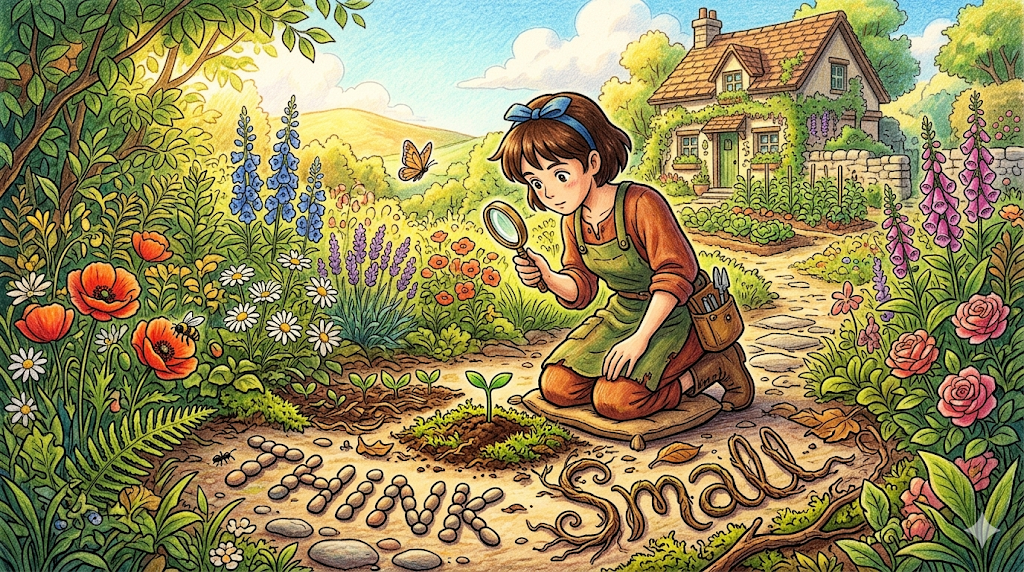
think small [θɪŋk smɔːl]
(동사구) 소박하게 생각하다, 작은 것에 집중하다
큰 목표보다 작고 구체적인 단계에 초점을 맞추는 것 또는 야망이 부족한 것을 강조합니다. 수능 독해 심리·사회·논리 지문에서 자주 등장합니다.
- Her mentor told her not to think small when she set her goals, reminding her that the same amount of effort it took to pursue a small dream also took to pursue a big one. (멘토는 목표를 설정할 때 소심하게 생각하지 말라고 말하며, 작은 꿈을 추구하는 데 필요한 노력의 양이 큰 꿈을 추구하는 데도 필요하다고 상기시켰다.)
- Some people think small not because they lack ambition but because past failures have taught them that hope is dangerous, which is why rebuilding confidence requires gentleness as much as encouragement. (어떤 사람들은 야망이 없어서가 아니라 과거의 실패가 희망이 위험하다고 가르쳤기 때문에 소심하게 생각하며, 이것이 자신감을 재건하는 것이 격려만큼 부드러움을 필요로 하는 이유이다.)
- The essay argued that the advice to never think small is itself incomplete — because there are times when starting small is not a sign of low expectations but of genuine wisdom, and knowing the difference between productive focus and limiting fear is one of the most important skills a person can develop. (소심하게 생각하지 말라는 조언이 그 자체로 불완전하다고 에세이는 주장했다 — 작게 시작하는 것이 낮은 기대의 표시가 아니라 진정한 지혜의 표시인 경우가 있으며, 생산적인 집중과 제한하는 두려움의 차이를 아는 것이 사람이 개발할 수 있는 가장 중요한 기술 중 하나라고 했다.)

small change [smɔːl tʃeɪndʒ]
(명사구) 잔돈, 소액의 동전 / 하찮은 금액
가치가 적은 동전이나 금액을 강조하며, 비유적으로 중요하지 않은 작은 것을 나타냅니다. 수능 독해 일상·경제 지문에서 자주 등장합니다.
- She always put her small change into a jar at the end of the day, and by the end of the year she had saved enough to buy the new phone she had wanted. (그녀는 항상 하루가 끝날 때 잔돈을 병에 넣었으며, 연말에는 원하던 새 폰을 살 충분한 돈이 모여 있었다.)
- For a big company, a hundred thousand pounds might seem like small change, but for a local charity it represented an entire year's budget and would transform what they were able to do. (대형 회사에게 10만 파운드는 하찮은 금액처럼 보일 수 있지만, 지역 자선단체에게 그것은 일 년 전체 예산을 나타내며 그들이 할 수 있는 것을 바꿀 것이었다.)
- The essay used small change as a metaphor for the kind of adjustments that seem too minor to matter but compound into significant transformation — and argued that dismissing the value of small change, in any sense, is one of the most common and most costly thinking errors people make. (에세이는 잔돈을 중요하지 않을 것 같지만 중요한 변화로 합쳐지는 종류의 조정의 은유로 사용했다 — 그리고 어떤 의미에서든 잔돈의 가치를 무시하는 것이 사람들이 하는 가장 흔하고 가장 비용이 많이 드는 사고 오류 중 하나라고 주장했다.)

no small feat [nəʊ smɔːl fiːt]
(관용구) 결코 쉽지 않은 일, 대단한 성취
겉으로 보기에 간단해 보일 수 있지만 실제로는 어렵거나 대단한 성취임을 강조하며, 수능에서 자주 출제되는 표현입니다.
- Teaching thirty different children with thirty different needs simultaneously is no small feat, yet most people never stop to consider how much skill and energy it actually requires. (30개의 서로 다른 필요를 가진 30명의 다른 아이들을 동시에 가르치는 것은 결코 쉬운 일이 아니지만, 대부분의 사람들은 그것이 실제로 얼마나 많은 기술과 에너지를 필요로 하는지 잠시 생각하는 것조차 하지 않는다.)
- Getting the two sides to agree on anything was no small feat, given that they had not spoken to each other in years and still blamed each other for everything that had gone wrong. (두 측이 어느 것에라도 동의하도록 하는 것은 결코 쉬운 일이 아니었는데, 그들이 수년간 서로 이야기하지 않았으며 여전히 잘못된 모든 것에 대해 서로를 비난하고 있었기 때문이었다.)
- The essay noted that no small feat is one of the most elegant phrases in English because it uses the language of smallness to communicate the opposite — that the achievement in question is remarkable — which is why it is particularly effective for giving recognition to things that are often taken for granted. (에세이는 no small feat이 영어에서 가장 우아한 표현 중 하나라고 지적했는데, 작음의 언어를 사용해 반대를 전달하기 때문이다 — 문제의 성취가 놀랍다는 것 — 이것이 종종 당연하게 여겨지는 것들에 인정을 주는 데 특히 효과적인 이유라고 했다.)
숙어 그룹 묶음 4 — 종합 small 패턴
표현 의미 핵심 뉘앙스 주요 맥락
| small talk | 가벼운 잡담 | 깊지 않은 주제의 일상적 대화 | 사회·심리·수능 |
| no small feat | 결코 쉽지 않은 일 | 겉으로 보기보다 실제로 어렵거나 대단한 성취 | 학술·사회·수능 |
| small print | 숨겨진 조건 | 계약서에 작게 쓰인 중요한 조항 | 사회·경제·수능 |
이 세 표현은 수능 독해에서 가장 자주 출제되는 small의 핵심 패턴입니다. small talk는 작아 보이지만 사회적으로 중요한 대화를, no small feat는 작아 보이지만 실제로 대단한 성취를, small print는 작지만 결정적으로 중요한 조건을 각각 나타냅니다.
- Navigating small talk effectively in professional settings was no small feat for her, and she had also learned through experience to always read the small print of any social situation before deciding how much to trust or invest in it. (전문적인 환경에서 효과적으로 가벼운 잡담을 다루는 것이 그녀에게 결코 쉬운 일이 아니었으며, 그녀는 또한 경험을 통해 얼마나 신뢰하거나 투자할지 결정하기 전에 항상 어떤 사회적 상황의 작은 글씨를 읽는 것을 배웠다.)
- The essay argued that small talk, no small feat, and small print are three reminders that nothing in human life is as small as it first appears — that even the most casual interaction carries meaning, even the most simple achievement requires real effort, and even the most minor detail can change everything. (에세이는 가벼운 잡담, 결코 쉽지 않은 일, 그리고 작은 글씨가 인간의 삶에서 처음에 보이는 것만큼 작은 것은 없다는 세 가지 상기물이라고 주장했다 — 가장 가벼운 상호 작용도 의미를 담고 있고, 가장 단순해 보이는 성취도 진정한 노력을 필요로 하며, 가장 사소한 세부 사항도 모든 것을 바꿀 수 있다는 것이다.)
- She concluded that mastering small talk, understanding that maintaining relationships is no small feat, and always reading the small print of every agreement she made were three lessons that had taken her years to learn — but that together they had given her a much sharper understanding of how the world actually works. (그녀는 가벼운 잡담을 마스터하고, 관계를 유지하는 것이 결코 쉬운 일이 아니라는 것을 이해하며, 자신이 맺은 모든 합의의 작은 글씨를 항상 읽는 것이 배우는 데 수년이 걸린 세 가지 교훈이라고 결론지었다 — 하지만 그것들이 함께 세상이 실제로 어떻게 작동하는지에 대한 훨씬 더 날카로운 이해를 줬다고 했다.)
전체 요약표
표현 의미 핵심 뉘앙스
| small | 작은, 소규모의, 사소한 | 크기에서 중요성·심리·사회까지 확장 |
| small talk | 가벼운 잡담 | 깊지 않은 주제의 일상적 대화 |
| small print | 숨겨진 조건 | 계약서에 작게 쓰인 중요한 조항 |
| feel small | 초라하게 느끼다 | 누군가로 인해 하찮게 느끼는 것 |
| small-minded | 편협한 | 좁은 사고방식으로 새로운 것에 닫혀있는 것 |
| in a small way | 소박하게나마 | 작지만 의미 있는 방식으로 기여하는 것 |
| small hours | 새벽 시간대 | 자정 이후 이른 새벽 시간 |
| think small | 소심하게 생각하다 | 야망이 부족하거나 작은 것에 집중하는 것 |
| small change | 잔돈 / 하찮은 금액 | 가치가 적은 동전이나 금액 |
| no small feat | 결코 쉽지 않은 일 | 겉으로 보기보다 실제로 어렵거나 대단한 성취 |
유의어 비교표

단어 공통점 뉘앙스 차이 예문
| small | 작은, 사소한 | 크기·중요성·심리, 비유 풍부 | A small room. |
| little | 작은 | 감정적 뉘앙스, 귀여움·하찮음 | A little bird. |
| tiny | 아주 작은 | 극도로 작은 크기 강조 | A tiny dot. |
| minor | 사소한 | 중요성이 덜한 것 | A minor issue. |
| compact | 작고 효율적인 | 크기에 비해 내용이 충실한 것 | A compact car. |
유의어 예문 리스트
- (little) The little gestures of kindness that her teacher had shown her years ago had stayed with her for decades and influenced the way she treated every student in her own classroom. (수년 전 선생님이 보여준 작은 친절의 몸짓들이 수십 년 동안 그녀와 함께했으며 자신의 교실에서 모든 학생을 대하는 방식에 영향을 미쳤다.)
- (tiny) The tiny crack in the wall that nobody had thought worth repairing turned out to be the first sign of a much more serious structural problem. (아무도 수리할 가치가 있다고 생각하지 않았던 벽의 아주 작은 균열이 훨씬 더 심각한 구조적 문제의 첫 번째 징후였다.)
- (minor) What had seemed like a minor disagreement at the time turned out to have been the beginning of a much deeper difference of values that eventually ended their working relationship. (당시에는 사소한 불일치처럼 보였던 것이 결국 업무 관계를 끝낸 훨씬 더 깊은 가치의 차이의 시작이었다.)
- (compact) The compact design of the new phone made it much easier to use with one hand, which the reviews noted was something many users had been asking for. (새 폰의 작고 효율적인 디자인이 한 손으로 사용하기 훨씬 더 쉽게 만들었으며, 리뷰들은 이것이 많은 사용자들이 요청해온 것이라고 지적했다.)
결론 정리
small은 단순히 "작은"이 아니라, 고대 영어 smæl(가는·작은)에서 출발해 크기나 중요성이 제한된 것에서 물리적 크기·심리적 위축·가벼운 대화·숨겨진 조건·편협한 사고·대단한 성취까지 확장되는 단어다 — small이 있는 곳엔 언제나 '단순한 크기가 아닌, 인간이 사소함과 중요함·겸손과 편협함·작은 시작과 큰 성취 사이에서 어떻게 의미를 만드는지가 생생하게 살아숨쉬는' 생동감의 선언이 있다.
💡 small은 "크기나 중요성이 제한된 것에서 출발한" 생동감 넘치는 언어 — small talk · no small feat · small print가 수능 최빈출.
🌟 초등학생 버전 — small은 작은이지만, "가벼운 잡담"(small talk), "숨겨진 조건"(small print), "결코 쉽지 않은 일"(no small feat)처럼 우리 생활과 언어 곳곳에 살아있는 단어예요! 🔍✨


