- 분류 전체보기 (5462)

| 일 | 월 | 화 | 수 | 목 | 금 | 토 |
|---|---|---|---|---|---|---|
| 1 | 2 | |||||
| 3 | 4 | 5 | 6 | 7 | 8 | 9 |
| 10 | 11 | 12 | 13 | 14 | 15 | 16 |
| 17 | 18 | 19 | 20 | 21 | 22 | 23 |
| 24 | 25 | 26 | 27 | 28 | 29 | 30 |
| 31 |
- Excuse me
- I'm not sure
- Don't worry
- once in a while
- Yes
- Hey
- By The Way
- call off
- Sure
- Actually
- Please
- I'm sorry
- too.
- please?
- entrance fee
- oh
- pick up
- please.
- make it
- I'm glad to hear that.
- hold on
- Right?
- Sorry
- well
- OKay
- work out
- Read between the lines
- no
- Yeah
- come up with
- Today
- Total
인과함께
Day381 , rice, rice paddy, rice bowl, boiled rice, fried rice, rice field, a bowl of rice, rice wine, throw rice, rice paper 본문
Day381 , rice, rice paddy, rice bowl, boiled rice, fried rice, rice field, a bowl of rice, rice wine, throw rice, rice paper
미인생 2026. 5. 7. 14:25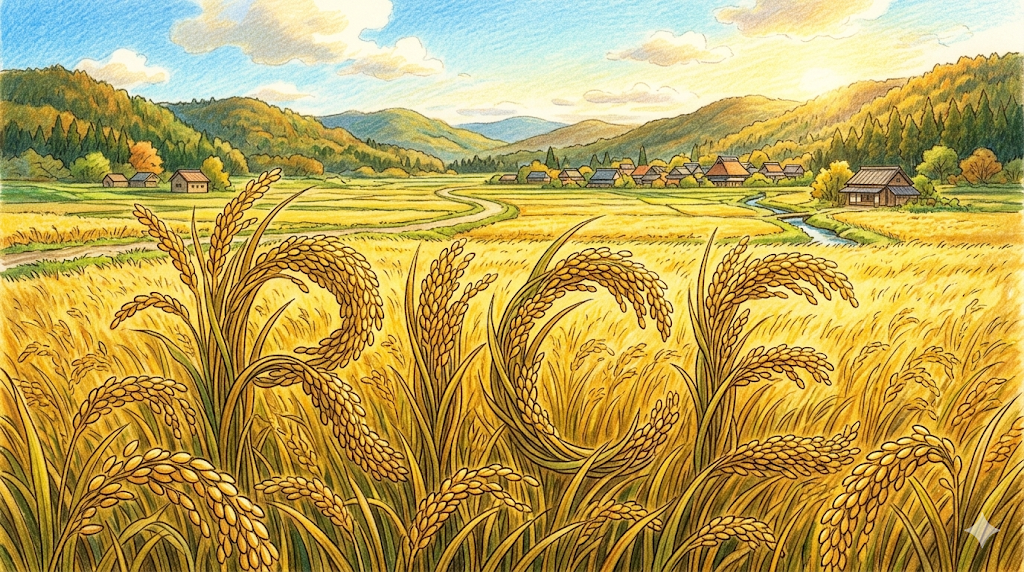
rice [raɪs]
(명사) 쌀, 밥, 벼
(농부들이 뜨거운 태양 아래 논에서 열심히 일하고 있습니다.) [1, 2]
단순히 "쌀"로만 외우면 수능에서 반드시 틀립니다. rice는 "인류가 가장 오래 재배해온 곡물" 이라는 핵심 이미지에서 출발해, 실제 주식·문화적 상징·농업·경제·전통 의식까지 폭넓게 쓰이는 핵심 다의어입니다. 특히 rice paddy(논), rice bowl(밥그릇 / 쌀 생산 중심지), throw rice(쌀을 던지다) 패턴은 수능 독해 문화·사회·환경·역사 지문에서 핵심적으로 등장합니다.
'rice'는 고대 프랑스어 ris에서 유래했으며, 이탈리아어 riso, 라틴어 oryza, 그리고 그리스어 oryza를 거쳐 산스크리트어 vrihi(벼)와 연결됩니다. 어원의 핵심 이미지는 "아시아에서 시작된 인류의 가장 오래된 식량" 으로, 단순한 식품을 넘어 문화·전통·경제·농업·생존까지 확장되는 표현의 근원이 된 단어입니다.
1. rice paddy [raɪs ˈpædi]
(환경/역사/수능) "논, 벼를 재배하는 물이 있는 밭"을 뜻합니다. 물이 채워진 상태에서 벼를 재배하는 농경지를 강조하며, 수능 환경·문화·역사 지문에서 자주 등장합니다.
The rice paddies stretched out across the valley as far as she could see, bright green under the summer sun. (논이 여름 햇살 아래 밝은 초록으로 그녀가 볼 수 있는 한 멀리까지 계곡을 가로질러 펼쳐져 있었다.)
2. rice bowl [raɪs bəʊl]
(일상/경제/수능) "밥그릇" 또는 비유적으로 "생계, 직업" 또는 "쌀 생산 중심지"를 뜻합니다. 일상적으로는 밥을 담는 그릇을, 비유적으로는 생계 수단이나 중요한 쌀 생산 지역을 강조합니다.
She held her rice bowl with both hands as a sign of respect, the way her grandmother had taught her when she was small. (그녀는 어릴 때 할머니가 가르쳐준 것처럼 존경의 표시로 두 손으로 밥그릇을 들었다.)
3. boiled rice [bɔɪld raɪs]
(일상/과학/수능) "밥, 삶은 쌀"을 뜻합니다. 물에 끓여서 만든 쌀 요리를 강조하며, 수능 일상·과학·문화 지문에서 자주 등장합니다.
She made a simple meal of boiled rice and vegetables when she was feeling ill, as it was easy to eat and helped settle her stomach. (그녀는 아팠을 때 먹기 쉽고 위를 안정시키는 데 도움이 됐기 때문에 밥과 채소로 간단한 식사를 만들었다.)
4. fried rice [fraɪd raɪs]
(일상/문화/수능) "볶음밥"을 뜻합니다. 기름에 쌀을 볶아 만든 요리를 강조하며, 아시아 문화를 다루는 수능 문화·사회 지문에서 자주 등장합니다.
He made fried rice with the leftover rice from last night's dinner, adding vegetables and an egg to make it a full meal. (그는 어젯밤 저녁 식사에서 남은 밥으로 볶음밥을 만들었으며, 완전한 식사로 만들기 위해 채소와 달걀을 추가했다.)
5. rice field [raɪs fiːld]
(환경/역사/수능) "논, 벼밭"을 뜻합니다. 벼를 재배하는 넓은 농경지를 강조하며, rice paddy와 비슷하지만 더 일반적인 표현입니다.
The farmers worked in the rice fields from early morning to evening during the harvest season, cutting the stalks by hand. (농부들은 추수철에 이른 아침부터 저녁까지 논에서 일하며 손으로 줄기를 잘랐다.)
6. a bowl of rice [ə bəʊl əv raɪs]
(일상/문화/수능) "밥 한 그릇"을 뜻합니다. 쌀을 그릇에 담아 먹는 기본 식사의 단위를 강조하며, 문화·일상 지문에서 자주 등장합니다.
All she had for lunch that day was a bowl of rice and some pickled vegetables, but she ate it slowly and felt grateful for every bite. (그날 점심으로 그녀가 먹은 것은 밥 한 그릇과 약간의 절임 채소뿐이었지만, 그녀는 천천히 먹으며 한 입 한 입에 감사함을 느꼈다.)
7. rice wine [raɪs waɪn]
(문화/역사/수능) "쌀로 만든 술, 막걸리, 사케"를 뜻합니다. 쌀을 발효시켜 만든 전통 술을 강조하며, 아시아 문화나 역사를 다루는 수능 지문에서 자주 등장합니다.
At the festival, the villagers shared rice wine made from the season's first harvest as a way of giving thanks for a good year. (축제에서 마을 사람들은 한 해의 감사함을 나누는 방법으로 그 해의 첫 수확으로 만든 쌀술을 나눠 마셨다.)
8. throw rice [θrəʊ raɪs]
(문화/사회/수능) "쌀을 던지다"를 뜻합니다. 서양 결혼식에서 행운을 빌며 신랑 신부에게 쌀을 던지는 전통을 강조합니다.
The guests lined up outside the church to throw rice at the couple as they came out, wishing them luck and happiness in their new life together. (손님들은 행운과 행복을 빌며 커플이 나올 때 쌀을 던지기 위해 교회 밖에 줄을 섰다.)
9. rice paper [raɪs ˈpeɪpər]
(문화/예술/수능) "쌀종이, 라이스페이퍼"를 뜻합니다. 쌀가루로 만든 얇고 반투명한 식품 재료나 그림을 그리는 데 쓰이는 종이를 강조합니다.
She carefully wrapped the vegetables in rice paper to make fresh rolls, wetting it first so it became soft and easy to fold. (그녀는 신선한 롤을 만들기 위해 채소를 라이스페이퍼로 조심스럽게 감쌌으며, 먼저 물에 적셔 부드럽고 접기 쉽게 만들었다.)
10. rice (명사: 비유적 중요성) [raɪs]
(문화/사회/수능) "쌀"이 비유적으로 쓰여 "생존·생계·핵심"을 나타냅니다. 아시아 문화권에서 쌀이 단순한 식품을 넘어 생계와 생존 자체를 상징하는 것을 강조합니다.
In many parts of Asia, rice is not just food — it is the centre of daily life, culture, and even spiritual practice. (아시아의 많은 지역에서 쌀은 단순한 음식이 아니다 — 그것은 일상 생활, 문화, 심지어 영적 활동의 중심이다.)

POINT 1. rice — 수능 최빈출 비유·어휘 패턴
rice는 수능 독해 문화·환경·역사·사회 지문에서 다양한 용법으로 자주 출제됩니다
rice paddy → 논과 수전 농업 관련 내용을 다룰 때 예) The rice paddies need water. (논에는 물이 필요하다.) rice bowl → 생계나 중요한 쌀 생산 지역을 나타낼 때 예) Asia is the world's rice bowl. (아시아는 세계의 쌀 주산지이다.) throw rice → 문화적 전통과 의식을 다룰 때 예) Guests throw rice at weddings. (손님들은 결혼식에서 쌀을 던진다.)
POINT 2. rice / grain / crop — 수능 어휘 핵심 비교
이 세 단어는 수능에서 자주 혼동되는 어휘입니다.
rice → 쌀, 벼, 밥 (특정 곡물) 예) She cooked rice for dinner. (그녀는 저녁으로 밥을 만들었다.) grain → 곡물, 낟알 (모든 종류의 곡물을 포함) 예) Wheat is an important grain. (밀은 중요한 곡물이다.) crop → 작물, 수확물 (재배된 식물 전체) 예) The crop failed this year. (올해 작물이 실패했다.)
POINT 3. rice의 다양한 용법 — 수능 독해 문맥 파악 핵심
rice는 수능 독해에서 문맥에 따라 의미가 완전히 달라지는 핵심 단어입니다.
식품 → She cooked the rice. (그녀는 밥을 했다.) 논 → The rice paddies flooded. (논이 침수됐다.) 생계 → It threatened their rice bowl. (그것은 그들의 생계를 위협했다.) 전통 → Guests throw rice. (손님들이 쌀을 던진다.) 생산지 → Asia is the rice bowl. (아시아는 쌀 주산지이다.)
(명사) ① 쌀, 밥 (식품)
rice의 가장 기본적인 의미로, 먹는 음식으로서의 쌀이나 밥을 나타냅니다.
- She always added a little salt to the water when she cooked rice because she found it made the flavour better without making it taste salty. (그녀는 밥을 할 때 항상 물에 약간의 소금을 더했는데, 짠맛이 나지 않으면서 맛이 더 좋아진다는 것을 알았기 때문이었다.)
- Rice is the main food for more than half the people in the world, and in many countries a meal without it does not feel like a real meal at all. (쌀은 전 세계 절반 이상의 사람들의 주식이며, 많은 나라에서 쌀 없이는 진정한 식사가 아닌 것처럼 느껴진다.)
- The children ate their rice slowly, picking out the pieces they liked best and leaving the ones they were less sure about at the edges of their bowls. (아이들은 밥을 천천히 먹으며, 가장 좋아하는 것을 골라내고 덜 확신하는 것들은 그릇 가장자리에 남겨뒀다.)
(명사) ② 벼, 쌀 작물 (농업)
rice는 재배되는 작물로서의 벼를 나타냅니다.
- Growing rice in flooded fields keeps weeds away and creates the wet conditions that the plant needs to grow well during its most important development stage. (물이 찬 밭에서 벼를 재배하면 잡초를 막고 가장 중요한 발달 단계에서 식물이 잘 자라는 데 필요한 습한 조건을 만든다.)
- The farmers planted rice in late spring and spent the summer months carefully managing the water levels in the fields to make sure the crop would be healthy. (농부들은 늦봄에 벼를 심고 작물이 건강하도록 여름 내내 밭의 수위를 주의 깊게 관리했다.)
- Scientists are working to develop new types of rice that can grow in dry conditions, which would help farmers in regions where water shortages make traditional farming very difficult. (과학자들은 건조한 조건에서 자랄 수 있는 새로운 종류의 벼를 개발하기 위해 노력하고 있으며, 이것은 물 부족으로 전통 농업이 매우 어려운 지역의 농부들을 도울 수 있다.)
(명사) ③ 쌀 (문화·전통적 상징)
rice는 많은 문화권에서 풍요·행운·생명을 상징하는 것을 나타냅니다.
- In many Asian cultures, rice is treated with great care and respect — wasting it is considered wrong, and finishing everything in your bowl is seen as a sign of good manners. (많은 아시아 문화에서 쌀은 큰 주의와 존중으로 다루어진다 — 낭비하는 것은 잘못된 것으로 여겨지며, 그릇에 있는 것을 모두 먹는 것은 좋은 예절의 표시로 여겨진다.)
- Rice appears in the ceremonies of many different cultures around the world, from harvest festivals to weddings, as a symbol of life, abundance, and good luck. (쌀은 생명, 풍요, 행운의 상징으로 추수 축제에서 결혼식까지 전 세계 많은 다양한 문화의 의식에 등장한다.)
- The grandmother always made sure there was enough rice at every family gathering, saying that plenty of rice on the table meant the family would never go without. (할머니는 항상 모든 가족 모임에 쌀이 충분히 있도록 했으며, 식탁에 쌀이 풍부하다는 것은 가족이 결코 부족함이 없다는 것을 의미한다고 말했다.)

뉘앙스·의미 연결 흐름 표
핵심 이미지 연결 흐름 뉘앙스 요약
| 음식으로서의 쌀 | 밥 → 볶음밥 → 밥 한 그릇 | boiled rice, fried rice, a bowl of rice |
| 농업으로서의 벼 | 논 → 벼밭 → 쌀 생산 중심지 | rice paddy, rice field, rice bowl |
| 문화로서의 쌀 | 쌀술 → 쌀종이 → 쌀 던지기 | rice wine, rice paper, throw rice |
어원 흐름 표
단어 구성 요소 의미 연결 흐름 뉘앙스 요약
| 산스크리트어 vrihi(벼) → 그리스어 oryza → 라틴어 oryza → 이탈리아어 riso → 고대 프랑스어 ris | 아시아에서 시작된 인류의 가장 오래된 식량 → rice | 생존과 문화의 핵심 이미지 |
| rice (명사) | 식품 → 작물 → 문화 상징 → 경제 → 생계 | 음식에서 농업·문화·경제·생존까지 확장 |
품사별 의미 표
품사 의미 예문
| 명사 | 쌀, 밥 (식품) | She cooked rice for dinner. |
| 명사 | 벼 (작물) | Farmers grow rice here. |
| 명사 | 쌀 (문화 상징) | Rice means abundance. |
| 명사구 | 논 | Work in the rice paddy. |
| 명사구 | 밥그릇 / 생계 | Hold your rice bowl well. |
| 명사구 | 볶음밥 | She made fried rice. |
활용 예문 리스트
- The rice paddy behind the old farmhouse had been in the family for four generations, and every member of the family had worked in it at some point during their life. (오래된 농가 뒤의 논은 4대에 걸쳐 가족 소유였으며, 가족의 모든 구성원이 삶의 어느 시점에 그 안에서 일했다.)
- She made fried rice for her little brother because it was fast, easy, and he always asked for it when there was leftover rice in the pot. (그녀는 남동생을 위해 볶음밥을 만들었는데, 빠르고 쉬웠으며 냄비에 남은 밥이 있을 때마다 그는 항상 그것을 요청했기 때문이었다.)
- The essay explained that a bowl of rice carries a different meaning in different cultures — in some it is simply food, while in others it represents hard work, family, and the connection between the living and those who came before. (에세이는 밥 한 그릇이 다양한 문화에서 다른 의미를 지닌다고 설명했다 — 어떤 곳에서는 단순히 음식인 반면, 다른 곳에서는 노동, 가족, 그리고 살아있는 사람들과 이전에 온 사람들 사이의 연결을 나타낸다.)
- The traditional ceremony involved drinking rice wine together from a shared cup, which was a symbol of trust and unity between the two families joining through marriage. (전통 의식에는 결혼을 통해 합쳐지는 두 가족 사이의 신뢰와 단결의 상징으로 공유 컵에서 쌀술을 함께 마시는 것이 포함됐다.)
- She had learned from her art teacher how to use rice paper for watercolour painting because it holds the paint differently from regular paper and gives a softer, more delicate result. (그녀는 미술 선생님에게 수채화에 라이스페이퍼를 사용하는 방법을 배웠는데, 일반 종이와 다르게 물감을 흡수해 더 부드럽고 섬세한 결과를 만들어내기 때문이었다.)
전체 뉘앙스 설명
rice는 '아시아에서 시작된 인류의 가장 오래된 식량에서 출발해 음식·농업·문화·전통·경제·생존까지 확장되는 생동감 넘치는 언어'입니다.
grain과의 차이: grain은 밀, 보리, 옥수수 등 모든 종류의 곡물을 포함하는 더 넓은 개념을 강조하고, rice는 특정 곡물인 쌀만을 강조합니다. crop과의 차이: crop은 재배되는 식물이나 수확물 전체를 강조하고, rice는 특정 종류의 곡물 작물을 강조합니다. wheat와의 차이: wheat는 주로 빵과 파스타의 원료인 밀을 강조하고, rice는 아시아 중심의 주식 곡물을 강조합니다.
마지막 핵심 정리
rice는 단순히 "쌀"이 아닙니다 — 산스크리트어 vrihi(벼)에서 출발해, 밥(boiled rice)에서 볶음밥(fried rice)·밥 한 그릇(a bowl of rice)·논(rice paddy)·벼밭(rice field)·밥그릇 및 생계(rice bowl)·쌀술(rice wine)·쌀종이(rice paper)·쌀 던지기 전통(throw rice)까지 확장되는 단어이며, rice paddy·rice bowl·throw rice의 문화적·비유적 의미 파악이 수능 핵심 출제 포인트입니다.
파생어 표
파생어 발음기호 품사 의미
| ricy / ricey | [ˈraɪsi] | 형용사 | 쌀 맛이 나는 |
| rice-growing | [raɪs ɡrəʊɪŋ] | 형용사 | 쌀을 재배하는 |
| rice-based | [raɪs beɪst] | 형용사 | 쌀을 기반으로 한 |
| non-rice | [nɒn raɪs] | 형용사 | 쌀이 아닌 |
| unpolished rice | [ʌnˈpɒlɪʃt raɪs] | 명사구 | 현미 |
| polished rice | [ˈpɒlɪʃt raɪs] | 명사구 | 백미 |
유의어 비교표
단어 공통점 뉘앙스 차이 예문
| rice | 곡물, 식품 | 특정 곡물, 문화·생존 상징, 비유 풍부 | She cooked rice for dinner. |
| grain | 곡물 | 모든 종류의 곡물을 포함하는 넓은 개념 | Wheat is a key grain. |
| cereal | 시리얼, 곡물 | 아침 식사용 가공 곡물 제품 | She ate cereal for breakfast. |
| staple | 주식, 주요 식품 | 특정 지역의 주된 식품 | Rice is a staple food. |
| crop | 작물 | 재배되는 식물이나 수확물 전체 | The crop was good this year. |
유의어 예문 리스트
- (grain) The scientist explained that grain crops like wheat, rice, and corn provide most of the calories that people around the world eat every day. (과학자는 밀, 쌀, 옥수수와 같은 곡물 작물이 전 세계 사람들이 매일 먹는 칼로리의 대부분을 제공한다고 설명했다.)
- (cereal) She switched from eating cereal in the morning to having rice and vegetables instead, finding that the change helped her feel full for much longer. (그녀는 변화가 훨씬 더 오래 배부르게 느끼는 데 도움이 된다는 것을 알고 아침에 시리얼을 먹는 것에서 쌀과 채소를 먹는 것으로 바꿨다.)
- (staple) Rice has been a staple food in Asia for thousands of years and continues to be the most important single source of energy for billions of people across the continent. (쌀은 수천 년 동안 아시아에서 주식이었으며 대륙 전역의 수십억 명의 사람들에게 가장 중요한 단일 에너지원으로 계속 남아있다.)
- (crop) The crop was damaged by the heavy rain that came just before harvest season, which meant many farming families would earn much less than they had planned for the year. (작물은 추수철 바로 전에 내린 폭우로 피해를 입었으며, 이것은 많은 농가가 그 해에 계획했던 것보다 훨씬 적게 벌 것임을 의미했다.)
결론 정리
rice는 단순히 "쌀"이 아니라, 산스크리트어 vrihi(벼)에서 출발해 아시아에서 시작된 인류의 가장 오래된 식량으로서 음식·농업·문화·전통·경제·생존까지 확장되는 단어다 — rice가 있는 곳엔 언제나 '단순한 식품이 아닌, 인류가 수천 년 동안 생명과 문화와 기쁨을 나눠온 가장 오래된 이야기가 생생하게 살아숨쉬는' 생동감의 선언이 있다.
💡 rice는 "아시아에서 시작된 인류의 오래된 식량에서 출발한" 생동감 넘치는 언어 — rice paddy · rice bowl · throw rice가 수능 최빈출.
🌟 초등학생 버전 — rice는 우리가 매일 먹는 쌀, 밥이지만, "논"(rice paddy), "볶음밥"(fried rice), "결혼식에서 쌀 던지기"(throw rice)처럼 우리 생활과 세계 문화 곳곳에 살아있는 단어예요! 🌾✨

rice paddy [raɪs ˈpædi]
(명사구) 논, 벼를 재배하는 물이 있는 밭
물이 채워진 상태에서 벼를 재배하는 농경지를 강조하며, 수능 환경·문화·역사 지문에서 자주 등장합니다.
- The rice paddies near the village were the main source of food and income for almost every family there, and the work of planting and harvesting brought the whole community together each year. (마을 근처의 논은 그곳의 거의 모든 가족에게 주요 식량과 수입 원천이었으며, 심고 수확하는 일이 매년 공동체 전체를 하나로 묶었다.)
- Water is kept in rice paddies not just to feed the plants but also to stop weeds from growing and to keep the temperature of the soil steady during the hottest months. (물은 식물에 영양을 공급하기 위해서만이 아니라 잡초가 자라는 것을 막고 가장 더운 달 동안 토양의 온도를 일정하게 유지하기 위해 논에 유지된다.)
- The essay explained that rice paddies have shaped the landscape of Asia for thousands of years, creating the stepped green terraces that are now one of the most recognisable images of the continent. (에세이는 논이 수천 년 동안 아시아의 경관을 형성해왔으며, 이제 대륙의 가장 잘 알려진 이미지 중 하나인 계단식 녹색 테라스를 만들었다고 설명했다.)
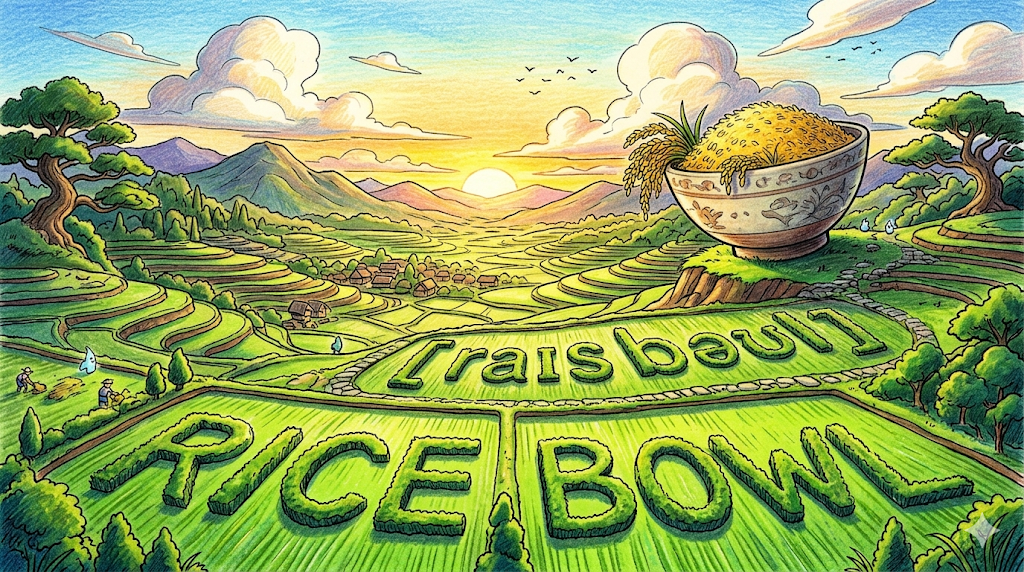
rice bowl [raɪs bəʊl]
(명사구) 밥그릇 / 생계 / 쌀 생산 중심지
일상적으로는 밥을 담는 그릇을, 비유적으로는 생계 수단이나 중요한 쌀 생산 지역을 강조합니다. 수능 독해 문화·경제·사회 지문에서 자주 등장합니다.
- She always washed her rice bowl carefully after eating and placed it back in exactly the same spot, a habit she had learned from her mother who said that caring for small things shows you are ready to care for big ones. (그녀는 항상 먹고 나서 밥그릇을 조심스럽게 씻어 정확히 같은 자리에 다시 놓았는데, 이 습관은 작은 것을 돌보는 것이 큰 것을 돌볼 준비가 됐다는 것을 보여준다고 말한 어머니에게서 배운 것이었다.)
- The region was known as the rice bowl of the country because its flat land and warm climate made it perfect for growing rice and it produced enough to feed millions of people every year. (그 지역은 평평한 땅과 따뜻한 기후가 쌀 재배에 완벽하고 매년 수백만 명을 먹일 충분한 양을 생산했기 때문에 나라의 쌀 주산지로 알려졌다.)
- The essay used the phrase rice bowl as a metaphor for a person's livelihood, arguing that any policy that threatens people's ability to earn a stable income is threatening not just their finances but their dignity and sense of security. (에세이는 밥그릇이라는 표현을 생계의 은유로 사용하며, 사람들이 안정적인 수입을 얻는 능력을 위협하는 어떤 정책도 단순히 재정뿐만 아니라 그들의 존엄과 안전감을 위협한다고 주장했다.)
숙어 그룹 묶음 1 — 농업·식품 rice 핵심 패턴
표현 의미 핵심 뉘앙스 주요 맥락
| rice paddy | 논 | 물이 채워진 벼 재배 농경지 | 환경·역사·수능 |
| rice bowl | 밥그릇 / 생계 / 쌀 주산지 | 식기에서 생계·생산지의 비유까지 확장 | 문화·경제·수능 |
| boiled rice | 밥 | 물에 끓여 만든 기본 쌀 요리 | 일상·과학·수능 |
이 세 표현은 모두 rice의 "식량과 농업의 근본" 이미지를 공유하되, 각각 벼가 자라는 환경(rice paddy)·쌀을 담거나 생산하는 것(rice bowl)·가장 기본적인 쌀 요리(boiled rice)의 관점에서 접근합니다.
- The family grew their rice in a small rice paddy behind their house, cooked it into plain boiled rice each evening, and always made sure every rice bowl at the table was full before anyone started eating. (가족은 집 뒤의 작은 논에서 쌀을 재배하고, 매일 저녁 그것을 평범한 밥으로 만들었으며, 항상 누군가 먹기 시작하기 전에 식탁의 모든 밥그릇이 가득 차도록 했다.)
- The essay connected the three images: the rice paddy as the source, boiled rice as the result, and the rice bowl as the symbol — arguing that understanding rice culture means understanding not just how food is grown and cooked but what it means to a family to always have enough. (에세이는 세 가지 이미지를 연결했다: 논을 원천으로, 밥을 결과로, 밥그릇을 상징으로 — 쌀 문화를 이해하는 것은 음식이 어떻게 재배되고 요리되는지만이 아니라 항상 충분히 있다는 것이 가족에게 무엇을 의미하는지 이해하는 것을 의미한다고 주장했다.)
- She had grown up watching her grandmother walk through the rice paddy at dawn, come back to make simple boiled rice for breakfast, and set every rice bowl on the table with the same quiet care — a routine so ordinary it had seemed meaningless to her as a child, and so precious now. (그녀는 할머니가 새벽에 논을 걸어가고, 돌아와 아침으로 간단한 밥을 만들고, 모든 밥그릇을 같은 조용한 정성으로 식탁에 놓는 것을 보며 자랐다 — 어릴 때는 너무 평범해서 무의미해 보였고 지금은 너무 소중한 일상이었다.)

boiled rice [bɔɪld raɪs]
(명사구) 밥, 삶은 쌀
물에 끓여서 만든 쌀 요리를 강조하며, 수능 일상·과학·문화 지문에서 자주 등장합니다.
- Boiled rice was the first dish she ever learned to make on her own, and she still remembered how proud she had felt when the rice came out soft and perfectly cooked the very first time. (밥은 그녀가 혼자서 처음 배운 요리였으며, 처음으로 밥이 부드럽고 완벽하게 익었을 때 얼마나 자랑스러웠는지 아직도 기억했다.)
- The doctor told her to eat plain boiled rice and drink plenty of water until her stomach felt better, as these were the gentlest things she could give her digestive system. (의사는 소화 기관에 줄 수 있는 가장 부드러운 것이기 때문에 위가 나아질 때까지 평범한 밥을 먹고 물을 많이 마시라고 말했다.)
- The essay noted that while boiled rice might seem like the simplest of foods, the exact method of cooking it — the ratio of water to rice, the heat level, and the resting time after cooking — varies widely between cultures and families, each believing their way produces the best result. (에세이는 밥이 가장 단순한 음식처럼 보일 수 있지만, 밥 짓는 정확한 방법 — 쌀 대비 물의 비율, 불의 세기, 조리 후 뜸 들이는 시간 — 은 문화와 가족에 따라 크게 다르며, 각각 자신의 방법이 가장 좋은 결과를 만들어낸다고 믿는다고 지적했다.)

fried rice [fraɪd raɪs]
(명사구) 볶음밥
기름에 쌀을 볶아 만든 요리를 강조하며, 아시아 문화를 다루는 수능 문화·사회 지문에서 자주 등장합니다.
- Fried rice is one of those dishes that tastes better when you use leftover rice from the day before, because the grains dry out slightly overnight and separate more easily when they hit the hot pan. (볶음밥은 전날의 남은 밥을 사용할 때 더 맛있는 요리 중 하나인데, 밥알이 밤새 약간 건조해져서 뜨거운 팬에 닿을 때 더 쉽게 분리되기 때문이다.)
- She made fried rice for the whole group in under ten minutes, using nothing but rice, eggs, soy sauce, and whatever vegetables she could find in the fridge. (그녀는 쌀, 달걀, 간장, 그리고 냉장고에서 찾을 수 있는 채소만 사용해 10분도 안 돼 그룹 전체를 위한 볶음밥을 만들었다.)
- The essay argued that fried rice is one of the most global foods in the world — recognisable in nearly every country, adapted to fit local ingredients and tastes, and yet always carrying something of its Asian origins in the technique and the grain at its centre. (에세이는 볶음밥이 세계에서 가장 전 세계적인 음식 중 하나라고 주장했다 — 거의 모든 나라에서 알아볼 수 있고, 현지 재료와 맛에 맞게 변형됐지만, 항상 기법과 중심의 곡물에서 아시아 기원의 무언가를 담고 있다.)
숙어 그룹 묶음 2 — 요리·식사 rice 패턴
표현 의미 핵심 뉘앙스 주요 맥락
| fried rice | 볶음밥 | 기름에 볶아 만든 쌀 요리 | 문화·사회·수능 |
| rice field | 논, 벼밭 | 벼를 재배하는 넓은 농경지 | 환경·역사·수능 |
| a bowl of rice | 밥 한 그릇 | 쌀을 그릇에 담아 먹는 기본 식사 단위 | 일상·문화·수능 |
이 세 표현은 모두 rice의 "사람들이 쌀을 소비하고 생산하는 방식" 이미지를 공유하되, 각각 요리된 형태로 먹는 쌀(fried rice)·생산되는 장소(rice field)·식사의 기본 단위(a bowl of rice)의 관점에서 접근합니다.
- The family had walked past the rice fields on the way to the village market, where the grandmother bought the ingredients she needed to make fried rice for lunch — enough to fill a bowl of rice for each person at the table twice over. (가족은 마을 시장으로 가는 길에 논을 지나쳤는데, 그곳에서 할머니가 점심으로 볶음밥을 만드는 데 필요한 재료를 샀다 — 식탁의 각 사람이 두 번씩 밥 한 그릇을 채울 만큼의 양이었다.)
- She explained that a bowl of rice grown in the rice fields outside her village tasted completely different from any rice she had bought in a supermarket, the same way that fried rice made with fresh village rice had a depth of flavour that city cooking rarely produced. (그녀는 마을 밖 논에서 자란 밥 한 그릇은 슈퍼마켓에서 산 어떤 쌀과도 완전히 다른 맛이 났으며, 신선한 마을 쌀로 만든 볶음밥이 도시 요리에서 거의 만들어내지 못하는 깊이 있는 맛을 가지고 있다고 설명했다.)
- The essay argued that the journey from rice field to fried rice to a bowl of rice on the table represents not just a process of cooking but a chain of human care — the farmer who grows it, the cook who prepares it, and the person who receives it — and that understanding this chain changes the way you feel about even the simplest meal. (에세이는 논에서 볶음밥으로, 식탁의 밥 한 그릇으로의 여정이 단순히 요리 과정이 아니라 인간의 돌봄의 사슬을 나타낸다고 주장했다 — 재배하는 농부, 준비하는 요리사, 받는 사람 — 그리고 이 사슬을 이해하면 가장 단순한 식사에 대해서도 느끼는 방식이 달라진다고 했다.)

rice field [raɪs fiːld]
(명사구) 논, 벼밭
벼를 재배하는 넓은 농경지를 강조하며, rice paddy와 비슷하지만 더 일반적인 표현입니다. 수능 독해 환경·역사·사회 지문에서 자주 등장합니다.
- The rice fields in the valley turned golden in September as the grain ripened, and the farmers knew that harvest time was coming and began to prepare their tools. (계곡의 논은 9월에 곡물이 익으면서 황금빛으로 변했으며, 농부들은 추수철이 다가오고 있다는 것을 알고 도구를 준비하기 시작했다.)
- Many young people who grew up near rice fields have moved to cities for work, leaving the older generation to manage the land with fewer and fewer helping hands each year. (많은 논 근처에서 자란 젊은이들이 일을 위해 도시로 이사했으며, 매년 줄어드는 일손으로 토지를 관리하는 것은 노인 세대에게 남겨졌다.)
- The essay noted that rice fields are not simply farmland — they are ecosystems that support birds, fish, and insects, and that the decision to convert them to other uses has consequences that go far beyond the loss of food production alone. (에세이는 논이 단순히 농경지가 아니라 새, 물고기, 곤충을 지원하는 생태계이며, 그것들을 다른 용도로 전환하기로 한 결정은 단지 식량 생산 손실을 훨씬 넘어서는 결과를 가져온다고 지적했다.)

a bowl of rice [ə bəʊl əv raɪs]
(명사구) 밥 한 그릇
쌀을 그릇에 담아 먹는 기본 식사의 단위를 강조하며, 문화·일상 지문에서 자주 등장합니다.
- She gave the child a bowl of rice with a little bit of fish on top, and watched with a smile as he ate every single grain without being asked to finish it. (그녀는 아이에게 생선을 조금 얹은 밥 한 그릇을 줬으며, 그가 다 먹으라는 말을 듣지 않고 한 알도 남기지 않고 먹는 것을 미소로 지켜봤다.)
- A bowl of rice might cost very little money, but in parts of the world where food is not always available, it can represent an entire day's nourishment and a great deal of human effort to produce. (밥 한 그릇은 매우 적은 돈이 들 수 있지만, 음식이 항상 이용 가능하지 않은 세계의 일부 지역에서는 하루 전체의 영양과 생산하기 위한 많은 인간의 노력을 나타낼 수 있다.)
- The essay used the image of a bowl of rice to explore ideas about enough — arguing that knowing what "enough" looks like, whether it is a bowl of rice or something much more, is one of the most important and difficult things any person can figure out about their own life. (에세이는 밥 한 그릇의 이미지를 사용해 충분함에 대한 아이디어를 탐구했다 — "충분함"이 밥 한 그릇이든 훨씬 더 많은 것이든 어떻게 생겼는지 아는 것이 어떤 사람이든 자신의 삶에 대해 알아낼 수 있는 가장 중요하고 어려운 것 중 하나라고 주장했다.)
숙어 그룹 묶음 3 — 문화·전통 rice 심화 패턴
표현 의미 핵심 뉘앙스 주요 맥락
| rice wine | 쌀술 | 쌀을 발효시켜 만든 전통 술 | 문화·역사·수능 |
| throw rice | 쌀을 던지다 | 결혼식에서 행운을 비는 전통 | 문화·사회·수능 |
| rice paper | 라이스페이퍼 | 쌀가루로 만든 얇은 재료 | 문화·예술·수능 |
이 세 표현은 모두 rice의 "문화와 전통에서 특별한 역할을 하는" 이미지를 공유하되, 각각 발효를 통해 만들어지는 전통 술(rice wine)·쌀이 행복과 행운을 상징하는 의식(throw rice)·쌀의 다양한 용도를 보여주는 재료(rice paper)의 관점에서 접근합니다.
- At the wedding, the guests threw rice after drinking rice wine to toast the couple, and the older guests remembered when rice paper lanterns had been hung all around the garden at such celebrations years ago. (결혼식에서 손님들은 커플을 위해 쌀술을 마시며 건배한 후 쌀을 던졌으며, 나이 든 손님들은 몇 년 전 그런 축하 행사에서 라이스페이퍼 등불이 정원 곳곳에 걸렸던 것을 기억했다.)
- The essay explored how rice wine, the tradition of throwing rice, and the art of painting on rice paper all show different ways that a single grain has woven itself into the deepest parts of human culture — not just as food but as a medium for celebration, art, and connection. (에세이는 쌀술, 쌀 던지기 전통, 라이스페이퍼에 그림 그리는 예술이 모두 하나의 곡물이 음식으로만이 아니라 축하, 예술, 연결의 매체로서 인간 문화의 가장 깊은 부분에 어떻게 자신을 엮었는지를 보여주는 다양한 방식을 탐구했다.)
- She threw rice at her best friend's wedding, drank a small cup of rice wine during the reception, and later helped the children at the table make small animals from rice paper, thinking how extraordinary it was that a single plant could be so many different things in a single afternoon. (그녀는 친한 친구의 결혼식에서 쌀을 던지고, 피로연에서 작은 컵의 쌀술을 마셨으며, 나중에 식탁의 아이들이 라이스페이퍼로 작은 동물을 만드는 것을 도왔으며, 하나의 식물이 하나의 오후에 그렇게 많은 다양한 것이 될 수 있다는 것이 얼마나 놀라운지 생각했다.)
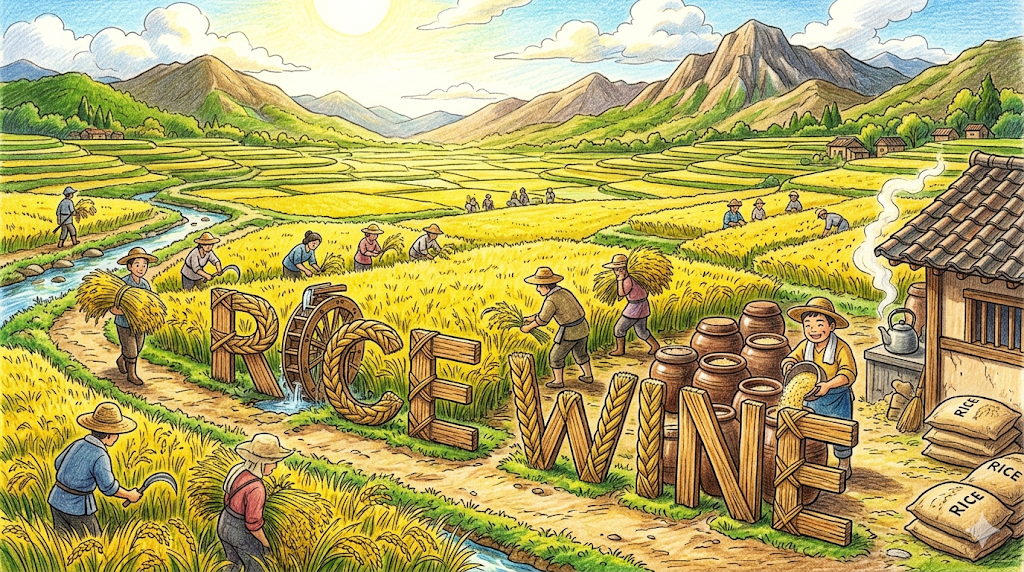
rice wine [raɪs waɪn]
(명사구) 쌀술, 쌀로 만든 술
쌀을 발효시켜 만든 전통 술을 강조하며, 아시아 문화나 역사를 다루는 수능 지문에서 자주 등장합니다.
- The village elder poured rice wine into small cups and passed them around the circle, saying a few words of thanks before everyone drank together to mark the end of the harvest. (마을 어른이 작은 컵에 쌀술을 따르고 원을 돌아가며 나눠줬으며, 모든 사람이 추수의 끝을 기념하기 위해 함께 마시기 전에 몇 마디 감사의 말을 했다.)
- Different types of rice wine are made across Asia — from the sweet and mild to the strong and complex — and each region considers its own version to be the finest. (다양한 종류의 쌀술이 아시아 전역에서 만들어진다 — 달콤하고 순한 것에서 강하고 복잡한 것까지 — 그리고 각 지역은 자신들의 버전을 최고로 여긴다.)
- The essay noted that rice wine holds a significant cultural role in many Asian societies, used not just for drinking but for cooking, medicine, offerings at religious ceremonies, and as a gift that carries with it the warmth and care of the person who gives it. (에세이는 쌀술이 많은 아시아 사회에서 단순히 마시기 위한 것뿐만 아니라 요리, 의약, 종교 의식에서의 공물, 그리고 주는 사람의 따뜻함과 배려를 담은 선물로 사용되는 중요한 문화적 역할을 한다고 지적했다.)

throw rice [θrəʊ raɪs]
(동사구) 쌀을 던지다
서양 결혼식에서 행운을 빌며 신랑 신부에게 쌀을 던지는 전통을 강조합니다. 수능 독해 문화·사회 지문에서 자주 등장합니다.
- The children were most excited about getting to throw rice at the wedding, practising their aim all morning and then cheering loudly when the couple finally came through the doors. (아이들은 결혼식에서 쌀을 던질 수 있다는 것에 가장 흥분했으며, 온 아침 내내 조준을 연습하다가 마침내 커플이 문을 통해 나왔을 때 크게 환호했다.)
- In some places, people now throw flower petals or biodegradable confetti instead of rice, as there were concerns that throwing rice could harm birds who ate it off the ground. (일부 지역에서는 이제 땅에 떨어진 쌀을 던지는 것이 그것을 먹는 새에게 해를 줄 수 있다는 우려가 있어 쌀 대신 꽃잎이나 생분해성 색종이를 던진다.)
- The essay explored the origins of the tradition of throwing rice at weddings, noting that in many ancient cultures rice symbolised fertility and abundance, and that scattering it around a newly married couple was a way of wishing that their life together would be full and prosperous. (에세이는 결혼식에서 쌀을 던지는 전통의 기원을 탐구하며, 많은 고대 문화에서 쌀이 다산과 풍요를 상징했으며, 새로 결혼한 커플 주변에 그것을 뿌리는 것은 그들의 함께하는 삶이 풍요롭고 번창하기를 바라는 방법이었다고 지적했다.)

rice paper [raɪs ˈpeɪpər]
(명사구) 라이스페이퍼, 쌀종이
쌀가루로 만든 얇고 반투명한 식품 재료나 그림을 그리는 데 쓰이는 종이를 강조합니다. 수능 독해 문화·예술·음식 지문에서 자주 등장합니다.
- The art class learned how to paint delicate flowers on rice paper, which was more challenging than regular paper because it absorbed the ink so quickly that every brushstroke had to be planned before it was made. (미술 수업에서 라이스페이퍼에 섬세한 꽃을 그리는 방법을 배웠는데, 잉크를 너무 빨리 흡수해서 모든 붓질이 만들어지기 전에 계획돼야 했기 때문에 일반 종이보다 더 어려웠다.)
- She filled the rice paper rolls with shrimp, mint, and rice noodles, then placed them on the plate like little packages, each one slightly different in shape but all tasting the same. (그녀는 라이스페이퍼 롤을 새우, 민트, 쌀국수로 채운 다음 작은 소포처럼 접시에 놓았으며, 각각 모양이 약간 달랐지만 모두 같은 맛이었다.)
- The essay noted that rice paper illustrates how a single crop can be transformed into something far beyond food — becoming a medium for art, craft, and cultural expression that has been used by artists and cooks for thousands of years and is still valued today. (에세이는 라이스페이퍼가 하나의 작물이 음식을 훨씬 넘어서는 것으로 어떻게 변환될 수 있는지를 보여준다고 지적했다 — 수천 년 동안 예술가와 요리사들이 사용해온 예술, 공예, 문화적 표현의 매체가 되어 오늘날에도 여전히 가치 있다고 했다.)
숙어 그룹 묶음 4 — 종합 rice 패턴
표현 의미 핵심 뉘앙스 주요 맥락
| rice paddy | 논 | 물이 채워진 벼 재배 농경지 | 환경·역사·수능 |
| rice bowl | 밥그릇 / 생계 / 쌀 주산지 | 식기에서 생계·생산지의 비유까지 확장 | 문화·경제·수능 |
| throw rice | 쌀을 던지다 | 결혼식에서 행운을 비는 전통 | 문화·사회·수능 |
이 세 표현은 수능 독해에서 가장 자주 출제되는 rice의 핵심 패턴입니다. rice paddy는 쌀이 자라는 환경을, rice bowl은 쌀의 경제적·문화적 중요성을, throw rice는 쌀의 상징적 의미를 각각 나타냅니다.
- She had grown up near a rice paddy, eating from a rice bowl every day, and had once watched her parents throw rice at a cousin's wedding — three ordinary scenes that together told the whole story of what rice meant to her family and her culture. (그녀는 논 근처에서 자라며 매일 밥그릇으로 먹고, 한번은 사촌의 결혼식에서 부모님이 쌀을 던지는 것을 봤다 — 세 가지 평범한 장면이 함께 그녀의 가족과 문화에 쌀이 무엇을 의미하는지의 전체 이야기를 말해줬다.)
- The essay connected rice paddy, rice bowl, and the act of throwing rice as three images that show rice moving through time — growing in the earth, nourishing the living, and blessing the future — and argued that this movement is what makes rice not just a food but a cultural story. (에세이는 논, 밥그릇, 그리고 쌀을 던지는 행위를 쌀이 시간을 통해 이동하는 것을 보여주는 세 가지 이미지로 연결했다 — 땅에서 자라고, 살아있는 사람들에게 영양을 공급하고, 미래를 축복하며 — 이 이동이 쌀을 단순한 음식이 아닌 문화적 이야기로 만드는 것이라고 주장했다.)
- She concluded that whether you are standing in a rice paddy watching the next harvest grow, eating from a rice bowl at a family dinner, or throwing rice at a friend's wedding, you are participating in something that connects you to billions of people across centuries — and that this is what it means for a simple grain to carry the weight of culture. (그녀는 다음 수확이 자라는 것을 보며 논에 서있든, 가족 저녁 식사에서 밥그릇으로 먹든, 친구의 결혼식에서 쌀을 던지든, 당신은 수세기에 걸쳐 수십억 명의 사람들과 당신을 연결하는 무언가에 참여하고 있다고 결론지었다 — 그리고 이것이 단순한 곡물이 문화의 무게를 짊어진다는 것의 의미라고 했다.)
전체 요약표
표현 의미 핵심 뉘앙스
| rice | 쌀, 밥, 벼 | 음식에서 농업·문화·경제·생존까지 확장 |
| rice paddy | 논 | 물이 채워진 벼 재배 농경지 |
| rice bowl | 밥그릇 / 생계 / 쌀 주산지 | 식기에서 생계·생산지의 비유까지 확장 |
| boiled rice | 밥 | 물에 끓여 만든 기본 쌀 요리 |
| fried rice | 볶음밥 | 기름에 볶아 만든 쌀 요리 |
| rice field | 논, 벼밭 | 벼를 재배하는 넓은 농경지 |
| a bowl of rice | 밥 한 그릇 | 쌀을 그릇에 담아 먹는 기본 식사 단위 |
| rice wine | 쌀술 | 쌀을 발효시켜 만든 전통 술 |
| throw rice | 쌀을 던지다 | 결혼식에서 행운을 비는 전통 |
| rice paper | 라이스페이퍼 | 쌀가루로 만든 얇은 식품 재료나 종이 |
유의어 비교표

단어 공통점 뉘앙스 차이 예문
| rice | 곡물, 식품 | 특정 곡물, 문화·생존 상징, 비유 풍부 | She cooked rice for dinner. |
| grain | 곡물 | 모든 종류의 곡물을 포함하는 넓은 개념 | Wheat is a key grain. |
| cereal | 시리얼, 곡물 | 아침 식사용 가공 곡물 제품 | She ate cereal for breakfast. |
| staple | 주식, 주요 식품 | 특정 지역의 주된 식품 | Rice is a staple food. |
| crop | 작물 | 재배되는 식물이나 수확물 전체 | The crop was good this year. |
유의어 예문 리스트
- (grain) The farmer explained that each type of grain needs different growing conditions — rice needs water, wheat needs dry open fields, and corn grows best in warm climates with rich soil. (농부는 각 종류의 곡물이 다른 성장 조건을 필요로 한다고 설명했다 — 쌀은 물이 필요하고, 밀은 건조하고 트인 들판이 필요하며, 옥수수는 풍부한 토양을 가진 따뜻한 기후에서 가장 잘 자란다.)
- (cereal) He had eaten the same cereal for breakfast every morning for ten years because it was quick, easy, and he genuinely liked the taste, despite his friends always teasing him about how boring he was. (그는 친구들이 항상 그가 얼마나 지루한지 놀렸음에도 불구하고 빠르고 쉬우며 진심으로 맛을 좋아했기 때문에 10년 동안 매일 아침 같은 시리얼을 먹었다.)
- (staple) The essay explained that when a staple food becomes expensive or unavailable, the effects on ordinary people are immediate and serious, which is why governments watch the price of basic foods so carefully. (에세이는 주식이 비싸지거나 구할 수 없게 되면 일반 사람들에게 미치는 영향이 즉각적이고 심각하며, 이것이 정부가 기본 식품의 가격을 그렇게 주의 깊게 지켜보는 이유라고 설명했다.)
- (crop) The late frost damaged the crop before it could be harvested, and the farmers spent the following week assessing how much of the season's work had been lost and what could be done to recover. (늦서리가 수확되기 전에 작물을 손상시켰으며, 농부들은 다음 주를 시즌 작업의 얼마나 많은 부분이 손실됐는지와 회복을 위해 무엇을 할 수 있는지 평가하며 보냈다.)
결론 정리
rice는 단순히 "쌀"이 아니라, 산스크리트어 vrihi(벼)에서 출발해 아시아에서 시작된 인류의 가장 오래된 식량으로서 음식·농업·문화·전통·경제·생존까지 확장되는 단어다 — rice가 있는 곳엔 언제나 '단순한 식품이 아닌, 인류가 수천 년 동안 생명과 문화와 기쁨을 나눠온 가장 오래된 이야기가 생생하게 살아숨쉬는' 생동감의 선언이 있다.
💡 rice는 "아시아에서 시작된 인류의 오래된 식량에서 출발한" 생동감 넘치는 언어 — rice paddy · rice bowl · throw rice가 수능 최빈출.
🌟 초등학생 버전 — rice는 우리가 매일 먹는 쌀, 밥이지만, "논"(rice paddy), "볶음밥"(fried rice), "결혼식에서 쌀 던지기"(throw rice)처럼 우리 생활과 세계 문화 곳곳에 살아있는 단어예요! 🌾✨


