- 분류 전체보기 (5462)

| 일 | 월 | 화 | 수 | 목 | 금 | 토 |
|---|---|---|---|---|---|---|
| 1 | 2 | |||||
| 3 | 4 | 5 | 6 | 7 | 8 | 9 |
| 10 | 11 | 12 | 13 | 14 | 15 | 16 |
| 17 | 18 | 19 | 20 | 21 | 22 | 23 |
| 24 | 25 | 26 | 27 | 28 | 29 | 30 |
| 31 |
- Actually
- please?
- OKay
- hold on
- call off
- make it
- Sorry
- once in a while
- too.
- oh
- Yes
- well
- Don't worry
- Yeah
- Hey
- no
- Read between the lines
- By The Way
- I'm sorry
- Please
- come up with
- Excuse me
- Right?
- pick up
- entrance fee
- I'm glad to hear that.
- Sure
- work out
- I'm not sure
- please.
- Today
- Total
인과함께
Day381 , retire, retire from, retire early, forced to retire, retire to, retire a number, retire from public life, time to retire, retire gracefully, semi-retire 본문
Day381 , retire, retire from, retire early, forced to retire, retire to, retire a number, retire from public life, time to retire, retire gracefully, semi-retire
미인생 2026. 5. 7. 14:24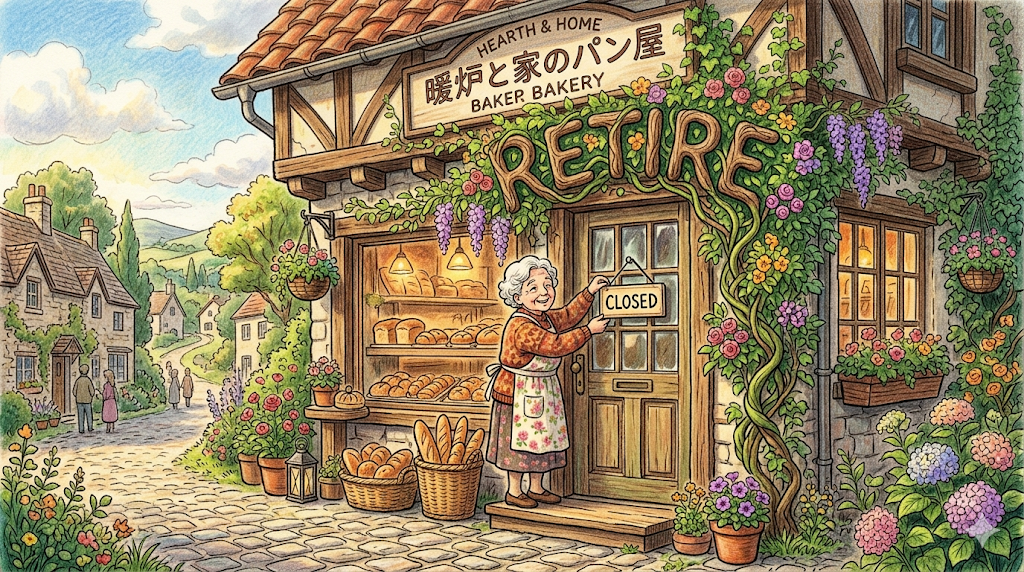
retire [rɪˈtaɪər]
(동사) 은퇴하다, 물러나다, 자리를 뜨다
My uncle will retire from his company next month.
(나의 삼촌은 다음 달에 회사에서 은퇴하실 것이다.)
단순히 "은퇴하다"로만 외우면 수능에서 반드시 틀립니다. retire는 "활동적인 자리에서 뒤로 물러나는" 이라는 핵심 이미지에서 출발해, 실제 직장 은퇴·스포츠 선수 은퇴·조용한 장소로 물러남·공식 생활에서의 은퇴까지 폭넓게 쓰이는 핵심 다의어입니다. 특히 retire from(~에서 은퇴하다), forced to retire(은퇴를 강요당하다), retire gracefully(품위 있게 은퇴하다) 패턴은 수능 독해 사회·심리·논리 지문에서 핵심적으로 등장합니다.
'retire'는 고대 프랑스어 retirer(뒤로 당기다)에서 유래했으며, re(뒤로) + tirer(당기다)로 구성됩니다. 어원의 핵심 이미지는 "앞에서 뒤로 물러나는 것" 으로, 단순한 은퇴를 넘어 조용한 삶으로의 이동·스포츠 번호 영구 결번·강제 퇴직·품위 있는 마무리까지 확장되는 표현의 근원이 된 단어입니다.
1. retire from [rɪˈtaɪər frəm]
(일상/사회/수능) "~에서 은퇴하다, ~를 그만두다"를 뜻합니다. 특정 직업이나 활동에서 공식적으로 물러나는 것을 강조하며, 수능에서 가장 자주 출제되는 표현입니다.
She decided to retire from teaching after thirty years and spend more time with her family. (그녀는 30년 후 교직에서 은퇴하고 가족과 더 많은 시간을 보내기로 결심했다.)
2. retire early [rɪˈtaɪər ˈɜːrli]
(일상/사회/수능) "일찍 은퇴하다, 조기 은퇴하다"를 뜻합니다. 보통 은퇴 나이보다 더 이른 시기에 직업에서 물러나는 것을 강조합니다.
He saved money carefully for years so he could retire early and travel the world while he was still young and healthy. (그는 아직 젊고 건강할 때 조기 은퇴해 세계를 여행할 수 있도록 수년간 신중하게 돈을 저축했다.)
3. forced to retire [fɔːrst tə rɪˈtaɪər]
(사회/심리/수능) "은퇴를 강요당하다, 강제로 물러나다"를 뜻합니다. 자신의 의지가 아닌 외부 압력이나 규정에 의해 어쩔 수 없이 은퇴해야 하는 상황을 강조합니다.
The athlete was forced to retire after a serious knee injury that meant she could no longer compete at the top level. (그 운동선수는 더 이상 최고 수준에서 경쟁할 수 없다는 것을 의미하는 심각한 무릎 부상으로 인해 은퇴를 강요당했다.)
4. retire to [rɪˈtaɪər tə]
(일상/문학/수능) "~로 물러나다, ~로 은거하다"를 뜻합니다. 조용하고 평화로운 장소로 이동해 쉬거나 생활하는 것을 강조합니다.
After the long dinner, the guests retired to the living room for tea and quiet conversation. (긴 저녁 식사 후, 손님들은 차와 조용한 대화를 위해 거실로 물러났다.)
5. retire a number [rɪˈtaɪər ə ˈnʌmbər]
(스포츠/사회/수능) "번호를 영구 결번하다"를 뜻합니다. 특별히 훌륭한 선수를 기리기 위해 그 선수의 등번호를 다른 선수가 사용하지 못하도록 공식적으로 결정하는 것을 강조합니다.
The basketball team decided to retire the number twenty-three to honour their greatest player. (농구팀은 그들의 가장 위대한 선수를 기리기 위해 23번을 영구 결번하기로 결정했다.)
6. retire from public life [rɪˈtaɪər frəm ˈpʌblɪk laɪf]
(사회/정치/수능) "공직에서 은퇴하다, 공적 생활에서 물러나다"를 뜻합니다. 정치인이나 유명인이 공개적인 활동을 모두 그만두고 조용한 삶을 선택하는 것을 강조합니다.
After many years in politics, the senator decided to retire from public life and live quietly in her hometown. (수년간의 정치 활동 후, 그 상원의원은 공직에서 은퇴하고 고향에서 조용히 살기로 결심했다.)
7. time to retire [taɪm tə rɪˈtaɪər]
(일상/심리/수능) "은퇴할 때, 물러날 때"를 뜻합니다. 어떤 것에서 물러날 적절한 시점이 됐다는 것을 강조합니다.
Everyone could see that it was time to retire when he started making the same mistakes he had never made before. (그가 이전에 한 번도 하지 않았던 같은 실수를 하기 시작했을 때 모든 사람은 은퇴할 때라는 것을 알 수 있었다.)
8. retire gracefully [rɪˈtaɪər ˈɡreɪsfəli]
(일상/심리/수능) "품위 있게 은퇴하다, 우아하게 물러나다"를 뜻합니다. 자신의 한계를 인정하고 불평 없이 존엄 있게 물러나는 것을 강조합니다.
The champion chose to retire gracefully at the top of her game rather than wait until her results began to decline. (챔피언은 결과가 떨어지기 시작할 때까지 기다리기보다 전성기에 품위 있게 은퇴하기로 선택했다.)
9. semi-retire [ˌsemiˌrɪˈtaɪər]
(일상/사회/수능) "반은퇴하다, 일부만 일하다"를 뜻합니다. 완전히 은퇴하지 않고 일의 양을 줄여 조금씩 일하는 상태를 강조합니다.
She decided to semi-retire at sixty, working only two days a week so she could enjoy more free time while still staying active. (그녀는 60세에 반은퇴하기로 결정해 주 2일만 일하면서 여전히 활동적으로 지내며 더 많은 자유 시간을 즐길 수 있도록 했다.)
10. retire (동사: 잠자리에 들다) [rɪˈtaɪər]
(문학/일상/수능) 동사로 쓰여 "잠자리에 들다, 침실로 물러나다"를 뜻합니다. 특히 격식 있는 상황이나 문학 작품에서 잠을 자러 가는 것을 표현할 때 사용됩니다.
After the long journey, everyone was tired and retired early that evening. (긴 여행 후, 모든 사람이 피곤해서 그날 저녁 일찍 잠자리에 들었다.)

POINT 1. retire — 수능 최빈출 비유·어휘 패턴
retire는 수능 독해 사회·심리·논리 지문에서 다양한 용법으로 자주 출제됩니다.
retire from → 특정 직업이나 활동에서 공식적으로 물러날 때 예) She retired from sport. (그녀는 스포츠에서 은퇴했다.) forced to retire → 의지와 상관없이 은퇴해야 할 때 예) He was forced to retire. (그는 은퇴를 강요당했다.) retire gracefully → 적절한 시점에 품위 있게 물러날 때 예) She retired gracefully. (그녀는 품위 있게 은퇴했다.)
POINT 2. retire / resign / quit — 수능 어휘 핵심 비교
이 세 단어는 수능에서 자주 혼동되는 어휘입니다.
retire → 나이나 충분한 경력 후 공식적으로 은퇴하는 것 예) She retired at sixty-five. (그녀는 65세에 은퇴했다.) resign → 자신의 의지로 직위에서 사임하는 것 예) He resigned from the job. (그는 직장을 그만뒀다.) quit → 갑자기 또는 비공식적으로 그만두는 것 예) She quit her job yesterday. (그녀는 어제 일을 그만뒀다.)
POINT 3. retire의 다양한 용법 — 수능 독해 문맥 파악 핵심
retire는 수능 독해에서 문맥에 따라 의미가 완전히 달라지는 핵심 단어입니다.
직업 은퇴 → She retired last year. (그녀는 작년에 은퇴했다.) 강제 퇴직 → He was forced to retire. (그는 은퇴를 강요당했다.) 조용히 이동 → They retired to the garden. (그들은 정원으로 물러났다.) 잠자리 → He retired at ten. (그는 10시에 잠자리에 들었다.) 결번 → They retired his number. (그들은 그의 번호를 결번했다.)
(동사) ① 은퇴하다 (직업·스포츠)
retire의 가장 기본적인 의미로, 직업이나 스포츠 활동에서 공식적으로 물러나는 것을 나타냅니다.
- She retired after forty years as a nurse and received a beautiful card signed by every patient she had cared for during her final year. (그녀는 40년간 간호사로 일한 후 은퇴했으며 마지막 해에 돌본 모든 환자가 서명한 아름다운 카드를 받았다.)
- He retired from football at just thirty-two because his body could no longer handle the physical demands of the game at the highest level. (그는 몸이 더 이상 최고 수준의 경기에서 요구되는 신체적 요구를 감당할 수 없었기 때문에 단 32세에 축구에서 은퇴했다.)
- When the teacher finally retired, the school held a special party for her and the head teacher gave a speech about how much she had done for every child who had passed through her classroom. (선생님이 마침내 은퇴했을 때, 학교는 그녀를 위한 특별 파티를 열었고 교장이 그녀의 교실을 거쳐 간 모든 아이를 위해 그녀가 얼마나 많은 것을 했는지에 대한 연설을 했다.)
(동사) ② 조용히 물러나다 (장소·생활)
retire는 조용하고 평화로운 장소나 생활 방식으로 이동하는 것을 나타냅니다.
- After dinner, the whole family retired to the garden to sit under the stars and talk until it was too cold to stay outside any longer. (저녁 식사 후, 온 가족이 정원으로 물러나 더 이상 밖에 있기에 너무 추워질 때까지 별 아래 앉아 이야기했다.)
- She retired to her room after the argument and sat quietly by the window, thinking about everything that had been said and how the situation might be fixed. (그녀는 논쟁 후 방으로 물러나 창가에 조용히 앉아 말해진 모든 것과 상황이 어떻게 해결될 수 있는지 생각했다.)
- He had always dreamed of retiring to a small house by the sea where he could spend his mornings walking along the beach and his afternoons reading and cooking. (그는 항상 해변을 따라 아침을 걷고 오후를 독서와 요리로 보낼 수 있는 바닷가 작은 집으로 은거하는 꿈을 꿨다.)
(동사) ③ 잠자리에 들다 (격식·문학)
retire는 격식 있는 상황이나 문학 작품에서 잠을 자러 가는 것을 나타냅니다.
- The old couple always retired at the same time each night, turning off the lights at exactly nine o'clock no matter what day of the week it was. (노부부는 항상 매일 밤 같은 시간에 잠자리에 들었으며, 요일에 상관없이 정확히 9시에 불을 껐다.)
- She retired early that night because she had a big exam the next morning and wanted to make sure she was fully rested and ready. (그녀는 다음 날 아침 중요한 시험이 있었고 완전히 쉬고 준비가 됐는지 확인하고 싶었기 때문에 그날 밤 일찍 잠자리에 들었다.)
- In older novels, characters often retire for the evening in the middle of a social event, which was the polite and accepted way to leave without causing offence to the host. (오래된 소설에서, 등장인물들은 종종 사교 행사 중에 저녁 잠자리에 드는데, 이것은 주인에게 불쾌감을 주지 않고 떠나는 예의 바르고 받아들여지는 방식이었다.)

뉘앙스·의미 연결 흐름 표
핵심 이미지 연결 흐름 뉘앙스 요약
| 앞에서 뒤로 물러나는 것 | 직업 은퇴 → 스포츠 은퇴 → 공직 은퇴 | retire from, retire from public life, retire a number |
| 물러나는 방식과 시점 | 조기 은퇴 → 품위 있는 은퇴 → 강제 은퇴 | retire early, retire gracefully, forced to retire |
| 물러나는 장소와 상태 | 조용한 곳으로 이동 → 반은퇴 → 잠자리 | retire to, semi-retire, time to retire |
어원 흐름 표
단어 구성 요소 의미 연결 흐름 뉘앙스 요약
| 고대 프랑스어 re(뒤로) + tirer(당기다) | 앞에서 뒤로 물러나는 것 → retire | 뒤로 물러나는 핵심 이미지 |
| retire (동사) | 직업 은퇴 → 장소 이동 → 잠자리 → 결번 | 은퇴에서 물러남·잠자리·기념까지 확장 |
품사별 의미 표
품사 의미 예문
| 동사 | 은퇴하다 | She retired last year. |
| 동사 | 조용히 물러나다 | He retired to his room. |
| 동사 | 잠자리에 들다 | They retired early. |
| 동사구 | ~에서 은퇴하다 | She retired from sport. |
| 동사구 | 품위 있게 은퇴하다 | He retired gracefully. |
| 동사구 | 조기 은퇴하다 | She retired early. |
활용 예문 리스트
- She had always planned to retire from her job at sixty, but when the time came she found it much harder to walk away from work she had loved for so long. (그녀는 항상 60세에 직장에서 은퇴할 계획이었지만, 때가 됐을 때 그렇게 오랫동안 사랑했던 일에서 떠나는 것이 훨씬 더 어렵다는 것을 알게 됐다.)
- The tennis star chose to retire gracefully after winning one final title, saying she wanted to leave the sport with her head held high rather than hanging on too long. (그 테니스 스타는 마지막 타이틀을 딴 후 품위 있게 은퇴하기로 선택하며, 너무 오래 버티기보다 당당하게 스포츠를 떠나고 싶다고 말했다.)
- He was forced to retire when the company introduced a strict age limit for his department, even though he was still doing his job as well as anyone else there. (그는 여전히 다른 누구 못지않게 일을 잘 하고 있었지만 회사가 그의 부서에 엄격한 나이 제한을 도입했을 때 은퇴를 강요당했다.)
- The football club decided to retire his number after he passed away, so that no one who came after him would ever wear the same shirt. (축구 클럽은 그가 사망한 후 그의 뒤를 이은 누구도 같은 유니폼을 입지 않도록 그의 번호를 영구 결번하기로 결정했다.)
- She began to semi-retire at fifty-five, cutting her working hours in half so she could spend more time on the art project she had put off for twenty years. (그녀는 55세에 반은퇴하기 시작해 20년 동안 미뤄온 예술 프로젝트에 더 많은 시간을 쓸 수 있도록 근무 시간을 절반으로 줄였다.)
전체 뉘앙스 설명
retire는 '앞에서 뒤로 물러나는 것에서 출발해 직업 은퇴·스포츠 선수 은퇴·조용한 장소로의 이동·공직 생활 마무리·품위 있는 은퇴·조기 은퇴까지 확장되는 생동감 넘치는 언어'입니다.
resign과의 차이: resign은 자신의 의지로 특정 직위를 사임하는 것을 강조하고, retire는 충분한 경력이나 나이 이후 직업 전체에서 물러나는 것을 강조합니다. quit과의 차이: quit은 갑자기 또는 비공식적으로 그만두는 것을 강조하고, retire는 더 계획적이고 공식적인 과정의 은퇴를 강조합니다. withdraw와의 차이: withdraw는 일시적으로 물러나거나 참여를 철회하는 것을 강조하고, retire는 더 영구적이고 공식적인 은퇴나 물러남을 강조합니다.
마지막 핵심 정리
retire는 단순히 "은퇴하다"가 아닙니다 — 고대 프랑스어 retirer(뒤로 당기다)에서 출발해, 직업 은퇴(retire from)에서 조기 은퇴(retire early)·강제 퇴직(forced to retire)·조용한 이동(retire to)·영구 결번(retire a number)·공직 은퇴(retire from public life)·반은퇴(semi-retire)·품위 있는 은퇴(retire gracefully)까지 확장되는 단어이며, retire from·retire gracefully·forced to retire의 비유적 의미 파악이 수능 핵심 출제 포인트입니다.
파생어 표
파생어 발음기호 품사 의미
| retirement | [rɪˈtaɪərmənt] | 명사 | 은퇴, 은퇴 생활 |
| retired | [rɪˈtaɪərd] | 형용사 | 은퇴한 |
| retiree | [rɪˌtaɪəˈriː] | 명사 | 은퇴자 |
| retiring | [rɪˈtaɪərɪŋ] | 형용사 | 수줍어하는, 은퇴하는 |
| pre-retirement | [ˌpriːrɪˈtaɪərmənt] | 형용사/명사 | 은퇴 전의, 은퇴 준비 |
| early retirement | [ˈɜːrli rɪˈtaɪərmənt] | 명사구 | 조기 은퇴 |
유의어 비교표
단어 공통점 뉘앙스 차이 예문
| retire | 물러나다, 그만두다 | 공식적·계획적 은퇴, 비유 풍부 | She retired at sixty. |
| resign | 사임하다 | 자신의 의지로 특정 직위를 그만두는 것 | He resigned from his post. |
| quit | 그만두다 | 갑자기 비공식적으로 그만두는 것 | She quit her job. |
| withdraw | 물러나다 | 일시적으로 참여를 철회하는 것 | He withdrew from the race. |
| step down | 물러나다 | 높은 지위에서 스스로 내려오는 것 | She stepped down as leader. |
유의어 예문 리스트
- (resign) The manager resigned from his position after the team had three bad results in a row, saying he felt it was the right thing to do for the good of the club. (매니저는 팀이 연속으로 세 번 나쁜 결과를 낸 후 클럽을 위해 올바른 일이라고 느낀다고 말하며 자신의 자리에서 사임했다.)
- (quit) She quit her job suddenly after one particularly difficult week and spent the following month thinking carefully about what she really wanted to do with her career. (그녀는 특히 힘든 한 주 후 갑자기 일을 그만뒀으며 다음 한 달을 자신의 커리어로 정말 하고 싶은 것이 무엇인지 신중하게 생각하며 보냈다.)
- (withdraw) He withdrew from the competition at the last minute because of a small injury that was not serious enough to affect his daily life but too risky to push through in a race. (그는 일상생활에 영향을 미칠 만큼 심각하지는 않지만 경기에서 밀어붙이기에는 너무 위험한 작은 부상으로 마지막 순간에 대회에서 철수했다.)
- (step down) The head teacher stepped down after twelve years in the role, saying she was proud of what the school had achieved and felt confident it was ready for new leadership. (교장 선생님은 12년간의 역할 후 물러나며, 학교가 이룬 것이 자랑스럽고 새로운 리더십을 위한 준비가 됐다고 확신한다고 말했다.)
결론 정리
retire는 단순히 "은퇴하다"가 아니라, 고대 프랑스어 retirer(뒤로 당기다)에서 출발해 앞에서 뒤로 물러나는 것에서 직업 은퇴·스포츠 선수 은퇴·조용한 장소로의 이동·공직 생활 마무리·품위 있는 은퇴·강제 퇴직까지 확장되는 단어다 — retire가 있는 곳엔 언제나 '단순한 은퇴가 아닌, 인간이 한 시절을 마무리하고 새로운 삶으로 나아가는 방식이 생생하게 살아숨쉬는' 생동감의 선언이 있다.
💡 retire는 "앞에서 뒤로 물러나는 것에서 출발한" 생동감 넘치는 언어 — retire from · retire gracefully · forced to retire가 수능 최빈출.
🌟 초등학생 버전 — retire는 은퇴하다이지만, "조기 은퇴하다"(retire early), "품위 있게 은퇴하다"(retire gracefully), "번호를 결번하다"(retire a number)처럼 우리 생활과 스포츠 곳곳에 살아있는 단어예요! 🏆✨

retire from [rɪˈtaɪər frəm]
(동사구) ~에서 은퇴하다, ~를 그만두다
특정 직업이나 활동에서 공식적으로 물러나는 것을 강조하며, 수능에서 가장 자주 출제되는 표현입니다. 수능 독해 사회·심리·일상 지문에서 핵심적으로 등장합니다.
- She retired from competitive swimming at twenty-six, which felt young to many people, but she explained that she had achieved everything she had set out to do and wanted to leave while she still loved the sport. (그녀는 26세에 경쟁 수영에서 은퇴했는데, 많은 사람들에게 어리게 느껴졌지만 그녀는 목표했던 모든 것을 달성했고 아직 스포츠를 사랑하는 동안 떠나고 싶다고 설명했다.)
- When he finally retired from his job at the post office, his colleagues threw a surprise party and gave him a book full of messages from everyone he had worked with over the years. (그가 마침내 우체국 일에서 은퇴했을 때, 동료들이 깜짝 파티를 열어주고 수년간 함께 일한 모든 사람의 메시지가 가득한 책을 줬다.)
- The essay argued that knowing when to retire from something you love is one of the hardest decisions a person can make, because the thing you love is often also the thing that defines who you are. (에세이는 사랑하는 것에서 언제 은퇴할지 아는 것이 사람이 내릴 수 있는 가장 어려운 결정 중 하나라고 주장했는데, 사랑하는 것이 종종 당신이 누구인지를 정의하는 것이기도 하기 때문이다.)

retire early [rɪˈtaɪər ˈɜːrli]
(동사구) 일찍 은퇴하다, 조기 은퇴하다
보통 은퇴 나이보다 더 이른 시기에 직업에서 물러나는 것을 강조합니다. 수능 독해 사회·경제·심리 지문에서 자주 등장합니다.
- She was able to retire early because she had spent twenty years living below her means and saving a large part of everything she earned. (그녀는 20년 동안 수입보다 적게 쓰며 벌어들인 모든 것의 많은 부분을 저축했기 때문에 조기 은퇴할 수 있었다.)
- He did not want to retire early even though he had enough money, because work gave him a sense of purpose and connection that he was not sure he could find elsewhere. (그는 충분한 돈이 있었음에도 불구하고 조기 은퇴하고 싶지 않았는데, 일이 그에게 다른 곳에서 찾을 수 있을지 확신하지 못하는 목적의식과 연결감을 주었기 때문이었다.)
- The essay explored whether retiring early leads to greater happiness or whether it removes the structure and social contact that many people rely on to feel well without always realising it. (에세이는 조기 은퇴가 더 큰 행복으로 이어지는지, 아니면 많은 사람들이 항상 인식하지 못하면서 행복을 느끼기 위해 의존하는 구조와 사회적 접촉을 제거하는지를 탐구했다.)
숙어 그룹 묶음 1 — 은퇴 방식 retire 핵심 패턴
표현 의미 핵심 뉘앙스 주요 맥락
| retire from | ~에서 은퇴하다 | 특정 직업이나 활동에서 공식적으로 물러나는 것 | 사회·심리·수능 |
| retire early | 조기 은퇴하다 | 보통 은퇴 나이보다 이른 시기에 물러나는 것 | 사회·경제·수능 |
| forced to retire | 은퇴를 강요당하다 | 외부 압력이나 규정에 의해 어쩔 수 없이 은퇴하는 것 | 사회·심리·수능 |
이 세 표현은 모두 retire의 "뒤로 물러나는" 이미지를 공유하되, 각각 공식적으로 물러나는 행위(retire from)·예상보다 이른 은퇴(retire early)·자신의 의지와 상관없이 강제로 물러나는 것(forced to retire)의 관점에서 접근합니다.
- She had planned to retire early from her sport on her own terms, but a serious injury meant she was forced to retire much sooner than she had wanted, and it took her a long time to accept that her career from competitive athletics was over. (그녀는 자신의 방식대로 스포츠에서 조기 은퇴하기로 계획했지만, 심각한 부상으로 원했던 것보다 훨씬 일찍 은퇴를 강요당했으며, 경쟁 육상에서의 커리어가 끝났다는 것을 받아들이는 데 오랜 시간이 걸렸다.)
- The essay compared two workers — one who chose to retire early from a job she loved because she wanted more freedom, and another who was forced to retire before he was ready — and argued that the emotional difference between the two experiences was enormous, since one felt like a choice and the other like a loss. (에세이는 두 근로자를 비교했다 — 더 많은 자유를 원했기 때문에 좋아하는 일에서 조기 은퇴하기로 선택한 사람과 준비되기 전에 은퇴를 강요당한 사람 — 그리고 두 경험의 감정적 차이가 엄청났다고 주장했는데, 하나는 선택처럼, 다른 하나는 손실처럼 느껴졌기 때문이었다.)
- She had never imagined she would be forced to retire from a career she had built over thirty years, and the shock of the sudden change taught her more about herself than anything else in her life had done — including what she had truly valued about the work and what she had only thought she valued. (그녀는 30년에 걸쳐 쌓은 커리어에서 은퇴를 강요당할 것이라고 상상한 적이 없었으며, 갑작스러운 변화의 충격은 그녀에게 삶의 다른 어떤 것보다 더 많은 것을 가르쳐줬다 — 일에서 진정으로 가치 있게 여겼던 것과 단지 가치 있다고 생각했던 것을 포함해.)
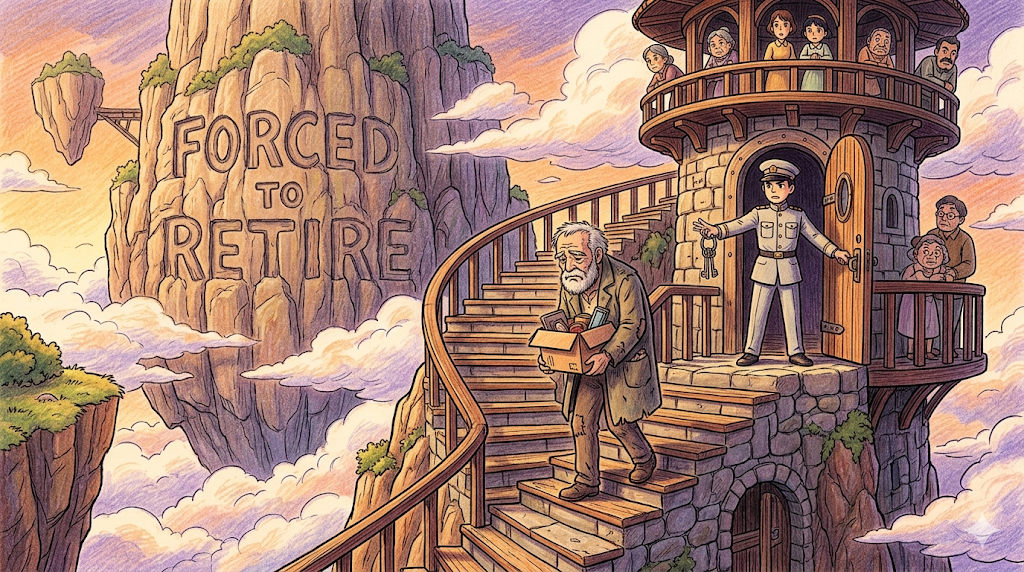
forced to retire [fɔːrst tə rɪˈtaɪər]
(동사구) 은퇴를 강요당하다, 강제로 물러나다
자신의 의지가 아닌 외부 압력이나 규정에 의해 어쩔 수 없이 은퇴해야 하는 상황을 강조합니다. 수능 독해 사회·심리·논리 지문에서 자주 등장합니다.
- She was forced to retire at fifty-five due to company policy, even though her skills and energy were still far above those of many younger colleagues. (그녀는 기술과 에너지가 여전히 많은 젊은 동료들보다 훨씬 높았음에도 불구하고 회사 정책으로 인해 55세에 은퇴를 강요당했다.)
- The player was forced to retire after the doctor told him that continuing to play would put his long-term health at serious risk. (선수는 의사가 계속 경기하면 장기적인 건강이 심각한 위험에 처할 것이라고 말한 후 은퇴를 강요당했다.)
- The essay noted that people who are forced to retire often experience a period of feeling lost, as their daily routine, social connections, and sense of identity were all closely tied to the work they can no longer do. (에세이는 은퇴를 강요당한 사람들이 종종 길을 잃은 느낌의 기간을 경험한다고 지적했는데, 그들의 일상 루틴, 사회적 연결, 정체성 감각이 모두 더 이상 할 수 없는 일과 밀접하게 연결되어 있기 때문이었다.)
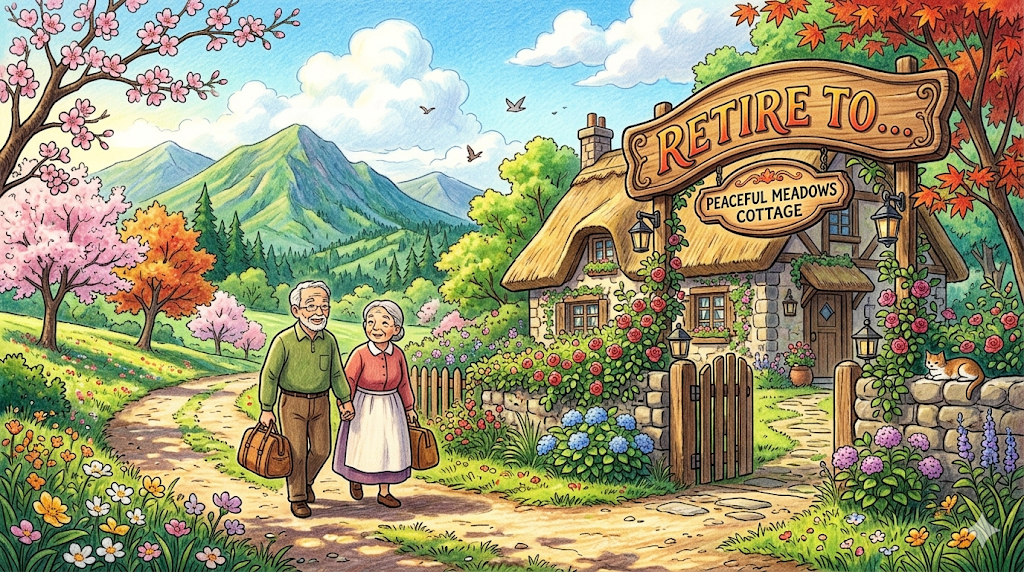
retire to [rɪˈtaɪər tə]
(동사구) ~로 물러나다, ~로 은거하다
조용하고 평화로운 장소로 이동해 쉬거나 생활하는 것을 강조합니다. 수능 독해 일상·문학·심리 지문에서 자주 등장합니다.
- After the long meeting, the team retired to the café next door for coffee and a chance to talk more freely without the pressure of the formal setting. (긴 회의 후, 팀은 공식적인 환경의 압박 없이 더 자유롭게 이야기할 기회와 커피를 위해 옆 카페로 물러났다.)
- She planned to retire to the countryside once she stopped working, where she could grow vegetables and enjoy the quiet that the city had never given her. (그녀는 일을 그만둔 후 채소를 키우고 도시가 결코 주지 못했던 고요함을 즐길 수 있는 시골로 은거할 계획이었다.)
- In many old stories, a wise character retires to a mountain or forest to live simply and think deeply, suggesting that the world has always recognised that distance from noise and activity is sometimes necessary for clarity of thought. (많은 옛날 이야기에서, 현명한 인물이 간단하게 살고 깊이 생각하기 위해 산이나 숲으로 은거하는데, 이것은 세상이 항상 소음과 활동으로부터의 거리가 때로는 명확한 사고를 위해 필요하다는 것을 인식해왔다는 것을 시사한다.)
숙어 그룹 묶음 2 — 이동·상태 retire 패턴
표현 의미 핵심 뉘앙스 주요 맥락
| retire to | ~로 물러나다 | 조용하고 평화로운 장소로 이동하는 것 | 일상·문학·수능 |
| retire a number | 번호를 영구 결번하다 | 훌륭한 선수를 기리기 위해 번호를 공식 결번하는 것 | 스포츠·사회·수능 |
| retire from public life | 공직에서 은퇴하다 | 공개적 활동을 모두 그만두고 조용한 삶을 선택하는 것 | 사회·정치·수능 |
이 세 표현은 모두 retire의 "활동에서 물러나는" 이미지를 공유하되, 각각 조용한 장소나 생활로 이동하는 것(retire to)·선수의 업적을 영원히 기리는 것(retire a number)·모든 공개 활동을 그만두는 것(retire from public life)의 관점에서 접근합니다.
- After the politician decided to retire from public life, her supporters hoped she would retire to a quiet place where she could rest and reflect, while the sports club she supported chose to retire her number as a tribute to everything she had done for the community. (정치인이 공직에서 은퇴하기로 결정한 후, 그녀의 지지자들은 그녀가 쉬고 성찰할 수 있는 조용한 곳으로 은거하기를 바랐으며, 그녀가 지지한 스포츠 클럽은 지역 사회를 위해 그녀가 한 모든 것에 대한 경의로 그녀의 번호를 결번하기로 선택했다.)
- The greatest players are sometimes those who choose to retire to a simpler life when they could still command attention, who see their number retired as a symbol of what they meant to the game, and who, years later, retire from public life entirely so that the memory people have of them stays untouched. (가장 위대한 선수들은 때로는 여전히 주목을 받을 수 있을 때 더 단순한 삶으로 은거하기로 선택하고, 번호가 결번되는 것을 경기에 무엇을 의미했는지의 상징으로 보며, 몇 년 후 사람들이 갖고 있는 기억이 손상되지 않도록 공직에서 완전히 은퇴하는 사람들이다.)
- The essay used the three images together to describe different ways of leaving — retiring to somewhere peaceful as a personal choice, having your number retired as a public recognition, and retiring from public life as a deliberate decision to protect your privacy — arguing that all three share the same underlying desire to end on your own terms. (에세이는 세 가지 이미지를 함께 사용해 떠나는 다양한 방식을 묘사했다 — 개인적 선택으로 평화로운 곳으로 은거하는 것, 공적 인정으로 번호가 결번되는 것, 사생활을 보호하기 위한 의도적 결정으로 공직에서 은퇴하는 것 — 세 가지 모두 자신만의 방식으로 마무리하려는 같은 근본적인 욕구를 공유한다고 주장했다.)
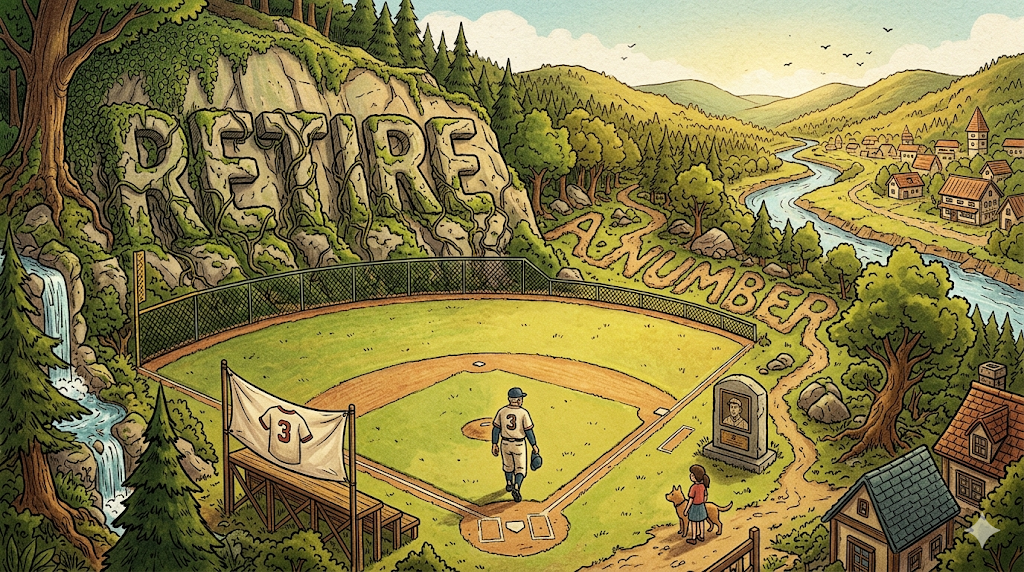
retire a number [rɪˈtaɪər ə ˈnʌmbər]
(동사구) 번호를 영구 결번하다
특별히 훌륭한 선수를 기리기 위해 그 선수의 등번호를 다른 선수가 사용하지 못하도록 공식적으로 결정하는 것을 강조합니다. 수능 독해 스포츠·사회·문화 지문에서 자주 등장합니다.
- The baseball team retired his number at a ceremony in front of thousands of fans, and many people in the crowd were crying as the banner with his name was raised to the roof. (야구팀은 수천 명의 팬 앞에서 열린 행사에서 그의 번호를 결번했으며, 그의 이름이 적힌 현수막이 지붕으로 올라갈 때 많은 관중이 울고 있었다.)
- She was only the second woman in the club's history to have her number retired, which made the honour even more special and meaningful to her and to the younger players who looked up to her. (그녀는 클럽 역사상 두 번째로 번호가 결번된 여성이었으며, 이것이 그 영광을 그녀와 그녀를 존경하는 더 어린 선수들에게 더욱 특별하고 의미 있게 만들었다.)
- The essay argued that retiring a number is one of sport's most powerful traditions because it turns a person into a permanent part of the story of the team — not just someone who played well, but someone whose presence continues to be felt long after they have left. (에세이는 번호를 결번하는 것이 스포츠의 가장 강력한 전통 중 하나라고 주장했는데, 그것이 사람을 팀 이야기의 영구적인 부분으로 만들기 때문이다 — 단지 잘 경기한 사람이 아니라 그들이 떠난 후에도 오랫동안 존재감이 느껴지는 사람이다.)

retire from public life [rɪˈtaɪər frəm ˈpʌblɪk laɪf]
(동사구) 공직에서 은퇴하다, 공적 생활에서 물러나다
정치인이나 유명인이 공개적인 활동을 모두 그만두고 조용한 삶을 선택하는 것을 강조합니다. 수능 독해 사회·정치·문학 지문에서 자주 등장합니다.
- She retired from public life without warning, leaving a short note that thanked people for their support and asked them to respect her privacy going forward. (그녀는 예고 없이 공적 생활에서 물러나며, 사람들의 지지에 감사하고 앞으로 사생활을 존중해달라고 부탁하는 짧은 메모를 남겼다.)
- After retiring from public life, he spent his mornings writing and his afternoons in the garden, and friends said he seemed happier and more relaxed than they had ever seen him. (공직에서 은퇴한 후, 그는 아침을 글 쓰며 보내고 오후를 정원에서 보냈으며, 친구들은 그가 그 어느 때보다 행복하고 편안해 보인다고 말했다.)
- The essay noted that some people retire from public life by choice and find great peace in the freedom that comes with it, while others find the transition difficult because so much of their identity had been built around being known and needed. (에세이는 일부 사람들은 선택으로 공적 생활에서 물러나 그것과 함께 오는 자유에서 큰 평화를 찾는 반면, 다른 사람들은 정체성의 많은 부분이 알려지고 필요로 되는 것 주변에 형성됐기 때문에 전환이 어렵다는 것을 발견한다고 지적했다.)
숙어 그룹 묶음 3 — 시점·정도 retire 심화 패턴
표현 의미 핵심 뉘앙스 주요 맥락
| time to retire | 은퇴할 때 | 물러날 적절한 시점이 됐다는 것 | 일상·심리·수능 |
| retire gracefully | 품위 있게 은퇴하다 | 자신의 한계를 인정하고 존엄 있게 물러나는 것 | 심리·사회·수능 |
| semi-retire | 반은퇴하다 | 완전히 은퇴하지 않고 일의 양을 줄여 일하는 것 | 일상·사회·수능 |
이 세 표현은 모두 retire의 "얼마나 물러나는가"의 이미지를 공유하되, 각각 적절한 시점을 인식하는 것(time to retire)·품위 있고 존엄한 방식으로 물러나는 것(retire gracefully)·완전히 물러나지 않고 부분적으로 줄이는 것(semi-retire)의 관점에서 접근합니다.
- She knew it was time to retire but did not want to simply stop, so she decided to semi-retire first — cutting her hours and mentoring younger colleagues — until she felt truly ready to retire gracefully and hand over everything she had built. (그녀는 은퇴할 때라는 것을 알았지만 단순히 그만두고 싶지 않았기 때문에 먼저 반은퇴하기로 결정했다 — 시간을 줄이고 젊은 동료들을 멘토링하면서 — 진정으로 품위 있게 은퇴하고 자신이 구축한 모든 것을 넘겨줄 준비가 됐다고 느낄 때까지.)
- The coach semi-retired for two seasons before finally deciding it was time to retire completely, and when he did, he made sure to retire gracefully, praising his players and thanking everyone who had supported him rather than making the moment about his own achievements. (코치는 두 시즌 동안 반은퇴하다가 마침내 완전히 은퇴할 때라고 결정했으며, 그렇게 했을 때 자신의 성취에 관한 순간으로 만들기보다 선수들을 칭찬하고 자신을 지지한 모든 사람에게 감사하며 품위 있게 은퇴하도록 했다.)
- The essay argued that knowing it is time to retire, choosing to semi-retire rather than clinging to the whole role, and eventually retiring gracefully are three separate challenges — and that the last one is often the hardest because it requires letting go of something that has been central to who you are. (에세이는 은퇴할 때라는 것을 아는 것, 전체 역할에 매달리기보다 반은퇴하기로 선택하는 것, 그리고 결국 품위 있게 은퇴하는 것이 세 가지 별개의 도전이라고 주장했다 — 그리고 마지막 것이 종종 가장 어려운데, 당신이 누구인지의 핵심이었던 것을 놓아주는 것을 요구하기 때문이다.)

time to retire [taɪm tə rɪˈtaɪər]
(명사구) 은퇴할 때, 물러날 때
어떤 것에서 물러날 적절한 시점이 됐다는 것을 강조합니다. 수능 독해 사회·심리·일상 지문에서 자주 등장합니다.
- The old car had served the family well for fifteen years, but when it broke down for the third time in a month, everyone agreed it was time to retire it and find something newer. (오래된 차가 15년 동안 가족에게 잘 봉사했지만, 한 달 안에 세 번째 고장났을 때 모든 사람은 그것을 은퇴시키고 더 새로운 것을 찾을 때라고 동의했다.)
- She had been putting off the conversation for months, but she finally sat down with her coach and said honestly that she felt it was time to retire from the sport and focus on the next chapter of her life. (그녀는 수개월 동안 그 대화를 미뤄왔지만, 마침내 코치와 앉아 스포츠에서 은퇴하고 삶의 다음 장에 집중할 때라고 솔직하게 말했다.)
- The essay argued that knowing it is time to retire is a form of wisdom that not everyone develops, since it requires being honest about your own limits and putting the good of others above your own desire to remain relevant. (에세이는 은퇴할 때를 아는 것이 모든 사람이 개발하는 것은 아닌 지혜의 형태라고 주장했는데, 그것은 자신의 한계에 대해 솔직하고 계속 관련성을 유지하려는 자신의 욕구보다 다른 사람들의 이익을 우선시하는 것을 요구하기 때문이다.)

retire gracefully [rɪˈtaɪər ˈɡreɪsfəli]
(동사구) 품위 있게 은퇴하다, 우아하게 물러나다
자신의 한계를 인정하고 불평 없이 존엄 있게 물러나는 것을 강조합니다. 수능 독해 심리·사회·스포츠 지문에서 핵심적으로 등장합니다.
- She managed to retire gracefully despite the disappointment of not winning a final championship, always talking about gratitude rather than regret in every interview she gave after her last match. (그녀는 마지막 경기 후 주는 모든 인터뷰에서 항상 후회보다 감사에 대해 이야기하며, 마지막 챔피언십에서 우승하지 못한 실망에도 불구하고 품위 있게 은퇴하는 데 성공했다.)
- Not every great performer retires gracefully — some hold on too long and let the public remember them at their worst rather than their best. (모든 위대한 퍼포머가 품위 있게 은퇴하는 것은 아니다 — 일부는 너무 오래 버티며 대중이 그들을 최고가 아닌 최악의 모습으로 기억하게 한다.)
- The essay argued that retiring gracefully is not about giving up — it is about recognising that the purpose of a career is not to last as long as possible but to make the greatest possible contribution, and that ending at the right moment is itself a contribution to the people who come after you. (에세이는 품위 있게 은퇴하는 것이 포기에 관한 것이 아니라 커리어의 목적이 가능한 한 오래 지속되는 것이 아니라 가능한 가장 큰 기여를 하는 것임을 인식하는 것이며, 올바른 순간에 끝내는 것 자체가 당신의 뒤를 잇는 사람들에 대한 기여라고 주장했다.)
semi-retire [ˌsemiˌrɪˈtaɪər]
(동사) 반은퇴하다, 일부만 일하다
완전히 은퇴하지 않고 일의 양을 줄여 조금씩 일하는 상태를 강조합니다. 수능 독해 사회·경제·심리 지문에서 자주 등장합니다.
- He chose to semi-retire rather than stop completely, keeping one small project going each year so he could stay connected to his field without the pressure of a full schedule. (그는 완전히 그만두기보다 반은퇴하기로 선택해 전체 일정의 압박 없이 자신의 분야와 연결을 유지할 수 있도록 매년 하나의 작은 프로젝트를 계속 진행했다.)
- She semi-retired at fifty-eight and spent the time she had freed up learning to paint, something she had always wanted to do but never had the time or energy for when she was working full hours. (그녀는 58세에 반은퇴해 늘 하고 싶었지만 풀타임으로 일할 때는 시간이나 에너지가 없었던 그림을 배우는 데 확보한 시간을 썼다.)
- The essay noted that semi-retiring has become increasingly popular because it allows people to transition gradually from full-time work to full-time retirement, which can be less of a shock to both their finances and their sense of identity. (에세이는 반은퇴가 점점 더 인기를 얻고 있다고 지적했는데, 그것이 사람들이 풀타임 근무에서 풀타임 은퇴로 점진적으로 전환할 수 있게 해주기 때문이며, 이것이 재정과 정체성 감각 모두에 덜 충격이 될 수 있다고 했다.)
숙어 그룹 묶음 4 — 종합 retire 패턴
표현 의미 핵심 뉘앙스 주요 맥락
| retire from | ~에서 은퇴하다 | 특정 직업이나 활동에서 공식적으로 물러나는 것 | 사회·심리·수능 |
| retire gracefully | 품위 있게 은퇴하다 | 자신의 한계를 인정하고 존엄 있게 물러나는 것 | 심리·사회·수능 |
| forced to retire | 은퇴를 강요당하다 | 외부 압력이나 규정에 의해 어쩔 수 없이 은퇴하는 것 | 사회·심리·수능 |
이 세 표현은 수능 독해에서 가장 자주 출제되는 retire의 핵심 패턴입니다. retire from은 은퇴하는 대상을, retire gracefully는 은퇴하는 방식을, forced to retire는 은퇴의 원인을 각각 나타냅니다.
- She had always hoped to retire gracefully from her sport, but a sudden rule change meant she was effectively forced to retire before she was ready, and the hardest part was not the loss of competition but the loss of the identity she had built around it. (그녀는 항상 스포츠에서 품위 있게 은퇴하기를 바랐지만, 갑작스러운 규칙 변경으로 준비되기 전에 사실상 은퇴를 강요당했으며, 가장 힘든 부분은 경쟁의 손실이 아니라 그것 주변에 구축한 정체성의 손실이었다.)
- The essay explored the difference between choosing to retire gracefully from something and being forced to retire — arguing that both require courage but in very different ways, and that the person who is forced out often shows more courage in how they respond than the person who leaves on their own terms. (에세이는 무언가에서 품위 있게 은퇴하기로 선택하는 것과 은퇴를 강요당하는 것의 차이를 탐구했다 — 두 가지 모두 용기가 필요하지만 매우 다른 방식으로 필요하다고 주장했으며, 강제로 물러난 사람이 자신의 방식대로 떠난 사람보다 반응하는 방식에서 더 많은 용기를 보여주는 경우가 많다고 했다.)
- She concluded that the question of when and how to retire from what you love is one of the deepest questions in any life, and that retiring gracefully is something to aim for but never to judge others for failing to achieve — since none of us can know how we will face the end of something that has defined us until we are actually forced to face it. (그녀는 사랑하는 것에서 언제 어떻게 은퇴할지의 질문이 어떤 삶에서도 가장 깊은 질문 중 하나라고 결론지었으며, 품위 있게 은퇴하는 것은 목표로 삼을 것이지만 달성하지 못한 사람들을 판단해서는 안 된다고 했다 — 실제로 그것에 직면해야 하기 전까지는 우리를 정의해온 무언가의 끝을 어떻게 맞이할지 아무도 알 수 없기 때문이다.)
전체 요약표
표현 의미 핵심 뉘앙스
| retire | 은퇴하다, 물러나다, 잠자리에 들다 | 은퇴에서 물러남·잠자리·기념까지 확장 |
| retire from | ~에서 은퇴하다 | 특정 직업이나 활동에서 공식적으로 물러나는 것 |
| retire early | 조기 은퇴하다 | 보통 은퇴 나이보다 이른 시기에 물러나는 것 |
| forced to retire | 은퇴를 강요당하다 | 외부 압력이나 규정에 의해 어쩔 수 없이 은퇴하는 것 |
| retire to | ~로 물러나다 | 조용하고 평화로운 장소로 이동하는 것 |
| retire a number | 번호를 영구 결번하다 | 훌륭한 선수를 기리기 위해 번호를 공식 결번하는 것 |
| retire from public life | 공직에서 은퇴하다 | 모든 공개 활동을 그만두고 조용한 삶을 선택하는 것 |
| time to retire | 은퇴할 때 | 물러날 적절한 시점이 됐다는 것 |
| retire gracefully | 품위 있게 은퇴하다 | 자신의 한계를 인정하고 존엄 있게 물러나는 것 |
| semi-retire | 반은퇴하다 | 완전히 은퇴하지 않고 일의 양을 줄여 일하는 것 |
유의어 비교표
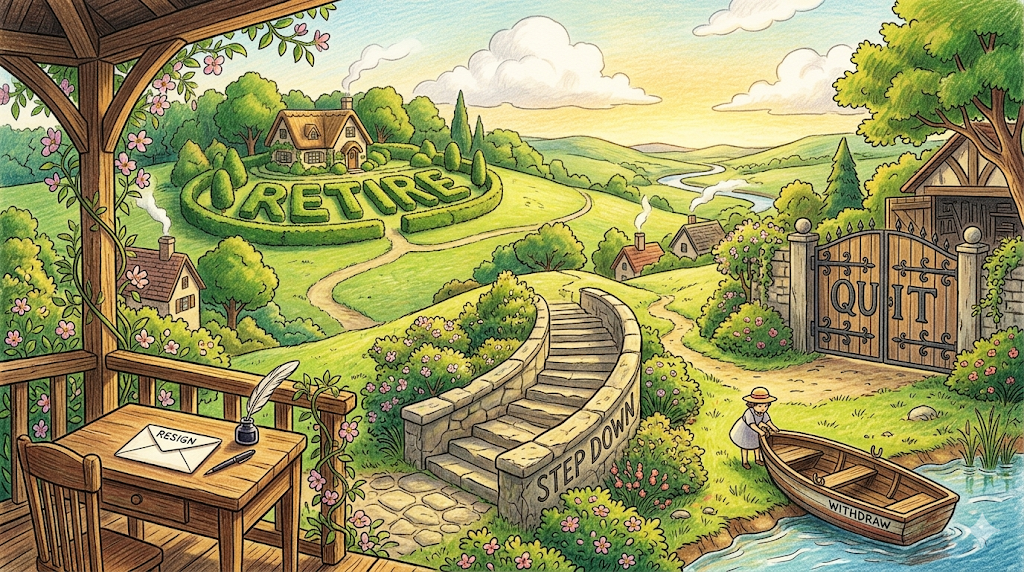
단어 공통점 뉘앙스 차이 예문
| retire | 물러나다, 그만두다 | 공식적·계획적 은퇴, 비유 풍부 | She retired at sixty. |
| resign | 사임하다 | 자신의 의지로 특정 직위를 그만두는 것 | He resigned from his post. |
| quit | 그만두다 | 갑자기 비공식적으로 그만두는 것 | She quit her job. |
| withdraw | 물러나다 | 일시적으로 참여를 철회하는 것 | He withdrew from the race. |
| step down | 물러나다 | 높은 지위에서 스스로 내려오는 것 | She stepped down as leader. |
유의어 예문 리스트
- (resign) The coach resigned after the team lost five games in a row, saying he felt responsible and believed that a fresh start with new leadership would be best for the players. (코치는 팀이 연속으로 5경기를 진 후 사임했으며, 자신이 책임이 있다고 느끼고 새로운 리더십으로 새롭게 시작하는 것이 선수들에게 최선이라고 생각한다고 말했다.)
- (quit) He quit the team in the middle of the season because he felt the environment had become unhealthy and that staying would do more harm than good to his development as a player. (그는 환경이 건강하지 않게 됐고 머무는 것이 선수로서의 발전에 이익보다 해가 더 많을 것이라고 느껴 시즌 중간에 팀을 그만뒀다.)
- (withdraw) She withdrew from the tournament after the first round when she felt a sharp pain in her shoulder, deciding it was better to miss one event than to risk a serious injury. (그녀는 어깨에 날카로운 통증을 느끼자 첫 라운드 후 토너먼트에서 철수했으며, 심각한 부상의 위험을 무릅쓰기보다 하나의 경기를 놓치는 것이 낫다고 결정했다.)
- (step down) The head of the organisation stepped down after ten years, handing over to a younger leader who she had personally trained and trusted to carry forward the values the organisation had been built on. (조직의 수장이 10년 후 물러나며, 조직이 세워진 가치를 계속 이어갈 것이라고 개인적으로 훈련하고 신뢰한 더 젊은 리더에게 자리를 넘겼다.)
결론 정리
retire는 단순히 "은퇴하다"가 아니라, 고대 프랑스어 retirer(뒤로 당기다)에서 출발해 앞에서 뒤로 물러나는 것에서 직업 은퇴·스포츠 선수 은퇴·조용한 장소로의 이동·공직 생활 마무리·품위 있는 은퇴·강제 퇴직까지 확장되는 단어다 — retire가 있는 곳엔 언제나 '단순한 은퇴가 아닌, 인간이 한 시절을 마무리하고 새로운 삶으로 나아가는 방식이 생생하게 살아숨쉬는' 생동감의 선언이 있다.
💡 retire는 "앞에서 뒤로 물러나는 것에서 출발한" 생동감 넘치는 언어 — retire from · retire gracefully · forced to retire가 수능 최빈출.
🌟 초등학생 버전 — retire는 은퇴하다이지만, "조기 은퇴하다"(retire early), "품위 있게 은퇴하다"(retire gracefully), "번호를 결번하다"(retire a number)처럼 우리 생활과 스포츠 곳곳에 살아있는 단어예요! 🏆✨


