- 분류 전체보기 (5446)

| 일 | 월 | 화 | 수 | 목 | 금 | 토 |
|---|---|---|---|---|---|---|
| 1 | 2 | |||||
| 3 | 4 | 5 | 6 | 7 | 8 | 9 |
| 10 | 11 | 12 | 13 | 14 | 15 | 16 |
| 17 | 18 | 19 | 20 | 21 | 22 | 23 |
| 24 | 25 | 26 | 27 | 28 | 29 | 30 |
| 31 |
- entrance fee
- Yes
- Sorry
- pick up
- make it
- work out
- please.
- OKay
- Don't worry
- I'm not sure
- call off
- I'm glad to hear that.
- By The Way
- Yeah
- Excuse me
- come up with
- Read between the lines
- Hey
- hold on
- I'm sorry
- please?
- well
- once in a while
- Actually
- Right?
- Sure
- oh
- no
- Please
- too.
- Today
- Total
인과함께
Day361 , picnic, no picnic, picnic basket, picnic area, picnic blanket, spoil the picnic, picnic table, pack a picnic, go on a picnic, picnic spot 본문
Day361 , picnic, no picnic, picnic basket, picnic area, picnic blanket, spoil the picnic, picnic table, pack a picnic, go on a picnic, picnic spot
미인생 2026. 4. 28. 12:33
picnic [ˈpɪknɪk]
(명사/동사) 소풍, 피크닉 / 소풍을 가다
단순히 "소풍"으로만 외우면 수능에서 반드시 틀립니다. picnic은 "야외에서 음식을 먹으며 즐기는 시간" 이라는 핵심 이미지에서 출발해, 실제 야외 식사·즐거운 경험·쉬운 일·어려운 상황을 나타내는 표현까지 폭넓게 쓰이는 핵심 다의어입니다. 특히 no picnic(전혀 쉽지 않다, 힘든 일이다), spoil the picnic(분위기를 망치다, 계획을 방해하다), pack a picnic(소풍 음식을 챙기다) 패턴은 수능 독해 심리·사회·논리 지문에서 핵심적으로 등장합니다.
'picnic'은 프랑스어 pique-nique(각자 음식을 가져오는 모임)에서 유래했으며, piquer(집어들다)와 nique(하찮은 것)의 합성어로 연결됩니다. 어원의 핵심 이미지는 "각자 조금씩 가져와 함께 나누는 야외 식사" 로, 단순한 소풍을 넘어 공유·즐거움·쉬움·어려움·방해까지 확장되는 표현의 근원이 된 단어입니다.
1. no picnic [nəʊ ˈpɪknɪk]
(일상/심리/수능) "전혀 쉽지 않다, 힘든 일이다"를 뜻합니다. 어떤 일이나 상황이 사람들이 생각하는 것보다 훨씬 어렵고 힘들다는 것을 강조합니다.
Learning a completely new language as an adult is no picnic — it takes months of daily practice and a great deal of patience before anything starts to feel natural. (성인으로서 완전히 새로운 언어를 배우는 것은 전혀 쉽지 않다 — 어떤 것이든 자연스럽게 느껴지기 시작하기 전에 수개월의 매일 연습과 엄청난 인내가 필요하다.)
2. picnic basket [ˈpɪknɪk ˈbɑːskɪt]
(일상/문학/수능) "소풍 바구니, 도시락 바구니"를 뜻합니다. 소풍에 가져가는 음식과 필요한 물건을 담는 바구니를 강조합니다.
She packed the picnic basket the night before so that everything would be ready when the family set off early the next morning for the nature trail. (그녀는 가족이 다음 날 아침 일찍 자연 탐방로로 출발할 때 모든 것이 준비될 수 있도록 전날 밤에 소풍 바구니를 쌌다.)
3. picnic area [ˈpɪknɪk ˈeəriə]
(일상/환경/수능) "소풍 구역, 피크닉 장소"를 뜻합니다. 공원이나 자연 속에서 소풍을 위해 지정된 특별한 구역을 강조합니다.
The national park had a large picnic area near the river where families could sit at wooden tables and enjoy their lunch surrounded by trees and birdsong. (국립 공원은 강 근처에 가족들이 나무 테이블에 앉아 나무와 새 소리에 둘러싸여 점심을 즐길 수 있는 넓은 소풍 구역이 있었다.)
4. picnic blanket [ˈpɪknɪk ˈblæŋkɪt]
(일상/문학/수능) "소풍 담요, 돗자리"를 뜻합니다. 야외에서 소풍 시 땅에 깔고 앉기 위한 담요나 돗자리를 강조합니다.
They spread the picnic blanket under a large oak tree and settled down to enjoy their lunch while watching the clouds drift slowly across the blue sky. (그들은 큰 참나무 아래 소풍 담요를 펼치고 파란 하늘을 가로질러 천천히 흘러가는 구름을 보면서 점심을 즐기기 위해 자리를 잡았다.)
5. spoil the picnic [spɔɪl ðə ˈpɪknɪk]
(일상/심리/수능) "소풍을 망치다, 분위기나 계획을 방해하다"를 뜻합니다. 즐거운 계획이나 상황을 방해하거나 망치는 것을 강조하며, 비유적으로 어떤 좋은 상황을 방해하는 것을 나타냅니다.
The sudden rainstorm completely spoiled the picnic that the whole class had been looking forward to for weeks. (갑작스러운 폭우가 학급 전체가 몇 주 동안 기대해온 소풍을 완전히 망쳤다.)
6. picnic table [ˈpɪknɪk ˈteɪbl]
(일상/환경/수능) "피크닉 테이블"을 뜻합니다. 공원이나 야외 공간에 설치된 벤치가 함께 붙어있는 나무 테이블을 강조합니다.
She set out all the food on the picnic table and called the children over from where they had been playing to come and eat before the sandwiches dried out in the sun. (그녀는 피크닉 테이블 위에 모든 음식을 놓고 샌드위치가 햇볕에 말라가기 전에 먹으러 오도록 놀고 있던 곳에서 아이들을 불렀다.)
7. pack a picnic [pæk ə ˈpɪknɪk]
(일상/사회/수능) "소풍 음식을 챙기다, 도시락을 싸다"를 뜻합니다. 야외에서 먹을 음식과 필요한 것들을 준비해서 가방이나 바구니에 넣는 것을 강조합니다.
She decided to pack a picnic for the long hike because she knew there would be no places to buy food once they entered the forest trail. (그녀는 숲 탐방로에 들어가면 음식을 살 곳이 없을 것임을 알았기 때문에 긴 하이킹을 위해 소풍 음식을 챙기기로 결심했다.)
8. go on a picnic [ɡəʊ ɒn ə ˈpɪknɪk]
(일상/사회/수능) "소풍을 가다, 피크닉을 하다"를 뜻합니다. 야외에서 음식을 먹고 시간을 보내러 나가는 것을 강조합니다.
The teacher suggested that the class go on a picnic to the botanical garden at the end of term as a reward for all the hard work they had done throughout the year. (선생님은 학급이 1년 내내 한 모든 노력에 대한 보상으로 학기 말에 식물원으로 소풍을 가자고 제안했다.)
9. picnic spot [ˈpɪknɪk spɒt]
(일상/환경/수능) "소풍 장소, 피크닉하기 좋은 곳"을 뜻합니다. 소풍이나 야외 식사를 즐기기에 특별히 좋은 장소를 강조합니다.
They had discovered the perfect picnic spot by the lake — sheltered from the wind by a row of tall trees and with a wonderful view across the water to the hills on the other side. (그들은 호숫가에서 완벽한 소풍 장소를 발견했다 — 키 큰 나무들로 바람을 막아주고 반대편 언덕으로 가는 물 건너 멋진 전망을 가진.)
10. picnic (비유적: 쉬운 일) [ˈpɪknɪk]
(일상/심리/수능) 비유적으로 "쉬운 일, 즐거운 일"을 뜻합니다. 주로 부정적인 맥락에서 "no picnic"의 형태로 더 자주 쓰이며, 어떤 일이 기대와 달리 어렵다는 것을 강조합니다.
Managing a team of fifteen people who all have different ideas and priorities is not exactly a picnic, but she had learned to listen carefully and find ways to bring everyone's strengths together. (모두 다른 아이디어와 우선순위를 가진 15명의 팀을 관리하는 것은 정확히 쉬운 일이 아니지만, 그녀는 주의 깊게 듣고 모든 사람의 강점을 함께 모으는 방법을 찾는 것을 배웠다.)
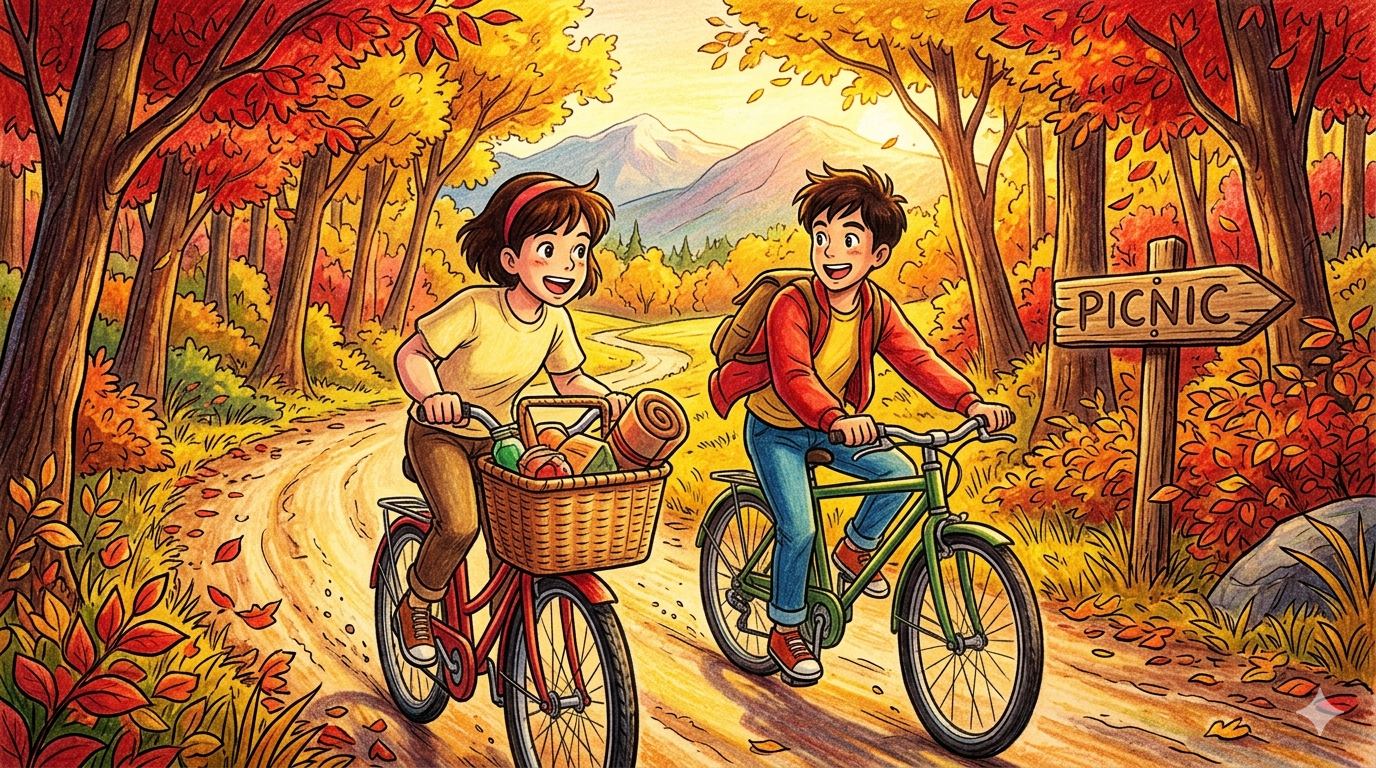
POINT 1. picnic — 수능 최빈출 비유·어휘 패턴
picnic은 수능 독해 심리·사회·논리 지문에서 비유적 표현으로 자주 출제됩니다.
no picnic → 어떤 일이 훨씬 어렵다는 것을 강조할 때 예) Raising children is no picnic. (아이를 키우는 것은 전혀 쉽지 않다.) spoil the picnic → 즐거운 계획이나 상황을 방해할 때 예) Bad news spoiled the picnic. (나쁜 소식이 소풍을 망쳤다.) pack a picnic → 야외 활동을 위해 준비할 때 예) She packed a picnic for the trip. (그녀는 여행을 위해 소풍 음식을 챙겼다.)
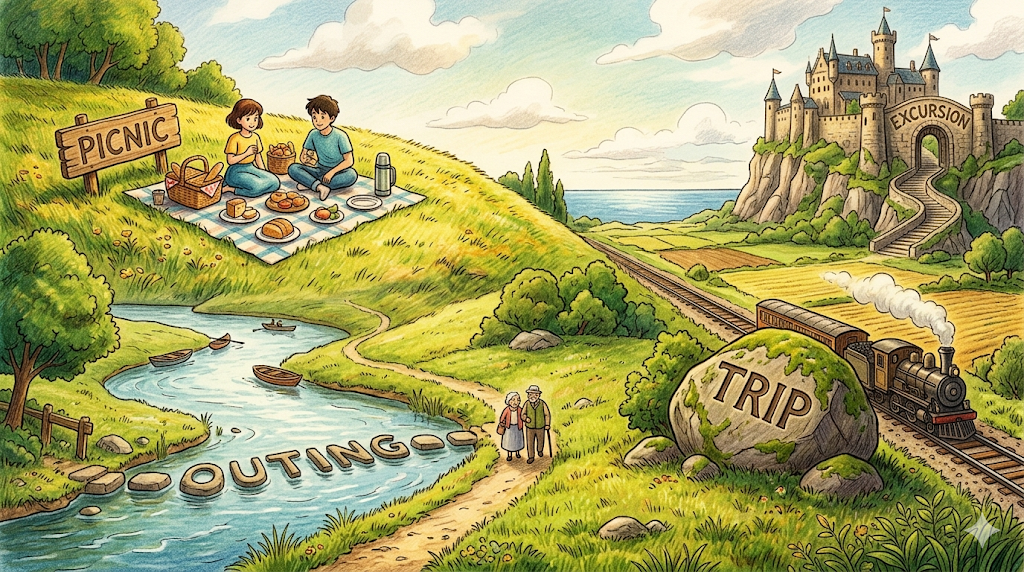
POINT 2. picnic / outing / excursion — 수능 어휘 핵심 비교
이 세 단어는 수능에서 자주 혼동되는 어휘입니다.
picnic → 야외에서 음식을 먹으며 즐기는 시간, 쉬운 일을 나타내는 비유 예) We had a picnic in the park. (우리는 공원에서 소풍을 즐겼다.) outing → 짧은 야외 나들이·외출, 주로 하루 코스 예) It was a school outing. (학교 나들이였다.) excursion → 교육적 목적이나 단체 여행, 더 격식적인 표현 예) The class went on an excursion. (학급이 견학을 갔다.)
POINT 3. picnic의 다양한 용법 — 수능 독해 문맥 파악 핵심
picnic은 수능 독해에서 문맥에 따라 의미가 완전히 달라지는 핵심 단어입니다.
야외 식사 → They had a picnic in the park. (그들은 공원에서 소풍을 즐겼다.) 쉬운 일 → This is quite a picnic. (이건 꽤 쉬운 일이다.) 어려운 일 → This is no picnic. (이건 전혀 쉽지 않다.) 방해 → Rain spoiled the picnic. (비가 소풍을 망쳤다.) 준비 → She packed a picnic. (그녀는 소풍 음식을 챙겼다.)
(명사) ① 소풍, 피크닉 (야외 식사)
picnic의 가장 기본적인 의미로, 야외에서 음식을 먹으며 즐기는 시간을 나타냅니다.
- The whole family drove out to the countryside on Sunday morning and found a beautiful meadow where they spread a blanket and enjoyed a picnic surrounded by wildflowers and the sound of a stream nearby. (온 가족이 일요일 아침에 시골로 차를 몰고 나가 담요를 펼치고 야생화와 근처 시냇물 소리에 둘러싸여 소풍을 즐길 수 있는 아름다운 초원을 발견했다.)
- She remembered the summer picnics of her childhood as some of the happiest moments of her life — simple food eaten outside, long afternoons of games, and the warm feeling of being surrounded by the people she loved most. (그녀는 어린 시절의 여름 소풍을 인생에서 가장 행복한 순간 중 일부로 기억했다 — 밖에서 먹는 단순한 음식, 게임으로 보내는 긴 오후, 그리고 가장 사랑하는 사람들에 둘러싸인 따뜻한 느낌이었다.)
- Planning a picnic for twenty people might sound simple, but it requires careful thought about dietary needs, enough shade for everyone to sit comfortably, and a backup plan in case the weather does not cooperate. (20명을 위한 소풍을 계획하는 것이 단순하게 들릴 수 있지만, 식이 요건에 대한 신중한 생각, 모든 사람이 편안하게 앉을 충분한 그늘, 그리고 날씨가 협조하지 않을 경우를 위한 백업 계획이 필요하다.)
(명사) ② 쉬운 일, 즐거운 경험 (비유적)
picnic은 비유적으로 쉽거나 즐거운 일을 나타냅니다. 주로 부정문에서 사용됩니다.
- People who have never run a small business often imagine it to be something like a picnic, but those who have tried know that it involves long hours, constant uncertainty, and an enormous amount of personal sacrifice. (소규모 사업을 운영해본 적 없는 사람들은 그것이 소풍 같은 것이라고 상상하는 경우가 많지만, 시도해본 사람들은 그것이 긴 시간, 끊임없는 불확실성, 그리고 엄청난 개인적 희생을 수반한다는 것을 안다.)
- Some students assume that studying art or music is more of a picnic than studying science or maths, but anyone who has seriously pursued a creative discipline knows how demanding it really is. (일부 학생들은 예술이나 음악을 공부하는 것이 과학이나 수학을 공부하는 것보다 더 소풍 같은 것이라고 가정하지만, 창의적인 분야를 진지하게 추구한 사람이라면 그것이 얼마나 힘든지 안다.)
- Nobody said that becoming a good writer would be a picnic — it takes years of practice, thousands of rejected drafts, and the willingness to keep improving even when progress feels impossibly slow. (아무도 좋은 작가가 되는 것이 소풍 같을 것이라고 말하지 않았다 — 그것은 수년간의 연습, 수천 번의 거절된 초안, 그리고 발전이 불가능할 만큼 느리게 느껴질 때도 계속 향상하려는 의지가 필요하다.)
(동사) ③ 소풍을 가다, 피크닉을 하다
picnic은 동사로 쓰여 야외에서 음식을 먹으며 시간을 보내는 것을 나타냅니다.
- They had been picnicking by the river every Sunday throughout the spring and summer, and had come to think of that particular spot under the willow tree as their own special place. (그들은 봄과 여름 내내 매주 일요일 강가에서 소풍을 즐겼으며, 버드나무 아래 그 특별한 장소를 자신들만의 특별한 곳으로 생각하게 됐다.)
- The family picnicked at the edge of the forest while the children played among the trees, and by the time they packed up to leave, everyone agreed it had been one of the best days of the whole holiday. (가족은 아이들이 나무들 사이에서 놀고 있는 동안 숲 가장자리에서 소풍을 즐겼으며, 짐을 싸서 떠날 때쯤에는 모든 사람이 그것이 전체 휴가 중 최고의 날 중 하나였다고 동의했다.)
- She suggested picnicking in the garden rather than sitting inside for lunch, and everyone agreed that getting some fresh air and sunlight would help them feel more energetic for the afternoon's activities. (그녀는 점심 식사를 실내에 앉아 먹는 것보다 정원에서 소풍을 즐기자고 제안했으며, 신선한 공기와 햇볕을 쬐면 오후 활동을 위해 더 활기차게 느끼는 데 도움이 될 것이라는 데 모두가 동의했다.)

뉘앙스·의미 연결 흐름 표
핵심 이미지 연결 흐름 뉘앙스 요약
| 야외에서 함께 나누는 즐거운 시간 | 실제 소풍 → 소풍 준비 → 소풍 장소·물건 | pack a picnic, picnic basket, picnic spot, picnic blanket |
| 계획이 방해받는 것 | 날씨·문제 → 소풍 망침 → 좋은 상황 방해 | spoil the picnic |
| 쉬움과 어려움의 대조 | 소풍처럼 쉬운 것 ↔ 전혀 쉽지 않은 것 | no picnic, 비유적 picnic |
어원 흐름 표
단어 구성 요소 의미 연결 흐름 뉘앙스 요약
| 프랑스어 pique-nique(각자 음식을 가져오는 모임) | 함께 나누는 야외 식사 → picnic | 공유·즐거움·함께하는 야외 식사의 핵심 이미지 |
| picnic (명사/동사) | 야외 식사 → 즐거운 경험 → 쉬운 일 → 방해 | 함께 나눔에서 즐거움·쉬움·방해까지 확장 |
품사별 의미 표
품사 의미 예문
| 명사 | 소풍, 피크닉 | They had a picnic in the park. |
| 명사 | 쉬운 일 (비유) | This is quite a picnic. |
| 동사 | 소풍을 가다 | They picnicked by the river. |
| 관용구 | 전혀 쉽지 않다 | Running a business is no picnic. |
| 관용구 | 소풍을 망치다 | Rain spoiled the picnic. |
| 명사구 | 소풍 음식을 챙기다 | She packed a picnic. |
활용 예문 리스트
- Moving to a completely new country where you do not speak the language and do not know anyone is absolutely no picnic — it requires courage, patience, and a willingness to make mistakes every single day. (언어를 모르고 아는 사람도 없는 완전히 새로운 나라로 이사하는 것은 절대 전혀 쉽지 않다 — 그것은 매일매일 실수를 감수하는 용기, 인내, 그리고 의지가 필요하다.)
- The unexpected news of the school closure completely spoiled the picnic atmosphere that had been building all morning as the students decorated the classroom for the end-of-year celebration. (학교 폐쇄에 대한 예상치 못한 소식이 학생들이 연말 축하를 위해 교실을 장식하면서 아침 내내 만들어지던 소풍 같은 분위기를 완전히 망쳤다.)
- She always made sure to pack a picnic whenever the family went to the beach, because she had learned from experience that hungry children become unhappy children very quickly in the hot sun. (그녀는 배고픈 아이들은 뜨거운 햇볕에 매우 빠르게 불행한 아이들이 된다는 것을 경험에서 배웠기 때문에 가족이 해변에 갈 때마다 항상 소풍 음식을 챙겼다.)
- After weeks of grey skies and cold rain, the first truly warm day of spring felt like the ideal moment to go on a picnic and remind themselves that the world could still be beautiful when the sun came out. (몇 주간의 회색 하늘과 차가운 비 후, 봄의 첫 번째 진정으로 따뜻한 날은 소풍을 가서 해가 날 때 세상이 여전히 아름다울 수 있다는 것을 스스로에게 상기시키기에 이상적인 순간처럼 느껴졌다.)
- They had found the perfect picnic spot on a previous walk — a flat grassy area beside a stream with just enough shade from an old apple tree to keep the afternoon sun from becoming too intense. (그들은 이전 산책에서 완벽한 소풍 장소를 발견했다 — 오후 햇살이 너무 강해지는 것을 막을 오래된 사과나무의 충분한 그늘이 있는 시냇가 옆의 평평한 풀밭이었다.)
전체 뉘앙스 설명
picnic은 '야외에서 함께 나누는 즐거운 식사에서 출발해 소풍 준비·소풍 장소·계획 방해·쉬운 일·어려운 일까지 확장되는 생동감 넘치는 언어'입니다.
outing과의 차이: outing은 짧은 야외 나들이나 외출을 강조하고, picnic은 음식을 먹으며 야외에서 시간을 보내는 것과 비유적 의미를 강조합니다. excursion과의 차이: excursion은 교육적 목적이나 조직된 단체 여행을 강조하고, picnic은 더 가볍고 즐거운 야외 식사와 비유적 표현을 강조합니다. trip과의 차이: trip은 더 넓은 의미의 여행이나 외출을 강조하고, picnic은 특별히 야외에서의 음식 중심 활동을 강조합니다.
마지막 핵심 정리
picnic은 단순히 "소풍"이 아닙니다 — 프랑스어 pique-nique(함께 나누는 야외 식사)에서 출발해, 실제 소풍(go on a picnic)에서 소풍 준비(pack a picnic)·소풍 장소(picnic spot)·소풍 방해(spoil the picnic)·쉬운 일의 비유(a picnic)·어려운 일의 비유(no picnic)까지 확장되는 단어이며, no picnic·spoil the picnic·pack a picnic의 비유적 의미 파악이 수능 핵심 출제 포인트입니다.
파생어 표
파생어 발음기호 품사 의미
| picnicker | [ˈpɪknɪkər] | 명사 | 소풍객, 피크닉을 즐기는 사람 |
| picnicking | [ˈpɪknɪkɪŋ] | 명사/형용사 | 소풍, 소풍하는 |
| alfresco | [ælˈfreskəʊ] | 부사/형용사 | 야외에서, 야외의 |
| outdoor | [ˈaʊtdɔːr] | 형용사 | 야외의, 옥외의 |
| outing | [ˈaʊtɪŋ] | 명사 | 나들이, 외출 |
| excursion | [ɪkˈskɜːrʒən] | 명사 | 소풍, 견학, 단체 여행 |
유의어 비교표
단어 공통점 뉘앙스 차이 예문
| picnic | 야외 활동 | 음식 중심 야외 식사, 비유 풍부 | They had a picnic. |
| outing | 야외 나들이 | 짧은 야외 외출, 특별히 음식 중심이 아님 | It was an outing. |
| excursion | 단체 여행 | 교육적·조직된 단체 야외 활동 | A school excursion. |
| trip | 여행, 외출 | 더 넓은 의미의 이동·여행 | A day trip to the beach. |
| outing | 나들이 | 가볍고 짧은 야외 활동 | A family outing. |
유의어 예문 리스트
- (outing) The school organised an outing to the local history museum so that students could see the artefacts they had been studying in class up close for the very first time. (학교는 학생들이 수업에서 공부했던 유물을 처음으로 가까이서 볼 수 있도록 지역 역사 박물관으로 나들이를 조직했다.)
- (excursion) The science department planned an excursion to the marine biology centre as part of the oceans unit, and students were asked to bring notebooks so they could record their observations throughout the visit. (과학부는 해양 단원의 일환으로 해양 생물학 센터로 견학을 계획했으며, 학생들에게 방문 내내 관찰 내용을 기록할 수 있도록 공책을 가져오라고 요청했다.)
- (trip) The whole class had been looking forward to the day trip to the city for months, and when the morning finally arrived everyone arrived at school earlier than usual with packed bags and excited expressions on their faces. (학급 전체가 수개월 동안 도시로의 당일 여행을 기대해왔으며, 마침내 아침이 됐을 때 모든 사람이 가방을 메고 얼굴에 흥분된 표정을 한 채 평소보다 일찍 학교에 도착했다.)
- (trip) She planned a short trip to the countryside for the weekend to get away from the noise and busyness of the city and spend some time walking and breathing fresh air. (그녀는 도시의 소음과 바쁨에서 벗어나 걷고 신선한 공기를 마시는 데 시간을 보내기 위해 주말에 시골로 짧은 여행을 계획했다.)
결론 정리
picnic은 단순히 "소풍"이 아니라, 프랑스어 pique-nique(함께 나누는 야외 식사)에서 출발해 야외 음식 중심 활동에서 소풍 준비·소풍 장소·계획 방해·쉬운 일·어려운 일까지 확장되는 단어다 — picnic이 있는 곳엔 언제나 '단순한 소풍이 아닌, 인간이 함께함·즐거움·쉬움·방해·어려움을 어떻게 경험하고 표현하는지가 생생하게 살아숨쉬는' 생동감의 선언이 있다.
💡 picnic은 "함께 나누는 야외 식사에서 출발한" 생동감 넘치는 언어 — no picnic · spoil the picnic · pack a picnic이 수능 최빈출.
🌟 초등학생 버전 — picnic은 야외에서 즐기는 소풍이지만, "전혀 쉽지 않은" 일(no picnic), "소풍을 망치는" 것(spoil the picnic), "소풍 음식을 챙기는" 것(pack a picnic)처럼 우리 일상과 감정 곳곳에 살아있는 단어예요! 🧺✨

no picnic [nəʊ ˈpɪknɪk]
(관용구) 전혀 쉽지 않다, 힘든 일이다
어떤 일이나 상황이 사람들이 생각하는 것보다 훨씬 어렵고 힘들다는 것을 강조합니다. 수능 독해 심리·사회·논리 지문에서 핵심적으로 등장합니다.
- Being the first person in your family to go to university is no picnic — you have to navigate systems that others take for granted while also managing the pressure of people's expectations and your own self-doubt. (가족 중 처음으로 대학에 가는 것은 전혀 쉽지 않다 — 사람들의 기대의 압박과 자신의 자기 의심을 다루면서 다른 사람들이 당연하게 여기는 시스템을 헤쳐나가야 한다.)
- Teaching thirty energetic ten-year-olds all day, every day, is no picnic even for the most experienced teacher — it demands constant patience, creativity, and emotional stamina that most people underestimate until they try it themselves. (매일 30명의 활기찬 10살짜리를 하루 종일 가르치는 것은 가장 경험 많은 선생님에게도 전혀 쉽지 않다 — 그것은 대부분의 사람들이 직접 시도해볼 때까지 과소평가하는 지속적인 인내, 창의성, 그리고 감정적 지구력을 요구한다.)
- The essay argued that progress in any field is no picnic — it requires the willingness to accept failure as a normal part of the process rather than a sign that you are not good enough to succeed. (에세이는 어떤 분야에서도 발전은 전혀 쉽지 않다고 주장했다 — 그것은 실패를 성공하기에 충분하지 않다는 표시가 아니라 과정의 정상적인 부분으로 받아들이는 의지가 필요하다.)
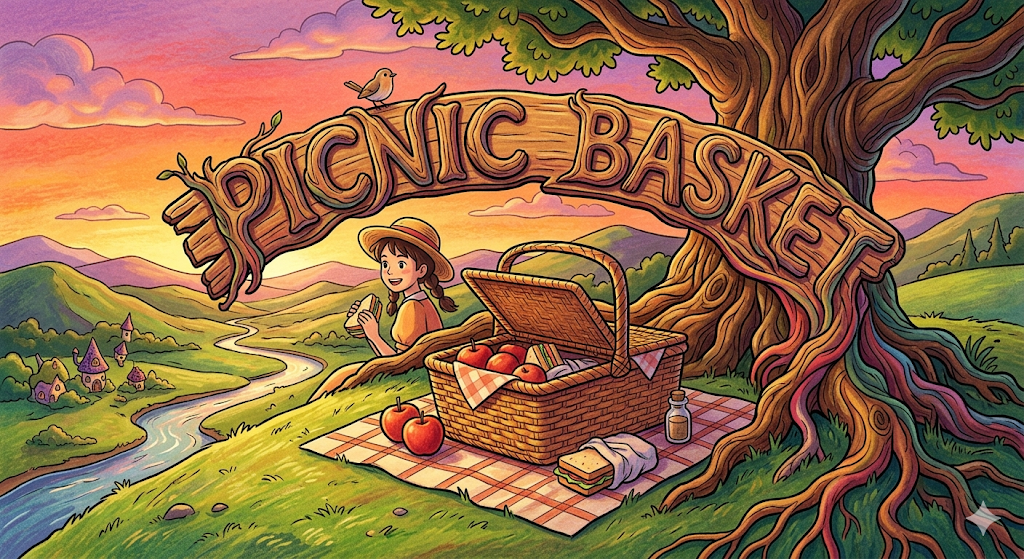
picnic basket [ˈpɪknɪk ˈbɑːskɪt]
(명사구) 소풍 바구니, 도시락 바구니
소풍에 가져가는 음식과 필요한 물건을 담는 바구니를 강조합니다. 수능 독해 일상·문학 지문에서 자주 등장합니다.
- The picnic basket her grandmother had used for forty years was still in excellent condition — made from solid wicker with leather straps and a fitted interior that held plates, glasses, and cutlery in place. (그녀의 할머니가 40년 동안 사용한 소풍 바구니는 여전히 훌륭한 상태였다 — 가죽 끈과 접시, 유리잔, 식기를 제자리에 고정시키는 맞춤형 내부가 있는 단단한 등나무로 만들어졌다.)
- She loved the ritual of filling the picnic basket — choosing which cheeses and fruits to bring, wrapping the sandwiches carefully so they would not get soggy, and fitting everything in so that nothing would be damaged on the journey. (그녀는 소풍 바구니를 채우는 의식을 좋아했다 — 어떤 치즈와 과일을 가져갈지 선택하고, 샌드위치가 눅눅해지지 않도록 조심스럽게 싸고, 여정에서 아무것도 손상되지 않도록 모든 것을 맞추는 것이었다.)
- The children carried the picnic basket between them, each holding one side of the handle and arguing gently about who was bearing most of the weight, while their parents walked ahead and pointed out things of interest along the path. (아이들은 각각 손잡이 한쪽을 잡고 누가 무게를 가장 많이 지고 있는지 부드럽게 다투면서 소풍 바구니를 사이에서 함께 들었으며, 부모님은 앞에서 걸으며 길을 따라 흥미로운 것들을 가리켰다.)
숙어 그룹 묶음 1 — 준비·장소 picnic 핵심 패턴
표현 의미 핵심 뉘앙스 주요 맥락
| no picnic | 전혀 쉽지 않다 | 어떤 일이나 상황이 생각보다 훨씬 어렵다 | 심리·사회·수능 |
| picnic basket | 소풍 바구니 | 소풍에 가져가는 음식과 물건을 담는 바구니 | 일상·문학·수능 |
| picnic area | 소풍 구역 | 공원이나 자연 속 소풍을 위해 지정된 구역 | 일상·환경·수능 |
이 세 표현은 모두 picnic의 "야외에서 함께 나누는 것" 이미지를 공유하되, 각각 어려움이 예상보다 크다는 현실(no picnic)·소풍을 위한 준비물(picnic basket)·소풍이 이루어지는 공간(picnic area)의 관점에서 접근합니다.
- Preparing for a picnic is no picnic in itself — finding a picnic area that is accessible for everyone, packing a picnic basket with enough food for a large group, and then getting everyone to agree on a time and day is a small logistical challenge that requires more planning than most people expect. (소풍을 준비하는 것은 그 자체로 전혀 쉽지 않다 — 모든 사람이 접근할 수 있는 소풍 구역을 찾고, 큰 그룹을 위한 충분한 음식으로 소풍 바구니를 싸고, 모든 사람이 시간과 날짜에 동의하게 하는 것은 대부분의 사람들이 예상하는 것보다 더 많은 계획이 필요한 작은 물류적 도전이다.)
- She discovered that finding a picnic area with good shade was no picnic either, especially in summer when all the best spots were taken by nine in the morning, which was why she had started packing a picnic basket the night before and arriving early enough to claim the shade near the fountain before anyone else. (그녀는 좋은 그늘이 있는 소풍 구역을 찾는 것도 전혀 쉽지 않다는 것을 발견했는데, 특히 여름에는 가장 좋은 장소가 오전 9시까지 모두 차서 아무보다 먼저 분수 근처 그늘을 차지하기에 충분히 일찍 도착하기 위해 전날 밤에 소풍 바구니를 싸기 시작한 이유였다.)
- The park ranger pointed out the picnic area with its wooden benches and bins, explained that keeping it clean was no picnic for the maintenance team who cleaned it every evening, and suggested that each family take their empty picnic basket home along with any litter rather than leaving anything behind. (공원 관리인은 나무 벤치와 쓰레기통이 있는 소풍 구역을 가리키며, 그것을 깨끗하게 유지하는 것이 매일 저녁 그것을 청소하는 관리팀에게 전혀 쉽지 않다고 설명하고, 각 가족이 빈 소풍 바구니를 남겨두지 않고 쓰레기와 함께 집으로 가져가도록 제안했다.)

picnic blanket [ˈpɪknɪk ˈblæŋkɪt]
(명사구) 소풍 담요, 돗자리
야외에서 소풍 시 땅에 깔고 앉기 위한 담요나 돗자리를 강조합니다. 수능 독해 일상·문학 지문에서 자주 등장합니다.
- The children immediately grabbed the picnic blanket and ran ahead to find the best spot, spreading it out under a wide chestnut tree before their parents had even finished carrying everything from the car. (아이들은 즉시 소풍 담요를 집어 들고 최고의 장소를 찾기 위해 앞서 달려가서, 부모님이 차에서 모든 것을 다 옮기기도 전에 넓은 밤나무 아래에 펼쳤다.)
- The old picnic blanket had been in the family for fifteen years and had faded to a gentle blue from its original bright stripes, but nobody wanted to replace it because it had been present at so many happy occasions. (낡은 소풍 담요는 15년 동안 가족과 함께 있었으며 원래 밝은 줄무늬에서 부드러운 파란색으로 바랬지만, 너무 많은 행복한 행사에 함께했기 때문에 아무도 그것을 교체하기를 원하지 않았다.)
- She suggested bringing a picnic blanket even though there were tables available, explaining that lying on the grass and looking up at the sky is one of the simplest and most underrated pleasures that a warm afternoon in a park has to offer. (그녀는 테이블이 있었음에도 불구하고 소풍 담요를 가져오자고 제안했으며, 잔디 위에 누워 하늘을 올려다보는 것이 공원에서의 따뜻한 오후가 제공하는 가장 단순하고 가장 과소평가된 즐거움 중 하나라고 설명했다.)

spoil the picnic [spɔɪl ðə ˈpɪknɪk]
(동사구) 소풍을 망치다, 분위기나 계획을 방해하다
즐거운 계획이나 상황을 방해하거나 망치는 것을 강조하며, 비유적으로 어떤 좋은 상황을 방해하는 것을 나타냅니다. 수능 독해 심리·사회 지문에서 핵심적으로 등장합니다.
- One person's constant complaining was enough to spoil the picnic for everyone else, and the group quietly agreed afterwards that next time they would choose their companions more carefully. (한 사람의 끊임없는 불평은 다른 모든 사람을 위해 소풍을 망치기에 충분했으며, 그룹은 다음에는 더 신중하게 동반자를 선택하겠다고 조용히 나중에 동의했다.)
- He tried not to let his worries about next week spoil the picnic — this afternoon was meant for relaxing and enjoying good company, and the problems would still be waiting for him when he got home. (그는 다음 주에 대한 걱정이 소풍을 망치게 하지 않으려 했다 — 이 오후는 긴장을 풀고 좋은 동반자를 즐기기 위한 것이었으며, 문제들은 집에 돌아갔을 때 여전히 기다리고 있을 것이었다.)
- The essay used spoiling the picnic as a metaphor for how one negative influence can undermine the wellbeing of an entire group — arguing that in any community, protecting the shared atmosphere of trust and goodwill requires everyone to take some responsibility for the tone they bring to shared spaces. (에세이는 소풍을 망치는 것을 하나의 부정적인 영향이 어떻게 전체 그룹의 행복을 약화시킬 수 있는지에 대한 은유로 사용했다 — 어떤 공동체에서든 신뢰와 선의의 공유된 분위기를 보호하는 것은 모든 사람이 공유 공간에 가져오는 톤에 대한 책임을 지는 것을 요구한다고 주장했다.)
숙어 그룹 묶음 2 — 방해·어려움 picnic 패턴
표현 의미 핵심 뉘앙스 주요 맥락
| spoil the picnic | 소풍을 망치다 | 즐거운 계획이나 상황을 방해하거나 망치는 것 | 심리·사회·수능 |
| picnic blanket | 소풍 담요, 돗자리 | 야외에서 소풍 시 땅에 깔고 앉기 위한 것 | 일상·문학·수능 |
| picnic table | 피크닉 테이블 | 공원이나 야외 공간에 설치된 벤치 붙은 테이블 | 일상·환경·수능 |
이 세 표현은 모두 picnic의 "야외에서 함께하는 경험을 구성하는 요소들" 이미지를 공유하되, 각각 그 경험을 방해하는 것(spoil the picnic)·앉아서 식사하기 위한 기반(picnic blanket)·고정된 식사 공간(picnic table)의 관점에서 접근합니다.
- She had spread the picnic blanket next to the picnic table so there would be enough room for everyone, but the sudden arrival of a cloud of wasps was enough to spoil the picnic almost immediately, sending everyone scrambling to pack up and move to a completely different part of the park. (그녀는 모든 사람을 위한 충분한 공간이 생기도록 피크닉 테이블 옆에 소풍 담요를 펼쳤지만, 말벌 떼의 갑작스러운 도착이 거의 즉시 소풍을 망치기에 충분했으며, 모든 사람이 짐을 싸서 공원의 완전히 다른 곳으로 이동하기 위해 서둘렀다.)
- The picnic table was already occupied when they arrived, so they set up the picnic blanket on the grass nearby instead, and though the change of plan felt like it might spoil the picnic, it actually turned out to be a much more comfortable and relaxed spot than the table would have been. (피크닉 테이블은 그들이 도착했을 때 이미 차 있어서, 대신 근처 잔디에 소풍 담요를 폈으며, 계획 변경이 소풍을 망칠 것처럼 느껴졌지만 실제로는 테이블보다 훨씬 더 편안하고 여유로운 장소인 것으로 밝혀졌다.)
- She wrote in her journal that the only thing that could truly spoil the picnic of life is not rain or a missing picnic blanket or the best picnic table being taken — it is bringing to every beautiful moment the habit of looking for what might go wrong rather than appreciating what is already there. (그녀는 일기에 삶의 소풍을 진정으로 망칠 수 있는 유일한 것은 비나 없어진 소풍 담요나 최고의 피크닉 테이블이 차 있는 것이 아니라 — 이미 있는 것을 감사하는 대신 잘못될 수 있는 것을 찾는 습관을 모든 아름다운 순간에 가져오는 것이라고 썼다.)

picnic table [ˈpɪknɪk ˈteɪbl]
(명사구) 피크닉 테이블
공원이나 야외 공간에 설치된 벤치가 함께 붙어있는 나무 테이블을 강조합니다. 수능 독해 일상·환경 지문에서 자주 등장합니다.
- The old picnic table under the oak tree had become a gathering point for students between classes, and even though it was only meant for eating, people used it for reading, studying, and long conversations on warm afternoons. (참나무 아래 오래된 피크닉 테이블은 수업 사이에 학생들의 모임 장소가 됐으며, 비록 식사만을 위한 것이었지만 사람들은 따뜻한 오후에 독서, 공부, 그리고 긴 대화를 위해 사용했다.)
- She wiped down the picnic table with a damp cloth before laying out the food, knowing from experience that outdoor furniture accumulates a surprising amount of pollen, dust, and small insects between visits. (그녀는 음식을 놓기 전에 피크닉 테이블을 젖은 천으로 닦았는데, 야외 가구는 방문 사이에 놀라운 양의 꽃가루, 먼지, 작은 곤충이 쌓인다는 것을 경험에서 알았다.)
- The design of a picnic table — with its benches fixed to the table so that nobody can pull away from the group — is, when you think about it, a subtle encouragement towards togetherness, making it slightly harder to retreat from the shared space and slightly easier to stay in the conversation. (피크닉 테이블의 디자인은 — 아무도 그룹에서 벗어날 수 없도록 벤치가 테이블에 고정되어 있어서 — 생각해보면 공유 공간에서 물러나기를 약간 더 어렵게 하고 대화에 머무르기를 약간 더 쉽게 만드는 함께함을 향한 미묘한 격려이다.)

pack a picnic [pæk ə ˈpɪknɪk]
(동사구) 소풍 음식을 챙기다, 도시락을 싸다
야외에서 먹을 음식과 필요한 것들을 준비해서 가방이나 바구니에 넣는 것을 강조합니다. 수능 독해 일상·사회 지문에서 자주 등장합니다.
- She taught her children how to pack a picnic properly from an early age — not just choosing the food, but thinking about how to keep things cold, how to stop drinks from leaking, and how to bring enough napkins so that the grassy afternoon didn't become a messy one. (그녀는 어릴 때부터 아이들에게 소풍 음식을 제대로 챙기는 법을 가르쳤다 — 음식을 선택하는 것뿐만 아니라 물건을 차갑게 유지하는 방법, 음료가 새지 않게 하는 방법, 그리고 잔디밭 오후가 지저분하지 않도록 충분한 냅킨을 가져오는 방법도 생각하는 것이었다.)
- They decided to pack a picnic rather than eat at the café by the park because the weather was too good to spend inside and they wanted to make the most of the rare combination of sunshine and free time. (그들은 날씨가 실내에서 보내기에 너무 좋았고 햇살과 자유 시간의 드문 조합을 최대한 활용하고 싶었기 때문에 공원 옆 카페에서 먹는 대신 소풍 음식을 챙기기로 결정했다.)
- Packing a picnic is an act of thoughtfulness in disguise — every item you choose represents a small decision about what the other person likes, needs, or might not have thought of, which is why a well-packed picnic can feel like a gesture of care as much as it does a practical preparation. (소풍 음식을 챙기는 것은 위장된 사려 깊음의 행위이다 — 선택하는 모든 항목은 상대방이 좋아하는 것, 필요한 것, 또는 생각하지 못했을 것에 대한 작은 결정을 나타내며, 그래서 잘 챙겨진 소풍 음식은 실용적인 준비만큼이나 배려의 몸짓처럼 느껴질 수 있다.)
숙어 그룹 묶음 3 — 활동·장소 picnic 심화 패턴
표현 의미 핵심 뉘앙스 주요 맥락
| pack a picnic | 소풍 음식을 챙기다 | 야외에서 먹을 음식과 물건을 준비하는 것 | 일상·사회·수능 |
| go on a picnic | 소풍을 가다 | 야외에서 음식을 먹고 시간을 보내러 나가는 것 | 일상·사회·수능 |
| picnic spot | 소풍 장소 | 소풍이나 야외 식사를 즐기기에 좋은 특별한 장소 | 일상·환경·수능 |
이 세 표현은 모두 picnic의 "소풍 경험을 계획하고 실현하는 과정" 이미지를 공유하되, 각각 소풍을 위한 준비 행동(pack a picnic)·소풍 행위 자체(go on a picnic)·소풍이 이루어지는 이상적인 장소(picnic spot)의 관점에서 접근합니다.
- She decided to pack a picnic, go on a picnic to the nature reserve nearby, and look for a picnic spot she had been told about by a colleague — a clearing in the trees with a view of the whole valley that was said to be so beautiful it made even a simple cheese sandwich taste extraordinary. (그녀는 소풍 음식을 챙겨 근처 자연 보호 구역으로 소풍을 가서, 동료에게 들었던 소풍 장소를 찾기로 결심했다 — 그 간단한 치즈 샌드위치도 특별하게 맛있게 만든다고 할 만큼 아름답다는 전체 계곡이 보이는 나무 속 빈터였다.)
- The tradition in her family was always to pack a picnic the night before, go on a picnic to the same picnic spot on the first day of summer holidays, and spend the afternoon there regardless of whether the weather was perfect or merely acceptable, because the act of going together mattered more than ideal conditions. (그녀의 가족 전통은 항상 전날 밤 소풍 음식을 챙겨, 여름 방학 첫날에 같은 소풍 장소로 소풍을 가서, 그곳에서 오후를 보내는 것이었는데, 함께 가는 행위가 이상적인 조건보다 더 중요했기 때문에 날씨가 완벽하든 단순히 수용 가능하든 상관없이 그랬다.)
- She argued in her presentation that the decision to pack a picnic rather than eat in a restaurant, to go on a picnic rather than stay indoors, and to seek out a picnic spot in nature rather than a landscaped garden represents a meaningful choice about the kind of experience you want — one that values simplicity, openness, and the sensory richness of the natural world over comfort and convenience. (그녀는 발표에서 레스토랑에서 먹는 것보다 소풍 음식을 챙기고, 실내에 있는 것보다 소풍을 가며, 조경된 정원보다 자연의 소풍 장소를 찾는 결정은 원하는 경험의 종류에 대한 의미 있는 선택을 나타낸다고 주장했다 — 안락함과 편의보다 단순함, 개방성, 그리고 자연 세계의 감각적 풍요로움을 중시하는 것이다.)

go on a picnic [ɡəʊ ɒn ə ˈpɪknɪk]
(동사구) 소풍을 가다, 피크닉을 하다
야외에서 음식을 먹고 시간을 보내러 나가는 것을 강조합니다. 수능 독해 일상·사회 지문에서 자주 등장합니다.
- The whole neighbourhood decided to go on a picnic together to celebrate the end of the long renovation that had made everyone's lives difficult for the past six months. (전체 이웃이 지난 6개월 동안 모든 사람의 삶을 어렵게 만든 긴 리모델링의 끝을 축하하기 위해 함께 소풍을 가기로 결정했다.)
- She used to go on a picnic with her grandmother every spring, and even now that she was grown up and lived in a different city, the smell of cut grass and warm food in the open air brought back the memory of those afternoons more vividly than any photograph could. (그녀는 매년 봄 할머니와 소풍을 가곤 했으며, 이제 다 자라서 다른 도시에 살고 있는 지금도 잘린 잔디와 야외의 따뜻한 음식 냄새가 어떤 사진보다 더 생생하게 그 오후들의 기억을 되살려줬다.)
- The essay pointed out that the decision to go on a picnic rather than eat in a restaurant is not really about money or food — it is about choosing a different kind of experience, one in which the setting and the shared act of being outdoors together becomes as much a part of the meal as the food itself. (에세이는 레스토랑에서 먹는 것보다 소풍을 가기로 하는 결정은 실제로 돈이나 음식에 관한 것이 아니라 — 환경과 함께 야외에 있는 공유된 행위가 음식 자체만큼 식사의 일부가 되는 다른 종류의 경험을 선택하는 것이라고 지적했다.)
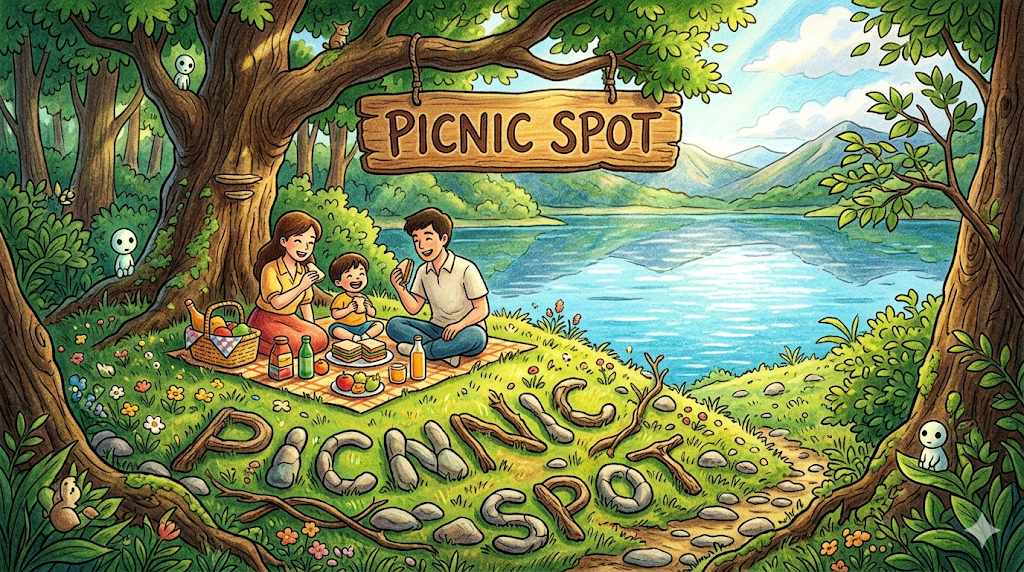
picnic spot [ˈpɪknɪk spɒt]
(명사구) 소풍 장소, 피크닉하기 좋은 곳
소풍이나 야외 식사를 즐기기에 특별히 좋은 장소를 강조합니다. 수능 독해 일상·환경·문학 지문에서 자주 등장합니다.
- She had spent years looking for the perfect picnic spot and had concluded that the best ones share three qualities — shade that protects you from the afternoon sun, a pleasant view that gives you something to look at while you talk, and enough distance from other people to feel genuinely private. (그녀는 수년을 완벽한 소풍 장소를 찾는 데 보냈으며 최고의 장소들은 세 가지 특성을 공유한다고 결론지었다 — 오후 햇살로부터 보호해주는 그늘, 이야기하는 동안 바라볼 것을 제공하는 즐거운 전망, 그리고 진정으로 개인적으로 느끼기에 충분한 다른 사람들과의 거리이다.)
- He described the picnic spot by the waterfall as one of those rare places that feels as though it was specifically designed to help people slow down, stop thinking about their problems, and simply exist for a while in the company of people they care about. (그는 폭포 옆 소풍 장소를 사람들이 속도를 줄이고, 문제에 대한 생각을 멈추며, 아끼는 사람들과 함께 잠시 그냥 존재하도록 돕기 위해 특별히 설계된 것처럼 느껴지는 그런 드문 장소 중 하나라고 묘사했다.)
- She had kept the picnic spot secret for years, sharing it only with her closest friends, not out of selfishness but because she knew that some places lose something precious when too many people know about them. (그녀는 수년 동안 소풍 장소를 비밀로 유지했으며, 이기심 때문이 아니라 너무 많은 사람들이 알게 되면 어떤 장소들은 소중한 무언가를 잃는다는 것을 알았기 때문에 가장 친한 친구들에게만 공유했다.)
숙어 그룹 묶음 4 — 종합 picnic 패턴
표현 의미 핵심 뉘앙스 주요 맥락
| no picnic | 전혀 쉽지 않다 | 어떤 일이나 상황이 생각보다 훨씬 어렵다 | 심리·사회·수능 |
| spoil the picnic | 소풍을 망치다 | 즐거운 계획이나 상황을 방해하거나 망치는 것 | 심리·사회·수능 |
| pack a picnic | 소풍 음식을 챙기다 | 야외에서 먹을 음식과 물건을 준비하는 것 | 일상·사회·수능 |
이 세 표현은 수능 독해에서 가장 자주 출제되는 picnic의 핵심 패턴입니다. no picnic은 어려운 현실을, spoil the picnic은 좋은 것을 방해하는 것을, pack a picnic은 준비와 사려 깊음을 각각 나타냅니다.
- Life is no picnic, and knowing that others can spoil the picnic of even the most carefully made plan is not a reason to give up on packing a picnic and heading out anyway — because the effort to create good experiences, even imperfect ones, is one of the things that makes life worth living. (삶은 전혀 쉽지 않고, 다른 사람들이 아무리 신중하게 세운 계획의 소풍을 망칠 수 있다는 것을 아는 것이 어쨌든 소풍 음식을 챙겨 나가는 것을 포기하는 이유가 아니다 — 불완전하더라도 좋은 경험을 만들려는 노력이 삶을 살 가치가 있게 만드는 것들 중 하나이기 때문이다.)
- She had learned that getting anything worthwhile done was no picnic, that someone or something would almost always try to spoil the picnic, and that the most important preparation you could do was not packing a picnic with the perfect food but building enough inner resilience to keep going when the unexpected inevitably arrived. (그녀는 가치 있는 어떤 것을 이루는 것도 전혀 쉽지 않고, 누군가 또는 무언가가 거의 항상 소풍을 망치려 할 것이며, 할 수 있는 가장 중요한 준비는 완벽한 음식으로 소풍 음식을 챙기는 것이 아니라 예상치 못한 일이 불가피하게 올 때 계속할 수 있는 충분한 내적 회복력을 쌓는 것이라는 것을 배웠다.)
- The secret to a good life, she argued in her essay, is understanding three things: that it is no picnic and never pretending it is something easier than it actually is; that people and circumstances will sometimes spoil the picnic and that this is survivable; and that packing a picnic — making careful, loving preparations for the good moments — is always worth the effort, however briefly the good moments end up lasting. (좋은 삶의 비결은, 그녀는 에세이에서 주장했다, 세 가지를 이해하는 것이다: 삶이 전혀 쉽지 않으며 실제보다 더 쉬운 것인 척하지 않는 것; 사람들과 상황이 때때로 소풍을 망칠 것이며 이것은 극복할 수 있다는 것; 그리고 소풍 음식을 챙기는 것 — 좋은 순간을 위해 신중하고 사랑스럽게 준비하는 것 — 은 좋은 순간이 얼마나 짧게 지속되든 항상 노력할 가치가 있다는 것이다.)
전체 요약표
표현 의미 핵심 뉘앙스
| picnic | 소풍, 피크닉 / 소풍을 가다 | 야외 음식 공유에서 쉬움·방해·어려움까지 확장 |
| no picnic | 전혀 쉽지 않다 | 어떤 일이나 상황이 생각보다 훨씬 어렵다 |
| picnic basket | 소풍 바구니 | 소풍에 가져가는 음식과 물건을 담는 바구니 |
| picnic area | 소풍 구역 | 공원이나 자연 속 소풍을 위해 지정된 구역 |
| picnic blanket | 소풍 담요, 돗자리 | 야외에서 소풍 시 땅에 깔고 앉기 위한 것 |
| spoil the picnic | 소풍을 망치다 | 즐거운 계획이나 상황을 방해하거나 망치는 것 |
| picnic table | 피크닉 테이블 | 공원이나 야외 공간에 설치된 벤치 붙은 테이블 |
| pack a picnic | 소풍 음식을 챙기다 | 야외에서 먹을 음식과 물건을 준비하는 것 |
| go on a picnic | 소풍을 가다 | 야외에서 음식을 먹고 시간을 보내러 나가는 것 |
| picnic spot | 소풍 장소 | 소풍이나 야외 식사를 즐기기에 좋은 특별한 장소 |
유의어 비교표
단어 공통점 뉘앙스 차이 예문
| picnic | 야외 활동 | 음식 중심 야외 식사, 비유 풍부 | They had a picnic. |
| outing | 야외 나들이 | 짧은 야외 외출, 특별히 음식 중심이 아님 | It was an outing. |
| excursion | 단체 여행 | 교육적·조직된 단체 야외 활동 | A school excursion. |
| trip | 여행, 외출 | 더 넓은 의미의 이동·여행 | A day trip to the beach. |
| outing | 나들이 | 가볍고 짧은 야외 활동 | A family outing. |
유의어 예문 리스트
- (outing) The science teacher organised an outing to the nature reserve so that students could observe the different species of birds and insects they had been studying from photographs in their textbooks. (과학 선생님은 학생들이 교과서의 사진에서 공부하고 있던 다양한 종의 새와 곤충을 관찰할 수 있도록 자연 보호 구역으로 나들이를 조직했다.)
- (excursion) The whole year group went on an excursion to the art gallery as part of their GCSE coursework, and each student was asked to write a response to one of the artworks they had seen before the end of the week. (전체 학년이 GCSE 학습 과정의 일환으로 미술관으로 견학을 갔으며, 각 학생은 주말 전에 본 예술 작품 중 하나에 대한 반응을 쓰도록 요청받았다.)
- (trip) The family took a day trip to the seaside town they had visited every summer when the children were young, and although everything had changed, the smell of salt air and fish and chips made it feel instantly familiar. (가족은 아이들이 어릴 때 매년 여름 방문했던 해변 마을로 당일 여행을 갔으며, 모든 것이 변했지만 소금 공기와 피시앤칩스의 냄새가 즉시 친숙하게 느끼게 했다.)
- (outing) She described the Saturday morning market as a weekly outing that she looked forward to more than almost anything else — not because she needed to buy anything in particular but because the combination of fresh air, familiar faces, and the pleasure of choosing good food was reliably restorative. (그녀는 토요일 아침 시장을 거의 다른 무엇보다 기대하는 주간 나들이로 묘사했다 — 특별히 살 것이 필요해서가 아니라 신선한 공기, 익숙한 얼굴들, 그리고 좋은 음식을 선택하는 즐거움의 조합이 신뢰할 수 있게 회복시켜줬기 때문이다.)
결론 정리
picnic은 단순히 "소풍"이 아니라, 프랑스어 pique-nique(함께 나누는 야외 식사)에서 출발해 야외 음식 중심 활동에서 소풍 준비·소풍 장소·계획 방해·쉬운 일·어려운 일까지 확장되는 단어다 — picnic이 있는 곳엔 언제나 '단순한 소풍이 아닌, 인간이 함께함·즐거움·쉬움·방해·어려움을 어떻게 경험하고 표현하는지가 생생하게 살아숨쉬는' 생동감의 선언이 있다.
💡 picnic은 "함께 나누는 야외 식사에서 출발한" 생동감 넘치는 언어 — no picnic · spoil the picnic · pack a picnic이 수능 최빈출.
🌟 초등학생 버전 — picnic은 야외에서 즐기는 소풍이지만, "전혀 쉽지 않은" 일(no picnic), "소풍을 망치는" 것(spoil the picnic), "소풍 음식을 챙기는" 것(pack a picnic)처럼 우리 일상과 감정 곳곳에 살아있는 단어예요! 🧺✨


