
- 분류 전체보기 (5445)

| 일 | 월 | 화 | 수 | 목 | 금 | 토 |
|---|---|---|---|---|---|---|
| 1 | 2 | |||||
| 3 | 4 | 5 | 6 | 7 | 8 | 9 |
| 10 | 11 | 12 | 13 | 14 | 15 | 16 |
| 17 | 18 | 19 | 20 | 21 | 22 | 23 |
| 24 | 25 | 26 | 27 | 28 | 29 | 30 |
| 31 |
- By The Way
- Yes
- I'm not sure
- call off
- Sorry
- entrance fee
- come up with
- I'm glad to hear that.
- please.
- Hey
- Don't worry
- please?
- no
- Please
- Read between the lines
- Sure
- I'm sorry
- pick up
- Actually
- Yeah
- well
- work out
- Excuse me
- Right?
- once in a while
- OKay
- make it
- hold on
- oh
- too.
- Today
- Total
인과함께
Day360 , physics, physics lab, study physics, physics teacher, applied physics, physics experiment, nuclear physics, physics problem, laws of physics, physics degree, theoretical physics 본문
Day360 , physics, physics lab, study physics, physics teacher, applied physics, physics experiment, nuclear physics, physics problem, laws of physics, physics degree, theoretical physics
미인생 2026. 4. 28. 11:59
physics [ˈfɪzɪks]
(명사) 물리학, 물리적 성질
'physics'를 단순히 "물리학"으로만 외우면 수능에서 반드시 틀립니다. physics는 "자연계에서 일어나는 물질·에너지·힘·운동의 근본 법칙과 원리를 탐구하는 학문" 이라는 핵심 이미지에서 출발해, 학문 분야·교육 과목·자연의 근본 법칙·실용적 응용·물리적 성질까지 폭넓게 쓰이는 핵심 다의어입니다. 특히 physics(자연의 근본 법칙 탐구) vs. chemistry(물질의 조성과 반응 탐구) vs. biology(생명 현상 탐구) 의 뉘앙스 차이, laws of physics(물리 법칙), applied physics(응용 물리학) 패턴은 수능 독해 과학·기술·교육·사회 지문에서 핵심적으로 등장합니다.
'physics'는 그리스어 physis(자연, 본성)에서 유래했으며, 고대 그리스어 ta physika(자연에 관한 것들)에서 발전했습니다. 어원의 핵심 이미지는 "자연이 본래 가지고 있는 성질과 법칙을 이해하려는 학문" 으로, 단순한 실험이나 계산이 아닌 우주와 자연의 가장 근본적인 원리와 법칙을 발견하고 이해하려는 지적 탐구가 이 단어의 본질입니다.
1. physics lab [ˈfɪzɪks læb]
(명사구/수능) "물리 실험실"을 뜻합니다. 물리학 실험을 위해 특별히 갖춰진 공간을 가리킵니다. 수능 독해 과학·교육·기술 지문에서 자주 등장합니다.
The students spent the afternoon in the physics lab measuring how different materials responded to changes in temperature. (학생들은 오후 내내 물리 실험실에서 다른 재료들이 온도 변화에 어떻게 반응하는지 측정했다.)
2. study physics [ˈstʌdi ˈfɪzɪks]
(동사구/수능) "물리학을 공부하다"를 뜻합니다. 물리학이라는 학문 분야를 배우거나 연구하는 것을 강조합니다. 수능 독해 교육·사회·과학 지문에서 자주 등장합니다.
She decided to study physics at university after becoming fascinated by how simple equations could describe such complex natural events. (그녀는 간단한 방정식이 어떻게 그렇게 복잡한 자연 현상을 설명할 수 있는지에 매료된 후 대학에서 물리학을 공부하기로 결정했다.)
3. physics teacher [ˈfɪzɪks ˈtiːtʃər]
(명사구/수능) "물리 선생님"을 뜻합니다. 학교에서 물리학을 가르치는 교사를 가리킵니다. 수능 독해 교육·사회·서사 지문에서 자주 등장합니다.
Her physics teacher had a gift for making even the most difficult concepts feel simple and exciting through clear explanations and creative demonstrations. (그녀의 물리 선생님은 명확한 설명과 창의적인 시연을 통해 가장 어려운 개념도 간단하고 흥미롭게 느끼도록 하는 재능이 있었다.)
4. applied physics [əˈplaɪd ˈfɪzɪks]
(명사구/수능) "응용 물리학"을 뜻합니다. 순수 물리학의 원리를 실제 기술·의료·공학 등에 적용하는 학문 분야를 가리킵니다. 수능 독해 과학·기술·사회 지문의 핵심 표현입니다.
Advances in applied physics have led to the development of tools like MRI scanners and solar panels that are now used all over the world. (응용 물리학의 발전은 이제 전 세계에서 사용되는 MRI 스캐너와 태양광 패널 같은 도구의 개발로 이어졌다.)
5. physics experiment [ˈfɪzɪks ɪkˈsperɪmənt]
(명사구/수능) "물리 실험"을 뜻합니다. 물리학적 원리나 가설을 검증하기 위해 수행하는 체계적인 실험을 가리킵니다. 수능 독해 과학·교육 지문에서 자주 등장합니다.
The famous double-slit physics experiment changed the way scientists understood the nature of light by showing that it could behave both as a wave and as a particle. (유명한 이중 슬릿 물리 실험은 빛이 파동이자 입자 모두로 행동할 수 있음을 보여줌으로써 과학자들이 빛의 본성을 이해하는 방식을 바꿨다.)
6. nuclear physics [ˈnjuːkliər ˈfɪzɪks]
(명사구/수능) "핵물리학"을 뜻합니다. 원자핵의 구조·성질·반응을 연구하는 물리학 분야를 가리킵니다. 수능 독해 과학·역사·사회·에너지 지문의 핵심 표현입니다.
Research in nuclear physics has led to both the development of nuclear energy as a power source and some of the most dangerous weapons ever created. (핵물리학 연구는 에너지원으로서의 핵에너지 개발과 지금까지 만들어진 가장 위험한 무기 중 일부로 이어졌다.)
7. physics problem [ˈfɪzɪks ˈprɒbləm]
(명사구/수능) "물리 문제"를 뜻합니다. 물리학 원리를 적용하여 푸는 수학적·개념적 문제를 가리킵니다. 수능 독해 교육·과학·심리 지문에서 자주 등장합니다.
She stared at the physics problem for twenty minutes before realising that she had been using the wrong formula from the very beginning. (그녀는 처음부터 잘못된 공식을 사용하고 있었다는 것을 깨닫기 전에 물리 문제를 20분 동안 바라봤다.)
8. laws of physics [lɔːz əv ˈfɪzɪks]
(명사구/수능) "물리 법칙"을 뜻합니다. 자연 현상을 지배하는 근본적이고 보편적인 물리학적 원리를 가리킵니다. 수능 독해 과학·논설·철학·기술 지문의 핵심 표현입니다.
Some science fiction stories imagine futures where humans have found ways to bend or even break the laws of physics that we currently believe to be absolute. (일부 공상 과학 소설은 인간이 현재 절대적이라고 믿는 물리 법칙을 구부리거나 심지어 깨는 방법을 찾은 미래를 상상한다.)
9. physics degree [ˈfɪzɪks dɪˈɡriː]
(명사구/수능) "물리학 학위"를 뜻합니다. 대학교나 대학원에서 물리학을 전공하여 취득하는 학위를 가리킵니다. 수능 독해 교육·사회·직업 지문에서 자주 등장합니다.
He found that a physics degree opened doors in many unexpected fields, including finance, engineering, and even medicine. (그는 물리학 학위가 금융·공학·심지어 의학을 포함한 많은 예상치 못한 분야의 문을 열어준다는 것을 알았다.)
10. theoretical physics [ˌθɪəˈretɪkəl ˈfɪzɪks]
(명사구/수능) "이론 물리학"을 뜻합니다. 실험보다 수학적 모델과 이론을 통해 자연 법칙을 탐구하는 물리학 분야를 가리킵니다. 수능 독해 과학·철학·교육 지문의 핵심 표현입니다.
Theoretical physics often explores ideas that seem impossible to test today but that technology may eventually be able to confirm or disprove in the future. (이론 물리학은 오늘날 테스트하기 불가능해 보이지만 미래에 기술이 결국 확인하거나 반증할 수 있을 아이디어를 탐구하는 경우가 많다.)
POINT 1. physics vs. chemistry vs. biology — 수능 최빈출 뉘앙스 구별
세 단어 모두 자연과학 분야이지만 뉘앙스가 다릅니다.
physics → 물질·에너지·힘·운동의 근본 법칙과 원리 탐구 (가장 근본적인 자연법칙), chemistry → 물질의 조성·성질·변화와 반응 탐구 (물질의 변화 중심), biology → 생명 현상·생물의 구조·기능·진화 탐구 (생명 현상 중심). 수능 독해에서 문맥에 따라 세 과학 분야의 뉘앙스를 정확히 구별하는 것이 핵심입니다.
예)
Physics explains why objects fall to the ground and how electricity works. (물리학은 왜 물체가 땅에 떨어지고 전기가 어떻게 작동하는지를 설명한다.) — 힘·에너지·운동의 근본 법칙
Chemistry helps us understand what things are made of and how they change when mixed. (화학은 물질이 무엇으로 이루어져 있고 섞였을 때 어떻게 변하는지 이해하는 데 도움이 된다.) — 물질의 변화
Biology studies living things from the smallest cell to entire ecosystems. (생물학은 가장 작은 세포부터 전체 생태계에 이르기까지 생물을 연구한다.) — 생명 현상
POINT 2. applied physics / theoretical physics / nuclear physics — 수능 과학·기술 지문 핵심
이 세 표현은 수능 독해에서 가장 자주 출제되는 physics 관련 표현입니다.
applied physics → 순수 물리 원리를 실제 기술·공학에 활용하는 것, theoretical physics → 수학적 모델로 자연 법칙을 탐구하는 것, nuclear physics → 원자핵을 연구하여 에너지·무기에 응용하는 것. 세 표현이 등장하면 글쓴이가 물리학의 다양한 분야와 응용을 논하고 있다는 신호입니다.
POINT 3. physis 어근 — 수능 어휘 확장 필수
physics의 어근 physis(자연, 본성)를 공유하는 단어들이 수능에서 자주 출제됩니다.
physical [ˈfɪzɪkəl] → 물리적인, 신체의, physician [fɪˈzɪʃən] → 의사, physiological [ˌfɪziəˈlɒdʒɪkəl] → 생리적인, physique [fɪˈziːk] → 체격, metaphysics [ˌmetəˈfɪzɪks] → 형이상학. 이 단어들은 모두 "자연·본성·신체"라는 공통 이미지를 가지고 있습니다.
(명사) ① 물리학 (학문 분야)
physics의 가장 기본적인 의미로, 자연계의 물질·에너지·힘·운동의 근본 원리를 탐구하는 과학 분야를 나타냅니다.
- Physics is often called the most fundamental of all sciences because its principles underlie every other scientific field. (물리학은 모든 과학 분야의 기초가 되는 원리를 가지고 있기 때문에 종종 모든 과학 중 가장 근본적인 것이라고 불린다.)
- She was always more interested in physics than any other subject because it was the only one that seemed to answer the biggest questions about how the universe works. (그녀는 항상 다른 어떤 과목보다 물리학에 더 관심이 있었는데, 그것이 우주가 어떻게 작동하는지에 대한 가장 큰 질문에 답하는 것처럼 보이는 유일한 것이었기 때문이다.)
- Modern physics is divided into many sub-fields, each of which explores a different aspect of the natural world from the very small to the very large. (현대 물리학은 많은 하위 분야로 나뉘는데, 각각은 매우 작은 것부터 매우 큰 것까지 자연 세계의 다른 측면을 탐구한다.)
(명사) ② 물리적 성질, 물리적 특성 (비격식)
어떤 사물이나 시스템이 가진 물리적인 특성이나 작동 방식을 나타냅니다. 수능 독해 과학·기술·스포츠 지문에서 자주 등장하는 확장 의미입니다.
- Understanding the physics of how a baseball curves in flight helps pitchers develop more effective throwing techniques. (야구공이 비행 중 어떻게 휘는지에 대한 물리적 원리를 이해하면 투수들이 더 효과적인 투구 기술을 개발하는 데 도움이 된다.)
- The physics of the building's design had to be carefully calculated to ensure it could withstand strong winds and earthquakes. (건물 설계의 물리적 특성은 강한 바람과 지진을 견딜 수 있도록 신중하게 계산돼야 했다.)
- The coach explained the physics of sprinting to her students, showing how body angle and foot placement could significantly improve their running speed. (코치는 학생들에게 단거리 달리기의 물리적 원리를 설명하며, 신체 각도와 발 위치가 달리기 속도를 크게 향상시킬 수 있다는 것을 보여줬다.)
(명사) ③ 교과목으로서의 물리학
학교나 대학에서 가르치고 배우는 교과목을 나타냅니다.
- Physics was her hardest subject in secondary school, but the skills it taught her — careful reasoning and working with numbers — proved useful throughout her life. (물리학은 중학교에서 그녀에게 가장 어려운 과목이었지만, 그것이 가르쳐준 기술들 — 신중한 추론과 숫자 다루기 — 은 평생 유용하다는 것이 증명됐다.)
- Many students avoid physics because they are afraid of the mathematics involved, not realising that the core ideas are often quite intuitive once they are explained clearly. (많은 학생들이 관련된 수학이 두렵기 때문에 물리학을 피하는데, 핵심 아이디어가 명확하게 설명되면 종종 꽤 직관적이라는 것을 깨닫지 못한다.)
- She remembered enjoying physics more in her second year of school when the experiments became more hands-on and she could see the theory coming to life right in front of her. (그녀는 실험이 더 실습적이 되고 이론이 바로 눈앞에서 살아나는 것을 볼 수 있었던 학교 2학년 때 물리학을 더 즐겼던 것을 기억했다.)
뉘앙스·의미 연결 흐름 표
핵심 이미지 연결 흐름 뉘앙스 요약
| 학문과 교육 | 물리학 공부 → 물리 선생님 → 물리학 학위 | study physics·physics teacher·physics degree |
| 실험과 연구 | 물리 실험실 → 물리 실험 → 물리 문제 | physics lab·physics experiment·physics problem |
| 분야와 응용 | 응용 물리학 → 핵물리학 → 이론 물리학 → 물리 법칙 | applied·nuclear·theoretical physics·laws of physics |
어원 흐름 표
단어 구성 요소 의미 연결 흐름 뉘앙스 요약
| 그리스어 physis(자연·본성) → ta physika(자연에 관한 것들) | 자연의 본성 → 자연 법칙 탐구 → 물리학 | 우주와 자연의 가장 근본적인 원리를 발견하려는 지적 탐구 이미지 |
| physics (명사) | 물리학 → 물리적 성질 → 교과목 | 학문·특성·교육 세 방향으로 확장된 다의어 완성 |
품사별 의미 표
품사 의미 예문
| 명사 (복수형 취급) | 물리학 (학문 분야) | Physics is fascinating. (물리학은 흥미롭다.) |
| 명사 (불가산) | 물리적 성질·원리 | the physics of flight (비행의 물리적 원리) |
| 명사 (교과목) | 물리 (수업·과목) | I have physics tomorrow. (내일 물리 수업이 있다.) |
활용 예문 리스트
- The physics teacher set up a fascinating physics experiment in the physics lab that showed how sound waves could move objects without any physical contact. (물리 선생님은 물리 실험실에서 음파가 어떠한 물리적 접촉 없이도 물체를 움직일 수 있다는 것을 보여주는 흥미로운 물리 실험을 준비했다.)
- She decided to study physics after her first class on the laws of physics left her completely amazed at how such simple rules could explain everything from falling apples to orbiting planets. (그녀는 물리 법칙에 관한 첫 수업이 그렇게 간단한 규칙이 떨어지는 사과에서 궤도를 도는 행성까지 모든 것을 설명할 수 있다는 것에 완전히 놀라게 한 후 물리학을 공부하기로 결정했다.)
- Getting a physics degree opened his mind to both applied physics and theoretical physics, and he could not decide which one fascinated him more. (물리학 학위를 취득하는 것은 응용 물리학과 이론 물리학 모두에 그의 마음을 열었고, 어느 것이 더 그를 매료시키는지 결정할 수 없었다.)
- The hardest physics problem on the test was about nuclear physics, and only three students in the whole class managed to get it completely right. (시험에서 가장 어려운 물리 문제는 핵물리학에 관한 것이었고, 전체 반에서 단 세 명의 학생만이 완전히 맞혔다.)
- Theoretical physics often imagines possibilities that seem to go against the laws of physics we know today, reminding us that science is always a work in progress and our understanding continues to grow. (이론 물리학은 종종 오늘날 우리가 아는 물리 법칙에 어긋나는 것처럼 보이는 가능성을 상상하는데, 과학은 항상 진행 중인 작업이며 우리의 이해는 계속 성장한다는 것을 우리에게 상기시켜 준다.)
전체 뉘앙스 설명
physics는 '자연이 본래 가지고 있는 성질과 법칙을 이해하려는 지적 탐구의 언어'입니다.
chemistry와의 차이: chemistry는 물질의 조성·성질·변화와 반응을 탐구하고, physics는 물질·에너지·힘·운동의 더 근본적인 법칙과 원리를 탐구합니다.
biology와의 차이: biology는 생명 현상·생물의 구조·기능·진화를 탐구하고, physics는 생명 여부와 관계없이 자연 전체에 적용되는 가장 근본적인 법칙을 탐구합니다.
mathematics와의 차이: mathematics는 수와 논리의 추상적 체계를 탐구하고, physics는 수학을 도구로 사용하여 실제 자연 현상을 설명하고 예측합니다.
마지막 핵심 정리
physics는 단순히 "물리학"이 아닙니다 — 그리스어 physis(자연·본성)에서 출발해, 실험 공간(physics lab)·교육(study physics·physics teacher·physics degree)·연구(physics experiment·physics problem)·분야(applied·nuclear·theoretical physics)·근본 원리(laws of physics)까지 확장되는 단어이며, physics vs. chemistry vs. biology 뉘앙스 구별·applied / nuclear / theoretical physics 분야 표현 파악·physis 어근 패밀리가 수능 핵심 출제 포인트입니다.
파생어 표
파생어 발음기호 품사 의미
| physical | [ˈfɪzɪkəl] | 형용사 | 물리적인, 신체의, 자연의 |
| physicist | [ˈfɪzɪsɪst] | 명사 | 물리학자 |
| physically | [ˈfɪzɪkli] | 부사 | 물리적으로, 신체적으로 |
| physician | [fɪˈzɪʃən] | 명사 | 의사 (내과 의사) |
| physiological | [ˌfɪziəˈlɒdʒɪkəl] | 형용사 | 생리적인 |
| metaphysics | [ˌmetəˈfɪzɪks] | 명사 | 형이상학 |
유의어 비교표
단어 공통점 뉘앙스 차이 예문
| physics | 자연과학 관련 | 물질·에너지·힘·운동의 근본 법칙 탐구 | study physics |
| chemistry | 자연과학 관련 | 물질의 조성·성질·변화와 반응 탐구 | learn chemistry |
| biology | 자연과학 관련 | 생명 현상·생물의 구조·기능·진화 탐구 | study biology |
| mathematics | 자연과학 관련 | 수와 논리의 추상적 체계 탐구 | do mathematics |
| engineering | 자연과학 관련 | 과학 원리를 실용적 도구·구조에 적용 | study engineering |
유의어 예문 리스트
- (chemistry) Chemistry taught her that everything around her was made of atoms and molecules constantly interacting with each other. (화학은 그녀에게 주변의 모든 것이 끊임없이 서로 상호작용하는 원자와 분자로 이루어져 있다는 것을 가르쳐줬다.)
- (biology) She chose to study biology because she was fascinated by how living things grow, adapt, and respond to their environment. (그녀는 생물이 어떻게 자라고, 적응하고, 환경에 반응하는지에 매료됐기 때문에 생물학을 공부하기로 선택했다.)
- (mathematics) Without a strong foundation in mathematics, it is very difficult to fully understand the equations and models that physics relies on. (수학에 대한 강한 기반 없이는 물리학이 의존하는 방정식과 모델을 완전히 이해하기 매우 어렵다.)
- (engineering) He combined his knowledge of engineering with what he had learned in physics to design a bridge that was both elegant and extremely strong. (그는 공학 지식을 물리학에서 배운 것과 결합하여 우아하면서도 매우 강한 다리를 설계했다.)
결론 정리
physics는 단순히 "물리학"이 아니라, 자연이 본래 가지고 있는 성질과 법칙을 이해하려는 지적 탐구의 이미지에서 출발해 실험 공간·교육·연구·분야·근본 원리까지 확장되는 단어다 — physics가 있는 곳엔 언제나 '단순한 학문 명칭이 아닌, 우주와 자연의 가장 근본적인 원리와 법칙을 발견하고 이해하려는 인류의 끝없는 지적 탐구'의 선언이 있다.
💡 physics는 "자연의 근본 법칙과 원리를 탐구하는 학문"의 언어 — laws of physics·applied physics·theoretical physics·nuclear physics·physics experiment가 수능 최빈출.
🌟 초등학생 버전 physics는 왜 사과가 땅에 떨어지는지, 왜 무지개가 생기는지처럼 우리 주변의 자연 현상이 어떻게 작동하는지 알아내는 학문이에요! laws of physics는 "자연이 따르는 물리 법칙"이고, applied physics는 "물리학을 실생활에 활용하는 것"이에요! 🔭✨

physics lab [ˈfɪzɪks læb]
(명사구) 물리 실험실
물리학 실험을 위해 특별히 설계되고 장비를 갖춘 공간을 가리킵니다. 이론을 실제로 확인하고 측정하는 실습 공간이라는 뉘앙스가 핵심입니다. 수능 독해 과학·교육·기술·서사 지문에서 자주 등장합니다.
- The school's new physics lab was equipped with modern instruments that allowed students to conduct experiments they had previously only been able to read about in textbooks. (학교의 새 물리 실험실은 학생들이 이전에 교과서에서만 읽을 수 있었던 실험을 수행할 수 있도록 하는 현대적인 기구를 갖췄다.)
- She spent every free period in the physics lab, taking apart old equipment and putting it back together just to understand how each part worked. (그녀는 모든 여가 시간을 물리 실험실에서 보내며, 각 부분이 어떻게 작동하는지 이해하기 위해 오래된 장비를 분해하고 다시 조립했다.)
- The accident in the physics lab was minor — a broken glass tube and a spilled solution — but it reminded all the students how important safety procedures were even during routine work. (물리 실험실에서의 사고는 사소했다 — 깨진 유리관과 쏟아진 용액 — 하지만 이것은 모든 학생들에게 일상적인 작업 중에도 안전 절차가 얼마나 중요한지를 상기시켜줬다.)
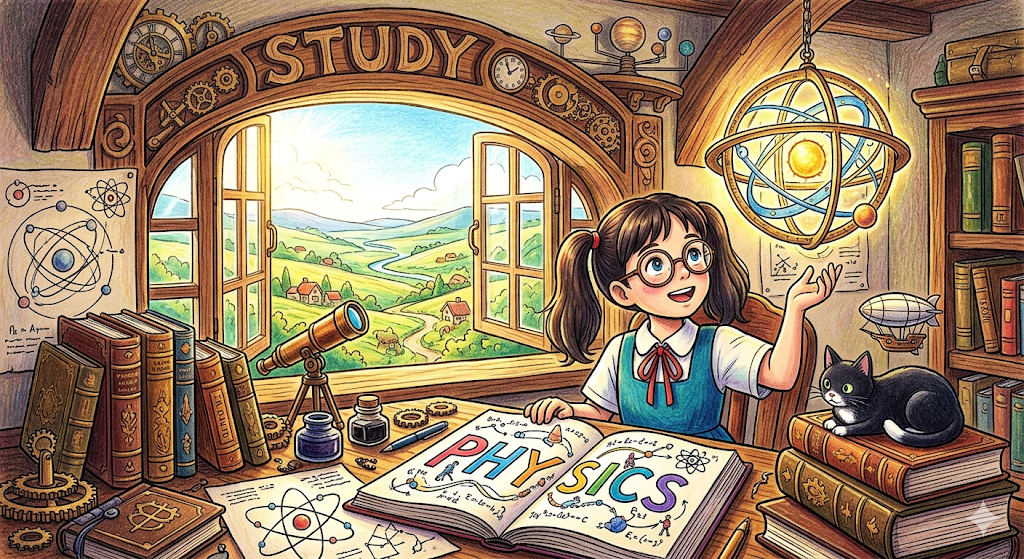
study physics [ˈstʌdi ˈfɪzɪks]
(동사구) 물리학을 공부하다
물리학이라는 학문 분야를 체계적으로 배우거나 연구하는 것을 강조합니다. 수능 독해 교육·사회·과학·심리·직업 지문에서 자주 등장합니다.
- He had originally planned to study physics but switched to engineering when he realised he was more interested in building things than in understanding them at a theoretical level. (그는 원래 물리학을 공부할 계획이었지만 이론적 수준에서 이해하는 것보다 물건을 만드는 것에 더 관심이 있다는 것을 깨달았을 때 공학으로 전환했다.)
- More students are choosing to study physics than ever before as they realise that the problem-solving skills it develops are valued in almost every profession. (물리학이 개발하는 문제 해결 능력이 거의 모든 직종에서 가치 있다는 것을 깨달으면서 그 어느 때보다 더 많은 학생들이 물리학을 공부하기로 선택하고 있다.)
- She encouraged her daughter to study physics not because she wanted her to become a scientist but because she believed that learning how the world works at a fundamental level would help her think more clearly about everything. (그녀는 딸이 과학자가 되기를 원해서가 아니라 세상이 근본적인 수준에서 어떻게 작동하는지 배우는 것이 모든 것에 대해 더 명확하게 생각하는 데 도움이 될 것이라고 믿었기 때문에 딸에게 물리학을 공부하도록 권장했다.)
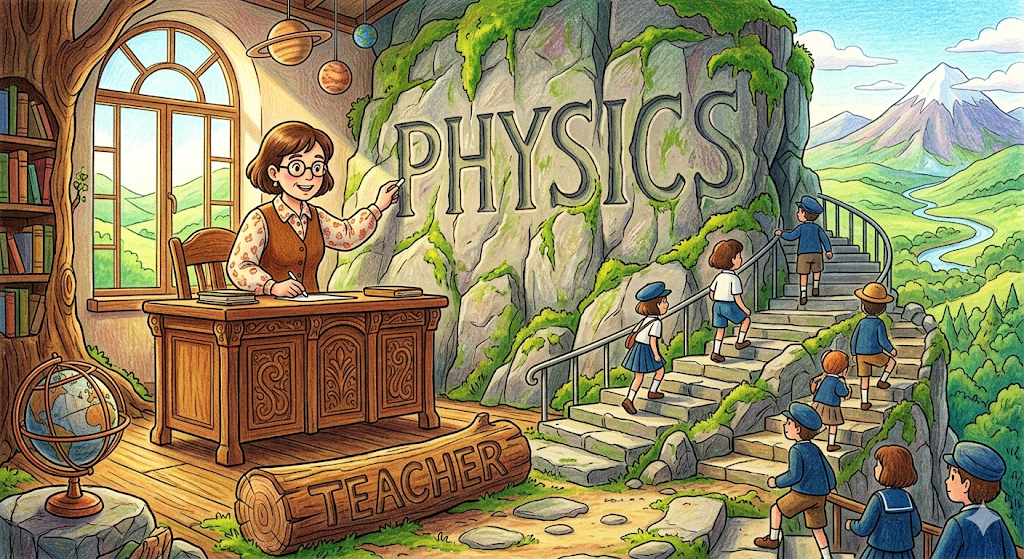
physics teacher [ˈfɪzɪks ˈtiːtʃər]
(명사구) 물리 선생님
학교에서 물리학을 가르치는 교사를 가리킵니다. 복잡한 자연 법칙을 학생들에게 이해시키는 전달자의 역할이라는 뉘앙스가 핵심입니다. 수능 독해 교육·사회·서사·심리 지문에서 자주 등장합니다.
- A great physics teacher does not just teach equations — they help students see the wonder in everyday things, like why the sky is blue or how a microwave heats food. (훌륭한 물리 선생님은 단순히 방정식을 가르치는 것이 아니라 학생들이 하늘이 왜 파란색인지 또는 전자레인지가 어떻게 음식을 데우는지처럼 일상적인 것에서 경이로움을 볼 수 있도록 도와준다.)
- Her physics teacher was the first person who ever told her she had a natural talent for science, and those words changed the direction of her whole life. (그녀의 물리 선생님은 그녀에게 과학에 대한 타고난 재능이 있다고 말해준 첫 번째 사람이었고, 그 말이 그녀 삶 전체의 방향을 바꿨다.)
- The physics teacher spent an extra hour after school every Friday answering questions from students who were struggling, refusing to let anyone fall behind simply because they had not understood something the first time. (물리 선생님은 매주 금요일 방과 후에 한 시간을 추가로 어려움을 겪고 있는 학생들의 질문에 답하며, 처음에 이해하지 못했다는 이유만으로 아무도 뒤처지게 두기를 거부했다.)
숙어 그룹 묶음 1 — 교육·학습 physics 핵심 패턴
표현 의미 핵심 뉘앙스 주요 맥락
| physics lab | 물리 실험실 | 이론을 실제로 확인하고 측정하는 실습 공간 | 과학·교육·기술·서사 |
| study physics | 물리학을 공부하다 | 물리학을 체계적으로 배우거나 연구하는 것 | 교육·사회·과학·심리·직업 |
| physics teacher | 물리 선생님 | 복잡한 자연 법칙을 학생들에게 전달하는 교사 | 교육·사회·서사·심리 |
이 세 표현은 모두 physics의 "학문과 교육" 이미지를 공유하되, 각각 물리학을 실제로 실험하고 탐구하는 공간(physics lab)·물리학을 배우고 연구하는 행위(study physics)·물리학을 다음 세대에 전달하는 사람(physics teacher)의 관점에서 접근합니다.
- Her physics teacher noticed she always stayed late in the physics lab trying to repeat the experiments on her own, and suggested she study physics more formally at university where she would have access to much more advanced equipment. (그녀의 물리 선생님은 그녀가 항상 혼자 실험을 반복하려고 물리 실험실에 늦게까지 남아 있다는 것을 알아채고, 훨씬 더 고급 장비를 사용할 수 있는 대학에서 보다 공식적으로 물리학을 공부하도록 제안했다.)
- The decision to study physics had been made in a physics lab during a demonstration by her physics teacher who had suspended a pendulum from the ceiling and shown the class, step by step, exactly why its period never changes regardless of how far it swings. (물리학을 공부하기로 한 결정은 천장에서 진자를 매달고 반에게 왜 그 주기가 얼마나 크게 흔들리든 변하지 않는지를 단계별로 보여준 물리 선생님의 시범 중에 물리 실험실에서 이루어졌다.)
- She later became a physics teacher herself and made sure her students always spent time in the physics lab because she remembered that it was there, not in the classroom, that she had first truly understood why she wanted to study physics for the rest of her life. (그녀는 나중에 자신도 물리 선생님이 됐고 자신의 학생들이 항상 물리 실험실에서 시간을 보내도록 했는데, 자신이 왜 평생 물리학을 공부하고 싶은지 처음으로 진정으로 이해한 것이 교실이 아닌 그곳이었다는 것을 기억했기 때문이다.)

applied physics [əˈplaɪd ˈfɪzɪks]
(명사구) 응용 물리학
순수 물리학의 원리와 법칙을 실제 기술·공학·의료·재료 과학 등에 실용적으로 활용하는 학문 분야를 가리킵니다. 이론과 실용 사이의 가교 역할이라는 뉘앙스가 핵심입니다. 수능 독해 과학·기술·사회·경제 지문에서 핵심 표현으로 자주 등장합니다.
- Applied physics is behind many of the technologies we take for granted today, including GPS navigation, laser surgery, and the semiconductors inside every smartphone. (응용 물리학은 GPS 내비게이션, 레이저 수술, 모든 스마트폰 내부의 반도체를 포함하여 오늘날 우리가 당연하게 여기는 많은 기술의 기반이다.)
- The boundary between applied physics and engineering is often blurry because both are concerned with using scientific knowledge to solve practical problems in the real world. (응용 물리학과 공학 사이의 경계는 둘 다 현실 세계의 실용적인 문제를 해결하기 위해 과학 지식을 사용하는 것에 관심이 있기 때문에 종종 불분명하다.)
- Research in applied physics is often driven by specific challenges — such as making batteries last longer or finding materials that conduct electricity more efficiently — rather than by pure curiosity about how nature works. (응용 물리학의 연구는 종종 자연이 어떻게 작동하는지에 대한 순수한 호기심보다 배터리를 더 오래 지속시키거나 전기를 더 효율적으로 전도하는 재료를 찾는 것과 같은 특정 과제에 의해 주도된다.)

physics experiment [ˈfɪzɪks ɪkˈsperɪmənt]
(명사구) 물리 실험
물리학적 원리나 가설을 확인하거나 새로운 지식을 발견하기 위해 수행하는 체계적이고 통제된 실험을 가리킵니다. 수능 독해 과학·교육·기술·역사 지문에서 자주 등장합니다.
- Galileo's famous physics experiment dropping two balls of different weights from the Tower of Pisa challenged the long-held belief that heavier objects fall faster than lighter ones. (갈릴레오의 유명한 피사의 탑에서 다른 무게의 두 공을 떨어뜨리는 물리 실험은 더 무거운 물체가 더 가벼운 것보다 빨리 떨어진다는 오랜 믿음에 도전했다.)
- A well-designed physics experiment must control all variables except the one being tested so that any change in the result can only be attributed to that one factor. (잘 설계된 물리 실험은 결과의 어떤 변화도 단 하나의 요인에만 귀속될 수 있도록 테스트 중인 것을 제외한 모든 변수를 제어해야 한다.)
- The most surprising physics experiments in history are often those where the result was not what anyone expected — because those are the moments when our understanding of the universe takes a sudden leap forward. (역사상 가장 놀라운 물리 실험은 종종 결과가 아무도 기대하지 않은 것이었던 것들이다 — 왜냐하면 그것들이 우주에 대한 우리의 이해가 갑자기 앞으로 도약하는 순간이기 때문이다.)

nuclear physics [ˈnjuːkliər ˈfɪzɪks]
(명사구) 핵물리학
원자핵의 구조·성질·행동·변환을 연구하는 물리학 분야를 가리킵니다. 에너지 생산과 무기 개발 모두에 연결되는 이중적 성격이라는 뉘앙스가 핵심입니다. 수능 독해 과학·역사·사회·에너지·윤리 지문에서 자주 등장합니다.
- The discoveries made in nuclear physics during the first half of the twentieth century changed the world forever by making both nuclear power plants and nuclear weapons possible. (20세기 전반에 핵물리학에서 이루어진 발견들은 핵발전소와 핵무기 모두를 가능하게 함으로써 세상을 영원히 바꿨다.)
- Nuclear physics is used in medicine in ways that save many lives every day, including cancer treatment with radiation therapy and the imaging techniques used to diagnose diseases. (핵물리학은 방사선 치료를 통한 암 치료와 질병 진단에 사용되는 영상 기술을 포함하여 매일 많은 생명을 구하는 방식으로 의학에서 사용된다.)
- Understanding nuclear physics requires a strong grasp of quantum mechanics because the behaviour of particles at the scale of the atomic nucleus cannot be explained using the classical laws that govern everyday objects. (핵물리학을 이해하려면 원자핵 규모에서 입자의 행동이 일상적인 물체를 지배하는 고전 법칙으로 설명될 수 없기 때문에 양자역학을 강하게 파악해야 한다.)
숙어 그룹 묶음 2 — 연구·실험·분야 physics 패턴
표현 의미 핵심 뉘앙스 주요 맥락
| applied physics | 응용 물리학 | 물리 원리를 실제 기술·공학에 활용하는 분야 | 과학·기술·사회·경제 |
| physics experiment | 물리 실험 | 원리·가설을 확인하는 체계적·통제된 실험 | 과학·교육·기술·역사 |
| nuclear physics | 핵물리학 | 원자핵 연구, 에너지·의학·무기에 응용 | 과학·역사·사회·에너지·윤리 |
이 세 표현은 모두 physics의 "자연 법칙의 탐구와 응용" 이미지를 공유하되, 각각 순수 이론을 실용에 연결하는 분야(applied physics)·법칙을 확인하고 발견하는 실험적 방법(physics experiment)·원자핵 수준에서 자연을 탐구하는 특수 분야(nuclear physics)의 관점에서 접근합니다.
- The university ran a fascinating course that traced the journey from fundamental physics experiments through nuclear physics research all the way to applied physics innovations — showing how a single observation in a laboratory can eventually change the energy systems that power entire cities. (대학은 기본적인 물리 실험에서 핵물리학 연구를 거쳐 응용 물리학 혁신까지의 여정을 추적하는 흥미로운 강좌를 진행했다 — 실험실에서의 단 하나의 관찰이 결국 전체 도시에 전력을 공급하는 에너지 시스템을 어떻게 바꿀 수 있는지를 보여줬다.)
- She explained to her class that nuclear physics emerged from careful physics experiments conducted at the atomic level, and that without the pure science that preceded it, none of the applied physics technologies we depend on today — from X-rays to nuclear reactors — would ever have been invented. (그녀는 반 학생들에게 핵물리학이 원자 수준에서 수행된 신중한 물리 실험에서 나왔으며, 그것에 선행한 순수 과학 없이는 X선에서 핵 반응로까지 오늘날 우리가 의존하는 응용 물리학 기술 중 어느 것도 발명되지 않았을 것이라고 설명했다.)
- The ethical questions raised by nuclear physics are a powerful reminder that physics experiments and applied physics research never take place in a vacuum — every scientific advance carries with it a moral responsibility about how the knowledge is used and for whose benefit. (핵물리학이 제기하는 윤리적 질문들은 물리 실험과 응용 물리학 연구는 진공 속에서 이루어지지 않는다는 강력한 상기제이다 — 모든 과학적 발전은 지식이 어떻게 사용되고 누구의 이익을 위한 것인지에 대한 도덕적 책임을 수반한다.)

physics problem [ˈfɪzɪks ˈprɒbləm]
(명사구) 물리 문제
물리학 원리와 공식을 적용하여 풀어야 하는 수학적·개념적 문제를 가리킵니다. 이론적 이해와 실제 적용 사이의 연결이라는 뉘앙스가 핵심입니다. 수능 독해 교육·과학·심리·서사 지문에서 자주 등장합니다.
- The most difficult physics problems are often not those with the most complex mathematics but those that require students to choose the right approach from many possible ones. (가장 어려운 물리 문제는 종종 가장 복잡한 수학을 가진 것이 아니라 학생들이 많은 가능한 것들 중에서 올바른 접근 방식을 선택해야 하는 것이다.)
- Working through a challenging physics problem step by step teaches patience and systematic thinking in a way that few other school subjects can match. (도전적인 물리 문제를 단계별로 풀어나가는 것은 다른 학교 과목이 따라갈 수 없는 방식으로 인내심과 체계적 사고를 가르친다.)
- She kept a notebook full of unsolved physics problems that she had collected over the years, returning to them whenever she felt her mind needed a challenge to sharpen itself against. (그녀는 수년에 걸쳐 수집한 풀리지 않은 물리 문제로 가득 찬 공책을 보관하며, 마음이 스스로를 날카롭게 할 도전이 필요하다고 느낄 때마다 그것들로 돌아갔다.)
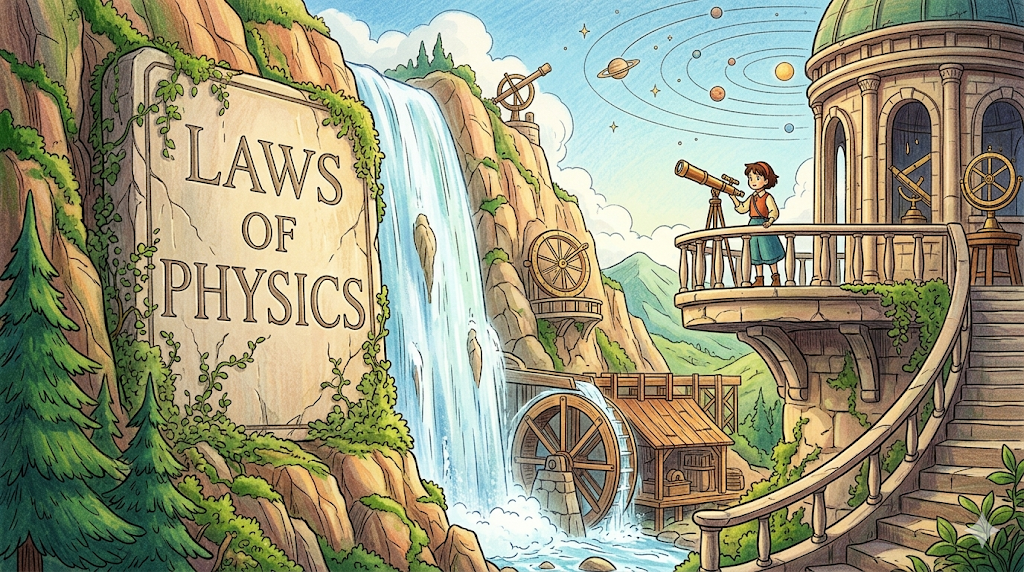
laws of physics [lɔːz əv ˈfɪzɪks]
(명사구) 물리 법칙
자연 현상을 지배하는 근본적이고 보편적이며 예외 없이 적용되는 물리학적 원리들을 가리킵니다. 절대적이고 불변한다는 뉘앙스가 핵심입니다. 수능 독해 과학·논설·철학·기술·역사 지문에서 핵심 표현으로 자주 등장합니다.
- One of the most remarkable things about the laws of physics is that they appear to be the same everywhere in the universe, from the smallest atom to the largest galaxy. (물리 법칙의 가장 놀라운 것 중 하나는 가장 작은 원자에서 가장 큰 은하까지 우주 어디에서나 동일하게 나타난다는 것이다.)
- Engineers who design aircraft must work within the laws of physics, using lift, thrust, and drag to their advantage while never being able to simply ignore gravity. (항공기를 설계하는 기술자들은 물리 법칙 안에서 작업해야 하며, 중력을 단순히 무시할 수는 없으면서 양력·추력·항력을 유리하게 사용해야 한다.)
- The laws of physics are not rules that humans invented — they are patterns that humans discovered by observing nature carefully over centuries. (물리 법칙은 인간이 발명한 규칙이 아니다 — 그것들은 인간이 수세기에 걸쳐 자연을 신중하게 관찰함으로써 발견한 패턴이다.)

physics degree [ˈfɪzɪks dɪˈɡriː]
(명사구) 물리학 학위
대학교나 대학원에서 물리학을 전공으로 공부하여 취득하는 공식적인 학위를 가리킵니다. 높은 수준의 분석적 사고와 문제 해결 능력을 증명한다는 뉘앙스가 핵심입니다. 수능 독해 교육·사회·직업·경제 지문에서 자주 등장합니다.
- A physics degree is one of the most versatile qualifications a student can earn because the skills it develops — mathematical reasoning, logical analysis, and creative problem solving — are valued in nearly every industry. (물리학 학위는 학생이 취득할 수 있는 가장 다재다능한 자격 중 하나인데, 그것이 개발하는 기술들 — 수학적 추론, 논리적 분석, 창의적 문제 해결 — 이 거의 모든 산업에서 가치 있기 때문이다.)
- After completing his physics degree, he surprised everyone by going into finance rather than research, saying that the way physicists approached problems was exactly what investment banks were looking for. (물리학 학위를 마친 후 그는 물리학자들이 문제에 접근하는 방식이 투자 은행들이 찾고 있는 것이라고 말하며 연구 대신 금융으로 가서 모든 사람을 놀라게 했다.)
- The number of women earning a physics degree has been rising slowly but steadily, which researchers say reflects both changing social attitudes and better efforts by universities to make the subject feel more welcoming to all students. (물리학 학위를 취득하는 여성의 수가 천천히 하지만 꾸준히 증가하고 있는데, 연구자들은 이것이 변화하는 사회적 태도와 모든 학생들에게 과목이 더 환영받는다고 느끼게 하려는 대학들의 더 나은 노력을 반영한다고 말한다.)
숙어 그룹 묶음 3 — 분야·원리·성취 physics 심화 패턴
표현 의미 핵심 뉘앙스 주요 맥락
| physics problem | 물리 문제 | 이론과 공식을 적용하여 푸는 수학적·개념적 문제 | 교육·과학·심리·서사 |
| laws of physics | 물리 법칙 | 자연 현상을 지배하는 근본적이고 보편적인 원리 | 과학·논설·철학·기술·역사 |
| physics degree | 물리학 학위 | 물리학 전공으로 취득하는 공식적 자격 | 교육·사회·직업·경제 |
이 세 표현은 모두 physics의 "학문적 탐구와 성취" 이미지를 공유하되, 각각 물리 원리를 구체적인 상황에 적용하는 것(physics problem)·자연을 지배하는 근본 원리의 총체(laws of physics)·물리학을 전문적으로 공부한 것을 증명하는 자격(physics degree)의 관점에서 접근합니다.
- She described how earning a physics degree had taught her to approach every physics problem with the same respect for the laws of physics — never assuming shortcuts were possible, always working from first principles, and accepting that some problems simply required more time than others. (그녀는 물리학 학위를 취득하는 것이 어떻게 모든 물리 문제를 물리 법칙에 대한 같은 존중으로 접근하도록 가르쳤는지 설명했다 — 지름길이 가능하다고 결코 가정하지 않고, 항상 기본 원리에서 작업하며, 일부 문제는 단순히 다른 것보다 더 많은 시간이 필요하다는 것을 받아들이는 것.)
- His physics degree had given him a deep appreciation of the laws of physics and an ability to turn any real-world challenge into a physics problem that could then be solved systematically — a skill that made him invaluable in situations where others were simply guessing. (그의 물리학 학위는 그에게 물리 법칙에 대한 깊은 이해와 모든 현실 세계 과제를 체계적으로 해결할 수 있는 물리 문제로 바꾸는 능력을 줬다 — 다른 사람들이 단순히 추측하는 상황에서 그를 매우 귀중하게 만든 기술.)
- The professor explained to her first-year students that the laws of physics were not obstacles but tools — that every physics problem they would ever face was simply the universe giving them a chance to understand those tools more deeply — and that by the time they earned their physics degree they would see the world in a way that most people never would. (교수는 1학년 학생들에게 물리 법칙은 장애물이 아니라 도구라고 설명했다 — 그들이 직면할 모든 물리 문제는 단순히 우주가 그 도구들을 더 깊이 이해할 기회를 주는 것이다 — 그리고 물리학 학위를 취득할 때쯤에는 대부분의 사람들이 결코 볼 수 없는 방식으로 세상을 볼 것이라고 말했다.)
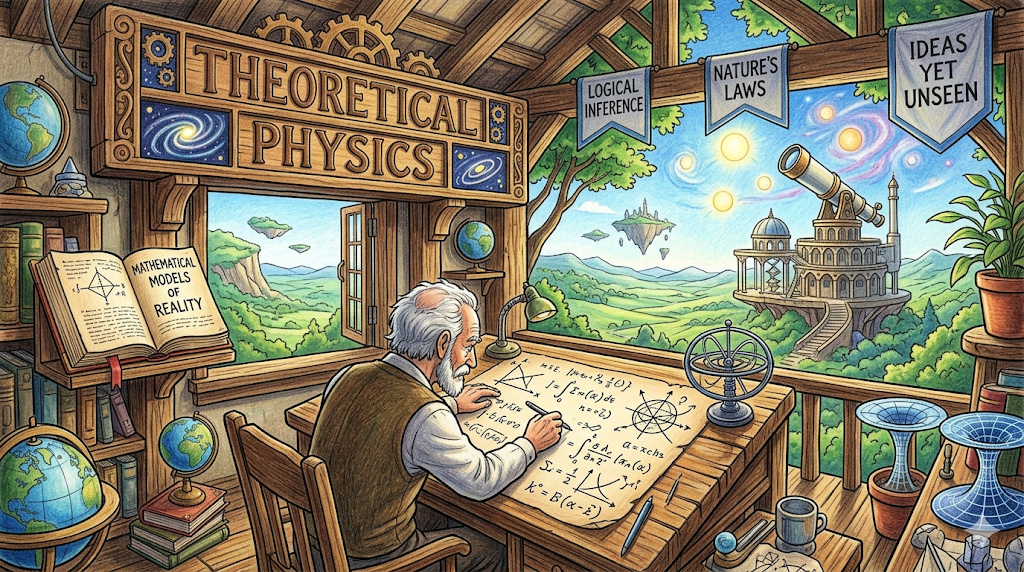
theoretical physics [ˌθɪəˈretɪkəl ˈfɪzɪks]
(명사구) 이론 물리학
직접적인 실험보다 수학적 모델·방정식·논리적 추론을 통해 자연 법칙을 탐구하는 물리학 분야를 가리킵니다. 현재 기술로는 확인할 수 없는 아이디어도 탐구한다는 뉘앙스가 핵심입니다. 수능 독해 과학·철학·교육·기술 지문에서 핵심 표현으로 자주 등장합니다.
- Theoretical physics predicted the existence of the Higgs boson particle decades before any experiment was powerful enough to detect it, which is a remarkable example of how mathematics can reveal truths about nature before we can observe them directly. (이론 물리학은 어떤 실험도 그것을 감지할 만큼 강력해지기 수십 년 전에 힉스 보손 입자의 존재를 예측했는데, 이것은 수학이 우리가 직접 관찰하기 전에 자연에 대한 진실을 어떻게 밝힐 수 있는지의 놀라운 예이다.)
- Albert Einstein's greatest contributions were in theoretical physics — he worked mostly with thought experiments and mathematical equations rather than laboratory equipment. (알베르트 아인슈타인의 가장 큰 기여는 이론 물리학에 있었다 — 그는 실험 장비보다 주로 사고 실험과 수학 방정식으로 작업했다.)
- Some people question the value of theoretical physics when it explores ideas that may never be testable, but defenders argue that even theories that cannot yet be proven force scientists to think more carefully about what they already know. (일부 사람들은 이론 물리학이 결코 테스트할 수 없을 수도 있는 아이디어를 탐구할 때 그 가치에 의문을 제기하지만, 지지자들은 아직 증명할 수 없는 이론조차 과학자들이 이미 알고 있는 것에 대해 더 신중하게 생각하도록 강요한다고 주장한다.)
숙어 그룹 묶음 4 — 이론·순수 탐구 physics 패턴
표현 의미 핵심 뉘앙스 주요 맥락
| theoretical physics | 이론 물리학 | 수학적 모델로 자연 법칙을 탐구하는 분야 | 과학·철학·교육·기술 |
| laws of physics | 물리 법칙 | 자연 현상을 지배하는 근본적이고 보편적인 원리 | 과학·논설·철학·기술·역사 |
| applied physics | 응용 물리학 | 물리 원리를 실제 기술·공학에 활용하는 분야 | 과학·기술·사회·경제 |
이 세 표현은 함께 physics가 담고 있는 가장 중요한 지식의 스펙트럼을 보여줍니다. theoretical physics → 아직 확인되지 않은 가능성을 수학적으로 탐구하는 것, laws of physics → 이미 확인된 근본적이고 보편적인 원리, applied physics → 확인된 원리를 실용적 기술로 구현하는 것으로 연결됩니다.
- She explained that theoretical physics imagines what the laws of physics might look like in conditions we have never observed, while applied physics takes the laws of physics we already know and finds ways to use them to build better technologies for human life. (그녀는 이론 물리학이 우리가 결코 관찰하지 못한 조건에서 물리 법칙이 어떻게 보일지 상상하는 반면, 응용 물리학은 우리가 이미 알고 있는 물리 법칙을 가져와 그것들을 인간의 삶을 위한 더 나은 기술을 만드는 데 사용하는 방법을 찾는다고 설명했다.)
- The research team included both theoretical physics specialists who developed the mathematical models and applied physics engineers who translated those models into working devices — and their collaboration showed how understanding the deepest laws of physics could lead directly to tools that improved everyday life. (연구팀에는 수학적 모델을 개발하는 이론 물리학 전문가와 그 모델을 작동하는 장치로 변환하는 응용 물리학 기술자가 모두 포함됐다 — 그리고 그들의 협업은 가장 깊은 물리 법칙을 이해하는 것이 어떻게 일상생활을 향상시키는 도구로 직접 이어질 수 있는지를 보여줬다.)
- The history of science is full of ideas that started in theoretical physics, were later confirmed by experiment to be consistent with the laws of physics, and were finally developed into reality by applied physics — reminding us that even the most abstract thinking can have deeply practical consequences when given enough time and the right hands to carry it forward. (과학의 역사는 이론 물리학에서 시작된 아이디어들로 가득 차 있는데, 나중에 실험에 의해 물리 법칙과 일치하는 것으로 확인되고, 마침내 응용 물리학에 의해 현실로 개발됐다 — 충분한 시간과 그것을 앞으로 나아가게 하는 올바른 손이 주어진다면 가장 추상적인 생각조차 깊이 실용적인 결과를 가질 수 있다는 것을 우리에게 상기시켜 준다.)
전체 요약표
표현 의미 핵심 뉘앙스
| physics | 물리학, 물리적 성질 | 자연의 근본 법칙과 원리를 탐구하는 학문 |
| physics lab | 물리 실험실 | 이론을 실제로 확인하고 측정하는 실습 공간 |
| study physics | 물리학을 공부하다 | 물리학을 체계적으로 배우거나 연구하는 것 |
| physics teacher | 물리 선생님 | 복잡한 자연 법칙을 학생들에게 전달하는 교사 |
| applied physics | 응용 물리학 | 물리 원리를 실제 기술·공학에 활용하는 분야 |
| physics experiment | 물리 실험 | 원리·가설을 확인하는 체계적·통제된 실험 |
| nuclear physics | 핵물리학 | 원자핵 연구, 에너지·의학·무기에 응용 |
| physics problem | 물리 문제 | 이론과 공식을 적용하여 푸는 수학적·개념적 문제 |
| laws of physics | 물리 법칙 | 자연 현상을 지배하는 근본적이고 보편적인 원리 |
| physics degree | 물리학 학위 | 물리학 전공으로 취득하는 공식적 자격 |
| theoretical physics | 이론 물리학 | 수학적 모델로 자연 법칙을 탐구하는 분야 |
유의어 비교표

단어 공통점 뉘앙스 차이 예문
| physics | 자연과학 관련 | 물질·에너지·힘·운동의 근본 법칙 탐구 | study physics |
| chemistry | 자연과학 관련 | 물질의 조성·성질·변화와 반응 탐구 | learn chemistry |
| biology | 자연과학 관련 | 생명 현상·생물의 구조·기능·진화 탐구 | study biology |
| mathematics | 자연과학 관련 | 수와 논리의 추상적 체계 탐구 | do mathematics |
| engineering | 자연과학 관련 | 과학 원리를 실용적 도구·구조에 적용 | study engineering |
결론 정리
physics는 단순히 "물리학"이 아니라, 자연이 본래 가지고 있는 성질과 법칙을 이해하려는 지적 탐구의 이미지에서 출발해 실험 공간·교육·연구·분야·근본 원리까지 확장되는 단어다 — physics가 있는 곳엔 언제나 '단순한 학문 명칭이 아닌, 우주와 자연의 가장 근본적인 원리와 법칙을 발견하고 이해하려는 인류의 끝없는 지적 탐구'의 선언이 있다.
💡 physics는 "자연의 근본 법칙과 원리를 탐구하는 학문"의 언어 — laws of physics·applied physics·theoretical physics·nuclear physics·physics experiment가 수능 최빈출.
🌟 초등학생 버전 physics는 왜 사과가 땅에 떨어지는지, 왜 무지개가 생기는지처럼 우리 주변의 자연 현상이 어떻게 작동하는지 알아내는 학문이에요! laws of physics는 "자연이 따르는 물리 법칙"이고, applied physics는 "물리학을 실생활에 활용하는 것"이에요! 🔭✨


