- 분류 전체보기 (5446)

| 일 | 월 | 화 | 수 | 목 | 금 | 토 |
|---|---|---|---|---|---|---|
| 1 | 2 | |||||
| 3 | 4 | 5 | 6 | 7 | 8 | 9 |
| 10 | 11 | 12 | 13 | 14 | 15 | 16 |
| 17 | 18 | 19 | 20 | 21 | 22 | 23 |
| 24 | 25 | 26 | 27 | 28 | 29 | 30 |
| 31 |
- pick up
- hold on
- Sure
- once in a while
- entrance fee
- I'm sorry
- Excuse me
- Right?
- I'm glad to hear that.
- Don't worry
- oh
- too.
- no
- Sorry
- Yeah
- Please
- Read between the lines
- work out
- make it
- come up with
- please.
- I'm not sure
- OKay
- Yes
- well
- please?
- Hey
- By The Way
- call off
- Actually
- Today
- Total
인과함께
Day358 , penalty, penalty kick, death penalty, penalty area, pay the penalty, under penalty of, penalty clause, penalty shootout, penalty box, impose a penalty 본문
Day358 , penalty, penalty kick, death penalty, penalty area, pay the penalty, under penalty of, penalty clause, penalty shootout, penalty box, impose a penalty
미인생 2026. 4. 28. 09:54
penalty [ˈpenəlti]
(명사) 벌칙, 처벌, 페널티, 불이익
단순히 "처벌"로만 외우면 수능에서 반드시 틀립니다. penalty는 "규칙이나 법을 어겼을 때 받게 되는 결과" 라는 핵심 이미지에서 출발해, 스포츠의 벌칙·법적 처벌·계약상의 위약금·사회적 불이익까지 폭넓게 쓰이는 핵심 다의어입니다. 특히 pay the penalty(대가를 치르다), under penalty of(~의 처벌 하에), death penalty(사형) 패턴은 수능 독해 사회·법률·윤리·논리 지문에서 핵심적으로 등장합니다.
'penalty'는 중세 라틴어 poenalitas(처벌)에서 유래했으며, 라틴어 poena(벌, 처벌)와 연결됩니다. 어원의 핵심 이미지는 "잘못된 행동에 대한 대가를 치르게 하는 것" 으로, 단순한 스포츠 벌칙을 넘어 법적 처벌·사회적 불이익·도덕적 결과·계약상 책임까지 확장되는 표현의 근원이 된 단어입니다.
1. penalty kick [ˈpenəlti kɪk]
(스포츠/일상/수능) "페널티킥"을 뜻합니다. 축구에서 상대팀이 규칙을 어겼을 때 주어지는 득점 기회로, 골키퍼와 단독으로 겨루는 특별 킥을 강조합니다.
The match was decided by a penalty kick in the final minute when the defender tripped an attacker inside the penalty area. (수비수가 페널티 구역 안에서 공격수를 넘어뜨렸을 때 경기는 마지막 1분에 페널티킥으로 결정됐다.)
2. death penalty [deθ ˈpenəlti]
(사회/법률/수능) "사형"을 뜻합니다. 가장 심각한 범죄에 대한 법적 처벌로 죄인의 생명을 빼앗는 것을 강조하며, 수능 윤리·사회 지문에서 핵심적으로 등장합니다.
The class debated whether the death penalty is an effective way to reduce serious crime or whether it raises important moral questions about the value of human life. (학급은 사형이 심각한 범죄를 줄이는 효과적인 방법인지 아니면 인간 생명의 가치에 대한 중요한 도덕적 질문을 제기하는지 토론했다.)
3. penalty area [ˈpenəlti ˈeəriə]
(스포츠/일상/수능) "페널티 구역"을 뜻합니다. 축구 경기장에서 골 앞 특정 구역으로 이 안에서의 규칙 위반은 페널티킥으로 이어지는 것을 강조합니다.
The referee blew the whistle when he saw the defender use his hands to stop the ball inside the penalty area, awarding the attacking team a free kick. (심판은 수비수가 페널티 구역 안에서 손을 사용해 공을 막는 것을 보고 휘슬을 불어 공격팀에게 프리킥을 줬다.)
4. pay the penalty [peɪ ðə ˈpenəlti]
(일상/사회/수능) "대가를 치르다, 결과를 감수하다"를 뜻합니다. 잘못된 행동이나 판단의 결과로 불이익이나 고통을 받는 것을 강조하며, 수능 심리·논리 지문에서 핵심적으로 등장합니다.
She had ignored the warning signs for months and was now paying the penalty for pushing herself too hard without enough rest. (그녀는 수개월 동안 경고 신호를 무시했으며 이제 충분한 휴식 없이 너무 열심히 자신을 밀어붙인 대가를 치르고 있었다.)
5. under penalty of [ˈʌndər ˈpenəlti ɒv]
(법률/사회/수능) "~의 처벌 하에, ~의 위험을 감수하고"를 뜻합니다. 특정 행동을 하거나 하지 않을 경우 법적·공식적 처벌을 받게 된다는 것을 강조합니다.
All employees were required to keep the new product information completely confidential under penalty of immediate dismissal from the company. (모든 직원은 즉각적인 해고 처벌 하에 새 제품 정보를 완전히 기밀로 유지하도록 요구받았다.)
6. penalty clause [ˈpenəlti klɔːz]
(법률/경제/수능) "위약 조항, 벌칙 조항"을 뜻합니다. 계약에서 한쪽이 약속을 지키지 못했을 때 벌금이나 처벌을 받게 된다는 내용의 조항을 강조합니다.
The contract included a penalty clause stating that if the building was not completed by the agreed date, the construction company would have to pay a large fine for every day of delay. (계약서에는 건물이 합의된 날짜까지 완공되지 않으면 건설 회사가 지연된 매일마다 큰 벌금을 내야 한다는 위약 조항이 포함됐다.)
7. penalty shootout [ˈpenəlti ˈʃuːtaʊt]
(스포츠/일상/수능) "승부차기"를 뜻합니다. 경기 종료 후 동점일 때 각 팀의 선수들이 번갈아 페널티킥을 차서 승패를 결정하는 방식을 강조합니다.
After two hours of play with no goals scored on either side, the match went to a penalty shootout that kept the crowd holding their breath until the very last kick decided the winner. (어느 쪽도 골을 넣지 못한 두 시간의 경기 후, 마지막 킥이 승자를 결정할 때까지 관중이 숨을 참게 만든 승부차기로 경기가 넘어갔다.)
8. penalty box [ˈpenəlti bɒks]
(스포츠/일상/수능) "페널티 박스 / 아이스하키의 벌칙석"을 뜻합니다. 축구에서는 페널티 구역을 가리키며, 아이스하키에서는 규칙을 어긴 선수가 일정 시간 앉아있어야 하는 벌칙석을 강조합니다.
The ice hockey player was sent to the penalty box for two minutes after the referee judged that he had deliberately tripped an opponent during the play. (심판이 그가 플레이 중 의도적으로 상대를 넘어뜨렸다고 판단한 후 아이스하키 선수는 2분 동안 페널티 박스로 보내졌다.)
9. impose a penalty [ɪmˈpəʊz ə ˈpenəlti]
(법률/사회/수능) "처벌을 부과하다, 벌칙을 가하다"를 뜻합니다. 권위 있는 기관이나 사람이 규칙을 어긴 사람에게 공식적으로 처벌을 내리는 것을 강조합니다.
The government decided to impose a penalty on companies that failed to meet the new environmental standards within the agreed time frame. (정부는 합의된 기간 내에 새로운 환경 기준을 충족하지 못한 회사에 처벌을 부과하기로 결정했다.)
10. penalty (비유적) [ˈpenəlti]
(사회/심리/수능) 비유적으로 "불이익, 대가"를 뜻합니다. 어떤 행동이나 상황의 결과로 받게 되는 부정적인 결과나 불이익을 강조합니다.
There is often a penalty for being the first to try something new — you face all the mistakes and problems that those who come after you will be able to avoid. (무언가를 처음으로 시도하는 것에는 종종 불이익이 따른다 — 당신은 이후에 오는 사람들이 피할 수 있을 모든 실수와 문제에 직면한다.)

POINT 1. penalty — 수능 최빈출 명사·관용 패턴
penalty는 수능 독해 사회·법률·윤리·논리 지문에서 다양한 용법으로 자주 출제됩니다.
pay the penalty → 잘못된 행동이나 판단의 결과로 대가를 치를 때 예) He paid the penalty for not preparing. (그는 준비하지 않은 대가를 치렀다.) death penalty → 가장 심각한 범죄에 대한 처벌을 나타낼 때 예) The death penalty is still debated. (사형은 여전히 논쟁 중이다.) under penalty of → 특정 행동에 대한 공식적 처벌을 강조할 때 예) This is forbidden under penalty of law. (이것은 법 처벌 하에 금지된다.)
POINT 2. penalty / punishment / fine — 수능 어휘 핵심 비교
이 세 단어는 수능에서 자주 혼동되는 어휘입니다.
penalty → 규칙·법 위반에 대한 공식적 결과·불이익, 스포츠 벌칙도 포함 예) There is a penalty for late submission. (늦은 제출에 대한 벌칙이 있다.) punishment → 잘못된 행동에 대한 처벌, 더 일반적이고 광범위한 의미 예) The punishment was fair. (그 처벌은 공정했다.) fine → 금전적 처벌, 벌금 예) She received a fine for speeding. (그녀는 과속으로 벌금을 받았다.)
POINT 3. penalty의 다양한 용법 — 수능 독해 문맥 파악 핵심
penalty는 수능 독해에서 문맥에 따라 의미가 완전히 달라지는 핵심 단어입니다.
스포츠 → He took the penalty kick. (그는 페널티킥을 찼다.) 법률 → The death penalty is controversial. (사형은 논쟁적이다.) 결과 → She paid the penalty for rushing. (그녀는 서두른 대가를 치렀다.) 계약 → The contract has a penalty clause. (계약서에 위약 조항이 있다.) 공식 처벌 → The court imposed a penalty. (법원이 처벌을 부과했다.)
(명사) ① 처벌, 벌칙 (법적·공식적)
penalty의 가장 기본적인 의미로, 법이나 규칙을 어겼을 때 공식적으로 받게 되는 처벌이나 불이익을 나타냅니다.
- The school introduced a new penalty for students who used their phones during class, which meant losing the phone for the rest of the day on the first offence. (학교는 수업 중에 핸드폰을 사용하는 학생에 대한 새 벌칙을 도입했으며, 이것은 첫 번째 위반에 나머지 하루 동안 핸드폰을 압수당하는 것을 의미했다.)
- The company faced serious penalties after investigators found that it had been knowingly selling products that did not meet the safety standards required by law. (회사는 조사관들이 의도적으로 법에서 요구하는 안전 기준을 충족하지 않는 제품을 판매하고 있었다는 것을 발견한 후 심각한 처벌에 직면했다.)
- The penalties for breaking the new environmental regulations were made deliberately severe to send a clear message that the government was serious about protecting the natural environment. (새로운 환경 규정을 어기는 것에 대한 벌칙은 정부가 자연 환경 보호에 진지하다는 분명한 메시지를 보내기 위해 의도적으로 엄격하게 만들어졌다.)
(명사) ② 스포츠 벌칙 (경기)
penalty는 스포츠에서 규칙 위반에 대한 벌칙을 나타냅니다.
- The football team conceded a penalty when their goalkeeper brought down an attacker who had broken free from the defence and was running clear towards goal. (골키퍼가 수비를 뚫고 나와 골문을 향해 달리고 있던 공격수를 넘어뜨렸을 때 축구팀은 페널티를 허용했다.)
- She practised taking penalties every afternoon after training because she knew that the ability to perform under pressure could make the difference between winning and losing in the closest matches. (그녀는 압박 아래서 수행하는 능력이 가장 치열한 경기에서 승패의 차이를 만들 수 있다는 것을 알았기 때문에 훈련 후 매일 오후 페널티 차는 연습을 했다.)
- The referee awarded the home team a penalty after reviewing the footage on the pitchside monitor and confirming that the contact inside the box had been enough to bring the attacker down. (심판은 피치 사이드 모니터에서 영상을 검토하고 박스 안에서의 접촉이 공격수를 넘어뜨리기에 충분했다는 것을 확인한 후 홈팀에게 페널티를 줬다.)
(명사) ③ 불이익, 대가 (비유적)
penalty는 비유적으로 어떤 행동이나 선택의 부정적인 결과나 불이익을 나타냅니다.
- One of the penalties of being very successful at a young age is that people expect you to maintain that level of achievement for the rest of your life, which can create enormous pressure. (어린 나이에 매우 성공하는 것의 불이익 중 하나는 사람들이 나머지 삶 동안 그 수준의 성취를 유지하기를 기대해서 엄청난 압박을 만들 수 있다는 것이다.)
- The penalty for choosing comfort over challenge is that you may miss out on growth and opportunities that only come when you push yourself beyond what feels safe and familiar. (도전보다 안락함을 선택하는 것의 불이익은 안전하고 친숙하게 느껴지는 것을 넘어 자신을 밀어붙일 때만 오는 성장과 기회를 놓칠 수 있다는 것이다.)
- There is always a penalty for making decisions too quickly without gathering enough information first — mistakes made in haste are often harder and more expensive to correct than they would have been to prevent. (먼저 충분한 정보를 모으지 않고 너무 빨리 결정을 내리는 것에는 항상 불이익이 있다 — 서둘러 만들어진 실수는 예방했을 것보다 수정하는 데 종종 더 어렵고 비용이 많이 든다.)

뉘앙스·의미 연결 흐름 표
핵심 이미지 연결 흐름 뉘앙스 요약
| 공식적으로 부과되는 처벌 | 법적 처벌 → 계약 위약금 → 스포츠 벌칙 | death penalty, penalty clause, penalty kick |
| 결과를 감수하는 것 | 대가 치르기 → 불이익 감수 → 위험 감수 | pay the penalty, under penalty of |
| 처벌이 이루어지는 장소·과정 | 벌칙 구역 → 벌칙석 → 승부차기 | penalty area, penalty box, penalty shootout |
어원 흐름 표
단어 구성 요소 의미 연결 흐름 뉘앙스 요약
| 라틴어 poena(벌·처벌) → 중세 라틴어 poenalitas | 잘못에 대한 대가 → penalty | 잘못된 행동에 대한 대가의 핵심 이미지 |
| penalty (명사) | 법적 처벌 → 스포츠 벌칙 → 계약 위약 → 비유적 불이익 | 처벌에서 불이익·결과·대가까지 확장 |
품사별 의미 표
품사 의미 예문
| 명사 | 처벌, 벌칙 (법적·공식적) | The penalty was a large fine. |
| 명사 | 스포츠 벌칙 | He scored from the penalty. |
| 명사 | 불이익, 대가 (비유적) | There is a penalty for rushing. |
| 명사구 | 사형 | The death penalty is debated. |
| 명사구 | 위약 조항 | The penalty clause was strict. |
| 동사구 | 처벌을 부과하다 | They imposed a penalty. |
활용 예문 리스트
- The country's decision to abolish the death penalty was welcomed by human rights organisations around the world, who argued that no justice system is perfect enough to risk executing an innocent person. (나라의 사형 폐지 결정은 전 세계 인권 단체들에게 환영받았으며, 그들은 어떤 사법 시스템도 무고한 사람을 처형할 위험을 감수할 만큼 완벽하지 않다고 주장했다.)
- She paid the penalty for her lack of preparation when the interviewer asked a detailed question about the company's history and she had no idea what the answer was. (그녀는 면접관이 회사 역사에 대한 자세한 질문을 했을 때 준비 부족에 대한 대가를 치렀으며 답이 무엇인지 전혀 몰랐다.)
- The new regulations stated that all data must be stored securely under penalty of a fine that would increase with each day of non-compliance once the deadline had passed. (새 규정에는 마감일이 지난 후 미준수 매일마다 증가하는 벌금의 처벌 하에 모든 데이터를 안전하게 저장해야 한다고 명시됐다.)
- The construction company signed a penalty clause agreeing that for every week the school building was delayed beyond the scheduled completion date, they would pay ten percent of the contract value. (건설 회사는 예정된 완공일을 넘어서 학교 건물이 지연되는 매주마다 계약 금액의 10%를 지불하겠다는 위약 조항에 서명했다.)
- The match went all the way to a penalty shootout and the whole stadium fell completely silent each time a player stepped forward to take their kick. (경기는 승부차기까지 가서 선수가 킥을 차러 앞으로 나설 때마다 경기장 전체가 완전히 조용해졌다.)
전체 뉘앙스 설명
penalty는 '잘못된 행동에 대한 대가에서 출발해 법적 처벌·스포츠 벌칙·계약 위약금·사회적 불이익·도덕적 결과까지 확장되는 생동감 넘치는 언어'입니다.
punishment와의 차이: punishment는 잘못된 행동에 대한 처벌을 더 일반적이고 광범위하게 강조하고, penalty는 규칙이나 법의 위반에 대해 공식적이고 구체적으로 부과되는 결과를 강조합니다. fine과의 차이: fine은 특별히 금전적인 처벌을 강조하고, penalty는 금전적 처벌뿐만 아니라 신체적·사회적·스포츠적 처벌까지 포함하는 더 넓은 개념입니다. consequence와의 차이: consequence는 어떤 행동의 자연적인 결과를 강조하고, penalty는 권위 있는 기관이 의도적으로 부과하는 공식적인 처벌을 강조합니다.
마지막 핵심 정리
penalty는 단순히 "처벌"이 아닙니다 — 라틴어 poena(벌)에서 출발해, 법적 처벌(death penalty)에서 스포츠 벌칙(penalty kick)·계약 위약금(penalty clause)·공식 처벌 부과(impose a penalty)·대가 치르기(pay the penalty)·공식 처벌 위협(under penalty of)까지 확장되는 단어이며, pay the penalty·death penalty·under penalty of의 비유적 의미 파악이 수능 핵심 출제 포인트입니다.
파생어 표
파생어 발음기호 품사 의미
| penal | [ˈpiːnəl] | 형용사 | 형사적인, 처벌의 |
| penalise | [ˈpiːnəlaɪz] | 동사 | 처벌하다, 불이익을 주다 |
| penalisation | [ˌpiːnəlaɪˈzeɪʃən] | 명사 | 처벌, 불이익 부과 |
| penance | [ˈpenəns] | 명사 | 속죄, 참회 |
| punish | [ˈpʌnɪʃ] | 동사 | 처벌하다 |
| punishment | [ˈpʌnɪʃmənt] | 명사 | 처벌, 벌 |
유의어 비교표
단어 공통점 뉘앙스 차이 예문
| penalty | 처벌, 불이익 | 공식적·구체적 결과, 스포츠·법률·계약까지 포함 | The penalty was severe. |
| punishment | 처벌 | 더 일반적이고 광범위한 처벌 개념 | The punishment was fair. |
| fine | 벌금 | 특별히 금전적인 처벌 | She paid a fine. |
| sanction | 제재 | 국가나 기관이 부과하는 공식적 제재 | Trade sanctions were imposed. |
| consequence | 결과, 대가 | 행동의 자연적 결과, 반드시 처벌이 아닐 수도 있음 | Face the consequences. |
유의어 예문 리스트
- (punishment) She believed that punishment alone was not enough to change behaviour and that the most effective approach to reducing crime was to also address the social conditions that led people to commit it in the first place. (그녀는 처벌만으로는 행동을 바꾸기에 충분하지 않으며 범죄를 줄이는 가장 효과적인 접근 방식은 처음에 사람들이 범죄를 저지르게 만든 사회적 조건도 다루는 것이라고 믿었다.)
- (fine) The driver received a fine of fifty pounds for parking on double yellow lines, which he considered unfair given that he had only been there for five minutes. (운전자는 이중 황선에 주차한 것으로 50파운드의 벌금을 받았으며, 5분밖에 있지 않았다는 것을 감안하면 불공평하다고 생각했다.)
- (sanction) The international community imposed economic sanctions on the country after its government failed to comply with the agreed human rights standards, hoping that the pressure would lead to meaningful reform. (국제 사회는 합의된 인권 기준을 준수하지 못한 정부에 대해 그 압박이 의미 있는 개혁으로 이어지기를 바라며 그 나라에 경제적 제재를 부과했다.)
- (consequence) She accepted the consequences of her decision without complaint, knowing that she had made the choice freely and that taking responsibility for its outcomes was simply part of what it meant to be an adult. (그녀는 자유롭게 선택을 했으며 그 결과에 책임을 지는 것이 단순히 성인이 된다는 것의 일부라는 것을 알면서 불평 없이 자신의 결정의 결과를 받아들였다.)
결론 정리
penalty는 단순히 "처벌"이 아니라, 라틴어 poena(벌)에서 출발해 잘못된 행동에 대한 대가에서 법적 처벌·스포츠 벌칙·계약 위약금·사회적 불이익·도덕적 결과까지 확장되는 단어다 — penalty가 있는 곳엔 언제나 '단순한 처벌이 아닌, 인간이 책임·규칙·결과·공정성을 어떻게 이해하고 받아들이는지가 생생하게 살아숨쉬는' 생동감의 선언이 있다.
💡 penalty는 "잘못된 행동에 대한 대가에서 출발한" 생동감 넘치는 언어 — pay the penalty · death penalty · under penalty of가 수능 최빈출.
🌟 초등학생 버전 — penalty는 규칙을 어겼을 때 받는 벌칙이지만, "대가를 치르다"(pay the penalty), "사형이 옳은가"(death penalty), "승부차기로 결정되다"(penalty shootout)처럼 법, 윤리, 스포츠 곳곳에 살아있는 단어예요! ⚽✨
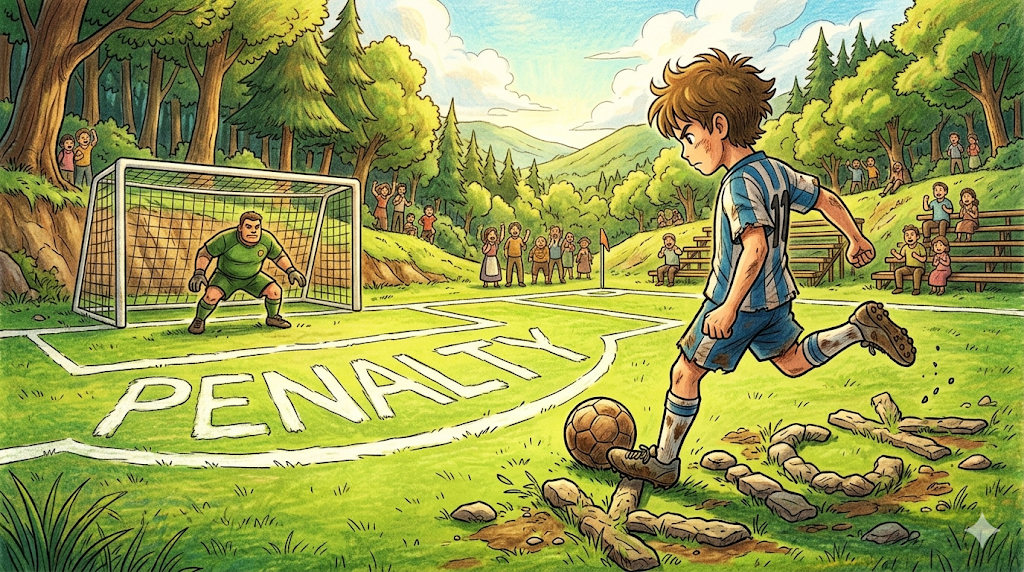
penalty kick [ˈpenəlti kɪk]
(명사구) 페널티킥
축구에서 상대팀이 규칙을 어겼을 때 주어지는 득점 기회로, 골키퍼와 단독으로 겨루는 특별 킥을 강조합니다. 수능 독해 스포츠·일상 지문에서 자주 등장합니다.
- She had practised taking penalty kicks hundreds of times in training and had developed a routine that helped her stay calm and focused even when the pressure of a real match was at its highest. (그녀는 훈련에서 수백 번 페널티킥 차는 연습을 했으며 실제 경기의 압박이 최고조에 달했을 때도 차분하고 집중할 수 있게 도와주는 루틴을 개발했다.)
- The penalty kick was saved by the goalkeeper, who had studied the opposing team's best striker so carefully in the days before the match that he was able to guess which corner she would aim for. (페널티킥은 골키퍼에게 막혔는데, 그는 경기 전 며칠 동안 상대팀의 최고 스트라이커를 너무 꼼꼼히 연구해서 그녀가 어느 구석을 향해 찰지 추측할 수 있었다.)
- The psychology of taking a penalty kick in a high-stakes match is fascinating — the striker has the statistical advantage, yet the fear of failure in front of thousands of people can cause even the most experienced players to make mistakes. (높은 판돈 경기에서 페널티킥을 차는 심리는 매혹적이다 — 스트라이커는 통계적 우위를 가지고 있지만, 수천 명의 사람들 앞에서의 실패에 대한 두려움이 가장 경험 많은 선수들도 실수하게 만들 수 있다.)

death penalty [deθ ˈpenəlti]
(명사구) 사형
가장 심각한 범죄에 대한 법적 처벌로 죄인의 생명을 빼앗는 것을 강조하며, 수능 윤리·사회 지문에서 핵심적으로 등장합니다. 수능 독해 사회·법률·윤리 지문에서 핵심적으로 등장합니다.
- The ethics lesson explored the arguments for and against the death penalty, encouraging students to consider not only whether it was effective as a deterrent but also whether any justice system could be trusted to apply it without ever making a mistake. (윤리 수업은 사형에 찬성하고 반대하는 주장들을 탐구하며, 학생들이 그것이 억제력으로서 효과적인지뿐만 아니라 어떤 사법 시스템도 실수 없이 그것을 적용하도록 신뢰받을 수 있는지 고려하도록 격려했다.)
- Many countries that once used the death penalty have since abolished it, not necessarily because attitudes towards serious crime have changed, but because evidence suggests it does not actually reduce the rate at which such crimes are committed. (한때 사형을 사용했던 많은 나라들이 그 이후로 그것을 폐지했는데, 반드시 심각한 범죄에 대한 태도가 변했기 때문이 아니라 증거가 실제로 그러한 범죄가 저질러지는 비율을 줄이지 않는다는 것을 시사하기 때문이다.)
- She wrote in her essay that the death penalty forces society to confront a fundamental question: whether there are some actions so terrible that the only appropriate response is to permanently remove the person responsible from the world, or whether every human life — even that of a serious criminal — has an inherent value that cannot be taken away. (그녀는 에세이에서 사형이 사회로 하여금 근본적인 질문에 직면하게 한다고 썼다: 너무 끔찍해서 유일한 적절한 반응이 책임자를 세상에서 영구적으로 제거하는 것인 행동이 있는지, 아니면 모든 인간 생명 — 심각한 범죄자의 것조차 — 이 빼앗을 수 없는 내재적 가치를 가지는지이다.)
숙어 그룹 묶음 1 — 처벌·규칙 penalty 핵심 패턴
표현 의미 핵심 뉘앙스 주요 맥락
| penalty kick | 페널티킥 | 축구에서 규칙 위반에 대한 득점 기회 | 스포츠·일상·수능 |
| death penalty | 사형 | 가장 심각한 범죄에 대한 최고 법적 처벌 | 사회·윤리·수능 |
| penalty area | 페널티 구역 | 이 구역 안에서의 위반은 페널티킥으로 이어짐 | 스포츠·일상·수능 |
이 세 표현은 모두 penalty의 "규칙 위반에 대한 공식적 결과" 이미지를 공유하되, 각각 스포츠에서의 즉각적 벌칙(penalty kick)·최고 수준의 법적 처벌(death penalty)·처벌이 발생하는 특정 구역(penalty area)의 관점에서 접근합니다.
- The debate about whether the death penalty is just is similar in some ways to a debate about whether awarding a penalty kick for a borderline foul in the penalty area is fair — in both cases, the question is whether the punishment fits the offence, and in both cases the consequences of getting it wrong can be devastating and irreversible. (사형이 정의로운지에 대한 토론은 어떤 면에서 페널티 구역에서의 경계선 파울에 대해 페널티킥을 주는 것이 공정한지에 대한 토론과 유사하다 — 두 경우 모두 질문은 처벌이 위반에 맞는지이며, 두 경우 모두 잘못 판단하는 결과는 참혹하고 돌이킬 수 없을 수 있다.)
- She used the metaphor of the penalty area in her presentation to explain how context changes everything — just as the same tackle that would be unremarkable in the middle of the pitch becomes a major event inside the penalty area, the same action can have very different consequences depending on where you are, who you are, and what the stakes are — a point that applies equally to the debate over the death penalty. (그녀는 발표에서 페널티 구역의 은유를 사용해 맥락이 어떻게 모든 것을 바꾸는지 설명했다 — 경기장 중간에서는 눈에 띄지 않을 같은 태클이 페널티 구역 안에서는 중요한 사건이 되는 것처럼, 같은 행동이 어디에 있는지, 누구인지, 판돈이 무엇인지에 따라 매우 다른 결과를 가질 수 있다 — 이것은 사형에 대한 토론에도 똑같이 적용되는 요점이다.)
- Just as the rules about penalty kicks in the penalty area must be applied consistently regardless of which team benefits, the arguments around the death penalty demand that whatever standard is used to determine who deserves it must be applied with the same consistency and the same freedom from bias — something that critics argue no human system has ever been able to guarantee. 페널티 구역에서의 페널티킥에 관한 규칙이 어느 팀이 혜택을 받든 일관되게 적용되어야 하는 것처럼, 사형에 관한 논쟁은 그것을 받을 자격이 있는 사람을 결정하는 데 사용되는 어떤 기준이든 같은 일관성과 같은 편견 없는 자유로 적용되어야 한다고 요구한다 — 비평가들이 어떤 인간 시스템도 보장할 수 없었다고 주장하는 것이다.)
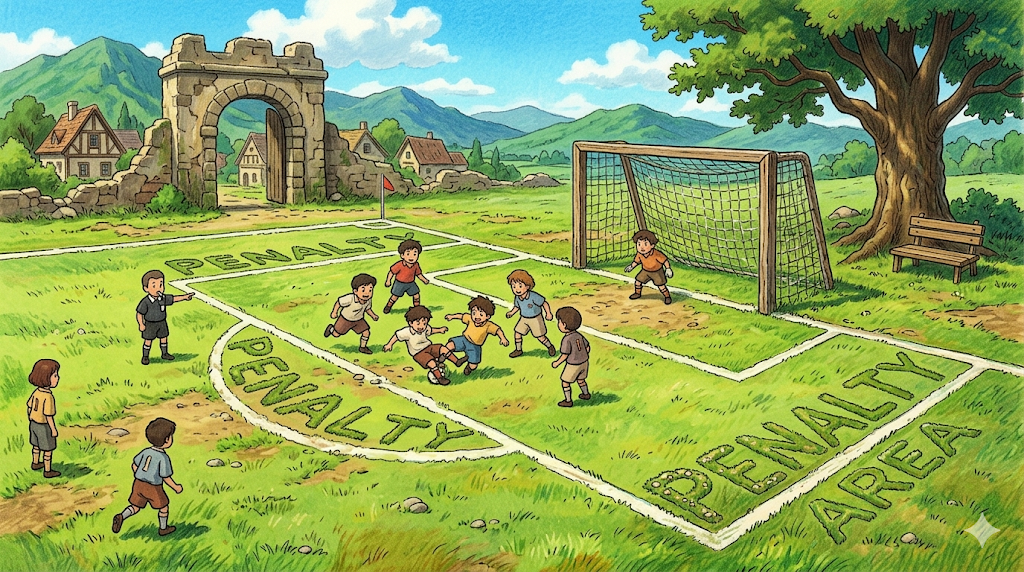
penalty area [ˈpenəlti ˈeəriə]
(명사구) 페널티 구역
축구 경기장에서 골 앞 특정 구역으로 이 안에서의 규칙 위반은 페널티킥으로 이어지는 것을 강조합니다. 수능 독해 스포츠·일상 지문에서 자주 등장합니다.
- The attacker was tripped just inside the penalty area and the referee awarded a penalty kick, which the captain stepped forward to take with great confidence and accuracy. (공격수는 페널티 구역 바로 안에서 넘어졌으며 심판이 페널티킥을 줬고, 주장이 자신감과 정확성을 가지고 앞으로 나서서 찼다.)
- Players are sometimes tempted to go down too easily inside the penalty area in the hope of winning a penalty kick for their team, but referees at the highest levels of the game are trained to distinguish between genuine fouls and attempts to simulate contact. (선수들은 때때로 팀을 위해 페널티킥을 얻기 바라며 페널티 구역 안에서 너무 쉽게 넘어지고 싶은 유혹을 받지만, 최고 수준의 경기 심판들은 진짜 파울과 접촉을 흉내 내는 시도를 구별하도록 훈련받는다.)
- The coach spent a significant amount of training time working on what to do in and around the penalty area, because statistics showed that the majority of goals in professional football came from situations that developed within those final thirty metres of the pitch. (코치는 페널티 구역 안팎에서 무엇을 할지 훈련하는 데 상당한 시간을 보냈는데, 통계가 프로 축구에서 대부분의 골이 경기장 마지막 30미터 안에서 발생하는 상황에서 나온다는 것을 보여줬기 때문이다.)

pay the penalty [peɪ ðə ˈpenəlti]
(동사구) 대가를 치르다, 결과를 감수하다
잘못된 행동이나 판단의 결과로 불이익이나 고통을 받는 것을 강조하며, 수능 심리·논리 지문에서 핵심적으로 등장합니다.
- Teams that become overconfident after taking an early lead often pay the penalty for losing concentration in the second half, when the opposition regains momentum and scores two or three goals in quick succession. (초반에 앞선 후 너무 자만하게 된 팀들은 종종 상대가 기세를 되찾고 빠른 연속으로 두 세 골을 넣을 때 후반전에 집중력을 잃은 대가를 치른다.)
- She had skipped revision for the final topic on the syllabus, assuming it would not come up in the exam, and then had to pay the penalty when it turned out to be the focus of three of the five main questions. (그녀는 시험에 나오지 않을 것이라고 가정하며 교육 과정의 마지막 주제에 대한 복습을 건너뛰었으며, 그것이 다섯 개의 주요 질문 중 세 개의 초점이 됐을 때 대가를 치러야 했다.)
- The essay argued that societies pay the penalty for neglecting education in the long run — not immediately and obviously, but gradually and deeply, as the consequences of an undereducated population work their way through every part of the economy and community. (에세이는 사회가 교육을 소홀히 한 대가를 장기적으로 치른다고 주장했다 — 즉각적이고 명확하게가 아니라, 교육 수준이 낮은 인구의 결과가 경제와 공동체의 모든 부분을 통해 작동하면서 점진적으로 깊게.)
숙어 그룹 묶음 2 — 결과·책임 penalty 패턴
표현 의미 핵심 뉘앙스 주요 맥락
| pay the penalty | 대가를 치르다 | 잘못된 행동이나 판단의 결과로 불이익을 받는 것 | 심리·사회·수능 |
| under penalty of | ~의 처벌 하에 | 특정 행동에 대한 공식적 처벌을 강조 | 법률·사회·수능 |
| impose a penalty | 처벌을 부과하다 | 권위 있는 기관이 공식적으로 처벌을 내리는 것 | 법률·사회·수능 |
이 세 표현은 모두 penalty의 "처벌이 이루어지는 방식과 과정" 이미지를 공유하되, 각각 처벌의 결과를 받는 것(pay the penalty)·처벌의 위협 하에 행동하는 것(under penalty of)·처벌을 공식적으로 내리는 것(impose a penalty)의 관점에서 접근합니다.
- The new regulation made clear that companies which failed to comply would pay the penalty for every day of non-compliance, that the rule was enforced under penalty of both fines and license suspension, and that the regulator had the authority to impose a penalty immediately without any warning period if the violation was judged to be deliberate. (새 규정은 준수하지 못한 회사들이 미준수 매일마다 대가를 치를 것이며, 규칙이 벌금과 면허 정지 처벌 하에 시행되고, 위반이 의도적인 것으로 판단되면 규제 기관이 어떤 경고 기간도 없이 즉시 처벌을 부과할 권한이 있다는 것을 명확히 했다.)
- She argued in her essay that those who choose to act unethically in business will ultimately pay the penalty in loss of reputation — that professional trust, once broken, is very difficult to rebuild — and that the most effective way to ensure ethical behaviour is not to impose a penalty after the fact but to create conditions under penalty of public scrutiny that make unethical behaviour unattractive before it happens. (그녀는 에세이에서 사업에서 비윤리적으로 행동하기로 선택하는 사람들은 궁극적으로 명성 상실로 대가를 치를 것이며 — 일단 깨진 전문적인 신뢰는 재건하기 매우 어렵다 — 윤리적 행동을 보장하는 가장 효과적인 방법은 사후에 처벌을 부과하는 것이 아니라 비윤리적 행동이 일어나기 전에 그것을 매력 없게 만드는 공개적 조사의 처벌 하에 조건을 만드는 것이라고 주장했다.)
- History shows that societies pay the penalty when they fail to impose a penalty on those who break the most important rules — not because punishment itself creates justice, but because the failure to respond to serious violations sends the message that the rules themselves do not matter, which is a far more damaging outcome than any individual act of wrongdoing. (역사는 사회가 가장 중요한 규칙을 어기는 사람들에게 처벌을 부과하지 않을 때 대가를 치른다는 것을 보여준다 — 처벌 자체가 정의를 만들기 때문이 아니라, 심각한 위반에 반응하지 않는 것이 규칙 자체가 중요하지 않다는 메시지를 보내기 때문인데, 이는 어떤 개인적인 잘못된 행동보다 훨씬 더 해로운 결과이다.)
under penalty of [ˈʌndər ˈpenəlti ɒv]
(전치사구) ~의 처벌 하에, ~의 위험을 감수하고
특정 행동을 하거나 하지 않을 경우 법적·공식적 처벌을 받게 된다는 것을 강조합니다. 수능 독해 법률·사회 지문에서 핵심적으로 등장합니다.
- The historical document stated that no person was permitted to enter the royal garden under penalty of imprisonment for a period not less than one year, which showed how seriously the authorities took the protection of the royal estate. (역사적 문서에는 어떤 사람도 1년 이상의 투옥 처벌 하에 왕실 정원에 들어가는 것이 허용되지 않는다고 명시됐으며, 이것은 당국이 왕실 재산 보호를 얼마나 진지하게 받아들였는지 보여줬다.)
- Staff at the research facility were required to sign a confidentiality agreement stating that they would not share any details of the ongoing project under penalty of immediate dismissal and potential legal action. (연구 시설의 직원들은 즉각적인 해고와 잠재적 법적 조치의 처벌 하에 진행 중인 프로젝트의 어떤 세부 사항도 공유하지 않겠다고 명시한 기밀 유지 협약에 서명하도록 요구받았다.)
- The essay explored the interesting question of whether people behave ethically because they genuinely believe it is right, or because they are simply avoiding the consequences of behaving unethically — and whether a society that only achieves good behaviour under penalty of punishment has really succeeded in building genuine moral values among its members. (에세이는 사람들이 진정으로 옳다고 믿기 때문에 윤리적으로 행동하는지, 아니면 단순히 비윤리적으로 행동하는 결과를 피하는 것인지의 흥미로운 질문을 탐구했다 — 그리고 처벌의 처벌 하에서만 좋은 행동을 달성하는 사회가 구성원들 사이에 진정한 도덕적 가치를 구축하는 데 정말로 성공했는지이다.)
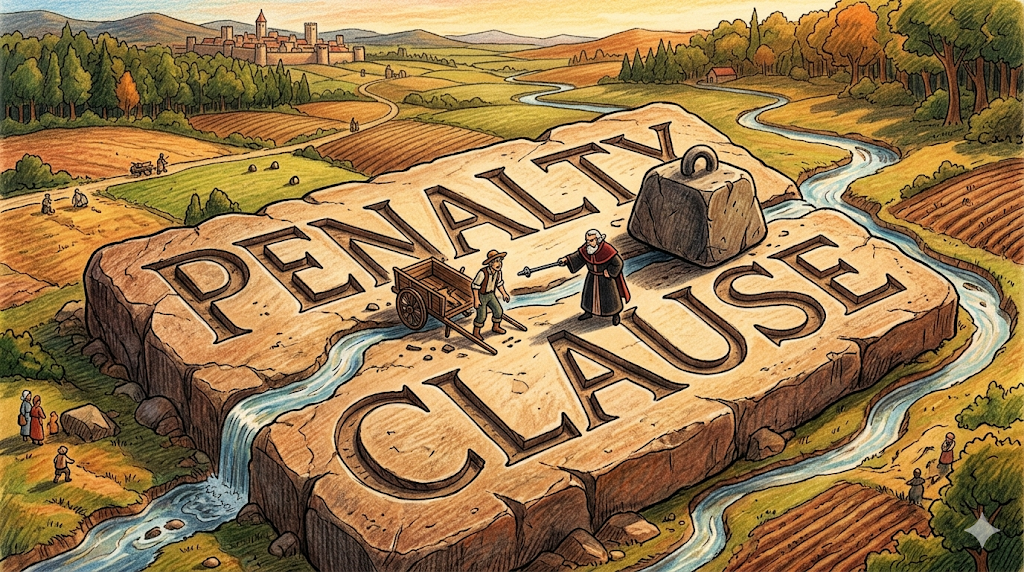
penalty clause [ˈpenəlti klɔːz]
(명사구) 위약 조항, 벌칙 조항
계약에서 한쪽이 약속을 지키지 못했을 때 벌금이나 처벌을 받게 된다는 내용의 조항을 강조합니다. 수능 독해 법률·경제 지문에서 자주 등장합니다.
- The client insisted on including a penalty clause in the agreement after a previous contractor had delivered the work six months late with no financial consequences whatsoever. (이전 계약업체가 어떤 재정적 결과도 없이 6개월 늦게 작업을 납품한 후 고객은 계약서에 위약 조항을 포함시킬 것을 주장했다.)
- She read through every section of the contract carefully before signing it, paying particular attention to the penalty clause, which stated that any late delivery of the final manuscript would result in a reduction of twenty percent of the advance payment for each month of delay. (그녀는 서명하기 전에 계약서의 모든 섹션을 주의 깊게 읽었으며, 최종 원고의 지연 납품이 지연 매달마다 선불금의 20% 감소를 초래한다고 명시한 위약 조항에 특별히 주의를 기울였다.)
- Legal experts advise that a well-written penalty clause should be specific enough to be enforceable but not so punishing that it would be considered an unfair term under consumer protection law — a balance that requires careful thought during the negotiation stage of any contract. (법률 전문가들은 잘 작성된 위약 조항은 집행 가능할 만큼 충분히 구체적이어야 하지만 소비자 보호법 하에서 불공정한 조항으로 간주될 만큼 처벌적이어서는 안 된다고 조언한다 — 어떤 계약의 협상 단계에서도 신중한 생각이 필요한 균형이다.)
숙어 그룹 묶음 3 — 스포츠·공식 penalty 심화 패턴
표현 의미 핵심 뉘앙스 주요 맥락
| penalty shootout | 승부차기 | 경기 종료 후 동점 시 페널티킥으로 승패 결정 | 스포츠·일상·수능 |
| penalty box | 페널티 박스 / 벌칙석 | 축구 페널티 구역 또는 아이스하키 벌칙석 | 스포츠·일상·수능 |
| penalty clause | 위약 조항 | 계약에서 약속 불이행 시 처벌 내용의 조항 | 법률·경제·수능 |
이 세 표현은 모두 penalty의 "처벌이 구체적인 장소·과정·문서에서 실현되는" 이미지를 공유하되, 각각 경기에서 처벌적 결정 과정(penalty shootout)·처벌이 이루어지는 특정 공간(penalty box)·계약에서 처벌이 명시된 문서(penalty clause)의 관점에서 접근합니다.
- The player who had spent time in the penalty box earlier in the game was the one who stepped forward to take the crucial kick in the penalty shootout, and the crowd held its breath wondering whether the team had remembered to include a penalty clause in his contract about the financial bonuses he would receive if he scored the winning goal. (경기 초반 벌칙석에서 시간을 보낸 선수가 승부차기에서 결정적인 킥을 차러 앞으로 나섰으며, 관중은 그가 결승 골을 넣으면 받을 재정적 보너스에 관한 위약 조항을 계약서에 포함시켰는지 궁금해하며 숨을 참았다.)
- Just as a penalty clause in a contract creates consequences for failure that are agreed in advance, the penalty box in ice hockey creates consequences for rule-breaking that happen immediately and publicly, and a penalty shootout creates consequences for not winning within normal time — all three are structured ways of ensuring that actions have predictable outcomes. (위약 조항이 사전에 합의된 실패에 대한 결과를 만드는 것처럼, 아이스하키의 벌칙석은 즉각적이고 공개적으로 발생하는 규칙 위반에 대한 결과를 만들고, 승부차기는 정규 시간 안에 이기지 못한 것에 대한 결과를 만든다 — 세 가지 모두 행동이 예측 가능한 결과를 갖도록 하는 구조화된 방법이다.)
- She used the structure of a penalty shootout as a metaphor in her essay — arguing that when people talk about a penalty clause in a contract being unfair, what they often mean is that the consequences feel as arbitrary and high-pressure as being forced to take a penalty box spot kick in front of thousands of strangers when you have had no time to prepare and everything depends on a single action. (그녀는 에세이에서 승부차기의 구조를 은유로 사용했다 — 사람들이 계약서의 위약 조항이 불공평하다고 말할 때, 그들이 종종 의미하는 것은 결과가 준비할 시간도 없고 모든 것이 단 하나의 행동에 달려있을 때 수천 명의 낯선 사람들 앞에서 벌칙석 스팟킥을 차도록 강요받는 것처럼 임의적이고 압박감이 느껴진다는 것이라고 주장했다.)

penalty shootout [ˈpenəlti ˈʃuːtaʊt]
(명사구) 승부차기
경기 종료 후 동점일 때 각 팀의 선수들이 번갈아 페널티킥을 차서 승패를 결정하는 방식을 강조합니다. 수능 독해 스포츠·심리 지문에서 자주 등장합니다.
- The coach spent the day before the match preparing the players mentally for the possibility of a penalty shootout, because she knew from experience that the team's ability to stay calm under that kind of pressure would ultimately determine the outcome. (코치는 경기 전날 선수들을 승부차기의 가능성에 대해 정신적으로 준비시키는 데 보냈는데, 경험에서 그런 종류의 압박 아래 차분하게 있는 팀의 능력이 궁극적으로 결과를 결정할 것임을 알았기 때문이다.)
- Penalty shootouts have been criticised as a lottery — a test of nerve rather than football skill — and some people argue that they should be replaced with a more reflective tiebreaker, while others believe that coping with pressure is itself an essential part of what it means to play the game at the highest level. (승부차기는 복권과 같다는 비판을 받았다 — 축구 기술이 아닌 신경 테스트 — 그리고 일부 사람들은 더 성찰적인 타이브레이커로 대체되어야 한다고 주장하는 반면, 다른 사람들은 압박에 대처하는 것 자체가 최고 수준에서 경기를 하는 것이 무엇을 의미하는지의 필수적인 부분이라고 믿는다.)
- The psychology of a penalty shootout reveals something important about how humans respond to high-stakes, high-pressure situations — some players thrive when everything depends on one moment, while others, no matter how skilled in normal play, find the isolation of the spot kick impossible to manage without letting anxiety affect their performance. (승부차기의 심리는 인간이 위험 부담이 크고 압박이 심한 상황에 어떻게 반응하는지에 대한 중요한 것을 드러낸다 — 일부 선수들은 모든 것이 한 순간에 달려있을 때 번창하는 반면, 다른 선수들은 일반 플레이에서 아무리 능숙하더라도 불안이 경기에 영향을 미치지 않게 하는 것이 불가능하다는 것을 발견한다.)
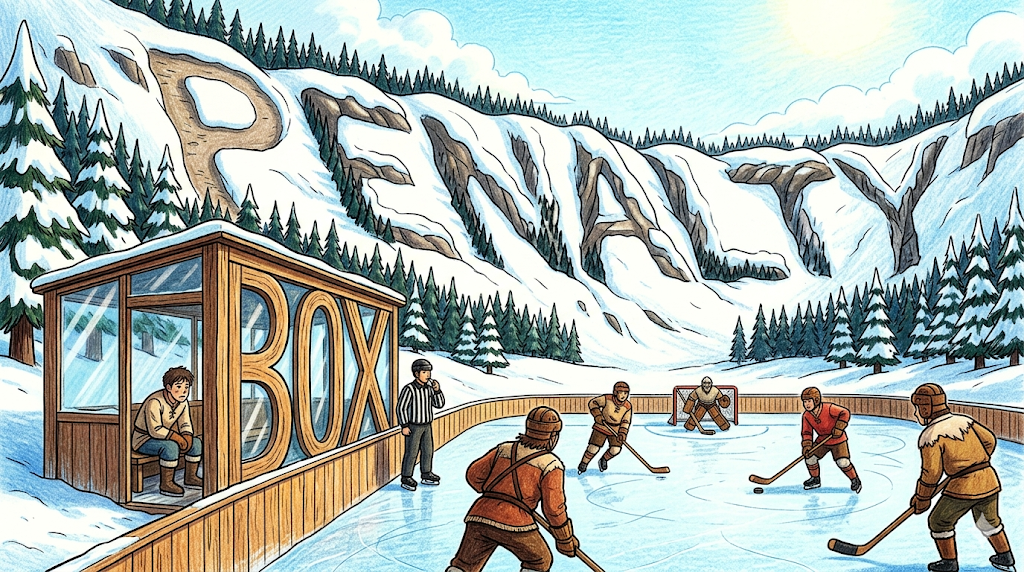
penalty box [ˈpenəlti bɒks]
(명사구) 페널티 박스 / 아이스하키의 벌칙석
축구에서는 페널티 구역을 가리키며, 아이스하키에서는 규칙을 어긴 선수가 일정 시간 앉아있어야 하는 벌칙석을 강조합니다. 수능 독해 스포츠·심리 지문에서 자주 등장합니다.
- The ice hockey player sat in the penalty box with his head down, knowing that the two minutes he had to spend there could easily cost his team the match if the opposition managed to score with the advantage. (아이스하키 선수는 고개를 숙이고 벌칙석에 앉아있었으며, 거기서 보내야 하는 2분이 상대팀이 이점을 활용해 골을 넣으면 팀에게 경기를 잃게 할 수 있다는 것을 알았다.)
- She used the penalty box as a classroom management strategy — not a formal punishment, but a quiet space where students who needed a moment to calm down could step away from the group without any stigma or loss of face. (그녀는 페널티 박스를 교실 관리 전략으로 사용했다 — 공식적인 처벌이 아니라, 잠시 진정이 필요한 학생들이 어떤 낙인이나 체면 손상 없이 그룹에서 벗어날 수 있는 조용한 공간이었다.)
- The coach argued that the most useful lesson from the penalty box in ice hockey is not that punishment is inevitable when you break the rules — it is that the team must adapt and perform with one fewer player during the difficult period, which builds the kind of collective resilience that ultimately makes them stronger under pressure. (코치는 아이스하키의 벌칙석에서 가장 유용한 교훈은 규칙을 어기면 처벌이 불가피하다는 것이 아니라 — 팀이 어려운 기간 동안 한 명 적은 선수로 적응하고 수행해야 한다는 것이며, 이것이 궁극적으로 압박 하에 더 강하게 만드는 집단적 회복력을 쌓는다는 것이라고 주장했다.)

impose a penalty [ɪmˈpəʊz ə ˈpenəlti]
(동사구) 처벌을 부과하다, 벌칙을 가하다
권위 있는 기관이나 사람이 규칙을 어긴 사람에게 공식적으로 처벌을 내리는 것을 강조합니다. 수능 독해 법률·사회·논리 지문에서 자주 등장합니다.
- The financial regulator imposed a penalty of five million pounds on the bank after an investigation found that it had been systematically misleading its customers about the risks associated with certain investment products. (금융 규제 기관은 특정 투자 상품과 관련된 위험에 대해 고객들을 체계적으로 오도해왔다는 것을 조사에서 발견한 후 은행에 500만 파운드의 처벌을 부과했다.)
- The teacher decided not to impose a penalty on the student who had handed in the work one day late, after hearing that she had been dealing with a family emergency that nobody had known about until the teacher had asked. (선생님은 교사가 물어볼 때까지 아무도 몰랐던 가족 위기를 다루고 있었다는 것을 듣고 하루 늦게 작업을 제출한 학생에게 처벌을 부과하지 않기로 결정했다.)
- The debate about when and how to impose a penalty is really a debate about what punishment is for — whether it exists to deter future behaviour, to restore a sense of balance or fairness, to protect the public, or to express society's values about what kinds of actions are acceptable and which are not. (처벌을 부과하는 때와 방법에 대한 논쟁은 실제로 처벌이 무엇을 위한 것인지에 대한 논쟁이다 — 그것이 미래 행동을 억제하기 위해 존재하는지, 균형이나 공정함의 감각을 회복하기 위해, 공공을 보호하기 위해, 또는 어떤 종류의 행동이 허용 가능하고 그렇지 않은지에 대한 사회의 가치를 표현하기 위해 존재하는지이다.)
숙어 그룹 묶음 4 — 종합 penalty 패턴
표현 의미 핵심 뉘앙스 주요 맥락
| pay the penalty | 대가를 치르다 | 잘못된 행동이나 판단의 결과로 불이익을 받는 것 | 심리·사회·수능 |
| death penalty | 사형 | 가장 심각한 범죄에 대한 최고 법적 처벌 | 사회·윤리·수능 |
| under penalty of | ~의 처벌 하에 | 특정 행동에 대한 공식적 처벌을 강조 | 법률·사회·수능 |
이 세 표현은 수능 독해에서 가장 자주 출제되는 penalty의 핵심 패턴입니다. pay the penalty는 결과를 감수하는 것을, death penalty는 가장 심각한 수준의 처벌을, under penalty of는 공식적 처벌의 위협을 각각 나타냅니다.
- The essay argued that any society which applies the death penalty must accept that it will occasionally pay the penalty of executing an innocent person — and that the decision to retain capital punishment is therefore made under penalty of a moral burden that no amount of care in the justice system can ever fully remove. (에세이는 사형을 적용하는 어떤 사회도 가끔 무고한 사람을 처형하는 대가를 치를 것임을 받아들여야 한다고 주장했다 — 그래서 사형 유지 결정은 어떤 사법 시스템의 주의도 완전히 제거할 수 없는 도덕적 부담의 처벌 하에 내려진다.)
- She argued that when organisations choose short-term profit over ethical behaviour, they ultimately pay the penalty in loss of public trust — often under penalty of regulatory action that comes too late to prevent the harm but early enough to confirm everyone's worst fears about what was happening behind closed doors. (그녀는 조직이 단기적 이익을 윤리적 행동보다 선택할 때 궁극적으로 공중 신뢰 상실로 대가를 치른다고 주장했다 — 종종 해를 예방하기에는 너무 늦지만 닫힌 문 뒤에서 무슨 일이 일어나고 있었는지에 대한 모든 사람의 최악의 두려움을 확인하기에 충분히 이른 규제 조치의 처벌 하에.)
- The hardest lesson in ethics is the one about paying the penalty for what you know to be wrong — that choosing the easier path when you know what the right thing is does not make you exempt from the consequences, and that living under penalty of a bad conscience is ultimately more costly than doing the right thing in the first place, even if the right thing is harder and the death penalty of social disapproval feels more threatening in the moment. (윤리에서 가장 어려운 교훈은 잘못됐다고 아는 것에 대해 대가를 치르는 것에 관한 것이다 — 옳은 것이 무엇인지 알면서 더 쉬운 길을 선택하는 것이 결과에서 면제되게 하지 않으며, 나쁜 양심의 처벌 하에 사는 것이 그 순간에 더 위협적으로 느껴지고 옳은 일이 더 어렵더라도 처음부터 옳은 일을 하는 것보다 궁극적으로 더 비싸다는 것이다.)
전체 요약표
표현 의미 핵심 뉘앙스
| penalty | 벌칙, 처벌, 불이익 | 처벌에서 불이익·결과·대가까지 확장 |
| penalty kick | 페널티킥 | 축구에서 규칙 위반에 대한 득점 기회 |
| death penalty | 사형 | 가장 심각한 범죄에 대한 최고 법적 처벌 |
| penalty area | 페널티 구역 | 이 구역 안에서의 위반은 페널티킥으로 이어짐 |
| pay the penalty | 대가를 치르다 | 잘못된 행동이나 판단의 결과로 불이익을 받는 것 |
| under penalty of | ~의 처벌 하에 | 특정 행동에 대한 공식적 처벌을 강조 |
| penalty clause | 위약 조항 | 계약에서 약속 불이행 시 처벌 내용의 조항 |
| penalty shootout | 승부차기 | 경기 종료 후 동점 시 페널티킥으로 승패 결정 |
| penalty box | 페널티 박스 / 벌칙석 | 축구 페널티 구역 또는 아이스하키 벌칙석 |
| impose a penalty | 처벌을 부과하다 | 권위 있는 기관이 공식적으로 처벌을 내리는 것 |
유의어 비교표

단어 공통점 뉘앙스 차이 예문
| penalty | 처벌, 불이익 | 공식적·구체적 결과, 스포츠·법률·계약까지 포함 | The penalty was severe. |
| punishment | 처벌 | 더 일반적이고 광범위한 처벌 개념 | The punishment was fair. |
| fine | 벌금 | 특별히 금전적인 처벌 | She paid a fine. |
| sanction | 제재 | 국가나 기관이 부과하는 공식적 제재 | Trade sanctions were imposed. |
| consequence | 결과, 대가 | 행동의 자연적 결과, 반드시 처벌이 아닐 수도 있음 | Face the consequences. |
유의어 예문 리스트
- (punishment) The school's approach to punishment had changed significantly over the years — the focus had moved away from making students feel bad about what they had done and towards helping them understand why it was wrong and what they could do differently in future. (학교의 처벌 접근 방식은 수년에 걸쳐 크게 변했다 — 초점이 학생들이 자신이 한 일에 대해 나쁘게 느끼게 만드는 것에서 그것이 왜 잘못됐고 미래에 다르게 할 수 있는 것이 무엇인지 이해하도록 돕는 것으로 이동했다.)
- (fine) She was surprised to receive a fine for dropping a sweet wrapper in the street — she had not realised that litter regulations in that particular area were enforced so actively until she saw the enforcement officer approaching. (그녀는 거리에 사탕 포장지를 버린 것으로 벌금을 받아서 놀랐다 — 집행관이 다가오는 것을 볼 때까지 그 특정 지역의 쓰레기 투기 규정이 그렇게 적극적으로 시행된다는 것을 몰랐다.)
- (sanction) The international sanctions against the regime were intended to create enough economic pressure to bring the government back to the negotiating table, but critics argued that they were having a far greater impact on ordinary citizens than on the leadership. (정권에 대한 국제 제재는 정부를 협상 테이블로 다시 데려오기에 충분한 경제적 압박을 만들기 위한 것이었지만, 비평가들은 그것들이 리더십보다 일반 시민들에게 훨씬 더 큰 영향을 미치고 있다고 주장했다.)
- (consequence) She told her son that every choice has a consequence — not always an immediate one, and not always what you expect, but always something — and that the best thing he could do was to make choices he would be comfortable standing behind whatever the outcome turned out to be. (그녀는 아들에게 모든 선택에는 결과가 있다고 말했다 — 항상 즉각적인 것은 아니고, 항상 기대하는 것도 아니지만, 항상 무언가가 있다 — 그리고 그가 할 수 있는 가장 좋은 것은 결과가 무엇이든 편안하게 지지할 수 있는 선택을 하는 것이라고 했다.)
결론 정리
penalty는 단순히 "처벌"이 아니라, 라틴어 poena(벌)에서 출발해 잘못된 행동에 대한 대가에서 법적 처벌·스포츠 벌칙·계약 위약금·사회적 불이익·도덕적 결과까지 확장되는 단어다 — penalty가 있는 곳엔 언제나 '단순한 처벌이 아닌, 인간이 책임·규칙·결과·공정성을 어떻게 이해하고 받아들이는지가 생생하게 살아숨쉬는' 생동감의 선언이 있다.
💡 penalty는 "잘못된 행동에 대한 대가에서 출발한" 생동감 넘치는 언어 — pay the penalty · death penalty · under penalty of가 수능 최빈출.
🌟 초등학생 버전 — penalty는 규칙을 어겼을 때 받는 벌칙이지만, "대가를 치르다"(pay the penalty), "사형이 옳은가"(death penalty), "승부차기로 결정되다"(penalty shootout)처럼 법, 윤리, 스포츠 곳곳에 살아있는 단어예요! ⚽✨


