- 분류 전체보기 (5448)

| 일 | 월 | 화 | 수 | 목 | 금 | 토 |
|---|---|---|---|---|---|---|
| 1 | 2 | |||||
| 3 | 4 | 5 | 6 | 7 | 8 | 9 |
| 10 | 11 | 12 | 13 | 14 | 15 | 16 |
| 17 | 18 | 19 | 20 | 21 | 22 | 23 |
| 24 | 25 | 26 | 27 | 28 | 29 | 30 |
| 31 |
- hold on
- pick up
- Excuse me
- By The Way
- please?
- call off
- entrance fee
- Don't worry
- once in a while
- oh
- I'm sorry
- come up with
- Read between the lines
- no
- Hey
- Actually
- please.
- work out
- too.
- Right?
- make it
- I'm not sure
- Please
- Yes
- well
- OKay
- Sure
- I'm glad to hear that.
- Sorry
- Yeah
- Today
- Total
인과함께
Day358 , peasant, peasant farmer, peasant uprising, peasant life, peasant class, poor peasant, peasant revolt, peasant community, peasant society, peasant culture, treat like a peasant 본문
Day358 , peasant, peasant farmer, peasant uprising, peasant life, peasant class, poor peasant, peasant revolt, peasant community, peasant society, peasant culture, treat like a peasant
미인생 2026. 4. 27. 19:41
peasant [ˈpezənt]
(명사/형용사) 농민, 소작농 / 농민의, 시골의
단순히 "농민"으로만 외우면 수능에서 반드시 틀립니다. peasant는 "땅에 의존해 살아가는 가난하고 신분이 낮은 농촌 사람" 이라는 핵심 이미지에서 출발해, 역사적 농민 계층에서 사회적 계급 구조·농촌 공동체·저항과 반란·문화적 전통까지 폭넓게 쓰이는 핵심 다의어입니다. 특히 peasant(농민/소작농) vs. farmer(농부) vs. villager(마을 사람) 의 뉘앙스 차이, peasant uprising(농민 봉기), peasant revolt(농민 반란) 패턴은 수능 독해 역사·사회·인문 지문에서 핵심적으로 등장합니다.
'peasant'는 고대 프랑스어 paisant(시골 사람)에서 유래했습니다. 라틴어 pagus(마을, 지방)에서 나왔으며, 원래 "도시가 아닌 지방 마을에 사는 사람" 을 뜻했습니다. peasant의 핵심 이미지는 "땅에 의존해 살아가며 봉건 사회에서 가장 낮은 계층에 속한 농촌 사람" 으로, 이 이미지에서 빈곤·신분 낮음·땅에의 의존·저항과 반란이 모두 확장되었습니다.
1. peasant farmer [ˈpezənt ˈfɑːrmər]
(역사/사회/수능) "소작 농민, 자급자족 농민"을 뜻합니다. 대규모 농업 기업이 아닌 작은 땅에서 주로 자신과 가족이 먹을 작물을 재배하는 농민을 강조합니다. 수능 독해 역사·사회·경제 지문의 핵심 표현입니다.
The peasant farmer grew just enough rice and vegetables to feed his family through the long winter. (소작 농민은 긴 겨울 동안 가족을 먹이기에 충분한 쌀과 채소만 재배했다.)
2. peasant uprising [ˈpezənt ˈʌprаɪzɪŋ]
(역사/사회/수능) "농민 봉기, 농민 반란"을 뜻합니다. 불공평한 대우나 극심한 가난에 지친 농민들이 지주나 귀족, 또는 정부에 대항하여 집단적으로 일어서는 것을 강조합니다. 수능 독해 역사·사회 지문의 핵심 표현입니다.
The peasant uprising began when the landlord demanded more grain than the farmers could possibly afford to give. (농민 봉기는 지주가 농민들이 도저히 낼 수 없는 양의 곡식을 요구했을 때 시작됐다.)
3. peasant life [ˈpezənt laɪf]
(역사/문화/수능) "농민 생활, 소작농의 삶"을 뜻합니다. 봉건 시대나 전통 사회에서 농민들이 살아가는 방식과 일상을 강조합니다. 수능 독해 역사·문화·사회 지문에서 자주 등장합니다.
The painting showed the hardships of peasant life — long hours in the field, simple food, and rough shelter. (그 그림은 농민 생활의 고난을 보여줬다 — 밭에서의 긴 시간, 소박한 음식, 거친 보금자리.)
4. peasant class [ˈpezənt klɑːs]
(역사/사회/수능) "농민 계층, 농민 계급"을 뜻합니다. 봉건 사회에서 귀족·성직자 등의 상위 계층에 비해 가장 낮은 사회적 지위를 차지하는 농민들의 집단을 강조합니다. 수능 독해 역사·사회 지문의 핵심 표현입니다.
In medieval Europe, the peasant class made up the majority of the population but had the least political power of all. (중세 유럽에서 농민 계층은 인구의 대다수를 차지했지만 모든 계층 중 가장 적은 정치적 권력을 가졌다.)
5. poor peasant [pʊər ˈpezənt]
(역사/사회/수능) "가난한 농민, 빈농"을 뜻합니다. 극심한 가난으로 땅도 없거나 매우 작은 땅만 가진 최하위 농민 계층을 강조합니다. 수능 독해 역사·사회·경제 지문에서 자주 등장합니다.
The poor peasants had nothing but the clothes on their backs and a tiny patch of land that barely produced enough to eat. (가난한 농민들은 등에 입은 옷과 먹기에 겨우 충분한 것을 생산하는 작은 땅뙈기밖에 없었다.)
6. peasant revolt [ˈpezənt rɪˈvoʊlt]
(역사/정치/수능) "농민 반란"을 뜻합니다. 착취와 억압에 저항하여 농민들이 조직적으로 지배 계층에 맞서 싸우는 것을 강조합니다. 수능 독해 역사·정치·사회 지문의 핵심 표현입니다.
The English Peasants' Revolt of 1381 was one of the most significant popular rebellions in the country's history. (1381년 영국의 농민 반란은 그 나라 역사에서 가장 중요한 민중 반란 중 하나였다.)
7. peasant community [ˈpezənt kəˈmjuːnɪti]
(역사/사회/수능) "농민 공동체, 농촌 공동체"를 뜻합니다. 함께 일하고 서로 돕는 농민들의 집단적 생활 방식을 강조합니다. 수능 독해 역사·사회·문화 지문에서 자주 등장합니다.
In the peasant community, everyone helped with the harvest because no single family had enough workers to do it alone. (농민 공동체에서 아무 가족도 혼자 할 충분한 일꾼이 없었기 때문에 모든 사람이 수확을 도왔다.)
8. peasant society [ˈpezənt səˈsaɪəti]
(역사/사회/수능) "농민 사회"를 뜻합니다. 농업이 중심이 되고 농민 계층이 주를 이루는 사회 구조를 강조합니다. 수능 독해 역사·사회·인문 지문의 핵심 표현입니다.
In a traditional peasant society, land was the most important source of wealth and status. (전통적인 농민 사회에서 땅은 부와 지위의 가장 중요한 원천이었다.)
9. peasant culture [ˈpezənt ˈkʌltʃər]
(역사/문화/수능) "농민 문화, 민중 문화"를 뜻합니다. 농민들이 세대에 걸쳐 발전시켜 온 고유한 음악·음식·예술·풍습 등의 문화적 전통을 강조합니다. 수능 독해 역사·문화·사회 지문에서 자주 등장합니다.
Peasant culture produced rich traditions of folk music, storytelling, and crafts that were passed down through generations. (농민 문화는 세대를 통해 전해 내려온 풍부한 민요, 이야기, 공예의 전통을 만들어냈다.)
10. treat like a peasant [triːt laɪk ə ˈpezənt]
(사회/심리/수능) "농민처럼 홀대하다, 하찮게 여기다"를 뜻합니다. 누군가를 낮은 신분이나 가치도 없는 것처럼 무시하고 존중하지 않는 것을 강조합니다. 수능 독해 사회·심리·인문 지문에서 자주 등장합니다.
She was angry because the rude manager had treated her like a peasant in front of all her colleagues. (무례한 매니저가 모든 동료들 앞에서 그녀를 농민처럼 홀대했기 때문에 그녀는 화가 났다.)

POINT 1. peasant vs. farmer vs. villager — 수능 최빈출 뉘앙스 구별
세 단어 모두 "농촌이나 시골과 관련된 사람"과 관련되지만 뉘앙스가 다릅니다.
peasant → 봉건 사회나 역사적 맥락에서 가난하고 신분이 낮은 농민 계층 (낮은 신분·빈곤·역사적 맥락 강조) farmer → 현대적 맥락에서 농업에 종사하는 사람 (직업·생산 활동 강조) villager → 마을에 사는 사람으로 반드시 농업과 관련되지 않음 (거주지·공동체 강조)
예)
The peasants had to pay heavy taxes to the landlord. (농민들은 지주에게 무거운 세금을 내야 했다.) — 역사적 신분 He is a farmer who grows corn and wheat. (그는 옥수수와 밀을 재배하는 농부다.) — 현대적 직업 The villagers gathered to celebrate the harvest festival. (마을 사람들이 추수 축제를 축하하기 위해 모였다.) — 거주지 기반
POINT 2. peasant uprising / peasant revolt / peasant class — 수능 역사·사회 지문 핵심
세 표현 모두 peasant의 "억압받는 농민 계층" 이미지를 공유하지만 뉘앙스가 다릅니다.
peasant uprising → 농민들이 집단적으로 일어서는 봉기 (시작·저항의 시작 강조) peasant revolt → 더 조직적이고 강력한 농민 반란 (조직적 저항·반란 강조) peasant class → 사회 구조 안에서 농민들이 차지하는 계층적 위치 (사회 구조·계급 강조) 이 세 표현이 등장하면 글쓴이가 역사적 사회 구조와 계급 갈등을 논하고 있다는 신호입니다.
POINT 3. peasant 어근 확장 — 수능 어휘 확장 필수
라틴어 pagus(마을·지방)에서 유래한 단어들이 수능에서 자주 출제됩니다.
peasant [ˈpezənt] → 농민, 소작농 (pagus에서 유래) pagan [ˈpeɪɡən] → 이교도, 기독교 이전 종교인 (pagus: 마을 사람, 기독교화 이전) rural [ˈrʊərəl] → 농촌의, 시골의 (peasant의 공간적 맥락) serf [sɜːrf] → 농노 (peasant와 유사하지만 완전한 봉건적 예속 강조) proletariat [ˌproʊlɪˈteəriət] → 무산 계급, 노동자 계급 (peasant class의 현대적 개념) 이 단어들은 모두 "도시가 아닌 시골이나 낮은 사회 계층"이라는 공통 이미지를 가지고 있습니다.
(명사) ① 농민, 소작농 (역사적·사회적 맥락)
peasant의 가장 기본적인 의미로, 봉건 사회나 전통 사회에서 땅에 의존해 살아가는 낮은 신분의 사람을 나타냅니다.
- The peasants worked in the fields from sunrise to sunset every day, barely earning enough to pay their rent. (농민들은 매일 해가 뜰 때부터 질 때까지 밭에서 일하며 집세를 내기에도 겨우 충분한 것을 벌었다.)
- Many peasants had no choice but to give most of what they grew to the landlord, leaving almost nothing for themselves. (많은 농민들은 자신들이 재배한 것의 대부분을 지주에게 줄 수밖에 없어서 자신들에게는 거의 남지 않았다.)
- The peasant had lived on the same small plot of land for his entire life, just as his parents and grandparents had before him. (농민은 그의 부모와 조부모가 그 이전에 그랬듯이 평생 같은 작은 땅에서 살았다.)
(명사) ② 가난하고 교육받지 못한 사람 (비유적)
역사적 맥락이 아닌 현대에서 비유적으로 가난하거나 세련되지 못한 사람을 경멸적으로 표현할 때 사용합니다. 수능 독해 심리·사회 지문에서 자주 등장하는 확장 의미입니다.
- He jokingly called himself a peasant when it came to technology, admitting he still did not know how to use a smartphone properly. (그는 기술에 있어서는 자신을 농담으로 촌스러운 사람이라고 불렀으며 여전히 스마트폰을 제대로 사용하는 방법을 모른다고 인정했다.)
- She felt like a peasant at the fancy restaurant where she did not know which fork to use for which course of the meal. (그녀는 고급 식당에서 어느 포크로 어느 코스를 먹어야 하는지 몰라서 촌스러운 사람 같다고 느꼈다.)
- The wealthy guest looked down on the local workers as if they were peasants who did not deserve the same basic respect as everyone else. (부유한 손님은 지역 노동자들을 마치 다른 모든 사람과 같은 기본적인 존중을 받을 자격이 없는 하찮은 사람들처럼 내려다봤다.)
(형용사) ③ 농민의, 시골의
농민과 관련된 것이나 농민 계층의 특성을 나타냅니다.
- The museum had a whole section dedicated to peasant tools, clothing, and daily objects from the medieval period. (박물관은 중세 시대의 농민 도구, 의복, 일상 물건들에 전용된 섹션 전체를 갖추고 있었다.)
- The folk song had its origins in peasant traditions that were hundreds of years old and had been passed down by word of mouth. (민요는 수백 년 된 농민 전통에서 기원했으며 구전으로 전해 내려왔다.)
- The artist spent years studying peasant life so that her paintings would honestly show the reality of how most people in history actually lived. (예술가는 그림이 역사의 대부분의 사람들이 실제로 어떻게 살았는지의 현실을 정직하게 보여줄 수 있도록 농민 생활을 연구하는 데 수년을 보냈다.)
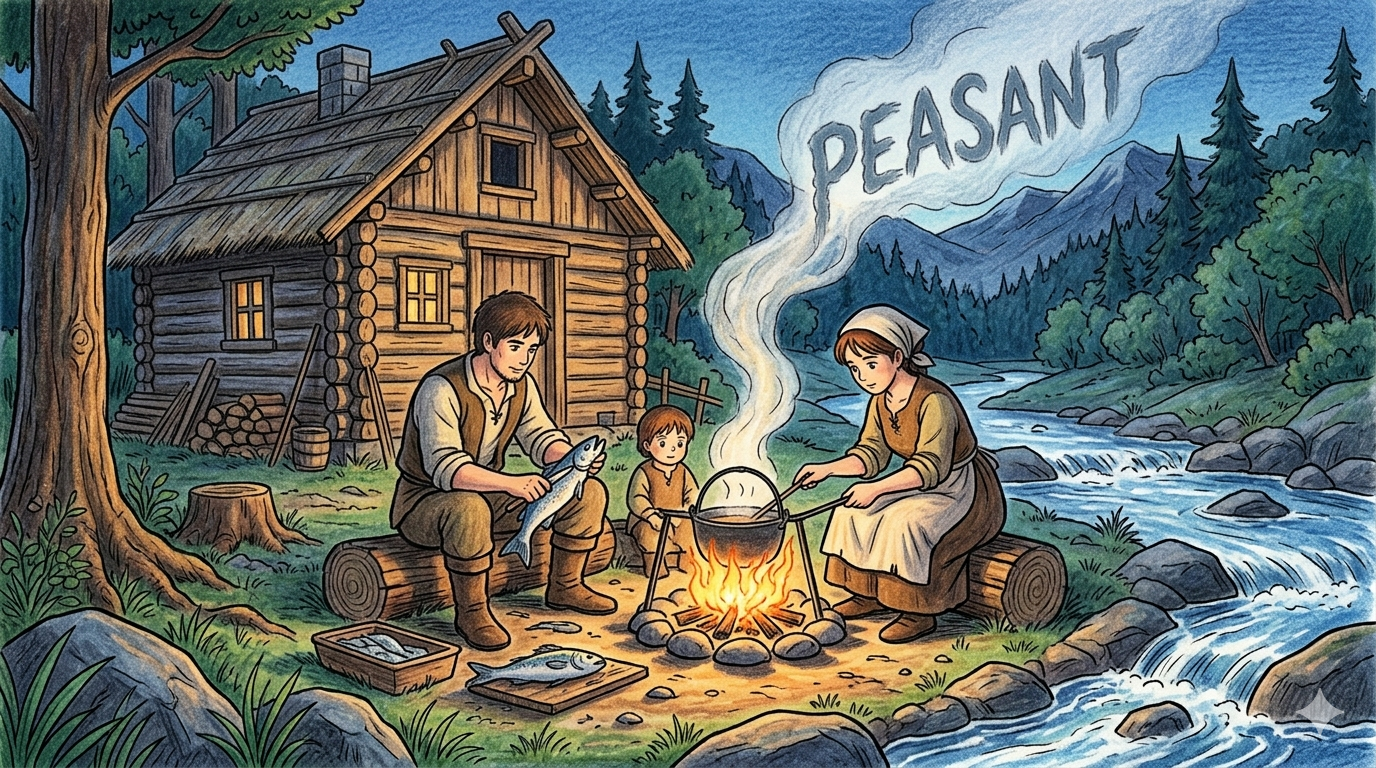
뉘앙스·의미 연결 흐름 표
핵심 이미지 연결 흐름 뉘앙스 요약
| 땅에 의존하는 낮은 신분의 사람 | 농민 계층 → 농민 생활 → 농민 문화 | 봉건 사회의 가장 낮은 계층의 삶과 문화 이미지 |
| 억압과 저항 | peasant class → peasant uprising → peasant revolt | 계층 구조→봉기→반란의 저항 이미지 |
| 공동체와 사회 | peasant community → peasant society → peasant culture | 공동체→사회 구조→문화 전통의 이미지 |
어원 흐름 표
단어 구성 요소 의미 연결 흐름 뉘앙스 요약
| 라틴어 pagus (마을·지방) → 프랑스어 paisant | 시골 마을 사람 → 낮은 신분 농민 → 억압받는 계층 | 도시가 아닌 지방의 가난하고 낮은 신분의 사람 이미지 |
| peasant (명사→형용사) | 농민 → 소작농 → 하찮은 사람 (비유) | 신분 낮음과 빈곤에서 다양한 사회적 맥락으로 확장 |
품사별 의미 표
품사 의미 예문
| 명사 | 농민, 소작농 | The peasant worked hard. (농민은 열심히 일했다.) |
| 명사 (비유) | 세련되지 못한 사람 | He felt like a peasant. (그는 촌스러운 사람 같다고 느꼈다.) |
| 형용사 | 농민의, 시골의 | Peasant traditions are rich. (농민 전통은 풍부하다.) |
활용 예문 리스트
- The peasant farmer could not afford to buy new tools and had to repair the same broken plough every season for years. (소작 농민은 새 도구를 살 여유가 없어서 수년 동안 매 계절 같은 부러진 쟁기를 수리해야 했다.)
- Historians believe that the peasant uprising was caused by a combination of bad harvests, heavy taxes, and a series of unfair laws. (역사가들은 농민 봉기가 흉작, 무거운 세금, 일련의 불공평한 법의 조합으로 인해 발생했다고 믿는다.)
- The documentary explored how peasant culture had shaped the music, food, and storytelling traditions of the whole region for centuries. (다큐멘터리는 농민 문화가 수세기 동안 어떻게 그 지역 전체의 음악, 음식, 이야기 전통을 형성해왔는지 탐구했다.)
- Life in the peasant community was physically hard but socially rich — people knew their neighbours well and helped each other through difficult times. (농민 공동체에서의 생활은 육체적으로 힘들었지만 사회적으로는 풍요로웠다 — 사람들은 이웃을 잘 알고 어려운 시기에 서로를 도왔다.)
- The peasant class had very few rights under the old feudal system and were often treated as though they belonged to the land itself. (농민 계층은 구 봉건 제도 하에서 권리가 매우 적었고 종종 땅 자체에 속한 것처럼 취급받았다.)
전체 뉘앙스 설명
peasant는 '봉건 사회에서 땅에 의존해 살아가며 가장 낮은 사회적 신분을 가진 농촌 사람에서 출발하는 모든 계층·저항·문화의 언어'입니다.
farmer와의 차이: farmer는 현대적 맥락에서 농업을 직업으로 하는 사람을 강조하고, peasant는 역사적이거나 사회적 맥락에서 낮은 신분과 빈곤을 강조합니다. serf와의 차이: serf는 법적으로 땅에 묶여 있어 이동의 자유조차 없는 완전한 봉건적 예속 상태를 강조하고, peasant는 더 넓게 낮은 신분의 농민 계층 전체를 강조합니다. villager와의 차이: villager는 단순히 마을에 사는 사람을 가리키고, peasant는 낮은 신분과 농업적 의존성을 강조합니다.
마지막 핵심 정리
peasant는 단순히 "농민"이 아닙니다 — 라틴어 pagus(마을·지방)에서 출발해, 소작 농민(peasant farmer)·농민 봉기(peasant uprising)·농민 생활(peasant life)·농민 계층(peasant class)·빈농(poor peasant)·농민 반란(peasant revolt)·농민 공동체(peasant community)·농민 사회(peasant society)·농민 문화(peasant culture)·홀대하다(treat like a peasant)까지 확장되는 단어이며, peasant vs. farmer vs. villager의 뉘앙스 구별·peasant uprising·peasant revolt·peasant class 패턴이 수능 핵심 출제 포인트입니다.
파생어 표 (발음기호 포함)
파생어 발음기호 품사 의미
| peasantry | [ˈpezəntri] | 명사 | 농민 계층 전체, 소작농들 |
| peasantlike | [ˈpezəntlaɪk] | 형용사 | 농민 같은, 소박한 |
| pagan | [ˈpeɪɡən] | 명사/형용사 | 이교도, 이교의 (같은 어원) |
| rural | [ˈrʊərəl] | 형용사 | 농촌의, 시골의 |
| serf | [sɜːrf] | 명사 | 농노 (peasant보다 더 강한 예속) |
유의어 비교표
단어 공통점 뉘앙스 차이 예문
| peasant | 농촌·저신분 관련 | 역사적 맥락의 낮은 신분 농민 강조 | The peasant paid heavy taxes. |
| farmer | 농업 관련 | 현대적 맥락의 농업 종사자 강조 | The farmer grew wheat. |
| serf | 농촌·예속 관련 | 법적으로 땅에 묶인 완전한 예속 강조 | The serf could not leave the land. |
| villager | 농촌·거주 관련 | 마을에 거주하는 사람 강조 | The villager went to market. |
| labourer | 노동·하위 계층 관련 | 육체 노동에 종사하는 사람 강조 | The labourer worked in the field. |
유의어 예문 리스트
- (farmer) The farmer used modern equipment to plant and harvest his large field of wheat much more efficiently than his grandfather had. (농부는 할아버지보다 훨씬 더 효율적으로 밀 대형 밭을 심고 수확하기 위해 현대 장비를 사용했다.)
- (serf) Under the feudal system, a serf was not free to leave the land and had to work for the lord whether they wanted to or not. (봉건 제도 하에서 농노는 땅을 자유롭게 떠날 수 없었고 원하든 원하지 않든 영주를 위해 일해야 했다.)
- (villager) The villagers came together every year for the harvest festival that had been celebrated for longer than anyone could remember. (마을 사람들은 아무도 기억할 수 없을 만큼 오래전부터 축하되어 온 추수 축제를 위해 매년 함께 모였다.)
- (labourer) The labourers who worked on the construction of the great cathedral spent their whole lives building something they would never live to see completed. (대성당 건설에 종사한 노동자들은 완성되는 것을 살아서 볼 수 없는 것을 만드는 데 평생을 보냈다.)
결론 정리
peasant는 단순히 "농민"이 아니라, 봉건 사회에서 땅에 의존해 살아가며 가장 낮은 사회적 신분을 가진 농촌 사람의 이미지에서 출발해 소작 농민·농민 봉기·농민 생활·농민 계층·빈농·농민 반란·농민 공동체·농민 사회·농민 문화까지 확장되는 단어다 — peasant가 있는 곳엔 언제나 '땅에 묶이고 권력에 짓눌리면서도 역사와 문화를 만들어온 사람들'의 이야기가 있다.
💡 peasant는 "봉건 사회에서 가장 낮은 신분으로 땅에 의존해 살아간 농민"의 단어 — peasant uprising·peasant revolt·peasant class 가 수능 최빈출.
🌟 초등학생 버전 peasant는 단순히 "농민"이 아니에요! peasant uprising은 너무 힘들고 불공평한 대우를 참다 못한 농민들이 함께 일어서는 것처럼 참을 수 없어서 함께 저항하는 것이고, peasant community는 혼자서는 할 수 없는 추수를 이웃과 함께 돕는 것처럼 서로 돕고 함께 사는 농민 공동체예요! 🌍✨
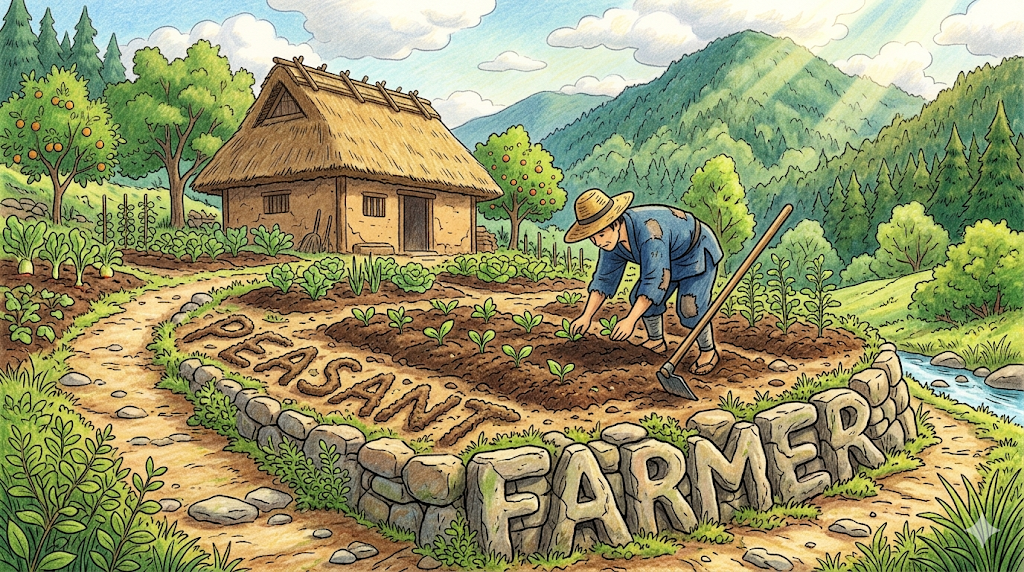
peasant farmer [ˈpezənt ˈfɑːrmər]
품사/뉘앙스 설명 (명사구) 소작 농민, 자급자족 농민
대규모 농업 기업이 아닌 작은 땅에서 주로 자신과 가족이 먹을 작물을 재배하는 농민을 강조합니다. 현대의 상업적 농부(farmer)와 달리 생존을 위해 최소한의 것을 재배한다는 것이 핵심 뉘앙스입니다. 수능 독해 역사·사회·경제 지문의 핵심 표현입니다.
- The peasant farmer and his wife woke up before dawn every day to tend to their small vegetable plot before the heat of the day made it too uncomfortable. (소작 농민과 그의 아내는 매일 새벽 전에 일어나 하루의 열기가 너무 불쾌해지기 전에 작은 채소밭을 돌봤다.)
- Many peasant farmers in the region still used hand tools because they could not afford the machinery that larger farms used. (그 지역의 많은 소작 농민들은 더 큰 농장이 사용하는 기계를 살 여유가 없어서 여전히 손 도구를 사용했다.)
- The life of a peasant farmer depended entirely on the weather — a good harvest meant survival, while a bad one could mean starvation. (소작 농민의 삶은 완전히 날씨에 달려 있었다 — 풍작은 생존을 의미했고 흉작은 굶주림을 의미할 수 있었다.)
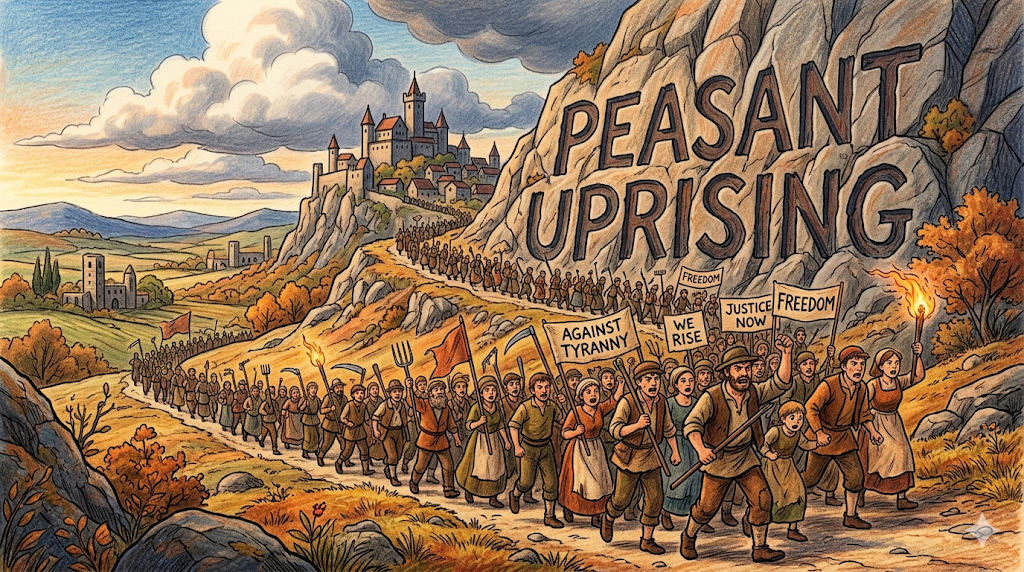
peasant uprising [ˈpezənt ˈʌprаɪzɪŋ]
품사/뉘앙스 설명 (명사구) 농민 봉기, 농민 반란
불공평한 대우나 극심한 가난에 지친 농민들이 지주나 귀족, 또는 정부에 대항하여 집단적으로 일어서는 것을 강조합니다. 오랫동안 쌓인 분노와 절망이 임계점에 달해 터지는 것이 핵심 뉘앙스입니다. 수능 독해 역사·사회 지문의 핵심 표현입니다.
- The peasant uprising spread quickly from one village to the next as word of the rebellion reached more and more people across the region. (농민 봉기가 반란의 소식이 지역 전체에 점점 더 많은 사람들에게 전해지면서 한 마을에서 다음 마을로 빠르게 퍼졌다.)
- The government was unprepared for the peasant uprising and was shocked by how quickly the movement grew in size and strength. (정부는 농민 봉기에 준비가 되지 않았고 운동이 얼마나 빠르게 규모와 힘에서 성장했는지에 충격을 받았다.)
- Historians still debate whether the peasant uprising was truly a revolution or simply a desperate cry for help from people who had been pushed too far. (역사가들은 농민 봉기가 진정한 혁명이었는지 아니면 단순히 너무 멀리 밀린 사람들의 절박한 도움의 외침이었는지에 대해 여전히 논쟁하고 있다.)

peasant life [ˈpezənt laɪf]
품사/뉘앙스 설명 (명사구) 농민 생활, 소작농의 삶
봉건 시대나 전통 사회에서 농민들이 살아가는 방식과 일상을 강조합니다. 고된 노동·소박한 생활·자연에의 의존이 핵심 뉘앙스입니다. 수능 독해 역사·문화·사회 지문에서 자주 등장합니다.
- Peasant life was not only about hard work — it also involved singing, dancing, storytelling, and celebrating festivals that marked the seasons. (농민 생활은 단순히 힘든 노동만이 아니었다 — 계절을 기념하는 노래, 춤, 이야기, 축제 축하도 포함했다.)
- The novel described peasant life in medieval France so vividly that readers could almost smell the earth and feel the rough texture of the homespun cloth. (소설은 중세 프랑스의 농민 생활을 너무나 생생하게 묘사해서 독자들은 거의 흙 냄새를 맡고 손으로 짠 천의 거친 질감을 느낄 수 있을 것 같았다.)
- The photographs from the early twentieth century gave a rare glimpse into peasant life that had changed very little over the previous five hundred years. (20세기 초의 사진들은 이전 500년 동안 거의 변하지 않은 농민 생활을 드물게 엿볼 수 있게 해줬다.)

peasant class [ˈpezənt klɑːs]
품사/뉘앙스 설명 (명사구) 농민 계층, 농민 계급
봉건 사회에서 귀족·성직자 등의 상위 계층에 비해 가장 낮은 사회적 지위를 차지하는 농민들의 집단을 강조합니다. 개인이 아닌 집단으로서의 사회적 위치와 권력 관계가 핵심 뉘앙스입니다. 수능 독해 역사·사회 지문의 핵심 표현입니다.
- The peasant class was expected to be obedient and work hard without questioning the authority of the nobles who owned the land. (농민 계층은 땅을 소유한 귀족의 권위에 의문을 제기하지 않고 순종하며 열심히 일할 것으로 기대됐다.)
- Education was rarely available to the peasant class, which made it almost impossible for anyone born into it to rise to a higher social position. (교육은 농민 계층에게 거의 제공되지 않아서 그 계층에서 태어난 사람이 더 높은 사회적 위치로 올라가는 것이 거의 불가능했다.)
- The social structure placed the peasant class at the very bottom, responsible for producing all the food that sustained the society above them. (사회 구조는 농민 계층을 가장 밑바닥에 위치시켜 그들 위의 사회를 유지하는 모든 음식을 생산하는 책임을 맡겼다.)

poor peasant [pʊər ˈpezənt]
품사/뉘앙스 설명 (명사구) 가난한 농민, 빈농
극심한 가난으로 땅도 없거나 매우 작은 땅만 가진 최하위 농민 계층을 강조합니다. 다른 농민들에 비해서도 더욱 극심한 빈곤 상태라는 것이 핵심 뉘앙스입니다. 수능 독해 역사·사회·경제 지문에서 자주 등장합니다.
- The poor peasants relied on charity from the local church when the harvest failed and there was nothing left to eat. (가난한 농민들은 수확이 실패하고 먹을 것이 없을 때 지역 교회의 자선에 의존했다.)
- A poor peasant with no land had to offer his labour to whoever would hire him just to earn enough to buy food for his children. (땅이 없는 가난한 농민은 자식을 위한 음식을 살 충분한 것을 벌기 위해 자신을 고용하려는 누구에게든 노동을 제공해야 했다.)
- The painting showed a poor peasant family sharing a single bowl of soup, dressed in torn clothes, sitting on the bare earth floor of their tiny cottage. (그림은 단 하나의 수프 그릇을 나눠 먹고, 찢어진 옷을 입고, 작은 오두막의 맨 흙 바닥에 앉아 있는 가난한 농민 가족을 보여줬다.)
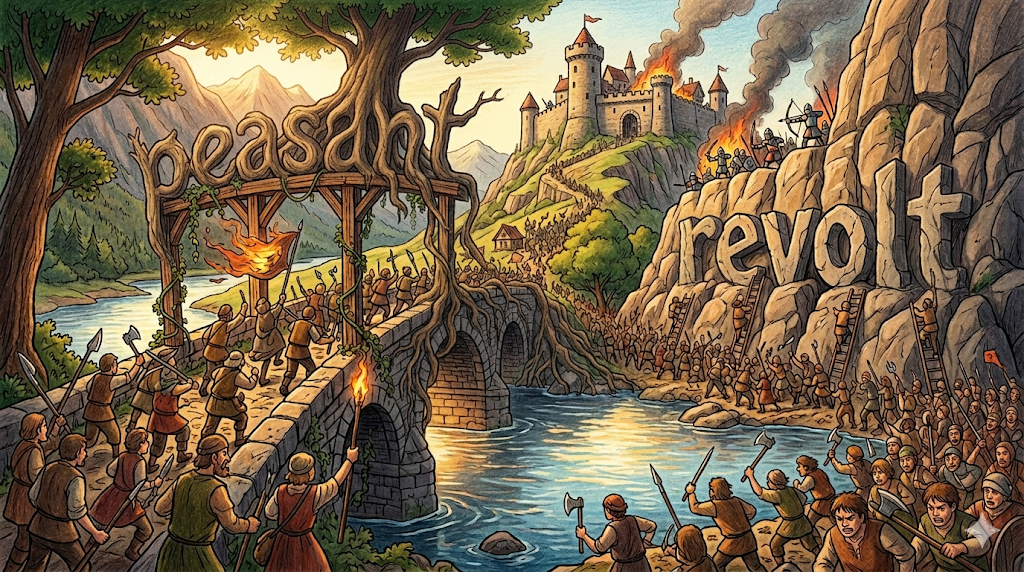
peasant revolt [ˈpezənt rɪˈvoʊlt]
품사/뉘앙스 설명 (명사구) 농민 반란
착취와 억압에 저항하여 농민들이 조직적으로 지배 계층에 맞서 싸우는 것을 강조합니다. peasant uprising보다 더 조직적이고 강력한 저항의 의미가 있으며, 실제 폭력적 충돌이 수반되는 경우가 많다는 것이 핵심 뉘앙스입니다. 수능 독해 역사·정치·사회 지문의 핵심 표현입니다.
- The peasant revolt forced the king to negotiate with the farmers for the first time, showing that ordinary people could have real power when they acted together. (농민 반란은 왕이 처음으로 농민들과 협상하도록 강요했으며 일반 사람들이 함께 행동할 때 실제 권력을 가질 수 있음을 보여줬다.)
- Some historians argue that the peasant revolt was not just about economics but also about dignity — the desire of ordinary people to be treated as human beings. (일부 역사가들은 농민 반란이 단순히 경제에 관한 것이 아니라 존엄성에 관한 것이기도 했다고 주장한다 — 일반 사람들이 인간으로 대우받고자 하는 욕구.)
- The peasant revolt was eventually put down by the army, but its effects were felt for generations as the ruling class became more cautious about how far it could push the people. (농민 반란은 결국 군대에 의해 진압됐지만 지배 계층이 사람들을 얼마나 멀리 밀어붙일 수 있는지에 대해 더 신중해지면서 그 영향은 수세대 동안 느껴졌다.)

peasant community [ˈpezənt kəˈmjuːnɪti]
품사/뉘앙스 설명 (명사구) 농민 공동체, 농촌 공동체
함께 일하고 서로 돕는 농민들의 집단적 생활 방식을 강조합니다. 개인보다 집단의 결속과 상호 협력이 핵심이라는 것이 핵심 뉘앙스입니다. 수능 독해 역사·사회·문화 지문에서 자주 등장합니다.
- The strength of the peasant community lay in its ability to share resources and support each other through difficult times such as drought or illness. (농민 공동체의 강점은 가뭄이나 질병 같은 어려운 시기에 자원을 공유하고 서로를 지원하는 능력에 있었다.)
- In the peasant community, decisions about land use and water were often made by the whole group rather than by any single leader. (농민 공동체에서 토지 이용과 물에 관한 결정은 종종 어느 한 지도자가 아닌 전체 그룹에 의해 내려졌다.)
- The researcher spent two years living in the peasant community to understand how their social bonds and shared traditions had kept them together for centuries. (연구자는 그들의 사회적 유대와 공유된 전통이 어떻게 수세기 동안 그들을 함께 유지해왔는지 이해하기 위해 2년을 농민 공동체에서 살았다.)

peasant society [ˈpezənt səˈsaɪəti]
품사/뉘앙스 설명 (명사구) 농민 사회
농업이 중심이 되고 농민 계층이 주를 이루는 사회 구조를 강조합니다. 현대 산업 사회와 대비되는 전통적이고 농업 기반의 사회 형태라는 것이 핵심 뉘앙스입니다. 수능 독해 역사·사회·인문 지문의 핵심 표현입니다.
- In a peasant society, the rhythm of life was determined by the seasons — planting in spring, growing in summer, harvesting in autumn, and resting in winter. (농민 사회에서 삶의 리듬은 계절에 의해 결정됐다 — 봄에 파종, 여름에 성장, 가을에 수확, 겨울에 휴식.)
- Sociologists study how peasant societies around the world made the transition to industrial economies and what was lost in the process. (사회학자들은 전 세계의 농민 사회가 산업 경제로 어떻게 전환됐는지와 그 과정에서 무엇이 사라졌는지 연구한다.)
- The government's decision to build a dam on the river threatened to destroy the peasant society that had lived along its banks for over a thousand years. (강에 댐을 건설하려는 정부의 결정은 천 년 이상 그 둑을 따라 살아온 농민 사회를 파괴할 위협을 가했다.)
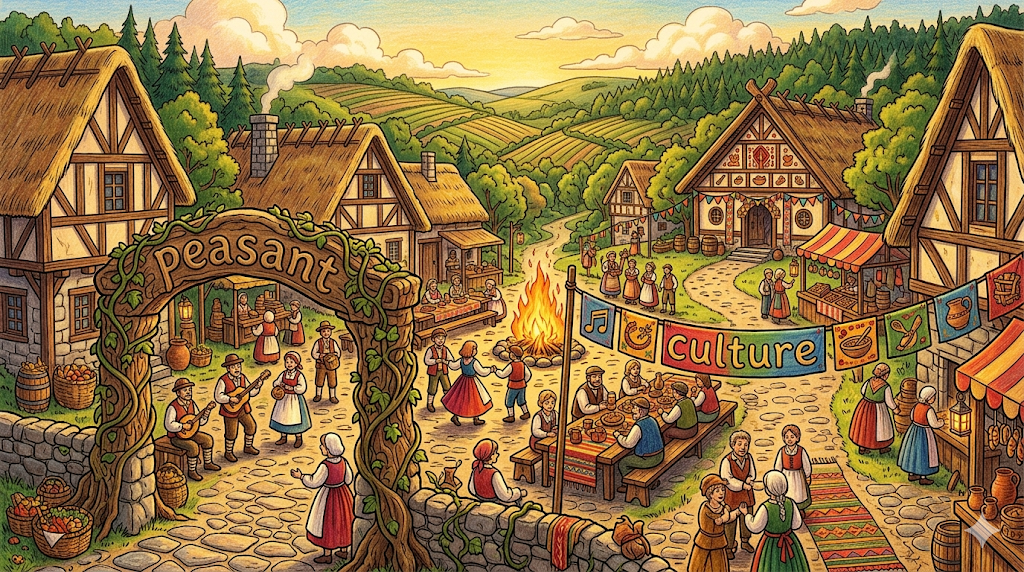
peasant culture [ˈpezənt ˈkʌltʃər]
품사/뉘앙스 설명 (명사구) 농민 문화, 민중 문화
농민들이 세대에 걸쳐 발전시켜 온 고유한 음악·음식·예술·풍습 등의 문화적 전통을 강조합니다. 엘리트 문화나 귀족 문화와 대비되는 민중의 문화라는 것이 핵심 뉘앙스입니다. 수능 독해 역사·문화·사회 지문에서 자주 등장합니다.
- Many elements of modern popular music can be traced back to peasant culture — the folk songs that workers sang as they ploughed fields or walked long distances. (현대 대중음악의 많은 요소들은 밭을 갈거나 장거리를 걸으면서 부른 농민 문화의 민요로 거슬러 올라갈 수 있다.)
- Peasant culture was often dismissed by the educated classes as simple or rough, but it contained wisdom and artistry that had been refined over hundreds of years. (농민 문화는 종종 교육받은 계층에 의해 단순하거나 거친 것으로 무시됐지만 수백 년에 걸쳐 다듬어진 지혜와 예술성을 담고 있었다.)
- The museum's new exhibition celebrated peasant culture and showed visitors that the creativity of ordinary people was just as valuable as the art produced in grand courts and palaces. (박물관의 새 전시회는 농민 문화를 기념하고 방문객들에게 일반 사람들의 창의성이 웅장한 궁궐에서 생산된 예술만큼 가치 있다는 것을 보여줬다.)

treat like a peasant [triːt laɪk ə ˈpezənt]
품사/뉘앙스 설명 (동사구) 농민처럼 홀대하다, 하찮게 여기다
누군가를 낮은 신분이나 가치도 없는 것처럼 무시하고 존중하지 않는 것을 강조합니다. 역사적으로 농민들이 받아온 차별적 대우를 비유적으로 사용하는 것이 핵심 뉘앙스입니다. 수능 독해 사회·심리·인문 지문에서 자주 등장합니다.
- The new employee was shocked to see how the senior manager treated the cleaning staff like peasants, never saying thank you or even acknowledging their presence. (신입 직원은 선임 매니저가 청소 직원들을 농민처럼 홀대하며 감사하다고 말하거나 그들의 존재를 인정조차 하지 않는 것을 보고 충격을 받았다.)
- She refused to accept being treated like a peasant just because she came from a small town, and stood her ground with dignity. (그녀는 작은 마을 출신이라는 이유만으로 농민처럼 홀대받는 것을 거부하고 품위 있게 자신의 입장을 고수했다.)
- The documentary argued that many low-wage workers in modern economies are effectively treated like peasants — essential to society yet invisible and unappreciated. (다큐멘터리는 현대 경제의 많은 저임금 노동자들이 사실상 농민처럼 취급받는다고 주장했다 — 사회에 필수적이지만 눈에 보이지 않고 인정받지 못하는.)
숙어 그룹 묶음 1 — 계층과 신분 peasant 핵심 패턴
표현 의미 핵심 뉘앙스 주요 맥락
| peasant class | 농민 계층 | 사회 구조 안에서 농민들이 차지하는 가장 낮은 위치 | 역사·사회 |
| poor peasant | 가난한 농민 | 다른 농민들에 비해서도 더욱 극심한 빈곤 상태 | 역사·사회·경제 |
| treat like a peasant | 농민처럼 홀대하다 | 낮은 신분처럼 무시하고 존중하지 않는 것 | 사회·심리·인문 |
이 세 표현은 모두 peasant의 "낮은 신분과 사회적 위치" 이미지를 공유하되, 각각 사회 구조 안에서의 집단적 위치(peasant class)·극심한 개인적 빈곤(poor peasant)·낮은 신분처럼 무시하는 행동(treat like a peasant)의 관점에서 접근합니다.
- The poor peasant who had always been treated as the lowest of the peasant class finally spoke out against being treated like a peasant all his life, and his words inspired many others who had felt the same way but were too afraid to say so. (농민 계층 중에서도 가장 낮은 사람으로 항상 대우받았던 가난한 농민이 평생 농민처럼 홀대받는 것에 대해 마침내 목소리를 높였고, 그의 말은 같은 감정을 느꼈지만 말하기 너무 두려웠던 많은 다른 사람들에게 영감을 줬다.)
- The history teacher explained how the peasant class included both middle peasants with enough to eat and poor peasants who often went hungry, and how both groups were equally treated like peasants by the noble families who controlled the land. (역사 선생님은 농민 계층이 먹기에 충분한 중간 농민과 종종 굶주리는 가난한 농민 모두를 포함했으며, 두 그룹 모두 땅을 통제하는 귀족 가문에 의해 동등하게 농민처럼 홀대받았다고 설명했다.)
- The sociologist argued that even in modern times, certain groups remain trapped in a position similar to the old peasant class — not legally poor peasants, but still treated like peasants by systems that ignore their needs and contributions to society. (사회학자는 현대에도 특정 그룹들이 여전히 오래된 농민 계층과 유사한 위치에 갇혀 있다고 주장했다 — 법적으로 가난한 농민은 아니지만 여전히 사회에 대한 그들의 필요와 기여를 무시하는 시스템에 의해 농민처럼 홀대받는다고.)
숙어 그룹 묶음 2 — 저항과 반란 peasant 심화 패턴
표현 의미 핵심 뉘앙스 주요 맥락
| peasant uprising | 농민 봉기 | 오랫동안 쌓인 분노가 터져 집단적으로 일어서는 것 | 역사·사회 |
| peasant revolt | 농민 반란 | 더 조직적이고 강력하며 폭력을 수반하는 저항 | 역사·정치·사회 |
| peasant class | 농민 계층 | 억압받는 집단으로서의 농민들의 사회적 위치 | 역사·사회 |
이 세 표현은 모두 peasant의 "억압에 맞서는 농민" 이미지를 공유하되, 각각 분노가 폭발해 집단적으로 일어서는 것(peasant uprising)·조직적이고 강력한 반란(peasant revolt)·사회 구조 안에서의 억압받는 집단(peasant class)의 관점에서 접근합니다.
- What started as a small peasant uprising in one village grew into a large-scale peasant revolt that shook the entire peasant class into realising that collective action was the only way to change their circumstances. (한 마을에서 작은 농민 봉기로 시작된 것이 대규모 농민 반란으로 성장해 농민 계층 전체를 집단적 행동이 자신들의 상황을 바꾸는 유일한 방법임을 깨닫게 했다.)
- The history textbook compared several peasant uprisings across Europe and showed how each one eventually turned into a peasant revolt when the ruling authorities refused to listen — proving that when an entire peasant class is pushed too far, resistance is inevitable. (역사 교과서는 유럽 전역의 여러 농민 봉기를 비교하고 지배 당국이 듣기를 거부했을 때 각각이 어떻게 결국 농민 반란으로 변했는지 보여줬다 — 전체 농민 계층이 너무 멀리 밀릴 때 저항은 불가피하다는 것을 증명하면서.)
- She wrote in her essay that every peasant uprising in history was not a sign of chaos but a sign of desperation — that a peasant revolt only happened when the peasant class had been pushed beyond what any human being could reasonably endure. (그녀는 에세이에서 역사의 모든 농민 봉기는 혼돈의 표시가 아니라 절망의 표시였다고 썼다 — 농민 반란은 농민 계층이 어떤 인간도 합리적으로 견딜 수 없는 것을 넘어 밀렸을 때만 일어났다고.)
숙어 그룹 묶음 3 — 공동체와 사회 peasant 심화 패턴
표현 의미 핵심 뉘앙스 주요 맥락
| peasant community | 농민 공동체 | 서로 돕고 결속하는 농민들의 집단적 삶 | 역사·사회·문화 |
| peasant society | 농민 사회 | 농업 중심의 전통적 사회 구조 | 역사·사회·인문 |
| peasant culture | 농민 문화 | 세대를 거쳐 전해 내려온 농민들의 고유한 문화 전통 | 역사·문화·사회 |
이 세 표현은 모두 peasant의 "농민들의 집단적 삶과 문화" 이미지를 공유하되, 각각 서로를 돕는 결속된 공동체(peasant community)·농업 중심의 사회 구조(peasant society)·세대를 거쳐 전해 내려온 문화 전통(peasant culture)의 관점에서 접근합니다.
- The anthropologist showed how the peasant community was the heart of peasant society — the place where the rules were made, disputes were settled, and peasant culture in all its forms was kept alive and passed on to the next generation. (인류학자는 농민 공동체가 농민 사회의 심장이었다고 보여줬다 — 규칙이 만들어지고, 분쟁이 해결되며, 모든 형태의 농민 문화가 살아있게 유지되고 다음 세대에 전달되는 장소였다고.)
- As peasant society began to change with industrialisation, the old peasant community broke apart, and much of the traditional peasant culture — songs, crafts, and customs that had existed for centuries — was lost within just a few generations. (농민 사회가 산업화와 함께 변하기 시작하면서 오래된 농민 공동체가 해체됐고 수세기 동안 존재했던 전통적인 농민 문화의 많은 부분 — 노래, 공예, 관습 — 이 불과 몇 세대 만에 사라졌다.)
- The teacher asked the students to imagine what it felt like to live inside a peasant community at the heart of a peasant society — and then to think about which aspects of peasant culture might actually be worth preserving even today. (선생님은 학생들에게 농민 사회의 핵심인 농민 공동체 안에서 살면 어떤 느낌일지 상상해보도록 하고, 그런 다음 농민 문화의 어떤 측면이 오늘날에도 실제로 보존할 가치가 있을지 생각해보도록 요청했다.)
숙어 그룹 묶음 4 — 삶과 생산 peasant 완성 패턴
표현 의미 핵심 뉘앙스 주요 맥락
| peasant farmer | 소작 농민 | 작은 땅에서 자신과 가족을 위해 재배하는 농민 | 역사·사회·경제 |
| peasant life | 농민 생활 | 고된 노동과 소박함이 함께하는 농민의 일상 | 역사·문화·사회 |
| peasant community | 농민 공동체 | 서로 돕고 결속하는 농민들의 집단적 삶 | 역사·사회·문화 |
이 세 표현은 함께 peasant가 나타내는 개인·일상·공동체의 스펙트럼을 보여줍니다. peasant farmer는 농민 개인의 생산 활동을, peasant life는 그 개인의 일상적 삶을, peasant community는 그 개인들이 모여 이루는 집단적 삶을 각각 강조합니다.
- The peasant farmer who worked the land alone all morning would join the rest of the peasant community in the afternoon, because peasant life was built around the understanding that no one person could survive the challenges of each year without the help of others. (오전 내내 혼자 땅을 일구는 소작 농민은 오후에 나머지 농민 공동체와 합류했는데, 농민 생활은 어느 누구도 다른 사람의 도움 없이 매년의 도전에서 살아남을 수 없다는 이해를 중심으로 만들어졌기 때문이었다.)
- The museum exhibition traced the daily routine of a typical peasant farmer — from the early morning chores to the evening meals — to show visitors what peasant life was really like and how the peasant community shaped every part of that experience. (박물관 전시회는 전형적인 소작 농민의 일과를 추적했다 — 이른 아침 집안일부터 저녁 식사까지 — 방문객들에게 농민 생활이 실제로 어떤 것이었는지와 농민 공동체가 그 경험의 모든 부분을 어떻게 형성했는지 보여주기 위해서.)
- She wrote in her final essay that peasant life has often been portrayed as only poverty and struggle, but that the peasant farmer's relationship with the land and the peasant community's bond with each other represented a kind of richness that modern, isolated city life often lacks. (그녀는 최종 에세이에서 농민 생활은 종종 빈곤과 투쟁으로만 묘사됐지만 소작 농민의 땅과의 관계와 농민 공동체의 서로 간의 유대는 현대의 고립된 도시 생활이 종종 결여하는 일종의 풍요로움을 나타냈다고 썼다.)
전체 요약표
표현 의미 핵심 뉘앙스
| peasant | 농민, 소작농, 농민의 | 봉건 사회에서 땅에 의존하는 가장 낮은 신분의 농촌 사람 |
| peasant farmer | 소작 농민 | 작은 땅에서 자신과 가족을 위해 재배하는 농민 |
| peasant uprising | 농민 봉기 | 오랫동안 쌓인 분노가 터져 집단적으로 일어서는 것 |
| peasant life | 농민 생활 | 고된 노동과 소박함이 함께하는 농민의 일상 |
| peasant class | 농민 계층 | 사회 구조 안에서 농민들이 차지하는 가장 낮은 위치 |
| poor peasant | 가난한 농민 | 다른 농민들에 비해서도 더욱 극심한 빈곤 상태 |
| peasant revolt | 농민 반란 | 더 조직적이고 강력하며 폭력을 수반하는 저항 |
| peasant community | 농민 공동체 | 서로 돕고 결속하는 농민들의 집단적 삶 |
| peasant society | 농민 사회 | 농업 중심의 전통적 사회 구조 |
| peasant culture | 농민 문화 | 세대를 거쳐 전해 내려온 농민들의 고유한 문화 전통 |
| treat like a peasant | 농민처럼 홀대하다 | 낮은 신분처럼 무시하고 존중하지 않는 것 |
유의어 비교표

단어 공통점 뉘앙스 차이 예문
| peasant | 농촌·저신분 관련 | 역사적 맥락의 낮은 신분 농민 강조 | The peasant paid heavy taxes. |
| farmer | 농업 관련 | 현대적 맥락의 농업 종사자 강조 | The farmer grew wheat. |
| serf | 농촌·예속 관련 | 법적으로 땅에 묶인 완전한 예속 강조 | The serf could not leave the land. |
| villager | 농촌·거주 관련 | 마을에 거주하는 사람 강조 | The villager went to market. |
| labourer | 노동·하위 계층 관련 | 육체 노동에 종사하는 사람 강조 | The labourer worked in the field. |
결론 정리
peasant는 단순히 "농민"이 아니라, 봉건 사회에서 땅에 의존해 살아가며 가장 낮은 사회적 신분을 가진 농촌 사람의 이미지에서 출발해 소작 농민·농민 봉기·농민 생활·농민 계층·빈농·농민 반란·농민 공동체·농민 사회·농민 문화까지 확장되는 단어다 — peasant가 있는 곳엔 언제나 '땅에 묶이고 권력에 짓눌리면서도 역사와 문화를 만들어온 사람들'의 이야기가 있다.
💡 peasant는 "봉건 사회에서 가장 낮은 신분으로 땅에 의존해 살아간 농민"의 단어 — peasant uprising·peasant revolt·peasant class 가 수능 최빈출.
🌟 초등학생 버전 peasant는 단순히 "농민"이 아니에요! peasant uprising은 너무 힘들고 불공평한 대우를 참다 못한 농민들이 함께 일어서는 것처럼 참을 수 없어서 함께 저항하는 것이고, peasant community는 혼자서는 할 수 없는 추수를 이웃과 함께 돕는 것처럼 서로 돕고 함께 사는 농민 공동체예요! 🌍✨


