- 분류 전체보기 (5462)

| 일 | 월 | 화 | 수 | 목 | 금 | 토 |
|---|---|---|---|---|---|---|
| 1 | 2 | |||||
| 3 | 4 | 5 | 6 | 7 | 8 | 9 |
| 10 | 11 | 12 | 13 | 14 | 15 | 16 |
| 17 | 18 | 19 | 20 | 21 | 22 | 23 |
| 24 | 25 | 26 | 27 | 28 | 29 | 30 |
| 31 |
- too.
- Hey
- I'm glad to hear that.
- By The Way
- Actually
- pick up
- Sure
- Please
- oh
- make it
- please.
- Don't worry
- Sorry
- Right?
- Yes
- Excuse me
- I'm not sure
- work out
- hold on
- no
- entrance fee
- Read between the lines
- well
- please?
- Yeah
- I'm sorry
- OKay
- call off
- once in a while
- come up with
- Today
- Total
인과함께
Day356 , paragraph, opening paragraph, closing paragraph, topic paragraph, body paragraph, write a paragraph, paragraph break, paragraph structure, supporting paragraph, introductory paragraph, concluding paragraph 본문
Day356 , paragraph, opening paragraph, closing paragraph, topic paragraph, body paragraph, write a paragraph, paragraph break, paragraph structure, supporting paragraph, introductory paragraph, concluding paragraph
미인생 2026. 4. 27. 09:56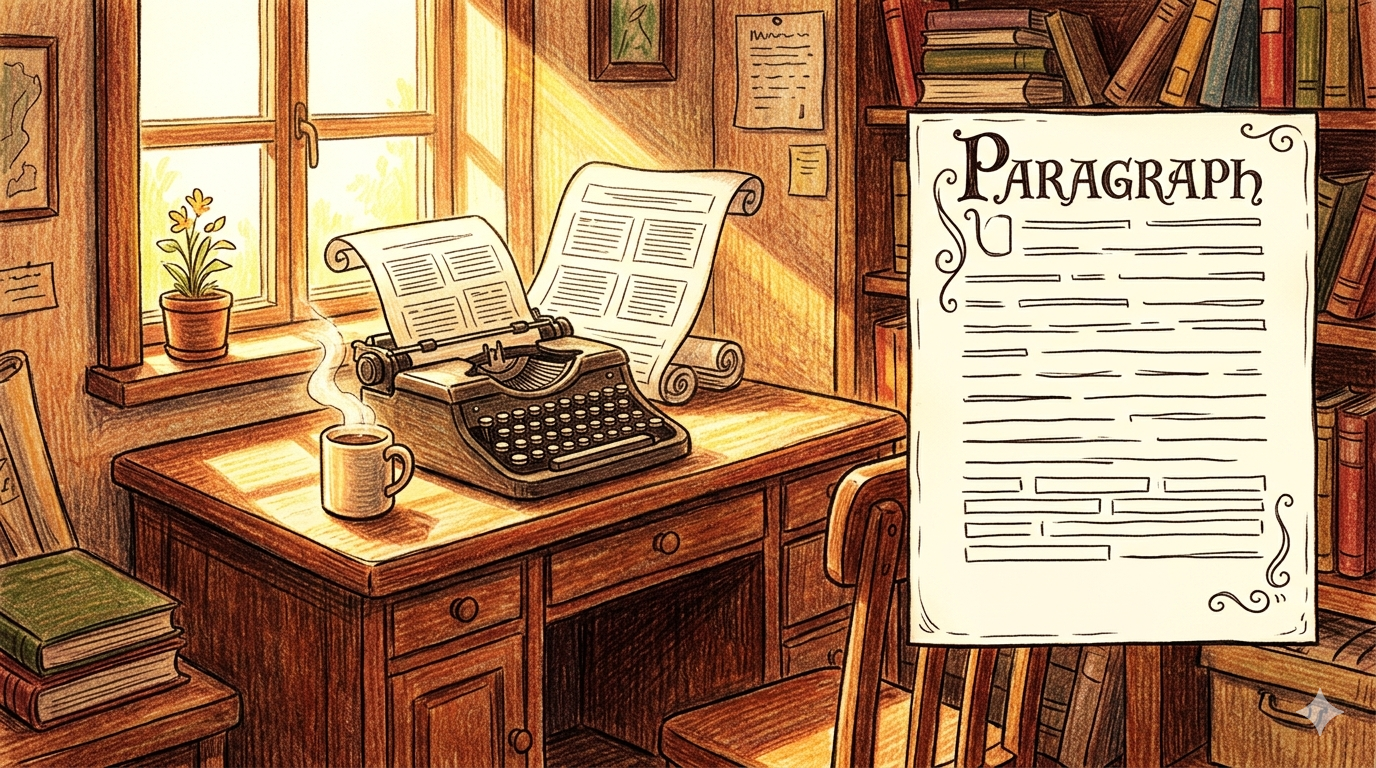
paragraph [ˈpærəɡræf]
(명사/동사) 단락, 문단 / 단락으로 나누다
'paragraph'를 단순히 "단락"으로만 외우면 수능에서 반드시 틀립니다. paragraph는 "하나의 중심 생각을 전달하기 위해 여러 문장을 하나로 묶어 구성한 글의 기본 단위" 라는 핵심 이미지에서 출발해, 글쓰기 구조·논리적 구성·주제 전달·독자와의 소통까지 폭넓게 쓰이는 핵심 다의어입니다. 특히 paragraph(하나의 중심 생각을 담은 단위) vs. sentence(개별 문장) vs. passage(여러 단락으로 구성된 글의 일부) 의 뉘앙스 차이, opening paragraph(도입 단락), concluding paragraph(결론 단락) 패턴은 수능 독해 교육·논설·사회·문화 지문에서 핵심적으로 등장합니다.
'paragraph'는 그리스어 paragraphos(옆에 쓰다)에서 유래했으며, para-(옆에, 곁에) + graphein(쓰다)의 결합으로 이루어져 있습니다. 어원의 핵심 이미지는 "본문 옆에 표시를 하여 새로운 부분이 시작됨을 알리는 것" 으로, 단순한 글의 덩어리가 아닌 하나의 완결된 생각을 담아 글을 체계적으로 나누고 독자를 안내하는 구조적 단위가 이 단어의 본질입니다.
1. opening paragraph [ˈoʊpənɪŋ ˈpærəɡræf]
(명사구/수능) "도입 단락, 첫 문단"을 뜻합니다. 글의 맨 처음에 오는 단락으로, 독자의 관심을 끌고 글의 주제와 방향을 제시합니다. 수능 독해 글의 구조·논설·교육 지문의 핵심 표현입니다.
The opening paragraph of her essay immediately caught the reader's attention with a surprising question about daily habits. (에세이의 도입 단락은 일상적인 습관에 관한 놀라운 질문으로 즉시 독자의 주의를 사로잡았다.)
2. closing paragraph [ˈkloʊzɪŋ ˈpærəɡræf]
(명사구/수능) "마무리 단락, 끝 문단"을 뜻합니다. 글의 맨 마지막에 오는 단락으로, 글의 내용을 마무리하고 독자에게 마지막 인상을 남깁니다. 수능 독해 글의 구조·논설 지문의 핵심 표현입니다.
The closing paragraph tied all the main ideas together and left the reader with something important to think about. (마무리 단락은 모든 주요 아이디어를 하나로 묶고 독자에게 생각할 중요한 것을 남겼다.)
3. topic paragraph [ˈtɒpɪk ˈpærəɡræf]
(명사구/수능) "주제 단락"을 뜻합니다. 글 전체의 핵심 주제를 담고 있는 단락을 가리킵니다. 수능 독해 글의 구조·교육 지문에서 자주 등장합니다.
The topic paragraph clearly stated the main argument and gave the reader a clear sense of what the whole essay would discuss. (주제 단락은 주요 주장을 명확하게 밝히고 독자에게 전체 에세이가 무엇을 논의할지에 대한 명확한 감각을 줬다.)
4. body paragraph [ˈbɒdi ˈpærəɡræf]
(명사구/수능) "본론 단락"을 뜻합니다. 도입과 결론 사이에 오는 단락으로, 주요 주장을 뒷받침하는 증거와 설명을 담습니다. 수능 독해 글의 구조·교육·논설 지문의 핵심 표현입니다.
Each body paragraph should focus on one main point and support it with clear examples and evidence. (각 본론 단락은 하나의 주요 요점에 집중하고 명확한 예시와 증거로 그것을 뒷받침해야 한다.)
5. write a paragraph [raɪt ə ˈpærəɡræf]
(동사구/수능) "단락을 쓰다, 문단을 작성하다"를 뜻합니다. 완성된 단락 하나를 작성하는 행위를 강조합니다. 수능 독해 교육·사회 지문에서 자주 등장합니다.
The teacher asked each student to write a paragraph about what they had learned from the science experiment. (선생님은 각 학생에게 과학 실험에서 배운 것에 대해 단락을 쓰도록 요청했다.)
6. paragraph break [ˈpærəɡræf breɪk]
(명사구/수능) "단락 구분, 문단 구분"을 뜻합니다. 한 단락이 끝나고 새 단락이 시작될 때 생기는 공백이나 들여쓰기를 가리킵니다. 수능 독해 글의 구조·교육 지문에서 자주 등장합니다.
She added a paragraph break between the two sections to show the reader that a new idea was beginning. (그녀는 독자에게 새로운 아이디어가 시작됨을 보여주기 위해 두 섹션 사이에 단락 구분을 추가했다.)
7. paragraph structure [ˈpærəɡræf ˈstrʌktʃər]
(명사구/수능) "단락 구조"를 뜻합니다. 단락 안의 문장들이 논리적으로 배열되고 연결되는 방식을 가리킵니다. 수능 독해 교육·글쓰기·논설 지문의 핵심 표현입니다.
Good paragraph structure helps readers follow the writer's ideas from one point to the next without getting confused. (좋은 단락 구조는 독자들이 혼란 없이 한 지점에서 다음 지점으로 작가의 아이디어를 따라가도록 도와준다.)
8. supporting paragraph [səˈpɔːrtɪŋ ˈpærəɡræf]
(명사구/수능) "뒷받침 단락"을 뜻합니다. 글의 주요 주장을 증거·예시·설명으로 뒷받침하는 단락을 가리킵니다. 수능 독해 글의 구조·논설·교육 지문에서 자주 등장합니다.
Each supporting paragraph provided a different piece of evidence to strengthen the main argument of the essay. (각 뒷받침 단락은 에세이의 주요 주장을 강화하기 위해 다른 증거를 제시했다.)
9. introductory paragraph [ˌɪntrəˈdʌktəri ˈpærəɡræf]
(명사구/수능) "서론 단락"을 뜻합니다. 글의 맨 처음에 오는 단락으로, 주제를 소개하고 독자의 관심을 끌며 글 전체의 방향을 제시합니다. 수능 독해 글의 구조·교육·논설 지문의 핵심 표현입니다.
A strong introductory paragraph makes the reader want to continue reading by clearly showing what the essay will be about. (강력한 서론 단락은 에세이가 무엇에 관한 것인지 명확하게 보여줌으로써 독자가 계속 읽고 싶게 만든다.)
10. concluding paragraph [kənˈkluːdɪŋ ˈpærəɡræf]
(명사구/수능) "결론 단락"을 뜻합니다. 글의 맨 마지막에 오는 단락으로, 글 전체의 핵심 내용을 요약하고 독자에게 최종 메시지를 전달합니다. 수능 독해 글의 구조·논설·교육 지문의 핵심 표현입니다.
The concluding paragraph summarised the key points and reminded the reader why the topic mattered so much. (결론 단락은 핵심 요점을 요약하고 독자에게 왜 그 주제가 그토록 중요한지 상기시켰다.)

POINT 1. paragraph vs. sentence vs. passage — 수능 최빈출 뉘앙스 구별
세 단어 모두 글의 단위와 관련되지만 뉘앙스가 다릅니다.
paragraph → 하나의 중심 생각을 담아 여러 문장을 묶은 글의 기본 단위, sentence → 하나의 생각을 완전하게 표현한 개별 문장, passage → 여러 단락으로 이루어진 글의 한 부분. 수능 독해에서 세 단어의 구별은 핵심 출제 포인트입니다.
예) This paragraph explains the main reason for the climate change. (이 단락은 기후 변화의 주된 이유를 설명한다.) — 중심 생각을 담은 단위
Read this sentence again and find the subject. (이 문장을 다시 읽고 주어를 찾아라.) — 개별 문장
The passage describes life in the countryside during the 1900s. (그 지문은 1900년대 시골 생활을 묘사한다.) — 여러 단락의 글
POINT 2. opening paragraph / body paragraph / concluding paragraph — 수능 글의 구조 지문 핵심
이 세 표현은 수능 독해에서 가장 자주 출제되는 paragraph 관련 표현입니다.
opening paragraph(introductory paragraph) → 글의 시작, 주제 제시, body paragraph(supporting paragraph) → 글의 중간, 주장 뒷받침, concluding paragraph(closing paragraph) → 글의 끝, 요약과 마무리. 세 표현이 등장하면 글쓴이가 글의 구조와 논리적 흐름을 논하고 있다는 신호입니다.
POINT 3. para + graphein 어근 — 수능 어휘 확장 필수
paragraph의 어근 graphein(쓰다)을 공유하는 단어들이 수능에서 자주 출제됩니다.
graph [ɡræf] → 그래프, 도표, photograph [ˈfoʊtəɡræf] → 사진 (빛으로 쓴 것), biography [baɪˈɒɡrəfi] → 전기 (삶을 쓴 것), geography [dʒiˈɒɡrəfi] → 지리학 (땅을 쓴 것). 이 단어들은 모두 "쓰다·기록하다"라는 공통 이미지를 가지고 있습니다.
(명사) ① 단락, 문단 (글쓰기 단위)
paragraph의 가장 기본적인 의미로, 하나의 중심 생각을 전달하기 위해 여러 문장을 하나로 묶은 글의 기본 단위를 나타냅니다.
- Each paragraph in a well-written essay should begin with a clear topic sentence that tells the reader exactly what the paragraph is about. (잘 쓴 에세이의 각 단락은 독자에게 단락이 무엇에 관한 것인지 정확하게 알려주는 명확한 주제문으로 시작해야 한다.)
- The first paragraph of the article was so interesting that she read the whole piece without stopping even once. (기사의 첫 번째 단락이 너무 흥미로워서 그녀는 한 번도 멈추지 않고 전체 내용을 읽었다.)
- She noticed that the third paragraph of her report did not connect clearly to the fourth, so she added a linking sentence between them. (그녀는 보고서의 세 번째 단락이 네 번째와 명확하게 연결되지 않는다는 것을 알아채고 그 사이에 연결 문장을 추가했다.)
(명사) ② 조항, 항목 (법률·공식 문서)
법률 문서나 공식 문서에서 특정 내용을 구분하는 항목이나 조항을 나타냅니다. 수능 독해 법률·사회·공식 문서 지문에서 자주 등장하는 확장 의미입니다.
- Paragraph three of the contract clearly stated that neither party could change the terms without written agreement from both sides. (계약서 3항은 양측의 서면 동의 없이는 어느 쪽도 조건을 변경할 수 없다고 명확히 명시했다.)
- Please refer to paragraph five of the school handbook, which explains the rules about attendance and late arrivals. (출결 및 지각에 관한 규칙을 설명하는 학교 핸드북 5항을 참조하십시오.)
- The lawyer pointed out that paragraph seven of the agreement gave the company the right to review the arrangement every two years. (변호사는 계약서 7항이 회사에게 2년마다 약정을 검토할 권리를 부여했다고 지적했다.)
(동사) ③ 단락으로 나누다, 문단으로 구성하다
글을 단락으로 나누거나 단락을 구성하는 행위를 나타냅니다.
- She spent time carefully paragraphing her long report so that each section was easy to follow and clearly separated. (그녀는 각 섹션이 따라가기 쉽고 명확하게 구분되도록 긴 보고서를 단락으로 나누는 데 시간을 들였다.)
- The editor suggested paragraphing the text more carefully to help readers understand where one idea ended and another began. (편집자는 독자들이 한 아이디어가 어디서 끝나고 다른 것이 시작되는지 이해하도록 도울 수 있도록 텍스트를 더 꼼꼼하게 단락으로 구성하도록 제안했다.)
- Students were taught how to paragraph their writing by grouping related ideas together rather than just starting a new line whenever they felt like it. (학생들은 원할 때마다 새 줄을 시작하는 것이 아니라 관련 아이디어를 함께 묶어 글쓰기를 단락으로 구성하는 방법을 배웠다.)
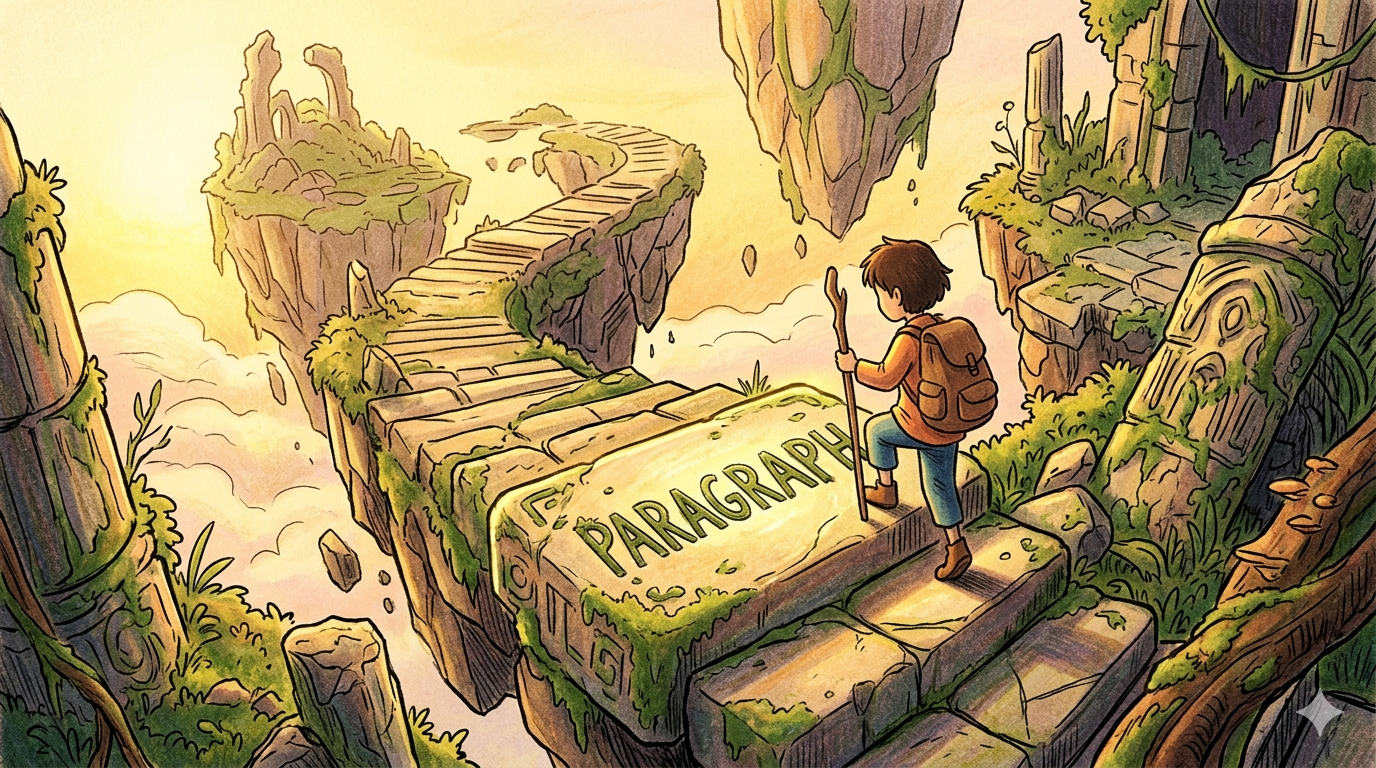
뉘앙스·의미 연결 흐름 표
핵심 이미지 연결 흐름 뉘앙스 요약
| 글의 시작과 끝 | 서론 단락 → 도입 단락 → 마무리 단락 → 결론 단락 | introductory·opening·closing·concluding paragraph |
| 글의 중간과 구조 | 본론 단락 → 뒷받침 단락 → 주제 단락 | body·supporting·topic paragraph |
| 글쓰기 도구와 방법 | 단락 쓰기 → 단락 구분 → 단락 구조 | write a paragraph·paragraph break·paragraph structure |
어원 흐름 표
단어 구성 요소 의미 연결 흐름 뉘앙스 요약
| 그리스어 para-(옆에) + graphein(쓰다) → paragraphos(옆에 쓰다) | 표시하다 → 나누다 → 단락 | 본문 옆 표시로 새 부분 시작을 알리는 구조적 단위의 이미지 |
| paragraph (명사/동사) | 글쓰기 단위 → 법률 조항 → 단락으로 나누다 | 구조·법률·행위 세 방향으로 확장된 다의어 완성 |
품사별 의미 표
품사 의미 예문
| 명사 | 단락, 문단 (글쓰기) | the first paragraph (첫 번째 단락) |
| 명사 | 조항, 항목 (법률·공식) | paragraph three of the contract (계약서 3항) |
| 동사 | 단락으로 나누다 | paragraph the text (텍스트를 단락으로 나누다) |
활용 예문 리스트
- The introductory paragraph gave a clear overview of the topic, and each body paragraph added new evidence to support the main point. (서론 단락은 주제에 대한 명확한 개요를 줬고, 각 본론 단락은 주요 요점을 뒷받침하는 새로운 증거를 추가했다.)
- She realised her essay needed better paragraph structure when her teacher said the ideas were jumping around too quickly between one section and the next. (선생님이 아이디어가 한 섹션에서 다음 섹션으로 너무 빠르게 넘어간다고 말했을 때 그녀는 에세이에 더 좋은 단락 구조가 필요하다는 것을 깨달았다.)
- He added a paragraph break between the two big ideas to make it clear that a new point was being introduced rather than continuing the same thought. (그는 같은 생각을 계속하는 것이 아니라 새로운 요점이 도입되고 있음을 명확히 하기 위해 두 가지 큰 아이디어 사이에 단락 구분을 추가했다.)
- The teacher asked each student to write a paragraph using the topic paragraph format, which meant starting with a clear claim and following it with supporting details. (선생님은 각 학생에게 주제 단락 형식을 사용하여 단락을 쓰도록 요청했는데, 이는 명확한 주장으로 시작하고 뒷받침하는 세부 사항으로 이어가는 것을 의미했다.)
- The concluding paragraph was the strongest part of the essay, wrapping up all the supporting paragraphs with a powerful final message that stayed with the reader long after they had finished reading. (결론 단락은 에세이에서 가장 강력한 부분이었고, 독자가 읽기를 마친 후에도 오랫동안 남는 강력한 마지막 메시지로 모든 뒷받침 단락을 마무리했다.)
전체 뉘앙스 설명
paragraph는 '하나의 완결된 생각을 담아 글을 체계적으로 나누고 독자를 안내하는 구조적 단위의 언어'입니다.
sentence와의 차이: sentence는 주어와 서술어를 갖춘 하나의 완전한 생각을 표현하는 최소 단위이고, paragraph는 하나의 중심 주제를 다루기 위해 여러 sentence를 묶은 상위 단위입니다.
passage와의 차이: passage는 여러 paragraph로 이루어진 더 긴 글의 한 부분을 가리키고, paragraph는 그 안을 구성하는 개별 단위입니다.
section과의 차이: section은 책이나 문서에서 여러 paragraph를 포괄하는 더 큰 구분 단위이고, paragraph는 그 section 안의 더 작은 단위입니다.
마지막 핵심 정리
paragraph는 단순히 "단락"이 아닙니다 — 그리스어 paragraphos(옆에 쓰다)에서 출발해, 글의 처음(opening paragraph·introductory paragraph)·중간(body paragraph·supporting paragraph·topic paragraph)·끝(closing paragraph·concluding paragraph)의 기능적 구분과 단락의 도구적 측면(paragraph break·paragraph structure·write a paragraph)까지 확장되는 단어이며, paragraph vs. sentence vs. passage 구별·글의 구조적 단락 표현 파악·graphein 어근 패밀리가 수능 핵심 출제 포인트입니다.
파생어 표
파생어 발음기호 품사 의미
| paragraphing | [ˈpærəɡræfɪŋ] | 동사 (현재분사) | 단락으로 나누고 있는 |
| graph | [ɡræf] | 명사/동사 | 그래프, 도표 / 도표로 나타내다 |
| photograph | [ˈfoʊtəɡræf] | 명사/동사 | 사진 / 사진 찍다 |
| biography | [baɪˈɒɡrəfi] | 명사 | 전기, 일대기 |
| geography | [dʒiˈɒɡrəfi] | 명사 | 지리학 |
| graphic | [ˈɡræfɪk] | 형용사/명사 | 그래픽의, 생생한 / 그래픽 |
유의어 비교표
단어 공통점 뉘앙스 차이 예문
| paragraph | 글의 단위 관련 | 하나의 중심 생각을 담은 기본 단위 | a short paragraph |
| sentence | 글의 단위 관련 | 주어·서술어를 갖춘 최소 완결 단위 | a long sentence |
| passage | 글의 단위 관련 | 여러 단락으로 이루어진 글의 한 부분 | a reading passage |
| section | 글의 단위 관련 | 여러 단락을 포함하는 더 큰 구분 단위 | the first section |
| chapter | 글의 단위 관련 | 책에서 여러 섹션을 포함하는 가장 큰 단위 | chapter three |
유의어 예문 리스트
- (sentence) She read the same sentence three times before she finally understood what it meant. (그녀는 그것이 무슨 의미인지 마침내 이해하기 전에 같은 문장을 세 번 읽었다.)
- (passage) The students were asked to read the passage carefully and then answer five questions about the main idea. (학생들은 지문을 주의 깊게 읽고 나서 주요 아이디어에 대해 다섯 가지 질문에 답하도록 요청받았다.)
- (section) The third section of the report dealt with the environmental impact of the new construction project. (보고서의 세 번째 섹션은 새 건설 프로젝트의 환경적 영향을 다뤘다.)
- (chapter) She stayed up late to finish the last chapter of the book because she needed to know how the story ended. (그녀는 이야기가 어떻게 끝나는지 알아야 했기 때문에 늦게까지 책의 마지막 챕터를 끝내기 위해 깨어 있었다.)
결론 정리
paragraph는 단순히 "단락"이 아니라, 본문 옆에 표시를 하여 새로운 부분이 시작됨을 알리는 이미지에서 출발해 글의 서론·본론·결론·구조·구분 도구까지 확장되는 단어다 — paragraph가 있는 곳엔 언제나 '단순한 글의 덩어리가 아닌, 하나의 완결된 생각을 담아 독자를 체계적으로 안내하는 논리적 구조 단위'의 선언이 있다.
💡 paragraph는 "하나의 완결된 생각을 담아 글을 체계적으로 나누고 독자를 안내하는 구조적 단위"의 언어 — opening paragraph·body paragraph·concluding paragraph·paragraph structure·write a paragraph가 수능 최빈출.
🌟 초등학생 버전 paragraph는 한 가지 이야기를 전달하기 위해 여러 문장을 모아둔 글의 묶음이에요! 마치 책의 한 장면처럼, opening paragraph는 "이야기를 시작하는 첫 문단"이고, concluding paragraph는 "이야기를 마무리하는 마지막 문단"이에요! 📝✨

opening paragraph [ˈoʊpənɪŋ ˈpærəɡræf]
(명사구) 도입 단락, 첫 문단
글의 맨 처음에 오는 단락으로, 독자의 관심을 끌고 글의 주제와 방향을 소개하는 역할을 합니다. 글 전체의 첫인상을 결정하는 단락이라는 뉘앙스가 핵심입니다. 수능 독해 글의 구조·논설·교육·사회 지문에서 핵심 표현으로 자주 등장합니다.
- A strong opening paragraph makes readers feel that they have picked up the right piece of writing at exactly the right time. (강력한 도입 단락은 독자들이 딱 맞는 시간에 올바른 글을 집어 든 것처럼 느끼게 한다.)
- The opening paragraph of the article described a single moment in a child's morning routine that summed up the whole problem the writer wanted to discuss. (기사의 도입 단락은 작가가 논의하고 싶었던 전체 문제를 요약하는 아이의 아침 일과 중 한 순간을 묘사했다.)
- She rewrote her opening paragraph four times before she was happy with it because she knew it was the first thing the examiner would read. (그녀는 시험관이 가장 먼저 읽을 것임을 알았기 때문에 만족할 때까지 도입 단락을 네 번 다시 썼다.)

closing paragraph [ˈkloʊzɪŋ ˈpærəɡræf]
(명사구) 마무리 단락, 끝 문단
글의 맨 마지막에 오는 단락으로, 글 전체의 내용을 마무리하고 독자에게 최종적인 인상과 메시지를 남기는 역할을 합니다. 글이 완결됐다는 신호를 주는 뉘앙스가 핵심입니다. 수능 독해 글의 구조·논설·교육 지문에서 자주 등장합니다.
- The closing paragraph should never introduce completely new ideas but rather bring everything that was said before to a satisfying and meaningful end. (마무리 단락은 완전히 새로운 아이디어를 도입해서는 안 되며, 이전에 말한 모든 것을 만족스럽고 의미 있는 결말로 가져와야 한다.)
- Her closing paragraph ended with a question that made readers think about their own lives, which was why so many people wrote to her after the piece was published. (그녀의 마무리 단락은 독자들이 자신의 삶에 대해 생각하게 만드는 질문으로 끝났는데, 이것이 그 글이 발표된 후 많은 사람들이 그녀에게 편지를 쓴 이유였다.)
- A weak closing paragraph can undo all the hard work that went into the rest of the essay, so it deserves just as much care and attention as the beginning. (약한 마무리 단락은 에세이의 나머지 부분에 들어간 모든 노력을 무효화할 수 있으므로, 시작 부분만큼의 주의와 관심을 받을 자격이 있다.)

topic paragraph [ˈtɒpɪk ˈpærəɡræf]
(명사구) 주제 단락
글 전체의 핵심 주제나 중심 주장을 명확하게 담고 있는 단락을 가리킵니다. 글이 무엇에 관한 것인지 독자에게 명확히 알려주는 역할을 하는 뉘앙스가 핵심입니다. 수능 독해 글의 구조·교육·논설 지문에서 자주 등장합니다.
- The topic paragraph of a good essay acts like a road map, telling the reader exactly where the writing is going before the journey even begins. (좋은 에세이의 주제 단락은 여정이 시작되기 전에 독자에게 글이 어디로 가는지 정확히 알려주는 도로 지도처럼 작용한다.)
- She was taught that a strong topic paragraph should do three things: introduce the subject, state the main argument, and hint at how the essay will be organised. (그녀는 강력한 주제 단락이 세 가지를 해야 한다고 배웠다: 주제를 소개하고, 주요 주장을 밝히며, 에세이가 어떻게 구성될지 암시해야 한다.)
- The topic paragraph of the newspaper article was so clear and direct that most readers understood the whole story just from reading those first few lines. (신문 기사의 주제 단락이 너무 명확하고 직접적이어서 대부분의 독자들이 처음 몇 줄만 읽고도 전체 이야기를 이해했다.)
숙어 그룹 묶음 1 — 글의 위치·역할 paragraph 핵심 패턴
표현 의미 핵심 뉘앙스 주요 맥락
| opening paragraph | 도입 단락 | 글의 첫인상을 결정하는 시작 단락 | 글의 구조·논설·교육·사회 |
| closing paragraph | 마무리 단락 | 독자에게 최종 인상을 남기는 끝 단락 | 글의 구조·논설·교육 |
| topic paragraph | 주제 단락 | 글 전체의 핵심 주제를 담은 단락 | 글의 구조·교육·논설 |
이 세 표현은 모두 paragraph의 "글을 구조적으로 나누는 단위" 이미지를 공유하되, 각각 독자의 첫인상을 결정하는 글의 시작 단락(opening paragraph)·독자에게 마지막 메시지를 남기는 끝 단락(closing paragraph)·글 전체의 방향을 안내하는 주제 담은 단락(topic paragraph)의 관점에서 접근합니다.
- She spent hours perfecting the opening paragraph because she knew it had to lead naturally into the topic paragraph, which in turn had to set up everything that would come before the closing paragraph tied it all together. (그녀는 도입 단락을 완성하는 데 몇 시간을 보냈는데, 그것이 자연스럽게 주제 단락으로 이어져야 하고, 이것이 마무리 단락이 모든 것을 하나로 묶기 전에 올 모든 것을 설정해야 한다는 것을 알았기 때문이다.)
- The teacher explained that the opening paragraph grabs the reader, the topic paragraph guides the reader, and the closing paragraph stays with the reader — and that understanding these three roles was the first step to writing something truly worth reading. (선생님은 도입 단락이 독자를 잡고, 주제 단락이 독자를 안내하며, 마무리 단락이 독자와 함께 남는다고 설명했다 — 그리고 이 세 가지 역할을 이해하는 것이 진정으로 읽을 가치가 있는 것을 쓰는 첫 번째 단계라고 말했다.)
- He reread the essay from the opening paragraph through the topic paragraph to the closing paragraph and realised that while each section was well written on its own, they did not quite flow into each other the way a good piece of writing should. (그는 도입 단락부터 주제 단락, 마무리 단락까지 에세이를 다시 읽었고, 각 섹션이 그 자체로는 잘 쓰여졌지만 좋은 글이 그래야 하는 것처럼 서로 흘러들지 않는다는 것을 깨달았다.)
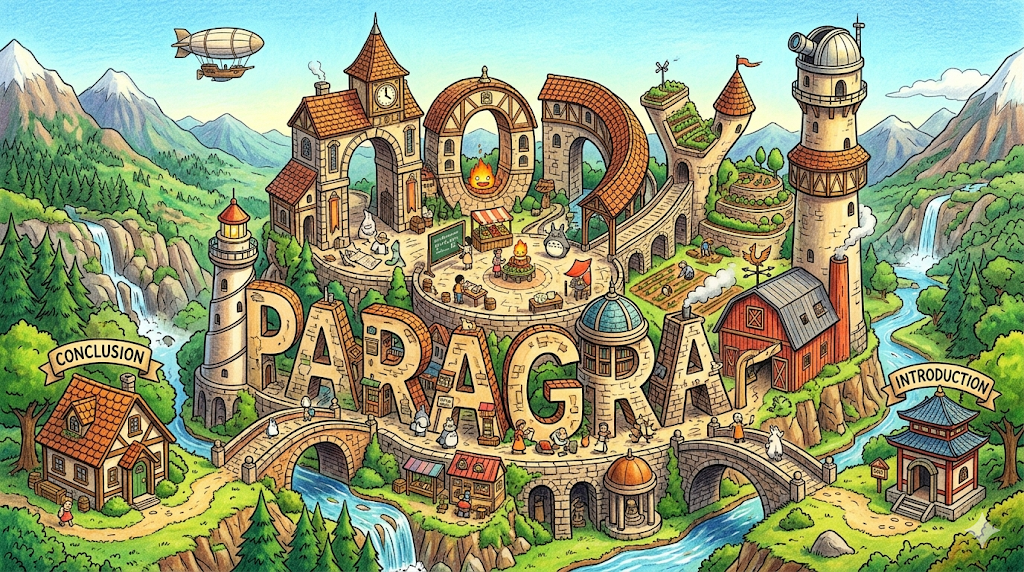
body paragraph [ˈbɒdi ˈpærəɡræf]
(명사구) 본론 단락
서론과 결론 사이에 오는 단락으로, 글의 주요 주장을 뒷받침하는 구체적인 증거·예시·설명을 담습니다. 글의 실질적인 내용을 전달하는 핵심 단락이라는 뉘앙스가 핵심입니다. 수능 독해 글의 구조·교육·논설 지문에서 핵심 표현으로 자주 등장합니다.
- Every body paragraph needs a topic sentence, supporting evidence, and a concluding sentence that connects back to the essay's main argument. (모든 본론 단락은 주제문, 뒷받침 증거, 그리고 에세이의 주요 주장과 다시 연결하는 마무리 문장이 필요하다.)
- She had three strong body paragraphs each dealing with a different reason why the school lunch menu needed to be changed. (그녀는 학교 점심 메뉴가 바뀌어야 하는 다른 이유를 각각 다루는 세 개의 강력한 본론 단락을 가지고 있었다.)
- The weakest body paragraph in the essay was the second one, where the argument was interesting but the evidence provided was too general to be convincing. (에세이에서 가장 약한 본론 단락은 두 번째였는데, 주장은 흥미로웠지만 제공된 증거가 너무 일반적이어서 설득력이 없었다.)
write a paragraph [raɪt ə ˈpærəɡræf]
(동사구) 단락을 쓰다, 문단을 작성하다
하나의 완성된 단락을 처음부터 끝까지 작성하는 행위를 강조합니다. 글쓰기 교육의 기본 단위 활동이라는 뉘앙스가 핵심입니다. 수능 독해 교육·사회·심리 지문에서 자주 등장합니다.
- The assignment was simple: write a paragraph about a person who had made a difference in your life, using at least five sentences. (과제는 간단했다: 적어도 다섯 문장을 사용하여 당신의 삶에 변화를 준 사람에 대해 단락을 쓰는 것이었다.)
- Learning to write a paragraph well is one of the most important skills in school, because once you can do that, longer essays become much easier to handle. (단락을 잘 쓰는 방법을 배우는 것은 학교에서 가장 중요한 기술 중 하나인데, 그것을 할 수 있으면 더 긴 에세이를 다루기가 훨씬 쉬워지기 때문이다.)
- She sat down to write a paragraph summarising what she had read, but quickly realised she had not understood the text as well as she thought. (그녀는 읽은 것을 요약하는 단락을 쓰기 위해 앉았지만, 자신이 생각했던 것만큼 텍스트를 잘 이해하지 못했다는 것을 빠르게 깨달았다.)

paragraph break [ˈpærəɡræf breɪk]
(명사구) 단락 구분, 문단 구분
한 단락이 끝나고 새 단락이 시작될 때 생기는 공백이나 들여쓰기를 가리킵니다. 독자에게 새로운 생각이 시작됨을 시각적으로 신호하는 역할이라는 뉘앙스가 핵심입니다. 수능 독해 글의 구조·교육 지문에서 자주 등장합니다.
- Without clear paragraph breaks, even well-written ideas can become confusing because the reader does not know when one thought ends and another begins. (명확한 단락 구분 없이는 독자가 한 생각이 언제 끝나고 다른 것이 시작되는지 알지 못하기 때문에 잘 쓰인 아이디어조차 혼란스러워질 수 있다.)
- He used a paragraph break to separate the part about the problem from the part about the solution, making the structure of his argument much clearer. (그는 문제에 관한 부분을 해결책에 관한 부분과 분리하기 위해 단락 구분을 사용하여 주장의 구조를 훨씬 명확하게 만들었다.)
- When she printed her essay and read it on paper for the first time, she noticed that a paragraph break was missing between two very different ideas, which made the text hard to follow. (에세이를 인쇄하고 처음으로 종이로 읽었을 때 그녀는 매우 다른 두 가지 아이디어 사이에 단락 구분이 없다는 것을 알아챘는데, 이것이 텍스트를 따라가기 어렵게 만들었다.)
숙어 그룹 묶음 2 — 작성·도구 paragraph 패턴
표현 의미 핵심 뉘앙스 주요 맥락
| body paragraph | 본론 단락 | 주요 주장을 증거·예시로 뒷받침하는 중간 단락 | 글의 구조·교육·논설 |
| write a paragraph | 단락을 쓰다 | 완성된 단락 하나를 작성하는 기본 글쓰기 행위 | 교육·사회·심리 |
| paragraph break | 단락 구분 | 새 단락 시작을 알리는 시각적 구분 요소 | 글의 구조·교육 |
이 세 표현은 모두 paragraph의 "글을 구성하는 실질적 도구" 이미지를 공유하되, 각각 주장을 뒷받침하는 내용을 담은 중간 단락(body paragraph)·단락 하나를 처음부터 끝까지 완성하는 행위(write a paragraph)·단락과 단락 사이를 시각적으로 구분하는 요소(paragraph break)의 관점에서 접근합니다.
- After she had learned how to write a paragraph properly, she practised building full essays by adding strong body paragraphs with clear paragraph breaks between each one so that her ideas never ran into each other. (그녀는 단락을 제대로 쓰는 방법을 배운 후, 각 단락 사이에 명확한 단락 구분을 넣어 아이디어가 절대 서로 섞이지 않도록 강력한 본론 단락들을 추가하여 완전한 에세이를 구성하는 연습을 했다.)
- The teacher told the class that the ability to write a paragraph well was the foundation of all good writing, and that the strongest essays were simply a series of excellent body paragraphs connected clearly by thoughtful paragraph breaks that guided the reader forward without confusion. (선생님은 반 학생들에게 단락을 잘 쓰는 능력이 모든 좋은 글쓰기의 기초이며, 가장 강력한 에세이는 단순히 독자를 혼란 없이 앞으로 안내하는 사려 깊은 단락 구분으로 명확하게 연결된 훌륭한 본론 단락들의 연속이라고 말했다.)
- He noticed that whenever he struggled to write a paragraph, it was usually because he was trying to put too many ideas into one section without using a paragraph break — which meant what he really had was two body paragraphs pretending to be one. (그는 단락을 쓰는 데 어려움을 겪을 때마다 단락 구분 없이 한 섹션에 너무 많은 아이디어를 넣으려 했기 때문이라는 것을 알아챘다 — 즉, 그가 실제로 가지고 있는 것은 하나인 척하는 두 개의 본론 단락이었다.)
paragraph structure [ˈpærəɡræf ˈstrʌktʃər]
(명사구) 단락 구조
단락 안의 문장들이 논리적이고 체계적으로 배열되고 연결되는 방식을 가리킵니다. 글의 설득력과 명확성을 결정하는 내부 뼈대라는 뉘앙스가 핵심입니다. 수능 독해 교육·글쓰기·논설 지문에서 핵심 표현으로 자주 등장합니다.
- The most common paragraph structure in academic writing is: topic sentence, explanation, evidence, and a linking sentence to the next point. (학술 글쓰기에서 가장 일반적인 단락 구조는: 주제문, 설명, 증거, 그리고 다음 요점으로의 연결 문장이다.)
- Once students understand paragraph structure, they can apply it across every subject — from history essays to science reports. (학생들이 단락 구조를 이해하면 역사 에세이에서 과학 보고서까지 모든 과목에 적용할 수 있다.)
- Her teacher praised her work not just for having good ideas but for showing excellent paragraph structure that made even complex arguments easy to follow. (선생님은 그녀의 작업이 좋은 아이디어를 가지고 있을 뿐 아니라 복잡한 주장도 따라가기 쉽게 만드는 훌륭한 단락 구조를 보여줬다고 칭찬했다.)

supporting paragraph [səˈpɔːrtɪŋ ˈpærəɡræf]
(명사구) 뒷받침 단락
글의 주요 주장이나 중심 아이디어를 증거·예시·이유·설명으로 뒷받침하는 역할을 하는 단락을 가리킵니다. 주장의 설득력을 높이는 역할이라는 뉘앙스가 핵심입니다. 수능 독해 글의 구조·논설·교육 지문에서 자주 등장합니다.
- Without at least two strong supporting paragraphs, a main argument will feel too thin and easy to challenge. (적어도 두 개의 강력한 뒷받침 단락 없이는 주요 주장이 너무 얇고 도전하기 쉽게 느껴질 것이다.)
- Each supporting paragraph should add something new rather than simply repeating what has already been said in different words. (각 뒷받침 단락은 이미 다른 말로 말한 것을 단순히 반복하는 것이 아니라 새로운 것을 추가해야 한다.)
- She used real-life examples in her supporting paragraphs because she believed that facts and numbers alone are not always enough to make a reader truly feel the importance of an argument. (그녀는 사실과 숫자만으로는 독자가 주장의 중요성을 진정으로 느끼게 하기에 항상 충분하지 않다고 믿었기 때문에 뒷받침 단락에 실제 사례를 사용했다.)

introductory paragraph [ˌɪntrəˈdʌktəri ˈpærəɡræf]
(명사구) 서론 단락
글의 맨 처음에 오는 단락으로, 주제를 소개하고 독자의 관심을 끌며 글 전체의 방향을 제시합니다. opening paragraph와 비슷하지만 더 형식적이고 학술적인 뉘앙스가 핵심입니다. 수능 독해 글의 구조·교육·논설 지문에서 핵심 표현으로 자주 등장합니다.
- A good introductory paragraph should do three things: hook the reader, provide background, and state the thesis. (좋은 서론 단락은 세 가지를 해야 한다: 독자를 끌어들이고, 배경을 제공하며, 논지를 밝혀야 한다.)
- He spent more time on the introductory paragraph than on any other part because he knew that if the opening did not work, no one would read the rest. (그는 다른 어떤 부분보다 서론 단락에 더 많은 시간을 보냈는데, 시작 부분이 효과가 없으면 아무도 나머지를 읽지 않을 것이라는 것을 알았기 때문이다.)
- The introductory paragraph of the science article began with a startling statistic that made readers immediately want to understand how such a thing was possible. (과학 기사의 서론 단락은 독자들이 그런 일이 어떻게 가능한지 즉시 이해하고 싶게 만드는 놀라운 통계로 시작됐다.)
숙어 그룹 묶음 3 — 구조·내용·기능 paragraph 심화 패턴
표현 의미 핵심 뉘앙스 주요 맥락
| paragraph structure | 단락 구조 | 단락 안 문장들의 논리적 배열 방식 | 교육·글쓰기·논설 |
| supporting paragraph | 뒷받침 단락 | 주요 주장을 증거·예시로 강화하는 단락 | 글의 구조·논설·교육 |
| introductory paragraph | 서론 단락 | 형식적으로 주제를 소개하는 첫 단락 | 글의 구조·교육·논설 |
이 세 표현은 모두 paragraph의 "글의 논리적 구조를 만드는" 이미지를 공유하되, 각각 단락 안의 문장 배열 방식(paragraph structure)·주요 주장을 강화하는 증거 단락(supporting paragraph)·공식적으로 글을 시작하는 첫 단락(introductory paragraph)의 관점에서 접근합니다.
- Students who understand paragraph structure write stronger supporting paragraphs because they know exactly where to place their evidence, and they also write more effective introductory paragraphs because they understand how each part connects to the next. (단락 구조를 이해하는 학생들은 증거를 정확히 어디에 배치해야 하는지 알기 때문에 더 강력한 뒷받침 단락을 쓰고, 각 부분이 다음 부분과 어떻게 연결되는지 이해하기 때문에 더 효과적인 서론 단락도 쓴다.)
- She showed the class that good paragraph structure in a supporting paragraph follows the same logic as the introductory paragraph — it opens with a clear point, develops it in the middle, and closes with a connection back to the main argument. (그녀는 반 학생들에게 뒷받침 단락에서의 좋은 단락 구조가 서론 단락과 동일한 논리를 따른다는 것을 보여줬다 — 명확한 요점으로 열고, 중간에 그것을 발전시키며, 주요 주장과의 연결로 닫는다.)
- The writing guide explained that while the introductory paragraph sets direction, the supporting paragraphs provide the journey, and a consistent paragraph structure throughout is what keeps the reader on the right path without ever feeling lost. (글쓰기 가이드는 서론 단락이 방향을 설정하는 반면, 뒷받침 단락들이 여정을 제공하며, 전반에 걸친 일관된 단락 구조가 독자가 길을 잃는 느낌 없이 올바른 길을 유지하게 하는 것이라고 설명했다.)
concluding paragraph [kənˈkluːdɪŋ ˈpærəɡræf]
(명사구) 결론 단락
글의 맨 마지막에 오는 단락으로, 글 전체의 핵심 내용을 요약하고 독자에게 최종 메시지·인상·행동 촉구를 전달합니다. 글쓰기 형식에서 가장 공식적이고 중요한 마무리 단락이라는 뉘앙스가 핵심입니다. 수능 독해 글의 구조·논설·교육 지문에서 핵심 표현으로 자주 등장합니다.
- The concluding paragraph is not the place to introduce new arguments — its job is to bring everything together in a way that feels complete and satisfying. (결론 단락은 새로운 주장을 도입하는 곳이 아니다 — 그것의 역할은 완전하고 만족스럽게 느껴지는 방식으로 모든 것을 하나로 가져오는 것이다.)
- She was told that a good concluding paragraph should echo the introduction without simply repeating it, creating a sense of a circle being completed. (그녀는 좋은 결론 단락이 단순히 반복하지 않고 서론을 메아리처럼 반영하여 완성된 원의 느낌을 만들어야 한다는 말을 들었다.)
- His concluding paragraph ended with a call to action — a direct challenge to the reader to make one small change in their daily routine based on what the essay had argued. (그의 결론 단락은 행동 촉구로 끝났다 — 에세이가 주장한 것을 바탕으로 독자에게 일상적인 습관에서 작은 변화 하나를 만들라는 직접적인 도전이었다.)
숙어 그룹 묶음 4 — 완결·마무리 paragraph 패턴
표현 의미 핵심 뉘앙스 주요 맥락
| concluding paragraph | 결론 단락 | 글 전체를 요약하고 최종 메시지를 전달하는 마지막 단락 | 글의 구조·논설·교육 |
| closing paragraph | 마무리 단락 | 독자에게 최종 인상을 남기는 끝 단락 | 글의 구조·논설·교육 |
| opening paragraph | 도입 단락 | 독자의 관심을 끌고 방향을 제시하는 첫 단락 | 글의 구조·논설·교육·사회 |
이 세 표현은 함께 paragraph가 담고 있는 가장 중요한 글의 구조적 흐름을 보여줍니다. opening paragraph → 글의 출발점을 만드는 것, closing paragraph → 글의 인상을 남기며 닫는 것, concluding paragraph → 공식적이고 완결된 요약으로 마무리하는 것으로 연결됩니다.
- She explained to the class that the opening paragraph and the concluding paragraph should feel like a conversation with each other — the opening paragraph asks the questions and the closing paragraph provides the answers — and that getting this connection right was what separated a good essay from a great one. (그녀는 반 학생들에게 도입 단락과 결론 단락이 서로 대화하는 것처럼 느껴져야 한다고 설명했다 — 도입 단락이 질문을 하고 마무리 단락이 답을 제공한다 — 그리고 이 연결을 올바르게 하는 것이 좋은 에세이와 훌륭한 에세이를 구분하는 것이라고 말했다.)
- The student read her opening paragraph aloud, skipped to the concluding paragraph, and realised immediately that her closing paragraph was discussing something different from what she had promised in the beginning — a sign that her whole argument needed to be rethought. (학생은 도입 단락을 소리 내어 읽고 결론 단락으로 건너뛰었으며, 마무리 단락이 처음에 약속했던 것과 다른 것을 논의하고 있다는 것을 즉시 깨달았다 — 전체 주장을 다시 생각해야 한다는 신호였다.)
- The writing workshop taught that the most powerful essays are built like a frame: a strong opening paragraph that draws the reader in, dense and honest content in the middle, and a concluding paragraph that closes with the same energy and intention as the closing paragraph — leaving the reader not just informed but genuinely moved. (글쓰기 워크숍은 가장 강력한 에세이가 틀처럼 구축된다고 가르쳤다: 독자를 끌어들이는 강력한 도입 단락, 중간의 밀도 있고 솔직한 내용, 그리고 마무리 단락과 같은 에너지와 의도로 닫는 결론 단락 — 독자를 단순히 정보를 얻게 할 뿐 아니라 진정으로 감동받게 만든다.)
전체 요약표
표현 의미 핵심 뉘앙스
| paragraph | 단락, 문단, 조항 | 하나의 중심 생각을 담은 글의 기본 구조 단위 |
| opening paragraph | 도입 단락 | 독자의 관심을 끌고 방향을 제시하는 첫 단락 |
| closing paragraph | 마무리 단락 | 독자에게 최종 인상을 남기는 끝 단락 |
| topic paragraph | 주제 단락 | 글 전체의 핵심 주제를 담은 단락 |
| body paragraph | 본론 단락 | 주요 주장을 증거·예시로 뒷받침하는 중간 단락 |
| write a paragraph | 단락을 쓰다 | 완성된 단락 하나를 작성하는 기본 글쓰기 행위 |
| paragraph break | 단락 구분 | 새 단락 시작을 알리는 시각적 구분 요소 |
| paragraph structure | 단락 구조 | 단락 안 문장들의 논리적 배열 방식 |
| supporting paragraph | 뒷받침 단락 | 주요 주장을 증거·예시로 강화하는 단락 |
| introductory paragraph | 서론 단락 | 형식적으로 주제를 소개하는 첫 단락 |
| concluding paragraph | 결론 단락 | 글 전체를 요약하고 최종 메시지를 전달하는 마지막 단락 |
유의어 비교표

단어 공통점 뉘앙스 차이 예문
| paragraph | 글의 단위 관련 | 하나의 중심 생각을 담은 기본 단위 | a short paragraph |
| sentence | 글의 단위 관련 | 주어·서술어를 갖춘 최소 완결 단위 | a long sentence |
| passage | 글의 단위 관련 | 여러 단락으로 이루어진 글의 한 부분 | a reading passage |
| section | 글의 단위 관련 | 여러 단락을 포함하는 더 큰 구분 단위 | the first section |
| chapter | 글의 단위 관련 | 책에서 여러 섹션을 포함하는 가장 큰 단위 | chapter three |
결론 정리
paragraph는 단순히 "단락"이 아니라, 본문 옆에 표시를 하여 새로운 부분이 시작됨을 알리는 이미지에서 출발해 글의 서론·본론·결론·구조·구분 도구까지 확장되는 단어다 — paragraph가 있는 곳엔 언제나 '단순한 글의 덩어리가 아닌, 하나의 완결된 생각을 담아 독자를 체계적으로 안내하는 논리적 구조 단위'의 선언이 있다.
💡 paragraph는 "하나의 완결된 생각을 담아 글을 체계적으로 나누고 독자를 안내하는 구조적 단위"의 언어 — opening paragraph·body paragraph·concluding paragraph·paragraph structure·write a paragraph가 수능 최빈출.
🌟 초등학생 버전 paragraph는 한 가지 이야기를 전달하기 위해 여러 문장을 모아둔 글의 묶음이에요! 마치 책의 한 장면처럼, opening paragraph는 "이야기를 시작하는 첫 문단"이고, concluding paragraph는 "이야기를 마무리하는 마지막 문단"이에요! 📝✨


