- 분류 전체보기 (5461)

| 일 | 월 | 화 | 수 | 목 | 금 | 토 |
|---|---|---|---|---|---|---|
| 1 | 2 | |||||
| 3 | 4 | 5 | 6 | 7 | 8 | 9 |
| 10 | 11 | 12 | 13 | 14 | 15 | 16 |
| 17 | 18 | 19 | 20 | 21 | 22 | 23 |
| 24 | 25 | 26 | 27 | 28 | 29 | 30 |
| 31 |
- Sure
- too.
- Don't worry
- Excuse me
- Hey
- please?
- By The Way
- pick up
- Actually
- Sorry
- Yeah
- Read between the lines
- no
- call off
- come up with
- make it
- entrance fee
- Please
- hold on
- oh
- I'm not sure
- OKay
- work out
- please.
- well
- once in a while
- Yes
- I'm sorry
- Right?
- I'm glad to hear that.
- Today
- Total
인과함께
Day343 , mystery, mystery novel, unsolved mystery, wrapped in mystery, mystery tour, it's a mystery, mystery guest, deep mystery, solve a mystery, full of mystery 본문
Day343 , mystery, mystery novel, unsolved mystery, wrapped in mystery, mystery tour, it's a mystery, mystery guest, deep mystery, solve a mystery, full of mystery
미인생 2026. 4. 22. 19:41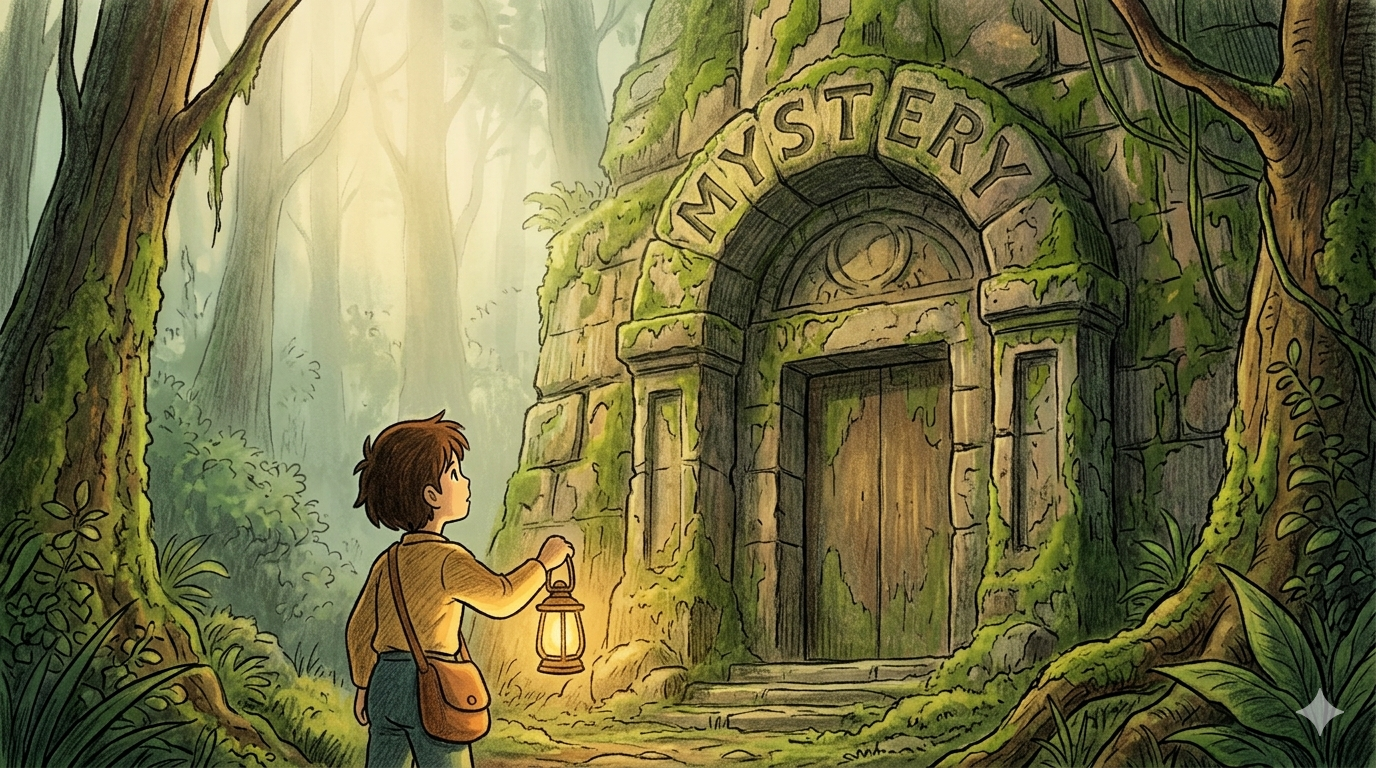
mystery [ˈmɪstəri]
(명사/형용사) 수수께끼, 미스터리, 불가사의 / 미스터리의, 수수께끼 같은
단순히 "수수께끼"로만 외우면 수능에서 반드시 틀립니다. mystery는 "알 수 없고 이해하기 어려운 것" 이라는 핵심 이미지에서 출발해, 실제 범죄 수수께끼·설명할 수 없는 현상·숨겨진 비밀·인간 존재의 깊은 의문까지 폭넓게 쓰이는 핵심 다의어입니다. 특히 wrapped in mystery(신비로 둘러싸인), unsolved mystery(미해결 수수께끼), it's a mystery(알 수가 없다) 패턴은 수능 독해 심리·사회·문학 지문에서 핵심적으로 등장합니다.
'mystery'는 그리스어 mysterion(비밀 의식, 알 수 없는 것)에서 유래했으며, mystes(비밀 의식에 입문한 사람)와 연결됩니다. 어원의 핵심 이미지는 "소수만 알 수 있는 비밀스러운 것" 으로, 단순한 수수께끼를 넘어 숨겨진 진실·설명 불가능한 현상·인간의 깊은 호기심까지 확장되는 표현의 근원이 된 단어입니다.
🔍 mystery의 핵심 뉘앙스
"알 수 없고, 설명되지 않으며, 베일에 싸여 있는 모든 것을 담은 단어."
mystery의 핵심은 "알 수 없음"입니다. 단순한 모름이 아니라, 알고 싶지만 쉽게 드러나지 않는 것 — 그 긴장감과 매혹이 mystery의 본질입니다.
1️⃣ 수수께끼·미지 — 설명할 수 없는 것
- unsolved mystery → 아직 풀리지 않은 미스터리 (예: 버뮤다 삼각지대)
- deep mystery → 단순히 모르는 게 아니라 깊고 근본적인 수수께끼
- it's a mystery → "도무지 모르겠어, 왜 그런지 알 수 없어"라는 일상 표현
- solve a mystery → 수수께끼를 풀다, 미스터리를 해결하다
2️⃣ 베일·신비로움 — 감춰진 분위기
- wrapped in mystery → 신비로움에 둘러싸인, 베일에 싸인
- full of mystery → 온통 신비로운, 알 수 없는 것들로 가득 찬
- (예: The ancient ruins were wrapped in mystery. → 그 고대 유적은 베일에 싸여 있었다.)
3️⃣ 장르·문화 — 추리·스릴러의 세계
- mystery novel → 범인을 추리하는 추리소설 (= whodunit)
- mystery tour → 목적지를 미리 알려주지 않는 여행
- mystery guest → 사전에 신원을 밝히지 않는 깜짝 손님
💡 아들에게 이렇게 설명해보세요
"mystery는 '알 수 없는 것'인데, 단순히 몰라서가 아니라 알고 싶은데 답이 없는 그 묘한 긴장감이 핵심이야. 'it's a mystery to me'라고 하면 '나는 도무지 이해가 안 돼'라는 뜻이고, 'wrapped in mystery'는 뭔가 신비롭고 베일에 싸인 느낌이야. mystery novel은 추리소설인데, 독자가 범인을 맞히는 재미가 있지. mystery tour는 어디로 가는지 미리 안 알려주는 여행 — 놀랍게도 Beatles가 이 이름으로 앨범을 낸 적이 있어!"
mystery = 알 수 없음이 만드는 매혹 — 풀리지 않는 수수께끼, 신비로운 분위기, 추리 장르, 깜짝 놀라움까지, '베일 뒤에 숨겨진 것을 향한 긴장감'이라는 하나의 이미지로 꿰뚫린다.
1. mystery novel [ˈmɪstəri ˈnɒvəl]
(문학/일상/수능) "추리 소설, 미스터리 소설"을 뜻합니다. 숨겨진 진실을 밝혀가는 과정을 담은 소설 장르를 강조하며, 독자가 함께 수수께끼를 풀어가는 즐거움을 나타냅니다.
She stayed up until midnight finishing the mystery novel because she had to know who had taken the missing diamond. (그녀는 사라진 다이아몬드를 누가 가져갔는지 알아야 했기 때문에 추리 소설을 끝내려고 자정까지 깨어 있었다.)
2. unsolved mystery [ʌnˈsɒlvd ˈmɪstəri]
(일상/사회/수능) "미해결 수수께끼, 풀리지 않은 수수께끼"를 뜻합니다. 오랫동안 답을 찾지 못한 의문이나 사건을 강조합니다.
The disappearance of the old lighthouse keeper remains an unsolved mystery that the small town still talks about even today. (그 오래된 등대 지기의 실종은 작은 마을이 오늘날에도 여전히 이야기하는 미해결 수수께끼로 남아있다.)
3. wrapped in mystery [ræpt ɪn ˈmɪstəri]
(문학/심리/수능) "신비로 둘러싸인, 수수께끼에 싸인"을 뜻합니다. 어떤 사람이나 장소·사건이 알 수 없는 것들로 가득 차 있는 것을 강조합니다.
The old building at the end of the street was wrapped in mystery — nobody knew who had built it or why it had been empty for so many years. (거리 끝의 낡은 건물은 수수께끼에 싸여 있었다 — 아무도 누가 그것을 지었는지 또는 왜 그렇게 오랫동안 비어 있었는지 몰랐다.)
4. mystery tour [ˈmɪstəri tʊər]
(일상/사회/수능) "미스터리 투어, 목적지를 모르는 여행"을 뜻합니다. 어디로 가는지 미리 알 수 없는 여행이나 활동을 강조하며, 비유적으로 결과를 알 수 없는 새로운 경험을 나타냅니다.
The school organised a mystery tour for the last day of term — nobody knew the destination until the bus actually arrived there. (학교는 학기 마지막 날 미스터리 투어를 조직했다 — 버스가 실제로 도착할 때까지 아무도 목적지를 몰랐다.)
5. it's a mystery [ɪts ə ˈmɪstəri]
(일상/구어/수능) "알 수가 없다, 도무지 이해할 수 없다"를 뜻합니다. 어떤 상황이나 사건이 전혀 이해되지 않거나 설명할 수 없음을 강조합니다.
It's a mystery to me how she always manages to finish all her work and still have time to help everyone else. (그녀가 어떻게 항상 모든 일을 끝내면서도 다른 모든 사람을 도울 시간이 있는지 나에게는 도무지 알 수가 없다.)
6. mystery guest [ˈmɪstəri ɡest]
(일상/사회/수능) "미스터리 게스트, 비밀 손님"을 뜻합니다. 누구인지 미리 공개하지 않고 나타나는 특별한 손님을 강조하며, 서프라이즈와 기대감을 나타냅니다.
The school assembly was more exciting than usual because the teacher had promised there would be a mystery guest who nobody would expect. (선생님이 아무도 예상하지 못할 미스터리 게스트가 있을 것이라고 약속했기 때문에 학교 조회는 평소보다 더 흥미로웠다.)
7. deep mystery [diːp ˈmɪstəri]
(문학/철학/수능) "깊은 수수께끼, 심오한 불가사의"를 뜻합니다. 단순히 답을 모르는 것이 아니라 인간이 완전히 이해하기 어려운 깊고 근본적인 의문을 강조합니다.
Why we dream is still a deep mystery that scientists have been trying to understand for hundreds of years. (왜 우리가 꿈을 꾸는지는 과학자들이 수백 년 동안 이해하려고 노력해 온 여전히 깊은 수수께끼이다.)
8. solve a mystery [sɒlv ə ˈmɪstəri]
(일상/학술/수능) "수수께끼를 풀다, 미스터리를 해결하다"를 뜻합니다. 알 수 없었던 것의 답이나 진실을 밝혀내는 것을 강조합니다.
The young detective felt a rush of excitement every time she managed to solve a mystery that everyone else had given up on. (그 젊은 탐정은 다른 모든 사람이 포기했던 수수께끼를 풀 때마다 흥분의 물결을 느꼈다.)
9. full of mystery [fʊl əv ˈmɪstəri]
(문학/심리/수능) "신비로 가득한, 수수께끼로 가득한"을 뜻합니다. 어떤 사람이나 장소·상황이 알 수 없는 것들로 넘쳐나는 것을 강조합니다.
The old forest at the edge of the village was full of mystery — strange sounds, unusual plants, and paths that seemed to move when nobody was looking. (마을 끝에 있는 오래된 숲은 수수께끼로 가득했다 — 이상한 소리, 특이한 식물, 그리고 아무도 보지 않을 때 움직이는 것 같은 길들이 있었다.)
10. mystery (비유적) [ˈmɪstəri]
(심리/사회/수능) 비유적으로 "이해할 수 없는 것, 설명하기 어려운 것"을 뜻합니다. 인간의 행동이나 자연 현상·삶의 의미처럼 완전히 설명하기 어려운 것을 강조합니다.
The human brain remains one of the greatest mysteries in science — the more we learn about it, the more complex it turns out to be. (인간의 뇌는 과학에서 가장 위대한 수수께끼 중 하나로 남아있다 — 그것에 대해 더 많이 배울수록, 더 복잡한 것으로 밝혀진다.)

POINT 1. mystery — 수능 최빈출 비유·어휘 패턴
mystery는 수능 독해 심리·사회·문학 지문에서 비유적 표현으로 자주 출제됩니다.
wrapped in mystery → 어떤 것이 알 수 없는 것들로 가득 차 있을 때
예) Her past was wrapped in mystery. (그녀의 과거는 수수께끼에 싸여 있었다.)
unsolved mystery → 오랫동안 답을 찾지 못한 의문이나 사건을 나타낼 때
예) It remains an unsolved mystery. (그것은 미해결 수수께끼로 남아있다.)
it's a mystery → 어떤 상황이 전혀 이해되지 않을 때
예) It's a mystery how he did it. (그가 어떻게 그것을 했는지 도무지 알 수가 없다.)
POINT 2. mystery / secret / puzzle — 수능 어휘 핵심 비교
이 세 단어는 수능에서 자주 혼동되는 어휘입니다.
mystery → 설명할 수 없거나 이해하기 어려운 것, 알려지지 않은 것 예) The cause of the fire was a mystery. (화재의 원인은 수수께끼였다.) secret → 의도적으로 숨겨진 것, 비밀 예) She kept it a secret. (그녀는 그것을 비밀로 유지했다.) puzzle → 복잡하고 어렵지만 논리적으로 풀 수 있는 것 예) It was a puzzle to solve. (그것은 풀어야 할 퍼즐이었다.)
POINT 3. mystery의 다양한 용법 — 수능 독해 문맥 파악 핵심
mystery는 수능 독해에서 문맥에 따라 의미가 완전히 달라지는 핵심 단어입니다.
장르 → She loves mystery novels. (그녀는 추리 소설을 좋아한다.) 미해결 → It is an unsolved mystery. (그것은 미해결 수수께끼이다.) 신비로움 → He is wrapped in mystery. (그는 수수께끼에 싸여 있다.) 깊은 의문 → Life is a deep mystery. (삶은 깊은 수수께끼이다.) 해결 → She loves to solve mysteries. (그녀는 수수께끼를 푸는 것을 좋아한다.)
(명사) ① 수수께끼, 미스터리 (이해할 수 없는 것)
mystery의 가장 기본적인 의미로, 설명할 수 없거나 이해하기 어려운 것을 나타냅니다.
- How the ancient people built such large and perfectly shaped stones without modern tools remains a mystery that no one has fully explained. (고대 사람들이 현대 도구 없이 어떻게 그렇게 크고 완벽하게 모양을 만든 돌을 지었는지는 아무도 완전히 설명하지 못한 수수께끼로 남아있다.)
- The missing key was a mystery until she found it inside the pocket of her old coat the following morning. (사라진 열쇠는 그녀가 다음 날 아침 낡은 코트 주머니 안에서 찾을 때까지 수수께끼였다.)
- Why some people seem to stay calm and happy no matter what happens around them is a mystery that many people would very much like to understand. (왜 일부 사람들은 주변에 무슨 일이 일어나든 상관없이 차분하고 행복해 보이는지는 많은 사람들이 매우 이해하고 싶어 하는 수수께끼이다.)
(명사) ② 추리물, 미스터리 장르 (문학·예술)
mystery는 숨겨진 진실을 밝혀가는 과정을 다루는 문학이나 예술 장르를 나타냅니다.
- He preferred reading mysteries over any other type of book because he loved the feeling of following the clues and trying to guess the ending before the detective did. (그는 탐정이 하기 전에 단서를 따라가며 결말을 추측하려는 느낌을 좋아했기 때문에 다른 어떤 종류의 책보다 추리물을 읽는 것을 선호했다.)
- The film festival included a section dedicated entirely to classic mysteries from the 1940s and 1950s, which many younger viewers had never had the chance to see before. (영화제에는 많은 젊은 시청자들이 전에 볼 기회가 없었던 1940년대와 1950년대의 고전 추리물에만 헌정된 섹션이 포함됐다.)
- She had been writing her own mystery for two years, carefully placing clues throughout the story so that the reader would have a fair chance of solving it before the final chapter. (그녀는 독자가 마지막 챕터 전에 그것을 풀 공정한 기회를 가질 수 있도록 이야기 전체에 걸쳐 단서를 조심스럽게 배치하며 2년 동안 자신만의 추리물을 쓰고 있었다.)
(형용사) ③ 수수께끼 같은, 신비로운
mystery는 형용사처럼 쓰여 알 수 없거나 비밀스러운 특성을 나타냅니다.
- A mystery caller left a message on the school answering machine asking for information about the missing trophy, but did not give their name. (미스터리 전화자가 학교 자동 응답기에 사라진 트로피에 대한 정보를 요청하는 메시지를 남겼지만 이름을 밝히지 않았다.)
- The mystery ingredient in her grandmother's famous soup was something she never told anyone, taking the recipe to her grave with a smile. (그녀의 할머니의 유명한 수프의 비밀 재료는 그녀가 아무에게도 말하지 않고 미소 지으며 무덤까지 가져간 것이었다.)
- The mystery envelope on the teacher's desk had everyone curious all morning, and by lunchtime the whole school was making up stories about what might be inside it. (선생님 책상 위의 수수께끼 봉투는 아침 내내 모든 사람을 궁금하게 했으며, 점심 시간이 되자 학교 전체가 그 안에 무엇이 있을지에 대한 이야기를 만들어내고 있었다.)

뉘앙스·의미 연결 흐름 표
핵심 이미지 연결 흐름 뉘앙스 요약
| 알 수 없고 이해하기 어려운 것 | 설명 불가 → 숨겨진 진실 → 깊은 의문 | unsolved mystery, deep mystery, it's a mystery |
| 신비로 가득 찬 것 | 신비로움 → 비밀스러움 → 흥미로움 | wrapped in mystery, full of mystery, mystery guest |
| 수수께끼를 푸는 과정 | 단서 → 추리 → 해결 | mystery novel, solve a mystery, mystery tour |
어원 흐름 표
단어 구성 요소 의미 연결 흐름 뉘앙스 요약
| 그리스어 mysterion(비밀 의식) → mystes(입문자) | 소수만 아는 비밀 → 알 수 없는 것 | 비밀스럽고 알 수 없는 것의 핵심 이미지 |
| mystery (명사/형용사) | 수수께끼 → 신비 → 추리 장르 → 깊은 의문 | 알 수 없음에서 호기심·추리·철학까지 확장 |
품사별 의미 표
품사 의미 예문
| 명사 | 수수께끼, 이해할 수 없는 것 | His disappearance was a mystery. |
| 명사 | 추리 소설·장르 | She loves reading mysteries. |
| 형용사 | 수수께끼 같은, 비밀의 | A mystery caller rang the school. |
| 관용구 | 신비로 둘러싸인 | She is wrapped in mystery. |
| 관용구 | 알 수가 없다 | It's a mystery to everyone. |
| 관용구 | 수수께끼를 풀다 | She managed to solve the mystery. |
활용 예문 리스트
- The disappearance of the old professor's notebooks is still an unsolved mystery that his students and colleagues talk about every time they meet. (그 나이 든 교수의 공책 실종은 그의 학생들과 동료들이 만날 때마다 이야기하는 여전히 미해결 수수께끼이다.)
- She was wrapped in mystery from the moment she arrived — nobody knew where she had come from, what she did for work, or why she had chosen such a small and quiet town to live in. (그녀는 도착한 순간부터 수수께끼에 싸여 있었다 — 아무도 그녀가 어디서 왔는지, 무슨 일을 하는지, 왜 그렇게 작고 조용한 마을을 살 곳으로 선택했는지 몰랐다.)
- It's a mystery to most scientists why some people are naturally better at learning languages than others, even when they have had the same amount of practice and study. (같은 양의 연습과 공부를 했을 때도 왜 일부 사람들이 자연스럽게 언어 학습을 더 잘하는지는 대부분의 과학자들에게 도무지 알 수가 없다.)
- The ancient cave paintings were full of mystery — the symbols, shapes, and figures had never been fully decoded, and each new team of researchers brought a completely different interpretation. (고대 동굴 그림들은 수수께끼로 가득했다 — 기호, 모양, 형상은 완전히 해독된 적이 없었으며, 새로운 연구팀마다 완전히 다른 해석을 가져왔다.)
- The best part of reading a mystery novel is the moment you realise you have been given all the clues you needed and the answer was right in front of you all along. (추리 소설을 읽는 가장 좋은 부분은 필요한 모든 단서가 주어졌으며 답이 처음부터 바로 눈앞에 있었다는 것을 깨닫는 순간이다.)
전체 뉘앙스 설명
mystery는 '알 수 없고 이해하기 어려운 것에서 출발해 신비로움·추리·깊은 의문·불가사의까지 확장되는 생동감 넘치는 언어'입니다.
secret과의 차이: secret은 누군가가 의도적으로 숨긴 것을 강조하고, mystery는 설명할 수 없거나 이해하기 어려운 것 자체를 강조합니다. puzzle과의 차이: puzzle은 복잡하지만 논리적으로 풀 수 있는 것을 강조하고, mystery는 완전히 설명하거나 이해하기 어려운 더 깊은 의문을 강조합니다. riddle과의 차이: riddle은 교묘하게 숨겨진 답이 있는 수수께끼를 강조하고, mystery는 더 넓고 깊은 설명 불가능한 의문을 강조합니다.
마지막 핵심 정리
mystery는 단순히 "수수께끼"가 아닙니다 — 그리스어 mysterion(비밀 의식)에서 출발해, 이해할 수 없는 것(it's a mystery)에서 신비로 둘러싸인 것(wrapped in mystery)·미해결 사건(unsolved mystery)·추리 소설(mystery novel)·깊은 철학적 의문(deep mystery)까지 확장되는 단어이며, wrapped in mystery·unsolved mystery·it's a mystery의 비유적 의미 파악이 수능 핵심 출제 포인트입니다.
파생어 표
파생어 발음기호 품사 의미
| mysterious | [mɪˈstɪəriəs] | 형용사 | 신비로운, 불가사의한 |
| mysteriously | [mɪˈstɪəriəsli] | 부사 | 신비롭게, 불가사의하게 |
| mystify | [ˈmɪstɪfaɪ] | 동사 | 당혹스럽게 하다, 혼란스럽게 하다 |
| mystique | [mɪˈstiːk] | 명사 | 신비로움, 신비적 매력 |
| mystic | [ˈmɪstɪk] | 명사/형용사 | 신비주의자 / 신비로운 |
| mystical | [ˈmɪstɪkəl] | 형용사 | 신비적인, 불가사의한 |
유의어 비교표
단어 공통점 뉘앙스 차이 예문
| mystery | 알 수 없는 것 | 설명 불가·이해 불가능한 것, 비유 풍부 | It was a mystery. |
| secret | 비밀 | 의도적으로 숨겨진 것 | It was her secret. |
| puzzle | 수수께끼 | 논리적으로 풀 수 있는 복잡한 것 | It was a puzzle to solve. |
| riddle | 수수께끼 | 교묘하게 숨겨진 답이 있는 것 | He told her a riddle. |
| enigma | 불가사의 | 매우 이해하기 어렵고 복잡한 사람·상황 | She was an enigma. |
유의어 예문 리스트
- (secret) She had kept a secret for so long that she had almost forgotten how much lighter she would feel the moment she finally told someone the truth. (그녀는 비밀을 너무 오래 지켜서 마침내 누군가에게 진실을 말하는 순간 얼마나 가볍게 느껴질지 거의 잊어버렸다.)
- (puzzle) The maths problem had taken him three days to figure out, but once the answer came to him, the whole puzzle seemed so simple that he could not believe it had taken him so long. (수학 문제는 그가 해결하는 데 3일이 걸렸지만, 답이 떠오르자 전체 퍼즐이 너무 단순해 보여서 그렇게 오래 걸렸다는 것을 믿을 수 없었다.)
- (riddle) The old farmer told the children a riddle about a thing that has no feet but can travel faster than anyone alive, and most of them guessed it was the wind before he had even finished speaking. (나이 든 농부는 아이들에게 발이 없지만 살아있는 누구보다 빠르게 이동할 수 있는 것에 대한 수수께끼를 냈으며, 대부분은 그가 말을 끝내기도 전에 바람이라고 짐작했다.)
- (enigma) The quiet new student was an enigma to the rest of the class — she never gave away much about herself, and yet there was something about her that made everyone want to know more. (조용한 새 학생은 나머지 학급에게 불가사의였다 — 그녀는 자신에 대해 많은 것을 드러내지 않았지만, 모든 사람이 더 알고 싶어 하는 무언가가 그녀에게 있었다.)
결론 정리
mystery는 단순히 "수수께끼"가 아니라, 그리스어 mysterion(비밀 의식)에서 출발해 알 수 없는 것에서 신비로움·추리·깊은 의문·불가사의까지 확장되는 단어다 — mystery가 있는 곳엔 언제나 '단순한 모름이 아닌, 인간의 호기심·탐구욕·경이로움이 생생하게 살아숨쉬는' 생동감의 선언이 있다.
💡 mystery는 "알 수 없고 이해하기 어려운 것에서 출발한" 생동감 넘치는 언어 — wrapped in mystery · unsolved mystery · it's a mystery가 수능 최빈출.
🌟 초등학생 버전 — mystery는 "왜 그런지 아무도 모르는 수수께끼"인데, "풀리지 않은 미스터리"(unsolved mystery), "추리 소설"(mystery novel), "비밀에 싸인"(wrapped in mystery)처럼 우리 일상과 이야기 곳곳에 살아있는 단어예요! 🔍✨

mystery novel [ˈmɪstəri ˈnɒvəl]
(명사구) 추리 소설, 미스터리 소설
숨겨진 진실을 밝혀가는 과정을 담은 소설 장르를 강조하며, 독자가 함께 수수께끼를 풀어가는 즐거움을 나타냅니다. 수능 독해 문학·심리·사회 지문에서 자주 등장합니다.
- She picked up a mystery novel from the library shelf on a rainy afternoon and ended up reading it all the way through without stopping once. (그녀는 비 오는 오후에 도서관 선반에서 추리 소설 한 권을 집어 들었고 결국 한 번도 멈추지 않고 끝까지 읽었다.)
- Reading a mystery novel is a great way to practise thinking carefully and paying attention to small details, because the best authors always hide the answer in plain sight. (추리 소설을 읽는 것은 신중하게 생각하고 작은 세부 사항에 주의를 기울이는 연습을 하는 좋은 방법인데, 최고의 작가들은 항상 답을 눈에 잘 보이는 곳에 숨기기 때문이다.)
- The mystery novel she had recommended to her whole class turned out to be so popular that the school library had to order five more copies to keep up with the demand. (그녀가 전체 학급에 추천한 추리 소설은 너무 인기가 있어서 학교 도서관이 수요를 따라잡기 위해 다섯 권을 더 주문해야 했다.)
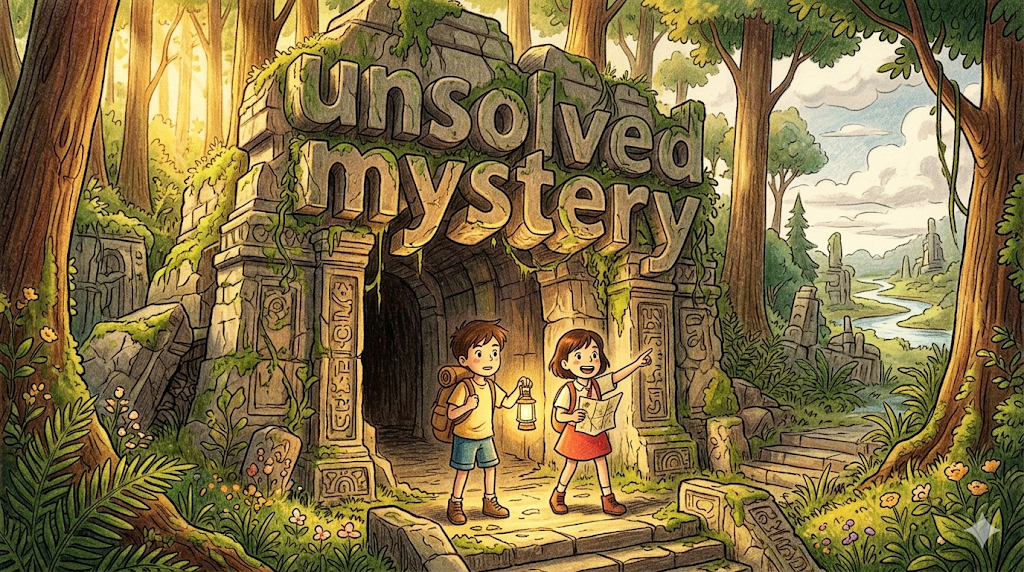
unsolved mystery [ʌnˈsɒlvd ˈmɪstəri]
(명사구) 미해결 수수께끼, 풀리지 않은 수수께끼
오랫동안 답을 찾지 못한 의문이나 사건을 강조합니다. 수능 독해 사회·심리·학술 지문에서 핵심적으로 등장합니다.
- The fact that no one has ever seen a live giant squid in its natural deep-sea habitat remains an unsolved mystery that marine biologists are still working hard to change. (아무도 자연 심해 서식지에서 살아있는 대왕 오징어를 본 적이 없다는 사실은 해양 생물학자들이 여전히 바꾸기 위해 열심히 노력하고 있는 미해결 수수께끼로 남아있다.)
- The history class spent a whole lesson discussing famous unsolved mysteries from different periods of history, and students were surprised to discover how many questions about the past still had no clear answer. (역사 수업은 역사의 다른 시대에서 온 유명한 미해결 수수께끼를 토론하는 데 한 수업 전체를 보냈으며, 학생들은 과거에 대한 얼마나 많은 질문이 여전히 명확한 답이 없는지 발견하고 놀랐다.)
- For scientists, an unsolved mystery is not a sign of failure but an invitation to keep asking better questions until the answers slowly begin to reveal themselves. (과학자들에게, 미해결 수수께끼는 실패의 표시가 아니라 답이 천천히 드러나기 시작할 때까지 더 나은 질문을 계속 하라는 초대이다.)
숙어 그룹 묶음 1 — 발견·탐구 mystery 핵심 패턴
표현 의미 핵심 뉘앙스 주요 맥락
| mystery novel | 추리 소설 | 숨겨진 진실을 밝혀가는 과정의 소설 장르 | 문학·심리·수능 |
| unsolved mystery | 미해결 수수께끼 | 오랫동안 답을 찾지 못한 의문이나 사건 | 사회·학술·수능 |
| solve a mystery | 수수께끼를 풀다 | 알 수 없었던 것의 답이나 진실을 밝혀내는 것 | 일상·학술·수능 |
이 세 표현은 모두 mystery의 "알 수 없는 것을 밝혀가는 과정" 이미지를 공유하되, 각각 수수께끼를 풀어가는 이야기 장르(mystery novel)·아직 답을 찾지 못한 수수께끼(unsolved mystery)·수수께끼를 해결하는 행위(solve a mystery)의 관점에서 접근합니다.
- She had loved reading mystery novels from a young age, which gave her the patience and curiosity she needed to one day solve a mystery that others had dismissed as just an unsolved mystery that would never be explained. (그녀는 어릴 때부터 추리 소설을 읽는 것을 좋아했으며, 이것이 그녀에게 언젠가 다른 사람들이 결코 설명되지 않을 미해결 수수께끼로 무시했던 수수께끼를 풀 데 필요한 인내심과 호기심을 줬다.)
- The science teacher used an unsolved mystery about animal migration as the starting point for the project, telling students that their job was to solve a mystery the way a detective would — just like the detective in their favourite mystery novels. (과학 선생님은 동물 이주에 관한 미해결 수수께끼를 프로젝트의 출발점으로 사용하며, 학생들에게 그들의 임무는 자신이 좋아하는 추리 소설의 탐정처럼 — 탐정이 할 방식으로 수수께끼를 푸는 것이라고 말했다.)
- Every good mystery novel contains at least one unsolved mystery that keeps the reader turning pages, and the best ones are designed so that the reader has exactly enough clues to solve a mystery by themselves if they read carefully enough. (모든 좋은 추리 소설은 독자가 계속 페이지를 넘기게 하는 적어도 하나의 미해결 수수께끼를 포함하며, 가장 좋은 것들은 독자가 충분히 주의 깊게 읽으면 스스로 수수께끼를 풀 수 있도록 정확히 충분한 단서를 가지도록 설계된다.)

wrapped in mystery [ræpt ɪn ˈmɪstəri]
(형용사구/관용구) 신비로 둘러싸인, 수수께끼에 싸인
어떤 사람이나 장소·사건이 알 수 없는 것들로 가득 차 있는 것을 강조합니다. 수능 독해 문학·심리·사회 지문에서 핵심적으로 등장합니다.
- The ancient temple was wrapped in mystery — its walls were covered in symbols that even the world's best language experts had not been able to read or understand. (고대 신전은 수수께끼에 싸여 있었다 — 벽은 세계 최고의 언어 전문가들조차 읽거나 이해하지 못했던 기호들로 덮여 있었다.)
- She had always been wrapped in mystery, speaking little about her past and giving different answers every time someone asked where she had grown up. (그녀는 항상 수수께끼에 싸여 있었으며, 자신의 과거에 대해 거의 말하지 않고 누군가 어디서 자랐는지 물을 때마다 다른 답을 줬다.)
- The origin of language — how and why humans first began to speak — remains wrapped in mystery because it happened so long ago that no physical evidence was left behind. (언어의 기원 — 인간이 어떻게 그리고 왜 처음으로 말을 하기 시작했는지 — 는 너무 오래 전에 일어나서 물리적 증거가 남아있지 않기 때문에 여전히 수수께끼에 싸여 있다.)

mystery tour [ˈmɪstəri tʊər]
(명사구) 미스터리 투어, 목적지를 모르는 여행
어디로 가는지 미리 알 수 없는 여행이나 활동을 강조하며, 비유적으로 결과를 알 수 없는 새로운 경험을 나타냅니다. 수능 독해 사회·심리·문학 지문에서 자주 등장합니다.
- He described starting university as a mystery tour — exciting because you do not know exactly where it will lead you, and scary for exactly the same reason. (그는 대학 시작을 미스터리 투어라고 묘사했다 — 정확히 어디로 이끌지 모르기 때문에 흥미롭고, 정확히 같은 이유로 무섭다고.)
- The class loved the idea of a mystery tour for the end-of-year trip — the teacher had kept the destination completely secret, and the excitement on the bus was something nobody wanted to miss. (학급은 연말 여행을 위한 미스터리 투어 아이디어를 좋아했다 — 선생님이 목적지를 완전히 비밀로 유지했으며, 버스에서의 흥분은 아무도 놓치고 싶지 않은 것이었다.)
- Life itself can feel like a mystery tour — you set off each morning without knowing exactly what will happen, and often the most meaningful moments are the ones you never planned for. (삶 자체가 미스터리 투어처럼 느껴질 수 있다 — 정확히 무슨 일이 일어날지 알지 못하고 매일 아침 출발하며, 종종 가장 의미 있는 순간들은 절대 계획하지 않은 것들이다.)
숙어 그룹 묶음 2 — 신비·감각 mystery 패턴
표현 의미 핵심 뉘앙스 주요 맥락
| wrapped in mystery | 신비로 둘러싸인 | 알 수 없는 것들로 가득 차 있는 것 | 문학·심리·수능 |
| mystery tour | 미스터리 투어 | 목적지나 결과를 모르는 여행 또는 경험 | 사회·심리·수능 |
| mystery guest | 미스터리 게스트 | 누구인지 미리 공개하지 않는 특별한 손님 | 일상·사회·수능 |
이 세 표현은 모두 mystery의 "알 수 없음에서 오는 기대와 흥미" 이미지를 공유하되, 각각 알 수 없는 것들로 가득 찬 상태(wrapped in mystery)·결과를 모르는 여행(mystery tour)·정체를 모르는 특별한 손님(mystery guest)의 관점에서 접근합니다.
- The whole event felt like a mystery tour — the venue was wrapped in mystery until they arrived, and even the identity of the mystery guest was not revealed until the very last moment, when a door opened and everyone gasped in surprise. (전체 행사는 미스터리 투어처럼 느껴졌다 — 장소는 도착할 때까지 수수께끼에 싸여 있었고, 미스터리 게스트의 정체조차 문이 열리고 모든 사람이 놀라움에 숨을 들이마시는 바로 마지막 순간까지 공개되지 않았다.)
- She had set up the party like a mystery tour — the guests were blindfolded at the start, the room was wrapped in mystery until she told them to open their eyes, and she had arranged for a mystery guest to appear halfway through the evening to make sure nobody would forget the night. (그녀는 파티를 미스터리 투어처럼 설정했다 — 손님들은 처음에 눈이 가려졌고, 방은 그녀가 눈을 뜨라고 말할 때까지 수수께끼에 싸여 있었으며, 아무도 그날 밤을 잊지 않도록 저녁 중간에 미스터리 게스트가 나타나도록 준비했다.)
- The best education is a kind of mystery tour — wrapped in mystery at the start, full of unexpected surprises along the way, and occasionally made even more memorable by the appearance of a mystery guest, whether that is a visiting expert or simply an idea you never expected to love. (최고의 교육은 일종의 미스터리 투어이다 — 처음에는 수수께끼에 싸여 있고, 가는 길에 예상치 못한 놀라움으로 가득하며, 때때로 방문 전문가든 단순히 좋아하게 될 것이라고 기대하지 않았던 아이디어든 미스터리 게스트의 등장으로 더욱 기억에 남게 된다.)
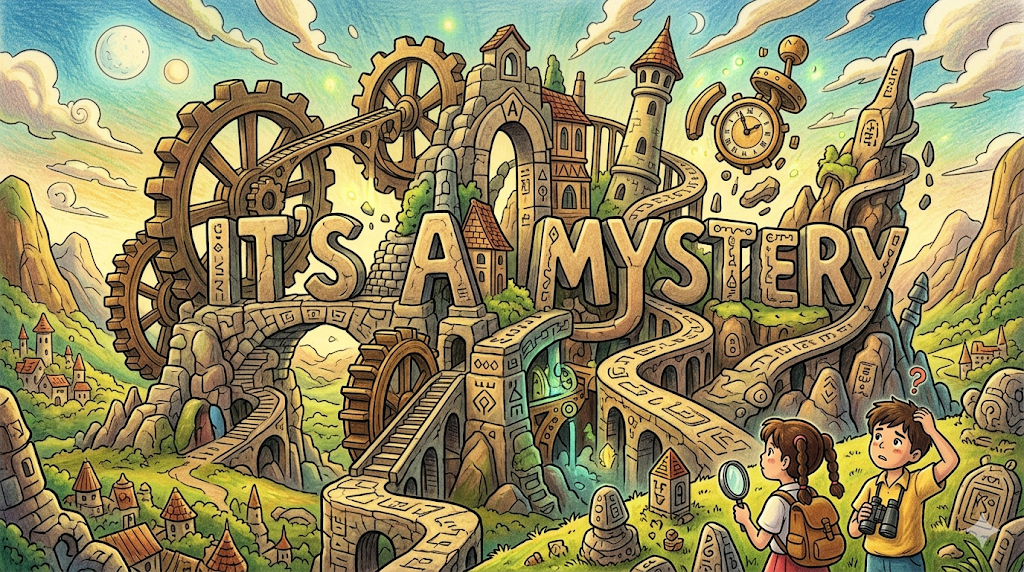
it's a mystery [ɪts ə ˈmɪstəri]
(관용구) 알 수가 없다, 도무지 이해할 수 없다
어떤 상황이나 사건이 전혀 이해되지 않거나 설명할 수 없음을 강조합니다. 수능 독해 심리·사회·일상 지문에서 자주 등장합니다.
- It's a mystery to most parents how teenagers manage to sleep until noon on weekends but have absolutely no trouble staying up until two in the morning on a school night. (도무지 알 수가 없는 것은 십대들이 주말에 정오까지 자면서도 학교 다음 날 밤에 새벽 2시까지 깨어있는 데는 전혀 문제가 없다는 것이다.)
- It's a mystery how the school cat always seemed to know exactly when the lunch bell was about to ring and would appear outside the dining hall door precisely one minute before it opened. (도무지 알 수가 없는 것은 학교 고양이가 어떻게 항상 점심 종이 울리려는 때를 정확히 아는 것 같았고 열리기 정확히 1분 전에 식당 문 밖에 나타났다는 것이다.)
- It's a mystery to researchers why some people are able to recover quickly from setbacks while others take a very long time to feel better, even when the challenges they face are very similar. (연구자들에게 도무지 알 수가 없는 것은 왜 일부 사람들이 직면하는 어려움이 매우 비슷할 때도 어떤 사람은 좌절에서 빠르게 회복하고 다른 사람은 기분이 나아지는 데 매우 오랜 시간이 걸리는지이다.)

mystery guest [ˈmɪstəri ɡest]
(명사구) 미스터리 게스트, 비밀 손님
누구인지 미리 공개하지 않고 나타나는 특별한 손님을 강조하며, 서프라이즈와 기대감을 나타냅니다. 수능 독해 일상·사회 지문에서 자주 등장합니다.
- The school's careers day had a mystery guest who turned out to be a famous local author that many of the students had read in class but never expected to actually meet in person. (학교의 직업 체험의 날에는 미스터리 게스트가 있었는데, 많은 학생들이 수업에서 읽었지만 실제로 직접 만날 것이라고는 기대하지 않았던 유명한 지역 작가였다.)
- She had organised a mystery guest for her friend's birthday party and spent three days trying not to give any hints about who it was, even when her friend asked her directly. (그녀는 친구의 생일 파티를 위해 미스터리 게스트를 준비했으며 친구가 직접 물어볼 때도 그것이 누구인지에 대한 어떤 힌트도 주지 않으려고 3일을 보냈다.)
- Having a mystery guest at a school event is a great way to remind students that interesting and inspiring people can come from anywhere — and that the most exciting encounters are often the ones you never saw coming. (학교 행사에 미스터리 게스트를 두는 것은 학생들에게 흥미롭고 영감을 주는 사람들이 어디에서나 올 수 있다는 것을 상기시키는 좋은 방법이다 — 그리고 가장 흥미로운 만남은 종종 전혀 예상하지 못한 것들이다.)
숙어 그룹 묶음 3 — 깊이·철학 mystery 심화 패턴
표현 의미 핵심 뉘앙스 주요 맥락
| deep mystery | 깊은 수수께끼 | 인간이 완전히 이해하기 어려운 근본적인 의문 | 철학·학술·수능 |
| full of mystery | 신비로 가득한 | 알 수 없는 것들로 넘쳐나는 것 | 문학·심리·수능 |
| it's a mystery | 도무지 알 수가 없다 | 상황이 전혀 이해되지 않거나 설명할 수 없음 | 심리·일상·수능 |
이 세 표현은 모두 mystery의 "알 수 없음의 정도와 성질" 이미지를 공유하되, 각각 근본적이고 철학적인 깊은 의문(deep mystery)·알 수 없는 것들로 넘쳐나는 상태(full of mystery)·일상적으로 이해할 수 없는 상황(it's a mystery)의 관점에서 접근합니다.
- The universe is full of mystery, but one of the deepest is consciousness itself — it's a mystery why we are aware of our own existence, and this deep mystery has puzzled scientists and philosophers for as long as human beings have been able to ask questions about the world. (우주는 수수께끼로 가득하지만, 가장 깊은 것 중 하나는 의식 자체이다 — 우리가 왜 자신의 존재를 인식하는지는 도무지 알 수가 없으며, 이 깊은 수수께끼는 인간이 세계에 대해 질문할 수 있게 된 이래로 과학자와 철학자들을 당혹스럽게 해왔다.)
- The ocean is full of mystery, it's a mystery why we know more about the surface of the moon than about the deep sea floor, and the creatures living in those dark depths remain a deep mystery that even the most advanced technology has only begun to scratch the surface of. (바다는 수수께끼로 가득하며, 왜 우리가 깊은 바닥보다 달 표면에 대해 더 많이 아는지 도무지 알 수가 없고, 그 어두운 깊이에 사는 생물들은 가장 진보된 기술도 이제 막 표면을 긁기 시작한 깊은 수수께끼로 남아있다.)
- Great literature is always full of mystery — good writers know that it's a mystery at the heart of a story that keeps readers turning pages, and the greatest books are the ones that leave behind a deep mystery that readers carry with them long after they have finished the last page. (위대한 문학은 항상 수수께끼로 가득하다 — 좋은 작가들은 독자들이 계속 페이지를 넘기게 하는 것이 이야기의 핵심에 있는 수수께끼임을 알며, 가장 위대한 책들은 독자들이 마지막 페이지를 끝낸 후 오랫동안 그들과 함께 가지고 다니는 깊은 수수께끼를 남기는 것들이다.)
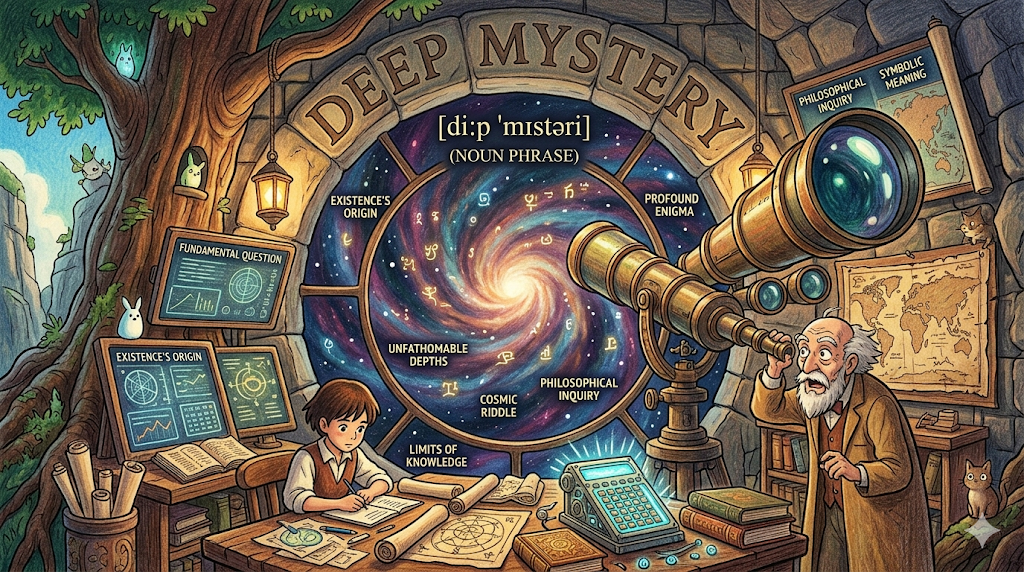
deep mystery [diːp ˈmɪstəri]
(명사구) 깊은 수수께끼, 심오한 불가사의
단순히 답을 모르는 것이 아니라 인간이 완전히 이해하기 어려운 깊고 근본적인 의문을 강조합니다. 수능 독해 철학·학술·심리 지문에서 자주 등장합니다.
- Why we feel emotions so strongly — and why music can make us cry even when nothing sad has happened — remains a deep mystery that neuroscientists are only beginning to understand. (왜 우리가 감정을 그렇게 강하게 느끼는지 — 그리고 왜 슬픈 일이 일어나지 않았을 때도 음악이 우리를 울게 할 수 있는지 — 는 신경과학자들이 이제 막 이해하기 시작한 깊은 수수께끼로 남아있다.)
- The origin of life on Earth — how the first living cell came into existence from a world of only chemicals and water — is considered by many scientists to be the greatest deep mystery in all of biology. (지구상 생명의 기원 — 어떻게 첫 번째 살아있는 세포가 화학 물질과 물만 있는 세계에서 존재하게 됐는지 — 는 많은 과학자들에 의해 생물학 전체에서 가장 위대한 깊은 수수께끼로 여겨진다.)
- What happens to our sense of self when we fall into a dreamless sleep is a deep mystery that no one has yet managed to explain in a way that fully satisfies even the scientists who study it most closely. (꿈 없는 수면에 빠졌을 때 자아에 무슨 일이 일어나는지는 그것을 가장 면밀하게 연구하는 과학자들조차 완전히 만족시키는 방식으로 아직 아무도 설명하지 못한 깊은 수수께끼이다.)

solve a mystery [sɒlv ə ˈmɪstəri]
(동사구) 수수께끼를 풀다, 미스터리를 해결하다
알 수 없었던 것의 답이나 진실을 밝혀내는 것을 강조합니다. 수능 독해 학술·심리·사회 지문에서 자주 등장합니다.
- The team of scientists worked together for three years to finally solve the mystery of why the bees in that region were disappearing, and the answer turned out to be far simpler than anyone had expected. (과학자 팀은 그 지역의 벌들이 왜 사라지고 있는지 수수께끼를 풀기 위해 3년 동안 함께 일했으며, 답은 누구도 예상하지 못했던 것보다 훨씬 더 단순한 것으로 밝혀졌다.)
- She felt a deep sense of satisfaction every time she managed to solve a mystery, not because of the prize or the recognition, but because of the feeling that something hidden had finally been brought into the light. (그녀는 수수께끼를 풀 때마다 상이나 인정 때문이 아니라 숨겨진 무언가가 마침내 빛 속으로 들어왔다는 느낌 때문에 깊은 만족감을 느꼈다.)
- The history of science is essentially the story of how humans have used curiosity, patience, and careful thinking to slowly solve the mysteries of the universe one small discovery at a time. (과학의 역사는 본질적으로 인간이 어떻게 호기심, 인내심, 그리고 신중한 사고를 사용해 한 번에 하나씩 작은 발견으로 우주의 수수께끼를 천천히 풀어 나갔는지에 대한 이야기이다.)
숙어 그룹 묶음 4 — 종합 mystery 패턴
표현 의미 핵심 뉘앙스 주요 맥락
| wrapped in mystery | 신비로 둘러싸인 | 알 수 없는 것들로 가득 차 있는 것 | 문학·심리·수능 |
| unsolved mystery | 미해결 수수께끼 | 오랫동안 답을 찾지 못한 의문이나 사건 | 사회·학술·수능 |
| it's a mystery | 도무지 알 수가 없다 | 상황이 전혀 이해되지 않거나 설명할 수 없음 | 심리·일상·수능 |
이 세 표현은 수능 독해에서 가장 자주 출제되는 mystery의 핵심 패턴입니다. wrapped in mystery는 알 수 없는 것들로 가득 찬 상태를, unsolved mystery는 아직 답을 찾지 못한 수수께끼를, it's a mystery는 일상적으로 이해할 수 없는 상황을 각각 나타냅니다.
- The ancient civilisation was wrapped in mystery, its disappearance remained an unsolved mystery for centuries, and it's a mystery even today why such an advanced society would have vanished without leaving any clear explanation in the record it left behind. (그 고대 문명은 수수께끼에 싸여 있었고, 그것의 사라짐은 수세기 동안 미해결 수수께끼로 남아있었으며, 그토록 발전된 사회가 남긴 기록에 어떤 명확한 설명도 없이 왜 사라졌을지는 오늘날에도 여전히 도무지 알 수가 없다.)
- The human mind is wrapped in mystery, the exact mechanism of creativity remains an unsolved mystery, and it's a mystery why the same environment and the same education can produce one person of extraordinary imagination and another with little interest in creating anything at all. (인간의 마음은 수수께끼에 싸여 있고, 창의성의 정확한 메커니즘은 미해결 수수께끼로 남아있으며, 같은 환경과 같은 교육이 왜 비범한 상상력을 가진 한 사람과 무언가를 창조하는 데 거의 관심이 없는 또 다른 사람을 만들어낼 수 있는지는 도무지 알 수가 없다.)
- The fact that kindness — something so simple and so free — is still not universal in the world is wrapped in mystery, has been an unsolved mystery of human behaviour for as long as civilisation has existed, and it's a mystery that perhaps the wisest response to is not to seek an explanation but simply to choose to be kind regardless of whether we ever fully understand why others sometimes choose not to be. (그렇게 단순하고 무료인 친절이 세상에서 여전히 보편적이지 않다는 사실은 수수께끼에 싸여 있고, 문명이 존재하는 한 인간 행동의 미해결 수수께끼였으며, 이는 도무지 알 수가 없는 것으로, 어쩌면 가장 현명한 반응은 설명을 찾는 것이 아니라 단순히 왜 다른 사람들이 때때로 친절하지 않기로 선택하는지 완전히 이해하든 안 하든 관계없이 친절하기로 선택하는 것일 것이다.)
전체 요약표
표현 의미 핵심 뉘앙스
| mystery | 수수께끼, 불가사의 / 추리물 | 알 수 없는 것에서 신비·추리·깊은 의문으로 확장 |
| mystery novel | 추리 소설 | 숨겨진 진실을 밝혀가는 과정의 소설 장르 |
| unsolved mystery | 미해결 수수께끼 | 오랫동안 답을 찾지 못한 의문이나 사건 |
| wrapped in mystery | 신비로 둘러싸인 | 알 수 없는 것들로 가득 차 있는 것 |
| mystery tour | 미스터리 투어 | 목적지나 결과를 모르는 여행 또는 경험 |
| it's a mystery | 도무지 알 수가 없다 | 상황이 전혀 이해되지 않거나 설명할 수 없음 |
| mystery guest | 미스터리 게스트 | 누구인지 미리 공개하지 않는 특별한 손님 |
| deep mystery | 깊은 수수께끼 | 인간이 완전히 이해하기 어려운 근본적인 의문 |
| solve a mystery | 수수께끼를 풀다 | 알 수 없었던 것의 답이나 진실을 밝혀내는 것 |
| full of mystery | 신비로 가득한 | 알 수 없는 것들로 넘쳐나는 것 |
유의어 비교표

단어 공통점 뉘앙스 차이 예문
| mystery | 알 수 없는 것 | 설명 불가·이해 불가능한 것, 비유 풍부 | It was a mystery. |
| secret | 비밀 | 의도적으로 숨겨진 것 | It was her secret. |
| puzzle | 수수께끼 | 논리적으로 풀 수 있는 복잡한 것 | It was a puzzle to solve. |
| riddle | 수수께끼 | 교묘하게 숨겨진 답이 있는 것 | He told her a riddle. |
| enigma | 불가사의 | 매우 이해하기 어렵고 복잡한 사람·상황 | She was an enigma. |
유의어 예문 리스트
- (secret) The reason behind the teacher's unusually cheerful mood on a Monday morning was clearly a secret that she was not ready to share with the class, no matter how many curious looks they gave her. (월요일 아침 선생님의 유난히 밝은 기분의 이유는 학급이 얼마나 많은 궁금한 눈빛을 보내든 관계없이 학급과 나눌 준비가 되지 않은 비밀이 분명했다.)
- (puzzle) The question of how to organise the group fairly so that nobody felt left out or overworked was a puzzle that the class captain spent the whole of lunchtime trying to figure out. (아무도 소외되거나 과중하게 일한다고 느끼지 않도록 그룹을 공정하게 조직하는 방법의 문제는 학급 회장이 점심 시간 전체를 해결하려고 노력한 퍼즐이었다.)
- (riddle) The teacher started the lesson with a riddle that seemed impossible at first but made complete sense once the students stopped trying to overthink it and just listened to the words carefully. (선생님은 처음에는 불가능해 보이지만 학생들이 과도하게 생각하려는 것을 멈추고 단어를 주의 깊게 들으면 완전히 이해가 되는 수수께끼로 수업을 시작했다.)
- (enigma) The exchange student from the other country was an enigma in the best possible sense — every conversation with her opened up a new idea or perspective that nobody in the class had ever thought about before. (다른 나라에서 온 교환 학생은 최선의 의미에서 불가사의였다 — 그녀와의 모든 대화는 학급의 누구도 이전에 생각해본 적 없는 새로운 아이디어나 관점을 열어줬다.)
결론 정리
mystery는 단순히 "수수께끼"가 아니라, 그리스어 mysterion(비밀 의식)에서 출발해 알 수 없는 것에서 신비로움·추리·깊은 의문·불가사의까지 확장되는 단어다 — mystery가 있는 곳엔 언제나 '단순한 모름이 아닌, 인간의 호기심·탐구욕·경이로움이 생생하게 살아숨쉬는' 생동감의 선언이 있다.
💡 mystery는 "알 수 없고 이해하기 어려운 것에서 출발한" 생동감 넘치는 언어 — wrapped in mystery · unsolved mystery · it's a mystery가 수능 최빈출.
🌟 초등학생 버전 — mystery는 "왜 그런지 아무도 모르는 수수께끼"인데, "풀리지 않은 미스터리"(unsolved mystery), "추리 소설"(mystery novel), "비밀에 싸인"(wrapped in mystery)처럼 우리 일상과 이야기 곳곳에 살아있는 단어예요! 🔍✨


