
- 분류 전체보기 (5111)

| 일 | 월 | 화 | 수 | 목 | 금 | 토 |
|---|---|---|---|---|---|---|
| 1 | 2 | 3 | 4 | |||
| 5 | 6 | 7 | 8 | 9 | 10 | 11 |
| 12 | 13 | 14 | 15 | 16 | 17 | 18 |
| 19 | 20 | 21 | 22 | 23 | 24 | 25 |
| 26 | 27 | 28 | 29 | 30 |
- Please
- Show Up
- please?
- oh
- well
- OKay
- entrance fee
- Yeah
- hold back
- Excuse me
- please.
- pick up
- Don't worry
- I'm sorry
- Hey
- come up with
- too.
- I'm glad to hear that.
- By The Way
- make it
- Sorry
- Yes
- Right?
- set up
- work out
- Sure
- hold on
- Actually
- no
- I'm not sure
- Today
- Total
인과함께
Day317 , interpret, interpret as, interpret for, misinterpret, open to interpretation, interpret literally, interpret freely, interpreter, interpretation, beyond interpretation 본문
Day317 , interpret, interpret as, interpret for, misinterpret, open to interpretation, interpret literally, interpret freely, interpreter, interpretation, beyond interpretation
미인생 2026. 4. 14. 04:19
interpret [ɪnˈtɜːrprɪt]
(동사) 해석하다, 이해하다, 통역하다, 표현하다
단순히 "해석하다"로만 외우면 수능에서 반드시 틀립니다. interpret는 "어떤 것의 의미를 자신의 방식으로 풀어내어 다른 사람이 이해할 수 있도록 전달하는 것" 이라는 핵심 이미지에서 출발해, 언어의 통역에서 예술 작품의 해석·상황의 이해·감정의 표현까지 폭넓게 쓰이는 핵심 다의어입니다. 특히 interpret as(~으로 해석하다), open to interpretation(해석의 여지가 있는), misinterpret(잘못 해석하다) 패턴은 수능 독해 심리·사회·문학 지문에서 핵심적으로 등장합니다.
'interpret'는 라틴어 interpretari(설명하다, 번역하다)에서 유래했으며, interpres(중개인, 설명자)와 연결됩니다. 어원의 핵심 이미지는 "두 세계 사이에서 의미를 중개하고 전달하는 것" 으로, 단순한 번역이 아닌 한 세계의 의미를 다른 세계가 이해할 수 있는 형태로 풀어내는 능동적인 행위가 이 단어의 본질입니다.
🔍 interpret의 핵심 뉘앙스
"해석하다라는 뜻에서 시작해, 통역·오해·문자적 해석·자유로운 해석·해석의 한계까지 담은 단어."
1️⃣ ~로 해석하다·이해하다
- interpret as → ~로 해석하다, ~의 의미로 받아들이다 ("She interpreted his silence as anger." 그녀는 그의 침묵을 화난 것으로 해석했어)
- interpret literally → 문자 그대로 해석하다, 비유나 숨은 뜻 없이 글자 뜻대로 받아들이다
- interpret freely → 자유롭게 해석하다, 원래 의미에 얽매이지 않고 자신만의 방식으로 풀어내다
2️⃣ 통역하다
- interpret for → ~를 위해 통역하다, 언어가 다른 두 사람 사이를 연결하다
- interpreter → 통역사, 두 언어 사이를 실시간으로 연결해주는 사람
3️⃣ 해석이 갈리는 영역
- open to interpretation → 해석의 여지가 있다, 사람마다 다르게 받아들일 수 있는 상태 ("The poem is open to interpretation." 그 시는 다양하게 해석될 수 있어)
- interpretation → 해석, 이해하고 의미를 부여하는 행위 그 자체
- beyond interpretation → 해석의 범위를 넘어선, 이해하거나 설명하기 어려운 상태
4️⃣ 잘못 해석하다
- misinterpret → 잘못 해석하다, 의도와 다르게 이해하다 ("I think you misinterpreted what I said." 내 말을 잘못 이해한 것 같아)
💡 아들에게 이렇게 설명해보세요
"interpret는 '해석하다'인데, 언어를 넘나드는 통역도 포함해. interpret as는 어떤 말이나 행동을 특정 의미로 받아들이는 거야 — 같은 말도 사람마다 다르게 해석하잖아. misinterpret는 잘못 이해하는 건데, 문자 메시지에서 오해가 생기는 게 대표적이야. open to interpretation은 '해석의 여지가 있다'는 건데 — 현대 예술 작품처럼 정답이 없고 보는 사람마다 다르게 느끼는 것에 써. interpreter는 외국어를 실시간으로 통역해주는 사람이야."
✨ 최종 한 줄 요약
interpret는 언어·행동·예술·상황을 의미 있게 풀어낸다는 뜻으로, 통역·오해·자유로운 해석·해석의 한계까지 '의미를 만들어가는' 모든 과정을 담은 단어.
1. interpret as [ɪnˈtɜːrprɪt æz]
(일상/심리/수능) "~으로 해석하다, ~으로 이해하다"를 뜻합니다. 어떤 행동·말·상황을 특정한 의미나 의도로 받아들이는 것을 강조합니다.
She interpreted his silence as agreement, but he was actually just too tired to speak. (그녀는 그의 침묵을 동의로 해석했지만, 그는 사실 말하기에 너무 피곤했을 뿐이었다.)
2. interpret for [ɪnˈtɜːrprɪt fɔːr]
(일상/사회/수능) "~을 위해 통역하다"를 뜻합니다. 서로 다른 언어를 사용하는 사람들 사이에서 말을 옮겨주는 것을 나타냅니다.
She interpreted for the foreign student during the school meeting so he could understand everything. (그녀는 외국인 학생이 모든 것을 이해할 수 있도록 학교 회의 중에 그를 위해 통역했다.)
3. misinterpret [ˌmɪsɪnˈtɜːrprɪt]
(일상/심리/수능) "잘못 해석하다, 오해하다"를 뜻합니다. 어떤 말·행동·상황의 의미를 잘못 이해하거나 의도와 다르게 받아들이는 것을 나타냅니다.
He misinterpreted her kind smile as romantic interest, which made things between them very awkward. (그는 그녀의 친절한 미소를 낭만적인 관심으로 잘못 해석해서 그들 사이를 매우 어색하게 만들었다.)
4. open to interpretation [ˈoʊpən tuː ɪntɜːrprɪˈteɪʃən]
(일상/문학/수능) "해석의 여지가 있는, 다양하게 해석될 수 있는"을 뜻합니다. 어떤 것이 하나의 고정된 의미가 아닌 여러 가지 방식으로 이해될 수 있음을 나타냅니다.
The ending of the story was open to interpretation, and every student in the class had a different idea about what it meant. (이야기의 결말은 해석의 여지가 있어서 학급의 모든 학생이 그것이 무엇을 의미하는지에 대해 다른 생각을 가지고 있었다.)
5. interpret literally [ɪnˈtɜːrprɪt ˈlɪtərəli]
(일상/언어/수능) "글자 그대로 해석하다"를 뜻합니다. 어떤 말이나 표현을 비유나 맥락 없이 단어 하나하나의 원래 의미로만 받아들이는 것을 나타냅니다.
If you interpret the phrase literally, it sounds very strange, but it actually just means to work very hard. (그 표현을 글자 그대로 해석하면 매우 이상하게 들리지만, 사실 그것은 그냥 매우 열심히 일한다는 뜻이다.)
6. interpret freely [ɪnˈtɜːrprɪt ˈfriːli]
(일상/예술/수능) "자유롭게 해석하다"를 뜻합니다. 어떤 것을 고정된 의미나 규칙에 얽매이지 않고 자신만의 방식으로 이해하거나 표현하는 것을 강조합니다.
The art teacher told the students to interpret freely and not worry about what the picture was supposed to look like. (미술 선생님은 학생들에게 자유롭게 해석하고 그림이 어떻게 보여야 하는지 걱정하지 말라고 했다.)
7. interpreter [ɪnˈtɜːrprɪtər]
(일상/사회/수능) "통역사, 해석자"를 뜻합니다. 서로 다른 언어를 사용하는 사람들 사이에서 말을 옮겨주는 사람, 또는 어떤 것의 의미를 풀어내는 사람을 나타냅니다.
The hospital had a professional interpreter on call to help patients who could not speak the local language. (병원은 현지 언어를 말할 수 없는 환자들을 돕기 위해 전문 통역사를 대기시켜 두었다.)
8. interpretation [ɪntɜːrprɪˈteɪʃən]
(일상/문학/수능) "해석, 이해, 통역, 표현"을 뜻합니다. 어떤 것의 의미를 풀어내는 행위나 그 결과를 나타내며, 예술·문학·언어·상황 등 다양한 맥락에서 쓰입니다.
Her interpretation of the poem was so different from everyone else's that the teacher asked her to share it with the class. (그녀의 시에 대한 해석은 다른 모든 사람의 것과 너무 달라서 선생님이 그녀에게 반과 공유해 달라고 했다.)
9. beyond interpretation [bɪˈjɒnd ɪntɜːrprɪˈteɪʃən]
(문학/학술/수능) "해석을 넘어선, 설명하기 어려운"을 뜻합니다. 어떤 것이 너무 복잡하거나 깊어서 어떤 단일한 설명으로도 완전히 담아낼 수 없음을 나타냅니다.
The beauty of the sunset that evening was almost beyond interpretation — no words seemed good enough to describe it. (그날 저녁 노을의 아름다움은 거의 해석을 넘어선 것이었다 — 어떤 말도 그것을 묘사하기에 충분하지 않은 것 같았다.)
10. interpret with [ɪnˈtɜːrprɪt wɪð]
(예술/문학/수능) "~으로 해석하다, ~을 담아 표현하다"를 뜻합니다. 어떤 작품이나 상황을 특정 감정·관점·방식을 담아 표현하거나 해석하는 것을 강조합니다.
The young musician interpreted the classical piece with such deep feeling that many people in the audience began to cry. (젊은 음악가는 클래식 곡을 너무 깊은 감정을 담아 표현해서 청중의 많은 사람들이 울기 시작했다.)

POINT 1. interpret + 전치사 패턴 — 수능 최빈출 구조
interpret는 수능 문법·독해에서 함께 쓰이는 전치사에 따라 의미가 완전히 달라지는 패턴으로 자주 출제됩니다. interpret + as + 명사/형용사 → ~으로 해석하다, ~으로 받아들이다 예) She interpreted his words as a warning. (그녀는 그의 말을 경고로 해석했다.) interpret + for + 사람 → ~을 위해 통역하다 예) He interpreted for the visiting teacher. (그는 방문 선생님을 위해 통역했다.) interpret + literally/freely → 글자 그대로/자유롭게 해석하다 예) Do not interpret this rule too literally. (이 규칙을 너무 글자 그대로 해석하지 마라.) 특히 interpret as 패턴은 수능 독해 심리·사회 지문에서 핵심 출제 표현입니다.
POINT 2. misinterpret — 수능 심리·사회 지문 핵심
misinterpret는 수능 독해에서 오해·갈등·소통 문제를 다루는 심리·사회 지문에서 핵심적으로 등장합니다. 감정·행동의 오해 → People often misinterpret confidence as arrogance. (사람들은 종종 자신감을 오만으로 오해한다.) 언어·문화적 오해 → She misinterpreted his directness as rudeness. (그녀는 그의 직접성을 무례함으로 오해했다.) 수능에서는 특히 mis- 접두사가 "잘못된"을 의미하는 패턴으로, misinterpret·misunderstand·miscommunicate 등이 함께 출제되는 경우가 많습니다.
POINT 3. open to interpretation — 수능 문학·철학 지문 핵심
open to interpretation은 수능 독해에서 예술·문학·철학 지문에서 핵심적으로 등장합니다. 문학 작품 → Great poems are always open to interpretation. (위대한 시는 항상 해석의 여지가 있다.) 법률·규칙 → The new rule was too open to interpretation to be useful. (새 규칙은 너무 해석의 여지가 많아서 유용하지 않았다.) 수능에서는 특히 "다양한 관점"을 강조하는 지문에서 이 표현이 핵심 어휘로 출제됩니다.
(동사) ① 해석하다, 이해하다 (의미·상황)
interpret의 가장 핵심적인 동사 의미로, 어떤 말·행동·상황의 의미를 자신의 방식으로 풀어내어 이해하는 것을 나타냅니다.
- She interpreted the teacher's frown as a sign that her answer was wrong, but she had actually got it right. (그녀는 선생님의 찡그린 표정을 자신의 답이 틀렸다는 신호로 해석했지만, 사실 그녀는 정답을 맞혔다.)
- Different people can interpret the same piece of music in completely different ways depending on their own experiences. (다른 사람들은 자신의 경험에 따라 같은 음악을 완전히 다른 방식으로 해석할 수 있다.)
- He interpreted the map carefully before starting the walk so that the group would not get lost in the forest. (그는 숲에서 길을 잃지 않도록 걷기 시작하기 전에 지도를 신중하게 해석했다.)
(동사) ② 통역하다 (언어)
서로 다른 언어를 사용하는 사람들 사이에서 말을 실시간으로 옮겨주는 것을 나타냅니다. 수능 독해 일상·사회 지문에서 중요한 의미입니다.
- The student volunteered to interpret for the new classmate who had just arrived from another country. (학생은 다른 나라에서 막 온 새 반 친구를 위해 통역하겠다고 자원했다.)
- She had to interpret very quickly during the meeting because both sides were speaking fast and switching topics often. (그녀는 양측이 빠르게 말하고 자주 주제를 바꾸었기 때문에 회의 중에 매우 빠르게 통역해야 했다.)
- He learned three languages so that he could interpret for people who needed help communicating in his community. (그는 지역 사회에서 소통에 도움이 필요한 사람들을 위해 통역할 수 있도록 세 가지 언어를 배웠다.)
(동사) ③ 표현하다, 연주하다 (예술·음악)
예술가나 음악가가 어떤 작품을 자신만의 방식으로 이해하고 표현하는 것을 나타냅니다. 수능 독해 예술·문학 지문에서 중요한 의미입니다.
- Each dancer interpreted the same piece of music differently, which made the performance exciting and full of surprise. (각 무용수가 같은 음악을 다르게 표현해서 공연이 흥미롭고 놀라움으로 가득했다.)
- The young pianist interpreted the old song in a modern style that made everyone in the audience smile and clap. (젊은 피아니스트는 오래된 노래를 청중 모두가 미소 짓고 박수를 치게 만드는 현대적인 스타일로 표현했다.)
- She interpreted the role of the main character so well that people forgot they were watching a school play. (그녀는 주인공의 역할을 너무 잘 표현해서 사람들이 학교 연극을 보고 있다는 것을 잊을 정도였다.)

뉘앙스·의미 연결 흐름 표
핵심 이미지 연결 흐름 뉘앙스 요약
| 두 세계 사이에서 의미를 중개함 | 언어 통역 → 상황 해석 → 예술적 표현 | 강제가 아닌, 의미를 풀어내어 전달하는 능동적 행위 |
| 받아들이는 방식에 따라 달라짐 | 해석자의 관점 → 다양한 이해 가능 | open to interpretation, interpret freely, interpret as |
| 잘못 풀어낼 수 있음 | 의도 → 오해 → 관계·소통 문제 | misinterpret, beyond interpretation |
어원 흐름 표
단어 구성 요소 의미 연결 흐름 뉘앙스 요약
| 라틴어 interpres(중개인) + interpretari(설명하다) (어근) | 중개하다·설명하다 → 라틴어 interpretari | 두 세계 사이에서 의미를 풀어내어 전달하는 이미지 |
| interpret (동사) | 해석하다 → 통역하다 → 표현하다 → 중개하다 | 한 세계의 의미를 다른 세계로 옮기는 완성 |
품사별 의미 표
품사 의미 예문
| 동사 | 해석하다, 이해하다 | She interpreted his look as anger. (그녀는 그의 표정을 화남으로 해석했다.) |
| 동사 | 통역하다 | He interpreted for the visitor. (그는 방문객을 위해 통역했다.) |
| 동사 | 표현하다, 연주하다 | She interpreted the role beautifully. (그녀는 그 역할을 아름답게 표현했다.) |
| 명사(파생) | 해석, 이해 (interpretation) | His interpretation was unique. (그의 해석은 독특했다.) |
| 명사(파생) | 통역사, 해석자 (interpreter) | She works as an interpreter. (그녀는 통역사로 일한다.) |
활용 예문 리스트
- He interpreted her short reply as a sign that she was angry, but she had just been in a hurry that day. (그는 그녀의 짧은 답장을 그녀가 화가 났다는 신호로 해석했지만, 그녀는 그날 그냥 바빴을 뿐이었다.)
- The painting was completely open to interpretation — some people saw hope in it, while others saw sadness. (그 그림은 완전히 해석의 여지가 있어서 어떤 사람들은 그 안에서 희망을 보고 다른 사람들은 슬픔을 보았다.)
- She misinterpreted his nervous laugh as rudeness and walked away before he could explain himself. (그녀는 그의 긴장된 웃음을 무례함으로 오해하고 그가 자신을 설명하기도 전에 자리를 떠났다.)
- The young dancer interpreted the piece with such passion that the whole audience stood up to clap at the end. (젊은 무용수는 그 곡을 너무 열정적으로 표현해서 공연이 끝날 때 전체 청중이 일어나서 박수를 쳤다.)
- His love for the old stories was beyond interpretation — it was something he felt deep inside that no single word could fully capture. (오래된 이야기들에 대한 그의 사랑은 해석을 넘어선 것이었다 — 그것은 어떤 단어 하나로도 완전히 담아낼 수 없는 마음속 깊이 느끼는 무언가였다.)
전체 뉘앙스 설명
interpret는 '두 세계 사이에서 의미를 중개하듯 어떤 것의 의미를 풀어내어 다른 사람이 이해할 수 있는 형태로 전달하는 모든 해석의 언어'입니다.
translate와의 차이: translate는 언어를 다른 언어로 옮기는 것을 강조하고, interpret는 실시간 통역이나 더 넓은 의미에서 뜻을 풀어내어 이해하는 것을 강조합니다. understand와의 차이: understand는 단순히 이해하는 것을 강조하고, interpret는 능동적으로 의미를 풀어내어 자신의 방식으로 설명하거나 표현하는 과정을 강조합니다. explain과의 차이: explain은 어떤 것을 다른 사람에게 알기 쉽게 풀어 설명하는 것을 강조하고, interpret는 해석자 자신의 관점과 이해가 개입하여 의미를 만들어내는 것을 강조합니다.
마지막 핵심 정리
interpret는 단순히 "해석하다"가 아닙니다 — 라틴어 interpres(중개인)에서 출발해, 상황·행동의 의미를 자신의 방식으로 풀어내는 것(interpret as)에서 잘못된 이해(misinterpret)·다양한 해석 가능성(open to interpretation)·예술적 표현(interpret with)·언어의 실시간 통역(interpret for)까지 확장되는 단어이며, interpret + 전치사 패턴 구별·misinterpret의 오해 맥락·open to interpretation의 다의성 파악이 수능 핵심 출제 포인트입니다.
파생어 표 (발음기호 포함)
파생어 발음기호 품사 의미
| interpretation | [ɪntɜːrprɪˈteɪʃən] | 명사 | 해석, 이해, 통역, 표현 |
| interpreter | [ɪnˈtɜːrprɪtər] | 명사 | 통역사, 해석자 |
| misinterpret | [ˌmɪsɪnˈtɜːrprɪt] | 동사 | 잘못 해석하다, 오해하다 |
| misinterpretation | [ˌmɪsɪntɜːrprɪˈteɪʃən] | 명사 | 잘못된 해석, 오해 |
| interpretive | [ɪnˈtɜːrprɪtɪv] | 형용사 | 해석의, 해석에 관한 |
| reinterpret | [ˌriːɪnˈtɜːrprɪt] | 동사 | 다시 해석하다, 재해석하다 |
| reinterpretation | [ˌriːɪntɜːrprɪˈteɪʃən] | 명사 | 재해석 |
| uninterpreted | [ˌʌnɪnˈtɜːrprɪtɪd] | 형용사 | 해석되지 않은 |
유의어 비교표 + 유의어 예문 리스트
단어 공통점 뉘앙스 차이 예문
| interpret | 해석하다 | 의미를 능동적으로 풀어내어 자신의 방식으로 전달 | She interpreted his smile as agreement. |
| translate | 번역하다 | 언어를 다른 언어로 정확하게 옮기는 것 | He translated the letter from French. |
| understand | 이해하다 | 단순히 의미를 받아들여 아는 것 | She understood the question easily. |
| explain | 설명하다 | 다른 사람이 알기 쉽도록 풀어 말하는 것 | He explained the rule to the class. |
| analyse | 분석하다 | 어떤 것을 세부적으로 나누어 살피는 것 | She analysed the data carefully. |
- (translate) She worked hard to translate the short story from English into her own language so her grandmother could read it. (그녀는 할머니가 읽을 수 있도록 단편 소설을 영어에서 자신의 언어로 번역하기 위해 열심히 노력했다.)
- (understand) He read the instructions three times before he finally began to understand what he was supposed to do. (그는 자신이 무엇을 해야 하는지 마침내 이해하기 전에 지시 사항을 세 번 읽었다.)
- (explain) The teacher took extra time to explain the difficult concept in a simple way so that every student could follow along. (선생님은 모든 학생이 따라올 수 있도록 어려운 개념을 간단한 방식으로 설명하는 데 추가 시간을 들였다.)
- (analyse) The students were asked to analyse the poem by looking at the words, the rhythm, and the feelings it created. (학생들은 단어, 리듬, 그리고 그것이 만들어내는 감정을 살펴보며 시를 분석하도록 요청받았다.)
결론 정리
interpret는 단순히 "해석하다"가 아니라, 두 세계 사이에서 의미를 중개하듯 어떤 것의 의미를 능동적으로 풀어내어 다른 사람이 이해할 수 있는 형태로 전달하는 단어다 — interpret가 있는 곳엔 언제나 '단순한 이해가 아닌, 해석자의 관점과 이해가 개입하여 의미를 새롭게 만들어내는' 해석의 선언이 있다.
💡 interpret는 "두 세계 사이에서 의미를 중개하여 풀어내는" 해석의 언어 — interpret as·misinterpret·open to interpretation이 수능 최빈출.
🌟 초등학생 버전 interpret는 외국어로 된 책을 한국어로 바꾸어 주듯, 어떤 것의 숨겨진 의미를 찾아내서 다른 사람들이 이해할 수 있게 풀어주는 것이에요! 같은 그림을 보고도 서로 다른 것을 느끼는 것처럼, 우리는 모두 세상을 조금씩 다르게 해석하며 살아가요! 💪✨

interpret as [ɪnˈtɜːrprɪt æz]
(동사구) ~으로 해석하다, ~으로 이해하다
어떤 행동·말·상황을 특정한 의미나 의도로 받아들이는 것을 강조합니다. 수능 독해 심리·사회·문학 지문에서 핵심 표현으로 자주 등장합니다.
- She interpreted the teacher's long pause as a sign that the question was harder than she had thought. (그녀는 선생님의 긴 침묵을 질문이 자신이 생각했던 것보다 더 어렵다는 신호로 해석했다.)
- Many people interpreted the new rule as an attempt to limit their freedom, even though that was not the intention. (많은 사람들이 새 규칙을 자신들의 자유를 제한하려는 시도로 해석했지만, 그것이 의도는 아니었다.)
- He interpreted her warm greeting as a sign that she had already forgiven him for what had happened the week before. (그는 그녀의 따뜻한 인사를 그녀가 지난주에 있었던 일에 대해 이미 그를 용서했다는 신호로 해석했다.)

interpret for [ɪnˈtɜːrprɪt fɔːr]
(동사구) ~을 위해 통역하다
서로 다른 언어를 사용하는 사람들 사이에서 말을 실시간으로 옮겨주는 것을 나타냅니다. 수능 독해 일상·사회 지문에서 자주 등장합니다.
- The older student kindly offered to interpret for the new boy who had only just arrived from another country that week. (선배 학생은 그 주에 막 다른 나라에서 온 새 소년을 위해 친절하게 통역해 주겠다고 했다.)
- She had to interpret for both sides during the meeting, switching between two languages without stopping for nearly an hour. (그녀는 거의 한 시간 동안 쉬지 않고 두 언어를 오가며 회의 중에 양측을 위해 통역해야 했다.)
- He was nervous about having to interpret for such an important event, but he took a deep breath and did his best. (그는 그렇게 중요한 행사를 위해 통역해야 한다는 것에 긴장했지만, 깊게 숨을 들이쉬고 최선을 다했다.)

misinterpret [ˌmɪsɪnˈtɜːrprɪt]
(동사) 잘못 해석하다, 오해하다
어떤 말·행동·상황의 의미를 잘못 이해하거나 의도와 다르게 받아들이는 것을 나타냅니다. 수능 독해 심리·사회·문학 지문에서 핵심 표현으로 자주 등장합니다.
- She misinterpreted his quiet nature as unfriendliness, but he was actually one of the kindest people she would ever meet. (그녀는 그의 조용한 성격을 비우호적인 것으로 오해했지만, 그는 사실 그녀가 만날 가장 친절한 사람 중 한 명이었다.)
- He misinterpreted the directions and walked the wrong way for ten minutes before he realised his mistake. (그는 길 안내를 잘못 해석해서 실수를 깨닫기 전에 10분 동안 잘못된 방향으로 걸었다.)
- It is very easy to misinterpret a message sent by text because you cannot hear the tone of the person's voice. (상대방 목소리의 어조를 들을 수 없기 때문에 문자로 보낸 메시지를 잘못 해석하기가 매우 쉽다.)
숙어 그룹 묶음 1 — 기본 해석 interpret 핵심 패턴
표현 의미 핵심 뉘앙스 주요 맥락
| interpret as | ~으로 해석하다 | 행동·말·상황을 특정 의미로 받아들이는 것 | 심리·사회·문학 |
| interpret for | ~을 위해 통역하다 | 서로 다른 언어 사이에서 말을 옮겨주는 것 | 일상·사회 |
| misinterpret | 잘못 해석하다 | 의도와 다르게 의미를 받아들이는 것 | 심리·사회·문학 |
이 세 표현은 모두 interpret의 "두 세계 사이에서 의미를 중개하여 풀어내는" 이미지를 공유하되, 각각 어떤 것을 특정 의미로 받아들이는 것(interpret as)·언어 사이에서 말을 실시간으로 옮겨주는 것(interpret for)·의미를 잘못 받아들이는 것(misinterpret)의 관점에서 접근합니다.
- When she was asked to interpret for the new student, she realised how easy it is to misinterpret things in a new language — and how important it is never to interpret a person's words as something more negative than they actually meant. (그녀가 새 학생을 위해 통역해 달라는 요청을 받았을 때, 그녀는 새 언어에서 얼마나 쉽게 것들을 잘못 해석하는지 — 그리고 사람의 말을 실제 의미보다 더 부정적인 것으로 해석하지 않는 것이 얼마나 중요한지 깨달았다.)
- He misinterpreted her tone as impatience when she was actually just speaking quickly because she was excited — which is why it is so important not to interpret every fast sentence as rudeness, especially when someone is interpreting for you across a language barrier. (그는 그녀가 흥분해서 빠르게 말하고 있었을 뿐인데 그녀의 어조를 조급함으로 오해했다 — 그래서 모든 빠른 문장을 무례함으로 해석하지 않는 것이 매우 중요하며, 특히 누군가가 언어 장벽을 넘어 당신을 위해 통역할 때 더욱 그렇다.)
- The best person to interpret for someone in a difficult situation is not always the most fluent speaker — it is the one who is least likely to misinterpret the emotional weight of what is being said, and who knows never to interpret a moment of silence as a lack of understanding. (어려운 상황에서 누군가를 위해 통역하기에 가장 좋은 사람이 항상 가장 유창한 말하는 사람은 아니다 — 그것은 말해지는 것의 감정적 무게를 잘못 해석할 가능성이 가장 낮은 사람이고, 침묵의 순간을 이해 부족으로 해석하지 않을 줄 아는 사람이다.)

open to interpretation [ˈoʊpən tuː ɪntɜːrprɪˈteɪʃən]
(형용사구) 해석의 여지가 있는, 다양하게 해석될 수 있는
어떤 것이 하나의 고정된 의미가 아닌 여러 가지 방식으로 이해될 수 있음을 나타냅니다. 수능 독해 문학·철학·사회 지문에서 핵심 표현으로 자주 등장합니다.
- The last line of the poem was completely open to interpretation, and no two students in the class agreed on what it meant. (시의 마지막 행은 완전히 해석의 여지가 있어서 학급의 어떤 두 학생도 그것이 무엇을 의미하는지에 대해 동의하지 않았다.)
- Great works of art are always open to interpretation because they speak differently to each person who experiences them. (위대한 예술 작품은 항상 해석의 여지가 있는데, 그것들을 경험하는 각 사람에게 다르게 말하기 때문이다.)
- The school rule about appropriate clothing was so general that it was open to interpretation, which caused a lot of confusion among the students. (적절한 복장에 관한 학교 규칙이 너무 일반적이어서 해석의 여지가 있었고, 이것이 학생들 사이에 많은 혼란을 일으켰다.)

interpret literally [ɪnˈtɜːrprɪt ˈlɪtərəli]
(동사구) 글자 그대로 해석하다
어떤 말이나 표현을 비유나 맥락 없이 단어 하나하나의 원래 의미로만 받아들이는 것을 나타냅니다. 수능 독해 언어·심리·문학 지문에서 자주 등장합니다.
- If you interpret literally the phrase "break a leg," you might think someone wants you to get hurt, but it actually means good luck. ("break a leg"라는 표현을 글자 그대로 해석하면 누군가가 당신이 다치기를 원한다고 생각할 수 있지만, 사실 그것은 행운을 빈다는 뜻이다.)
- Young children often interpret things too literally, which is why they sometimes get confused by idioms and figures of speech. (어린 아이들은 종종 것들을 너무 글자 그대로 해석해서 관용구와 비유적 표현에 혼란스러워하는 경우가 있다.)
- She interpreted literally what he said about needing space and moved all her things to the other side of the room, which made him laugh. (그녀는 공간이 필요하다는 그의 말을 글자 그대로 해석해서 자신의 모든 물건을 방 반대편으로 옮겼고, 그것이 그를 웃게 만들었다.)

interpret freely [ɪnˈtɜːrprɪt ˈfriːli]
(동사구) 자유롭게 해석하다
어떤 것을 고정된 의미나 규칙에 얽매이지 않고 자신만의 방식으로 이해하거나 표현하는 것을 강조합니다. 수능 독해 예술·문학·심리 지문에서 자주 등장합니다.
- The music teacher encouraged the students to interpret freely and play the piece in a way that felt natural and true to them. (음악 선생님은 학생들에게 자유롭게 해석하고 자신에게 자연스럽고 진실하게 느껴지는 방식으로 곡을 연주하도록 격려했다.)
- She was told she could interpret freely the brief given for the art project, so she took a completely unexpected direction. (그녀는 미술 프로젝트의 과제를 자유롭게 해석해도 된다는 말을 듣고 완전히 예상치 못한 방향을 택했다.)
- When you interpret freely, you allow your own experience and feelings to shape the meaning, which often leads to the most interesting and honest results. (자유롭게 해석할 때 자신의 경험과 감정이 의미를 형성하도록 허용하게 되며, 이것이 종종 가장 흥미롭고 솔직한 결과로 이어진다.)
숙어 그룹 묶음 2 — 방식·가능성 interpret 패턴
표현 의미 핵심 뉘앙스 주요 맥락
| open to interpretation | 해석의 여지가 있는 | 하나의 고정된 의미가 아닌 다양한 이해 가능 | 문학·철학·사회 |
| interpret literally | 글자 그대로 해석하다 | 비유·맥락 없이 단어 원래 의미로만 받아들임 | 언어·심리·문학 |
| interpret freely | 자유롭게 해석하다 | 규칙에 얽매이지 않고 자신만의 방식으로 이해 | 예술·문학·심리 |
이 세 표현은 모두 interpret의 "해석하는 방식과 범위"의 이미지를 공유하되, 각각 다양한 해석이 가능한 열린 상태(open to interpretation)·단어의 표면적 의미만으로 받아들이는 것(interpret literally)·자신만의 관점으로 자유롭게 풀어내는 것(interpret freely)의 관점에서 접근합니다.
- The poem was open to interpretation, so the teacher asked each student to interpret freely — but warned that those who interpreted only literally might miss the deeper emotion the poet was trying to share. (시는 해석의 여지가 있어서 선생님은 각 학생에게 자유롭게 해석하도록 했다 — 하지만 글자 그대로만 해석하는 학생들은 시인이 전달하려 했던 더 깊은 감정을 놓칠 수 있다고 경고했다.)
- When something is open to interpretation, the most honest approach is neither to interpret it too literally — which can make you miss the bigger meaning — nor to interpret it too freely — which can take you so far from the original that you are no longer really engaging with what is there. (어떤 것이 해석의 여지가 있을 때 가장 솔직한 접근 방식은 너무 글자 그대로 해석하는 것도 아니고 — 그것이 더 큰 의미를 놓치게 만들 수 있다 — 너무 자유롭게 해석하는 것도 아니다 — 그것이 원래의 것에서 너무 멀어져 실제로 거기에 있는 것과 더 이상 진지하게 씨름하지 않게 만들 수 있다.)
- Life itself is open to interpretation — you can choose to interpret every setback literally as a sign that you are not good enough, or you can interpret freely and see the same moment as an invitation to grow into someone stronger. (삶 자체는 해석의 여지가 있다 — 모든 실패를 당신이 충분하지 않다는 신호로 글자 그대로 해석하도록 선택할 수도 있고, 자유롭게 해석해서 같은 순간을 더 강한 사람으로 성장하라는 초대로 볼 수도 있다.)

interpreter [ɪnˈtɜːrprɪtər]
(명사) 통역사, 해석자
서로 다른 언어를 사용하는 사람들 사이에서 말을 실시간으로 옮겨주는 사람, 또는 어떤 것의 의미를 풀어내는 사람을 나타냅니다. 수능 독해 일상·사회·예술 지문에서 자주 등장합니다.
- The young interpreter spoke clearly and calmly, making sure every word from both sides was delivered accurately and fairly. (젊은 통역사는 명확하고 차분하게 말하며 양측의 모든 말이 정확하고 공정하게 전달되도록 했다.)
- A great interpreter does not just change words — they also carry the emotion and intention behind those words from one language to another. (훌륭한 통역사는 단순히 단어를 바꾸는 것이 아니다 — 그들은 또한 그 단어들 뒤에 있는 감정과 의도를 한 언어에서 다른 언어로 전달한다.)
- She dreamed of becoming an interpreter one day so she could help people from different countries understand and connect with each other. (그녀는 언젠가 통역사가 되어 다른 나라의 사람들이 서로를 이해하고 연결될 수 있도록 돕고 싶은 꿈을 가지고 있었다.)
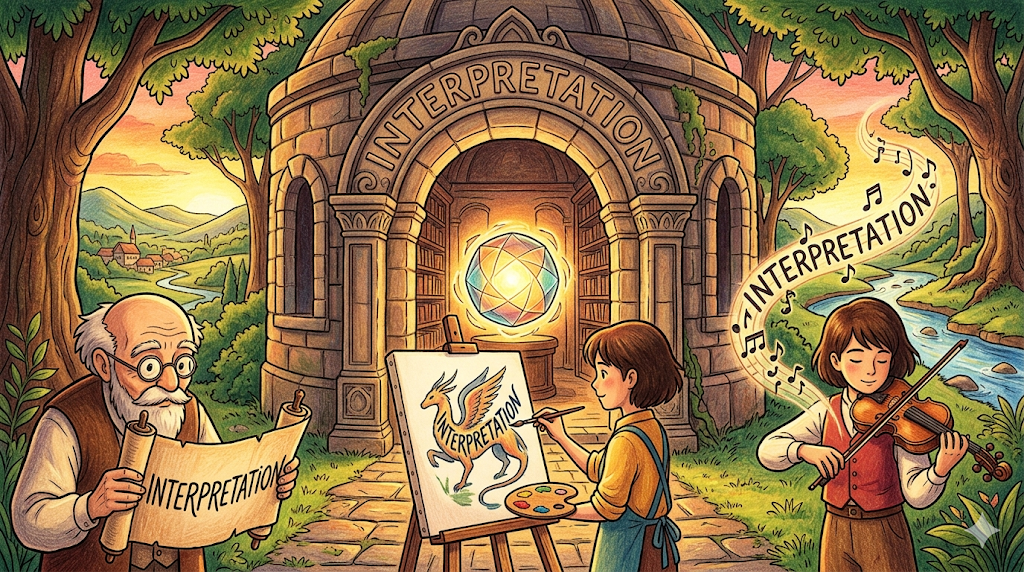
interpretation [ɪntɜːrprɪˈteɪʃən]
(명사) 해석, 이해, 통역, 표현
어떤 것의 의미를 풀어내는 행위나 그 결과를 나타내며, 예술·문학·언어·상황 등 다양한 맥락에서 쓰입니다. 수능 독해 문학·심리·사회·예술 지문에서 핵심 어휘로 자주 등장합니다.
- His interpretation of the story was so unexpected that the whole class was silent for a moment before they began to discuss it. (이야기에 대한 그의 해석은 너무 예상치 못한 것이어서 반 전체가 토론을 시작하기 전에 잠시 침묵했다.)
- There is no single correct interpretation of a great painting — what you see in it says as much about you as it does about the artist. (위대한 그림에 대한 단 하나의 올바른 해석은 없다 — 당신이 그 안에서 보는 것은 예술가에 대해 만큼이나 당신 자신에 대해서도 말해 준다.)
- The dancer's interpretation of the role was so moving and personal that it felt like she was not performing a character, but sharing her own life. (무용수의 그 역할에 대한 표현은 너무 감동적이고 개인적이어서 그녀가 캐릭터를 연기하는 것이 아니라 자신의 삶을 나누는 것 같은 느낌이었다.)

beyond interpretation [bɪˈjɒnd ɪntɜːrprɪˈteɪʃən]
(형용사구) 해석을 넘어선, 설명하기 어려운
어떤 것이 너무 복잡하거나 깊어서 어떤 단일한 설명으로도 완전히 담아낼 수 없음을 나타냅니다. 수능 독해 문학·철학·예술 지문에서 자주 등장합니다.
- The feeling she had when she heard the song for the first time was almost beyond interpretation — she could not explain it, but it changed something inside her. (그 노래를 처음 들었을 때 그녀가 느낀 감정은 거의 해석을 넘어선 것이었다 — 그녀는 그것을 설명할 수 없었지만, 그것이 그녀 내면의 무언가를 바꿨다.)
- Some moments in life are beyond interpretation — the kind that words simply cannot hold, and that only silence seems to understand. (삶의 어떤 순간들은 해석을 넘어선 것이다 — 말이 그냥 담아낼 수 없는 종류이고, 오직 침묵만이 이해하는 것 같은 것들이다.)
- The ancient drawing on the wall of the cave was beyond interpretation for most historians — no one could agree on exactly what the early artists had meant to say. (동굴 벽의 고대 그림은 대부분의 역사가들에게 해석을 넘어선 것이었다 — 초기 예술가들이 무엇을 말하려 했는지에 대해 아무도 정확히 동의할 수 없었다.)
숙어 그룹 묶음 3 — 결과·표현 interpret 심화 패턴
표현 의미 핵심 뉘앙스 주요 맥락
| interpreter | 통역사, 해석자 | 두 세계 사이에서 의미를 전달하는 사람 | 일상·사회·예술 |
| interpretation | 해석, 이해, 표현 | 의미를 풀어내는 행위와 그 결과 | 문학·심리·사회·예술 |
| beyond interpretation | 해석을 넘어선 | 어떤 설명으로도 완전히 담아낼 수 없는 것 | 문학·철학·예술 |
이 세 표현은 함께 interpret가 행위와 사람, 그리고 결과의 차원에서 어떻게 작동하는지를 보여줍니다. interpreter는 두 세계 사이에서 의미를 전달하는 사람 자체를, interpretation은 그 풀어냄의 행위와 결과를, beyond interpretation은 어떤 풀어냄으로도 완전히 담아낼 수 없는 영역의 존재를 각각 나타냅니다.
- The interpreter worked carefully to make sure every interpretation was as close to the original as possible — but there were moments of such deep emotion in the speaker's words that they felt almost beyond interpretation, and she had to pause for a second just to breathe. (통역사는 모든 해석이 가능한 한 원래에 가깝도록 신중하게 작업했다 — 하지만 연사의 말에는 너무 깊은 감정의 순간들이 있어서 거의 해석을 넘어선 것처럼 느껴졌고, 그녀는 그냥 숨을 쉬기 위해 잠시 멈춰야 했다.)
- A good interpretation does not require a skilled interpreter — sometimes the most powerful interpretation of a piece of music or art is the one that happens inside a single listener's heart, quietly and beyond interpretation by anyone else. (좋은 해석이 항상 숙련된 통역사를 필요로 하는 것은 아니다 — 때로는 음악이나 예술 작품의 가장 강력한 해석이 한 청중의 마음속에서 조용히 일어나는 것이고, 다른 누구의 해석도 넘어선 것이다.)
- She became an interpreter because she believed that the space between two languages is not empty — it is full of meaning, and every interpretation is a small act of courage, especially when the moment feels beyond interpretation and you still choose to try. (그녀는 두 언어 사이의 공간이 비어 있지 않다고 믿었기 때문에 통역사가 되었다 — 그것은 의미로 가득 차 있고, 모든 해석은 작은 용기의 행위이며, 특히 그 순간이 해석을 넘어선 것처럼 느껴질 때도 여전히 시도하기로 선택하는 것이 그렇다.)

interpret with [ɪnˈtɜːrprɪt wɪð]
(동사구) ~을 담아 표현하다, ~으로 해석하다
어떤 작품이나 상황을 특정 감정·관점·방식을 담아 표현하거나 해석하는 것을 강조합니다. 수능 독해 예술·문학·심리 지문에서 자주 등장합니다.
- She interpreted the old song with such sadness and warmth that everyone in the room felt like she was singing just for them. (그녀는 오래된 노래를 너무 슬픔과 따뜻함을 담아 표현해서 방 안의 모든 사람들이 그녀가 자신만을 위해 노래하는 것 같은 느낌을 받았다.)
- The student interpreted the role in the school play with great energy and humour, making the audience laugh from the very first scene. (학생은 학교 연극의 역할을 큰 에너지와 유머를 담아 표현해서 첫 장면부터 관객을 웃게 만들었다.)
- He interpreted the poem with a deep sense of personal loss, and those who knew his story understood exactly why every word felt so real. (그는 시를 깊은 개인적 상실감을 담아 해석해서 그의 이야기를 아는 사람들은 왜 모든 단어가 그토록 실감나게 느껴지는지 정확히 이해했다.)
숙어 그룹 묶음 4 — 표현·감정 interpret 확장 패턴
표현 의미 핵심 뉘앙스 주요 맥락
| interpret with | ~을 담아 표현하다 | 특정 감정·관점을 담아 해석·표현하는 것 | 예술·문학·심리 |
| interpret freely | 자유롭게 해석하다 | 규칙에 얽매이지 않고 자신만의 방식으로 이해 | 예술·문학·심리 |
| open to interpretation | 해석의 여지가 있는 | 하나의 고정된 의미가 아닌 다양한 이해 가능 | 문학·철학·사회 |
이 세 표현은 함께 interpret가 예술·감정·개인의 관점과 만나는 방식을 보여줍니다. interpret with는 특정 감정이나 관점을 적극적으로 담아 표현하는 것을, interpret freely는 어떤 제약 없이 자신의 방식으로 풀어내는 것을, open to interpretation은 그 결과로 다양한 해석이 공존할 수 있는 열린 상태를 각각 나타냅니다.
- When a piece of music is open to interpretation, the best performers are those who interpret it with deep honesty and courage — not those who simply follow the notes, but those who interpret freely and allow their own experience to speak through every sound they make. (음악이 해석의 여지가 있을 때 가장 훌륭한 연주자들은 깊은 솔직함과 용기를 담아 표현하는 사람들이다 — 단순히 악보를 따르는 것이 아니라 자유롭게 해석하여 자신의 경험이 만들어내는 모든 소리를 통해 말하도록 허용하는 사람들이다.)
- She interpreted the dance role with every piece of pain and joy she had ever known — and because the role was open to interpretation, nobody in the audience could say her version was wrong, because she had chosen to interpret freely in a way that was entirely and honestly her own. (그녀는 댄스 역할을 자신이 경험했던 모든 고통과 기쁨을 담아 표현했다 — 그리고 그 역할이 해석의 여지가 있었기 때문에 관객 중 아무도 그녀의 버전이 틀렸다고 말할 수 없었다, 왜냐하면 그녀가 완전히 그리고 솔직하게 자신만의 방식으로 자유롭게 해석하기로 선택했기 때문이다.)
- The greatest stories are always open to interpretation because the best writers interpret human experience with such truth and complexity that each reader interprets freely and finds something different — something that belongs only to them. (가장 위대한 이야기들은 항상 해석의 여지가 있는데, 가장 훌륭한 작가들이 인간의 경험을 너무 진실되고 복잡하게 담아 해석해서 각 독자가 자유롭게 해석하고 다른 것을 — 오직 자신에게만 속하는 무언가를 — 발견하기 때문이다.)
전체 요약표
표현 의미 핵심 뉘앙스
| interpret | 해석하다, 통역하다, 표현하다 | 두 세계 사이에서 의미를 중개하여 풀어내는 것 |
| interpret as | ~으로 해석하다 | 행동·말·상황을 특정 의미로 받아들이는 것 |
| interpret for | ~을 위해 통역하다 | 서로 다른 언어 사이에서 말을 옮겨주는 것 |
| misinterpret | 잘못 해석하다 | 의도와 다르게 의미를 받아들이는 것 |
| open to interpretation | 해석의 여지가 있는 | 다양한 방식으로 이해될 수 있는 열린 상태 |
| interpret literally | 글자 그대로 해석하다 | 비유·맥락 없이 단어 원래 의미로만 받아들임 |
| interpret freely | 자유롭게 해석하다 | 규칙에 얽매이지 않고 자신만의 방식으로 이해 |
| interpreter | 통역사, 해석자 | 두 세계 사이에서 의미를 전달하는 사람 |
| interpretation | 해석, 이해, 통역, 표현 | 의미를 풀어내는 행위와 그 결과 |
| beyond interpretation | 해석을 넘어선 | 어떤 설명으로도 완전히 담아낼 수 없는 것 |
| interpret with | ~을 담아 표현하다 | 특정 감정·관점을 담아 해석·표현하는 것 |
유의어 비교표

단어 공통점 뉘앙스 차이 예문
| interpret | 해석하다 | 의미를 능동적으로 풀어내어 자신의 방식으로 전달 | She interpreted his smile as agreement. |
| translate | 번역하다 | 언어를 다른 언어로 정확하게 옮기는 것 | He translated the letter from French. |
| understand | 이해하다 | 단순히 의미를 받아들여 아는 것 | She understood the question easily. |
| explain | 설명하다 | 다른 사람이 알기 쉽도록 풀어 말하는 것 | He explained the rule to the class. |
| analyse | 분석하다 | 어떤 것을 세부적으로 나누어 살피는 것 | She analysed the data carefully. |
결론 정리
interpret는 단순히 "해석하다"가 아니라, 두 세계 사이에서 의미를 중개하듯 어떤 것의 의미를 능동적으로 풀어내어 다른 사람이 이해할 수 있는 형태로 전달하는 단어다 — interpret가 있는 곳엔 언제나 '단순한 이해가 아닌, 해석자의 관점과 이해가 개입하여 의미를 새롭게 만들어내는' 해석의 선언이 있다.
💡 interpret는 "두 세계 사이에서 의미를 중개하여 풀어내는" 해석의 언어 — interpret as·misinterpret·open to interpretation이 수능 최빈출.
🌟 초등학생 버전 interpret는 외국어로 된 책을 한국어로 바꾸어 주듯, 어떤 것의 숨겨진 의미를 찾아내서 다른 사람들이 이해할 수 있게 풀어주는 것이에요! 같은 그림을 보고도 서로 다른 것을 느끼는 것처럼, 우리는 모두 세상을 조금씩 다르게 해석하며 살아가요! 💪✨


