
- 분류 전체보기 (4682)

| 일 | 월 | 화 | 수 | 목 | 금 | 토 |
|---|---|---|---|---|---|---|
| 1 | 2 | 3 | 4 | 5 | 6 | 7 |
| 8 | 9 | 10 | 11 | 12 | 13 | 14 |
| 15 | 16 | 17 | 18 | 19 | 20 | 21 |
| 22 | 23 | 24 | 25 | 26 | 27 | 28 |
- Sure
- set up
- Sorry
- please?
- Hey
- I'm not sure
- By The Way
- well
- Yes
- pick up
- Please
- Show Up
- OKay
- Oh No
- Yeah
- oh
- no
- What Happened?
- too.
- Right?
- entrance fee
- come up with
- work out
- make it
- please.
- Actually
- I'm sorry
- hold on
- I'm glad to hear that.
- Don't worry
- Today
- Total
인과함께
Day155 , transportation , public transportation, air transportation, mass transportation, means of transportation, rail transportation, water transportation, ground transportation, personal transportation, transportation network, transportation hub 본문
Day155 , transportation , public transportation, air transportation, mass transportation, means of transportation, rail transportation, water transportation, ground transportation, personal transportation, transportation network, transportation hub
미인생 2025. 12. 4. 21:21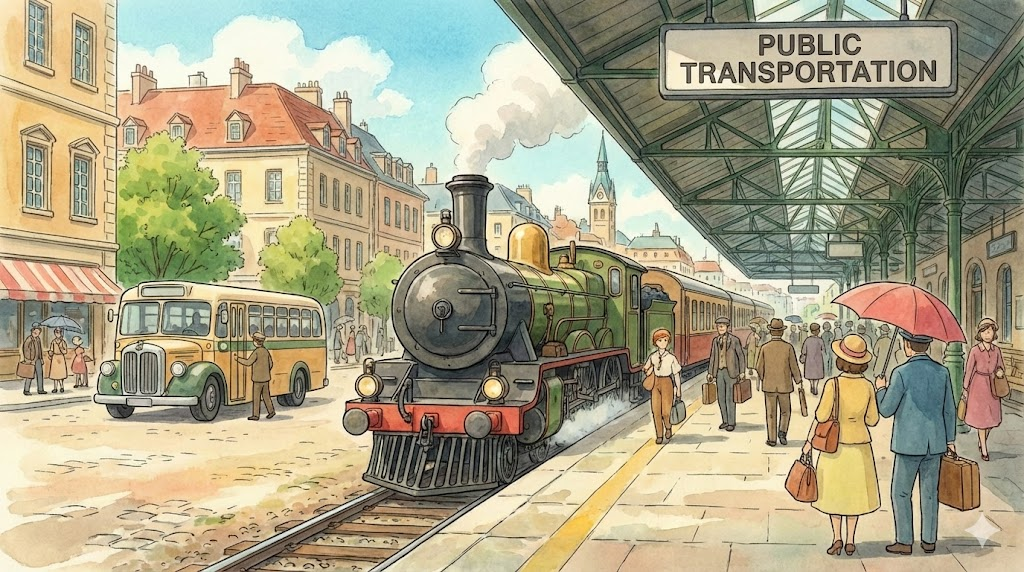
transportation [ˌtrænspərˈteɪʃən] 사람이나 물건을 다른 곳으로 옮길 때 쓰는 방법을 말하는 단어.
(명사) 운송, 수송, 교통 수단
'transportation'은 기본적으로 "운송", "수송", "교통"이라는 뜻으로 쓰이며, 사람이나 물품을 한 장소에서 다른 장소로 옮기는 행위나 시스템을 의미합니다. 경제, 도시 계획, 물류, 환경 등 사회의 기반 시설을 다루는 모든 분야에서 핵심 단어로 등장합니다.
1. public transportation (대중교통)
- 해석: 버스, 지하철, 기차 등 많은 사람이 함께 이용하는 공공 운송 시스템. (개인 교통과 대비)
- 예문: Expanding public transportation is a key strategy for reducing traffic congestion and air pollution. (대중교통을 확대하는 것은 교통 체증과 대기 오염을 줄이는 핵심 전략이다.)
- 예문: Reliable public transportation is essential for social mobility. (신뢰할 수 있는 대중교통은 사회 이동성에 필수적이다.)
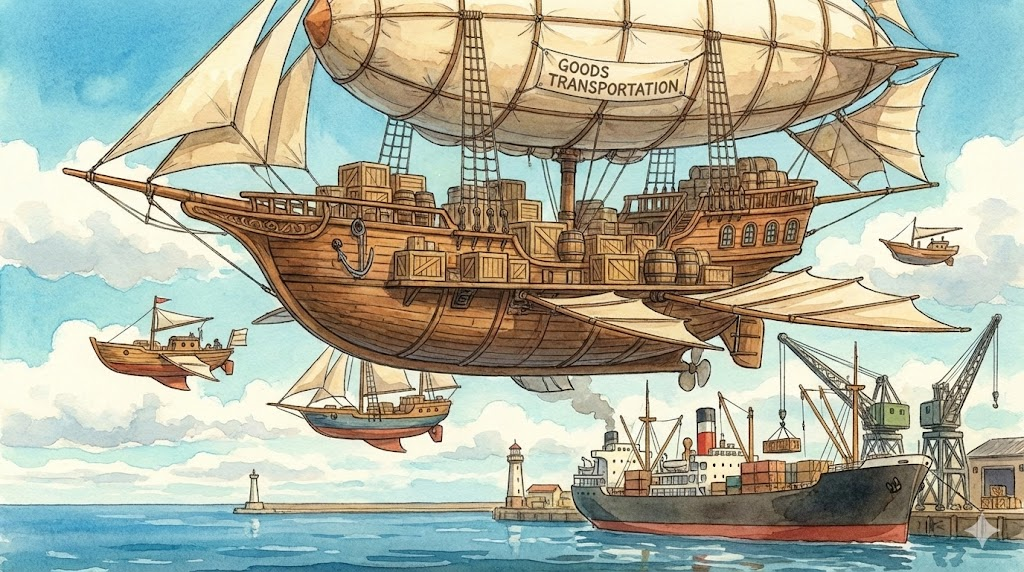
2. air transportation (항공 운송)
- 해석: 비행기를 이용하여 사람이나 화물을 운송하는 방식. (고속, 고비용 운송)
- 예문: Air transportation is preferred for perishable goods and high-value, low-volume products. (항공 운송은 부패하기 쉬운 상품과 고가, 소량의 제품에 선호된다.)
3. mass transportation (대량 수송)
- 해석: 많은 수의 승객을 효율적으로 한 번에 이동시키는 시스템.
- 예문: Subways and commuter rail systems are examples of mass transportation. (지하철과 통근 철도 시스템은 대량 수송의 예시이다.)
4. means of transportation (운송 수단)
- 해석: 이동을 위해 사용되는 차량, 선박, 또는 기타 방법.
- 예문: Choosing the appropriate means of transportation depends on cost, time, and distance. (적절한 운송 수단을 선택하는 것은 비용, 시간, 거리에 달려 있다.)
5. rail transportation (철도 운송)
- 해석: 기차와 레일을 이용한 운송 방식. (대량 화물 운송에 효율적)
- 예문: Rail transportation is generally more fuel-efficient than trucking for long-distance freight. (철도 운송은 장거리 화물 운송에 있어 트럭 운송보다 일반적으로 연료 효율이 높다.)
6. water transportation (수로 운송/해상 운송)
- 해석: 선박을 이용하여 바다, 강, 또는 운하로 운송하는 방식. (저비용, 대량 화물 운송에 적합)
- 예문: Global trade relies most heavily on water transportation due to its low cost per unit. (글로벌 무역은 단위당 비용이 낮기 때문에 해상 운송에 가장 많이 의존한다.)
7. ground transportation (지상 운송)
- 해석: 도로와 철도 등 땅 위에서 이루어지는 운송 (육상 운송).
- 예문: The final leg of the journey required ground transportation from the airport to the hotel. (여정의 마지막 구간은 공항에서 호텔까지 지상 운송을 필요로 했다.)
8. personal transportation (개인 이동 수단)
- 해석: 개인이 소유하고 운전하는 차량이나 이동 장치 (예: 자가용, 자전거).
- 예문: The demand for electric scooters as a form of personal transportation has increased in urban areas. (개인 이동 수단으로서의 전기 스쿠터 수요가 도시 지역에서 증가했다.)
9. transportation network (운송망/교통 네트워크)
- 해석: 도로, 철도, 항공로 등 모든 운송 수단이 연결된 시스템의 총체.
- 예문: A sophisticated transportation network is key to a robust national economy. (정교한 운송망은 견고한 국가 경제의 핵심이다.)
10. transportation hub (교통 거점/교통 허브)
- 해석: 여러 운송 수단이 만나고 승객이나 화물이 환승하는 중심지 (예: 대형 공항, 항만).
- 예문: The city invested billions in developing its airport as a regional transportation hub. (그 도시는 공항을 지역 교통 거점으로 개발하기 위해 수십억을 투자했다.)

대한민국 입시 주요 POINT
'transportation'은 경제적 효율성, 도시 문제 해결, 그리고 환경적 지속 가능성을 다루는 경제, 지리, 기술 지문에서 가장 핵심적인 개념입니다.
1. 운송 방식의 효율성 대비 (Cost vs. Speed)
- 지문은 air transportation (고속, 고비용)과 water transportation (저속, 저비용)을 대비하며, 물류(logistics) 에서 운송 목적에 따라 가장 효율적인 수단을 선택하는 경제적 합리성을 논합니다.
2. 도시 계획과 사회적 형평성 (Public Transportation)
- public transportation의 질은 도시의 삶의 질(quality of life) 과 사회적 형평성(equity) 의 지표입니다. 대중교통의 확대는 교통 혼잡과 환경 오염을 줄일 뿐만 아니라, 저소득층의 이동 접근성(accessibility) 을 보장하는 역할을 강조합니다.
3. 시스템의 연결성과 안정성 (Transportation Network/Hub)
- transportation network는 현대 사회의 상호 의존성(interdependence) 을 보여줍니다. 이 네트워크의 안정성은 국가 경제와 재난 대비 능력에 직접적인 영향을 미치므로, 교통 허브의 기능 강화가 중요함을 강조합니다.
transportation [ˌtrænspɔːrˈteɪʃn] 사람이나 물건을 옮기는 수단
핵심 뜻
사람이나 물건을 한 장소에서 다른 장소로 수송, 운송, 운반하는 행위나 시스템.
단어별 뉘앙스, 의미 연결 흐름 (표)
단어 구성 요소 의미 연결 흐름 뉘앙스 요약
| trāns- (라틴어) | '가로질러', '넘어서' | 경계를 넘어 이동함. | 이동 (Across) |
| portare (라틴어) | '나르다', '운반하다' | 물건을 실어서 나르는 행위. | 운반 (Carrying) |
| 종합 뉘앙스 | (1) 사람이나 화물을 한 지점에서 다른 지점으로 이동시키는 체계적 행위. (2) 그 행위를 가능하게 하는 수단(교통 시스템). | '체계적인 운반' |
단어 어원적 의미 핵심 뉘앙스 현대적 의미 연결 흐름
| 라틴어 trānsportāre (가로질러 나르다) | "다른 곳으로 옮기는 행위" | 수송/운송 (물건) → 교통 수단/시스템 (사람) → 강제 이송 (법률) |
품사별 의미와 쉬운 예문 (표)
품사 의미 상세 설명 쉬운 예문
| 명사 (N.) | 수송, 운송 | 물건이나 화물을 나르는 행위나 산업. | The cost includes shipping and transportation. (비용에는 선적 및 운송이 포함된다.) |
| 명사 (N.) | 교통 수단/시스템 | 사람들의 이동을 돕는 체계. | Public transportation is very efficient here. (여기서는 대중 교통 시스템이 매우 효율적이다.) |
| 명사 (N.) | 강제 이송 | (법률) 죄수 등을 다른 곳으로 옮기는 행위 (옛 의미). | He was sentenced to transportation to a penal colony. (그는 유형지(죄수 식민지)로 강제 이송되는 형을 선고받았다.) |
활용 예문 (리스트)
- We need better infrastructure for efficient transportation. (우리는 효율적인 수송을 위해 더 나은 인프라가 필요하다.)
- The city relies heavily on rail transportation. (그 도시는 철도 수송에 크게 의존한다.)
- The report analyzes different modes of transportation, such as air and sea. (그 보고서는 항공 및 해상과 같은 다양한 운송 수단을 분석한다.)
- The company manages the entire logistics and transportation network. (그 회사는 전체 물류 및 운송 네트워크를 관리한다.)
- What is the best way to arrange transportation from the airport? (공항에서 교통편을 마련하는 가장 좋은 방법은 무엇입니까?)

전체 뉘앙스 설명
transportation은 '가로질러(trans) 나르다(portare)' 는 어원에서 알 수 있듯이, 물리적인 거리나 경계를 넘어서 사람이나 물건을 이동시키는 체계적이고 조직적인 행위를 의미합니다. 이는 인프라(도로, 철도) 와 시스템(대중교통) 을 포괄하며, 현대 사회의 경제 활동과 개인의 이동성을 가능하게 하는 핵심적인 개념입니다.
마지막 핵심 정리
transportation은 '사람/물건을 한 곳에서 다른 곳으로 옮기는 수송/교통 시스템' 을 의미하는 명사입니다.
파생어 (발음 포함) (리스트)
- transport [trænˈspɔːrt] (동사/명사): 운송하다, 수송하다 / 운송, 황홀감
- transporter [trænˈspɔːrtər] (명사): 수송기, 수송선
- transportable [trænˈspɔːrtəbl] (형용사): 운송 가능한

유의어 비교 (표)
단어 품사 뉘앙스 차이 및 사용 맥락
| Transportation | 명사 | 시스템이나 산업으로서의 대규모 운송이나 교통. (체계적 인프라 강조) |
| Delivery | 명사 | 물건을 특정 수령인에게 전달하는 배달 행위. (최종 전달 강조) |
| Logistics | 명사 | 물품의 이동, 보관, 처리에 대한 상세한 계획 및 관리. (계획/관리 강조) |
| Transit | 명사 | (사람이나 물건의) 통과 또는 통행 (주로 한 장소를 거쳐가는 과정). (경유/통과 강조) |
유의어 예문 (해석 포함) (리스트)
- Delivery: The package arrived three days after delivery. (소포는 배달 후 3일 만에 도착했다.)
- Logistics: Poor logistics caused significant delays in the supply chain. (열악한 물류 관리가 공급망에 상당한 지연을 초래했다.)
- Transit: The goods are currently in transit between the ports. (그 물품들은 현재 항구 사이를 운송 중이다.)
결론 정리
transportation은 '경계를 넘어 나르다' 는 어원 그대로, 현대 사회의 물류와 개인의 이동을 책임지는 복합적인 수송 체계를 나타내는 핵심 단어입니다.

transportation [ˌtrænspərˈteɪʃən]
(명사) 운송, 수송, 교통 수단
사람이나 물건을 한 장소에서 다른 장소로 이동시키는 행위나 그 수단(기차, 버스, 비행기 등) 전체를 통칭합니다. 물류, 교통 인프라, 비용 등의 맥락에서 사용됩니다.
- The cost of transportation has increased due to rising fuel prices. (연료 가격 상승 때문에 운송 비용이 증가했다.)
- We need an efficient transportation system. (우리는 효율적인 교통 시스템이 필요하다.)
- The city is investing in new modes of transportation. (그 도시는 새로운 교통 수단에 투자하고 있다.)
- Transportation is a key sector of the economy. (운송은 경제의 핵심 부문이다.)

public transportation [ˈpʌblɪk ˌtrænspərˈteɪʃən]
(명사) 대중교통
일반 대중이 공동으로 이용할 수 있도록 제공되는 교통 시스템(버스, 지하철, 공공철도 등)을 의미합니다. 환경 친화적이고 비용 효율적이라는 긍정적인 측면이 강조됩니다.
- I rely on public transportation to get to work. (나는 출퇴근하기 위해 대중교통에 의존한다.)
- Investing in public transportation helps reduce traffic congestion. (대중교통에 투자하는 것은 교통 혼잡을 줄이는 데 도움이 된다.)
- Public transportation in the metropolitan area is excellent. (대도시 지역의 대중교통은 훌륭하다.)
- We encourage students to use public transportation. (우리는 학생들이 대중교통을 이용하도록 장려한다.)

air transportation [ɛər ˌtrænspərˈteɪʃən]
(명사) 항공 운송, 항공 수송
항공기(비행기, 헬리콥터)를 이용하여 사람이나 화물을 운반하는 방식을 의미합니다. 장거리 국제 운송이나 빠른 속도가 필요한 경우에 사용됩니다.
- Air transportation is the fastest method of shipping goods internationally. (항공 운송은 국제적으로 물건을 운송하는 가장 빠른 방법이다.)
- The cost of air transportation is generally higher than sea transportation. (항공 운송 비용은 보통 해상 운송보다 높다.)
- Air transportation is vital for the global trade of high-value goods. (항공 운송은 고가 상품의 글로벌 무역에 필수적이다.)
- The company specializes in express air transportation. (그 회사는 특급 항공 운송을 전문으로 한다.)

mass transportation [mæs ˌtrænspərˈteɪʃən]
(명사) 대량 수송, 대량 교통 수단
한 번에 많은 수의 승객을 실어 나르는 교통 시스템을 의미합니다. 'public transportation'과 거의 유사하지만, '대용량'이라는 측면에 더 초점을 맞추며, 도시 계획 용어로 자주 사용됩니다.
- Developing mass transportation systems is key to solving urban traffic. (대량 수송 시스템을 개발하는 것은 도시 교통 문제를 해결하는 열쇠이다.)
- The subway is an efficient mass transportation method. (지하철은 효율적인 대량 교통 수단이다.)
- We need better mass transportation to handle rush hour traffic. (우리는 러시아워 교통을 처리하기 위해 더 나은 대량 수송이 필요하다.)
- Investment in mass transportation can reduce air pollution. (대량 교통 수단에 대한 투자는 대기 오염을 줄일 수 있다.)
transportation, public transportation, air transportation, mass transportation
(명사) 교통, 운송, 수송 / (숙어) 대중교통, 항공 운송, 대량 수송
'transportation'은 '사람이나 물건을' '한 장소에서 다른 장소로' '이동시키는 행위나 시스템'을 의미하는 가장 기본적인 단어입니다. 'public transportation'은 '일반 대중이 이용하는' '버스와 지하철 같은 공공 운송 수단'을 의미합니다. 'air transportation'은 '비행기 등을 이용한' '항공 운송'을 의미합니다. 'mass transportation'은 '다수의 사람이나 물건을' '대량으로 수송하는 시스템'을 의미하며, 이는 '대중교통'과 유사한 의미로 쓰이기도 합니다.
- Efficient transportation is essential for the economy. (효율적인 교통(운송) 은 경제에 필수적이다.)
- I prefer to use public transportation to save money. (나는 돈을 절약하기 위해 대중교통을 이용하는 것을 선호한다.)
- The company relies on air transportation for fast delivery. (그 회사는 빠른 배송을 위해 항공 운송에 의존한다.)
- Mass transportation systems help reduce traffic congestion. (대량 수송 시스템은 교통 혼잡을 줄이는 데 도움이 된다.)
- The city invested heavily in improving its public transportation network. (시는 대중교통 네트워크 개선에 막대한 투자를 했다.)
- Air transportation is the fastest way to travel internationally. (항공 운송은 국제적으로 여행하는 가장 빠른 방법이다.)
- We need a better transportation plan for the event. (우리는 행사를 위한 더 나은 운송 계획이 필요하다.)
- The project focuses on the development of mass transportation infrastructure. (그 프로젝트는 대량 수송 인프라 개발에 중점을 둔다.)
핵심 뜻
교통, 운송. 사람이나 물건을 이동시키는 행위와 그 시스템.
| transportation | 교통, 운송 | 명사로, '이동' '체계'. | '물체' '나' '사람' '을' '물리적' '으로' '옮기는' '과정' '이나' '수단' '을' '나타내는' '기본' '개념'. |
| public | 대중의 | 형용사로, '공공성'. | '개인' '이' '아닌' '공공' '의' '이익' '을' '위해' '운영되며' '모두가' '이용' '가능함' '을' '강조함'. |
| air | 항공 | 명사로, '수단'. | '비행기' '등' '하늘' '을' '통한' '운송' '방식' '임을' '명시함'. |
| mass | 대량의 | 형용사로, '규모'. | '많은' '인원' '이나' '물품' '을' '한꺼번에' '옮기는' '규모' '를' '나타냄'. |
비슷한 어휘 깔끔하게 표로 정리하고 밑에 예문,해석 하나씩 나열하기
| transit | 수송, 운송 (도시 내) |
| conveyance | 운반, 수송 (격식) |
| logistics | 물류 (체계적 운송) |
transit
예문: The package is currently in transit.
해석: 그 소포는 현재 운송 중이다.
conveyance
예문: A train is a reliable means of conveyance.
해석: 기차는 신뢰할 수 있는 운송 수단이다.
logistics
예문: The military manages complex logistics.
해석: 군대는 복잡한 물류를 관리한다.
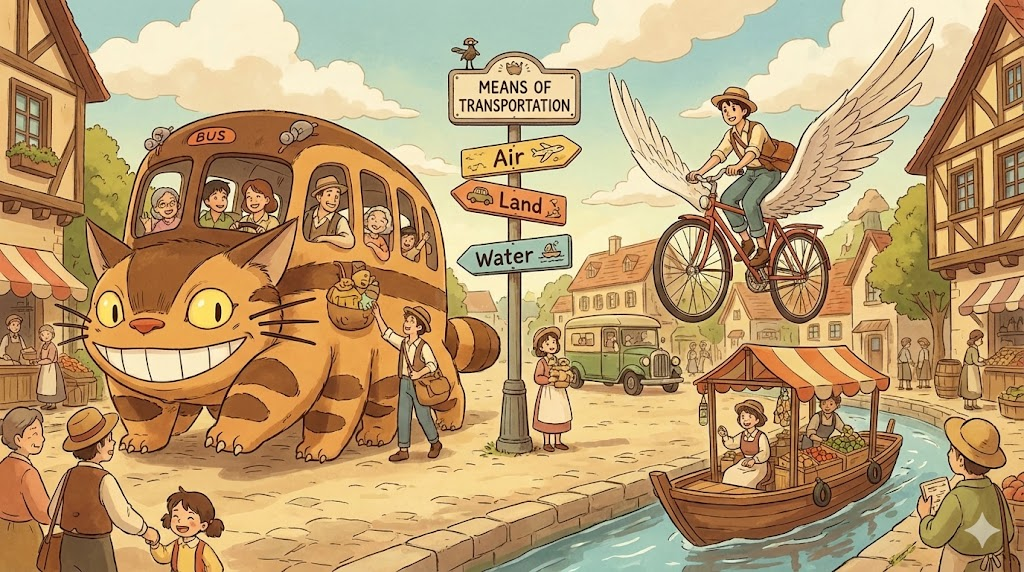
means of transportation [miːnz əv ˌtrænspərˈteɪʃən]
(명사) 운송 수단
사람이나 물건을 이동시키는 데 사용되는 구체적인 도구나 방법(자동차, 기차, 비행기, 배 등)을 의미합니다. 교통 시스템 자체보다는 이동에 사용되는 도구적 측면을 강조합니다.
- Cars are the primary means of transportation in the US. (자동차는 미국에서 주된 운송 수단이다.)
- We need to choose the best means of transportation for large goods. (우리는 큰 물건들을 위한 최고의 운송 수단을 선택해야 한다.)
- Bicycles are an affordable means of transportation. (자전거는 저렴한 운송 수단이다.)
- Public means of transportation reduce the number of private cars. (대중 운송 수단은 자가용 수를 줄인다.)

rail transportation [reɪl ˌtrænspərˈteɪʃən]
(명사) 철도 운송
기차나 전철을 이용하여 여객이나 화물을 선로 위로 이동시키는 운송 방식을 의미합니다. 대용량의 화물을 장거리 운송하는 데 효율적이며, 대도시의 대중교통망을 형성합니다.
- Rail transportation is used extensively for heavy industrial goods. (철도 운송은 무거운 산업 물품에 광범위하게 사용된다.)
- Investing in rail transportation can reduce traffic congestion. (철도 운송에 투자하는 것은 교통 혼잡을 줄일 수 있다.)
- The rail transportation network covers the entire country. (철도 운송망은 전국을 커버한다.)
- Rail transportation is essential for mass transportation. (철도 운송은 대량 수송에 필수적이다.)
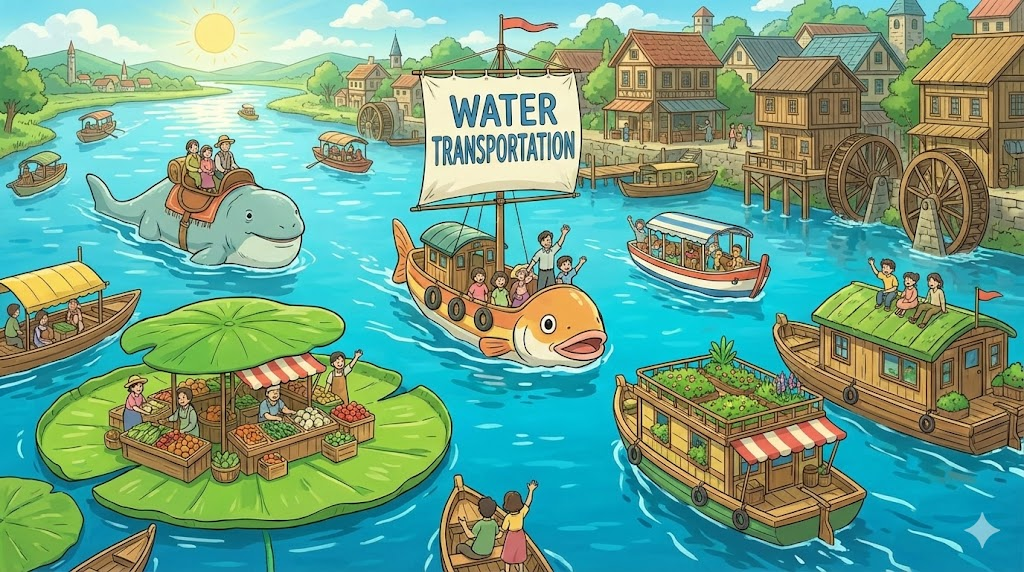
water transportation [ˈwɔːtər ˌtrænspərˈteɪʃən]
(명사) 수로 운송, 해상 운송
배나 선박을 이용하여 바다, 강, 운하 등을 통해 사람이나 화물을 옮기는 방식을 의미합니다. 속도는 느리지만, 대량의 벌크 화물을 가장 저렴하게 운송할 수 있는 수단입니다.
- Water transportation is the most cost-effective method for global trade. (해상 운송은 글로벌 무역에서 가장 비용 효율적인 방법이다.)
- Oil and grain rely heavily on water transportation. (석유와 곡물은 수로 운송에 크게 의존한다.)
- Water transportation is the oldest means of transportation. (수로 운송은 가장 오래된 운송 수단이다.)
- The storm severely affected water transportation. (폭풍이 해상 운송에 심각한 영향을 미쳤다.)

ground transportation [ɡraʊnd ˌtrænspərˈteɪʃən]
(명사) 지상 운송
도로(자동차, 트럭)나 철도(기차)를 통해 육상에서 이루어지는 운송 방식을 통칭합니다. 항공이나 해상 운송과 대비되는 개념으로, 최종 목적지로의 배송(last mile delivery)에 필수적입니다.
- Most commercial goods rely on ground transportation. (대부분의 상업 상품들은 지상 운송에 의존한다.)
- We need to arrange ground transportation from the airport to the hotel. (우리는 공항에서 호텔까지 지상 운송을 준비해야 한다.)
- Ground transportation is often slowed down by traffic jams. (지상 운송은 교통 체증 때문에 종종 속도가 느려진다.)
- The company manages its own ground transportation fleet. (그 회사는 자체 지상 운송 차량단을 관리한다.)

personal transportation [ˈpɜːrsənl ˌtrænspərˈteɪʃən]
(명사) 개인 교통 수단, 자가 운송
대중교통 시스템이 아닌, 개인이 소유하고 사용하는 차량(자동차, 자전거, 오토바이)을 의미합니다. 편리성과 유연성을 제공하지만, 환경 오염이나 교통 혼잡을 유발하는 요인이 되기도 합니다.
- The bicycle is a popular personal transportation choice. (자전거는 인기 있는 개인 교통 수단 선택지이다.)
- Investing in personal transportation is a significant cost. (개인 교통 수단에 투자하는 것은 상당한 비용이다.)
- The city encourages the use of personal transportation like e-scooters. (그 도시는 전동 킥보드와 같은 개인 교통 수단 사용을 장려한다.)
- He relies entirely on personal transportation because there is no public option. (대중교통 선택지가 없기 때문에 그는 전적으로 개인 교통 수단에 의존한다.)

transportation network [ˌtrænspərˈteɪʃən ˈnetwɜːrk]
(명사) 교통망
도로, 철도, 항구, 공항 등 이동을 가능하게 하는 모든 인프라가 서로 연결되어 형성된 시스템을 의미합니다. 물류와 사람의 흐름을 결정하는 사회의 핵심 구조입니다.
- Building a new transportation network is a major project. (새로운 교통망을 건설하는 것은 중대한 프로젝트이다.)
- The city boasts an efficient transportation network. (그 도시는 효율적인 교통망을 자랑한다.)
- Failure in one part affects the whole transportation network. (한 부분의 고장은 전체 교통망에 영향을 미친다.)
- The expansion of the transportation network fueled economic growth. (교통망의 확장이 경제 성장을 촉진했다.)

transportation hub [ˌtrænspərˈteɪʃən hʌb]
(명사) 교통 중심지, 교통 요충지
다양한 교통수단(기차, 버스, 비행기 등)이 모여들고 승객이나 화물이 환승하는 중앙 거점을 의미합니다. 물류의 효율성과 지역 간 연결성을 결정하는 핵심 지점입니다.
- The airport serves as a major transportation hub. (그 공항은 주요 교통 중심지 역할을 한다.)
- The city is a logistics transportation hub for the entire region. (그 도시는 지역 전체의 물류 교통 요충지이다.)
- The central station is a busy transportation hub. (중앙역은 붐비는 교통 중심지이다.)
- Easy access to the transportation hub is vital for the local economy. (교통 중심지로의 쉬운 접근은 지역 경제에 필수적이다.)
means of transportation, rail transportation, water transportation, ground transportation, personal transportation, transportation network, transportation hub
(숙어) 운송 수단, 철도 운송, 수송, 지상 운송, 개인 교통수단, 교통망, 교통 중심지
이 표현들은 운송의 '수단', '매체', '주체', '체계'를 구체적으로 나타냅니다. 'means of transportation'은 '이동에 사용되는' '도구나 수단'을 의미하는 일반적인 표현입니다. 'rail transportation', 'water transportation', 'ground transportation'은 운송에 사용되는 '매체(철도, 물, 지상)'를 구분합니다. 'personal transportation'은 '대중교통이 아닌' '개인이 소유하고 운전하는' 교통수단을 의미합니다. 'transportation network'는 '도로, 철도, 항구 등이' '서로 연결된 망'을, 'transportation hub'는 '다양한 교통수단이 모이는' '중심지'를 뜻합니다.
- Cars are the most common means of transportation in the US. (자동차는 미국에서 가장 흔한 운송 수단이다.)
- Rail transportation is crucial for moving goods across continents. (철도 운송은 대륙을 가로질러 물품을 이동하는 데 결정적이다.)
- Water transportation is the cheapest way to ship heavy goods. (수송은 무거운 물품을 배송하는 가장 저렴한 방법이다.)
- Bicycles are a form of personal transportation. (자전거는 개인 교통수단의 한 형태이다.)
- The city plans to expand its transportation network. (시는 교통망을 확장할 계획이다.)
- The airport serves as a major transportation hub. (그 공항은 주요 교통 중심지 역할을 한다.)
- We rely on ground transportation to deliver goods locally. (우리는 지역 물품 배송을 위해 지상 운송에 의존한다.)
- Transportation hubs are often congested. (교통 중심지는 종종 혼잡하다.)
핵심 뜻
운송 수단과 체계. 이동 방법, 매체, 개인 소유, 그리고 연결망과 중심지.
| means of | ~의 수단 | 숙어구로, '도구'. | '운송' '이라는' '행위' '를' '위해' '사용되는' '도구' '나' '방법' '임을' '나타냄'. |
| rail/water/ground | 철도/수/지상 | 명사로, '매체'. | '운송' '이' '이루어지는' '물리적' '인' '환경' '(', '선로,' '바다,' '땅' ')' '을' '구분함'. |
| personal | 개인적인 | 형용사로, '주체'. | '대중' '이' '아닌' '개인' '이' '소유' '하거나' '운전' '하는' '수단' '임을' '강조함'. |
| network/hub | 망/중심지 | 명사로, '시스템'. | '운송' '경로' '의' '연결' '상태' '와' '(', 'network' ') '가장' '중요한' '집결' '지점' '(', 'hub' ')' '을' '나타냄'. |
비슷한 어휘 깔끔하게 표로 정리하고 밑에 예문,해석 하나씩 나열하기
| vehicle | 차량, 운송 수단 |
| infrastructure | 사회 기반 시설 (transportation network 유사) |
| junction | 교차점, 환승역 (transportation hub 유사) |
vehicle
예문: Buses and cars are motor vehicles.
해석: 버스와 자동차는 동력 운송 수단이다.
infrastructure
예문: The country needs investment in its aging infrastructure.
해석: 그 나라는 노후화된 기반 시설에 투자가 필요하다.
junction
예문: The main road meets the highway at the junction.
해석: 주 도로는 교차점에서 고속도로와 만난다.
결론 정리
'transportation'은 이동 시스템을 의미하며, 'public/mass'는 공공성을, 'air/rail/water/ground'는 매체를, 'personal'은 주체를, 'network/hub'는 체계를 나타냅s니다.


