
- 분류 전체보기 (4658)

| 일 | 월 | 화 | 수 | 목 | 금 | 토 |
|---|---|---|---|---|---|---|
| 1 | 2 | 3 | 4 | 5 | 6 | 7 |
| 8 | 9 | 10 | 11 | 12 | 13 | 14 |
| 15 | 16 | 17 | 18 | 19 | 20 | 21 |
| 22 | 23 | 24 | 25 | 26 | 27 | 28 |
- too.
- By The Way
- pick up
- come up with
- entrance fee
- well
- make it
- Please
- please?
- no
- Sure
- Don't worry
- Oh No
- Hey
- Yes
- set up
- What Happened?
- oh
- I'm sorry
- I'm glad to hear that.
- I'm not sure
- Actually
- Right?
- please.
- Show Up
- hold on
- OKay
- Sorry
- Yeah
- work out
- Today
- Total
인과함께
Day111 - profit, make a profit, gross profit, net profit, profit margin, profit sharing, profit motive, profit and loss statement, undistributed profit, excess profit, profit taking 본문
Day111 - profit, make a profit, gross profit, net profit, profit margin, profit sharing, profit motive, profit and loss statement, undistributed profit, excess profit, profit taking
미인생 2025. 11. 11. 05:31
AI Audio Overview
profit [ˈprɑːfɪt] 사업의 목표가 되는 경제적 이익을 뜻하는 단어.
(명사/동사) 이익, 수익, 이윤; 이익을 얻다
'profit'은 기본적으로 "이익", "수익"이라는 뜻으로 쓰이며, 수익(revenue)에서 비용(cost)을 제외하고 남은 긍정적인 금액이나 금전적 이득을 의미합니다. 경제, 경영, 금융, 윤리 관련 지문에서 가장 핵심적인 경제 용어로 등장합니다.
1. make a profit (이익을 내다/수익을 창출하다)
- 해석: 비용보다 더 많은 수익을 얻어 금전적인 순이득을 얻는 행위.
- 예문: The primary goal of any commercial enterprise is to make a profit for its shareholders. (모든 상업 기업의 주요 목표는 주주들을 위해 이익을 내는 것이다.)
- 예문: After reducing overhead, the small business finally started to make a profit. (간접비를 줄인 후, 그 소규모 기업은 마침내 이익을 내기 시작했다.)
2. gross profit (매출 총이익)
- 해석: 매출액에서 매출원가 (상품을 만드는 데 직접적으로 들어간 비용)만을 뺀 금액. (순이익과 대비)
- 예문: The gross profit margin indicates the efficiency of the company's core production process. (매출 총이익률은 회사의 핵심 생산 프로세스의 효율성을 나타낸다.)
3. net profit (순이익/당기 순이익)
- 해석: 총수익에서 모든 비용 (매출원가, 판관비, 세금 등)을 모두 공제하고 남은 최종적인 이익. (기업의 최종 성과 지표)
- 예문: Investors primarily look at the net profit figure to determine a company's true financial health. (투자자들은 회사의 진정한 재무 건전성을 판단하기 위해 주로 순이익 수치를 본다.)
4. profit margin (이익률/수익 마진)
- 해석: 매출액 대비 이익이 차지하는 비율. (기업의 수익성을 나타내는 지표)
- 예문: High competition in the industry has led to a shrinking profit margin for all firms. (업계의 높은 경쟁은 모든 회사들의 이익률을 축소시키는 결과를 낳았다.)
5. profit sharing (이익 공유/성과급)
- 해석: 기업이 달성한 순이익의 일부를 직원들에게 배분하는 제도. (동기 부여, 경영 지문에서 중요)
- 예문: Implementing a profit sharing plan is intended to motivate employees and align their interests with the company's success. (이익 공유 제도를 시행하는 것은 직원들에게 동기를 부여하고 그들의 이해관계를 회사의 성공과 일치시키기 위함이다.)
6. profit motive (이윤 동기/이윤 추구)
- 해석: 경제 주체 (개인, 기업)가 이익을 얻기 위해 행동하도록 유인하는 근본적인 목표나 동기. (경제, 윤리 지문에서 중요)
- 예문: The profit motive is often cited as the driving force behind innovation and capitalism. (이윤 동기는 혁신과 자본주의의 원동력으로 자주 인용된다.)
7. profit and loss statement (손익 계산서)
- 해석: 특정 기간 동안 기업의 수익(profit)과 손실(loss)을 기록하여 경영 성과를 나타내는 재무 보고서. (회계 지문에서 중요)
- 예문: We reviewed the quarterly profit and loss statement to analyze where the major expenses occurred. (우리는 주요 지출이 어디서 발생했는지 분석하기 위해 분기별 손익 계산서를 검토했다.)
8. undistributed profit (미처분 이익/유보 이익)
- 해석: 기업이 벌어들인 순이익 중 배당금 등으로 처분되지 않고 회사 내에 남아 있는 금액. (재투자 자원)
- 예문: The company decided to use its undistributed profit to fund a new research facility. (그 회사는 미처분 이익을 사용하여 새로운 연구 시설에 자금을 지원하기로 결정했다.)
9. excess profit (초과 이윤/과도한 이익)
- 해석: 정상적인 수준을 훨씬 넘어서는 비정상적으로 큰 이익. (독점, 규제 관련 지문에서 중요)
- 예문: Critics argued that the company was making excess profit due to its monopolistic control of the market. (비평가들은 그 회사가 시장에 대한 독점적 통제 때문에 초과 이윤을 얻고 있다고 주장했다.)
10. profit taking (차익 실현/이익 확정)
- 해석: 주식이나 자산의 가격이 상승했을 때 매도하여 수익을 현금으로 확정하는 행위. (금융 지문에서 중요)
- 예문:The stock price fell sharply due to sudden profit taking by large institutional investors. (대규모 기관 투자자들의 갑작스러운 차익 실현 때문에 주가가 급락했다.)

대한민국 입시 주요 POINT
'profit'은 자본주의의 작동 원리, 기업의 윤리적 책임, 그리고 성과 측정을 다루는 경제, 경영, 윤리 지문에서 가장 핵심적인 개념입니다.
1. 자본주의의 동력과 윤리적 문제 (Profit Motive / Excess Profit)
- profit motive는 시장 경제의 근본적인 원동력이자 혁신의 동력으로 긍정적으로 평가받지만, 동시에 excess profit은 독점, 담합, 사회적 불평등 등 윤리적 문제를 야기한다는 비판에 직면합니다. 지문은 이윤 추구가 사회적 책임(social responsibility)을 저버리지 않아야 함을 강조합니다.
2. 성과 측정의 기준 (Gross vs. Net Profit)
- gross profit과 net profit의 구분은 기업 성과를 분석하는 데 필수적입니다. gross profit이 생산의 효율성을 보여준다면, net profit은 기업의 종합적인 관리 능력과 진정한 재무 건전성을 반영합니다. 투자, 경영 지문에서 이 두 지표의 해석 능력이 중요합니다.
3. 동기 부여와 이익 공유 (Profit Sharing)
- profit sharing은 노동자 동기 부여(motivation)와 생산성 향상을 위한 경영 전략으로 다뤄집니다. 이는 직원을 단순히 비용의 대상으로 보지 않고, 파트너로서 이익을 공유함으로써 주인의식(ownership)을 고취시키는 긍정적인 제도로 논합니다.

profit [ˈprɒfɪt] 경제적 이득, 사업의 목표
핵심 뜻
사업이나 거래에서 얻는 금전적인 이익 또는 수익.
단어별 뉘앙스, 의미 연결 흐름 (표)
단어 구성 요소 의미 연결 흐름 뉘앙스 요약
| pro- (접두사) | '앞으로', '앞서서' | 비용을 지불하고 앞으로 남는 것. | 이득 (Advantage) |
| facere (어근: facere) | '만들다', '하다' | 거래를 통해 만들어지는 가치나 이득. | 획득 (Acquisition) |
| 종합 뉘앙스 | 비용을 충당하고도 남는 순수한 이득. 경제 활동의 궁극적인 목표. | '순이익 및 유용성' |

품사별 의미와 쉬운 예문 (표)
품사 의미 상세 설명 쉬운 예문
| 명사 (N.) | 이익, 수익, 순익 | 총수입에서 비용을 제외하고 남은 금액. | The company made a huge profit last year. (그 회사는 작년에 큰 이익을 냈다.) |
| 명사 (N.) | 이득, 유용성 | 금전적 이외의 무형적인 이점이나 도움. | There's no profit in arguing with him. (그 사람과 논쟁하는 것은 아무 이득이 없다.) |
| 동사 (V.) | 이익을 얻다 | 어떤 활동을 통해 금전적 또는 비금전적 이득을 얻다. | He profited greatly from the rising stock prices. (그는 주가 상승으로 크게 이익을 얻었다.) |
| 동사 (V.) | ~에 이익이 되다 | 어떤 것이 다른 사람이나 상황에 도움이 되다. | The advice will profit you well. (그 조언은 당신에게 큰 도움이 될 것이다.) |
활용 예문 (리스트)
- The small business operates on a very narrow profit margin. (그 소규모 사업체는 매우 낮은 이윤 폭으로 운영된다.)
- We divided the profits equally among the partners. (우리는 수익을 파트너들 사이에 균등하게 나누었다.)
- The lessons he learned will profit him in his future career. (그가 배운 교훈은 그의 미래 경력에 이득이 될 것이다.)
- They invested heavily with the hope of making a quick profit. (그들은 빠른 수익을 얻을 희망으로 대규모 투자를 했다.)
- There is little profit to be gained from this outdated equipment. (이 구식 장비에서 얻을 수 있는 이득은 거의 없다.)

전체 뉘앙스 설명
profit의 핵심은 투입된 비용을 상회하여 남는 순수한 긍정적인 가치입니다. 가장 흔하게는 사업이나 투자 활동의 금전적 순이익을 의미하며, 이는 기업 활동의 주요 목표가 됩니다. 하지만 금전적인 것을 넘어, 노력, 시간, 경험 등을 투자했을 때 돌아오는 비물질적인 이득(유용성, 교훈 등)을 나타낼 때도 사용됩니다. 동사로 쓰일 때는 '이익을 얻다' 또는 '이익이 되다/도움이 되다'라는 능동적, 유익한 의미를 가집니다.
마지막 핵심 정리
profit은 비용을 제하고 남는 순수한 금전적/비금전적 이득이며, 경제 활동의 성공 지표가 되는 핵심 용어입니다.
파생어 (발음 포함) (리스트)
- profitable [ˈprɒfɪtəbl] (형용사): 이익이 되는, 유익한
- profitably [ˈprɒfɪtəbli] (부사): 이익이 되게, 유익하게
- profiteer [ˌprɒfɪˈtɪər] (명사/동사): 폭리(부당한 이익)를 취하는 사람/폭리를 취하다

유의어 비교 (표)
단어 품사 뉘앙스 차이 및 사용 맥락
| Profit | 명사 | 총수입에서 비용을 제하고 남는 순수한 이익. 재무/경제 용어로 가장 흔하게 사용. |
| Gain | 명사 | 획득하거나 늘어난 것. 금전적 이익뿐만 아니라 체중, 속도, 경험 등 모든 종류의 증가에 사용. |
| Revenue | 명사 | 사업 활동을 통해 벌어들인 총수입 금액. (비용을 제하기 전의 금액) |
| Benefit | 명사 | 이점, 혜택, 유익. 주로 비금전적이고 포괄적인 긍정적 결과. (예: 건강상의 이점) |

유의어 예문 (해석 포함) (리스트)
- Gain: He experienced significant weight gain after the holiday. (그는 휴일 후에 상당한 체중 증가를 경험했다.)
- Revenue: The new product generated enormous revenue in the first quarter. (그 신제품은 첫 분기에 막대한 총수입을 창출했다.)
- Benefit: Regular exercise offers many health benefits. (규칙적인 운동은 많은 건강상의 이점을 제공한다.)
결론 정리
profit은 비용을 초과하는 긍정적인 결과라는 개념이 내포되어 있으며, 경제적으로는 순이익을, 일반적인 상황에서는 유용하거나 긍정적인 이득을 의미하는, 성공적인 결과를 나타내는 핵심 단어입니다.
이제 이 형식(섹션별 제목 크기 조정 및 선(---)으로 구분)으로 모든 단어 요청에 답변드리겠습니다. 다른 단어나 구동사를 요청해 주시겠어요?

profit [ˈprɑːfɪt]
(명사/동사) 이익, 수익, 이윤; 이익을 얻다
'사업'(business)이나 '투자'(investment) 활동에서 '총'(total) '수입'(revenue)이 '총'(total) '비용'(cost)과 '지출'(expenses)을 '초과'(exceed)하여 '남는' '금액'(amount)이나 '이윤'(gain)을 의미합니다. 단순히 '돈'(money)을 '버는'(earn) 것을 넘어, '경제적'(economic) '효율성'(efficiency)과 '성공'(success)의 '핵심'(core) '목표'(goal)를 강조하는 개념입니다.
- The company reported a significant profit in the last quarter. (회사는 지난 분기에 상당한 이익을 보고했다.)
- The manager said our main object is to make a profit while maintaining high standards. (관리자는 우리 주요 목표는 높은 기준을 유지하면서 이익을 내는 것이라고 말했다.)
- The judge said the lawyer's actions were motivated by the desire for quick profit. (판사는 변호사의 행동은 빠른 이익에 대한 욕구로 동기 부여되었다고 말했다.)
- The professor's lecture covered the relationship between risk and profit. (교수님의 강의는 위험과 이익 사이의 관계를 다루었다.)

make a profit [meɪk ə ˈprɑːfɪt]
(숙어) 이익을 내다, 수익을 얻다
'사업'(business), '거래'(deal), 또는 '투자'(investment)를 '통해', '비용'(cost)보다 '더', '많은'(more) '수입'(revenue)을 '창출'(generate)하여 '이윤'(profit)을 '실현'(realize)하는 행위를 의미합니다. '경제적'(economic) '활동'(activity)의 '성공적인'(successful) '결과'(result)를 강조합니다.
- The company hoped to make a profit by increasing efficiency and reducing costs. (회사는 효율성을 높이고 비용을 줄임으로써 이익을 내기를 희망했다.)
- The manager said we must make a profit to continue with the development project. (관리자는 우리가 개발 프로젝트를 계속하기 위해 이익을 내야 한다고 말했다.)
- The judge ruled that the sale was illegal because it was done to make a secret profit. (판사는 그 판매는 비밀 이익을 내기 위해 행해졌기 때문에 불법이라고 판결했다.)
- The engineer calculated the exact point where the project would start to make a profit. (엔지니어는 프로젝트가 이익을 내기 시작할 정확한 지점을 계산했다.)

gross profit [ɡroʊs ˈprɑːfɪt]
(명사) 매출 총이익
'총'(total) '수입'(revenue)에서 '상품'(goods)이나 '서비스'(service)의 '생산'(production)이나 '판매'(sales)와 '직접적'(direct)으로 '관련'(related)된 '비용'(cost) (예: 원자재(raw materials), 제조비용)만을 '차감'(deduct)하고 '남은'(remain) '금액'(amount)을 의미합니다. '운영'(operating) 비용이 '제외'(exclude)된 '초기'(initial) '수익성'(profitability)을 강조합니다.
- The manager said the company's gross profit increased by 15 percent last quarter. (관리자는 회사 매출 총이익이 지난 분기 15 퍼센트 만큼 증가했다고 말했다.)
- The CFO analyzed the relationship between gross profit and raw material costs. (CFO는 매출 총이익과 원자재 비용 사이의 관계를 분석했다.)
- The professor's lecture explained how to calculate gross profit from the total revenue. (교수님의 강의는 총 수입에서 매출 총이익을 계산하는 방법을 설명했다.)
- The judge said the plaintiff's claim was based on gross profit, not net profit. (판사는 원고의 주장은 순이익이 아닌, 매출 총이익에 기반했다고 말했다.)

net profit [net ˈprɑːfɪt]
(명사) 순이익, 순수익
'총'(total) '수입'(revenue)에서 '총'(total) '운영'(operating) '비용'(expenses), '세금'(taxes), '이자'(interest), 그리고 '감가상각' 등 '모든'(all) '지출'(expenditures)을 '차감'(deduct)하고 '최종적으로'(finally) '남는'(remain) '이익'(profit)을 의미합니다. '회사'(company)의 '진정한'(true) '수익성'(profitability)과 '재정적'(financial) '건전성'(health)을 보여줍니다.
- The manager said the main goal is to increase net profit by improving efficiency. (관리자는 주요 목표는 효율성을 개선함으로써 순이익을 늘리는 것이라고 말했다.)
- The CFO warned the board that the net profit was below normal this quarter. (CFO는 이번 분기 순이익이 정상 이하였다고 이사회에 경고했다.)
- The judge said the court must examine the true net profit to determine the damage compensation. (판사는 법원은 손해 배상금을 결정하기 위해 진정한 순이익을 검토해야 한다고 말했다.)
- The investor is only interested in companies that consistently report a high net profit. (투자자는 지속적으로 높은 순이익을 보고하는 회사들에만 관심이 있다.)

profit margin [ˈprɑːfɪt ˈmɑːrdʒɪn]
(명사) 이윤폭, 이익 마진율
'회사'(company)가 '판매'(sales)하는 '상품'(goods)이나 '서비스'(service)에서 '총'(total) '수입'(revenue) 대비 '순이익'(net profit)이 '차지'(occupy)하는 '백분율'(percent)을 의미합니다. '수익성'(profitability)의 '효율성'(efficiency)을 '측정'(measure)하는 '핵심'(core) '지표'(indicator)입니다.
- The manager said we must increase the profit margin to achieve financial stability. (관리자는 우리가 재정적 안정을 달성하기 위해 이윤폭을 늘려야 한다고 말했다.)
- The engineer designed the new system to reduce costs and increase the profit margin. (엔지니어는 비용을 줄이고 이윤폭을 늘리도록 새로운 시스템을 설계했다.)
- The judge said the company's high profit margin suggests a monopoly in the market. (판사는 회사의 높은 이윤폭이 시장에서 독점을 시사한다고 말했다.)
- The professor's study covered the impact of market competition on the average profit margin. (교수님의 연구는 시장 경쟁이 평균 이윤폭에 미치는 영향을 다루었다.)

profit taking [ˈprɑːfɪt ˌteɪkɪŋ]
(명사) 이익 실현 (주식 매도)
'투자자'(investor)가 '주식'(stock)이나 '자산'(asset)의 '가격'(price)이 '상승'(rise)하여 '이익'(profit)이 '발생'(happen)했을 때, '추가적인'(further) '상승'을 '기대'(expect)하기보다 '현재'(present)의 '이익'을 '확정'(secure)하고 '현금'(cash)으로 '회수'(take)하기 위해 '매도'(selling)하는 행위를 의미합니다. '투자'(investment) '전략'(strategy)의 '일부'(part)입니다.
- The manager said the sudden drop in stock price was due to massive profit taking. (관리자는 주가 하락은 대규모 이익 실현 때문이었다고 말했다.)
- The asset manager advised the client to wait before profit taking to avoid missing a golden opportunity. (자산 관리사는 절호의 기회를 놓치는 것을 피하기 위해 이익 실현 전에 기다리라고 고객에게 조언했다.)
- The judge said the law does not regulate the individual act of profit taking. (판사는 법은 개인의 이익 실현 행위를 규제하지 않는다고 말했다.)
- The professor's lecture covered how profit taking can impact market stability. (교수님의 강의는 이익 실현이 시장 안정에 어떻게 영향을 미칠 수 있는지 다루었다.)
profit, make a profit, gross profit, net profit, profit margin, profit taking
(명사) 이익, 수익, 이윤 / (숙어) 이익을 내다, 매출 총이익, 순이익, 이윤율, 이익 실현
'profit'은 '수익에서 비용을 제외하고 남은' '순수한 이익'을 의미하는 가장 기본적인 단어입니다. 'make a profit'은 '장사나 사업을 통해' '이익을 얻는' 능동적인 행위를 나타냅니다. 'gross profit'은 '매출에서 매출원가만을 뺀' '총이익'을, 'net profit'은 '모든 비용(세금, 이자 등)을 제외하고 남은' '순수한 이익'을 의미합니다. 'profit margin'은 '매출액 대비' '이익이 차지하는 비율(이윤율)'을, 'profit taking'은 '투자자가 주식 등을 팔아' '이익을 실현하는 행위'를 의미합니다. 이 표현들은 재무적 성공과 그 측정 기준에 초점을 맞춥니다.
- The company managed to make a profit in its first year. (그 회사는 첫해에 이익을 내는 데 성공했다.)
- Gross profit does not account for operating expenses. (매출 총이익은 운영 비용을 고려하지 않는다.)
- The net profit was higher than we expected. (순이익이 우리가 예상했던 것보다 높았다.)
- The high profit margin allows the company to invest more. (높은 이윤율은 회사가 더 많이 투자할 수 있게 한다.)
- Investors often sell stocks after a price increase, a practice known as profit taking. (투자자들은 가격 상승 후 주식을 파는데, 이것은 이익 실현으로 알려진 행위이다.)
- Our goal is to increase the profit margin to 20%. (우리의 목표는 이윤율을 20%로 늘리는 것이다.)
- The business's ability to make a profit is the ultimate measure of success. (그 사업이 이익을 낼 수 있는 능력은 성공의 궁극적인 척도이다.)
- Net profit is the most important figure for shareholders. (순이익은 주주들에게 가장 중요한 수치이다.)
핵심 뜻
이익, 수익. 사업이나 투자에서 얻는 금전적 잉여분, 그 종류, 그리고 비율.
| profit | 이익, 수익 | 명사로, '잉여' '가치'. | '비용' '을' '충당' '하고' '남은' '긍정적' '인' '금전' '적' '결과' '임을' '나타내는' '기본' '개념'. |
| make a profit | 이익을 내다 | 숙어구로, '성공' '의' '행위'. | '사업' '이나' '거래' '를' '통해' '실제로' '이익' '을' '창출' '하는' '것을' '나타냄'. |
| gross/net | 총/순 | 형용사로, '공제' '여부'. | '비용' '을' '빼기' '전' '의' '총액' '(' 'gross' ') '과' '모든' '비용' '을' '제한' '한' '후의' '순액' '(' 'net' ')' '을' '구분함'. |
| margin | 마진, 여백 | 명사로, '비율'. | '총수익' '에서' '이익이' '차지' '하는' '비율' '임을' '나타냄'. |
| taking | 취득 | 명사로, '실현'. | '투자' '를' '팔아' '실제' '로' '수익' '을' '자신의' '것으로' '만드는' '행위' '를' '의미함'. |
비슷한 어휘 깔끔하게 표로 정리하고 밑에 예문,해석 하나씩 나열하기
| gain | 이득, 증가 |
| earnings | 소득, 수익 |
| net income | 순이익 (net profit과 유사) |
gain
예문: His stock portfolio showed a significant gain.
해석: 그의 주식 포트폴리오는 상당한 이득을 보였다.
earnings
예문: The company reported strong quarterly earnings.
해석: 그 회사는 강력한 분기별 수익을 보고했다.
net income
예문: Net income is often used to calculate dividends.
해석: 순이익은 배당금을 계산하는 데 자주 사용된다.

profit sharing [ˈprɑːfɪt ˌʃɛərɪŋ]
(명사) 이익 공유, 이윤 분배
'회사'(company)가 '사업'(business) 활동을 통해 '획득'(acquire)한 '순이익'(net profit)의 '일부'(part)를 '주주'(shareholders)뿐만 아니라, '직원'(employee)들에게 '성과'(performance) '보상'(reward)의 '형태'(form)로 '나누어'(share) '주는' 제도를 의미합니다. '직원'(employee) '몰입'(engagement)과 '충성도'(loyalty)를 높이는 것을 목표로 합니다.
- The manager announced a new profit sharing plan to boost employee morale. (관리자는 직원 사기를 북돋우기 위한 새로운 이익 공유 계획을 발표했다.)
- The company's high performance resulted in a generous profit sharing bonus this year. (회사의 높은 성과는 올해 넉넉한 이익 공유 보너스로 귀결되었다.)
- The judge said the law should encourage more companies to adopt profit sharing. (판사는 법은 더 많은 회사들이 이익 공유를 채택하도록 장려해야 한다고 말했다.)
- The engineer said he values profit sharing more than a simple salary raise. (엔지니어는 단순한 급여 인상보다 이익 공유를 더 가치있게 여긴다고 말했다.)

profit motive [ˈprɑːfɪt ˈmoʊtɪv]
(명사) 이윤 동기, 영리 목적
'개인'(individual)이나 '회사'(company)가 '경제적'(economic) '활동'(activity)을 '수행'(perform)하는 '주된'(main) '원동력'(motive)이 '이익'(profit) '창출'(creation)에 '있음'을 의미합니다. '자본주의'(capitalism) '시스템'(system)의 '기초'(foundation) '원칙'(principle)이며, '행동'(behavior)의 '경제적'(economic) '이유'(reason)를 설명합니다.
- The manager said every decision in the company is driven by the profit motive. (관리자는 회사의 모든 결정은 이윤 동기에 의해 추진된다고 말했다.)
- The judge said the defendant's actions were motivated by a greedy profit motive. (판사는 피고의 행동은 탐욕스러운 이윤 동기에 의해 동기 부여되었다고 말했다.)
- The professor's lecture covered the role of the profit motive in economic growth. (교수님의 강의는 경제 성장에서 이윤 동기의 역할을 다루었다.)
- The non-profit organization exists to serve the community, not for a profit motive. (비영리 단체는 이윤 동기가 아닌, 지역 사회에 봉사하기 위해 존재한다.)

profit and loss statement (P&L) [ˈprɑːfɪt ænd lɔːs ˈsteɪtmənt]
(명사) 손익 계산서
'회사'(company)의 '특정'(specific) '기간'(time period) (예: 1년, 분기) 동안의 '수입'(revenue), '비용'(expenses), 그리고 '결과적인'(resulting) '순이익'(net profit) 또는 '손실'(loss)을 '요약'(summarize)하여 '기록'(record)한 '재정'(financial) '문서'(document)를 의미합니다. '경영'(management) '성과'(performance)와 '재정'(financial) '상태'(condition)를 평가합니다.
- The CFO will present the profit and loss statement to the board of directors. (CFO는 손익 계산서를 이사회에 발표할 것이다.)
- The manager reviewed the profit and loss statement to identify areas for cost reduction. (관리자는 비용 절감 영역을 식별하기 위해 손익 계산서를 검토했다.)
- The judge ordered the company to submit an accurate profit and loss statement as evidence. (판사는 회사에게 정확한 손익 계산서를 증거로 제출하도록 명령했다.)
- The bank requires the profit and loss statement before approving the business loan. (은행은 사업 대출을 승인하기 전에 손익 계산서를 요구한다.)

undistributed profit [ˌʌndɪˈstrɪbjuːtɪd ˈprɑːfɪt]
(명사) 미처분 이익, 미배당 이윤
'회사'(company)가 '사업'(business) 활동을 통해 '획득'(acquire)했지만, '주주'(shareholder)에게 '배당'(dividend)하거나 '재투자'(reinvest)하는 '결정'(decision)을 '내리지'(make) '않고', '유보'(reserved)해 둔 '순이익'(net profit)의 '일부'(part)를 의미합니다. '미래'(future) '성장'(growth)을 위한 '자금'(funds)으로 '비축'(save)된 '자본'(capital)을 강조합니다.
- The company decided to reinvest the undistributed profit into R&D. (회사는 미처분 이익을 R&D에 재투자하기로 결정했다.)
- The manager said the undistributed profit will be used to pay off the long-term debt. (관리자는 미처분 이익이 장기 부채를 갚는 데 사용될 것이라고 말했다.)
- The judge ruled that the undistributed profit was part of the joint asset. (판사는 미처분 이익이 공동 자산의 일부였다고 판결했다.)
- The CFO explained the risk of holding a large amount of undistributed profit. (CFO는 많은 양의 미처분 이익을 보유하는 위험을 설명했다.)
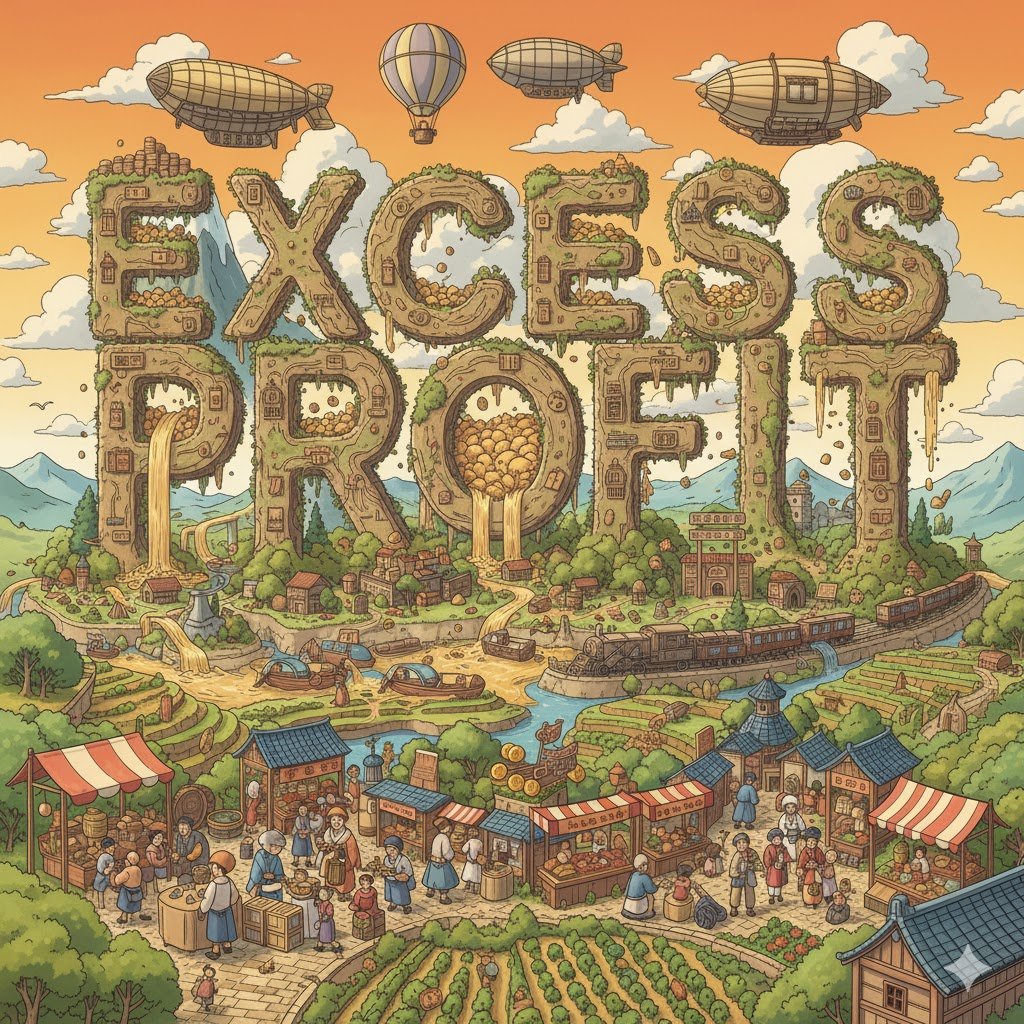
excess profit [ɪkˈses ˈprɑːfɪt]
(명사) 초과 이윤
'정상적'(normal)이거나 '기대'(expected)되는 '수준'(level)을 '넘어서'(excess), '회사'(company)가 '획득'(acquire)한 '매우'(very) '높은'(high) '이익'(profit)을 의미합니다. '일시적'(temporary)인 '시장'(market) '상황'(situation)이나 '독점'(monopoly) '지위'(position) 때문에 '발생'(happen)하며, 때로는 '세금'(taxes) '부과'(levy)의 '대상'(object)이 됩니다.
- The government is considering a special tax on excess profit from major manufacturers. (정부는 주요 제조업체로부터의 초과 이윤에 대해 특별 세금 부과를 고려하고 있다.)
- The manager said the company's high profit margin was due to a period of excess profit. (관리자는 회사의 높은 이윤폭은 초과 이윤 기간 때문이었다고 말했다.)
- The judge ruled that the company must share the excess profit with its employees. (판사는 회사가 초과 이윤을 자신의 직원들과 공유해야 한다고 판결했다.)
- The professor's economic model analyzes the impact of excess profit on market competition. (교수님의 경제 모델은 초과 이윤이 시장 경쟁에 미치는 영향을 분석한다.)
profit sharing, profit motive, profit and loss statement, undistributed profit, excess profit
(숙어) 이익 공유, 이윤 동기, 손익 계산서, 미처분 이익, 초과 이윤
이 표현들은 이익의 '분배', '심리적 원인', '재무 보고', '세금/회계' 측면에 초점을 맞춥니다. 'profit sharing'은 '직원들에게' '이익의 일부를 나눠주는' '보상 방식'을 의미합니다. 'profit motive'는 '행위나 사업을' '이윤을 얻기 위해' '하는 동기'를 의미합니다. 'profit and loss statement'는 '특정 기간 동안의' '수익과 비용을 기록한' '재무 보고서(손익 계산서)'를 의미합니다. 'undistributed profit'은 '배당 등으로' '분배되지 않고' '회사 내에 남아있는 이익'을, 'excess profit'은 '정상적인 수준을 넘어선' '초과 이윤'을 의미합니다.
- The company has an annual profit sharing plan for all employees. (그 회사는 모든 직원들을 위한 연간 이익 공유 계획을 가지고 있다.)
- The entire capitalist system is driven by the profit motive. (자본주의 시스템 전체는 이윤 동기에 의해 움직인다.)
- The bank reviewed the company's profit and loss statement. (은행은 그 회사의 손익 계산서를 검토했다.)
- The firm was taxed on its excess profit during the war. (그 회사는 전쟁 중 초과 이윤에 대해 세금을 부과받았다.)
- The decision was purely based on the profit motive. (그 결정은 순전히 이윤 동기에 기반했다.)
- We analyzed the undistributed profit to plan for future investment. (우리는 미래 투자를 계획하기 위해 미처분 이익을 분석했다.)
- Understanding the profit and loss statement is essential for any business owner. (손익 계산서를 이해하는 것은 모든 사업주에게 필수적이다.)
- The government debated placing a tax on excess profit during the emergency. (정부는 비상 상황 동안 초과 이윤에 세금을 부과하는 것을 논의했다.)
핵심 뜻
이익의 분배, 동기, 보고. 이익을 나누는 방식, 행동의 원인, 재무적 기록.
| sharing | 공유 | 명사로, '분배'. | '이익' '을' '직원' '이나' '주주' '들과' '나누는' '것을' '나타냄'. |
| motive | 동기 | 명사로, '원인'. | '이익' '을' '얻으려는' '것이' '어떤' '행동' '을' '하는' '주된' '이유' '임을' '강조함'. |
| P&L statement | 손익 계산서 | 명사로, '재무' '기록'. | '회사' '의' '수익' '과' '비용' '을' '대조' '하여' '이익' '을' '산출' '하는' '공식' '문서' '임을' '나타냄'. |
| undistributed | 미처분된 | 형용사로, '보류'. | '주주' '에게' '분배' '되지' '않고' '회사' '에' '남겨진' '이익' '임을' '나타냄'. |
| excess | 초과된 | 형용사로, '정상' '초과'. | '일반적' '으로' '합리적' '이라' '여겨지는' '수준' '을' '넘어선' '이익' '임을' '강조함'. |
비슷한 어휘 깔끔하게 표로 정리하고 밑에 예문,해석 하나씩 나열하기
| bonus distribution | 보너스 분배 |
| financial incentive | 재정적 동기 |
| income statement | 손익 계산서 |
bonus distribution
예문: The annual bonus distribution is based on performance.
해석: 연간 보너스 분배는 성과에 기반한다.
financial incentive
예문: The promise of high profit was a powerful financial incentive.
해석: 높은 이익의 약속은 강력한 재정적 동기였다.
income statement
예문: The auditor reviewed the company's income statement.
해석: 감사관이 회사의 손익 계산서를 검토했다.
결론 정리
'profit sharing'은 이익 분배를, 'profit motive'는 행동의 원인을, 'profit and loss statement'는 재무 기록을, 'undistributed/excess profit'은 이익의 회계적 상태를 나타냅니다.