
- 분류 전체보기 (4658)

| 일 | 월 | 화 | 수 | 목 | 금 | 토 |
|---|---|---|---|---|---|---|
| 1 | 2 | 3 | 4 | 5 | 6 | 7 |
| 8 | 9 | 10 | 11 | 12 | 13 | 14 |
| 15 | 16 | 17 | 18 | 19 | 20 | 21 |
| 22 | 23 | 24 | 25 | 26 | 27 | 28 |
- Hey
- Actually
- no
- please?
- Yeah
- I'm not sure
- Show Up
- Don't worry
- oh
- Sorry
- set up
- What Happened?
- Please
- work out
- pick up
- Right?
- entrance fee
- Oh No
- Sure
- OKay
- By The Way
- make it
- I'm glad to hear that.
- hold on
- too.
- Yes
- come up with
- I'm sorry
- well
- please.
- Today
- Total
인과함께
Day110 - product, product launch, product development, product life cycle, flagship product, final product, byproduct, consumer product, derivative product, gross domestic product (GDP), product line 본문
Day110 - product, product launch, product development, product life cycle, flagship product, final product, byproduct, consumer product, derivative product, gross domestic product (GDP), product line
미인생 2025. 11. 11. 05:27
AI Audio Overview
product [ˈprɑːdʌkt] 상업적 목적으로 만들어진 결과물을 뜻하는 단어.
(명사) 제품, 상품, (노력의) 산물, 결과
'product'는 기본적으로 "제품", "생산물"이라는 뜻으로 쓰이며, 생산 과정의 결과로 만들어진 재화, 서비스, 또는 무형의 결과물을 의미합니다. 경제, 경영, 마케팅, 과학 등 광범위한 분야에서 핵심 단어로 등장합니다.
1. product launch (제품 출시)
- 해석: 새로운 제품이나 서비스를 시장이나 대중에게 공식적으로 선보이고 판매를 시작하는 행위.
- 예문: A successful product launch requires extensive market research and a compelling advertising campaign. (성공적인 제품 출시는 광범위한 시장 조사와 설득력 있는 광고 캠페인을 필요로 한다.)
- 예문: The technology world eagerly awaited the company's new product launch. (기술계는 그 회사의 새로운 제품 출시를 간절히 기다렸다.)
2. product development (제품 개발)
- 해석: 새로운 제품의 아이디어 구상, 설계, 제작, 테스트를 포함하는 전 과정.
- 예문: Investing heavily in product development is crucial for maintaining long-term competitiveness. (제품 개발에 집중적으로 투자하는 것은 장기적인 경쟁력을 유지하는 데 필수적이다.)
3. product life cycle (제품 수명 주기)
- 해석: 제품이 시장에 도입된 시점부터 쇠퇴하여 사라질 때까지 거치는 일련의 단계 (도입, 성장, 성숙, 쇠퇴).
- 예문: Understanding the product life cycle helps managers make strategic decisions about pricing and marketing. (제품 수명 주기를 이해하는 것은 관리자들이 가격 책정 및 마케팅에 대한 전략적 결정을 내리는 데 도움이 된다.)
4. flagship product (주력 상품/대표 상품)
- 해석: 특정 회사나 브랜드의 가장 중요하고, 가장 많이 팔리며, 그 회사를 대표하는 제품.
- 예문: The new smartphone model is expected to be the company's flagship product this year. (새 스마트폰 모델은 올해 그 회사의 주력 상품/대표 상품이 될 것으로 예상된다.)
5. final product (최종 제품/완제품)
- 해석: 모든 제조 및 가공 단계를 거쳐 소비자에게 판매될 준비가 완료된 제품.
- 예문: Quality control checks are performed just before the final product is packaged and shipped. (최종 제품이 포장되어 배송되기 직전에 품질 관리 점검이 수행된다.)
6. byproduct (부산물)
- 해석: 주된 생산 과정에서 부차적으로 함께 만들어지는 물질이나 결과물.
- 예문: Heat generated by the chemical reaction is a useful byproduct that can be captured to produce electricity. (화학 반응으로 생성된 열은 전기를 생산하기 위해 포집될 수 있는 유용한 부산물이다.)
7. consumer product (소비재)
- 해석: 최종 소비자가 직접 사용하거나 소비하기 위해 구매하는 제품.
- 예문: Marketing strategies for consumer products often focus on emotional connection and brand loyalty. (소비재에 대한 마케팅 전략은 종종 감정적 연결과 브랜드 충성도에 초점을 맞춘다.)
8. derivative product (파생 상품)
- 해석: 주식, 채권, 상품 등 기초 자산의 가치 변동에 의해 가치가 결정되는 금융 상품 (예: 옵션, 선물).
- 예문: Trading derivative products involves a higher degree of risk than trading the underlying assets. (파생 상품을 거래하는 것은 기초 자산을 거래하는 것보다 더 높은 수준의 위험을 수반한다.)
9. gross domestic product (GDP) (국내총생산)
- 해석: 한 나라의 국경 내에서 일정 기간 동안 생산된 최종 재화와 서비스의 시장 가치 총액.
- 예문: The Gross Domestic Product (GDP) is the primary indicator used to measure the health of a national economy. (**국내총생산(GDP)**은 국가 경제의 건전성을 측정하는 데 사용되는 주요 지표이다.)
10. product line (제품 라인/상품군)
- 해석: 특정 기업이 판매하는 서로 관련되거나 유사한 제품들의 집합.
- 예문: The company decided to discontinue the least profitable item in their cosmetics product line. (그 회사는 화장품 제품 라인에서 수익성이 가장 낮은 품목을 중단하기로 결정했다.)
대한민국 입시 주요 POINT
'product'는 경제 성장, 기업 전략, 기술 혁신, 그리고 환경적 책임을 다루는 경제, 경영, 과학 지문에서 가장 핵심적인 개념입니다. 생산과 소비의 순환이 중요합니다.
1. 경제 규모와 측정 (GDP)
- *gross domestic product (GDP)**는 국가 경제의 성과를 측정하는 가장 기본이 되는 개념입니다. 지문은 GDP가 생산량을 측정하지만, **삶의 질(quality of life)**이나 환경 파괴와 같은 외부 요인(externalities)은 제대로 반영하지 못한다는 한계를 논할 때 자주 등장합니다.
2. 혁신과 생존 전략 (Product Life Cycle / Flagship Product)
- product life cycle은 기업이 시장에서 지속적으로 생존하기 위해 혁신을 통해 제품을 지속적으로 갱신해야 함을 강조합니다. flagship product는 브랜드 가치와 기술력을 상징하며, 기업의 전체적인 이미지에 영향을 미치는 핵심 자산입니다.
3. 부수적 결과와 책임 (Byproduct / Derivative Product)
- byproduct 관련 논의는 생산 활동이 의도치 않게 만들어내는 긍정적 또는 부정적 영향 (예: 폐기물, 오염)에 대한 환경적 책임을 다룹니다. derivative product는 금융 시스템의 복잡성과 투기적 위험을 논할 때 사용되며, 경제 위기의 원인으로 지목되기도 합니다.
product [ˈprɑːdʌkt] 생산된 결과물, 상업적 의미 강조
핵심 뜻
생산 또는 노력의 결과로 만들어진 물품, 상품; 또는 어떤 과정이나 행동의 결과물, 산물.
단어별 뉘앙스, 의미 연결 흐름 (표)
단어 구성 요소 의미 연결 흐름 뉘앙스 요약
| pro- (접두사) | '앞으로', '앞으로 내밀다' | 과정이 끝난 후 결과가 밖으로 나타남. | 발현 (Emergence) |
| duct (라틴어: ductus, ducere에서 파생) | '이끌려 나온 것' | 생산 과정을 거쳐 밖으로 이끌려 나온 최종 결과물. | 결과 (Result) |
| 종합 뉘앙스 | 특정한 생산 과정을 거쳐 세상에 나온 유형적이거나 무형적인 최종 결과물. | '산출된 결과' |
단어 어원적 의미 핵심 뉘앙스 현대적 의미 연결 흐름
| 라틴어 productus (앞으로 이끌려 나온) | "행위의 최종 결과" | 제조된 제품/상품 → 노력의 결과/성과 → 수학적 곱 |

품사별 의미와 쉬운 예문 (표)
품사 의미 상세 설명 쉬운 예문
| 명사 (N.) | 제품, 상품 | 제조되거나 생산되어 판매되는 유형의 물품. | This new product is very popular. (이 신규 제품은 매우 인기가 좋다.) |
| 명사 (N.) | 결과, 산물 | 어떤 행위, 과정, 환경 등이 낳은 추상적인 결과. | His success is the product of hard work. (그의 성공은 노력의 산물이다.) |
| 명사 (N.) | 곱 (수학) | 두 개 이상의 수를 곱하여 얻은 결과값. | The product of five and three is fifteen. (5와 3의 곱은 15이다.) |
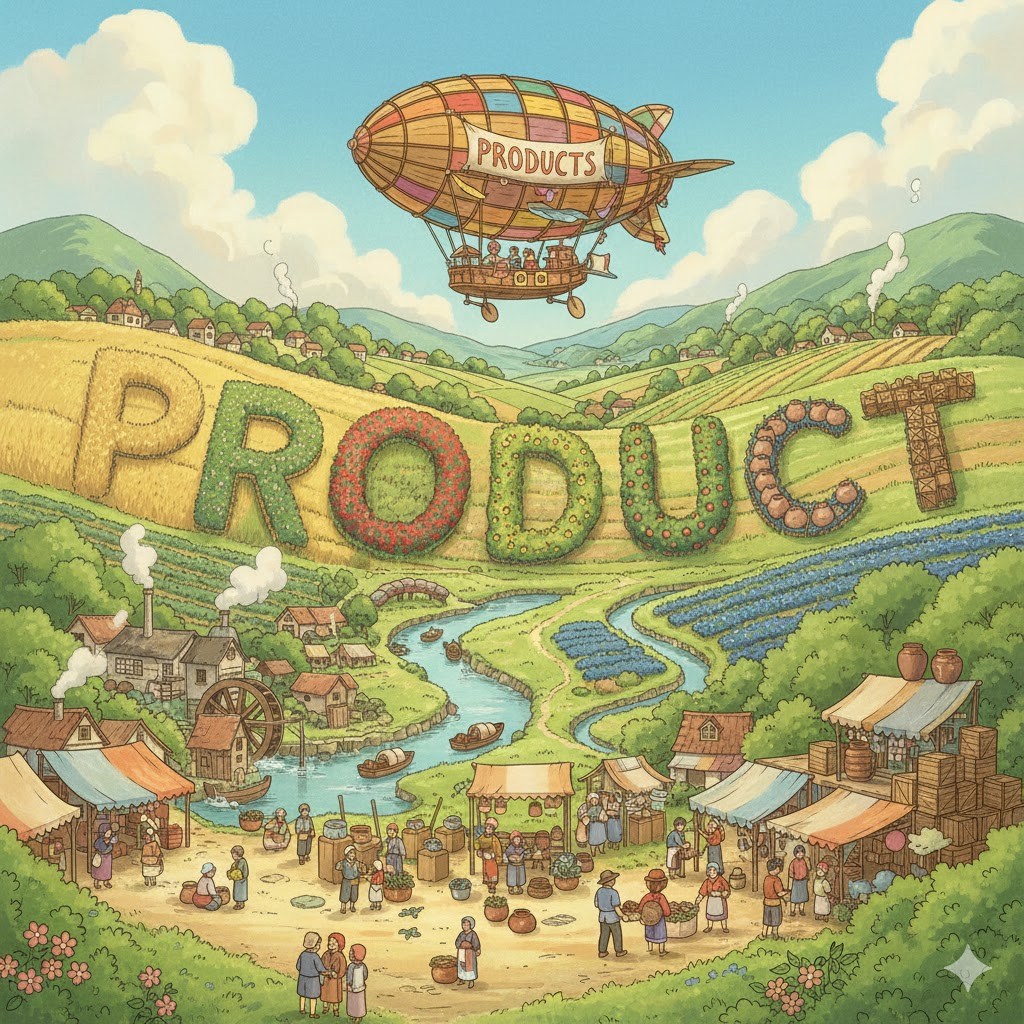
활용 예문 (리스트)
- The company is launching a new line of electronic products next month. (그 회사는 다음 달에 새로운 전자 제품 라인을 출시할 것이다.)
- Innovation is the essential product of creative thinking. (혁신은 창의적인 사고의 필수적인 산물이다.)
- We test the quality of every product before it leaves the factory. (우리는 공장을 떠나기 전에 모든 제품의 품질을 테스트한다.)
- The scandal was a product of the toxic corporate culture. (그 스캔들은 유해한 기업 문화의 결과물이었다.)
- Marketing focuses on the unique selling points of the product. (마케팅은 그 제품의 고유한 판매 포인트에 초점을 맞춘다.)
전체 뉘앙스 설명
product는 동사 'produce'의 명사형으로, 생산 과정이 완료된 후 최종적으로 밖으로 드러난 결과물을 의미합니다. 물리적인 상품이나 제품을 지칭하는 가장 흔한 단어이며, 경제와 상업 분야에서 핵심적으로 사용됩니다. 또한, 노력, 환경, 문화 등 추상적인 원인이 낳은 최종적인 결과나 산물을 비유적으로 표현할 때도 널리 쓰입니다. 핵심은 **'과정의 종착점'**으로서의 의미입니다.
마지막 핵심 정리
product는 **'생산 과정의 최종 결과물'**로서 제품, 상품 또는 과정의 산물을 의미합니다.
파생어 (발음 포함) (리스트)
- produce [prəˈduːs] (동사): 생산하다, 만들어내다
- production [prəˈdʌkʃən] (명사): 생산, 제작
- productive [prəˈdʌktɪv] (형용사): 생산적인, 결실 있는
유의어 비교 (표)
단어 품사 뉘앙스 차이 및 사용 맥락
| Product | 명사 | 생산 또는 제조 과정을 거쳐 판매되는 최종적인 물품 또는 결과물. (상업성 강조) |
| Goods | 명사 (복수형) | 판매 또는 운송을 목적으로 하는 물품 전반. (거래, 이동 강조) |
| Output | 명사 | 특정 기간 동안 생산된 총 산출량이나 결과. (측정 가능한 수량 강조) |
| Outcome | 명사 | 논의, 회의, 실험 등 특정 사건의 최종적인 결과나 결말. (사건의 결론 강조) |

유의어 예문 (해석 포함) (리스트)
- Goods: The ship was carrying manufactured goods across the ocean. (그 배는 제조된 상품들을 바다를 가로질러 운송하고 있었다.)
- Output: The factory's daily output has increased by ten percent. (그 공장의 일일 생산량이 10퍼센트 증가했다.)
- Outcome: The positive outcome of the meeting pleased everyone. (그 회의의 긍정적인 결과는 모두를 기쁘게 했다.)
결론 정리
product는 동사 produce의 결과로서, 공업적, 농업적, 또는 추상적인 노력의 최종적인 성과를 나타내는 핵심 단어이며, 경제 활동에서 교환의 대상이 되는 물품을 지칭할 때 주로 사용됩니다.
product [ˈprɑːdʌkt]
(명사) 제품, 상품, (노력의) 산물, 결과
'생산'(production) 과정(process)을 '통해', '소비자'(consumer)나 '시장'(market)에 '판매'(sell)하거나 '제공'(provide)하기 위해 '만들어진'(create) '물품'(goods)이나 '서비스'(service)를 의미합니다. 단순히 '물건'을 넘어, '노력'(effort)이나 '활동'(activity)의 '결과'(result)나 '산물'(outcome)을 비유적으로 나타내는 데 초점이 맞춰집니다.
- The manager said the company will launch a new product next month. (관리자는 회사가 다음 달에 새로운 제품을 출시할 것이라고 말했다.)
- The engineer is working to improve the quality of the product. (엔지니어는 제품의 품질을 개선하기 위해 노력하고 있다.)
- The judge ruled that the manufacturer was liable for the damage caused by the defective product. (판사는 제조업체가 결함 있는 제품으로 야기된 피해에 대해 책임이 있다고 판결했다.)
- The professor said that every scientific discovery is a product of human curiosity. (교수님은 모든 과학적 발견은 인간의 호기심의 산물이라고 말했다.)
product launch [ˈprɑːdʌkt lɔːntʃ]
(명사) 제품 출시, 신제품 발표
'새롭게'(new) '개발'(development)되거나 '생산'(production)된 '제품'(product)을 '처음'(first)으로 '시장'(market)이나 '대중'(public)에게 '공개'(release)하고 '판매'(sales)를 '시작'(start)하는 '공식적인'(official) '행사'(event)나 '시점'(time)을 의미합니다. '마케팅'(marketing)과 '홍보'(promotion)의 '핵심'(core) '단계'(phase)를 강조합니다.
- The manager scheduled the product launch for early in the morning to attract media attention. (관리자는 언론의 주목을 끌기 위해 제품 출시를 이른 아침으로 예약했다.)
- The company invested a fortune in the advertising campaign for the product launch. (회사는 제품 출시를 위한 광고 캠페인에 엄청난 돈을 썼다.)
- The engineer was nervous about the product launch because of a potential system error. (엔지니어는 잠재적인 시스템 오류 때문에 제품 출시에 대해 불안했다.)
- The judge said the date of the product launch was a matter of strategic priority. (판사는 제품 출시 날짜는 전략적 우선순위의 문제라고 말했다.)
product development [ˈprɑːdʌkt dɪˈveləpmənt]
(명사) 제품 개발, 상품 개발
'새로운'(new) '제품'(product)의 '아이디어'(idea) '구상'(think up)부터 '설계'(design), '시험'(testing), 그리고 '실제'(actual) '생산'(production)에 '이르기'(reach)까지 '포함'(include)하는 '전체'(entire) '과정'(process)을 의미합니다. '혁신'(innovation), '연구'(research), 그리고 '시장'(market) '수요'(demand) '충족'을 '목표'(goal)로 합니다.
- The manager said product development requires a strong sense of creative passion. (관리자는 제품 개발은 강력한 창의적 열정을 필요로 한다고 말했다.)
- The company spends the lion's share of its budget on product development. (회사는 예산의 대부분을 제품 개발에 쓴다.)
- The engineer is the lead on the product development team. (엔지니어는 제품 개발 팀의 책임자이다.)
- The judge said the lawyer's advice was vital during the product development process. (판사는 제품 개발 과정 동안 변호사의 조언이 필수적이었다고 말했다.)

product life cycle [ˈprɑːdʌkt laɪf ˈsaɪkl]
(명사) 제품 수명 주기
'제품'(product)이 '출시'(launch)된 '후', '시장'(market)에서 '판매'(sales)와 '수익'(profit)의 '관점'(perspective)에서 '겪는'(go through) '일련'(series)의 '단계'(phase) (예: 도입, 성장, 성숙, 쇠퇴)를 의미합니다. '수요'(demand)와 '경쟁'(competition) '변화'(change)에 대한 '전략적'(strategic) '대응'(response)을 강조합니다.
- The manager said we must extend the growth phase of the product life cycle. (관리자는 우리가 제품 수명 주기의 성장 단계를 연장해야 한다고 말했다.)
- The professor's lecture covered the economic principles of the product life cycle. (교수님의 강의는 제품 수명 주기의 경제적 원리들을 다루었다.)
- The company decided to phase out the old product as it reached the end of its life cycle. (회사는 오래된 제품이 수명 주기의 끝에 도달함에 따라 단계적으로 폐지하기로 결정했다.)
- The engineer said innovation is key to restarting the product life cycle. (엔지니어는 혁신은 제품 수명 주기를 재시작하는 비결이라고 말했다.)
product line [ˈprɑːdʌkt laɪn]
(명사) 제품 라인, 상품군
'단일'(single) '회사'(company)가 '생산'(produce)하고 '판매'(sell)하는 '유사'(similar)한 '기능'(function), '목표'(purpose), 또는 '브랜드'(brand)를 '공유'(share)하는 '관련된'(related) '제품'(products)들의 '집합'(set)을 의미합니다. '다양한'(diverse) '시장'(market) '수요'(demand) 충족을 위한 '전략적'(strategic) '구분'을 강조합니다.
- The manager said the company is expanding its product line into a new market niche. (관리자는 회사가 새로운 틈새 시장으로 자신의 제품 라인을 확장하고 있다고 말했다.)
- The new synthetic material will be used in the entire product line. (새로운 합성 재료는 전체 제품 라인에서 사용될 것이다.)
- The judge ruled that the breach of agreement affected the company's entire product line. (판사는 합의 위반이 회사의 전체 제품 라인에 영향을 미쳤다고 판결했다.)
- The professor's study analyzed the competitive price strategy for a product line. (교수님의 연구는 제품 라인에 대한 경쟁력 있는 가격 전략을 분석했다.)
product, product launch, product development, product life cycle, product line
(명사) 제품, 생산품, 결과 , (숙어) 제품 출시, 제품 개발, 제품 수명 주기, 제품군
'product'은 '생산 활동의 결과로 만들어진' '물건이나 서비스'를 의미하는 가장 기본적인 단어입니다. 'product launch'는 '새로운 제품을' '처음으로 대중에게 선보이는' '출시 행위'를 의미합니다. 'product development'는 '새로운 제품을 기획하고' '제작하는' '전 과정'을, 'product life cycle'은 '제품이 시장에 도입되어' '성장, 성숙, 쇠퇴 단계를 거치는' '주기'를 의미합니다. 'product line'은 '특정 회사가 판매하는' '관련 제품들의 집합'을 뜻합니다.
- The company is preparing for the new product launch next month. (그 회사는 다음 달 제품 출시를 준비하고 있다.)
- Product development is a costly and time-consuming process. (제품 개발은 비용과 시간이 많이 드는 과정이다.)
- Every product has a unique life cycle in the market. (모든 제품은 시장에서 고유한 수명 주기를 가진다.)
- The CEO announced an expansion of the main product line. (CEO는 주력 제품군의 확장을 발표했다.)
- Our marketing team focuses on the initial stage of the product life cycle. (우리 마케팅 팀은 제품 수명 주기의 초기 단계에 집중한다.)
- We are investing heavily in product development to stay competitive. (우리는 경쟁력을 유지하기 위해 제품 개발에 막대한 투자를 하고 있다.)
- The successful product launch drove up the stock price. (성공적인 제품 출시가 주가를 끌어올렸다.)
- The store carries a wide variety of items within its frozen product line. (그 가게는 냉동 제품군 내에서 광범위한 품목을 취급한다.)
핵심 뜻
제품, 생산품. 생산 활동의 결과물, 그리고 그 출시, 개발, 수명, 분류에 관한 개념.
| product | 제품, 생산품 | 명사로, '산출물'. | '자원' '이나' '노력' '을' '통해' '만들어진' '유형' '또는' '무형' '의' '결과물' '임을' '나타내는' '기본' '개념'. |
| launch | 출시 | 명사로, '공개'. | '제품' '을' '처음' '으로' '대중' '에게' '공식' '적' '으로' '선보이는' '행위' '를' '나타냄'. |
| development | 개발 | 명사로, '구상' '과' '제작'. | '제품' '을' '기획' '하고' '만들어내는' '일련' '의' '과정' '임을' '나타냄'. |
| life cycle | 수명 주기 | 명사로, '존속' '기간'. | '제품' '이' '시장' '에' '존재' '하는' '전체' '기간' '을' '나타냄'. |
| product line | 제품군 | 명사로, '집합'. | '회사가' '판매' '하는' '비슷한' '종류' '의' '제품' '들' '의' '집합' '임을' '나타냄'. |
비슷한 어휘 깔끔하게 표로 정리하고 밑에 예문,해석 하나씩 나열하기
| commodity | 상품, 원자재 (경제적) |
| merchandise | 상품, 제품 (소매) |
| rollout | (제품) 공개, 출시 (product launch 유사) |
commodity
예문: Oil is a valuable commodity.
해석: 석유는 귀중한 상품이다.
merchandise
예문: The store stocks various kinds of merchandise.
해석: 그 가게는 다양한 종류의 상품을 재고로 보유하고 있다.
rollout
예문: The company planned a nationwide rollout of the new service.
해석: 그 회사는 새 서비스의 전국적인 출시를 계획했다.
flagship product [ˈflæɡʃɪp ˈprɑːdʌkt]
(명사) 주력 상품, 대표 제품
'회사'(company)나 '브랜드'(brand)를 '대표'(represent)하며, '가장'(most) '높은'(highest) '수준'(level)의 '품질'(quality), '혁신'(innovation), 또는 '인지도'(awareness)를 '가진' '주요'(main) '제품'(product)을 의미합니다. '회사'(firm)의 '이미지'(image)와 '경쟁'(competition) '우위'(edge)를 '결정'(determine)하는 '핵심'(core) '상품'을 강조합니다.
- The new smartphone is expected to be the company's flagship product. (새로운 스마트폰은 회사의 주력 상품이 될 것으로 예상된다.)
- The manager said we must maintain the premium quality of our flagship product. (관리자는 우리가 주력 상품의 최고 품질을 유지해야 한다고 말했다.)
- The engineer took on the responsibility for the product development of the flagship product line. (엔지니어는 주력 상품 라인의 제품 개발 책임을 맡았다.)
- The judge said the failure of the flagship product had a major impact on the market position. (판사는 주력 상품의 실패가 시장 위치에 중대한 영향을 미쳤다고 말했다.)

final product [ˈfaɪnl ˈprɑːdʌkt]
(명사) 최종 제품, 완제품
'생산'(production) '공정'(process)의 '모든'(all) '단계'(phase)를 '완료'(complete)하고, '시장'(market)에 '판매'(sales)되거나 '제공'(provide)될 '준비'(ready)가 '된'(finished) '최종적'(final)인 '상품'(product) 형태를 의미합니다. '원자재'(raw material)나 '중간'(intermediate) '제품'과 대비됩니다.
- The manager asked the team to check the quality of the final product before launch. (관리자는 출시 전 최종 제품의 품질을 확인하도록 팀에게 요청했다.)
- The engineer is responsible for the assembly of the final product. (엔지니어는 최종 제품의 조립에 책임이 있다.)
- The judge ruled that the company was liable for damage caused by the final product. (판사는 회사가 최종 제품으로 야기된 피해에 책임이 있다고 판결했다.)
- The professor's study analyzed the cost breakdown from raw material to final product. (교수님의 연구는 원자재에서 최종 제품까지의 비용 내역을 분석했다.)
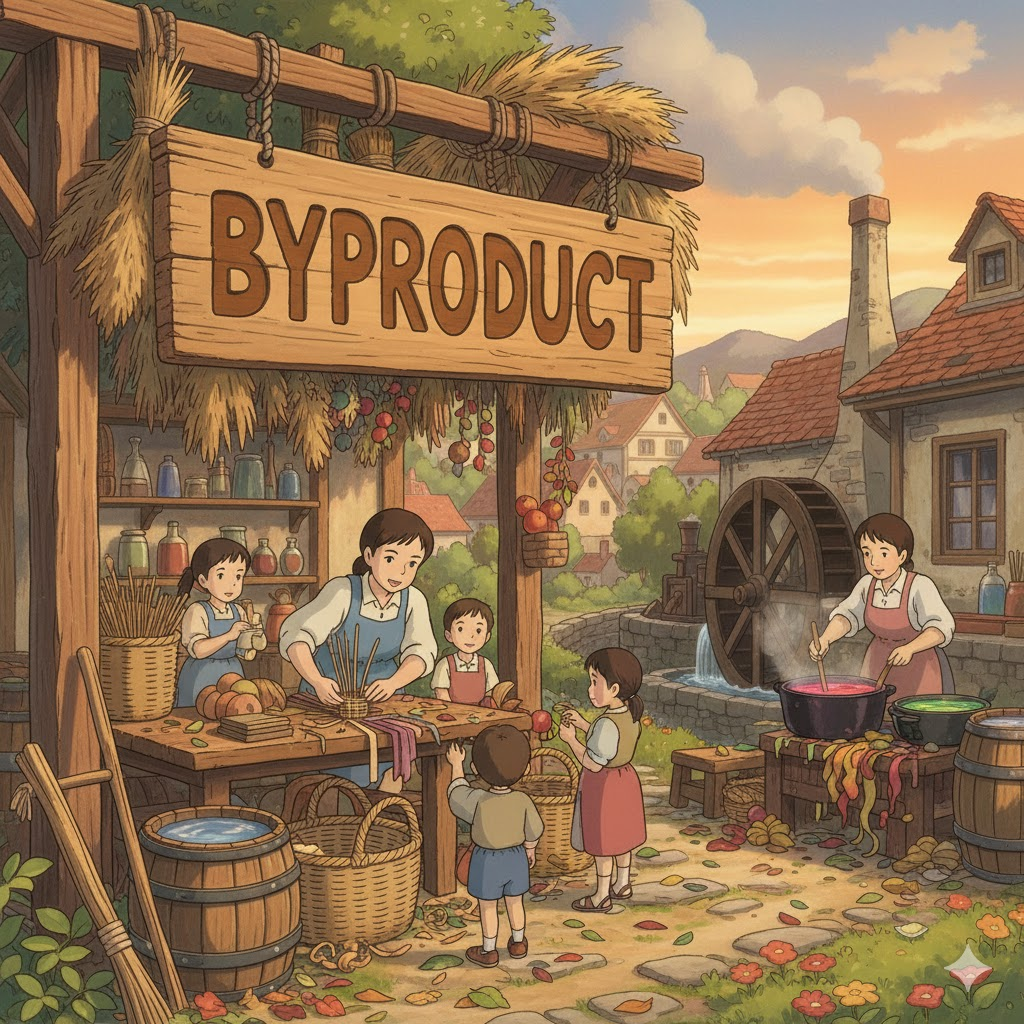
byproduct [ˈbaɪˌprɑːdʌkt]
(명사) 부산물, 부수적인 결과
'주요'(main) '생산'(production) '과정'(process)에서 '추가적'(additional)이거나 '부수적'(secondary)으로 '생성'(generate)되는 '물질'(substance)이나 '상품'(product)을 의미합니다. 비유적으로는 '주된'(main) '활동'(activity)의 '예상치'(unexpected) 못한 '결과'(result)를 뜻하기도 합니다.
- The engineer designed a system to reduce the amount of toxic byproduct. (엔지니어는 독성 부산물의 양을 줄이기 위한 시스템을 설계했다.)
- The manager said the rise in employee engagement was a positive byproduct of the new policy. (관리자는 직원 몰입도의 상승은 새로운 정책의 긍정적인 부산물이었다고 말했다.)
- The judge said the environmental pollution was an unavoidable byproduct of the manufacturing process. (판사는 환경 오염은 제조 공정의 피할 수 없는 부산물이었다고 말했다.)
- The professor's study covered the economic value of byproducts in the industry. (교수님의 연구는 산업에서 부산물의 경제적 가치를 다루었다.)

consumer product [kənˈsuːmər ˈprɑːdʌkt]
(명사) 소비재, 일반 소비자용 제품
'최종'(final) '소비자'(consumer)가 '개인적'(personal) 또는 '가정'(household) '용도'(use)로 '직접'(directly) '구매'(purchase)하여 '사용'(use)하는 '상품'(product)을 의미합니다. '산업적'(industrial) '용도'(use)의 '원자재'(raw material)나 '중간'(intermediate) '제품'과 대비됩니다.
- The company focuses on mass producing low-cost consumer products. (회사는 저비용 소비재를 대량 생산하는 것에 집중한다.)
- The manager said the failure to understand consumer preference is a risk in the consumer product market. (관리자는 소비자 선호를 이해하지 못한 실패는 소비재 시장에서의 위험이라고 말했다.)
- The judge ruled that all consumer products must meet strict safety standards. (판사는 모든 소비재는 엄격한 안전 기준을 충족해야 한다고 판결했다.)
- The professor's study analyzed the consumption pattern of everyday consumer products. (교수님의 연구는 일상적인 소비재의 소비 패턴을 분석했다.)
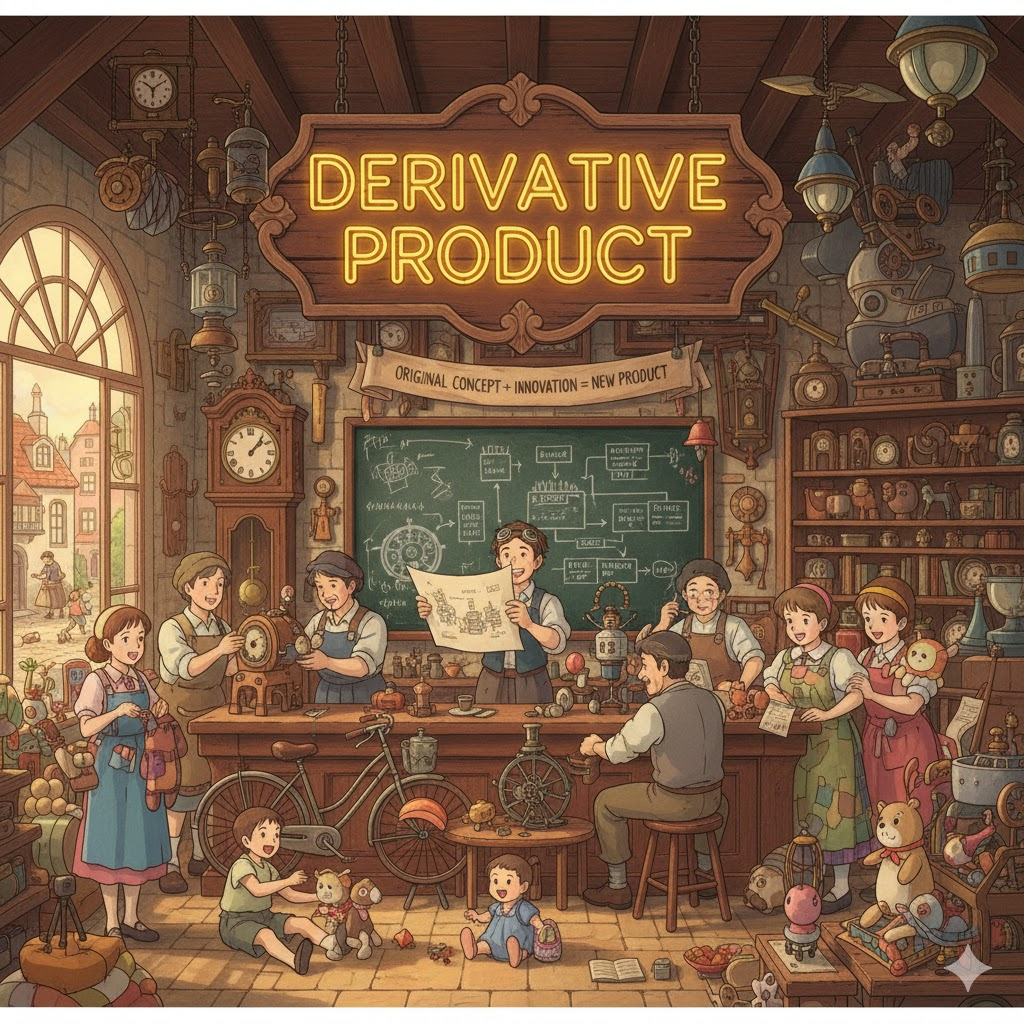
derivative product [dɪˈrɪvətɪv ˈprɑːdʌkt]
(명사) 파생 상품, 파생 제품
'가치'(value)가 '금리'(interest rate), '주식'(stock), '통화'(currency) 등 '기초'(underlying) '자산'(asset)의 '가격'(price) '변동'(fluctuation)에 '달려'(depend on) 있는 '금융'(financial) '상품'(product)을 의미합니다. '투자'(investment)와 '위험'(risk) '관리'(management)를 목적으로 합니다.
- The manager said the company will use derivative products to safeguard against market risk. (관리자는 회사가 시장 위험에 대한 안전 장치를 마련하기 위해 파생 상품을 사용할 것이라고 말했다.)
- The professor's lecture covered the complex economic principles behind derivative products. (교수님의 강의는 파생 상품 뒤에 숨겨진 복잡한 경제적 원리들을 다루었다.)
- The judge ruled that the bank misrepresented the risk of the derivative product. (판사는 은행이 파생 상품의 위험을 허위로 표현했다고 판결했다.)
- The lawyer advised the client to think twice before investing in a derivative product. (변호사는 의뢰인에게 파생 상품에 투자하기 전에 심사숙고하도록 조언했다.)
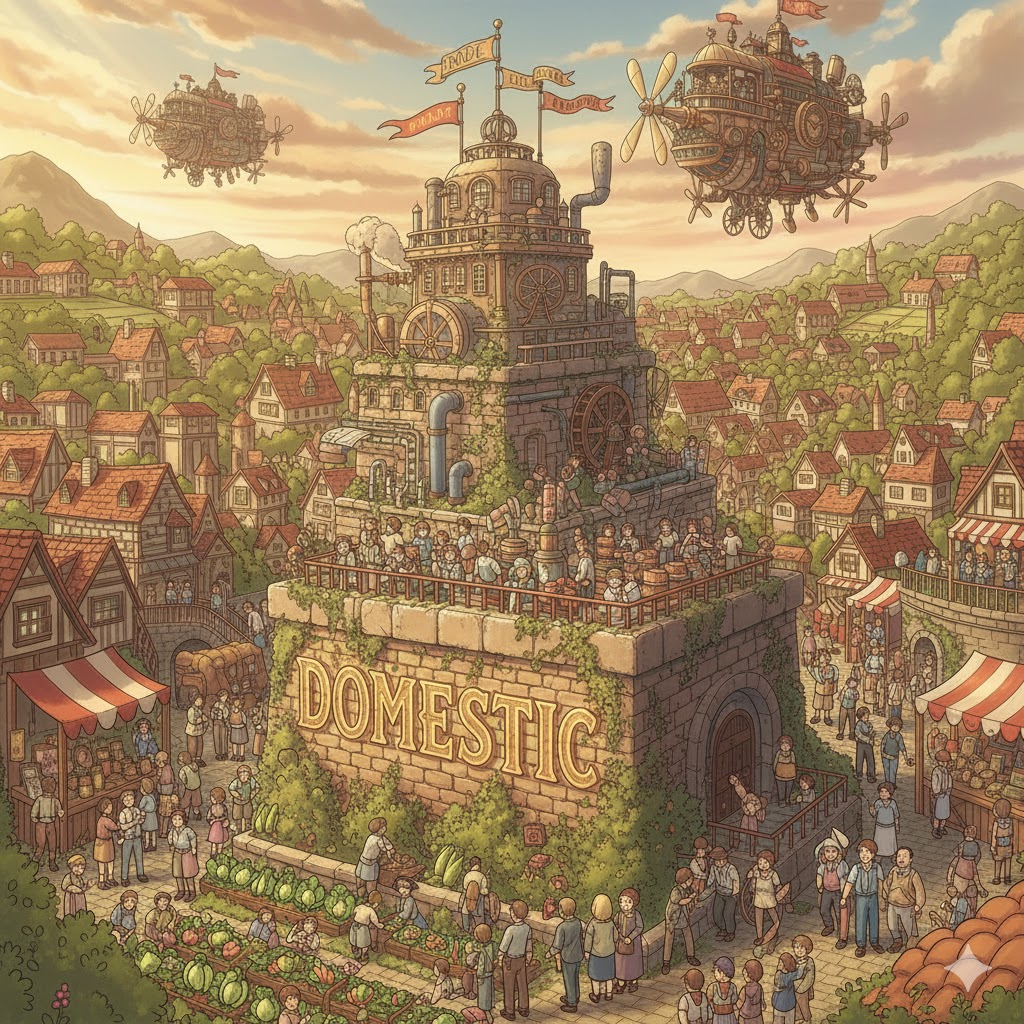
gross domestic product (GDP) [ɡroʊs dəˈmestɪk ˈprɑːdʌkt]
(명사) 국내총생산 (GDP)
'특정'(specific) '기간'(period) (보통 1년) 동안 '국가'(nation) '내부'(domestic)에서 '생산'(produce)된 '모든'(all) '최종'(final) '상품'(goods)과 '서비스'(service)의 '시장'(market) '가치'(value)를 '총액'(total amount)으로 '합산'(sum)한 '경제'(economic) '지표'(indicator)를 의미합니다. '국가'(nation) '경제'(economy)의 '크기'(size)와 '성장'(growth) '속도'(rate)를 측정하는 데 사용됩니다.
- The government is trying to increase the nation's gross domestic product (gdp) by investing in technology. (정부는 기술에 투자함으로써 국가의 국내총생산을 늘리려고 노력하고 있다.)
- The professor's study showed a positive correlation between education and gross domestic product. (교수님의 연구는 교육과 국내총생산 사이의 양의 상관관계를 보여주었다.)
- The manager said the company's growth must exceed the national gdp growth rate. (관리자는 회사의 성장은 국가 GDP 성장률을 초과해야 한다고 말했다.)
- The judge said the economic stability of the nation depends on a healthy gross domestic product. (판사는 국가의 경제적 안정은 건전한 국내총생산에 달려 있다고 말했다.)
flagship product, final product, byproduct, consumer product, derivative product, gross domestic product (GDP)
(숙어) 대표 상품, 최종 제품, 부산물, 소비재, 파생 상품, 국내 총생산
이 표현들은 제품의 '중요성', '완성도', '생산 과정', '용도', '경제적 규모'를 나타냅니다. 'flagship product'는 '가장 중요하고 대표적인' '주력 상품'을 의미합니다. 'final product'는 '제조 과정을 거친' '최종 결과물'을, 'byproduct'는 '주요 생산 과정에서' '덤으로 나오는' '부산물'을 의미합니다. 'consumer product'는 '최종 소비자가 사용하는' '소비재'를, 'derivative product'는 '기존 자산을 기반으로 만들어진' '파생 금융 상품'을 의미합니다. 'gross domestic product (GDP)'는 '한 국가의 경제 활동의 총합'을 나타내는 거시 경제 지표입니다.
- The new smartphone is our company's flagship product. (그 새로운 스마트폰은 우리 회사의 대표 상품이다.)
- Quality control checks the final product before shipping. (품질 관리는 출하 전에 최종 제품을 검사한다.)
- Fertilizer is a byproduct of oil refining. (비료는 석유 정제의 부산물이다.)
- Most of the goods in the store are consumer products. (그 가게의 상품 대부분은 소비재이다.)
- Options and futures are examples of derivative products. (옵션과 선물은 파생 상품의 예이다.)
- Gross Domestic Product (GDP) is the best measure of a country's economic health. (**국내 총생산(GDP)**은 한 국가의 경제 건전성을 측정하는 가장 좋은 지표이다.)
- We need to focus on marketing our flagship product effectively. (우리는 대표 상품을 효과적으로 마케팅하는 데 집중해야 한다.)
- The final product was significantly different from the initial prototype. (최종 제품은 초기 시제품과 상당히 달랐다.)
핵심 뜻
제품의 중요도와 분류. 대표성, 최종 완성, 부수적 결과, 용도, 경제적 지표.
| flagship | 대표하는 | 형용사로, '대표성'. | '가장' '중요' '하고' '조직' '을' '대표' '하는' '제품' '임을' '강조함'. |
| final/by- | 최종/곁의 | 형용사/접두사로, '단계' '와' '부수'. | '생산' '과정' '의' '마지막' '(', 'final' ') '결과물' '인지' '주요' '생산' '물에' '덧붙여' '나오는' '것' '인지' '(', 'by-' ')' '를' '구분함'. |
| consumer | 소비자의 | 형용사로, '용도'. | '중간' '재가' '아닌' '최종' '소비자' '가' '사용' '하는' '제품' '임을' '나타냄'. |
| derivative | 파생의 | 형용사로, '금융' '원리'. | '주식' '이나' '채권' '같은' '기존' '자산' '에' '기반하여' '만들어진' '것' '임을' '나타냄'. |
| GDP | 국내 총생산 | 약어로, '국가' '경제'. | '국가' '의' '경제' '적' '활동' '총합' '을' '나타내는' '거시' '경제' '지표' '임을' '명시함'. |
비슷한 어휘 깔끔하게 표로 정리하고 밑에 예문,해석 하나씩 나열하기
| main offering | 주력 상품 |
| end product | 최종 산물 |
| secondary outcome | 부수적 결과 |
main offering
예문: The new luxury car is the company's main offering.
해석: 그 새로운 고급 자동차는 회사의 주력 상품이다.
end product
예문: The quality of the raw material affects the end product.
해석: 원자재의 품질이 최종 산물에 영향을 미친다.
secondary outcome
예문: The political scandal was a secondary outcome of the investigation.
해석: 그 정치 스캔들은 조사의 부수적 결과였다.
결론 정리
'flagship product'는 대표성을, 'final/byproduct'은 생산의 완성/부수성을, 'consumer/derivative product'은 용도를, 'GDP'는 거시 경제 지표를 나타냅s니다.


