- 분류 전체보기 (4968)

| 일 | 월 | 화 | 수 | 목 | 금 | 토 |
|---|---|---|---|---|---|---|
| 1 | 2 | 3 | 4 | 5 | 6 | 7 |
| 8 | 9 | 10 | 11 | 12 | 13 | 14 |
| 15 | 16 | 17 | 18 | 19 | 20 | 21 |
| 22 | 23 | 24 | 25 | 26 | 27 | 28 |
| 29 | 30 | 31 |
- oh
- please?
- work out
- I'm not sure
- By The Way
- Hey
- pick up
- set up
- Show Up
- Sure
- What Happened?
- Please
- Oh No
- Yes
- come up with
- I'm sorry
- please.
- too.
- Actually
- Don't worry
- I'm glad to hear that.
- Excuse me
- make it
- Yeah
- Sorry
- OKay
- entrance fee
- Right?
- no
- well
- Today
- Total
인과함께
Day96 - organization, non-profit organization, international organization, religious organization, parent organization, organization chart, organization structure, organizational culture, membership organization, aid organization, host organization 본문
Day96 - organization, non-profit organization, international organization, religious organization, parent organization, organization chart, organization structure, organizational culture, membership organization, aid organization, host organization
미인생 2025. 10. 27. 05:38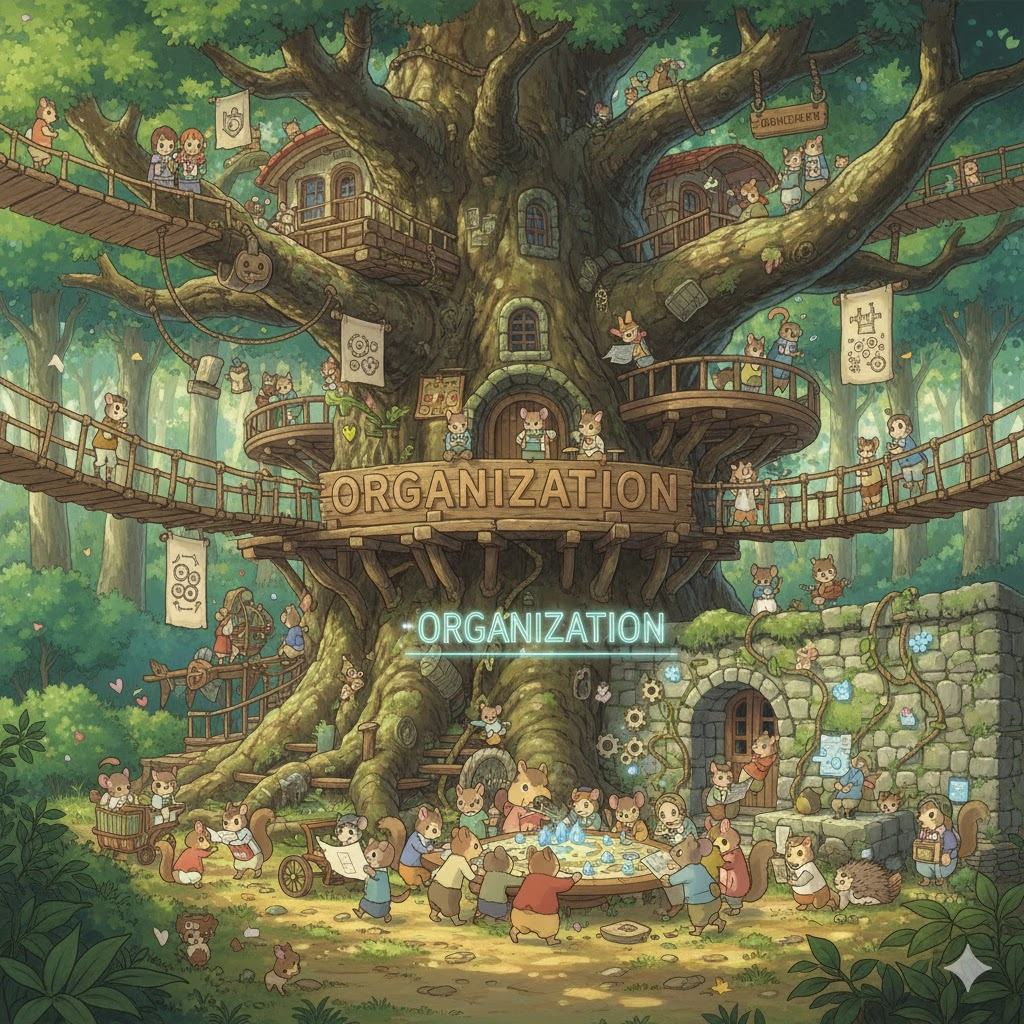
AI Audio Overview
organization [ˌɔːrɡənəˈzeɪʃən] 체계적으로 구성된 조직이나 단체, 또는 이를 구성하는 행위를 뜻하는 단어.
(명사) 조직, 단체, 기구, 구조
'organization'은 기본적으로 "조직", "단체"라는 뜻으로 쓰이며, 특정 목표 달성을 위해 체계적으로 결합된 사람들의 집합체를 의미합니다. 또한, "구성", "체계"라는 추상적인 의미도 가집니다. 경영, 사회, 정치, 경제 등 모든 분야에서 핵심 단어로 등장합니다.
1. non-profit organization (비영리 조직/단체, NPO)
- 해석: 이윤 추구가 아닌, 공익, 교육, 종교, 자선 등 특정 사회적 목적 달성을 위해 설립된 조직.
- 예문: Donating to a non-profit organization allows individuals to support social causes. (비영리 조직에 기부하는 것은 개인이 사회적 대의를 지원할 수 있도록 한다.)
- 예문: The museum operates as a non-profit organization focused on art education. (그 박물관은 예술 교육에 초점을 맞춘 비영리 조직으로 운영된다.)
2. international organization (국제 기구/국제 조직)
- 해석: 여러 국가의 정부나 개인이 참여하여 전 세계적인 문제를 다루는 조직 (예: UN, WHO).
- 예문: The nation's foreign policy prioritizes cooperation with key international organizations. (그 국가의 외교 정책은 주요 국제 기구와의 협력을 우선시한다.)
3. religious organization (종교 단체)
- 해석: 특정 종교의 믿음과 실천을 위해 설립된 조직이나 공동체.
- 예문: Religious organizations play a significant role in providing social welfare services globally. (종교 단체는 전 세계적으로 사회 복지 서비스를 제공하는 데 중요한 역할을 한다.)
4. parent organization (모 기관/상위 조직)
- 해석: 다른 조직이나 자회사를 소유하고 통제하며 감독하는 가장 상위에 있는 주된 조직.
- 예문: The subsidiary reports its quarterly earnings directly to the parent organization. (그 자회사는 분기별 수익을 모 기관/상위 조직에 직접 보고한다.)
5. organization chart (조직도)
- 해석: 조직의 구조, 직위, 권한 관계를 시각적으로 보여주는 다이어그램.
- 예문: Reviewing the organization chart helps new employees understand the chain of command. (조직도를 검토하는 것은 신입 직원들이 지휘 계통을 이해하는 데 도움이 된다.)
6. organization structure (조직 구조)
- 해석: 업무, 권한, 책임이 배분되고 조정되는 공식적인 방식이나 틀.
- 예문: The company decided to flatten its organization structure to improve communication speed. (그 회사는 소통 속도를 개선하기 위해 조직 구조를 평면화하기로 결정했다.)
7. organizational culture (조직 문화)
- 해석: 조직 구성원들이 공유하는 가치관, 신념, 태도, 행동 규범의 총체.
- 예문: A positive organizational culture is crucial for employee morale and retention. (긍정적인 조직 문화는 직원 사기 및 유지에 매우 중요하다.)
8. membership organization (회원제 조직/단체)
- 해석: 회비를 내고 정식 회원으로 가입한 개인이나 단체들로 운영되는 조직.
- 예문: Labor unions and professional associations are examples of membership organizations. (노동조합과 전문 협회는 회원제 조직의 예이다.)
9. aid organization (구호 단체)
- 해석: 재난이나 빈곤으로 어려움을 겪는 사람들에게 물품, 의료, 재정적 지원을 제공하는 인도주의적 조직.
- 예문: Several aid organizations mobilized quickly to assist the victims of the recent flooding. (여러 구호 단체가 최근 홍수 피해자들을 돕기 위해 신속하게 동원되었다.)
10. host organization (주최/주관 기관)
- 해석: 회의, 행사, 또는 프로그램을 개최하거나 관리하는 주된 조직.
- 예문: The visiting scholars were officially welcomed by the host organization at the reception dinner. (방문 학자들은 환영 만찬에서 주최 기관의 공식 환영을 받았다.)

대한민국 입시 주요 POINT
'organization'은 조직의 목표와 운영 방식, 사회적 책임, 그리고 개인과 조직의 관계를 다루는 경영, 사회학, 윤리 지문에서 가장 핵심적인 개념입니다.
1. 조직의 목적과 윤리적 역할 (Non-profit vs. For-profit)
non-profit organization과 일반적인 영리 조직(for-profit)의 대비는 이윤 추구와 사회적 가치 창출이라는 두 가지 목적의 충돌과 공존을 논합니다. 지문은 aid organization과 같은 비영리 조직의 공공의 이익을 위한 역할의 중요성을 강조합니다.
2. 내부 구조와 문화의 중요성 (Organization Structure / Organizational Culture)
organization structure와 organizational culture는 조직의 효율성과 적응력을 결정하는 내부적 요소로 다뤄집니다. 특히 조직 문화는 직원의 행동, 만족도, 그리고 장기적인 성과에 미치는 가장 큰 요인임을 강조하며, 긍정적인 문화 구축의 중요성을 논합니다.
3. 국제적 협력과 거버넌스
international organization 관련 논의는 국가 간의 복잡한 관계와 글로벌 거버넌스의 문제를 다룹니다. 개별 국가가 해결할 수 없는 문제(기후 변화, 전염병) 앞에서 국제 조직의 조정 및 중재 역할의 중요성을 강조합니다.

organization [ˌɔːrɡənəˈzeɪʃn] 공동의 목적을 가진 집단, 체계적 구조
핵심 뜻
- (명사) 조직, 단체: 특정 목적을 달성하기 위해 구조적으로 배열되고 함께 일하는 사람들의 집단.
- (명사) 조직화, 구성: 어떤 것을 체계적이고 질서 있게 배열하거나 만드는 과정.
- (명사) 구조, 체계: 어떤 것의 부분들이 상호 연결되어 전체를 이루는 방식.
단어별 뉘앙스, 의미 연결 흐름
단어 어원적 의미 핵심 뉘앙스 현대적 의미 연결 흐름
| organization | 그리스어 organon (도구, 기관) → 라틴어 organum | 특정 목적을 위해 도구처럼 체계적으로 구성된 구조. | '기관/도구' (목적 달성 수단) → '조직/단체' (목표를 가진 사람들의 집합) → '조직화/구성' (체계적인 배열 행위) → '구조/체계' (배열 방식) |
품사별 의미와 쉬운 예문
품사 의미 쉬운 예문 해석
| 명사 | 조직, 단체 | She works for a non-profit organization. | 그녀는 비영리 단체에서 일한다. |
| 명사 | 조직화, 구성 | The organization of the event took months. | 그 행사의 조직화에는 몇 달이 걸렸다. |
| 명사 | 구조, 체계 | The organization of the report was very clear. | 그 보고서의 구조는 매우 명확했다. |
활용 예문
- We need a clear hierarchy and organization to manage this project. (이 프로젝트를 관리하기 위해서는 명확한 계층과 조직이 필요하다.)
- The World Health Organization (WHO) focuses on global public health. (세계보건기구(WHO)는 세계 공중 보건에 중점을 둔다.)
- Good organization of your files will save you time. (당신 파일의 좋은 정리는 시간을 절약해 줄 것이다.)
- She praised the excellent organization of the conference. (그녀는 그 컨퍼런스의 훌륭한 구성에 대해 칭찬했다.)
- What is the organizational structure of your company? (당신 회사의 조직 구조는 무엇인가요?)
전체 뉘앙스 설명
'organization'은 명사로서 '특정 목표를 효율적으로 달성하기 위해 부분들이 체계적으로 배열된 구조나 집단'이라는 핵심 뉘앙스를 가집니다. 이는 사람들의 집합체인 '단체/조직'을 의미하며, 규모에 관계없이 공통의 목표를 향해 협력하는 구조를 강조합니다. 또한, '어떤 것의 요소들을 논리적으로 배열하는 행위(조직화)'나 '그 배열 방식(구조)'을 의미하기도 합니다. 핵심적으로 '목표 달성을 위한 체계적인 구조나 구성 행위'를 나타내는 단어입니다.
마지막 핵심 정리
‘organization’은 특정 목적을 달성하기 위해 구조적으로 배열되고 함께 일하는 사람들의 집단인 조직, 단체이거나, 어떤 것을 체계적이고 질서 있게 배열하거나 만드는 과정인 조직화, 구성이거나, 어떤 것의 부분들이 상호 연결되어 전체를 이루는 방식인 구조, 체계를 의미합니다.
뉘앙스
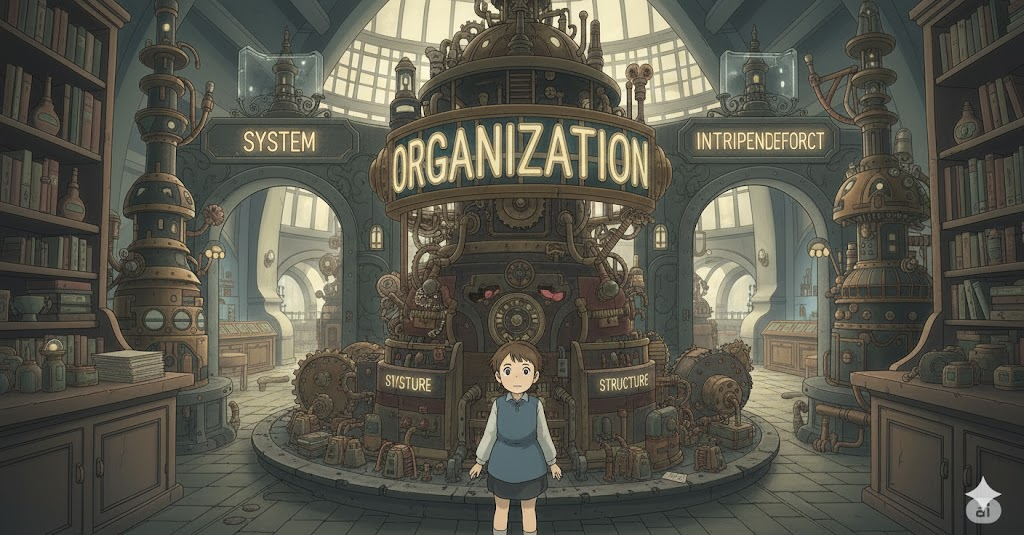
- *‘organization’은 ‘공동의 목적을 수행하기 위해 자원과 사람을 효율적으로 배치하는 체계적인 구조나 행위’라는 핵심 뉘앙스를 가집니다. 이는 효율성, 구조, 그리고 공동의 목표라는 세 가지 요소를 강조합니다.
파생어 (발음 포함)
- organize [ˈɔːrɡənaɪz] (동사: 조직하다, 정리하다)
- organizational [ˌɔːrɡənəˈzeɪʃənl] (형용사: 조직의, 조직적인)
- organizer [ˈɔːrɡənaɪzər] (명사: 조직자, 정리 도구)
- reorganize [ˌriːˈɔːrɡənaɪz] (동사: 재편성하다, 재조직하다)
- organ [ˈɔːrɡən] (명사: 기관, 장기 - 어원적 관련)
유의어 비교 (깔끔하게 표로 정리)
단어 발음 핵심 뜻 차이점
| institution | [ˌɪnstɪˈtuːʃn] | 기관, 제도 (사회적, 공공적 목적의 영구적 조직) | 법적, 사회적, 교육적 목적을 가진 영구적인 설립체. 'organization'은 '활동'에 초점을 둔다면, 'institution'은 '더 안정적이고 공적인 제도'. |
| body | [ˈbɑːdi] | 단체, 집단 (함께 모인 사람들의 집합) | 공동 목적을 가진 사람들의 집합 (더 일반적). 'organization'이 '체계적 구성'을 강조한다면, 'body'는 '단순히 구성원들의 모임'. |
| system | [ˈsɪstəm] | 시스템, 체계 (논리적인 작동 구조) | 아이디어, 방법, 부분들의 논리적인 배열. 'organization'이 '인간적/사회적 구조'를 포함한다면, 'system'은 '기술적, 논리적 작동 방식'에 더 초점. |
| structure | [ˈstrʌktʃər] | 구조, 구성 (부분들이 배열된 방식) | 부분들이 배열되고 연결된 방식. 'organization'의 '구성' 의미와 유사하나, 'structure'는 '물리적/논리적 뼈대'에 초점. |
| company | [ˈkʌmpəni] | 회사, 기업 (상업적 이윤 추구 조직) | 상업적 이윤을 목표로 하는 법인. 'organization'은 '비영리 포함 모든 조직'이라면, 'company'는 '상업적 조직'. |
| arrangement | [əˈreɪndʒmənt] | 배열, 준비 (사물을 정돈하는 행위) | 사물이나 계획을 준비하고 배치하는 행위. 'organization'의 '조직화'와 유사하나, 'arrangement'는 '덜 영구적이고 일시적인 정돈'. |
| chaos | [ˈkeɪɑːs] | 혼돈, 무질서 (규칙 없는 상태) | 완전히 무질서하고 예측 불가능한 상태. 'organization'의 반대 개념. |
| disarray | [ˌdɪsəˈreɪ] | 혼란, 무질서 (정리되지 않은 상태) | 정돈되지 않은 상태. 'organization'의 '조직화'와 대조됨. |
유의어 예문 (해석 포함)
- The university is a respected educational institution. (그 대학교는 존경받는 교육 기관이다.)
- The governing body voted on the new rules. (통치 단체(body)가 새 규칙에 대해 투표했다.)
- The computer system failed due to a power outage. (전원 문제로 컴퓨터 시스템이 고장났다.)
- The social structure of the country is changing. (그 나라의 사회 구조가 변하고 있다.)
- He started a small consulting company. (그는 작은 컨설팅 회사를 시작했다.)
- The careful arrangement of the flowers made the room beautiful. (꽃들의 신중한 배열이 방을 아름답게 만들었다.)
- The sudden evacuation led to total chaos. (갑작스러운 대피는 완전한 혼돈을 초래했다.)
- His room was in complete disarray. (그의 방은 완전히 무질서했다.)
결론 정리
- *‘organization’은 특정 목적을 달성하기 위해 구조적으로 배열되고 함께 일하는 사람들의 집단인 조직, 단체이거나, 어떤 것을 체계적이고 질서 있게 배열하거나 만드는 과정인 조직화, 구성이거나, 어떤 것의 부분들이 상호 연결되어 전체를 이루는 방식인 구조, 체계를 의미합니다.

organization [ˌɔːrɡənəˈzeɪʃən]
(명사) 조직, 단체, 기구, 구조
'공통된'(common) '목표'(goal)나 '목적'(purpose)을 '달성'(achieve)하기 위해, '특정'(specific) '규칙'(rules)과 '계획'(plan)에 따라 '구조화'(structure)되고 '체계화'(systematic)된 '사람들'(people)의 '집단'(group)을 의미합니다. 단순히 '그룹'을 넘어, '기능'(function)과 '책임'(responsibility)이 '분명'한 '영구적인'(permanent) '시스템'(system)이라는 개념이 핵심입니다.
- The manager hopes to improve the efficiency of the entire organization. (관리자는 조직 전체의 효율성을 개선하기를 희망한다.)
- The United Nations is a major international organization. (유엔은 주요 국제 기구이다.)
- The new CEO promised to change the toxic culture of the organization. (새 CEO는 조직의 유해한 문화를 바꾸겠다고 약속했다.)
- The judge said the defendant's actions were directed by a criminal organization. (판사는 피고의 행동이 범죄 조직에 의해 지시되었다고 말했다.)

non-profit organization [nɑːn ˈprɑːfɪt ˌɔːrɡənəˈzeɪʃən]
(명사) 비영리 단체 (NPO)
'운영'을 통해 '수익'(profit)을 '창출'하기보다는, '공공'(public)의 '이익'(benefit), '사회'(social) '정의'(justice), 또는 '자선' '활동' 등의 '특정'(specific) '사회적'(social) '목표'(goal)를 '추구'(pursuit)하는 '조직'(organization)을 의미합니다. '재정'(financial) '지원'(support)은 주로 '기부'(donation)에 의존합니다.
- The foundation is a non-profit organization dedicated to environmental protection. (그 재단은 환경 보호에 전념하는 비영리 단체이다.)
- The manager volunteered his time to help a local non-profit organization. (관리자는 지역 비영리 단체를 돕기 위해 자신의 시간을 자원했다.)
- The government provides tax benefits to all qualified non-profit organizations. (정부는 모든 자격 있는 비영리 단체에 세금 혜택을 제공한다.)
- The judge said that helping a non-profit organization is a form of public service. (판사는 비영리 단체를 돕는 것은 공공 봉사의 한 형태라고 말했다.)

international organization [ˌɪntərˈnæʃənl ˌɔːrɡənəˈzeɪʃən]
(명사) 국제 기구
'둘 이상'(more than two)의 '국가'(nation)가 '공식적인'(official) '합의'(agreement)를 통해 '구성'하고, '전 세계적인'(global) '문제'(problem) (예: 평화, 보건, 경제)를 '다루는'(deal with) '조직'(organization)을 의미합니다. '국제법'(law of nations)과 '외교'적 '협력'(cooperation)의 '주요'(main) '주체'(actor)입니다.
- The United Nations is the most famous international organization in the world. (유엔은 세계에서 가장 유명한 국제 기구이다.)
- The manager said the company must comply with the regulations set by the international organization. (관리자는 회사가 국제 기구가 설정한 규정을 준수해야 한다고 말했다.)
- The professor's research focuses on the role of international organizations in sustainable development. (교수님의 연구는 지속 가능한 개발에서 국제 기구의 역할에 집중한다.)
- The political leader was criticized for failing to support the goals of the international organization. (그 정치 지도자는 국제 기구의 목표를 지지하는 것을 실패한 것에 대해 비판받았다.)

religious organization [rɪˈlɪdʒəs ˌɔːrɡənəˈzeɪʃən]
(명사) 종교 단체
'공통된'(common) '신념'(faith), '가치관'(values), 또는 '숭배'(worship) '의식'(ritual)을 '공유'(share)하는 '사람들'(people)로 '구성'된 '조직'(organization)을 의미합니다. '영적인'(spiritual) '성장'(growth), '도덕적'(moral) '지침'(guidance), 또는 '자선' '활동'을 '목적'(purpose)으로 합니다.
- The religious organization provided aid and emotional support to the disaster area. (그 종교 단체는 재해 지역에 원조와 정서적 지원을 제공했다.)
- The manager said employees should not discuss their religious organization affiliation at work. (관리자는 직원들이 직장에서 자신들의 종교 단체 소속을 논의해서는 안 된다고 말했다.)
- The judge said the law must protect the freedom of all religious organizations. (판사는 법이 모든 종교 단체의 자유를 보호해야 한다고 말했다.)
- The religious organization established a school in the neighboring community. (그 종교 단체는 인접 공동체에 학교를 설립했다.)

parent organization [ˈpɛərənt ˌɔːrɡənəˈzeɪʃən]
(명사) 모(母) 기관, 모회사
'자회사'(subsidiary), '지사'(branch office), 또는 '다른' '소규모'(smaller) '조직'(organization)에 대해 '소유권'(ownership), '통제권'(control), 또는 '자금'(funds) '지원'(support) 등의 '권한'(authority)을 가진 '최상위'(top level) '조직'을 의미합니다. '구조'(structure) 내의 '계층'(hierarchy)과 '지배력'(dominance)을 강조합니다.
- The branch office must report all financial data to the parent organization. (지사는 모든 재정 자료를 모회사에 보고해야 한다.)
- The manager said the parent organization made the final decision to cut costs. (관리자는 모회사가 비용을 절감할 최종 결정을 내렸다고 말했다.)
- The judge ruled that the parent organization shares liability with its subsidiaries. (판사는 모회사가 자회사들과 법적 책임을 공유한다고 판결했다.)
- The engineer's design plan must be approved by the parent organization's board of directors. (엔지니어의 설계 계획은 모회사의 이사회에 의해 승인되어야 한다.)
organization, non-profit organization, international organization, religious organization, parent organization
(명사) 조직, 단체 / (숙어) 비영리 단체, 국제 기구, 종교 단체, 모(母) 기관
'organization'은 '특정 목표를 달성하기 위해' '사람들이 모여 만든' '구조화된 단체나 조직'을 의미하는 가장 기본적인 단어입니다. 'non-profit organization'은 '영리 추구를 목적'으로 하지 않는 단체를, 'international organization'은 '여러 국가가 참여하는' '국제 기구'를 의미합니다. 'religious organization'은 '종교적 목적'을 가진 단체를, 'parent organization'은 '다른 조직들을 거느리는' '최상위 본사나 모체'를 의미합니다.
- She works for a local non-profit organization. (그녀는 지역 비영리 단체를 위해 일한다.)
- The United Nations is the most famous international organization. (유엔은 가장 유명한 국제 기구이다.)
- The church is a large religious organization in the area. (그 교회는 이 지역의 큰 종교 단체이다.)
- Our company is a subsidiary of a larger parent organization. (우리 회사는 더 큰 모 기관의 자회사이다.)
- Every successful organization needs a clear mission. (모든 성공적인 조직은 명확한 사명을 필요로 한다.)
- The Red Cross is a well-known non-profit organization. (적십자사는 잘 알려진 비영리 단체이다.)
- We report directly to the parent organization in New York. (우리는 뉴욕에 있는 모 기관에 직접 보고한다.)
- Religious organizations often contribute significantly to social welfare. (종교 단체는 종종 사회 복지에 크게 기여한다.)
핵심 뜻
조직, 단체. 특정 목표를 위해 구조화된 집단 및 그 성격.
| organization | 조직, 단체 | 명사로, '구조적' '집합'. | '개인' '들' '이' '모여' '공동' '의' '목표' '를' '향해' '움직이는' '구조' '를' '나타내는' '기본' '개념'. |
| non-profit | 비영리의 | 형용사로, '금전' '적' '목적' '부재'. | '수익' '창출' '이' '아닌' '공익' '을' '주된' '목적' '으로' '함을' '강조함'. |
| international | 국제적인 | 형용사로, '지리적' '범위'. | '참여' '국가' '나' '활동' '범위' '가' '둘' '이상' '의' '국경' '을' '넘어섬' '을' '나타냄'. |
| religious | 종교적인 | 형용사로, '신앙' '적' '목적'. | '조직' '의' '존재' '이유' '가' '특정' '종교' '의' '교리' '에' '기반' '함' '을' '명시함'. |
| parent | 모체의 | 형용사로, '계층'. | '다른' '조직' '을' '소유' '하거나' '통제' '하는' '최상위' '기관' '임을' '나타냄'. |
비슷한 어휘 깔끔하게 표로 정리하고 밑에 예문,해석 하나씩 나열하기
| institution | 기관, 단체 (격식) |
| charity | 자선 단체 (non-profit 유사) |
| conglomerate | 복합 기업 (parent organization 유사) |
institution
예문: The museum is a cultural institution.
해석: 그 박물관은 문화 기관이다.
charity
예문: She volunteers for a local charity.
해석: 그녀는 지역 자선 단체에서 봉사한다.
conglomerate
예문: The smaller company was acquired by a large conglomerate.
해석: 그 소규모 회사는 대규모 복합 기업에 인수되었다.
결론 정리
'organization'은 구조화된 집단을 의미하며, 관련 숙어들은 그 조직의 '재정 목표', '지리적 범위', '목적', '계층'을 나타냅니다.
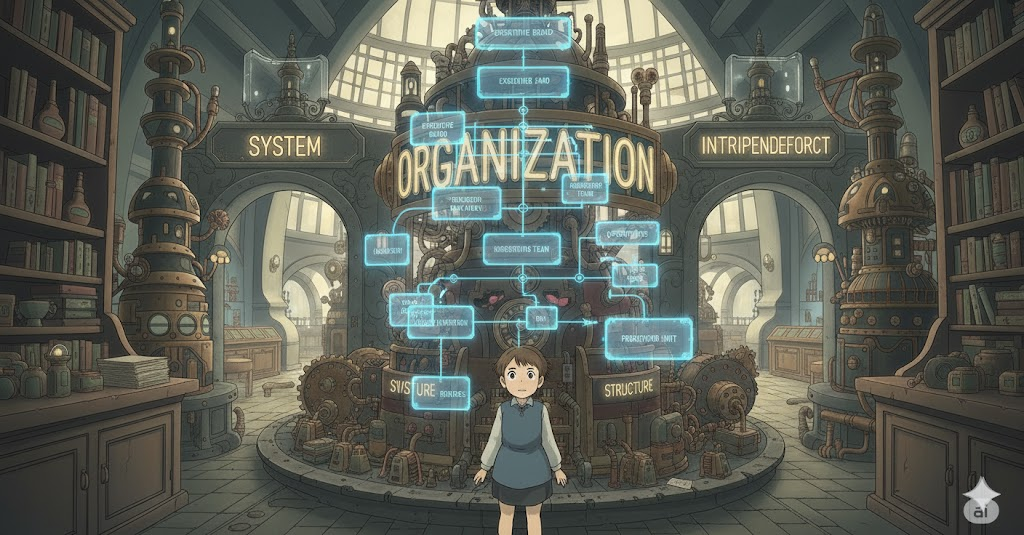
organization chart [ˌɔːrɡənəˈzeɪʃən tʃɑːrt]
(명사) 조직도, 기구표
'조직'(organization)의 '내부'(internal) '구조'(structure)를 '시각적'(visual)으로 '나타낸' '도표'(chart)를 의미합니다. '각' '부서'(department)와 '직위'(position) 간의 '권한'(authority), '책임'(responsibility), 그리고 '보고'(report) '계통'(chain of command)을 명확히 보여줍니다.
- The manager presented the new organization chart at the morning meeting. (관리자는 오전 회의에서 새로운 조직도를 제시했다.)
- The new employee used the organization chart to figure out who to report to. (새 직원은 누구에게 보고해야 할지 알아내기 위해 조직도를 사용했다.)
- The CEO's plan to cut costs required a major change to the organization chart. (비용 절감을 위한 CEO의 계획은 조직도에 중대한 변화를 요구했다.)
- The professor asked the students to draw a simplified organization chart for the case study. (교수님은 학생들에게 사례 연구를 위해 단순화된 조직도를 그리도록 요청했다.)

organization structure [ˌɔːrɡənəˈzeɪʃən ˈstrʌktʃər]
(명사) 조직 구조, 조직 체계
'조직'(organization)이 '자신의' '목표'(goal)를 '달성'(achieve)하기 위해 '임무'(task), '책임'(responsibility), 그리고 '권한'(authority)을 '공식적'(official)으로 '배열'(arrangement)하고 '분할'(division)하는 '틀'(structure)을 의미합니다. '명령'(order) 계통과 '효율성'(efficiency)에 초점이 맞춰집니다.
- The manager said the organization structure was too rigid and needed to be more flexible. (관리자는 조직 구조가 너무 경직되어 더 유연해질 필요가 있다고 말했다.)
- The judge ruled that the company's organization structure created a lack of accountability. (판사는 회사의 조직 구조가 책임감 부족을 야기했다고 판결했다.)
- The professor compared the organization structures of different international organizations. (교수님은 서로 다른 국제 기구들의 조직 구조를 비교했다.)
- The new CEO introduced changes to the organization structure to reduce red tape. (새 CEO는 불필요한 행정 절차를 줄이기 위해 조직 구조에 변화를 도입했다.)

organizational culture [ˌɔːrɡənəˈzeɪʃənl ˈkʌltʃər]
(명사) 조직 문화
'회사'(company)나 '조직'(organization)의 '직원들'(employees) 사이에서 '공유'(share)되는 '가치관'(values), '태도'(attitude), '행동' '규범'(norms), 그리고 '리더십'(leadership) '스타일'의 '총체'를 의미합니다. '업무'(work) '환경'(environment)의 '분위기'(atmosphere)와 '생산성'(productivity)에 초점이 맞춰집니다.
- The manager hopes to foster a positive organizational culture through employee recognition. (관리자는 직원 포상을 통해 긍정적인 조직 문화를 조성하기를 희망한다.)
- The exit interview revealed that toxic leadership was damaging the organizational culture. (퇴사 면접은 유해한 리더십이 조직 문화를 훼손하고 있음을 밝혀냈다.)
- The judge said that discrimination is a sign of a flawed organizational culture. (판사는 차별은 결함 있는 조직 문화의 징후라고 말했다.)
- The new employee found it difficult to adapt to the company's rigid organizational culture. (새 직원은 회사의 경직된 조직 문화에 적응하는 것이 어렵다고 느꼈다.)

membership organization [ˈmembərʃɪp ˌɔːrɡənəˈzeɪʃən]
(명사) 회원제 조직
'개인'(individual)이나 '단체'가 '회원'(member)으로 '가입'(join)하고 '회비'(fee)를 '지불'(pay)함으로써 '특정'(specific) '혜택'(benefit), '서비스'(service), 또는 '권한'(rights)을 '공유'(share)하는 '조직'(organization)을 의미합니다. '이익'(interest) 집단이나 '전문' '협회'가 이에 해당하며, '회원'의 '참여'(engagement)에 초점이 맞춰집니다.
- The local library is a membership organization that provides reading material. (지역 도서관은 읽기 자료를 제공하는 회원제 조직이다.)
- The manager joined a professional membership organization to expand his network. (관리자는 자신의 네트워크를 확장하기 위해 전문 회원제 조직에 가입했다.)
- The board of directors of the membership organization voted to increase the annual fee. (회원제 조직의 이사회는 연회비를 늘리는 것에 투표했다.)
- The judge said that the rights of members in a membership organization must be respected. (판사는 회원제 조직의 회원 권리는 존중되어야 한다고 말했다.)

aid organization [eɪd ˌɔːrɡənəˈzeɪʃən]
(명사) 원조 기구, 구호 단체
'빈곤'(poverty), '전쟁', 또는 '재난'(disaster) 등의 '위기'(crisis) 상황에 처한 '사람들'(people)이나 '지역'(area)에 '식량', '의료', 또는 '재정'(financial) '지원'(aid/assistance)을 '제공'(provide)하는 것을 '목적'(purpose)으로 하는 '비영리'(non-profit) '조직'(organization)을 의미합니다. '인도주의'(humanitarian)적 '구호'(relief) 활동에 초점이 맞춰집니다.
- The international aid organization is working to prevent the spread of disease in developing nations. (국제 원조 기구는 개발 도상국에서 질병 확산을 막기 위해 노력하고 있다.)
- The manager decided to raise funds for a local aid organization this month. (관리자는 이번 달에 지역 구호 단체를 위한 자금을 모으기로 결정했다.)
- The judge praised the courage of workers who served in the disaster area for the aid organization. (판사는 구호 단체를 위해 재해 지역에서 봉사한 작업자들의 용기를 칭찬했다.)
- The aid organization provided basic needs to refugee families. (원조 기구는 난민 가족들에게 기본 필수품을 제공했다.)

host organization [hoʊst ˌɔːrɡənəˈzeɪʃən]
(명사) 주최 기관, 주관 단체
'회의'(conference), '행사'(event), '훈련'(training) 프로그램, 또는 '학생'(student) '교환'(exchange) 등의 '활동'(activity)을 '공식적으로'(officially) '계획'(plan), '준비'(prepare), 그리고 '주관'(host)하는 '조직'(organization)을 의미합니다. '책임'(responsibility) 있는 '주최' 및 '손님'(guest) '접대'(receive) 역할에 초점이 맞춰집니다.
- The university is the host organization for the next academic conference. (대학교는 다음 학술 대회의 주최 기관이다.)
- The manager thanked the host organization for extending an invitation to the event. (관리자는 행사에 초대를 베푼 주최 기관에 감사했다.)
- The lawyer received a document from the host organization detailing the terms of the contract. (변호사는 계약 조건을 상세히 설명하는 문서를 주최 기관으로부터 받았다.)
- The student exchange program depends on the cooperation between the home school and the host organization. (학생 교환 프로그램은 모교와 주최 기관 사이의 협력에 달려 있다.)
organization chart / organization structure / organizational culture / membership organization / aid organization / host organization
(숙어) 조직도, 조직 구조, 조직 문화, 회원제 단체, 구호 단체, 주최 기관
이 표현들은 조직의 '내부 구조', '운영 방식', '문화', '목적'을 구체적으로 나타냅니다. 'organization chart'와 'organization structure'는 '조직의 공식적인 계층과 관계'를 도식화한 것을 의미합니다. 'organizational culture'는 '조직 구성원들이 공유하는' '가치관, 믿음, 행동 양식'을 의미합니다. 'membership organization'은 '회원의 회비나 자격으로 운영되는' 단체를, 'aid organization'은 '구호나 원조'를 목적으로 하는 단체를 의미합니다. 'host organization'은 '다른 단체나 행사를' '개최하거나 장소를 제공하는' 주체를 의미합니다.
- The company introduced a new flat organization structure. (그 회사는 새로운 수평적 조직 구조를 도입했다.)
- The manager showed us the updated organization chart. (매니저는 우리에게 업데이트된 조직도를 보여주었다.)
- A positive organizational culture is key to staff retention. (긍정적인 조직 문화는 직원 유지의 핵심이다.)
- The club is a membership organization that requires an annual fee. (그 클럽은 연회비를 요구하는 회원제 단체이다.)
- Doctors Without Borders is a renowned aid organization. (국경 없는 의사회는 저명한 구호 단체이다.)
- Our university is the host organization for the international conference. (우리 대학은 국제 회의의 주최 기관이다.)
- We must change the toxic parts of our organizational culture. (우리는 우리 조직 문화의 유해한 부분을 바꿔야 한다.)
- The conference needed a reliable host organization to manage logistics. (그 컨퍼런스는 물류를 관리할 신뢰할 수 있는 주최 기관이 필요했다.)
핵심 뜻
조직의 내부 구성과 기능. 조직의 계층, 문화, 목적(회원제, 구호), 주최 역할.
| chart/structure | 도표/구조 | 명사로, '내부' '구성'. | '조직' '의' '계층' '과' '부서' '간' '의' '관계' '를' '도식' '으로' '나타낸' '것' '을' '의미함'. |
| culture | 문화 | 명사로, '공유' '된' '가치'. | '구성원' '들이' '공유' '하는' '가치' '관' '과' '행동' '규범' '임을' '나타냄'. |
| membership | 회원 자격 | 형용사로, '운영' '기반'. | '운영' '의' '기반' '이' '회원' '의' '자격' '과' '회비' '에' '있음' '을' '나타냄'. |
| aid/host | 구호/주최 | 형용사로, '목적' '과' '역할'. | '조직' '의' '주된' '기능' '이' '구호' '인지' '타' '행사' '의' '개최' '인지' '를' '나타냄'. |
비슷한 어휘 깔끔하게 표로 정리하고 밑에 예문,해석 하나씩 나열하기
| hierarchy | 계층 구조 |
| ethos | 기풍, 정신 (문화) |
| relief agency | 구호 기관 |
hierarchy
예문: The company has a strict management hierarchy.
해석: 그 회사는 엄격한 관리 계층 구조를 가지고 있다.
ethos
예문: The school's ethos is built on teamwork.
해석: 그 학교의 기풍은 팀워크에 기반한다.
relief agency
예문: The relief agency provided supplies after the earthquake.
해석: 구호 기관이 지진 후 물품을 제공했다.
결론 정리
'organization chart/structure'는 내부 구성을, 'organizational culture'는 공유 가치를, 'membership/aid/host'는 조직의 구체적인 목적을 나타냅니다.


