- 분류 전체보기 (5708)

| 일 | 월 | 화 | 수 | 목 | 금 | 토 |
|---|---|---|---|---|---|---|
| 1 | 2 | 3 | 4 | 5 | ||
| 6 | 7 | 8 | 9 | 10 | 11 | 12 |
| 13 | 14 | 15 | 16 | 17 | 18 | 19 |
| 20 | 21 | 22 | 23 | 24 | 25 | 26 |
| 27 | 28 | 29 | 30 |
- By The Way
- Right?
- come up with
- get through
- I'm sorry
- set up
- please?
- too.
- Sure
- hold on
- please.
- Show Up
- Yes
- Excuse me
- OKay
- Sorry
- Please
- well
- make it
- oh
- Hey
- entrance fee
- Actually
- pick up
- no
- I'm glad to hear that.
- Don't worry
- Read between the lines
- work out
- Yeah
- Today
- Total
인과함께
Day440 , disregard, disregard the rules, disregard for safety, complete disregard, disregard the warning, disregard others, disregard the evidence, total disregard, disregard for feelings, disregard the advice, willful disregard 본문
Day440 , disregard, disregard the rules, disregard for safety, complete disregard, disregard the warning, disregard others, disregard the evidence, total disregard, disregard for feelings, disregard the advice, willful disregard
미인생 2026. 9. 16. 14:09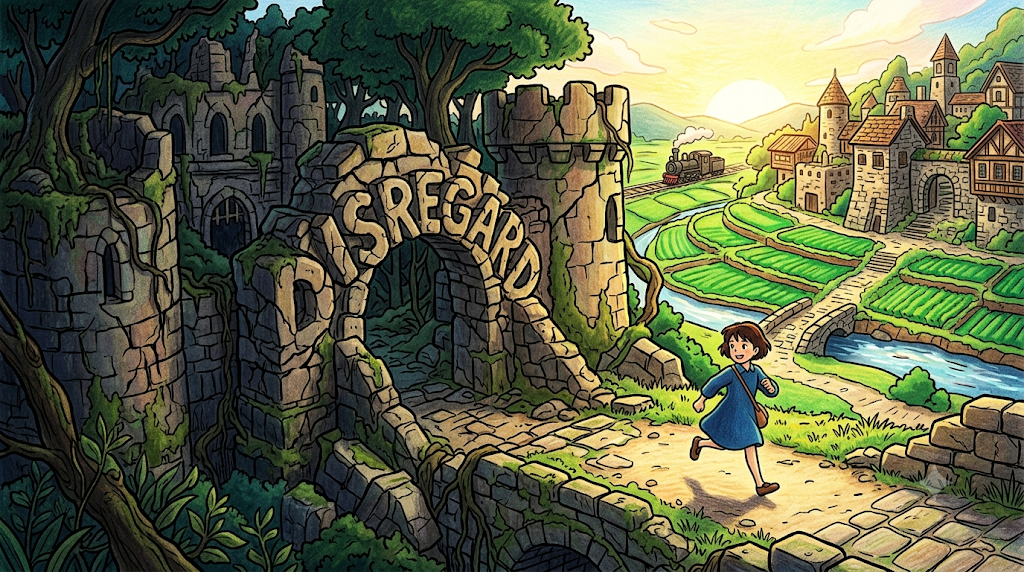
disregard [ˌdɪsrɪˈɡɑːrd]
(동사/명사) 무시하다, 묵살하다, 개의치 않다 / 무시, 묵살, 경시
단순히 "무시하다"로만 외우면 수능에서 반드시 틀립니다. disregard는 "어떤 것이 중요하거나 주의를 기울여야 한다는 것을 알면서도 의도적으로 신경 쓰지 않거나 없는 것처럼 취급하는 것" 이라는 핵심 이미지에서 출발해, 규칙 무시에서 경고 묵살·타인의 감정 경시·증거 무시·안전 불감증까지 폭넓게 쓰이는 핵심 다의어입니다. 특히 disregard(무시하다) vs. ignore(모른 척하다) vs. neglect(소홀히 하다) 의 뉘앙스 차이, disregard for safety(안전 무시), complete disregard(완전한 무시) 패턴은 수능 독해 사회·법률·심리·교육·윤리 지문에서 핵심적으로 등장합니다.
'disregard'는 영어 접두사 dis(반대, 부정)와 regard(주의를 기울이다, 고려하다, 존중하다)가 결합하여, 원래 "주의를 기울여야 할 것에 반대로 주의를 기울이지 않는 것" 을 뜻했습니다. disregard의 핵심 이미지는 "중요하거나 마땅히 존중받아야 할 것을 알면서도 의도적으로 눈을 돌리거나 없는 것처럼 취급하는 것" 으로, 이 이미지에서 규칙 무시·경고 묵살·타인 경시·증거 부정·안전 불감증이 모두 확장되었습니다.
1. disregard the rules [ˌdɪsrɪˈɡɑːrd ðə ruːlz]
(교육/사회/수능) "규칙을 무시하다, 규정을 어기다"를 뜻합니다. 정해진 규칙이 있다는 것을 알면서도 일부러 따르지 않는 것을 강조합니다. 수능 독해 교육·사회·법률 지문의 핵심 표현입니다.
Some students who disregard the rules about mobile phones in class do not realise how much it disturbs the concentration of everyone around them, not just their own. (수업 중 휴대폰 규칙을 무시하는 일부 학생들은 그것이 자신만이 아니라 주변 모든 사람의 집중을 얼마나 방해하는지 깨닫지 못한다.)
2. disregard for safety [ˌdɪsrɪˈɡɑːrd fər ˈseɪfti]
(사회/법률/수능) "안전에 대한 무시, 안전 불감증"을 뜻합니다. 위험하다는 것을 알면서도 안전을 신경 쓰지 않는 태도를 강조합니다. 수능 독해 사회·법률·과학 지문의 핵심 표현입니다.
The construction company was fined heavily because its disregard for safety had led to several workers being injured on the building site over the course of just three months. (건설 회사는 단 3개월 동안 안전에 대한 무시가 여러 노동자들이 건설 현장에서 부상을 당하게 만들었기 때문에 무거운 벌금을 부과받았다.)
3. complete disregard [kəmˈpliːt ˌdɪsrɪˈɡɑːrd]
(사회/심리/수능) "완전한 무시, 전혀 개의치 않음"을 뜻합니다. 어떤 것을 조금도 신경 쓰지 않는 극단적인 무관심을 강조합니다. 수능 독해 사회·심리·법률 지문에서 자주 등장합니다.
The driver showed complete disregard for the red light and drove straight through the busy intersection at full speed, narrowly missing two other cars that had the right of way. (운전자는 빨간 신호등을 완전히 무시하고 최고 속도로 바쁜 교차로를 직진하여 통행 우선권이 있던 다른 두 차를 아슬아슬하게 피했다.)
4. disregard the warning [ˌdɪsrɪˈɡɑːrd ðə ˈwɔːrnɪŋ]
(사회/과학/수능) "경고를 무시하다, 주의를 무시하다"를 뜻합니다. 위험하다는 신호나 경고가 있는데도 신경 쓰지 않는 것을 강조합니다. 수능 독해 사회·과학·환경 지문에서 자주 등장합니다.
The hikers disregarded the warning signs about dangerous weather conditions at the top of the mountain and began climbing anyway, which later put both them and the rescue team in serious danger. (등산객들은 산 정상의 위험한 날씨 상황에 대한 경고를 무시하고 어쨌든 등반을 시작했는데 이것이 나중에 그들과 구조팀 모두를 심각한 위험에 빠뜨렸다.)
5. disregard others [ˌdɪsrɪˈɡɑːrd ˈʌðərz]
(교육/심리/수능) "타인을 무시하다, 다른 사람들을 경시하다"를 뜻합니다. 다른 사람들의 존재나 필요나 감정을 신경 쓰지 않는 것을 강조합니다. 수능 독해 교육·심리·사회 지문의 핵심 표현입니다.
Children who consistently disregard others in the classroom and only focus on their own needs often struggle to form lasting friendships because good relationships require paying attention to the people around you. (교실에서 지속적으로 타인을 무시하고 자신의 필요에만 집중하는 아이들은 좋은 관계가 주변 사람들에게 주의를 기울이는 것을 필요로 하기 때문에 지속적인 우정을 형성하는 데 종종 어려움을 겪는다.)
6. disregard the evidence [ˌdɪsrɪˈɡɑːrd ðə ˈevɪdəns]
(과학/법률/수능) "증거를 무시하다, 근거를 묵살하다"를 뜻합니다. 분명한 증거가 있는데도 그것을 인정하지 않고 없는 것처럼 취급하는 것을 강조합니다. 수능 독해 과학·법률·사회 지문의 핵심 표현입니다.
Scientists become frustrated when politicians disregard the evidence from decades of research and continue to make decisions based on personal opinion or short-term economic interests rather than on facts. (과학자들은 정치인들이 수십 년간의 연구에서 나온 증거를 무시하고 사실보다는 개인적인 의견이나 단기적인 경제적 이익에 근거하여 결정을 계속 내릴 때 좌절한다.)
7. total disregard [ˈtəʊtəl ˌdɪsrɪˈɡɑːrd]
(사회/법률/수능) "전적인 무시, 완전한 경시"를 뜻합니다. 어떤 것을 조금도 고려하지 않는 완전하고 전면적인 무시를 강조합니다. 수능 독해 사회·법률·심리 지문에서 자주 등장합니다.
The factory's total disregard for environmental regulations was eventually discovered by government inspectors who found illegal chemicals being dumped directly into the river that supplied drinking water to the nearby town. (공장의 환경 규정에 대한 전적인 무시는 결국 인근 마을에 식수를 공급하는 강에 불법 화학물질이 직접 버려지고 있다는 것을 발견한 정부 검사관들에 의해 드러났다.)
8. disregard for feelings [ˌdɪsrɪˈɡɑːrd fər ˈfiːlɪŋz]
(심리/교육/수능) "감정에 대한 무시, 기분을 경시하는 것"을 뜻합니다. 다른 사람이 어떻게 느끼는지를 신경 쓰지 않는 태도를 강조합니다. 수능 독해 심리·교육·사회 지문의 핵심 표현입니다.
His disregard for the feelings of his teammates made the whole group feel undervalued and reluctant to give their best effort, which eventually showed in the quality of their work together. (팀원들의 감정에 대한 그의 무시는 전체 그룹이 저평가되고 최선을 다하기를 꺼리게 만들었는데 이것이 결국 함께 하는 작업의 품질에서 나타났다.)
9. disregard the advice [ˌdɪsrɪˈɡɑːrd ðə ədˈvaɪs]
(교육/심리/수능) "조언을 무시하다, 충고를 무시하다"를 뜻합니다. 도움이 되는 조언이 있는데도 신경 쓰지 않고 자신의 방식대로 하는 것을 강조합니다. 수능 독해 교육·심리·사회 지문에서 자주 등장합니다.
Minjun disregarded the advice of his doctor and continued to play football on his injured ankle, which made the damage much worse and meant he had to rest for three months instead of the original two weeks. (민준은 의사의 조언을 무시하고 부상당한 발목으로 축구를 계속했는데 이것이 손상을 훨씬 더 심하게 만들어 원래 2주 대신 3개월 동안 쉬어야 한다는 것을 의미했다.)
10. willful disregard [ˈwɪlfəl ˌdɪsrɪˈɡɑːrd]
(법률/사회/수능) "의도적인 무시, 고의적인 경시"를 뜻합니다. 단순한 실수나 부주의가 아닌 일부러 알면서도 무시하는 것을 강조합니다. 수능 독해 법률·사회·윤리 지문의 핵심 표현입니다.
The court found that the company had shown willful disregard for the safety of its customers by continuing to sell a product it knew was faulty, which made the punishment significantly more severe than it would have been for a simple accident. (법원은 회사가 결함이 있다는 것을 알면서도 제품을 계속 판매함으로써 고객의 안전에 대한 의도적인 무시를 보였다는 것을 발견했으며 이것이 처벌을 단순한 사고였을 때보다 훨씬 더 심각하게 만들었다.)
대한민국 입시 및 학술 주요 POINT
POINT 1. disregard vs. ignore vs. neglect — 수능 최빈출 뉘앙스 구별
세 단어 모두 "주의를 기울이지 않다"와 관련되지만 뉘앙스가 다릅니다. disregard → 중요하거나 마땅히 존중받아야 할 것을 알면서도 의도적으로 없는 것처럼 취급하는 것 (의도적·경시·무관심의 태도 강조) ignore → 어떤 것을 보거나 알면서도 모른 척하고 주의를 주지 않는 것 (의도적 외면·못 본 척·반응하지 않음 강조) neglect → 해야 할 일이나 돌봐야 할 것을 제대로 하지 않거나 소홀히 하는 것 (의무 불이행·소홀·부주의 강조) 예) She disregarded the school policy and used her phone during class. (그녀는 학교 규정을 무시하고 수업 중에 휴대폰을 사용했다.) — 의도적으로 없는 것처럼 취급 He ignored his friend's messages for three days without explaining why. (그는 이유를 설명하지 않고 3일 동안 친구의 메시지를 모른 척했다.) — 보면서도 반응하지 않음 The parent neglected to pick up the child from school on time. (부모는 제때 학교에서 아이를 데리러 가는 것을 소홀히 했다.) — 해야 할 일을 하지 않음
POINT 2. complete disregard / total disregard / willful disregard — 수능 법률·사회 지문 핵심
세 표현 모두 disregard의 "의도적으로 무시하는" 이미지를 공유하지만 강조점이 다릅니다. complete disregard → 어떤 것을 조금도 신경 쓰지 않는 극단적인 무관심 (완전함·조금도 없음·극단적 무시 강조) total disregard → 전면적이고 전적인 무시, 어떤 측면도 고려하지 않는 것 (전면적·전체적·포괄적 무시 강조) willful disregard → 알면서도 일부러 무시하는 고의적인 경시 (의도성·고의·책임 강조) 이 세 표현이 등장하면 글쓴이가 무시의 심각성이나 의도성을 논하고 있다는 신호입니다.
POINT 3. disregard 어근 확장 — 수능 어휘 확장 필수
접두사 dis(반대·부정)와 regard(존중·고려)에서 유래한 단어들이 수능에서 자주 출제됩니다. disregard [ˌdɪsrɪˈɡɑːrd] → 무시하다, 경시하다 / 무시, 묵살 regard [rɪˈɡɑːrd] → 존중하다, 고려하다 / 존중, 고려 regardless [rɪˈɡɑːrdlɪs] → ~에 상관없이, ~에 개의치 않고 disregarding [ˌdɪsrɪˈɡɑːrdɪŋ] → 무시하면서, 경시하면서 disregarded [ˌdɪsrɪˈɡɑːrdɪd] → 무시된, 경시된 이 단어들은 모두 "마땅히 주의를 기울여야 할 것에 주의를 기울이지 않는" 공통 이미지에서 시작합니다.
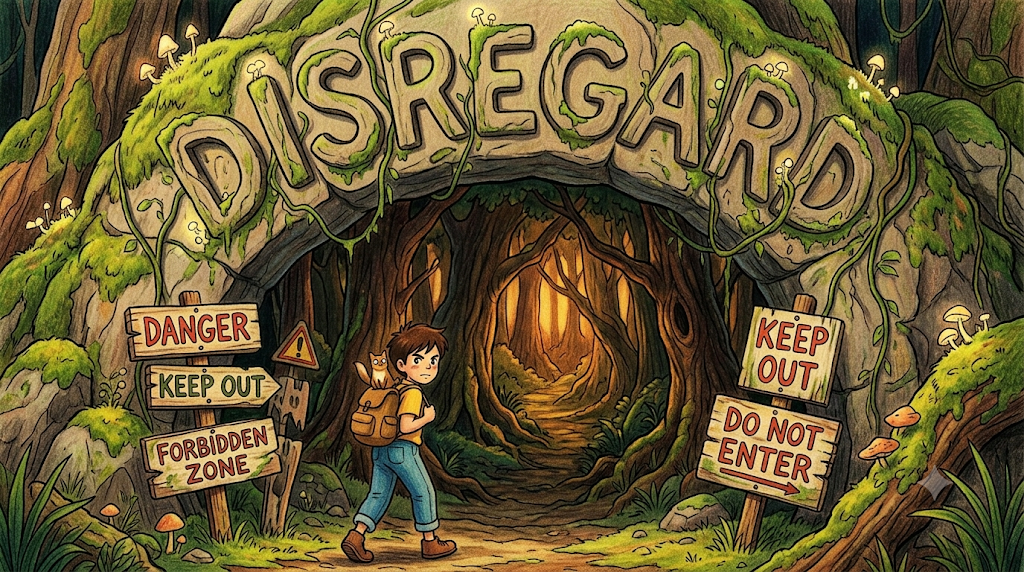
(동사) ① 무시하다, 경시하다 (규칙·경고·조언)
disregard의 가장 기본적인 의미로, 중요한 것을 알면서도 의도적으로 신경 쓰지 않는 것을 나타냅니다.
- Students who disregard feedback on their writing often make the same mistakes again and again, while those who take it seriously improve rapidly and develop a much stronger sense of how to communicate clearly. (글쓰기에 대한 피드백을 무시하는 학생들은 같은 실수를 반복해서 하는 경우가 많은 반면 그것을 진지하게 받아들이는 학생들은 빠르게 향상되고 명확하게 소통하는 방법에 대한 훨씬 더 강한 감각을 개발한다.)
- The team captain chose to disregard the coach's tactical instructions during the match and play his own way instead, which initially seemed to be working but eventually cost the team the game in the final minutes. (팀 주장은 경기 중 코치의 전술 지시를 무시하고 대신 자신의 방식으로 플레이하기로 선택했는데 처음에는 효과가 있는 것처럼 보였지만 결국 마지막 몇 분 동안 팀에게 경기를 잃게 했다.)
- When people disregard the recommended dosage instructions on medicine packaging and take more than they should, they put themselves at serious risk of side effects that can sometimes be more dangerous than the original illness they were trying to treat. (사람들이 약 포장의 권장 복용량 지침을 무시하고 복용해야 할 것보다 더 많이 복용하면 때로 치료하려던 원래 질병보다 더 위험할 수 있는 부작용의 심각한 위험에 자신을 처하게 한다.)
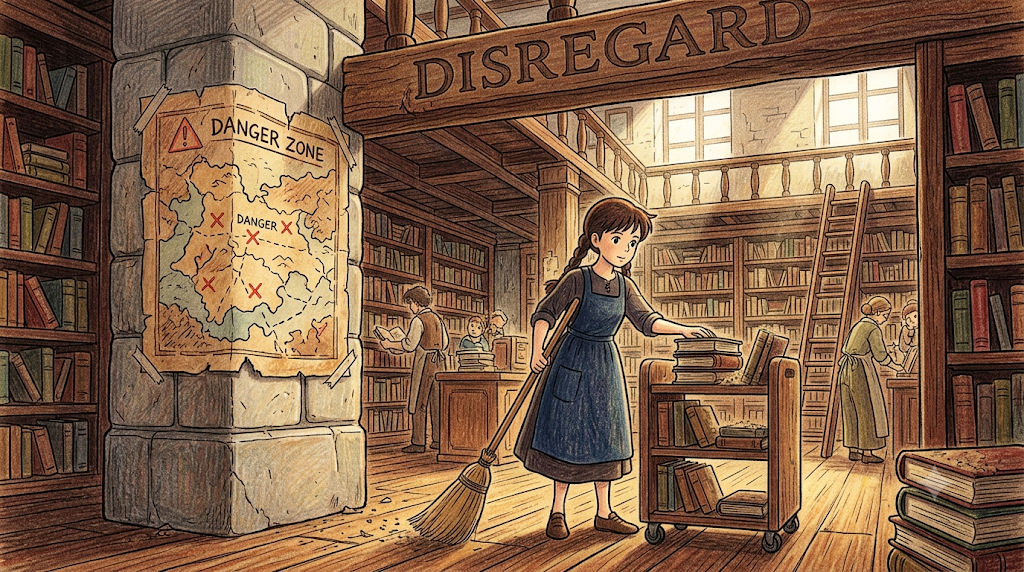
(동사) ② 없는 것처럼 취급하다, 고려하지 않다 (감정·타인·증거)
어떤 것이 존재하거나 중요하더라도 마치 없는 것처럼 취급하는 것을 나타냅니다. 수능 독해 심리·사회·과학 지문에서 자주 등장합니다.
- A leader who disregards the concerns of the people they are leading eventually loses their trust and their willingness to work hard, because people need to feel that their voice matters and that someone is listening. (이끄는 사람들의 우려를 경시하는 지도자는 결국 그들의 신뢰와 열심히 일하려는 의지를 잃는데 사람들은 자신의 목소리가 중요하고 누군가가 듣고 있다고 느낄 필요가 있기 때문이다.)
- When scientists disregard data that contradicts their preferred theory, it is no longer science — it becomes wishful thinking dressed up in scientific language, and it can do real harm if it influences decisions that affect people's lives. (과학자들이 선호하는 이론과 모순되는 데이터를 무시할 때 그것은 더 이상 과학이 아니다 — 그것은 과학적 언어로 꾸며진 희망적 사고가 되며 사람들의 삶에 영향을 미치는 결정에 영향을 준다면 실제 해를 끼칠 수 있다.)
- Good friends do not disregard each other's troubles just because those troubles seem small by comparison to their own — they understand that what matters is not the size of the problem but the size of the worry it creates for the person experiencing it. (좋은 친구들은 서로의 문제가 자신의 것에 비해 작아 보인다고 해서 무시하지 않는다 — 그들은 중요한 것이 문제의 크기가 아니라 그것을 경험하는 사람에게 만들어내는 걱정의 크기라는 것을 이해한다.)
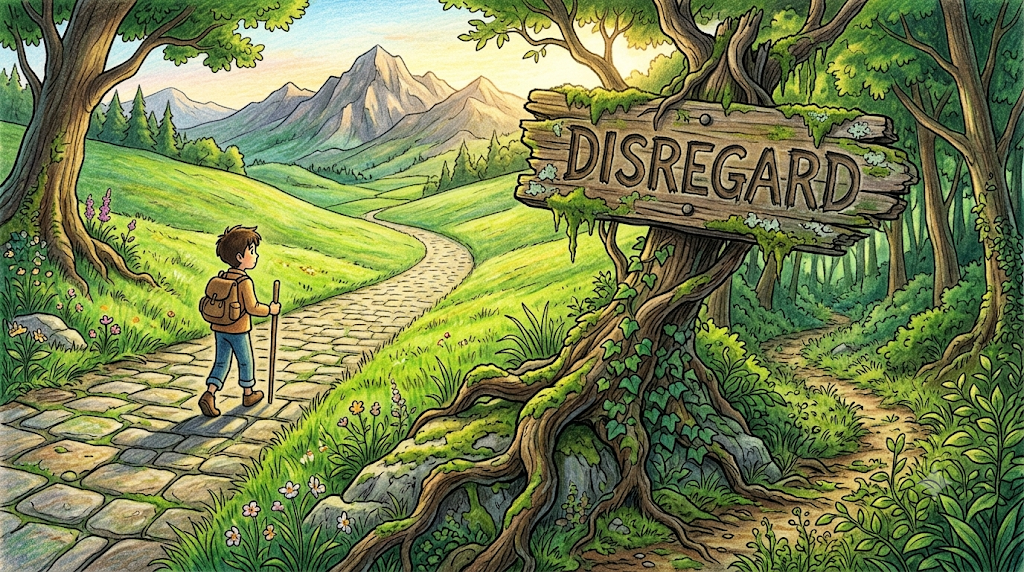
(명사) ③ 무시, 묵살, 경시
어떤 것을 마땅히 주의를 기울여야 하는데도 신경 쓰지 않는 태도나 상태를 나타냅니다.
- The judge described the defendant's disregard for the law as one of the most troubling aspects of the case, noting that it was not a single moment of poor judgment but a pattern of behaviour that had continued for years. (판사는 피고의 법에 대한 무시를 사건에서 가장 우려스러운 측면 중 하나로 설명하며 그것이 단일한 판단력 부재의 순간이 아니라 수년간 계속된 행동 패턴이었다고 언급했다.)
- Her disregard for the opinions of people who knew more about the subject than she did made it very difficult for her to learn from others, and she repeatedly made mistakes that more experienced people would have helped her avoid. (자신보다 그 주제에 대해 더 많이 아는 사람들의 의견에 대한 그녀의 무시는 그녀가 다른 사람들로부터 배우기 매우 어렵게 만들었으며 그녀는 더 경험 많은 사람들이 피하도록 도왔을 실수를 반복해서 저질렀다.)
- The committee's disregard for the local community's concerns during the planning process created lasting bitterness that made it much harder to gain public support for future projects, even those that would have genuinely benefited the area. (계획 과정 동안 지역 사회의 우려에 대한 위원회의 무시는 지속적인 쓴 감정을 만들었는데 이것이 지역에 진정으로 혜택을 줬을 프로젝트도 포함하여 미래 프로젝트에 대한 대중의 지지를 얻기 훨씬 더 어렵게 만들었다.)
뉘앙스·의미 연결 흐름 표
핵심 이미지 연결 흐름 뉘앙스 요약
| 중요하거나 마땅히 존중받아야 할 것을 알면서도 의도적으로 눈을 돌리거나 없는 것처럼 취급하는 것 | 규칙 무시 → 경고 묵살 → 타인 경시 → 증거 부정 → 안전 불감증 | 마땅히 봐야 할 것에서 눈을 돌리는 이미지 |
| 무시의 강도 | disregard → complete disregard → total disregard | 일반→완전한→전적인의 이미지 |
| 무시의 의도성 | disregard → disregard the advice → willful disregard | 일반→조언 묵살→고의적 무시의 이미지 |
어원 흐름 표
단어 구성 요소 의미 연결 흐름 뉘앙스 요약
| 영어 dis (반대·부정) + regard (주의를 기울이다·존중하다) | 주의를 기울이지 않다 → 경시하다 → 무시하다 | 마땅히 존중받아야 할 것을 의도적으로 없는 것처럼 취급하는 핵심 이미지 |
| disregard (동사→명사→현재분사·disregarding) | 무시하다·경시하다 → 무시·묵살 → 무시하면서 | 의도적 경시의 이미지에서 다양한 맥락으로 완성 |
품사별 의미 표
품사 의미 예문
| 동사 | 무시하다, 경시하다 | disregard the rules (규칙을 무시하다) |
| 동사 | 없는 것처럼 취급하다 | disregard the evidence (증거를 무시하다) |
| 명사 | 무시, 묵살 | disregard for safety (안전에 대한 무시) |
| 명사 | 경시하는 태도 | show disregard (무시하는 태도를 보이다) |
| 형용사 (disregarded) | 무시된, 경시된 | a disregarded warning (무시된 경고) |
활용 예문 리스트
- The referee had no choice but to show a red card when the player disregarded his first warning and repeated the same dangerous tackle just minutes later in front of the entire crowd. (심판은 선수가 첫 번째 경고를 무시하고 전체 관중 앞에서 단 몇 분 후에 같은 위험한 태클을 반복했을 때 레드 카드를 보여줄 수밖에 없었다.)
- The company's disregard for safety was ultimately what destroyed its reputation — when the investigation revealed that managers had known about the risk for months before the accident occurred, the public outcry was enormous. (회사의 안전에 대한 무시는 결국 그 평판을 망쳤다 — 조사에서 관리자들이 사고가 발생하기 몇 달 전에 위험에 대해 알고 있었다는 것이 밝혀졌을 때 공공의 분노는 엄청났다.)
- Showing complete disregard for how your words might affect others is not a sign of confidence — it is actually a sign of a lack of empathy that makes it very hard for people to trust you or feel comfortable in your presence. (자신의 말이 다른 사람들에게 어떤 영향을 미칠지에 대한 완전한 무시를 보이는 것은 자신감의 표시가 아니다 — 그것은 실제로 사람들이 당신을 신뢰하거나 당신의 존재 안에서 편안하게 느끼기 매우 어렵게 만드는 공감 능력의 부족을 나타내는 신호이다.)
- She disregarded the advice of everyone who told her the business idea would not work, and while some admired her determination, others worried that her disregard for experienced opinions might lead to mistakes that could easily have been avoided. (그녀는 사업 아이디어가 효과가 없을 것이라고 말하는 모든 사람들의 조언을 무시했으며 일부는 그녀의 결단력에 감탄했지만 다른 사람들은 경험 있는 의견들에 대한 그녀의 무시가 쉽게 피할 수 있었던 실수로 이어질 수 있다고 걱정했다.)
- Scientists who disregard the evidence that contradicts their earlier conclusions risk not only their own credibility but the credibility of science itself, because the whole value of scientific thinking depends on following the evidence wherever it leads. (이전 결론과 모순되는 증거를 무시하는 과학자들은 자신의 신뢰성만이 아니라 과학 자체의 신뢰성도 위험에 빠뜨리는데 과학적 사고의 전체 가치가 증거가 이끄는 곳 어디든 따르는 것에 달려 있기 때문이다.)
전체 뉘앙스 설명
disregard는 '중요하거나 마땅히 존중받아야 할 것을 알면서도 의도적으로 눈을 돌리거나 없는 것처럼 취급하는 것에서 출발하는 모든 규칙 무시·경고 묵살·타인 경시·증거 부정·안전 불감증의 언어'입니다.
ignore와의 차이: ignore는 어떤 것을 보거나 알면서도 모른 척하고 반응하지 않는 것을 강조하고, disregard는 더 능동적으로 마땅히 존중받아야 할 것을 의도적으로 없는 것처럼 취급하는 것을 강조합니다. neglect와의 차이: neglect는 해야 할 일이나 돌봐야 할 것을 제대로 하지 않는 의무 불이행을 강조하고, disregard는 더 의도적으로 알면서도 신경 쓰지 않는 경시의 태도를 강조합니다. overlook과의 차이: overlook은 실수로 지나치거나 봐주는 것을 강조하고, disregard는 더 의도적으로 무시하거나 경시하는 것을 강조합니다.
마지막 핵심 정리
disregard는 단순히 "무시하다"가 아닙니다 — 영어 dis(부정)와 regard(존중·고려)에서 출발해, 규칙을 무시하다(disregard the rules)·안전에 대한 무시(disregard for safety)·완전한 무시(complete disregard)·경고를 무시하다(disregard the warning)·타인을 무시하다(disregard others)·증거를 무시하다(disregard the evidence)·전적인 무시(total disregard)·감정에 대한 무시(disregard for feelings)·조언을 무시하다(disregard the advice)·의도적인 무시(willful disregard)까지 확장되는 단어이며, disregard vs. ignore vs. neglect의 뉘앙스 구별·complete disregard·willful disregard·disregard for safety 패턴이 수능 핵심 출제 포인트입니다.
파생어 표 (발음기호 포함)
파생어 발음기호 품사 의미
| regard | [rɪˈɡɑːrd] | 동사/명사 | 존중하다, 고려하다 / 존중, 고려 |
| regardless | [rɪˈɡɑːrdlɪs] | 부사/형용사 | ~에 상관없이, 개의치 않고 |
| disregarding | [ˌdɪsrɪˈɡɑːrdɪŋ] | 현재분사 | 무시하면서, 경시하면서 |
| disregarded | [ˌdɪsrɪˈɡɑːrdɪd] | 형용사/과거분사 | 무시된, 경시된 |
| disregardful | [ˌdɪsrɪˈɡɑːrdfəl] | 형용사 | 무시하는, 경시하는 |
유의어 비교표
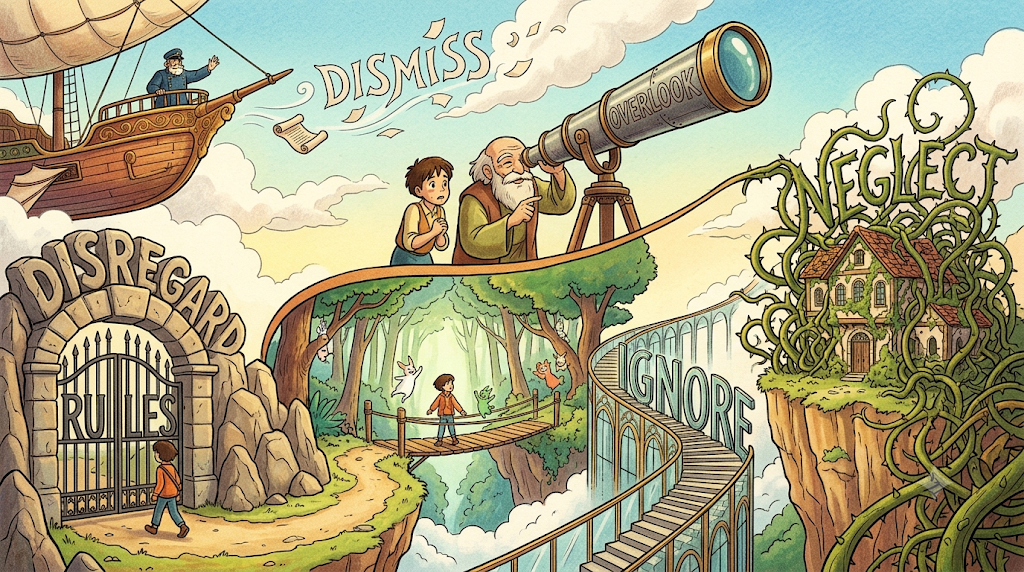
단어 공통점 뉘앙스 차이 예문
| disregard | 무시 관련 | 마땅히 존중받아야 할 것을 의도적으로 없는 것처럼 취급하는 것 강조 | disregard the rules |
| ignore | 무시 관련 | 보거나 알면서도 모른 척하고 반응하지 않는 것 강조 | ignore a message |
| neglect | 무시 관련 | 해야 할 의무나 책임을 제대로 이행하지 않는 것 강조 | neglect one's duties |
| overlook | 무시 관련 | 실수로 지나치거나 봐주거나 눈감아주는 것 강조 | overlook a mistake |
| dismiss | 무시 관련 | 어떤 것을 중요하지 않다고 판단하고 옆으로 치워버리는 것 강조 | dismiss a concern |
유의어 예문 리스트
- (ignore) The student ignored his teacher's question completely, staring at the desk in front of him as if the sound had not reached him at all, which made the whole class feel uncomfortable. (학생은 마치 소리가 전혀 들리지 않은 것처럼 앞의 책상을 응시하며 선생님의 질문을 완전히 모른 척했는데 이것이 전체 반을 불편하게 만들었다.)
- (neglect) The garden had been neglected for so long that the weeds were taller than the fence, the roses had stopped blooming, and what had once been a beautiful space was now barely recognisable. (정원이 너무 오랫동안 방치되어 잡초가 울타리보다 더 높았고, 장미는 꽃을 피우기를 멈췄으며, 한때 아름다운 공간이었던 것이 이제 거의 알아볼 수 없었다.)
- (overlook) The editor had overlooked a significant spelling error in the headline, which was not discovered until the magazine had already been sent to thousands of readers around the country. (편집자는 제목에서 중요한 철자 오류를 간과했는데 이것은 잡지가 이미 전국의 수천 명의 독자들에게 발송될 때까지 발견되지 않았다.)
- (dismiss) The manager dismissed the junior employee's suggestion without even considering it properly, saying it was not realistic — but three months later, a rival company implemented the exact same idea and it became one of their most successful products. (관리자는 현실적이지 않다고 말하며 제대로 고려하지도 않고 후배 직원의 제안을 일축했다 — 하지만 3개월 후 경쟁 회사가 정확히 같은 아이디어를 실행했고 그것은 그들의 가장 성공적인 제품 중 하나가 됐다.)
결론 정리
disregard는 단순히 "무시하다"가 아니라, 중요하거나 마땅히 존중받아야 할 것을 알면서도 의도적으로 눈을 돌리거나 없는 것처럼 취급하는 이미지에서 출발해 규칙을 무시하다·안전에 대한 무시·완전한 무시·경고를 무시하다·타인을 무시하다·증거를 무시하다·전적인 무시·감정에 대한 무시·조언을 무시하다·의도적인 무시까지 확장되는 단어다 — disregard가 있는 곳엔 언제나 '마땅히 봐야 하고 존중해야 할 것에서 의도적으로 눈을 돌리는' 경시와 묵살의 이미지가 있다.
💡 disregard는 "중요하거나 마땅히 존중받아야 할 것을 알면서도 의도적으로 없는 것처럼 취급하는 것을 가리키는" 단어 — complete disregard·disregard for safety·willful disregard 가 수능 최빈출. ignore(모른 척하다)·neglect(소홀히 하다)와의 구별이 핵심 출제 포인트.
🌟 초등학생 버전 disregard는 단순히 "무시하다"가 아니에요! disregard the rules는 체육 시간에 선생님이 "뛰지 마세요!"라고 분명히 말했는데도 들은 척도 않고 계속 뛰는 것처럼 규칙이 있다는 것을 잘 알면서도 일부러 신경 쓰지 않고 없는 것처럼 행동하는 것이고, disregard for feelings는 친구가 슬프다고 말하는데 "그게 뭐가 문제야?" 하고 넘겨버리는 것처럼 다른 사람이 어떻게 느끼는지를 전혀 신경 쓰지 않고 그 감정을 없는 것처럼 취급하는 것이에요! 🌍✨
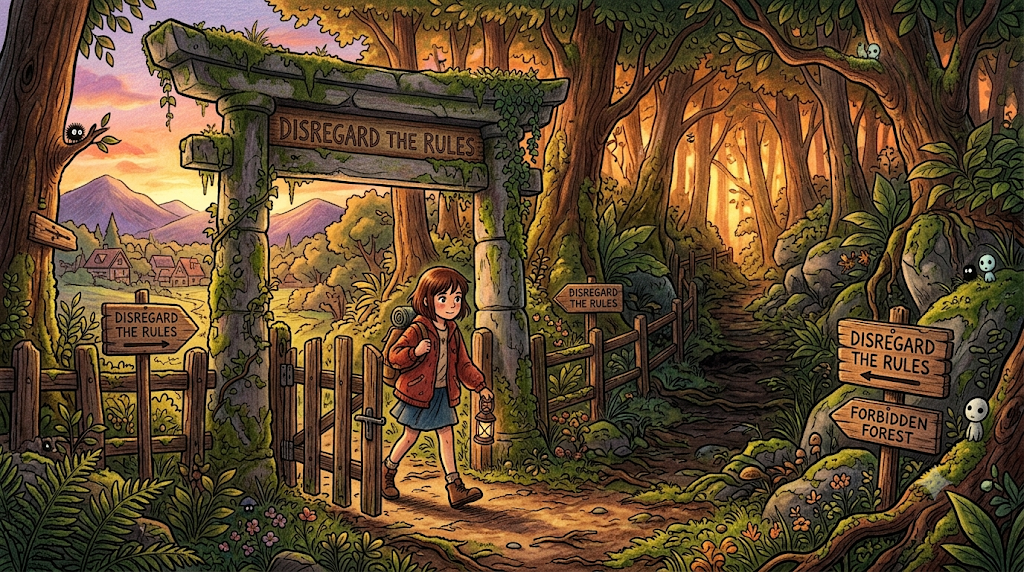
disregard the rules [ˌdɪsrɪˈɡɑːrd ðə ruːlz]
품사/뉘앙스 설명 (동사구) 규칙을 무시하다, 규정을 어기다
정해진 규칙이 있다는 것을 알면서도 일부러 따르지 않는 것을 강조합니다. 모르고 어기는 것이 아니라 알면서도 어긴다는 것이 핵심 뉘앙스입니다. 수능 독해 교육·사회·법률 지문의 핵심 표현입니다.
- When a few students began to disregard the rules about submitting work on time, the teacher explained that fairness to the students who had met the deadline meant she had to apply the same standard to everyone without exception. (일부 학생들이 제때 과제를 제출하는 규칙을 무시하기 시작했을 때 선생님은 마감일을 맞춘 학생들에 대한 공정성이 예외 없이 모든 사람에게 같은 기준을 적용해야 한다는 것을 의미한다고 설명했다.)
- Societies function well when most people follow shared rules voluntarily — when a significant number of people disregard the rules, trust breaks down and more enforcement is needed, which uses resources that could be better spent on other things. (사회는 대부분의 사람들이 자발적으로 공유된 규칙을 따를 때 잘 기능한다 — 상당수의 사람들이 규칙을 무시할 때 신뢰가 무너지고 더 많은 집행이 필요하며 이는 다른 것에 더 잘 쓸 수 있는 자원을 사용한다.)
- Athletes who disregard the rules of their sport not only risk being disqualified but also damage the reputation of the entire sport, making it harder for honest competitors to be taken seriously by the public. (스포츠의 규칙을 무시하는 선수들은 자격을 잃을 위험만 있는 것이 아니라 전체 스포츠의 평판도 손상시켜 정직한 경쟁자들이 대중에게 진지하게 받아들여지기 더 어렵게 만든다.)
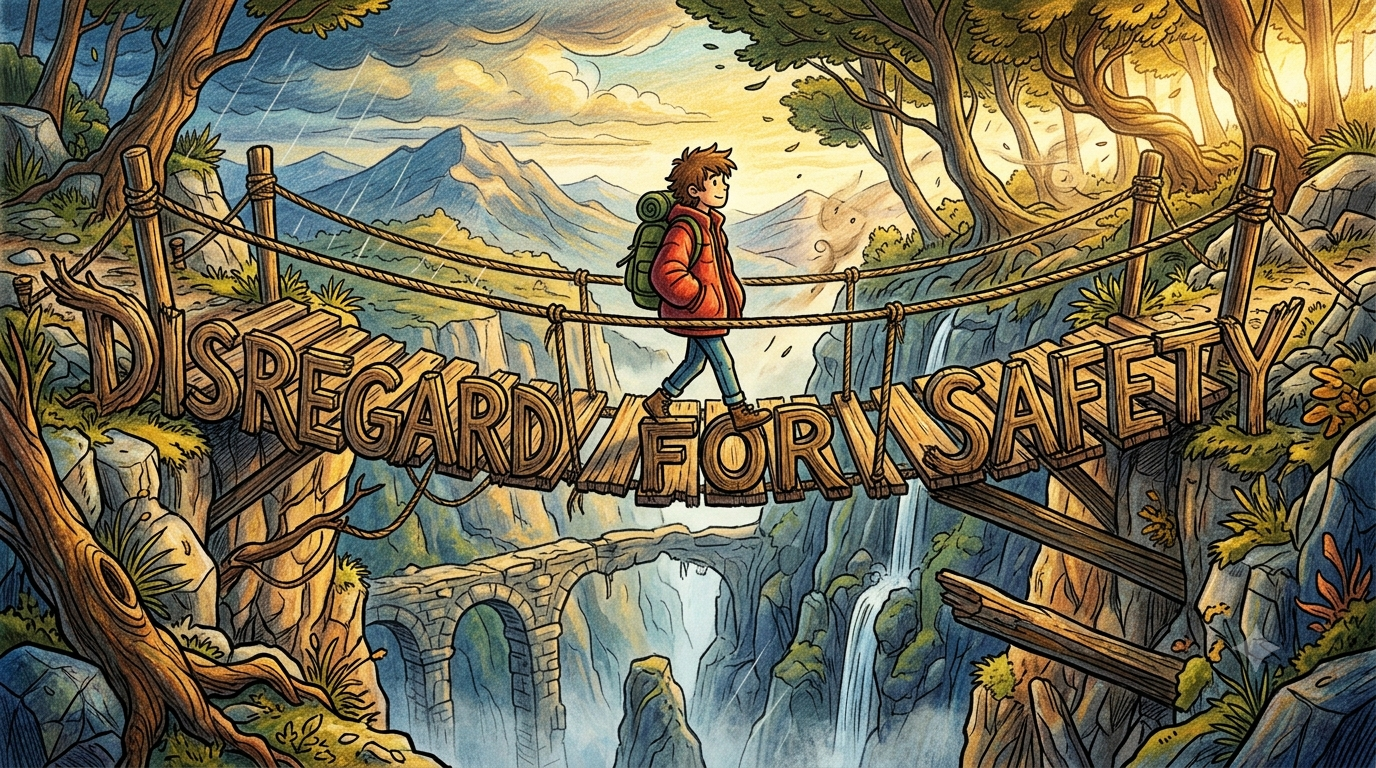
disregard for safety [ˌdɪsrɪˈɡɑːrd fər ˈseɪfti]
품사/뉘앙스 설명 (명사구) 안전에 대한 무시, 안전 불감증
위험하다는 것을 알면서도 안전을 신경 쓰지 않는 태도를 강조합니다. 안전이 희생되어 결국 피해가 발생한다는 것이 핵심 뉘앙스입니다. 수능 독해 사회·법률·과학 지문의 핵심 표현입니다.
- The investigation into the bridge collapse found that the main cause was the contractor's disregard for safety standards — corners had been cut to save money, and the warnings of engineers who had raised concerns were simply not acted upon. (다리 붕괴에 대한 조사는 주요 원인이 계약자의 안전 기준에 대한 무시였다는 것을 발견했다 — 돈을 아끼기 위해 모서리가 잘렸고 우려를 제기했던 엔지니어들의 경고는 단순히 조치가 취해지지 않았다.)
- A disregard for safety in food preparation can have very serious consequences — bacteria that grow in food stored at the wrong temperature can cause illness in hundreds of people before the problem is identified and the food is removed from sale. (식품 준비에서의 안전 무시는 매우 심각한 결과를 초래할 수 있다 — 잘못된 온도에 보관된 음식에서 자라는 박테리아는 문제가 확인되고 식품이 판매에서 제거되기 전에 수백 명의 사람들에게 질병을 일으킬 수 있다.)
- Teaching children from an early age that disregard for safety always has consequences — whether that means wearing a helmet when cycling or telling an adult when something feels wrong — is one of the most practical and valuable lessons they can receive. (자전거를 탈 때 헬멧을 쓰거나 무언가 이상하게 느껴질 때 어른에게 말하는 것을 의미하든 안전 무시는 항상 결과가 있다는 것을 어린 나이부터 아이들에게 가르치는 것은 그들이 받을 수 있는 가장 실용적이고 가치 있는 교훈 중 하나이다.)
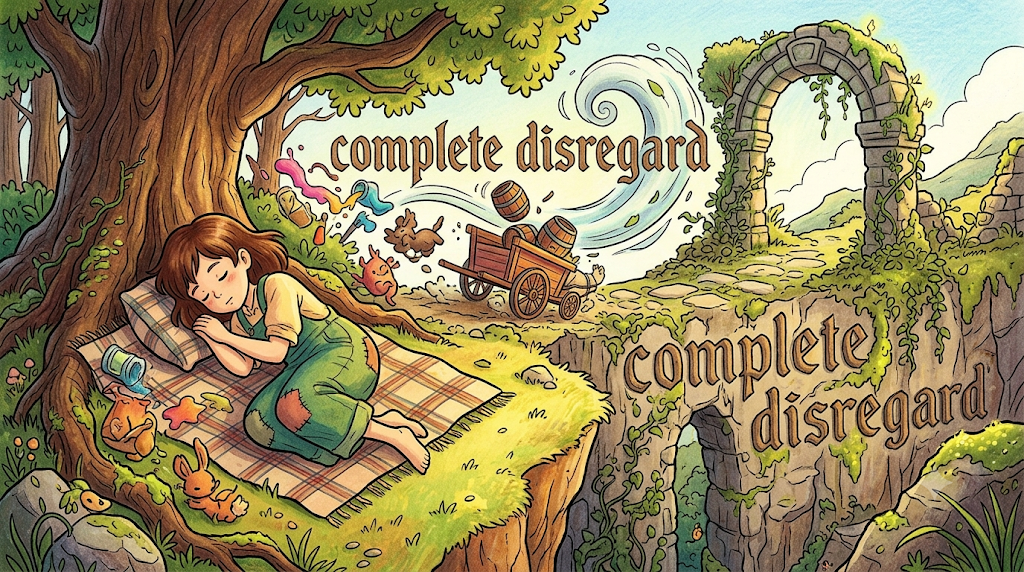
complete disregard [kəmˈpliːt ˌdɪsrɪˈɡɑːrd]
품사/뉘앙스 설명 (명사구) 완전한 무시, 전혀 개의치 않음
어떤 것을 조금도 신경 쓰지 않는 극단적인 무관심을 강조합니다. 일부가 아닌 완전히 신경 쓰지 않는다는 것이 핵심 뉘앙스입니다. 수능 독해 사회·심리·법률 지문에서 자주 등장합니다.
- The toddler showed complete disregard for the carefully arranged toy boxes her parents had set up and instead dumped everything onto the floor in one enormous pile, finding the chaos much more interesting than any system of organisation. (유아는 부모가 설치한 신중하게 정리된 장난감 상자들을 완전히 무시하고 대신 모든 것을 하나의 엄청난 더미로 바닥에 쏟았는데 그 혼돈을 어떤 정리 시스템보다 훨씬 더 흥미롭게 생각했다.)
- His complete disregard for the opinions of anyone who disagreed with him meant that he surrounded himself only with people who told him what he wanted to hear, which eventually led to a series of very poor decisions that he might have avoided with honest advice. (그와 의견이 다른 사람들의 의견에 대한 그의 완전한 무시는 그가 듣고 싶은 것만 말하는 사람들로만 자신을 둘러싸게 됐으며 이것이 결국 솔직한 조언으로 피할 수 있었을 일련의 매우 나쁜 결정들로 이어졌다.)
- The team's complete disregard for the time limit set by the competition organisers meant their entry was not accepted, despite months of hard work — a frustrating reminder that following the process matters just as much as the quality of the final result. (경쟁 주최자가 설정한 시간 제한에 대한 팀의 완전한 무시는 수 개월의 힘든 작업에도 불구하고 그들의 출품작이 받아들여지지 않는다는 것을 의미했다 — 과정을 따르는 것이 최종 결과의 품질만큼 중요하다는 좌절스러운 상기였다.)
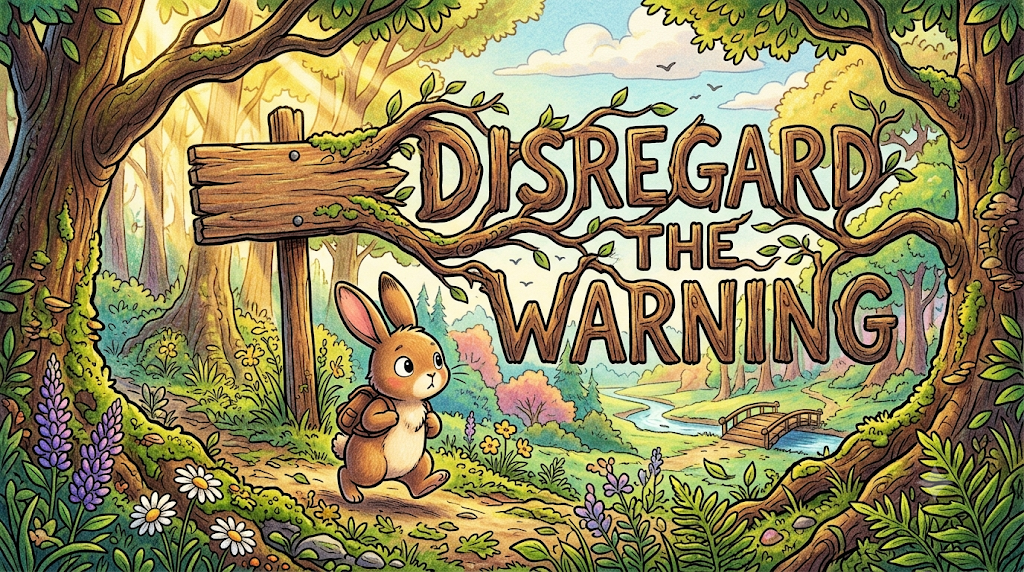
disregard the warning [ˌdɪsrɪˈɡɑːrd ðə ˈwɔːrnɪŋ]
품사/뉘앙스 설명 (동사구) 경고를 무시하다, 주의를 무시하다
위험하다는 신호나 경고가 있는데도 신경 쓰지 않는 것을 강조합니다. 경고를 알고 있었음에도 무시했다는 것이 핵심 뉘앙스입니다. 수능 독해 사회·과학·환경 지문에서 자주 등장합니다.
- Scientists who had been studying the local volcano for years were deeply concerned when the government disregarded their warnings about increasing seismic activity and continued to allow tourists to visit the crater area without any restrictions. (수년 동안 지역 화산을 연구해온 과학자들은 정부가 증가하는 지진 활동에 대한 그들의 경고를 무시하고 제한 없이 관광객들이 분화구 지역을 계속 방문할 수 있도록 허용했을 때 깊이 우려했다.)
- Sena chose to disregard the warning label on the new cleaning product and mixed it with another chemical she was already using, not realising that the combination would produce toxic fumes that forced her to leave the room immediately. (세나는 새 세제의 경고 라벨을 무시하고 이미 사용하고 있던 다른 화학물질과 섞었는데 그 조합이 그녀가 즉시 방을 나가게 강요하는 독성 연기를 만들어낼 것이라는 것을 깨닫지 못했다.)
- History is full of examples of disasters that could have been prevented if the people in charge had not disregarded early warnings — in many cases, the signs of what was about to happen were visible well in advance, but the cost or inconvenience of acting on them made it easier to pretend they did not exist. (역사는 담당자들이 초기 경고를 무시하지 않았다면 예방할 수 있었던 재난의 예들로 가득하다 — 많은 경우에 무슨 일이 일어나려는지의 신호가 훨씬 미리 보였지만 그것들에 대해 행동하는 비용이나 불편함이 그것들이 존재하지 않는 것처럼 가장하는 것을 더 쉽게 만들었다.)

disregard others [ˌdɪsrɪˈɡɑːrd ˈʌðərz]
품사/뉘앙스 설명 (동사구) 타인을 무시하다, 다른 사람들을 경시하다
다른 사람들의 존재나 필요나 감정을 신경 쓰지 않는 것을 강조합니다. 자신만을 중심에 두고 다른 사람들을 고려하지 않는다는 것이 핵심 뉘앙스입니다. 수능 독해 교육·심리·사회 지문의 핵심 표현입니다.
- People who disregard others in public spaces — playing loud music through speakers, leaving rubbish on seats, or taking up more than their share of space — make shared environments unpleasant for everyone and erode the sense of community that makes cities liveable. (공공장소에서 타인을 무시하는 사람들 — 스피커로 큰 음악을 틀거나, 좌석에 쓰레기를 남기거나, 자신의 몫보다 더 많은 공간을 차지하는 — 은 모든 사람에게 공유 환경을 불쾌하게 만들고 도시를 살기 좋게 만드는 공동체 의식을 약화시킨다.)
- A person who consistently disregards others in a group setting is often unaware of how much their behaviour affects the atmosphere — they may think they are simply being direct and efficient, while everyone else feels overlooked and undervalued. (그룹 환경에서 지속적으로 타인을 무시하는 사람은 종종 자신의 행동이 분위기에 얼마나 영향을 미치는지 모른다 — 그들은 단순히 직접적이고 효율적이라고 생각할 수 있는 반면 다른 모든 사람들은 간과되고 저평가된다고 느낀다.)
- Empathy is essentially the opposite of disregarding others — it requires actively imagining how the world looks from someone else's point of view, which takes effort and practice but becomes more natural the more it is done. (공감은 본질적으로 타인을 무시하는 것의 반대이다 — 그것은 다른 사람의 관점에서 세상이 어떻게 보이는지 능동적으로 상상하는 것을 필요로 하는데 이것은 노력과 연습이 필요하지만 더 많이 할수록 더 자연스러워진다.)

disregard the evidence [ˌdɪsrɪˈɡɑːrd ðə ˈevɪdəns]
품사/뉘앙스 설명 (동사구) 증거를 무시하다, 근거를 묵살하다
분명한 증거가 있는데도 그것을 인정하지 않고 없는 것처럼 취급하는 것을 강조합니다. 자신이 원하는 결론을 위해 증거를 외면한다는 것이 핵심 뉘앙스입니다. 수능 독해 과학·법률·사회 지문의 핵심 표현입니다.
- It can be very tempting to disregard evidence that challenges something we believe strongly, because changing our minds about deeply held views requires admitting we were wrong — which most people find uncomfortable and which requires real intellectual courage to do honestly. (강하게 믿는 것에 도전하는 증거를 무시하는 것은 매우 유혹적일 수 있는데 깊이 가진 견해에 대해 마음을 바꾸는 것이 우리가 틀렸다는 것을 인정하는 것을 필요로 하기 때문이다 — 대부분의 사람들이 불편하게 느끼고 솔직하게 하기 위해 진정한 지적 용기가 필요한 것이다.)
- The lawyer argued that the jury should not disregard the evidence presented by the defence simply because it told an unexpected story — the job of the jury was to follow the evidence wherever it led, not to confirm what they already believed before the trial began. (변호사는 배심원들이 예상치 못한 이야기를 들려준다고 해서 변호측이 제시한 증거를 무시해서는 안 된다고 주장했다 — 배심원의 역할은 재판이 시작되기 전에 이미 믿었던 것을 확인하는 것이 아니라 증거가 이끄는 곳 어디든 따르는 것이었다.)
- Children learn to disregard evidence very early when they see adults doing the same — if a child watches the adults in their life consistently dismiss facts that conflict with their preferences, they will naturally absorb this as a normal way of thinking rather than the intellectual failure it actually represents. (아이들은 어른들이 같은 것을 하는 것을 볼 때 매우 일찍 증거를 무시하는 것을 배운다 — 아이가 자신의 삶의 어른들이 지속적으로 자신의 선호와 충돌하는 사실들을 무시하는 것을 지켜보면 그들은 그것이 실제로 나타내는 지적 실패가 아니라 자연스럽게 이것을 정상적인 사고 방식으로 흡수할 것이다.)
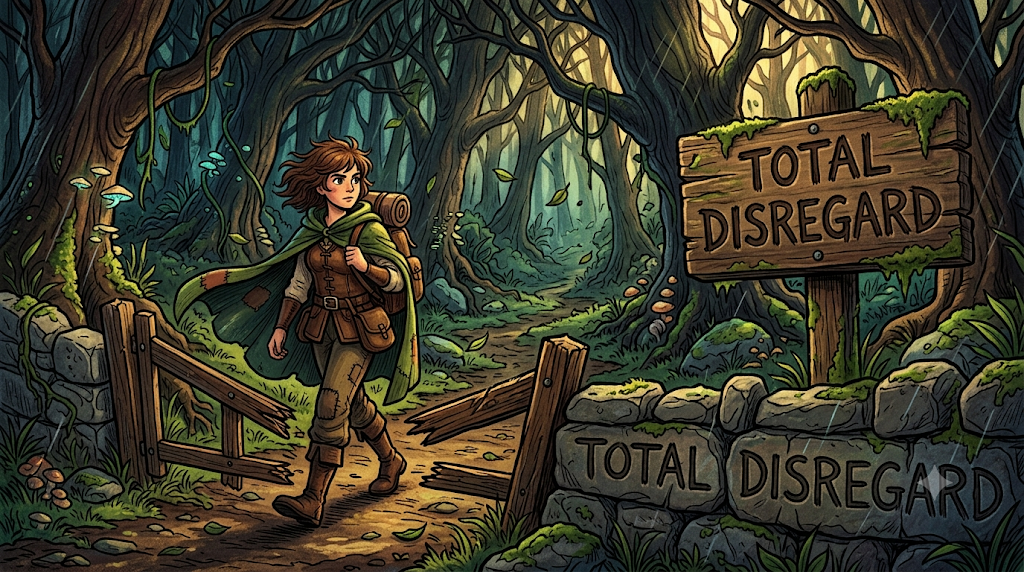
total disregard [ˈtəʊtəl ˌdɪsrɪˈɡɑːrd]
품사/뉘앙스 설명 (명사구) 전적인 무시, 완전한 경시
어떤 것을 조금도 고려하지 않는 완전하고 전면적인 무시를 강조합니다. 어떤 측면도 배려하지 않는 포괄적인 무시가 핵심 뉘앙스입니다. 수능 독해 사회·법률·심리 지문에서 자주 등장합니다.
- The athlete's total disregard for the anti-doping rules was not just a personal failure — it damaged the reputation of every clean athlete in the same sport who had worked for years to earn results they could be proud of. (규정 위반 약물 복용 규칙에 대한 선수의 전적인 무시는 단순히 개인적인 실패가 아니었다 — 그것은 자신이 자랑스러워할 수 있는 결과를 얻기 위해 수년간 노력한 같은 스포츠의 모든 클린 선수의 평판을 손상시켰다.)
- When a manager shows total disregard for the work-life balance of their team, productivity often actually falls rather than rises, because exhausted and unhappy workers make more mistakes and eventually leave to find better conditions elsewhere. (관리자가 팀의 일과 삶의 균형에 대한 전적인 무시를 보일 때 생산성은 종종 오르기보다 실제로 떨어지는데 지치고 행복하지 않은 노동자들이 더 많은 실수를 하고 결국 더 나은 조건을 찾아 다른 곳으로 떠나기 때문이다.)
- A government's total disregard for the concerns of a particular community is not just ethically wrong — it is also practically dangerous, because communities that feel consistently ignored and disrespected tend to lose faith in the institutions meant to serve them, which can have serious long-term consequences for the stability of society as a whole. (특정 지역 사회의 우려에 대한 정부의 전적인 무시는 단순히 윤리적으로 잘못된 것이 아니다 — 그것은 또한 실제로 위험한데 지속적으로 무시되고 존중받지 못한다고 느끼는 지역 사회가 그들을 섬기기 위한 기관에 대한 신뢰를 잃는 경향이 있어 사회 전체의 안정에 심각한 장기적 결과를 초래할 수 있기 때문이다.)
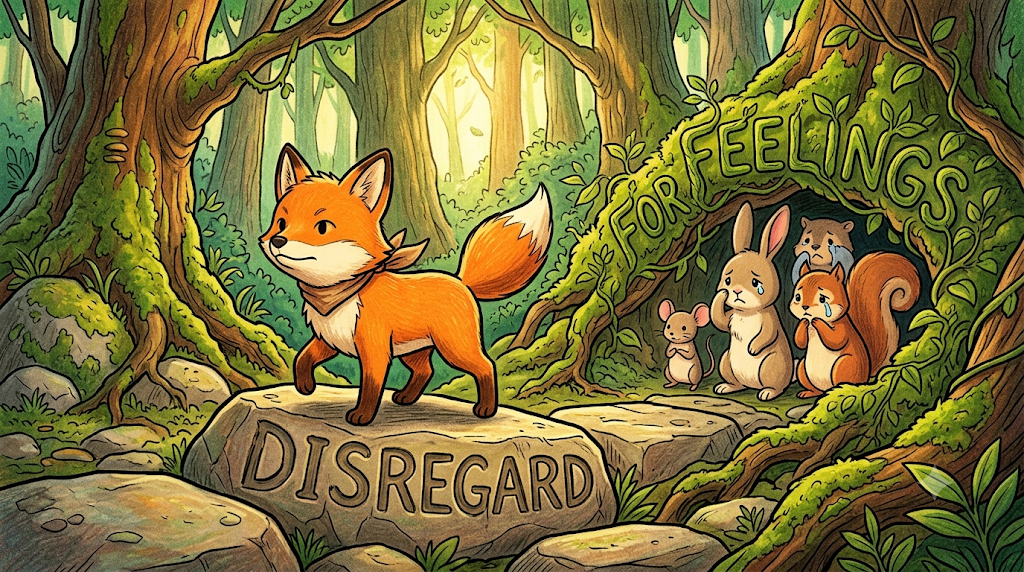
disregard for feelings [ˌdɪsrɪˈɡɑːrd fər ˈfiːlɪŋz]
품사/뉘앙스 설명 (명사구) 감정에 대한 무시, 기분을 경시하는 것
다른 사람이 어떻게 느끼는지를 신경 쓰지 않는 태도를 강조합니다. 감정이 중요한 것임에도 그것을 고려하지 않는다는 것이 핵심 뉘앙스입니다. 수능 독해 심리·교육·사회 지문의 핵심 표현입니다.
- A disregard for feelings in the way we communicate with others often leads to misunderstandings and hurt that could easily be avoided with a small amount of extra thought about how our words will land for the person receiving them. (다른 사람들과 소통하는 방식에서 감정에 대한 무시는 종종 우리의 말이 그것을 받는 사람에게 어떻게 전달될지에 대한 조금의 추가적인 생각으로 쉽게 피할 수 있는 오해와 상처로 이어진다.)
- Children who grow up in environments where disregard for feelings is the norm often develop one of two responses — either they adopt the same disregard themselves, or they become hyperaware of the emotions of everyone around them as a way of staying safe in an unpredictable environment. (감정에 대한 무시가 규범인 환경에서 자란 아이들은 종종 두 가지 반응 중 하나를 개발한다 — 자신도 같은 무시를 채택하거나 예측 불가능한 환경에서 안전하게 지내는 방법으로 주변 모든 사람의 감정에 과민하게 된다.)
- In professional settings, disregard for feelings is sometimes confused with being objective or efficient — but research consistently shows that teams where people feel heard and valued outperform those where disregard for feelings is seen as a mark of professionalism. (전문적인 환경에서 감정에 대한 무시는 때로 객관적이거나 효율적이라는 것과 혼동된다 — 하지만 연구는 지속적으로 사람들이 들린다고 느끼고 가치 있게 여겨지는 팀이 감정에 대한 무시가 전문성의 표시로 여겨지는 팀보다 더 뛰어난 성과를 낸다는 것을 보여준다.)
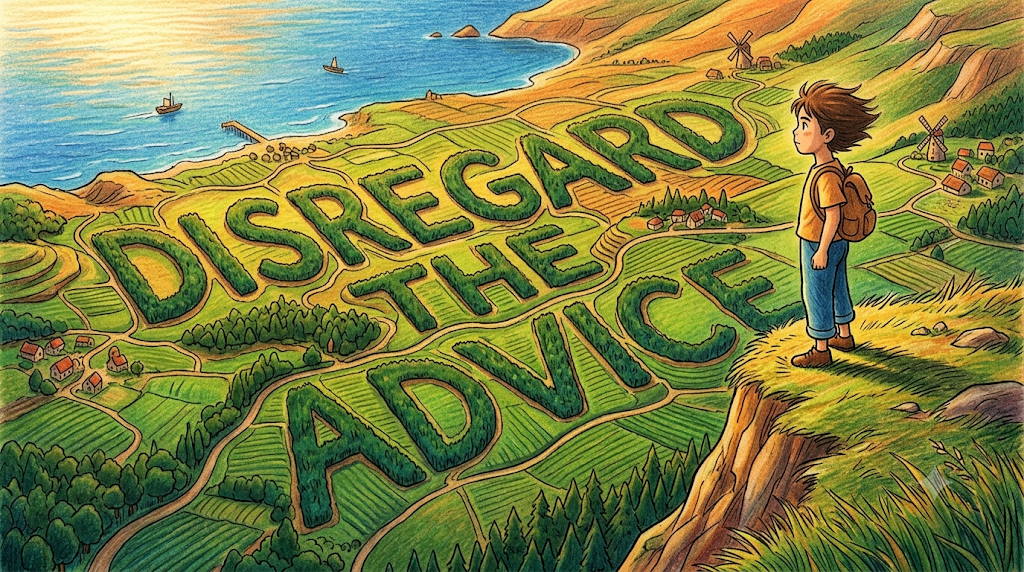
disregard the advice [ˌdɪsrɪˈɡɑːrd ðə ədˈvaɪs]
품사/뉘앙스 설명 (동사구) 조언을 무시하다, 충고를 무시하다
도움이 되는 조언이 있는데도 신경 쓰지 않고 자신의 방식대로 하는 것을 강조합니다. 조언을 듣고도 따르지 않는다는 것이 핵심 뉘앙스입니다. 수능 독해 교육·심리·사회 지문에서 자주 등장합니다.
- When the young athlete disregarded the advice of the experienced coach who told him to take more rest days, the decision seemed harmless at first — but weeks later he was dealing with a stress fracture in his leg that kept him out of training for two months. (젊은 선수가 더 많은 휴식일을 가지라고 말하는 경험 많은 코치의 조언을 무시했을 때 처음에는 그 결정이 무해해 보였다 — 하지만 몇 주 후 그는 2개월 동안 훈련을 중단하게 만든 다리의 피로 골절을 다루고 있었다.)
- It can sometimes be right to disregard advice — not all advice is good, and sometimes the person giving it does not fully understand your situation — but the decision to disregard it should be a conscious, reasoned one rather than simply a reflex of wanting to do things your own way regardless of what others say. (때로 조언을 무시하는 것이 옳을 수 있다 — 모든 조언이 좋은 것은 아니고 때로 그것을 주는 사람이 당신의 상황을 완전히 이해하지 못한다 — 하지만 그것을 무시하는 결정은 다른 사람들이 무엇을 말하든 자신의 방식으로 일을 하고 싶은 단순한 반사가 아닌 의식적이고 이성적인 결정이어야 한다.)
- There is a difference between politely disregarding advice that does not fit your situation and dismissively disregarding expert knowledge simply because you find it inconvenient — the first is good judgment, the second is the kind of thinking that leads to preventable mistakes. (자신의 상황에 맞지 않는 조언을 정중하게 무시하는 것과 단순히 불편하기 때문에 전문적인 지식을 무시하는 방식으로 무시하는 것 사이에는 차이가 있다 — 첫 번째는 좋은 판단이고 두 번째는 예방 가능한 실수로 이어지는 종류의 사고이다.)
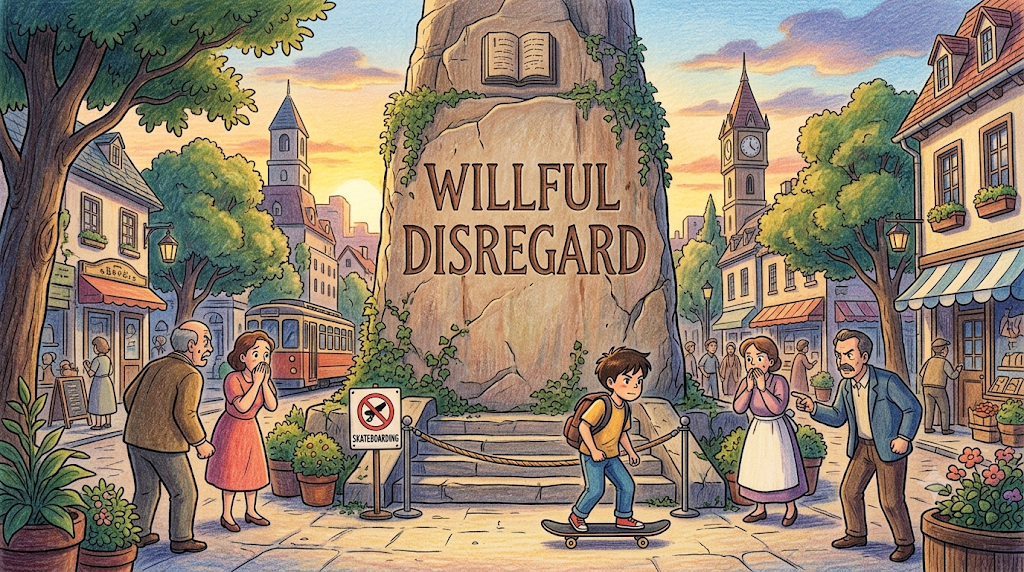
willful disregard [ˈwɪlfəl ˌdɪsrɪˈɡɑːrd]
품사/뉘앙스 설명 (명사구) 의도적인 무시, 고의적인 경시
단순한 실수나 부주의가 아닌 일부러 알면서도 무시하는 것을 강조합니다. 고의성이 무시의 심각성을 더욱 높인다는 것이 핵심 뉘앙스입니다. 수능 독해 법률·사회·윤리 지문의 핵심 표현입니다.
- The law treats willful disregard for regulations much more seriously than accidental violations, because the intent to break a rule shows a level of moral failure that simple mistakes do not — it means the person knew they were doing something wrong and chose to do it anyway. (법은 고의적인 규정 무시를 우발적인 위반보다 훨씬 더 심각하게 취급하는데 규칙을 어기려는 의도가 단순한 실수가 보여주지 않는 수준의 도덕적 실패를 보여주기 때문이다 — 그것은 그 사람이 자신이 잘못된 것을 하고 있다는 것을 알면서도 어쨌든 하기로 선택했다는 것을 의미한다.)
- The teacher's willful disregard for the different learning needs of students in her class — continuing to use the same teaching method even after multiple students had shown they were not understanding — eventually became the subject of a formal complaint from several parents. (반 학생들의 다른 학습 필요에 대한 선생님의 의도적인 무시 — 여러 학생들이 이해하지 못하고 있다는 것을 보여준 후에도 계속 같은 교수법을 사용하는 것 — 는 결국 여러 부모들의 공식적인 불만의 대상이 됐다.)
- When a person acts with willful disregard for the rights of others, they are not just making a mistake — they are making a choice, and holding people accountable for such choices is one of the ways that societies signal which behaviours they consider acceptable and which they will not tolerate. (사람이 다른 사람들의 권리에 대한 의도적인 무시로 행동할 때 그들은 단순히 실수를 하는 것이 아니다 — 그들은 선택을 하는 것이며 그런 선택에 대해 사람들을 책임지게 하는 것이 사회가 어떤 행동이 받아들일 만하고 용인하지 않을 것인지를 신호하는 방법 중 하나이다.)
숙어 그룹 묶음 1 — 규칙과 경고 무시 disregard 핵심 패턴
표현 의미 핵심 뉘앙스 주요 맥락
| disregard the rules | 규칙을 무시하다 | 알면서도 일부러 따르지 않는 것 | 교육·사회·법률 |
| disregard the warning | 경고를 무시하다 | 경고를 알고 있었음에도 무시한 것 | 사회·과학·환경 |
| disregard the advice | 조언을 무시하다 | 조언을 듣고도 따르지 않는 것 | 교육·심리·사회 |
이 세 표현은 모두 disregard의 "알면서도 신경 쓰지 않는" 이미지를 공유하되, 각각 정해진 규칙을 어기는 것(disregard the rules)·위험 신호를 무시하는 것(disregard the warning)·도움이 되는 조언을 외면하는 것(disregard the advice)의 관점에서 접근합니다.
- The student disregarded the advice of her teacher to revise her essay more carefully, disregarded the warning signs that she was running out of time to make improvements, and ultimately disregarded all the rules about proper citation — the result was a paper that failed on multiple grounds that could all have been easily avoided. (학생은 에세이를 더 신중하게 수정하라는 선생님의 조언을 무시하고 개선할 시간이 부족해지고 있다는 경고 신호를 무시했으며 결국 적절한 인용에 관한 모든 규칙을 무시했다 — 결과는 모두 쉽게 피할 수 있었던 여러 이유로 실패한 논문이었다.)
- A driver who disregards traffic rules is also more likely to disregard the warnings of other drivers and disregard the advice of traffic engineers who design roads to guide behaviour — because once a person develops the habit of disregarding one set of guidelines, it tends to spread to others. (교통 규칙을 무시하는 운전자는 또한 다른 운전자의 경고를 무시하고 행동을 안내하기 위해 도로를 설계하는 교통 공학자의 조언을 무시할 가능성이 더 높다 — 일단 사람이 한 세트의 지침을 무시하는 습관을 들이면 다른 것들로 퍼지는 경향이 있기 때문이다.)
- Governments that disregard scientific warnings about environmental damage, disregard the advice of their own experts, and disregard international rules designed to protect shared resources are not just harming their own people — they are making decisions that affect every person on the planet, which is why accountability for such disregard is a matter of global concern. (환경 피해에 대한 과학적 경고를 무시하고 자국 전문가들의 조언을 무시하며 공유 자원을 보호하기 위해 설계된 국제 규칙을 무시하는 정부들은 단순히 자국민에게 해를 끼치는 것이 아니다 — 그들은 지구의 모든 사람에게 영향을 미치는 결정을 내리고 있으며 이것이 그러한 무시에 대한 책임이 전 세계적 관심사인 이유이다.)
숙어 그룹 묶음 2 — 무시의 강도 disregard 심화 패턴
표현 의미 핵심 뉘앙스 주요 맥락
| complete disregard | 완전한 무시 | 일부가 아닌 완전히 신경 쓰지 않는 것 | 사회·심리·법률 |
| total disregard | 전적인 무시 | 어떤 측면도 배려하지 않는 포괄적 무시 | 사회·법률·심리 |
| willful disregard | 의도적인 무시 | 고의성이 무시의 심각성을 더욱 높이는 것 | 법률·사회·윤리 |
이 세 표현은 모두 disregard의 "극단적으로 신경 쓰지 않는" 이미지를 공유하되, 각각 아무것도 고려하지 않는 완전함(complete disregard)·전면적이고 포괄적인 무시(total disregard)·고의적이고 의도적인 무시(willful disregard)의 관점에서 접근합니다.
- Willful disregard is more serious than complete disregard in some ways, because it implies awareness — a person showing complete disregard might simply be oblivious, while one acting with willful disregard knows exactly what they are doing and chooses to do it anyway, which represents a much more deliberate moral failure. (의도적인 무시는 어떤 면에서 완전한 무시보다 더 심각한데 그것이 인식을 의미하기 때문이다 — 완전한 무시를 보이는 사람은 단순히 무지할 수 있는 반면 의도적인 무시로 행동하는 사람은 자신이 정확히 무엇을 하고 있는지 알면서도 어쨌든 하기로 선택하는데 이것은 훨씬 더 의도적인 도덕적 실패를 나타낸다.)
- The report found evidence of total disregard for proper procedures, complete disregard for the safety of workers, and in several specific cases, willful disregard for regulations that the management had been directly informed of — a combination that the investigators said made this one of the most serious failures of corporate responsibility they had ever reviewed. (보고서는 적절한 절차에 대한 전적인 무시, 노동자의 안전에 대한 완전한 무시, 그리고 여러 특정 사례에서 경영진이 직접 통보받은 규정에 대한 의도적인 무시의 증거를 발견했다 — 조사관들이 이것을 그들이 검토한 가장 심각한 기업 책임 실패 중 하나로 만들었다고 말한 조합이었다.)
- When teaching children the difference between making a mistake, acting with complete disregard, and showing willful disregard, it helps to use concrete examples — forgetting to do homework is a mistake, turning in someone else's work with no concern about honesty is complete disregard, and doing so after being specifically warned that it is wrong is willful disregard, and each deserves a different kind of response. (아이들에게 실수를 하는 것, 완전한 무시로 행동하는 것, 그리고 의도적인 무시를 보이는 것의 차이를 가르칠 때 구체적인 예를 사용하는 것이 도움이 된다 — 숙제를 잊는 것은 실수이고, 정직함에 대한 관심 없이 다른 사람의 작업을 제출하는 것은 완전한 무시이며, 그것이 잘못됐다고 구체적으로 경고받은 후 그렇게 하는 것은 의도적인 무시이고 각각은 다른 종류의 반응을 받아야 한다.)
숙어 그룹 묶음 3 — 타인과 감정 무시 disregard 심화 패턴
표현 의미 핵심 뉘앙스 주요 맥락
| disregard others | 타인을 무시하다 | 자신만을 중심에 두고 다른 사람들을 고려하지 않는 것 | 교육·심리·사회 |
| disregard for feelings | 감정에 대한 무시 | 감정이 중요한 것임에도 그것을 고려하지 않는 것 | 심리·교육·사회 |
| disregard the evidence | 증거를 무시하다 | 자신이 원하는 결론을 위해 증거를 외면하는 것 | 과학·법률·사회 |
이 세 표현은 모두 disregard의 "존재하거나 중요한 것을 없는 것처럼 취급하는" 이미지를 공유하되, 각각 다른 사람들의 존재와 필요(disregard others)·다른 사람들의 내면 상태(disregard for feelings)·객관적 사실과 근거(disregard the evidence)를 무시하는 관점에서 접근합니다.
- When someone consistently disregards others and shows disregard for their feelings, they will often also disregard evidence that contradicts their view of themselves as reasonable — because truly seeing others requires honestly considering all the evidence about how our actions affect them. (누군가가 지속적으로 타인을 무시하고 그들의 감정에 대한 무시를 보일 때 그들은 또한 종종 합리적이라는 자신의 견해와 모순되는 증거를 무시할 것이다 — 진정으로 다른 사람들을 보는 것이 우리의 행동이 그들에게 어떤 영향을 미치는지에 대한 모든 증거를 정직하게 고려하는 것을 필요로 하기 때문이다.)
- A society that disregards evidence about inequality will inevitably also develop structures that disregard others based on group membership and show disregard for the feelings of those who point out the problem — because disregarding inconvenient truths always requires also disregarding the people who speak them. (불평등에 대한 증거를 무시하는 사회는 필연적으로 집단 구성원을 기반으로 타인을 무시하고 문제를 지적하는 사람들의 감정에 대한 무시를 보이는 구조도 개발할 것이다 — 불편한 진실을 무시하는 것이 항상 그것을 말하는 사람들도 무시하는 것을 필요로 하기 때문이다.)
- Developing the habit of not disregarding others, taking feelings seriously rather than showing disregard for feelings, and following evidence rather than disregarding it when it is inconvenient — these three practices together are essentially what it means to be a thoughtful, honest, and empathetic person. (타인을 무시하지 않는 습관을 기르고, 감정에 대한 무시를 보이기보다 감정을 진지하게 받아들이며, 불편할 때 무시하기보다 증거를 따르는 것 — 이 세 가지 관행은 함께 본질적으로 사려 깊고 정직하며 공감하는 사람이 된다는 것의 의미이다.)
숙어 그룹 묶음 4 — 안전과 완성 disregard 완성 패턴
표현 의미 핵심 뉘앙스 주요 맥락
| disregard for safety | 안전에 대한 무시 | 안전이 희생되어 결국 피해가 발생하는 것 | 사회·법률·과학 |
| willful disregard | 의도적인 무시 | 고의성이 무시의 심각성을 더욱 높이는 것 | 법률·사회·윤리 |
| disregard the rules | 규칙을 무시하다 | 알면서도 일부러 따르지 않는 것 | 교육·사회·법률 |
이 세 표현은 함께 disregard가 나타내는 결과·의도·행동의 스펙트럼을 보여줍니다. disregard for safety는 무시의 결과적 피해를, willful disregard는 무시의 고의적 의도를, disregard the rules는 무시의 구체적인 행동을 각각 강조합니다.
- Willful disregard for safety is more than just disregarding the rules — it means making a conscious decision to put others at risk, which is why willful disregard for safety regulations in industries like construction or food production is treated as one of the most serious offences those industries can commit. (안전에 대한 의도적인 무시는 단순히 규칙을 무시하는 것 이상이다 — 그것은 다른 사람들을 위험에 빠뜨리는 의식적인 결정을 내리는 것을 의미하는데 이것이 건설이나 식품 생산과 같은 산업에서의 안전 규정에 대한 의도적인 무시가 그 산업들이 저지를 수 있는 가장 심각한 위반 중 하나로 취급되는 이유이다.)
- When companies disregard workplace safety rules, the initial motivation is often to save money or time — but the long-term costs of injuries, lawsuits, and reputational damage always far outweigh the short-term savings, which is why disregard for safety is ultimately bad for business as well as bad for people. (회사들이 직장 안전 규칙을 무시할 때 초기 동기는 종종 돈이나 시간을 절약하기 위한 것이다 — 하지만 부상, 소송, 평판 손상의 장기적 비용은 항상 단기 절감을 훨씬 초과하는데 이것이 안전에 대한 무시가 궁극적으로 사람들에게 나쁜 것뿐만 아니라 사업에도 나쁜 이유이다.)
- Teaching the difference between accidentally breaking a rule and willfully disregarding it — and why disregard for safety in particular can never be excused as a simple mistake — helps young people develop the moral clarity to understand that some choices carry consequences not just for themselves but for everyone around them. (우연히 규칙을 어기는 것과 의도적으로 무시하는 것의 차이를 가르치는 것 — 그리고 특히 안전에 대한 무시가 왜 단순한 실수로 변명될 수 없는지 — 은 젊은 사람들이 일부 선택이 자신만이 아니라 주변 모든 사람에 대한 결과를 수반한다는 것을 이해하는 도덕적 명확성을 개발하는 데 도움이 된다.)
전체 요약표
표현 의미 핵심 뉘앙스
| disregard | 무시하다, 경시하다 / 무시, 묵살 | 마땅히 봐야 할 것에서 눈을 돌리는 이미지 |
| disregard the rules | 규칙을 무시하다 | 알면서도 일부러 따르지 않는 것 |
| disregard for safety | 안전에 대한 무시 | 안전이 희생되어 결국 피해가 발생하는 것 |
| complete disregard | 완전한 무시 | 일부가 아닌 완전히 신경 쓰지 않는 것 |
| disregard the warning | 경고를 무시하다 | 경고를 알고 있었음에도 무시한 것 |
| disregard others | 타인을 무시하다 | 자신만을 중심에 두고 다른 사람들을 고려하지 않는 것 |
| disregard the evidence | 증거를 무시하다 | 자신이 원하는 결론을 위해 증거를 외면하는 것 |
| total disregard | 전적인 무시 | 어떤 측면도 배려하지 않는 포괄적 무시 |
| disregard for feelings | 감정에 대한 무시 | 감정이 중요한 것임에도 그것을 고려하지 않는 것 |
| disregard the advice | 조언을 무시하다 | 조언을 듣고도 따르지 않는 것 |
| willful disregard | 의도적인 무시 | 고의성이 무시의 심각성을 더욱 높이는 것 |
유의어 비교표
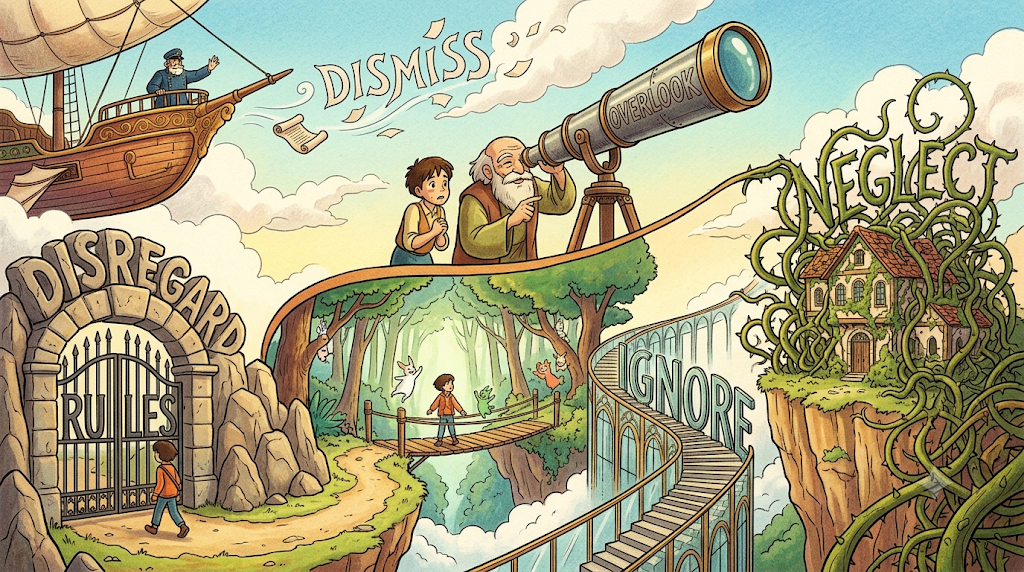
단어 공통점 뉘앙스 차이 예문
| disregard | 무시 관련 | 마땅히 존중받아야 할 것을 의도적으로 없는 것처럼 취급하는 것 강조 | disregard the rules |
| ignore | 무시 관련 | 보거나 알면서도 모른 척하고 반응하지 않는 것 강조 | ignore a message |
| neglect | 무시 관련 | 해야 할 의무나 책임을 제대로 이행하지 않는 것 강조 | neglect duties |
| overlook | 무시 관련 | 실수로 지나치거나 봐주거나 눈감아주는 것 강조 | overlook a mistake |
| dismiss | 무시 관련 | 중요하지 않다고 판단하고 옆으로 치워버리는 것 강조 | dismiss a concern |
결론 정리
disregard는 단순히 "무시하다"가 아니라, 중요하거나 마땅히 존중받아야 할 것을 알면서도 의도적으로 눈을 돌리거나 없는 것처럼 취급하는 이미지에서 출발해 규칙을 무시하다·안전에 대한 무시·완전한 무시·경고를 무시하다·타인을 무시하다·증거를 무시하다·전적인 무시·감정에 대한 무시·조언을 무시하다·의도적인 무시까지 확장되는 단어다 — disregard가 있는 곳엔 언제나 '마땅히 봐야 하고 존중해야 할 것에서 의도적으로 눈을 돌리는' 경시와 묵살의 이미지가 있다.
💡 disregard는 "중요하거나 마땅히 존중받아야 할 것을 알면서도 의도적으로 없는 것처럼 취급하는 것을 가리키는" 단어 — complete disregard·disregard for safety·willful disregard 가 수능 최빈출. ignore(모른 척하다)·neglect(소홀히 하다)와의 구별이 핵심 출제 포인트.
🌟 초등학생 버전 disregard는 단순히 "무시하다"가 아니에요! disregard the rules는 체육 시간에 선생님이 "뛰지 마세요!"라고 분명히 말했는데도 들은 척도 않고 계속 뛰는 것처럼 규칙이 있다는 것을 잘 알면서도 일부러 신경 쓰지 않고 없는 것처럼 행동하는 것이고, disregard for feelings는 친구가 슬프다고 말하는데 "그게 뭐가 문제야?" 하고 넘겨버리는 것처럼 다른 사람이 어떻게 느끼는지를 전혀 신경 쓰지 않고 그 감정을 없는 것처럼 취급하는 것이에요! 🌍✨


