- 분류 전체보기 (5596)

| 일 | 월 | 화 | 수 | 목 | 금 | 토 |
|---|---|---|---|---|---|---|
| 1 | 2 | |||||
| 3 | 4 | 5 | 6 | 7 | 8 | 9 |
| 10 | 11 | 12 | 13 | 14 | 15 | 16 |
| 17 | 18 | 19 | 20 | 21 | 22 | 23 |
| 24 | 25 | 26 | 27 | 28 | 29 | 30 |
| 31 |
- I'm glad to hear that.
- Right?
- oh
- Yeah
- Actually
- hold on
- make it
- no
- By The Way
- Sure
- get through
- come up with
- pick up
- Hey
- Show Up
- too.
- Yes
- Don't worry
- Excuse me
- please?
- work out
- Please
- Sorry
- I'm sorry
- please.
- well
- OKay
- entrance fee
- set up
- Read between the lines
- Today
- Total
인과함께
Day407 , tank, fish tank, tank up, think tank, tank top, tank battle, fuel tank, water tank, tank through, take a tank 본문
Day407 , tank, fish tank, tank up, think tank, tank top, tank battle, fuel tank, water tank, tank through, take a tank
미인생 2026. 5. 16. 00:27
tank [tæŋk]
(명사/동사) 탱크, 통, 수조 / 급락하다, 형편없이 실패하다
He bought colorful water plants and a tiny castle to decorate his new fish tank.
(그는 그의 새 어항을 꾸미기 위해 알록달록한 수초와 작은 성을 샀다.)
단순히 "탱크"로만 외우면 수능에서 반드시 틀립니다. tank는 "무언가를 담아두는 큰 용기, 또는 강력하게 돌파하는 것" 이라는 핵심 이미지에서 출발해, 실제 물·연료를 담는 통·군사 무기·생각을 담는 집단·성적이 급락하는 것까지 폭넓게 쓰이는 핵심 다의어입니다. 특히 think tank(싱크탱크, 연구 집단), tank up(연료를 가득 채우다), tank(급락하다, 실패하다) 패턴은 수능 독해 사회·경제·논리 지문에서 핵심적으로 등장합니다.
'tank'는 포르투갈어 tanque(저수지, 연못)에서 유래했으며, 인도 구자라티어 ṭākī(저수조)와 연결됩니다. 어원의 핵심 이미지는 "물이나 다른 것을 담아두는 큰 용기" 로, 단순한 저장 용기를 넘어 군사력·생각의 집합·에너지 충전·급격한 하락까지 확장되는 표현의 근원이 된 단어입니다.
1. fish tank [fɪʃ tæŋk]
(일상/과학/수능) "어항, 수족관"을 뜻합니다. 물고기나 수중 생물을 넣어 기르는 유리 수조를 강조합니다.
She cleaned the fish tank every Sunday morning because dirty water made her goldfish unhealthy and sad. (더러운 물이 금붕어를 건강하지 않고 슬프게 만들었기 때문에 그녀는 매주 일요일 아침에 어항을 청소했다.)
2. tank up [tæŋk ʌp]
(일상/경제/수능) "연료를 가득 채우다, 배불리 먹다"를 뜻합니다. 차에 기름을 가득 넣거나 음식을 배불리 먹는 것을 강조합니다.
They stopped at the petrol station to tank up before starting the long drive to the coast so they would not have to stop again. (그들은 다시 멈출 필요가 없도록 해안까지 긴 운전을 시작하기 전에 주유소에 들러 기름을 가득 채웠다.)
3. think tank [θɪŋk tæŋk]
(사회/정치/수능) "싱크탱크, 연구 집단"을 뜻합니다. 특정 사회 문제나 정책에 대해 전문적으로 연구하고 조언하는 집단을 강조하며, 수능 사회·정치 지문에서 자주 등장합니다.
The government asked a think tank to study the problem of housing costs and suggest ways to make homes more affordable for young people. (정부는 싱크탱크에 주거 비용 문제를 연구하고 젊은 사람들에게 집을 더 저렴하게 만들 방법을 제안해달라고 요청했다.)
4. tank top [tæŋk tɒp]
(일상/문화/수능) "민소매 셔츠, 탱크탑"을 뜻합니다. 어깨 끈만 있고 소매가 없는 셔츠를 강조합니다.
She wore a tank top under her school uniform during summer because the classroom always got too warm in the afternoon. (그녀는 교실이 항상 오후에 너무 더워지기 때문에 여름에 교복 아래에 민소매 셔츠를 입었다.)
5. tank battle [tæŋk ˈbætəl]
(역사/사회/수능) "전차전, 탱크 전투"를 뜻합니다. 군사 역사에서 탱크를 중심으로 벌어지는 전투를 강조합니다.
The history teacher showed the class a documentary about the largest tank battle in history, which happened during the Second World War. (역사 선생님은 학급에게 제2차 세계대전 중에 일어난 역사상 가장 큰 전차전에 관한 다큐멘터리를 보여줬다.)
6. fuel tank [fjuːəl tæŋk]
(일상/과학/수능) "연료 탱크, 기름통"을 뜻합니다. 자동차나 기계에서 연료를 저장하는 용기를 강조합니다.
The warning light came on to show the fuel tank was almost empty, so she pulled into the next petrol station she saw. (경고등이 켜져 연료 탱크가 거의 비어있다는 것을 나타냈기 때문에 그녀는 다음으로 보이는 주유소에 들어갔다.)
7. water tank [ˈwɔːtər tæŋk]
(일상/과학/수능) "물탱크, 저수조"를 뜻합니다. 물을 저장하는 큰 용기를 강조하며, 수능 환경·과학 지문에서 자주 등장합니다.
The village had no running water, so everyone depended on a water tank that was filled by a truck twice a week. (마을에는 수돗물이 없어서 모든 사람이 일주일에 두 번 트럭으로 채워지는 물탱크에 의존했다.)
8. tank through [tæŋk θruː]
(일상/사회/수능) "힘으로 밀고 나아가다, 강하게 돌파하다"를 뜻합니다. 어려움이나 장애물을 힘으로 밀어붙여 통과하는 것을 강조합니다.
He tanked through the crowd to get to the front before the doors opened, not caring who he bumped into. (그는 문이 열리기 전에 앞으로 가기 위해 누구와 부딪히든 상관없이 군중 속을 힘으로 밀고 나아갔다.)
9. take a tank [teɪk ə tæŋk]
(일상/사회/수능) 비유적으로 "큰 피해를 입다, 엄청난 타격을 받다"를 뜻합니다. 어떤 상황에서 큰 손실이나 타격을 입는 것을 강조합니다.
The team took a tank in the second half of the season, losing five games in a row after their best player got injured. (팀은 최고 선수가 부상당한 후 5경기 연속으로 지면서 시즌 후반에 큰 타격을 입었다.)
10. tank (동사: 급락하다, 실패하다) [tæŋk]
(경제/사회/수능) 동사로 쓰여 "성적이나 가치가 급격히 떨어지다, 크게 실패하다"를 뜻합니다. 어떤 것이 갑자기 나쁘게 되거나 가치가 크게 떨어지는 것을 강조합니다.
The company's share price tanked after the news came out that the new product had serious safety problems. (새 제품에 심각한 안전 문제가 있다는 뉴스가 나온 후 회사의 주가가 급락했다.)

POINT 1. tank — 수능 최빈출 비유·어휘 패턴
tank는 수능 독해 사회·경제·논리 지문에서 비유적 표현으로 자주 출제됩니다.
think tank → 전문가 연구 집단을 나타낼 때 예) A government think tank. 정부 싱크탱크. tank (동사) → 성적이나 가치가 급락할 때 예) Sales tanked. 매출이 급락했다. tank up → 에너지나 연료를 가득 채울 때 예) Tank up before the trip. 여행 전에 가득 채워라.
POINT 2. tank / container / barrel — 수능 어휘 핵심 비교
이 세 단어는 수능에서 자주 혼동되는 어휘입니다.
tank → 크고 단단한 저장 용기 (특히 액체) 예) A fuel tank. 연료 탱크. container → 물건을 담는 일반적인 용기 예) A container of juice. 주스 용기. barrel → 원통 모양의 저장통 (주로 나무나 금속) 예) A barrel of water. 물 배럴.
POINT 3. tank의 다양한 용법 — 수능 독해 문맥 파악 핵심
tank는 수능 독해에서 문맥에 따라 의미가 완전히 달라지는 핵심 단어입니다.
저장 용기 → A water tank. 물탱크. 군사 무기 → A tank in battle. 전투의 탱크. 연구 집단 → A think tank. 싱크탱크. 급락 → Sales tanked. 매출이 급락했다. 충전 → Tank up the car. 차에 기름을 채워라.
(명사) ① 탱크, 큰 저장 용기 (물리적)
tank의 가장 기본적인 의미로, 액체나 기체를 담는 크고 단단한 용기를 나타냅니다.
- The farm had a large tank that collected rainwater from the roof of the barn, which was used to water the animals during dry weeks. (농장에는 헛간 지붕에서 빗물을 모으는 큰 탱크가 있었으며, 이것은 건조한 주간에 동물들에게 물을 주는 데 사용됐다.)
- The mechanic discovered a small crack in the fuel tank that had been leaking slowly for weeks without the driver noticing anything wrong. (정비사는 운전자가 이상한 점을 알아채지 못하고 수주 동안 천천히 새고 있었던 연료 탱크의 작은 균열을 발견했다.)
- The essay used the image of a tank to describe how communities store shared resources — noting that when the tank runs dry, everyone suffers equally, which is why maintenance matters as much as refilling. (에세이는 탱크의 이미지를 사용해 공동체가 공유 자원을 저장하는 방법을 묘사했다 — 탱크가 비어지면 모든 사람이 똑같이 고통받기 때문에 재충전만큼 유지보수가 중요하다고 지적했다.)
(명사) ② 군용 탱크, 전차 (군사적)
tank는 군사적 목적으로 사용되는 장갑 전투 차량을 나타냅니다.
- The museum had a real tank from the Second World War parked outside the main entrance, and children always wanted to climb on it and have their photo taken. (박물관에는 제2차 세계대전의 실제 탱크가 정문 밖에 주차돼 있었으며, 아이들은 항상 그 위에 올라가 사진을 찍고 싶어했다.)
- The documentary explained that the tank was first used in battle in 1916 and changed the way wars were fought for the rest of the century. (다큐멘터리는 탱크가 1916년에 처음 전투에 사용됐으며 그 이후 세기 동안 전쟁이 수행되는 방식을 바꿨다고 설명했다.)
- The essay drew on the history of the tank to argue that new technology almost always begins as a military advantage before becoming part of everyday life in a different form. (에세이는 탱크의 역사를 바탕으로 새로운 기술이 일상생활의 일부가 되기 전에 거의 항상 군사적 이점으로 시작한다고 주장했다.)
(동사) ③ 급락하다, 크게 실패하다 (비유적)
tank는 동사로 쓰여 성적, 가치, 성과가 갑자기 크게 떨어지는 것을 나타냅니다.
- Her confidence tanked after she made the mistake during the presentation, and she could not bring herself to speak again for the rest of the meeting. (발표 중에 실수를 한 후 그녀의 자신감이 급락했으며, 회의 나머지 시간 동안 다시 말할 용기가 나지 않았다.)
- The restaurant's rating tanked online after a video went around showing that the kitchen was not kept clean. (부엌이 청결하게 유지되지 않았다는 것을 보여주는 동영상이 퍼진 후 식당의 온라인 평점이 급락했다.)
- The essay argued that reputations can tank in a single moment in ways that take years to repair — which is why the small daily decisions that nobody notices are actually the most important ones of all. (에세이는 평판이 단 한 순간에 급락해 수년이 걸리는 방식으로 회복하기 어렵게 될 수 있다고 주장했다 — 이것이 아무도 알아채지 못하는 작은 일상적 결정들이 실제로 가장 중요한 것들인 이유라고 했다.)

뉘앙스·의미 연결 흐름 표
핵심 이미지 연결 흐름 뉘앙스 요약
| 무언가를 담는 용기 | 어항 → 물탱크 → 연료 탱크 | fish tank, water tank, fuel tank |
| 힘과 에너지 | 연료 채우기 → 힘으로 돌파 → 큰 피해 | tank up, tank through, take a tank |
| 사회·경제적 의미 | 싱크탱크 → 급락 → 전차전 | think tank, tank (동사), tank battle |
어원 흐름 표
단어 구성 요소 의미 연결 흐름 뉘앙스 요약
| 포르투갈어 tanque(저수지) → 영어 tank | 물이나 다른 것을 담아두는 큰 용기 → tank | 저장과 힘의 핵심 이미지 |
| tank (명사/동사) | 저장 용기 → 군사 무기 → 연구 집단 → 급락 | 통에서 무기·집단·하락까지 확장 |
품사별 의미 표
품사 의미 예문
| 명사 | 탱크, 저장 용기 | A water tank. |
| 명사 | 군용 전차 | A tank in battle. |
| 명사구 | 싱크탱크 | A think tank. |
| 동사 | 급락하다, 실패하다 | Sales tanked. |
| 동사구 | 연료를 채우다 | Tank up the car. |
| 동사구 | 힘으로 돌파하다 | Tank through the crowd. |
활용 예문 리스트
- The think tank published a report suggesting that more green spaces in cities could improve people's mental health and reduce stress levels in busy urban areas. (싱크탱크는 도시에 더 많은 녹지 공간이 사람들의 정신 건강을 개선하고 바쁜 도시 지역의 스트레스 수준을 줄일 수 있다고 제안하는 보고서를 발표했다.)
- She decided to tank up with a big breakfast before the long walk because she knew she would not find anywhere to eat once she left the village. (그녀는 마을을 떠나면 먹을 곳을 찾을 수 없다는 것을 알았기 때문에 긴 산책 전에 큰 아침 식사를 먹어 배를 가득 채우기로 결정했다.)
- The stock market tanked that afternoon after a major bank announced that it had much bigger losses than anyone had expected. (주요 은행이 아무도 예상하지 못했던 것보다 훨씬 큰 손실을 발표한 후 그날 오후 주식 시장이 급락했다.)
- The old water tank on the hill above the village had supplied the whole community for over fifty years, but cracks had formed in the concrete and it needed to be replaced. (마을 위 언덕의 오래된 물탱크는 50년 이상 전체 공동체에 물을 공급했지만 콘크리트에 균열이 생겨 교체가 필요했다.)
- He tanked through his homework as fast as possible so that he would have at least an hour of free time before dinner. (그는 저녁 식사 전에 적어도 한 시간의 자유 시간을 갖기 위해 가능한 빨리 숙제를 힘차게 해치웠다.)
전체 뉘앙스 설명
tank는 '물이나 다른 것을 담아두는 큰 용기에서 출발해 군사 무기·연구 집단·에너지 충전·급격한 하락·강한 돌파까지 확장되는 생동감 넘치는 언어'입니다.
container와의 차이: container는 일반적인 물건을 담는 용기를 강조하고, tank는 특히 크고 단단하며 액체나 기체를 담는 특수 용기를 강조합니다. barrel과의 차이: barrel은 원통형 나무나 금속 통을 강조하고, tank는 더 크고 현대적인 저장 용기를 강조합니다. crash와의 차이: crash는 갑작스럽고 충격적인 하락을 강조하고, tank는 빠르지만 연속적인 하락이나 실패를 강조합니다.
마지막 핵심 정리
tank는 단순히 "탱크"가 아닙니다 — 포르투갈어 tanque(저수지)에서 출발해, 저장 용기(tank)에서 어항(fish tank)·연료 채우기(tank up)·싱크탱크(think tank)·민소매 셔츠(tank top)·전차전(tank battle)·연료 탱크(fuel tank)·물탱크(water tank)·힘으로 돌파(tank through)·큰 타격(take a tank)·급락(tank 동사)까지 확장되는 단어이며, think tank·tank(급락)·tank up의 비유적 의미 파악이 수능 핵심 출제 포인트입니다.
파생어 표
파생어 발음기호 품사 의미
| tanker | [ˈtæŋkər] | 명사 | 유조선, 탱크 트럭 |
| tankful | [ˈtæŋkfʊl] | 명사 | 탱크 한 가득 |
| tanked | [tæŋkt] | 형용사 | 술에 취한, 급락한 |
| tankage | [ˈtæŋkɪdʒ] | 명사 | 탱크 용량, 저장 비용 |
유의어 비교표
단어 공통점 뉘앙스 차이 예문
| tank | 저장 용기 | 크고 단단한 액체 저장·비유 풍부 | A fuel tank. |
| container | 용기 | 일반적인 물건을 담는 것 | A container of food. |
| barrel | 통 | 원통형 나무나 금속 통 | A barrel of oil. |
| reservoir | 저수지 | 물을 저장하는 자연·인공 공간 | A reservoir of water. |
| vessel | 용기, 그릇 | 액체를 담는 용기 (격식) | A vessel for water. |
유의어 예문 리스트
- (container) She put the leftover soup in a container with a lid and left it in the fridge for the next day, knowing it would taste even better after the flavours had time to mix. (그녀는 남은 수프를 뚜껑이 있는 용기에 넣어 냉장고에 다음 날을 위해 두었는데, 맛들이 섞일 시간이 생기면 더 맛있을 것이라는 것을 알았다.)
- (barrel) The old pub kept its beer in wooden barrels stored in the cool cellar below the building, which the landlord said was the reason the beer tasted so much better than modern versions. (오래된 술집은 건물 아래의 시원한 지하실에 보관된 나무 통에 맥주를 보관했으며, 주인은 이것이 맥주가 현대 버전보다 훨씬 더 맛있는 이유라고 말했다.)
- (reservoir) The dry summer had lowered the level of water in the reservoir so much that local authorities had to ask everyone to use less water at home until the rain returned. (건조한 여름이 저수지의 수위를 너무 낮춰서 지역 당국이 비가 돌아올 때까지 모든 사람에게 집에서 물을 덜 사용하도록 요청해야 했다.)
- (vessel) The ancient clay vessel found in the cave had once been used to store olive oil and was so well preserved that scientists could still detect traces of its original contents. (동굴에서 발견된 고대 점토 그릇은 한때 올리브 오일을 저장하는 데 사용됐으며 너무 잘 보존돼 있어서 과학자들이 원래 내용물의 흔적을 여전히 감지할 수 있었다.)
결론 정리
tank는 단순히 "탱크"가 아니라, 포르투갈어 tanque(저수지)에서 출발해 물이나 다른 것을 담아두는 큰 용기에서 군사 무기·연구 집단·에너지 충전·급격한 하락·강한 돌파까지 확장되는 단어다 — tank가 있는 곳엔 언제나 '단순한 저장 용기가 아닌, 인간이 힘을 모으고·생각을 담으며·에너지를 충전하고·갑작스럽게 무너지는 방식이 생생하게 살아숨쉬는' 생동감의 선언이 있다.
💡 tank는 "물이나 다른 것을 담아두는 큰 용기에서 출발한" 생동감 넘치는 언어 — think tank · tank(급락) · tank up이 수능 최빈출.
🌟 초등학생 버전 — tank는 탱크, 통이지만, "싱크탱크"(think tank), "급락하다"(tank), "기름을 가득 채우다"(tank up)처럼 우리 생활과 사회 곳곳에 살아있는 단어예요! 🛡️✨
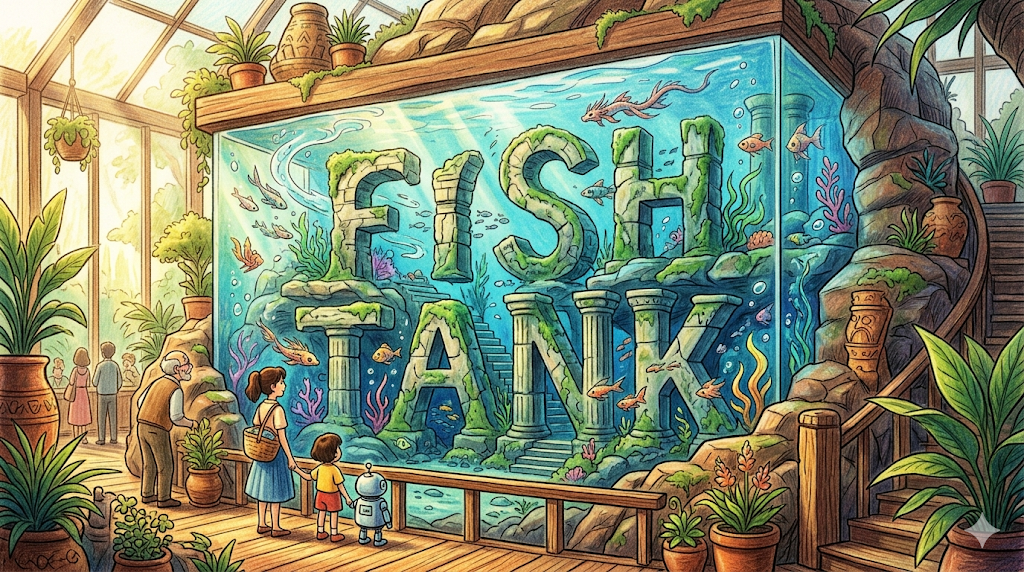
fish tank [fɪʃ tæŋk]
(명사구) 어항, 수족관
물고기나 수중 생물을 넣어 기르는 유리 수조를 강조합니다. 수능 독해 과학·일상·심리 지문에서 자주 등장합니다.
- The doctor's waiting room had a large fish tank along one wall, and patients always spent more time looking at the fish than at their phones while they waited. (의사의 대기실에는 한쪽 벽을 따라 큰 어항이 있었으며, 환자들은 기다리는 동안 항상 전화기보다 물고기를 보는 데 더 많은 시간을 보냈다.)
- She had saved up for three months to buy a proper fish tank with a filter and a light, because she wanted her fish to have the best possible home she could give them. (그녀는 필터와 조명이 있는 제대로 된 어항을 사기 위해 3개월을 저축했는데, 물고기에게 줄 수 있는 최고의 집을 원했기 때문이었다.)
- The essay used a fish tank as a metaphor for closed systems — noting that like fish in a tank, people in any organisation can only access the resources and information that exist within their particular environment. (에세이는 어항을 폐쇄 시스템의 은유로 사용했다 — 어항 속 물고기처럼 어떤 조직의 사람들도 특정 환경 내에 존재하는 자원과 정보에만 접근할 수 있다고 지적했다.)

tank up [tæŋk ʌp]
(동사구) 연료를 가득 채우다, 배불리 먹다
차에 기름을 가득 넣거나 음식을 배불리 먹는 것을 강조합니다. 수능 독해 일상·경제 지문에서 자주 등장합니다.
- He always made sure to tank up the car the night before a long trip so they could leave early the next morning without any delays at the petrol station. (그는 주유소에서 지연 없이 다음 날 아침 일찍 떠날 수 있도록 항상 장거리 여행 전날 밤에 차에 기름을 가득 채웠다.)
- The coach told the players to tank up on pasta and rice the evening before the match to give themselves plenty of energy for the game. (코치는 선수들에게 경기를 위한 충분한 에너지를 주기 위해 경기 전날 저녁에 파스타와 밥으로 배를 가득 채우라고 말했다.)
- The essay noted that the phrase tank up applies equally to physical fuel and emotional energy — and argued that people who regularly recharge through rest, creativity, or time with others tend to perform more consistently than those who run on empty until they have no choice but to stop. (에세이는 기름을 채우다라는 표현이 물리적 연료와 감정적 에너지에 동등하게 적용된다고 지적했다 — 그리고 휴식, 창의성, 또는 다른 사람들과의 시간을 통해 정기적으로 충전하는 사람들이 멈출 수밖에 없을 때까지 빈 채로 달리는 사람들보다 더 일관되게 수행하는 경향이 있다고 주장했다.)
숙어 그룹 묶음 1 — 용기·충전 tank 핵심 패턴
표현 의미 핵심 뉘앙스 주요 맥락
| fish tank | 어항 | 물고기를 기르는 유리 수조 | 과학·일상·수능 |
| tank up | 연료를 가득 채우다 | 차에 기름을 넣거나 배불리 먹는 것 | 일상·경제·수능 |
| water tank | 물탱크 | 물을 저장하는 큰 용기 | 과학·환경·수능 |
이 세 표현은 모두 tank의 "무언가를 담아두는 용기" 이미지를 공유하되, 각각 생명을 기르는 작은 수조(fish tank)·에너지를 가득 채우는 행동(tank up)·생존에 필요한 물을 저장하는 큰 탱크(water tank)의 관점에서 접근합니다.
- She had filled the water tank before the drought began, tanked up on supplies, and even set up a fish tank in the corner of the room to help everyone stay calm during the long dry days. (그녀는 가뭄이 시작되기 전에 물탱크를 채우고, 보급품으로 배를 채우고, 심지어 긴 건조한 날 동안 모든 사람이 차분하게 지내도록 돕기 위해 방 구석에 어항을 설치했다.)
- The essay connected the three by arguing that fish tanks, water tanks, and the act of tanking up all represent the same human impulse — to store what is needed before it runs out, which is one of the most basic and reliable signs of careful thinking. (에세이는 어항, 물탱크, 그리고 기름을 채우는 행위가 모두 같은 인간의 충동을 나타낸다고 주장하며 세 가지를 연결했다 — 고갈되기 전에 필요한 것을 저장하는 것이며, 이것이 신중한 사고의 가장 기본적이고 신뢰할 수 있는 표시 중 하나라고 했다.)
- She reflected that tanking up before a challenge, keeping water tanks full for times of need, and maintaining fish tanks with care all reflect the same quiet discipline — preparing well before difficulty arrives rather than scrambling to catch up when it does. (그녀는 도전 전에 채우고, 필요할 때를 위해 물탱크를 가득 유지하며, 어항을 정성껏 관리하는 것이 모두 같은 조용한 훈련을 반영한다고 성찰했다 — 어려움이 닥쳤을 때 따라잡으려 허둥대기보다 닥치기 전에 잘 준비하는 것이다.)
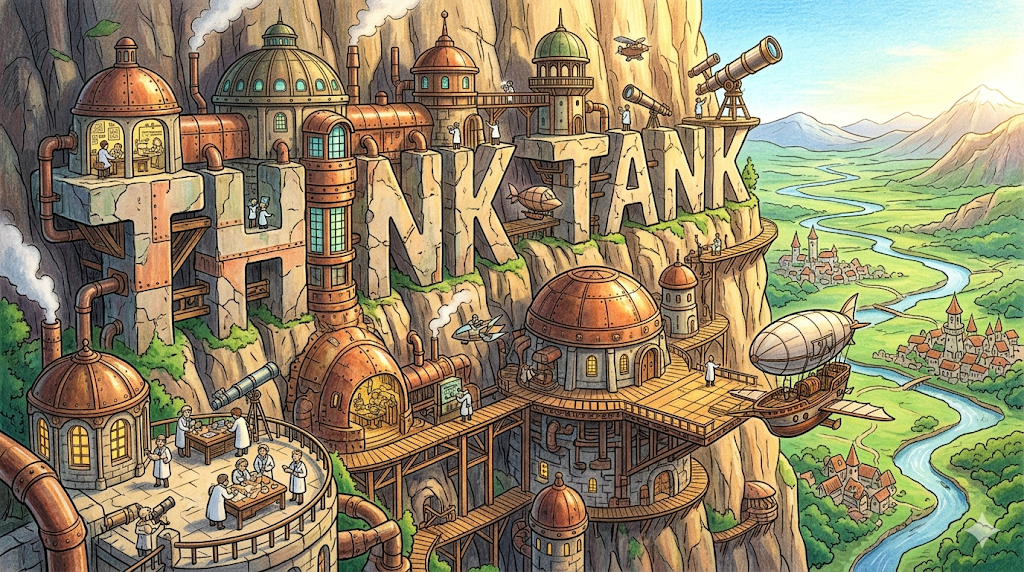
think tank [θɪŋk tæŋk]
(명사구) 싱크탱크, 연구 집단
특정 사회 문제나 정책에 대해 전문적으로 연구하고 조언하는 집단을 강조하며, 수능 사회·정치 지문에서 자주 등장합니다.
- The education think tank released data showing that students who ate breakfast consistently performed better in morning classes than those who skipped it. (교육 싱크탱크는 꾸준히 아침 식사를 한 학생들이 건너뛴 학생들보다 오전 수업에서 더 잘 수행했다는 것을 보여주는 데이터를 발표했다.)
- Several independent think tanks agreed that the new transport plan would reduce traffic in the city centre within two years, although they disagreed on the costs. (여러 독립 싱크탱크들이 새 교통 계획이 비용에 대해서는 의견이 달랐지만 2년 안에 도심의 교통을 줄일 것이라는 데 동의했다.)
- The essay argued that think tanks serve an important function in modern society — they allow complex problems to be studied carefully by people with specialised knowledge, which means governments do not have to make major decisions based only on short-term political pressures. (에세이는 싱크탱크가 현대 사회에서 중요한 기능을 한다고 주장했다 — 그것들은 복잡한 문제가 전문 지식을 가진 사람들에 의해 신중하게 연구될 수 있게 하며, 이것은 정부가 단기적인 정치적 압력에만 기반해 주요 결정을 내릴 필요가 없다는 것을 의미한다고 했다.)

tank top [tæŋk tɒp]
(명사구) 민소매 셔츠, 탱크탑
어깨 끈만 있고 소매가 없는 셔츠를 강조합니다. 수능 독해 일상·문화 지문에서 자주 등장합니다.
- She packed several tank tops for the holiday because the weather forecast said it would be extremely hot for the whole two weeks. (날씨 예보가 2주 내내 극도로 더울 것이라고 말했기 때문에 그녀는 휴가를 위해 여러 민소매 셔츠를 챙겼다.)
- He felt overdressed in his collared shirt when everyone else at the outdoor event was wearing tank tops and shorts in the summer heat. (여름 더위에 야외 행사의 모든 다른 사람이 탱크탑과 반바지를 입고 있을 때 그는 칼라 셔츠를 입어 과하게 차려입은 것 같았다.)
- The essay noted that something as simple as a tank top can carry different cultural meanings in different contexts — appropriate on a beach, professional in a gym, and potentially against the dress code in a school — showing how strongly context shapes our judgements about clothing. (에세이는 탱크탑처럼 단순한 것이 다른 맥락에서 다른 문화적 의미를 가질 수 있다고 지적했다 — 해변에서는 적절하고, 헬스장에서는 전문적이며, 학교에서는 복장 규정에 어긋날 수 있다 — 이것이 맥락이 의복에 대한 우리의 판단을 얼마나 강하게 형성하는지를 보여준다고 했다.)
숙어 그룹 묶음 2 — 사회·군사 tank 패턴
표현 의미 핵심 뉘앙스 주요 맥락
| think tank | 싱크탱크 | 전문가 연구 집단 | 사회·정치·수능 |
| tank top | 민소매 셔츠 | 소매 없는 옷 | 일상·문화·수능 |
| tank battle | 전차전 | 탱크를 중심으로 한 군사 전투 | 역사·사회·수능 |
이 세 표현은 모두 tank의 "강력하고 집중된 것" 이미지를 공유하되, 각각 생각과 지식을 담은 전문가 집단(think tank)·몸을 자유롭게 하는 가벼운 옷(tank top)·힘의 집중적 사용인 전차전(tank battle)의 관점에서 접근합니다.
- She was studying for an exam on famous tank battles of history while wearing a tank top in the summer heat, and her mind kept wandering to the reports from a think tank she had read that morning about modern military technology. (그녀는 여름 더위에 탱크탑을 입고 역사의 유명한 전차전에 관한 시험을 공부하는 동안 그날 아침 현대 군사 기술에 대한 싱크탱크 보고서를 읽었던 것이 계속 생각났다.)
- The essay connected tank battles, think tanks, and even tank tops as three objects that each carry a different layer of the same word — one about overwhelming physical force, one about concentrated intellectual power, and one about simply staying cool under pressure. (에세이는 전차전, 싱크탱크, 심지어 탱크탑을 같은 단어의 다른 층을 각각 지닌 세 가지 사물로 연결했다 — 하나는 압도적인 물리적 힘에 대한 것, 하나는 집중된 지적 힘에 대한 것, 그리고 하나는 단순히 압박 하에서 시원하게 있는 것에 대한 것이었다.)
- She concluded that the word tank, stretched across tank battles, think tanks, and tank tops, demonstrates how a single simple word can accumulate meanings that cover everything from warfare to fashion — and that this kind of linguistic expansion is itself evidence of how human experience is always finding new shapes for old words. (그녀는 전차전, 싱크탱크, 탱크탑에 걸쳐 뻗어 있는 tank라는 단어가 단 하나의 단순한 단어가 전쟁에서 패션까지 모든 것을 아우르는 의미를 어떻게 축적할 수 있는지 보여주며, 이런 종류의 언어적 확장 자체가 인간 경험이 항상 오래된 단어에 새로운 형태를 찾고 있다는 증거라고 결론지었다.)

tank battle [tæŋk ˈbætəl]
(명사구) 전차전, 탱크 전투
군사 역사에서 탱크를 중심으로 벌어지는 전투를 강조합니다. 수능 독해 역사·사회 지문에서 자주 등장합니다.
- The history book described how the largest tank battle in history involved thousands of vehicles on both sides and lasted for days across the open fields. (역사책은 역사상 가장 큰 전차전이 어떻게 양측에서 수천 대의 차량을 포함하고 광활한 들판에서 며칠 동안 계속됐는지 묘사했다.)
- The museum exhibit on tank battles showed how the invention of the armoured vehicle changed the nature of warfare by making certain defensive positions much harder to hold. (전차전에 관한 박물관 전시는 장갑 차량의 발명이 특정 방어 진지를 유지하기 훨씬 어렵게 만들어 전쟁의 성격을 어떻게 바꿨는지 보여줬다.)
- The essay used the evolution of tank battles to illustrate how technological development constantly shifts the balance of power in any conflict — arguing that what matters is not who has the most powerful technology but who understands it best and uses it most wisely. (에세이는 전차전의 진화를 사용해 기술 발전이 어떻게 지속적으로 모든 갈등에서 권력 균형을 이동시키는지 설명했다 — 가장 중요한 것은 가장 강력한 기술을 가진 사람이 아니라 그것을 가장 잘 이해하고 가장 현명하게 사용하는 사람이라고 주장했다.)
숙어 그룹 묶음 3 — 힘·하락 tank 심화 패턴
표현 의미 핵심 뉘앙스 주요 맥락
| fuel tank | 연료 탱크 | 자동차나 기계의 연료 저장 용기 | 일상·과학·수능 |
| tank through | 힘으로 밀고 나아가다 | 힘으로 장애물을 밀어붙여 통과하는 것 | 일상·사회·수능 |
| take a tank | 큰 피해를 입다 | 어떤 상황에서 큰 손실을 입는 것 | 일상·사회·수능 |
이 세 표현은 모두 tank의 "힘과 에너지" 이미지를 공유하되, 각각 에너지를 저장하는 용기(fuel tank)·힘으로 돌파하는 행동(tank through)·큰 힘에 의해 피해를 입는 것(take a tank)의 관점에서 접근합니다.
- The fuel tank was nearly empty after he had tanked through the long motorway journey without stopping, and when he finally reached a petrol station the engine was running on fumes — which was exactly the kind of situation that takes a tank on the nerves. (연료 탱크는 그가 멈추지 않고 긴 고속도로 여행을 힘차게 달리고 나서 거의 비어 있었으며, 마침내 주유소에 도착했을 때 엔진은 연기로 돌아가고 있었다 — 이것이 바로 신경을 크게 긁는 종류의 상황이었다.)
- The essay argued that having a full fuel tank before a challenge, tanking through difficulties rather than avoiding them, and being prepared to take a tank when things go wrong are three qualities that, taken together, describe someone genuinely resilient. (도전 전에 연료 탱크를 가득 채우고, 어려움을 피하기보다 힘으로 돌파하며, 일이 잘못됐을 때 큰 피해를 받을 준비가 돼 있는 것이 함께하면 진정으로 탄력적인 사람을 묘사하는 세 가지 자질이라고 에세이는 주장했다.)
- She concluded that checking the fuel tank, being willing to tank through the uncomfortable parts, and accepting that sometimes you will take a tank before you reach your destination are not three separate pieces of advice but one continuous attitude — prepare, push, and persist. (연료 탱크를 확인하고, 불편한 부분을 힘으로 돌파하려는 의지를 갖으며, 때로는 목적지에 도달하기 전에 큰 피해를 입을 것이라는 것을 받아들이는 것이 세 가지 별개의 조언이 아니라 하나의 지속적인 태도라고 그녀는 결론지었다 — 준비하고, 밀어붙이고, 지속하라.)
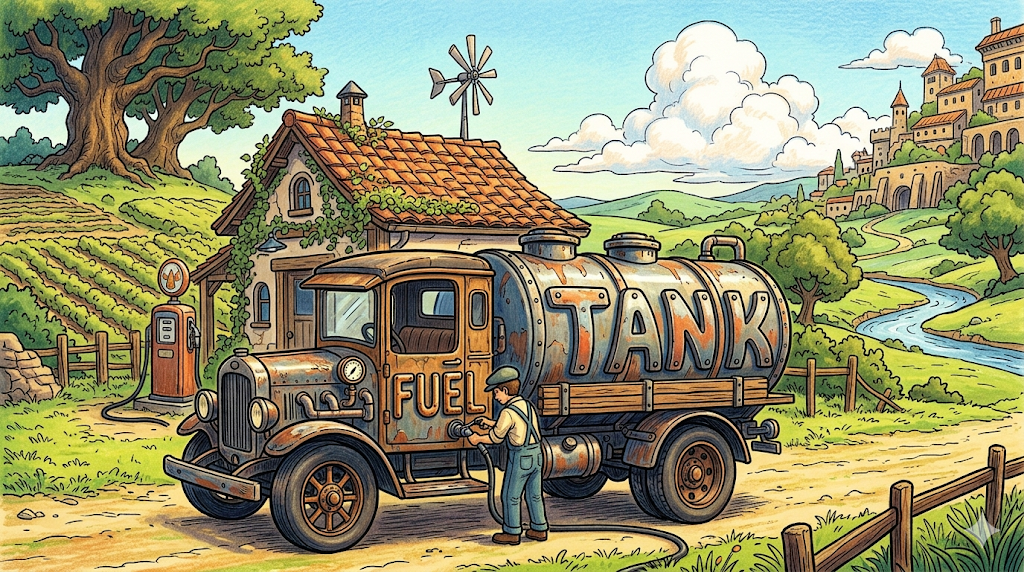
fuel tank [fjuːəl tæŋk]
(명사구) 연료 탱크, 기름통
자동차나 기계에서 연료를 저장하는 용기를 강조합니다. 수능 독해 일상·과학·환경 지문에서 자주 등장합니다.
- She had a habit of never letting the fuel tank fall below a quarter full because her father had once told her that getting stranded on an empty tank was both avoidable and embarrassing. (아버지가 연료가 바닥난 채로 오도 가도 못하게 되는 것은 피할 수 있고 창피한 일이라고 한번 말했기 때문에 그녀는 연료 탱크가 4분의 1 이하로 떨어지지 않도록 하는 습관이 있었다.)
- The new electric car had no fuel tank at all — instead it carried a battery pack under the floor that could be recharged at home or at special charging points along the motorway. (새 전기차는 연료 탱크가 전혀 없었다 — 대신 바닥 아래에 배터리 팩을 갖고 있었으며 집이나 고속도로를 따라 있는 특별 충전 지점에서 충전할 수 있었다.)
- The essay used the fuel tank as a metaphor for human attention — arguing that, like a car, a person has only a limited amount of focus available at any time, and that spending it on low-priority tasks leaves nothing for the things that actually matter most. (에세이는 연료 탱크를 인간 주의의 은유로 사용했다 — 자동차처럼 사람도 언제든지 제한된 양의 집중력만 갖고 있으며, 낮은 우선순위 작업에 쓰면 실제로 가장 중요한 것들을 위한 것이 남지 않는다고 주장했다.)
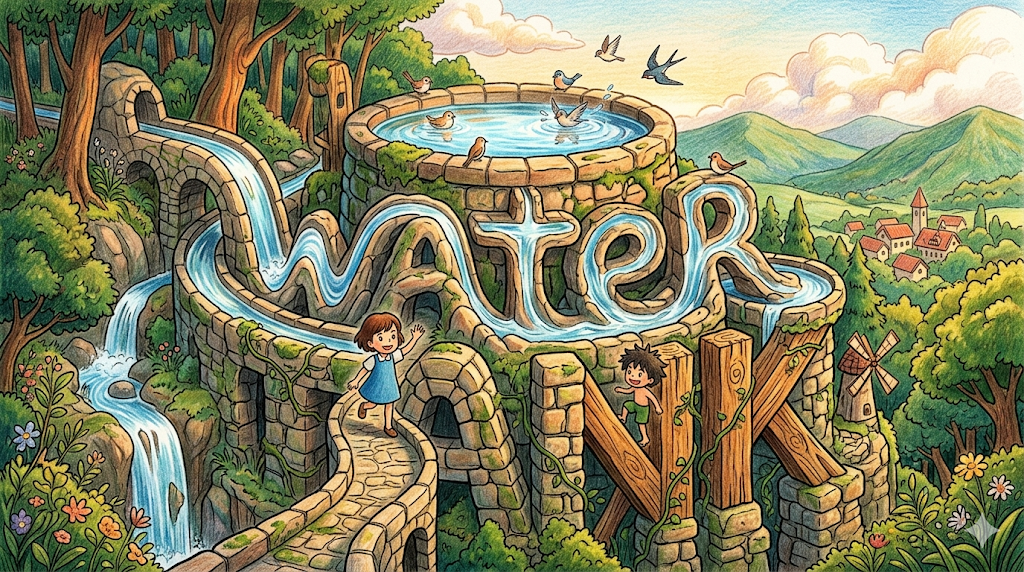
water tank [ˈwɔːtər tæŋk]
(명사구) 물탱크, 저수조
물을 저장하는 큰 용기를 강조하며, 수능 환경·과학·사회 지문에서 자주 등장합니다.
- During the heatwave, the school installed a temporary water tank in the playground so students could refill their bottles without going back inside the building. (폭염 중에 학교는 학생들이 건물 안으로 다시 들어가지 않고도 물병을 다시 채울 수 있도록 운동장에 임시 물탱크를 설치했다.)
- The charity project aimed to install clean water tanks in rural villages where people currently had to walk three hours each day to collect water from a safe source. (자선 프로젝트는 사람들이 현재 안전한 수원에서 물을 구하기 위해 매일 세 시간을 걸어야 하는 농촌 마을에 깨끗한 물탱크를 설치하는 것을 목표로 했다.)
- The essay used the water tank as a symbol of preparation and community — noting that communities which invest in building shared reserves for times of shortage tend to be more resilient than those which rely on each person managing entirely alone. (에세이는 물탱크를 준비와 공동체의 상징으로 사용했다 — 부족할 때를 위해 공유 예비물을 만드는 데 투자하는 공동체가 각 개인이 완전히 혼자 관리하는 것에 의존하는 공동체보다 더 탄력적인 경향이 있다고 지적했다.)
숙어 그룹 묶음 4 — 종합 tank 패턴
표현 의미 핵심 뉘앙스 주요 맥락
| think tank | 싱크탱크 | 전문가 연구 집단 | 사회·정치·수능 |
| tank (동사) | 급락하다, 실패하다 | 성과나 가치가 갑자기 크게 떨어지는 것 | 경제·사회·수능 |
| tank up | 연료를 가득 채우다 | 에너지나 연료를 충전하는 것 | 일상·경제·수능 |
이 세 표현은 수능 독해에서 가장 자주 출제되는 tank의 핵심 패턴입니다. think tank는 생각을 담은 전문 집단을, **tank(동사)**는 급격한 하락을, tank up은 에너지 충전을 각각 나타냅니다.
- The think tank's report warned that if the company did not tank up on new talent and ideas quickly, its performance would tank within two years as competitors caught up and overtook it. (싱크탱크의 보고서는 회사가 새로운 인재와 아이디어를 빠르게 보충하지 않으면 경쟁사들이 따라잡아 추월하면서 2년 안에 성과가 급락할 것이라고 경고했다.)
- The essay argued that think tanks, the impulse to tank up before a difficult period, and the reality of watching something tank despite your best efforts are three different relationships with the same fundamental challenge — how to plan well, prepare well, and still accept that outcomes are never fully within our control. (에세이는 싱크탱크, 어려운 기간 전에 채우려는 충동, 그리고 최선의 노력에도 불구하고 무언가가 급락하는 것을 지켜보는 현실이 같은 근본적인 도전과의 세 가지 다른 관계라고 주장했다 — 잘 계획하고, 잘 준비하며, 그래도 결과가 결코 완전히 우리의 통제 안에 있지 않다는 것을 받아들이는 방법이다.)
- She concluded that a think tank can tell you what is likely to fail, tanking up can delay failure, and watching something tank can teach you what no preparation could — and that all three, taken together, describe the full cycle of honest human effort. (싱크탱크는 무엇이 실패할 가능성이 있는지 말해줄 수 있고, 기름을 채우는 것은 실패를 지연시킬 수 있으며, 무언가가 급락하는 것을 지켜보는 것은 어떤 준비도 가르쳐줄 수 없는 것을 가르쳐줄 수 있다고 그녀는 결론지었다 — 그리고 세 가지 모두가 함께하면 정직한 인간 노력의 전체 사이클을 묘사한다.)
전체 요약표
표현 의미 핵심 뉘앙스
| tank | 탱크, 통 / 급락하다 | 저장과 힘의 핵심 이미지 |
| fish tank | 어항 | 물고기를 기르는 유리 수조 |
| tank up | 연료를 가득 채우다 | 에너지나 연료를 충전하는 것 |
| think tank | 싱크탱크 | 전문가 연구 집단 |
| tank top | 민소매 셔츠 | 소매 없는 옷 |
| tank battle | 전차전 | 탱크를 중심으로 한 군사 전투 |
| fuel tank | 연료 탱크 | 자동차나 기계의 연료 저장 용기 |
| water tank | 물탱크 | 물을 저장하는 큰 용기 |
| tank through | 힘으로 밀고 나아가다 | 힘으로 장애물을 밀어붙여 통과하는 것 |
| take a tank | 큰 피해를 입다 | 어떤 상황에서 큰 손실을 입는 것 |
유의어 비교표

단어 공통점 뉘앙스 차이 예문
| tank | 저장 용기 | 크고 단단한 액체 저장·비유 풍부 | A fuel tank. |
| container | 용기 | 일반적인 물건을 담는 것 | A container of food. |
| barrel | 통 | 원통형 나무나 금속 통 | A barrel of oil. |
| reservoir | 저수지 | 물을 저장하는 자연·인공 공간 | A reservoir of water. |
| vessel | 용기, 그릇 | 액체를 담는 용기 (격식) | A vessel for water. |
유의어 예문 리스트
- (container) She used a sealed container to carry her lunch to work each day, which kept the food fresh and stopped any smells from escaping into her bag. (그녀는 매일 점심을 직장에 가져가기 위해 밀봉된 용기를 사용했는데, 이것이 음식을 신선하게 유지하고 냄새가 가방으로 새어 나오는 것을 막았다.)
- (barrel) The local winery stored its best wine in oak barrels for at least two years before bottling it, which gave the wine a deeper and more complex flavour. (지역 와이너리는 병에 넣기 전에 최소 2년 동안 오크 통에 최고의 와인을 보관했으며, 이것이 와인에 더 깊고 복잡한 맛을 줬다.)
- (reservoir) The city's main reservoir had dropped to its lowest level in thirty years because of the unusually dry winter, which led the water company to ask people to use less water. (도시의 주요 저수지가 유난히 건조한 겨울로 인해 30년 만에 가장 낮은 수준으로 떨어져 수도 회사가 사람들에게 물을 덜 사용하도록 요청했다.)
- (vessel) The ancient drinking vessel made of pottery was found in perfect condition, which suggested the tomb it came from had never been disturbed since it was sealed thousands of years ago. (도자기로 만든 고대 음료 그릇이 완벽한 상태로 발견됐는데, 이것은 그것이 나온 무덤이 수천 년 전에 봉인된 이후 한 번도 교란된 적이 없다는 것을 시사했다.)
결론 정리
tank는 단순히 "탱크"가 아니라, 포르투갈어 tanque(저수지)에서 출발해 물이나 다른 것을 담아두는 큰 용기에서 군사 무기·연구 집단·에너지 충전·급격한 하락·강한 돌파까지 확장되는 단어다 — tank가 있는 곳엔 언제나 '단순한 저장 용기가 아닌, 인간이 힘을 모으고·생각을 담으며·에너지를 충전하고·갑작스럽게 무너지는 방식이 생생하게 살아숨쉬는' 생동감의 선언이 있다.
💡 tank는 "물이나 다른 것을 담아두는 큰 용기에서 출발한" 생동감 넘치는 언어 — think tank · tank(급락) · tank up이 수능 최빈출.
🌟 초등학생 버전 — tank는 탱크, 통이지만, "싱크탱크"(think tank), "급락하다"(tank), "기름을 가득 채우다"(tank up)처럼 우리 생활과 사회 곳곳에 살아있는 단어예요! 🛡️✨


