
- 분류 전체보기 (5536)

| 일 | 월 | 화 | 수 | 목 | 금 | 토 |
|---|---|---|---|---|---|---|
| 1 | 2 | |||||
| 3 | 4 | 5 | 6 | 7 | 8 | 9 |
| 10 | 11 | 12 | 13 | 14 | 15 | 16 |
| 17 | 18 | 19 | 20 | 21 | 22 | 23 |
| 24 | 25 | 26 | 27 | 28 | 29 | 30 |
| 31 |
- Actually
- too.
- Yes
- Right?
- well
- please?
- I'm not sure
- Sure
- once in a while
- I'm glad to hear that.
- Excuse me
- pick up
- entrance fee
- By The Way
- hold on
- work out
- Sorry
- Hey
- Read between the lines
- oh
- make it
- OKay
- no
- Yeah
- come up with
- call off
- Don't worry
- I'm sorry
- please.
- Please
- Today
- Total
인과함께
Day399 , south, go south, south of, head south, the Deep South, south wind, face south, south side, southward, south pole, due south 본문
Day399 , south, go south, south of, head south, the Deep South, south wind, face south, south side, southward, south pole, due south
미인생 2026. 5. 14. 03:24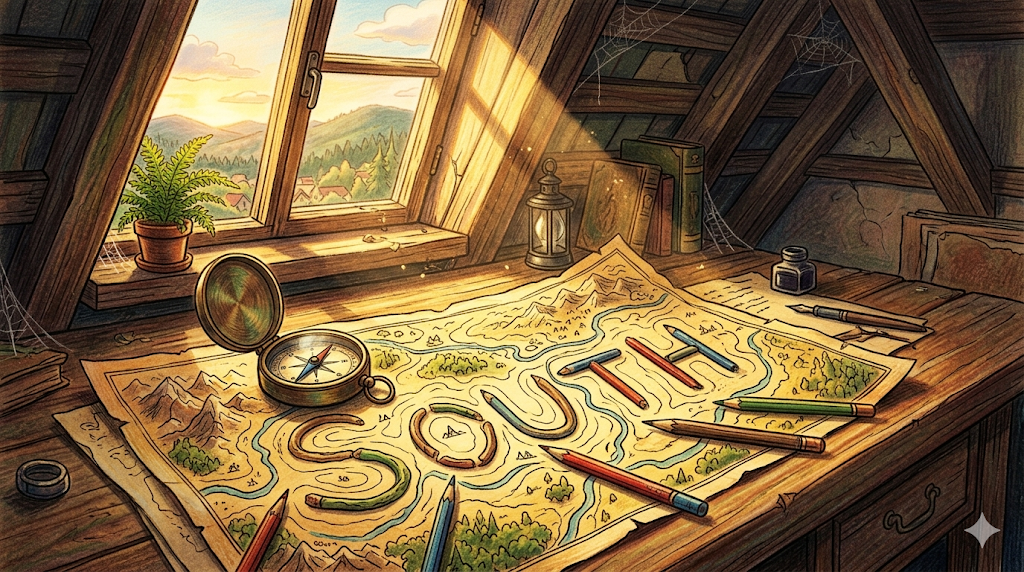
south [saʊθ]
(명사/형용사/부사) 남쪽, 남부 / 남쪽의 / 남쪽으로
(팀장이 프로젝트를 떠난 이후로 모든 것이 잘못되기 시작했다.)
단순히 "남쪽"으로만 외우면 수능에서 반드시 틀립니다. south는 "해가 뜨는 동쪽을 바라볼 때 오른쪽 방향" 이라는 핵심 이미지에서 출발해, 방향 안내에서 지역명·기후·정치·비유적 표현까지 폭넓게 쓰이는 핵심 다의어입니다. 특히 south(남쪽) vs. southern(남쪽의) vs. southward(남쪽으로) 의 뉘앙스 차이, go south(잘못되다), the Deep South(미국 남부 깊은 지역) 패턴은 수능 독해 사회·지리·역사·일상 지문에서 핵심적으로 등장합니다.
'south'는 고대 영어 sūþ(남쪽)에서 유래했습니다. 원래 "해가 가장 높이 뜨는 방향, 태양이 정오에 위치하는 방향" 을 뜻했습니다. south의 핵심 이미지는 "지구상에서 북극 반대 방향, 따뜻한 기후와 태양이 있는 방향" 으로, 이 이미지에서 지리적 방향·온기·문화적 특성·비유적 표현이 모두 확장되었습니다.
1. go south [ɡəʊ saʊθ]
(일상/사회/수능) "잘못되다, 나쁜 방향으로 가다"를 뜻합니다. 계획이나 상황이 예상과 달리 나쁘게 변하는 것을 강조합니다. 수능 독해 일상·사회·심리 지문의 핵심 표현입니다.
Everything seemed fine at first, but the plan started to go south when nobody showed up on time. (처음에는 모든 것이 괜찮아 보였지만 아무도 제때 나타나지 않자 계획이 잘못되기 시작했다.)
2. south of [saʊθ əv]
(지리/사회/수능) "~의 남쪽에, ~보다 남쪽에"를 뜻합니다. 어떤 장소나 기준점보다 남쪽에 위치하는 것을 강조합니다. 수능 독해 지리·사회·역사 지문에서 자주 등장합니다.
The new school was built just south of the river, making it easy for students from both sides to reach. (새 학교는 강 남쪽에 지어져서 양쪽의 학생들이 도달하기 쉬웠다.)
3. head south [hed saʊθ]
(일상/지리/수능) "남쪽으로 향하다, 남쪽으로 이동하다"를 뜻합니다. 실제로 남쪽 방향으로 이동하거나 비유적으로 상황이 나빠지는 것을 강조합니다. 수능 독해 일상·지리 지문에서 자주 등장합니다.
Every winter the birds head south to find warmer weather and more food in the southern regions. (매겨울 새들은 따뜻한 날씨와 더 많은 음식을 찾기 위해 남쪽으로 향한다.)
4. the Deep South [ðə diːp saʊθ]
(역사/사회/수능) "미국 남부 깊은 지역, 딥 사우스"를 뜻합니다. 미국의 역사·문화·사회적 맥락에서 중요한 남부 지역들을 강조합니다. 수능 독해 역사·사회·문화 지문의 핵심 표현입니다.
Many important events in American civil rights history took place in the Deep South during the 1960s. (미국 민권 역사의 많은 중요한 사건들이 1960년대에 딥 사우스에서 일어났다.)
5. south wind [saʊθ wɪnd]
(과학/일상/수능) "남풍, 남쪽에서 불어오는 바람"을 뜻합니다. 남쪽 방향에서 불어오는 바람을 강조합니다. 수능 독해 과학·일상·자연 지문에서 자주 등장합니다.
A warm south wind began to blow in the afternoon, melting the last bits of snow in the garden. (따뜻한 남풍이 오후에 불기 시작하면서 정원의 남은 눈을 녹였다.)
6. face south [feɪs saʊθ]
(일상/과학/수능) "남쪽을 향하다, 남향이다"를 뜻합니다. 건물이나 사람이 남쪽 방향을 바라보고 있는 것을 강조합니다. 수능 독해 일상·과학·사회 지문에서 자주 등장합니다.
Houses that face south receive more sunlight during the day, which helps keep them warmer in winter. (남향 집들은 낮 동안 햇빛을 더 많이 받아서 겨울에 더 따뜻하게 유지하는 데 도움이 된다.)
7. south side [saʊθ saɪd]
(사회/지리/수능) "남쪽 편, 남쪽 지역"을 뜻합니다. 도시, 건물, 지역의 남쪽에 위치한 부분을 강조합니다. 수능 독해 사회·지리·일상 지문에서 자주 등장합니다.
The café is on the south side of the market square, right next to the big clock tower. (카페는 시장 광장의 남쪽 편에 있으며 큰 시계탑 바로 옆에 있다.)
8. southward [ˈsaʊθwərd]
(지리/과학/수능) "남쪽으로, 남쪽 방향으로"를 뜻합니다. 남쪽 방향으로의 움직임이나 위치를 강조합니다. 수능 독해 지리·과학·역사 지문에서 자주 등장합니다.
The expedition team moved southward for three days before reaching the frozen lake they had been looking for. (탐험대는 찾던 얼어붙은 호수에 도달하기 전에 3일 동안 남쪽으로 이동했다.)
9. south pole [saʊθ pəʊl]
(과학/지리/수능) "남극, 지구의 남쪽 끝"을 뜻합니다. 지구의 가장 남쪽 끝 지점을 강조합니다. 수능 독해 과학·지리·역사 지문의 핵심 표현입니다.
Reaching the south pole for the first time was one of the greatest achievements in the history of human exploration. (남극에 처음 도달하는 것은 인류 탐험 역사에서 가장 위대한 업적 중 하나였다.)
10. due south [djuː saʊθ]
(지리/과학/수능) "정남쪽으로, 바로 남쪽으로"를 뜻합니다. 약간의 오차도 없이 정확히 남쪽 방향인 것을 강조합니다. 수능 독해 지리·과학·역사 지문에서 자주 등장합니다.
The compass showed they needed to walk due south for about two miles to reach the nearest village. (나침반은 그들이 가장 가까운 마을에 도달하려면 약 2마일을 정남쪽으로 걸어야 한다고 보여줬다.)

POINT 1. south vs. southern vs. southward — 수능 최빈출 뉘앙스 구별
세 단어 모두 "남쪽"과 관련되지만 품사와 뉘앙스가 다릅니다.
south → 명사/형용사/부사로 쓰이며 방향 자체를 가리킴 (방향 자체·기본 표현 강조) southern → 형용사로만 쓰이며 지역이나 위치의 특성을 묘사함 (지역적 특성·문화·성질 강조) southward → 주로 부사·형용사로 쓰이며 남쪽으로의 움직임이나 방향을 나타냄 (움직임·방향성 강조) 예) Turn to the south. (남쪽으로 돌아라.) — 방향 자체 The southern coast is beautiful. (남쪽 해안은 아름답다.) — 지역적 특성 The birds flew southward. (새들이 남쪽으로 날아갔다.) — 움직임
POINT 2. go south / head south / due south — 수능 지리·일상 지문 핵심
세 표현 모두 south의 "남쪽" 이미지를 공유하지만 맥락이 다릅니다.
go south → 실제로 남쪽으로 가거나 비유적으로 상황이 나빠지는 것 (방향·악화 강조) head south → 남쪽 방향으로 의도적으로 이동을 시작하는 것 (의도적 이동 강조) due south → 편차 없이 정확하게 남쪽 방향인 것 (정확성·방향 정밀성 강조) 이 세 표현이 등장하면 글쓴이가 방향·이동·상황 변화를 논하고 있다는 신호입니다.
POINT 3. south 어근 확장 — 수능 어휘 확장 필수
south에서 파생된 단어들이 수능에서 자주 출제됩니다.
south [saʊθ] → 남쪽 southern [ˈsʌðərn] → 남쪽의, 남부의 southward [ˈsaʊθwərd] → 남쪽으로 southeast [ˌsaʊθˈiːst] → 남동쪽 southwest [ˌsaʊθˈwest] → 남서쪽 이 단어들은 모두 "태양이 높이 뜨는 따뜻한 방향"의 공통 이미지를 가지고 있습니다.
(명사) ① 남쪽, 남부
south의 가장 기본적인 의미로, 나침반에서 북쪽의 반대 방향을 나타냅니다.
- The hikers walked towards the south all morning until they reached a wide green valley full of wild flowers. (등산객들은 야생화로 가득한 넓고 푸른 계곡에 도달할 때까지 오전 내내 남쪽을 향해 걸었다.)
- She grew up in the south of the country where the weather was warm and the summers lasted much longer than in the north. (그녀는 날씨가 따뜻하고 여름이 북쪽보다 훨씬 길게 지속되는 나라 남부에서 자랐다.)
- The train to the south leaves every hour from platform three and takes about forty minutes to reach the coast. (남쪽행 기차는 3번 플랫폼에서 매시간 출발하며 해안에 도착하는 데 약 40분이 걸린다.)
(형용사) ② 남쪽의, 남향의
어떤 것이 남쪽 방향에 위치하거나 남쪽을 향하고 있는 것을 나타냅니다. 수능 독해 지리·사회 지문에서 자주 등장합니다.
- The south entrance of the museum is usually less crowded than the main entrance at the front of the building. (박물관의 남쪽 입구는 보통 건물 앞의 정문보다 덜 붐빈다.)
- They decided to plant the roses along the south wall of the garden where they would get the most sunlight. (그들은 정원의 남쪽 벽을 따라 햇빛을 가장 많이 받는 곳에 장미를 심기로 했다.)
- A cold front moved in from the north and pushed the warm south air towards the coast, causing heavy rain. (냉전선이 북쪽에서 이동해 와서 따뜻한 남쪽 공기를 해안 쪽으로 밀어 폭우를 일으켰다.)
(부사) ③ 남쪽으로
이동의 방향이 남쪽임을 나타냅니다.
- After the storm passed, the sailing boat turned south and caught a strong wind that pushed it quickly towards the harbour. (폭풍이 지나간 후 범선은 남쪽으로 방향을 틀어 항구 쪽으로 빠르게 밀어주는 강한 바람을 잡았다.)
- They drove south for three hours before stopping at a small town to rest and have something to eat. (그들은 쉬고 무언가를 먹기 위해 작은 마을에 멈추기 전에 3시간 동안 남쪽으로 운전했다.)
- Millions of animals migrate south each year as the weather cools, following routes that their ancestors used for thousands of years. (날씨가 서늘해짐에 따라 수백만 마리의 동물들이 수천 년 동안 조상들이 사용했던 경로를 따라 매년 남쪽으로 이동한다.)

뉘앙스·의미 연결 흐름 표
핵심 이미지 연결 흐름 뉘앙스 요약
| 태양이 높이 뜨는 따뜻한 방향 | 지리적 방향 → 지역·문화 → 비유적 표현 | 북극 반대이며 따뜻함과 연결된 방향 이미지 |
| 이동과 방향성 | head south → go south → southward | 의도적 이동→방향 이동→악화의 이미지 |
| 위치와 경계 | south of → south side → due south | 경계선→지역 구분→정확한 방향의 이미지 |
어원 흐름 표
단어 구성 요소 의미 연결 흐름 뉘앙스 요약
| 고대 영어 sūþ (남쪽) | 태양이 정오에 위치하는 방향 → 따뜻함 → 남쪽 지역 | 태양이 가장 높이 뜨는 따뜻한 방향의 핵심 이미지 |
| south (명사→형용사→부사→복합어) | 남쪽 → 남쪽의 → 남쪽으로 → 남극·남동 등 | 방향의 이미지에서 다양한 맥락으로 완성 |
품사별 의미 표
품사 의미 예문
| 명사 | 남쪽, 남부 | The south is warmer. (남쪽이 더 따뜻하다.) |
| 형용사 | 남쪽의, 남향의 | the south wall (남쪽 벽) |
| 부사 | 남쪽으로 | Walk south. (남쪽으로 걸어라.) |
| 비유 (go south) | 잘못되다 | Things went south. (일이 잘못됐다.) |
활용 예문 리스트
- She could not believe how quickly things had gone south — in the morning everything was perfect and by evening nothing was working at all. (그녀는 일들이 얼마나 빨리 잘못됐는지 믿을 수 없었다 — 아침에는 모든 것이 완벽했는데 저녁이 되자 아무것도 작동하지 않았다.)
- The study group found a quiet corner on the south side of the library where they could see the garden through the large windows. (공부 그룹은 큰 창문을 통해 정원을 볼 수 있는 도서관의 남쪽 편에서 조용한 구석을 찾았다.)
- Scientists travel to the south pole every year to study the ice and learn more about how the world's climate is changing. (과학자들은 얼음을 연구하고 세계의 기후가 어떻게 변화하고 있는지 더 많이 배우기 위해 매년 남극으로 여행한다.)
- The navigator checked the compass and confirmed that they were heading due south, which was exactly where they needed to go. (항법사는 나침반을 확인하고 그들이 가야 하는 정확한 방향인 정남쪽으로 향하고 있음을 확인했다.)
- Historians continue to study the Deep South to better understand how its complex past shaped the culture and society of the whole country. (역사학자들은 복잡한 과거가 어떻게 나라 전체의 문화와 사회를 형성했는지 더 잘 이해하기 위해 딥 사우스를 계속 연구한다.)
전체 뉘앙스 설명
south는 '태양이 가장 높이 뜨는 따뜻한 방향을 가리키는 것에서 출발하는 모든 방향·지역·기후·문화·비유의 언어'입니다.
north와의 차이: north는 한랭하고 극지방을 향하는 방향을 강조하고, south는 따뜻하고 태양이 높이 뜨는 방향을 강조합니다. east/west와의 차이: east는 태양이 뜨는 방향, west는 태양이 지는 방향을 강조하고, south는 태양이 가장 높이 위치하는 정오의 방향을 강조합니다. southern과의 차이: southern은 형용사로 지역의 특성이나 성질을 나타내고, south는 더 넓게 방향·위치·이동을 나타냅니다.
마지막 핵심 정리
south는 단순히 "남쪽"이 아닙니다 — 고대 영어 sūþ(남쪽)에서 출발해, 잘못되다(go south)·~의 남쪽에(south of)·남쪽으로 향하다(head south)·미국 남부 깊은 지역(the Deep South)·남풍(south wind)·남쪽을 향하다(face south)·남쪽 편(south side)·남쪽으로(southward)·남극(south pole)·정남쪽으로(due south)까지 확장되는 단어이며, south vs. southern vs. southward의 뉘앙스 구별·go south·the Deep South·due south 패턴이 수능 핵심 출제 포인트입니다.
파생어 표 (발음기호 포함)
파생어 발음기호 품사 의미
| southern | [ˈsʌðərn] | 형용사 | 남쪽의, 남부의 |
| southward | [ˈsaʊθwərd] | 부사/형용사 | 남쪽으로, 남쪽 방향의 |
| southeast | [ˌsaʊθˈiːst] | 명사/형용사 | 남동쪽, 남동쪽의 |
| southwest | [ˌsaʊθˈwest] | 명사/형용사 | 남서쪽, 남서쪽의 |
| southerner | [ˈsʌðənər] | 명사 | 남부 사람, 남쪽 출신 |
유의어 비교표
단어 공통점 뉘앙스 차이 예문
| south | 방향·위치 관련 | 방향 자체·명사·부사·형용사 모두 가능 강조 | Walk to the south. |
| southern | 방향·위치 관련 | 지역의 성질이나 특성을 나타내는 형용사 강조 | The southern coast is warm. |
| southward | 방향·이동 관련 | 남쪽으로의 움직임이나 방향성 강조 | Move southward. |
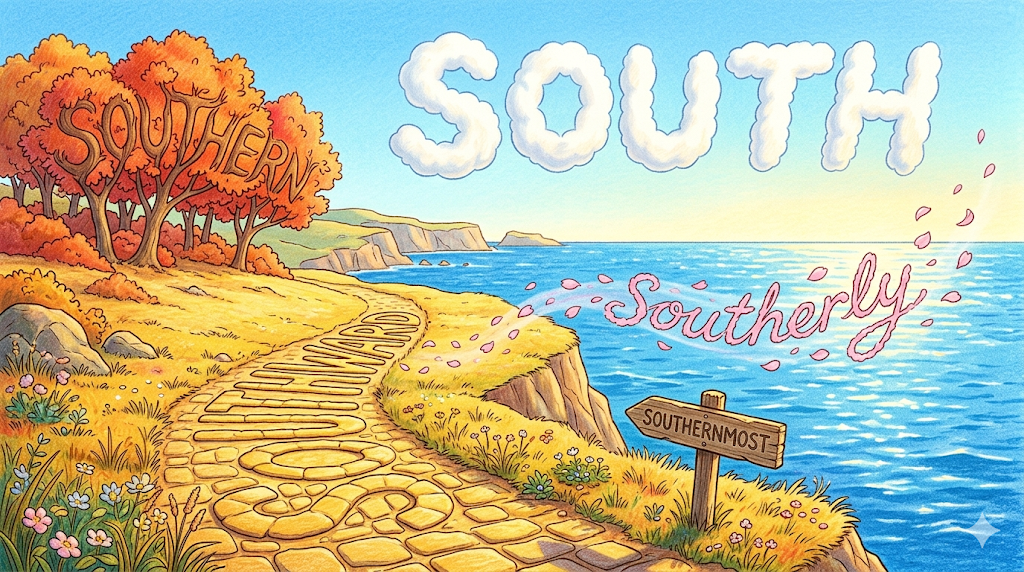
| southerly | 방향·바람 관련 | 특히 바람이나 이동이 남쪽에서 오거나 남쪽으로 향하는 것 강조 | A southerly wind blew. |
| southernmost | 방향·극한 관련 | 가장 남쪽에 위치한 것 강조 | The southernmost point. |
유의어 예문 리스트
- (southern) The southern part of the island is known for its sandy beaches and warm sea that attracts visitors every summer. (섬의 남쪽 부분은 매여름 방문객을 끌어들이는 모래 해변과 따뜻한 바다로 유명하다.)
- (southward) The explorers continued moving southward for several days until they finally reached the edge of the frozen continent. (탐험가들은 마침내 얼어붙은 대륙의 끝에 도달할 때까지 며칠 동안 계속 남쪽으로 이동했다.)
- (southerly) A gentle southerly breeze made the hot afternoon feel much more pleasant and comfortable for everyone at the outdoor market. (부드러운 남쪽에서 부는 바람이 더운 오후를 야외 시장의 모든 사람에게 훨씬 더 쾌적하고 편안하게 만들었다.)
- (southernmost) The southernmost town on the island was a tiny fishing village with only about two hundred people living there year round. (섬에서 가장 남쪽에 있는 마을은 연중 약 200명만 살고 있는 작은 어촌이었다.)
결론 정리
south는 단순히 "남쪽"이 아니라, 태양이 가장 높이 뜨는 따뜻한 방향을 가리키는 이미지에서 출발해 잘못되다·~의 남쪽에·남쪽으로 향하다·미국 남부 깊은 지역·남풍·남쪽을 향하다·남쪽 편·남쪽으로·남극·정남쪽으로까지 확장되는 단어다 — south가 있는 곳엔 언제나 '태양이 높이 뜨는 따뜻하고 밝은 방향을 가리키거나, 그 방향으로 나아가려는' 방향과 이동의 이미지가 있다.
💡 south는 "태양이 가장 높이 뜨는 따뜻한 방향을 가리키는" 단어 — go south·the Deep South·due south 가 수능 최빈출.
🌟 초등학생 버전 south는 단순히 "남쪽"이 아니에요! go south는 운동회에서 잘 될 것 같았던 우리 팀 계획이 갑자기 잘못되기 시작한 것처럼 처음에는 괜찮아 보였던 것들이 예상과 달리 나쁜 방향으로 흘러가는 것이고, due south는 나침반을 들고 길을 찾을 때 "오른쪽도 왼쪽도 아닌 정확히 남쪽으로!" 처럼 조금의 오차도 없이 정확히 남쪽 방향을 가리키는 것이에요! 🌍✨

go south [ɡəʊ saʊθ]
품사/뉘앙스 설명 (동사구) 잘못되다, 나쁜 방향으로 가다
계획이나 상황이 예상과 달리 나쁘게 변하는 것을 강조합니다. 원래 좋은 방향으로 가고 있었는데 갑자기 나빠진다는 것이 핵심 뉘앙스입니다. 수능 독해 일상·사회·심리 지문의 핵심 표현입니다.
- The camping trip started well but began to go south when they realised they had forgotten to bring food and the nearest shop was very far away. (캠핑 여행은 잘 시작됐지만 음식을 가져오는 것을 잊었고 가장 가까운 가게가 매우 멀다는 것을 알게 됐을 때 잘못되기 시작했다.)
- Her presentation had been going perfectly until the computer screen went dark and everything started to go south in front of the whole class. (컴퓨터 화면이 꺼지기 전까지 그녀의 발표가 완벽하게 진행되고 있었는데 전체 학급 앞에서 모든 것이 잘못되기 시작했다.)
- He warned his team that if they did not prepare carefully, the project could easily go south at any point and damage the whole company's reputation. (그는 팀에게 신중하게 준비하지 않으면 프로젝트가 언제든지 쉽게 잘못될 수 있고 회사 전체의 평판을 손상시킬 수 있다고 경고했다.)
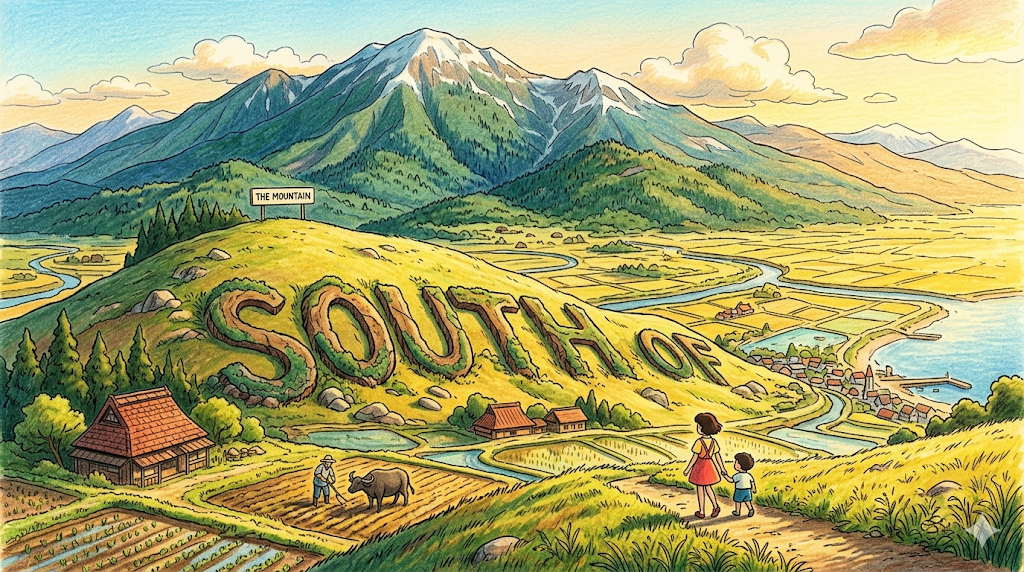
south of [saʊθ əv]
품사/뉘앙스 설명 (전치사구) ~의 남쪽에, ~보다 남쪽에
어떤 장소나 기준점보다 남쪽에 위치하는 것을 강조합니다. 특정 위치를 기준으로 방향과 거리를 나타내는 것이 핵심 뉘앙스입니다. 수능 독해 지리·사회·역사 지문에서 자주 등장합니다.
- The ancient city ruins were found south of the main road, hidden under several metres of soil that had built up over thousands of years. (고대 도시 유적은 수천 년에 걸쳐 쌓인 수 미터의 흙 아래 숨겨진 채 주 도로 남쪽에서 발견됐다.)
- The warmest beaches on the island are located south of the capital city, where the sun shines more directly and the sea stays warm for most of the year. (섬에서 가장 따뜻한 해변들은 수도 남쪽에 위치해 있으며 태양이 더 직접적으로 비치고 바다가 일년 내내 따뜻하게 유지된다.)
- Just south of the border there was a small village famous for its traditional food and handmade crafts that visitors had been coming to see for generations. (국경 바로 남쪽에 전통 음식과 손으로 만든 공예품으로 유명한 작은 마을이 있었으며 방문객들이 세대를 거쳐 보러 오고 있었다.)

head south [hed saʊθ]
품사/뉘앙스 설명 (동사구) 남쪽으로 향하다, 남쪽으로 이동하다
실제로 남쪽 방향으로 이동하거나 비유적으로 상황이 나빠지는 것을 강조합니다. 의도적으로 방향을 잡아 이동을 시작한다는 것이 핵심 뉘앙스입니다. 수능 독해 일상·지리 지문에서 자주 등장합니다.
- After spending two weeks in the mountains, the hikers decided to head south towards the coast where the weather would be milder and the scenery completely different. (산에서 2주를 보낸 후 등산객들은 날씨가 더 온화하고 풍경이 완전히 다른 해안을 향해 남쪽으로 향하기로 결심했다.)
- As the autumn leaves began to fall, millions of monarch butterflies started to head south on their long journey to their winter homes in Mexico. (가을 낙엽이 떨어지기 시작하자 수백만 마리의 제왕나비가 멕시코의 겨울 서식지로 긴 여행을 시작하며 남쪽으로 향하기 시작했다.)
- The ship headed south through the narrow channel, guided carefully by the pilot who knew every rock and current in those dangerous waters. (배는 그 위험한 물속의 모든 암초와 해류를 아는 항법사의 신중한 안내를 받아 좁은 수로를 통해 남쪽으로 향했다.)
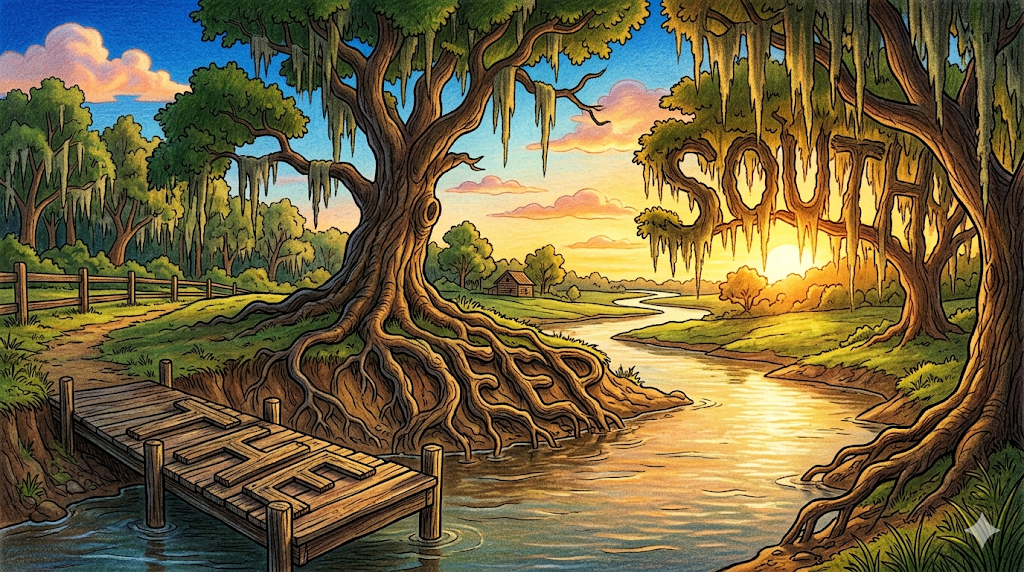
the Deep South [ðə diːp saʊθ]
품사/뉘앙스 설명 (명사구) 미국 남부 깊은 지역, 딥 사우스
미국의 역사·문화·사회적 맥락에서 중요한 남부 지역들을 강조합니다. 단순한 지리적 위치가 아니라 역사적·문화적 의미가 담긴 표현이라는 것이 핵심 뉘앙스입니다. 수능 독해 역사·사회·문화 지문의 핵심 표현입니다.
- Writers from the Deep South often used their stories to explore the complex relationships between different communities and the painful history of the region. (딥 사우스 출신 작가들은 종종 이야기를 사용해 서로 다른 지역 사회 사이의 복잡한 관계와 지역의 고통스러운 역사를 탐구했다.)
- The music that came out of the Deep South in the early twentieth century influenced almost every style of popular music that came after it around the world. (20세기 초 딥 사우스에서 나온 음악은 이후 전 세계에서 나온 거의 모든 대중 음악 스타일에 영향을 미쳤다.)
- Travelling through the Deep South gave her a much deeper understanding of how history shapes the lives and cultures of the people living there today. (딥 사우스를 여행하는 것은 역사가 어떻게 오늘날 그곳에 사는 사람들의 삶과 문화를 형성하는지에 대한 훨씬 더 깊은 이해를 그녀에게 줬다.)

south wind [saʊθ wɪnd]
품사/뉘앙스 설명 (명사구) 남풍, 남쪽에서 불어오는 바람
남쪽 방향에서 불어오는 바람을 강조합니다. 일반적으로 따뜻하고 온화한 바람이라는 것이 핵심 뉘앙스입니다. 수능 독해 과학·일상·자연 지문에서 자주 등장합니다.
- The south wind brought with it the smell of salt and the sea, reminding everyone in the town that the coast was not far away. (남풍은 소금과 바다 냄새를 함께 가져와서 마을의 모든 사람에게 해안이 멀지 않다는 것을 상기시켜줬다.)
- Farmers in the region welcomed the south wind in spring because it warmed the soil and helped their seeds start growing much earlier in the season. (지역 농부들은 봄에 남풍을 반겼는데 그것이 토양을 따뜻하게 하고 씨앗이 시즌 훨씬 일찍 자라기 시작하도록 도왔기 때문이었다.)
- The ancient sailors knew that a south wind was a good sign for their journey north because it would push their ships forward with great speed. (고대 선원들은 남풍이 북쪽으로의 여행에 좋은 신호라는 것을 알았는데 그것이 배를 엄청난 속도로 앞으로 밀어줄 것이기 때문이었다.)

face south [feɪs saʊθ]
품사/뉘앙스 설명 (동사구) 남쪽을 향하다, 남향이다
건물이나 사람이 남쪽 방향을 바라보고 있는 것을 강조합니다. 특히 건물의 방향이 햇빛과 온도에 중요한 영향을 미친다는 것이 핵심 뉘앙스입니다. 수능 독해 일상·과학·사회 지문에서 자주 등장합니다.
- The architect designed the main windows to face south so that the rooms inside would be bright and warm throughout most of the year. (건축가는 실내 방들이 연중 대부분 밝고 따뜻하도록 주요 창문이 남쪽을 향하도록 설계했다.)
- She chose to face south when she stood in the garden at midday so she could feel the full warmth of the winter sun on her face. (그녀는 얼굴에 겨울 햇볕의 온기를 충분히 느낄 수 있도록 정오에 정원에 서서 남쪽을 향하기로 했다.)
- Solar panels work best when they face south because they receive the maximum amount of sunlight throughout the day in the northern hemisphere. (북반구에서 태양광 패널은 하루 동안 최대한 많은 햇빛을 받기 때문에 남쪽을 향할 때 가장 잘 작동한다.)
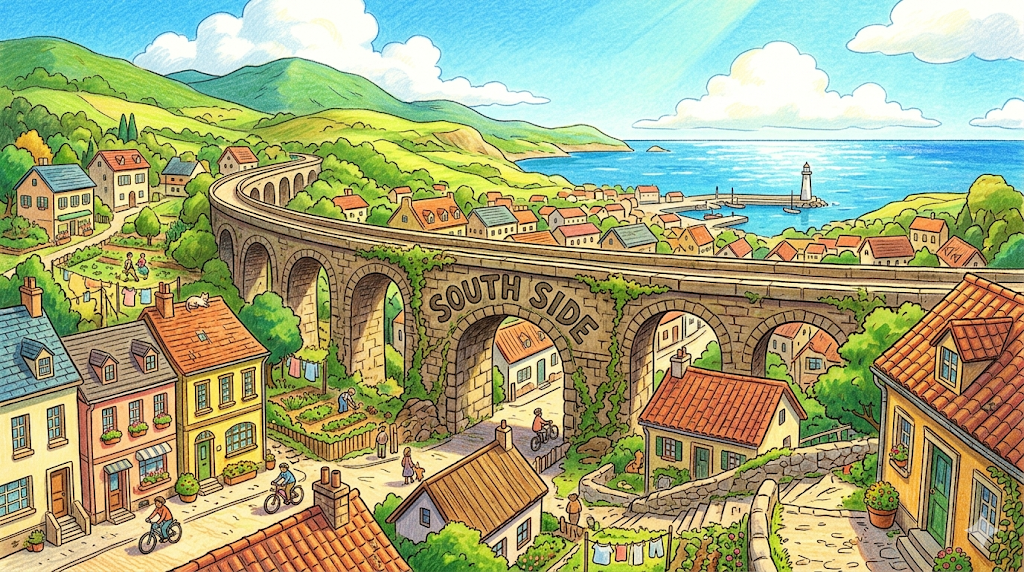
south side [saʊθ saɪd]
품사/뉘앙스 설명 (명사구) 남쪽 편, 남쪽 지역
도시, 건물, 지역의 남쪽에 위치한 부분을 강조합니다. 도시나 건물의 특정 구역을 구분하는 중요한 표현이라는 것이 핵심 뉘앙스입니다. 수능 독해 사회·지리·일상 지문에서 자주 등장합니다.
- The south side of the mountain receives more direct sunlight, which is why all the ski slopes and holiday homes are built on that side. (산의 남쪽 편은 더 직접적인 햇빛을 받기 때문에 모든 스키 슬로프와 별장이 그쪽에 지어져 있다.)
- She lived on the south side of the city where the streets were quieter and the parks were much larger than in the busy northern districts. (그녀는 거리가 더 조용하고 공원이 바쁜 북부 지역보다 훨씬 큰 도시 남쪽 지역에 살았다.)
- The new shopping centre is being built on the south side of the train station, which will make it easy for thousands of commuters to visit after work. (새 쇼핑센터는 기차역 남쪽 편에 지어지고 있어서 수천 명의 통근자들이 퇴근 후 방문하기 쉬울 것이다.)

southward [ˈsaʊθwərd]
품사/뉘앙스 설명 (부사/형용사) 남쪽으로, 남쪽 방향으로
남쪽 방향으로의 움직임이나 위치를 강조합니다. 지속적이고 방향성이 명확한 이동을 나타내는 것이 핵심 뉘앙스입니다. 수능 독해 지리·과학·역사 지문에서 자주 등장합니다.
- The Arctic ice sheet has been shrinking southward over the past decades as global temperatures continue to rise each year. (전 세계 기온이 매년 계속 상승함에 따라 북극 빙상은 지난 수십 년 동안 남쪽으로 줄어들고 있다.)
- The army marched southward through the night, hoping to reach the river before sunrise and cross before the enemy could stop them. (군대는 일출 전에 강에 도달해서 적이 막기 전에 건너기를 바라며 밤새 남쪽으로 행군했다.)
- The river flows southward through five different countries before finally reaching the sea, carrying water from mountain snows all the way to the coast. (강은 결국 바다에 도달하기 전에 다섯 개의 다른 나라를 통해 남쪽으로 흐르며 산의 눈에서 내려온 물을 해안까지 운반한다.)

south pole [saʊθ pəʊl]
품사/뉘앙스 설명 (명사구) 남극, 지구의 남쪽 끝
지구의 가장 남쪽 끝 지점을 강조합니다. 극한의 환경과 인류 탐험의 역사를 담고 있다는 것이 핵심 뉘앙스입니다. 수능 독해 과학·지리·역사 지문의 핵심 표현입니다.
- The temperature at the south pole can drop to minus sixty degrees in winter, making it one of the coldest and harshest places on the entire planet. (남극의 겨울 기온은 영하 60도까지 떨어질 수 있어서 지구 전체에서 가장 춥고 혹독한 장소 중 하나이다.)
- The team of scientists spent six months at the south pole collecting data about the ice layers that held information about Earth's climate going back hundreds of thousands of years. (과학자 팀은 수십만 년 전으로 거슬러 올라가는 지구 기후에 대한 정보를 담고 있는 얼음 층에 대한 데이터를 수집하기 위해 남극에서 6개월을 보냈다.)
- Unlike the south pole, which sits on a continent covered in ice, the north pole is located in the middle of an ocean that is frozen on the surface. (얼음으로 덮인 대륙 위에 위치한 남극과 달리 북극은 표면이 얼어있는 바다 한가운데에 위치한다.)
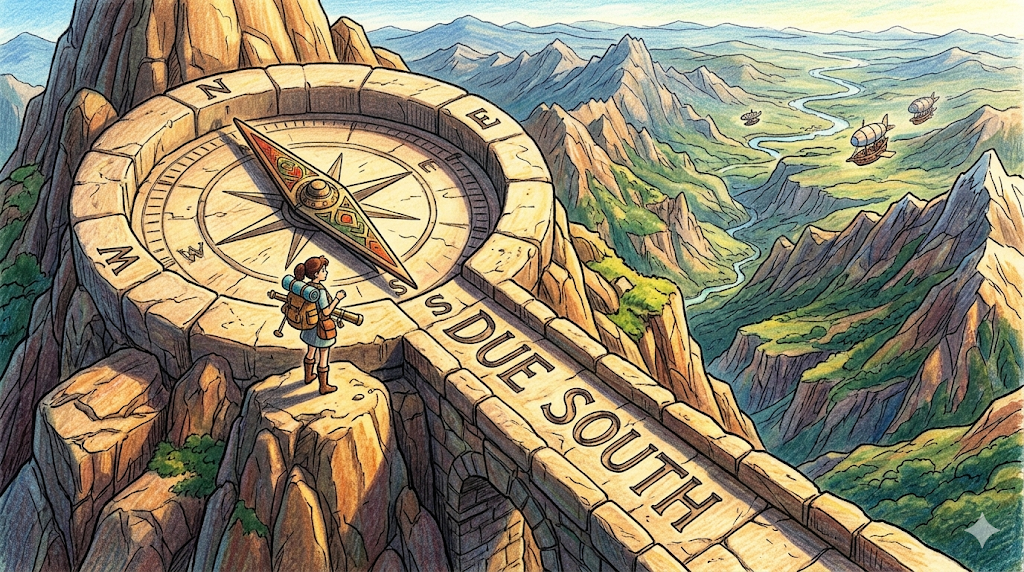
due south [djuː saʊθ]
품사/뉘앙스 설명 (부사구) 정남쪽으로, 바로 남쪽으로
약간의 오차도 없이 정확히 남쪽 방향인 것을 강조합니다. 방향의 정밀성과 정확성이 핵심 뉘앙스입니다. 수능 독해 지리·과학·역사 지문에서 자주 등장합니다.
- Standing at the very top of the hill, she could look due south and see the distant outline of the mountains where she had grown up as a child. (언덕 꼭대기에 서서 그녀는 정남쪽을 바라보며 어린 시절 자랐던 산의 먼 윤곽을 볼 수 있었다.)
- The sailor adjusted the wheel until the compass needle pointed due south, then locked it in place and let the strong wind carry the boat forward. (선원은 나침반 바늘이 정남쪽을 가리킬 때까지 핸들을 조정한 다음 그것을 고정하고 강한 바람이 배를 앞으로 밀도록 놔뒀다.)
- From the lighthouse, the rescue boat travelled due south for about thirty minutes before spotting the small fishing vessel that had sent out the distress signal. (등대에서 구조선은 조난 신호를 보낸 작은 어선을 발견하기 전에 약 30분 동안 정남쪽으로 이동했다.)
숙어 그룹 묶음 1 — 방향과 이동 south 핵심 패턴
표현 의미 핵심 뉘앙스 주요 맥락
| head south | 남쪽으로 향하다 | 의도적으로 남쪽 방향으로 이동을 시작하는 것 | 일상·지리 |
| southward | 남쪽으로 | 지속적이고 방향성이 명확한 남쪽 이동 | 지리·과학·역사 |
| due south | 정남쪽으로 | 오차 없이 정확하게 남쪽 방향인 것 | 지리·과학·역사 |
이 세 표현은 모두 south의 "남쪽으로의 이동" 이미지를 공유하되, 각각 의도적으로 방향을 잡아 이동을 시작하는 것(head south)·지속적인 이동의 방향(southward)·정확한 방향의 정밀성(due south)의 관점에서 접근합니다.
- The captain told the crew to head south, then adjusted the compass until it pointed due south, and the ship moved southward through the calm evening sea for the next twelve hours without stopping. (선장은 선원들에게 남쪽으로 향하라고 말한 다음 나침반이 정남쪽을 가리킬 때까지 조정했고 배는 다음 12시간 동안 멈추지 않고 잔잔한 저녁 바다를 통해 남쪽으로 이동했다.)
- As the geese decided to head south for winter, their leader checked that they were flying due south before settling into formation, and the whole flock moved southward in a perfect V shape across the grey autumn sky. (기러기들이 겨울을 위해 남쪽으로 향하기로 결심하자 리더는 대형을 잡기 전에 그들이 정남쪽으로 날고 있는지 확인했고 전체 무리가 회색 가을 하늘을 가로질러 완벽한 V자 대형으로 남쪽으로 이동했다.)
- The young explorer planned to head south from the base camp, keep heading southward for three days, and use a compass to confirm she was walking due south each morning before setting off. (젊은 탐험가는 기지 캠프에서 남쪽으로 향하고, 3일 동안 남쪽으로 계속 이동하며, 매일 아침 출발하기 전에 나침반을 사용해 정남쪽으로 걷고 있음을 확인할 계획이었다.)
숙어 그룹 묶음 2 — 위치와 지역 south 심화 패턴
표현 의미 핵심 뉘앙스 주요 맥락
| south of | ~의 남쪽에 | 특정 기준점보다 남쪽에 위치하는 것 | 지리·사회·역사 |
| south side | 남쪽 편, 남쪽 지역 | 장소나 건물의 남쪽에 위치한 부분 | 사회·지리·일상 |
| face south | 남쪽을 향하다 | 건물이나 사람이 남쪽 방향을 바라보는 것 | 일상·과학·사회 |
이 세 표현은 모두 south의 "남쪽에 위치하거나 남쪽을 향하는" 이미지를 공유하되, 각각 기준점 대비 남쪽 위치(south of)·특정 구역의 남쪽 부분(south side)·방향성을 가진 남향(face south)의 관점에서 접근합니다.
- The community garden, located on the south side of the park just south of the library, was designed so that every bed would face south and receive the maximum amount of direct sunlight each day. (도서관 남쪽의 공원 남쪽 편에 위치한 지역 정원은 모든 화단이 남쪽을 향하고 매일 최대한 많은 직접 햇빛을 받도록 설계됐다.)
- The new apartment block sits on the south side of the development, south of the older buildings, and because all the main rooms face south, tenants enjoy bright natural light for most of the day. (새 아파트 단지는 개발 지역의 남쪽 편, 오래된 건물들 남쪽에 위치해 있으며 모든 주요 방이 남쪽을 향하기 때문에 세입자들은 하루 대부분 밝은 자연광을 즐긴다.)
- The architect explained that placing the solar panels on the south side of the roof, south of the chimney so nothing blocked the light, and making sure they all faced south, would guarantee the building could produce enough energy to cover all its electricity costs. (건축가는 지붕의 남쪽 편, 빛을 막는 것이 없도록 굴뚝 남쪽에 태양광 패널을 배치하고 모두 남쪽을 향하도록 하면 건물이 모든 전기 비용을 충당할 만큼 충분한 에너지를 생산할 수 있음을 보장한다고 설명했다.)
숙어 그룹 묶음 3 — 자연과 극지 south 심화 패턴
표현 의미 핵심 뉘앙스 주요 맥락
| south wind | 남풍 | 남쪽에서 불어오는 따뜻한 바람 | 과학·일상·자연 |
| south pole | 남극 | 지구의 가장 남쪽 끝 지점 | 과학·지리·역사 |
| southward | 남쪽으로 | 지속적이고 방향성이 명확한 남쪽 이동 | 지리·과학·역사 |
이 세 표현은 모두 south의 "자연과 과학에서의 남쪽" 이미지를 공유하되, 각각 남쪽에서 오는 바람(south wind)·지구의 극남단(south pole)·남쪽으로의 이동(southward)의 관점에서 접근합니다.
- As a warm south wind began blowing southward from the warmer regions, scientists at the south pole noticed that the temperature had risen slightly — a small but worrying sign of global climate change. (따뜻한 남풍이 더 따뜻한 지역에서 남쪽으로 불기 시작하자 남극의 과학자들은 기온이 약간 상승했다는 것을 알아챘다 — 지구 기후 변화의 작지만 걱정스러운 신호였다.)
- The documentary showed how penguins use the south wind to help them move southward along the ice, and how the harsh conditions at the south pole have shaped every aspect of their biology over millions of years. (다큐멘터리는 펭귄들이 남풍을 사용해 얼음을 따라 남쪽으로 이동하는 방법과 남극의 혹독한 조건이 수백만 년에 걸쳐 어떻게 그들의 생물학적 모든 측면을 형성했는지를 보여줬다.)
- When a south wind warms the air and pushes it southward towards the south pole, it can cause dramatic weather changes in Antarctica and affect ocean currents that influence climates thousands of kilometres away. (남풍이 공기를 따뜻하게 하고 남극 쪽으로 남쪽으로 밀면 남극에서 극적인 날씨 변화를 일으키고 수천 킬로미터 떨어진 기후에 영향을 미치는 해류에 영향을 줄 수 있다.)
숙어 그룹 묶음 4 — 문화와 비유 south 완성 패턴
표현 의미 핵심 뉘앙스 주요 맥락
| go south | 잘못되다 | 좋은 상황이 갑자기 나쁘게 변하는 것 | 일상·사회·심리 |
| the Deep South | 미국 딥 사우스 | 역사·문화적 의미가 담긴 미국 남부 지역 | 역사·사회·문화 |
| head south | 남쪽으로 향하다 | 의도적으로 남쪽 방향으로 이동을 시작하는 것 | 일상·지리 |
이 세 표현은 함께 south가 나타내는 방향·문화·비유의 스펙트럼을 보여줍니다. go south는 상황의 악화를, the Deep South는 역사적·문화적 지역 정체성을, head south는 실제 이동 방향을 각각 강조합니다.
- When the business trip to the Deep South began to go south due to bad weather, they had no choice but to head south to the nearest city where they could stay safely until conditions improved. (딥 사우스로의 출장이 악천후로 잘못되기 시작했을 때 그들은 상황이 나아질 때까지 안전하게 머물 수 있는 가장 가까운 도시로 남쪽으로 향할 수밖에 없었다.)
- The documentary about the Deep South showed how even the best-intentioned programmes could go south when they ignored the needs of local communities, and how many people had tried to head south to escape difficulties only to find more waiting for them there. (딥 사우스에 관한 다큐멘터리는 지역 사회의 필요를 무시했을 때 가장 선의의 프로그램조차 어떻게 잘못될 수 있는지, 그리고 얼마나 많은 사람들이 어려움을 피하기 위해 남쪽으로 향하려 했지만 그곳에서 더 많은 어려움이 기다리고 있는 것을 발견했는지를 보여줬다.)
- She had always dreamed of travelling through the Deep South to understand its culture better, but the trip started to go south when her car broke down — fortunately a local family helped her, and she decided to simply head south slowly by bus and enjoy the journey rather than rushing to her destination. (그녀는 항상 딥 사우스를 여행하며 문화를 더 잘 이해하는 꿈을 꿔왔지만 차가 고장 나면서 여행이 잘못되기 시작했다 — 다행히 지역 가족이 도와줬고 그녀는 목적지로 서두르기보다 버스로 천천히 남쪽으로 향하며 여행을 즐기기로 결심했다.)
전체 요약표
표현 의미 핵심 뉘앙스
| south | 남쪽, 남쪽의, 남쪽으로 | 태양이 높이 뜨는 따뜻한 방향의 이미지 |
| go south | 잘못되다 | 좋은 상황이 갑자기 나쁘게 변하는 것 |
| south of | ~의 남쪽에 | 특정 기준점보다 남쪽에 위치하는 것 |
| head south | 남쪽으로 향하다 | 의도적으로 남쪽 방향으로 이동을 시작하는 것 |
| the Deep South | 미국 딥 사우스 | 역사·문화적 의미가 담긴 미국 남부 지역 |
| south wind | 남풍 | 남쪽에서 불어오는 따뜻한 바람 |
| face south | 남쪽을 향하다 | 건물이나 사람이 남쪽 방향을 바라보는 것 |
| south side | 남쪽 편 | 장소나 건물의 남쪽에 위치한 부분 |
| southward | 남쪽으로 | 지속적이고 방향성이 명확한 남쪽 이동 |
| south pole | 남극 | 지구의 가장 남쪽 끝 지점 |
| due south | 정남쪽으로 | 오차 없이 정확하게 남쪽 방향인 것 |
유의어 비교표
단어 공통점 뉘앙스 차이 예문
| south | 방향·위치 관련 | 방향 자체·명사·부사·형용사 모두 가능 강조 | Walk to the south. |
| southern | 방향·위치 관련 | 지역의 성질이나 특성을 나타내는 형용사 강조 | The southern coast is warm. |
| southward | 방향·이동 관련 | 남쪽으로의 움직임이나 방향성 강조 | Move southward. |
| southerly | 방향·바람 관련 | 바람이나 이동이 남쪽에서 오거나 향하는 것 강조 | A southerly wind blew. |
| southernmost | 방향·극한 관련 | 가장 남쪽에 위치한 것 강조 | The southernmost point. |
결론 정리
south는 단순히 "남쪽"이 아니라, 태양이 가장 높이 뜨는 따뜻한 방향을 가리키는 이미지에서 출발해 잘못되다·~의 남쪽에·남쪽으로 향하다·미국 남부 깊은 지역·남풍·남쪽을 향하다·남쪽 편·남쪽으로·남극·정남쪽으로까지 확장되는 단어다 — south가 있는 곳엔 언제나 '태양이 높이 뜨는 따뜻하고 밝은 방향을 가리키거나, 그 방향으로 나아가려는' 방향과 이동의 이미지가 있다.
💡 south는 "태양이 가장 높이 뜨는 따뜻한 방향을 가리키는" 단어 — go south·the Deep South·due south 가 수능 최빈출.
🌟 초등학생 버전 south는 단순히 "남쪽"이 아니에요! go south는 운동회에서 잘 될 것 같았던 우리 팀 계획이 갑자기 잘못되기 시작한 것처럼 처음에는 괜찮아 보였던 것들이 예상과 달리 나쁜 방향으로 흘러가는 것이고, due south는 나침반을 들고 길을 찾을 때 "오른쪽도 왼쪽도 아닌 정확히 남쪽으로!" 처럼 조금의 오차도 없이 정확히 남쪽 방향을 가리키는 것이에요! 🌍✨


