- 분류 전체보기 (5536)

| 일 | 월 | 화 | 수 | 목 | 금 | 토 |
|---|---|---|---|---|---|---|
| 1 | 2 | |||||
| 3 | 4 | 5 | 6 | 7 | 8 | 9 |
| 10 | 11 | 12 | 13 | 14 | 15 | 16 |
| 17 | 18 | 19 | 20 | 21 | 22 | 23 |
| 24 | 25 | 26 | 27 | 28 | 29 | 30 |
| 31 |
- call off
- Actually
- Please
- I'm glad to hear that.
- I'm sorry
- pick up
- Yeah
- Sorry
- Right?
- well
- By The Way
- please?
- Excuse me
- Yes
- make it
- OKay
- please.
- once in a while
- Hey
- work out
- oh
- Don't worry
- entrance fee
- I'm not sure
- come up with
- Read between the lines
- no
- too.
- Sure
- hold on
- Today
- Total
인과함께
Day398 , son, son of, like father like son, prodigal son, son-in-law, favourite son, adopted son, only son, eldest son, son and heir 본문
Day398 , son, son of, like father like son, prodigal son, son-in-law, favourite son, adopted son, only son, eldest son, son and heir
미인생 2026. 5. 13. 04:48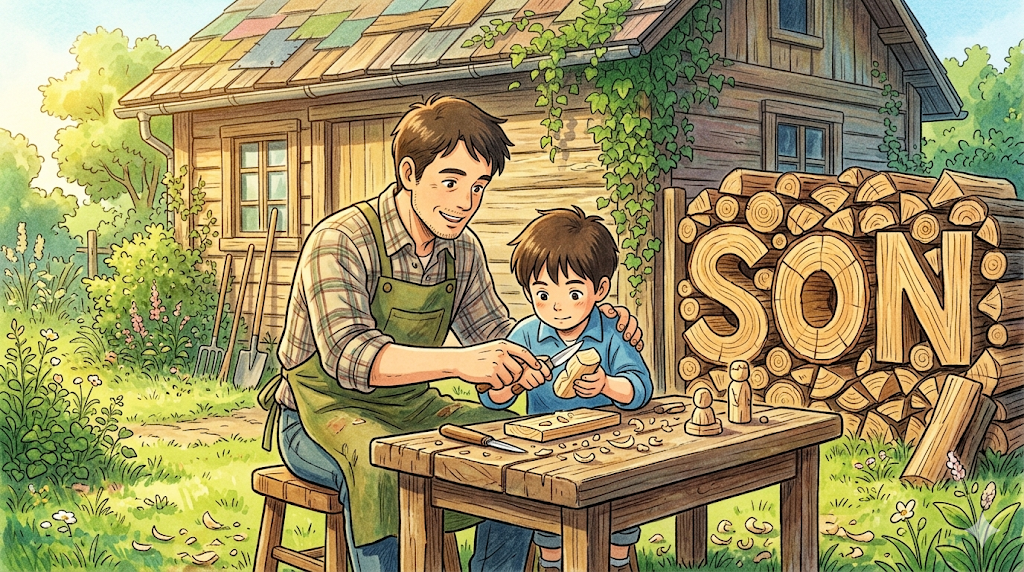
son [sʌn]
(명사) 아들, 남자 자녀
(왕의 아들이었던 그 주인공은 그전까지 한 번도 궁전을 떠나본 적이 없었다.)
단순히 "아들"로만 외우면 수능에서 반드시 틀립니다. son은 "부모와 자녀의 관계를 나타내는" 이라는 핵심 이미지에서 출발해, 실제 가족 관계·사회적 계승·탕자의 귀환·집착적 사랑·문화적 기대까지 폭넓게 쓰이는 핵심 명사입니다. 특히 like father like son(부전자전), prodigal son(탕자, 돌아온 방탕한 아들), favourite son(가장 사랑받는 아들, 지역 출신의 유명인) 패턴은 수능 독해 사회·심리·역사·논리 지문에서 핵심적으로 등장합니다.
'son'은 고대 영어 sunu(아들)에서 유래했으며, 인도유럽어 *suHnús(아들)와 연결됩니다. 어원의 핵심 이미지는 "부모로부터 태어난 남자 자녀" 로, 단순한 가족 관계를 넘어 계승·책임·기대·사랑·실망·귀환까지 확장되는 표현의 근원이 된 단어입니다.
1. son of [sʌn əv]
(일상/사회/수능) "~의 아들"을 뜻합니다. 어떤 사람이나 장소의 아들임을 나타내거나, 비유적으로 특정 환경이나 문화의 산물임을 강조합니다.
He was proud to be the son of a firefighter who had saved many lives in the city. (그는 도시에서 많은 생명을 구한 소방관의 아들임을 자랑스럽게 생각했다.)
2. like father like son [laɪk ˈfɑːðər laɪk sʌn]
(일상/사회/수능) "부전자전, 아버지와 아들은 닮는다"를 뜻합니다. 아들이 아버지의 성격이나 행동, 습관을 그대로 닮는 것을 강조합니다.
He always forgot where he put his keys, just like his father — like father like son, his mum always said. (그는 항상 아버지처럼 열쇠를 어디 뒀는지 잊었다 — 엄마는 항상 부전자전이라고 말했다.)
3. prodigal son [ˈprɒdɪɡəl sʌn]
(문학/사회/수능) "탕자, 방탕한 아들"을 뜻합니다. 가족을 떠나 잘못을 저지른 후 뉘우치고 돌아오는 사람을 강조하며, 수능 문학·사회 지문에서 자주 등장합니다.
He left home at eighteen to live his own way, but after ten difficult years he came back like a prodigal son, sorry and ready to start again. (그는 18살에 자신의 방식대로 살기 위해 집을 떠났지만 10년의 힘든 시간 후에 탕자처럼 돌아와서 미안하고 다시 시작할 준비가 되어 있었다.)
4. son-in-law [ˈsʌn ɪn lɔː]
(일상/사회/수능) "사위"를 뜻합니다. 딸의 남편을 가리키는 가족 호칭을 강조합니다.
Her son-in-law fixed the broken shelf in the kitchen as soon as he visited, which made her very happy. (그녀의 사위는 방문하자마자 부엌의 부서진 선반을 고쳐줬으며, 이것이 그녀를 매우 기쁘게 했다.)
5. favourite son [ˈfeɪvərɪt sʌn]
(사회/정치/수능) "가장 총애받는 아들" 또는 "지역 출신의 자랑스러운 인물"을 뜻합니다. 가족이나 지역 사회에서 가장 사랑받거나 인정받는 사람을 강조합니다.
He was treated as the favourite son of the whole town after winning the national sports competition. (전국 스포츠 대회에서 우승한 후 그는 마을 전체의 자랑스러운 인물로 대우받았다.)
6. adopted son [əˈdɒptɪd sʌn]
(일상/사회/수능) "양아들, 입양된 아들"을 뜻합니다. 법적으로 가족의 일원이 된 아들을 강조하며, 비유적으로 어떤 문화나 장소에 완전히 받아들여진 사람을 나타내기도 합니다.
The couple had no children of their own, so they raised an adopted son who became the greatest joy of their lives. (그 부부는 자신의 자녀가 없어서 그들의 삶에서 가장 큰 기쁨이 된 양아들을 키웠다.)
7. only son [ˈəʊnli sʌn]
(일상/심리/수능) "외아들, 하나뿐인 아들"을 뜻합니다. 부모에게 아들이 한 명뿐임을 강조하며, 종종 특별한 기대나 부담을 암시합니다.
As the only son in the family, he felt a lot of pressure to do well and make his parents proud. (가족의 외아들로서 그는 잘 해내고 부모님을 자랑스럽게 만들어야 한다는 큰 압박감을 느꼈다.)
8. eldest son [ˈeldɪst sʌn]
(일상/사회/수능) "장남, 맏아들"을 뜻합니다. 아들 중에서 가장 나이가 많은 아들을 가리키며, 전통적으로 많은 책임과 기대가 따르는 것을 강조합니다.
As the eldest son, he was expected to take care of his younger brothers and help his parents whenever they needed it. (장남으로서 그는 남동생들을 돌보고 부모님이 필요할 때마다 도울 것으로 기대됐다.)
9. son and heir [sʌn ənd eər]
(역사/사회/수능) "상속자인 아들, 후계자"를 뜻합니다. 부모의 재산이나 지위를 물려받을 아들을 강조하며, 역사적 맥락에서 자주 사용됩니다.
The king announced the birth of his son and heir, and the whole kingdom celebrated for three days. (왕은 그의 아들이자 후계자의 탄생을 발표했으며 왕국 전체가 3일 동안 축하했다.)
10. son (명사: 비유적 아들) [sʌn]
(일상/문화/수능) 명사로 쓰여 나이 많은 사람이 젊은 남자를 친근하게 부를 때 또는 비유적으로 어떤 가르침의 계승자를 나타냅니다.
The old teacher looked at his student and said quietly, "Son, you are ready to face whatever comes next." (늙은 선생님은 학생을 바라보며 조용히 말했다, "얘야, 넌 다음에 오는 무엇이든 마주할 준비가 되어 있다.")

POINT 1. son — 수능 최빈출 비유·어휘 패턴
son은 수능 독해 사회·심리·역사·논리 지문에서 비유적 표현으로 자주 출제됩니다. like father like son → 아버지와 아들이 닮는다는 것을 나타낼 때 예) Like father like son — both love music. 부전자전 — 둘 다 음악을 좋아한다. prodigal son → 잘못을 뉘우치고 돌아오는 사람을 나타낼 때 예) He returned like a prodigal son. 그는 탕자처럼 돌아왔다. favourite son → 지역 사회에서 가장 사랑받는 인물을 나타낼 때 예) He is the favourite son of the town. 그는 마을의 자랑스러운 인물이다.
POINT 2. son / daughter / child — 수능 어휘 핵심 비교
이 세 단어는 수능에서 자주 혼동되는 어휘입니다. son → 남자 자녀 (아들) 예) She has a son. 그녀는 아들이 있다. daughter → 여자 자녀 (딸) 예) He has a daughter. 그는 딸이 있다. child → 성별 무관 자녀 또는 어린이 예) She has a child. 그녀는 자녀가 있다.
POINT 3. son의 다양한 용법 — 수능 독해 문맥 파악 핵심
son은 수능 독해에서 문맥에 따라 의미가 달라지는 핵심 단어입니다. 혈연 → He is my son. 그는 나의 아들이다. 계승 → Son and heir. 후계자 아들. 귀환 → Prodigal son. 탕자. 친근한 호칭 → "Come here, son." "이리 와, 얘야." 닮음 → Like father like son. 부전자전.
(명사) ① 아들 (혈연 관계)
son의 가장 기본적인 의미로, 부모의 남자 자녀를 나타냅니다.
- Her son was only six years old but already asked the kind of questions that took her a long time to find answers to. (그녀의 아들은 겨우 여섯 살이었지만 이미 그녀가 답을 찾는 데 오랜 시간이 걸리는 종류의 질문을 했다.)
- He looked at his son sleeping in the hospital bed and quietly promised he would do everything he could to get him well again. (그는 병원 침대에서 자고 있는 아들을 보며 그를 다시 건강하게 만들기 위해 할 수 있는 모든 것을 하겠다고 조용히 약속했다.)
- She had raised her son alone for fifteen years and was filled with quiet pride when she watched him walk across the stage to collect his degree. (그녀는 15년 동안 혼자 아들을 키웠으며 그가 학위를 받기 위해 무대를 가로질러 걷는 것을 볼 때 조용한 자부심으로 가득 찼다.)
(명사) ② 후계자·계승자 (비유적)
son은 어떤 것을 이어받거나 계승하는 사람을 비유적으로 나타냅니다.
- He called himself a son of the mountains — raised by hard winters and narrow paths, shaped by everything the land had thrown at him since he was small. (그는 자신을 산의 아들이라고 불렀다 — 혹독한 겨울과 좁은 길로 길러지고, 어릴 때부터 땅이 던진 모든 것으로 형성됐다고.)
- The old musician looked at his student and said, "You are truly a son of this tradition now — carry it forward honestly." (늙은 음악가는 학생을 보며 말했다, "너는 이제 진정으로 이 전통의 계승자이다 — 정직하게 앞으로 이어가라.")
- She wanted her son to build on what she had started, not simply repeat it — to take what was good and make it better in the ways that only his own generation could see. (그녀는 아들이 단순히 반복하는 것이 아니라 자신이 시작한 것을 발전시키기를 원했다 — 좋은 것을 취하고 그의 세대만이 볼 수 있는 방식으로 더 낫게 만들기를 원했다.)
(명사) ③ 친근한 호칭 (문화적·감정적)
son은 나이 많은 사람이 젊은 남자를 부를 때 친근하고 따뜻하게 사용됩니다.
- The old coach put his hand on the young player's shoulder and said, "Son, you played with everything you had today, and that is enough." (늙은 코치가 젊은 선수의 어깨에 손을 얹고 말했다, "얘야, 너는 오늘 가진 모든 것을 다해 뛰었으며, 그것으로 충분하다.")
- The teacher looked up from her papers and said warmly, "Son, your writing has improved so much this term and I want you to know I noticed." (선생님은 서류에서 눈을 들어 따뜻하게 말했다, "얘야, 네 글쓰기가 이번 학기에 너무 많이 향상됐으며 내가 알아챘다는 것을 알아줬으면 해.")
- He had never known his grandfather well, but the one time they met, the old man looked at him seriously and said, "Son, the people who say it cannot be done are often the ones who never tried." (그는 할아버지를 잘 알지 못했지만, 만난 단 한 번에 노인이 그를 진지하게 바라보며 말했다, "얘야, 할 수 없다고 말하는 사람들은 종종 한 번도 시도하지 않은 사람들이다.")

뉘앙스·의미 연결 흐름 표
핵심 이미지 연결 흐름 뉘앙스 요약
| 혈연·가족 관계 | 아들 → 외아들 → 장남 → 사위 | son, only son, eldest son, son-in-law |
| 계승·책임·역할 | 후계자 → 양아들 → ~의 아들 | son and heir, adopted son, son of |
| 문화·비유적 의미 | 탕자 → 자랑스러운 인물 → 부전자전 | prodigal son, favourite son, like father like son |
어원 흐름 표
단어 구성 요소 의미 연결 흐름 뉘앙스 요약
| 인도유럽어 *suHnús(아들) → 고대 영어 sunu | 부모로부터 태어난 남자 자녀 → son | 계승과 가족 관계의 핵심 이미지 |
| son (명사) | 혈연 → 계승 → 책임 → 친근한 호칭 | 아들에서 후계자·계승·문화적 비유까지 확장 |
품사별 의미 표
품사 의미 예문
| 명사 | 아들 (혈연) | She has a son. |
| 명사 | 후계자, 계승자 | A son of the tradition. |
| 명사 | 친근한 호칭 | "Come here, son." |
| 명사구 | 탕자 | The prodigal son returned. |
| 명사구 | 장남 | The eldest son leads. |
| 관용구 | 부전자전 | Like father like son. |
활용 예문 리스트
- Like father like son — both the man and his boy had the same warm laugh, the same way of tilting their heads when they were thinking, and the same deep love of old films. (부전자전 — 그 남자와 그의 아들 모두 같은 따뜻한 웃음, 생각할 때 고개를 기울이는 같은 방식, 그리고 오래된 영화에 대한 같은 깊은 사랑을 갖고 있었다.)
- After years away doing things he was not proud of, he came home like the prodigal son and was surprised to find his parents had kept his room exactly as he had left it. (수년 동안 자랑스럽지 않은 일들을 하며 멀리 있다가 그는 탕자처럼 집에 왔으며 부모님이 그의 방을 그가 떠난 그대로 유지했다는 것을 발견하고 놀랐다.)
- As the eldest son, he had always carried the weight of the family's hopes, and sometimes the load felt heavy, but he also knew that being trusted with so much was its own kind of gift. (장남으로서 그는 항상 가족의 희망의 무게를 지고 있었으며 때때로 짐이 무겁게 느껴졌지만, 그렇게 많은 것을 신뢰받는 것 자체가 하나의 선물이라는 것도 알았다.)
- The town had always been proud of its favourite son, who had grown up on its streets and gone on to represent the country in the Olympics. (마을은 항상 그 거리에서 자라 나라를 대표해 올림픽에 나간 자랑스러운 인물을 자랑스러워했다.)
- He had been an adopted son since the age of two and had never once felt that the love his parents gave him was anything less than completely real. (그는 두 살 때부터 양아들이었으며 부모님이 그에게 준 사랑이 완전히 진실한 것보다 조금이라도 덜하다고 느낀 적이 한 번도 없었다.)
전체 뉘앙스 설명
son은 '부모로부터 태어난 남자 자녀에서 출발해 혈연 관계·계승·책임·기대·사랑·귀환·친근한 호칭까지 확장되는 생동감 넘치는 언어'입니다.
daughter와의 차이: daughter는 여자 자녀를 강조하고, son은 남자 자녀를 강조합니다. child와의 차이: child는 성별 구분 없이 자녀나 어린이를 강조하고, son은 특별히 남자 자녀를 강조합니다. boy와의 차이: boy는 단순히 나이 어린 남성을 강조하고, son은 부모와의 관계에서 나온 특별한 감정적 연결을 강조합니다.
마지막 핵심 정리
son은 단순히 "아들"이 아닙니다 — 고대 영어 sunu(아들)에서 출발해, 혈연 아들(son)에서 ~의 아들(son of)·부전자전(like father like son)·탕자(prodigal son)·사위(son-in-law)·자랑스러운 인물(favourite son)·양아들(adopted son)·외아들(only son)·장남(eldest son)·후계자(son and heir)까지 확장되는 단어이며, prodigal son·like father like son·favourite son의 비유적 의미 파악이 수능 핵심 출제 포인트입니다.
파생어 표
파생어 발음기호 품사 의미
| sonny | [ˈsʌni] | 명사 | 꼬마야, 아들 (친근한 호칭) |
| son-in-law | [ˈsʌn ɪn lɔː] | 명사 | 사위 |
| grandson | [ˈɡrænsʌn] | 명사 | 손자 |
| stepson | [ˈstepsʌn] | 명사 | 의붓아들 |
| godson | [ˈɡɒdsʌn] | 명사 | 대자 (세례식 남자 대녀) |
유의어 비교표
단어 공통점 뉘앙스 차이 예문
| son | 남자 자녀 | 부모 관계·계승·책임, 비유 풍부 | He is my son. |
| boy | 남자아이 | 나이 어린 남성, 성별 강조 | He is a good boy. |
| child | 자녀 | 성별 무관, 어린이나 자녀 전반 | She is my child. |
| offspring | 자녀, 새끼 | 생물학적 자녀, 격식적 | The lion's offspring. |
| heir | 상속자 | 재산이나 지위를 물려받는 사람 | He is the heir. |
유의어 예문 리스트
- (boy) The little boy ran across the garden faster than anyone thought possible for someone with such small legs. (그 어린 남자아이는 그렇게 작은 다리를 가진 사람에게는 가능하다고 생각했던 것보다 빠르게 정원을 가로질러 달렸다.)
- (child) Every child deserves to grow up in a place where they feel safe, valued, and loved, regardless of where they were born or who their parents are. (모든 자녀는 태어난 곳이나 부모가 누구인지에 관계없이 안전하고 가치 있고 사랑받는다고 느끼는 곳에서 자랄 자격이 있다.)
- (offspring) The scientist explained that the offspring of two healthy plants are more likely to be strong themselves, though the environment they grow in matters just as much. (과학자는 두 건강한 식물의 자녀가 그들 자신도 강할 가능성이 더 높지만, 그들이 자라는 환경도 마찬가지로 중요하다고 설명했다.)
- (heir) She was named the heir to the business at a young age, which meant a lot of responsibility but also a chance to shape it in ways that matched her own values. (그녀는 어린 나이에 사업의 상속자로 지명됐으며, 이것은 많은 책임을 의미했지만 또한 자신의 가치에 맞는 방식으로 그것을 형성할 기회이기도 했다.)
결론 정리
son은 단순히 "아들"이 아니라, 고대 영어 sunu(아들)에서 출발해 부모로부터 태어난 남자 자녀에서 혈연 관계·계승·책임·기대·사랑·귀환·친근한 호칭까지 확장되는 단어다 — son이 있는 곳엔 언제나 '단순한 가족 호칭이 아닌, 인간이 사랑과 기대·실망과 귀환·계승과 책임을 어떻게 이해하고 표현하는지가 생생하게 살아숨쉬는' 생동감의 선언이 있다.
💡 son은 "부모로부터 태어난 남자 자녀에서 출발한" 생동감 넘치는 언어 — prodigal son · like father like son · favourite son이 수능 최빈출.
🌟 초등학생 버전 — son은 아들이지만, "부전자전"(like father like son), "탕자"(prodigal son), "자랑스러운 인물"(favourite son)처럼 우리 가족과 사회 곳곳에 살아있는 단어예요! 👨👦✨

son of [sʌn əv]
(명사구) ~의 아들, ~의 산물
어떤 사람이나 장소, 문화의 아들임을 나타내거나, 비유적으로 특정 환경이나 문화의 산물임을 강조합니다. 수능 독해 사회·역사·문학 지문에서 자주 등장합니다.
- He described himself proudly as a son of the city, someone whose whole way of seeing the world had been shaped by growing up in its busy streets. (그는 자신을 도시의 아들, 세상을 보는 전체적인 방식이 도시의 바쁜 거리에서 자라면서 형성된 사람이라고 자랑스럽게 묘사했다.)
- The poem was written by a son of a farmer who had watched his father work the same piece of land for forty years and understood exactly what that kind of patience looked like from the inside. (그 시는 40년 동안 같은 땅을 일구는 아버지를 지켜보며 그런 종류의 인내가 내부에서 어떻게 보이는지 정확히 이해한 농부의 아들에 의해 씌어졌다.)
- The essay argued that being a son of a particular culture or place does not lock a person into that identity, but that ignoring those roots entirely produces a kind of hollowness that people can feel even when they cannot name it. (에세이는 특정 문화나 장소의 아들이 된다는 것이 사람을 그 정체성에 가두지 않지만, 그 뿌리를 완전히 무시하면 사람들이 이름 붙일 수 없을 때도 느낄 수 있는 일종의 공허함을 만들어낸다고 주장했다.)
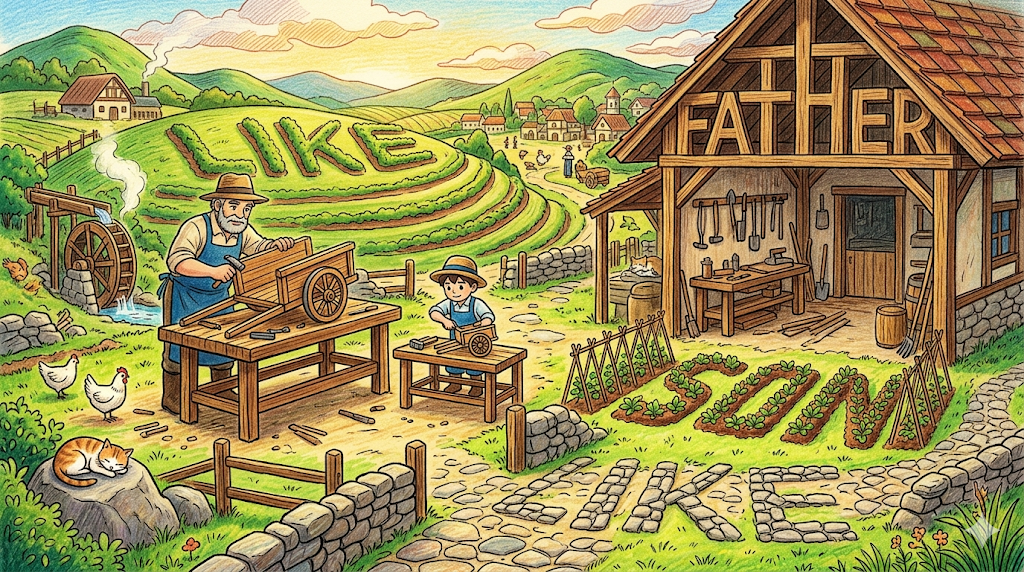
like father like son [laɪk ˈfɑːðər laɪk sʌn]
(관용구) 부전자전, 아버지와 아들은 닮는다
아들이 아버지의 성격이나 행동, 습관을 그대로 닮는 것을 강조합니다. 수능 독해 사회·심리·문화 지문에서 자주 등장합니다.
- The son had grown up to be just as generous with his time as his father had always been — like father like son, every neighbour in the street agreed. (아들은 아버지가 항상 그랬던 것처럼 시간을 쓰는 데 그만큼 관대하게 자랐다 — 거리의 모든 이웃이 부전자전이라고 동의했다.)
- When she saw her son use the exact same hand gesture his father always used when explaining something, she smiled and thought to herself, like father like son, and felt glad rather than surprised. (아들이 아버지가 무언가를 설명할 때 항상 사용하던 똑같은 손 동작을 사용하는 것을 봤을 때 그녀는 미소 지으며 속으로 부전자전이라고 생각했으며 놀라기보다 기쁘게 느꼈다.)
- The essay explored the phrase like father like son as a window into questions about nature and environment — asking how much of who we become comes from the people who raised us, and how much was already in us before we were ever given a choice. (에세이는 부전자전이라는 표현을 본성과 환경에 관한 질문으로 들어가는 창문으로 탐구했다 — 우리가 되는 사람의 얼마나 많은 부분이 우리를 키운 사람들에게서 오고, 우리에게 선택이 주어지기 전에 이미 우리 안에 있었는지 물었다.)
숙어 그룹 묶음 1 — 가족·계승 son 핵심 패턴
표현 의미 핵심 뉘앙스 주요 맥락
| son of | ~의 아들 | 혈연이나 문화적 산물임을 나타내는 것 | 사회·역사·수능 |
| like father like son | 부전자전 | 아들이 아버지를 닮는 것 | 사회·심리·수능 |
| son and heir | 후계자인 아들 | 재산이나 지위를 물려받을 아들 | 역사·사회·수능 |
이 세 표현은 모두 son의 "아버지에서 아들로 이어지는 연결" 이미지를 공유하되, 각각 출신과 정체성(son of)·성격과 행동의 닮음(like father like son)·재산과 지위의 계승(son and heir)의 관점에서 접근합니다.
- He was a son of the same family tradition that had shaped his father, and it was no surprise to anyone that like father like son, he had grown up to take his place as the son and heir of everything his grandfather had worked to build. (그는 아버지를 형성했던 같은 가족 전통의 아들이었으며, 부전자전으로 그가 할아버지가 세우기 위해 일한 모든 것의 후계자로 자리를 잡았다는 것이 아무에게도 놀랍지 않았다.)
- The essay explored whether being the son and heir of something made it easier or harder to change it — arguing that like father like son can be a comfort or a trap, and that sons of great traditions must work twice as hard to honour the past without being owned by it. (에세이는 무언가의 후계자가 되는 것이 그것을 변화시키기 더 쉽게 만드는지 더 어렵게 만드는지 탐구했다 — 부전자전이 위안이 될 수도 있고 함정이 될 수도 있으며, 위대한 전통의 아들들은 과거에 소유되지 않으면서 과거를 기리기 위해 두 배로 열심히 일해야 한다고 주장했다.)
- She realised that her own son had become a son of both his parents in the truest sense — like father like son in his humour and his patience, and truly the son and heir of her own love of learning. (그녀는 자신의 아들이 가장 진실한 의미에서 두 부모 모두의 아들이 됐다는 것을 깨달았다 — 유머와 인내에서 부전자전이었으며, 그녀 자신의 배움에 대한 사랑의 진정한 후계자였다.)

prodigal son [ˈprɒdɪɡəl sʌn]
(명사구) 탕자, 방탕한 아들
가족을 떠나 잘못을 저지른 후 뉘우치고 돌아오는 사람을 강조하며, 수능 문학·사회·심리 지문에서 자주 등장합니다.
- He returned to his home town after twelve years like a prodigal son, nervous and ashamed but hoping that enough time had passed for things to be different now. (그는 12년 만에 탕자처럼 고향으로 돌아왔는데, 긴장하고 부끄러웠지만 상황이 이제 달라질 만큼 충분한 시간이 지났기를 바랐다.)
- She had left the family business in anger, but ten years later she came back as a prodigal daughter — a version of the prodigal son — and was quietly moved to find that her family had kept her office exactly as it was. (그녀는 화가 나서 가족 사업을 떠났지만 10년 후 탕녀 — 탕자의 여성 버전 — 로 돌아왔으며, 가족이 사무실을 그대로 유지했다는 것을 발견하고 조용히 감동받았다.)
- The essay used the story of the prodigal son to explore what forgiveness actually costs the person who gives it — arguing that the father in the story does not simply forgive but actively celebrates the return, which is a far harder and rarer thing than simply letting go of anger. (에세이는 탕자의 이야기를 사용해 용서가 실제로 그것을 주는 사람에게 얼마나 드는지 탐구했다 — 이야기의 아버지는 단순히 용서하는 것이 아니라 적극적으로 귀환을 축하하는데, 이것이 단순히 화를 내려놓는 것보다 훨씬 더 어렵고 드문 것이라고 주장했다.)

son-in-law [ˈsʌn ɪn lɔː]
(명사) 사위
딸의 남편을 가리키는 가족 호칭을 강조합니다. 수능 독해 사회·일상·가족 지문에서 자주 등장합니다.
- Her son-in-law was quiet and thoughtful, the kind of person who listened carefully before speaking, which she had always respected in people. (그녀의 사위는 조용하고 사려 깊었으며, 말하기 전에 조심스럽게 듣는 종류의 사람이었는데, 그녀는 항상 그런 사람들을 존중했다.)
- She had worried about her daughter's choice at first, but after watching her son-in-law spend two hours comforting her daughter during a hard time, she stopped worrying. (그녀는 처음에 딸의 선택을 걱정했지만, 사위가 힘든 시간 동안 두 시간을 딸을 위로하는 데 보내는 것을 보고 나서 걱정을 멈췄다.)
- The essay noted that the word son-in-law carries with it a long cultural history of the complicated relationship between a parent and the person who joins the family through marriage. (에세이는 사위라는 단어가 결혼을 통해 가족에 합류하는 사람과 부모 사이의 복잡한 관계의 긴 문화적 역사를 담고 있다고 지적했다.)
숙어 그룹 묶음 2 — 역할·지위 son 패턴
표현 의미 핵심 뉘앙스 주요 맥락
| prodigal son | 탕자 | 잘못 후 뉘우치고 돌아오는 사람 | 문학·심리·수능 |
| son-in-law | 사위 | 딸의 남편, 법적 가족 관계 | 사회·일상·수능 |
| favourite son | 자랑스러운 인물 | 가장 사랑받거나 인정받는 사람 | 사회·정치·수능 |
이 세 표현은 모두 son의 "사회적 역할과 지위" 이미지를 공유하되, 각각 떠났다가 돌아온 사람(prodigal son)·결혼으로 얻은 가족(son-in-law)·지역 사회의 자랑(favourite son)의 관점에서 접근합니다.
- The town's favourite son had once been known as something of a prodigal son — a troubled young man who left and stayed away for years — before returning with a quiet dignity that made even his old son-in-law respect him more than he ever had. (마을의 자랑스러운 인물은 한때 탕자 같은 것으로 알려졌었다 — 수년 동안 떠나 있던 문제 있는 젊은이 — 조용한 품위를 갖고 돌아오기 전에 심지어 옛 사위도 그 어느 때보다 더 그를 존중하게 만들었다.)
- The essay explored whether a favourite son is made or born — arguing that prodigal sons who return and rebuild are sometimes more loved than those who never left, and that what people admire is not perfection but the journey, which is why even sons-in-law who start as outsiders can become deeply valued members of a community. (에세이는 자랑스러운 인물이 만들어지는 것인지 타고나는 것인지 탐구했다 — 돌아와서 재건하는 탕자들이 때로는 한 번도 떠나지 않은 사람들보다 더 사랑받으며, 사람들이 존경하는 것은 완벽함이 아니라 여정이며, 이것이 외부인으로 시작하는 사위들도 지역 사회의 깊이 가치 있는 구성원이 될 수 있는 이유라고 주장했다.)
- She concluded that the prodigal son, the son-in-law, and the favourite son are all versions of the same basic story — about who belongs, who comes back, and how communities decide who gets to be called one of their own. (그녀는 탕자, 사위, 그리고 자랑스러운 인물이 모두 같은 기본 이야기의 버전이라고 결론지었다 — 누가 속하고, 누가 돌아오며, 지역 사회가 누가 자신들 중 한 명으로 불릴 수 있는지 어떻게 결정하는지에 대한.)
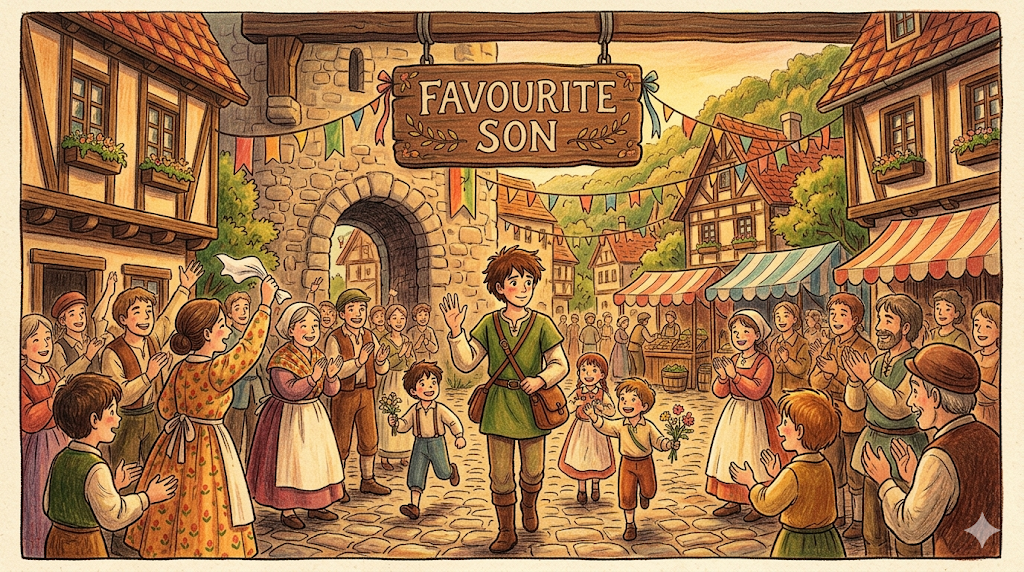
favourite son [ˈfeɪvərɪt sʌn]
(명사구) 가장 총애받는 아들 / 지역 출신의 자랑스러운 인물
가족이나 지역 사회에서 가장 사랑받거나 인정받는 사람을 강조합니다. 수능 독해 사회·정치·문화 지문에서 자주 등장합니다.
- The university was proud to call the famous scientist its favourite son, even though he had moved away many years before and built his whole career elsewhere. (그 대학은 유명한 과학자가 수년 전에 이사해 다른 곳에서 커리어 전체를 쌓았음에도 그를 자랑스러운 인물이라고 부를 수 있어 자랑스러워했다.)
- Growing up as the unspoken favourite son of a large family was not always easy — the attention was warm but the expectations were high and the pressure came from all sides. (대가족의 말없는 가장 총애받는 아들로 자라는 것이 항상 쉬운 것은 아니었다 — 관심은 따뜻했지만 기대가 높았으며 압박이 모든 면에서 왔다.)
- The essay argued that the idea of the favourite son is often more complicated than it first appears — because being favoured creates both advantages and invisible burdens, and those left out often grow stronger from the experience of having to find their own way. (에세이는 가장 총애받는 아들의 아이디어가 처음에 보이는 것보다 종종 더 복잡하다고 주장했다 — 총애받는 것이 혜택과 보이지 않는 부담 모두를 만들며, 제외된 사람들은 종종 자신만의 길을 찾아야 하는 경험에서 더 강해진다고 했다.)
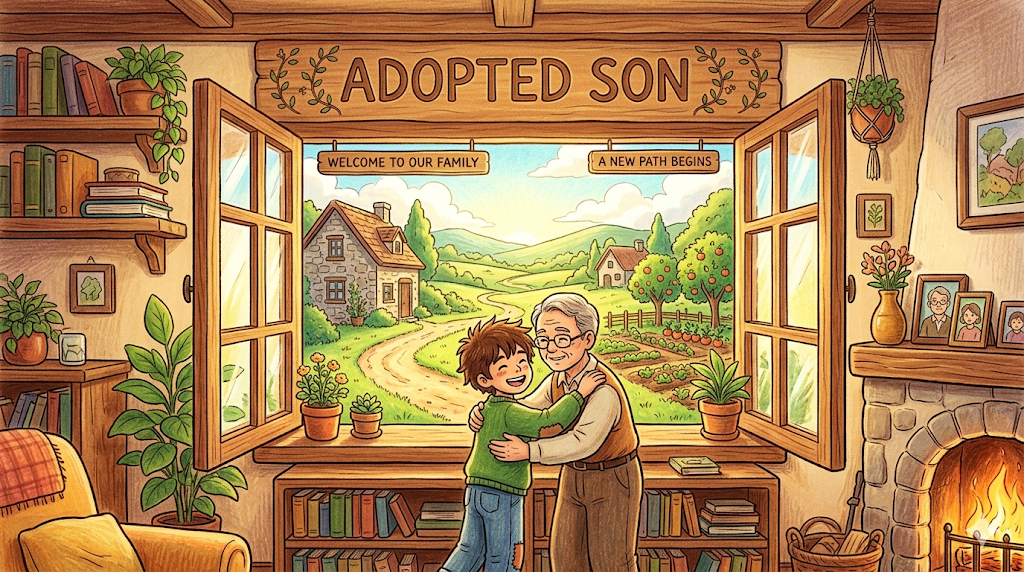
adopted son [əˈdɒptɪd sʌn]
(명사구) 양아들, 입양된 아들
법적으로 가족의 일원이 된 아들을 강조하며, 비유적으로 어떤 문화나 장소에 완전히 받아들여진 사람을 나타내기도 합니다. 수능 독해 사회·문화·심리 지문에서 자주 등장합니다.
- He had been an adopted son for so many years that the word adopted had long since stopped meaning anything separate — he was simply their son. (그는 너무 오랫동안 양아들이었기 때문에 입양이라는 단어는 오래전에 분리된 의미를 갖는 것을 멈췄다 — 그는 단순히 그들의 아들이었다.)
- The city treated him as an adopted son after he spent thirty years working to make its public spaces cleaner, safer, and more beautiful for every person who used them. (도시는 그가 모든 사람을 위해 공공 공간을 더 깨끗하고, 더 안전하며, 더 아름답게 만들기 위해 30년을 일한 후 그를 양아들처럼 대우했다.)
- The essay explored what the phrase adopted son reveals about our understanding of family — arguing that the very need for the word adopted shows how deeply people still connect blood with belonging, even in cultures that intellectually reject that idea. (에세이는 양아들이라는 표현이 가족에 대한 우리의 이해에 대해 무엇을 드러내는지 탐구했다 — 입양이라는 단어의 필요 자체가 사람들이 지적으로 그 아이디어를 거부하는 문화에서도 혈연과 귀속을 얼마나 깊이 연결하는지를 보여준다고 주장했다.)
숙어 그룹 묶음 3 — 형제 관계·특수 son 심화 패턴
표현 의미 핵심 뉘앙스 주요 맥락
| adopted son | 양아들 | 법적으로 가족이 된 아들 | 사회·문화·수능 |
| only son | 외아들 | 부모에게 아들이 한 명뿐인 것 | 심리·사회·수능 |
| eldest son | 장남 | 아들 중 가장 나이가 많은 아들 | 사회·역사·수능 |
이 세 표현은 모두 son의 "특별한 위치와 책임" 이미지를 공유하되, 각각 법적 관계로 얻은 아들(adopted son)·하나뿐이라서 특별한 아들(only son)·가장 나이가 많아서 책임이 큰 아들(eldest son)의 관점에서 접근합니다.
- As the eldest son of an adopted son who had grown up knowing he was chosen rather than born into the family, he had inherited not the usual pressures of the eldest son but something more interesting — a deep awareness that family is something built rather than simply given. (양아들의 장남으로서 혈연이 아닌 선택으로 가족에 들어왔다는 것을 알고 자란 그는 장남의 일반적인 압박이 아니라 더 흥미로운 것을 물려받았다 — 가족이 단순히 주어지는 것이 아니라 세워지는 것이라는 깊은 인식이었다.)
- Being the only son and the eldest son at the same time meant that all the hopes the family carried for the next generation were placed in him alone, which was both an honour and a weight that took years to learn to carry without being crushed by. (외아들이면서 동시에 장남이 된다는 것은 다음 세대를 위한 가족의 모든 희망이 그 혼자에게 놓인다는 것을 의미했으며, 이것은 짓눌리지 않고 지고 다니는 법을 배우는 데 수년이 걸린 영예이자 무게 모두였다.)
- The essay connected the three by arguing that whether a son is adopted, the only one, or the eldest, the common thread is the weight of expectation — and that learning how to hold that weight without letting it define you entirely is one of the central challenges of being anyone's son. (에세이는 아들이 입양됐든, 외아들이든, 장남이든, 공통 실은 기대의 무게이며, 그 무게가 자신을 완전히 정의하도록 하지 않고 지고 다니는 법을 배우는 것이 누구의 아들이 되는 것의 중심 도전 중 하나라고 주장하며 세 가지를 연결했다.)

only son [ˈəʊnli sʌn]
(명사구) 외아들, 하나뿐인 아들
부모에게 아들이 한 명뿐임을 강조하며, 종종 특별한 기대나 부담을 암시합니다. 수능 독해 심리·사회 지문에서 자주 등장합니다.
- As the only son, he had grown up at the centre of his family's attention in a way that felt warm when he was young but heavy as he grew older and understood more of what was expected of him. (외아들로서 그는 어릴 때는 따뜻하게 느껴지지만 성장하면서 자신에게 기대되는 것을 더 많이 이해하게 됐을 때 무겁게 느껴지는 방식으로 가족 주의의 중심에서 자랐다.)
- She had raised her only son to be independent, knowing that one day he would leave and she would have to be glad rather than sad about it, which was the hardest lesson of parenthood she had ever faced. (그녀는 외아들이 언젠가 떠나면 슬프기보다 기뻐해야 할 것이라는 것을 알면서 독립적으로 키웠으며, 이것이 그녀가 직면한 부모됨의 가장 어려운 교훈이었다.)
- The essay explored the particular psychological pressure that comes with being an only son — noting that the expectation of carrying both the family name and the family hopes falls on a single person, which can make the weight feel impossible even when the love that comes with it is real. (에세이는 외아들이 되는 것과 함께 오는 특별한 심리적 압박을 탐구했다 — 가족 이름과 가족 희망 모두를 지는 기대가 한 사람에게 떨어지는데, 그것과 함께 오는 사랑이 진짜일 때도 무게가 불가능하게 느껴질 수 있다고 지적했다.)
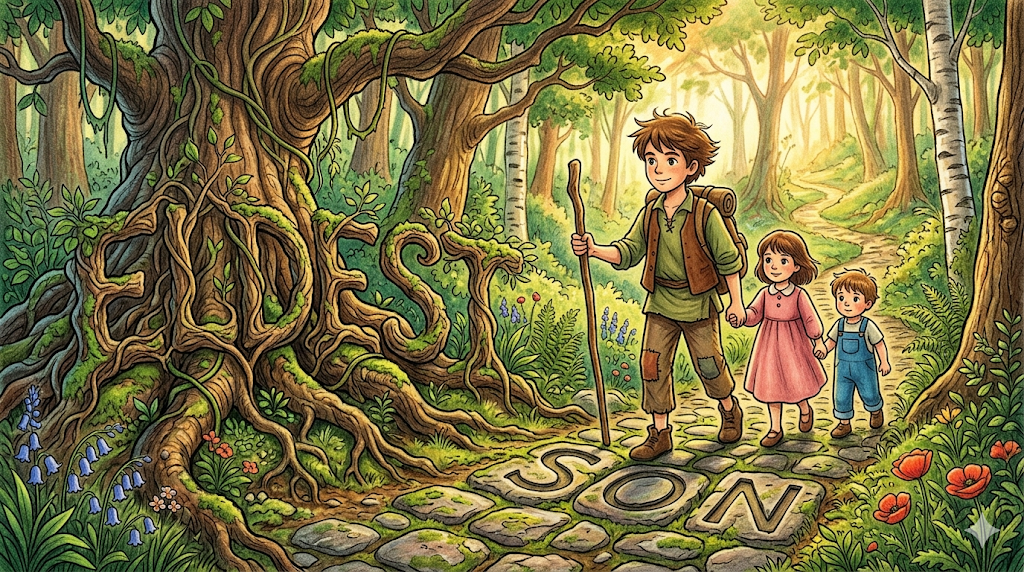
eldest son [ˈeldɪst sʌn]
(명사구) 장남, 맏아들
아들 중에서 가장 나이가 많은 아들을 가리키며, 전통적으로 많은 책임과 기대가 따르는 것을 강조합니다. 수능 독해 사회·역사·문화 지문에서 자주 등장합니다.
- The eldest son had always been the one his younger brothers called first when something went wrong, not because anyone had asked him to be, but because he had simply always been there. (장남은 항상 뭔가 잘못됐을 때 남동생들이 먼저 부르는 사람이었는데, 아무도 그에게 그렇게 하라고 요청해서가 아니라 단지 항상 거기 있었기 때문이었다.)
- In many cultures, the eldest son is expected to carry the family name forward, which can feel like both an honour and a limitation depending on how closely you hold your own plans for your own life. (많은 문화에서, 장남은 가족 이름을 앞으로 이어가도록 기대되는데, 이것은 자신의 삶에 대한 자신의 계획을 얼마나 가깝게 갖고 있느냐에 따라 영예이자 제한 모두처럼 느껴질 수 있다.)
- The essay argued that the cultural weight placed on the eldest son is one of the clearest examples of how expectation shapes identity — because when a role is given to you before you are old enough to choose it, the boundary between who you are and who you were told to be can become genuinely difficult to find. (에세이는 장남에게 놓이는 문화적 무게가 기대가 정체성을 형성하는 방식의 가장 명확한 예 중 하나라고 주장했다 — 역할이 선택할 만큼 나이 들기 전에 주어질 때, 자신이 누구인지와 자신이 누구가 되라고 들은 것 사이의 경계가 진정으로 찾기 어려워질 수 있기 때문이다.)
숙어 그룹 묶음 4 — 종합 son 패턴
표현 의미 핵심 뉘앙스 주요 맥락
| like father like son | 부전자전 | 아들이 아버지를 닮는 것 | 사회·심리·수능 |
| prodigal son | 탕자 | 잘못 후 뉘우치고 돌아오는 사람 | 문학·심리·수능 |
| favourite son | 자랑스러운 인물 | 가장 사랑받거나 인정받는 사람 | 사회·정치·수능 |
이 세 표현은 수능 독해에서 가장 자주 출제되는 son의 핵심 패턴입니다. like father like son은 세대 간 닮음을, prodigal son은 귀환과 용서를, favourite son은 사회적 인정을 각각 나타냅니다.
- The essay traced the journey of one man who was the favourite son of his family until he left without warning and became in many ways a prodigal son, and who returned years later carrying all the best of what his father had given him — proof, if any was needed, that like father like son does not always mean repeating mistakes but can also mean inheriting strengths. (에세이는 경고 없이 떠나 여러 면에서 탕자가 될 때까지 가족의 자랑스러운 아들이었고, 수년 후 아버지가 그에게 준 모든 최선을 갖고 돌아온 한 남자의 여정을 추적했다 — 부전자전이 항상 실수를 반복하는 것을 의미하는 것이 아니라 강점을 물려받는 것을 의미할 수도 있다는 증거였다.)
- She argued that the prodigal son story is so powerful across cultures because it speaks to three things everyone understands: that favourite sons can lose their way, that like father like son means the goodness of the parent can come back even through the child's worst mistakes, and that return is always possible. (그녀는 탕자 이야기가 모든 문화에서 그렇게 강력한 것은 모든 사람이 이해하는 세 가지를 말하기 때문이라고 주장했다: 자랑스러운 아들들이 길을 잃을 수 있고, 부전자전은 부모의 선함이 아이의 최악의 실수를 통해서도 돌아올 수 있다는 것을 의미하며, 귀환은 항상 가능하다는 것이다.)
- She concluded that like father like son, the prodigal son, and the favourite son together describe the full range of a son's relationship with expectation — the son who lives up to it, the son who runs from it, and the son who receives it as a gift — and that every real son's story contains pieces of all three. (그녀는 부전자전, 탕자, 그리고 자랑스러운 아들이 함께 기대와의 아들의 관계의 전체 범위를 묘사한다고 결론지었다 — 그것을 이루는 아들, 그것에서 도망치는 아들, 그리고 그것을 선물로 받는 아들 — 그리고 모든 진정한 아들의 이야기는 세 가지 모두의 조각을 담고 있다고 했다.)
전체 요약표
표현 의미 핵심 뉘앙스
| son | 아들, 남자 자녀 | 계승과 가족 관계의 핵심 이미지 |
| son of | ~의 아들 | 혈연이나 문화적 산물임을 나타내는 것 |
| like father like son | 부전자전 | 아들이 아버지를 닮는 것 |
| prodigal son | 탕자 | 잘못 후 뉘우치고 돌아오는 사람 |
| son-in-law | 사위 | 딸의 남편, 법적 가족 관계 |
| favourite son | 자랑스러운 인물 | 가장 사랑받거나 인정받는 사람 |
| adopted son | 양아들 | 법적으로 가족이 된 아들 |
| only son | 외아들 | 부모에게 아들이 한 명뿐인 것 |
| eldest son | 장남 | 아들 중 가장 나이가 많은 아들 |
| son and heir | 후계자인 아들 | 재산이나 지위를 물려받을 아들 |
유의어 비교표
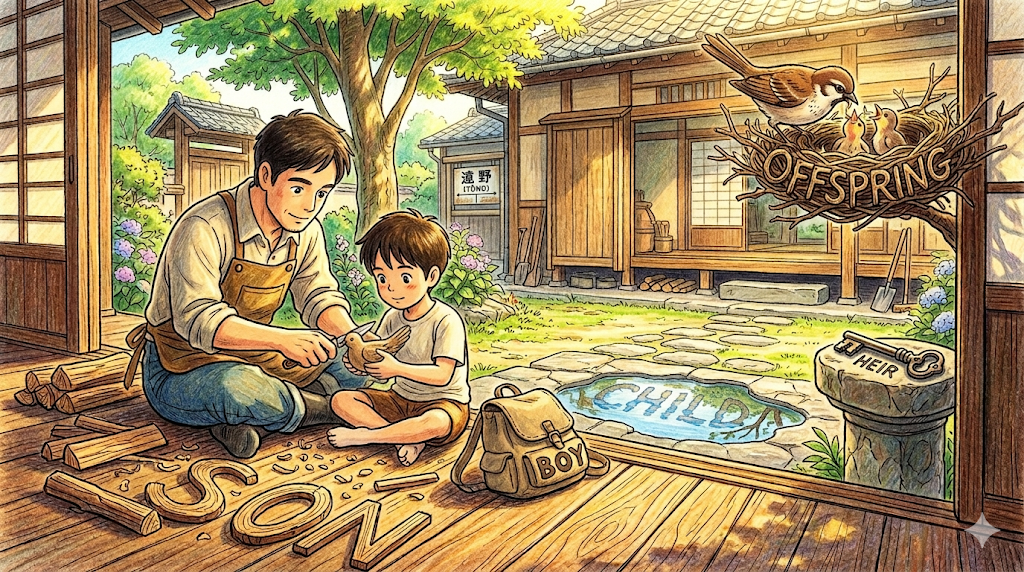
단어 공통점 뉘앙스 차이 예문
| son | 남자 자녀 | 부모 관계·계승·책임, 비유 풍부 | He is my son. |
| boy | 남자아이 | 나이 어린 남성, 성별 강조 | He is a good boy. |
| child | 자녀 | 성별 무관, 어린이나 자녀 전반 | She is my child. |
| offspring | 자녀, 새끼 | 생물학적 자녀, 격식적 | The lion's offspring. |
| heir | 상속자 | 재산이나 지위를 물려받는 사람 | He is the heir. |
유의어 예문 리스트
- (boy) The boy sat very quietly at the edge of the group, watching how everything worked before deciding he was ready to join in. (그 남자아이는 모든 것이 어떻게 작동하는지 보면서 그룹의 가장자리에 매우 조용히 앉아 있다가 합류할 준비가 됐다고 결정했다.)
- (child) Every child who walked into her classroom received the same warm welcome, regardless of how they had behaved the day before. (그녀의 교실에 들어온 모든 아이는 전날 어떻게 행동했든 관계없이 같은 따뜻한 환영을 받았다.)
- (offspring) Scientists have found that the offspring of animals raised in richer environments tend to perform better on problem-solving tasks, which has interesting implications for how we think about early childhood. (과학자들은 더 풍부한 환경에서 키워진 동물의 자녀들이 문제 해결 과제에서 더 잘 수행하는 경향이 있다는 것을 발견했으며, 이것이 조기 아동기에 대해 우리가 생각하는 방식에 흥미로운 함의를 갖는다.)
- (heir) She was named heir to the company at a board meeting that none of the other family members had expected, which led to a long and difficult period of adjustment for everyone involved. (그녀는 다른 가족 구성원들 중 아무도 예상하지 못했던 이사회 회의에서 회사의 상속자로 지명됐으며, 이것이 관련된 모든 사람에게 길고 어려운 적응 기간으로 이어졌다.)
결론 정리
son은 단순히 "아들"이 아니라, 고대 영어 sunu(아들)에서 출발해 부모로부터 태어난 남자 자녀에서 혈연 관계·계승·책임·기대·사랑·귀환·친근한 호칭까지 확장되는 단어다 — son이 있는 곳엔 언제나 '단순한 가족 호칭이 아닌, 인간이 사랑과 기대·실망과 귀환·계승과 책임을 어떻게 이해하고 표현하는지가 생생하게 살아숨쉬는' 생동감의 선언이 있다.
💡 son은 "부모로부터 태어난 남자 자녀에서 출발한" 생동감 넘치는 언어 — prodigal son · like father like son · favourite son이 수능 최빈출.
🌟 초등학생 버전 — son은 아들이지만, "부전자전"(like father like son), "탕자"(prodigal son), "자랑스러운 인물"(favourite son)처럼 우리 가족과 사회 곳곳에 살아있는 단어예요! 👨👦✨


