- 분류 전체보기 (5491)

| 일 | 월 | 화 | 수 | 목 | 금 | 토 |
|---|---|---|---|---|---|---|
| 1 | 2 | |||||
| 3 | 4 | 5 | 6 | 7 | 8 | 9 |
| 10 | 11 | 12 | 13 | 14 | 15 | 16 |
| 17 | 18 | 19 | 20 | 21 | 22 | 23 |
| 24 | 25 | 26 | 27 | 28 | 29 | 30 |
| 31 |
- make it
- Excuse me
- Yes
- hold on
- come up with
- too.
- pick up
- I'm glad to hear that.
- Right?
- no
- please.
- please?
- Please
- work out
- I'm sorry
- Sorry
- call off
- Yeah
- well
- Sure
- Don't worry
- I'm not sure
- By The Way
- Read between the lines
- Hey
- entrance fee
- once in a while
- Actually
- OKay
- oh
- Today
- Total
인과함께
Day392 , silent, silent treatment, fall silent, silent majority, keep silent, silent night, in silent, silent protest, stone-cold silent, break the silence 본문
Day392 , silent, silent treatment, fall silent, silent majority, keep silent, silent night, in silent, silent protest, stone-cold silent, break the silence
미인생 2026. 5. 10. 08:38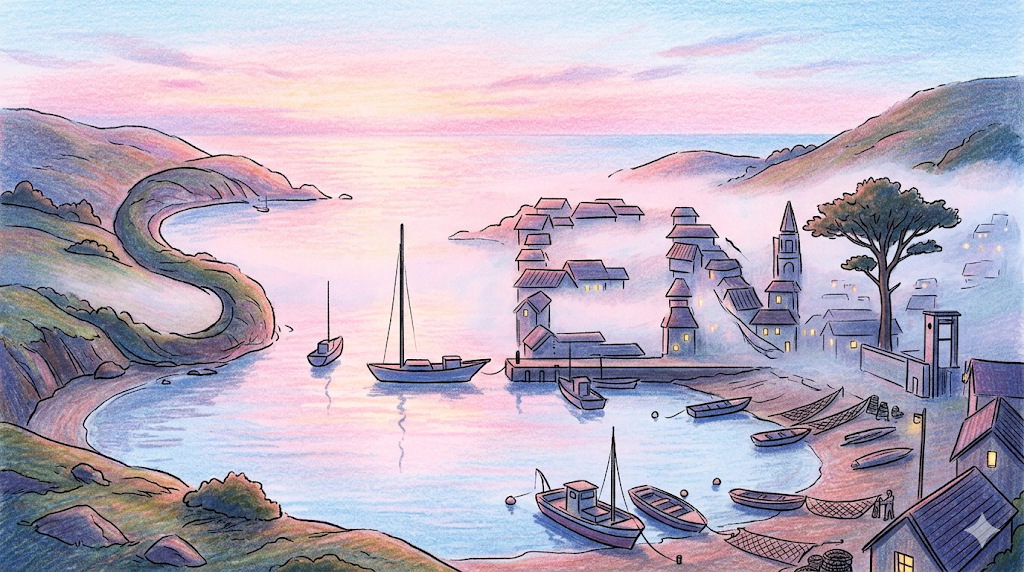
silent [ˈsaɪlənt]
(형용사) 조용한, 침묵하는, 말이 없는
(내 여동생은 내가 어제 그녀의 생일을 잊어버렸기 때문에 나에게 말을 한마디도 하지 않았다.)
단순히 "조용한"으로만 외우면 수능에서 반드시 틀립니다. silent는 "소리나 말이 없는 상태" 라는 핵심 이미지에서 출발해, 실제 물리적 고요함·의도적 침묵·다수의 목소리·저항 방식까지 폭넓게 쓰이는 핵심 다의어입니다. 특히 silent treatment(침묵으로 상대를 무시하기), silent majority(침묵하는 다수), fall silent(침묵하다) 패턴은 수능 독해 사회·심리·논리 지문에서 핵심적으로 등장합니다.
'silent'는 라틴어 silens(조용한)에서 유래했으며, silere(조용하다, 침묵하다)와 연결됩니다. 어원의 핵심 이미지는 "소리나 말이 없는 상태" 로, 단순한 물리적 조용함을 넘어 의도적 침묵·사회적 저항·심리적 제재·정치적 다수까지 확장되는 표현의 근원이 된 단어입니다.
1. silent treatment [ˈsaɪlənt ˈtriːtmənt]
(심리/사회/수능) "침묵으로 상대를 무시하기, 냉담하게 대하기"를 뜻합니다. 화가 나거나 상처받아서 상대방에게 말을 하지 않는 것으로 감정을 표현하거나 처벌하는 행동을 강조합니다.
She gave him the silent treatment for a whole day after the argument, refusing to answer even his simple questions. (말다툼 후 하루 종일 그에게 침묵으로 대하며, 그의 간단한 질문에도 대답하기를 거부했다.)
2. fall silent [fɔːl ˈsaɪlənt]
(일상/문학/수능) "조용해지다, 말을 멈추다"를 뜻합니다. 대화나 활동이 갑자기 또는 서서히 멈추는 것을 강조합니다.
The whole classroom fell silent when the head teacher walked in unexpectedly during the middle of the lesson. (수업 중에 교장 선생님이 갑자기 들어오자 교실 전체가 조용해졌다.)
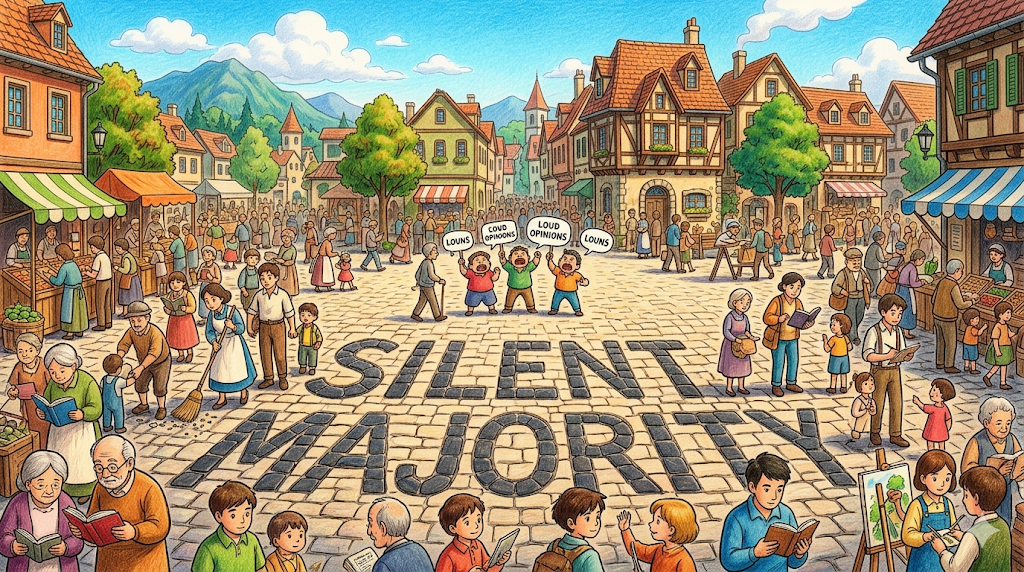
3. silent majority [ˈsaɪlənt məˈdʒɒrɪti]
(사회/정치/수능) "침묵하는 다수"를 뜻합니다. 사회나 정치적 문제에 대해 강한 의견을 갖고 있지만 공개적으로 목소리를 내지 않는 대다수의 사람들을 강조하며, 수능 사회·논리 지문에서 핵심적으로 등장합니다.
The politician argued that the silent majority supported the new policy, even though the protests made the opposition seem much larger. (시위가 반대파를 훨씬 더 크게 보이게 했지만, 정치인은 침묵하는 다수가 새 정책을 지지한다고 주장했다.)
4. keep silent [kiːp ˈsaɪlənt]
(일상/심리/수능) "침묵을 유지하다, 말하지 않다"를 뜻합니다. 어떤 상황에서 의도적으로 말하지 않거나 비밀을 지키는 것을 강조합니다.
She decided to keep silent about what she had seen rather than cause trouble for someone who was already having a difficult time. (이미 힘든 시간을 보내고 있는 사람에게 문제를 일으키기보다 자신이 본 것에 대해 침묵을 유지하기로 결심했다.)
5. silent night [ˈsaɪlənt naɪt]
(문화/문학/수능) "고요한 밤"을 뜻합니다. 물리적으로 조용하고 평화로운 밤을 강조하며, 문화적으로 크리스마스 캐롤과 연결되기도 합니다.
It was a silent night in the small village with no cars and no voices, just the sound of snow falling softly on the rooftops. (작은 마을에서 차도 목소리도 없이 지붕 위에 눈이 부드럽게 떨어지는 소리만 들리는 고요한 밤이었다.)
6. in silence [ɪn ˈsaɪləns]
(일상/문학/수능) "침묵 속에서, 조용히"를 뜻합니다. 아무 말도 하지 않고 어떤 일을 하는 상태를 강조합니다.
They walked home in silence, each one thinking about what had happened and not sure what to say to the other. (그들은 침묵 속에서 집으로 걸어가며, 각자 일어난 일에 대해 생각하고 상대방에게 무슨 말을 해야 할지 확신하지 못했다.)
7. silent protest [ˈsaɪlənt ˈprəʊtest]
(사회/역사/수능) "침묵 시위"를 뜻합니다. 말이나 소음 없이 조용히 진행하는 시위나 저항을 강조하며, 수능 사회·역사 지문에서 자주 등장합니다.
The students held a silent protest outside the school office, standing quietly with signs to show their disagreement with the new uniform rule. (학생들은 새 교복 규정에 대한 반대를 보여주는 표지판을 들고 조용히 서서 학교 사무실 밖에서 침묵 시위를 했다.)
8. stone-cold silent [stəʊn kəʊld ˈsaɪlənt]
(일상/심리/수능) "완전히 침묵하는, 입을 꽉 다문"을 뜻합니다. 어떤 질문에도 전혀 대답하지 않고 완전히 침묵을 유지하는 상태를 강조합니다.
When the teacher asked who had broken the window, every student went stone-cold silent and stared at the floor. (선생님이 누가 창문을 깼는지 물었을 때 모든 학생이 완전히 침묵하며 바닥을 바라봤다.)
9. break the silence [breɪk ðə ˈsaɪləns]
(일상/심리/수능) "침묵을 깨다, 먼저 말을 꺼내다"를 뜻합니다. 불편하거나 긴 침묵 후에 처음으로 말을 하거나 소리를 내는 것을 강조합니다.
After a long and uncomfortable pause, she finally broke the silence by asking if anyone wanted more tea. (길고 불편한 침묵 후에 그녀는 마침내 누군가가 차를 더 원하는지 물음으로써 침묵을 깼다.)
10. silent (형용사: 말이 없는, 소음이 없는) [ˈsaɪlənt]
(일상/문학/수능) 형용사로 쓰여 "물리적으로 조용한" 또는 "의도적으로 말하지 않는"을 나타냅니다. 소리나 말이 없는 상태를 강조합니다.
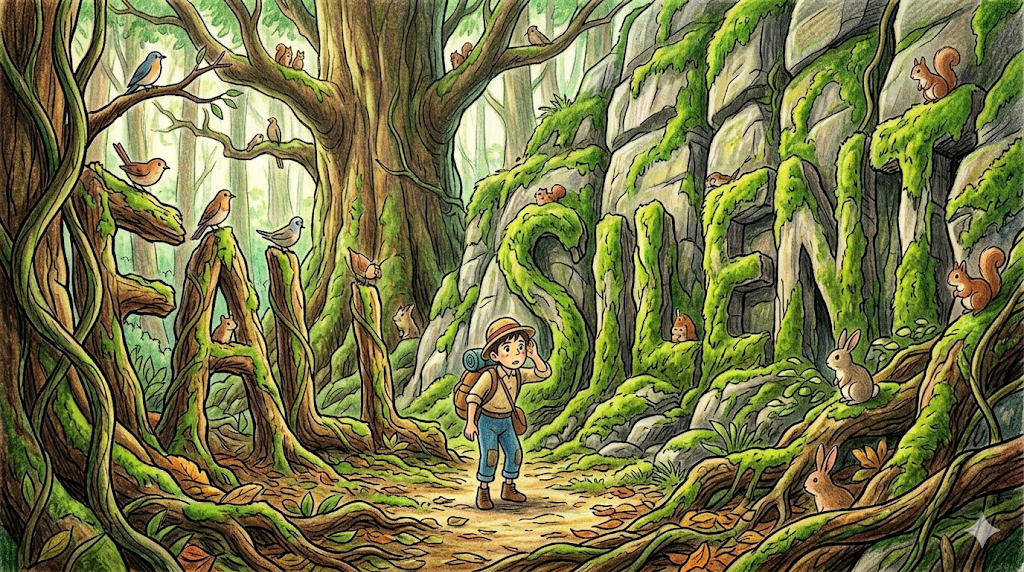
The forest was completely silent after the snow, as if every bird and animal had decided to rest at the same moment. (눈이 온 후 숲은 마치 모든 새와 동물이 같은 순간에 쉬기로 결정한 것처럼 완전히 조용했다.)

POINT 1. silent — 수능 최빈출 비유·어휘 패턴
silent는 수능 독해 사회·심리·논리 지문에서 비유적 표현으로 자주 출제됩니다.
silent majority → 공개적으로 말하지 않는 많은 사람들을 나타낼 때 예) The silent majority disagrees. (침묵하는 다수가 반대한다.) silent treatment → 침묵을 사용해 상대를 무시하거나 처벌할 때 예) She gave him the silent treatment. 그녀는 침묵으로 그를 대했다. break the silence → 불편한 침묵 후에 처음으로 말을 꺼낼 때 예) He broke the silence first. 그가 먼저 침묵을 깼다.
POINT 2. silent / quiet / still — 수능 어휘 핵심 비교
이 세 단어는 수능에서 자주 혼동되는 어휘입니다.
silent → 소리나 말이 없는 상태 (의도적·강조적) 예) The room was silent. 방은 침묵으로 가득했다. quiet → 소음이 적고 평화로운 상태 (일반적) 예) Please be quiet. 조용히 해주세요. still → 움직임이 없는 상태 (정적) 예) She sat very still. 그녀는 매우 가만히 앉아 있었다.
POINT 3. silent의 다양한 용법 — 수능 독해 문맥 파악 핵심
silent는 수능 독해에서 문맥에 따라 의미가 완전히 달라지는 핵심 단어입니다.
물리적 조용함 → The room was silent. 방이 조용했다. 의도적 침묵 → She kept silent. 그녀는 침묵을 유지했다. 사회적 침묵 → The silent majority. 침묵하는 다수. 저항적 침묵 → A silent protest. 침묵 시위. 심리적 제재 → The silent treatment. 침묵으로 무시하기.
(형용사) ① 조용한, 소리 없는 (물리적)
silent의 가장 기본적인 의미로, 물리적으로 소리나 소음이 없는 상태를 나타냅니다.
- The library was so silent that she could hear the sound of her own pencil moving across the paper as she took notes. (도서관이 너무 조용해서 그녀는 메모를 할 때 종이 위에서 자신의 연필이 움직이는 소리를 들을 수 있었다.)
- The city street that was normally so noisy became completely silent at three in the morning, and she could finally hear the sound of the wind moving through the trees. (평소에는 너무 시끄러웠던 도시 거리가 새벽 3시에 완전히 조용해져서, 그녀는 마침내 바람이 나무를 통해 움직이는 소리를 들을 수 있었다.)
- They stood for one silent minute to remember those who had lost their lives in the accident, and during that time nobody moved or made a sound. (그들은 사고로 목숨을 잃은 사람들을 기억하기 위해 1분간 침묵을 지켰으며, 그 시간 동안 아무도 움직이거나 소리를 내지 않았다.)
(형용사) ② 말이 없는, 침묵하는 (의도적)
silent는 어떤 사람이 의도적으로 말하지 않는 상태를 나타냅니다.
- He was unusually silent at dinner, staring at his food and barely looking up, which made his family worry that something was wrong. (그는 저녁 식사에서 음식을 바라보며 거의 올려다보지 않으며 유독 말이 없었으며, 이것이 가족을 무언가 잘못됐다고 걱정하게 만들었다.)
- She remained silent when the teacher asked who wanted to go first, even though she secretly knew the answer and could have helped the whole class. (그녀는 답을 비밀리에 알고 있어서 학급 전체를 도울 수 있었지만, 선생님이 누가 먼저 가기를 원하는지 물었을 때 침묵을 유지했다.)
- The silent partner in the business did not take part in any meetings or decisions but provided the money that made the whole project possible. (사업의 침묵하는 파트너는 어떤 회의나 결정에도 참여하지 않았지만 전체 프로젝트를 가능하게 한 자금을 제공했다.)
(형용사) ③ 표현되지 않은, 드러나지 않은 (비유적)
silent는 비유적으로 감정이나 의견이 표현되지 않고 내면에 남아있는 것을 나타냅니다.
- There was a silent understanding between the two old friends that some topics were never to be discussed, and both of them respected that without it ever needing to be said aloud. (두 오랜 친구 사이에는 어떤 주제들은 절대 논의되지 않아야 한다는 말 없는 이해가 있었으며, 두 사람 모두 그것이 소리 내어 말해질 필요 없이 그것을 존중했다.)
- She bore a silent grief for years, never talking about what she had lost but carrying it with her in everything she did and every choice she made. (그녀는 수년 동안 말없는 슬픔을 견뎠으며, 자신이 잃은 것에 대해 결코 이야기하지 않았지만 그것을 자신이 하는 모든 것과 내리는 모든 선택에서 함께 지니고 다녔다.)
- The essay argued that silent agreement is still agreement — that when people witness something wrong and say nothing, they are participating in it as much as those who actively support it. (에세이는 말없는 동의도 여전히 동의라고 주장했다 — 사람들이 잘못된 것을 목격하고 아무 말도 하지 않을 때, 그들은 그것을 적극적으로 지지하는 사람들만큼 그것에 참여하고 있다고 했다.)

뉘앙스·의미 연결 흐름 표
핵심 이미지 연결 흐름 뉘앙스 요약
| 소리나 말이 없는 상태 | 물리적 조용함 → 갑자기 조용해짐 → 고요한 밤 | silent, fall silent, silent night |
| 의도적·사회적 침묵 | 침묵 유지 → 침묵하는 다수 → 침묵 시위 | keep silent, silent majority, silent protest |
| 침묵의 감정·심리 | 침묵으로 무시 → 완전 침묵 → 침묵 속에서 → 침묵 깨기 | silent treatment, stone-cold silent, in silence, break the silence |
어원 흐름 표
단어 구성 요소 의미 연결 흐름 뉘앙스 요약
| 라틴어 silere(조용하다·침묵하다) → silens | 소리나 말이 없는 상태 → silent | 조용함과 침묵의 핵심 이미지 |
| silent (형용사) | 물리적 조용함 → 의도적 침묵 → 사회적 침묵 → 심리적 제재 | 조용함에서 저항·제재·비표현까지 확장 |
품사별 의미 표
품사 의미 예문
| 형용사 | 조용한, 소리 없는 | The room was silent. |
| 형용사 | 말이 없는, 침묵하는 | She was silent all day. |
| 형용사 | 표현되지 않은 | A silent agreement. |
| 관용구 | 갑자기 조용해지다 | Everyone fell silent. |
| 관용구 | 침묵하는 다수 | The silent majority. |
| 관용구 | 침묵을 깨다 | She broke the silence. |
활용 예문 리스트
- She gave him the silent treatment for two days after he forgot her birthday, not saying a single word even when he tried to apologise. (그가 그녀의 생일을 잊어버린 후 이틀 동안 침묵으로 대하며, 그가 사과하려 할 때도 한 마디도 하지 않았다.)
- The politicians claimed that the silent majority supported their decisions, but critics pointed out that it was hard to know what people believed when they were not speaking. (정치인들은 침묵하는 다수가 자신들의 결정을 지지한다고 주장했지만, 비평가들은 사람들이 말을 하지 않을 때 그들이 무엇을 믿는지 알기 어렵다고 지적했다.)
- The group decided to hold a silent protest outside the factory rather than a loud demonstration, believing their quiet presence would be more powerful than noise. (그룹은 조용한 존재가 소음보다 더 강력할 것이라고 믿으며 시끄러운 시위보다 공장 밖에서 침묵 시위를 하기로 결정했다.)
- After several minutes of waiting, he finally broke the silence with a quiet question that opened the door to everything they had both been afraid to talk about. (몇 분을 기다린 후, 그는 마침내 두 사람 모두가 이야기하기 두려워했던 모든 것의 문을 열어주는 조용한 질문으로 침묵을 깼다.)
- They sat in silence on the train home, each looking out of the window as the dark countryside passed by outside. (그들은 어두운 시골이 밖에서 지나치는 동안 각자 창문 밖을 바라보며 집으로 가는 기차에서 침묵 속에서 앉아 있었다.)
전체 뉘앙스 설명
silent는 '소리나 말이 없는 상태에서 출발해 물리적 조용함·의도적 침묵·사회적 저항·심리적 제재·정치적 다수까지 확장되는 생동감 넘치는 언어'입니다.
quiet와의 차이: quiet는 소음이 적고 평화로운 일반적 상태를 강조하고, silent는 완전히 소리나 말이 없는 더 강한 상태를 강조합니다. still과의 차이: still은 주로 움직임이 없는 정적인 상태를 강조하고, silent는 소리나 말이 없는 상태를 강조합니다. mute와의 차이: mute는 말할 수 없거나 소리를 끄는 것을 강조하고, silent는 더 넓은 의미로 소리나 말이 없는 상태를 강조합니다.
마지막 핵심 정리
silent는 단순히 "조용한"이 아닙니다 — 라틴어 silere(침묵하다)에서 출발해, 물리적 조용함(silent)에서 침묵으로 무시하기(silent treatment)·갑자기 조용해지기(fall silent)·침묵하는 다수(silent majority)·침묵 유지(keep silent)·고요한 밤(silent night)·침묵 속에서(in silence)·침묵 시위(silent protest)·완전 침묵(stone-cold silent)·침묵 깨기(break the silence)까지 확장되는 단어이며, silent majority·silent treatment·break the silence의 비유적 의미 파악이 수능 핵심 출제 포인트입니다.
파생어 표
파생어 발음기호 품사 의미
| silence | [ˈsaɪləns] | 명사/동사 | 침묵 / 침묵시키다 |
| silently | [ˈsaɪləntli] | 부사 | 조용히, 말없이 |
| silencer | [ˈsaɪlənsər] | 명사 | 소음 장치, 소음기 |
| silenced | [ˈsaɪlənst] | 형용사 | 침묵하게 된, 억압된 |
유의어 비교표
단어 공통점 뉘앙스 차이 예문
| silent | 조용한, 침묵하는 | 완전히 소리·말 없음, 비유 풍부 | The room was silent. |
| quiet | 조용한 | 소음이 적고 평화로운 일반적 상태 | Please be quiet. |
| still | 조용한, 정적인 | 움직임이 없는 정적 상태 | She sat very still. |
| mute | 말 못하는, 무음의 | 말할 수 없거나 소리를 끄는 것 | He went mute with shock. |
| hushed | 조용해진 | 낮고 부드럽게 조용해진 상태 | The crowd went hushed. |
유의어 예문 리스트
- (quiet) She asked everyone to be quiet during the film so that everyone could hear the dialogue clearly without missing any important parts. (그녀는 모든 사람이 중요한 부분을 놓치지 않고 대화를 명확하게 들을 수 있도록 영화 중에 조용히 해달라고 요청했다.)
- (still) The baby had finally stopped crying and was lying completely still in the cot, which was such a relief after such a long and tiring evening. (아기가 마침내 울음을 멈추고 유아용 침대에 완전히 가만히 누워 있었으며, 그렇게 길고 피곤한 저녁 후에 정말 다행이었다.)
- (mute) He went completely mute when he saw the test results and just sat staring at the paper for a long time before he could find the words to react. (그는 시험 결과를 봤을 때 완전히 말을 잃고 반응할 말을 찾기 전에 한참 동안 종이를 바라보며 앉아 있었다.)
- (hushed) The audience went hushed as the conductor lifted the baton, and a few seconds later the music began so softly that it was almost possible to hear people breathing. (지휘자가 지휘봉을 들었을 때 청중은 조용해졌으며, 몇 초 후 음악이 사람들의 숨소리가 거의 들릴 만큼 부드럽게 시작됐다.)
결론 정리
silent는 단순히 "조용한"이 아니라, 라틴어 silere(침묵하다)에서 출발해 소리나 말이 없는 상태에서 물리적 조용함·의도적 침묵·사회적 저항·심리적 제재·정치적 다수까지 확장되는 단어다 — silent가 있는 곳엔 언제나 '단순한 조용함이 아닌, 인간이 침묵을 통해 저항하고·보호하며·표현하고·연결하는 방식이 생생하게 살아숨쉬는' 생동감의 선언이 있다.
💡 silent는 "소리나 말이 없는 상태에서 출발한" 생동감 넘치는 언어 — silent majority · silent treatment · break the silence가 수능 최빈출.
🌟 초등학생 버전 — silent는 조용한, 침묵하는이지만, "침묵하는 다수"(silent majority), "침묵으로 무시하기"(silent treatment), "침묵을 깨다"(break the silence)처럼 우리 생활과 사회 곳곳에 살아있는 단어예요! 🤫✨

silent treatment [ˈsaɪlənt ˈtriːtmənt]
(명사구) 침묵으로 상대를 무시하기, 냉담하게 대하기
화가 나거나 상처받아서 상대방에게 말을 하지 않는 것으로 감정을 표현하거나 처벌하는 행동을 강조합니다. 수능 독해 심리·사회 지문에서 핵심적으로 등장합니다.
- When she was upset, her first reaction was always to give people the silent treatment, but she was slowly learning that talking about her feelings was far more helpful. (화가 났을 때 그녀의 첫 반응은 항상 사람들에게 침묵으로 대하는 것이었지만, 감정에 대해 이야기하는 것이 훨씬 더 도움이 된다는 것을 천천히 배우고 있었다.)
- He had been getting the silent treatment from his classmates ever since the argument on the football pitch, and it was making him feel worse than any angry words would have done. (그는 축구장에서의 말다툼 이후 반 친구들로부터 침묵으로 대해지고 있었으며, 이것이 화가 난 어떤 말보다도 더 나쁘게 느끼게 만들었다.)
- The essay argued that the silent treatment is actually a form of emotional control rather than a way of dealing with conflict — because it leaves the other person with no way to understand what went wrong or how to repair the relationship. (에세이는 침묵으로 무시하기가 갈등을 처리하는 방법이 아니라 실제로 감정적 통제의 한 형태라고 주장했다 — 그것이 상대방에게 무엇이 잘못됐는지 이해하거나 관계를 회복하는 방법을 전혀 남기지 않기 때문이다.)
fall silent [fɔːl ˈsaɪlənt]
(동사구) 조용해지다, 말을 멈추다
대화나 활동이 갑자기 또는 서서히 멈추는 것을 강조합니다. 수능 독해 문학·사회·심리 지문에서 핵심적으로 등장합니다.
- The crowded room fell silent the moment the announcement came through the speakers, and everyone stopped what they were doing to listen. (발표가 스피커를 통해 들려오는 순간 사람이 가득한 방이 조용해졌으며, 모든 사람이 하던 일을 멈추고 귀를 기울였다.)
- She was telling a funny story when she suddenly fell silent, realising that the person she was making fun of had just walked in and was standing right behind her. (그녀는 웃긴 이야기를 하다가 갑자기 조용해졌는데, 자신이 놀리고 있던 사람이 방금 들어와 자신의 바로 뒤에 서 있다는 것을 깨달았다.)
- The essay noted that when a group falls silent in response to an idea, it can mean many different things — agreement, disapproval, shock, or simply the need for time to think — and that learning to read which kind of silence it is requires paying close attention to everything except the words. (에세이는 그룹이 어떤 아이디어에 대한 반응으로 조용해질 때 동의, 불만, 충격, 또는 단순히 생각할 시간의 필요 등 많은 다른 것을 의미할 수 있다고 지적했다 — 그리고 어떤 종류의 침묵인지 읽는 것을 배우는 것은 말을 제외한 모든 것에 가까운 주의를 기울이는 것을 필요로 한다고 했다.)
숙어 그룹 묶음 1 — 심리·감정 silent 핵심 패턴
표현 의미 핵심 뉘앙스 주요 맥락
| silent treatment | 침묵으로 무시하기 | 화나서 말을 하지 않는 것으로 처벌하는 것 | 심리·사회·수능 |
| fall silent | 조용해지다 | 대화나 활동이 갑자기 멈추는 것 | 문학·사회·수능 |
| keep silent | 침묵을 유지하다 | 의도적으로 말하지 않거나 비밀을 지키는 것 | 일상·심리·수능 |
이 세 표현은 모두 silent의 "의도적인 침묵" 이미지를 공유하되, 각각 상대를 처벌하기 위한 침묵(silent treatment)·갑자기 오는 침묵(fall silent)·의식적으로 유지하는 침묵(keep silent)의 관점에서 접근합니다.
- She had been keeping silent about the problem for weeks, but when everyone in the room fell silent and looked at her expectantly, she realised that the silent treatment she was giving the situation was making everything worse rather than better. (그녀는 몇 주 동안 문제에 대해 침묵을 유지해 왔지만, 방의 모든 사람이 조용해져 기대하며 그녀를 바라볼 때 상황에 침묵으로 대하는 것이 상황을 더 좋게 만들기보다 더 나쁘게 만들고 있다는 것을 깨달았다.)
- He had learned that giving someone the silent treatment and keeping silent about real issues were very different things — the first was a weapon, while the second could sometimes be a form of wisdom, especially when speaking too soon might do more harm than waiting for the right moment. (그는 누군가에게 침묵으로 대하는 것과 진짜 문제에 대해 침묵을 유지하는 것이 매우 다르다는 것을 배웠다 — 첫 번째는 무기인 반면, 두 번째는 때로는 지혜의 한 형태가 될 수 있었는데, 특히 너무 일찍 말하는 것이 올바른 순간을 기다리는 것보다 더 많은 해를 끼칠 수 있을 때 그러했다.)
- The essay argued that understanding the difference between the silent treatment, keeping silent, and falling silent is essential for emotional intelligence — because they look the same from the outside but come from very different places and produce very different results. (에세이는 침묵으로 무시하기, 침묵 유지하기, 그리고 조용해지기의 차이를 이해하는 것이 감정 지능에 필수적이라고 주장했다 — 겉에서는 같아 보이지만 매우 다른 곳에서 나오고 매우 다른 결과를 만들어내기 때문이다.)
silent majority [ˈsaɪlənt məˈdʒɒrɪti]
(명사구) 침묵하는 다수
사회나 정치적 문제에 대해 강한 의견을 갖고 있지만 공개적으로 목소리를 내지 않는 대다수의 사람들을 강조하며, 수능 사회·논리 지문에서 핵심적으로 등장합니다.
- The survey showed that the silent majority actually supported the local park project but had simply never been asked or given a clear way to show their support. (설문 조사는 침묵하는 다수가 실제로 지역 공원 프로젝트를 지지했지만 단순히 물어보거나 지지를 보여줄 명확한 방법이 주어진 적이 없었다는 것을 보여줬다.)
- She believed she was speaking for the silent majority when she raised her hand to object, because she had heard many people express the same concern privately but none had been willing to say it out loud. (그녀는 많은 사람들이 같은 우려를 사적으로 표현했지만 아무도 소리 내어 말하려 하지 않았기 때문에 반대하기 위해 손을 들었을 때 침묵하는 다수를 대변하고 있다고 믿었다.)
- The essay explored the concept of the silent majority, arguing that it is a powerful idea but a dangerous one — because claiming to speak for people who have not spoken for themselves can be used to justify almost any position. (에세이는 침묵하는 다수의 개념을 탐구하며, 그것이 강력한 아이디어이지만 위험한 것이라고 주장했다 — 스스로 말하지 않은 사람들을 대신해 말한다고 주장하는 것이 거의 모든 입장을 정당화하는 데 사용될 수 있기 때문이다.)
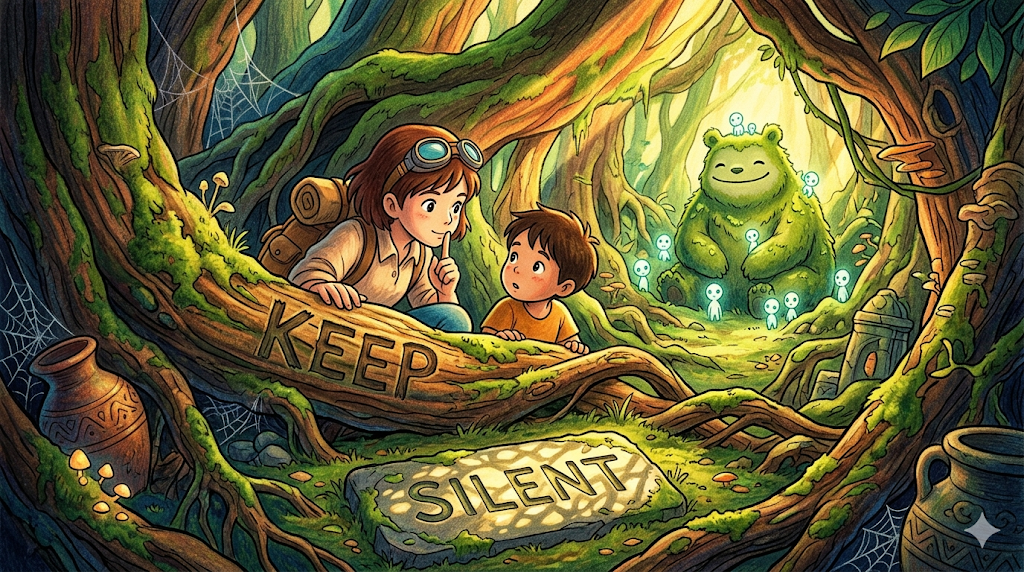
keep silent [kiːp ˈsaɪlənt]
(동사구) 침묵을 유지하다, 말하지 않다
어떤 상황에서 의도적으로 말하지 않거나 비밀을 지키는 것을 강조합니다. 수능 독해 일상·심리·사회 지문에서 자주 등장합니다.
- He kept silent during the whole meeting even though he had a strong opinion about the topic, not sure whether speaking up would help or make things more difficult. (그는 주제에 대해 강한 의견이 있었음에도 불구하고 의견을 말하는 것이 도움이 될지 아니면 상황을 더 어렵게 만들지 확신하지 못해 전체 회의 동안 침묵을 유지했다.)
- The witness had agreed to keep silent about what she had seen in exchange for protection, but over the years the weight of what she knew had become harder and harder to carry. (목격자는 보호를 대가로 그녀가 본 것에 대해 침묵을 유지하기로 동의했지만, 수년에 걸쳐 자신이 아는 것의 무게를 지고 다니는 것이 점점 더 어려워졌다.)
- The essay argued that sometimes keeping silent is the most courageous thing a person can do, and sometimes it is the least — and that knowing which situation you are in requires both honesty and the willingness to live with the consequences of either choice. (에세이는 때로는 침묵을 유지하는 것이 사람이 할 수 있는 가장 용감한 것이고 때로는 가장 용감하지 않은 것이라고 주장했다 — 그리고 어떤 상황에 있는지 아는 것은 정직함과 어느 선택의 결과와도 함께 살 의지를 모두 필요로 한다고 했다.)
숙어 그룹 묶음 2 — 사회·저항 silent 패턴
표현 의미 핵심 뉘앙스 주요 맥락
| silent majority | 침묵하는 다수 | 말하지 않는 대다수의 사람들 | 사회·정치·수능 |
| silent night | 고요한 밤 | 물리적으로 조용하고 평화로운 밤 | 문화·문학·수능 |
| silent protest | 침묵 시위 | 말이나 소음 없이 진행하는 저항 | 사회·역사·수능 |
이 세 표현은 모두 silent의 "사회적 침묵" 이미지를 공유하되, 각각 정치적으로 조용한 다수(silent majority)·자연적으로 고요한 밤(silent night)·의도적으로 조용한 저항(silent protest)의 관점에서 접근합니다.
- The silent majority who had stayed home that night was connected by something that the silent protest outside the town hall made visible — the same desire for change that had seemed impossible to achieve, and the same wish for a silent night of peace after years of conflict. (그날 밤 집에 있었던 침묵하는 다수는 시청 밖의 침묵 시위가 보이게 만든 것으로 연결됐다 — 달성하기 불가능해 보였던 같은 변화에 대한 욕망, 그리고 수년간의 갈등 후 평화로운 고요한 밤에 대한 같은 소망이었다.)
- The essay used three different kinds of silence — the silent majority that never speaks, the silent protest that speaks without words, and the silent night that holds everything peacefully — to argue that silence is never just the absence of sound but always the presence of something that has chosen not to speak. (에세이는 결코 말하지 않는 침묵하는 다수, 말없이 말하는 침묵 시위, 모든 것을 평화롭게 담고 있는 고요한 밤 세 가지 다른 종류의 침묵을 사용해 침묵은 결코 단순한 소리의 부재가 아니라 항상 말하지 않기로 선택한 무언가의 존재라고 주장했다.)
- She noticed that silent nights were becoming rarer in her city as it grew bigger and louder, and wondered whether the silent majority and silent protests both expressed the same underlying longing — for a world where it was possible to hear yourself think. (그녀는 도시가 더 크고 시끄러워지면서 고요한 밤이 점점 드물어지고 있다는 것을 알아챘으며, 침묵하는 다수와 침묵 시위가 모두 같은 근본적인 열망 — 스스로 생각하는 소리를 들을 수 있는 세상 — 을 표현하는 것인지 궁금했다.)

silent night [ˈsaɪlənt naɪt]
(명사구) 고요한 밤
물리적으로 조용하고 평화로운 밤을 강조하며, 문화적으로 크리스마스 캐롤과 연결되기도 합니다. 수능 독해 문화·문학·일상 지문에서 자주 등장합니다.
- The campsite was wonderfully quiet after everyone had gone to sleep, and she lay awake enjoying the silent night and the sound of nothing at all. (모든 사람이 잠들고 나서 캠핑장은 놀랍도록 조용했으며, 그녀는 깨어 누워 고요한 밤과 아무것도 없는 소리를 즐겼다.)
- After a week of exams and deadlines, the long silent night she spent at home doing absolutely nothing felt like the best gift she could have given herself. (시험과 마감의 한 주 후, 집에서 아무것도 하지 않고 보낸 긴 고요한 밤이 스스로에게 줄 수 있는 최고의 선물처럼 느껴졌다.)
- The essay used a silent night as a symbol for the kind of inner quiet that is increasingly difficult to find in a world that is always on — arguing that the loss of literal quiet in modern life reflects something deeper about how much space we have left for thought, rest, and recovery. (에세이는 고요한 밤을 항상 켜져 있는 세상에서 점점 찾기 어려운 내면의 고요함의 상징으로 사용했다 — 현대 생활에서 문자 그대로의 고요함의 상실이 생각, 휴식, 회복을 위해 우리가 얼마나 많은 공간을 남겨뒀는지에 대한 더 깊은 무언가를 반영한다고 주장했다.)

in silence [ɪn ˈsaɪləns]
(전치사구) 침묵 속에서, 조용히
아무 말도 하지 않고 어떤 일을 하는 상태를 강조합니다. 수능 독해 일상·문학·심리 지문에서 자주 등장합니다.
- The two friends ate their lunch in silence for the first time since they had started meeting every week, and both knew that something had shifted between them. (두 친구는 매주 만나기 시작한 이후 처음으로 침묵 속에서 점심을 먹었으며, 두 사람 모두 무언가가 사이에서 바뀌었다는 것을 알았다.)
- She completed the entire exam in silence, barely moving and keeping her eyes on the paper from start to finish. (그녀는 처음부터 끝까지 거의 움직이지 않고 종이에 눈을 고정한 채 침묵 속에서 시험 전체를 완료했다.)
- The essay argued that doing difficult things in silence — without announcing them, seeking validation, or complaining about the cost — is one of the most undervalued forms of strength, because it puts the focus entirely on the thing being done rather than on the person doing it. (에세이는 발표하거나, 검증을 구하거나, 비용에 대해 불평하지 않고 침묵 속에서 어려운 일을 하는 것이 가장 과소평가된 강함의 형태 중 하나라고 주장했다 — 그것이 하는 사람보다 하는 일에 초점을 완전히 맞추기 때문이다.)
숙어 그룹 묶음 3 — 침묵의 극단 silent 심화 패턴
표현 의미 핵심 뉘앙스 주요 맥락
| in silence | 침묵 속에서 | 아무 말도 하지 않고 하는 것 | 일상·문학·수능 |
| stone-cold silent | 완전히 침묵하는 | 전혀 대답하지 않는 완전한 침묵 | 심리·사회·수능 |
| break the silence | 침묵을 깨다 | 불편한 침묵 후에 처음으로 말하는 것 | 심리·사회·수능 |
이 세 표현은 모두 silent의 "침묵의 정도와 변화" 이미지를 공유하되, 각각 조용히 진행되는 상태(in silence)·완전히 아무것도 말하지 않는 극단적 침묵(stone-cold silent)·침묵이 깨지는 전환점(break the silence)의 관점에서 접근합니다.
- The interview had been conducted almost entirely in silence from her side — she had been stone-cold silent for most of it — and it was only at the very end that she finally broke the silence with one short sentence that changed everything. (인터뷰는 그녀 쪽에서 거의 완전히 침묵 속에서 진행됐다 — 그녀는 대부분 완전히 침묵했다 — 그리고 마지막에야 비로소 모든 것을 바꾼 하나의 짧은 문장으로 침묵을 깼다.)
- They had been sitting in silence for several minutes, both of them stone-cold silent, when she finally broke the silence with a soft apology that neither of them had expected her to offer first. (그들은 둘 다 완전히 침묵하며 몇 분 동안 침묵 속에서 앉아 있다가 그녀가 마침내 아무도 그녀가 먼저 할 것이라고 예상하지 못한 부드러운 사과로 침묵을 깼다.)
- The essay traced the movement from sitting in silence to being stone-cold silent to finally breaking the silence as a pattern that appears in almost every difficult conversation — and argued that understanding where you are in that pattern is the first step to choosing how to respond well. (에세이는 침묵 속에서 앉아 있기에서 완전히 침묵하기를 거쳐 마침내 침묵을 깨기까지의 이동을 거의 모든 어려운 대화에서 나타나는 패턴으로 추적했다 — 그리고 자신이 그 패턴에서 어디에 있는지 이해하는 것이 잘 반응하는 방법을 선택하는 첫 번째 단계라고 주장했다.)

silent protest [ˈsaɪlənt ˈprəʊtest]
(명사구) 침묵 시위
말이나 소음 없이 조용히 진행하는 시위나 저항을 강조하며, 수능 사회·역사 지문에서 자주 등장합니다.
- Several students held a silent protest by wearing black armbands to school every day for a week, and their calm presence made more of an impression than any speech could have done. (여러 학생들이 일주일 동안 매일 학교에 검은 팔찌를 착용하며 침묵 시위를 했으며, 그들의 차분한 존재가 어떤 연설보다도 더 강한 인상을 남겼다.)
- The silent protest outside the council building drew attention not because it was loud but because it was so utterly quiet in a way that made people stop and think. (시의회 건물 밖의 침묵 시위는 시끄럽기 때문이 아니라 사람들을 멈추고 생각하게 만드는 방식으로 완전히 조용하기 때문에 주목을 끌었다.)
- The essay explored the history of silent protest, noting that throughout history people have used silence as a form of resistance precisely because it is harder to dismiss than noise — a crowd that shouts can be drowned out, but a crowd that stands quietly and refuses to move requires a different kind of response. (에세이는 침묵 시위의 역사를 탐구하며, 역사를 통해 사람들이 침묵이 소음보다 무시하기 더 어렵기 때문에 정확히 저항의 한 형태로 사용했다고 지적했다 — 소리치는 군중은 압도될 수 있지만, 조용히 서서 움직이기를 거부하는 군중은 다른 종류의 반응을 필요로 한다고 했다.)

stone-cold silent [stəʊn kəʊld ˈsaɪlənt]
(형용사구) 완전히 침묵하는, 입을 꽉 다문
어떤 질문에도 전혀 대답하지 않고 완전히 침묵을 유지하는 상태를 강조합니다. 수능 독해 심리·사회 지문에서 자주 등장합니다.
- She asked him three times what was wrong, and each time he went stone-cold silent, staring at the wall as if she had not spoken at all. (그녀는 세 번 무엇이 잘못됐는지 물었으며, 그때마다 그는 마치 그녀가 전혀 말하지 않은 것처럼 벽을 바라보며 완전히 침묵했다.)
- The suspect went stone-cold silent the moment the detective entered the room, and remained that way for the entire two-hour interview without saying a single word. (용의자는 형사가 방에 들어오는 순간 완전히 침묵했으며, 2시간의 인터뷰 전체 동안 단 한 마디도 하지 않은 채 그 상태를 유지했다.)
- The essay used the phrase stone-cold silent to explore the difference between thoughtful silence and aggressive silence — arguing that while both look the same from the outside, one is a genuine pause for reflection while the other is a way of using absence as a weapon. (에세이는 완전히 침묵하는이라는 표현을 사용해 사려 깊은 침묵과 공격적인 침묵의 차이를 탐구했다 — 겉에서는 둘 다 같아 보이지만, 하나는 성찰을 위한 진정한 멈춤이고 다른 하나는 부재를 무기로 사용하는 방법이라고 주장했다.)

break the silence [breɪk ðə ˈsaɪləns]
(동사구) 침묵을 깨다, 먼저 말을 꺼내다
불편하거나 긴 침묵 후에 처음으로 말을 하거나 소리를 내는 것을 강조합니다. 수능 독해 심리·사회·문학 지문에서 핵심적으로 등장합니다.
- Nobody wanted to be the first to speak, so they all sat looking at each other until the youngest person in the room finally broke the silence with a question that made everyone laugh. (아무도 먼저 말하고 싶지 않아서 방에서 가장 어린 사람이 마침내 모든 사람을 웃게 만드는 질문으로 침묵을 깰 때까지 모두 서로를 바라보며 앉아 있었다.)
- She had been afraid to break the silence for so long that when she finally did, she was surprised to find that the other person had been waiting just as nervously for her to do exactly that. (그녀는 너무 오랫동안 침묵을 깨기가 두려웠는데, 마침내 그렇게 했을 때 상대방이 그녀가 바로 그것을 하기를 마찬가지로 초조하게 기다리고 있었다는 것을 발견하고 놀랐다.)
- The essay argued that the person who breaks the silence in a difficult situation often takes the greatest social risk — because they are the one stepping into the unknown first — and that recognising this is important for valuing the kind of courage that does not look dramatic but actually keeps relationships and communities alive. (에세이는 어려운 상황에서 침묵을 깨는 사람이 종종 가장 큰 사회적 위험을 감수한다고 주장했다 — 그들이 먼저 미지의 세계로 발을 내딛는 사람이기 때문이다 — 그리고 이것을 인식하는 것이 극적으로 보이지 않지만 실제로 관계와 공동체를 살아있게 유지하는 종류의 용기를 가치 있게 여기는 데 중요하다고 했다.)
숙어 그룹 묶음 4 — 종합 silent 패턴
표현 의미 핵심 뉘앙스 주요 맥락
| silent majority | 침묵하는 다수 | 말하지 않는 대다수의 사람들 | 사회·정치·수능 |
| silent treatment | 침묵으로 무시하기 | 화나서 말을 하지 않는 것으로 처벌하는 것 | 심리·사회·수능 |
| break the silence | 침묵을 깨다 | 불편한 침묵 후에 처음으로 말하는 것 | 심리·사회·수능 |
이 세 표현은 수능 독해에서 가장 자주 출제되는 silent의 핵심 패턴입니다. silent majority는 사회적 침묵을, silent treatment는 심리적 제재로서의 침묵을, break the silence는 침묵을 깨는 용기를 각각 나타냅니다.
- The community had been suffering from the silent treatment that its leaders gave to the concerns of the silent majority, and it was only when one ordinary person finally broke the silence at a town meeting that things began to change. (공동체는 리더들이 침묵하는 다수의 우려에 침묵으로 대하는 것으로 고통받고 있었으며, 마을 회의에서 한 평범한 사람이 마침내 침묵을 깼을 때야 비로소 일이 변하기 시작했다.)
- The essay explored three related silences — the silent majority that never speaks up, the silent treatment that uses silence as punishment, and the act of breaking the silence that requires courage — arguing that all three reveal something important about power: who has it, who uses it, and who is brave enough to challenge it. (에세이는 세 가지 관련된 침묵 — 결코 목소리를 내지 않는 침묵하는 다수, 침묵을 처벌로 사용하는 침묵으로 무시하기, 그리고 용기를 필요로 하는 침묵을 깨는 행위 — 을 탐구했다 — 세 가지 모두 권력에 대해 중요한 것을 드러낸다고 주장했다: 누가 그것을 갖고 있는지, 누가 그것을 사용하는지, 그리고 누가 그것에 도전할 만큼 충분히 용감한지라고 했다.)
- She concluded that learning when to speak for the silent majority, when to refuse the silent treatment and insist on honest communication, and when to be the one who finally breaks the silence are three of the most important skills anyone can develop — because all three require knowing not just what to say, but when and how and whether to say it at all. (그녀는 침묵하는 다수를 위해 언제 말할지, 언제 침묵으로 무시하기를 거부하고 솔직한 소통을 주장할지, 그리고 마침내 침묵을 깨는 사람이 될 때를 배우는 것이 누구나 개발할 수 있는 가장 중요한 기술 세 가지라고 결론지었다 — 세 가지 모두 무엇을 말할지뿐만 아니라 언제, 어떻게, 그리고 전혀 말할지를 아는 것을 필요로 하기 때문이다.)
전체 요약표
표현 의미 핵심 뉘앙스
| silent | 조용한, 침묵하는, 말이 없는 | 조용함에서 저항·제재·비표현까지 확장 |
| silent treatment | 침묵으로 무시하기 | 화나서 말을 하지 않는 것으로 처벌하는 것 |
| fall silent | 조용해지다 | 대화나 활동이 갑자기 멈추는 것 |
| silent majority | 침묵하는 다수 | 말하지 않는 대다수의 사람들 |
| keep silent | 침묵을 유지하다 | 의도적으로 말하지 않거나 비밀을 지키는 것 |
| silent night | 고요한 밤 | 물리적으로 조용하고 평화로운 밤 |
| in silence | 침묵 속에서 | 아무 말도 하지 않고 하는 것 |
| silent protest | 침묵 시위 | 말이나 소음 없이 진행하는 저항 |
| stone-cold silent | 완전히 침묵하는 | 전혀 대답하지 않는 완전한 침묵 |
| break the silence | 침묵을 깨다 | 불편한 침묵 후에 처음으로 말하는 것 |
유의어 비교표

단어 공통점 뉘앙스 차이 예문
| silent | 조용한, 침묵하는 | 완전히 소리·말 없음, 비유 풍부 | The room was silent. |
| quiet | 조용한 | 소음이 적고 평화로운 일반적 상태 | Please be quiet. |
| still | 조용한, 정적인 | 움직임이 없는 정적 상태 | She sat very still. |
| mute | 말 못하는, 무음의 | 말할 수 없거나 소리를 끄는 것 | He went mute with shock. |
| hushed | 조용해진 | 낮고 부드럽게 조용해진 상태 | The crowd went hushed. |
유의어 예문 리스트
- (quiet) The house was finally quiet after the children had gone to bed, and she sat down to read for the first time all day. (아이들이 잠든 후 집이 마침내 조용해져서, 그녀는 하루 중 처음으로 앉아서 책을 읽었다.)
- (still) The lake was so still in the early morning that the trees along the shore were perfectly reflected in the surface of the water. (이른 아침 호수가 너무 고요해서 해변을 따라 있는 나무들이 물 표면에 완벽하게 반영됐다.)
- (mute) She went completely mute when her name was called, and the teacher had to ask twice before she managed to make any sound at all. (그녀의 이름이 불렸을 때 완전히 말문이 막혀서, 선생님이 그녀가 어떤 소리를 낼 때까지 두 번 물어봐야 했다.)
- (hushed) The whole library went hushed the moment the announcement came over the speaker, as everyone stopped talking and listened carefully to what was being said. (발표가 스피커를 통해 들려오는 순간 도서관 전체가 조용해지며, 모든 사람이 이야기를 멈추고 무슨 말이 나오는지 주의 깊게 들었다.)
결론 정리
silent는 단순히 "조용한"이 아니라, 라틴어 silere(침묵하다)에서 출발해 소리나 말이 없는 상태에서 물리적 조용함·의도적 침묵·사회적 저항·심리적 제재·정치적 다수까지 확장되는 단어다 — silent가 있는 곳엔 언제나 '단순한 조용함이 아닌, 인간이 침묵을 통해 저항하고·보호하며·표현하고·연결하는 방식이 생생하게 살아숨쉬는' 생동감의 선언이 있다.
💡 silent는 "소리나 말이 없는 상태에서 출발한" 생동감 넘치는 언어 — silent majority · silent treatment · break the silence가 수능 최빈출.
🌟 초등학생 버전 — silent는 조용한, 침묵하는이지만, "침묵하는 다수"(silent majority), "침묵으로 무시하기"(silent treatment), "침묵을 깨다"(break the silence)처럼 우리 생활과 사회 곳곳에 살아있는 단어예요! 🤫✨


