- 분류 전체보기 (5476)

| 일 | 월 | 화 | 수 | 목 | 금 | 토 |
|---|---|---|---|---|---|---|
| 1 | 2 | |||||
| 3 | 4 | 5 | 6 | 7 | 8 | 9 |
| 10 | 11 | 12 | 13 | 14 | 15 | 16 |
| 17 | 18 | 19 | 20 | 21 | 22 | 23 |
| 24 | 25 | 26 | 27 | 28 | 29 | 30 |
| 31 |
- call off
- oh
- entrance fee
- please.
- Sorry
- come up with
- Don't worry
- OKay
- work out
- Hey
- Excuse me
- I'm glad to hear that.
- Actually
- no
- too.
- hold on
- I'm sorry
- Read between the lines
- Sure
- once in a while
- By The Way
- Please
- Yeah
- I'm not sure
- Yes
- please?
- make it
- pick up
- Right?
- well
- Today
- Total
인과함께
Day384 , rope, learn the ropes, show someone the ropes, on the ropes, rope in, at the end of one's rope, jump rope, rope off, give someone enough rope, know the ropes 본문
Day384 , rope, learn the ropes, show someone the ropes, on the ropes, rope in, at the end of one's rope, jump rope, rope off, give someone enough rope, know the ropes
미인생 2026. 5. 7. 16:56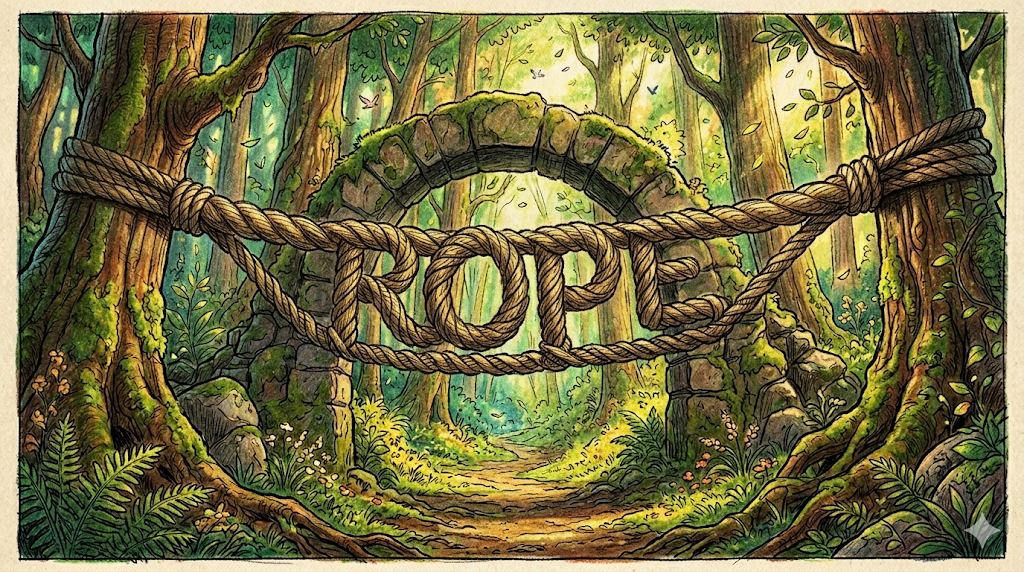
rope [rəʊp]
(명사/동사) 밧줄, 로프 / 밧줄로 묶다, 설득해 끌어들이다
단순히 "밧줄"로만 외우면 수능에서 반드시 틀립니다. rope는 "무언가를 연결하거나 통제하는 강한 줄" 이라는 핵심 이미지에서 출발해, 실제 물리적 줄·일의 방식 이해·위기 상황·누군가를 설득해 끌어들이기까지 폭넓게 쓰이는 핵심 다의어입니다. 특히 learn the ropes(요령을 익히다), on the ropes(궁지에 몰린), at the end of one's rope(한계에 달한) 패턴은 수능 독해 사회·심리·논리 지문에서 핵심적으로 등장합니다.
'rope'는 고대 영어 rāp(밧줄, 줄)에서 유래했으며, 게르만어 *raipaz(밧줄)와 연결됩니다. 어원의 핵심 이미지는 "무언가를 붙들거나 연결하는 강한 줄" 로, 단순한 물리적 밧줄을 넘어 삶의 방식 파악·한계 도달·통제·경계·설득까지 확장되는 표현의 근원이 된 단어입니다.
1. learn the ropes [lɜːrn ðə rəʊps]
(일상/사회/수능) "요령을 익히다, 일하는 방식을 배우다"를 뜻합니다. 새로운 직장이나 활동에서 어떻게 일이 돌아가는지 배우는 것을 강조하며, 수능에서 가장 자주 출제되는 표현입니다.
It took her a few weeks to learn the ropes at her new job, but soon she felt confident and comfortable doing everything on her own. (새 직장에서 요령을 익히는 데 몇 주가 걸렸지만 곧 그녀는 모든 것을 혼자 할 때 자신감 있고 편안함을 느꼈다.)
2. show someone the ropes [ʃəʊ ˈsʌmwʌn ðə rəʊps]
(일상/사회/수능) "요령을 알려주다, 일하는 방식을 가르쳐주다"를 뜻합니다. 경험 있는 사람이 새로 온 사람에게 어떻게 일이 돌아가는지 직접 가르쳐주는 것을 강조합니다.
He was kind enough to show her the ropes on her first day, walking her through every step of the process so she would not feel lost. (그는 그녀가 길을 잃지 않도록 과정의 모든 단계를 안내하며 첫날 요령을 알려줄 만큼 친절했다.)
3. on the ropes [ɒn ðə rəʊps]
(일상/심리/수능) "궁지에 몰린, 위기 상황에 처한"을 뜻합니다. 권투에서 선수가 로프 쪽으로 밀려나는 것처럼, 어떤 사람이나 조직이 매우 어렵고 위험한 상황에 처해 있다는 것을 강조합니다.
The small business was on the ropes after losing its biggest customer, and the owner had to think fast to find a way to survive. (그 작은 사업체는 가장 큰 고객을 잃은 후 궁지에 몰렸으며, 주인은 살아남을 방법을 찾기 위해 빠르게 생각해야 했다.)
4. rope in [rəʊp ɪn]
(일상/사회/수능) "설득해서 끌어들이다, 억지로 참여시키다"를 뜻합니다. 누군가를 부드럽게 또는 교묘하게 설득해 어떤 일에 참여하도록 만드는 것을 강조합니다.
She roped in her younger brother to help carry the boxes, promising him a slice of pizza once the work was done. (그녀는 작업이 끝나면 피자 한 조각을 약속하며 상자를 옮기는 것을 돕도록 남동생을 설득해 끌어들였다.)
5. at the end of one's rope [æt ðə end əv wʌnz rəʊp]
(심리/사회/수능) "한계에 달한, 더 이상 버티기 어려운"을 뜻합니다. 무언가를 더 이상 견딜 수 없을 만큼 지치거나 좌절한 상태를 강조합니다.
After three nights without sleep and too much to do, she was completely at the end of her rope and finally asked for help. (잠을 못 자며 세 밤을 보내고 할 일이 너무 많아진 후, 그녀는 완전히 한계에 달해 마침내 도움을 요청했다.)
6. jump rope [dʒʌmp rəʊp]
(일상/교육/수능) "줄넘기를 하다" 또는 "줄넘기(줄)"를 뜻합니다. 밧줄을 이용한 운동 또는 놀이로서의 줄넘기를 강조합니다.
She used to jump rope with her friends every morning before school because it was fun, needed no equipment, and was great exercise. (그녀는 재미있고, 장비가 필요 없으며, 훌륭한 운동이었기 때문에 학교 가기 전에 매일 아침 친구들과 줄넘기를 하곤 했다.)
7. rope off [rəʊp ɒf]
(일상/사회/수능) "밧줄로 구역을 나누다, 통제선을 치다"를 뜻합니다. 특정 구역에 줄을 쳐서 사람들이 들어오지 못하도록 막거나 경계를 만드는 것을 강조합니다.
The police roped off the area around the building so that people could not get close while the workers fixed the damaged roof. (경찰은 공사 인부들이 손상된 지붕을 수리하는 동안 사람들이 가까이 오지 못하도록 건물 주변 구역에 통제선을 쳤다.)
8. give someone enough rope [ɡɪv ˈsʌmwʌn ɪˈnʌf rəʊp]
(심리/사회/수능) "충분한 자유를 줘서 스스로 실수를 드러내게 하다"를 뜻합니다. 누군가에게 자유를 주면 결국 스스로 실수를 저질러 드러나게 된다는 것을 강조합니다.
The manager decided to give him enough rope rather than micromanage, believing that his careless attitude would eventually show itself to everyone. (매니저는 사소하게 관리하기보다 그에게 충분한 자유를 주기로 결정했으며, 그의 부주의한 태도가 결국 모든 사람에게 드러날 것이라고 믿었다.)
9. know the ropes [nəʊ ðə rəʊps]
(일상/사회/수능) "요령을 알다, 일하는 방식을 이해하다"를 뜻합니다. 어떤 활동이나 상황에서 필요한 지식과 경험을 이미 갖추고 있는 것을 강조합니다.
She knows the ropes well, so if you have any questions about how things work here, she is the best person to ask. (그녀는 요령을 잘 알고 있으니, 여기서 일이 어떻게 돌아가는지에 대한 질문이 있으면 그녀가 물어볼 가장 좋은 사람이다.)
10. rope (동사: 밧줄로 묶다) [rəʊp]
(일상/스포츠/수능) 동사로 쓰여 "밧줄로 묶다, 밧줄로 연결하다"를 뜻합니다. 물리적으로 밧줄을 사용해 무언가를 묶거나 연결하는 것을 강조합니다.
They roped the boxes together tightly on the roof of the car so nothing would fall off during the long drive to their new home. (그들은 새 집까지의 긴 운전 중에 아무것도 떨어지지 않도록 차 지붕의 상자들을 단단히 밧줄로 묶었다.)

POINT 1. rope — 수능 최빈출 비유·어휘 패턴
rope는 수능 독해 사회·심리·논리 지문에서 비유적 표현으로 자주 출제됩니다.
learn the ropes → 새로운 일이나 환경에서 요령을 익힐 때 예) She needs time to learn the ropes. (그녀는 요령을 익히는 시간이 필요하다.) on the ropes → 어렵고 위기에 처한 상황을 나타낼 때 예) The company is on the ropes. (회사가 궁지에 몰렸다.) at the end of one's rope → 더 이상 버티기 어려운 한계 상황을 나타낼 때 예) He was at the end of his rope. (그는 한계에 달해 있었다.)
POINT 2. rope / string / cord — 수능 어휘 핵심 비교
이 세 단어는 수능에서 자주 혼동되는 어휘입니다.
rope → 굵고 튼튼한 밧줄 (강한 힘이 필요한 것에 사용) 예) Use a rope to climb up. 밧줄을 사용해 올라가라. string → 가늘고 부드러운 실이나 끈 예) Tie it with a string. 실로 묶어라. cord → 로프보다 얇고 전선이나 끈의 느낌 예) The power cord broke. 전원 코드가 끊어졌다.
POINT 3. rope의 다양한 용법 — 수능 독해 문맥 파악 핵심
rope는 수능 독해에서 문맥에 따라 의미가 완전히 달라지는 핵심 단어입니다.
물리적 줄 → Pull the rope hard. 밧줄을 세게 당겨라. 요령 → She knows the ropes. 그녀는 요령을 알고 있다. 위기 → He is on the ropes. 그는 궁지에 몰렸다. 한계 → She is at the end of her rope. 그녀는 한계에 달했다. 통제선 → They roped off the area. 그들은 그 구역을 통제했다.
(명사) ① 밧줄, 로프 (물리적)
rope의 가장 기본적인 의미로, 물리적으로 무언가를 묶거나 연결하는 굵고 튼튼한 줄을 나타냅니다.
- She tied a rope around the heavy box and pulled it slowly across the floor because it was too heavy to carry by herself. (그녀는 혼자 들기에 너무 무거웠기 때문에 무거운 상자 주위에 밧줄을 묶고 바닥을 가로질러 천천히 끌었다.)
- The children made a swing by tying two long pieces of rope to a strong branch and putting a flat piece of wood across the bottom for a seat. (아이들은 튼튼한 나뭇가지에 두 개의 긴 밧줄 조각을 묶고 바닥에 앉기 위한 납작한 나무 조각을 가로질러 그네를 만들었다.)
- The climbers checked every piece of rope carefully before starting the climb, knowing that one weak point could put the whole team in danger. (등반가들은 한 곳의 약한 부분이 전체 팀을 위험에 빠뜨릴 수 있다는 것을 알면서 등반을 시작하기 전에 모든 밧줄 조각을 조심스럽게 확인했다.)
(동사) ② 밧줄로 묶다, 연결하다 (물리적)
rope는 밧줄을 사용해 물리적으로 무언가를 묶거나 연결하는 것을 나타냅니다.
- He roped the tent to the ground carefully before the storm came, knowing that the strong wind would blow it away if it was not held down firmly. (그는 강한 바람이 단단히 고정되지 않으면 텐트를 날려버릴 것을 알면서 폭풍이 오기 전에 텐트를 땅에 조심스럽게 밧줄로 묶었다.)
- She roped the two pieces of wood together until she could get a proper nail to fix them permanently. (그녀는 영구적으로 고정하기 위한 적절한 못을 구할 때까지 두 나무 조각을 함께 밧줄로 묶었다.)
- The sailors roped the boat to the dock as soon as they arrived, making sure it was tied at both ends so it would not drift away during the night. (선원들은 도착하자마자 배를 부두에 밧줄로 묶었으며, 밤 동안 떠내려가지 않도록 양쪽 끝이 묶여 있는지 확인했다.)
(동사) ③ 설득해 끌어들이다 (비유적)
rope는 비유적으로 누군가를 부드럽게 또는 교묘하게 설득해 어떤 일에 참여하도록 만드는 것을 나타냅니다.
- Her friends roped her into helping with the school play even though she had said she was too busy, because they knew she would love it once she got started. (그녀가 너무 바쁘다고 말했음에도 불구하고 친구들은 일단 시작하면 좋아할 것을 알면서 학교 연극을 돕도록 그녀를 설득해 끌어들였다.)
- He was roped into joining the planning committee before he realised what he had agreed to, and by the time he understood the amount of work involved it was too late to say no. (그는 자신이 무엇에 동의했는지 깨닫기 전에 기획 위원회에 참여하도록 설득됐으며, 관련된 작업의 양을 이해했을 때는 거절하기에 너무 늦었다.)
- She had a talent for roping people into her projects — not through pressure but through genuine enthusiasm that made everyone feel the work would be exciting and worth their time. (그녀는 사람들을 프로젝트에 끌어들이는 재주가 있었다 — 압박을 통해서가 아니라 모든 사람에게 일이 흥미롭고 시간을 들일 가치가 있을 것이라는 느낌을 주는 진정한 열정을 통해서였다.)

뉘앙스·의미 연결 흐름 표
핵심 이미지 연결 흐름 뉘앙스 요약
| 줄을 따라 배우고 이해하는 것 | 요령 배우기 → 요령 알려주기 → 요령 알기 | learn the ropes, show someone the ropes, know the ropes |
| 줄에 묶이거나 통제되는 것 | 궁지에 몰림 → 한계 도달 → 통제선 | on the ropes, at the end of one's rope, rope off |
| 줄로 연결하거나 끌어들이는 것 | 끌어들이기 → 줄로 묶기 → 자유를 줘서 실수 유도 | rope in, jump rope, give someone enough rope |
어원 흐름 표
단어 구성 요소 의미 연결 흐름 뉘앙스 요약
| 게르만어 *raipaz(밧줄) → 고대 영어 rāp | 무언가를 붙들거나 연결하는 강한 줄 → rope | 연결과 통제의 핵심 이미지 |
| rope (명사/동사) | 물리적 줄 → 요령 이해 → 위기 상황 → 설득 | 밧줄에서 지식·한계·통제·설득까지 확장 |
품사별 의미 표
품사 의미 예문
| 명사 | 밧줄, 로프 | Pull the rope hard. |
| 동사 | 밧줄로 묶다 | Rope the box to the car. |
| 동사 | 설득해 끌어들이다 | She roped me into helping. |
| 관용구 | 요령을 익히다 | She learned the ropes fast. |
| 관용구 | 궁지에 몰린 | He is on the ropes. |
| 관용구 | 한계에 달한 | She is at the end of her rope. |
활용 예문 리스트
- She was new to the team but learned the ropes so quickly that within a month she was already training the next group of new members herself. (그녀는 팀에 새로 왔지만 요령을 너무 빨리 익혀 한 달 안에 이미 스스로 다음 그룹의 새 구성원들을 훈련시키고 있었다.)
- After months of dealing with problems on her own without asking for help, she finally admitted she was completely at the end of her rope and needed support from the people around her. (수개월 동안 도움을 구하지 않고 혼자 문제를 처리한 후, 그녀는 마침내 완전히 한계에 달해 주변 사람들의 지원이 필요하다는 것을 인정했다.)
- The local team was on the ropes after losing four matches in a row, and the coach called an emergency meeting to decide what needed to change. (지역 팀은 4경기 연속 패한 후 궁지에 몰렸으며, 코치는 무엇이 바뀌어야 하는지 결정하기 위해 긴급 회의를 소집했다.)
- She roped in three of her classmates to help her set up the room for the event, telling them it would only take thirty minutes and would be a lot more fun with more people. (그녀는 30분밖에 걸리지 않을 것이고 더 많은 사람들과 함께하면 훨씬 더 재미있을 것이라고 말하며 세 명의 반 친구들을 행사를 위해 방을 꾸미도록 설득해 끌어들였다.)
- The museum roped off the most delicate displays so that visitors could see them clearly without getting close enough to cause any accidental damage. (박물관은 방문객들이 실수로 손상을 줄 만큼 가까이 가지 않고도 선명하게 볼 수 있도록 가장 섬세한 전시물 주변에 통제선을 쳤다.)
전체 뉘앙스 설명
rope는 '무언가를 붙들거나 연결하는 강한 줄에서 출발해 요령 이해·위기 상황·한계 도달·통제·설득까지 확장되는 생동감 넘치는 언어'입니다.
string과의 차이: string은 가늘고 부드러운 실이나 끈을 강조하고, rope는 더 굵고 강하며 큰 힘을 견딜 수 있는 밧줄을 강조합니다. tie와의 차이: tie는 단순히 묶는 행위를 강조하고, rope는 특별히 밧줄을 사용해 묶거나 연결하는 것을 강조합니다. persuade와의 차이: persuade는 논리적으로 설득하는 것을 강조하고, rope in은 부드럽거나 교묘하게 끌어들이는 것을 강조합니다.
마지막 핵심 정리
rope는 단순히 "밧줄"이 아닙니다 — 고대 영어 rāp(밧줄)에서 출발해, 물리적 줄(rope)에서 요령 배우기(learn the ropes)·요령 가르치기(show someone the ropes)·위기 상황(on the ropes)·설득(rope in)·한계 도달(at the end of one's rope)·줄넘기(jump rope)·통제선(rope off)·자유를 통한 실수 유도(give someone enough rope)·요령 알기(know the ropes)까지 확장되는 단어이며, learn the ropes·on the ropes·at the end of one's rope의 비유적 의미 파악이 수능 핵심 출제 포인트입니다.
파생어 표
파생어 발음기호 품사 의미
| roped | [rəʊpt] | 형용사/과거 | 밧줄로 묶인 |
| roping | [ˈrəʊpɪŋ] | 명사/현재분사 | 밧줄로 묶기, 밧줄 던지기 |
| ropey / ropy | [ˈrəʊpi] | 형용사 | 형편없는, 컨디션이 나쁜 |
| tightrope | [ˈtaɪtrəʊp] | 명사 | 줄타기 줄, 아슬아슬한 상황 |
| skipping rope | [ˈskɪpɪŋ rəʊp] | 명사 | 줄넘기 줄 |
| roped-off | [rəʊpt ɒf] | 형용사 | 통제선이 쳐진 |
유의어 비교표
단어 공통점 뉘앙스 차이 예문
| rope | 줄, 묶다 | 굵은 밧줄·요령·위기·설득, 비유 풍부 | Pull the rope tight. |
| string | 줄, 끈 | 가늘고 부드러운 실이나 끈 | Tie it with a string. |
| cord | 줄, 코드 | 전선이나 중간 굵기의 끈 | The cord snapped. |
| chain | 사슬 | 금속으로 연결된 사슬 | Lock it with a chain. |
| cable | 케이블 | 전기나 통신에 쓰이는 굵은 줄 | Fix the cable first. |
유의어 예문 리스트
- (string) She used a string to tie the label onto the gift box because she wanted something thin and light that would not cover up the wrapping paper. (그녀는 포장지를 가리지 않을 얇고 가벼운 것을 원했기 때문에 선물 상자에 라벨을 묶기 위해 실을 사용했다.)
- (cord) The cord from the lamp was too short to reach the nearest plug, so she had to move the whole table to a different part of the room. (램프의 코드가 가장 가까운 콘센트에 닿기에는 너무 짧아서 테이블 전체를 방의 다른 부분으로 옮겨야 했다.)
- (chain) The old bicycle was locked to the fence with a chain and a padlock, but the lock looked so old and worn that she was not sure it was really keeping it safe. (오래된 자전거는 사슬과 자물쇠로 울타리에 잠겨 있었지만, 자물쇠가 너무 낡고 닳아서 그녀는 그것이 정말로 안전하게 보호하고 있는지 확신하지 못했다.)
- (cable) The workers laid a new cable under the road to improve the internet connection for the whole neighbourhood before the winter arrived. (공사 인부들은 겨울이 오기 전에 전체 동네의 인터넷 연결을 개선하기 위해 도로 아래에 새 케이블을 깔았다.)
결론 정리
rope는 단순히 "밧줄"이 아니라, 고대 영어 rāp(밧줄)에서 출발해 무언가를 붙들거나 연결하는 강한 줄에서 요령 이해·위기 상황·한계 도달·통제·설득까지 확장되는 단어다 — rope가 있는 곳엔 언제나 '단순한 밧줄이 아닌, 인간이 연결을 만들고·요령을 익히고·한계를 느끼며·서로를 끌어들이는 방식이 생생하게 살아숨쉬는' 생동감의 선언이 있다.
💡 rope는 "무언가를 붙들거나 연결하는 강한 줄에서 출발한" 생동감 넘치는 언어 — learn the ropes · on the ropes · at the end of one's rope가 수능 최빈출.
🌟 초등학생 버전 — rope는 밧줄이지만, "요령을 익히다"(learn the ropes), "궁지에 몰린"(on the ropes), "줄넘기"(jump rope)처럼 우리 생활과 감정 곳곳에 살아있는 단어예요! 🪢✨

learn the ropes [lɜːrn ðə rəʊps]
(동사구) 요령을 익히다, 일하는 방식을 배우다
새로운 직장이나 활동에서 어떻게 일이 돌아가는지 배우는 것을 강조하며, 수능에서 가장 자주 출제되는 표현입니다. 수능 독해 사회·심리·일상 지문에서 핵심적으로 등장합니다.
- He was quiet for the first two weeks because he was still learning the ropes, watching how others did things and storing information before he felt ready to speak up in meetings. (그는 아직 요령을 익히는 중이었기 때문에 처음 두 주 동안 조용했으며, 회의에서 발언할 준비가 됐다고 느끼기 전에 다른 사람들이 일하는 방식을 보고 정보를 저장했다.)
- She was patient with herself while learning the ropes of her new role, knowing that making mistakes at the start was normal and that understanding would come with time and practice. (그녀는 새 역할의 요령을 익히는 동안 자신에게 인내심을 가졌으며, 처음에 실수를 하는 것은 정상이고 이해는 시간과 연습으로 올 것이라는 것을 알았다.)
- The essay argued that learning the ropes of any new field requires not just reading and training but actual experience — because some knowledge only becomes real once you have tried to use it and found out what it actually feels like. (에세이는 어떤 새로운 분야의 요령을 익히는 것이 단순히 읽기와 훈련이 아니라 실제 경험을 필요로 한다고 주장했다 — 어떤 지식은 그것을 사용하려고 해보고 실제로 어떤 느낌인지 알아봤을 때만 진짜가 되기 때문이다.)
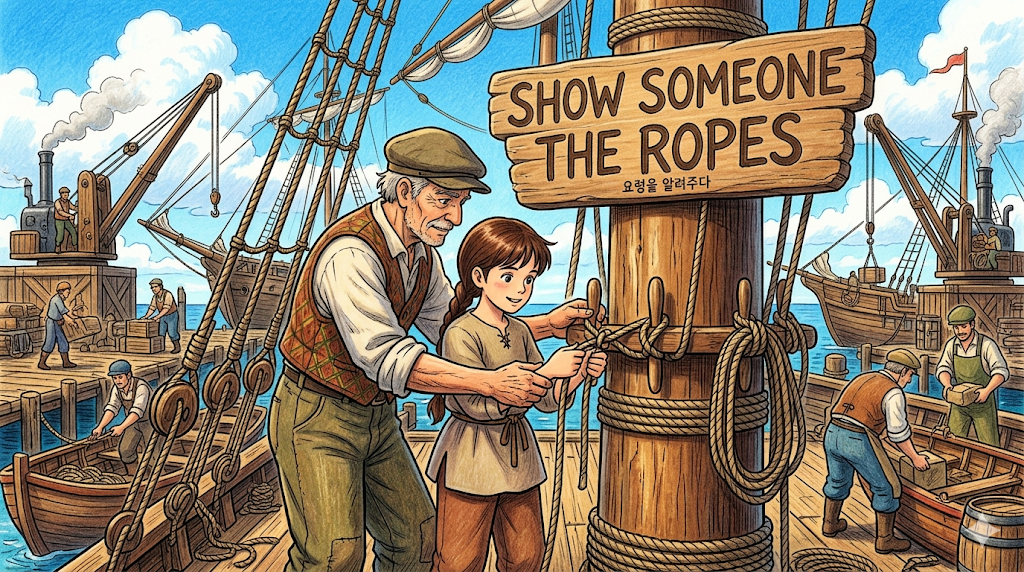
show someone the ropes [ʃəʊ ˈsʌmwʌn ðə rəʊps]
(동사구) 요령을 알려주다, 일하는 방식을 가르쳐주다
경험 있는 사람이 새로 온 사람에게 어떻게 일이 돌아가는지 직접 가르쳐주는 것을 강조합니다. 수능 독해 사회·일상·심리 지문에서 자주 등장합니다.
- The older student showed the new members the ropes on their first day, explaining which areas of the school were open during lunch and which rules were taken most seriously by the teachers. (나이 든 학생은 첫날 신규 회원들에게 요령을 알려줬으며, 점심 동안 학교의 어느 구역이 열려 있는지와 선생님들이 어떤 규칙을 가장 심각하게 생각하는지 설명했다.)
- She showed her the ropes with patience and kindness, never making her feel stupid for not knowing something and always explaining the reason behind each step. (그녀는 무언가를 모르는 것 때문에 바보처럼 느끼게 만들지 않고 항상 각 단계 뒤의 이유를 설명하며 인내심과 친절함으로 요령을 알려줬다.)
- The essay suggested that showing someone the ropes is one of the most undervalued acts in any workplace, because it speeds up the learning process, builds trust between colleagues, and creates a culture where people feel supported rather than left to figure things out alone. (에세이는 누군가에게 요령을 알려주는 것이 어떤 직장에서도 가장 과소평가된 행위 중 하나라고 제안했는데, 그것이 학습 과정을 가속화하고, 동료 간의 신뢰를 쌓으며, 사람들이 혼자 알아내도록 내버려두기보다 지원받는다고 느끼는 문화를 만들기 때문이다.)
숙어 그룹 묶음 1 — 학습·이해 rope 핵심 패턴
표현 의미 핵심 뉘앙스 주요 맥락
| learn the ropes | 요령을 익히다 | 새로운 일이나 환경에서 방식을 배우는 것 | 사회·심리·수능 |
| show someone the ropes | 요령을 알려주다 | 경험자가 새 사람에게 방식을 가르쳐주는 것 | 사회·일상·수능 |
| know the ropes | 요령을 알다 | 이미 필요한 지식과 경험을 갖추고 있는 것 | 일상·사회·수능 |
이 세 표현은 모두 rope의 "줄을 따라 이해하고 안내하는" 이미지를 공유하되, 각각 배우는 과정(learn the ropes)·가르쳐주는 행위(show someone the ropes)·이미 알고 있는 상태(know the ropes)의 관점에서 접근합니다.
- She had taken the time to learn the ropes carefully in her first year, had been lucky enough to have a mentor who showed her the ropes without making it feel like a burden, and now she was the one who knew the ropes well enough to help the next generation coming through. (그녀는 첫 해에 신중하게 요령을 익히는 시간을 가졌으며, 부담스럽게 느끼지 않게 요령을 알려준 멘토를 만나는 행운이 있었고, 이제 그녀는 다음 세대를 돕기에 충분히 요령을 아는 사람이 됐다.)
- The new manager quickly learned the ropes of the organisation because two experienced colleagues agreed to show her the ropes from the first day — and within three months she knew the ropes well enough to begin making changes that everyone agreed were long overdue. (새 매니저는 두 명의 경험 있는 동료가 첫날부터 요령을 알려주기로 동의했기 때문에 조직의 요령을 빠르게 익혔다 — 그리고 3개월 안에 그녀는 모든 사람이 오래 전에 이뤄졌어야 한다고 동의하는 변화를 만들기 시작하기에 충분히 요령을 알게 됐다.)
- The essay argued that every organisation has an informal knowledge — the real way things work, separate from what the rulebook says — and that the gap between learning the ropes, being shown the ropes, and truly knowing the ropes is what separates those who merely survive in a role from those who genuinely thrive in it. (에세이는 모든 조직에는 비공식적 지식이 있다고 주장했다 — 규칙집이 말하는 것과 별개로, 일이 실제로 돌아가는 방식 — 그리고 요령을 익히는 것, 요령을 알려주는 것, 그리고 진정으로 요령을 아는 것 사이의 차이가 단순히 역할에서 살아남는 사람들과 진정으로 성장하는 사람들을 구별하는 것이라고 했다.)

on the ropes [ɒn ðə rəʊps]
(관용구) 궁지에 몰린, 위기 상황에 처한
권투에서 선수가 로프 쪽으로 밀려나는 것처럼, 어떤 사람이나 조직이 매우 어렵고 위험한 상황에 처해 있다는 것을 강조합니다. 수능 독해 사회·심리·논리 지문에서 핵심적으로 등장합니다.
- The team was clearly on the ropes by the second half, having lost three of their best players to injury and struggling to keep up with an opposition that seemed to get stronger as the game went on. (팀은 후반전에 분명히 궁지에 몰렸으며, 세 명의 최고 선수를 부상으로 잃고 경기가 진행될수록 더 강해지는 것 같은 상대를 따라가기 위해 애쓰고 있었다.)
- When a business is on the ropes, the instinct is often to cut costs immediately, but the essay argued that this response can make things worse if it removes the very things that made the business worth saving in the first place. (사업이 궁지에 몰렸을 때 본능은 종종 즉시 비용을 줄이는 것이지만, 에세이는 이 반응이 처음부터 사업을 구할 가치 있게 만든 바로 그것들을 제거하면 상황을 더 나쁘게 만들 수 있다고 주장했다.)
- The essay used the image of being on the ropes to explore what people do when they feel pushed to their limit — some freeze, some fight back harder, and a few find a way to use the pressure itself to discover strength they did not know they had. (에세이는 궁지에 몰린 이미지를 사용해 사람들이 한계로 밀렸다고 느낄 때 무엇을 하는지 탐구했다 — 어떤 사람들은 멈추고, 어떤 사람들은 더 강하게 싸우며, 몇몇은 압박 자체를 사용해 자신이 갖고 있는지 몰랐던 힘을 발견하는 방법을 찾는다.)
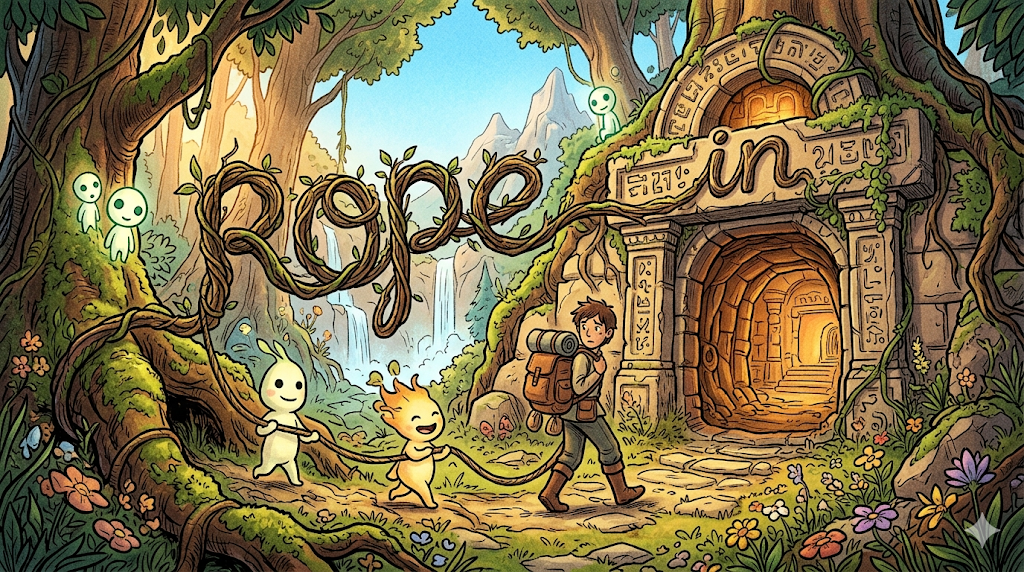
rope in [rəʊp ɪn]
(동사구) 설득해서 끌어들이다, 억지로 참여시키다
누군가를 부드럽게 또는 교묘하게 설득해 어떤 일에 참여하도록 만드는 것을 강조합니다. 수능 독해 사회·심리·일상 지문에서 자주 등장합니다.
- She managed to rope in all of her neighbours to help clean up the park by sending a friendly message explaining how much better the space would look and how little time it would actually take if everyone joined in. (그녀는 모든 이웃을 공원 청소를 돕도록 설득해 끌어들이는 데 성공했는데, 모든 사람이 참여하면 공간이 얼마나 좋아질지와 실제로 얼마나 짧은 시간이 걸릴지를 설명하는 친근한 메시지를 보냈다.)
- He was roped in to judge the school baking competition, which he had not expected and had no qualifications for, but he accepted because he knew the organisers were desperate and he did not want to let them down. (그는 학교 제과 대회를 심사하도록 설득됐는데, 기대하지 않았고 자격도 없었지만 주최자들이 절박하다는 것을 알고 실망시키고 싶지 않았기 때문에 수락했다.)
- The essay explored how easily people can be roped in to causes or activities they had not planned to join, arguing that social pressure and the desire to be helpful are two of the most powerful forces that shape how we actually spend our time — often in ways that serve others more than ourselves. (에세이는 사람들이 참여할 계획이 없었던 대의나 활동에 얼마나 쉽게 설득돼 끌려들어갈 수 있는지 탐구했으며, 사회적 압박과 도움이 되고자 하는 욕구가 우리가 실제로 시간을 보내는 방식을 형성하는 두 가지 가장 강력한 힘이라고 주장했다 — 종종 우리 자신보다 다른 사람들에게 더 도움이 되는 방식으로.)
숙어 그룹 묶음 2 — 위기·설득 rope 패턴
표현 의미 핵심 뉘앙스 주요 맥락
| on the ropes | 궁지에 몰린 | 어렵고 위험한 상황에 처해 있는 것 | 사회·심리·수능 |
| rope in | 설득해서 끌어들이다 | 부드럽게 설득해 참여하도록 만드는 것 | 사회·심리·수능 |
| at the end of one's rope | 한계에 달한 | 더 이상 버티기 어려울 만큼 지친 상태 | 심리·사회·수능 |
이 세 표현은 모두 rope의 "줄에 의해 통제되거나 제한되는" 이미지를 공유하되, 각각 위기 상황으로 밀려나는 것(on the ropes)·줄로 끌어당기듯 참여시키는 것(rope in)·줄의 끝에 매달린 한계 상태(at the end of one's rope)의 관점에서 접근합니다.
- She was already at the end of her rope when her boss roped her in to lead one more project on top of everything she was already doing — and the combination of the extra responsibility and the feeling of being on the ropes financially made it the hardest week she could remember. (그녀는 이미 한계에 달해 있었는데 상사가 그녀가 이미 하고 있는 모든 것 위에 한 프로젝트를 더 이끌도록 설득해 끌어들였다 — 추가적인 책임과 재정적으로 궁지에 몰린 느낌의 조합은 기억할 수 있는 가장 힘든 주를 만들었다.)
- The team was on the ropes after their funding was cut, several members had been roped in to do extra work they had not agreed to, and the project lead admitted privately that she was at the end of her rope and needed the group to decide together whether to continue or to stop. (팀은 자금이 삭감된 후 궁지에 몰렸으며, 여러 구성원이 동의하지 않은 추가 작업을 하도록 설득됐으며, 프로젝트 리더는 개인적으로 한계에 달해 계속할지 아니면 멈출지 그룹이 함께 결정해야 한다고 인정했다.)
- The essay argued that knowing you are on the ropes, being roped in to help someone else who is struggling, and being at the end of your rope yourself are three very different experiences — but all three require the same thing: the ability to ask for help without feeling that doing so means you have failed. (에세이는 궁지에 몰렸다는 것을 아는 것, 어려움을 겪고 있는 다른 사람을 돕도록 설득돼 끌어들이는 것, 그리고 자신이 한계에 달하는 것이 세 가지 매우 다른 경험이라고 주장했다 — 하지만 세 가지 모두 같은 것을 필요로 한다: 그렇게 하는 것이 실패했다는 것을 의미한다고 느끼지 않고 도움을 요청하는 능력이다.)

at the end of one's rope [æt ðə end əv wʌnz rəʊp]
(관용구) 한계에 달한, 더 이상 버티기 어려운
무언가를 더 이상 견딜 수 없을 만큼 지치거나 좌절한 상태를 강조합니다. 수능 독해 심리·사회·일상 지문에서 핵심적으로 등장합니다.
- She had been dealing with the same problem for six weeks without any improvement, and by the time her friend called she was at the end of her rope and ready to give up completely. (그녀는 6주 동안 아무런 개선 없이 같은 문제를 다루고 있었으며, 친구가 전화했을 때 그녀는 한계에 달해 완전히 포기할 준비가 되어 있었다.)
- He never liked to admit it when he was at the end of his rope, believing that showing vulnerability was a sign of weakness, until a difficult experience taught him that asking for help early actually made him stronger and more effective. (그는 어려운 경험이 일찍 도움을 요청하는 것이 실제로 그를 더 강하고 효과적으로 만든다는 것을 가르쳐줄 때까지 취약함을 보이는 것이 약함의 표시라고 믿으며 한계에 달했을 때 그것을 인정하는 것을 좋아하지 않았다.)
- The essay argued that being at the end of your rope is not always a sign of failure — sometimes it is a sign that you have been carrying too much for too long, and that the real failure would be to keep going without acknowledging that what you need is not more effort but different support. (에세이는 한계에 달하는 것이 항상 실패의 표시가 아니라고 주장했다 — 때로는 너무 오랫동안 너무 많이 짊어지고 있다는 표시이며, 진짜 실패는 필요한 것이 더 많은 노력이 아니라 다른 종류의 지원이라는 것을 인정하지 않고 계속 가는 것이라고 했다.)

jump rope [dʒʌmp rəʊp]
(동사구/명사) 줄넘기를 하다 / 줄넘기 줄
밧줄을 이용한 운동 또는 놀이로서의 줄넘기를 강조합니다. 수능 독해 교육·건강·일상 지문에서 자주 등장합니다.
- The children jumped rope together during the break, taking turns to swing the rope and counting loudly each time someone jumped over it without stopping. (아이들은 쉬는 시간 동안 함께 줄넘기를 했으며, 번갈아 밧줄을 돌리고 누군가가 멈추지 않고 그 위를 뛰어넘을 때마다 크게 숫자를 셌다.)
- She had jumped rope every morning for the past two months as a simple way to start the day with some movement and energy before sitting at her desk for hours. (그녀는 몇 시간 동안 책상에 앉기 전에 움직임과 에너지로 하루를 시작하는 간단한 방법으로 지난 두 달 동안 매일 아침 줄넘기를 했다.)
- The essay noted that jump rope is one of the most democratic forms of exercise in the world — it needs no special facility, costs almost nothing, can be done alone or with others, and builds strength and coordination equally well for children and adults. (에세이는 줄넘기가 세계에서 가장 민주적인 운동 형태 중 하나라고 지적했다 — 특별한 시설이 필요 없고, 거의 비용이 들지 않으며, 혼자 또는 다른 사람들과 함께 할 수 있고, 어린이와 어른 모두에게 동등하게 힘과 협응력을 쌓아준다.)
숙어 그룹 묶음 3 — 통제·경계 rope 심화 패턴
표현 의미 핵심 뉘앙스 주요 맥락
| jump rope | 줄넘기를 하다 | 밧줄을 이용한 운동이나 놀이 | 교육·건강·수능 |
| rope off | 통제선을 치다 | 경계를 만들어 접근을 막는 것 | 일상·사회·수능 |
| give someone enough rope | 충분한 자유를 주다 | 자유를 줘서 스스로 실수를 드러내게 하는 것 | 심리·사회·수능 |
이 세 표현은 모두 rope의 "밧줄이 공간이나 행동을 구분하는" 이미지를 공유하되, 각각 밧줄 위를 뛰어넘는 활동(jump rope)·밧줄로 경계를 만드는 것(rope off)·밧줄을 충분히 풀어 스스로 실수하게 하는 것(give someone enough rope)의 관점에서 접근합니다.
- The event organisers roped off the performance area and let children jump rope freely in the open space beside it, while the manager quietly decided to give the new coordinator enough rope to run the afternoon session alone to see how she handled the unexpected changes. (행사 주최자들은 공연 구역에 통제선을 치고 아이들이 그 옆 열린 공간에서 자유롭게 줄넘기를 할 수 있게 했으며, 매니저는 예상치 못한 변화를 어떻게 처리하는지 보기 위해 새 코디네이터가 혼자 오후 세션을 진행할 수 있도록 충분한 자유를 주기로 조용히 결정했다.)
- She had roped off a section of the room for a quiet activity corner, set up a jump rope station outside for children who needed to move, and had learned over the years when it was right to give a child enough rope to solve a problem on their own and when to step in before things went too far. (그녀는 조용한 활동 코너를 위해 방의 한 구역에 통제선을 치고, 움직임이 필요한 아이들을 위해 밖에 줄넘기 코너를 설치했으며, 수년에 걸쳐 아이가 스스로 문제를 해결하도록 충분한 자유를 줄 적절한 시기와 일이 너무 멀리 가기 전에 개입할 시기를 배웠다.)
- The essay used the three images together to explore how any kind of management — whether of children jumping rope in a roped-off space, or of adults given enough rope at work — comes down to the same fundamental question: how much freedom is helpful, and how much becomes harmful? (에세이는 세 가지 이미지를 함께 사용해 어떤 종류의 관리든 — 통제선이 쳐진 공간에서 줄넘기를 하는 아이들이든, 직장에서 충분한 자유를 받은 어른들이든 — 같은 근본적인 질문으로 귀결된다고 탐구했다: 얼마나 많은 자유가 도움이 되고, 얼마나 많은 것이 해로워지는가?)
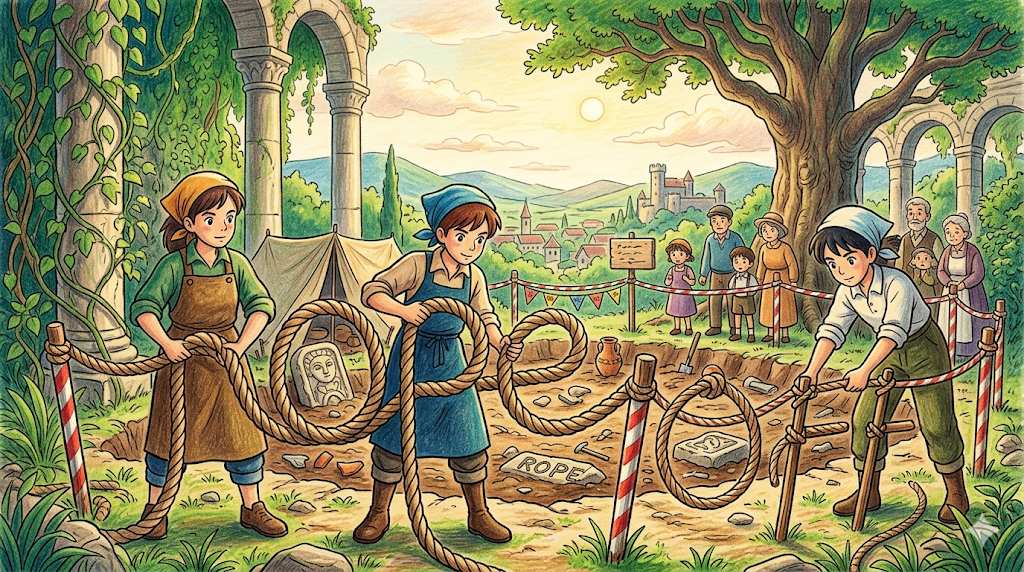
rope off [rəʊp ɒf]
(동사구) 밧줄로 구역을 나누다, 통제선을 치다
특정 구역에 줄을 쳐서 사람들이 들어오지 못하도록 막거나 경계를 만드는 것을 강조합니다. 수능 독해 일상·사회·안전 지문에서 자주 등장합니다.
- The staff roped off the wet floor section of the supermarket immediately after someone spilled a large bottle of juice, putting up signs so that no one would slip. (직원들은 누군가가 큰 주스 병을 쏟은 직후 슈퍼마켓의 젖은 바닥 구역에 통제선을 치고 아무도 미끄러지지 않도록 표지판을 세웠다.)
- The art gallery roped off the most fragile pieces and stationed a member of staff nearby to explain the work to visitors without letting them get close enough to accidentally cause damage. (미술관은 가장 취약한 작품들에 통제선을 치고 방문객들이 실수로 손상을 줄 만큼 가까이 가지 않고도 작품을 설명하기 위해 근처에 직원 한 명을 배치했다.)
- The essay used roping off as a metaphor for the way boundaries work in human relationships — not to keep people out permanently but to define a space that is safe, clear, and respected so that everyone knows where they stand. (에세이는 통제선을 치는 것을 인간 관계에서 경계가 작동하는 방식의 은유로 사용했다 — 사람들을 영구적으로 막기 위한 것이 아니라 모든 사람이 자신의 위치를 알 수 있도록 안전하고, 명확하며, 존중받는 공간을 정의하기 위한 것이라고 했다.)

give someone enough rope [ɡɪv ˈsʌmwʌn ɪˈnʌf rəʊp]
(동사구) 충분한 자유를 줘서 스스로 실수를 드러내게 하다
누군가에게 자유를 주면 결국 스스로 실수를 저질러 드러나게 된다는 것을 강조합니다. 수능 독해 심리·사회·논리 지문에서 자주 등장합니다.
- Rather than confronting him directly, the team leader chose to give him enough rope, stepping back and letting his poor organisation and lack of follow-through become visible to everyone over the next few weeks. (직접 맞서기보다 팀 리더는 그에게 충분한 자유를 주기로 선택해 한 발 물러서며 그의 형편없는 정리와 후속 조치 부족이 다음 몇 주에 걸쳐 모든 사람에게 보이도록 했다.)
- The teacher decided to give the student enough rope on the independent project, knowing that without close guidance the flaws in his approach would become clear quickly and create a genuine learning moment. (선생님은 독립 프로젝트에서 학생에게 충분한 자유를 주기로 결정했는데, 긴밀한 안내 없이는 그의 접근 방식의 결함이 빠르게 드러나고 진정한 학습 순간을 만들 것이라는 것을 알았기 때문이었다.)
- The essay noted that the phrase give someone enough rope has a slightly unkind edge — it implies watching someone fail rather than helping them succeed — and argued that in most situations, honest and early feedback serves everyone better than waiting for failure to make the point. (에세이는 give someone enough rope라는 표현이 약간 불친절한 면이 있다고 지적했다 — 그것은 성공하도록 돕기보다 실패하는 것을 지켜본다는 것을 암시한다 — 그리고 대부분의 상황에서 솔직하고 이른 피드백이 실패가 요점을 만들기를 기다리는 것보다 모든 사람에게 더 잘 도움이 된다고 주장했다.)
숙어 그룹 묶음 4 — 종합 rope 패턴
표현 의미 핵심 뉘앙스 주요 맥락
| learn the ropes | 요령을 익히다 | 새로운 일이나 환경에서 방식을 배우는 것 | 사회·심리·수능 |
| on the ropes | 궁지에 몰린 | 어렵고 위험한 상황에 처해 있는 것 | 사회·심리·수능 |
| at the end of one's rope | 한계에 달한 | 더 이상 버티기 어려울 만큼 지친 상태 | 심리·사회·수능 |
이 세 표현은 수능 독해에서 가장 자주 출제되는 rope의 핵심 패턴입니다. learn the ropes는 긍정적인 시작 과정을, on the ropes는 외부적 위기 상황을, at the end of one's rope는 내면적 한계 상태를 각각 나타냅니다.
- She had come in eager to learn the ropes, but after three months of unclear instructions and poor support, she found herself on the ropes professionally and completely at the end of her rope personally — feeling stuck in a role she had started with such hope. (그녀는 요령을 익히기 위해 열정적으로 입사했지만, 불명확한 지시와 부족한 지원 속에 3개월 후 전문적으로는 궁지에 몰리고 개인적으로는 완전히 한계에 달한 상태가 됐다 — 그렇게 큰 희망을 갖고 시작한 역할에 갇힌 느낌이었다.)
- The essay traced the journey from learning the ropes to finding oneself on the ropes to reaching the end of one's rope, arguing that each stage is a natural part of any hard challenge — and that the people who eventually succeed are not those who never struggled but those who learned what to do differently at each of the three stages. (에세이는 요령을 익히는 것에서 궁지에 몰리는 것을 발견하고 한계에 달하는 것까지의 여정을 추적했으며, 각 단계가 어려운 도전의 자연스러운 부분이라고 주장했다 — 그리고 결국 성공하는 사람들은 결코 어려움을 겪지 않은 사람들이 아니라 세 단계 각각에서 다르게 할 것을 배운 사람들이라고 했다.)
- She concluded that whether you are just learning the ropes, feeling on the ropes, or at the end of your rope, the most important thing is to stay honest about where you are — because pretending everything is fine when it is not is the one mistake that makes all three stages harder to move through than they need to be. (그녀는 막 요령을 익히는 중이든, 궁지에 몰린 느낌이든, 한계에 달해 있든, 가장 중요한 것은 자신이 어디에 있는지에 대해 솔직하게 유지하는 것이라고 결론지었다 — 그렇지 않을 때 모든 것이 괜찮은 척하는 것이 세 단계 모두를 필요한 것보다 더 어렵게 만드는 유일한 실수이기 때문이다.)
전체 요약표
표현 의미 핵심 뉘앙스
| rope | 밧줄 / 밧줄로 묶다 / 설득해 끌어들이다 | 밧줄에서 지식·한계·통제·설득까지 확장 |
| learn the ropes | 요령을 익히다 | 새로운 일이나 환경에서 방식을 배우는 것 |
| show someone the ropes | 요령을 알려주다 | 경험자가 새 사람에게 방식을 가르쳐주는 것 |
| on the ropes | 궁지에 몰린 | 어렵고 위험한 상황에 처해 있는 것 |
| rope in | 설득해서 끌어들이다 | 부드럽게 설득해 참여하도록 만드는 것 |
| at the end of one's rope | 한계에 달한 | 더 이상 버티기 어려울 만큼 지친 상태 |
| jump rope | 줄넘기를 하다 | 밧줄을 이용한 운동이나 놀이 |
| rope off | 통제선을 치다 | 경계를 만들어 접근을 막는 것 |
| give someone enough rope | 충분한 자유를 주다 | 자유를 줘서 스스로 실수를 드러내게 하는 것 |
| know the ropes | 요령을 알다 | 이미 필요한 지식과 경험을 갖추고 있는 것 |
유의어 비교표

단어 공통점 뉘앙스 차이 예문
| rope | 줄, 묶다 | 굵은 밧줄·요령·위기·설득, 비유 풍부 | Pull the rope tight. |
| string | 줄, 끈 | 가늘고 부드러운 실이나 끈 | Tie it with a string. |
| cord | 줄, 코드 | 전선이나 중간 굵기의 끈 | The cord snapped. |
| chain | 사슬 | 금속으로 연결된 사슬 | Lock it with a chain. |
| cable | 케이블 | 전기나 통신에 쓰이는 굵은 줄 | Fix the cable first. |
유의어 예문 리스트
- (string) She used a thin piece of string to hang the small card from the door handle so that anyone coming in would see it right away. (그녀는 들어오는 사람이 바로 볼 수 있도록 문 손잡이에 작은 카드를 걸기 위해 얇은 실 조각을 사용했다.)
- (cord) The phone cord was tangled into such a tight knot that it took her nearly ten minutes to undo it without pulling so hard that she broke it. (전화 코드가 너무 꽉 매듭지어져서 끊어질 만큼 세게 당기지 않고 푸는 데 거의 10분이 걸렸다.)
- (chain) She wore a thin chain around her wrist that had been a gift from her grandmother, and she almost never took it off because it reminded her of someone she loved. (그녀는 할머니에게서 받은 선물인 얇은 사슬을 손목에 차고 있었으며, 사랑하는 사람을 상기시켜줬기 때문에 거의 벗지 않았다.)
- (cable) The technician replaced the old cable that connected the television to the wall because the image had been breaking up every few minutes, making it impossible to watch anything properly. (기술자는 몇 분마다 화면이 깨져서 무언가를 제대로 볼 수 없게 됐기 때문에 텔레비전을 벽에 연결하는 오래된 케이블을 교체했다.)
결론 정리
rope는 단순히 "밧줄"이 아니라, 고대 영어 rāp(밧줄)에서 출발해 무언가를 붙들거나 연결하는 강한 줄에서 요령 이해·위기 상황·한계 도달·통제·설득까지 확장되는 단어다 — rope가 있는 곳엔 언제나 '단순한 밧줄이 아닌, 인간이 연결을 만들고·요령을 익히고·한계를 느끼며·서로를 끌어들이는 방식이 생생하게 살아숨쉬는' 생동감의 선언이 있다.
💡 rope는 "무언가를 붙들거나 연결하는 강한 줄에서 출발한" 생동감 넘치는 언어 — learn the ropes · on the ropes · at the end of one's rope가 수능 최빈출.
🌟 초등학생 버전 — rope는 밧줄이지만, "요령을 익히다"(learn the ropes), "궁지에 몰린"(on the ropes), "줄넘기"(jump rope)처럼 우리 생활과 감정 곳곳에 살아있는 단어예요! 🪢✨


