- 분류 전체보기 (5464)

| 일 | 월 | 화 | 수 | 목 | 금 | 토 |
|---|---|---|---|---|---|---|
| 1 | 2 | |||||
| 3 | 4 | 5 | 6 | 7 | 8 | 9 |
| 10 | 11 | 12 | 13 | 14 | 15 | 16 |
| 17 | 18 | 19 | 20 | 21 | 22 | 23 |
| 24 | 25 | 26 | 27 | 28 | 29 | 30 |
| 31 |
- Hey
- oh
- OKay
- too.
- make it
- call off
- Yes
- pick up
- well
- work out
- please?
- Don't worry
- Right?
- I'm sorry
- entrance fee
- I'm glad to hear that.
- Yeah
- please.
- Excuse me
- come up with
- Sure
- Sorry
- once in a while
- hold on
- Read between the lines
- By The Way
- Actually
- Please
- no
- I'm not sure
- Today
- Total
인과함께
Day367 , poor, poor thing, in poor health, poor excuse, dirt poor, poor judgment, the poor, poor in spirit, as poor as a church mouse, go from poor to rich 본문
Day367 , poor, poor thing, in poor health, poor excuse, dirt poor, poor judgment, the poor, poor in spirit, as poor as a church mouse, go from poor to rich
미인생 2026. 4. 30. 10:26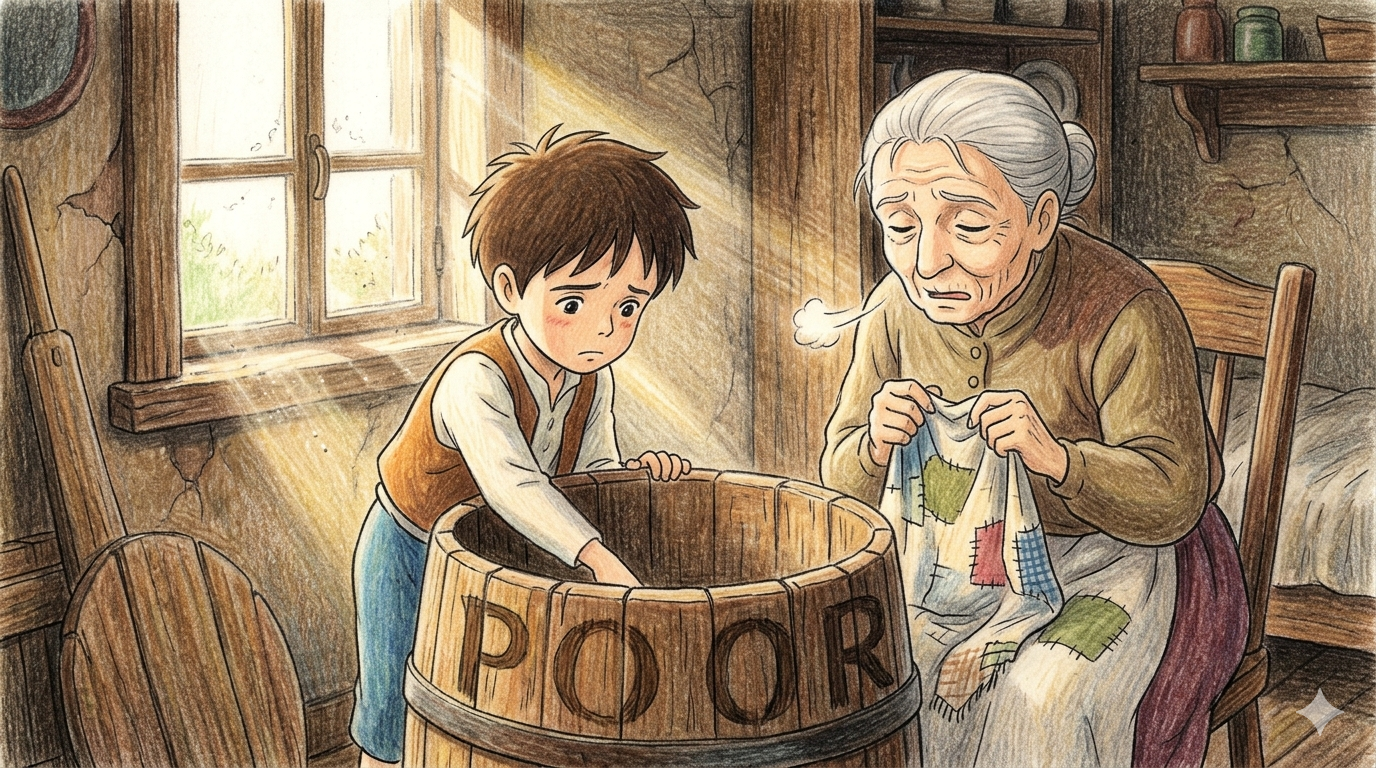
poor [pɔːr]
(형용사/명사) 가난한, 불쌍한, 형편없는, 열악한 / 가난한 사람들
단순히 "가난한"으로만 외우면 수능에서 반드시 틀립니다. poor는 "부족하거나 결핍된 상태" 라는 핵심 이미지에서 출발해, 실제 경제적 빈곤·동정심 표현·질이나 능력의 부족·건강 악화까지 폭넓게 쓰이는 핵심 다의어입니다. 특히 poor judgment(판단력 부족), in poor health(건강이 좋지 않은), as poor as a church mouse(극도로 가난한) 패턴은 수능 독해 심리·사회·논리 지문에서 핵심적으로 등장합니다.
'poor'는 고대 프랑스어 povre(가난한)에서 유래했으며, 라틴어 pauper(가난한 사람)와 연결됩니다. 어원의 핵심 이미지는 "무언가가 충분하지 않거나 부족한 상태" 로, 단순한 경제적 빈곤을 넘어 동정·질적 부족·능력 부재·건강 악화까지 확장되는 표현의 근원이 된 단어입니다.
1. poor thing [pɔːr θɪŋ]
(일상/심리/수능) "불쌍한 것, 가여운 사람"을 뜻합니다. 누군가나 무언가에 대한 동정심이나 연민을 따뜻하게 표현할 때 강조합니다.
She looked at the stray cat shivering in the rain and said, "Poor thing — it must be so cold and hungry out there." (그녀는 빗속에서 떨고 있는 길고양이를 보며 말했다, "불쌍한 것 — 밖이 정말 춥고 배고플 텐데.")
2. in poor health [ɪn pɔːr helθ]
(일상/사회/수능) "건강이 좋지 않은, 건강 상태가 나쁜"을 뜻합니다. 누군가의 신체적 건강 상태가 좋지 않다는 것을 강조하며, 수능 사회·심리 지문에서 자주 등장합니다.
She had been in poor health for several months before the doctors finally identified what was causing the persistent fatigue and dizziness she had been experiencing. (그녀는 의사들이 마침내 지속적인 피로와 현기증의 원인을 파악하기 전 수개월 동안 건강이 좋지 않았다.)
3. poor excuse [pɔːr ɪkˈskjuːs]
(일상/사회/수능) "형편없는 변명, 빈약한 핑계"를 뜻합니다. 누군가의 이유나 변명이 설득력이 없거나 진실하지 않다는 것을 강조합니다.
Saying that you forgot about the assignment is a poor excuse when the teacher reminded everyone about it at the start of every class for the past two weeks. (지난 2주 동안 매 수업 시작 시 선생님이 모든 사람에게 상기시켜줬는데 과제를 잊었다고 말하는 것은 형편없는 변명이다.)
4. dirt poor [dɜːrt pɔːr]
(일상/사회/수능) "극도로 가난한, 찢어지게 가난한"을 뜻합니다. 아무것도 가진 것이 없을 만큼 매우 극심한 빈곤 상태를 강조하며, 구어적으로 사용됩니다.
She grew up dirt poor in a small rural village where most families struggled to put food on the table every day, yet she never let her circumstances define her ambitions. (그녀는 대부분의 가족이 매일 식탁에 음식을 올리는 데 어려움을 겪는 작은 농촌 마을에서 극도로 가난하게 자랐지만, 상황이 자신의 야망을 정의하게 두지 않았다.)
5. poor judgment [pɔːr ˈdʒʌdʒmənt]
(일상/심리/수능) "판단력 부족, 나쁜 판단"을 뜻합니다. 누군가가 상황을 제대로 평가하지 못하고 잘못된 결정을 내리는 것을 강조하며, 수능 논리·심리 지문에서 핵심적으로 등장합니다.
The accident was caused by poor judgment on the part of the driver, who tried to overtake another vehicle on a bend in the road despite having clear visibility problems. (사고는 가시성 문제가 분명히 있었음에도 불구하고 도로 커브에서 다른 차량을 추월하려 한 운전자의 판단력 부족 때문이었다.)
6. the poor [ðə pɔːr]
(사회/역사/수능) "가난한 사람들, 빈곤층"을 뜻합니다. 사회에서 경제적으로 어려운 상황에 있는 집단 전체를 강조하며, 수능 사회·윤리 지문에서 핵심적으로 등장합니다.
She dedicated her career to improving living conditions for the poor, believing that every person deserved access to clean water, healthcare, and education regardless of their financial situation. (그녀는 모든 사람이 재정 상황에 관계없이 깨끗한 물, 의료, 교육에 접근할 자격이 있다고 믿으며 가난한 사람들의 생활 환경 개선에 커리어를 헌신했다.)
7. poor in spirit [pɔːr ɪn ˈspɪrɪt]
(문학/철학/수능) "심령이 가난한, 겸손한, 의지가 꺾인"을 뜻합니다. 성경적 맥락에서는 겸손하고 자신에게 의존하지 않는 사람을, 비유적으로는 사기나 의욕이 꺾인 상태를 나타냅니다.
The essay explored the biblical phrase "blessed are the poor in spirit" and argued that true humility — the willingness to admit what you do not know — is the foundation of all genuine learning. (에세이는 "심령이 가난한 자는 복이 있나니"라는 성경 구절을 탐구했으며, 진정한 겸손 — 모르는 것을 인정하려는 의지 — 이 모든 진정한 배움의 토대라고 주장했다.)
8. as poor as a church mouse [æz pɔːr æz ə tʃɜːrtʃ maʊs]
(일상/문학/수능) "교회 쥐처럼 가난한, 몹시 가난한"을 뜻합니다. 먹을 것이 거의 없는 교회의 쥐에 비유해 극도로 가난한 상태를 강조합니다.
When he first arrived in the city as a young man, he was as poor as a church mouse and had to sleep on a friend's floor for three months before he found his first steady job. (젊은이로서 도시에 처음 도착했을 때, 그는 교회 쥐처럼 가난했으며 첫 번째 안정적인 일자리를 찾기 전 3개월 동안 친구 집 바닥에서 자야 했다.)
9. go from poor to rich [ɡəʊ frəm pɔːr tə rɪtʃ]
(일상/사회/수능) "가난에서 부자가 되다, 무일푼에서 부유해지다"를 뜻합니다. 경제적으로 매우 어려운 상황에서 시작해 성공하여 부유해지는 것을 강조합니다.
Her story of going from poor to rich through her own efforts was not just an inspiring personal achievement but a reminder that background does not have to determine destiny. (자신의 노력으로 가난에서 부유해진 그녀의 이야기는 개인적인 감동적 성취일 뿐만 아니라 배경이 운명을 결정할 필요가 없다는 것을 상기시켜주는 것이었다.)
10. poor (형용사: 형편없는, 질이 낮은) [pɔːr]
(일상/학술/수능) 형용사로 쓰여 "형편없는, 질이 낮은, 능력이 부족한"을 뜻합니다. 경제적 빈곤과는 다르게 어떤 것의 질이나 수준이 충분하지 않다는 것을 강조합니다.
The report was poorly written and showed a poor understanding of the basic concepts that the assignment had been designed to test. (보고서는 형편없이 작성됐으며 과제가 테스트하도록 설계된 기본 개념에 대한 부족한 이해를 보여줬다.)
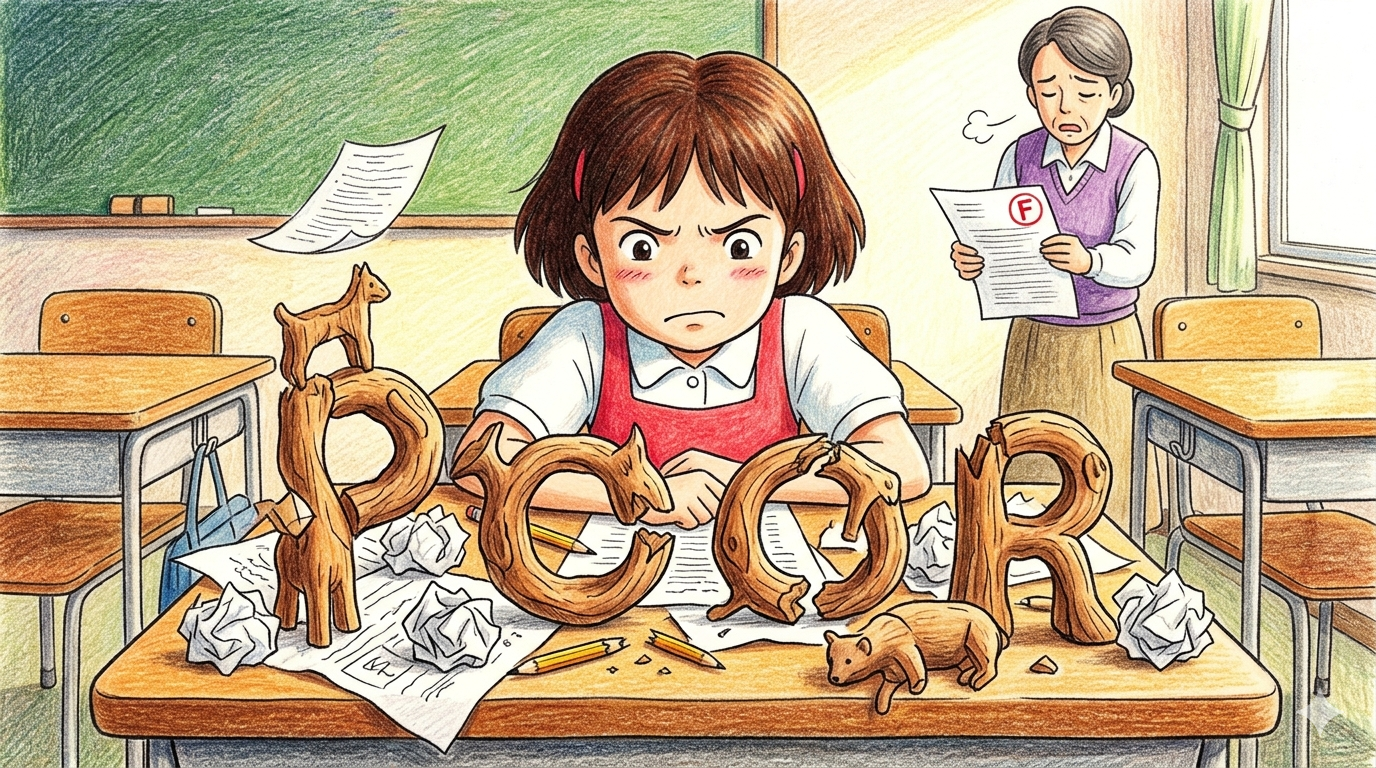
POINT 1. poor — 수능 최빈출 비유·어휘 패턴
poor는 수능 독해 심리·사회·논리 지문에서 비유적 표현으로 자주 출제됩니다.
poor judgment → 상황을 제대로 평가하지 못하고 잘못된 결정을 내릴 때 예) She showed poor judgment in that case. (그녀는 그 경우 판단력 부족을 보였다.) in poor health → 누군가의 신체적 건강 상태가 좋지 않을 때 예) He has been in poor health lately. (그는 최근 건강이 좋지 않다.) as poor as a church mouse → 극도로 가난한 상태를 강조할 때 예) They were as poor as church mice. (그들은 몹시 가난했다.)
POINT 2. poor / poverty / needy — 수능 어휘 핵심 비교
이 세 단어는 수능에서 자주 혼동되는 어휘입니다.
poor → 가난한 상태·불쌍한·형편없는, 가장 기본적이고 폭넓은 표현 예) He grew up poor but happy. (그는 가난하게 자랐지만 행복했다.) poverty → 빈곤 상태 자체, 추상적 개념 예) Poverty is a complex issue. (빈곤은 복잡한 문제이다.) needy → 도움이 절실하게 필요한 상태, 경제적 어려움 강조 예) The charity helps needy families. (자선단체는 도움이 필요한 가족을 돕는다.)
POINT 3. poor의 다양한 용법 — 수능 독해 문맥 파악 핵심
poor는 수능 독해에서 문맥에 따라 의미가 완전히 달라지는 핵심 단어입니다.
경제적 빈곤 → She grew up poor. (그녀는 가난하게 자랐다.) 동정심 → Poor child — she must be scared. (불쌍한 아이 — 겁먹었을 것이다.) 형편없는 → His work was poor quality. (그의 작업은 형편없는 품질이었다.) 건강 → He is in poor health. (그는 건강이 좋지 않다.) 빈곤층 → Help the poor. (가난한 사람들을 도와라.)
(형용사) ① 가난한, 빈곤한 (경제적)
poor의 가장 기본적인 의미로, 돈이나 자원이 충분하지 않아 생활이 어려운 것을 나타냅니다.
- Growing up in a poor neighbourhood did not stop her from developing big dreams, and she used the local library to access the books and resources that her family could not afford to buy. (가난한 동네에서 자란 것이 그녀가 큰 꿈을 꾸는 것을 막지 않았으며, 그녀는 지역 도서관을 이용해 가족이 살 여유가 없었던 책과 자료에 접근했다.)
- The research showed that children from poor backgrounds were significantly less likely to go on to higher education unless specific support systems were put in place during their secondary school years. (연구는 가난한 배경을 가진 아이들이 중등학교 시절 특정 지원 시스템이 마련되지 않으면 고등 교육으로 이어질 가능성이 상당히 낮다는 것을 보여줬다.)
- She had worked her way out of poverty step by step, and although the journey had been long and difficult, looking back she could see that each hardship had built something in her that money alone could never buy. (그녀는 한 단계씩 빈곤에서 벗어나 일했으며, 비록 여정이 길고 어려웠지만 돌아보면 각각의 고난이 돈만으로는 결코 살 수 없는 무언가를 그녀 안에 쌓았다는 것을 알 수 있었다.)
(형용사) ② 형편없는, 불충분한 (질)
poor는 어떤 것의 질이나 수준이 충분하지 않거나 기대에 미치지 못하는 것을 나타냅니다.
- The presentation suffered from poor organisation — the main points were buried in irrelevant detail and the audience had lost the thread of the argument within the first five minutes. (발표는 형편없는 구성으로 어려움을 겪었다 — 주요 요점이 관련 없는 세부 사항에 묻혀있었고 청중은 처음 5분 안에 논지의 흐름을 잃어버렸다.)
- She gave feedback on the poor quality of the report and offered specific suggestions for how the writer could improve each section before submitting the final version. (그녀는 보고서의 형편없는 품질에 대한 피드백을 주고 최종 버전을 제출하기 전에 작성자가 각 섹션을 어떻게 개선할 수 있는지에 대한 구체적인 제안을 했다.)
- The team's poor performance in the first half of the season was not due to a lack of talent but to a lack of clear communication and shared understanding of what each player's role should be. (시즌 전반기의 팀의 형편없는 성과는 재능의 부족이 아니라 명확한 소통과 각 선수의 역할이 무엇이어야 하는지에 대한 공유된 이해의 부족 때문이었다.)
(형용사) ③ 불쌍한, 가여운 (동정)
poor는 누군가나 무언가에 대한 동정심이나 연민을 나타냅니다.
- The poor dog had been waiting outside in the cold for hours before a kind passer-by noticed it and called the animal rescue centre to come and help. (불쌍한 개는 친절한 행인이 그것을 알아채고 도움을 주러 올 동물 구조 센터에 전화하기 전 몇 시간 동안 추운 밖에서 기다리고 있었다.)
- She listened to her friend describe the disastrous date and found herself thinking, "Poor thing — that really does sound like an awful evening from start to finish." (그녀는 친구가 재앙적인 데이트를 묘사하는 것을 들으며 "불쌍하기도 해 — 처음부터 끝까지 정말 끔찍한 저녁처럼 들린다"고 생각하는 자신을 발견했다.)
- The poor child looked completely overwhelmed by the size of the crowd at the festival, and her parents gently picked her up and moved to a quieter area at the edge of the park where she could recover. (불쌍한 아이는 축제의 군중 규모에 완전히 압도된 것처럼 보였으며, 부모님이 부드럽게 그녀를 들어올려 회복할 수 있는 공원 가장자리의 더 조용한 곳으로 이동했다.)

뉘앙스·의미 연결 흐름 표
핵심 이미지 연결 흐름 뉘앙스 요약
| 무언가가 충분하지 않은 상태 | 경제적 빈곤 → 질적 부족 → 능력 부재 | dirt poor, poor excuse, poor judgment |
| 동정심과 연민의 표현 | 가여운 사람 → 불쌍한 동물 → 힘든 상황 | poor thing, the poor, poor in spirit |
| 상태나 건강의 악화 | 건강 악화 → 극빈 → 빈곤에서 부로 | in poor health, as poor as a church mouse, go from poor to rich |
어원 흐름 표
단어 구성 요소 의미 연결 흐름 뉘앙스 요약
| 라틴어 pauper(가난한 사람) → 고대 프랑스어 povre | 충분하지 않은 상태 → poor | 부족하고 결핍된 것의 핵심 이미지 |
| poor (형용사/명사) | 경제적 빈곤 → 동정심 → 질적 부족 → 건강 악화 | 빈곤에서 불쌍함·부족함·악화까지 확장 |
품사별 의미 표
품사 의미 예문
| 형용사 | 가난한, 빈곤한 | She grew up poor but happy. |
| 형용사 | 형편없는, 질이 낮은 | The work was poor quality. |
| 형용사 | 불쌍한, 가여운 | Poor child, she looks so tired. |
| 형용사 | 건강이 나쁜 | He is in poor health. |
| 명사(복수) | 가난한 사람들 | Help the poor. |
| 관용구 | 판단력이 부족한 | She showed poor judgment. |
활용 예문 리스트
- She had grown up dirt poor but had always believed that education was the key to changing her circumstances, and that belief had driven her through years of study to reach a career she was genuinely proud of. (그녀는 극도로 가난하게 자랐지만 교육이 상황을 바꾸는 열쇠라고 항상 믿었으며, 그 믿음이 수년간의 공부를 통해 진정으로 자랑스러운 커리어에 도달하도록 이끌었다.)
- The decision to cancel the event at the last minute without notifying anyone showed extremely poor judgment and damaged the organisation's reputation in a way that took months to recover from. (아무에게도 통보하지 않고 마지막 순간에 행사를 취소하기로 한 결정은 극도로 형편없는 판단을 보여줬으며 회복하는 데 수개월이 걸리는 방식으로 조직의 명성을 손상시켰다.)
- The elderly man had been in poor health for over a year, but his spirits remained high because his family visited every weekend and made sure he never felt isolated or forgotten. (노인은 1년 이상 건강이 좋지 않았지만, 가족이 매주 주말에 방문하고 그가 고립되거나 잊혔다고 느끼지 않도록 했기 때문에 기운은 높게 유지됐다.)
- She had been as poor as a church mouse in her twenties but had built up her savings so carefully over the following decade that by the time she turned forty she owned her own flat and had no debt at all. (그녀는 20대에 교회 쥐처럼 가난했지만 그 이후 10년 동안 저축을 너무 신중하게 쌓아서 40살이 됐을 때 자신의 아파트를 소유하고 빚이 전혀 없었다.)
- Her story of going from poor to rich had been told and retold so many times that it had almost become a myth, but she always insisted on reminding people that the reality had included years of failure, doubt, and hardship that the headlines never mentioned. (그녀의 가난에서 부유해진 이야기는 너무 많이 이야기되고 재이야기돼서 거의 신화가 됐지만, 그녀는 항상 현실에는 헤드라인이 결코 언급하지 않는 수년간의 실패, 의심, 역경이 포함됐다는 것을 사람들에게 상기시키도록 주장했다.)
전체 뉘앙스 설명
poor는 '무언가가 충분하지 않거나 결핍된 상태에서 출발해 경제적 빈곤·동정심·질적 부족·건강 악화·능력 부재까지 확장되는 생동감 넘치는 언어'입니다.
poverty와의 차이: poverty는 빈곤 상태 자체를 추상적으로 강조하고, poor는 빈곤한 상태의 사람이나 질이 부족한 것까지 폭넓게 강조합니다. needy와의 차이: needy는 도움이 절실하게 필요한 상태를 강조하고, poor는 경제적 빈곤뿐만 아니라 형편없는 질·동정심·건강 악화까지 나타냅니다. wretched와의 차이: wretched는 매우 비참하고 불행한 상태를 더 강하게 강조하고, poor는 더 중립적이고 폭넓은 의미를 가집니다.
마지막 핵심 정리
poor는 단순히 "가난한"이 아닙니다 — 라틴어 pauper(가난한 사람)에서 출발해, 경제적 빈곤(dirt poor)에서 동정심(poor thing)·질적 부족(poor excuse)·판단력 부재(poor judgment)·건강 악화(in poor health)·사회적 빈곤층(the poor)까지 확장되는 단어이며, poor judgment·in poor health·as poor as a church mouse의 비유적 의미 파악이 수능 핵심 출제 포인트입니다.
파생어 표
파생어 발음기호 품사 의미
| poorly | [ˈpɔːrli] | 부사/형용사 | 형편없이, 건강이 나쁜 |
| poorness | [ˈpɔːrnəs] | 명사 | 빈곤, 부족함 |
| poverty | [ˈpɒvərti] | 명사 | 빈곤, 가난 |
| impoverish | [ɪmˈpɒvərɪʃ] | 동사 | 빈곤하게 하다, 고갈시키다 |
| impoverished | [ɪmˈpɒvərɪʃt] | 형용사 | 빈곤해진, 고갈된 |
| pauper | [ˈpɔːpər] | 명사 | 극빈자, 무일푼인 사람 |
유의어 비교표
단어 공통점 뉘앙스 차이 예문
| poor | 가난한, 부족한 | 빈곤·동정·질 부족·건강 악화, 비유 풍부 | She grew up poor. |
| needy | 도움이 필요한 | 도움이 절실하게 필요한 상태 | Help needy families. |
| destitute | 극빈한 | 생활에 필요한 모든 것이 없는 극심한 빈곤 | The family was destitute. |
| impoverished | 빈곤해진 | 풍요에서 빈곤해진 상태 | The impoverished village. |
| broke | 빈털터리인 | 현재 돈이 전혀 없는 임시적 상태 | He was completely broke. |
유의어 예문 리스트
- (needy) The charity worked specifically with needy children in the inner city, providing after-school meals, tutoring, and access to sports equipment that their families could not afford to buy or rent. (자선단체는 특별히 도심의 도움이 필요한 아이들과 함께 일하며, 방과 후 식사, 과외, 그리고 가족이 살 여유가 없거나 빌릴 수 없는 스포츠 장비에 대한 접근을 제공했다.)
- (destitute) The report described how a single unexpected medical emergency had left the family destitute within months, as the cost of treatment had wiped out all their savings and forced them to sell most of their possessions. (보고서는 치료 비용이 모든 저축을 없애고 대부분의 소유물을 팔도록 강요했기 때문에 예상치 못한 의료 비상사태 하나가 몇 달 안에 가족을 극빈 상태로 만들었는지 묘사했다.)
- (impoverished) The documentary showed how the impoverished community had been transformed over twenty years by a combination of better infrastructure, improved education, and local business development. (다큐멘터리는 빈곤해진 공동체가 더 나은 기반 시설, 개선된 교육, 지역 사업 개발의 조합으로 20년에 걸쳐 어떻게 변화됐는지 보여줬다.)
- (broke) She had been completely broke after her first year of university — working two part-time jobs just to cover rent — but she had learned to manage money so carefully during that period that she never struggled financially in quite the same way again. (그녀는 대학교 첫 해 후 완전히 빈털터리였다 — 임대료를 충당하기 위해 두 개의 아르바이트를 하며 — 하지만 그 기간 동안 돈을 너무 신중하게 관리하는 법을 배워서 그 이후로는 완전히 같은 방식으로 재정적으로 어려움을 겪지 않았다.)
결론 정리
poor는 단순히 "가난한"이 아니라, 라틴어 pauper(가난한 사람)에서 출발해 무언가가 충분하지 않거나 결핍된 상태에서 경제적 빈곤·동정심·질적 부족·건강 악화·능력 부재까지 확장되는 단어다 — poor가 있는 곳엔 언제나 '단순한 경제적 빈곤이 아닌, 인간이 결핍·동정·부족·악화를 어떻게 경험하고 표현하는지가 생생하게 살아숨쉬는' 생동감의 선언이 있다.
💡 poor는 "무언가가 충분하지 않거나 결핍된 것에서 출발한" 생동감 넘치는 언어 — poor judgment · in poor health · as poor as a church mouse가 수능 최빈출.
🌟 초등학생 버전 — poor는 가난한이라는 뜻이지만, "불쌍한 것"(poor thing), "형편없는 변명"(poor excuse), "교회 쥐처럼 가난한"(as poor as a church mouse)처럼 우리 감정과 일상 곳곳에 살아있는 단어예요! 💔✨

poor thing [pɔːr θɪŋ]
(명사구) 불쌍한 것, 가여운 사람
누군가나 무언가에 대한 동정심이나 연민을 따뜻하게 표현할 때 강조합니다. 수능 독해 심리·문학·일상 지문에서 자주 등장합니다.
- When she heard that her colleague had missed her flight and was stranded at the airport overnight with no hotel reservation, her first response was "Poor thing — I know exactly how that feels." (동료가 비행기를 놓치고 호텔 예약 없이 밤새 공항에 고립됐다는 것을 들었을 때, 그녀의 첫 반응은 "불쌍하기도 해 — 그 기분이 어떤지 정확히 알아"였다.)
- The nurse spoke quietly about the elderly patient as a "poor thing" — not with condescension but with genuine warmth and the kind of deep compassion that comes from years of caring for people at their most vulnerable. (간호사는 노인 환자를 "불쌍한 분"이라고 조용히 말했다 — 거드름이 아닌 진정한 따뜻함과 가장 취약한 순간에 있는 사람들을 돌본 수년간의 경험에서 오는 깊은 연민으로.)
- She described the abandoned puppy as a poor thing that deserved a second chance, and within the hour she had convinced three of her friends to share the responsibility of caring for it until a permanent home could be found. (그녀는 버려진 강아지를 두 번째 기회를 받을 자격이 있는 불쌍한 것이라고 묘사했으며, 한 시간 안에 영구적인 집을 찾을 때까지 그것을 돌보는 책임을 공유하도록 세 명의 친구를 설득했다.)
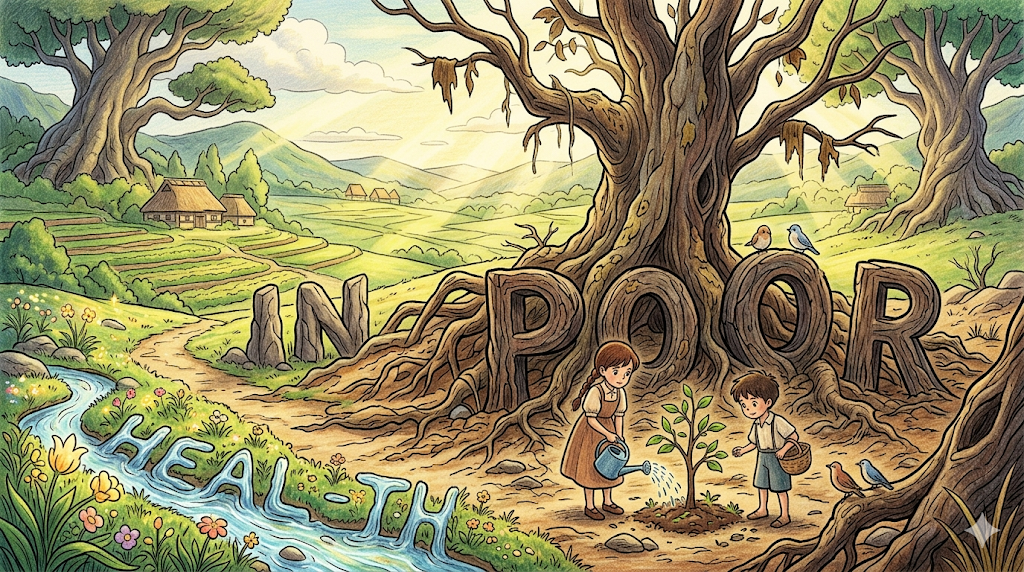
in poor health [ɪn pɔːr helθ]
(형용사구) 건강이 좋지 않은, 건강 상태가 나쁜
누군가의 신체적 건강 상태가 좋지 않다는 것을 강조하며, 수능 사회·심리 지문에서 자주 등장합니다. 수능 독해 사회·심리·일상 지문에서 자주 등장합니다.
- The study found that people who reported feeling socially isolated were significantly more likely to be in poor health than those with strong social connections, suggesting that loneliness itself may have measurable physical effects. (연구는 사회적으로 고립됐다고 보고한 사람들이 강한 사회적 연결을 가진 사람들보다 건강이 좋지 않을 가능성이 상당히 높다는 것을 발견했으며, 외로움 자체가 측정 가능한 신체적 영향을 미칠 수 있다는 것을 시사했다.)
- Her grandmother had been in poor health for the past two winters, but every spring she seemed to recover some of her former energy and determination, as though the warmth of the season gave her something the cold months could not. (그녀의 할머니는 지난 두 번의 겨울 동안 건강이 좋지 않았지만, 매봄 마치 계절의 따뜻함이 추운 달들이 줄 수 없는 것을 주는 것처럼 이전 에너지와 결단력의 일부를 회복하는 것 같았다.)
- The essay argued that being in poor health is rarely simply a personal matter — that it is shaped by factors including income, housing quality, access to nutritious food, and the level of stress a person is under, all of which are influenced by wider social and economic conditions. (에세이는 건강이 좋지 않은 것이 단순히 개인적인 문제가 아닌 경우가 드물다고 주장했다 — 그것은 소득, 주택 품질, 영양가 있는 음식에 대한 접근, 그리고 사람이 받는 스트레스 수준을 포함한 요인들에 의해 형성되며, 이 모든 것은 더 넓은 사회적·경제적 조건에 의해 영향을 받는다고 했다.)
숙어 그룹 묶음 1 — 동정·상태 poor 핵심 패턴
표현 의미 핵심 뉘앙스 주요 맥락
| poor thing | 불쌍한 것, 가여운 사람 | 누군가에 대한 따뜻한 동정심 표현 | 심리·문학·수능 |
| in poor health | 건강이 좋지 않은 | 신체적 건강 상태가 좋지 않음 | 사회·심리·수능 |
| poor excuse | 형편없는 변명 | 설득력 없거나 진실하지 않은 이유 | 일상·사회·수능 |
이 세 표현은 모두 poor의 "무언가가 충분하지 않거나 결핍된" 이미지를 공유하되, 각각 충분한 행복이 없어 불쌍한 사람(poor thing)·충분한 건강이 없는 상태(in poor health)·충분한 설득력이 없는 변명(poor excuse)의 관점에서 접근합니다.
- She visited her elderly neighbour who had been in poor health all winter, and when the woman apologised for not having done the gardening with a poor excuse about the cold, she simply smiled and said, "Poor thing — you should not be worrying about the garden at all, just about getting better." (그녀는 겨울 내내 건강이 좋지 않았던 노인 이웃을 방문했으며, 노인이 추위에 대한 형편없는 변명으로 정원 일을 하지 못한 것에 대해 사과했을 때 그냥 미소를 지으며 말했다, "불쌍하기도 해 — 정원에 대해 전혀 걱정하지 말고 그냥 나아지는 것에만 집중해야 해요.")
- He had been in poor health for months and had used it as a poor excuse to avoid difficult conversations, but deep down he knew that the people in his life were worried about him and would have done anything to help — not because they thought him a poor thing but because they genuinely cared about his wellbeing. (그는 수개월 동안 건강이 좋지 않았으며 어려운 대화를 피하기 위한 형편없는 변명으로 그것을 사용했지만, 속으로는 자신의 삶에 있는 사람들이 그를 걱정하고 도우려 무엇이든 했을 것임을 알았다 — 그들이 그를 불쌍한 사람으로 생각해서가 아니라 진정으로 그의 안녕을 신경 썼기 때문이었다.)
- The essay argued that labelling someone a poor thing — even with genuine compassion — risks reducing them to their suffering rather than seeing their full humanity, just as explaining failure by pointing to poor health or another form of difficulty can slide into a poor excuse that lets systems off the hook for the conditions they have created. (에세이는 진정한 연민을 가지고도 누군가를 불쌍한 것이라고 분류하는 것은 그들의 완전한 인간성을 보기보다 고통으로 그들을 축소하는 위험이 있다고 주장했다 — 건강 악화나 다른 어려움을 지적해 실패를 설명하는 것이 그들이 만든 조건에 대해 시스템의 책임을 면제하는 형편없는 변명으로 미끄러질 수 있는 것처럼이다.)
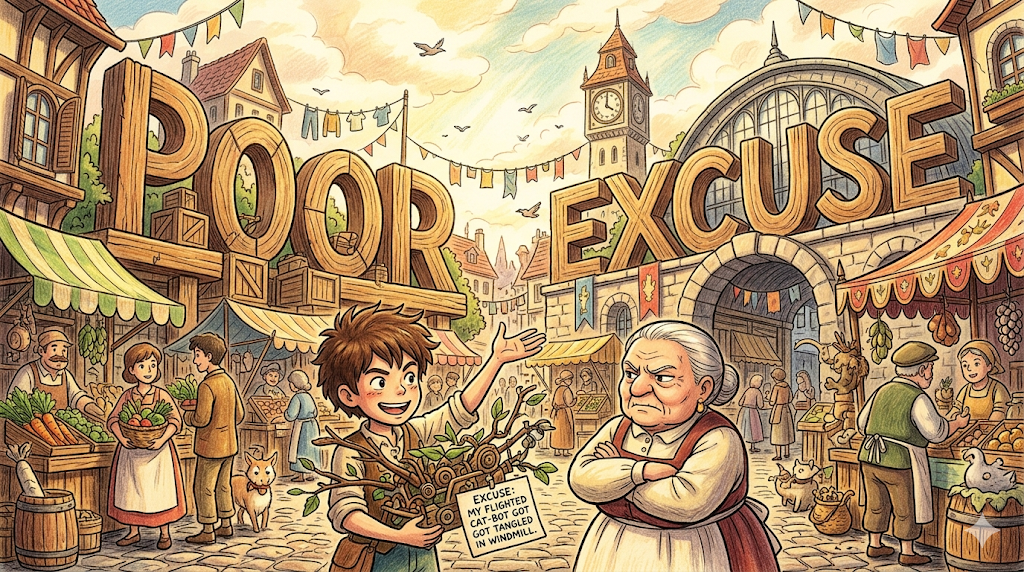
poor excuse [pɔːr ɪkˈskjuːs]
(명사구) 형편없는 변명, 빈약한 핑계
누군가의 이유나 변명이 설득력이 없거나 진실하지 않다는 것을 강조합니다. 수능 독해 사회·심리·일상 지문에서 자주 등장합니다.
- Claiming that the traffic was bad is a poor excuse for being late to an interview, especially when you had been told to arrive early and knew exactly where you needed to go. (면접에 늦은 것에 대해 교통이 나빴다고 주장하는 것은 형편없는 변명이며, 특히 일찍 도착하라고 말을 들었고 어디로 가야 하는지 정확히 알고 있었을 때 더욱 그렇다.)
- She told her son gently but firmly that "I was busy" was a poor excuse for forgetting to call his grandmother on her birthday, and that real busyness was not usually the reason people forgot the things that truly mattered. (그녀는 아들에게 부드럽지만 단호하게 "바빴다"는 것은 할머니 생일에 전화하는 것을 잊은 것에 대한 형편없는 변명이며, 진정한 바쁨은 보통 사람들이 진정으로 중요한 것들을 잊는 이유가 아니라고 말했다.)
- The essay distinguished between a poor excuse and a genuine explanation — arguing that the difference lies not in the words used but in whether the person offering it has taken responsibility for their actions or is trying to deflect it, and that most people can instinctively sense which they are being offered. (에세이는 형편없는 변명과 진정한 설명을 구별했다 — 그 차이는 사용된 말이 아니라 그것을 제시하는 사람이 자신의 행동에 책임을 졌는지 아니면 그것을 피하려는지에 있으며, 대부분의 사람들은 어느 것을 제공받고 있는지 본능적으로 느낄 수 있다고 주장했다.)
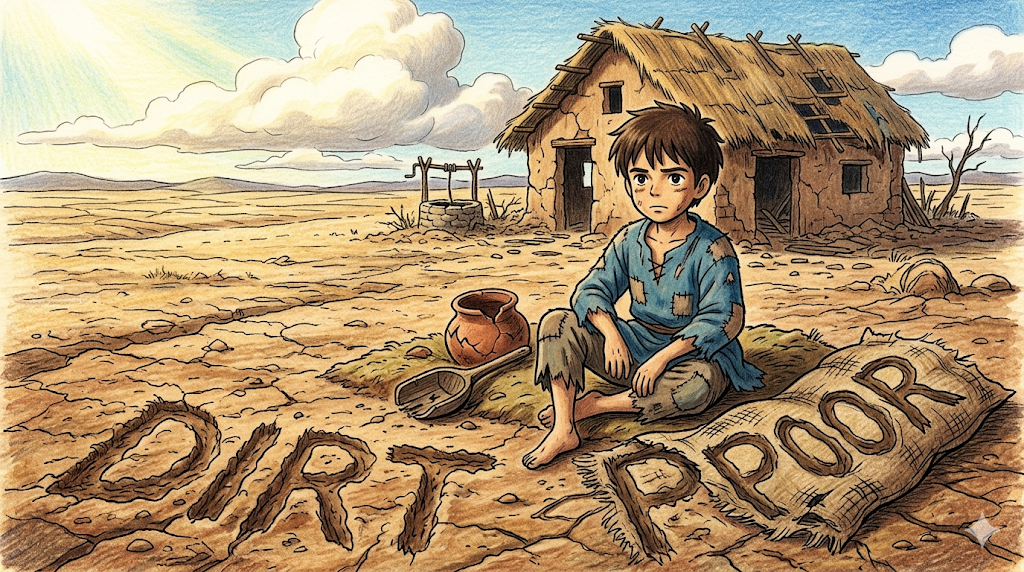
dirt poor [dɜːrt pɔːr]
(형용사구) 극도로 가난한, 찢어지게 가난한
아무것도 가진 것이 없을 만큼 매우 극심한 빈곤 상태를 강조하며, 구어적으로 사용됩니다. 수능 독해 사회·문학·심리 지문에서 자주 등장합니다.
- His grandparents had been dirt poor when they first emigrated and had spent their first years in the new country working multiple jobs just to afford a small shared room, yet they had always insisted that their children would have a better start in life. (그의 조부모는 처음 이민을 갔을 때 극도로 가난했으며 새 나라에서 처음 몇 년을 작은 공동 방을 감당하기 위해 여러 일을 하며 보냈지만, 항상 아이들이 삶에서 더 나은 시작을 갖도록 해야 한다고 주장했다.)
- She was honest about having been dirt poor as a child and refused to pretend that the memory was a distant or painless one — but she was equally insistent that growing up without money had given her a resourcefulness and a clarity about what truly mattered that she would not trade for anything. (그녀는 어린 시절 극도로 가난했다는 것에 대해 솔직했으며 그 기억이 먼 곳의 것이거나 고통 없는 것인 척하기를 거부했다 — 하지만 그녀는 돈 없이 자란 것이 어떤 것과도 바꾸지 않을 기지와 진정으로 중요한 것에 대한 명확성을 줬다고 똑같이 주장했다.)
- The novel was set in a dirt poor community where the absence of money shaped every decision every character made — from which school the children attended to whether families could afford to heat their homes in winter — making poverty not a background detail but the central fact of every life the story described. (소설은 돈의 부재가 등장인물 모두의 모든 결정 — 아이들이 어떤 학교에 다니는지부터 가족이 겨울에 집을 난방할 여유가 있는지 — 을 형성하는 극도로 가난한 공동체를 배경으로 했으며, 빈곤을 배경 세부 사항이 아닌 이야기가 묘사하는 모든 삶의 중심 사실로 만들었다.)
숙어 그룹 묶음 2 — 빈곤·판단 poor 패턴
표현 의미 핵심 뉘앙스 주요 맥락
| dirt poor | 극도로 가난한 | 아무것도 없을 만큼 극심한 빈곤 상태 | 사회·문학·수능 |
| poor judgment | 판단력 부족 | 상황을 제대로 평가하지 못한 잘못된 결정 | 심리·논리·수능 |
| the poor | 가난한 사람들 | 사회에서 경제적으로 어려운 집단 전체 | 사회·역사·수능 |
이 세 표현은 모두 poor의 "부족하고 결핍된 상태" 이미지를 공유하되, 각각 경제적으로 극심하게 부족한 것(dirt poor)·판단력이 충분하지 않은 것(poor judgment)·경제적으로 부족한 집단(the poor)의 관점에서 접근합니다.
- The politician had shown poor judgment in discussing the challenges faced by the poor during a speech at an expensive private event, and the contrast between the setting and the subject was so stark that even people who agreed with his politics felt it was dirt poor optics for someone in a position of public responsibility. (정치인은 비싼 개인 행사 연설에서 가난한 사람들이 직면한 도전을 논의하는 데 형편없는 판단을 보였으며, 배경과 주제 사이의 대조가 너무 뚜렷해서 그의 정치에 동의하는 사람들조차도 공공 책임 위치에 있는 사람에게 극도로 나쁜 이미지라고 느꼈다.)
- She had grown up dirt poor and understood from experience what the poor needed most — not charity that preserved their dependency, but the kind of access and opportunity that poor judgment in policy had consistently denied them for generations. (그녀는 극도로 가난하게 자랐으며 경험에서 가난한 사람들이 가장 필요로 하는 것을 이해했다 — 의존성을 유지하는 자선이 아니라 정책에서의 형편없는 판단이 세대에 걸쳐 지속적으로 그들에게 거부해온 종류의 접근과 기회였다.)
- The documentary argued that societies which consistently show poor judgment in how they treat the poor — failing to invest in education, housing, and healthcare — tend to generate the very conditions that make dirt poor communities self-perpetuating rather than self-transforming. (다큐멘터리는 가난한 사람들을 대우하는 방법에서 지속적으로 형편없는 판단을 보이는 사회들 — 교육, 주택, 의료에 투자하지 않는 — 이 극도로 가난한 공동체를 자기 변화가 아닌 자기 영속적으로 만드는 바로 그 조건을 생성하는 경향이 있다고 주장했다.)
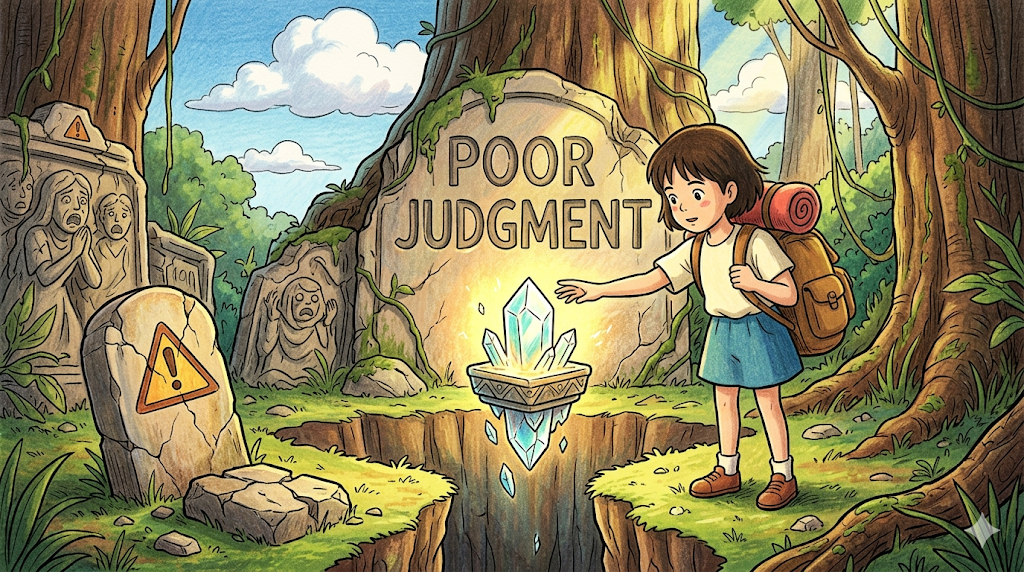
poor judgment [pɔːr ˈdʒʌdʒmənt]
(명사구) 판단력 부족, 나쁜 판단
누군가가 상황을 제대로 평가하지 못하고 잘못된 결정을 내리는 것을 강조하며, 수능 논리·심리 지문에서 핵심적으로 등장합니다.
- The committee's report concluded that the disaster had been caused not by technical failure but by poor judgment at the management level — a series of decisions that had prioritised speed and cost over the safety of the people involved. (위원회 보고서는 재앙이 기술적 실패가 아닌 관리 수준의 형편없는 판단 때문에 발생했다고 결론지었다 — 관련된 사람들의 안전보다 속도와 비용을 우선시한 일련의 결정들이었다.)
- She acknowledged that she had shown poor judgment in trusting someone she barely knew with sensitive information, and that the experience had taught her to be more careful about the difference between liking someone and actually knowing them. (그녀는 거의 모르는 사람에게 민감한 정보를 믿고 맡기는 데 형편없는 판단을 보였다는 것을 인정했으며, 그 경험이 누군가를 좋아하는 것과 실제로 아는 것의 차이에 대해 더 조심스럽게 되도록 가르쳤다.)
- The essay explored how poor judgment can sometimes arise not from stupidity but from the very intelligence that makes a person confident — arguing that the most dangerous kind of poor judgment is the kind that comes packaged in self-assurance, because it is the hardest kind to challenge and the easiest kind to rationalise after the fact. (에세이는 형편없는 판단이 때때로 어리석음이 아닌 사람을 자신감 있게 만드는 바로 그 지능에서 나올 수 있다고 탐구했다 — 가장 위험한 종류의 형편없는 판단은 자기 확신에 포장된 것이라고 주장했는데, 그것이 가장 도전하기 어렵고 사후에 합리화하기 가장 쉬운 종류이기 때문이다.)
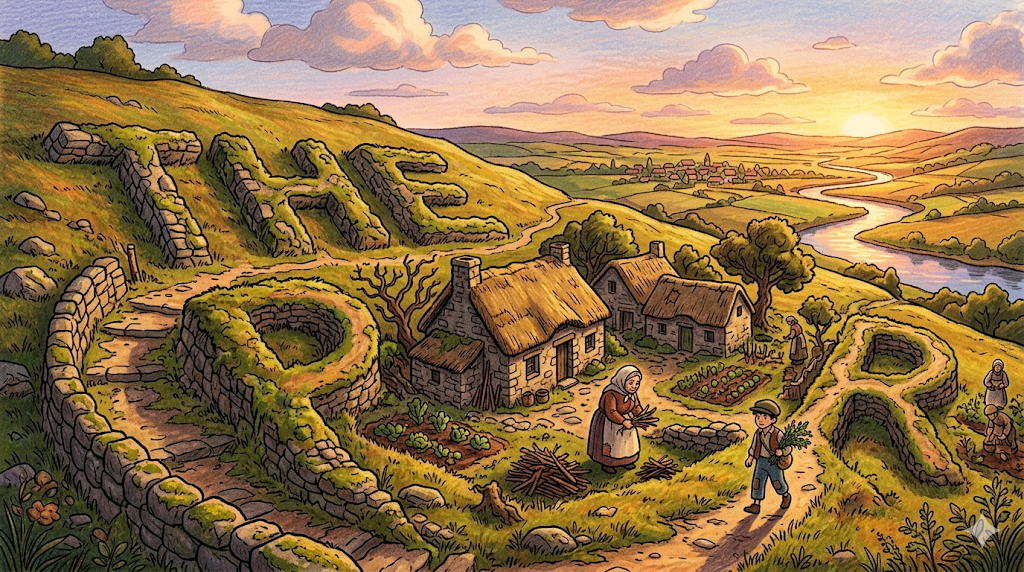
the poor [ðə pɔːr]
(명사구) 가난한 사람들, 빈곤층
사회에서 경제적으로 어려운 상황에 있는 집단 전체를 강조하며, 수능 사회·윤리·역사 지문에서 핵심적으로 등장합니다.
- Every major religion in the world has teachings that call on its followers to care for the poor, suggesting that the moral obligation to help those with less is one of the most universal ethical principles humanity has ever developed. (세계의 모든 주요 종교는 신자들에게 가난한 사람들을 돌보도록 촉구하는 가르침을 가지고 있으며, 덜 가진 사람들을 돕는 도덕적 의무가 인류가 개발한 가장 보편적인 윤리적 원칙 중 하나임을 시사한다.)
- The politician's platform was built on the promise to improve conditions for the poor, but critics argued that many of the proposed policies would benefit the middle class far more than those at the bottom of the income scale. (정치인의 공약은 가난한 사람들의 조건을 개선하겠다는 약속에 기반했지만, 비평가들은 많은 제안된 정책이 소득 규모의 하위층보다 중산층에게 훨씬 더 많은 이익을 줄 것이라고 주장했다.)
- She wrote that the most important question any society can ask itself is not how much wealth it has produced but how it treats the poor — and that the answer to that question reveals more about a community's true values than any other single measure. (그녀는 어떤 사회도 스스로에게 물을 수 있는 가장 중요한 질문은 얼마나 많은 부를 생산했느냐가 아니라 가난한 사람들을 어떻게 대우하느냐이며, 그 질문에 대한 답이 다른 어떤 단일 척도보다 공동체의 진정한 가치에 대해 더 많은 것을 드러낸다고 썼다.)
숙어 그룹 묶음 3 — 극빈·철학 poor 심화 패턴
표현 의미 핵심 뉘앙스 주요 맥락
| poor in spirit | 심령이 가난한, 겸손한 | 겸손하거나 의지가 꺾인 상태 | 문학·철학·수능 |
| as poor as a church mouse | 교회 쥐처럼 가난한 | 극도로 가난한 상태를 비유 | 일상·문학·수능 |
| go from poor to rich | 가난에서 부유해지다 | 극빈에서 성공하여 부유해지는 것 | 사회·심리·수능 |
이 세 표현은 모두 poor의 "극도로 부족하거나 결핍된" 이미지를 공유하되, 각각 정신적·철학적 겸손이나 결핍(poor in spirit)·물질적 극빈의 비유(as poor as a church mouse)·가난에서 부유로의 극적 변화(go from poor to rich)의 관점에서 접근합니다.
- She had started as poor as a church mouse, become poor in spirit during the hardest years when nothing seemed to work and doubt had crept in from every direction, and had eventually gone from poor to rich — not only financially but in wisdom, patience, and the quality of her relationships. (그녀는 교회 쥐처럼 가난하게 시작했으며, 아무것도 효과가 없는 것 같고 의심이 모든 방향에서 스며들어온 가장 힘든 해에 심령이 가난해졌으며, 결국 가난에서 부유해졌다 — 재정적으로뿐만 아니라 지혜, 인내, 그리고 관계의 질에서도.)
- The essay asked whether it is possible to go from poor to rich without losing the quality of being poor in spirit — whether success inevitably makes people less humble and less sensitive to the needs of others — and concluded that the answer depended almost entirely on whether the person in question had ever truly been as poor as a church mouse and remembered what that felt like. (에세이는 심령이 가난한 자질을 잃지 않고 가난에서 부유해지는 것이 가능한지 — 성공이 사람들을 불가피하게 덜 겸손하고 다른 사람들의 필요에 덜 민감하게 만드는지 — 를 물었으며, 그 대답은 거의 전적으로 해당 사람이 진정으로 교회 쥐처럼 가난했던 적이 있는지와 그것이 어떤 느낌인지 기억하는지 여부에 달려있다고 결론지었다.)
- His biography described the arc of a life that had been as poor as a church mouse in its beginning, deeply poor in spirit at its lowest point, and eventually triumphant in its going from poor to rich — but its most moving pages were those that described not the wealth he had eventually accumulated but the moments when he had chosen, despite having everything, to remain connected to the values formed in the years when he had had nothing. (그의 전기는 시작에서 교회 쥐처럼 가난하고, 가장 낮은 지점에서 심령이 깊이 가난하며, 결국 가난에서 부유해지는 데 성공한 삶의 호를 묘사했다 — 하지만 가장 감동적인 페이지는 그가 결국 축적한 부가 아니라 모든 것을 가졌음에도 불구하고 아무것도 없었던 해에 형성된 가치와 연결된 채로 남기로 선택한 순간들을 묘사한 것이었다.)
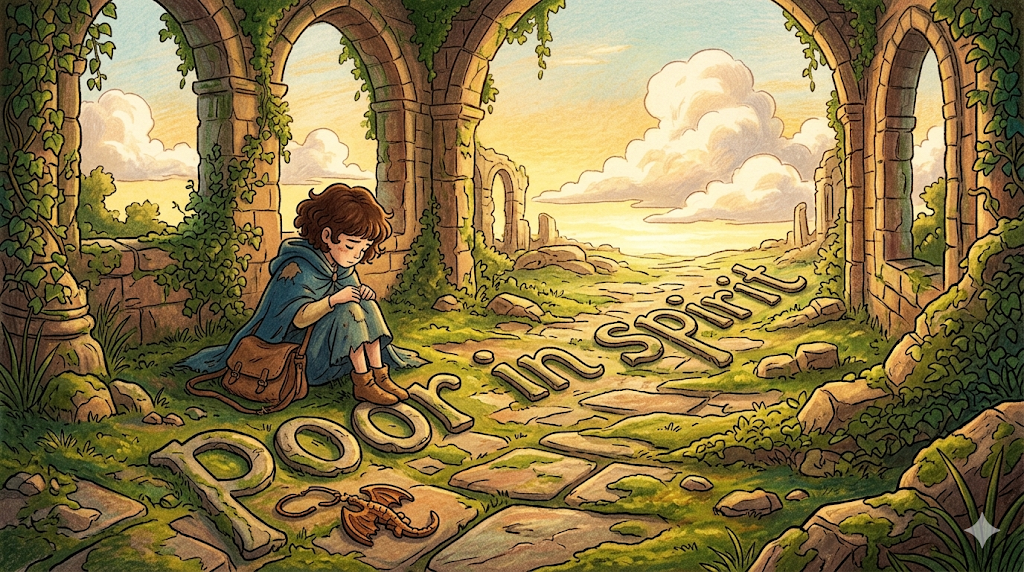
poor in spirit [pɔːr ɪn ˈspɪrɪt]
(형용사구) 심령이 가난한, 겸손한, 의지가 꺾인
성경적 맥락에서는 겸손하고 자신에게 의존하지 않는 사람을, 비유적으로는 사기나 의욕이 꺾인 상태를 나타냅니다. 수능 독해 문학·철학·심리 지문에서 자주 등장합니다.
- The teacher explained to the class that being "poor in spirit" in the biblical sense does not mean being weak or defeated — it means recognising that you do not have all the answers and are open to receiving wisdom from sources beyond yourself. (선생님은 학급에게 성경적 의미에서 "심령이 가난하다"는 것이 약하거나 패배한다는 것을 의미하지 않는다고 설명했다 — 그것은 당신이 모든 답을 갖고 있지 않으며 자신 너머의 원천에서 지혜를 받을 준비가 됐다는 것을 인식하는 것을 의미한다.)
- She had felt poor in spirit throughout the difficult middle section of the project — when nothing seemed to be going right and her confidence had been eroded by a series of small failures that had accumulated into something that felt overwhelming. (그녀는 프로젝트의 어려운 중간 부분 내내 심령이 가난하게 느꼈다 — 아무것도 제대로 되지 않는 것 같고 자신감이 압도적으로 느껴지는 무언가로 축적된 일련의 작은 실패들에 의해 침식됐을 때였다.)
- The essay argued that intellectual humility — the willingness to admit what you do not know — is a form of being poor in spirit in the most productive sense, and that the people who are most genuinely curious, most willing to learn, and most likely to make real discoveries are those who have learned to sit comfortably with uncertainty rather than pretending they have already arrived at certainty. (에세이는 지적 겸손 — 모르는 것을 인정하려는 의지 — 이 가장 생산적인 의미에서 심령이 가난한 형태라고 주장했으며, 가장 진정으로 호기심 있고, 배우려는 의지가 가장 높으며, 진정한 발견을 할 가능성이 가장 높은 사람들은 이미 확신에 도달한 척하기보다 불확실성과 편안하게 앉는 법을 배운 사람들이라고 했다.)

as poor as a church mouse [æz pɔːr æz ə tʃɜːrtʃ maʊs]
(관용구) 교회 쥐처럼 가난한, 몹시 가난한
먹을 것이 거의 없는 교회의 쥐에 비유해 극도로 가난한 상태를 강조합니다. 수능 독해 일상·문학·사회 지문에서 자주 등장합니다.
- She described her student years as the happiest of her life despite being as poor as a church mouse — living on instant noodles and library books, sharing a tiny flat with three other students, and feeling a sense of freedom and possibility that she had not felt before or since. (그녀는 교회 쥐처럼 가난했음에도 불구하고 학생 시절을 인생에서 가장 행복했던 시기로 묘사했다 — 즉석 국수와 도서관 책으로 살고, 세 명의 다른 학생들과 작은 아파트를 공유하며, 이전이나 그 이후에도 느끼지 못한 자유와 가능성의 감각을 느꼈다.)
- He had been as poor as a church mouse at the start of his career but had always spent what little he had on books rather than on luxuries, believing that knowledge was the one investment that could never be taken away from him. (그는 커리어 초기에 교회 쥐처럼 가난했지만 항상 가진 것을 사치품이 아닌 책에 썼으며, 지식이 결코 그에게서 빼앗길 수 없는 유일한 투자라고 믿었다.)
- The idiom as poor as a church mouse captures something that abstract words like "low income" do not — the texture of a life in which there is not enough of anything, where every small expense requires a decision and every unexpected cost is a crisis. (교회 쥐처럼 가난하다는 관용구는 "저소득"과 같은 추상적인 단어들이 포착하지 못하는 것을 포착한다 — 아무것도 충분하지 않고, 모든 작은 비용이 결정을 필요로 하며, 모든 예상치 못한 비용이 위기인 삶의 질감이다.)

go from poor to rich [ɡəʊ frəm pɔːr tə rɪtʃ]
(동사구) 가난에서 부자가 되다, 무일푼에서 부유해지다
경제적으로 매우 어려운 상황에서 시작해 성공하여 부유해지는 것을 강조합니다. 수능 독해 사회·심리·문학 지문에서 자주 등장합니다.
- The documentary series followed several individuals who had gone from poor to rich within a single generation, and what struck the audience most was not how different their lives had become but how deeply the memory of poverty continued to shape the choices they made even after financial security had been achieved. (다큐멘터리 시리즈는 한 세대 안에 가난에서 부유해진 여러 사람들을 따라갔으며, 청중에게 가장 인상적인 것은 삶이 얼마나 달라졌는지가 아니라 재정적 안정이 달성된 후에도 빈곤의 기억이 그들의 선택을 얼마나 깊이 계속 형성하는지였다.)
- She was careful never to present her story of going from poor to rich as a simple morality tale, insisting that luck, timing, and the support of key individuals had played as large a role in her success as her own effort and intelligence. (그녀는 가난에서 부유해진 자신의 이야기를 단순한 도덕 이야기로 제시하지 않도록 주의했으며, 운, 타이밍, 그리고 핵심 인물들의 지원이 자신의 노력과 지능만큼이나 성공에 큰 역할을 했다고 주장했다.)
- The essay argued that stories of going from poor to rich are culturally powerful precisely because they resolve the tension between two of society's most deeply held beliefs — that background determines destiny and that anyone can succeed through hard work — and that the way societies respond to such stories reveals which of those two beliefs they actually prioritise in practice. (에세이는 가난에서 부유해지는 이야기가 문화적으로 강력한 것은 바로 사회의 가장 깊게 자리한 두 가지 믿음 — 배경이 운명을 결정한다는 것과 누구나 열심히 일해서 성공할 수 있다는 것 — 사이의 긴장을 해소하기 때문이며, 사회가 그러한 이야기에 반응하는 방식이 그들이 실제로 어떤 두 가지 믿음을 실천에서 우선시하는지를 드러낸다고 주장했다.)
숙어 그룹 묶음 4 — 종합 poor 패턴
표현 의미 핵심 뉘앙스 주요 맥락
| poor judgment | 판단력 부족 | 상황을 제대로 평가하지 못한 잘못된 결정 | 심리·논리·수능 |
| in poor health | 건강이 좋지 않은 | 신체적 건강 상태가 좋지 않음 | 사회·심리·수능 |
| as poor as a church mouse | 교회 쥐처럼 가난한 | 극도로 가난한 상태를 비유 | 일상·문학·수능 |
이 세 표현은 수능 독해에서 가장 자주 출제되는 poor의 핵심 패턴입니다. poor judgment는 판단력의 결핍을, in poor health는 건강의 결핍을, as poor as a church mouse는 물질적 결핍의 극단을 각각 나타냅니다.
- She had been as poor as a church mouse growing up, frequently in poor health due to the cold and damp conditions of the family home, and had watched the adults around her make decision after decision driven by poor judgment born of desperation — which is why, as an adult, she had devoted so much energy to understanding how poverty shapes thinking as well as circumstances. (그녀는 자라면서 교회 쥐처럼 가난했으며, 가족의 집의 차갑고 습한 환경으로 자주 건강이 좋지 않았으며, 주변 어른들이 절박함에서 비롯된 형편없는 판단으로 내리는 결정을 보고 또 봤다 — 그래서 어른이 된 후 빈곤이 상황뿐만 아니라 사고를 어떻게 형성하는지 이해하는 데 그렇게 많은 에너지를 쏟았다.)
- The essay argued that poor judgment in those who are in poor health often deserves more compassion than criticism — that when a person is dealing with persistent pain, exhaustion, or anxiety, the cognitive resources needed for clear decision-making are genuinely reduced, and that anyone who has ever been as poor as a church mouse knows that scarcity itself narrows the mental bandwidth available for long-term thinking. (에세이는 건강이 좋지 않은 사람들의 형편없는 판단은 종종 비판보다 더 많은 연민을 받을 자격이 있다고 주장했다 — 사람이 지속적인 통증, 피로, 또는 불안을 다루고 있을 때, 명확한 결정을 위해 필요한 인지 자원이 진정으로 감소하며, 교회 쥐처럼 가난했던 적이 있는 사람은 결핍 자체가 장기적 사고에 사용 가능한 정신적 대역폭을 좁힌다는 것을 안다.)
- She concluded her memoir by reflecting that starting life as poor as a church mouse, spending years in poor health, and making her share of decisions driven by poor judgment had ultimately given her a more nuanced understanding of failure and resilience than any amount of formal education could have — because she had learned not from being told what difficulty was but from living inside it long enough to understand what it actually required of you. (그녀는 회고록을 교회 쥐처럼 가난하게 삶을 시작하고, 수년 동안 건강이 좋지 않으며, 형편없는 판단으로 내린 결정들을 하면서 결국 어떤 정규 교육도 줄 수 없었던 실패와 회복력에 대한 더 미묘한 이해를 줬다고 성찰하며 마무리했다 — 어려움이 무엇인지 말을 듣는 것이 아니라 실제로 무엇이 필요한지 이해할 만큼 충분히 오래 그 안에서 살아보며 배웠기 때문이었다.)
전체 요약표
표현 의미 핵심 뉘앙스
| poor | 가난한, 불쌍한, 형편없는 | 빈곤에서 동정·질 부족·건강 악화까지 확장 |
| poor thing | 불쌍한 것, 가여운 사람 | 누군가에 대한 따뜻한 동정심 표현 |
| in poor health | 건강이 좋지 않은 | 신체적 건강 상태가 좋지 않음 |
| poor excuse | 형편없는 변명 | 설득력 없거나 진실하지 않은 이유 |
| dirt poor | 극도로 가난한 | 아무것도 없을 만큼 극심한 빈곤 상태 |
| poor judgment | 판단력 부족 | 상황을 제대로 평가하지 못한 잘못된 결정 |
| the poor | 가난한 사람들 | 사회에서 경제적으로 어려운 집단 전체 |
| poor in spirit | 심령이 가난한, 겸손한 | 겸손하거나 의지가 꺾인 상태 |
| as poor as a church mouse | 교회 쥐처럼 가난한 | 극도로 가난한 상태의 비유 |
| go from poor to rich | 가난에서 부유해지다 | 극빈에서 성공하여 부유해지는 것 |
유의어 비교표

단어 공통점 뉘앙스 차이 예문
| poor | 가난한, 부족한 | 빈곤·동정·질 부족·건강 악화, 비유 풍부 | She grew up poor. |
| needy | 도움이 필요한 | 도움이 절실하게 필요한 상태 | Help needy families. |
| destitute | 극빈한 | 생활에 필요한 모든 것이 없는 극심한 빈곤 | The family was destitute. |
| impoverished | 빈곤해진 | 풍요에서 빈곤해진 상태 | The impoverished village. |
| broke | 빈털터리인 | 현재 돈이 전혀 없는 임시적 상태 | He was completely broke. |
유의어 예문 리스트
- (needy) The volunteer programme matched university students with needy families in the local area, providing practical help with everything from reading support for the children to assistance filling in official forms that many parents found confusing. (자원봉사 프로그램은 대학생들을 지역 지역의 도움이 필요한 가족들과 연결시켜, 아이들을 위한 독서 지원부터 많은 부모들이 혼란스럽다고 느끼는 공식 양식 작성 지원까지 모든 것에 실질적인 도움을 제공했다.)
- (destitute) The earthquake had left thousands of families destitute — without homes, without possessions, and in many cases without any surviving relatives who could offer support during the months of rebuilding that followed. (지진은 수천 가족을 극빈 상태로 만들었다 — 집도 없고, 소유물도 없으며, 많은 경우에 그 이후의 수개월의 재건 기간 동안 지원을 제공할 수 있는 살아남은 친척도 없이.)
- (impoverished) The once-thriving fishing community had become impoverished after the collapse of the fish stocks, and the government's slow response to the crisis had been widely criticised as inadequate given the scale of the economic damage. (한때 번성했던 어업 공동체는 어류 자원의 붕괴 후 빈곤해졌으며, 위기에 대한 정부의 느린 대응이 경제적 피해 규모를 감안할 때 부적절하다고 널리 비판받았다.)
- (broke) She had been completely broke for the last week of every month for most of her twenties and had learned to be surprisingly creative with whatever food was left in the kitchen by the time Thursday came around. (그녀는 20대의 대부분 동안 매달 마지막 주에 완전히 빈털터리였으며, 목요일이 됐을 때 부엌에 남은 음식으로 놀라울 만큼 창의적이 되는 법을 배웠다.)
결론 정리
poor는 단순히 "가난한"이 아니라, 라틴어 pauper(가난한 사람)에서 출발해 무언가가 충분하지 않거나 결핍된 상태에서 경제적 빈곤·동정심·질적 부족·건강 악화·능력 부재까지 확장되는 단어다 — poor가 있는 곳엔 언제나 '단순한 경제적 빈곤이 아닌, 인간이 결핍·동정·부족·악화를 어떻게 경험하고 표현하는지가 생생하게 살아숨쉬는' 생동감의 선언이 있다.
💡 poor는 "무언가가 충분하지 않거나 결핍된 것에서 출발한" 생동감 넘치는 언어 — poor judgment · in poor health · as poor as a church mouse가 수능 최빈출.
🌟 초등학생 버전 — poor는 가난한이라는 뜻이지만, "불쌍한 것"(poor thing), "형편없는 변명"(poor excuse), "교회 쥐처럼 가난한"(as poor as a church mouse)처럼 우리 감정과 일상 곳곳에 살아있는 단어예요! 💔✨


