
- 분류 전체보기 (5476)

| 일 | 월 | 화 | 수 | 목 | 금 | 토 |
|---|---|---|---|---|---|---|
| 1 | 2 | |||||
| 3 | 4 | 5 | 6 | 7 | 8 | 9 |
| 10 | 11 | 12 | 13 | 14 | 15 | 16 |
| 17 | 18 | 19 | 20 | 21 | 22 | 23 |
| 24 | 25 | 26 | 27 | 28 | 29 | 30 |
| 31 |
- once in a while
- please.
- make it
- Right?
- Actually
- oh
- work out
- hold on
- too.
- come up with
- no
- call off
- Yes
- entrance fee
- Don't worry
- Please
- pick up
- I'm sorry
- I'm not sure
- OKay
- I'm glad to hear that.
- Yeah
- well
- Read between the lines
- please?
- Sure
- Excuse me
- By The Way
- Sorry
- Hey
- Today
- Total
인과함께
Day366 , poison, poison someone's mind, slow poison, poison pill, poison ivy, food poisoning, poison gas, poisonous, take poison, one man's meat is another man's poison, poison the well 본문
Day366 , poison, poison someone's mind, slow poison, poison pill, poison ivy, food poisoning, poison gas, poisonous, take poison, one man's meat is another man's poison, poison the well
미인생 2026. 4. 30. 06:37
poison [ˈpɔɪzən]
(명사/동사) 독, 독소, 독을 넣다, 중독시키다
'poison'을 단순히 "독"으로만 외우면 수능에서 반드시 틀립니다.
poison은 "신체적으로 또는 정신적으로 건강하고 정상적인 상태를 조용히 해치거나 파괴하는 해로운 것" 이라는 핵심 이미지에서 출발해, 물리적 독소·심리적 해악·사회적 오염·비즈니스 전략까지 폭넓게 쓰이는 핵심 다의어입니다. 특히 poison(조용히 해치는 해로운 것) vs. venom(동물이 직접 주입하는 독) vs. toxin(생물이 만드는 독소) 의 뉘앙스 차이, poison someone's mind(마음에 독을 심다), poison the well(상황을 미리 망치다) 패턴은 수능 독해 심리·사회·경제·역사·문학 지문에서 핵심적으로 등장합니다.
'poison'은 고대 프랑스어 poison(음료, 독이 든 음료)에서 유래했으며, 라틴어 potio/potionis(음료, 독약)에 뿌리를 두고 있습니다. 어원의 핵심 이미지는 "마시게 하는 음료인 것처럼 속여서 몸속으로 들어가 조용히 해치는 것" 으로, 단순한 해로움이 아닌 겉으로는 해롭게 보이지 않지만 내부에서 조용히 파괴적인 영향을 미치는 은밀하고 서서히 진행되는 해악의 이미지가 이 단어의 본질입니다.
1. poison someone's mind [ˈpɔɪzən ˈsʌmwʌnz maɪnd]
(동사구/수능) "누군가의 마음에 독을 심다, 나쁜 생각을 심어주다"를 뜻합니다. 거짓 정보나 부정적인 생각을 주입하여 상대방의 판단이나 관계를 해치는 것을 강조합니다. 수능 독해 심리·사회·문학 지문의 핵심 표현입니다.
She was convinced that someone had been poisoning her son's mind against her, because he had never spoken to her with such coldness and suspicion before their estrangement began. (그녀는 누군가가 그녀를 향해 아들의 마음에 독을 심어왔다고 확신했는데 그가 그들의 소원함이 시작되기 전에 그렇게 차갑고 의심스럽게 그녀에게 말한 적이 결코 없었기 때문이다.)
2. slow poison [sloʊ ˈpɔɪzən]
(명사구/수능) "서서히 퍼지는 독, 천천히 해치는 것"을 뜻합니다. 즉각적인 해를 끼치지 않지만 시간이 지남에 따라 점점 심각하게 해치는 것을 강조합니다. 수능 독해 심리·사회·환경·건강 지문에서 자주 등장합니다.
Constant self-criticism can act as a slow poison on a person's confidence, barely noticeable day to day but deeply damaging over months and years when the cumulative effect finally becomes clear. (끊임없는 자기 비판은 사람의 자신감에 서서히 퍼지는 독처럼 작용할 수 있는데 매일매일 거의 눈에 띄지 않지만 누적 효과가 마침내 명확해지는 수개월과 수년에 걸쳐 깊이 해롭다.)
3. poison pill [ˈpɔɪzən pɪl]
(명사구/수능) "독이 든 알약, 적대적 인수를 막는 기업 방어 전략"을 뜻합니다. 경영진이 원치 않는 기업 인수를 막기 위해 인수자에게 불리한 조건을 만드는 기업 전략을 강조합니다. 수능 독해 경제·사회·비즈니스 지문에서 자주 등장합니다.
When the rival corporation made a hostile takeover bid, the board immediately activated its poison pill strategy, which made the acquisition so expensive that the predator company quickly withdrew its offer. (경쟁 기업이 적대적 인수 제안을 했을 때 이사회는 즉시 독소 조항 전략을 발동하여 인수를 너무 비싸게 만들어서 약탈 기업이 빠르게 제안을 철회했다.)
4. poison ivy [ˈpɔɪzən ˈaɪvi]
(명사구/수능) "독 아이비, 독 담쟁이덩굴"을 뜻합니다. 만지면 심한 피부 발진을 일으키는 북미산 식물로, 겉으로는 무해해 보이지만 실제로는 해롭다는 것을 강조합니다. 수능 독해 자연·환경·과학·문학 지문에서 자주 등장합니다.
The hikers did not realise they had walked through a patch of poison ivy until the next morning when they woke up with red, itchy rashes covering their legs and arms. (하이커들은 다음 날 아침에 다리와 팔을 덮고 있는 빨갛고 가려운 발진으로 깨어날 때까지 자신들이 독 아이비 군락지를 걸어왔다는 것을 깨닫지 못했다.)
5. food poisoning [fuːd ˈpɔɪzənɪŋ]
(명사구/수능) "식중독"을 뜻합니다. 오염된 음식을 먹어서 발생하는 위장 질환을 강조합니다. 수능 독해 건강·사회·환경 지문에서 자주 등장합니다.
The outbreak of food poisoning at the school canteen was traced back to improperly stored chicken that had been kept at the wrong temperature for too long before being served to students. (학교 구내식당의 식중독 발생은 학생들에게 제공되기 전에 너무 오랫동안 잘못된 온도에 보관된 부적절하게 저장된 닭고기로 추적됐다.)
6. poison gas [ˈpɔɪzən ɡæs]
(명사구/수능) "독가스"를 뜻합니다. 전쟁이나 사고에서 사람이나 동물에게 해를 끼치는 유독한 기체를 강조합니다. 수능 독해 역사·환경·사회 지문에서 자주 등장합니다.
The use of poison gas during the First World War was condemned by many as a particularly cruel form of warfare because it caused slow and agonising deaths that conventional weapons did not. (제1차 세계대전 동안 독가스 사용은 기존 무기가 하지 않는 느리고 고통스러운 죽음을 일으켰기 때문에 특히 잔인한 전쟁 형태라고 많은 사람들에게 비난받았다.)
7. poisonous [ˈpɔɪzənəs]
(형용사/수능) "독이 있는, 유독한, 해로운"을 뜻합니다. 독소를 포함하거나 독소를 생성하여 다른 것에 해를 끼칠 수 있는 것을 강조합니다. 수능 독해 자연·심리·사회·환경 지문에서 자주 등장합니다.
The documentary warned viewers that some of the most poisonous creatures in the world are also among the smallest and least threatening in appearance, making their danger all the more difficult to detect. (다큐멘터리는 세계에서 가장 유독한 생물 중 일부가 외모에서 가장 작고 덜 위협적인 것들이기도 하여 그들의 위험을 감지하기가 더욱 어렵게 만든다고 시청자들에게 경고했다.)
8. take poison [teɪk ˈpɔɪzən]
(동사구/수능) "독을 마시다, 독을 복용하다"를 뜻합니다. 독을 의도적으로 또는 실수로 삼키는 행위를 강조합니다. 수능 독해 문학·역사·심리 지문에서 자주 등장합니다.
In ancient times, condemned prisoners were sometimes offered the choice of how they would die, and the philosopher Socrates famously chose to take poison rather than live in exile or renounce his beliefs. (고대에 사형을 선고받은 죄수들은 때로 어떻게 죽을지 선택권을 받았으며 철학자 소크라테스는 망명하거나 신념을 포기하기보다 독을 마시기로 선택한 것으로 유명하다.)
9. one man's meat is another man's poison [wʌn mænz miːt ɪz əˈnʌðər mænz ˈpɔɪzən]
(속담/수능) "한 사람에게는 약이 다른 사람에게는 독이다, 사람마다 취향이 다르다"를 뜻합니다. 어떤 사람에게 좋은 것이 다른 사람에게는 해로울 수 있다는 것을 강조합니다. 수능 독해 심리·사회·문화·교육 지문의 핵심 표현입니다.
The old saying that one man's meat is another man's poison has been supported by modern research showing that the same food or experience can produce very different physiological and psychological responses in different individuals. (한 사람에게는 약이 다른 사람에게는 독이다라는 오래된 속담은 같은 음식이나 경험이 다른 개인들에게서 매우 다른 생리적·심리적 반응을 만들어낼 수 있다는 것을 보여주는 현대 연구에 의해 지지됐다.)
10. poison the well [ˈpɔɪzən ðə wel]
(동사구/수능) "상황을 미리 망치다, 사전에 나쁜 인상을 심어두다"를 뜻합니다. 어떤 사람이나 아이디어에 대한 부정적인 정보를 미리 퍼뜨려 다른 사람들이 공정하게 평가할 수 없게 만드는 것을 강조합니다. 수능 독해 심리·사회·정치·법 지문의 핵심 표현입니다.
The lawyer argued that the extensive pre-trial media coverage had effectively poisoned the well, making it impossible for her client to receive a fair trial from jurors who had already formed strong opinions before hearing a single piece of evidence. (변호사는 광범위한 재판 전 언론 보도가 효과적으로 상황을 미리 망쳐놓았으며 단 하나의 증거도 듣기 전에 이미 강한 의견을 형성한 배심원들로부터 그녀의 의뢰인이 공정한 재판을 받는 것을 불가능하게 만들었다고 주장했다.)
POINT 1. poison vs. venom vs. toxin — 수능 최빈출 뉘앙스 구별
세 표현 모두 "독"과 관련되지만 뉘앙스가 다릅니다.
poison → 섭취하거나 접촉하거나 흡입함으로써 해를 끼치는 물질, 또는 비유적으로 서서히 해치는 것 (섭취·접촉·비유적 해악 강조), venom → 뱀·거미 등의 동물이 물거나 찌름으로써 직접 주입하는 독 (동물이 직접 주입하는 독 강조), toxin → 생물이 생산하는 독소로 주로 과학적·의학적 맥락에서 사용 (생물학적 독소·과학적 맥락 강조). 수능에서 poison은 반드시 섭취·접촉 또는 비유적으로 서서히 해친다는 문맥이 함께 등장합니다.
예)
The berries from that plant are poison if eaten. (그 식물의 열매는 먹으면 독이다.) — 섭취·접촉·비유적 해악 강조 The cobra injected its venom with a single bite. (코브라가 한 번 물어 독을 주입했다.) — 동물이 직접 주입하는 독 강조 The laboratory tested the water sample for bacterial toxins. (실험실은 수질 샘플을 세균 독소에 대해 검사했다.) — 생물학적 독소·과학적 맥락 강조
POINT 2. poison the well / poison someone's mind — 수능 심리·사회 지문 핵심
poison the well과 poison someone's mind는 수능 독해 심리·사회·문학 지문에서 가장 자주 출제되는 poison 관련 표현입니다.
poison the well → 어떤 대화나 관계, 절차가 시작되기 전에 부정적인 영향을 미쳐 공정한 평가를 불가능하게 만드는 것, poison someone's mind → 특정 개인을 향한 거짓 정보나 부정적 생각을 주입하여 그 사람의 판단이나 관계를 해치는 것. 두 표현이 함께 등장하면 글쓴이가 편견이나 조작의 심리적 영향을 논하고 있다는 신호입니다.
POINT 3. potio 어근 — 수능 어휘 확장 필수
poison의 어원 potio(음료)와 관련된 단어들이 수능에서 자주 출제됩니다.
potion [ˈpoʊʃən] → 마법의 묘약, 약 (마시는 것), poison → potion과 같은 어원에서 분리되어 독의 의미로, potable [ˈpoʊtəbəl] → 마실 수 있는 (안전하게 마실 수 있는), symposium [sɪmˈpoʊziəm] → 학술 회의 (그리스어 symposion: 함께 마시는 것). 이 단어들은 모두 "마시는 것"이라는 공통 이미지를 가지고 있습니다.
(명사) ① 독, 독소 (물리적)
poison의 가장 기본적인 의미로, 생명체에 해를 끼치는 화학 물질이나 독소를 나타냅니다. 반드시 섭취·접촉·흡입 등을 통해 신체적 해를 끼친다는 문맥이 함께 옵니다.
- The children were warned not to touch any mushrooms they found in the forest because some species that looked completely safe contained a deadly poison that could cause serious liver damage within hours. (아이들은 숲에서 발견한 버섯을 만지지 말라는 경고를 받았는데 완전히 안전해 보이는 일부 종이 몇 시간 내에 심각한 간 손상을 일으킬 수 있는 치명적인 독을 포함하고 있었기 때문이다.)
- The rat poison that had been placed beneath the floorboards was discovered only when several other animals in the neighbourhood began falling ill from secondary poisoning after eating the dead rats. (마루 아래에 놓인 쥐 독은 죽은 쥐를 먹은 후 이차 중독으로 동네의 다른 여러 동물들이 아프기 시작했을 때야 발견됐다.)
- Even trace amounts of certain poisons can accumulate in the body over time, building up to dangerous levels through a process called bioaccumulation that occurs when the body cannot eliminate the substance fast enough to prevent it from reaching harmful concentrations. (특정 독의 흔적량도 시간이 지남에 따라 체내에 축적될 수 있으며 신체가 해로운 농도에 도달하는 것을 막기에 충분히 빠르게 물질을 제거할 수 없을 때 발생하는 생물 축적이라는 과정을 통해 위험한 수준으로 쌓인다.)
(동사) ② 독을 넣다, 중독시키다 (물리적)
독을 의도적으로 또는 우연히 어떤 것에 넣어 그것을 먹거나 접촉한 사람이나 동물에게 해를 끼치는 것을 나타냅니다. 수능 독해 역사·문학·사회 지문에서 자주 등장하는 확장 의미입니다.
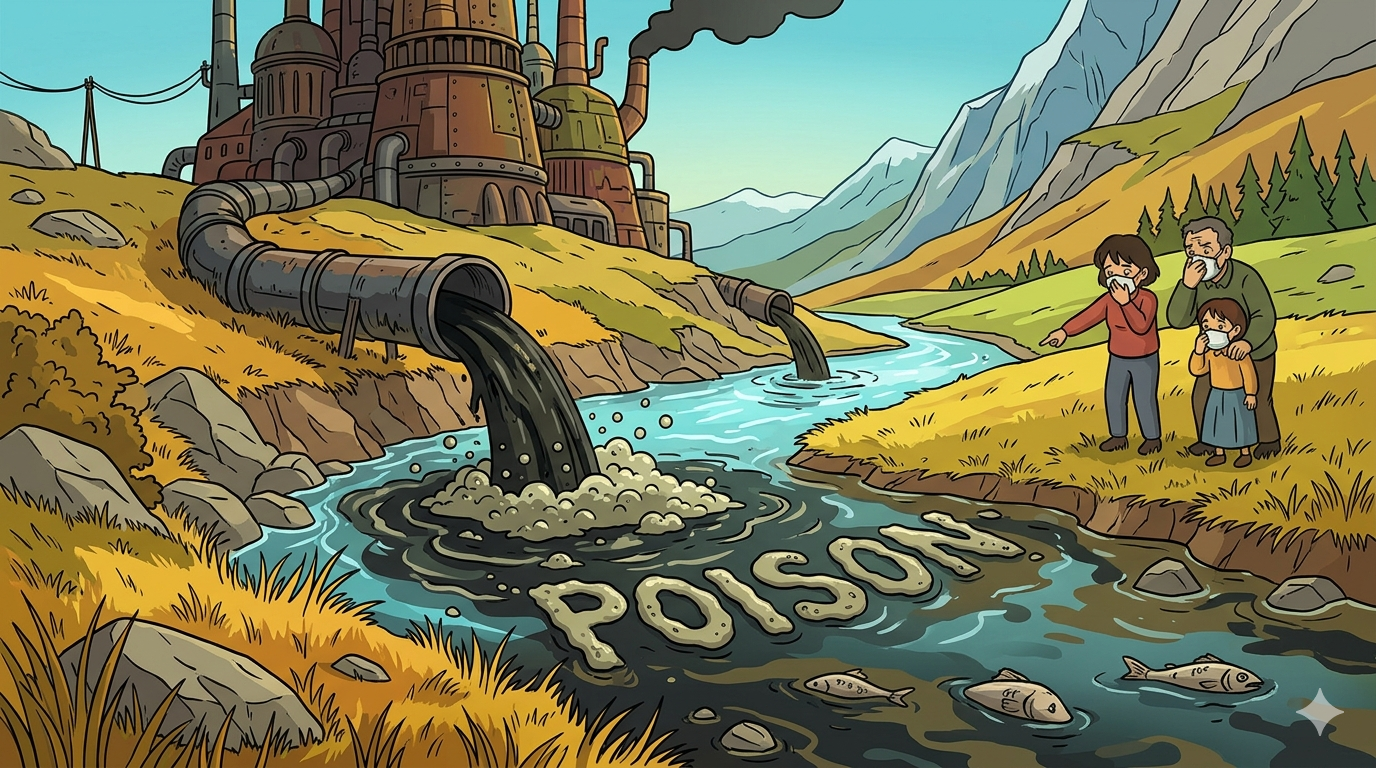
- The industrial plant had been poisoning the local river for years before anyone connected the rising rates of illness in the nearby town with the chemicals being discharged into the water upstream. (인근 마을의 증가하는 질병 발생률을 상류에서 물로 방류되는 화학 물질과 연결하기 전까지 수년 동안 산업 공장이 지역 강에 독을 넣고 있었다.)
- The chef was accused of deliberately poisoning the food of a difficult guest, though the subsequent investigation found that the illness was caused by spoiled ingredients that had gone undetected during preparation. (요리사는 어려운 손님의 음식에 의도적으로 독을 넣었다고 비난받았지만 이후 조사에서 질병이 준비 과정에서 감지되지 않은 상한 재료로 인한 것이라는 것을 발견했다.)
- The history of political assassination includes numerous cases in which rulers were poisoned by people close to them, making the preparation and serving of food a matter of extreme caution for anyone in a position of power throughout most of recorded history. (정치적 암살의 역사는 통치자들이 그들에게 가까운 사람들에 의해 독살된 수많은 사례를 포함하며 음식의 준비와 제공을 기록된 역사 대부분에 걸쳐 권력을 가진 누구에게나 극도로 주의해야 할 문제로 만들었다.)
(동사) ③ 해치다, 오염시키다 (비유적)
어떤 관계·상황·사람의 마음을 서서히 오염시키거나 해치는 것을 나타냅니다. 수능 독해 심리·사회·문학 지문에서 자주 등장합니다.
- Years of unresolved resentment had slowly poisoned the relationship between the two business partners until they could no longer be in the same room without the tension becoming unbearable for everyone around them. (수년간 해결되지 않은 원한이 두 사업 파트너의 관계를 천천히 오염시켜 주변의 모든 사람에게 긴장이 참을 수 없게 될 때까지 같은 방에 있을 수 없게 됐다.)
- The researcher argued that the belief that failure was shameful had been poisoning educational systems for generations, preventing students from taking the risks necessary for genuine learning and innovation. (연구자는 실패가 부끄러운 것이라는 믿음이 수세대에 걸쳐 교육 시스템을 오염시켜 학생들이 진정한 학습과 혁신에 필요한 위험을 감수하는 것을 막아왔다고 주장했다.)
- A single dishonest answer early in the interview poisoned the entire conversation that followed, because once the interviewer lost trust in what the candidate was saying it became impossible to evaluate anything she said fairly and accurately. (인터뷰 초반의 단 하나의 부정직한 대답이 그 이후의 전체 대화를 오염시켰는데 면접관이 지원자가 말하는 것에 대한 신뢰를 잃으면 그녀가 말하는 것을 공정하고 정확하게 평가하는 것이 불가능해졌기 때문이다.)
뉘앙스·의미 연결 흐름 표
핵심 이미지 연결 흐름 뉘앙스 요약
| 심리적 오염 | 마음에 독을 심다 → 상황을 미리 망치다 → 서서히 퍼지는 독 | poison someone's mind·poison the well·slow poison |
| 물리적 독 | 독을 마시다 → 식중독 → 독가스 | take poison·food poisoning·poison gas |
| 자연·사회 | 독 아이비 → 독소 조항 → 유독한 | poison ivy·poison pill·poisonous |
어원 흐름 표
단어 구성 요소 의미 연결 흐름 뉘앙스 요약
| 라틴어 potio/potionis(음료) | 음료 → 독이 든 음료 → 속여서 마시게 하는 것 | 겉으로는 해롭지 않아 보이지만 내부에서 조용히 파괴하는 은밀한 해악 |
| poison (명사/동사) | 물리적 독 → 비유적 오염 → 심리적 해악 | 신체적 독에서 심리·사회·환경적 해악으로 확장 |
품사별 의미 표
품사 의미 예문
| 명사 | 독, 독소 | The poison was detected. (독이 감지됐다.) |
| 동사 | 독을 넣다 | They poisoned the water. (그들은 물에 독을 넣었다.) |
| 동사 (비유) | 오염시키다, 해치다 | Hate can poison a mind. (증오는 마음을 오염시킬 수 있다.) |
| 형용사 (poisonous) | 유독한, 독이 있는 | That plant is poisonous. (그 식물은 유독하다.) |
활용 예문 리스트
- She worried that her ex-husband had been poisoning her children's minds against her with false stories about why the marriage had ended, and she asked the counsellor for advice on how to address this without putting the children in an even more difficult position. (그녀는 전 남편이 결혼이 왜 끝났는지에 대한 거짓 이야기로 자신을 향해 아이들의 마음에 독을 심어왔다고 걱정했으며 아이들을 더 어려운 처지에 두지 않고 이것을 어떻게 해결할지에 대해 상담사에게 조언을 구했다.)
- The corporate lawyer explained that activating the poison pill would make a hostile takeover prohibitively expensive and would therefore give the company's board enough time to find a more acceptable alternative to a deal it had not agreed to. (회사 변호사는 독소 조항을 발동하면 적대적 인수를 감당할 수 없을 만큼 비싸게 만들고 따라서 회사 이사회가 동의하지 않은 거래의 더 수용 가능한 대안을 찾을 시간을 충분히 줄 것이라고 설명했다.)
- The persistent myth that the food poisoning had been caused by something eaten at the restaurant was eventually disproved by the health inspectors, who traced the outbreak to contaminated water used in the preparation of ice served in drinks. (식중독이 식당에서 먹은 것으로 인해 발생했다는 지속적인 소문은 결국 음료에 제공된 얼음 준비에 사용된 오염된 물로 발병을 추적한 위생 검사관들에 의해 반박됐다.)
- The teacher used the proverb that one man's meat is another man's poison to explain to students why designing learning experiences that work equally well for all students is so fundamentally difficult when people learn in genuinely different ways. (선생님은 한 사람에게는 약이 다른 사람에게는 독이다라는 속담을 사용하여 사람들이 진정으로 다른 방식으로 배울 때 모든 학생에게 동등하게 잘 작동하는 학습 경험을 설계하는 것이 왜 그토록 근본적으로 어려운지 학생들에게 설명했다.)
- The political commentator accused the newspaper of poisoning the well by publishing so many negative stories about the candidate in the weeks before the election that the public had been made unable to evaluate her policies on their actual merits. (정치 평론가는 신문이 선거 전 몇 주 동안 후보자에 관한 너무 많은 부정적인 기사를 게재하여 상황을 미리 망쳐놓아 대중이 실제 장점에 따라 그녀의 정책을 평가할 수 없게 됐다고 비난했다.)
전체 뉘앙스 설명
poison은 '겉으로는 해롭지 않아 보이지만 내부에서 조용히 파괴적인 영향을 미치는 것의 언어'입니다.
venom과의 차이: venom은 뱀이나 거미 같은 동물이 물거나 찌름으로써 직접 주입하는 독을 강조하고, poison은 섭취·접촉·흡입 또는 비유적으로 서서히 해친다는 더 광범위한 의미를 강조합니다.
toxin과의 차이: toxin은 주로 과학적·의학적 맥락에서 생물이 생산하는 독소를 강조하고, poison은 더 일상적이고 비유적인 맥락에서도 광범위하게 사용됩니다.
harm과의 차이: harm은 일반적인 해를 끼치는 것을 강조하고, poison은 그 해가 속이는 방식으로 또는 서서히 진행된다는 은밀성과 점진성을 강조합니다.
마지막 핵심 정리
poison은 단순히 "독"이 아닙니다 — 라틴어 potio(음료)에서 출발해, 마음에 독 심기(poison someone's mind)·서서히 퍼지는 독(slow poison)·독소 조항(poison pill)·독 아이비(poison ivy)·식중독(food poisoning)·독가스(poison gas)·유독한(poisonous)·독을 마시다(take poison)·한 사람에게는 약이 다른 사람에게는 독이다(one man's meat is another man's poison)·상황을 미리 망치다(poison the well)까지 확장되는 단어이며, poison vs. venom vs. toxin 뉘앙스 구별·poison the well / poison someone's mind 심리·사회 지문 패턴·potio 어근 패밀리가 수능 핵심 출제 포인트입니다.
파생어 표
파생어 발음기호 품사 의미
| poisonous | [ˈpɔɪzənəs] | 형용사 | 유독한, 독이 있는, 해로운 |
| poisoning | [ˈpɔɪzənɪŋ] | 명사 | 독살, 중독 |
| poisoner | [ˈpɔɪzənər] | 명사 | 독살자 |
| potion | [ˈpoʊʃən] | 명사 | 마법의 묘약, 약 (같은 어원) |
| potable | [ˈpoʊtəbəl] | 형용사 | 마실 수 있는 (같은 어원) |
| antidote | [ˈæntɪdoʊt] | 명사 | 해독제 (poison의 반대) |
유의어 비교표
단어 공통점 뉘앙스 차이 예문
| poison | 독·해로운 것 | 섭취·접촉 또는 비유적으로 서서히 해치는 것 강조 | The water contains poison. |
| venom | 독 | 동물이 직접 주입하는 독 강조 | Snake venom is dangerous. |
| toxin | 독소 | 생물학적 독소·과학적 맥락 강조 | The toxin spread quickly. |
| contaminant | 오염 물질 | 순수한 것을 오염시키는 물질 강조 | A contaminant was found. |
| bane | 해악·재앙 | 불행이나 파멸의 원인 강조 | Envy is the bane of happiness. |
유의어 예문 리스트
- (venom) The doctor explained that the venom from the spider found in the patient's garden was powerful enough to cause severe neurological symptoms if it entered the bloodstream directly. (의사는 환자의 정원에서 발견된 거미의 독이 혈류에 직접 들어갈 경우 심각한 신경학적 증상을 일으킬 만큼 강력하다고 설명했다.)
- (toxin) Scientists discovered that the toxins released by the dying algae had accumulated in the shellfish living on the riverbed, making them unsafe to eat even after the algae bloom itself had disappeared. (과학자들은 죽어가는 조류에 의해 방출된 독소가 강바닥에 사는 조개류에 축적되어 조류 번성 자체가 사라진 후에도 먹기에 안전하지 않게 만든다는 것을 발견했다.)
- (contaminant) The investigation found that a contaminant had entered the factory's water supply through a cracked joint in the main pipe, affecting the quality of everything produced in the facility for nearly three weeks before the problem was identified. (조사는 오염 물질이 주요 파이프의 갈라진 이음매를 통해 공장의 용수 공급에 들어가서 문제가 확인되기 전 거의 3주 동안 시설에서 생산된 모든 것의 품질에 영향을 미쳤다는 것을 발견했다.)
- (bane) Poor communication had been the bane of the project from the very beginning, with team members repeatedly discovering that important decisions had been made without their knowledge or input. (열악한 의사소통은 처음부터 프로젝트의 골칫거리였으며 팀원들이 중요한 결정이 자신들의 지식이나 의견 없이 이루어졌다는 것을 반복적으로 발견했다.)
결론 정리
poison은 단순히 "독"이 아니라, 음료처럼 속여서 몸속으로 들어가 조용히 해치는 이미지에서 출발해 신체적 독소·심리적 오염·사회적 해악·기업 방어 전략까지 확장되는 단어다 — poison이 있는 곳엔 언제나 '단순한 해로움이 아닌, 겉으로는 드러나지 않지만 내부에서 서서히 파괴적인 영향을 미치는' 은밀하고 점진적인 해악의 선언이 있다.
💡 poison은 "겉으로는 드러나지 않지만 내부에서 조용히 파괴하는 것"의 언어 — poison someone's mind·poison the well·slow poison·one man's meat is another man's poison이 수능 최빈출.
🌟 초등학생 버전 poison은 동화 속 백설공주가 먹은 빨간 사과처럼, 겉으로는 아무런 문제가 없어 보이지만 실제로는 매우 해롭고 위험한 것을 표현하는 단어예요! poison someone's mind는 "나쁜 말이나 거짓말로 친구의 마음속에 나쁜 생각을 심어놓는 것"이에요! 🍎✨

poison someone's mind [ˈpɔɪzən ˈsʌmwʌnz maɪnd]
(동사구) 누군가의 마음에 독을 심다, 나쁜 생각을 심어주다
거짓 정보나 부정적인 생각을 주입하여 상대방의 판단이나 관계를 해치는 것을 강조합니다. 독이 몸에 퍼지듯 나쁜 생각이 마음에 퍼져 판단력을 손상시킨다는 뉘앙스가 강합니다. 수능 독해 심리·사회·문학 지문에서 핵심 표현으로 자주 등장합니다.
- The novel explored how a manipulative older student had gradually poisoned the younger girl's mind against her own family by presenting their reasonable concerns as controlling behaviour and their love as suffocating interference. (소설은 어떻게 조종하는 나이 든 학생이 합리적인 우려를 통제 행동으로, 그들의 사랑을 질식시키는 간섭으로 제시하면서 점차 어린 소녀의 가족에 대한 마음에 독을 심었는지 탐구했다.)
- Social psychologists have studied how propaganda can systematically poison the minds of entire populations against minority groups by associating them repeatedly with negative imagery and false accusations until the association becomes automatic. (사회 심리학자들은 선전이 부정적인 이미지와 거짓 고발과 반복적으로 연관시켜 연관이 자동적이 될 때까지 소수 집단에 대한 전체 인구의 마음에 독을 심는 방법을 체계적으로 연구했다.)
- The most effective way to protect yourself from someone who is trying to poison your mind is not to avoid hearing their arguments but to develop a strong habit of checking sources, consulting multiple perspectives, and giving ideas time to settle before forming a firm conclusion. (당신의 마음에 독을 심으려는 누군가로부터 자신을 보호하는 가장 효과적인 방법은 그들의 논거를 듣지 않는 것이 아니라 출처를 확인하고 여러 관점을 참고하며 확고한 결론을 형성하기 전에 아이디어가 자리잡을 시간을 주는 강한 습관을 개발하는 것이다.)

slow poison [sloʊ ˈpɔɪzən]
(명사구) 서서히 퍼지는 독, 천천히 해치는 것
즉각적인 해를 끼치지 않지만 시간이 지남에 따라 점점 심각하게 해치는 것을 강조합니다. 그 해로움이 처음에는 눈에 띄지 않아 대처가 늦어진다는 점진적 위험의 뉘앙스가 강합니다. 수능 독해 심리·사회·환경·건강 지문에서 자주 등장합니다.
- The documentary argued that the financial pressures being placed on young doctors were acting as a slow poison on the medical profession, producing a generation of practitioners who had learned early to detach emotionally in order to survive a system that valued productivity over care. (다큐멘터리는 젊은 의사들에게 가해지는 재정적 압박이 의료 직종에 서서히 퍼지는 독처럼 작용하며 돌봄보다 생산성을 중시하는 시스템에서 살아남기 위해 감정적으로 분리되는 것을 일찍 배운 세대의 의료인을 만들고 있다고 주장했다.)
- Researchers described social comparison through social media as a slow poison because the damage it causes to self-esteem is so gradual and so deeply embedded in daily behaviour that most users never connect their declining sense of worth with the hours they spend scrolling through curated images of other people's lives. (연구자들은 소셜 미디어를 통한 사회적 비교를 서서히 퍼지는 독으로 묘사했는데 그것이 자존감에 미치는 피해가 너무 점진적이고 일상적인 행동에 너무 깊이 내재되어 대부분의 사용자들이 다른 사람들의 삶의 큐레이션된 이미지를 스크롤하는 데 보내는 시간과 감소하는 자아 가치감을 연결하지 못하기 때문이다.)
- The judge described the defendant's long-term deception of his business partners as a slow poison that had been administered carefully over many years to avoid detection, and this deliberate and calculating nature of the crime was what she considered most serious about the offence. (판사는 피고인의 사업 파트너들에 대한 장기적 기만을 감지를 피하기 위해 수년에 걸쳐 신중하게 투여된 서서히 퍼지는 독으로 묘사했으며 이 범죄의 의도적이고 계산적인 특성이 그녀가 범죄에서 가장 심각하게 여기는 것이었다.)

poison pill [ˈpɔɪzən pɪl]
(명사구) 독이 든 알약, 적대적 인수를 막는 기업 방어 전략
경영진이 원치 않는 기업 인수를 막기 위해 인수자에게 불리한 조건을 만드는 기업 전략을 강조합니다. 독이 든 알약을 삼키면 해를 입는 것처럼 인수를 시도하면 오히려 심각한 손해를 보게 된다는 뉘앙스가 강합니다. 수능 독해 경제·사회·비즈니스 지문에서 자주 등장합니다.
- The shareholders were divided on whether the poison pill was truly protecting the company from a predatory bid or simply allowing an underperforming management team to insulate itself from the accountability that a change of ownership would have brought. (주주들은 독소 조항이 진정으로 회사를 약탈적 입찰로부터 보호하는 것인지 아니면 단순히 저성과 경영팀이 소유권 변경이 가져왔을 책임으로부터 스스로를 격리하게 해주는 것인지에 대해 의견이 갈렸다.)
- Critics of poison pill strategies argue that while they may serve the short-term interests of a company's current management, they often act against the long-term interests of shareholders by preventing beneficial acquisitions that would have created significant value. (독소 조항 전략의 비평가들은 그것이 회사 현 경영진의 단기적 이익에는 도움이 될 수 있지만 상당한 가치를 창출했을 유익한 인수를 막음으로써 종종 주주들의 장기적 이익에 반한다고 주장한다.)
- The concept of the poison pill has moved beyond the world of corporate finance and is now used more broadly to describe any provision deliberately inserted into an agreement, proposal, or situation to make it unacceptable to a particular party without eliminating the proposal entirely. (독소 조항의 개념은 기업 금융의 세계를 넘어 이제 제안을 완전히 제거하지 않고 특정 당사자에게 수용할 수 없게 만들기 위해 합의, 제안, 또는 상황에 의도적으로 삽입된 모든 조항을 설명하기 위해 더 광범위하게 사용된다.)

poison ivy [ˈpɔɪzən ˈaɪvi]
(명사구) 독 아이비, 독 담쟁이덩굴
만지면 심한 피부 발진을 일으키는 북미산 식물로 겉으로는 무해해 보이지만 실제로는 해롭다는 것을 강조합니다. 알아보지 못하면 의도치 않게 접촉하게 되는 숨겨진 위험이라는 뉘앙스가 강합니다. 수능 독해 자연·환경·과학·문학 지문에서 자주 등장합니다.
- The summer camp counsellor spent the first morning of every session teaching children to identify poison ivy by its characteristic three-leaflet pattern, using the rhyme "leaves of three, let it be" as a memorable safety rule. (여름 캠프 상담사는 매 세션의 첫 번째 아침을 아이들에게 독 아이비를 특유의 세 개의 잎 패턴으로 식별하는 법을 가르치는 데 보냈으며 기억하기 쉬운 안전 규칙으로 "세 개의 잎, 그냥 놔둬"라는 구절을 사용했다.)
- Poison ivy is a remarkable example of a plant that uses chemical defence rather than physical defence — it produces no thorns or sharp edges, but the urushiol oil in its leaves causes such an intense allergic reaction in most people that it is far more effective at discouraging contact than any physical barrier could be. (독 아이비는 물리적 방어가 아닌 화학적 방어를 사용하는 식물의 놀라운 예이다 — 가시나 날카로운 가장자리가 없지만 잎의 우루시올 오일이 대부분의 사람들에게 매우 강렬한 알레르기 반응을 일으켜서 어떤 물리적 장벽보다 접촉을 훨씬 더 효과적으로 막는다.)
- The author used the image of poison ivy as a metaphor throughout the novel to represent the things in life that look harmless and even attractive until you have made the mistake of getting too close to them, by which point the damage has already begun even if the symptoms have not yet appeared. (작가는 소설 전반에 걸쳐 독 아이비의 이미지를 너무 가까이 가는 실수를 저지를 때까지 해롭지 않고 매력적으로도 보이는 삶의 것들을 나타내는 은유로 사용했으며 그 시점에서는 증상이 아직 나타나지 않았더라도 피해가 이미 시작됐다.)

food poisoning [fuːd ˈpɔɪzənɪŋ]
(명사구) 식중독
오염된 음식을 먹어서 발생하는 위장 질환을 강조합니다. 먹는 음식이 몸을 해치는 것이라는 역설적 아이러니의 뉘앙스가 강합니다. 수능 독해 건강·사회·환경 지문에서 자주 등장합니다.
- The mass outbreak of food poisoning at the music festival was eventually traced to a single batch of incorrectly refrigerated sandwiches that had been prepared by a catering company and distributed to thousands of visitors over a period of several hours. (음악 축제에서의 대규모 식중독 발생은 결국 케이터링 회사가 준비하고 몇 시간에 걸쳐 수천 명의 방문객에게 배포된 단일 배치의 부적절하게 냉장된 샌드위치로 추적됐다.)
- Public health researchers have found that food poisoning is significantly underreported in most countries because many people either do not seek medical attention for mild cases or do not realise that the illness they experienced was caused by contaminated food rather than by an unrelated viral infection. (공중 보건 연구자들은 식중독이 대부분의 국가에서 상당히 과소 보고된다는 것을 발견했는데 많은 사람들이 경미한 경우에 의료 서비스를 받지 않거나 자신이 경험한 질병이 무관한 바이러스 감염이 아닌 오염된 음식으로 인한 것임을 깨닫지 못하기 때문이다.)
- The food poisoning outbreak became a public relations crisis for the restaurant chain not because the illness itself was particularly severe but because the company's initial response — denying responsibility and attacking the credibility of those who reported becoming ill — was seen by the public as evasive and uncaring. (식중독 발생은 질병 자체가 특히 심각해서가 아니라 회사의 초기 대응 — 책임을 부인하고 아픈 것을 신고한 사람들의 신뢰성을 공격하는 — 이 대중에 의해 회피적이고 무관심한 것으로 여겨졌기 때문에 식당 체인에게 홍보 위기가 됐다.)

poison gas [ˈpɔɪzən ɡæs]
(명사구) 독가스
전쟁이나 사고에서 사람이나 동물에게 해를 끼치는 유독한 기체를 강조합니다. 눈에 보이지 않아 피하기 어렵고 광범위하게 퍼지는 위험이라는 뉘앙스가 강합니다. 수능 독해 역사·환경·사회 지문에서 자주 등장합니다.
- The historical account described how soldiers in the trenches during the First World War had no effective means of detecting the approach of poison gas before it arrived and often had only seconds to put on their gas masks once they smelled it. (제1차 세계대전 참호 속 군인들이 독가스가 도착하기 전에 그 접근을 감지하는 효과적인 수단이 없었으며 냄새를 맡은 후 방독면을 쓸 시간이 몇 초밖에 없었다고 역사적 기록이 묘사했다.)
- The international treaty banning the production and use of poison gas in warfare was considered a landmark achievement in humanitarian law, though critics pointed out that enforcement was difficult and that some states had found ways to circumvent the restrictions while maintaining the appearance of compliance. (전쟁에서 독가스 생산과 사용을 금지하는 국제 조약은 인도주의법의 획기적인 성취로 여겨졌지만 비평가들은 집행이 어렵고 일부 국가들이 준수하는 것처럼 보이면서도 제한을 피할 방법을 찾았다고 지적했다.)
- Environmental campaigners drew an uncomfortable parallel between the deliberate use of poison gas in wartime and the slow release of toxic industrial emissions into the atmosphere, arguing that the difference was more one of intention and speed than of ultimate harm caused to the people exposed. (환경 운동가들은 전시에 독가스를 의도적으로 사용하는 것과 독성 산업 배출물을 대기 중에 천천히 방출하는 것 사이의 불편한 유사점을 끌어내며 그 차이는 노출된 사람들에게 가해지는 궁극적인 해로움보다는 의도와 속도의 차이에 가깝다고 주장했다.)

poisonous [ˈpɔɪzənəs]
(형용사) 독이 있는, 유독한, 해로운
독소를 포함하거나 독소를 생성하여 다른 것에 해를 끼칠 수 있는 것을 강조합니다. 물리적으로 유독할 뿐만 아니라 비유적으로도 해롭고 부정적인 것에 사용된다는 뉘앙스가 강합니다. 수능 독해 자연·심리·사회·환경 지문에서 자주 등장합니다.
- The poisonous atmosphere in the office had developed so gradually that most staff members had not realised how bad things had become until a new colleague joined and immediately noted how uncomfortable and unhappy everyone seemed. (사무실의 독성 있는 분위기가 너무 서서히 발전해서 대부분의 직원들이 새 동료가 합류하여 모든 사람이 얼마나 불편하고 불행해 보이는지 즉시 언급할 때까지 상황이 얼마나 나쁘게 됐는지 깨닫지 못했다.)
- What makes certain competitive environments poisonous is not competition itself — which can be healthy and motivating — but the way they measure success by comparison rather than by absolute achievement, turning colleagues into rivals and cooperation into suspicion. (특정 경쟁 환경을 독성 있게 만드는 것은 경쟁 자체가 아니라 — 건강하고 동기를 줄 수 있는 — 절대적 성취가 아닌 비교를 통해 성공을 측정하는 방식으로 동료를 경쟁자로, 협력을 의심으로 바꾸는 것이다.)
- The research identified three factors that tended to make workplace cultures poisonous: a lack of psychological safety that prevented people from raising concerns, reward systems that incentivised individual success at the expense of team outcomes, and leaders whose own anxieties they projected onto others through unpredictable behaviour and criticism. (연구는 직장 문화를 독성 있게 만드는 경향이 있는 세 가지 요인을 확인했다: 사람들이 우려를 제기하는 것을 막는 심리적 안전의 부재, 팀 성과를 희생시키면서 개인 성공에 인센티브를 주는 보상 시스템, 그리고 예측할 수 없는 행동과 비판을 통해 자신의 불안을 다른 사람들에게 투영하는 리더들이다.)

take poison [teɪk ˈpɔɪzən]
(동사구) 독을 마시다, 독을 복용하다
독을 의도적으로 또는 실수로 삼키는 행위를 강조합니다. 역사적·문학적 맥락에서 자주 등장하며 때로는 스스로 선택하는 결말이라는 비극적 뉘앙스가 강합니다. 수능 독해 문학·역사·심리 지문에서 자주 등장합니다.
- The tragedy ends with the protagonist choosing to take poison rather than face a future she cannot accept, and the playwright invites the audience to ask whether her choice represents courage, despair, or a deeply misguided form of control. (비극은 주인공이 자신이 받아들일 수 없는 미래를 직면하는 것보다 독을 마시기로 선택하는 것으로 끝나며 극작가는 청중에게 그녀의 선택이 용기, 절망, 또는 깊이 잘못된 형태의 통제를 나타내는지 묻도록 초대한다.)
- Historians continue to debate whether the famous general's death was caused by accidentally taking poison through improperly prepared food, or whether the people who prepared his meals were acting on orders from enemies who wished to remove him without the political consequences of an open assassination. (역사가들은 유명한 장군의 죽음이 부적절하게 준비된 음식을 통해 실수로 독을 마셔서 발생한 것인지, 아니면 공개적인 암살의 정치적 결과 없이 그를 제거하고 싶었던 적들의 명령에 따라 식사를 준비한 사람들이 행동한 것인지 계속 논쟁한다.)
- The study of cases in which people have accidentally taken poison by mistaking one substance for another has led to significant improvements in the design of product packaging, particularly the development of child-resistant caps and the use of distinctive colours and symbols to mark dangerous substances. (한 물질을 다른 것으로 착각하여 실수로 독을 마신 사례 연구는 제품 포장 디자인, 특히 어린이 방지 마개의 개발과 위험한 물질을 표시하기 위한 독특한 색상과 기호 사용에서 상당한 개선으로 이어졌다.)

one man's meat is another man's poison [wʌn mænz miːt ɪz əˈnʌðər mænz ˈpɔɪzən]
(속담) 한 사람에게는 약이 다른 사람에게는 독이다, 사람마다 취향이 다르다
어떤 사람에게 좋은 것이 다른 사람에게는 해로울 수 있다는 것을 강조합니다. 개인마다 반응·취향·필요가 다르다는 다양성의 뉘앙스가 강합니다. 수능 독해 심리·사회·문화·교육 지문에서 핵심 표현으로 자주 등장합니다.
- The nutritionist explained that the principle that one man's meat is another man's poison is literally true in many cases, as individuals differ significantly in how they metabolise specific nutrients, meaning that a diet that improves one person's health may actively worsen another's. (영양사는 한 사람에게는 약이 다른 사람에게는 독이다라는 원칙이 많은 경우에 문자 그대로 사실이라고 설명했는데 개인들이 특정 영양소를 대사하는 방식에서 현저히 다르기 때문에 한 사람의 건강을 개선하는 식단이 다른 사람의 건강을 능동적으로 악화시킬 수 있다는 것을 의미한다.)
- The philosophy teacher used the proverb that one man's meat is another man's poison as a starting point for a discussion about whether it is possible to speak of objective standards of beauty, taste, or even moral value, or whether all such judgements are ultimately relative to the individual making them. (철학 선생님은 한 사람에게는 약이 다른 사람에게는 독이다라는 속담을 아름다움, 취향, 또는 도덕적 가치의 객관적 기준에 대해 말하는 것이 가능한지, 아니면 그러한 모든 판단이 궁극적으로 그것을 내리는 개인에 상대적인지에 대한 토론의 출발점으로 사용했다.)
- The concept that one man's meat is another man's poison has important implications for public health policy, since measures that work well in one cultural or demographic context — such as educational campaigns, dietary guidelines, or exercise recommendations — may have little or no effect, or even counterproductive effects, in a different context. (한 사람에게는 약이 다른 사람에게는 독이다라는 개념은 하나의 문화적 또는 인구통계학적 맥락에서 잘 작동하는 조치 — 교육 캠페인, 식이 지침, 또는 운동 권장 사항과 같은 — 가 다른 맥락에서는 거의 또는 전혀 효과가 없거나 심지어 역효과를 낼 수 있기 때문에 공중 보건 정책에 중요한 함의를 가진다.)

poison the well [ˈpɔɪzən ðə wel]
(동사구) 상황을 미리 망치다, 사전에 나쁜 인상을 심어두다
어떤 사람이나 아이디어에 대한 부정적인 정보를 미리 퍼뜨려 다른 사람들이 공정하게 평가할 수 없게 만드는 것을 강조합니다. 마을의 우물에 독을 넣으면 모든 사람이 오염된 물을 마실 수밖에 없는 것처럼 정보 자체를 오염시킨다는 뉘앙스가 강합니다. 수능 독해 심리·사회·정치·법 지문에서 핵심 표현으로 자주 등장합니다.
- The debating coach warned students that poisoning the well — attacking a speaker's credibility rather than their arguments — is a logical fallacy that might win points in the short term but ultimately weakens the quality of the discussion and the trust of the audience in both speakers. (토론 코치는 상황을 미리 망치는 것 — 논거가 아닌 발언자의 신뢰성을 공격하는 것 — 이 단기적으로는 점수를 딸 수 있지만 궁극적으로 토론의 질과 두 발언자에 대한 청중의 신뢰를 약화시키는 논리적 오류라고 학생들에게 경고했다.)
- The researchers noted that when scientists publicly attack the personal motives of other scientists rather than engaging with their data and methodology, they risk poisoning the well for the entire field by making it seem like scientific debate is driven by ego and rivalry rather than by the honest pursuit of truth. (연구자들은 과학자들이 데이터와 방법론에 관여하는 것이 아니라 다른 과학자들의 개인적 동기를 공개적으로 공격할 때 과학적 논쟁이 진실의 정직한 추구가 아닌 자아와 경쟁에 의해 이끌린 것처럼 보이게 만들어 전체 분야에 대해 상황을 미리 망칠 위험이 있다고 언급했다.)
- In the age of social media, poisoning the well has become exponentially easier because a single viral post containing misleading information can reach millions of people before the person being targeted has any opportunity to respond, creating an information environment in which initial impressions — however false — shape how subsequent corrections are received. (소셜 미디어 시대에 상황을 미리 망치는 것은 잘못된 정보를 담은 단 하나의 바이럴 게시물이 대상이 된 사람이 응답할 기회를 갖기 전에 수백만 명에게 도달할 수 있기 때문에 기하급수적으로 더 쉬워졌으며 아무리 거짓이더라도 초기 인상이 후속 정정이 받아들여지는 방식을 형성하는 정보 환경을 만든다.)
숙어 그룹 묶음 1 — 심리적 오염 poison 핵심 패턴
표현 의미 핵심 뉘앙스 주요 맥락
| poison someone's mind | 마음에 독을 심다 | 거짓·부정적 생각을 주입해 판단력을 손상시킴 | 심리·사회·문학 |
| poison the well | 상황을 미리 망치다 | 공정한 평가를 불가능하게 미리 오염시키는 것 | 심리·사회·정치·법 |
| slow poison | 서서히 퍼지는 독 | 처음엔 눈에 띄지 않지만 점진적으로 해치는 것 | 심리·사회·환경·건강 |
이 세 표현은 모두 poison의 "겉으로 드러나지 않게 서서히 해치는" 이미지를 공유하되, 각각 특정 개인의 마음을 조작하여 그의 판단을 손상시키는 것(poison someone's mind)·대화나 상황 자체를 사전에 오염시켜 공정한 평가를 막는 것(poison the well)·즉각적으로 드러나지 않지만 누적되어 심각한 해를 끼치는 것(slow poison)의 관점에서 접근합니다.
- The campaign that had been poisoning the well against the candidate for months was also poisoning many voters' minds through social media, and by the time the truth emerged the slow poison of misinformation had done its damage so thoroughly that even accurate corrections were received with deep scepticism. (수개월간 후보자에 대해 상황을 미리 망치던 캠페인은 소셜 미디어를 통해 많은 유권자들의 마음에도 독을 심고 있었으며 진실이 드러날 때쯤에는 허위 정보의 서서히 퍼지는 독이 너무 철저히 피해를 입혀서 정확한 정정조차 깊은 회의주의로 받아들여졌다.)
- The psychologist explained that abusive relationships often operate through a combination of poisoning the partner's mind against their support network, which works as a kind of slow poison on their confidence and social connections, and poisoning the well of external relationships by behaving perfectly in public so that the partner's accounts of the abuse are dismissed as unreliable. (심리학자는 학대적 관계가 종종 파트너의 지지 네트워크에 대한 파트너의 마음에 독을 심는 것의 조합으로 작동하며 이것이 그들의 자신감과 사회적 연결에 대한 서서히 퍼지는 독의 일종으로 작용하고 공개적으로 완벽하게 행동하여 학대에 대한 파트너의 진술이 신뢰할 수 없다고 묵살되도록 외부 관계의 상황을 미리 망치는 것의 조합으로 작동한다고 설명했다.)
- The book argued that conspiracy theories act as a slow poison on democratic societies by gradually poisoning the minds of ordinary citizens against institutions they need to function and simultaneously poisoning the well of public discourse by making it seem as though no source of information can be trusted, leaving people vulnerable to the very manipulation they believe they are resisting. (그 책은 음모론이 민주 사회에 점차 기능하기 위해 필요한 기관들에 대해 일반 시민들의 마음에 독을 심고 동시에 어떤 정보 출처도 신뢰할 수 없는 것처럼 보이게 만들어 공공 담론의 상황을 미리 망쳐서 저항하고 있다고 믿는 바로 그 조작에 취약하게 만들면서 민주 사회에 서서히 퍼지는 독으로 작용한다고 주장했다.)
숙어 그룹 묶음 2 — 물리적 독 poison 패턴
표현 의미 핵심 뉘앙스 주요 맥락
| take poison | 독을 마시다 | 역사적·문학적 맥락의 비극적 결말 | 문학·역사·심리 |
| food poisoning | 식중독 | 먹는 음식이 몸을 해치는 역설적 위험 | 건강·사회·환경 |
| poison gas | 독가스 | 눈에 보이지 않아 피하기 어려운 광범위한 위험 | 역사·환경·사회 |
이 세 표현은 모두 poison의 "신체에 직접적 해를 끼치는" 이미지를 공유하되, 각각 독을 스스로 또는 강제로 삼키는 것(take poison)·안전해야 할 음식이 오히려 몸을 해치는 것(food poisoning)·눈에 보이지 않는 기체가 광범위하게 해를 끼치는 것(poison gas)의 관점에서 접근합니다.
- The historical novel drew a disturbing parallel between soldiers dying from poison gas in the trenches, civilians suffering from food poisoning caused by wartime rationing and food adulteration, and the political prisoners who were forced to take poison rather than be allowed to speak at their trials — three manifestations of the same wartime disregard for human life that the author wanted readers to feel as connected rather than separate. (역사 소설은 참호에서 독가스로 죽어가는 병사들, 전시 배급과 식품 오염으로 인한 식중독으로 고통받는 민간인들, 재판에서 발언하도록 허용되기보다 독을 마시도록 강요된 정치범들 사이의 불안한 유사점을 끌어냈으며 세 가지는 작가가 독자들이 별개가 아닌 연결된 것으로 느끼기를 원했던 같은 전시의 인간 생명에 대한 무시의 세 가지 표현이었다.)
- The public health official noted that while the specific mechanisms were very different, food poisoning, poison gas exposure, and deliberately administered poison all shared the property of acting from inside the body in ways that were difficult to detect until the damage was already significant, which was what made all three so dangerous and why prevention mattered far more than treatment. (공중 보건 공무원은 구체적인 메커니즘은 매우 다르지만 식중독, 독가스 노출, 의도적으로 투여된 독이 모두 피해가 이미 상당해질 때까지 감지하기 어려운 방식으로 신체 내부에서 작용하는 특성을 공유했으며 이것이 세 가지 모두를 그토록 위험하게 만들고 치료보다 예방이 훨씬 더 중요한 이유라고 언급했다.)
- The ethics course used three case studies — a society that had used poison gas in warfare, a company that had concealed evidence of food poisoning, and an individual who had chosen to take poison to avoid a trial — to explore how the context in which death is caused can transform the same physical process into something that is judged very differently from a moral perspective. (윤리 과정은 세 가지 사례 연구를 사용했다 — 전쟁에서 독가스를 사용한 사회, 식중독의 증거를 은폐한 회사, 재판을 피하기 위해 독을 마시기로 선택한 개인 — 죽음이 야기되는 맥락이 어떻게 같은 물리적 과정을 도덕적 관점에서 매우 다르게 판단되는 것으로 변형시킬 수 있는지 탐구하기 위해.)
숙어 그룹 묶음 3 — 자연·사회 poison 심화 패턴
표현 의미 핵심 뉘앙스 주요 맥락
| poison ivy | 독 아이비 | 겉으로 무해해 보이지만 실제로는 해로운 숨겨진 위험 | 자연·환경·과학·문학 |
| poison pill | 독소 조항 | 삼키면 해롭듯 수용하면 오히려 손해를 보는 전략 | 경제·사회·비즈니스 |
| poisonous | 유독한, 해로운 | 물리적·비유적으로 해를 끼치는 모든 것 | 자연·심리·사회·환경 |
이 세 표현은 모두 poison의 "겉으로는 드러나지 않지만 실제로는 해로운" 이미지를 공유하되, 각각 무해해 보이지만 접촉하면 심한 반응을 일으키는 자연 식물(poison ivy)·매력적인 제안처럼 보이지만 수용하면 오히려 손해인 기업 전략(poison pill)·물리적·비유적으로 해를 끼치는 성질을 가진 것(poisonous)의 관점에서 접근합니다.
- The nature educator compared poison ivy to the poison pill of the corporate world and to the poisonous culture that sometimes develops in competitive workplaces — all three, she said, shared the quality of appearing harmless or even beneficial on first encounter, making the danger they posed all the more insidious because it was discovered only after the damage had begun. (자연 교육자는 독 아이비를 기업 세계의 독소 조항과 경쟁적인 직장에서 때로 발전하는 독성 있는 문화와 비교했다 — 세 가지 모두 처음 만났을 때 해롭지 않거나 심지어 유익하게 보이는 특성을 공유했으며 피해가 시작된 후에야 발견됐기 때문에 그들이 가진 위험을 훨씬 더 교활하게 만든다고 그녀는 말했다.)
- What makes a poisonous workplace culture similar to both poison ivy and a poison pill is that the harm it does is often invisible in the short term — people may not notice how it is affecting them until significant damage has been done to their health, relationships, or career — while the forces that maintain it, like the urushiol in poison ivy or the financial structures behind a poison pill, can be highly resistant to simple attempts to clear them away. (유독한 직장 문화를 독 아이비와 독소 조항 모두와 유사하게 만드는 것은 그것이 주는 피해가 단기적으로 종종 보이지 않는다는 것이다 — 사람들은 건강, 관계, 또는 경력에 상당한 피해가 발생할 때까지 그것이 어떻게 그들에게 영향을 미치고 있는지 알아채지 못할 수 있다 — 반면 그것을 유지하는 힘들은 독 아이비의 우루시올이나 독소 조항 뒤의 재정적 구조와 같이 그것들을 제거하려는 단순한 시도에 매우 저항할 수 있다.)
- The business school case study invited students to consider whether the poison pill was, paradoxically, itself a poisonous strategy in the long term — as poison ivy spreads and becomes harder to eradicate the longer it is left unchecked, the defensive structures created by poison pills can over time make companies increasingly resistant to exactly the kinds of shareholder pressure that might otherwise force beneficial changes. (경영대학원 사례 연구는 학생들에게 독소 조항이 역설적으로 그 자체로 장기적으로 독성 있는 전략인지 고려하도록 초대했다 — 독 아이비가 방치된 채로 오래될수록 퍼지고 근절하기 더 어려워지듯 독소 조항에 의해 만들어진 방어 구조는 시간이 지남에 따라 기업을 유익한 변화를 강요할 수 있는 바로 그 종류의 주주 압박에 점점 더 저항하게 만들 수 있다.)
숙어 그룹 묶음 4 — 문화·철학 poison 심화 패턴
표현 의미 핵심 뉘앙스 주요 맥락
| one man's meat is another man's poison | 한 사람에게는 약이 다른 사람에게는 독이다 | 개인마다 반응·취향·필요가 다르다는 다양성 | 심리·사회·문화·교육 |
| poisonous | 유독한, 해로운 | 물리적·비유적으로 해를 끼치는 모든 것 | 자연·심리·사회·환경 |
| slow poison | 서서히 퍼지는 독 | 처음엔 눈에 띄지 않지만 점진적으로 해치는 것 | 심리·사회·환경·건강 |
이 세 표현은 함께 poison이 담고 있는 가장 깊은 철학적·문화적 흐름을 보여줍니다. one man's meat is another man's poison → 같은 것도 개인에 따라 독이 될 수 있다는 상대성, poisonous → 어떤 것이 실제로 해롭다는 속성, slow poison → 그 해로움이 즉각적이지 않고 서서히 드러난다는 점진성으로 연결됩니다.
- The health researcher used the principle that one man's meat is another man's poison to argue that what appeared to be a poisonous dietary trend for some people was actually beneficial for others, and that the failure to account for individual variation had led to both legitimate dietary advice being dismissed and slow poison being prescribed in the form of one-size-fits-all nutritional guidelines. (건강 연구자는 한 사람에게는 약이 다른 사람에게는 독이다라는 원칙을 사용하여 일부 사람들에게 독성 있는 것으로 보이는 식이 추세가 실제로 다른 사람들에게는 유익하다고 주장했으며 개인 변이를 고려하지 못한 것이 합법적인 식이 조언이 묵살되게 만들었고 획일적인 영양 지침의 형태로 서서히 퍼지는 독이 처방됐다고 주장했다.)
- The education reformer argued that the examination system had become a slow poison for many students precisely because of the failure to apply the principle that one man's meat is another man's poison — a standardised test that worked perfectly as a measure of achievement for one type of mind was poisonous to the confidence and potential of many others whose abilities simply were not captured by that format. (교육 개혁가는 시험 시스템이 한 사람에게는 약이 다른 사람에게는 독이다라는 원칙을 적용하지 못해서 많은 학생들에게 서서히 퍼지는 독이 됐다고 주장했다 — 한 유형의 마음에 대한 성취 측정으로 완벽하게 작동하는 표준화 시험이 그 형식으로는 단순히 능력이 포착되지 않는 많은 다른 사람들의 자신감과 잠재력에는 독성이 있었다.)
- The philosophical essay explored how the wisdom contained in the saying that one man's meat is another man's poison — the recognition that human needs and capacities differ fundamentally — actually cuts in two directions: it can liberate us from poisonous prescriptions about how everyone should live, but it can also, if taken too far, become a slow poison of its own by making it impossible to make any shared moral claims about what counts as harm or flourishing for human beings in general. (철학 에세이는 한 사람에게는 약이 다른 사람에게는 독이다라는 말에 담긴 지혜 — 인간의 필요와 능력이 근본적으로 다르다는 인식 — 가 실제로 두 방향으로 작용한다고 탐구했다: 모든 사람이 어떻게 살아야 하는지에 대한 독성 있는 처방에서 우리를 해방시킬 수 있지만 너무 멀리 나가면 일반적으로 인간에게 무엇이 해가 되거나 번영이 되는지에 대한 공유된 도덕적 주장을 불가능하게 만들어 그 자체로 서서히 퍼지는 독이 될 수도 있다.)
전체 요약표
표현 의미 핵심 뉘앙스
| poison | 독, 독을 넣다, 오염시키다 | 겉으로 드러나지 않게 내부에서 조용히 파괴하는 것 |
| poison someone's mind | 마음에 독을 심다 | 거짓·부정적 생각을 주입해 판단력을 손상시킴 |
| slow poison | 서서히 퍼지는 독 | 처음엔 눈에 띄지 않지만 점진적으로 해치는 것 |
| poison pill | 독소 조항 | 삼키면 해롭듯 수용하면 오히려 손해를 보는 전략 |
| poison ivy | 독 아이비 | 겉으로 무해해 보이지만 실제로는 해로운 숨겨진 위험 |
| food poisoning | 식중독 | 먹는 음식이 몸을 해치는 역설적 위험 |
| poison gas | 독가스 | 눈에 보이지 않아 피하기 어려운 광범위한 위험 |
| poisonous | 유독한, 해로운 | 물리적·비유적으로 해를 끼치는 모든 것 |
| take poison | 독을 마시다 | 역사적·문학적 맥락의 비극적 결말 |
| one man's meat is another man's poison | 한 사람에게는 약이 다른 사람에게는 독이다 | 개인마다 반응·취향·필요가 다르다는 다양성 |
| poison the well | 상황을 미리 망치다 | 공정한 평가를 불가능하게 미리 오염시키는 것 |
유의어 비교표

단어 공통점 뉘앙스 차이 예문
| poison | 독·해로운 것 | 섭취·접촉 또는 비유적으로 서서히 해치는 것 강조 | The water contains poison. |
| venom | 독 | 동물이 직접 주입하는 독 강조 | Snake venom is dangerous. |
| toxin | 독소 | 생물학적 독소·과학적 맥락 강조 | The toxin spread quickly. |
| contaminant | 오염 물질 | 순수한 것을 오염시키는 물질 강조 | A contaminant was found. |
| bane | 해악·재앙 | 불행이나 파멸의 원인 강조 | Envy is the bane of happiness. |
결론 정리
poison은 단순히 "독"이 아니라, 음료처럼 속여서 몸속으로 들어가 조용히 해치는 이미지에서 출발해 신체적 독소·심리적 오염·사회적 해악·기업 방어 전략까지 확장되는 단어다 — poison이 있는 곳엔 언제나 '단순한 해로움이 아닌, 겉으로는 드러나지 않지만 내부에서 서서히 파괴적인 영향을 미치는' 은밀하고 점진적인 해악의 선언이 있다.
💡 poison은 "겉으로는 드러나지 않지만 내부에서 조용히 파괴하는 것"의 언어 — poison someone's mind·poison the well·slow poison·one man's meat is another man's poison이 수능 최빈출.
🌟 초등학생 버전 poison은 동화 속 백설공주가 먹은 빨간 사과처럼, 겉으로는 아무런 문제가 없어 보이지만 실제로는 매우 해롭고 위험한 것을 표현하는 단어예요! poison someone's mind는 "나쁜 말이나 거짓말로 친구의 마음속에 나쁜 생각을 심어놓는 것"이에요! 🍎✨


