
- 분류 전체보기 (5491)

| 일 | 월 | 화 | 수 | 목 | 금 | 토 |
|---|---|---|---|---|---|---|
| 1 | 2 | |||||
| 3 | 4 | 5 | 6 | 7 | 8 | 9 |
| 10 | 11 | 12 | 13 | 14 | 15 | 16 |
| 17 | 18 | 19 | 20 | 21 | 22 | 23 |
| 24 | 25 | 26 | 27 | 28 | 29 | 30 |
| 31 |
- oh
- no
- Excuse me
- pick up
- I'm sorry
- Right?
- OKay
- By The Way
- work out
- I'm glad to hear that.
- Yes
- too.
- Hey
- I'm not sure
- please?
- Sorry
- Yeah
- Read between the lines
- hold on
- come up with
- call off
- once in a while
- Sure
- please.
- well
- Actually
- Please
- Don't worry
- entrance fee
- make it
- Today
- Total
인과함께
Day365 , plus, plus sign, on the plus side, a plus point, plus or minus, plus size, think positive(plus thinking), salary plus benefits, plus factor, come out plus 본문
Day365 , plus, plus sign, on the plus side, a plus point, plus or minus, plus size, think positive(plus thinking), salary plus benefits, plus factor, come out plus
미인생 2026. 4. 30. 06:16
plus [plʌs]
(전치사/접속사/형용사/명사) 더하기, 게다가, 플러스의, 이점
단순히 "더하기"로만 외우면 수능에서 반드시 틀립니다. plus는 "무언가가 더해지거나 추가되는" 이라는 핵심 이미지에서 출발해, 수학적 덧셈·추가적인 이점·긍정적 요소·이상의 것까지 폭넓게 쓰이는 핵심 다의어입니다. 특히 on the plus side(좋은 점을 보면), a plus point(이점, 장점), plus factor(결정적 이점) 패턴은 수능 독해 심리·사회·논리 지문에서 핵심적으로 등장합니다.
'plus'는 라틴어 plus(더, 더 많이)에서 유래했으며, 인도유럽어 *ple-(가득 채우다, 더하다)와 연결됩니다. 어원의 핵심 이미지는 "무언가에 더 보태어 늘리는 것" 으로, 단순한 수학 기호를 넘어 추가·이점·긍정·초과까지 확장되는 표현의 근원이 된 단어입니다.
1. plus sign [plʌs saɪn]
(학술/수학/수능) "더하기 기호, 플러스 기호"를 뜻합니다. 수학에서 두 수나 양을 더할 때 사용하는 + 기호를 강조하며, 비유적으로 긍정적인 신호나 표시를 나타냅니다.
She taught the young students that the plus sign between two numbers means you are adding them together to find out how much you have in total. (그녀는 어린 학생들에게 두 숫자 사이의 더하기 기호는 전체적으로 얼마가 되는지 알아내기 위해 그것들을 합산하는 것을 의미한다고 가르쳤다.)
2. on the plus side [ɒn ðə plʌs saɪd]
(일상/심리/수능) "좋은 점을 보면, 긍정적인 면에서는"을 뜻합니다. 부정적인 상황에서도 긍정적인 면을 찾아 언급할 때 강조하며, 수능에서 가장 자주 출제되는 표현입니다.
The journey took much longer than expected, but on the plus side, the delay gave her extra time to finish the book she had been reading. (여정은 예상보다 훨씬 오래 걸렸지만, 좋은 점을 보면, 지연이 읽고 있던 책을 끝낼 여분의 시간을 줬다.)
3. a plus point [ə plʌs pɔɪnt]
(일상/학술/수능) "이점, 장점"을 뜻합니다. 어떤 사람·사물·상황이 가진 긍정적이고 유리한 특성을 강조합니다.
Her ability to speak three languages was considered a major plus point by every company she applied to. (세 가지 언어를 말하는 그녀의 능력은 그녀가 지원한 모든 회사에서 주요 이점으로 여겨졌다.)
4. plus or minus [plʌs ɔːr ˈmaɪnəs]
(학술/과학/수능) "플러스 마이너스, 대략, 오차 범위 내에서"를 뜻합니다. 정확하지 않고 어느 정도의 차이가 있을 수 있다는 것을 강조하며, 수능 과학·통계 지문에서 핵심적으로 등장합니다.
The scientist said the experiment would take three hours plus or minus thirty minutes depending on how quickly each stage progressed. (과학자는 각 단계가 얼마나 빨리 진행되느냐에 따라 실험이 플러스 마이너스 30분, 즉 3시간 정도 걸릴 것이라고 말했다.)
5. plus size [plʌs saɪz]
(일상/사회/수능) "플러스 사이즈, 큰 사이즈"를 뜻합니다. 일반 옷 사이즈보다 더 큰 사이즈를 강조하며, 다양한 몸매를 포용하는 패션 개념을 나타냅니다.
The new clothing line included plus size options in every style, which was widely praised as an important step towards making fashion more inclusive for everyone. (새 의류 라인은 모든 스타일에 플러스 사이즈 옵션을 포함했으며, 이는 패션을 모든 사람에게 더 포용적으로 만드는 중요한 단계로 널리 칭찬받았다.)
6. think positive / plus thinking [θɪŋk ˈpɒzɪtɪv]
(일상/심리/수능) "긍정적으로 생각하다, 플러스 사고방식"을 뜻합니다. 어려운 상황에서도 좋은 면을 찾고 긍정적인 태도를 유지하는 것을 강조합니다.
Her coach always told her to think positive before a competition, reminding her that confidence and attitude could make as much difference as technical skill. (코치는 항상 대회 전에 긍정적으로 생각하라고 말하며, 자신감과 태도가 기술적 능력만큼이나 큰 차이를 만들 수 있다고 상기시켰다.)
7. salary plus benefits [ˈsæləri plʌs ˈbenɪfɪts]
(사회/경제/수능) "급여 더하기 복리후생, 급여와 혜택"을 뜻합니다. 기본 급여에 추가되는 건강 보험·연금·휴가 등의 혜택 전체를 강조합니다.
When evaluating a job offer, she had learned to consider the total package of salary plus benefits rather than focusing only on the monthly pay. (취업 제안을 평가할 때, 그녀는 월 급여에만 집중하기보다 급여와 혜택의 전체 패키지를 고려하는 것을 배웠다.)
8. plus factor [plʌs ˈfæktər]
(일상/사회/수능) "결정적 이점, 플러스 요소"를 뜻합니다. 다른 것과 구별하게 만드는 특별히 중요하거나 결정적인 긍정적 요소를 강조합니다.
The candidate's previous experience working abroad was the plus factor that made the hiring committee choose her over the other equally qualified applicants. (해외에서 일한 지원자의 이전 경험이 채용 위원회가 동등하게 자격을 갖춘 다른 지원자들보다 그녀를 선택하게 만든 결정적 이점이었다.)
9. come out plus [kʌm aʊt plʌs]
(일상/경제/수능) "이득을 보다, 결과적으로 이익이 되다"를 뜻합니다. 어떤 일이 끝났을 때 손해가 아닌 이익이나 이점을 얻게 되는 것을 강조합니다.
Despite the difficulties along the way, the project came out plus in the end — the team had gained valuable experience and the client was satisfied with the result. (과정에서의 어려움에도 불구하고, 프로젝트는 결국 이득으로 마무리됐다 — 팀이 귀중한 경험을 쌓았고 고객은 결과에 만족했다.)
10. plus (접속사: 게다가, 더불어) [plʌs]
(일상/학술/수능) 접속사로 쓰여 "게다가, 더불어"를 뜻합니다. 앞서 말한 것에 추가적인 정보나 이유를 더할 때 강조합니다.
She decided to take the job because the location was perfect, plus the team seemed friendly and the work itself genuinely interested her. (위치가 완벽했고, 게다가 팀이 친근해 보였으며 일 자체도 진정으로 관심이 가서 그녀는 그 일을 하기로 결정했다.)

POINT 1. plus — 수능 최빈출 비유·어휘 패턴
plus는 수능 독해 심리·사회·논리 지문에서 비유적 표현으로 자주 출제됩니다.
on the plus side → 부정적 상황에서 긍정적 면을 찾을 때 예) On the plus side, we learned a lot. (좋은 점을 보면, 우리는 많이 배웠다.) a plus point → 특정 사람이나 상황의 장점을 나타낼 때 예) Experience is a plus point here. (경험이 여기서 이점이다.) plus factor → 결정적으로 유리한 특별한 요소를 나타낼 때 예) His calm was the plus factor. (그의 침착함이 결정적 이점이었다.)
POINT 2. plus / addition / bonus — 수능 어휘 핵심 비교
이 세 단어는 수능에서 자주 혼동되는 어휘입니다.
plus → 더하기·추가·이점, 가장 기본적이고 폭넓은 표현 예) Three plus two equals five. (3 더하기 2는 5이다.) addition → 추가되는 것, 더해지는 것 예) The new member is an addition to the team. (새 팀원은 팀의 추가 인원이다.) bonus → 예상치 못한 추가적인 이득이나 보너스 예) Getting a free ticket was a bonus. (무료 티켓을 받은 것은 보너스였다.)
POINT 3. plus의 다양한 용법 — 수능 독해 문맥 파악 핵심
plus는 수능 독해에서 문맥에 따라 의미가 완전히 달라지는 핵심 단어입니다.
수학 → Three plus four is seven. (3 더하기 4는 7이다.) 이점 → Experience is a plus. (경험은 이점이다.) 좋은 면 → On the plus side, it was cheap. (좋은 점은, 저렴했다는 것이다.) 게다가 → It is fast, plus it is cheap. (빠르고, 게다가 저렴하다.) 대략 → Two hours, plus or minus. (플러스 마이너스 2시간이다.)
(전치사/접속사) ① 더하기, 게다가 (수학·추가)
plus의 가장 기본적인 의미로, 두 수나 것을 더하거나 추가적인 것을 연결하는 것을 나타냅니다.
- The total cost of the trip was two hundred dollars for the flight plus fifty dollars for the accommodation, which meant she needed to save at least two hundred and fifty before she could book anything. (여행의 총 비용은 항공료 200달러 더하기 숙박 50달러였으며, 이것은 그녀가 어떤 것도 예약하기 전에 최소 250달러를 저축해야 한다는 것을 의미했다.)
- The new teacher was patient and kind, plus she had a wonderful sense of humour that made even the most difficult lessons feel enjoyable and manageable. (새 선생님은 인내심 있고 친절했으며, 게다가 가장 어려운 수업도 즐겁고 관리 가능하게 느끼게 하는 훌륭한 유머 감각을 가지고 있었다.)
- Five plus eight equals thirteen, which she worked out in her head without needing to write anything down because she had practised mental arithmetic every day since primary school. (5 더하기 8은 13으로, 그녀는 초등학교 때부터 매일 암산을 연습했기 때문에 아무것도 쓸 필요 없이 머릿속으로 계산했다.)
(명사) ② 이점, 장점 (비유적)
plus는 명사로 쓰여 어떤 사람이나 상황이 가진 긍정적이고 유리한 특성을 나타냅니다.
- Her previous experience working with children was a definite plus when she applied for the role of youth programme coordinator. (아이들과 함께 일한 그녀의 이전 경험은 청소년 프로그램 코디네이터 역할에 지원했을 때 분명한 이점이었다.)
- The apartment was small, but the location was a real plus — right in the centre of the city with three different transport links within walking distance. (아파트는 작았지만, 위치는 진정한 이점이었다 — 걸어갈 수 있는 거리에 세 개의 다른 교통 연결이 있는 도시 중심부 바로 옆이었다.)
- The ability to stay calm under pressure was the biggest plus she brought to the team, and it was something that no amount of training could easily replicate in someone who did not naturally have it. (압박 하에 침착하게 있는 능력은 그녀가 팀에 가져온 가장 큰 이점이었으며, 이것은 자연스럽게 그것을 가지지 않은 사람에게는 어떤 양의 훈련으로도 쉽게 복제할 수 없는 것이었다.)
(형용사) ③ 플러스의, 양의 (수학·평가)
plus는 형용사로 쓰여 양수이거나 긍정적인 방향의 것을 나타냅니다.
- The account showed a plus balance at the end of the month for the first time in almost a year, which meant she had finally spent less than she had earned during that period. (계정은 거의 1년 만에 처음으로 월말에 플러스 잔액을 보였으며, 이것은 그녀가 마침내 그 기간 동안 번 것보다 덜 썼다는 것을 의미했다.)
- He received a B plus on his essay, which was better than he had expected given how little time he had to prepare, and it motivated him to put more effort in for the next assignment. (그는 에세이에서 B 플러스를 받았으며, 이것은 준비할 시간이 얼마나 적었는지를 감안하면 기대했던 것보다 더 좋았으며, 다음 과제를 위해 더 많은 노력을 기울이도록 동기를 부여했다.)
- All the feedback she received about the new design was plus — overwhelmingly positive and enthusiastic, with very few concerns raised about any of the choices she had made. (새 디자인에 대해 받은 모든 피드백은 플러스였다 — 그녀가 한 선택들에 대해 제기된 우려 사항이 거의 없는 압도적으로 긍정적이고 열정적이었다.)

뉘앙스·의미 연결 흐름 표
핵심 이미지 연결 흐름 뉘앙스 요약
| 무언가가 더해지는 것 | 수학적 덧셈 → 추가적인 혜택 → 긍정적 요소 | plus sign, salary plus benefits, a plus point |
| 좋은 면을 찾는 것 | 부정 속 긍정 → 결정적 이점 → 결과적 이득 | on the plus side, plus factor, come out plus |
| 범위나 크기의 확장 | 오차 범위 → 큰 사이즈 → 긍정적 사고 확장 | plus or minus, plus size, think positive |
어원 흐름 표
단어 구성 요소 의미 연결 흐름 뉘앙스 요약
| 라틴어 plus(더, 더 많이) → 인도유럽어 *ple-(가득 채우다) | 무언가에 더 보태어 늘리는 것 → plus | 더하고 늘리는 것의 핵심 이미지 |
| plus (전치사/명사/형용사/접속사) | 덧셈 → 추가 → 이점 → 긍정 → 초과 | 수학적 더하기에서 이점·긍정·추가까지 확장 |
품사별 의미 표
품사 의미 예문
| 전치사 | 더하기 (수학) | Three plus two is five. |
| 접속사 | 게다가, 더불어 | It is cheap, plus it is fast. |
| 명사 | 이점, 장점 | Experience is a plus. |
| 형용사 | 플러스의, 양의 | He got a B plus. |
| 관용구 | 좋은 점을 보면 | On the plus side, it worked. |
| 관용구 | 대략, 오차 범위 | Two hours plus or minus. |
활용 예문 리스트
- The new position would mean a longer commute, but on the plus side, the salary increase would more than compensate for the extra travel costs and the work itself was exactly what she had been hoping to find. (새 직책은 더 긴 통근을 의미하겠지만, 좋은 점을 보면, 급여 인상이 추가 교통비를 충분히 보상하고도 남을 것이었으며 일 자체가 정확히 그녀가 찾기를 바랐던 것이었다.)
- She considered her ability to work quickly and accurately to be her biggest plus point in any job application, because it meant she could handle high volumes of work without compromising on quality. (그녀는 빠르고 정확하게 일하는 능력을 어떤 취업 지원에서도 자신의 가장 큰 이점으로 여겼는데, 이것은 품질을 타협하지 않고 많은 양의 일을 처리할 수 있다는 것을 의미했기 때문이었다.)
- The survey results showed that satisfaction levels had improved by fifteen percent, plus or minus two percent, which the research team considered a statistically significant change that was worth reporting. (설문 결과는 만족도가 플러스 마이너스 2%인 15%로 향상됐다는 것을 보여줬으며, 연구팀은 이것이 보고할 가치가 있는 통계적으로 유의미한 변화라고 여겼다.)
- She told herself to think positive as she walked into the interview room, reminding herself that she was well-prepared and had every reason to be confident about her chances. (그녀는 면접실에 걸어 들어가면서 긍정적으로 생각하라고 스스로에게 말했으며, 잘 준비됐고 자신의 가능성에 대해 자신감을 가질 모든 이유가 있다고 상기시켰다.)
- When she reviewed the total salary plus benefits package being offered, she realised the position was far more attractive than it had first appeared when she had only seen the base pay. (제공되는 급여와 혜택 패키지 전체를 검토했을 때, 그녀는 기본 급여만 봤을 때보다 훨씬 더 매력적인 직책이라는 것을 깨달았다.)
전체 뉘앙스 설명
plus는 '무언가에 더 보태어 늘리는 것에서 출발해 수학적 덧셈·추가 혜택·긍정적 이점·결정적 장점·이득까지 확장되는 생동감 넘치는 언어'입니다.
addition과의 차이: addition은 더해지는 것이나 추가되는 것 자체를 강조하고, plus는 더하는 행위와 그로 인해 생기는 이점·긍정성까지 비유적으로 강조합니다. bonus와의 차이: bonus는 예상치 못한 추가적 이득을 강조하고, plus는 예상된 것이든 아니든 추가적이고 긍정적인 요소 전반을 강조합니다. benefit과의 차이: benefit은 얻게 되는 구체적 혜택이나 이익을 강조하고, plus는 어떤 것이 전체적으로 긍정적이고 유리하다는 것을 강조합니다.
마지막 핵심 정리
plus는 단순히 "더하기"가 아닙니다 — 라틴어 plus(더 많이)에서 출발해, 수학적 덧셈(plus sign)에서 이점(a plus point)·긍정적 면(on the plus side)·추가 혜택(salary plus benefits)·결정적 요소(plus factor)·오차 범위(plus or minus)·이득(come out plus)까지 확장되는 단어이며, on the plus side·a plus point·plus factor의 비유적 의미 파악이 수능 핵심 출제 포인트입니다.
파생어 표
파생어 발음기호 품사 의미
| positive | [ˈpɒzɪtɪv] | 형용사/명사 | 긍정적인, 양성의 |
| surplus | [ˈsɜːrpləs] | 명사/형용사 | 잉여, 초과 |
| plentiful | [ˈplentɪfəl] | 형용사 | 풍부한, 충분한 |
| plenty | [ˈplenti] | 명사/부사 | 풍부함, 충분히 |
| plus-minus | [plʌs ˈmaɪnəs] | 명사 | 플러스 마이너스, 오차 범위 |
| plusses | [ˈplʌsɪz] | 명사(복수) | 이점들, 플러스들 |
유의어 비교표
단어 공통점 뉘앙스 차이 예문
| plus | 더하기·이점 | 덧셈·이점·긍정·게다가, 비유 풍부 | Experience is a plus. |
| addition | 추가, 더하기 | 더해지는 것이나 추가 자체를 강조 | In addition, she speaks French. |
| bonus | 보너스, 추가 이득 | 예상치 못한 추가적인 이득 | Getting free lunch is a bonus. |
| benefit | 혜택, 이익 | 구체적으로 얻게 되는 혜택이나 이익 | The benefits are excellent. |
| advantage | 유리함, 이점 | 경쟁에서 유리한 위치나 조건 | She had an advantage over others. |
유의어 예문 리스트
- (addition) In addition to the written exam, all candidates were required to complete a short practical assessment that tested their ability to apply the theory they had learned. (서면 시험 외에도, 모든 지원자는 배운 이론을 적용하는 능력을 테스트하는 짧은 실습 평가를 완료해야 했다.)
- (bonus) She had not expected the company to provide free meals at work, so when she found out that they did, she considered it an excellent bonus on top of an already generous offer. (그녀는 회사가 직장에서 무료 식사를 제공할 것이라고 기대하지 않았기 때문에 그것을 알았을 때 이미 관대한 제안에 더해진 훌륭한 보너스로 여겼다.)
- (benefit) She had to weigh the benefits of the new system against the cost of implementing it, and after doing the calculations she concluded that the long-term gains would significantly outweigh the short-term expense. (그녀는 새 시스템의 혜택을 구현 비용과 비교해야 했으며, 계산을 한 후 장기적인 이득이 단기적인 비용을 크게 능가할 것이라고 결론지었다.)
- (advantage) Growing up bilingual gave her a significant advantage in the job market, particularly in roles that required frequent communication with clients from different countries. (이중 언어로 자란 것은 그녀에게 취업 시장에서 상당한 이점을 줬으며, 특히 다른 나라의 고객과 자주 소통해야 하는 역할에서 그랬다.)
결론 정리
plus는 단순히 "더하기"가 아니라, 라틴어 plus(더 많이)에서 출발해 무언가에 더 보태어 늘리는 것에서 수학적 덧셈·추가 혜택·긍정적 이점·결정적 장점·이득까지 확장되는 단어다 — plus가 있는 곳엔 언제나 '단순한 수학 기호가 아닌, 인간이 이점·추가·긍정·초과·가능성을 어떻게 이해하고 표현하는지가 생생하게 살아숨쉬는' 생동감의 선언이 있다.
💡 plus는 "무언가에 더 보태어 늘리는 것에서 출발한" 생동감 넘치는 언어 — on the plus side · a plus point · plus factor가 수능 최빈출.
🌟 초등학생 버전 — plus는 수학의 더하기이지만, "좋은 점을 보면"(on the plus side), "이점이 있다"(a plus point), "게다가"(plus)처럼 우리 생각과 일상 곳곳에 살아있는 단어예요! ➕✨

plus sign [plʌs saɪn]
(명사구) 더하기 기호, 플러스 기호
수학에서 두 수나 양을 더할 때 사용하는 + 기호를 강조하며, 비유적으로 긍정적인 신호나 표시를 나타냅니다. 수능 독해 학술·수학·논리 지문에서 자주 등장합니다.
- The child proudly drew a large plus sign between the two numbers she had been given and wrote the correct answer below, then looked up to check that her teacher had seen what she had done. (아이는 주어진 두 숫자 사이에 큰 더하기 기호를 자랑스럽게 그리고 아래에 정답을 적은 다음, 선생님이 자신이 한 것을 봤는지 확인하기 위해 올려다봤다.)
- She explained that the plus sign in mathematics is more than just an instruction to add — it represents the idea that two separate things can come together to create something greater than either of them was on its own. (그녀는 수학에서 더하기 기호는 단순히 더하라는 지시 이상이라고 설명했다 — 그것은 두 개의 별개의 것이 함께 와서 각자 단독으로 있었을 때보다 더 큰 무언가를 만들 수 있다는 아이디어를 나타낸다.)
- The designer used a stylised plus sign as the logo for the health clinic, knowing that the symbol had strong universal associations with medical care, wellness, and the idea of adding something positive to people's lives. (디자이너는 건강 클리닉의 로고로 양식화된 더하기 기호를 사용했는데, 그 기호가 의료 서비스, 건강, 그리고 사람들의 삶에 긍정적인 것을 더하는 아이디어와 강한 보편적 연관이 있다는 것을 알았기 때문이었다.)

on the plus side [ɒn ðə plʌs saɪd]
(관용구) 좋은 점을 보면, 긍정적인 면에서는
부정적인 상황에서도 긍정적인 면을 찾아 언급할 때 강조하며, 수능에서 가장 자주 출제되는 표현입니다. 수능 독해 심리·사회·논리 지문에서 핵심적으로 등장합니다.
- The conference had been poorly organised and the venue was difficult to get to, but on the plus side, the speakers were outstanding and the networking opportunities turned out to be far more valuable than anyone had anticipated. (학술 대회는 형편없이 조직됐고 장소는 가기 어려웠지만, 좋은 점을 보면, 발표자들이 뛰어났고 네트워킹 기회가 아무도 예상하지 못했던 것보다 훨씬 더 가치 있는 것으로 밝혀졌다.)
- She had not gotten the exact mark she wanted in the exam, but on the plus side, she now understood exactly which areas needed more work and had a clear plan for how to approach the next one differently. (그녀는 시험에서 원하는 정확한 점수를 받지 못했지만, 좋은 점을 보면, 이제 어떤 부분이 더 많은 노력이 필요한지 정확히 이해했으며 다음 시험을 다르게 접근하는 방법에 대한 명확한 계획이 있었다.)
- The essay used on the plus side not as a way of minimising problems but as a genuine analytical tool — arguing that the most clear-eyed thinkers are those who can hold both the negatives and the positives in mind simultaneously without letting either distort the full picture. (에세이는 좋은 점을 보면을 문제를 최소화하는 방법이 아니라 진정한 분석 도구로 사용했다 — 가장 명철한 사상가들은 부정적인 것과 긍정적인 것 중 어느 것도 전체 그림을 왜곡하지 않게 하면서 동시에 두 가지를 마음속에 품을 수 있는 사람들이라고 주장했다.)
숙어 그룹 묶음 1 — 긍정·이점 plus 핵심 패턴
표현 의미 핵심 뉘앙스 주요 맥락
| plus sign | 더하기 기호 | 수학 기호이자 긍정적 신호의 상징 | 학술·논리·수능 |
| on the plus side | 좋은 점을 보면 | 부정적 상황에서 긍정적 면을 찾는 것 | 심리·사회·수능 |
| a plus point | 이점, 장점 | 특정 사람·상황이 가진 긍정적 특성 | 일상·학술·수능 |
이 세 표현은 모두 plus의 "긍정적인 것이 더해지는" 이미지를 공유하되, 각각 긍정의 기호 자체(plus sign)·부정 속에서 긍정을 찾는 것(on the plus side)·어떤 것이 가진 구체적 장점(a plus point)의 관점에서 접근합니다.
- She drew a plus sign on the whiteboard and told the class that today they would focus on the plus points of the proposal before looking at the challenges — reminding them that starting on the plus side of any analysis tends to produce more balanced and productive thinking. (그녀는 화이트보드에 더하기 기호를 그리고 학급에게 오늘은 도전들을 살펴보기 전에 제안의 이점에 초점을 맞출 것이라고 말했다 — 긍정적인 면에서 어떤 분석을 시작하는 것이 더 균형 잡히고 생산적인 사고를 만드는 경향이 있다고 상기시키면서.)
- Every CV she reviewed had a plus sign next to it if the candidate had at least one strong plus point that stood out, and she always made herself look on the plus side before noting the concerns — because she had learned that first impressions of a document, like first impressions of a person, are not always the most accurate ones. (그녀가 검토한 모든 이력서는 지원자가 눈에 띄는 강한 이점이 하나 이상 있으면 옆에 더하기 기호가 있었으며, 그녀는 항상 우려 사항을 기록하기 전에 긍정적인 면을 먼저 살피도록 했다 — 문서에 대한 첫인상이, 사람에 대한 첫인상처럼, 항상 가장 정확한 것은 아니라는 것을 배웠기 때문이었다.)
- The essay argued that plus sign thinking — the mental habit of looking for what can be added to improve a situation rather than only for what is wrong — naturally leads to finding plus points that others miss, and that consistently starting on the plus side is not naive optimism but a strategic discipline that produces better results than starting from criticism alone. (에세이는 더하기 기호 사고 — 잘못된 것만이 아닌 상황을 개선하기 위해 더해질 수 있는 것을 찾는 정신적 습관 — 가 자연스럽게 다른 사람들이 놓치는 이점을 발견하게 하며, 지속적으로 긍정적인 면에서 시작하는 것이 순진한 낙관주의가 아니라 비판에서만 시작하는 것보다 더 좋은 결과를 만드는 전략적 훈련이라고 주장했다.)

a plus point [ə plʌs pɔɪnt]
(명사구) 이점, 장점
어떤 사람·사물·상황이 가진 긍정적이고 유리한 특성을 강조합니다. 수능 독해 사회·심리·학술 지문에서 핵심적으로 등장합니다.
- The small size of the school was considered a significant plus point by many parents, who felt that smaller class sizes allowed teachers to give each child the individual attention they needed to thrive. (학교의 작은 규모는 많은 부모들에 의해 상당한 이점으로 여겨졌으며, 그들은 더 작은 학급 규모가 선생님들이 각 아이에게 잘 성장하는 데 필요한 개인적인 관심을 줄 수 있다고 느꼈다.)
- In the interview, she was asked to name what she considered her greatest plus points and was careful to back each one up with a specific example rather than making a claim that could not be verified. (면접에서 그녀는 자신이 가장 큰 이점이라고 생각하는 것을 말해달라는 요청을 받았으며, 검증할 수 없는 주장을 하기보다 각각을 구체적인 예시로 뒷받침하는 데 주의를 기울였다.)
- She argued that curiosity is the most underrated plus point a student can have — more valuable than natural talent, more durable than enthusiasm, and more likely than either to sustain the effort required to master any complex subject over the long term. (그녀는 호기심이 학생이 가질 수 있는 가장 과소평가된 이점이라고 주장했다 — 타고난 재능보다 더 가치 있고, 열정보다 더 오래 지속되며, 장기적으로 어떤 복잡한 주제를 숙달하는 데 필요한 노력을 유지할 가능성이 더 높다는 것이었다.)

plus or minus [plʌs ɔːr ˈmaɪnəs]
(표현) 플러스 마이너스, 대략, 오차 범위 내에서
정확하지 않고 어느 정도의 차이가 있을 수 있다는 것을 강조하며, 수능 과학·통계 지문에서 핵심적으로 등장합니다. 수능 독해 과학·학술·논리 지문에서 핵심적으로 등장합니다.
- The archaeologist dated the artefact to approximately five thousand years old, plus or minus a few centuries, explaining that the measurement technique they had used could not give a more precise figure than that. (고고학자는 유물이 약 5천 년 됐다고 연대를 추정했으며, 플러스 마이너스 몇 세기라고 설명하며 그들이 사용한 측정 기술은 그것보다 더 정밀한 수치를 줄 수 없다고 설명했다.)
- She told the group that the budget for the event was ten thousand dollars, plus or minus five percent, and asked everyone to plan their spending accordingly rather than waiting until the final figure was confirmed. (그녀는 그룹에게 행사 예산이 플러스 마이너스 5%인 만 달러라고 말하고, 최종 수치가 확정될 때까지 기다리지 말고 그에 따라 지출을 계획해 달라고 요청했다.)
- The essay noted that plus or minus thinking — the acceptance that most real-world measurements come with a margin of error — is one of the most important intellectual habits a person can develop, because it trains the mind to treat estimates as ranges rather than fixed points and to hold conclusions with the appropriate degree of uncertainty. (에세이는 플러스 마이너스 사고 — 대부분의 실제 세계 측정이 오차 범위와 함께 나온다는 것을 받아들이는 것 — 가 사람이 개발할 수 있는 가장 중요한 지적 습관 중 하나라고 지적했는데, 그것이 마음을 추정치를 고정된 점이 아닌 범위로 다루고 적절한 불확실성의 정도로 결론을 유지하도록 훈련시키기 때문이다.)
숙어 그룹 묶음 2 — 범위·크기 plus 패턴
표현 의미 핵심 뉘앙스 주요 맥락
| plus or minus | 플러스 마이너스, 대략 | 정확하지 않고 오차가 있을 수 있다는 것 | 과학·학술·수능 |
| plus size | 플러스 사이즈, 큰 사이즈 | 일반보다 더 큰 옷 사이즈, 포용의 개념 | 일상·사회·수능 |
| salary plus benefits | 급여와 혜택 | 기본 급여에 추가되는 혜택 전체 패키지 | 사회·경제·수능 |
이 세 표현은 모두 plus의 "기본 것에 더해지거나 확장되는" 이미지를 공유하되, 각각 측정의 오차 범위(plus or minus)·옷 사이즈의 범위 확장(plus size)·기본 급여에 더해지는 혜택(salary plus benefits)의 관점에서 접근합니다.
- The job advertisement listed the salary plus benefits as competitive, but what attracted her most was the plus size of the company's ambitions — their plan to expand into three new markets within the next two years, plus or minus six months depending on market conditions. (구인 광고는 급여와 혜택이 경쟁력 있다고 나열했지만, 그녀를 가장 끌어당긴 것은 회사 야망의 규모였다 — 시장 상황에 따라 플러스 마이너스 6개월인 향후 2년 내에 세 개의 새 시장으로 확장하려는 계획이었다.)
- The study found that satisfaction with salary plus benefits was a good predictor of employee loyalty, plus or minus the influence of management quality, and that companies that got the full package right — including plus size investment in employee development — consistently outperformed those that focused only on base pay. (연구는 급여와 혜택에 대한 만족이 직원 충성도의 좋은 예측 변수임을 발견했으며, 관리 품질의 영향을 플러스 마이너스하고, 직원 개발에 대한 대규모 투자를 포함한 전체 패키지를 올바르게 갖춘 회사들이 기본 급여에만 집중한 회사들을 지속적으로 능가했다.)
- She wrote in her essay that the fashion industry's gradual embrace of plus size clothing represents a plus or minus shift rather than a revolution — real progress has been made, but the representation still falls short of being truly proportional to the population — and that full inclusion will require salary plus benefits thinking: not just what is visible on the surface but everything that sits behind it. (그녀는 에세이에서 패션 산업이 플러스 사이즈 의류를 점진적으로 수용하는 것이 혁명이 아닌 플러스 마이너스 변화를 나타낸다고 썼다 — 진정한 진전이 이루어졌지만 대표성은 여전히 인구에 진정으로 비례하기에 미치지 못한다 — 그리고 완전한 포용에는 급여와 혜택 사고가 필요할 것이라고 했다: 표면에서 보이는 것뿐만 아니라 그 뒤에 있는 모든 것이다.)

plus size [plʌs saɪz]
(형용사/명사구) 플러스 사이즈, 큰 사이즈
일반 옷 사이즈보다 더 큰 사이즈를 강조하며, 다양한 몸매를 포용하는 패션 개념을 나타냅니다. 수능 독해 사회·일상 지문에서 자주 등장합니다.
- The brand's decision to launch a plus size collection was praised not just for its commercial sense but for the message it sent — that beauty and style are not the exclusive property of a single body type. (브랜드가 플러스 사이즈 컬렉션을 출시하기로 한 결정은 상업적 의미뿐만 아니라 그것이 전하는 메시지 — 아름다움과 스타일이 단 하나의 체형의 독점적 소유물이 아니라는 것 — 때문에 칭찬받았다.)
- She had struggled for years to find clothes in plus sizes that were both stylish and well-made, and the improvement she saw in options available to her over the past five years was something she found genuinely encouraging. (그녀는 수년 동안 세련되고 잘 만들어진 플러스 사이즈 옷을 찾는 데 어려움을 겪었으며, 지난 5년 동안 그녀에게 제공된 옵션의 개선은 진정으로 용기를 주는 것이라고 느꼈다.)
- The essay argued that the language around plus size fashion reveals something important about the values embedded in how we talk about bodies — that calling some sizes normal and others plus implicitly suggests that the larger sizes are something added on top of a default, rather than simply one variation among many equally valid ones. (에세이는 플러스 사이즈 패션을 둘러싼 언어가 우리가 신체에 대해 말하는 방식에 내재된 가치에 대해 중요한 것을 드러낸다고 주장했다 — 일부 사이즈를 정상이라고 하고 다른 것을 플러스라고 부르는 것은 암묵적으로 큰 사이즈가 동등하게 유효한 여러 변형 중 하나가 아니라 기본 위에 더해진 무언가라는 것을 시사한다.)

think positive / plus thinking [θɪŋk ˈpɒzɪtɪv]
(동사구/명사구) 긍정적으로 생각하다, 플러스 사고방식
어려운 상황에서도 좋은 면을 찾고 긍정적인 태도를 유지하는 것을 강조합니다. 수능 독해 심리·자기계발·사회 지문에서 핵심적으로 등장합니다.
- She made a deliberate habit of thinking positive for the first ten minutes of every morning, listing three things she was looking forward to that day before she let herself think about anything she was worried about. (그녀는 매일 아침 처음 10분 동안 긍정적으로 생각하는 의도적인 습관을 들여서, 걱정되는 것에 대해 생각하기 전에 그날 기대하는 세 가지를 나열했다.)
- Her coach explained that thinking positive is not the same as pretending that problems do not exist — it is about choosing to focus on what is possible and what is within your control rather than what is difficult and what is not. (코치는 긍정적으로 생각하는 것이 문제가 존재하지 않는 척하는 것과 같지 않다고 설명했다 — 그것은 어렵고 통제할 수 없는 것보다 가능한 것과 통제 범위 안에 있는 것에 집중하기로 선택하는 것이다.)
- Research into positive thinking suggests that the benefit comes not from simply expecting good outcomes but from the mental discipline of actively directing attention away from unproductive worry and towards constructive planning — which is a habit that can be learned and strengthened over time with practice. (긍정적 사고에 대한 연구는 그 이점이 단순히 좋은 결과를 기대하는 것에서 오는 것이 아니라 비생산적인 걱정에서 건설적인 계획으로 적극적으로 주의를 돌리는 정신적 훈련에서 온다고 제안하며 — 이것은 연습으로 시간이 지남에 따라 배우고 강화할 수 있는 습관이다.)
숙어 그룹 묶음 3 — 결과·요소 plus 심화 패턴
표현 의미 핵심 뉘앙스 주요 맥락
| think positive | 긍정적으로 생각하다 | 어려운 상황에서도 긍정적 태도를 유지하는 것 | 심리·사회·수능 |
| plus factor | 결정적 이점, 플러스 요소 | 다른 것과 구별하는 특별히 결정적인 긍정 요소 | 일상·사회·수능 |
| come out plus | 이득을 보다, 결과적으로 이익이 되다 | 어떤 일이 끝났을 때 이익이나 이점을 얻는 것 | 일상·경제·수능 |
이 세 표현은 모두 plus의 "결과적으로 긍정적인 것이 더해지는" 이미지를 공유하되, 각각 긍정적 사고 방식(think positive)·결정적 차별화 요소(plus factor)·최종 결과로 이득(come out plus)의 관점에서 접근합니다.
- She was determined to think positive about the outcome, knowing that her ability to stay focused and composed in high-pressure situations was the plus factor that had allowed her team to come out plus from every difficult project they had faced together. (그녀는 결과에 대해 긍정적으로 생각하기로 결심했으며, 높은 압박 상황에서 집중하고 침착하게 있는 능력이 함께 직면한 모든 어려운 프로젝트에서 팀이 이득으로 마무리하게 해준 결정적 이점이라는 것을 알았다.)
- The essay argued that thinking positive alone is not enough to ensure you come out plus from challenging situations — what makes the difference is having a plus factor that is genuinely your own, something built through experience and practice rather than simply wished for. (에세이는 긍정적으로 생각하는 것만으로는 어려운 상황에서 이득으로 마무리하는 것을 보장하기에 충분하지 않다고 주장했다 — 차이를 만드는 것은 진정으로 자신만의 결정적 이점을 갖는 것이며, 단순히 바라는 것이 아니라 경험과 연습을 통해 쌓인 무언가이다.)
- She had learned that the people who consistently come out plus from difficult experiences are usually those who had the mental discipline to think positive throughout the process and the self-awareness to identify their plus factor early — because knowing what you are genuinely good at is what allows you to deploy it at the moment it matters most. (그녀는 어려운 경험에서 지속적으로 이득으로 마무리하는 사람들은 보통 과정 내내 긍정적으로 생각하는 정신적 훈련과 초기에 자신의 결정적 이점을 파악하는 자기 인식을 가진 사람들이라는 것을 배웠다 — 자신이 진정으로 잘하는 것이 무엇인지 아는 것이 가장 중요한 순간에 그것을 발휘할 수 있게 해주기 때문이다.)

salary plus benefits [ˈsæləri plʌs ˈbenɪfɪts]
(명사구) 급여 더하기 복리후생, 급여와 혜택
기본 급여에 추가되는 건강 보험·연금·휴가 등의 혜택 전체를 강조합니다. 수능 독해 사회·경제 지문에서 자주 등장합니다.
- When she compared the two job offers side by side, the salary plus benefits of the second position was clearly superior even though the basic monthly pay was slightly lower than the first. (두 취업 제안을 나란히 비교했을 때, 기본 월 급여는 첫 번째보다 약간 낮았지만 두 번째 직책의 급여와 혜택이 분명히 더 우월했다.)
- The young graduate had been focused entirely on salary during his first job search, but his mentor advised him to evaluate the full salary plus benefits package before making any decisions, explaining that health insurance and pension contributions could be worth tens of thousands of pounds over a career. (젊은 졸업생은 첫 번째 구직 활동 중에 완전히 급여에만 집중했지만, 멘토는 어떤 결정을 내리기 전에 전체 급여와 혜택 패키지를 평가하라고 조언했으며, 건강 보험과 연금 기여금이 커리어에 걸쳐 수만 파운드의 가치가 있을 수 있다고 설명했다.)
- The essay argued that the way a company structures its salary plus benefits package reveals something important about its values — that organisations that invest in employee wellbeing through generous benefits are usually those that also invest in professional development, work-life balance, and the kind of workplace culture that retains talented people for the long term. (에세이는 회사가 급여와 혜택 패키지를 구조화하는 방식이 그것의 가치에 대해 중요한 것을 드러낸다고 주장했다 — 관대한 혜택을 통해 직원 복지에 투자하는 조직은 보통 전문적 개발, 일과 생활의 균형, 그리고 장기적으로 재능 있는 사람들을 유지하는 종류의 직장 문화에도 투자하는 곳이라는 것이었다.)

plus factor [plʌs ˈfæktər]
(명사구) 결정적 이점, 플러스 요소
다른 것과 구별하게 만드는 특별히 중요하거나 결정적인 긍정적 요소를 강조합니다. 수능 독해 사회·심리·학술 지문에서 핵심적으로 등장합니다.
- The panel agreed that both candidates were highly qualified, but the second applicant's ability to communicate technical concepts clearly to non-specialist audiences was the deciding plus factor that tipped the decision in her favour. (패널은 두 후보 모두 높은 자격을 갖추고 있다는 데 동의했지만, 두 번째 지원자가 비전문가 청중에게 기술적 개념을 명확하게 전달하는 능력이 결정을 그녀에게 유리하게 기울게 한 결정적 이점이었다.)
- She had spent years developing her plus factor — the combination of technical knowledge and genuine warmth towards clients that no one in her field had managed to bring together in quite the same way. (그녀는 수년 동안 자신의 결정적 이점을 개발했다 — 그녀 분야의 누구도 완전히 같은 방식으로 합칠 수 없었던 기술적 지식과 고객에 대한 진정한 따뜻함의 조합이었다.)
- The essay argued that identifying your own plus factor requires honest self-reflection rather than wishful thinking — that the qualities which most distinctly set you apart from others are often not the ones you are proudest of but the ones that others notice and value in you before you have learned to recognise them yourself. (에세이는 자신의 결정적 이점을 파악하는 것은 희망적 사고가 아닌 솔직한 자기 성찰이 필요하다고 주장했다 — 다른 사람들과 가장 뚜렷하게 당신을 구별하는 자질은 종종 당신이 가장 자랑스러워하는 것이 아니라 당신 스스로 그것을 인식하기 전에 다른 사람들이 당신에게서 주목하고 가치 있게 여기는 것이라는 것이었다.)
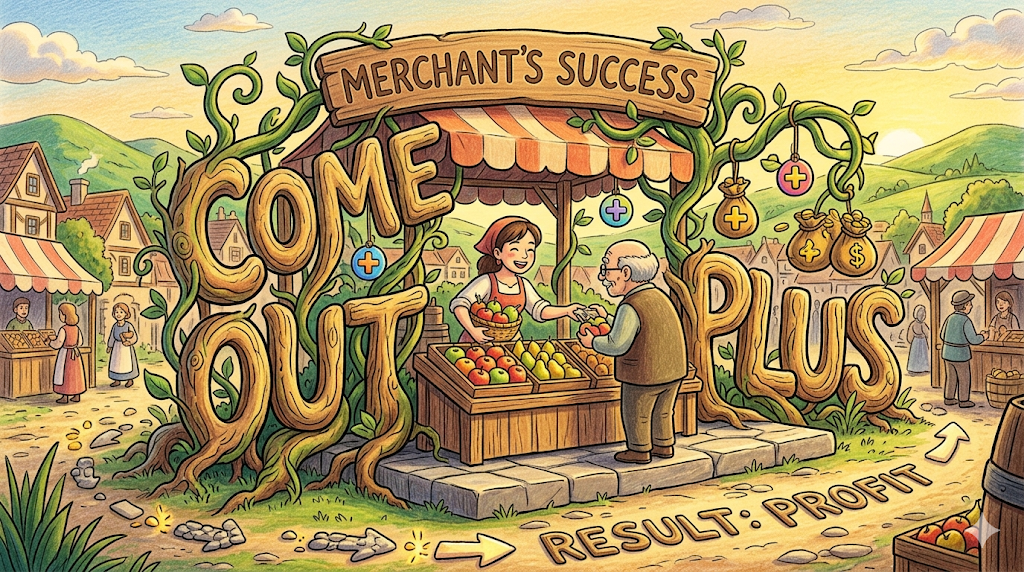
come out plus [kʌm aʊt plʌs]
(동사구) 이득을 보다, 결과적으로 이익이 되다
어떤 일이 끝났을 때 손해가 아닌 이익이나 이점을 얻게 되는 것을 강조합니다. 수능 독해 일상·경제·심리 지문에서 자주 등장합니다.
- Although the negotiation had been tense and drawn out over several weeks, both sides ultimately felt that they had come out plus — each having gained something important without giving up anything they considered essential. (협상이 긴장됐고 몇 주에 걸쳐 진행됐지만, 양측은 결국 이득으로 마무리했다고 느꼈다 — 각자가 필수적이라고 생각하는 것을 포기하지 않고 중요한 것을 얻었기 때문이었다.)
- She had invested a great deal of time and energy into the relationship with the difficult client, but looking back she could see that she had come out plus — she had developed skills in negotiation and patience that she could not have acquired any other way. (그녀는 어려운 고객과의 관계에 많은 시간과 에너지를 투자했지만, 돌아보면 이득으로 마무리했다는 것을 알 수 있었다 — 다른 어떤 방법으로도 습득할 수 없었던 협상과 인내의 기술을 개발했기 때문이었다.)
- The essay argued that whether an experience makes you come out plus depends less on what actually happened and more on what you chose to do with it afterwards — that the same setback can leave one person diminished and another stronger, and that the difference usually comes down to whether the person in question was willing to treat the difficulty as raw material rather than simply as a loss. (에세이는 경험이 당신을 이득으로 마무리하게 하는지 여부는 실제로 일어난 것보다 이후에 그것으로 무엇을 선택했느냐에 더 달려있다고 주장했다 — 같은 좌절이 한 사람을 약화시키고 다른 사람을 강하게 만들 수 있으며, 그 차이는 보통 해당 사람이 어려움을 단순히 손실이 아닌 원료로 취급할 의지가 있었는지 여부로 귀결된다.)
숙어 그룹 묶음 4 — 종합 plus 패턴
표현 의미 핵심 뉘앙스 주요 맥락
| on the plus side | 좋은 점을 보면 | 부정적 상황에서 긍정적 면을 찾는 것 | 심리·사회·수능 |
| a plus point | 이점, 장점 | 특정 사람·상황이 가진 긍정적 특성 | 일상·학술·수능 |
| plus factor | 결정적 이점 | 다른 것과 구별하는 결정적 긍정 요소 | 일상·사회·수능 |
이 세 표현은 수능 독해에서 가장 자주 출제되는 plus의 핵심 패턴입니다. on the plus side는 부정 속에서 긍정을 찾는 것을, a plus point는 구체적인 장점을, plus factor는 결정적으로 차별화하는 특별한 요소를 각각 나타냅니다.
- She recognised that her communication skills were a strong plus point, but she also knew that what truly set her apart from the other candidates — her real plus factor — was her ability to stay calm and clear-headed when things went wrong, and looking back on the experience she could say, on the plus side, that the interview had taught her more about herself than any other professional experience she could recall. (그녀는 소통 능력이 강한 이점이라는 것을 인식했지만, 진정으로 자신을 다른 후보들과 구별하는 것 — 그녀의 진정한 결정적 이점 — 은 일이 잘못됐을 때 침착하고 명확하게 생각하는 능력이라는 것도 알았으며, 그 경험을 돌아보면 좋은 점은, 면접이 기억할 수 있는 다른 어떤 전문적 경험보다 자신에 대해 더 많은 것을 가르쳐줬다고 말할 수 있었다.)
- The essay distinguished between a plus point and a plus factor — arguing that a plus point is something that helps you in a particular context, while a plus factor is something so distinctly yours that it changes the nature of what you offer entirely — and concluded that on the plus side of any competitive situation, the people who succeed are usually those who have found their plus factor and had the courage to lead with it. (에세이는 이점과 결정적 이점을 구별했다 — 이점이 특정 맥락에서 당신을 도와주는 것인 반면, 결정적 이점은 당신이 제공하는 것의 본질을 완전히 바꾸는 너무나 독특하게 당신만의 것이라고 주장했다 — 그리고 어떤 경쟁적 상황의 좋은 면에서, 성공하는 사람들은 보통 자신의 결정적 이점을 찾고 그것을 앞세울 용기를 가진 사람들이라고 결론지었다.)
- She concluded her speech by saying that life rarely offers pure victories — most outcomes have both costs and gains — and that the art of living well lies in developing enough self-knowledge to know your plus factor, enough resilience to find the plus point in difficult situations, and enough wisdom to recognise that even the hardest experiences tend to come out plus for those who are willing to look on the plus side long enough to see what they were given. (그녀는 삶이 순수한 승리를 거의 제공하지 않는다고 말하며 연설을 마무리했다 — 대부분의 결과에는 비용과 이득이 모두 있다 — 그리고 잘 사는 기술은 자신의 결정적 이점을 알기에 충분한 자기 지식, 어려운 상황에서 이점을 찾기에 충분한 회복력, 그리고 가장 어려운 경험들도 충분히 오래 좋은 면을 보는 사람들에게는 이득으로 마무리되는 경향이 있다는 것을 인식하기에 충분한 지혜를 개발하는 데 있다고 했다.)
전체 요약표
표현 의미 핵심 뉘앙스
| plus | 더하기, 게다가, 이점 | 덧셈에서 이점·긍정·추가·초과까지 확장 |
| plus sign | 더하기 기호 | 수학 기호이자 긍정적 신호의 상징 |
| on the plus side | 좋은 점을 보면 | 부정적 상황에서 긍정적 면을 찾는 것 |
| a plus point | 이점, 장점 | 특정 사람·상황이 가진 긍정적 특성 |
| plus or minus | 플러스 마이너스, 대략 | 오차 범위나 대략적인 수치를 나타냄 |
| plus size | 플러스 사이즈 | 일반보다 더 큰 옷 사이즈, 포용의 개념 |
| think positive | 긍정적으로 생각하다 | 어려운 상황에서도 긍정적 태도를 유지 |
| salary plus benefits | 급여와 혜택 | 기본 급여에 추가되는 혜택 전체 패키지 |
| plus factor | 결정적 이점 | 다른 것과 구별하는 결정적 긍정 요소 |
| come out plus | 이득을 보다 | 어떤 일이 끝났을 때 이익이나 이점을 얻는 것 |
유의어 비교표

단어 공통점 뉘앙스 차이 예문
| plus | 더하기·이점 | 덧셈·이점·긍정·게다가, 비유 풍부 | Experience is a plus. |
| addition | 추가, 더하기 | 더해지는 것이나 추가 자체를 강조 | In addition, she speaks French. |
| bonus | 보너스, 추가 이득 | 예상치 못한 추가적인 이득 | Getting free lunch is a bonus. |
| benefit | 혜택, 이익 | 구체적으로 얻게 되는 혜택이나 이익 | The benefits are excellent. |
| advantage | 유리함, 이점 | 경쟁에서 유리한 위치나 조건 | She had an advantage over others. |
유의어 예문 리스트
- (addition) The school added three new computers to the library, and in addition to this, a new reading programme was launched that encouraged students to borrow books on topics they would not normally have chosen for themselves. (학교는 도서관에 컴퓨터 세 대를 추가했으며, 이에 더해, 학생들이 평소에는 스스로 선택하지 않았을 주제의 책을 빌리도록 장려하는 새 독서 프로그램이 시작됐다.)
- (bonus) She had not expected the training course to be particularly enjoyable, so when she found herself genuinely looking forward to each session, she considered it an unexpected bonus on top of the professional skills she was also gaining. (그녀는 훈련 과정이 특별히 즐거울 것이라고 기대하지 않았기 때문에, 각 세션을 진정으로 기대하고 있는 자신을 발견했을 때 또한 얻고 있는 전문적 기술에 더해진 예상치 못한 보너스로 여겼다.)
- (benefit) She researched all the benefits that came with the membership before deciding whether to join, knowing that some of the most valuable ones were not always advertised prominently and required careful reading to discover. (그녀는 가입할지 결정하기 전에 회원권에 포함된 모든 혜택을 조사했으며, 가장 가치 있는 일부는 항상 두드러지게 광고되지 않으며 발견하려면 주의 깊게 읽어야 한다는 것을 알았다.)
- (advantage) Having grown up in a bilingual household gave him a significant advantage in the language learning modules of the course, though he was careful not to let this make him complacent about the aspects he still needed to work on. (이중 언어 가정에서 자란 것은 과정의 언어 학습 모듈에서 상당한 이점을 줬지만, 그는 이것이 여전히 작업해야 할 측면에 대해 자만하게 만들지 않도록 주의했다.)
결론 정리
plus는 단순히 "더하기"가 아니라, 라틴어 plus(더 많이)에서 출발해 무언가에 더 보태어 늘리는 것에서 수학적 덧셈·추가 혜택·긍정적 이점·결정적 장점·이득까지 확장되는 단어다 — plus가 있는 곳엔 언제나 '단순한 수학 기호가 아닌, 인간이 이점·추가·긍정·초과·가능성을 어떻게 이해하고 표현하는지가 생생하게 살아숨쉬는' 생동감의 선언이 있다.
💡 plus는 "무언가에 더 보태어 늘리는 것에서 출발한" 생동감 넘치는 언어 — on the plus side · a plus point · plus factor가 수능 최빈출.
🌟 초등학생 버전 — plus는 수학의 더하기이지만, "좋은 점을 보면"(on the plus side), "이점이 있다"(a plus point), "게다가"(plus)처럼 우리 생각과 일상 곳곳에 살아있는 단어예요! ➕✨


