- 분류 전체보기 (5448)

| 일 | 월 | 화 | 수 | 목 | 금 | 토 |
|---|---|---|---|---|---|---|
| 1 | 2 | |||||
| 3 | 4 | 5 | 6 | 7 | 8 | 9 |
| 10 | 11 | 12 | 13 | 14 | 15 | 16 |
| 17 | 18 | 19 | 20 | 21 | 22 | 23 |
| 24 | 25 | 26 | 27 | 28 | 29 | 30 |
| 31 |
- I'm sorry
- Sure
- work out
- Read between the lines
- I'm glad to hear that.
- Don't worry
- Please
- Actually
- no
- Excuse me
- entrance fee
- Hey
- Right?
- please.
- pick up
- call off
- Yeah
- By The Way
- too.
- OKay
- come up with
- hold on
- make it
- please?
- oh
- once in a while
- I'm not sure
- Yes
- Sorry
- well
- Today
- Total
인과함께
Day355 , pale, pale blue, beyond the pale, pale in comparison, turn pale, pale shadow, pale imitation, pale faced, go pale, pale into insignificance 본문
Day355 , pale, pale blue, beyond the pale, pale in comparison, turn pale, pale shadow, pale imitation, pale faced, go pale, pale into insignificance
미인생 2026. 4. 26. 13:27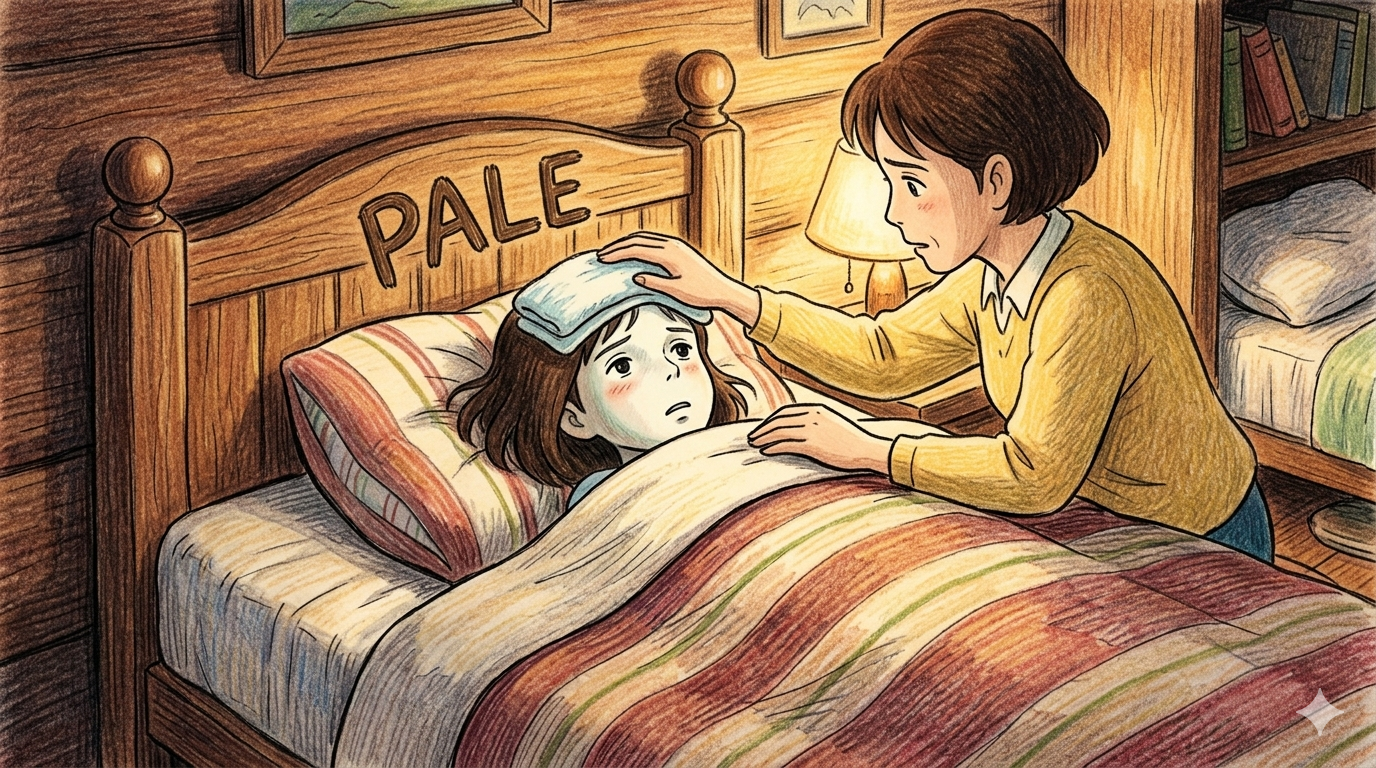
pale [peɪl]
(형용사/동사/명사) 창백한, 연한, 흐릿한 / 창백해지다, 희미해지다 / 경계, 울타리
단순히 "창백한"으로만 외우면 수능에서 반드시 틀립니다. pale은 "색이나 빛이 약하고 흐릿한" 이라는 핵심 이미지에서 출발해, 실제 얼굴색·연한 색조·비교에서 뒤처지는 것·중요성을 잃는 것·허용 범위를 넘어서는 것까지 폭넓게 쓰이는 핵심 다의어입니다. 특히 beyond the pale(도를 넘어서, 용납할 수 없는), pale in comparison(비교하면 형편없는), pale into insignificance(하찮아지다) 패턴은 수능 독해 심리·사회·논리 지문에서 핵심적으로 등장합니다.
'pale'은 라틴어 pallidus(창백한)에서 유래했으며, pallere(창백하다)와 연결됩니다. 두 번째 의미의 pale(경계·울타리)는 라틴어 palus(말뚝)에서 유래했습니다. 어원의 핵심 이미지는 "빛이나 색이 빠져나간 것" 과 "경계를 표시하는 말뚝" 으로, 단순한 색채적 개념을 넘어 중요성의 감소·허용 한계·비교에서의 열등함까지 확장되는 표현의 근원이 된 단어입니다.
1. pale blue [peɪl bluː]
(일상/예술/수능) "연한 파란색, 옅은 파랑"을 뜻합니다. 진하지 않고 연하고 부드러운 파란색 계열을 강조합니다.
She painted the walls of her bedroom pale blue because the soft colour made the room feel calm and much larger than it actually was. (그녀는 부드러운 색이 방을 실제보다 훨씬 더 차분하고 크게 느끼게 했기 때문에 침실 벽을 연한 파란색으로 칠했다.)
2. beyond the pale [bɪˈjɒnd ðə peɪl]
(일상/사회/수능) "도를 넘어서, 용납할 수 없는, 상식 밖의"를 뜻합니다. 사회적으로 허용할 수 없는 행동이나 태도를 강조하며, 수능에서 가장 자주 출제되는 표현입니다.
His comment during the meeting was so rude and personal that everyone agreed it was beyond the pale and an apology was absolutely necessary. (회의 중 그의 발언은 너무 무례하고 개인적이어서 모든 사람이 그것이 도를 넘었으며 사과가 반드시 필요하다고 동의했다.)
3. pale in comparison [peɪl ɪn kəmˈpærɪsən]
(일상/학술/수능) "비교하면 형편없다, 비교가 안 되다"를 뜻합니다. 어떤 것이 다른 것과 비교했을 때 훨씬 덜 인상적이거나 중요하게 보이는 것을 강조합니다.
Everything she had done before paled in comparison to the outstanding work she produced in her final year of school. (그녀가 이전에 한 모든 것은 학교 마지막 해에 만든 뛰어난 작업과 비교하면 형편없었다.)
4. turn pale [tɜːrn peɪl]
(일상/심리/수능) "창백해지다, 얼굴이 하얗게 되다"를 뜻합니다. 두려움·충격·아픔 등으로 인해 갑자기 얼굴색이 하얗게 변하는 것을 강조합니다.
She turned pale when she heard that her name had not appeared on the final list of students selected for the trip. (그녀는 여행에 선발된 학생 최종 명단에 자신의 이름이 나타나지 않았다는 말을 듣고 창백해졌다.)
5. pale shadow [peɪl ˈʃædəʊ]
(문학/심리/수능) "희미한 그림자, 초라한 모습"을 뜻합니다. 이전에 대단했던 것이 지금은 훨씬 못하거나 약해진 상태를 강조합니다.
After the injury, he was only a pale shadow of the athlete he had once been, and it took years of recovery before he felt truly himself again. (부상 후, 그는 한때 자신이었던 운동선수의 희미한 그림자에 불과했으며, 다시 진정으로 자신답다고 느끼기까지 수년간의 회복이 필요했다.)
6. pale imitation [peɪl ˌɪmɪˈteɪʃən]
(일상/예술/수능) "형편없는 모방, 초라한 흉내"를 뜻합니다. 원래 것보다 훨씬 못하게 따라 한 것을 강조합니다.
The copy he brought to class was just a pale imitation of the original painting, missing all the depth and texture that made the real work so powerful. (그가 수업에 가져온 복사본은 실제 작품을 그렇게 강력하게 만든 모든 깊이와 질감을 놓친 원작의 형편없는 모방에 불과했다.)
7. pale faced [peɪl feɪst]
(일상/문학/수능) "창백한 얼굴의, 얼굴이 하얀"을 뜻합니다. 두려움·충격·아픔·건강 이상으로 인해 얼굴색이 하얗게 된 것을 강조합니다.
She arrived at school pale faced and trembling slightly, and the teacher immediately asked her to sit down and brought her a glass of water. (그녀는 창백한 얼굴로 약간 떨며 학교에 도착했고, 선생님은 즉시 앉으라고 하고 물 한 잔을 가져다줬다.)
8. go pale [ɡəʊ peɪl]
(일상/심리/수능) "창백해지다, 얼굴색이 하얗게 되다"를 뜻합니다. turn pale과 비슷하지만 더 갑작스럽고 눈에 띄는 변화를 강조합니다.
He went pale the moment he realised he had left his finished essay at home and had nothing to hand in on the day of the deadline. (마감일 당일 완성된 에세이를 집에 두고 와서 제출할 것이 없다는 것을 깨닫는 순간 그는 창백해졌다.)
9. pale into insignificance [peɪl ˈɪntə ɪnˈsɪɡnɪfɪkəns]
(학술/심리/수능) "하찮아지다, 무의미해지다"를 뜻합니다. 어떤 것이 다른 더 크거나 중요한 것에 비해 중요성을 잃고 사소해지는 것을 강조합니다.
All her earlier worries paled into insignificance when she heard the news that her family had been involved in a road accident and were now in hospital. (가족이 교통 사고에 연루돼 병원에 있다는 소식을 들었을 때 그녀의 모든 이전 걱정들은 하찮아졌다.)
10. pale (동사: 희미해지다) [peɪl]
(학술/심리/수능) 동사로 쓰여 "희미해지다, 중요성을 잃다"를 뜻합니다. 어떤 것이 다른 것과 비교되거나 시간이 지나면서 덜 중요하거나 인상적으로 보이는 것을 강조합니다.
Her personal problems began to pale when she started volunteering at the hospital and saw people dealing with far greater challenges than her own. (병원에서 자원봉사를 시작하고 자신보다 훨씬 더 큰 도전을 다루는 사람들을 보기 시작하면서 그녀의 개인적인 문제들이 희미해지기 시작했다.)

POINT 1. pale — 수능 최빈출 비유·어휘 패턴
pale은 수능 독해 심리·사회·논리 지문에서 비유적 표현으로 자주 출제됩니다.
beyond the pale → 사회적으로 용납할 수 없는 행동을 강조할 때 예) His behaviour was beyond the pale. (그의 행동은 도를 넘었다.) pale in comparison → 비교했을 때 훨씬 못한 것을 나타낼 때 예) My effort pales in comparison to hers. (나의 노력은 그녀의 것과 비교하면 형편없다.) pale into insignificance → 더 중요한 것 앞에서 하찮아질 때 예) This problem pales into insignificance now. (이 문제는 이제 하찮아졌다.)
POINT 2. pale / faint / dim — 수능 어휘 핵심 비교
이 세 단어는 수능에서 자주 혼동되는 어휘입니다.
pale → 색이나 빛이 흐릿하고 연한 것, 비교에서 뒤처지는 것 예) Her face looked pale. (그녀의 얼굴은 창백하게 보였다.) faint → 빛이나 소리가 거의 인식할 수 없을 만큼 약한 것 예) There was a faint smell of smoke. (희미한 연기 냄새가 있었다.) dim → 빛이 어둡고 충분하지 않은 것 예) The room was dim and hard to see in. (방은 어두워서 보기 어려웠다.)
POINT 3. pale의 다양한 용법 — 수능 독해 문맥 파악 핵심
pale은 수능 독해에서 문맥에 따라 의미가 완전히 달라지는 핵심 단어입니다.
색 → The sky was pale grey. (하늘은 연한 회색이었다.) 얼굴색 → He turned pale with shock. (그는 충격으로 창백해졌다.) 비교 → It pales in comparison. (비교하면 형편없다.) 용납 불가 → That is beyond the pale. (그것은 도를 넘었다.) 중요성 감소 → It pales into insignificance. (하찮아진다.)
(형용사) ① 창백한, 핏기 없는 (얼굴색)
pale의 가장 기본적인 의미로, 건강하지 않거나 감정적으로 충격을 받아 얼굴색이 하얗게 된 것을 나타냅니다.
- She had been studying inside all week and looked very pale when she finally came out into the fresh air on Saturday morning. (그녀는 일주일 내내 실내에서 공부했으며 토요일 아침에 마침내 신선한 공기 속으로 나왔을 때 매우 창백해 보였다.)
- The little boy's face was pale and his hands were cold, so the teacher asked him to sit quietly while she called his parents to come and collect him early. (어린 소년의 얼굴이 창백하고 손이 차가웠기 때문에, 선생님은 그에게 조용히 앉아 있으라고 하면서 부모님에게 일찍 데리러 오도록 전화했다.)
- The patient looked far too pale for someone who had been resting all day, and the nurse noted it in her records and called the doctor over to take a closer look. (환자는 하루 종일 쉬고 있던 사람치고는 너무 창백하게 보였으며, 간호사는 그것을 기록에 메모하고 의사를 불러 더 자세히 살펴보게 했다.)
(형용사) ② 연한, 흐릿한 (색조)
pale은 색이 진하지 않고 연하거나 흐릿한 것을 나타냅니다.
- The morning sky was a pale pink colour just before the sun fully rose, turning slowly to a deeper orange as the clouds caught the light. (태양이 완전히 뜨기 바로 전에 아침 하늘은 연한 분홍색이었으며, 구름이 빛을 받으면서 천천히 더 깊은 주황색으로 변했다.)
- She wore a pale green scarf that matched her light grey coat perfectly and made the whole outfit look fresh and elegant without trying too hard. (그녀는 연한 회색 코트와 완벽하게 어울리며 너무 노력하지 않고도 전체적인 옷차림을 신선하고 우아하게 보이게 하는 연한 초록색 스카프를 했다.)
- After washing the dark shirt several times, the colour had faded to a pale version of what it had once been, which made it look worn and tired rather than stylish. (어두운 셔츠를 여러 번 세탁한 후, 색이 한때 무엇이었던 것의 연한 버전으로 바랬으며, 이것이 그것을 세련된 것이 아니라 닳고 낡은 것처럼 보이게 했다.)
(동사) ③ 희미해지다, 중요성을 잃다
pale은 동사로 쓰여 어떤 것이 다른 것과 비교되거나 시간이 지나면서 덜 인상적으로 보이는 것을 나타냅니다.
- The small successes she had celebrated in her first year at school began to pale as she realised what was possible when she pushed herself much harder and stopped settling for just enough. (학교 첫 해에 기뻐했던 작은 성공들이 자신을 훨씬 더 밀어붙이고 그저 충분한 것에 안주하는 것을 멈췄을 때 가능한 것이 무엇인지 깨닫기 시작하면서 희미해지기 시작했다.)
- His earlier novels had been well-received, but they all paled next to the book he wrote in his fifties, which was so widely read and discussed that it became part of the cultural conversation of an entire generation. (그의 이전 소설들은 좋은 반응을 받았지만, 50대에 쓴 책 옆에서는 모두 희미해졌으며, 그 책은 너무 널리 읽히고 논의되어 한 세대 전체의 문화적 대화의 일부가 됐다.)
- The beauty of the mountains that she had so admired in pictures began to pale during the long cold climb, when every step was a struggle and there was nothing to see but grey rock and grey cloud. (사진에서 그렇게 감탄했던 산의 아름다움이 긴 추운 등반 중에 희미해지기 시작했으며, 매 걸음이 힘겨웠고 회색 암석과 회색 구름 외에는 아무것도 볼 수 없었다.)

뉘앙스·의미 연결 흐름 표
핵심 이미지 연결 흐름 뉘앙스 요약
| 빛이나 색이 빠져나간 것 | 창백한 얼굴색 → 연한 색조 → 흐릿해지는 것 | pale faced, go pale, turn pale, pale blue |
| 비교에서 뒤처지는 것 | 비교 대상보다 못한 것 → 모방 → 그림자 | pale in comparison, pale imitation, pale shadow |
| 중요성이나 범위를 잃는 것 | 중요성 감소 → 허용 범위 초과 → 완전한 하찮음 | pale into insignificance, beyond the pale |
어원 흐름 표
단어 구성 요소 의미 연결 흐름 뉘앙스 요약
| 라틴어 pallere(창백하다) → pallidus(창백한) | 빛이나 색이 빠진 것 → pale(창백한) | 빛과 색이 빠져나간 것의 핵심 이미지 |
| 라틴어 palus(말뚝) → pale(울타리·경계) | 경계를 표시하는 말뚝 → 허용 범위의 경계 | beyond the pale의 어원적 배경 |

품사별 의미 표
품사 의미 예문
| 형용사 | 창백한, 핏기 없는 | Her face was pale with fear. |
| 형용사 | 연한, 흐릿한 | She wore pale pink. |
| 동사 | 창백해지다 | He turned pale instantly. |
| 동사 | 희미해지다, 뒤처지다 | Her work pales next to his. |
| 명사 | 경계, 허용 범위 | That is beyond the pale. |
| 관용구 | 비교하면 형편없다 | It pales in comparison. |
활용 예문 리스트
- All the difficulties she had faced during the year paled into insignificance when she stood on the stage to collect her award and realised how far she had come since that first difficult week. (그녀가 상을 받으러 무대에 서서 그 첫 번째 힘들었던 주 이후 얼마나 멀리 왔는지 깨달았을 때 그 해 동안 직면했던 모든 어려움들이 하찮아졌다.)
- She went pale as soon as she opened the exam paper and realised that every single question was on the topics she had decided to skip during her revision. (시험지를 열고 모든 질문이 복습 중에 건너뛰기로 결정한 주제들이라는 것을 깨닫는 즉시 그녀는 창백해졌다.)
- His attempt at recreating the famous dish was a pale imitation of what he had tasted at the restaurant — close enough to recognise, but missing all the subtle flavours that had made the original so special. (유명한 요리를 재현하려는 그의 시도는 레스토랑에서 맛본 것의 형편없는 모방이었다 — 알아볼 만큼 가깝지만 원래를 그렇게 특별하게 만든 모든 미묘한 맛을 놓쳤다.)
- The behaviour of some fans at the match was completely beyond the pale — it was aggressive, threatening, and showed no respect for either the players or the other people watching. (경기에서 일부 팬들의 행동은 완전히 도를 넘었다 — 공격적이고 위협적이었으며 선수나 다른 관중 모두에게 아무런 존중을 보이지 않았다.)
- The school's annual play had always been impressive, but it paled in comparison to the production the drama group put on in their final year, which drew audiences from across the whole region. (학교의 연간 연극은 항상 인상적이었지만, 드라마 그룹이 마지막 해에 올린 공연과 비교하면 형편없었는데, 그것은 지역 전체에서 관객을 끌어들였다.)

전체 뉘앙스 설명
pale은 '빛이나 색이 빠져나간 것에서 출발해 창백함·연한 색조·비교에서의 열등함·중요성의 감소·허용 범위 초과까지 확장되는 생동감 넘치는 언어'입니다.
faint와의 차이: faint는 빛이나 소리가 거의 인식할 수 없을 만큼 약한 것을 강조하고, pale은 색이나 빛이 연하거나 비교에서 뒤처지는 것을 강조합니다. dim과의 차이: dim은 빛이 충분하지 않아 어두운 것을 강조하고, pale은 색이 연하거나 흐릿한 것과 비유적으로 중요성이 감소하는 것을 강조합니다. white와의 차이: white는 색 자체를 강조하고, pale은 정상보다 더 하얗게 된 상태나 색이 연해진 상태를 강조합니다.
마지막 핵심 정리
pale은 단순히 "창백한"이 아닙니다 — 라틴어 pallidus(창백한)에서 출발해, 창백한 얼굴(turn pale)에서 연한 색조(pale blue)·희미한 그림자(pale shadow)·형편없는 모방(pale imitation)·비교에서의 열등함(pale in comparison)·허용 범위 초과(beyond the pale)·하찮음(pale into insignificance)까지 확장되는 단어이며, beyond the pale·pale in comparison·pale into insignificance의 비유적 의미 파악이 수능 핵심 출제 포인트입니다.
파생어 표
파생어 발음기호 품사 의미
| paleness | [ˈpeɪlnəs] | 명사 | 창백함, 연함 |
| palely | [ˈpeɪlli] | 부사 | 창백하게, 희미하게 |
| pallid | [ˈpælɪd] | 형용사 | 창백한, 활기 없는 |
| pallor | [ˈpælər] | 명사 | 창백함, 핏기 없음 |
| impale | [ɪmˈpeɪl] | 동사 | 꼬치에 꿰다, 찌르다 |
| paling | [ˈpeɪlɪŋ] | 명사/형용사 | 울타리 말뚝 / 창백해지는 |
유의어 비교표
단어 공통점 뉘앙스 차이 예문
| pale | 연하고 흐릿한 | 창백함·연한 색·비교 열등·중요성 감소 | Her face was pale. |
| faint | 희미한 | 거의 인식할 수 없을 만큼 약한 것 | There was a faint light. |
| dim | 어두운 | 빛이 충분하지 않아 어두운 것 | The room was too dim. |
| wan | 창백한 | 피로나 병으로 생기 없이 창백한 것 | She looked wan and tired. |
| ashen | 재 빛의 | 충격·공포로 극도로 창백한 것 | His face was ashen with shock. |
유의어 예문 리스트
- (faint) There was a faint smell of rain in the air before the storm arrived, the kind of fresh earthy scent that comes when the first drops begin to fall on dry ground. (폭풍이 오기 전에 공기 중에 비의 희미한 냄새가 있었는데, 마른 땅에 첫 번째 방울이 떨어지기 시작할 때 나는 신선하고 흙 냄새 나는 종류였다.)
- (dim) The reading lamp in the corner of the room was too dim for her to read comfortably, so she moved to the table by the window where the light was much better during the afternoon. (방 모퉁이의 독서 램프가 편안하게 읽기에 너무 어두워서, 그녀는 오후에 빛이 훨씬 더 좋은 창가 테이블로 이동했다.)
- (wan) After three weeks of illness and very little sleep, she looked tired and wan, and her friends kept urging her to rest properly before trying to return to her normal schedule. (3주간의 병과 매우 적은 수면 후, 그녀는 피곤하고 창백하게 보였으며, 친구들은 정상적인 일정으로 돌아가기 전에 제대로 쉬라고 계속 촉구했다.)
- (ashen) He came out of the head teacher's office looking completely ashen, and when his friends asked what had happened he could barely get the words out because he was still in shock from what he had been told. (그는 완전히 재 빛으로 교장실에서 나왔으며, 친구들이 무슨 일이 있었냐고 물었을 때 들은 것에 아직 충격을 받아서 말을 거의 꺼내지 못했다.)
결론 정리
pale은 단순히 "창백한"이 아니라, 라틴어 pallidus(창백한)에서 출발해 창백한 얼굴에서 연한 색조·희미한 그림자·형편없는 모방·비교에서의 열등함·허용 범위 초과·하찮음까지 확장되는 단어다 — pale이 있는 곳엔 언제나 '단순한 창백함이 아닌, 인간이 두려움·비교·한계·중요성의 감소를 어떻게 경험하는지가 생생하게 살아숨쉬는' 생동감의 선언이 있다.
💡 pale은 "빛이나 색이 빠져나간 것에서 출발한" 생동감 넘치는 언어 — beyond the pale · pale in comparison · pale into insignificance가 수능 최빈출.
🌟 초등학생 버전 — pale은 "창백하고 연한" 것을 뜻하지만, "도를 넘은" 행동(beyond the pale), "비교하면 형편없는" 것(pale in comparison), "하찮아지는" 것(pale into insignificance)처럼 우리 생활과 감정 곳곳에 살아있는 단어예요! 🎨✨
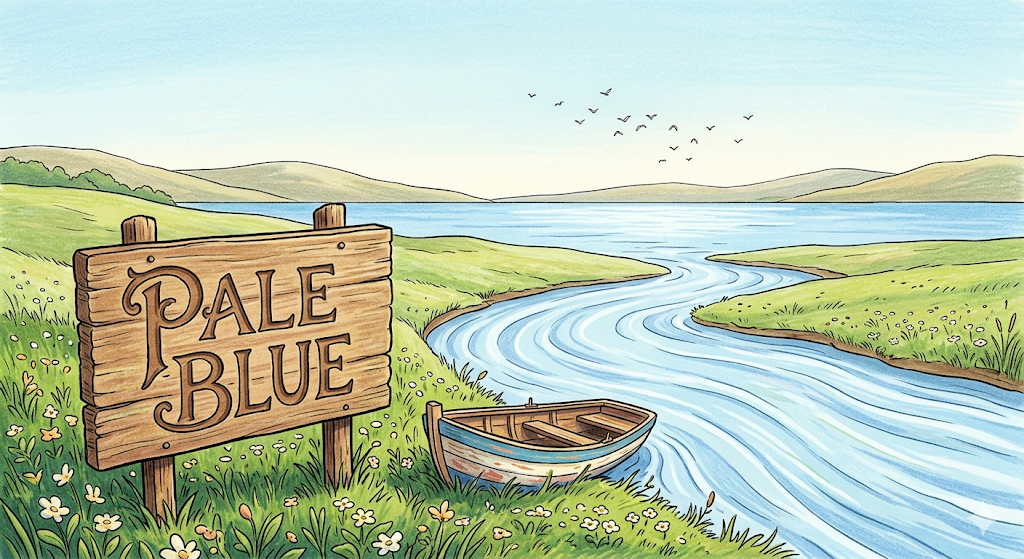
pale blue [peɪl bluː]
(형용사구) 연한 파란색, 옅은 파랑
진하지 않고 연하고 부드러운 파란색 계열을 강조합니다. 수능 독해 예술·문학·일상 지문에서 자주 등장합니다.
- The hospital ward was painted pale blue to create a calming atmosphere for the patients, which research has shown can help reduce anxiety and make recovery feel less stressful. (병원 병동은 환자들에게 차분한 분위기를 조성하기 위해 연한 파란색으로 칠해졌으며, 연구에 따르면 이것이 불안을 줄이고 회복을 덜 스트레스받게 하는 데 도움이 될 수 있다고 한다.)
- She chose pale blue fabric for the curtains because it matched the colour of the sky on a clear spring morning and made the room feel connected to the garden outside even when the windows were closed. (그녀는 맑은 봄 아침의 하늘색과 어울리고 창문이 닫혀있을 때도 방을 밖의 정원과 연결된 것처럼 느끼게 했기 때문에 커튼 천으로 연한 파란색을 선택했다.)
- The pale blue of the early morning sky slowly deepened into a rich sapphire as the sun climbed higher and the last of the night clouds drifted away towards the horizon. (이른 아침 하늘의 연한 파란색은 태양이 더 높이 올라가고 마지막 밤 구름이 지평선 쪽으로 떠내려가면서 천천히 풍부한 사파이어색으로 깊어졌다.)
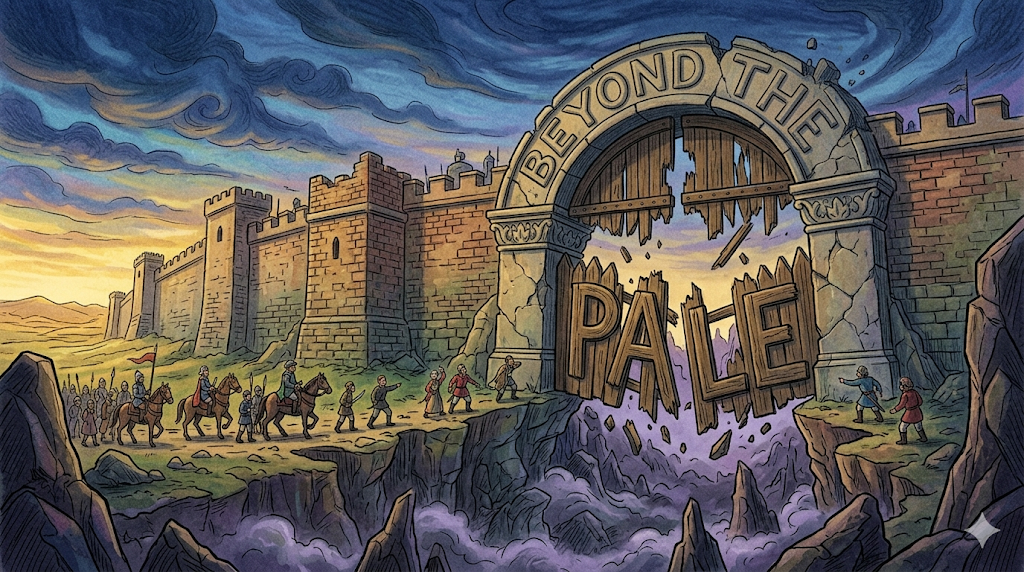
beyond the pale [bɪˈjɒnd ðə peɪl]
(관용구) 도를 넘어서, 용납할 수 없는, 상식 밖의
사회적으로 허용할 수 없는 행동이나 태도를 강조하며, 수능에서 가장 자주 출제되는 표현입니다. 수능 독해 사회·심리·윤리 지문에서 핵심적으로 등장합니다.
- The way he spoke to the younger students in the corridor was beyond the pale — dismissive, contemptuous, and designed to make them feel small, which was something the school absolutely did not tolerate. (복도에서 어린 학생들에게 말하는 방식이 도를 넘었다 — 무시하고, 경멸하며, 그들을 작게 느끼게 하려는 것이었는데, 학교가 절대 용납하지 않는 것이었다.)
- What the company had done to mislead its customers was considered beyond the pale by the regulator, which imposed the largest fine in the industry's history as a result of the investigation. (고객을 오도하기 위해 회사가 한 일은 규제 당국에 의해 도를 넘은 것으로 간주됐으며, 조사 결과 업계 역사상 최대 벌금이 부과됐다.)
- She argued in her essay that while most ethical disagreements can be resolved through dialogue and compromise, there are certain actions that are simply beyond the pale and that no amount of context or justification can make acceptable. (그녀는 에세이에서 대부분의 윤리적 의견 차이는 대화와 타협을 통해 해결될 수 있지만, 단순히 도를 넘어서 어떤 양의 맥락이나 정당화도 허용할 수 없게 만드는 특정 행동들이 있다고 주장했다.)
숙어 그룹 묶음 1 — 비교·열등 pale 핵심 패턴
표현 의미 핵심 뉘앙스 주요 맥락
| pale blue | 연한 파란색 | 진하지 않고 연하고 부드러운 파란색 계열 | 예술·문학·수능 |
| beyond the pale | 도를 넘어서 | 사회적으로 허용할 수 없는 행동이나 태도 | 사회·심리·수능 |
| pale in comparison | 비교하면 형편없다 | 비교했을 때 훨씬 덜 인상적인 것 | 학술·일상·수능 |
이 세 표현은 모두 pale의 "기준이나 기대에 미치지 못하는" 이미지를 공유하되, 각각 진한 파란색보다 연한 색조(pale blue)·허용 가능한 사회적 기준을 넘어서는 것(beyond the pale)·비교 기준에 미치지 못하는 것(pale in comparison)의 관점에서 접근합니다.
- The pale blue paint she had chosen looked beautiful in isolation, but it paled in comparison to the rich, deep blue her neighbour had used, making her choice seem hesitant — though she reminded herself that choosing something bold and aggressive to the point of being beyond the pale for the space would have been far worse. (연한 파란색 페인트는 단독으로는 아름다웠지만, 이웃이 사용한 풍부하고 깊은 파란색과 비교하면 형편없어 보여서 그녀의 선택이 망설임처럼 보이게 했다 — 하지만 그녀는 공간에 도를 넘을 정도로 대담하고 공격적인 것을 선택하는 것이 훨씬 더 나빴을 것이라고 스스로에게 상기시켰다.)
- She argued that the colour pale blue is precisely not beyond the pale for any setting — it works everywhere because it never overwhelms — but that any shade chosen with this kind of thoughtfulness will always pale in comparison to one chosen with passion and conviction, even if the passionate choice is riskier. (그녀는 연한 파란색이 어떤 환경에서도 정확히 도를 넘지 않는다고 주장했다 — 그것은 어디에서나 작동하는데 결코 압도하지 않기 때문이다 — 하지만 이런 종류의 사려 깊음으로 선택된 어떤 색조든 열정적인 선택이 더 위험할지라도 열정과 신념으로 선택된 것과 비교하면 항상 형편없을 것이다.)
- The school mural had been painted in careful, restrained pale blue tones that nobody could call beyond the pale, but many students felt that the muted result paled in comparison to the bold, expressive original design they had voted for at the start of the project. (학교 벽화는 아무도 도를 넘었다고 할 수 없는 신중하고 절제된 연한 파란색 톤으로 그려졌지만, 많은 학생들은 그 조용한 결과가 프로젝트 시작 시 투표했던 대담하고 표현력 있는 원래 디자인과 비교하면 형편없다고 느꼈다.)

pale in comparison [peɪl ɪn kəmˈpærɪsən]
(동사구) 비교하면 형편없다, 비교가 안 되다
어떤 것이 다른 것과 비교했을 때 훨씬 덜 인상적이거나 중요하게 보이는 것을 강조합니다. 수능 독해 학술·사회·심리 지문에서 핵심적으로 등장합니다.
- The preparation she had done for her first presentation paled in comparison to the thorough research, careful planning, and detailed rehearsal she put into the one she gave at the national conference two years later. (첫 번째 발표를 위해 한 준비는 2년 후 전국 학술 대회에서 발표한 것에 쏟은 철저한 조사, 신중한 계획, 자세한 리허설과 비교하면 형편없었다.)
- My achievements pale in comparison to what my older brother has managed to do in the same field, though our teacher always reminds us that comparing siblings is unfair because each person follows their own path and timeline. (내 성취는 같은 분야에서 형이 해낸 것과 비교하면 형편없지만, 선생님은 항상 형제를 비교하는 것은 불공평하다고 상기시켜주는데, 각 사람은 자신만의 길과 시간표를 따르기 때문이다.)
- The essay argued that personal setbacks, when placed next to the historical hardships that entire communities have overcome, almost always pale in comparison — not to dismiss them, but to provide a perspective that can make individual challenges feel more manageable. (에세이는 개인적인 좌절은 전체 공동체가 극복한 역사적 어려움 옆에 놓이면 거의 항상 비교가 안 된다고 주장했다 — 그것들을 무시하기 위한 것이 아니라 개인의 도전을 더 관리 가능하게 느끼게 하는 관점을 제공하기 위해서이다.)
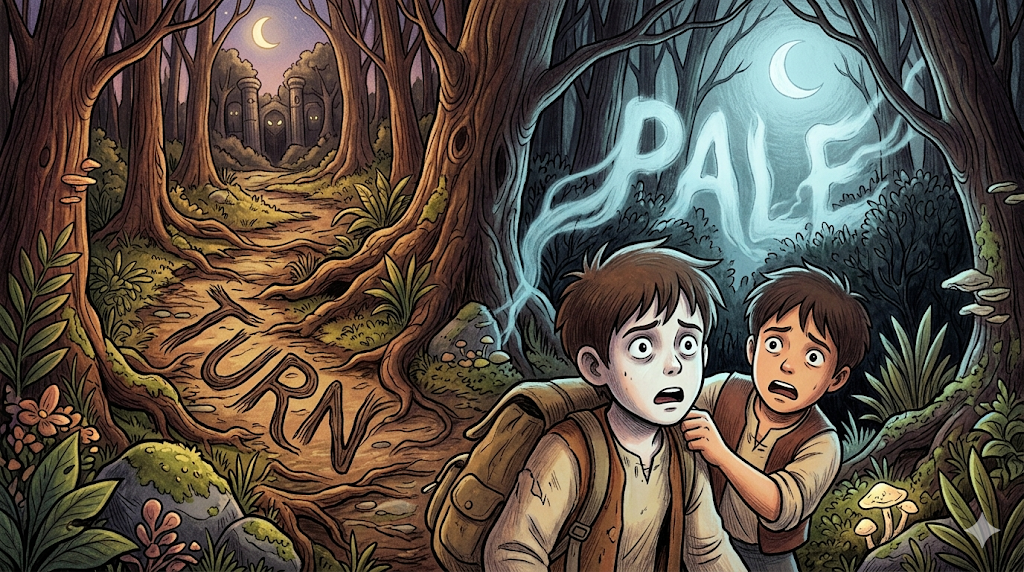
turn pale [tɜːrn peɪl]
(동사구) 창백해지다, 얼굴이 하얗게 되다
두려움·충격·아픔 등으로 인해 갑자기 얼굴색이 하얗게 변하는 것을 강조합니다. 수능 독해 심리·문학 지문에서 자주 등장합니다.
- She turned pale when the envelope was opened and the results were read out — not because she had done badly, but because the moment felt so overwhelming after all the months of preparation. (봉투가 열리고 결과가 낭독될 때 그녀는 창백해졌다 — 결과가 나빠서가 아니라 수개월의 준비 끝에 그 순간이 너무 압도적으로 느껴졌기 때문이었다.)
- The normally confident speaker turned pale at the sight of the audience, which was three times larger than he had expected, and for a moment he stood completely still before taking a breath and beginning his introduction. (평소에 자신감 있는 연사는 예상보다 세 배 큰 청중을 보고 창백해졌으며, 잠시 숨을 들이쉬고 소개를 시작하기 전에 완전히 가만히 서 있었다.)
- He turned pale at the dentist's the moment he heard the sound of the drill starting up in the next room, even though his appointment had not yet begun and nobody had done anything to him yet. (그는 예약이 아직 시작되지 않았고 아직 아무도 그에게 아무것도 하지 않았음에도 불구하고, 옆방에서 드릴 소리가 시작되는 것을 들은 순간 치과에서 창백해졌다.)
숙어 그룹 묶음 2 — 신체·감정 pale 패턴
표현 의미 핵심 뉘앙스 주요 맥락
| turn pale | 창백해지다 | 두려움·충격으로 갑자기 얼굴색이 하얗게 변하는 것 | 심리·문학·수능 |
| go pale | 창백해지다 | 더 갑작스럽고 눈에 띄는 얼굴색 변화 | 심리·일상·수능 |
| pale faced | 창백한 얼굴의 | 두려움·충격·건강 이상으로 얼굴색이 하얀 것 | 문학·일상·수능 |
이 세 표현은 모두 pale의 "두려움이나 충격으로 얼굴색이 빠져나가는" 이미지를 공유하되, 각각 변화 과정을 강조하는 것(turn pale)·더 즉각적이고 눈에 띄는 변화(go pale)·이미 창백한 상태가 된 것(pale faced)의 관점에서 접근합니다.
- She arrived pale faced at the hospital, having gone pale in the taxi on the way there, and when the nurse asked her to describe the pain she turned pale again just thinking about it. (그녀는 오는 택시에서 창백해진 후 창백한 얼굴로 병원에 도착했으며, 간호사가 통증을 묘사해 달라고 했을 때 그것에 대해 생각하는 것만으로도 다시 창백해졌다.)
- He had turned pale when he heard the news, gone pale again when the details emerged, and arrived at school the next morning still looking utterly pale faced, which told his teacher immediately that something serious had happened in his life outside school. (그는 소식을 들었을 때 창백해졌고, 세부 사항이 나왔을 때 다시 창백해져서, 다음 날 아침 여전히 완전히 창백한 얼굴로 학교에 도착했으며, 이것이 선생님에게 학교 밖 그의 삶에서 심각한 일이 일어났다고 즉시 알려줬다.)
- She had turned pale during the announcement, gone pale when she looked at the people around her and realised she was the only one affected, and spent the rest of the afternoon pale faced and quiet at the back of the room, trying to make sense of what had just happened. (그녀는 발표 중에 창백해졌고, 주변 사람들을 보고 자신만 영향을 받았다는 것을 깨달았을 때 창백해졌으며, 방 뒤에서 창백한 얼굴로 조용히 방금 일어난 일을 이해하려 애쓰며 오후의 나머지를 보냈다.)

pale shadow [peɪl ˈʃædəʊ]
(명사구) 희미한 그림자, 초라한 모습
이전에 대단했던 것이 지금은 훨씬 못하거나 약해진 상태를 강조합니다. 수능 독해 문학·심리·사회 지문에서 자주 등장합니다.
- The once-thriving market had become a pale shadow of what it used to be — only a handful of stalls remained, and the energy and colour that had filled it twenty years before were completely gone. (한때 번성했던 시장은 한때 무엇이었던 것의 희미한 그림자가 됐다 — 몇 개의 가판대만 남았으며, 20년 전에 가득했던 에너지와 색채가 완전히 사라졌다.)
- After the disappointments of the previous year, the organisation was only a pale shadow of the influential force it had been at its peak, struggling to attract members and unable to secure the funding it needed to operate. (전년도의 실망 이후, 그 조직은 절정기에 있었던 영향력 있는 힘의 희미한 그림자에 불과해서, 회원을 끌어들이는 데 어려움을 겪고 운영에 필요한 자금을 확보하지 못했다.)
- The sequel, though professionally made and competently acted, was widely regarded as a pale shadow of the original film, which had caught audiences so completely off guard with its originality that nothing following it could ever quite live up to the memory of that first experience. (속편은 전문적으로 만들어지고 능숙하게 연기됐지만, 원작 영화의 희미한 그림자로 널리 여겨졌으며, 그것은 독창성으로 관객을 완전히 불의에 놀라게 해 뒤를 잇는 것이 그 첫 번째 경험의 기억에 결코 완전히 부응할 수 없었다.)

pale imitation [peɪl ˌɪmɪˈteɪʃən]
(명사구) 형편없는 모방, 초라한 흉내
원래 것보다 훨씬 못하게 따라 한 것을 강조합니다. 수능 독해 예술·사회·문학 지문에서 자주 등장합니다.
- The version of the classic song that the tribute band performed was a pale imitation of the original recording — technically proficient but entirely missing the emotional power that had made the song so beloved in the first place. (트리뷰트 밴드가 연주한 고전 노래의 버전은 원래 녹음의 형편없는 모방이었다 — 기술적으로 능숙하지만 처음에 그 노래를 그렇게 사랑받게 만든 감정적 힘을 완전히 놓쳤다.)
- She told the class that copying another person's style or approach in writing always produces a pale imitation, because writing that is not grounded in genuine observation and personal experience never quite rings true, no matter how technically well it is executed. (그녀는 학급에게 다른 사람의 스타일이나 접근 방식을 글쓰기에서 모방하면 항상 형편없는 모방이 된다고 말했는데, 진정한 관찰과 개인적 경험에 기반하지 않은 글쓰기는 기술적으로 아무리 잘 실행되더라도 결코 완전히 진실하게 들리지 않기 때문이다.)
- The textbook treatment of the historical event was a pale imitation of the richness and complexity of what had actually happened — a three-paragraph summary where the reality deserved three chapters at the very least. (역사적 사건에 대한 교과서 처리는 실제로 일어난 것의 풍부함과 복잡성의 형편없는 모방이었다 — 현실이 최소한 세 챕터를 받을 자격이 있는 곳에서 세 단락 요약이었다.)
숙어 그룹 묶음 3 — 감소·열등 pale 심화 패턴
표현 의미 핵심 뉘앙스 주요 맥락
| pale shadow | 희미한 그림자, 초라한 모습 | 이전에 대단했던 것이 훨씬 못해진 상태 | 문학·심리·수능 |
| pale imitation | 형편없는 모방 | 원래 것보다 훨씬 못하게 따라 한 것 | 예술·사회·수능 |
| pale into insignificance | 하찮아지다 | 더 중요한 것 앞에서 중요성을 잃는 것 | 학술·심리·수능 |
이 세 표현은 모두 pale의 "원래보다 훨씬 못하거나 중요성을 잃는" 이미지를 공유하되, 각각 이전의 자신보다 못해진 것(pale shadow)·원래보다 못하게 모방한 것(pale imitation)·다른 더 중요한 것과 비교해 하찮아지는 것(pale into insignificance)의 관점에서 접근합니다.
- The remake was a pale imitation of the original film, which had itself paled into insignificance compared to the book it was based on — a pale shadow of the source material that had so powerfully moved readers when it was first published. (리메이크는 원작 영화의 형편없는 모방이었으며, 그 영화 자체도 기반한 책과 비교해 하찮아져서 — 처음 출판됐을 때 독자들을 그렇게 강력하게 감동시킨 원본 자료의 희미한 그림자였다.)
- All the minor complaints she had been nursing throughout the term paled into insignificance when she saw what her classmate had been dealing with — making her earlier frustrations seem a pale imitation of real difficulty, and her own tendency to make heavy weather of small things look a pale shadow of the resilience she had just witnessed. (학기 내내 키워온 모든 사소한 불만들이 학급 친구가 무엇을 다루고 있었는지 봤을 때 하찮아졌으며 — 이전의 좌절을 진정한 어려움의 형편없는 모방처럼 보이게 하고, 작은 것들을 크게 만드는 자신의 성향이 방금 목격한 회복력의 희미한 그림자처럼 보이게 했다.)
- His early ambitions — which had once burned so brightly — had become a pale shadow of themselves; his passion for the subject had collapsed into what felt like a pale imitation of genuine interest; and the sense of purpose that had once defined his days had entirely paled into insignificance under the weight of too many disappointments piled one on top of another. (한때 그렇게 밝게 타올랐던 그의 초기 야망은 자신의 희미한 그림자가 됐고; 그 과목에 대한 열정은 진정한 관심의 형편없는 모방처럼 느껴지는 것으로 무너졌으며; 한때 그의 날들을 정의했던 목적 의식은 너무 많은 실망들이 하나 위에 쌓이는 무게 아래 완전히 하찮아졌다.)
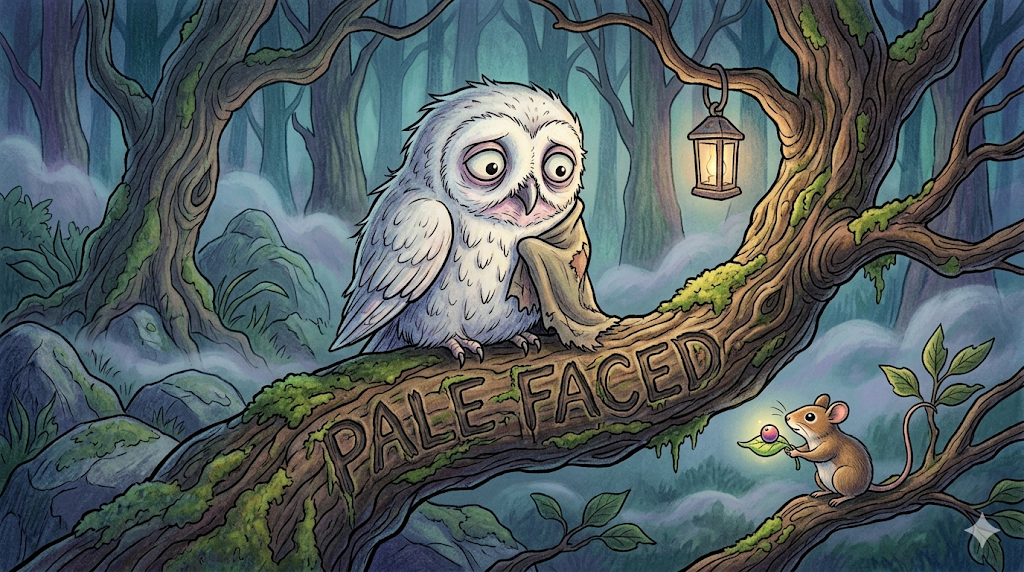
pale faced [peɪl feɪst]
(형용사) 창백한 얼굴의, 얼굴이 하얀
두려움·충격·아픔·건강 이상으로 인해 얼굴색이 하얗게 된 것을 강조합니다. 수능 독해 문학·일상·심리 지문에서 자주 등장합니다.
- The student who had been waiting outside the exam room for twenty minutes arrived at her desk pale faced and clearly nervous, so the teacher took a moment to reassure her before the paper was distributed. (20분 동안 시험실 밖에서 기다렸던 학생은 창백한 얼굴로 명확히 긴장해서 책상에 도착했으며, 선생님은 시험지를 배포하기 전에 그녀를 안심시키기 위해 잠시 시간을 냈다.)
- She came home pale faced and silent after the difficult conversation, went straight to her room, and it was only an hour later when her mother brought her a warm drink that she finally started to talk about what had happened. (그녀는 어려운 대화 후 창백한 얼굴에 말없이 집에 와서 곧장 방으로 갔으며, 한 시간 후 어머니가 따뜻한 음료를 가져왔을 때야 마침내 무슨 일이 있었는지 말하기 시작했다.)
- The doctor noted that the patient had been pale faced for several days before seeking help, which suggested that whatever was causing the problem had been building up slowly rather than arriving suddenly. (의사는 환자가 도움을 구하기 전 며칠 동안 창백한 얼굴을 하고 있었다고 기록했으며, 이것은 문제를 일으키는 것이 갑자기 나타난 것이 아니라 천천히 쌓이고 있었다는 것을 시사했다.)

go pale [ɡəʊ peɪl]
(동사구) 창백해지다, 얼굴색이 하얗게 되다
turn pale과 비슷하지만 더 갑작스럽고 눈에 띄는 변화를 강조합니다. 수능 독해 심리·일상·문학 지문에서 자주 등장합니다.
- The whole room watched as the boy went pale the moment the teacher asked him to stand and read his work aloud — he had not expected to be chosen and had not prepared himself for the attention. (선생님이 그에게 서서 작업을 큰 소리로 읽으라고 요청하는 순간 소년이 창백해지는 것을 온 방이 지켜봤다 — 그는 선택될 것이라고 예상하지 못했고 관심에 대해 준비하지 못했다.)
- She went pale during the film at the moment when the character's fate was revealed, and her friend noticed immediately and leaned over to ask in a whisper whether she was all right. (등장인물의 운명이 밝혀지는 순간 영화를 보는 동안 그녀가 창백해졌으며, 친구가 즉시 알아채고 괜찮냐고 속삭이며 몸을 기울였다.)
- Anyone who goes pale at the thought of public speaking is in very good company — studies suggest that the fear of speaking in front of others ranks among the most common anxieties people experience regardless of their age, profession, or level of confidence in other areas. (대중 연설을 생각하는 것만으로 창백해지는 사람은 매우 많은 사람들과 함께 있다 — 연구에 따르면 다른 사람들 앞에서 말하는 것에 대한 두려움이 나이, 직업, 또는 다른 분야에서의 자신감 수준에 관계없이 사람들이 경험하는 가장 일반적인 불안 중 하나로 꼽힌다.)
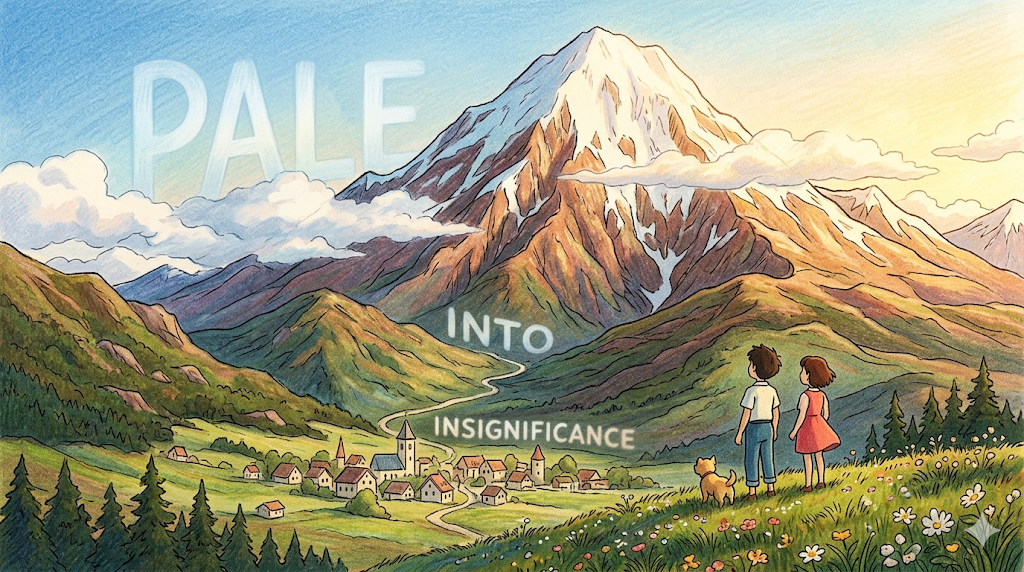
pale into insignificance [peɪl ˈɪntə ɪnˈsɪɡnɪfɪkəns]
(동사구) 하찮아지다, 무의미해지다
어떤 것이 다른 더 크거나 중요한 것에 비해 중요성을 잃고 사소해지는 것을 강조합니다. 수능 독해 학술·심리·사회 지문에서 핵심적으로 등장합니다.
- The argument they had been having about the holiday destination paled into insignificance the moment they received the news that changed all their plans completely. (휴일 목적지에 대해 하고 있던 논쟁은 모든 계획을 완전히 바꾼 소식을 받은 순간 하찮아졌다.)
- All the small social pressures of daily school life tend to pale into insignificance when you look back on them from adulthood — the things that felt enormous at fourteen rarely feel important at thirty-five. (일상적인 학교 생활의 모든 작은 사회적 압박들은 성인이 되어 돌아볼 때 하찮아지는 경향이 있다 — 14살에 거대하게 느껴졌던 것들은 35살에 거의 중요하게 느껴지지 않는다.)
- The essay argued that individual ambition, however admirable in itself, must eventually pale into insignificance compared to a sense of responsibility to the broader community — because the things any one person achieves alone are always limited compared to what becomes possible when people work together towards a shared goal. (에세이는 개인적인 야망이 그 자체로 아무리 감탄스럽더라도, 결국 더 넓은 공동체에 대한 책임감과 비교하면 하찮아져야 한다고 주장했다 — 어떤 한 사람이 혼자 이루는 것은 사람들이 공유된 목표를 향해 함께 일할 때 가능한 것과 비교하면 항상 제한되기 때문이다.)
숙어 그룹 묶음 4 — 종합 pale 패턴
표현 의미 핵심 뉘앙스 주요 맥락
| beyond the pale | 도를 넘어서 | 사회적으로 허용할 수 없는 행동이나 태도 | 사회·심리·수능 |
| pale in comparison | 비교하면 형편없다 | 비교했을 때 훨씬 덜 인상적인 것 | 학술·일상·수능 |
| pale into insignificance | 하찮아지다 | 더 중요한 것 앞에서 중요성을 잃는 것 | 학술·심리·수능 |
이 세 표현은 수능 독해에서 가장 자주 출제되는 pale의 핵심 패턴입니다. beyond the pale는 허용 범위를 초과한 행동을, pale in comparison은 비교에서 뒤처지는 것을, pale into insignificance는 더 중요한 것 앞에서 중요성을 잃는 것을 각각 나타냅니다.
- What the student had done was considered beyond the pale by the school community, but she argued in her defence that even that serious mistake should pale in comparison to the years of positive contribution she had made — though she also acknowledged that whatever good she had done before could not simply erase what had happened, nor should it pale into insignificance just because she wanted it to. (학생이 한 일은 학교 공동체에서 도를 넘은 것으로 여겨졌지만, 그녀는 변호에서 그 심각한 실수도 자신이 한 수년간의 긍정적인 기여와 비교하면 형편없어야 한다고 주장했다 — 비록 그녀는 또한 이전에 한 좋은 것이 단순히 일어난 일을 지울 수 없으며, 그녀가 원한다고 해서 하찮아져서도 안 된다는 것을 인정했지만.)
- She argued that great art is made in the space between what is beyond the pale and what is merely acceptable — that true creativity always risks going too far — and that when something genuinely new appears, everything that came before it tends to pale in comparison until eventually even the new thing pales into insignificance when the next genuinely original work arrives. (그녀는 위대한 예술은 도를 넘은 것과 단순히 허용 가능한 것 사이의 공간에서 만들어진다고 주장했다 — 진정한 창의성은 항상 너무 멀리 갈 위험을 감수한다 — 그리고 진정으로 새로운 것이 나타날 때, 이전에 온 모든 것은 비교해서 형편없어지는 경향이 있으며 결국 다음의 진정으로 독창적인 작품이 도착할 때까지 새로운 것도 하찮아진다.)
- The speaker concluded that the things we consider most important in the short term — status, money, recognition — will eventually pale into insignificance next to the relationships we build; that the actions which feel beyond the pale in the moment of pressure are precisely those that reveal our true character; and that all our individual achievements, however brilliant, will ultimately always pale in comparison to what we managed to contribute to others. (연사는 단기적으로 가장 중요하게 여기는 것들 — 지위, 돈, 인정 — 이 결국 우리가 쌓는 관계 옆에서 하찮아질 것이라고 결론지었다; 압박의 순간에 도를 넘은 것처럼 느껴지는 행동들이 정확히 우리의 진정한 성격을 드러내는 것들이며; 그리고 우리의 모든 개인적 성취는, 아무리 훌륭하더라도, 궁극적으로 항상 우리가 다른 사람들에게 기여한 것과 비교해서 형편없을 것이라고.)
전체 요약표
표현 의미 핵심 뉘앙스
| pale | 창백한, 연한 / 창백해지다, 희미해지다 | 빛·색 빠짐에서 비교 열등·중요성 감소까지 확장 |
| pale blue | 연한 파란색 | 진하지 않고 연하고 부드러운 파란색 계열 |
| beyond the pale | 도를 넘어서 | 사회적으로 허용할 수 없는 행동이나 태도 |
| pale in comparison | 비교하면 형편없다 | 비교했을 때 훨씬 덜 인상적인 것 |
| turn pale | 창백해지다 | 두려움·충격으로 갑자기 얼굴색이 하얗게 변하는 것 |
| pale shadow | 희미한 그림자 | 이전에 대단했던 것이 훨씬 못해진 상태 |
| pale imitation | 형편없는 모방 | 원래 것보다 훨씬 못하게 따라 한 것 |
| pale faced | 창백한 얼굴의 | 두려움·충격·건강 이상으로 얼굴색이 하얀 것 |
| go pale | 창백해지다 | 더 갑작스럽고 눈에 띄는 얼굴색 변화 |
| pale into insignificance | 하찮아지다 | 더 중요한 것 앞에서 중요성을 잃는 것 |
유의어 비교표

단어 공통점 뉘앙스 차이 예문
| pale | 연하고 흐릿한 | 창백함·연한 색·비교 열등·중요성 감소 | Her face was pale. |
| faint | 희미한 | 거의 인식할 수 없을 만큼 약한 것 | There was a faint light. |
| dim | 어두운 | 빛이 충분하지 않아 어두운 것 | The room was too dim. |
| wan | 창백한 | 피로나 병으로 생기 없이 창백한 것 | She looked wan and tired. |
| ashen | 재 빛의 | 충격·공포로 극도로 창백한 것 | His face was ashen with shock. |
유의어 예문 리스트
- (faint) She could hear only a faint sound coming from the room at the end of the corridor — barely audible, but enough to make her pause and press her ear to the door to listen more carefully. (그녀는 복도 끝 방에서 나오는 희미한 소리만 들을 수 있었다 — 거의 들리지 않았지만 잠시 멈추고 더 주의 깊게 듣기 위해 귀를 문에 가져다 대기에 충분했다.)
- (dim) The lecture hall was uncomfortably dim in the section where she had chosen to sit, and she spent most of the session squinting at the screen rather than taking useful notes. (강의실은 그녀가 앉기로 선택한 구역에서 불편할 만큼 어두웠으며, 그녀는 유용한 메모를 하는 대신 화면을 응시하며 세션의 대부분을 보냈다.)
- (wan) She gave a wan smile when asked how she was doing, which told everyone in the room that things were not as fine as she was trying to suggest with the minimal expression on her face. (어떻게 지내냐는 질문에 그녀는 생기 없는 미소를 지었으며, 이것은 방 안의 모든 사람에게 그녀의 얼굴의 최소한의 표정으로 시사하려는 것만큼 괜찮지 않다는 것을 알려줬다.)
- (ashen) The look on his face was ashen as he came back into the room, and everyone fell silent immediately because it was obvious that whatever he had heard in the corridor had been very serious and completely unexpected. (그가 방으로 돌아왔을 때 그의 얼굴 표정은 재 빛이었으며, 복도에서 들은 것이 매우 심각하고 완전히 예상치 못한 것이 분명했기 때문에 모든 사람이 즉시 침묵했다.)
결론 정리
pale은 단순히 "창백한"이 아니라, 라틴어 pallidus(창백한)에서 출발해 창백한 얼굴에서 연한 색조·희미한 그림자·형편없는 모방·비교에서의 열등함·허용 범위 초과·하찮음까지 확장되는 단어다 — pale이 있는 곳엔 언제나 '단순한 창백함이 아닌, 인간이 두려움·비교·한계·중요성의 감소를 어떻게 경험하는지가 생생하게 살아숨쉬는' 생동감의 선언이 있다.
💡 pale은 "빛이나 색이 빠져나간 것에서 출발한" 생동감 넘치는 언어 — beyond the pale · pale in comparison · pale into insignificance가 수능 최빈출.
🌟 초등학생 버전 — pale은 "창백하고 연한" 것을 뜻하지만, "도를 넘은" 행동(beyond the pale), "비교하면 형편없는" 것(pale in comparison), "하찮아지는" 것(pale into insignificance)처럼 우리 생활과 감정 곳곳에 살아있는 단어예요! 🎨✨


