
- 분류 전체보기 (5476)

| 일 | 월 | 화 | 수 | 목 | 금 | 토 |
|---|---|---|---|---|---|---|
| 1 | 2 | |||||
| 3 | 4 | 5 | 6 | 7 | 8 | 9 |
| 10 | 11 | 12 | 13 | 14 | 15 | 16 |
| 17 | 18 | 19 | 20 | 21 | 22 | 23 |
| 24 | 25 | 26 | 27 | 28 | 29 | 30 |
| 31 |
- once in a while
- no
- Actually
- Please
- call off
- Sure
- Right?
- hold on
- I'm glad to hear that.
- OKay
- too.
- Hey
- Yes
- By The Way
- Yeah
- come up with
- please.
- Read between the lines
- please?
- well
- Excuse me
- entrance fee
- oh
- I'm not sure
- I'm sorry
- Sorry
- make it
- work out
- Don't worry
- pick up
- Today
- Total
인과함께
Day346 , newspaper, newspaper article, newspaper column, newspaper headline, read between the lines, newspaper stand, daily newspaper, newspaper report, tabloid newspaper, broadsheet newspaper 본문
Day346 , newspaper, newspaper article, newspaper column, newspaper headline, read between the lines, newspaper stand, daily newspaper, newspaper report, tabloid newspaper, broadsheet newspaper
미인생 2026. 4. 24. 06:32
newspaper [ˈnjuːzpeɪpər]
(명사/형용사) 신문 / 신문의, 신문지로 만든
단순히 "신문"으로만 외우면 수능에서 반드시 틀립니다. newspaper는 "사회에서 일어나는 일을 인쇄하여 대중에게 전달하는 매체" 라는 핵심 이미지에서 출발해, 실제 종이 신문·정보 전달 방식·사회적 영향력·미디어 리터러시까지 폭넓게 쓰이는 핵심 다의어입니다. 특히 newspaper headline(신문 헤드라인), tabloid newspaper(타블로이드 신문), newspaper column(신문 칼럼) 패턴은 수능 독해 사회·미디어·논리 지문에서 핵심적으로 등장합니다.
'newspaper'는 news(새로운 소식)와 paper(종이)의 합성어입니다. news는 고대 프랑스어 nouvelles(새로운 것들)에서, paper는 라틴어 papyrus(파피루스)에서 유래했습니다. 어원의 핵심 이미지는 "종이에 인쇄된 새로운 소식" 으로, 단순한 인쇄물을 넘어 정보 전달·여론 형성·사회적 기록·미디어 영향력까지 확장되는 표현의 근원이 된 단어입니다.
📰 newspaper의 핵심 뉘앙스
"매일 세상을 기록하는 인쇄 매체. 그리고 정보를 읽는 방식의 차이."
newspaper는 단순한 '신문'이지만, 어떤 신문이냐, 어떤 섹션이냐, 어떻게 읽느냐에 따라 저널리즘의 성격, 독자층, 사회적 신뢰도가 완전히 달라집니다. 같은 사건도 어느 신문에 실리느냐에 따라 전혀 다르게 전달될 수 있어요.
1️ 신문의 구성 요소를 나타내는 newspaper
- newspaper article → 신문 기사. 신문에 실린 개별 보도 내용. 기사 하나하나를 가리킴
- newspaper headline → 신문 헤드라인. 기사 제목. 독자의 시선을 끌고 내용을 압축하는 가장 중요한 요소
- newspaper column → 신문 칼럼. 특정 필자가 정기적으로 쓰는 의견·논평 코너
- newspaper report → 신문 보도. 사건·사실을 객관적으로 전달하는 기사. column보다 의견보다 사실 중심
2️ 신문의 형태·유통을 담은 newspaper
- daily newspaper → 일간지. 매일 발행되는 신문. 정보의 신선도가 핵심
- newspaper stand → 신문 가판대. 길거리에서 신문을 파는 작은 가게나 진열대
- broadsheet newspaper → 대형 판형 신문. 전통적으로 품질 높은 보도를 하는 고급지의 상징. 가디언, 뉴욕타임스 등
- tabloid newspaper → 타블로이드 신문. 작은 판형에 자극적·선정적 내용이 많은 대중지. 연예·스캔들 위주
3️ 읽는 방식을 담은 newspaper 표현
- read between the lines → 행간을 읽다. 표면적 내용 너머에 숨겨진 의미나 의도를 파악하는 것. 신문 기사뿐 아니라 모든 소통에 적용
💡 아들에게 이렇게 설명해보세요
"newspaper는 신문인데, 종류에 따라 성격이 완전히 달라. broadsheet는 크고 무거운 고급 신문이야. 진지한 뉴스와 깊이 있는 분석이 특징이고, 가디언이나 뉴욕타임스가 대표적이야. tabloid는 작고 가벼운 대중지인데, 연예 스캔들이나 자극적인 기사가 많아. headline은 신문에서 제일 눈에 띄는 큰 제목이고, column은 특정 기자가 자기 의견을 쓰는 고정 코너야. read between the lines는 글자 그대로만 읽지 말고 숨겨진 의미까지 파악하라는 뜻이야. 신문을 읽을 때도, 사람 말을 들을 때도 꼭 필요한 능력이지."
newspaper = 세상을 기록하는 인쇄 매체. 어떤 신문이냐에 따라 신뢰와 선정성이 갈리고, 어떻게 읽느냐에 따라 표면과 행간이 달라진다.
1. newspaper article [ˈnjuːzpeɪpər ˈɑːrtɪkl]
(학술/사회/수능) "신문 기사"를 뜻합니다. 특정 사건이나 주제에 대해 기자가 조사하고 쓴 신문 안의 글을 강조합니다.
She found a newspaper article about the local school's science award and brought it in to show the class. (그녀는 지역 학교의 과학 상에 관한 신문 기사를 발견하고 학급에 보여주기 위해 가져왔다.)
2. newspaper column [ˈnjuːzpeɪpər ˈkɒləm]
(학술/사회/수능) "신문 칼럼"을 뜻합니다. 한 신문에서 정기적으로 같은 작가가 자신의 의견이나 분석을 쓰는 고정 지면을 강조합니다.
He looked forward to reading his favourite writer's newspaper column every Friday because it always gave him something new to think about. (그는 항상 새롭게 생각할 것을 줬기 때문에 매주 금요일 자신이 좋아하는 작가의 신문 칼럼을 읽는 것을 기대했다.)
3. newspaper headline [ˈnjuːzpeɪpər ˈhedlaɪn]
(일상/사회/수능) "신문 헤드라인, 신문 표제"를 뜻합니다. 신문 기사의 맨 위에 굵은 글씨로 쓰인 제목으로 독자의 관심을 끌고 기사 내용을 요약하는 것을 강조합니다.
The newspaper headline was so shocking that she had to read it three times before she could believe what it said. (신문 헤드라인이 너무 충격적이어서 그녀는 그것이 무슨 말인지 믿기 전에 세 번이나 읽어야 했다.)
4. read between the lines [riːd bɪˈtwiːn ðə laɪnz]
(일상/심리/수능) "행간을 읽다, 숨겨진 의미를 파악하다"를 뜻합니다. 신문 기사에서 직접적으로 표현되지 않은 숨겨진 의도나 의미를 파악하는 것을 강조합니다.
To truly understand what is going on in the news, you need to read between the lines and think about what the journalist is not saying as well as what they are. (뉴스에서 실제로 무슨 일이 일어나고 있는지 진정으로 이해하려면, 행간을 읽으며 기자가 말하는 것뿐만 아니라 말하지 않는 것도 생각해야 한다.)
5. newspaper stand [ˈnjuːzpeɪpər stænd]
(일상/사회/수능) "신문 가판대"를 뜻합니다. 신문이나 잡지를 판매하는 거리의 작은 매대를 강조합니다.
He stopped at the newspaper stand on his way to school every morning to check the front pages before starting his day. (그는 매일 아침 학교로 가는 길에 하루를 시작하기 전에 1면을 확인하기 위해 신문 가판대에 들렀다.)
6. daily newspaper [ˈdeɪli ˈnjuːzpeɪpər]
(일상/사회/수능) "일간 신문"을 뜻합니다. 매일 발행되어 최신 소식을 전달하는 신문을 강조합니다.
Her grandfather had read the same daily newspaper every morning for over forty years and could not imagine starting the day without it. (그녀의 할아버지는 40년 이상 매일 아침 같은 일간 신문을 읽었으며 그것 없이는 하루를 시작할 수 없다고 생각했다.)
7. newspaper report [ˈnjuːzpeɪpər rɪˈpɔːrt]
(학술/사회/수능) "신문 보도"를 뜻합니다. 특정 사건이나 상황에 대한 신문의 공식적인 보도나 기록을 강조합니다.
The newspaper report about the new school building included interviews with both students and teachers about what they hoped it would look like. (새 학교 건물에 관한 신문 보도는 학생들과 선생님 모두와의 인터뷰를 포함해 그것이 어떻게 보이기를 원하는지를 담았다.)
8. tabloid newspaper [ˈtæblɔɪd ˈnjuːzpeɪpər]
(사회/미디어/수능) "타블로이드 신문"을 뜻합니다. 일반 신문보다 작은 판형으로 주로 연예·스캔들·자극적인 이야기를 다루는 신문을 강조합니다.
She preferred reading a serious broadsheet to a tabloid newspaper because she found the stories in tabloids were often too dramatic and not always accurate. (그녀는 타블로이드의 기사들이 종종 너무 과장되고 항상 정확하지 않다는 것을 알았기 때문에 타블로이드 신문보다 진지한 브로드시트 읽기를 선호했다.)
9. broadsheet newspaper [ˈbrɔːdʃiːt ˈnjuːzpeɪpər]
(사회/미디어/수능) "브로드시트 신문"을 뜻합니다. 큰 판형으로 심층 분석·정치·경제를 다루며 신뢰도와 객관성을 강조하는 고급 신문을 강조합니다.
The media class compared a broadsheet newspaper with a tabloid and found that the writing style, the topics covered, and the overall tone were completely different. (미디어 수업은 브로드시트 신문을 타블로이드와 비교했으며 글쓰기 스타일, 다루는 주제, 전반적인 톤이 완전히 다르다는 것을 발견했다.)
10. newspaper (비유적) [ˈnjuːzpeɪpər]
(사회/미디어/수능) 비유적으로 "사회의 거울, 시대의 기록"을 뜻합니다. 신문이 단순한 인쇄물을 넘어 사회의 상태를 반영하고 역사적 기록을 남기는 것을 강조합니다.
Looking through old newspapers from fifty years ago gives you a fascinating window into how different people's daily concerns and worries were back then compared to today. (50년 전의 오래된 신문을 살펴보는 것은 그 당시 사람들의 일상적인 관심과 걱정이 오늘날과 얼마나 다른지에 대한 매혹적인 창을 제공한다.)
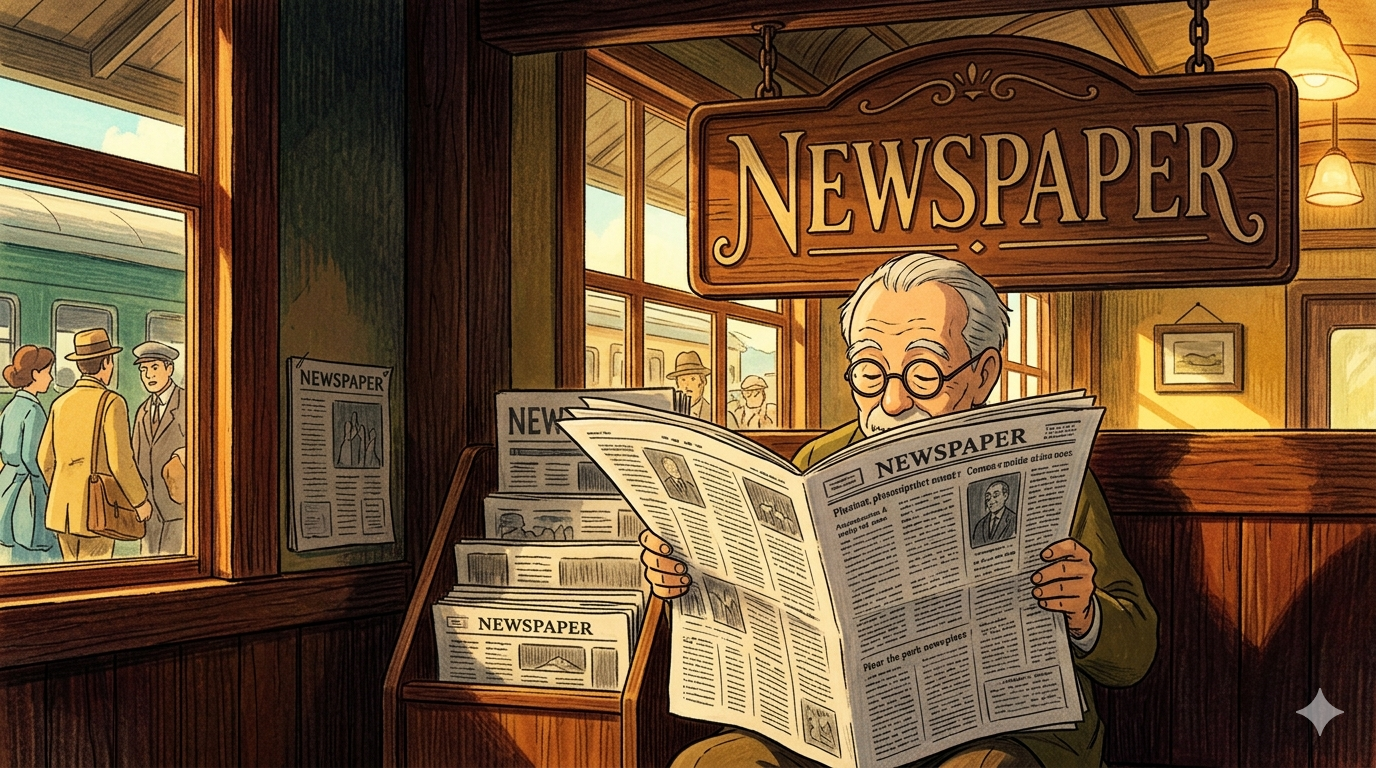
POINT 1. newspaper — 수능 최빈출 비유·어휘 패턴
newspaper는 수능 독해 사회·미디어·논리 지문에서 비유적 표현으로 자주 출제됩니다.
newspaper headline → 신문 표제의 역할과 영향을 나타낼 때 예) Newspaper headlines can shape public opinion. (신문 헤드라인은 여론을 형성할 수 있다.) tabloid newspaper → 선정적이고 감각적인 미디어를 나타낼 때 예) Tabloid newspapers focus on entertainment. (타블로이드 신문은 오락에 집중한다.) read between the lines → 기사에서 숨겨진 의미를 파악할 때 예) Always read between the lines in news. 뉴스에서 항상 행간을 읽어라.)
POINT 2. tabloid / broadsheet — 수능 미디어 어휘 핵심 비교
이 두 단어는 수능에서 자주 혼동되는 미디어 어휘입니다.
tabloid → 작은 판형, 연예·스캔들·자극적 내용 중심, 단순한 언어 예) Tabloid stories are often sensational. (타블로이드 기사는 종종 선정적이다.) broadsheet → 큰 판형, 심층 분석·정치·경제 중심, 복잡한 언어 예) Broadsheet papers have longer articles. (브로드시트 신문은 더 긴 기사를 가진다.) 두 신문 유형의 차이를 이해하는 것이 수능 미디어 리터러시 지문의 핵심 포인트입니다.
POINT 3. newspaper의 다양한 용법 — 수능 독해 문맥 파악 핵심
newspaper는 수능 독해에서 문맥에 따라 의미가 완전히 달라지는 핵심 단어입니다.
정보 전달 → Newspapers report the news. (신문은 뉴스를 보도한다.) 의견 표현 → The column shares views. (칼럼은 의견을 나눈다.) 사회 영향 → Headlines shape opinions. (헤드라인은 여론을 형성한다.) 미디어 유형 → Tabloids vs broadsheets differ widely. (타블로이드 vs 브로드시트는 크게 다르다.) 역사 기록 → Old newspapers show the past. (오래된 신문은 과거를 보여준다.)
(명사) ① 신문 (정보 전달 매체)
newspaper의 가장 기본적인 의미로, 매일 또는 정기적으로 발행되는 인쇄된 정보 전달 매체를 나타냅니다.
- The teacher asked every student to bring in a newspaper from home and find one story that connected to what they had been studying in social studies. (선생님은 모든 학생에게 집에서 신문을 가져와서 사회 수업에서 공부하고 있는 것과 연결되는 이야기를 하나 찾으라고 요청했다.)
- She spread the old newspaper on the floor before starting to paint so that she would not get any colour on the carpet underneath. (그녀는 아래 카펫에 색이 묻지 않도록 페인트를 시작하기 전에 낡은 신문지를 바닥에 펼쳤다.)
- The newspaper had been running for over one hundred years and had documented some of the most important events in the town's entire history. (그 신문은 100년 이상 발행돼왔으며 마을 전체 역사에서 가장 중요한 일부 사건들을 기록해왔다.)
(형용사) ② 신문의, 신문지로 만든
newspaper는 형용사처럼 쓰여 신문과 관련된 것이나 신문지로 만들어진 것을 나타냅니다.
- She wrapped the fragile ornaments in newspaper paper to protect them from breaking during the move to the new house. (그녀는 새 집으로 이사하는 동안 깨지지 않도록 보호하기 위해 깨지기 쉬운 장식품들을 신문지로 감쌌다.)
- The students made newspaper hats for the drama class performance, and they turned out to look surprisingly professional under the stage lights. (학생들은 드라마 수업 공연을 위해 신문지 모자를 만들었으며, 무대 조명 아래에서 놀랍도록 전문적으로 보였다.)
- He collected old newspaper clippings of famous athletes and stuck them on his bedroom wall as inspiration for his own training goals. (그는 유명한 운동선수들의 오래된 신문 스크랩을 수집해서 자신의 훈련 목표를 위한 영감으로 침실 벽에 붙였다.)
(명사) ③ 신문사, 언론 (기관)
newspaper는 신문을 발행하는 조직이나 기관 자체를 나타내기도 합니다.
- She dreamed of working for a national newspaper one day and writing stories that would make a real difference to how people understood the world around them. (그녀는 언젠가 전국 신문사에서 일하며 사람들이 주변 세계를 이해하는 방식에 실질적인 차이를 만드는 이야기를 쓰는 것을 꿈꿨다.)
- The local newspaper was the first to report on the school's award, and the editor called the principal directly to ask for a comment before publishing the story. (지역 신문사는 학교의 상에 대해 가장 먼저 보도했으며, 편집장은 기사를 게재하기 전에 논평을 요청하기 위해 교장에게 직접 전화했다.)
- The newspaper had a policy of always giving both sides of a story equal space, which made it one of the most trusted sources of information in the region. (그 신문사는 항상 이야기의 양쪽에 동등한 공간을 주는 정책을 갖고 있었으며, 이것이 그것을 그 지역에서 가장 신뢰받는 정보 출처 중 하나로 만들었다.)

뉘앙스·의미 연결 흐름 표
핵심 이미지 연결 흐름 뉘앙스 요약
| 새로운 소식을 전달하는 것 | 사건 보도 → 여론 형성 → 역사 기록 | newspaper report, newspaper headline, daily newspaper |
| 정보의 종류와 신뢰도 | 심층 분석 → 표면적 오락 → 행간 읽기 | broadsheet, tabloid, read between the lines |
| 신문 내의 다양한 형식 | 기사 → 칼럼 → 헤드라인 → 보도 | newspaper article, newspaper column, newspaper report |
어원 흐름 표
단어 구성 요소 의미 연결 흐름 뉘앙스 요약
| news(새로운 소식) + paper(종이) | 종이에 인쇄된 새로운 소식 → newspaper | 종이 위의 새 소식이라는 핵심 이미지 |
| newspaper (명사/형용사) | 인쇄 매체 → 정보 전달 → 여론 형성 → 사회 기록 | 종이에서 정보·영향·역사까지 확장 |
품사별 의미 표
품사 의미 예문
| 명사 | 신문, 신문지 | She read the newspaper every day. |
| 명사 | 신문사, 언론 기관 | The newspaper won an award. |
| 형용사 | 신문의, 신문지로 만든 | She made a newspaper hat. |
| 명사구 | 신문 기사 | She found a newspaper article. |
| 명사구 | 신문 헤드라인 | The newspaper headline was shocking. |
| 명사구 | 신문 칼럼 | He wrote a newspaper column. |
활용 예문 리스트
- The media class studied how newspaper headlines are written to grab attention quickly, and students discovered that the same story could be presented in very different ways depending on the values and priorities of the publication. (미디어 수업은 신문 헤드라인이 어떻게 빠르게 관심을 사로잡도록 쓰여지는지 공부했으며, 학생들은 같은 이야기가 출판물의 가치와 우선순위에 따라 매우 다른 방식으로 제시될 수 있다는 것을 발견했다.)
- She always made sure to read between the lines of any newspaper article she found online, because she had learned that the way a story is written reveals just as much as the facts it contains. (그녀는 온라인에서 찾은 신문 기사를 항상 행간을 읽으려 했는데, 이야기가 쓰여진 방식이 그것이 포함하는 사실만큼 많은 것을 드러낸다는 것을 배웠기 때문이다.)
- The difference between a tabloid newspaper and a broadsheet newspaper is not just about size — it is about the entire approach to what counts as news and how it should be presented to readers. (타블로이드 신문과 브로드시트 신문의 차이는 단지 크기에 관한 것이 아니다 — 그것은 무엇이 뉴스로 간주되고 독자에게 어떻게 제시되어야 하는지에 대한 전체적인 접근 방식에 관한 것이다.)
- The newspaper column she had been writing for two years had built up such a loyal group of readers that the editor offered her a full-time job based on the response it consistently received. (그녀가 2년 동안 써온 신문 칼럼은 너무 충성스러운 독자 그룹을 형성해서 편집장이 그것이 지속적으로 받은 반응에 근거해 그녀에게 정규직 일자리를 제안했다.)
- Reading a daily newspaper regularly is one of the best ways to stay informed about the world, build vocabulary, and develop the habit of thinking critically about the information you receive. (일간 신문을 정기적으로 읽는 것은 세상에 대해 정보를 유지하고, 어휘를 쌓으며, 받는 정보에 대해 비판적으로 생각하는 습관을 개발하는 가장 좋은 방법 중 하나이다.)
전체 뉘앙스 설명
newspaper는 '종이에 인쇄된 새로운 소식에서 출발해 정보 전달·여론 형성·미디어 리터러시·사회적 기록까지 확장되는 생동감 넘치는 언어'입니다.
magazine과의 차이: magazine은 주간이나 월간으로 발행되며 심층적이고 특정 주제를 다루고, newspaper는 매일 또는 정기적으로 발행되며 최신 소식을 전달합니다. journal과의 차이: journal은 학술적이고 전문적인 연구를 담은 출판물을 강조하고, newspaper는 일반 대중을 위한 일상적인 뉴스를 강조합니다. media와의 차이: media는 신문·TV·인터넷 등 모든 정보 전달 수단을 통칭하고, newspaper는 그중 특히 인쇄 매체에 집중합니다.
마지막 핵심 정리
newspaper는 단순히 "신문"이 아닙니다 — news(새로운 소식)와 paper(종이)의 합성어에서 출발해, 실제 인쇄 매체(daily newspaper)에서 신문 기사(newspaper article)·신문 헤드라인(newspaper headline)·신문 칼럼(newspaper column)·타블로이드와 브로드시트의 비교(tabloid vs broadsheet)까지 확장되는 단어이며, newspaper headline·tabloid newspaper·read between the lines의 비유적 의미 파악이 수능 핵심 출제 포인트입니다.
파생어 표
파생어 발음기호 품사 의미
| news | [njuːz] | 명사 | 뉴스, 소식 |
| newsroom | [ˈnjuːzruːm] | 명사 | 뉴스룸, 편집실 |
| newsworthy | [ˈnjuːzwɜːrði] | 형용사 | 보도할 가치가 있는 |
| journalist | [ˈdʒɜːrnəlɪst] | 명사 | 기자, 저널리스트 |
| journalism | [ˈdʒɜːrnəlɪzəm] | 명사 | 저널리즘, 언론 |
| editorial | [ˌedɪˈtɔːriəl] | 명사/형용사 | 사설 / 편집의 |
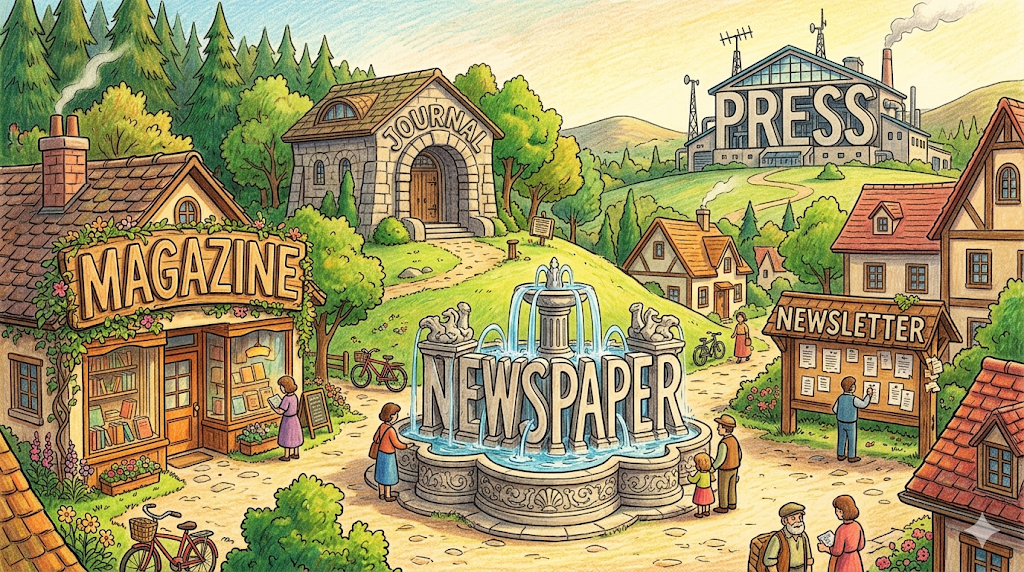
유의어 비교표
단어 공통점 뉘앙스 차이 예문
| newspaper | 정보 전달 매체 | 일반 뉴스를 매일 인쇄해 전달하는 매체 | She read the newspaper. |
| magazine | 잡지 | 주간·월간으로 특정 주제 심층 다룸 | She bought a magazine. |
| journal | 학술지 | 전문적·학술적 연구를 담은 출판물 | He published in a journal. |
| newsletter | 소식지 | 특정 그룹·기관의 소식을 담은 짧은 출판물 | The school sent a newsletter. |
| press | 언론, 신문 매체 | 신문·잡지 등 인쇄 미디어 전체를 통칭 | The press covered the event. |
유의어 예문 리스트
- (magazine) She subscribed to a magazine about wildlife photography because it came out once a month with long articles and beautiful full-page photos that she could never find in a daily newspaper. (그녀는 야생 동물 사진에 관한 잡지를 구독했는데, 그것은 한 달에 한 번 일간 신문에서는 절대 찾을 수 없는 긴 기사와 아름다운 전면 사진과 함께 나왔기 때문이다.)
- (journal) The science teacher encouraged students to read articles from a peer-reviewed journal rather than relying only on news websites when doing research for their essays. (과학 선생님은 학생들이 에세이 조사를 할 때 뉴스 웹사이트에만 의존하기보다 동료 심사 학술지의 기사를 읽도록 격려했다.)
- (newsletter) The school sent home a newsletter at the end of every month with updates about upcoming events, changes to the timetable, and highlights from the previous few weeks. (학교는 매달 말에 다가오는 행사 업데이트, 시간표 변경, 그리고 지난 몇 주간의 하이라이트와 함께 집으로 소식지를 보냈다.)
- (press) The press was invited to attend the school's annual awards ceremony and take photographs of the students who had won prizes for their work throughout the year. (언론은 학교의 연간 시상식에 참석해 그 해 동안 작업으로 상을 받은 학생들의 사진을 찍도록 초대받았다.)
결론 정리
newspaper는 단순히 "신문"이 아니라, news(새로운 소식)와 paper(종이)의 합성어에서 출발해 인쇄 매체에서 정보 전달·여론 형성·미디어 리터러시·사회적 기록까지 확장되는 단어다 — newspaper가 있는 곳엔 언제나 '단순한 종이 인쇄물이 아닌, 사회의 이야기·사람들의 목소리·시대의 기록이 생생하게 살아숨쉬는' 생동감의 선언이 있다.
💡 newspaper는 "종이 위의 새로운 소식에서 출발한" 생동감 넘치는 언어 — newspaper headline · tabloid newspaper · read between the lines가 수능 최빈출.
🌟 초등학생 버전 — newspaper는 매일 세상의 소식을 전하는 신문이지만, "중요한 헤드라인을 보다"(newspaper headline), "타블로이드 vs 브로드시트의 차이", "기사의 행간을 읽다"(read between the lines)처럼 미디어를 이해하는 핵심 단어예요! 📰✨
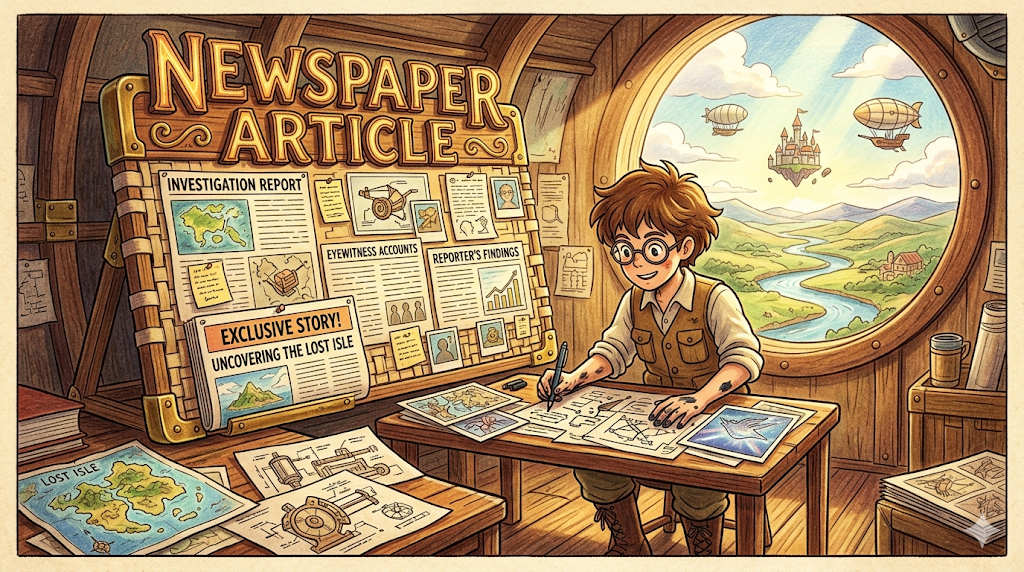
newspaper article [ˈnjuːzpeɪpər ˈɑːrtɪkl]
(명사구) 신문 기사
특정 사건이나 주제에 대해 기자가 조사하고 쓴 신문 안의 글을 강조합니다. 수능 독해 사회·학술·미디어 지문에서 자주 등장합니다.
- The class was asked to find a newspaper article on any topic related to the environment and write a short summary of the main points it raised. (학급은 환경과 관련된 어떤 주제든 신문 기사를 찾아 제기한 주요 논점에 대한 짧은 요약을 쓰라는 요청을 받았다.)
- She cut out the newspaper article about the school's new community garden and stuck it into her project folder as evidence that the work they had done was being noticed. (그녀는 학교의 새 지역 사회 정원에 관한 신문 기사를 오려내어 그들이 한 일이 주목받고 있다는 증거로 프로젝트 폴더에 붙였다.)
- Reading a newspaper article carefully and identifying which parts are facts and which are the writer's opinions is one of the most important skills anyone can develop for understanding the news responsibly. (신문 기사를 주의 깊게 읽고 어떤 부분이 사실이고 어떤 것이 작가의 의견인지 파악하는 것은 뉴스를 책임감 있게 이해하기 위해 누구든 개발할 수 있는 가장 중요한 기술 중 하나이다.)

newspaper column [ˈnjuːzpeɪpər ˈkɒləm]
(명사구) 신문 칼럼
한 신문에서 정기적으로 같은 작가가 자신의 의견이나 분석을 쓰는 고정 지면을 강조합니다. 수능 독해 사회·미디어·학술 지문에서 자주 등장합니다.
- The school invited a newspaper columnist to speak to students about how she decided what topics to write about and how she made sure her opinions were always based on solid research. (학교는 신문 칼럼니스트를 초청해 학생들에게 어떤 주제를 쓸지 어떻게 결정하고 자신의 의견이 항상 확실한 연구에 기반하도록 어떻게 확인하는지에 대해 이야기해 달라고 했다.)
- She started writing a newspaper column for the school paper about student life, and within two months it had become the most-read section of the whole publication. (그녀는 학교 신문에 학생 생활에 대한 신문 칼럼을 쓰기 시작했으며, 두 달 만에 그것은 전체 출판물에서 가장 많이 읽히는 부분이 됐다.)
- A newspaper column differs from a news article because it is meant to express a point of view rather than simply report facts, which is why it is important to recognise the difference when you are reading the news. (신문 칼럼은 단순히 사실을 보도하는 것이 아니라 관점을 표현하기 위한 것이기 때문에 뉴스 기사와 다르며, 그래서 뉴스를 읽을 때 차이를 인식하는 것이 중요하다.)
숙어 그룹 묶음 1 — 기사·형식 newspaper 핵심 패턴
표현 의미 핵심 뉘앙스 주요 맥락
| newspaper article | 신문 기사 | 특정 사건·주제에 대해 기자가 쓴 글 | 사회·학술·수능 |
| newspaper column | 신문 칼럼 | 정기적으로 같은 작가가 의견을 쓰는 고정 지면 | 사회·미디어·수능 |
| newspaper headline | 신문 헤드라인 | 독자 관심을 끌고 내용을 요약하는 굵은 제목 | 사회·심리·수능 |
이 세 표현은 모두 newspaper의 "정보를 전달하는 다양한 형식" 이미지를 공유하되, 각각 사건을 기록하고 보도하는 글(newspaper article)·작가의 의견과 분석을 담은 고정 지면(newspaper column)·독자의 관심을 사로잡는 제목(newspaper headline)의 관점에서 접근합니다.
- The media teacher asked students to take the same newspaper headline and write both a newspaper article and a newspaper column about it — to help them understand the difference between reporting facts and expressing opinions. (미디어 선생님은 학생들에게 같은 신문 헤드라인을 가지고 그것에 대한 신문 기사와 신문 칼럼을 모두 쓰도록 요청했다 — 사실 보도와 의견 표현의 차이를 이해하는 데 도움을 주기 위해.)
- She noticed that the newspaper headline made the story sound much more dramatic than the actual newspaper article beneath it, and she wrote about this gap in her newspaper column the following week. (그녀는 신문 헤드라인이 그 아래의 실제 신문 기사보다 이야기를 훨씬 더 극적으로 들리게 한다는 것을 알아채고, 다음 주 자신의 신문 칼럼에서 이 격차에 대해 썼다.)
- A good newspaper headline draws you into the newspaper article, and a good newspaper column makes you think beyond the article by challenging your assumptions and inviting you to see the same facts from a completely different angle. (좋은 신문 헤드라인은 신문 기사로 끌어들이고, 좋은 신문 칼럼은 가정에 의문을 제기하고 완전히 다른 각도에서 같은 사실을 보도록 초대함으로써 기사를 넘어 생각하게 만든다.)

newspaper headline [ˈnjuːzpeɪpər ˈhedlaɪn]
(명사구) 신문 헤드라인, 신문 표제
신문 기사의 맨 위에 굵은 글씨로 쓰인 제목으로 독자의 관심을 끌고 기사 내용을 요약하는 것을 강조합니다. 수능 독해 사회·심리·미디어 지문에서 핵심적으로 등장합니다.
- The newspaper headline read so simply and clearly that even students who had never followed the news before immediately understood why the story mattered. (신문 헤드라인은 너무 단순하고 명확하게 쓰여서 이전에 뉴스를 한 번도 읽지 않은 학생들도 왜 그 이야기가 중요한지 즉시 이해했다.)
- She was surprised to discover that the newspaper headline she had shared on social media had been taken completely out of context, and that the actual story told a very different picture from what the title suggested. (그녀는 소셜 미디어에 공유한 신문 헤드라인이 완전히 맥락에서 벗어나 있었으며, 실제 이야기는 제목이 시사하는 것과 매우 다른 그림을 보여준다는 것을 발견하고 놀랐다.)
- The class exercise involved writing their own newspaper headlines for made-up stories and then swapping them to see if the other person could guess what the article would be about just from the title alone. (학급 활동은 꾸며낸 이야기를 위한 자신만의 신문 헤드라인을 쓰고 나서 제목만으로 상대방이 기사가 무엇에 관한 것인지 추측할 수 있는지 보기 위해 교환하는 것을 포함했다.)
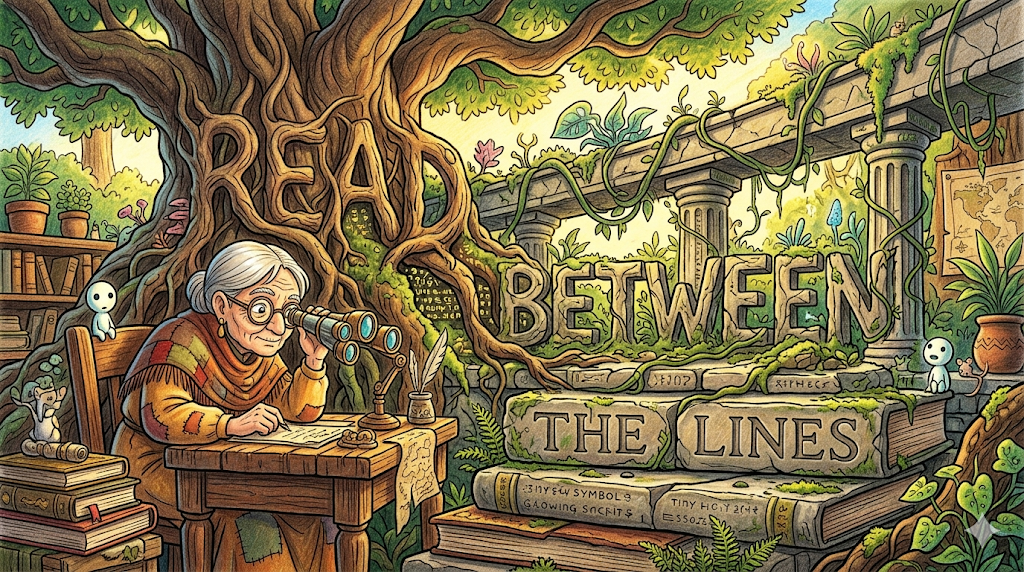
read between the lines [riːd bɪˈtwiːn ðə laɪnz]
(관용구) 행간을 읽다, 숨겨진 의미를 파악하다
신문 기사에서 직접적으로 표현되지 않은 숨겨진 의도나 의미를 파악하는 것을 강조합니다. 수능 독해 심리·사회·논리 지문에서 핵심적으로 등장합니다.
- The history teacher encouraged students to read between the lines of old newspaper reports rather than accepting every word at face value, because even factual reporting is always shaped by the values and priorities of the time it was written. (역사 선생님은 학생들에게 오래된 신문 보도의 모든 단어를 액면가로 받아들이기보다 행간을 읽도록 격려했는데, 사실적인 보도조차 항상 그것이 쓰여진 시대의 가치와 우선순위에 의해 형성되기 때문이다.)
- She had learned to read between the lines of press releases — the official statements companies send to newspapers — and could usually spot when information was being shared selectively to create a better impression than the reality deserved. (그녀는 회사가 신문에 보내는 공식 성명인 보도 자료의 행간을 읽는 법을 배웠으며, 현실이 받을 자격보다 더 나은 인상을 만들기 위해 정보가 선택적으로 공유될 때 보통 알아챌 수 있었다.)
- Being able to read between the lines is one of the most valuable skills for anyone living in a world full of information, because not everything important is stated directly — and sometimes what is left unsaid tells you more than what is written. (행간을 읽을 수 있는 것은 정보로 가득한 세상에서 사는 누구에게나 가장 가치 있는 기술 중 하나인데, 모든 중요한 것이 직접적으로 말해지지는 않으며 때때로 말하지 않은 것이 쓰여진 것보다 더 많은 것을 말해주기 때문이다.)
숙어 그룹 묶음 2 — 미디어 리터러시 newspaper 패턴
표현 의미 핵심 뉘앙스 주요 맥락
| read between the lines | 행간을 읽다 | 직접 표현되지 않은 숨겨진 의미를 파악하는 것 | 심리·논리·수능 |
| newspaper stand | 신문 가판대 | 신문이나 잡지를 판매하는 거리의 작은 매대 | 일상·사회·수능 |
| daily newspaper | 일간 신문 | 매일 발행되어 최신 소식을 전달하는 신문 | 일상·사회·수능 |
이 세 표현은 모두 newspaper의 "정보를 접하고 소비하는 방식" 이미지를 공유하되, 각각 정보의 숨겨진 의미를 파악하는 것(read between the lines)·신문을 구매하는 물리적 장소(newspaper stand)·매일 정기적으로 신문을 읽는 습관(daily newspaper)의 관점에서 접근합니다.
- Every morning he stopped at the newspaper stand near his house to buy his daily newspaper, and as he walked to work he would read between the lines of the front page stories to understand not just what had happened but why it had been given so much attention over other equally important events. (매일 아침 그는 집 근처 신문 가판대에 들러 일간 신문을 샀으며, 직장으로 걷는 동안 그는 1면 기사의 행간을 읽으며 무슨 일이 일어났는지뿐만 아니라 그것이 왜 다른 똑같이 중요한 사건들보다 더 많은 관심을 받았는지 이해하려 했다.)
- She explained to her students that buying a daily newspaper from the newspaper stand every day was just the start of being an informed citizen — the real skill was learning to read between the lines of what was written, because it is only then that you begin to understand the difference between being informed and being truly aware. (그녀는 학생들에게 매일 신문 가판대에서 일간 신문을 사는 것은 정보를 아는 시민이 되는 시작에 불과하다고 설명했다 — 진짜 기술은 쓰여진 것의 행간을 읽는 법을 배우는 것인데, 그때서야 비로소 정보를 아는 것과 진정으로 인식하는 것의 차이를 이해하기 시작하기 때문이다.)
- The number of people buying a daily newspaper from a newspaper stand has dropped sharply in recent years, which means that the skill of being able to read between the lines of a well-written article must now be taught through digital sources instead — but the skill itself remains just as important as it ever was. (신문 가판대에서 일간 신문을 사는 사람의 수가 최근 몇 년 동안 크게 줄었으며, 이는 잘 쓰여진 기사의 행간을 읽는 능력의 기술이 이제는 대신 디지털 소스를 통해 가르쳐져야 한다는 것을 의미하지만 — 기술 자체는 여전히 예전만큼 중요하다.)

newspaper stand [ˈnjuːzpeɪpər stænd]
(명사구) 신문 가판대
신문이나 잡지를 판매하는 거리의 작은 매대를 강조합니다. 수능 독해 일상·사회 지문에서 자주 등장합니다.
- The newspaper stand at the corner of the street had been there for thirty years, and the owner knew exactly which paper each of his regular customers preferred without ever needing to ask. (거리 모퉁이의 신문 가판대는 30년 동안 그곳에 있었으며, 주인은 한 번도 물어볼 필요 없이 각 단골손님이 어떤 신문을 선호하는지 정확히 알고 있었다.)
- She glanced at the headlines displayed at the newspaper stand as she passed by, and one story caught her eye so strongly that she stopped and bought the paper even though she had not planned to. (그녀는 지나치면서 신문 가판대에 전시된 헤드라인을 힐끗 봤으며, 한 이야기가 너무 강하게 눈에 띄어서 계획하지 않았음에도 멈추고 신문을 샀다.)
- In many cities, the number of newspaper stands has fallen dramatically as more people get their news from smartphones and apps rather than buying a physical paper each morning. (많은 도시에서, 더 많은 사람들이 매일 아침 실물 신문을 사는 것보다 스마트폰과 앱에서 뉴스를 얻기 때문에 신문 가판대의 수가 급격히 감소했다.)
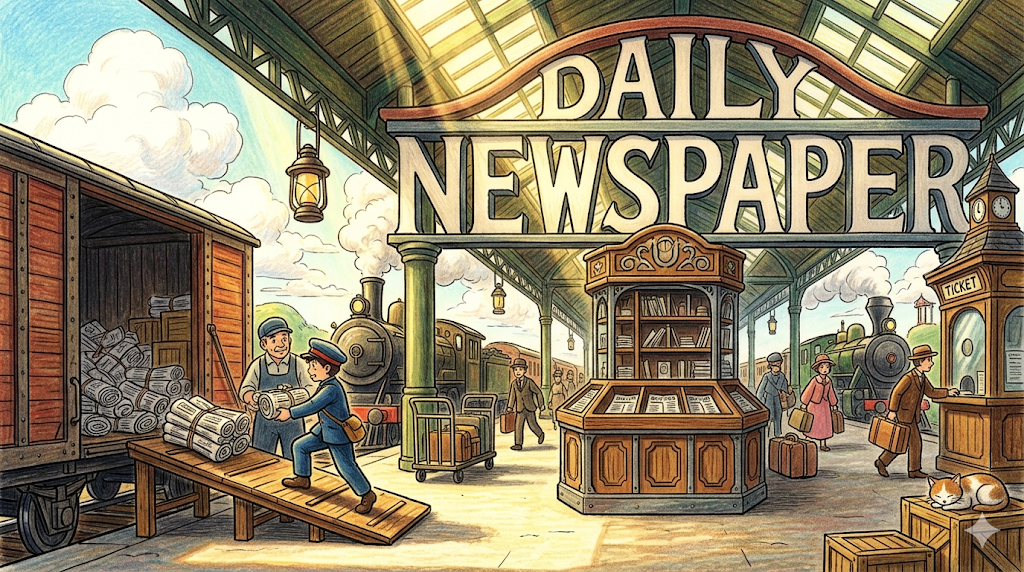
daily newspaper [ˈdeɪli ˈnjuːzpeɪpər]
(명사구) 일간 신문
매일 발행되어 최신 소식을 전달하는 신문을 강조합니다. 수능 독해 사회·일상 지문에서 자주 등장합니다.
- She started reading a daily newspaper every morning after her teacher pointed out that students who stayed informed about current events consistently scored better on critical thinking tasks. (선생님이 시사를 잘 아는 학생들이 비판적 사고 과제에서 지속적으로 더 좋은 점수를 받는다고 지적한 후 그녀는 매일 아침 일간 신문을 읽기 시작했다.)
- The old man had never missed buying his daily newspaper in forty years, and he said the habit had given him not just information but a quiet hour of thinking every morning that he valued more than anything else in his day. (그 노인은 40년 동안 일간 신문을 사는 것을 한 번도 빠뜨린 적이 없었으며, 그 습관이 그에게 정보뿐만 아니라 하루에서 다른 무엇보다 더 가치 있게 여기는 조용한 한 시간의 생각을 매일 아침 줬다고 말했다.)
- She argued in her essay that the decline of the daily newspaper is not simply a shift in how we consume information — it represents a change in how deeply we engage with the news, since reading a full article is very different from scrolling past a headline on a phone screen. (그녀는 에세이에서 일간 신문의 쇠퇴가 단순히 정보를 소비하는 방식의 변화가 아니라 뉴스에 얼마나 깊이 관여하는지의 변화를 나타낸다고 주장했는데, 전체 기사를 읽는 것은 핸드폰 화면에서 헤드라인을 스크롤하는 것과 매우 다르기 때문이다.)
숙어 그룹 묶음 3 — 신문 유형 newspaper 심화 패턴
표현의미핵심 뉘앙스주요 맥락
| newspaper report | 신문 보도 | 특정 사건이나 상황에 대한 공식적이고 객관적인 기록 | 사회, 학술, 수능 지문 등 |
| tabloid newspaper | 타블로이드 신문 | 선정적·오락적 내용 중심, 작은 판형의 대중 신문 | 사회, 미디어 비평, 수능 |
| broadsheet newspaper | 브로드시트 신문 | 심층 분석·정치·경제 중심, 큰 판형의 정론지 | 사회, 미디어 분석, 수능 |
- newspaper report는 매체의 종류보다 '전달되는 정보(보도 내용)' 그 자체에 집중합니다.
- tabloid와 broadsheet는 신문의 '판형(크기)과 성격'을 대조할 때 주로 사용됩니다. (가십 vs 진지한 뉴스)
- The class compared the same event as covered in a newspaper report from a broadsheet newspaper and a tabloid newspaper, and discovered that while both contained factual information, the tabloid used more emotional language and larger photos, while the broadsheet provided more detailed background and expert analysis. (학급은 같은 사건을 브로드시트 신문과 타블로이드 신문의 신문 보도로 비교했으며, 둘 다 사실적인 정보를 포함했지만 타블로이드는 더 감정적인 언어와 더 큰 사진을 사용한 반면, 브로드시트는 더 자세한 배경과 전문가 분석을 제공했다는 것을 발견했다.)
- She had always preferred reading broadsheet newspapers to tabloid newspapers for her daily news, but when she compared a newspaper report from each type on the same story, she was surprised to find that the tabloid had actually been more accurate about one specific detail that the broadsheet had got wrong. (그녀는 항상 일간 뉴스를 위해 타블로이드 신문보다 브로드시트 신문 읽기를 선호했지만, 같은 이야기에 대한 각 유형의 신문 보도를 비교했을 때, 타블로이드가 실제로 브로드시트가 잘못 전달한 하나의 특정 세부 사항에 대해 더 정확했다는 것을 발견하고 놀랐다.)
- Understanding the difference between a newspaper report in a broadsheet newspaper and a tabloid newspaper is not about deciding which type is better — it is about recognising that both serve different purposes for different audiences, and that being a media-literate person means knowing how to read both critically rather than trusting one completely and dismissing the other. (브로드시트 신문과 타블로이드 신문의 신문 보도 차이를 이해하는 것은 어떤 유형이 더 나은지 결정하는 것이 아니다 — 그것은 둘 다 다른 독자들에게 다른 목적을 위해 기능한다는 것을 인식하고, 미디어 리터러시가 있는 사람이 된다는 것은 하나를 완전히 신뢰하고 다른 것을 무시하기보다 둘 다 비판적으로 읽는 방법을 아는 것을 의미한다는 것이다.)

newspaper report [ˈnjuːzpeɪpər rɪˈpɔːrt]
(명사구) 신문 보도
특정 사건이나 상황에 대한 신문의 공식적인 보도나 기록을 강조합니다. 수능 독해 사회·학술 지문에서 자주 등장합니다.
- The newspaper report covered all sides of the debate fairly and gave equal space to people who supported the new school policy and those who opposed it. (신문 보도는 논쟁의 모든 면을 공정하게 다뤘으며 새 학교 정책을 지지하는 사람들과 반대하는 사람들에게 동등한 공간을 줬다.)
- She used three different newspaper reports from three different countries about the same event to show her class how the same facts can look completely different depending on which country is telling the story. (그녀는 같은 사건에 대한 세 나라의 세 가지 다른 신문 보도를 사용해 학급에 같은 사실이 어떤 나라가 이야기를 전하느냐에 따라 완전히 다르게 보일 수 있는지 보여줬다.)
- Writing a newspaper report requires a very different set of skills from writing a story or an essay — the most important facts must come first, the language must be clear and neutral, and every claim must be supported by evidence from a reliable source. (신문 보도를 쓰는 것은 이야기나 에세이를 쓰는 것과 매우 다른 기술 세트를 필요로 한다 — 가장 중요한 사실이 먼저 나와야 하고, 언어는 명확하고 중립적이어야 하며, 모든 주장은 신뢰할 수 있는 출처의 증거에 의해 뒷받침되어야 한다.)

tabloid newspaper [ˈtæblɔɪd ˈnjuːzpeɪpər]
(명사구) 타블로이드 신문
일반 신문보다 작은 판형으로 주로 연예·스캔들·자극적인 이야기를 다루는 신문을 강조합니다. 수능 독해 사회·미디어 지문에서 자주 등장합니다.
- Tabloid newspapers often use very large photos and short sentences to make stories feel more exciting and immediate than they might actually be in real life. (타블로이드 신문은 종종 매우 큰 사진과 짧은 문장을 사용해 이야기를 실제 삶에서보다 더 흥미롭고 즉각적으로 느끼게 만든다.)
- The media teacher explained that tabloid newspapers are not necessarily less truthful than broadsheets — they simply appeal to a different kind of reader and use a different style to engage with their audience. (미디어 선생님은 타블로이드 신문이 반드시 브로드시트보다 덜 진실하지는 않다고 설명했다 — 단지 다른 종류의 독자에게 호소하고 청중과 교류하기 위해 다른 스타일을 사용한다.)
- She had to admit that even though she found tabloid newspapers too focused on celebrity news for her own taste, they were genuinely important for reaching people who might never pick up a broadsheet newspaper and who still deserved to be informed about the world. (그녀는 개인적인 취향으로 타블로이드 신문이 연예 뉴스에 너무 집중한다고 생각했음에도 불구하고, 그것들이 브로드시트 신문을 절대 집어들지 않을 수 있고 여전히 세상에 대해 알 자격이 있는 사람들에게 다가가기 위해 진정으로 중요하다는 것을 인정해야 했다.)

broadsheet newspaper [ˈbrɔːdʃiːt ˈnjuːzpeɪpər]
(명사구) 브로드시트 신문
큰 판형으로 심층 분석·정치·경제를 다루며 신뢰도와 객관성을 강조하는 고급 신문을 강조합니다. 수능 독해 사회·미디어 지문에서 자주 등장합니다.
- She brought in a broadsheet newspaper for the lesson and was immediately struck by how much more text and how many fewer pictures it had compared to the tabloid she usually saw at home. (그녀는 수업을 위해 브로드시트 신문을 가져왔으며 집에서 보통 보는 타블로이드에 비해 훨씬 더 많은 텍스트와 훨씬 더 적은 사진이 있다는 것에 즉각적으로 놀랐다.)
- Broadsheet newspapers tend to use longer sentences and more complex vocabulary than tabloids, which can make them feel harder to read at first but usually means they provide more depth and context for the stories they cover. (브로드시트 신문은 타블로이드보다 더 긴 문장과 더 복잡한 어휘를 사용하는 경향이 있으며, 처음에는 읽기 더 어렵게 느껴질 수 있지만 보통 그들이 다루는 이야기에 더 많은 깊이와 맥락을 제공한다는 것을 의미한다.)
- The history class used old broadsheet newspapers from the 1960s as primary sources for their project, and students were surprised to see how much the language, layout, and the range of topics considered important had changed in just sixty years. (역사 수업은 1960년대의 오래된 브로드시트 신문을 프로젝트의 1차 자료로 사용했으며, 학생들은 단 60년 만에 언어, 레이아웃, 중요하게 여겨지는 주제의 범위가 얼마나 많이 바뀌었는지 보고 놀랐다.)
숙어 그룹 묶음 4 — 종합 newspaper 패턴
표현 의미 핵심 뉘앙스 주요 맥락
| newspaper headline | 신문 헤드라인 | 독자 관심을 끌고 내용을 요약하는 굵은 제목 | 사회·심리·수능 |
| tabloid newspaper | 타블로이드 신문 | 선정적이고 오락적인 내용 중심의 작은 판형 신문 | 사회·미디어·수능 |
| read between the lines | 행간을 읽다 | 직접 표현되지 않은 숨겨진 의미를 파악하는 것 | 심리·논리·수능 |
이 세 표현은 수능 독해에서 가장 자주 출제되는 newspaper의 핵심 패턴입니다. newspaper headline은 독자의 관심을 끌고 내용을 요약하는 제목을, tabloid newspaper는 오락과 자극을 강조하는 신문을, read between the lines는 숨겨진 의미를 파악하는 것을 각각 나타냅니다.
- The most important lesson in media literacy is this: the newspaper headline is designed to make you feel something, a tabloid newspaper is designed to make you react quickly, and the only real protection you have is the ability to read between the lines — to slow down, ask questions, and look for what is not being said as carefully as you read what is. (미디어 리터러시에서 가장 중요한 교훈은 이것이다: 신문 헤드라인은 당신이 무언가를 느끼게 하기 위해 설계됐고, 타블로이드 신문은 빠르게 반응하게 하기 위해 설계됐으며, 당신이 가진 유일한 진정한 보호는 행간을 읽는 능력이다 — 속도를 줄이고, 질문하며, 쓰여진 것을 읽는 것만큼 조심스럽게 말해지지 않은 것을 찾는 것이다.)
- She pointed out that a dramatic newspaper headline in a tabloid newspaper almost always requires you to read between the lines before forming an opinion — because the headline is meant to grab you, not to give you the full picture, and the full picture is almost never as simple or as clear-cut as the headline makes it seem. (그녀는 타블로이드 신문의 극적인 신문 헤드라인은 의견을 형성하기 전에 거의 항상 행간을 읽어야 한다고 지적했다 — 헤드라인은 당신을 사로잡기 위한 것이지 전체 그림을 주기 위한 것이 아니며, 전체 그림은 헤드라인이 그것을 보이게 만드는 것처럼 거의 결코 단순하거나 명확하지 않기 때문이다.)
- The teacher challenged students to take a newspaper headline from a tabloid newspaper, write what they thought the article would say based on the title alone, then read the actual article and read between the lines for any information that had been included to serve the publication's agenda rather than simply to inform the reader. (선생님은 학생들에게 타블로이드 신문의 신문 헤드라인을 가져와, 제목만을 근거로 기사가 무슨 말을 할 것이라고 생각하는지 쓰고, 실제 기사를 읽은 다음 단순히 독자에게 알리기보다 출판물의 의도를 위해 포함된 정보를 위해 행간을 읽도록 도전했다.)
전체 요약표
표현 의미 핵심 뉘앙스
| newspaper | 신문, 신문지 / 신문사 | 종이 위의 새 소식에서 정보·영향·역사까지 확장 |
| newspaper article | 신문 기사 | 특정 사건·주제에 대해 기자가 쓴 글 |
| newspaper column | 신문 칼럼 | 정기적으로 같은 작가가 의견을 쓰는 고정 지면 |
| newspaper headline | 신문 헤드라인 | 독자 관심을 끌고 내용을 요약하는 굵은 제목 |
| read between the lines | 행간을 읽다 | 직접 표현되지 않은 숨겨진 의미를 파악하는 것 |
| newspaper stand | 신문 가판대 | 신문이나 잡지를 판매하는 거리의 작은 매대 |
| daily newspaper | 일간 신문 | 매일 발행되어 최신 소식을 전달하는 신문 |
| newspaper report | 신문 보도 | 특정 사건·상황에 대한 신문의 공식 보도 |
| tabloid newspaper | 타블로이드 신문 | 선정적이고 오락적인 내용 중심의 작은 판형 신문 |
| broadsheet newspaper | 브로드시트 신문 | 심층 분석·정치·경제 중심의 큰 판형 신문 |
유의어 비교표
단어 공통점 뉘앙스 차이 예문
| newspaper | 정보 전달 매체 | 일반 뉴스를 매일 인쇄해 전달하는 매체 | She read the newspaper. |
| magazine | 잡지 | 주간·월간으로 특정 주제 심층 다룸 | She bought a magazine. |
| journal | 학술지 | 전문적·학술적 연구를 담은 출판물 | He published in a journal. |
| newsletter | 소식지 | 특정 그룹·기관의 소식을 담은 짧은 출판물 | The school sent a newsletter. |
| press | 언론, 신문 매체 | 신문·잡지 등 인쇄 미디어 전체를 통칭 | The press covered the event. |
유의어 예문 리스트
- (magazine) The science teacher asked students to bring in a magazine article on any topic related to space exploration, and was pleased to see that students had found sources ranging from simple pop-science publications to more detailed technical ones. (과학 선생님은 학생들에게 우주 탐험과 관련된 어떤 주제든 잡지 기사를 가져오라고 요청했으며, 학생들이 단순한 대중 과학 출판물에서 더 자세한 기술적인 것까지 다양한 출처를 찾았다는 것을 보고 기뻐했다.)
- (journal) She was delighted when her research project was accepted for publication in an academic journal, because it meant her work would be read and evaluated by experts in her field from all over the world. (그녀는 연구 프로젝트가 학술지에 게재 승인을 받았을 때 기뻐했는데, 그것이 자신의 작업이 전 세계 분야 전문가들에 의해 읽히고 평가될 것임을 의미했기 때문이다.)
- (newsletter) The newsletter that the school science club sent out every two weeks had become so popular that even parents and local community members were asking to be added to the mailing list. (학교 과학 동아리가 2주마다 보내는 소식지는 너무 인기가 많아져서 학부모와 지역 사회 구성원들도 메일링 리스트에 추가해달라고 요청할 정도가 됐다.)
- (press) The press played an important role in covering the school's charity event, and the resulting media attention helped raise almost twice as much money as the organisers had originally hoped for. (언론은 학교의 자선 행사를 취재하는 데 중요한 역할을 했으며, 그 결과 미디어의 관심은 주최자들이 원래 기대했던 것보다 거의 두 배의 돈을 모으는 데 도움이 됐다.)
결론 정리
newspaper는 단순히 "신문"이 아니라, news(새로운 소식)와 paper(종이)의 합성어에서 출발해 인쇄 매체에서 정보 전달·여론 형성·미디어 리터러시·사회적 기록까지 확장되는 단어다 — newspaper가 있는 곳엔 언제나 '단순한 종이 인쇄물이 아닌, 사회의 이야기·사람들의 목소리·시대의 기록이 생생하게 살아숨쉬는' 생동감의 선언이 있다.
💡 newspaper는 "종이 위의 새로운 소식에서 출발한" 생동감 넘치는 언어 — newspaper headline · tabloid newspaper · read between the lines가 수능 최빈출.
🌟 초등학생 버전 — newspaper는 매일 세상의 소식을 전하는 신문이지만, "중요한 헤드라인을 보다"(newspaper headline), "타블로이드 vs 브로드시트의 차이", "기사의 행간을 읽다"(read between the lines)처럼 미디어를 이해하는 핵심 단어예요! 📰✨


