
- 분류 전체보기 (5461)

| 일 | 월 | 화 | 수 | 목 | 금 | 토 |
|---|---|---|---|---|---|---|
| 1 | 2 | |||||
| 3 | 4 | 5 | 6 | 7 | 8 | 9 |
| 10 | 11 | 12 | 13 | 14 | 15 | 16 |
| 17 | 18 | 19 | 20 | 21 | 22 | 23 |
| 24 | 25 | 26 | 27 | 28 | 29 | 30 |
| 31 |
- make it
- I'm glad to hear that.
- once in a while
- call off
- Sorry
- Sure
- Excuse me
- pick up
- no
- well
- OKay
- Hey
- I'm not sure
- By The Way
- Yes
- please.
- Right?
- Please
- work out
- entrance fee
- Yeah
- Actually
- Read between the lines
- hold on
- please?
- Don't worry
- oh
- too.
- come up with
- I'm sorry
- Today
- Total
인과함께
Day344 , native, native language, native speaker, go native, native land, native born, native plant, native talent, native culture, native tongue 본문
Day344 , native, native language, native speaker, go native, native land, native born, native plant, native talent, native culture, native tongue
미인생 2026. 4. 23. 06:42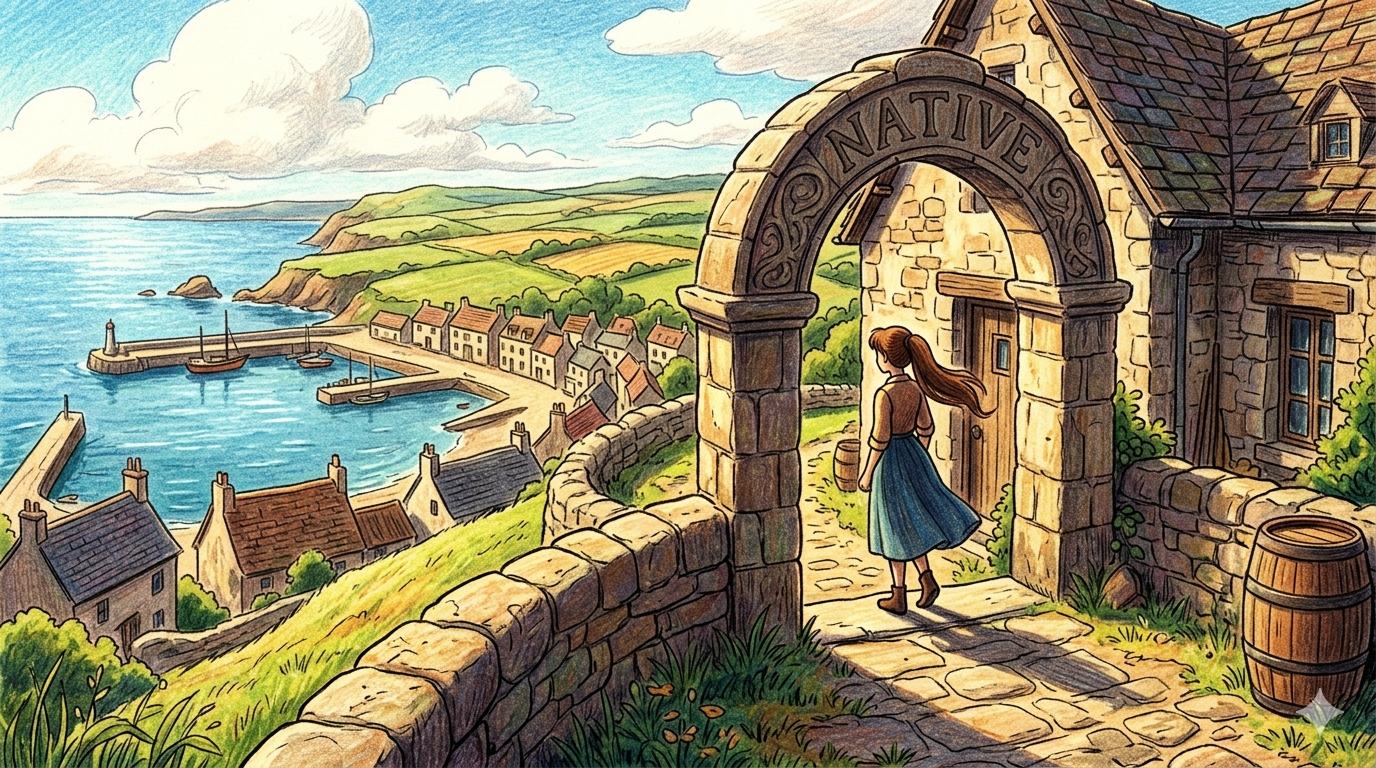
native [ˈneɪtɪv]
(형용사/명사) 태어난 곳의, 원산의, 타고난 / 원주민, 출생지 사람, 토착 생물
단순히 "원주민"으로만 외우면 수능에서 반드시 틀립니다. native는 "태어날 때부터 자연스럽게 속해 있거나 갖추고 있는 것" 이라는 핵심 이미지에서 출발해, 출생지·모국어·타고난 능력·토착 동식물·문화적 정체성까지 폭넓게 쓰이는 핵심 다의어입니다. 특히 native language(모국어), native speaker(원어민), go native(현지 문화에 동화되다) 패턴은 수능 독해 언어·사회·문화·심리 지문에서 핵심적으로 등장합니다.
'native'는 라틴어 nativus(태어난, 자연적인)에서 유래했으며, nasci(태어나다)와 연결됩니다. 어원의 핵심 이미지는 "태어나면서부터 자연스럽게 속해 있거나 타고난 것" 으로, 외부에서 배우거나 얻은 것이 아닌 출생과 함께 자연스럽게 갖추어진 모든 것이 이 단어의 본질입니다.
🌿 native의 핵심 뉘앙스
"태어난 곳, 원래부터 그곳에 속한 것, 인위적이지 않고 자연스럽게 갖춰진 것을 가리키는 단어."
native의 핵심은 "원래부터 거기에 속한"입니다. 배워서 익힌 게 아니라 태어나면서부터, 혹은 그 땅에서 자연스럽게 생겨난 것이라는 뉘앙스가 핵심입니다.
1️⃣ 언어 — 태어나면서부터 쓰는 말
- native language → 모국어, 태어나면서 자연스럽게 습득한 언어
- native tongue → native language와 같은 뜻, 조금 더 감성적·문학적 표현
- native speaker → 그 언어를 모국어로 쓰는 사람, 원어민
2️ 출신·뿌리 — 원래 거기서 온
- native land → 고향, 태어난 땅, 조국
- native born → 그 땅에서 태어난 (예: native-born citizen → 태생적 시민권자)
- native culture → 외래 문화가 아닌 그 땅 고유의 문화
3️⃣ 자연·생태 — 원래 그 지역에 사는
- native plant → 외래종이 아닌 그 지역 토착 식물
- (예: Native plants are better adapted to the local climate. → 토착 식물이 현지 기후에 더 잘 적응한다.)
4️⃣ 타고난 능력 — 배우지 않아도 갖춘
- native talent → 타고난 재능, 학습이 아닌 천부적 능력
5️⃣ 현지화 — 그 지역 방식에 동화되다
- go native → 외지인이 현지 문화·생활 방식에 완전히 동화되다
- (예: After years abroad, she went native and never came back. → 몇 년간 해외에 있다가 완전히 현지인처럼 됐어.)
💡 아들에게 이렇게 설명해보세요
"native는 '원래부터 거기 속한'이라는 느낌이야. native speaker는 영어를 모국어로 쓰는 원어민이고, native plant는 외국에서 들어온 게 아니라 원래 그 지역에서 자라던 식물이야. native talent는 공부해서 익힌 게 아니라 태어날 때부터 갖고 나온 재능이고. go native는 외국에 살다가 그 나라 사람처럼 완전히 적응해버린 것을 말해 — 조금 유머러스하게 쓰기도 해."
native = 원래부터 그 자리에 속한 것 — 모국어, 고향, 토착 동식물, 타고난 재능, 현지 동화까지, '배우거나 들여온 게 아닌 원래부터 그곳에 있던 것'이라는 하나의 이미지로 꿰뚫린다.
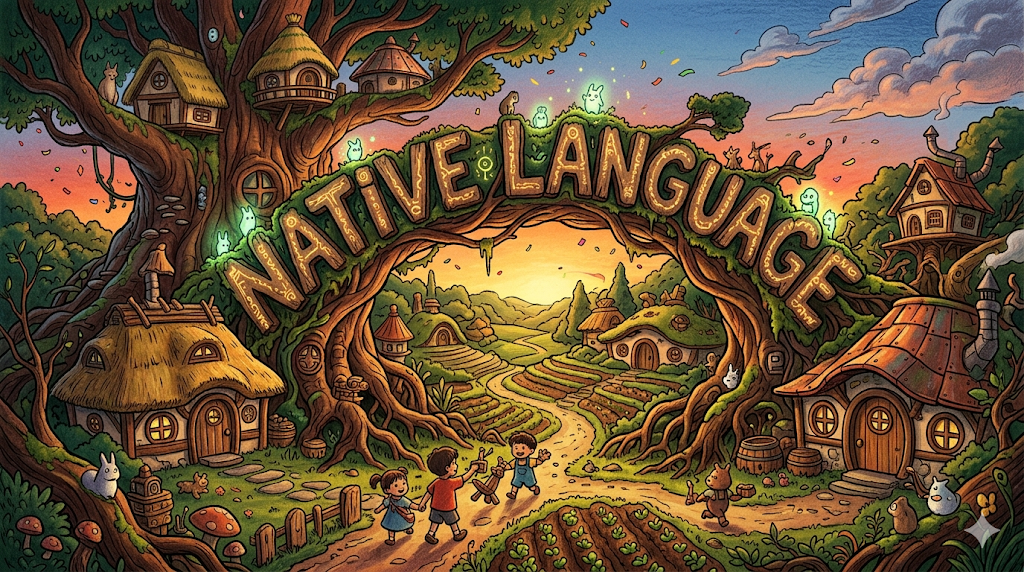
1. native language [ˈneɪtɪv ˈlæŋɡwɪdʒ]
(언어/교육/수능) "모국어, 태어나면서 자연스럽게 배운 언어"를 뜻합니다. 어떤 사람이 어릴 때부터 자연스럽게 익힌 첫 번째 언어를 나타냅니다.
Her native language is Spanish but she also speaks English very well. (그녀의 모국어는 스페인어지만 영어도 매우 잘 한다.)
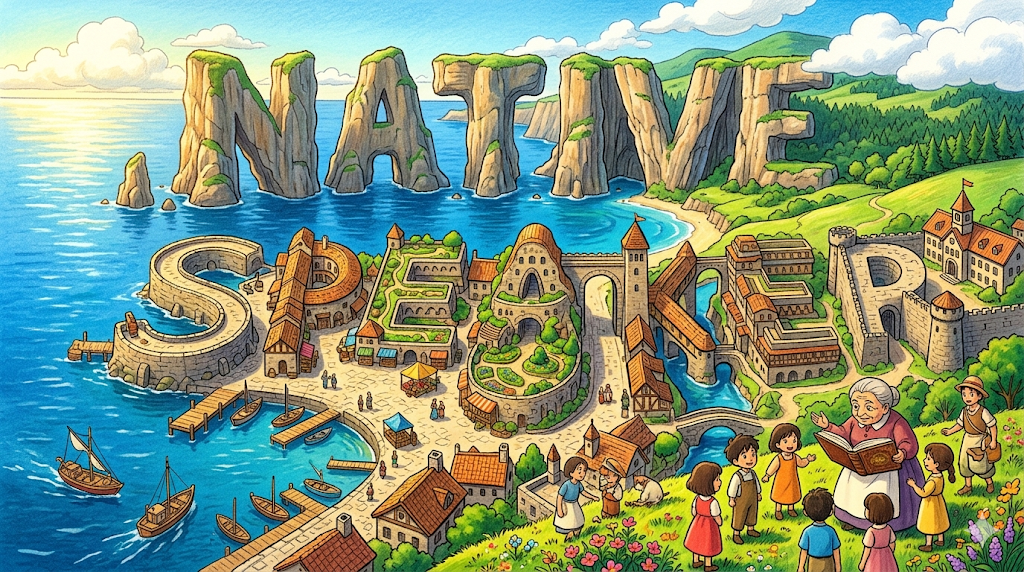
2. native speaker [ˈneɪtɪv ˈspiːkər]
(언어/교육/수능) "원어민, 해당 언어를 모국어로 사용하는 사람"을 뜻합니다. 어떤 언어를 태어날 때부터 자연스럽게 사용해온 사람을 나타냅니다.
Learning from a native speaker helps you understand how the language is really used every day. (원어민에게 배우는 것은 언어가 매일 실제로 어떻게 사용되는지 이해하는 데 도움을 준다.)
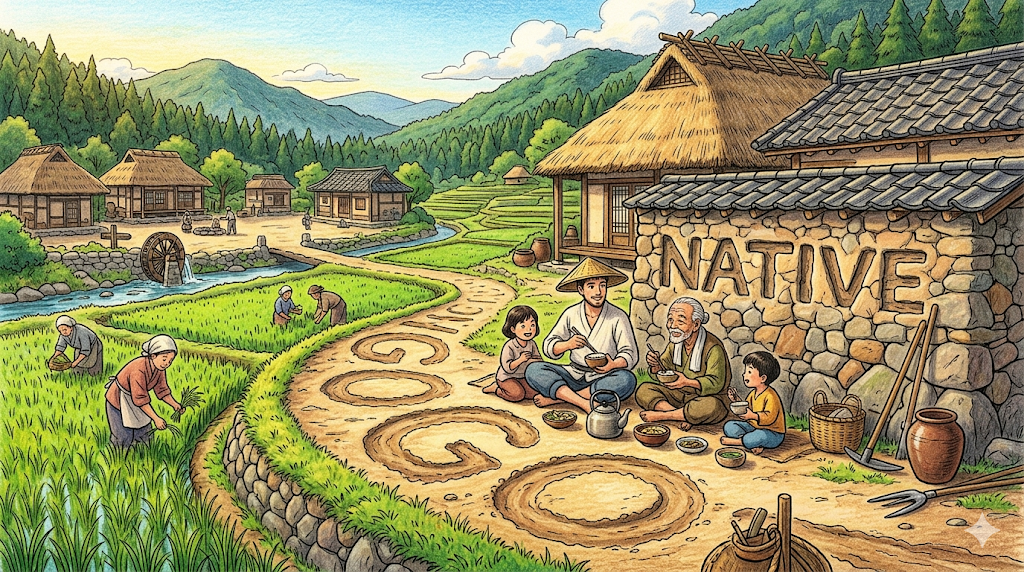
3. go native [ɡoʊ ˈneɪtɪv]
(사회/문화/수능) "현지 문화에 완전히 동화되다, 현지 방식을 받아들이다"를 뜻합니다. 다른 나라나 지역의 문화·생활 방식을 자신의 것으로 완전히 받아들이는 것을 나타냅니다.
After living abroad for five years she had completely gone native and felt more at home there than in her own country. (5년간 해외에서 살고 나서 그녀는 완전히 현지에 동화되어 자신의 나라에서보다 그곳에서 더 편안함을 느꼈다.)
4. native land [ˈneɪtɪv lænd]
(사회/문학/수능) "고향, 조국, 태어난 땅"을 뜻합니다. 어떤 사람이 태어나거나 자란 나라나 지역을 나타내며, 문학·역사 지문에서 자주 씁니다.
He missed his native land terribly after moving to a new country for work. (그는 일 때문에 새로운 나라로 이사한 후 고향 땅이 몹시 그리웠다.)
5. native born [ˈneɪtɪv bɔːrn]
(사회/역사/수능) "그 땅에서 태어난, 토박이"를 뜻합니다. 어떤 특정 장소에서 실제로 태어난 사람을 나타내며, 이민자나 외국인과 대비되는 개념으로 쓰입니다.
She was a native born citizen who had never lived anywhere else in her entire life. (그녀는 평생 다른 곳에서 산 적이 없는 그 땅에서 태어난 시민이었다.)
6. native plant [ˈneɪtɪv plɑːnt]
(환경/과학/수능) "토착 식물, 원산지 식물"을 뜻합니다. 어떤 지역에 원래부터 자생하던 식물을 나타내며, 외래종과 대비되는 개념으로 환경·생태 지문에서 자주 씁니다.
Planting native plants in your garden helps local birds and insects survive. (정원에 토착 식물을 심으면 지역 새와 곤충이 살아가는 데 도움을 준다.)
7. native talent [ˈneɪtɪv ˈtælənt]
(심리/교육/수능) "타고난 재능, 천부적 능력"을 뜻합니다. 훈련이나 학습 없이 태어날 때부터 가지고 있는 자연스러운 능력이나 재능을 나타냅니다.
Her native talent for music was clear from the very first time she touched a piano. (음악에 대한 그녀의 타고난 재능은 처음 피아노를 건드린 순간부터 분명했다.)
8. native culture [ˈneɪtɪv ˈkʌltʃər]
(사회/역사/수능) "토착 문화, 원주민 문화"를 뜻합니다. 어떤 지역의 원래 주민들이 오랜 세월 동안 발전시켜 온 전통과 문화를 나타냅니다.
The museum worked hard to protect and share the native culture of the local people. (박물관은 지역 주민들의 토착 문화를 보호하고 알리기 위해 열심히 노력했다.)
9. native tongue [ˈneɪtɪv tʌŋ]
(언어/문학/수능) "모국어"를 뜻합니다. native language와 같은 의미이지만 더 문학적이고 감정적인 뉘앙스를 담아 자신이 처음 배운 언어를 나타냅니다.
Thinking in your native tongue is often much easier than in a second language. (모국어로 생각하는 것은 종종 제2언어로 생각하는 것보다 훨씬 쉽다.)
10. native to [ˈneɪtɪv tuː]
(과학/환경/수능) "~이 원산지인, ~이 본래 서식하는"을 뜻합니다. 어떤 동물이나 식물이 특정 지역에 원래부터 살거나 자라고 있음을 나타냅니다.
The koala is an animal native to Australia and cannot be found naturally anywhere else. (코알라는 호주 원산의 동물로 다른 곳에서는 자연 상태로 발견될 수 없다.)

POINT 1. native language vs. native tongue vs. mother tongue — 수능 최빈출 어휘 구별
native language, native tongue, mother tongue는 모두 "모국어"를 나타내지만 수능에서 뉘앙스 차이가 출제 포인트입니다.
native language → 가장 일반적이고 중립적인 표현 예) Her native language is French. (그녀의 모국어는 프랑스어이다.) native tongue → 더 문학적이고 감정적인 표현, 언어와 정체성의 연결 예) He dreamed in his native tongue. (그는 모국어로 꿈을 꿨다.) mother tongue → 어머니에게서 처음 배운 언어를 강조, 가장 개인적인 표현 예) Her mother tongue is the language of her heart. (그녀의 모국어는 마음의 언어이다.) 수능에서는 특히 세 표현이 모두 "모국어"를 뜻하지만 사용 맥락과 문체가 다름을 파악하는 것이 핵심입니다.
POINT 2. native to — 수능 과학·환경 지문 핵심
native to는 수능 독해에서 과학·환경·생태 지문에서 핵심적으로 등장합니다.
동물·식물의 서식지 → The panda is native to China. (판다는 중국 원산이다.) 문화·전통의 기원 → The custom is native to that region. (그 관습은 그 지역에서 유래한 것이다.) 수능에서는 특히 native to가 "~에 원래부터 존재하는"의 의미로 외래종(invasive species)과 대비되어 출제됩니다.
POINT 3. native의 다의어 — 수능 독해 문맥 파악 핵심
native는 수능 독해에서 문맥에 따라 의미가 달라지는 핵심 다의어입니다.
형용사 - 모국의 → Her native country is Brazil. (그녀의 고국은 브라질이다.) 형용사 - 타고난 → He has a native gift for art. (그는 예술에 타고난 재능이 있다.) 형용사 - 원산지의 → This plant is native to Japan. (이 식물은 일본 원산이다.) 명사 - 원주민 → The natives had lived there for centuries. (원주민들은 수백 년 동안 그곳에 살았다.) 수능에서는 특히 native가 "타고난"과 "원산의"의 의미로 쓰이는 것이 핵심 출제 포인트입니다.
(형용사) ① 태어난 곳의, 고향의 (출생 관련)
native의 가장 기본적인 의미로, 어떤 사람이 태어난 장소나 그곳과 관련된 것을 나타냅니다.
- She went back to her native town after ten years and was surprised by how much it had changed. (그녀는 10년 후 고향 마을로 돌아가 얼마나 많이 변했는지에 놀랐다.)
- He spoke with great pride about his native country and its long history. (그는 고국과 그 긴 역사에 대해 큰 자부심을 가지고 말했다.)
- Moving away from her native city was one of the hardest decisions she had ever made. (고향 도시를 떠나는 것은 그녀가 내린 가장 어려운 결정 중 하나였다.)
(형용사) ② 타고난, 천부적인 (능력)
배우거나 훈련 없이 태어날 때부터 자연스럽게 가지고 있는 능력이나 특성을 나타냅니다. 수능 독해 심리·교육 지문에서 중요한 의미입니다.
- Her native ability to understand people made her a wonderful teacher from the very start. (사람들을 이해하는 그녀의 타고난 능력이 처음부터 그녀를 훌륭한 선생님으로 만들었다.)
- He had a native sense of rhythm that made every piece of music he played sound natural. (그는 타고난 리듬 감각이 있어서 그가 연주하는 모든 음악이 자연스럽게 들렸다.)
- Native intelligence and hard work together can take a person further than either one alone. (타고난 지능과 노력이 함께하면 둘 중 하나만으로 가는 것보다 더 멀리 갈 수 있다.)
(형용사) ③ 원산지의, 토착의 (생물·문화)
어떤 것이 특정 지역에 원래부터 존재하거나 그곳에서 유래한 것임을 나타냅니다. 수능 독해 환경·과학·역사 지문에서 가장 자주 출제되는 고급 의미입니다.
- Scientists are working to protect native animal species from being replaced by animals brought in from other places. (과학자들은 토착 동물 종이 다른 곳에서 들어온 동물들로 대체되는 것을 막기 위해 노력하고 있다.)
- The native trees in the forest had been growing there for hundreds of years before the road was built. (도로가 건설되기 전에 숲의 토착 나무들은 수백 년 동안 그곳에서 자라고 있었다.)
- Native art forms tell the story of a community in ways that no history book can fully capture. (토착 예술 형식은 어떤 역사책도 완전히 담아낼 수 없는 방식으로 공동체의 이야기를 전한다.)

뉘앙스·의미 연결 흐름 표
핵심 이미지 연결 흐름 뉘앙스 요약
| 태어나면서 자연스럽게 속해 있는 것 | 출생지 → 모국어 → 타고난 능력 | 외부에서 얻은 것이 아닌, 태어날 때부터 갖춘 것 |
| 특정 장소에 원래 속한 것 | 토착 생물 → 원주민 문화 → 고향 | native plant, native culture, native land |
| 동화와 변화 | 외부 문화 접촉 → 현지 동화 → 정체성 변화 | go native, native tongue |
어원 흐름 표
단어 구성 요소 의미 연결 흐름 뉘앙스 요약
| 라틴어 nasci(태어나다) + nativus(태어난, 자연적인) (어근) | 태어나다 → 라틴어 nativus → 영어 native | 태어나면서부터 자연스럽게 속해 있거나 타고난 이미지 |
| native (형용사/명사) | 태어난 곳의 → 타고난 → 원산의 → 토착의 | 출생과 함께 자연스럽게 갖추어진 모든 것의 완성 |
품사별 의미 표
품사 의미 예문
| 형용사 | 태어난 곳의, 고향의 | her native city (그녀의 고향 도시) |
| 형용사 | 타고난, 천부적인 | native ability (타고난 능력) |
| 형용사 | 원산지의, 토착의 | native plant (토착 식물) |
| 명사 | 원주민, 출생지 사람 | a native of Seoul (서울 출신) |
| 명사 | 토착 동식물 | natives of the rainforest (열대우림의 토착 생물들) |
활용 예문 리스트
- She found it much easier to express her deepest feelings in her native language than in any other. (그녀는 어떤 다른 언어보다 모국어로 가장 깊은 감정을 표현하는 것이 훨씬 쉽다는 것을 알았다.)
- The class was lucky enough to have a native speaker come in every week to help with conversation practice. (학급은 매주 원어민이 와서 대화 연습을 도와줄 만큼 운이 좋았다.)
- After only a year abroad she had already started to go native — wearing local clothes and eating only local food. (해외에서 단 1년 후 그녀는 이미 현지 옷을 입고 현지 음식만 먹으며 현지에 동화되기 시작했다.)
- The conservation group planted hundreds of native plants to bring back the animals that had left the area. (보존 단체는 지역을 떠났던 동물들을 되돌리기 위해 수백 그루의 토착 식물을 심었다.)
- Her native talent for drawing was so strong that her teacher encouraged her to apply for art school. (그림에 대한 그녀의 타고난 재능이 너무 강해서 선생님이 미술학교에 지원하도록 격려했다.)
전체 뉘앙스 설명
native는 '태어나면서부터 자연스럽게 속해 있거나 갖추고 있는 모든 것의 언어'입니다.
natural과의 차이: natural은 인위적이지 않은 자연 상태를 강조하고, native는 특정 장소나 출생과 연결된 귀속성을 강조합니다. indigenous와의 차이: indigenous는 더 공식적이고 학문적으로 특정 지역의 원래 주민이나 생물을 강조하고, native는 더 일상적이고 폭넓은 맥락에서 씁니다. innate와의 차이: innate는 타고난 심리적·지적 특성을 강조하고, native talent는 특정 기술이나 분야에서 태어날 때부터 가진 능력을 강조합니다.
마지막 핵심 정리
native는 단순히 "원주민"이 아닙니다 — 라틴어 nativus(태어난)에서 출발해, 모국어(native language, native tongue)에서 원어민(native speaker)·현지 동화(go native)·고향(native land)·타고난 능력(native talent)·토착 생물(native plant, native to)·원주민 문화(native culture)까지 확장되는 단어이며, native language vs. native tongue의 뉘앙스·native to의 생태적 의미·native의 타고난 능력 맥락 파악이 수능 핵심 출제 포인트입니다.
파생어 표 (발음기호 포함)
파생어 발음기호 품사 의미
| natively | [ˈneɪtɪvli] | 부사 | 타고나게, 본래부터 |
| nativeness | [ˈneɪtɪvnəs] | 명사 | 토착성, 타고난 특성 |
| nativity | [nəˈtɪvɪti] | 명사 | 출생, 탄생 (특히 예수의 탄생) |
| non-native | [ˌnɒnˈneɪtɪv] | 형용사 | 비원어민의, 외래의 |
| native-born | [ˈneɪtɪv bɔːrn] | 형용사 | 그 땅에서 태어난 |
유의어 비교표 + 유의어 예문 리스트
단어 공통점 뉘앙스 차이 예문
| native | 타고난, 토착의 | 출생·귀속성과 연결된 자연스러운 속함 | French is her native language. |
| indigenous | 원주민의, 토착의 | 더 공식적·학문적인 원주민·토착 생물 표현 | The indigenous people of the island. |
| innate | 타고난 | 심리적·지적 특성이 선천적임을 강조 | He had an innate sense of fairness. |
| local | 현지의, 지역의 | 특정 장소나 지역과 관련된 것 | She bought local fruits at the market. |
| original | 원래의, 최초의 | 가장 처음이거나 원본인 것 | The original inhabitants of the land. |
- (indigenous) Scientists study indigenous plants to understand how ecosystems survived before humans changed the land. (과학자들은 인간이 땅을 변형시키기 전에 생태계가 어떻게 살아남았는지 이해하기 위해 토착 식물을 연구한다.)
- (innate) She had an innate curiosity about the world that made her ask questions nobody else had thought of. (그녀는 세상에 대한 타고난 호기심이 있어서 아무도 생각하지 못한 질문을 하게 만들었다.)
- (local) He always bought local vegetables from the small market near his school every Saturday morning. (그는 매주 토요일 아침 학교 근처 작은 시장에서 항상 현지 채소를 샀다.)
- (original) The museum displayed tools made by the original people who had lived in the valley long before the city was built. (박물관은 도시가 세워지기 훨씬 전에 계곡에 살았던 원래 주민들이 만든 도구들을 전시했다.)
결론 정리
native는 단순히 "원주민"이 아니라, 태어나면서부터 자연스럽게 속해 있거나 갖추고 있듯 출생지·모국어·타고난 능력·토착 생물·문화적 정체성까지 확장되는 단어다 — native가 있는 곳엔 언제나 '외부에서 얻거나 배운 것이 아닌, 태어날 때부터 자연스럽게 속해 있는' 귀속의 선언이 있다.
💡 native는 "태어날 때부터 자연스럽게 속해 있거나 타고난 것"의 언어 — native language·native speaker·go native가 수능 최빈출.
🌟 초등학생 버전 native는 아기가 태어날 때부터 자연스럽게 듣고 배우는 언어처럼, 처음부터 자기 것인 것을 표현해요! 코알라가 호주 원산인 것처럼, 어떤 것이 원래부터 그 곳에 속해 있거나 누군가가 태어날 때부터 가지고 있는 것이 바로 native랍니다! 💪✨
native language [ˈneɪtɪv ˈlæŋɡwɪdʒ]
(명사구) 모국어, 태어나면서 자연스럽게 배운 언어
어떤 사람이 어릴 때부터 자연스럽게 익힌 첫 번째 언어를 나타냅니다. 수능 독해 언어·교육·사회 지문에서 핵심 표현으로 자주 등장합니다.
- Writing poetry in her native language felt completely different from writing it in English. (모국어로 시를 쓰는 것은 영어로 쓰는 것과 완전히 다르게 느껴졌다.)
- Some children grow up with two native languages because their parents speak different languages at home. (어떤 아이들은 부모님이 집에서 다른 언어를 사용하기 때문에 두 가지 모국어를 가지고 자란다.)
- Researchers found that people process emotions more deeply in their native language than in any other. (연구자들은 사람들이 다른 어떤 언어보다 모국어로 감정을 더 깊이 처리한다는 것을 발견했다.)
native speaker [ˈneɪtɪv ˈspiːkər]
(명사구) 원어민, 해당 언어를 모국어로 사용하는 사람
어떤 언어를 태어날 때부터 자연스럽게 사용해온 사람을 나타냅니다. 수능 독해 언어·교육·사회 지문에서 핵심 표현으로 자주 등장합니다.
- Even after ten years of study she still could not fully pass as a native speaker. (10년간의 공부 후에도 그녀는 여전히 완전히 원어민으로 통할 수 없었다.)
- The teacher invited a native speaker to join the class and answer questions about everyday life in the country. (선생님은 원어민을 초청해 수업에 참여하고 그 나라의 일상생활에 대한 질문에 답하게 했다.)
- Being a native speaker does not automatically make someone a good teacher of their own language. (원어민이라고 해서 자동으로 자신의 언어를 잘 가르치는 사람이 되는 것은 아니다.)
go native [ɡoʊ ˈneɪtɪv]
(동사구) 현지 문화에 완전히 동화되다, 현지 방식을 받아들이다
다른 나라나 지역의 문화·생활 방식을 자신의 것으로 완전히 받아들이는 것을 나타냅니다. 수능 독해 사회·문화·심리 지문에서 자주 등장합니다.
- Within a few months of arriving in the new country he had started to go native, even changing the way he dressed. (새 나라에 도착한 지 몇 달 안에 그는 심지어 옷 입는 방식도 바꾸며 현지에 동화되기 시작했다.)
- Some travellers go native on purpose because they want to experience the true culture of the place they visit. (어떤 여행자들은 방문하는 곳의 진정한 문화를 경험하고 싶어서 일부러 현지에 동화된다.)
- When the researcher went native and started living exactly like the community she was studying, her understanding of them became much deeper. (연구자가 현지에 동화되어 연구하던 공동체와 똑같이 살기 시작했을 때, 그들에 대한 그녀의 이해가 훨씬 깊어졌다.)
숙어 그룹 묶음 1 — 언어·문화 native 핵심 패턴
표현 의미 핵심 뉘앙스 주요 맥락
| native language | 모국어 | 태어날 때부터 자연스럽게 익힌 첫 언어 | 언어·교육·사회 |
| native speaker | 원어민 | 해당 언어를 태어날 때부터 쓰는 사람 | 언어·교육·사회 |
| go native | 현지에 동화되다 | 다른 문화에 완전히 녹아드는 것 | 사회·문화·심리 |
이 세 표현은 모두 native의 "태어날 때부터 자연스럽게 속해 있는 것"의 이미지를 공유하되, 각각 처음부터 자연스럽게 익힌 언어(native language)·그 언어를 원래부터 쓰는 사람(native speaker)·외부인이 새로운 곳의 문화를 자신의 것으로 받아들이는 것(go native)의 관점에서 접근합니다.
- She had come to the country knowing almost nothing, slowly learned from every native speaker she met, improved her native language skills by comparison, and after two years had so completely gone native that visitors from her home country often assumed she had been born there. (그녀는 거의 아무것도 모르고 그 나라에 왔고, 만나는 모든 원어민에게서 천천히 배웠으며, 비교를 통해 모국어 실력도 향상시켰고, 2년 후에는 너무 완전히 현지에 동화되어 고향 나라에서 온 방문객들이 종종 그녀가 그곳에서 태어났다고 생각했다.)
- A native speaker is not always the best teacher of their own native language — sometimes someone who went native through hard work and deep love for the language understands its structure better because they had to learn it consciously, one piece at a time. (원어민이 자신의 모국어를 가르치는 데 항상 최고의 선생님은 아니다 — 때로는 열심히 노력하고 그 언어에 대한 깊은 사랑을 통해 현지에 동화된 사람이 한 번에 하나씩 의식적으로 배워야 했기 때문에 그 구조를 더 잘 이해한다.)
- She told her students that the goal was not just to sound like a native speaker or to go native in style, but to truly understand the native language from the inside — to feel it rather than just use it. (그녀는 학생들에게 목표는 단순히 원어민처럼 들리거나 스타일에서 현지에 동화되는 것이 아니라, 모국어를 내부에서부터 진정으로 이해하는 것이라고 말했다 — 그것을 단순히 사용하는 것이 아니라 느끼는 것.)

native land [ˈneɪtɪv lænd]
(명사구) 고향, 조국, 태어난 땅
어떤 사람이 태어나거나 자란 나라나 지역을 나타내며, 문학·역사 지문에서 자주 씁니다. 수능 독해 문학·역사·심리 지문에서 자주 등장합니다.
- The soldier dreamed every night of returning to his native land after the long war was finally over. (군인은 긴 전쟁이 마침내 끝나고 고향 땅으로 돌아가는 꿈을 매일 밤 꿨다.)
- She wrote poems full of love and sadness about her native land that she had not seen for many years. (그녀는 수년간 보지 못한 고향 땅에 대한 사랑과 슬픔으로 가득한 시를 썼다.)
- The smell of the sea always made him think of his native land and the small village where he grew up. (바다 냄새는 항상 그에게 고향 땅과 그가 자란 작은 마을을 생각나게 했다.)

native born [ˈneɪtɪv bɔːrn]
(형용사) 그 땅에서 태어난, 토박이
어떤 특정 장소에서 실제로 태어난 사람을 나타내며, 이민자나 외국인과 대비되는 개념으로 쓰입니다. 수능 독해 사회·역사·문화 지문에서 자주 등장합니다.
- Both native born citizens and newcomers were invited to join the community event. (토박이 시민과 새로 온 사람들 모두 지역 행사에 초대됐다.)
- Being native born does not automatically mean you understand your country better than someone who moved there later. (토박이로 태어난 것이 자동으로 나중에 이사 온 사람보다 나라를 더 잘 이해한다는 것을 의미하지는 않는다.)
- The story followed a native born girl who discovered that her family had come from a completely different culture many generations before. (이야기는 자신의 가족이 수 세대 전에 완전히 다른 문화에서 왔다는 것을 발견한 토박이 소녀를 따라갔다.)

native plant [ˈneɪtɪv plɑːnt]
(명사구) 토착 식물, 원산지 식물
어떤 지역에 원래부터 자생하던 식물을 나타내며, 외래종과 대비되는 개념으로 환경·생태 지문에서 자주 씁니다. 수능 독해 환경·과학·사회 지문에서 자주 등장합니다.
- The garden was redesigned to use only native plants that could survive the local climate without extra watering. (정원은 여분의 물 주기 없이 현지 기후에서 살아남을 수 있는 토착 식물만 사용하도록 다시 설계됐다.)
- Native plants provide food and shelter for local insects and birds that depend on them to survive. (토착 식물은 생존을 위해 그것들에 의존하는 현지 곤충과 새에게 먹이와 은신처를 제공한다.)
- The school project asked students to identify three native plants in their local area and explain why they matter to the ecosystem. (학교 프로젝트는 학생들에게 지역 지역에서 세 가지 토착 식물을 확인하고 생태계에 왜 중요한지 설명하도록 했다.)
숙어 그룹 묶음 2 — 출생·환경 native 패턴
표현 의미 핵심 뉘앙스 주요 맥락
| native land | 고향, 조국 | 태어나거나 자란 감정적 고향 | 문학·역사·심리 |
| native born | 그 땅에서 태어난 | 특정 장소에서 실제로 태어난 것 | 사회·역사·문화 |
| native plant | 토착 식물 | 원래부터 그 지역에 자생하는 식물 | 환경·과학·사회 |
이 세 표현은 모두 native의 "원래부터 그곳에 속해 있는 것"의 이미지를 공유하되, 각각 사람이 정서적으로 연결된 출생지(native land)·특정 장소에서 태어났다는 사실적 속함(native born)·원래부터 그 땅에 자라온 생물(native plant)의 관점에서 접근합니다.
- She was native born in the valley, had always loved her native land with a deep quiet pride, and had spent years planting native plants along the riverbank — because she believed that caring for the land where you were born was the most natural thing a person could do. (그녀는 계곡에서 토박이로 태어났고, 깊고 조용한 자부심으로 항상 고향 땅을 사랑했으며, 수년 동안 강둑을 따라 토착 식물을 심으며 보냈다 — 왜냐하면 그녀는 태어난 땅을 돌보는 것이 사람이 할 수 있는 가장 자연스러운 일이라고 믿었기 때문이다.)
- A person who is native born does not always feel close to their native land, just as a native plant pulled from its soil can struggle to survive — belonging, truly belonging, is not just about where you were born, but about whether the place has grown into you as much as you have grown in it. (토박이로 태어난 사람이 항상 고향 땅과 가깝게 느끼지는 않는다, 마치 흙에서 뽑힌 토착 식물이 살아남기 힘들 수 있는 것처럼 — 진정으로 소속되는 것은 단지 어디서 태어났는지가 아니라, 그 장소가 당신 안에서 자란 것처럼 당신도 그 안에서 자랐는지에 관한 것이다.)
- The environmental group studied how reintroducing native plants to the region also brought back native born animals that had disappeared, and how doing so made people who loved their native land feel that something true and important had been quietly restored. (환경 단체는 지역에 토착 식물을 다시 도입하는 것이 사라졌던 그 지역 원산의 동물들도 어떻게 돌아오게 했는지, 그리고 그렇게 하는 것이 고향 땅을 사랑하는 사람들이 진실하고 중요한 무언가가 조용히 회복됐다고 느끼게 만든 방법을 연구했다.)

native talent [ˈneɪtɪv ˈtælənt]
(명사구) 타고난 재능, 천부적 능력
훈련이나 학습 없이 태어날 때부터 가지고 있는 자연스러운 능력이나 재능을 나타냅니다. 수능 독해 심리·교육·사회 지문에서 자주 등장합니다.
- His native talent for maths meant that he could solve problems faster than anyone else in his class. (수학에 대한 그의 타고난 재능은 그가 학급의 다른 누구보다 빠르게 문제를 풀 수 있다는 것을 의미했다.)
- A native talent is a gift, but without practice it will never grow into the skill it could become. (타고난 재능은 선물이지만, 연습 없이는 될 수 있는 기술로 결코 성장하지 않을 것이다.)
- She discovered her native talent for storytelling when she was asked to speak at her friend's birthday party and made everyone laugh and cry at the same time. (그녀는 친구의 생일 파티에서 말하도록 요청받아 모든 사람을 동시에 웃고 울게 했을 때 이야기하기에 대한 타고난 재능을 발견했다.)

native culture [ˈneɪtɪv ˈkʌltʃər]
(명사구) 토착 문화, 원주민 문화
어떤 지역의 원래 주민들이 오랜 세월 동안 발전시켜 온 전통과 문화를 나타냅니다. 수능 독해 역사·사회·교육 지문에서 자주 등장합니다.
- The festival was designed to celebrate and share the native culture of the people who had lived in the region for thousands of years. (축제는 수천 년 동안 그 지역에 살았던 사람들의 토착 문화를 기념하고 알리기 위해 기획됐다.)
- Protecting native culture means more than just keeping old buildings — it means keeping the stories, songs, and ways of seeing the world alive. (토착 문화를 보호한다는 것은 단지 오래된 건물을 유지하는 것 이상을 의미한다 — 그것은 이야기, 노래, 그리고 세상을 보는 방식을 살아있게 유지하는 것을 의미한다.)
- The students visited a living museum where members of the community showed visitors how native culture was practised in daily life. (학생들은 공동체 구성원들이 방문객들에게 토착 문화가 일상생활에서 어떻게 실천됐는지 보여주는 살아있는 박물관을 방문했다.)

native tongue [ˈneɪtɪv tʌŋ]
(명사구) 모국어
native language와 같은 의미이지만 더 문학적이고 감정적인 뉘앙스를 담아 자신이 처음 배운 언어를 나타냅니다. 수능 독해 문학·언어·심리 지문에서 자주 등장합니다.
- When she was nervous she always fell back on her native tongue without even realising it. (그녀는 긴장할 때 그것을 깨닫지도 못한 채 항상 모국어로 돌아갔다.)
- He wrote his most personal letters in his native tongue because no other language seemed to carry the same weight. (그는 다른 언어가 같은 무게를 담지 못하는 것 같았기 때문에 가장 개인적인 편지를 모국어로 썼다.)
- The poet said that writing in her native tongue felt like speaking directly from her heart without any filter in between. (시인은 모국어로 글을 쓰는 것이 사이에 어떤 필터도 없이 마음에서 직접 말하는 것 같다고 말했다.)
숙어 그룹 묶음 3 — 능력·정체성 native 심화 패턴
표현 의미 핵심 뉘앙스 주요 맥락
| native talent | 타고난 재능 | 훈련 없이 태어날 때부터 가진 능력 | 심리·교육·사회 |
| native culture | 토착 문화 | 원래 주민들이 오랜 세월 발전시킨 문화 | 역사·사회·교육 |
| native tongue | 모국어 | 감정적 깊이를 담은 첫 번째 언어 | 문학·언어·심리 |
이 세 표현은 함께 native가 개인의 정체성·능력·표현과 만나는 방식을 보여줍니다. native talent는 태어날 때부터 가진 개인의 내면적 능력을, native culture는 공동체가 함께 태어날 때부터 속한 집단의 전통을, native tongue는 개인이 가장 자연스럽게 자신을 표현하는 언어를 각각 나타냅니다.
- She had a native talent for singing that felt most powerful when she sang in her native tongue, songs that came from her native culture — and in those moments, it was impossible to tell where the person ended and the tradition began. (그녀는 노래에 타고난 재능이 있었고, 그것은 토착 문화에서 온 노래들을 모국어로 부를 때 가장 강력하게 느껴졌다 — 그리고 그 순간들에는 사람이 어디서 끝나고 전통이 어디서 시작되는지 구별하는 것이 불가능했다.)
- A child's native talent grows strongest when it is nourished by native culture — by stories told in the native tongue, by music and art that belong to the place where the child was born and first began to see the world. (아이의 타고난 재능은 토착 문화에 의해 양육될 때 가장 강하게 자란다 — 모국어로 전해지는 이야기들, 아이가 태어나고 처음 세상을 보기 시작한 장소에 속하는 음악과 예술에 의해.)
- The researcher argued that native talent can never be fully separated from native culture or native tongue, because the way we think, feel, and create is shaped from our very first breath by the words and traditions that surround us — and to understand a person, you must first understand the world they were born into. (연구자는 타고난 재능이 토착 문화나 모국어에서 완전히 분리될 수 없다고 주장했다, 왜냐하면 우리가 생각하고, 느끼고, 창조하는 방식이 첫 번째 숨부터 우리를 둘러싼 단어와 전통에 의해 형성되기 때문이다 — 그리고 사람을 이해하려면 먼저 그들이 태어난 세상을 이해해야 한다.)

native to [ˈneɪtɪv tuː]
(형용사구) ~이 원산지인, ~이 본래 서식하는
어떤 동물이나 식물이 특정 지역에 원래부터 살거나 자라고 있음을 나타냅니다. 수능 독해 과학·환경·생태 지문에서 자주 등장합니다.
- The giant panda is native to the mountain forests of central China and needs bamboo to survive. (자이언트 판다는 중국 중부의 산림 원산이며 생존을 위해 대나무가 필요하다.)
- Many insects native to the region have disappeared because the plants they feed on have been replaced by foreign species. (그 지역 원산의 많은 곤충들이 그들이 먹는 식물이 외래종으로 대체되면서 사라졌다.)
- The cactus is native to desert regions and has developed special ways to store water over millions of years. (선인장은 사막 지역 원산이며 수백만 년에 걸쳐 물을 저장하는 특별한 방법을 발달시켰다.)
숙어 그룹 묶음 4 — 생태·귀속 native 확장 패턴
표현 의미 핵심 뉘앙스 주요 맥락
| native to | ~이 원산지인 | 특정 장소에 원래부터 속해 있는 것 | 과학·환경·생태 |
| native plant | 토착 식물 | 원래부터 그 지역에 자생하는 식물 | 환경·과학·사회 |
| native culture | 토착 문화 | 원래 주민들이 오랜 세월 발전시킨 문화 | 역사·사회·교육 |
이 세 표현은 함께 native가 귀속·원산지·정체성과 만나는 방식을 보여줍니다. native to는 어떤 것이 특정 장소에 원래부터 속해 있다는 사실적 관계를, native plant는 그 관계가 생태계에서 어떻게 구현되는지를, native culture는 그 관계가 사람과 공동체에서 어떻게 구현되는지를 각각 나타냅니다.
- The tree is native to this part of the forest, the birds that nest in it feed on native plants that grow beneath it, and the whole system reflects a native culture of balance that has existed here longer than any written record can trace. (그 나무는 이 숲의 원산이고, 그 안에 둥지를 트는 새들은 아래에서 자라는 토착 식물을 먹으며, 전체 시스템은 어떤 서면 기록도 추적할 수 있는 것보다 더 오랫동안 여기에 존재해온 균형의 토착 문화를 반영한다.)
- When species native to one place are removed and the native plants they depend on disappear, a whole native culture — not only of animals and plants, but of knowledge, ceremony, and meaning passed down through generations — can vanish without anyone noticing until it is too late. (한 장소 원산의 종이 제거되고 그들이 의존하는 토착 식물이 사라지면, 동물과 식물뿐만 아니라 세대를 통해 전해 내려온 지식, 의식, 의미의 전체 토착 문화가 너무 늦을 때까지 아무도 알아채지 못한 채 사라질 수 있다.)
- Understanding what is native to a place — which animals, which native plants, which native culture — is the first step in understanding what a place truly is, because a land without its originals is like a sentence with all the most important words removed. (어떤 것이 한 장소 원산인지 이해하는 것 — 어떤 동물, 어떤 토착 식물, 어떤 토착 문화 — 이 그 장소가 진정으로 무엇인지 이해하는 첫 번째 단계인데, 왜냐하면 원래의 것들 없는 땅은 가장 중요한 단어들이 모두 제거된 문장과 같기 때문이다.)
전체 요약표
표현 의미 핵심 뉘앙스
| native | 태어난 곳의, 타고난, 원산의 | 태어날 때부터 자연스럽게 속해 있는 것 |
| native language | 모국어 | 태어날 때부터 자연스럽게 익힌 첫 언어 |
| native speaker | 원어민 | 해당 언어를 태어날 때부터 쓰는 사람 |
| go native | 현지에 동화되다 | 다른 문화에 완전히 녹아드는 것 |
| native land | 고향, 조국 | 태어나거나 자란 감정적 고향 |
| native born | 그 땅에서 태어난 | 특정 장소에서 실제로 태어난 것 |
| native plant | 토착 식물 | 원래부터 그 지역에 자생하는 식물 |
| native talent | 타고난 재능 | 훈련 없이 태어날 때부터 가진 능력 |
| native culture | 토착 문화 | 원래 주민들이 오랜 세월 발전시킨 문화 |
| native tongue | 모국어 | 감정적 깊이를 담은 첫 번째 언어 |
| native to | ~이 원산지인 | 특정 장소에 원래부터 속해 있는 것 |
유의어 비교표
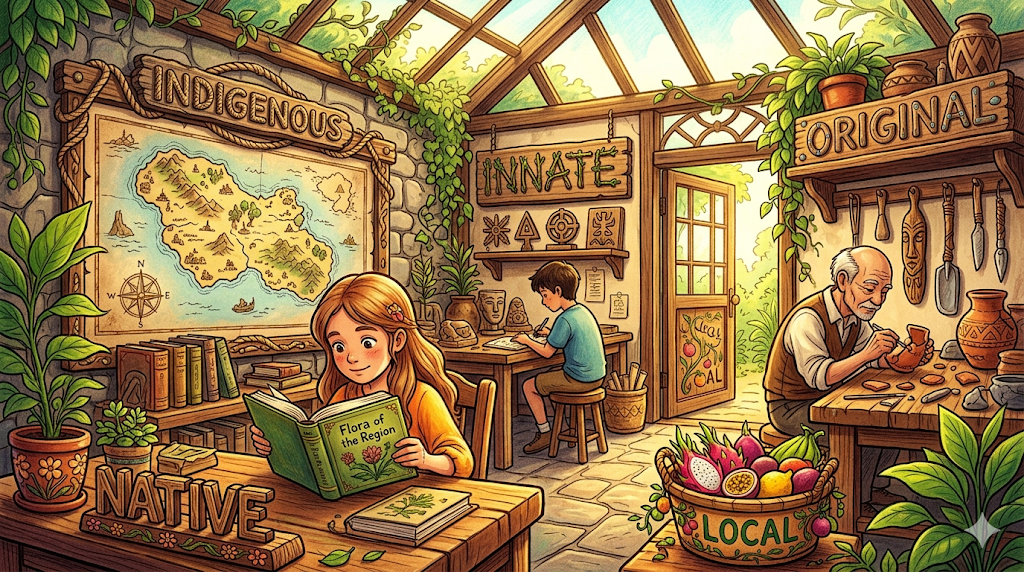
단어 공통점 뉘앙스 차이 예문
| native | 타고난, 토착의 | 출생·귀속성과 연결된 자연스러운 속함 | French is her native language. |
| indigenous | 원주민의, 토착의 | 더 공식적·학문적인 원주민·토착 생물 표현 | The indigenous people of the island. |
| innate | 타고난 | 심리적·지적 특성이 선천적임을 강조 | He had an innate sense of fairness. |
| local | 현지의, 지역의 | 특정 장소나 지역과 관련된 것 | She bought local fruits at the market. |
| original | 원래의, 최초의 | 가장 처음이거나 원본인 것 | The original inhabitants of the land. |
결론 정리
native는 단순히 "원주민"이 아니라, 태어나면서부터 자연스럽게 속해 있거나 갖추고 있듯 출생지·모국어·타고난 능력·토착 생물·문화적 정체성까지 확장되는 단어다 — native가 있는 곳엔 언제나 '외부에서 얻거나 배운 것이 아닌, 태어날 때부터 자연스럽게 속해 있는' 귀속의 선언이 있다.
💡 native는 "태어날 때부터 자연스럽게 속해 있거나 타고난 것"의 언어 — native language·native speaker·go native가 수능 최빈출.
🌟 초등학생 버전 native는 아기가 태어날 때부터 자연스럽게 듣고 배우는 언어처럼, 처음부터 자기 것인 것을 표현해요! 코알라가 호주 원산인 것처럼, 어떤 것이 원래부터 그 곳에 속해 있거나 누군가가 태어날 때부터 가지고 있는 것이 바로 native랍니다! 💪✨


