- 분류 전체보기 (5098)

| 일 | 월 | 화 | 수 | 목 | 금 | 토 |
|---|---|---|---|---|---|---|
| 1 | 2 | 3 | 4 | |||
| 5 | 6 | 7 | 8 | 9 | 10 | 11 |
| 12 | 13 | 14 | 15 | 16 | 17 | 18 |
| 19 | 20 | 21 | 22 | 23 | 24 | 25 |
| 26 | 27 | 28 | 29 | 30 |
- OKay
- set up
- too.
- Yes
- Sure
- Don't worry
- come up with
- Right?
- Hey
- Show Up
- I'm glad to hear that.
- Actually
- Excuse me
- no
- Please
- I'm sorry
- I'm not sure
- Yeah
- hold on
- By The Way
- entrance fee
- please?
- work out
- please.
- Sorry
- well
- hold back
- pick up
- oh
- make it
- Today
- Total
인과함께
Day319 , iron, iron out, strike while the iron is hot, iron will, iron fist, rule with an iron fist, iron curtain, have too many irons in the fire, iron out the differences, iron out the problems 본문
Day319 , iron, iron out, strike while the iron is hot, iron will, iron fist, rule with an iron fist, iron curtain, have too many irons in the fire, iron out the differences, iron out the problems
미인생 2026. 4. 14. 06:30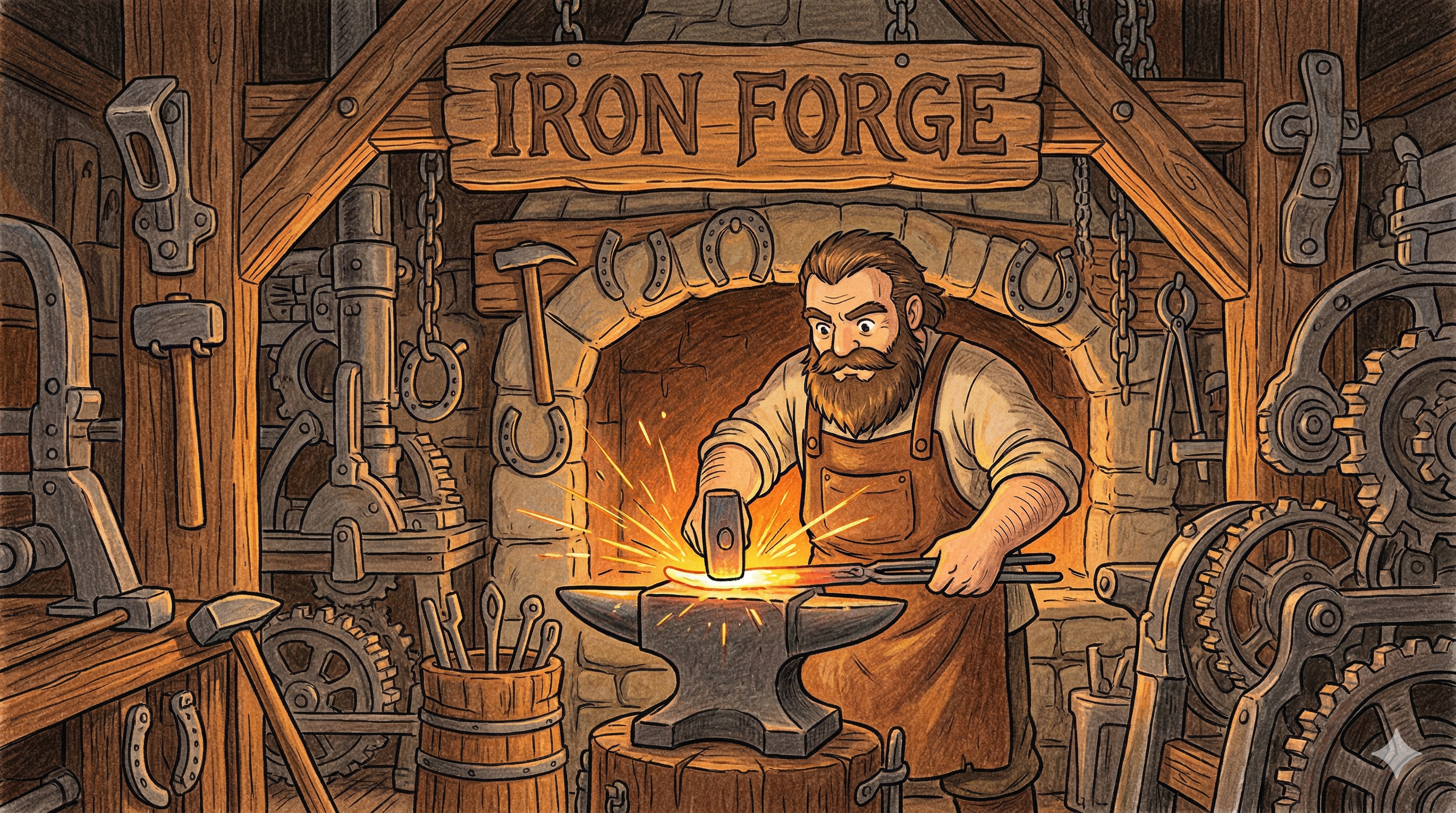
iron [ˈaɪərn]
(명사/동사/형용사) 철, 다리미 / 다림질하다 / 철의, 강철 같은
단순히 "철"로만 외우면 수능에서 반드시 틀립니다. iron은 "단단하고 강인한 금속" 이라는 핵심 이미지에서 출발해, 실제 금속 철·다리미·강인한 의지·강압적인 통치까지 폭넓게 쓰이는 핵심 다의어입니다. 특히 iron out(문제를 해결하다), iron will(강철 같은 의지), rule with an iron fist(철권으로 통치하다) 패턴은 수능 독해 사회·심리·역사 지문에서 핵심적으로 등장합니다.
'iron'은 고대 영어 iren(철)에서 유래했으며, 게르만어 isarnan(강한 금속)과 연결됩니다. 어원의 핵심 이미지는 "단단하고 강인하며 쉽게 부러지지 않는 금속" 으로, 단순한 금속 명칭을 넘어 강인함·완고함·억압·해결까지 확장되는 표현의 근원이 된 단어입니다.
🔩 iron의 핵심 뉘앙스
"단단한 쇠·철이라는 물질에서 시작해, 문제 해결·기회 포착·강철 같은 의지·철권 통치·역사적 장벽까지 담은 단어."
1️⃣ 주름을 펴듯 문제를 해결하다
- iron out → 다리미로 주름을 펴듯 문제나 갈등을 해결하다, 매끄럽게 처리하다 ("Let's iron out the details." 세부 사항을 정리해보자)
- iron out the differences → 의견 차이를 해소하다, 서로 다른 입장을 조율하다
- iron out the problems → 문제들을 하나하나 해결하다, 걸림돌을 제거하다
2️⃣ 기회를 놓치지 말라
- strike while the iron is hot → 쇠가 달궈져 있을 때 두드리라, 기회가 왔을 때 놓치지 말고 행동하라는 속담
3️⃣ 강철 같은 의지와 주먹
- iron will → 철철같이 굳은 의지, 어떤 어려움에도 꺾이지 않는 강한 결심
- iron fist → 철권, 강압적이고 엄격한 통제 방식
- rule with an iron fist → 철권으로 통치하다, 강압적으로 엄격하게 지배하다
4️⃣ 너무 많은 일에 손대다
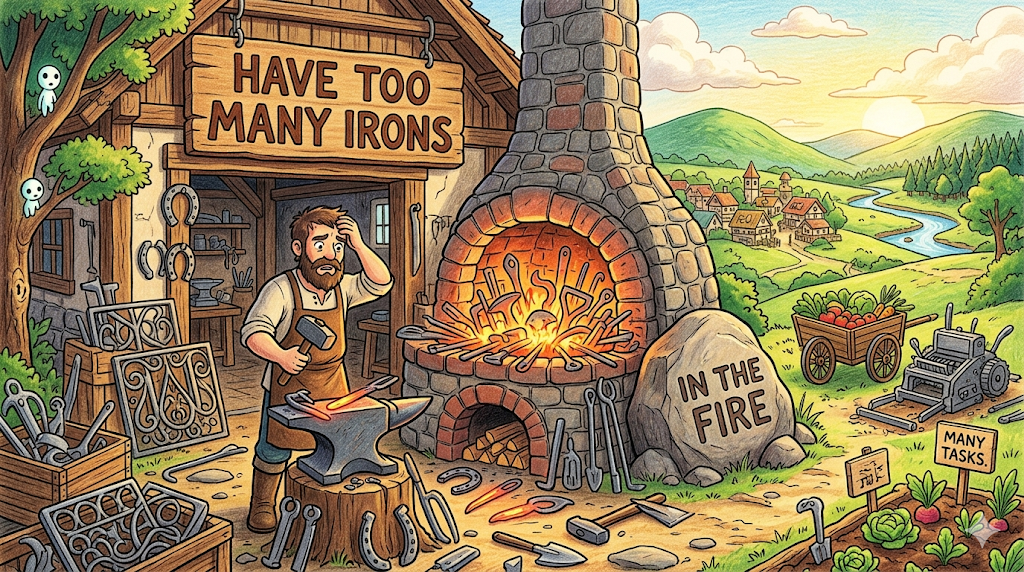
- have too many irons in the fire → 불 속에 쇠가 너무 많다, 즉 동시에 너무 많은 일을 벌여 모두 제대로 못 하는 상태
5️⃣ 역사적 표현
- iron curtain → 냉전 시대 서방과 소련 진영을 나눈 경계, 철의 장막 — 단절과 불투명한 장벽의 상징
💡 아들에게 이렇게 설명해보세요
"iron은 철이지만, 관용 표현이 엄청 풍부해. iron out은 다리미로 옷의 주름을 펴는 것처럼 문제를 매끄럽게 해결하는 거야. strike while the iron is hot은 대장간에서 쇠가 뜨거울 때 두드려야 모양이 잡히잖아 — 기회가 왔을 때 바로 잡아야 한다는 뜻이야. iron fist는 강철 주먹으로 통치하는 거야 — 굉장히 강압적인 방식으로. too many irons in the fire는 대장간에서 쇠를 너무 많이 불 속에 넣으면 다 망가진다는 것처럼, 동시에 너무 많은 일을 하면 다 망친다는 뜻이야."
✨ 최종 한 줄 요약
iron은 단단한 쇠라는 물질에서 출발해, 문제를 부드럽게 해결하기·기회를 놓치지 않기·강철 같은 의지·철권 통치·냉전의 장벽까지 강함과 해결의 모든 이미지를 담은 단어.
1. iron out [ˈaɪərn aʊt]
(일상/사회/수능) "문제나 어려움을 해결하다, 불일치를 없애다"를 뜻합니다. 구겨진 옷을 다리미로 펴는 것처럼 문제나 갈등을 매끄럽게 해결하는 것을 강조합니다.
The two teams met after school to iron out their differences and agree on a plan that everyone was happy with. (두 팀은 방과 후에 만나 의견 차이를 해결하고 모든 사람이 만족하는 계획에 동의했다.)
2. strike while the iron is hot [straɪk waɪl ðə ˈaɪərn ɪz hɒt]
(일상/사회/수능) "기회가 있을 때 바로 행동하라, 쇠뿔도 단김에 빼라"를 뜻합니다. 대장장이가 뜨거운 쇠를 두드려 모양을 만드는 것처럼, 좋은 기회가 있을 때 바로 행동해야 함을 강조합니다.
She decided to strike while the iron was hot and asked the teacher for extra help right after class when he was still in a good mood. (그녀는 기회를 놓치지 않기로 결심하고 선생님이 아직 기분이 좋을 때 수업 직후에 추가 도움을 요청했다.)
3. iron will [ˈaɪərn wɪl]
(일상/심리/수능) "강철 같은 의지, 굳은 결심"을 뜻합니다. 철처럼 단단하고 쉽게 부러지지 않는 강한 의지를 강조합니다.
She finished the race with an iron will even though her legs were hurting badly and most of the other runners had already given up. (그녀는 다리가 심하게 아프고 대부분의 다른 주자들이 이미 포기했음에도 불구하고 강철 같은 의지로 경주를 마쳤다.)
4. iron fist [ˈaɪərn fɪst]
(사회/역사/수능) "철권, 강압적인 통제"를 뜻합니다. 철로 만든 주먹처럼 강하고 가혹한 방식으로 통제하거나 다스리는 것을 강조합니다.
The new captain ran the team with an iron fist and did not allow anyone to break the rules, no matter how small the mistake was. (새 주장은 철권으로 팀을 운영했으며 실수가 아무리 작더라도 누구도 규칙을 어기는 것을 허용하지 않았다.)
5. rule with an iron fist [ruːl wɪð ən ˈaɪərn fɪst]
(사회/역사/수능) "철권으로 통치하다, 강압적으로 지배하다"를 뜻합니다. 강하고 가혹한 방법으로 집단이나 나라를 통제하는 것을 강조합니다.
The strict headmaster ruled the school with an iron fist and expected every student to follow every rule without any questions or complaints. (엄격한 교장 선생님은 학교를 철권으로 통치했으며 모든 학생이 어떠한 질문이나 불평 없이 모든 규칙을 따르기를 기대했다.)
6. iron curtain [ˈaɪərn ˈkɜːrtən]
(역사/사회/수능) "철의 장막"을 뜻합니다. 원래는 냉전 시대 동유럽과 서유럽을 나누는 경계를 가리켰으며, 비유적으로 정보나 사람의 이동을 막는 강력한 장벽을 강조합니다.
The history teacher explained how the iron curtain divided Europe into two very different worlds for many decades after the Second World War. (역사 선생님은 철의 장막이 2차 세계대전 이후 수십 년 동안 유럽을 두 개의 매우 다른 세계로 어떻게 나눴는지 설명했다.)
7. have too many irons in the fire [hæv tuː ˈmeni ˈaɪərnz ɪn ðə ˈfaɪər]
(일상/사회/수능) "한꺼번에 너무 많은 일을 하다, 여러 일에 손을 대다"를 뜻합니다. 대장장이가 한 번에 너무 많은 쇠를 불에 달구면 제대로 다룰 수 없는 것처럼, 너무 많은 일을 동시에 하면 모두 잘 못하게 됨을 강조합니다.
She had too many irons in the fire — she was studying for three tests, writing a story, and planning a school event all at the same time. (그녀는 한꺼번에 너무 많은 일을 하고 있었다 — 세 가지 시험 공부, 이야기 쓰기, 학교 행사 계획을 모두 동시에 하고 있었다.)
8. iron out the differences [ˈaɪərn aʊt ðə ˈdɪfrənsɪz]
(일상/사회/수능) "의견 차이를 해결하다, 불일치를 없애다"를 뜻합니다. 두 사람이나 그룹 사이의 의견 차이를 대화를 통해 매끄럽게 해결하는 것을 강조합니다.
The two friends sat down together to iron out the differences between their plans so that they could work as a team without any more arguments. (두 친구는 더 이상 다툼 없이 팀으로 일할 수 있도록 계획의 의견 차이를 해결하기 위해 함께 앉았다.)
9. iron out the problems [ˈaɪərn aʊt ðə ˈprɒbləmz]
(일상/사회/수능) "문제들을 해결하다"를 뜻합니다. 크고 작은 문제들을 하나씩 정리하고 해결하는 것을 강조합니다.
The group spent the afternoon trying to iron out the problems with their science project before presenting it to the class the next morning. (그룹은 다음 날 아침 학급에 발표하기 전에 과학 프로젝트의 문제들을 해결하려고 오후를 보냈다.)
10. iron (다리미질하다) [ˈaɪərn]
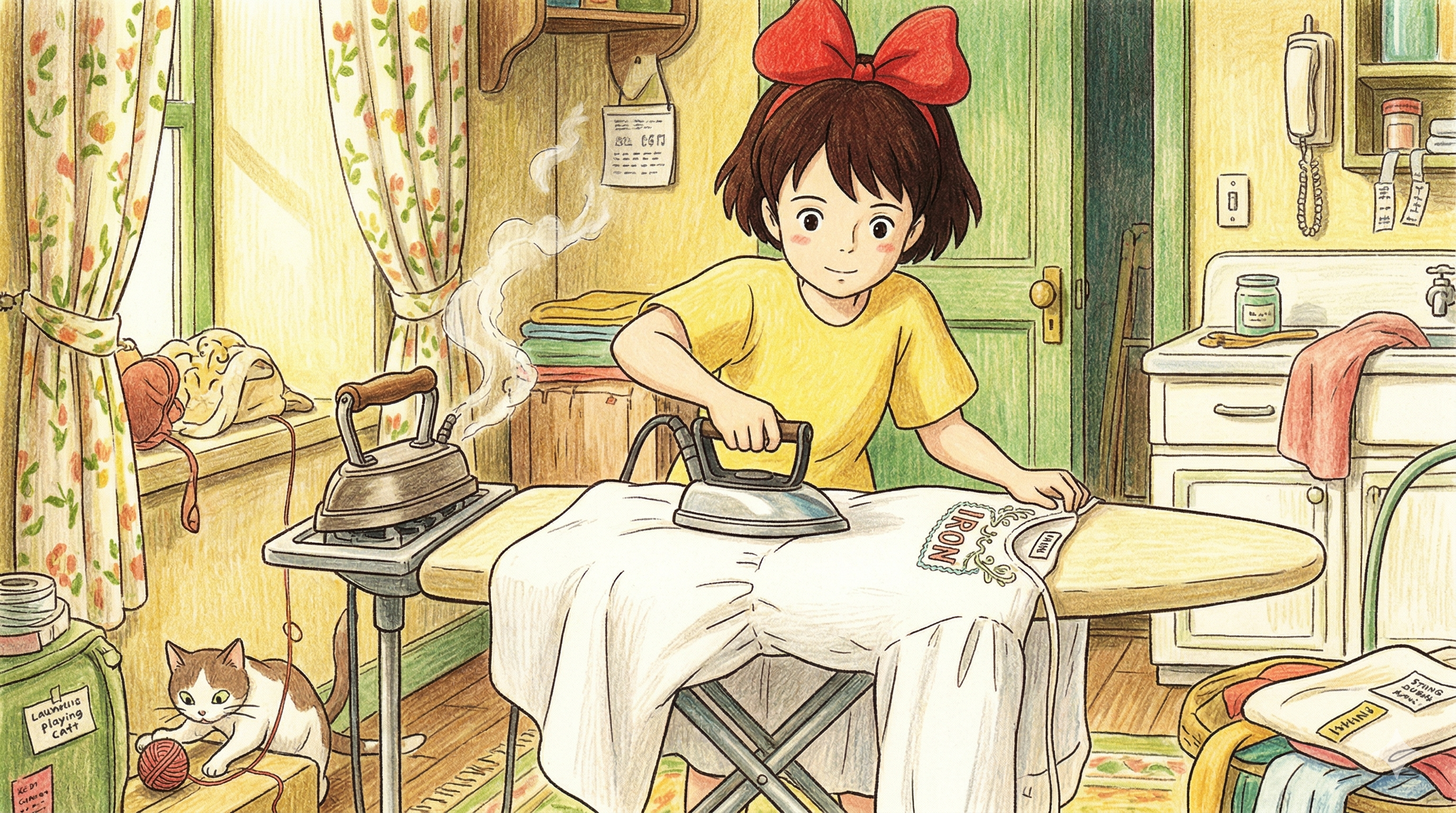
(일상/구어) 동사로서 "다리미질하다, 옷의 구김을 펴다"를 뜻합니다. 다리미로 옷의 주름을 없애는 실제 행동을 강조합니다.
She had to iron her school uniform the night before because it had been folded in the drawer for too long and was very wrinkled. (그녀는 교복이 서랍에 너무 오래 접혀 있어서 매우 구겨져 있었기 때문에 전날 밤 다림질해야 했다.)
POINT 1. iron — 수능 최빈출 관용구·어휘 패턴
iron은 수능 독해 사회·심리·역사 지문에서 관용구 형태로 자주 출제됩니다. iron out → 문제나 갈등을 해결할 때 예) We need to iron out the last few problems before we begin. (시작하기 전에 마지막 몇 가지 문제를 해결해야 한다.) iron will → 강하고 굳은 의지를 나타낼 때 예) She showed an iron will to keep going despite the pain. (그녀는 고통에도 불구하고 계속 나아가는 강철 같은 의지를 보였다.) rule with an iron fist → 강압적이고 엄격한 통제를 나타낼 때 예) He ruled with an iron fist and never allowed any disagreement. (그는 철권으로 통치하며 어떤 반대도 허용하지 않았다.)
POINT 2. iron out / have too many irons in the fire / strike while the iron is hot — 수능 사회·논리 지문 핵심
이 세 표현은 수능 독해 사회·논리 지문에서 가장 자주 출제되는 iron 관련 표현입니다. iron out → 구겨진 것을 펴듯 문제·갈등을 매끄럽게 해결하는 것 have too many irons in the fire → 한꺼번에 너무 많은 일을 동시에 진행하는 것 strike while the iron is hot → 뜨거운 쇠를 두드리듯 기회가 있을 때 바로 행동하는 것 세 표현 모두 iron의 "금속 가공·대장장이" 이미지에서 비롯된 비유적 표현입니다.
POINT 3. iron의 관용구 — 수능 독해 문맥 파악 핵심
iron은 수능 독해에서 문맥에 따라 의미가 완전히 달라지는 핵심 관용어입니다. 문제 해결 → iron out the problems (문제를 해결하다) 강한 의지 → an iron will (강철 같은 의지) 기회 포착 → strike while the iron is hot (기회를 놓치지 마라) 강압 통치 → rule with an iron fist (철권으로 통치하다) 과부하 → too many irons in the fire (너무 많은 일을 한꺼번에)
(명사) ① 철, 강철 (금속)
iron의 가장 기본적인 의미로, 실제 금속인 철을 가리킵니다.
- The old gate at the front of the school was made of iron and had been there for over a hundred years without rusting badly. (학교 앞의 오래된 문은 철로 만들어졌으며 심하게 녹슬지 않고 100년 이상 그곳에 있었다.)
- The blacksmith heated the piece of iron in the fire until it turned bright orange and was soft enough to shape with a hammer. (대장장이는 밝은 주황색이 되고 망치로 모양을 만들 수 있을 만큼 부드러워질 때까지 철 조각을 불에 달궜다.)
- The bridge was built using strong iron beams that were designed to hold the weight of hundreds of people crossing at the same time. (다리는 동시에 건너는 수백 명의 무게를 견디도록 설계된 강한 철 빔을 사용해 만들어졌다.)
(명사/동사) ② 다리미 / 다림질하다
iron은 옷의 구김을 펴는 도구인 다리미, 또는 다림질하는 행동을 나타냅니다.
- She picked up the iron and carefully pressed her shirt so that it would look neat and clean for the school photo the next day. (그녀는 다리미를 들고 다음 날 학교 사진을 위해 깔끔하고 깨끗하게 보이도록 셔츠를 조심스럽게 다렸다.)
- He had never learned how to iron his own clothes, so his mother showed him how to move the iron slowly and carefully over each part of the shirt. (그는 자신의 옷을 다림질하는 방법을 배운 적이 없어서, 어머니가 셔츠의 각 부분 위에 다리미를 천천히 조심스럽게 움직이는 방법을 보여줬다.)
- She forgot to switch off the iron when she left the house, and had to run back home to turn it off before it caused any damage. (그녀는 집을 나갈 때 다리미 전원을 끄는 것을 잊어서, 피해를 입히기 전에 끄기 위해 집으로 다시 달려가야 했다.)
(형용사) ③ 강철 같은, 완고한 (비유적)
iron은 형용사로 쓰여 철처럼 단단하고 강인한 성질을 비유적으로 나타냅니다.
- Despite losing the first two games, the team showed iron determination to keep trying and eventually won the championship by the end of the season. (처음 두 경기를 졌음에도 불구하고, 팀은 계속 노력하려는 강철 같은 결단을 보였고 결국 시즌 말에 챔피언십을 차지했다.)
- Her iron discipline meant that she never missed a single day of practice, even when the weather was cold and her friends were all staying indoors. (그녀의 철저한 규율은 날씨가 춥고 친구들이 모두 실내에 있을 때도 연습을 단 하루도 빠지지 않았다는 것을 의미했다.)
- He had an iron memory for numbers and could recall every score from every test he had ever taken without even looking at his notes. (그는 숫자에 대한 강철 같은 기억력을 가지고 있어서 메모를 보지 않고도 자신이 치른 모든 시험의 모든 점수를 기억할 수 있었다.)

뉘앙스·의미 연결 흐름 표
핵심 이미지 연결 흐름 뉘앙스 요약
| 단단하고 강인한 금속 | 실제 철 → 강인함·완고함의 비유 | 철의 단단함에서 강한 의지·통제로 확장 |
| 대장장이의 작업 이미지 | 쇠를 가공하다 → 문제를 해결하다 | iron out, strike while the iron is hot |
| 강압·억압의 상징 | 철의 무거움·강함 → 억압적 통치·장벽 | iron fist, iron curtain, rule with an iron fist |
어원 흐름 표
단어 구성 요소 의미 연결 흐름 뉘앙스 요약
| 게르만어 isarnan (강한 금속) | 강한 금속 → 고대영어 iren(철) | 단단하고 강인한 금속의 핵심 이미지 |
| iron (명사/동사/형용사) | 실제 철 → 다리미 → 강인함·억압·해결의 비유 | 금속에서 의지·통제·문제 해결까지 확장 |
품사별 의미 표
품사 의미 예문
| 명사 | 철 (금속) | The gate was made of iron. |
| 명사 | 다리미 | She used the iron to press her shirt. |
| 동사 | 다림질하다 | He ironed his uniform the night before. |
| 형용사 | 강철 같은, 완고한 | She had an iron will to succeed. |
| 관용구 | 문제를 해결하다 | They ironed out the differences. |
| 관용구 | 철권으로 통치하다 | He ruled with an iron fist. |
활용 예문 리스트
- She showed an iron will throughout the competition, refusing to give up even when the other players were performing much better than she was. (그녀는 다른 선수들이 그녀보다 훨씬 더 잘 수행할 때도 포기하기를 거부하며 대회 내내 강철 같은 의지를 보였다.)
- The team captain told everyone to strike while the iron was hot and sign up for the next competition before the deadline passed and the spots were all taken. (팀 주장은 마감 기한이 지나고 자리가 모두 차기 전에 모든 사람에게 기회를 놓치지 말고 다음 대회에 등록하라고 말했다.)
- The two groups agreed to meet and iron out the remaining problems with the school event plan so that everything would be ready in time for the big day. (두 그룹은 만나 학교 행사 계획의 남은 문제들을 해결하기로 동의해 모든 것이 중요한 날에 맞춰 준비될 수 있도록 했다.)
- She was ironing her school shirt when she noticed a small hole near the collar that she had not seen before. (그녀는 학교 셔츠를 다림질하다가 이전에 보지 못했던 칼라 근처의 작은 구멍을 발견했다.)
- He had too many irons in the fire and ended up doing a poor job on all of them because he had spread his time and energy too thin across too many different tasks. (그는 너무 많은 일을 한꺼번에 하다가 시간과 에너지를 너무 많은 다른 과제에 너무 얇게 분산시켜 결국 모두 제대로 하지 못했다.)
전체 뉘앙스 설명
iron은 '단단하고 강인한 금속에서 출발해 강한 의지·억압적 통제·문제 해결·기회 포착까지 확장되는 생동감 넘치는 언어'입니다.
steel과의 차이: steel은 철보다 더 강하고 정제된 금속을 가리키며, 비유적으로도 더 세련되고 강인한 이미지를 강조하고, iron은 더 거칠고 원초적인 강인함의 이미지를 강조합니다. firm과의 차이: firm은 단호하고 확고한 태도를 강조하고, iron은 철처럼 매우 강하고 쉽게 변하지 않는 완고함을 강조합니다. strict과의 차이: strict은 규칙이나 기준을 엄격하게 따르는 것을 강조하고, iron은 그보다 훨씬 강압적이고 가혹한 통제의 이미지를 강조합니다.
마지막 핵심 정리
iron은 단순히 "철"이 아닙니다 — 고대 영어 iren(철)에서 출발해, 실제 금속(iron gate)에서 다리미(iron the shirt)·강인한 의지(iron will)·억압적 통치(rule with an iron fist)·문제 해결(iron out)·기회 포착(strike while the iron is hot)까지 확장되는 단어이며, iron out·iron will·strike while the iron is hot의 관용구 의미 파악이 수능 핵심 출제 포인트입니다.
파생어 표
파생어 발음기호 품사 의미
| irony | [ˈaɪərəni] | 명사 | 아이러니, 반어법 |
| ironic | [aɪˈrɒnɪk] | 형용사 | 아이러니한, 반어적인 |
| ironically | [aɪˈrɒnɪkli] | 부사 | 아이러니하게도, 반어적으로 |
| ironworks | [ˈaɪərnwɜːrks] | 명사 | 제철소 |
| ironing | [ˈaɪərnɪŋ] | 명사 | 다림질 |
| ironclad | [ˈaɪərnklæd] | 형용사 | 철갑의, 확고한 |
유의어 비교표
단어 공통점 뉘앙스 차이 예문
| iron | 강인함, 해결 | 거칠고 원초적인 강인함, 관용구 풍부 | She had an iron will. |
| steel | 강인함 | 더 세련되고 강인한 이미지 | He steeled himself for the test. |
| firm | 단호함 | 단호하고 확고한 태도 | She was firm in her decision. |
| strict | 엄격함 | 규칙이나 기준을 엄격하게 따름 | The teacher was very strict. |
| resolve | 결심, 의지 | 목표를 향한 강한 결심과 의지 | He showed great resolve to win. |
유의어 예문 리스트
- (steel) He took a deep breath and steeled himself before walking into the room to give the most important speech of his school life in front of the whole year group. (그는 깊게 숨을 들이쉬고 전체 학년 앞에서 학교 생활 중 가장 중요한 연설을 하기 위해 방으로 들어가기 전에 마음을 굳혔다.)
- (firm) The teacher was firm but kind, and she always made it clear what the rules were so that no one was ever confused about what was expected of them. (선생님은 단호하지만 친절했으며, 항상 규칙이 무엇인지 명확하게 해서 아무도 자신에게 기대되는 것에 대해 혼란스러워하지 않도록 했다.)
- (strict) The swimming coach was very strict about practice times and expected every member of the team to arrive at least ten minutes early for every session. (수영 코치는 연습 시간에 매우 엄격했으며 팀의 모든 구성원이 모든 세션에 적어도 10분 일찍 도착하기를 기대했다.)
- (resolve) After failing the test twice, she showed great resolve by studying harder than ever before and finally passing with a very high score on her third attempt. (두 번 시험에 떨어진 후, 그녀는 그 어느 때보다 열심히 공부하고 세 번째 시도에서 매우 높은 점수로 마침내 합격함으로써 큰 결심을 보여줬다.)
결론 정리
iron은 단순히 "철"이 아니라, 고대 영어 iren(철)에서 출발해 단단하고 강인한 금속에서 다리미·강인한 의지·억압적 통치·문제 해결·기회 포착까지 확장되는 단어다 — iron이 있는 곳엔 언제나 '단순한 금속이 아닌, 인간의 삶 속에서 강인함과 의지와 해결의 힘으로 살아숨쉬는' 생동감의 선언이 있다.
💡 iron은 "단단하고 강인한 금속에서 출발한" 생동감 넘치는 언어 — iron out · iron will · strike while the iron is hot이 수능 최빈출.
🌟 초등학생 버전 — iron은 엄마가 구겨진 옷을 다리미로 펴는 것처럼, "문제를 매끄럽게 해결한다"는 뜻도 있고, "아무리 어려워도 포기하지 않는 강철 같은 의지"를 나타내기도 하는 아주 강한 단어예요! strike while the iron is hot은 "기회가 왔을 때 바로 잡아!"라는 뜻이에요! 🔨✨

iron out [ˈaɪərn aʊt]
(동사구) 문제나 어려움을 해결하다, 불일치를 없애다
구겨진 옷을 다리미로 펴는 것처럼 문제나 갈등을 매끄럽게 해결하는 것을 강조합니다. 수능 독해 사회·논리 지문에서 갈등 해결이나 문제 처리를 나타낼 때 핵심적으로 등장합니다. 주로 iron out + 문제·차이를 나타내는 명사 형태로 쓰입니다.
- The two group leaders stayed after class to iron out the last few disagreements about who would be responsible for each part of the project. (두 그룹 리더는 프로젝트의 각 부분을 누가 담당할지에 대한 마지막 몇 가지 의견 차이를 해결하기 위해 수업 후에 남았다.)
- It took the whole lunch break to iron out the confusion about the timetable, but by the end everyone finally understood which room they were supposed to go to. (시간표에 대한 혼란을 해결하는 데 점심 시간 전체가 걸렸지만, 결국 모든 사람이 어느 방에 가야 하는지 마침내 이해했다.)
- The teacher asked the two students to sit down calmly and iron out their disagreement before it turned into a bigger argument that would affect the rest of the class. (선생님은 두 학생에게 반의 나머지에게 영향을 미치는 더 큰 다툼으로 변하기 전에 침착하게 앉아 불일치를 해결하라고 요청했다.)

strike while the iron is hot [straɪk waɪl ðə ˈaɪərn ɪz hɒt]
(관용구) 기회가 있을 때 바로 행동하라, 쇠뿔도 단김에 빼라
대장장이가 뜨거운 쇠를 두드려 모양을 만드는 것처럼, 좋은 기회가 있을 때 바로 행동해야 함을 강조합니다. 수능 독해 사회·논리·심리 지문에서 기회와 행동의 중요성을 강조할 때 핵심적으로 등장합니다.
- When he saw that the coach was looking for new players, he decided to strike while the iron was hot and walked straight over to introduce himself and show what he could do. (코치가 새 선수를 찾고 있는 것을 봤을 때, 그는 기회를 놓치지 않기로 결심하고 바로 걸어가서 자신을 소개하고 자신이 할 수 있는 것을 보여줬다.)
- Her father always told her to strike while the iron is hot because good opportunities do not wait, and the people who succeed are usually the ones who act quickly and do not hesitate. (그녀의 아버지는 항상 좋은 기회는 기다리지 않기 때문에 기회를 놓치지 말라고 말했으며, 성공하는 사람들은 보통 빠르게 행동하고 망설이지 않는 사람들이라고 했다.)
- She knew that this was the perfect moment to ask her teacher for a letter of recommendation, so she decided to strike while the iron was hot rather than waiting until the busy exam period began. (그녀는 이것이 선생님께 추천서를 요청할 완벽한 순간이라는 것을 알았기 때문에, 바쁜 시험 기간이 시작될 때까지 기다리는 것보다 기회를 놓치지 않기로 결심했다.)
숙어 그룹 묶음 1 — 행동·해결 iron 핵심 패턴
표현 의미 핵심 뉘앙스 주요 맥락
| iron out | 문제를 해결하다 | 구겨진 것을 펴듯 갈등·문제를 매끄럽게 해결 | 사회·논리·수능 |
| strike while the iron is hot | 기회가 있을 때 행동하라 | 뜨거운 쇠처럼 기회가 식기 전에 바로 행동 | 사회·심리·수능 |
| iron out the problems | 문제들을 해결하다 | 크고 작은 문제들을 하나씩 정리하고 해결 | 일상·사회·수능 |
이 세 표현은 모두 iron의 "대장장이의 작업" 이미지를 공유하되, 각각 갈등·문제를 매끄럽게 해결하는 것(iron out)·기회가 있을 때 바로 행동하는 것(strike while the iron is hot)·구체적인 문제들을 하나씩 해결하는 것(iron out the problems)의 관점에서 접근합니다.
- She decided to strike while the iron was hot and immediately began to iron out the problems with her group project, knowing that if she waited too long it would be much harder to iron out everything before the deadline. (그녀는 기회를 놓치지 않기로 결심하고 즉시 그룹 프로젝트의 문제들을 해결하기 시작했으며, 너무 오래 기다리면 마감 기한 전에 모든 것을 해결하기가 훨씬 더 어려워질 것임을 알고 있었다.)
- The best time to iron out any misunderstanding is right away — you should always strike while the iron is hot and talk things through before they grow into bigger issues, and the sooner you start to iron out the problems, the easier it will be to fix them. (어떤 오해든 해결하기 가장 좋은 시간은 바로 지금이다 — 더 큰 문제로 자라기 전에 항상 기회를 놓치지 말고 모든 것을 이야기해야 하며, 문제들을 해결하기 시작할수록 수정하기 더 쉬워진다.)
- When the coach noticed that two players were not working well together, he called them over right away to strike while the iron was hot, sat them both down to iron out whatever was bothering them, and within thirty minutes they had managed to iron out the problems and were playing as a strong team again. (코치는 두 선수가 함께 잘 일하지 않는 것을 알아챘을 때 기회를 놓치지 않기 위해 즉시 그들을 불러서 무엇이 그들을 괴롭히는지 해결하기 위해 둘 다 앉혔으며, 30분 안에 문제들을 해결하고 다시 강한 팀으로 플레이하고 있었다.)

iron will [ˈaɪərn wɪl]
(명사구) 강철 같은 의지, 굳은 결심
철처럼 단단하고 쉽게 부러지지 않는 강한 의지를 강조합니다. 수능 독해 심리·사회 지문에서 강한 결단력이나 의지를 나타낼 때 핵심적으로 등장합니다.
- The young swimmer showed an iron will by training every single morning for six months straight without missing a single session, even on the coldest days of winter. (그 젊은 수영선수는 겨울의 가장 추운 날에도 6개월 동안 단 한 세션도 빠지지 않고 매일 아침 훈련함으로써 강철 같은 의지를 보여줬다.)
- It takes an iron will to keep studying when everyone else around you is resting and having fun, but those who manage to do it are usually the ones who reach their goals in the end. (주변의 모든 사람이 쉬고 즐기고 있을 때 계속 공부하려면 강철 같은 의지가 필요하지만, 그것을 해내는 사람들은 보통 결국 목표를 달성하는 사람들이다.)
- Despite being told many times that she was not good enough, she held onto her iron will and kept practising until she became the best player on the whole team. (그녀가 충분히 좋지 않다는 말을 여러 번 들었음에도 불구하고, 그녀는 강철 같은 의지를 유지하며 팀 전체에서 최고의 선수가 될 때까지 계속 연습했다.)

iron fist [ˈaɪərn fɪst]
(명사구) 철권, 강압적인 통제
철로 만든 주먹처럼 강하고 가혹한 방식으로 통제하거나 다스리는 것을 강조합니다. 수능 독해 역사·사회 지문에서 강압적인 지배나 통제를 나타낼 때 자주 등장합니다.
- The sports teacher ran every practice session with an iron fist and made it very clear that late arrivals and missing warm-ups would not be accepted under any circumstances. (체육 선생님은 모든 연습 세션을 철권으로 운영했으며 어떤 상황에서도 늦은 도착과 준비운동 빠짐이 받아들여지지 않을 것임을 매우 명확하게 했다.)
- The group leader used an iron fist to keep control of every decision, which meant that no one else ever had a chance to share their own ideas or suggest a different approach. (그룹 리더는 모든 결정을 통제하기 위해 철권을 사용했으며, 이는 다른 누구도 자신의 아이디어를 나누거나 다른 접근 방식을 제안할 기회가 없었음을 의미했다.)
- Running a team with an iron fist might produce results in the short term, but it can also make people feel afraid to speak up and stop them from coming up with creative new ideas. (철권으로 팀을 운영하면 단기적으로 결과를 낼 수 있지만, 사람들이 의견을 말하기 두렵게 만들고 창의적인 새 아이디어를 내지 못하게 할 수도 있다.)
숙어 그룹 묶음 2 — 통제·의지 iron 패턴
표현 의미 핵심 뉘앙스 주요 맥락
| iron will | 강철 같은 의지 | 철처럼 단단하고 쉽게 굽히지 않는 강한 의지 | 심리·사회·수능 |
| iron fist | 철권, 강압적 통제 | 강하고 가혹한 방식으로 통제하는 것 | 역사·사회·수능 |
| rule with an iron fist | 철권으로 통치하다 | 강압적이고 엄격하게 집단이나 조직을 지배 | 역사·사회·수능 |
이 세 표현은 모두 iron의 "강인함·강압" 이미지를 공유하되, 각각 개인의 강한 내면 의지(iron will)·강압적인 통제 수단(iron fist)·강압적인 지배 방식(rule with an iron fist)의 관점에서 접근합니다.
- She had the iron will to stand up to the group leader who ruled with an iron fist, even though she knew that using such an iron fist approach would make him angry and could cause problems for her later. (그녀는 철권으로 통치하는 그룹 리더에게 맞설 강철 같은 의지를 가지고 있었으며, 그러한 철권 접근 방식이 그를 화나게 하고 나중에 그녀에게 문제를 일으킬 수 있다는 것을 알면서도 그랬다.)
- A leader who rules with an iron fist may have great power, but without the iron will of the people around them, the iron fist approach will eventually fail because no team can work well under constant fear and pressure. (철권으로 통치하는 리더는 큰 권력을 가질 수 있지만, 주변 사람들의 강철 같은 의지 없이는 철권 접근 방식이 결국 실패할 것이다, 왜냐하면 어떤 팀도 지속적인 두려움과 압박 아래에서 잘 일할 수 없기 때문이다.)
- It takes real iron will to keep going when someone is ruling with an iron fist above you, because the pressure of that iron fist can wear down even the strongest people if they do not find a way to stay mentally strong. (누군가가 위에서 철권으로 통치할 때 계속 나아가려면 진정한 강철 같은 의지가 필요하다, 왜냐하면 철권의 압박이 정신적으로 강하게 있는 방법을 찾지 못하면 가장 강한 사람들조차 약하게 만들 수 있기 때문이다.)

rule with an iron fist [ruːl wɪð ən ˈaɪərn fɪst]
(관용구) 철권으로 통치하다, 강압적으로 지배하다
강하고 가혹한 방법으로 집단이나 나라를 통제하는 것을 강조합니다. 수능 독해 역사·사회 지문에서 강압적인 지배 방식을 설명할 때 핵심적으로 등장합니다.
- The history book described how the ancient ruler ruled his kingdom with an iron fist, punishing anyone who spoke against him and rewarding only those who stayed completely loyal to his wishes. (역사책은 고대 통치자가 그에게 반대하는 말을 하는 사람은 누구든 처벌하고 그의 뜻에 완전히 충성하는 사람만 보상하며 철권으로 왕국을 통치한 방법을 묘사했다.)
- The new team captain tried to rule with an iron fist at first, but he soon realised that the other players responded much better to encouragement and kindness than to strict rules and punishment. (새 팀 주장은 처음에 철권으로 통치하려 했지만, 다른 선수들이 엄격한 규칙과 처벌보다 격려와 친절에 훨씬 더 잘 반응한다는 것을 곧 깨달았다.)
- She had always believed that ruling with an iron fist was the best way to run a group, but after seeing how her teammates lost their confidence and stopped sharing ideas, she began to change her mind completely. (그녀는 항상 철권으로 통치하는 것이 그룹을 운영하는 가장 좋은 방법이라고 믿었지만, 팀원들이 자신감을 잃고 아이디어 나누기를 멈추는 것을 보고 나서 완전히 생각을 바꾸기 시작했다.)

iron curtain [ˈaɪərn ˈkɜːrtən]
(명사구) 철의 장막
원래는 냉전 시대 동유럽과 서유럽을 나누는 경계를 가리켰으며, 비유적으로 정보나 사람의 이동을 막는 강력한 장벽을 강조합니다. 수능 독해 역사·사회 지문에서 자주 등장합니다.
- The history teacher showed the class a map of Europe and explained where the iron curtain had once divided the continent into two very different political worlds. (역사 선생님은 학급에 유럽 지도를 보여주고 철의 장막이 한때 대륙을 두 개의 매우 다른 정치적 세계로 나눴던 곳을 설명했다.)
- Even after the iron curtain came down, it took many years for people on both sides to fully understand and accept each other's way of life. (철의 장막이 사라진 후에도, 양측 사람들이 서로의 생활 방식을 완전히 이해하고 받아들이는 데 많은 세월이 걸렸다.)
- The idea of an iron curtain is often used to describe any situation where one group is completely cut off from the rest of the world and has no access to outside news or information. (철의 장막의 개념은 한 집단이 외부 세계와 완전히 단절되어 외부 뉴스나 정보에 접근할 수 없는 어떤 상황을 묘사하는 데도 자주 사용된다.)
숙어 그룹 묶음 3 — 역사·상황 iron 심화 패턴
표현 의미 핵심 뉘앙스 주요 맥락
| iron curtain | 철의 장막 | 정보·이동을 막는 강력한 장벽 | 역사·사회·수능 |
| have too many irons in the fire | 너무 많은 일을 한꺼번에 하다 | 동시에 너무 많은 일을 진행해 모두 제대로 못함 | 일상·사회·수능 |
| iron fist | 철권, 강압적 통제 | 강하고 가혹한 방식으로 통제 | 역사·사회·수능 |
이 세 표현은 모두 iron이 강압·제한·과부하와 연결되는 방식을 보여줍니다. iron curtain은 외부와 완전히 단절시키는 강력한 장벽을, have too many irons in the fire는 너무 많은 일을 동시에 진행해 모두 제대로 하지 못하는 상황을, iron fist는 강하고 가혹한 통제 수단을 각각 나타냅니다.
- The class president felt like she was living behind an iron curtain because the group leader used an iron fist to stop anyone from sharing new ideas, and on top of that, she had too many irons in the fire to find the time and energy to fight back effectively. (학급 회장은 그룹 리더가 철권을 사용해 아무도 새 아이디어를 나누지 못하게 막아서 철의 장막 뒤에 살고 있는 것 같은 기분이 들었으며, 게다가 효과적으로 맞서 싸울 시간과 에너지를 찾기에는 너무 많은 일을 한꺼번에 하고 있었다.)
- When a leader rules with an iron fist and creates an iron curtain around their group, the members often end up with too many irons in the fire trying to follow all the strict rules while also trying to meet their own personal goals. (리더가 철권으로 통치하고 그룹 주위에 철의 장막을 만들면, 구성원들은 종종 모든 엄격한 규칙을 따르면서 동시에 자신의 개인 목표를 달성하려고 노력하느라 너무 많은 일을 한꺼번에 하게 된다.)
- The student council felt trapped behind an invisible iron curtain when the school leader used an iron fist to block every suggestion they made, and with too many irons in the fire already, they struggled to find a way to bring real change to the school. (학생회는 학교 리더가 철권으로 그들이 하는 모든 제안을 막을 때 보이지 않는 철의 장막 뒤에 갇힌 기분이 들었으며, 이미 너무 많은 일을 한꺼번에 하고 있어서 학교에 진정한 변화를 가져올 방법을 찾는 데 어려움을 겪었다.)
have too many irons in the fire [hæv tuː ˈmeni ˈaɪərnz ɪn ðə ˈfaɪər]
(관용구) 한꺼번에 너무 많은 일을 하다, 여러 일에 손을 대다
대장장이가 한 번에 너무 많은 쇠를 불에 달구면 제대로 다룰 수 없는 것처럼, 너무 많은 일을 동시에 하면 모두 잘 못하게 됨을 강조합니다. 수능 독해 사회·심리 지문에서 자주 등장합니다.
- He had too many irons in the fire that week — he was preparing for a science test, writing a group report, helping to organise the school festival, and training for the swimming competition all at the same time. (그 주에 그는 너무 많은 일을 한꺼번에 하고 있었다 — 과학 시험 준비, 그룹 보고서 작성, 학교 축제 조직 도움, 수영 대회 훈련을 모두 동시에 하고 있었다.)
- Her teacher gently told her that she had too many irons in the fire and suggested that she focus on just two or three important tasks rather than trying to do everything perfectly at once. (선생님은 그녀에게 너무 많은 일을 한꺼번에 하고 있다고 부드럽게 말하고, 모든 것을 한 번에 완벽하게 하려고 노력하는 것보다 두세 가지 중요한 과제에만 집중하도록 제안했다.)
- The best students are not always the ones who do the most things — sometimes having too many irons in the fire means that nothing gets done as well as it could have been if more time and focus had been given to each task. (최고의 학생들이 항상 가장 많은 일을 하는 학생들은 아니다 — 때로는 너무 많은 일을 한꺼번에 하는 것이 각 과제에 더 많은 시간과 집중이 주어졌더라면 가능했을 것만큼 잘 되지 않는다는 것을 의미한다.)
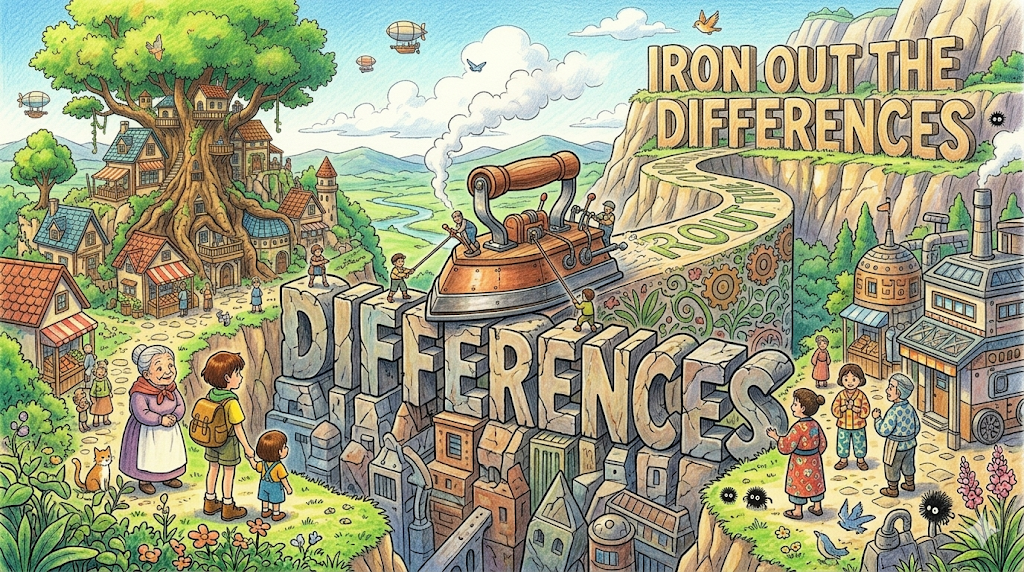
iron out the differences [ˈaɪərn aʊt ðə ˈdɪfrənsɪz]
(동사구) 의견 차이를 해결하다, 불일치를 없애다
두 사람이나 그룹 사이의 의견 차이를 대화를 통해 매끄럽게 해결하는 것을 강조합니다. 수능 독해 사회·논리 지문에서 갈등 해결을 설명할 때 자주 등장합니다.
- The two project partners spent the whole break time trying to iron out the differences in their ideas so that they could come up with one clear and strong plan to present to the class. (두 프로젝트 파트너는 학급에 발표할 하나의 명확하고 강력한 계획을 세울 수 있도록 아이디어의 의견 차이를 해결하려고 쉬는 시간 전체를 보냈다.)
- Before the group presentation, the team sat together for an hour to iron out the differences between their individual notes and make sure that everyone was saying the same things in the same order. (그룹 발표 전에 팀은 개인 메모 사이의 의견 차이를 해결하고 모든 사람이 같은 순서로 같은 것을 말하도록 하기 위해 한 시간 동안 함께 앉았다.)
- The best way to iron out the differences between two people who disagree is to let each person speak without interruption and then find the parts of both ideas that they can both agree on. (의견이 다른 두 사람 사이의 의견 차이를 해결하는 가장 좋은 방법은 각 사람이 방해 없이 말하게 하고 나서 두 사람이 모두 동의할 수 있는 두 아이디어의 부분을 찾는 것이다.)

iron out the problems [ˈaɪərn aʊt ðə ˈprɒbləmz]
(동사구) 문제들을 해결하다
크고 작은 문제들을 하나씩 정리하고 해결하는 것을 강조합니다. 수능 독해 사회·논리 지문에서 단계적인 문제 해결을 설명할 때 자주 등장합니다.
- The team worked together every evening for a week to iron out the problems with their robot design before the competition day finally arrived. (팀은 대회 날이 마침내 도착하기 전에 로봇 디자인의 문제들을 해결하기 위해 일주일 동안 매일 저녁 함께 일했다.)
- The school held a meeting with all the parents to iron out the problems with the new lunch system before it was introduced to the whole school the following month. (학교는 다음 달 전체 학교에 도입되기 전에 새 급식 시스템의 문제들을 해결하기 위해 모든 학부모와 회의를 열었다.)
- She stayed up late to iron out the problems in her science report because she knew that small mistakes in the data section could cause her to lose many marks on the final grade. (그녀는 데이터 섹션의 작은 실수가 최종 점수에서 많은 점수를 잃게 할 수 있다는 것을 알았기 때문에 과학 보고서의 문제들을 해결하기 위해 늦게까지 깨어 있었다.)
숙어 그룹 묶음 4 — 종합 iron 패턴
표현 의미 핵심 뉘앙스 주요 맥락
| iron out | 문제를 해결하다 | 갈등·문제를 매끄럽게 해결 | 사회·논리·수능 |
| iron will | 강철 같은 의지 | 철처럼 단단하고 굽히지 않는 강한 의지 | 심리·사회·수능 |
| strike while the iron is hot | 기회가 있을 때 행동하라 | 기회가 식기 전에 바로 행동 | 사회·논리·수능 |
이 세 표현은 수능 독해에서 가장 자주 출제되는 iron의 핵심 패턴입니다. iron out은 구겨진 것을 펴듯 문제를 해결하는 것을, iron will은 철처럼 단단하고 굽히지 않는 강한 의지를, strike while the iron is hot은 기회가 있을 때 바로 행동해야 한다는 것을 각각 나타냅니다.
- She showed an iron will to strike while the iron was hot and immediately sat down with her group partner to iron out every remaining disagreement before the two of them lost the courage to have that difficult conversation. (그녀는 기회를 놓치지 않으려는 강철 같은 의지를 보이며 즉시 그룹 파트너와 함께 앉아 두 사람이 그 어려운 대화를 할 용기를 잃기 전에 남은 모든 의견 차이를 해결했다.)
- It takes an iron will to iron out all the small details of a big project, and the best moment to do it is always right at the start — in other words, you must always strike while the iron is hot before the problems become too big and too deeply rooted to fix easily. (큰 프로젝트의 모든 작은 세부 사항을 해결하는 데는 강철 같은 의지가 필요하며, 그것을 하기 가장 좋은 순간은 항상 바로 시작할 때이다 — 다시 말해, 문제가 너무 크고 너무 깊이 뿌리내려 쉽게 고치기 어렵게 되기 전에 항상 기회를 놓치지 말아야 한다.)
- With the iron will to keep going even when things were difficult, she chose to strike while the iron was hot every time a chance appeared and worked hard to iron out every obstacle that stood between her and her goal, one small step at a time. (강철 같은 의지로 어려울 때도 계속 나아가며, 그녀는 기회가 나타날 때마다 기회를 놓치지 않기로 선택하고 자신과 목표 사이에 있는 모든 장애물을 한 번에 한 걸음씩 해결하기 위해 열심히 일했다.)
전체 요약표
표현 의미 핵심 뉘앙스
| iron | 철, 다리미, 강철 같은 | 강인한 금속에서 의지·통제·해결로 확장 |
| iron out | 문제를 해결하다 | 구겨진 것을 펴듯 갈등·문제를 매끄럽게 해결 |
| strike while the iron is hot | 기회가 있을 때 행동하라 | 뜨거운 쇠처럼 기회가 식기 전에 바로 행동 |
| iron will | 강철 같은 의지 | 철처럼 단단하고 굽히지 않는 강한 의지 |
| iron fist | 철권, 강압적 통제 | 강하고 가혹한 방식으로 통제하는 것 |
| rule with an iron fist | 철권으로 통치하다 | 강압적이고 엄격하게 집단이나 조직을 지배 |
| iron curtain | 철의 장막 | 정보·이동을 막는 강력한 장벽 |
| have too many irons in the fire | 너무 많은 일을 한꺼번에 하다 | 동시에 너무 많은 일을 진행해 모두 제대로 못함 |
| iron out the differences | 의견 차이를 해결하다 | 두 사람·그룹 사이의 불일치를 대화로 해결 |
| iron out the problems | 문제들을 해결하다 | 크고 작은 문제들을 하나씩 정리하고 해결 |
유의어 비교표

단어 공통점 뉘앙스 차이 예문
| iron | 강인함, 해결 | 거칠고 원초적인 강인함, 관용구 풍부 | She had an iron will. |
| steel | 강인함 | 더 세련되고 강인한 이미지 | He steeled himself for the test. |
| firm | 단호함 | 단호하고 확고한 태도 | She was firm in her decision. |
| strict | 엄격함 | 규칙이나 기준을 엄격하게 따름 | The teacher was very strict. |
| resolve | 결심, 의지 | 목표를 향한 강한 결심과 의지 | He showed great resolve to win. |
유의어 예문 리스트
- (steel) He took a long, slow breath and steeled himself before stepping up to the front of the class to give a speech that he had been nervous about for the whole week. (그는 일주일 내내 긴장해 왔던 연설을 하기 위해 학급 앞으로 나가기 전에 길고 천천히 숨을 들이쉬고 마음을 굳혔다.)
- (firm) She was firm with her little brother when he kept asking to borrow her things without asking first, telling him clearly and calmly that he needed to ask permission before taking anything of hers. (그녀는 먼저 묻지 않고 물건을 빌리려고 계속 할 때 남동생에게 단호하게 말하며, 그녀의 것을 가져가기 전에 허락을 구해야 한다고 명확하고 침착하게 말했다.)
- (strict) The music teacher was very strict about the students practising their pieces every day, and she always checked at the start of each lesson whether everyone had done their homework. (음악 선생님은 학생들이 매일 곡을 연습하는 것에 매우 엄격했으며, 항상 각 수업 시작 시 모든 사람이 숙제를 했는지 확인했다.)
- (resolve) After being told that the school team did not have room for him, he showed great resolve by training on his own every day for three months until he was good enough to try out again and finally make it onto the team. (학교 팀에 자리가 없다는 말을 들은 후, 그는 다시 도전해 마침내 팀에 합류할 만큼 충분히 잘하게 될 때까지 3개월 동안 매일 혼자 훈련함으로써 큰 결심을 보여줬다.)
결론 정리
iron은 단순히 "철"이 아니라, 고대 영어 iren(철)에서 출발해 단단하고 강인한 금속에서 다리미·강인한 의지·억압적 통치·문제 해결·기회 포착까지 확장되는 단어다 — iron이 있는 곳엔 언제나 '단순한 금속이 아닌, 인간의 삶 속에서 강인함과 의지와 해결의 힘으로 살아숨쉬는' 생동감의 선언이 있다.
💡 iron은 "단단하고 강인한 금속에서 출발한" 생동감 넘치는 언어 — iron out · iron will · strike while the iron is hot이 수능 최빈출.
🌟 초등학생 버전 — iron은 엄마가 구겨진 옷을 다리미로 펴는 것처럼, "문제를 매끄럽게 해결한다"는 뜻도 있고, "아무리 어려워도 포기하지 않는 강철 같은 의지"를 나타내기도 하는 아주 강한 단어예요! strike while the iron is hot은 "기회가 왔을 때 바로 잡아!"라는 뜻이에요! 🔨✨


