
- 분류 전체보기 (4670)

| 일 | 월 | 화 | 수 | 목 | 금 | 토 |
|---|---|---|---|---|---|---|
| 1 | 2 | 3 | 4 | 5 | 6 | 7 |
| 8 | 9 | 10 | 11 | 12 | 13 | 14 |
| 15 | 16 | 17 | 18 | 19 | 20 | 21 |
| 22 | 23 | 24 | 25 | 26 | 27 | 28 |
- I'm glad to hear that.
- come up with
- please?
- make it
- set up
- Sorry
- Sure
- well
- By The Way
- I'm not sure
- pick up
- oh
- Don't worry
- Right?
- too.
- hold on
- please.
- OKay
- Hey
- work out
- Yes
- What Happened?
- entrance fee
- Yeah
- Please
- no
- Actually
- Show Up
- I'm sorry
- Oh No
- Today
- Total
인과함께
Day122 - resident, permanent resident, long-term resident, non-resident, resident physician, resident alien, resident population, local resident, resident permit, resident scholar, resident engineer 본문
Day122 - resident, permanent resident, long-term resident, non-resident, resident physician, resident alien, resident population, local resident, resident permit, resident scholar, resident engineer
미인생 2025. 11. 19. 08:14
AI Audio Overview
resident [ˈrezɪdənt] 특정 지역에 거주하는 사람을 뜻하는 단어.
(명사/형용사) 거주자, 주민; 거주하는, 상주하는
'resident'는 기본적으로 "거주자", "주민"이라는 뜻으로 쓰이며, 특정 장소나 지역에 영구적으로 또는 장기간 살고 있는 사람을 의미합니다. 또한, 의학에서는 "레지던트 의사"를, 법률 및 행정에서는 "영주권자"를 뜻하기도 합니다. 사회, 법률, 의료, 행정 관련 지문에서 핵심 단어로 등장합니다.
1. permanent resident (영주권자)
- 해석: 외국 국적을 가지고 있지만, 특정 국가에 영구적으로 거주하고 일할 수 있는 법적 지위를 가진 사람. (시민권자와 대비)
- 예문: Obtaining permanent resident status allows immigrants to live and work in the country indefinitely. (영주권자 지위를 획득하는 것은 이민자들이 그 나라에서 무기한으로 살고 일할 수 있도록 허용한다.)
- 예문: Permanent residents must still adhere to all the laws of the host country. (영주권자는 여전히 거주국의 모든 법률을 준수해야 한다.)
2. long-term resident (장기 거주자)
- 해석: 상당히 오랜 기간 동안 특정 지역에 계속해서 살아온 사람.
- 예문: The city council sought input from long-term residents who understood the community's historical needs. (시의회는 지역 사회의 역사적 필요를 이해하는 장기 거주자들로부터 의견을 구했다.)
3. non-resident (비거주자)
- 해석: 세법, 행정, 또는 법률상 특정 국가나 지역에 공식적으로 거주하고 있지 않은 사람.
- 예문: Non-residents are often subject to different tax laws than citizens and permanent residents. (비거주자는 종종 시민 및 영주권자와 다른 세법을 적용받는다.)
4. resident physician (레지던트 의사/전공의)
- 해석: 의과대학을 졸업하고 병원에서 특정 전문 분야의 임상 훈련을 받고 있는 의사. (의료, 교육 지문에서 중요)
- 예문: The resident physician works under the supervision of senior attending doctors. (레지던트 의사는 선임 담당 의사의 감독 하에 근무한다.)
5. resident alien (거주 외국인/영주권자)
- 해석: 외국인이지만 특정 국가에 거주하고 있는 사람 (permanent resident와 유사하게 사용됨). (법률, 행정 지문에서 사용)
- 예문: Taxes for a resident alien are generally handled similarly to those of citizens, unlike non-residents. (거주 외국인에 대한 세금은 비거주자와 달리 일반적으로 시민과 유사하게 처리된다.)
6. resident population (상주 인구/실제 거주 인구)
- 해석: 일시적인 방문자가 아닌, 실제로 특정 지역에 살고 있는 사람들의 총합. (유동 인구와 대비)
- 예문: City planning must prioritize the needs of the resident population over temporary tourists. (도시 계획은 일시적인 관광객보다는 상주 인구의 필요를 우선해야 한다.)
7. local resident (지역 주민)
- 해석: 특정 지역 사회에 속하여 그곳에 살고 있는 사람.
- 예문: The new community center was built based on feedback gathered from local residents. (지역 주민들로부터 수집된 피드백을 바탕으로 새로운 지역 센터가 건설되었다.)
8. resident permit (거주 허가증)
- 해석: 외국인에게 특정 국가에 거주할 권리를 부여하는 공식 문서. (비자/영주권과 관련)
- 예문: She had to renew her resident permit every five years to continue living in the country. (그녀는 그 나라에 계속 살기 위해 5년마다 거주 허가증을 갱신해야 했다.)
9. resident scholar (상주 학자/초빙 연구원)
- 해석: 연구 활동을 위해 특정 기관이나 대학에 일정 기간 동안 머무르며 연구하는 학자.
- 예문: The institute welcomes a different resident scholar each semester to promote interdisciplinary collaboration. (그 연구소는 학제 간 협력을 증진하기 위해 매 학기 다른 상주 학자를 환영한다.)
10. resident engineer (상주 엔지니어/현장 기술자)
- 해석: 특정 프로젝트나 건설 현장에 항상 머무르며 기술적 감독과 관리를 책임지는 엔지니어.
- 예문: The resident engineer was responsible for overseeing daily quality control at the construction site. (상주 엔지니어는 건설 현장의 일일 품질 관리를 감독할 책임이 있었다.)

대한민국 입시 주요 POINT
'resident'는 사회 구성원으로서의 권리, 이민 및 국적 문제, 지역 사회의 개발과 참여를 다루는 사회, 법률, 행정, 경제 지문에서 핵심적으로 활용됩니다.
1. 법적 지위와 권리의 구분 (Permanent Resident / Non-Resident)
- permanent resident와 non-resident의 대비는 법적 지위가 세금, 투표권, 사회 복지 혜택 등 시민의 권리에 어떻게 영향을 미치는지 설명합니다. 지문은 거주 기간이나 법적 상태에 따른 권리의 차별에 대한 윤리적, 사회적 논의를 다룰 수 있습니다.
2. 지역 사회의 주체와 개발 (Resident Population / Local Resident)
- resident population과 local resident는 도시 계획이나 지역 개발의 최우선 목표가 실제 거주자의 삶의 질(quality of life) 향상에 있어야 함을 강조합니다. 상주 인구의 필요를 무시하고 일시적인 방문객만을 위한 개발을 비판하는 논리가 자주 출제됩니다.
3. 직업 교육과 시스템 (Resident Physician)
- resident physician 관련 논의는 고도의 전문 교육이 **실제 현장 경험(on-the-job training)**을 통해 어떻게 이루어지는지 보여줍니다. 이는 이론과 실제의 결합이 전문가 양성에 필수적임을 강조하며, 의료 시스템 내의 레지던트의 역할과 노동 환경에 대한 사회적 논의로 이어질 수 있습니다.

resident [ˈrezɪdənt] 특정 지역에 사는 사람
핵심 뜻
특정 장소나 국가에 영구적 또는 장기적으로 거주하는 사람; 또는 거주하는, 상주하는 (형용사).

단어별 뉘앙스, 의미 연결 흐름 (표)
단어 구성 요소 의미 연결 흐름 뉘앙스 요약
| re- (접두사) | '뒤로', '강조' | 한 곳에 머무는 것을 강조. | 정착 (Staying) |
| sedere (라틴어) | '앉다', '머물다' | 특정 장소에 자리를 잡고 앉아 있는 행위. | 거주 (Dwelling) |
| -ent (접미사) | 명사/형용사형 접미사 | '사람' 또는 '특징' | 머물러 있는 사람/성질 |
| 종합 뉘앙스 | 특정 장소에 일시적이 아니라 장기간 정착하여 살아가는 사람이나, 그곳에 존재하는 성질. | '장기 거주자/상주자' |
단어 어원적 의미 핵심 뉘앙스 현대적 의미 연결 흐름
| 라틴어 residere (앉아있다, 머물다) | "한곳에 자리를 잡고 머무는 사람" | 특정 지역의 주민 → 병원의 수련의 (머물며 배우는) → 거주하는/상주하는 (형용사) |

품사별 의미와 쉬운 예문 (표)
품사 의미 상세 설명 쉬운 예문
| 명사 (N.) | 주민, 거주자 | 특정 건물, 도시, 국가 등에 사는 사람. | Only residents of the city can vote here. (이 도시의 주민만이 여기서 투표할 수 있다.) |
| 명사 (N.) | (병원) 수련의 | 병원에서 근무하며 훈련받는 의사. | The resident will check your symptoms first. (수련의가 당신의 증상을 먼저 확인할 것입니다.) |
| 형용사 (A.) | 거주하는, 상주하는 | 특정 장소에 살거나 머무르는. | He is the resident expert on medieval history. (그는 중세 역사의 상주 전문가이다.) |

활용 예문 (리스트)
- The security system alerts staff to unauthorized entry by non-residents. (보안 시스템은 비주민의 무단 진입을 직원에게 알린다.)
- All permanent residents are required to pay local taxes. (모든 영구 거주자는 지방세를 납부해야 한다.)
- The new hospital policy greatly affected the working hours of the residents. (새로운 병원 정책은 수련의들의 근무 시간에 큰 영향을 미쳤다.)
- She became a Canadian citizen after living there as a permanent resident for five years. (그녀는 5년간 영구 거주자로 산 후 캐나다 시민이 되었다.)
- A resident doctor is always available in the emergency room. (상주 의사가 응급실에 항상 대기 중이다.)

전체 뉘앙스 설명
resident는 **'앉다', '머물다(sedere)'**는 어원에서 알 수 있듯이, 특정 장소에 자리를 잡고 장기적으로 생활하는 사람의 뉘앙스를 핵심으로 가집니다. 'Visitor(방문객)'나 'tourist(관광객)'와 대비되어 일시적이 아닌 정착의 의미를 강조합니다. 병원에서는 수련의를 뜻하는데, 이는 병원에 상주하며 숙련되는 의사라는 의미에서 파생된 것입니다. 형용사로 쓰일 때는 **'그곳에 늘 있는'**이라는 상주성을 나타냅니다.
마지막 핵심 정리
resident는 '장기간 특정 장소에 거주하는 사람(주민)' 또는 '거주하는/상주하는' 상태를 의미합니다.

파생어 (발음 포함) (리스트)
- reside [rɪˈzaɪd] (동사): 거주하다, 살다
- residence [ˈrezɪdəns] (명사): 거주, 주택, 주거지
- residential [ˌrezɪˈdenʃl] (형용사): 주거의, 거주하는
유의어 비교 (표)
단어 품사 뉘앙스 차이 및 사용 맥락
| Resident | 명사 | 특정 장소에 장기적으로 사는 주민 또는 수련의. (정착/장기 거주 강조) |
| Inhabitant | 명사 | 특정 지역, 서식지 등에 단순히 살고 있는 생물이나 사람. (점유 사실 강조) |
| Citizen | 명사 | 국가에 소속된 법적 구성원으로서의 국민. (법적 권리/의무 강조) |
| Dweller | 명사 | 특정 장소 (예: 동굴, 도시 등)에 사는 사람 (문학적 표현). (장소 강조) |

유의어 예문 (해석 포함) (리스트)
- Inhabitant: The island's only inhabitants are a few retired fishermen. (그 섬의 유일한 거주자는 몇몇 은퇴한 어부들이다.)
- Citizen: Every citizen has the right to vote in the national elections. (모든 국민은 국회의원 선거에서 투표할 권리가 있다.)
- Dweller: He was a typical city dweller, unfamiliar with rural life. (그는 시골 생활에 익숙하지 않은 전형적인 도시 거주자였다.)
결론 정리
resident는 **'앉다, 머물다'**는 어원 그대로, 일시적이 아닌 지속적인 거주지를 가진 주민 또는 상주하는 사람을 나타내며, 특히 법적, 행정적 맥락에서 거주 자격을 구분할 때 중요한 단어입니다.

resident [ˈrezɪdənt]
(명사/형용사) 거주자, 주민; 거주하는, 상주하는
'특정'(specific) '지역'(area), '국가'(nation), 또는 '건물'(building)에 '일정'(set) '기간'(period) '동안' '살거나'(live) '머무르는'(stay) '사람'(person)을 의미합니다. 단순히 '방문객'(visitor)이나 '관광객'(tourist)이 아닌, '해당'(relevant) '장소'(place)의 '공동체'(community)에 '속해'(belong) '있고', '책임'(responsibility)이나 '권리'(rights)를 '가지는' '구성원'(member)임을 강조합니다.
- The local population is made up of long-term residents and new arrivals. (지역 주민은 장기 거주자와 새로운 도착자로 구성되어 있다.)
- The manager said all residents must comply with the noise reduction rules. (관리자는 모든 거주자는 소음 감소 규칙을 준수해야 한다고 말했다.)
- The judge ruled that the defendant was not a permanent resident of the country. (판사는 피고는 그 나라의 영주권자가 아니었다고 판결했다.)
- The city council sent a public notice to all residents about the new tax policy. (시 의회는 새로운 세금 정책에 대해 모든 주민들에게 공고를 보냈다.)

permanent resident [ˈpɜːrmənənt ˈrezɪdənt]
(명사) 영주권자, 영구 거주자
'특정'(specific) '국가'(nation)에서 '시민권'(citizenship)은 '가지고'(have) 있지 '않지만', '정부'(government)로부터 '영구적'(permanent)으로 '거주'(reside)하고 '일'(work)할 '법적'(legal) '권리'(rights)를 '부여'(grant)받은 '사람'(person)을 의미합니다. '장기간'(long-term) '체류'(stay)의 '안정성'(stability)과 '법적'(legal) '지위'(status)를 강조합니다.
- The manager said the company prefers to hire candidates who are permanent residents. (관리자는 회사가 영주권자인 후보자들을 고용하는 것을 더 좋아한다고 말했다.)
- The judge said the law provides similar legal protection to citizens and permanent residents. (판사는 법은 시민과 영주권자에게 유사한 법적 보호를 제공한다고 말했다.)
- She is a permanent resident who is now studying for her citizenship exam. (그녀는 현재 자신의 시민권 시험을 위해 공부하고 있는 영주권자이다.)
- The professor's study analyzed the economic contribution of permanent residents. (교수님의 연구는 영주권자들의 경제적 공헌을 분석했다.)

long-term resident [lɔːŋ tɜːrm ˈrezɪdənt]
(명사) 장기 거주자
'특정'(specific) '지역'(area)이나 '건물'(building)에 '오랜'(long) '기간'(term) '동안' '지속적'(continuously)으로 '거주'(reside)해 온 '사람'(person)을 의미합니다. '공동체'(community)에 대한 '깊은'(deep) '지식'(knowledge)과 '연결'(connection)을 강조합니다.
- The manager consulted a long-term resident about the local politics. (관리자는 지역 정치에 대해 장기 거주자와 상의했다.)
- The judge said the witness was a long-term resident of the neighboring community. (판사는 증인은 인접 공동체의 장기 거주자였다고 말했다.)
- The new policy was criticized by the long-term residents for lacking common sense. (새로운 정책은 상식 부족으로 장기 거주자들에게 비판받았다.)
- I was surprised by the owner's lack of respect for the long-term resident. (나는 주인의 장기 거주자에 대한 존중 부족에 놀랐다.)

non-resident [nɑːn ˈrezɪdənt]
(명사) 비거주자
'특정'(specific) '지역'(area), '국가'(nation), 또는 '건물'(building)에 '주된'(main) '거주지'(residence)를 '두지'(not) 않거나, '일시적'(temporary)으로 '머무르는'(stay) '사람'(person)을 의미합니다. '세금'(taxes)이나 '법적'(legal) '규정'(regulation)에서 '거주자'(resident)와 '다른'(different) '지위'(status)를 가집니다.
- The university charges a higher tuition fee for non-residents. (대학교는 비거주자에게 더 높은 등록금 수수료를 부과한다.)
- The judge ruled that the defendant was a non-resident and could not be tried in this court. (판사는 피고는 비거주자였고 이 법정에서 재판받을 수 없다고 판결했다.)
- The manager said non-residents must obtain official permission to work in the country. (관리자는 비거주자는 나라에서 일할 공식 허가를 받아야 한다고 말했다.)
- The security officer checked the ID of all non-residents entering the security area. (보안 담당자는 보안 구역에 들어가는 모든 비거주자의 신분증을 확인했다.)
resident, permanent resident, long-term resident, non-resident
(명사) 거주자, 주민 / (숙어) 영주권자, 장기 거주자, 비거주자
'resident'는 '특정 장소에' '영구적이거나 장기간' '거주하는 사람'을 의미하는 가장 기본적인 단어입니다. 'permanent resident'와 'long-term resident'는 거주 기간과 법적 지위를 강조하며, 'permanent'는 영구적인 권리를 가진 사람(영주권자)을 의미합니다. 'non-resident'는 '해당 지역에 거주하지 않는' 사람을 의미하며, 세금이나 법률 적용에서 차이를 가집니다.
- All residents of the building are invited to the meeting. (건물의 모든 거주자가 회의에 초대되었다.)
- She is a permanent resident but not a citizen of the country. (그녀는 그 나라의 시민은 아니지만 영주권자이다.)
- The tax rules are different for a non-resident. (비거주자에게는 세금 규정이 다르다.)
- He has been a long-term resident of this neighborhood. (그는 이 동네의 장기 거주자였다.)
- The university offers special parking permits only to campus residents. (대학교는 캠퍼스 거주자에게만 특별 주차 허가증을 제공한다.)
- Obtaining a permanent resident card requires living in the country for a certain period. (영주권자 카드를 얻으려면 일정 기간 동안 그 나라에 거주해야 한다.)
- Non-residents must apply for a special visa to work here. (비거주자는 여기서 일하기 위해 특별 비자를 신청해야 한다.)
- The area is popular with long-term residents who value quiet neighborhood. (그 지역은 조용한 동네를 중요하게 생각하는 장기 거주자들에게 인기가 있다.)
핵심 뜻
거주자, 주민. 특정 장소에 머무르는 사람, 특히 법적/기간적 지위가 명확한 사람.
| resident | 거주자, 주민 | 명사로, '주거' '의' '기본'. | '특정' '장소' '에' '머무르는' '사람' '임을' '나타내는' '기본' '개념'. |
| permanent | 영구적인 | 형용사로, '법적' '지위'. | '거주' '권' '이' '영구적' '으로' '허가된' '사람' '임을' '강조함'. |
| long-term | 장기간의 | 형용사로, '기간'. | '거주' '기간' '이' '길게' '지속' '되었음' '을' '나타냄'. |
| non-resident | 비거주자 | 명사로, '부재'. | '특정' '지역' '에' '거주' '하지' '않아' '세금' '등' '의' '법적' '지위' '가' '다름' '을' '나타냄'. |
비슷한 어휘 깔끔하게 표로 정리하고 밑에 예문,해석 하나씩 나열하기
| inhabitant | 거주자, 주민 (격식) |
| citizen | 시민, 국민 (정치적) |
| domiciled | 거주지가 있는 (법적) |
inhabitant
예문: The oldest inhabitants of the island told us stories.
해석: 그 섬의 가장 나이 많은 주민들이 우리에게 이야기를 들려주었다.
citizen
예문: All citizens have the right to vote.
해석: 모든 시민은 투표할 권리가 있다.
domiciled
예문: He is legally domiciled in New York.
해석: 그는 뉴욕에 법적으로 거주지가 있다.

resident physician [ˈrezɪdənt fɪˈzɪʃən]
(명사) 레지던트 의사, 수련의
'의과대학'(medical school)을 '졸업'(graduate)하고 '면허'(license)를 '취득'(acquire)한 후, '병원'(hospital)에 '상주'(resident)하며 '전문'(specialized) '분야'(field)에 대한 '심도'(depth) 있는 '임상'(clinical) '훈련'(training)을 '받는' '의사'(physician)를 의미합니다. '전문적'(professional) '지식'(knowledge)과 '경험'(experience)을 '습득'(learn)하는 '과정'(process)에 초점이 맞춰집니다.
- The resident physician consulted the senior doctor about the patient's treatment. (레지던트 의사는 환자의 치료에 대해 선임 의사와 상의했다.)
- The manager said the hospital requires a large number of resident physicians to provide patient care. (관리자는 병원은 환자 치료를 제공하기 위해 많은 수의 수련의를 필요로 한다고 말했다.)
- The judge said the law must protect the rights of a resident physician against overwork. (판사는 법은 과로로부터 수련의의 권리를 보호해야 한다고 말했다.)
- The engineer designed a new computer system to help resident physicians with diagnosis. (엔지니어는 진단을 돕기 위한 새로운 컴퓨터 시스템을 수련의를 위해 설계했다.)

resident alien [ˈrezɪdənt ˈeɪliən]
(명사) 거주 외국인
'자국'(home country)의 '시민'(citizen)이 '아니지만', '특정'(specific) '국가'(nation)에 '합법적'(legally)으로 '장기간'(long-term) '거주'(reside)할 '허가'(permission)를 '받은'(receive) '외국인'(alien)을 의미합니다. '영주권자'(permanent resident)와 유사하며, '세금'(taxes)이나 '법적'(legal) '의무'(duty)의 '주체'(subject)가 됩니다.
- The judge said a resident alien has the right to legal protection under the nation's laws. (판사는 거주 외국인은 국가 법률에 따라 법적 보호를 받을 권리가 있다고 말했다.)
- The manager said the company must verify the employment status of any resident alien employee. (관리자는 회사는 어떤 거주 외국인 직원이라도 고용 상태를 검증해야 한다고 말했다.)
- The professor's study analyzed the economic impact of resident aliens on local communities. (교수님의 연구는 거주 외국인들이 지역 공동체에 미치는 경제적 영향을 분석했다.)
- I need to obtain a new resident permit as I am a resident alien. (나는 거주 외국인이라서 새로운 거주 허가증을 얻을 필요가 있다.)
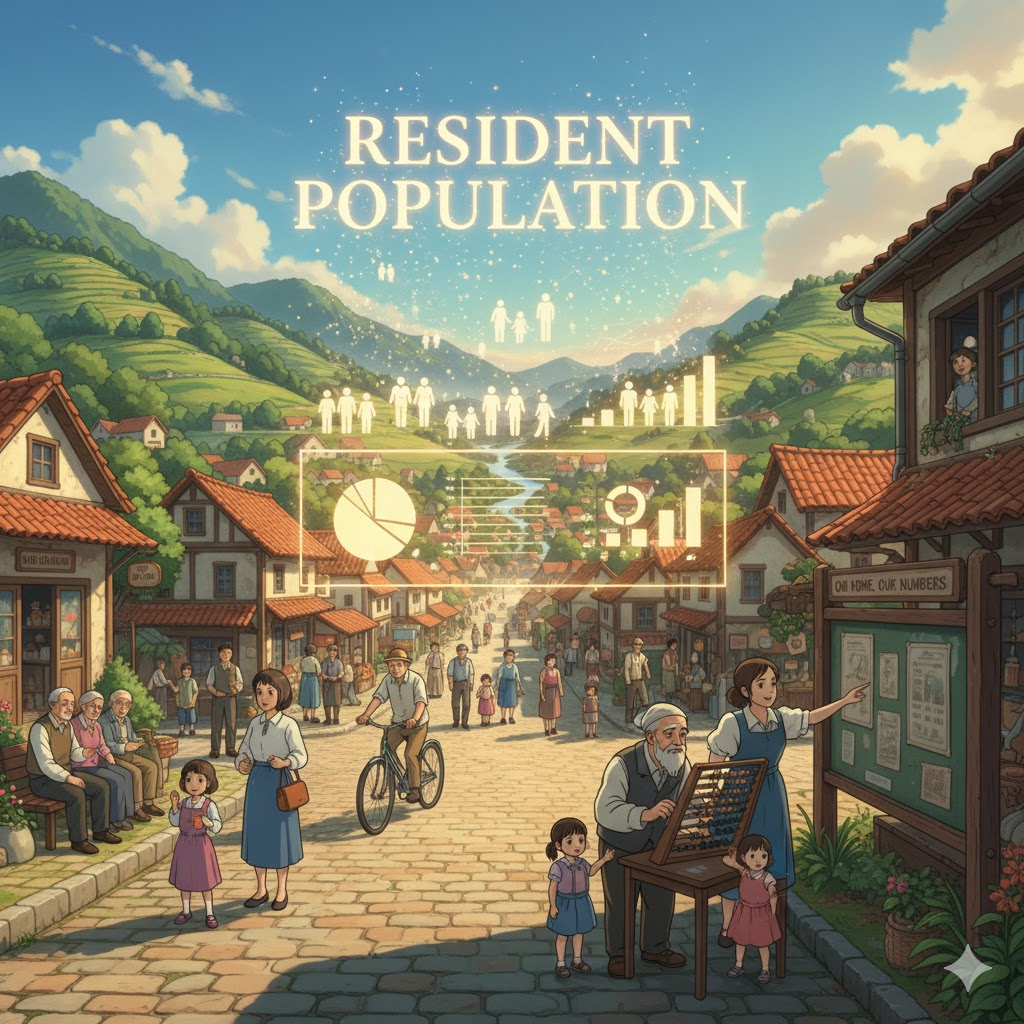
resident population [ˈrezɪdənt ˌpɑːpjəˈleɪʃən]
(명사) 상주 인구, 거주 인구
'특정'(specific) '지역'(area)이나 '국가'(nation)에 '장기간'(long-term) '정착'(settled)하여 '영구적'(permanent)으로 '생활'(live)하는 '사람들'(people)의 '총'(total) '수'(number)를 의미합니다. '일시적'(temporary)인 '방문객'(visitors)이나 '관광객'(tourists)이 '제외'(exclude)된 '실제'(actual) '인구'(population)를 강조합니다.
- The city council plans to increase services to meet the needs of the resident population. (시 의회는 상주 인구의 필요를 충족시키기 위해 서비스를 늘릴 계획이다.)
- The manager said the cost of infrastructure depends on the size of the resident population. (관리자는 인프라 비용이 상주 인구의 규모에 달려 있다고 말했다.)
- The professor's study analyzed the population density in relation to the resident population. (교수님의 연구는 상주 인구와 관련하여 인구 밀도를 분석했다.)
- The judge said the law must protect the rights of the resident population first. (판사는 법은 상주 인구의 권리를 먼저 보호해야 한다고 말했다.)

local resident [ˈloʊkl ˈrezɪdənt]
(명사) 현지 주민, 지역 거주자
'특정'(specific) '지역'(area), '마을'(town), 또는 '공동체'(community)에 '가장'(most) '가까이'(close) '살고'(live) 있는 '사람'(person)을 의미합니다. '지역'(local) '정치'(politics), '서비스'(service), 또는 '환경'(environment) '문제'(issue)와 '직접적'(direct)으로 '관련'(related)된 '주민'을 강조합니다.
- The manager consulted local residents about the unnecessary noise from the factory. (관리자는 공장에서의 불필요한 소음에 대해 현지 주민들과 상의했다.)
- The judge said the company must pay compensation to all affected local residents. (판사는 회사는 영향받은 모든 현지 주민들에게 배상해야 한다고 말했다.)
- I was surprised by the kindness shown by the local resident when I lost my way. (나는 길을 잃었을 때 현지 주민이 보여준 친절함에 놀랐다.)
- The professor's study analyzed the difference in attitudes between local residents and tourists. (교수님의 연구는 현지 주민과 관광객 사이의 태도 차이점을 분석했다.)

resident permit [ˈrezɪdənt ˈpɜːrmɪt]
(명사) 거주 허가증
'국가'(nation)의 '정부'(government)가 '외국인'(foreign national)에게 '특정'(specific) '기간'(period) 동안 '그' '나라'(country)에 '거주'(reside)할 '법적'(legal) '권리'(rights)를 '부여'(grant)함을 '증명'(proof)하는 '공식적인'(official) '문서'(document)를 의미합니다. '체류'(stay) '자격'(status)과 '이민'(immigration) '규정'(regulation)을 강조합니다.
- The customs officer checked the validity of the resident permit. (세관 담당자는 거주 허가증의 유효성을 확인했다.)
- The manager said the company requires a copy of the resident permit for all foreign employees. (관리자는 회사는 모든 외국인 직원들에게 거주 허가증 사본을 요구한다고 말했다.)
- The judge ruled that the defendant violated the terms of his resident permit. (판사는 피고가 자신의 거주 허가증 조건을 위반했다고 판결했다.)
- I need to apply for a new resident permit before the end of the month. (나는 이달 말 전에 새로운 거주 허가증을 신청할 필요가 있다.)

resident scholar [ˈrezɪdənt ˈskɑːlər]
(명사) 상주 학자, 객원 연구원
'대학교'(university), '연구'(research) '기관'(institution), 또는 '재단'(foundation)에 '일정'(set) '기간'(period) 동안 '상주'(reside)하며, '자신의'(one's) '연구'(research)를 '수행'(perform)하고 '강의'(lecture)나 '자문'(consultation) '활동'(activity)을 '제공'(provide)하는 '학자'(scholar)를 의미합니다. '전문적'(professional) '지식'(knowledge)의 '공유'(share)와 '발전'(development)에 초점이 맞춰집니다.
- The professor was invited to be a resident scholar at a prestigious international organization. (교수님은 명문 국제 기구에 상주 학자로 초대받았다.)
- The manager hoped to consult the resident scholar about the new economic model. (관리자는 새로운 경제 모델에 대해 상주 학자와 상의하기를 희망했다.)
- The judge said the institution must provide adequate living quarters for the resident scholar. (판사는 기관은 상주 학자를 위한 적절한 숙소를 제공해야 한다고 말했다.)
- The research team received support from the new resident scholar. (연구 팀은 새로운 상주 학자로부터 지원을 받았다.)

resident engineer [ˈrezɪdənt ˌendʒɪˈnɪr]
(명사) 현장 상주 엔지니어, 현장 감독 기술자
'건설'(construction) 현장(site), '공장'(factory), 또는 '시스템'(system) 설치 '지역'(area)에 '장기간'(long-term) '머무르며'(stay), '프로젝트'(project)의 '품질'(quality) '관리'(management), '기술적'(technical) '결정'(decision), 그리고 '공사'(work) '진행'(progress)을 '감독'(supervise)하는 '책임'(responsibility)을 가진 '엔지니어'(engineer)를 의미합니다. '현장'(field) '통제'(control)와 '효율성'(efficiency) 확보를 강조합니다.
- The manager appointed a resident engineer to oversee the final phase of the construction. (관리자는 건설의 최종 단계를 감독하기 위해 현장 상주 엔지니어를 임명했다.)
- The engineer's duty as a resident engineer is to ensure safety protocols are followed. (현장 상주 엔지니어로서의 엔지니어의 의무는 안전 규약이 준수되도록 보장하는 것이다.)
- The judge said the resident engineer was liable for the damage caused by the error. (판사는 현장 상주 엔지니어는 오류로 야기된 피해에 책임이 있다고 말했다.)
- The company provides living quarters for the resident engineer at the construction site. (회사는 건설 현장의 현장 상주 엔지니어를 위한 숙소를 제공한다.)
resident physician, resident alien, resident population, local resident, resident permit, resident scholar, resident engineer
(숙어) 레지던트 의사, 거주 외국인, 상주 인구, 지역 주민, 거주 허가, 상주 학자, 현장 엔지니어
이 표현들은 거주의 '직업적', '법적', '통계적'인 '특정 목적이나 분류'를 나타냅니다. 'resident physician'은 '의대 졸업 후' '병원에서 전문 수련을 받는' '레지던트 의사'를 의미합니다. 'resident alien'은 '자국민은 아니지만' '해당 국가에 합법적으로 거주하는' 외국인을 의미하며, 'resident permit'은 '거주를 허가하는' '공식 문서'를 의미합니다. 'resident population'은 '실제로 해당 지역에 살고 있는' '상주 인구'를, 'local resident'는 '지역 주민'을 의미합니다. 'resident scholar'와 'resident engineer'는 각각 '특정 기관에서 연구나 업무를 위해' '상주하는 전문가'를 뜻합니다.
- The young doctor is currently a resident physician at the university hospital. (그 젊은 의사는 현재 대학 병원의 레지던트 의사이다.)
- You need a resident permit to live in the country for more than 90 days. (90일 이상 그 나라에 살려면 거주 허가가 필요하다.)
- The city's resident population is about 5 million. (그 도시의 상주 인구는 약 5백만 명이다.)
- The museum hosts a resident scholar to conduct long-term research. (그 박물관은 장기 연구를 위한 상주 학자를 유치한다.)
- All local residents were invited to the town hall meeting. (모든 지역 주민들이 시청 회의에 초대되었다.)
- The company hired a resident engineer for the new factory construction. (그 회사는 새 공장 건설을 위해 현장 엔지니어를 고용했다.)
- As a resident alien, he has limited rights compared to citizens. (거주 외국인으로서 그는 시민에 비해 제한적인 권리를 가진다.)
- The survey focuses on the economic impact on the local residents. (그 조사는 지역 주민에게 미치는 경제적 영향에 중점을 둔다.)
핵심 뜻
특정 목적의 거주자. 직업적, 법적, 또는 통계적 분류에 따른 상주 인원.
| physician | 의사 | 명사로, '의료' '훈련'. | '병원' '에서' '전문' '수련' '을' '받는' '단계' '의' '의사' '임을' '나타냄'. |
| alien | 외국인 | 명사로, '국적'. | '자국' '민이' '아닌' '합법적' '거주' '자' '임을' '나타내는' '법률' '용어'. |
| population | 인구 | 명사로, '통계'. | '일시적' '인' '방문' '자' '가' '아닌' '실제' '로' '거주' '하는' '총' '인원' '임을' '강조함'. |
| permit | 허가 | 명사로, '공식' '문서'. | '거주' '를' '위해' '필요한' '공식' '적' '인' '서류' '임을' '나타냄'. |
| scholar/engineer | 학자/엔지니어 | 명사로, '직업'. | '특정' '기관' '에' '상주' '하며' '전문' '직' '업무' '를' '수행' '함' '을' '나타냄'. |
비슷한 어휘 깔끔하게 표로 정리하고 밑에 예문,해석 하나씩 나열하기
| trainee doctor | 수련의 (resident physician 유사) |
| expatriate | 국외 거주자 |
| demographics | 인구 통계 (resident population 유사) |
trainee doctor
예문: The trainee doctor works very long hours.
해석: 그 수련의는 매우 긴 시간 동안 일한다.
expatriate
예문: The city has a large community of expatriates.
해석: 그 도시는 국외 거주자의 큰 공동체가 있다.
demographics
예문: The study analyzed the demographics of the neighborhood.
해석: 그 연구는 그 동네의 인구 통계를 분석했다.
결론 정리
'resident physician'은 수련의를, 'resident alien'은 거주 외국인을, 'resident population'은 상주 인구를, 'resident permit'은 거주 허가를, 'resident scholar/engineer'는 상주 전문가를 나타냅니다.


