- 분류 전체보기 (5709)

| 일 | 월 | 화 | 수 | 목 | 금 | 토 |
|---|---|---|---|---|---|---|
| 1 | 2 | 3 | 4 | 5 | ||
| 6 | 7 | 8 | 9 | 10 | 11 | 12 |
| 13 | 14 | 15 | 16 | 17 | 18 | 19 |
| 20 | 21 | 22 | 23 | 24 | 25 | 26 |
| 27 | 28 | 29 | 30 |
- Actually
- Excuse me
- please?
- set up
- Show Up
- Sure
- get through
- Right?
- By The Way
- OKay
- hold on
- pick up
- Don't worry
- please.
- I'm sorry
- well
- oh
- come up with
- make it
- Hey
- Yes
- Read between the lines
- too.
- entrance fee
- Sorry
- Yeah
- Please
- work out
- no
- I'm glad to hear that.
- Today
- Total
인과함께
Day440 , neglect, neglect one's duties, neglect to do, neglect the importance of, neglect children, long-term neglect, neglect in favor of, neglect the details, deliberate neglect, neglect one's health, criminal neglect 본문
Day440 , neglect, neglect one's duties, neglect to do, neglect the importance of, neglect children, long-term neglect, neglect in favor of, neglect the details, deliberate neglect, neglect one's health, criminal neglect
미인생 2026. 9. 21. 12:28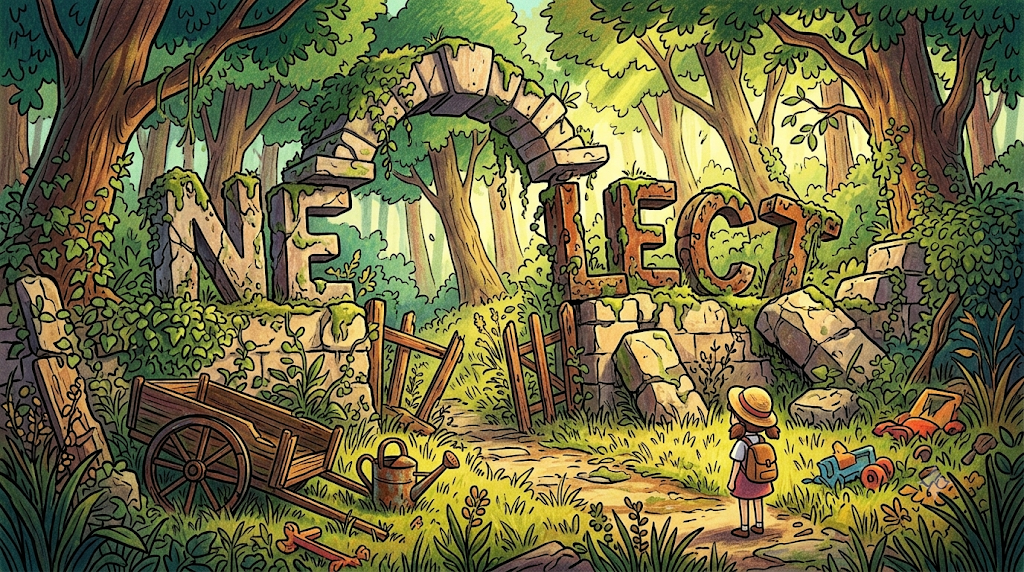
neglect [nɪˈɡlekt]
(동사/명사) 소홀히 하다, 게을리하다, 무시하다, 방치하다 / 소홀, 방치, 태만
단순히 "소홀히 하다"로만 외우면 수능에서 반드시 틀립니다. neglect는 "마땅히 해야 하거나 돌봐야 할 것을 충분히 하지 않아서 그것이 나빠지거나 손상되도록 내버려 두는 것" 이라는 핵심 이미지에서 출발해, 의무 태만에서 건강 방치·자녀 방임·세부 사항 무시·중요성 경시까지 폭넓게 쓰이는 핵심 다의어입니다. 특히 neglect(방치하다) vs. ignore(무시하다) vs. disregard(경시하다) 의 뉘앙스 차이, neglect one's duties(의무를 소홀히 하다), long-term neglect(장기적 방치) 패턴은 수능 독해 사회·교육·심리·의학·법률 지문에서 핵심적으로 등장합니다.
'neglect'는 라틴어 neglectus(방치된, 소홀히 된)에서 유래했습니다. nec(아니, 없이)와 legere(모으다, 선택하다, 주의를 기울이다)가 결합하여, 원래 "주의를 기울이지 않고 지나치는 것, 즉 선택하지 않고 내버려 두는 것" 을 뜻했습니다. neglect의 핵심 이미지는 "마땅히 주의를 기울이고 돌봐야 할 것을 충분히 하지 않아서, 그것이 나빠지거나 손상되거나 악화되도록 내버려 두는 것" 으로, 이 이미지에서 의무 태만·건강 방치·자녀 방임·세부 사항 무시·중요성 경시가 모두 확장되었습니다.
1. neglect one's duties [nɪˈɡlekt wʌnz ˈdjuːtiz]
(사회/교육/수능) "의무를 소홀히 하다, 책임을 게을리하다"를 뜻합니다. 맡은 역할이나 책임을 충분히 이행하지 않는 것을 강조합니다. 수능 독해 사회·교육·법률 지문의 핵심 표현입니다.
The security guard was dismissed after it was discovered that he had regularly neglected his duties by sleeping during his shift instead of monitoring the building as he was required to do. (경비원은 건물을 감시해야 하는 대신 당번 중에 잠을 자면서 정기적으로 업무를 소홀히 했다는 것이 발견된 후 해고됐다.)
2. neglect to do [nɪˈɡlekt tuː duː]
(교육/사회/수능) "~하는 것을 소홀히 하다, ~하지 않고 빠뜨리다"를 뜻합니다. 해야 할 행동이나 일을 잊거나 의도적으로 하지 않는 것을 강조합니다. 수능 독해 교육·사회·법률 지문에서 자주 등장합니다.
The builder neglected to check whether the electrical wiring met safety standards before completing the renovation, a mistake that became apparent only when a fault was discovered during a routine inspection months later. (건축업자는 개조 공사를 완료하기 전에 전기 배선이 안전 기준을 충족하는지 확인하는 것을 소홀히 했으며 이 실수는 몇 달 후 정기 검사 중에 결함이 발견됐을 때 비로소 드러났다.)
3. neglect the importance of [nɪˈɡlekt ðə ɪmˈpɔːrtəns əv]
(교육/사회/수능) "~의 중요성을 경시하다, ~의 중요성을 소홀히 하다"를 뜻합니다. 어떤 것이 중요하다는 것을 알면서도 충분한 관심을 기울이지 않는 것을 강조합니다. 수능 독해 교육·사회·과학 지문의 핵심 표현입니다.
Many students neglect the importance of sleep during exam season, not realising that the brain consolidates new information and memories during rest, which means that staying up all night to revise can actually make performance worse rather than better. (많은 학생들은 시험 기간 동안 수면의 중요성을 경시하면서 뇌가 휴식 중에 새로운 정보와 기억을 통합한다는 것을 깨닫지 못하는데 이것은 복습하기 위해 밤을 새는 것이 실제로 성과를 좋게 하기보다 더 나쁘게 만들 수 있다는 것을 의미한다.)
4. neglect children [nɪˈɡlekt ˈtʃɪldrən]
(사회/심리/수능) "아이들을 방임하다, 어린이를 소홀히 하다"를 뜻합니다. 아이들이 필요로 하는 돌봄이나 관심이나 지원을 충분히 제공하지 않는 것을 강조합니다. 수능 독해 사회·심리·교육 지문의 핵심 표현입니다.
Parents who neglect children emotionally — failing to respond to their feelings, dismissing their concerns, or consistently prioritising other activities over time with their children — can cause lasting damage to the child's sense of self-worth that is just as serious as physical neglect. (아이들을 감정적으로 방임하는 부모 — 아이의 감정에 반응하지 않거나, 그들의 걱정을 무시하거나, 아이들과의 시간보다 다른 활동을 지속적으로 우선시하는 — 는 신체적 방임만큼 심각한 아이의 자존감에 지속적인 손상을 야기할 수 있다.)
5. long-term neglect [lɒŋ tɜːrm nɪˈɡlekt]
(사회/과학/수능) "장기적 방치, 오랜 소홀"을 뜻합니다. 어떤 것이 오랜 기간 동안 충분한 관심이나 돌봄을 받지 못한 상태를 강조합니다. 수능 독해 사회·과학·역사 지문의 핵심 표현입니다.
The bridge had become dangerous after decades of long-term neglect — year after year, maintenance had been postponed to save money, until the accumulated damage reached the point where the repair bill was far greater than it would have been if problems had been addressed when they first appeared. (다리는 수십 년간의 장기적 방치 이후 위험해졌다 — 해마다 비용 절감을 위해 유지 보수가 미뤄져서 누적된 손상이 문제가 처음 나타났을 때 해결됐다면 들었을 것보다 훨씬 더 큰 수리비에 도달하는 지점에 이르렀다.)
6. neglect in favor of [nɪˈɡlekt ɪn ˈfeɪvər əv]
(심리/사회/수능) "~을 위해 ~을 소홀히 하다, ~를 선택하느라 ~를 방치하다"를 뜻합니다. 한 가지를 우선시하느라 다른 중요한 것을 소홀히 하는 것을 강조합니다. 수능 독해 심리·사회·교육 지문에서 자주 등장합니다.
Many employees neglect their personal health in favor of work, skipping meals, forgoing exercise, and reducing sleep during busy periods, not realising that these short-term sacrifices are creating long-term health problems that will ultimately reduce their productivity more than the extra hours gained. (많은 직원들이 바쁜 시기에 식사를 거르고, 운동을 포기하고, 수면을 줄이면서 업무를 위해 개인 건강을 소홀히 하며 이러한 단기적 희생이 결국 얻은 추가 시간보다 생산성을 더 감소시킬 장기적 건강 문제를 만들고 있다는 것을 깨닫지 못한다.)
7. neglect the details [nɪˈɡlekt ðə ˈdiːteɪlz]
(교육/과학/수능) "세부 사항을 소홀히 하다, 세부 내용을 무시하다"를 뜻합니다. 큰 그림에 집중하느라 작고 구체적인 것들에 충분한 주의를 기울이지 않는 것을 강조합니다. 수능 독해 교육·과학·사회 지문의 핵심 표현입니다.
Students who neglect the details of how to structure an argument often lose marks not because their ideas are poor but because they have not explained the connections between those ideas clearly enough for a reader who does not already know what they are trying to say. (논증 구조의 세부 사항을 소홀히 하는 학생들은 종종 아이디어가 나빠서가 아니라 이미 자신들이 말하려는 것을 모르는 독자에게 충분히 명확하게 아이디어 사이의 연결을 설명하지 않았기 때문에 점수를 잃는다.)
8. deliberate neglect [dɪˈlɪbərət nɪˈɡlekt]
(사회/법률/수능) "의도적인 방치, 고의적인 소홀"을 뜻합니다. 단순한 실수나 바쁨이 아닌 의도적으로 돌보지 않거나 소홀히 하는 것을 강조합니다. 수능 독해 사회·법률·심리 지문의 핵심 표현입니다.
The investigation concluded that the company's failure to maintain safe working conditions was not the result of ignorance or limited resources but of deliberate neglect — management had been fully aware of the risks and had chosen not to spend money on addressing them. (조사는 회사가 안전한 작업 조건을 유지하지 못한 것이 무지나 제한된 자원의 결과가 아니라 의도적인 방치의 결과라고 결론지었다 — 경영진은 위험을 완전히 알고 있었지만 그것들을 해결하는 데 돈을 쓰지 않기로 선택했다.)
9. neglect one's health [nɪˈɡlekt wʌnz helθ]
(의학/사회/수능) "건강을 소홀히 하다, 건강을 방치하다"를 뜻합니다. 자신의 신체적이거나 정신적인 건강에 충분한 관심을 기울이지 않는 것을 강조합니다. 수능 독해 의학·사회·심리 지문의 핵심 표현입니다.
People who neglect their health during their working years often discover in middle age that the time they thought they were saving by skipping check-ups and ignoring warning signs was far outweighed by the time lost to managing conditions that could have been caught and treated much earlier. (일하는 시기에 건강을 소홀히 하는 사람들은 종종 중년에 정기 검진을 건너뛰고 경고 신호를 무시하면서 절약한다고 생각했던 시간이 훨씬 일찍 발견되어 치료될 수 있었던 질환을 관리하는 데 잃은 시간보다 훨씬 적다는 것을 발견한다.)
10. criminal neglect [ˈkrɪmɪnəl nɪˈɡlekt]
(법률/사회/수능) "형사상의 방치, 범죄적 태만"을 뜻합니다. 법적으로 책임이 있는 사람이 필요한 돌봄을 제공하지 않아서 심각한 피해가 발생할 정도로 극단적인 방치를 강조합니다. 수능 독해 법률·사회·심리 지문의 핵심 표현입니다.
The social workers were accused of criminal neglect for failing to act on multiple reports from teachers and neighbours that the children in the household were being left alone for days at a time without adequate food or supervision. (사회복지사들은 아이들이 며칠씩 적절한 음식이나 감독 없이 혼자 방치되고 있다는 교사들과 이웃들의 여러 신고에 조치를 취하지 않은 것에 대해 형사상의 방치로 고발됐다.)
대한민국 입시 및 학술 주요 POINT
POINT 1. neglect vs. ignore vs. disregard — 수능 최빈출 뉘앙스 구별
세 단어 모두 "주의를 기울이지 않다"와 관련되지만 뉘앙스가 다릅니다. neglect → 마땅히 돌봐야 하거나 해야 할 것을 충분히 하지 않아서 그것이 나빠지거나 손상되도록 내버려 두는 것 (의무 불이행·방치·악화 강조) ignore → 어떤 것을 보거나 알면서도 모른 척하고 반응하지 않는 것 (의도적 외면·못 본 척·반응 거부 강조) disregard → 마땅히 존중받아야 할 것을 알면서도 의도적으로 없는 것처럼 취급하는 것 (의도적 경시·규칙 무시·무관심의 태도 강조) 예) She neglected to water her plants and they died. (그녀는 식물에 물을 주는 것을 소홀히 하여 식물이 죽었다.) — 해야 할 일을 하지 않아 손상됨 He ignored her question and walked away. (그는 그녀의 질문을 무시하고 자리를 떴다.) — 알면서도 모른 척함 They disregarded the safety rules entirely. (그들은 안전 규칙을 완전히 무시했다.) — 의도적으로 없는 것처럼 취급함
POINT 2. neglect one's duties / long-term neglect / deliberate neglect — 수능 법률·사회 지문 핵심
세 표현 모두 neglect의 "마땅히 해야 할 것을 하지 않는" 이미지를 공유하지만 맥락이 다릅니다. neglect one's duties → 맡은 역할이나 책임을 충분히 이행하지 않는 것 (의무 불이행·책임 방기·태만 강조) long-term neglect → 어떤 것이 오랜 기간 동안 충분한 관심이나 돌봄을 받지 못한 상태 (누적된 방치·오랜 소홀·점진적 악화 강조) deliberate neglect → 의도적으로 돌보지 않거나 소홀히 하는 것 (고의성·책임 회피·법적 책임 강조) 이 세 표현이 등장하면 글쓴이가 책임이나 의무의 이행 여부를 논하고 있다는 신호입니다.
POINT 3. neglect 어근 확장 — 수능 어휘 확장 필수
라틴어 nec(아니)와 legere(주의를 기울이다)에서 유래한 단어들이 수능에서 자주 출제됩니다. neglect [nɪˈɡlekt] → 소홀히 하다, 방치하다 / 소홀, 방치 negligent [ˈneɡlɪdʒənt] → 태만한, 부주의한 negligence [ˈneɡlɪdʒəns] → 태만, 부주의, 과실 neglected [nɪˈɡlektɪd] → 방치된, 소홀히 된 negligible [ˈneɡlɪdʒɪbəl] → 무시해도 될 만큼 작은, 하찮은 이 단어들은 모두 "마땅히 주의를 기울여야 할 것에 주의를 기울이지 않는" 공통 이미지에서 시작합니다.
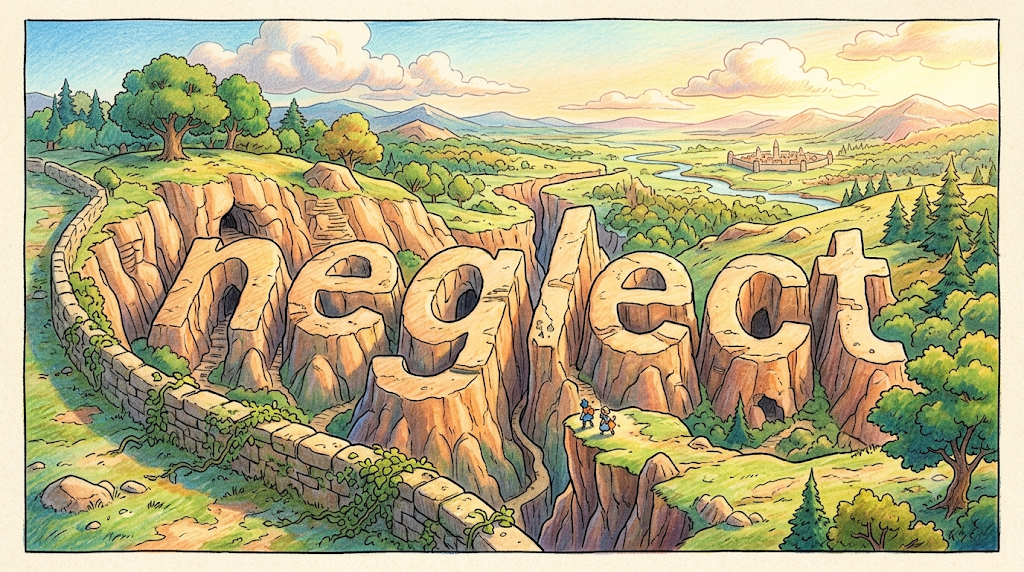
(동사) ① 소홀히 하다, 게을리하다 (의무·책임·일)
neglect의 가장 기본적인 의미로, 마땅히 해야 할 것을 충분히 하지 않는 것을 나타냅니다.
- The head teacher warned the staff that neglecting to document incidents involving students properly was not just an administrative inconvenience but a serious professional failure that could have legal consequences. (교장 선생님은 직원들에게 학생과 관련된 사건을 제대로 문서화하는 것을 소홀히 하는 것이 단순한 행정적 불편함이 아니라 법적 결과를 초래할 수 있는 심각한 전문적 실패라고 경고했다.)
- The garden that had once been the pride of the neighbourhood had been neglected for so long after the owner moved into a care home that it was now completely overgrown, with weeds taller than the fence and nothing of the original design visible anymore. (주인이 요양원으로 이사한 후 오랫동안 방치된 한때 동네의 자랑이었던 정원은 이제 울타리보다 높은 잡초와 함께 완전히 덮여버렸고 원래 설계의 아무것도 더 이상 보이지 않았다.)
- Scientists who neglect to question their own assumptions risk producing research that confirms what they already believed rather than discovering what is actually true — which is why peer review and replication of results are considered such essential parts of the scientific process. (자신의 가정을 의문시하는 것을 소홀히 하는 과학자들은 실제로 사실인 것을 발견하기보다 이미 믿었던 것을 확인하는 연구를 만들 위험이 있다 — 이것이 동료 검토와 결과 복제가 과학적 과정의 그토록 필수적인 부분으로 여겨지는 이유이다.)

(동사) ② 방치하다, 충분히 돌보지 않다 (사람·사물·관계)
어떤 것이 필요로 하는 관심이나 돌봄을 충분히 제공하지 않아서 나빠지게 두는 것을 나타냅니다. 수능 독해 사회·심리·교육 지문에서 자주 등장합니다.
- Friendships that are neglected over a long period — where contact becomes rare, shared experiences stop accumulating, and the habits of mutual support gradually fade — can become so attenuated that they dissolve entirely before either person has made an active decision to end them. (오랜 기간 동안 방치된 우정 — 연락이 드물어지고, 공유된 경험이 쌓이기를 멈추며, 상호 지원의 습관이 서서히 사라지는 — 은 어느 쪽도 적극적인 결정을 내리기 전에 완전히 흩어질 만큼 희박해질 수 있다.)
- The community library had been neglected by the local council for years — its book collection was outdated, its computers were broken, and its opening hours had been reduced three times — but it remained one of the few genuinely free spaces in the town where anyone could go regardless of age or income. (지역 도서관은 수년 동안 지방 의회에 의해 방치됐다 — 장서는 구식이었고, 컴퓨터는 고장났으며, 운영 시간은 세 번이나 줄었다 — 하지만 나이나 소득에 관계없이 누구나 갈 수 있는 마을의 진정으로 무료인 몇 안 되는 공간 중 하나로 남아있었다.)
- Children who feel neglected by their parents do not always express this through bad behaviour — some withdraw quietly, losing interest in activities they previously enjoyed, and this quieter form of distress is often missed by adults who are watching for more obvious signs of difficulty. (부모에게 방치된다고 느끼는 아이들이 항상 나쁜 행동을 통해 이것을 표현하지는 않는다 — 일부는 조용히 물러서서 이전에 즐겼던 활동에 대한 관심을 잃으며 이 더 조용한 형태의 고통은 더 명백한 어려움의 신호를 찾고 있는 어른들에게 종종 간과된다.)
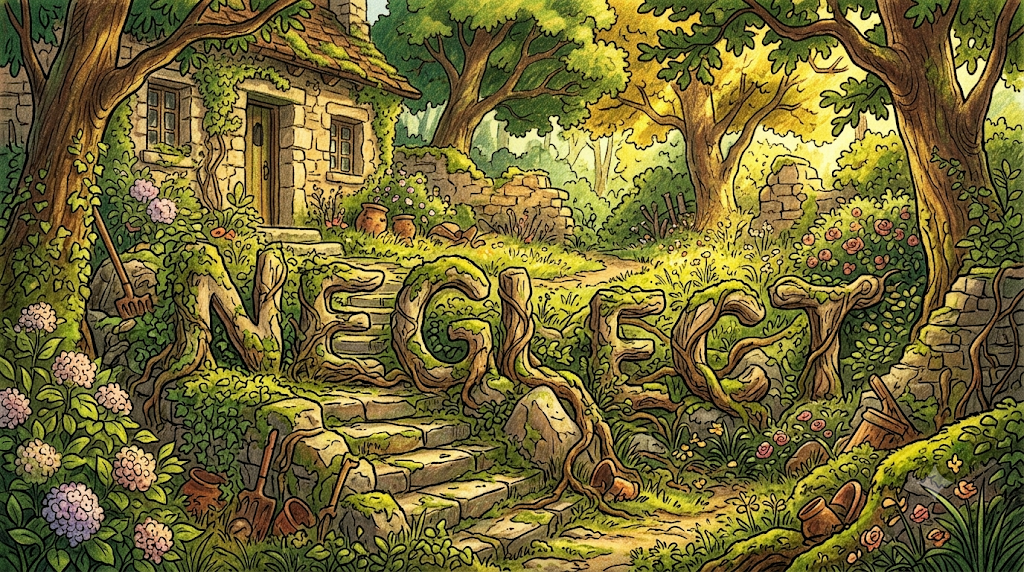
(명사) ③ 소홀, 방치, 태만
마땅히 주의를 기울이고 돌봐야 할 것을 충분히 하지 않은 상태나 행동을 나타냅니다.
- The neglect of mental health services in many healthcare systems has meant that people in genuine crisis often find that the support they need simply does not exist, or exists in such limited quantities that they face long waits before they can access it. (많은 의료 시스템에서 정신 건강 서비스의 방치는 진정한 위기에 처한 사람들이 종종 필요한 지원이 단순히 존재하지 않거나 그것에 접근하기 전에 오랜 대기를 해야 할 만큼 제한된 양으로 존재한다는 것을 발견한다는 것을 의미했다.)
- The author argued that the cultural neglect of poetry in schools was partly responsible for the widespread belief that poetry was difficult and inaccessible — a belief that was more a product of how it was taught than of anything inherent in the form itself. (작가는 학교에서 시에 대한 문화적 방치가 부분적으로 시가 어렵고 접근하기 어렵다는 광범위한 믿음을 초래했다고 주장했다 — 그 믿음은 형식 자체에 내재된 것보다 가르치는 방식의 산물이었다.)
- Decades of neglect of the country's rail infrastructure had left travellers with a system that was simultaneously expensive, unreliable, and uncomfortable — and the cost of bringing it up to modern standards had grown so large that it had become politically difficult to justify the investment. (수십 년간의 나라 철도 인프라 방치는 여행자들에게 동시에 비싸고, 신뢰할 수 없으며, 불편한 시스템을 남겨줬다 — 그리고 현대 기준에 맞추는 비용이 너무 커져서 투자를 정당화하기 정치적으로 어렵게 됐다.)
뉘앙스·의미 연결 흐름 표
핵심 이미지 연결 흐름 뉘앙스 요약
| 마땅히 주의를 기울이고 돌봐야 할 것을 충분히 하지 않아서 그것이 나빠지거나 손상되도록 내버려 두는 것 | 의무 태만 → 건강 방치 → 자녀 방임 → 세부 사항 무시 → 중요성 경시 | 해야 할 것을 하지 않아 나빠지도록 내버려 두는 이미지 |
| 방치의 기간 | neglect → long-term neglect → criminal neglect | 일반→장기→범죄적의 이미지 |
| 방치의 의도 | neglect to do → neglect → deliberate neglect | 실수·잊음→일반→고의적의 이미지 |
어원 흐름 표
단어 구성 요소 의미 연결 흐름 뉘앙스 요약
| 라틴어 nec (아니·없이) + legere (주의를 기울이다·선택하다) → neglectus | 주의를 기울이지 않다 → 선택하지 않고 지나치다 → 소홀히 하다·방치하다 | 마땅히 주의를 기울여야 할 것에 주의를 기울이지 않아 나빠지게 두는 핵심 이미지 |
| neglect (동사→명사→형용사·negligent→명사·negligence) | 소홀히 하다·방치하다 → 소홀·방치 → 태만한·부주의한 | 의무 불이행의 이미지에서 다양한 맥락으로 완성 |
품사별 의미 표
품사 의미 예문
| 동사 | 소홀히 하다, 게을리하다 | neglect one's duties (의무를 소홀히 하다) |
| 동사 | 방치하다, 충분히 돌보지 않다 | neglect a child (아이를 방치하다) |
| 동사 | ~하지 않고 빠뜨리다 | neglect to lock the door (문을 잠그는 것을 잊다) |
| 명사 | 소홀, 방치 | neglect of duties (의무 소홀) |
| 명사 | 태만, 돌보지 않음 | years of neglect (수년간의 방치) |
활용 예문 리스트
- The council had neglected the park for so long that the playground equipment had become rusted and dangerous, the paths were cracked and uneven, and the flower beds had been overtaken by weeds, leaving a space that had once been the heart of the community looking abandoned and unloved. (의회는 공원을 너무 오랫동안 방치하여 놀이터 장비가 녹슬고 위험해졌으며, 길은 갈라지고 고르지 않았으며, 꽃밭은 잡초에 뒤덮여 한때 지역 사회의 중심이었던 공간이 버려지고 사랑받지 못하는 것처럼 보이게 됐다.)
- She had neglected her creative writing for so many years while focusing on her career that when she finally sat down to try again, she found it much harder than she remembered — not because the skill had completely disappeared but because it had stiffened from disuse, like a muscle that had not been exercised. (그녀는 경력에 집중하면서 너무 많은 해 동안 창작 글쓰기를 소홀히 하여 마침내 다시 시도하기 위해 앉았을 때 기술이 완전히 사라진 것이 아니라 운동하지 않은 근육처럼 사용하지 않아 굳어있었기 때문에 기억보다 훨씬 더 어렵다는 것을 발견했다.)
- The report criticised the government for neglecting the importance of early childhood education, pointing out that the evidence for its effectiveness in reducing inequality was overwhelming and that the decision to cut funding was driven by short-term budget considerations rather than genuine assessment of long-term social costs. (보고서는 초기 아동 교육의 중요성을 소홀히 한 것에 대해 정부를 비판하며 불평등 감소에 대한 효과성에 대한 증거가 압도적이고 자금 삭감 결정이 장기적 사회 비용에 대한 진정한 평가보다 단기적인 예산 고려에 의해 주도됐다고 지적했다.)
- Neglecting one's health in the short term to meet a work deadline might seem like a reasonable trade-off in the moment, but research consistently shows that the cumulative effects of skipped meals, reduced sleep, and high stress create a debt that the body eventually demands be repaid, often at the worst possible time. (업무 마감을 맞추기 위해 단기적으로 건강을 소홀히 하는 것이 그 순간에는 합리적인 절충처럼 보일 수 있지만 연구는 일관되게 거른 식사, 줄어든 수면, 높은 스트레스의 누적 효과가 신체가 결국 상환을 요구하는 부채를 만들며 종종 최악의 시간에 그렇게 된다는 것을 보여준다.)
- The long-term neglect of basic infrastructure in many parts of the city had reached a point where the cost of catching up was estimated at more than the entire annual budget of the relevant department — a situation that illustrated perfectly how deferred maintenance always ends up costing more than regular upkeep would have done. (도시의 많은 지역에서 기본 인프라의 장기적 방치는 따라잡는 비용이 관련 부서의 전체 연간 예산보다 더 많다고 추정되는 지점에 도달했다 — 미뤄진 유지 보수가 항상 정기적인 유지 보수보다 더 많은 비용이 드는 것으로 끝난다는 것을 완벽하게 보여주는 상황이었다.)
전체 뉘앙스 설명
neglect는 '마땅히 주의를 기울이고 돌봐야 할 것을 충분히 하지 않아서 그것이 나빠지거나 손상되도록 내버려 두는 것에서 출발하는 모든 의무 태만·건강 방치·자녀 방임·세부 사항 무시·중요성 경시의 언어'입니다.
ignore와의 차이: ignore는 어떤 것을 보거나 알면서도 모른 척하고 반응하지 않는 것을 강조하고, neglect는 더 깊게 마땅히 해야 하거나 돌봐야 할 것을 충분히 하지 않아서 나빠지게 두는 것을 강조합니다. disregard와의 차이: disregard는 마땅히 존중받아야 할 것을 의도적으로 없는 것처럼 취급하는 것을 강조하고, neglect는 더 넓게 의무나 돌봄의 불이행을 강조합니다. overlook과의 차이: overlook은 실수로 지나치거나 의도적으로 봐주는 것을 강조하고, neglect는 더 강하게 의무 불이행이나 방치로 인한 악화를 강조합니다.
마지막 핵심 정리
neglect는 단순히 "소홀히 하다"가 아닙니다 — 라틴어 nec(아니)와 legere(주의를 기울이다)에서 출발해, 의무를 소홀히 하다(neglect one's duties)·~하는 것을 소홀히 하다(neglect to do)·~의 중요성을 경시하다(neglect the importance of)·아이들을 방임하다(neglect children)·장기적 방치(long-term neglect)·~을 위해 ~을 소홀히 하다(neglect in favor of)·세부 사항을 소홀히 하다(neglect the details)·의도적인 방치(deliberate neglect)·건강을 소홀히 하다(neglect one's health)·형사상의 방치(criminal neglect)까지 확장되는 단어이며, neglect vs. ignore vs. disregard의 뉘앙스 구별·neglect one's duties·long-term neglect·deliberate neglect 패턴이 수능 핵심 출제 포인트입니다.
파생어 표 (발음기호 포함)
파생어 발음기호 품사 의미
| negligent | [ˈneɡlɪdʒənt] | 형용사 | 태만한, 부주의한 |
| negligence | [ˈneɡlɪdʒəns] | 명사 | 태만, 부주의, 과실 |
| neglected | [nɪˈɡlektɪd] | 형용사/과거분사 | 방치된, 소홀히 된 |
| negligible | [ˈneɡlɪdʒɪbəl] | 형용사 | 무시해도 될 만큼 작은 |
| neglectful | [nɪˈɡlektfəl] | 형용사 | 소홀한, 태만한 |
유의어 비교표
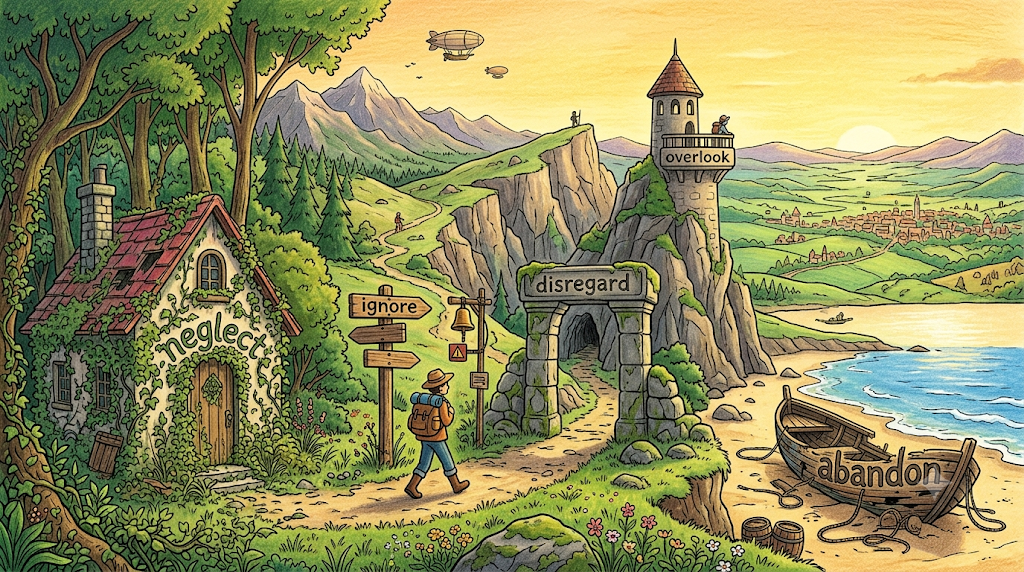
단어 공통점 뉘앙스 차이 예문
| neglect | 방치·소홀 관련 | 마땅히 해야 하거나 돌봐야 할 것을 충분히 하지 않아 나빠지게 두는 것 강조 | neglect one's duties |
| ignore | 방치·소홀 관련 | 보거나 알면서도 모른 척하고 반응하지 않는 것 강조 | ignore a warning |
| disregard | 방치·소홀 관련 | 마땅히 존중받아야 할 것을 의도적으로 없는 것처럼 취급하는 것 강조 | disregard the rules |
| overlook | 방치·소홀 관련 | 실수로 지나치거나 의도적으로 봐주는 것 강조 | overlook a mistake |
| abandon | 방치·소홀 관련 | 완전히 버리거나 포기하는 것 강조 | abandon a project |
유의어 예문 리스트
- (ignore) The student consistently ignored the teacher's feedback on her writing, handing in drafts that showed none of the improvements suggested, until the teacher finally had a direct conversation with her about why the feedback was not being acted on. (학생은 교사의 글쓰기 피드백을 지속적으로 무시하며 제안된 개선 사항이 전혀 반영되지 않은 초안을 제출했으며 선생님이 마침내 피드백이 반영되지 않는 이유에 대해 그녀와 직접 대화를 나눴다.)
- (disregard) The contractor completely disregarded the planning conditions attached to the building permission, extending the structure further than allowed and using materials that had not been approved, seemingly confident that the violation would not be noticed. (계약업자는 건축 허가에 첨부된 계획 조건을 완전히 무시하고 허용된 것보다 더 넓게 구조물을 확장하고 승인되지 않은 자재를 사용했으며 위반이 발견되지 않을 것이라고 확신하는 것처럼 보였다.)
- (overlook) It would be easy to overlook the small spelling error in the title of the document, but in a formal submission to a professional organisation it creates an impression of carelessness that is hard to undo once it has been noticed. (문서 제목의 작은 철자 오류를 간과하기 쉽지만 전문 기관에 대한 공식 제출에서 그것은 한번 발견되면 되돌리기 어려운 부주의한 인상을 만든다.)
- (abandon) The artist abandoned the painting halfway through when she realised that the fundamental composition was not working and that no amount of further work on the details would rescue a piece that was wrong at its foundation. (예술가는 기본 구성이 효과가 없고 아무리 세부 사항에 작업을 더 해도 기초가 잘못된 작품을 구할 수 없다는 것을 깨달았을 때 그림을 중간에 포기했다.)
결론 정리
neglect는 단순히 "소홀히 하다"가 아니라, 마땅히 주의를 기울이고 돌봐야 할 것을 충분히 하지 않아서 그것이 나빠지거나 손상되도록 내버려 두는 이미지에서 출발해 의무를 소홀히 하다·~하는 것을 소홀히 하다·~의 중요성을 경시하다·아이들을 방임하다·장기적 방치·~을 위해 ~을 소홀히 하다·세부 사항을 소홀히 하다·의도적인 방치·건강을 소홀히 하다·형사상의 방치까지 확장되는 단어다 — neglect가 있는 곳엔 언제나 '마땅히 해야 하거나 돌봐야 할 것을 충분히 하지 않아서 그것이 나빠지거나 손상되도록 내버려 두는' 방치와 태만의 이미지가 있다.
💡 neglect는 "마땅히 해야 하거나 돌봐야 할 것을 충분히 하지 않아서 그것이 나빠지거나 손상되도록 내버려 두는 것을 가리키는" 단어 — neglect one's duties·long-term neglect·deliberate neglect 가 수능 최빈출. ignore(모른 척하다)·disregard(경시하다)와의 구별이 핵심 출제 포인트.
🌟 초등학생 버전 neglect는 단순히 "소홀히 하다"가 아니에요! neglect one's duties는 청소 당번인 날 "귀찮다"는 이유로 교실 청소를 안 하고 나가버리는 것처럼 맡은 역할이나 책임을 충분히 하지 않아서 해야 할 일이 그냥 나빠지도록 내버려 두는 것이고, long-term neglect는 화분에 물 주는 것을 매일 미루다 보니 결국 식물이 말라죽어버린 것처럼 오랫동안 충분히 돌보지 않아서 서서히 나빠지고 망가지도록 내버려 두는 것이에요! 🌍✨

neglect one's duties [nɪˈɡlekt wʌnz ˈdjuːtiz]
품사/뉘앙스 설명
(동사구) 의무를 소홀히 하다, 책임을 게을리하다
맡은 역할이나 책임을 충분히 이행하지 않는 것을 강조합니다. 의무가 있다는 것을 알면서도 제대로 하지 않는다는 것이 핵심 뉘앙스입니다. 수능 독해 사회·교육·법률 지문의 핵심 표현입니다.
- A doctor who neglects their duties by failing to keep up with developments in their field, not reviewing patient notes carefully, or cutting appointments short to see more patients in a day is putting patients at risk even if no individual act of carelessness causes immediate harm. (의무를 소홀히 하는 의사 — 자신의 분야의 발전을 따라가지 못하거나, 환자 기록을 주의 깊게 검토하지 않거나, 하루에 더 많은 환자를 보기 위해 예약을 짧게 끊는 — 는 어떤 개별적인 부주의 행위도 즉각적인 해를 끼치지 않더라도 환자를 위험에 빠뜨리고 있다.)
- When elected representatives neglect their duties to their constituents by attending debates only rarely, failing to respond to correspondence, and voting on legislation they have not read, they undermine the very principle of representative democracy that gives their position its legitimacy. (선출된 대표자들이 토론에 거의 참석하지 않고, 서신에 응답하지 않으며, 읽지 않은 법안에 투표함으로써 유권자들에 대한 의무를 소홀히 할 때 그들은 자신의 지위에 정당성을 부여하는 대의 민주주의의 바로 그 원칙을 훼손한다.)
- Teachers who neglect their duties of care towards students — not just in obvious ways but in subtler ones like failing to notice when a previously engaged student suddenly withdraws or stops participating — miss opportunities to intervene at a point when support might make a significant difference. (학생들에 대한 돌봄 의무를 소홀히 하는 선생님들 — 분명한 방식만이 아니라 이전에 참여했던 학생이 갑자기 물러서거나 참여하기를 멈출 때 알아채지 못하는 것과 같은 더 미묘한 방식으로도 — 은 지원이 상당한 차이를 만들 수 있는 시점에 개입할 기회를 놓친다.)
neglect to do [nɪˈɡlekt tuː duː]
품사/뉘앙스 설명
(동사구) ~하는 것을 소홀히 하다, ~하지 않고 빠뜨리다
해야 할 행동이나 일을 잊거나 의도적으로 하지 않는 것을 강조합니다. 행동의 부재가 결과로 이어진다는 것이 핵심 뉘앙스입니다. 수능 독해 교육·사회·법률 지문에서 자주 등장합니다.
- The new employee neglected to inform her manager that the deadline for the project had changed, assuming someone else had already done so, and the misunderstanding resulted in the entire team preparing the wrong materials for an important client presentation. (신입 직원은 다른 누군가가 이미 그렇게 했다고 가정하며 프로젝트 마감일이 변경됐다는 것을 매니저에게 알리는 것을 소홀히 하여 오해로 인해 전체 팀이 중요한 고객 프레젠테이션을 위해 잘못된 자료를 준비하게 됐다.)
- Jisoo neglected to save her work before the computer crashed, losing three hours of writing that she had not backed up anywhere, which taught her a lesson about the importance of regular saving that she never had to learn twice. (지수는 컴퓨터가 충돌하기 전에 작업을 저장하는 것을 소홀히 하여 어디에도 백업하지 않은 3시간 분량의 글을 잃었으며 이것이 그녀에게 두 번 다시 배울 필요가 없는 정기적인 저장의 중요성에 대한 교훈을 가르쳐 줬다.)
- The company neglected to disclose several important risk factors in its investor prospectus — not falsifying information but omitting details that would likely have influenced the decisions of anyone reading the document carefully — a practice that the regulatory authority later ruled constituted misleading conduct. (회사는 투자자 안내서에서 여러 중요한 위험 요인을 공개하는 것을 소홀히 했다 — 정보를 거짓으로 꾸민 것이 아니라 문서를 주의 깊게 읽는 사람의 결정에 영향을 줬을 것 같은 세부 사항을 생략하는 — 이 관행은 규제 당국이 나중에 오해를 초래하는 행위를 구성한다고 판결했다.)
neglect the importance of [nɪˈɡlekt ðə ɪmˈpɔːrtəns əv]
품사/뉘앙스 설명
(동사구) ~의 중요성을 경시하다, ~의 중요성을 소홀히 하다
어떤 것이 중요하다는 것을 알면서도 충분한 관심을 기울이지 않는 것을 강조합니다. 인식은 하지만 행동이 따르지 않는다는 것이 핵심 뉘앙스입니다. 수능 독해 교육·사회·과학 지문의 핵심 표현입니다.
- Policy makers sometimes neglect the importance of local knowledge when designing national programmes, creating systems that work well on paper but fail in practice because they do not account for the specific conditions, cultures, and constraints that vary significantly from one community to the next. (정책 입안자들은 때로 국가 프로그램을 설계할 때 지역 지식의 중요성을 경시하여 서류상으로는 잘 작동하지만 한 지역 사회에서 다음으로 상당히 다른 특정 조건, 문화, 제약을 고려하지 않기 때문에 실제로는 실패하는 시스템을 만든다.)
- Athletes who neglect the importance of recovery — treating rest days as wasted time rather than an essential part of training — often find that their performance plateaus or deteriorates even as they increase the volume and intensity of their workouts. (회복의 중요성을 경시하는 선수들 — 휴식일을 훈련의 필수적인 부분이 아닌 낭비된 시간으로 취급하는 — 은 종종 훈련의 양과 강도를 늘림에도 불구하고 성과가 정체되거나 악화된다는 것을 발견한다.)
- Parents who neglect the importance of teaching children how to manage disagreements constructively often find that their children lack the interpersonal skills to maintain relationships under stress, which creates difficulties not just in childhood but throughout adult life wherever cooperation with others is required. (아이들에게 의견 불일치를 건설적으로 관리하는 방법을 가르치는 것의 중요성을 소홀히 하는 부모들은 종종 아이들이 스트레스 하에서 관계를 유지할 대인 기술이 부족하다는 것을 발견하는데 이것은 어린 시절만이 아니라 다른 사람들과의 협력이 필요한 성인 생활 전반에 걸쳐 어려움을 만든다.)
neglect children [nɪˈɡlekt ˈtʃɪldrən]
품사/뉘앙스 설명
(동사구) 아이들을 방임하다, 어린이를 소홀히 하다
아이들이 필요로 하는 돌봄이나 관심이나 지원을 충분히 제공하지 않는 것을 강조합니다. 방임이 눈에 보이지 않는 방식으로도 일어날 수 있다는 것이 핵심 뉘앙스입니다. 수능 독해 사회·심리·교육 지문의 핵심 표현입니다.
- Research consistently shows that parents who neglect children by being physically present but emotionally unavailable — distracted by screens, preoccupied with worries, or simply uninterested in what their child is experiencing — can produce the same patterns of attachment anxiety that result from more obvious forms of absence. (연구는 지속적으로 신체적으로는 존재하지만 감정적으로는 이용 불가능한 방식으로 아이들을 방임하는 부모들 — 화면에 정신이 팔리거나, 걱정에 사로잡히거나, 아이가 경험하는 것에 단순히 관심이 없는 — 이 더 명백한 형태의 부재에서 비롯되는 것과 같은 애착 불안 패턴을 만들어낼 수 있다는 것을 보여준다.)
- Schools that neglect children who are quiet, compliant, and achieving at or above grade level in favour of those who are disruptive or struggling can inadvertently leave a significant proportion of students without the challenge, support, and encouragement they need to reach their full potential. (방해하거나 어려움을 겪는 학생들을 위해 조용하고, 순종적이며, 학년 수준이나 그 이상의 성취를 보이는 아이들을 방임하는 학교들은 의도치 않게 상당한 비율의 학생들이 잠재력을 완전히 발휘하는 데 필요한 도전, 지원, 격려 없이 방치될 수 있다.)
- A society that neglects children by failing to invest adequately in services that support their health, education, and safety is effectively choosing to pay much higher costs in the future, when the problems created by inadequate early support become visible in education outcomes, mental health, and economic productivity. (아이들을 건강, 교육, 안전을 지원하는 서비스에 충분히 투자하지 않음으로써 방임하는 사회는 사실상 부적절한 초기 지원으로 인해 만들어진 문제가 교육 결과, 정신 건강, 경제적 생산성에서 가시화될 때 미래에 훨씬 더 높은 비용을 지불하기로 선택하는 것이다.)
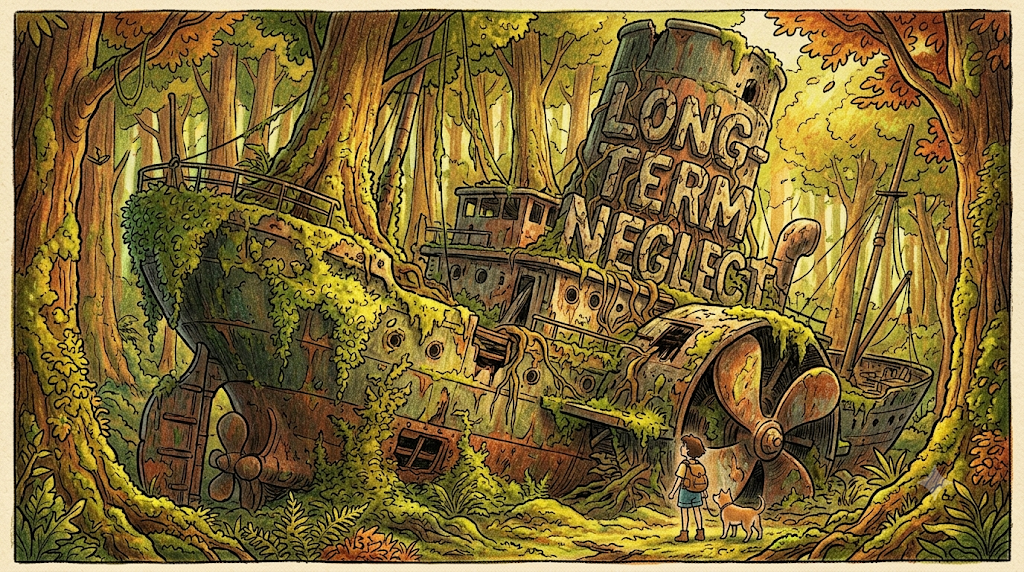
long-term neglect [lɒŋ tɜːrm nɪˈɡlekt]
품사/뉘앙스 설명
(명사구) 장기적 방치, 오랜 소홀
어떤 것이 오랜 기간 동안 충분한 관심이나 돌봄을 받지 못한 상태를 강조합니다. 방치가 누적되어 회복하기 어려울 만큼 심각해진다는 것이 핵심 뉘앙스입니다. 수능 독해 사회·과학·역사 지문의 핵심 표현입니다.
- The ecosystem had suffered from long-term neglect — decades of agricultural runoff, declining water quality, and the removal of riparian vegetation had gradually transformed a thriving habitat into one that could support only a fraction of the wildlife it once had. (생태계는 장기적 방치로 고통받았다 — 수십 년간의 농업 유출수, 악화되는 수질, 강변 식생 제거가 번성하는 서식지를 한때 가졌던 야생 동물의 일부만 지원할 수 있는 것으로 점차 변화시켰다.)
- The relationship had not ended in a dramatic argument or a single decisive event but through long-term neglect — small kindnesses that were not repaid, conversations that were not continued, and a gradual drift that both parties had noticed but neither had felt motivated to reverse. (관계는 극적인 말다툼이나 단일한 결정적 사건으로 끝난 것이 아니라 장기적인 소홀을 통해 끝났다 — 보답받지 못한 작은 친절들, 계속되지 않은 대화들, 그리고 양쪽 모두 알아챘지만 어느 쪽도 되돌릴 동기를 느끼지 못한 점진적인 표류.)
- The long-term neglect of teacher training and professional development in many school systems has created a workforce where the gap between what research shows works in the classroom and what teachers actually do is larger than it should be — not because teachers lack commitment but because they lack the support needed to change established habits of practice. (많은 학교 시스템에서 교사 훈련과 전문성 개발의 장기적 방치는 연구가 교실에서 효과적이라고 보여주는 것과 교사들이 실제로 하는 것 사이의 간격이 필요 이상으로 큰 인력을 만들어냈다 — 교사들이 헌신이 부족해서가 아니라 확립된 실천 습관을 바꾸는 데 필요한 지원이 부족하기 때문이다.)
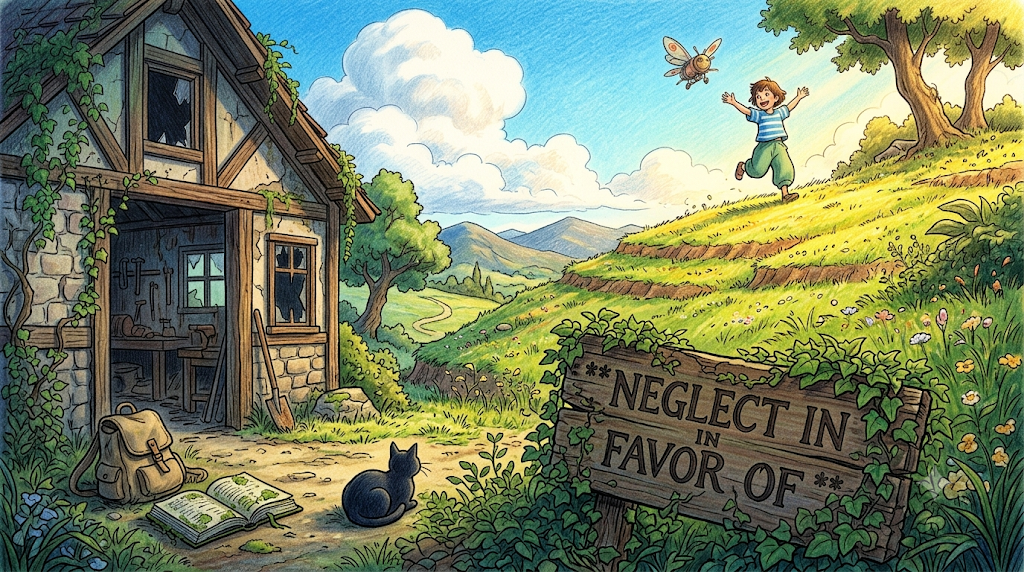
neglect in favor of [nɪˈɡlekt ɪn ˈfeɪvər əv]
품사/뉘앙스 설명
(동사구) ~을 위해 ~을 소홀히 하다, ~를 선택하느라 ~를 방치하다
한 가지를 우선시하느라 다른 중요한 것을 소홀히 하는 것을 강조합니다. 우선순위의 선택이 다른 것의 방치로 이어진다는 것이 핵심 뉘앙스입니다. 수능 독해 심리·사회·교육 지문에서 자주 등장합니다.
- Many education systems have been accused of neglecting creativity and critical thinking in favor of standardised test preparation, producing students who are skilled at performing well on assessments but who struggle when they encounter genuinely novel problems that require independent thinking. (많은 교육 시스템이 표준화된 시험 준비를 위해 창의성과 비판적 사고를 소홀히 하는 것으로 비판받아왔으며 평가에서 잘 수행하는 데 능숙하지만 독립적인 사고가 필요한 진정으로 새로운 문제를 만날 때 어려움을 겪는 학생들을 만들어내고 있다.)
- Hyejin had been neglecting her friendships in favor of her relationship, investing almost all her social energy in the couple and almost none in maintaining the connections that had been the foundation of her emotional life before she met her partner — something she only fully recognised when the relationship ended and she found herself more isolated than she had expected. (혜진은 커플에 거의 모든 사회적 에너지를 투자하고 파트너를 만나기 전 감정적 생활의 기반이었던 연결을 유지하는 데는 거의 아무것도 쏟지 않으며 관계를 위해 우정을 소홀히 해왔다 — 관계가 끝났을 때 예상보다 더 고립됐다는 것을 발견한 후에야 완전히 인식한 것이었다.)
- Researchers who neglect qualitative insights in favor of quantitative data often miss important contextual information that explains why the numbers look the way they do — and the patterns they find in the data, while real, may be misleading without the human stories that give them meaning. (정성적 통찰을 정량적 데이터를 위해 소홀히 하는 연구자들은 종종 숫자가 왜 그런 모습인지를 설명하는 중요한 맥락적 정보를 놓친다 — 그리고 그들이 데이터에서 찾는 패턴은 실재하지만 그것들에 의미를 주는 인간의 이야기 없이는 오해를 불러일으킬 수 있다.)

neglect the details [nɪˈɡlekt ðə ˈdiːteɪlz]
품사/뉘앙스 설명
(동사구) 세부 사항을 소홀히 하다, 세부 내용을 무시하다
큰 그림에 집중하느라 작고 구체적인 것들에 충분한 주의를 기울이지 않는 것을 강조합니다. 작은 것들의 누적이 큰 결과를 만든다는 것이 핵심 뉘앙스입니다. 수능 독해 교육·과학·사회 지문의 핵심 표현입니다.
- Chefs who have mastered the fundamentals sometimes neglect the details that separate good cooking from great cooking — the precise seasoning at each stage, the resting time for meat, the exact temperature for achieving a particular texture — because these fine adjustments require constant attention and it is easy to become complacent once a certain level of competence has been reached. (기본기를 마스터한 셰프들은 때로 좋은 요리와 훌륭한 요리를 구분하는 세부 사항을 소홀히 한다 — 각 단계에서의 정확한 간, 육류를 위한 휴식 시간, 특정 질감을 달성하기 위한 정확한 온도 — 이러한 미세한 조정들이 지속적인 주의를 필요로 하고 일정 수준의 능력에 도달하면 자만해지기 쉽기 때문이다.)
- When managers neglect the details of how work is actually done in their teams, they often make decisions based on how things appear in reports and meetings rather than how things actually function in practice — creating policies that seem sensible from above but cause unnecessary difficulty for the people trying to implement them. (관리자들이 팀에서 작업이 실제로 어떻게 이루어지는지의 세부 사항을 소홀히 할 때 그들은 종종 실제로 어떻게 기능하는지가 아니라 보고서와 회의에서 어떻게 보이는지를 기반으로 결정을 내린다 — 위에서는 합리적으로 보이지만 그것들을 구현하려는 사람들에게 불필요한 어려움을 초래하는 정책을 만든다.)
- Historical accounts that neglect the details of everyday life — what ordinary people ate, how they spent their time, what they feared and hoped for — tend to present a version of the past that is shaped entirely by the concerns of the powerful, which gives a distorted picture of what life was actually like for most people. (일상 생활의 세부 사항을 소홀히 하는 역사적 기록들 — 보통 사람들이 무엇을 먹었는지, 어떻게 시간을 보냈는지, 무엇을 두려워하고 바랐는지 — 은 과거의 버전을 권력자들의 관심에 의해 전적으로 형성된 것으로 제시하는 경향이 있으며 이것은 대부분의 사람들에게 삶이 실제로 어떠했는지에 대한 왜곡된 그림을 준다.)
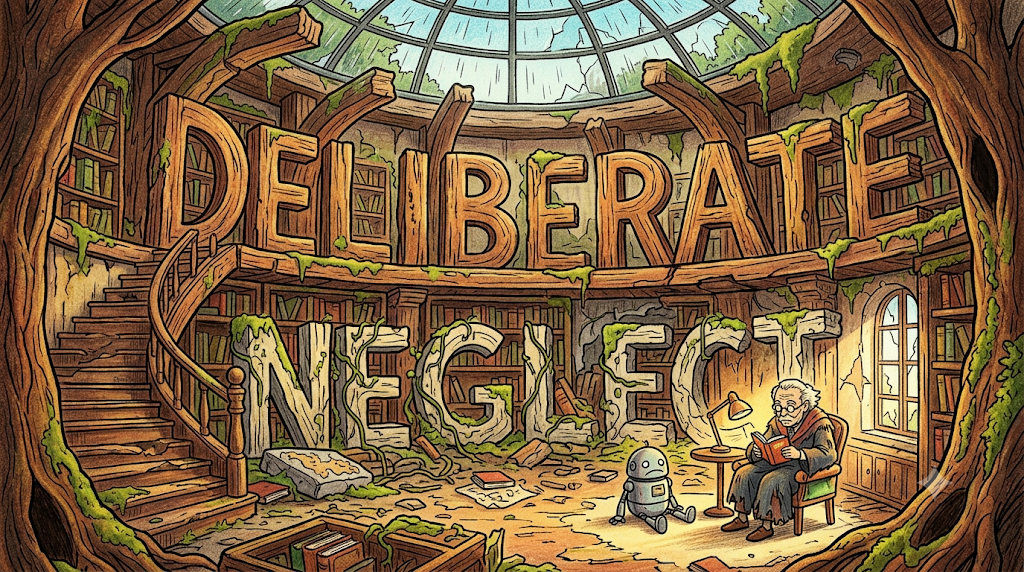
deliberate neglect [dɪˈlɪbərət nɪˈɡlekt]
품사/뉘앙스 설명
(명사구) 의도적인 방치, 고의적인 소홀
단순한 실수나 바쁨이 아닌 의도적으로 돌보지 않거나 소홀히 하는 것을 강조합니다. 고의성이 방치의 심각성을 더욱 높인다는 것이 핵심 뉘앙스입니다. 수능 독해 사회·법률·심리 지문의 핵심 표현입니다.
- The distinction between accidental oversight and deliberate neglect matters enormously in both moral and legal terms — a surgeon who makes an unforeseeable error and one who knowingly skips a required safety check are both responsible for harm that results, but they bear very different kinds and degrees of responsibility. (우발적인 실수와 의도적인 방치 사이의 구별은 도덕적으로나 법적으로나 매우 중요하다 — 예측할 수 없는 오류를 범하는 외과의사와 의도적으로 필수 안전 점검을 건너뛰는 외과의사는 모두 발생하는 해에 대해 책임이 있지만 매우 다른 종류와 정도의 책임을 진다.)
- Some forms of deliberate neglect are hard to prove because they involve not doing something rather than doing something — a parent who claims they did not know their child was in danger when evidence suggests they chose not to know is engaged in a kind of wilful blindness that the law treats very seriously. (일부 형태의 의도적인 방치는 무언가를 하는 것이 아닌 하지 않는 것을 포함하기 때문에 증명하기 어렵다 — 증거가 그들이 알지 않기로 선택했다는 것을 시사할 때 아이가 위험에 처해있다는 것을 몰랐다고 주장하는 부모는 법이 매우 심각하게 다루는 일종의 의도적인 눈감음에 관여하는 것이다.)
- The deliberate neglect of certain communities in urban planning — consistently siting undesirable facilities in low-income areas, failing to maintain infrastructure to the same standard as wealthier neighbourhoods, and responding more slowly to service requests — has been documented in many cities as a pattern that reflects and reinforces existing inequalities. (도시 계획에서 특정 지역 사회의 의도적인 방치 — 저소득 지역에 지속적으로 원치 않는 시설을 배치하고, 더 부유한 동네와 같은 기준으로 인프라를 유지하지 않으며, 서비스 요청에 더 느리게 응답하는 — 는 많은 도시에서 기존 불평등을 반영하고 강화하는 패턴으로 기록됐다.)
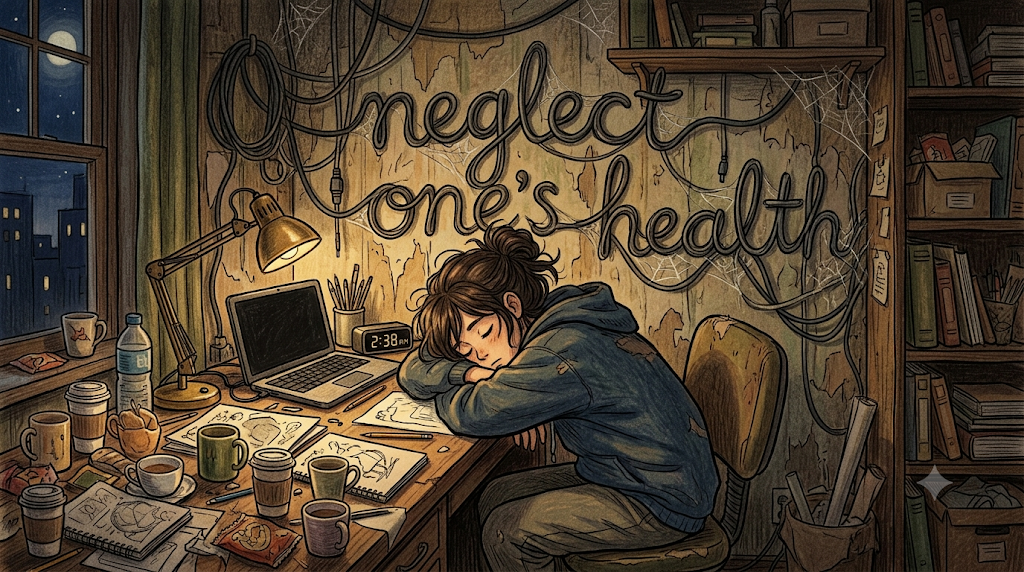
neglect one's health [nɪˈɡlekt wʌnz helθ]
품사/뉘앙스 설명
(동사구) 건강을 소홀히 하다, 건강을 방치하다
자신의 신체적이거나 정신적인 건강에 충분한 관심을 기울이지 않는 것을 강조합니다. 건강 방치가 장기적으로 더 큰 문제를 만든다는 것이 핵심 뉘앙스입니다. 수능 독해 의학·사회·심리 지문의 핵심 표현입니다.
- Many people neglect their mental health in the same way they once neglected physical health — dismissing symptoms as weakness, avoiding professional help out of stigma, and hoping problems will resolve themselves without intervention — a pattern that tends to result in conditions becoming much more serious before they are addressed. (많은 사람들이 예전에 신체적 건강을 소홀히 했던 것과 같은 방식으로 정신 건강을 소홀히 한다 — 증상을 나약함으로 무시하고, 낙인 때문에 전문적인 도움을 피하며, 개입 없이 문제가 스스로 해결되기를 바라는 — 이 패턴은 상태가 해결되기 전에 훨씬 더 심각해지는 경향이 있다.)
- Seongmin had always been the person who helped others through their difficulties while systematically neglecting his own health needs, until the day a routine blood test revealed problems that his doctor said had probably been developing for years without producing obvious symptoms. (성민은 정기 혈액 검사에서 의사가 명백한 증상을 만들지 않고 수년간 발전하고 있었을 것이라고 말한 문제가 밝혀진 날까지 항상 자신의 건강 필요를 체계적으로 소홀히 하면서 다른 사람들이 어려움을 헤쳐나가도록 돕는 사람이었다.)
- Cultural expectations that praise self-sacrifice and productivity at the expense of rest and recovery encourage people to neglect their health in ways that may feel virtuous in the moment but that create sustainability problems that eventually undermine the very work ethic they are supposed to support. (휴식과 회복을 희생시키며 자기 희생과 생산성을 칭찬하는 문화적 기대는 사람들이 그 순간에는 덕스럽게 느껴질 수 있지만 결국 그들이 지지하기로 되어있는 바로 그 직업 윤리를 훼손하는 지속 가능성 문제를 만드는 방식으로 건강을 소홀히 하도록 장려한다.)
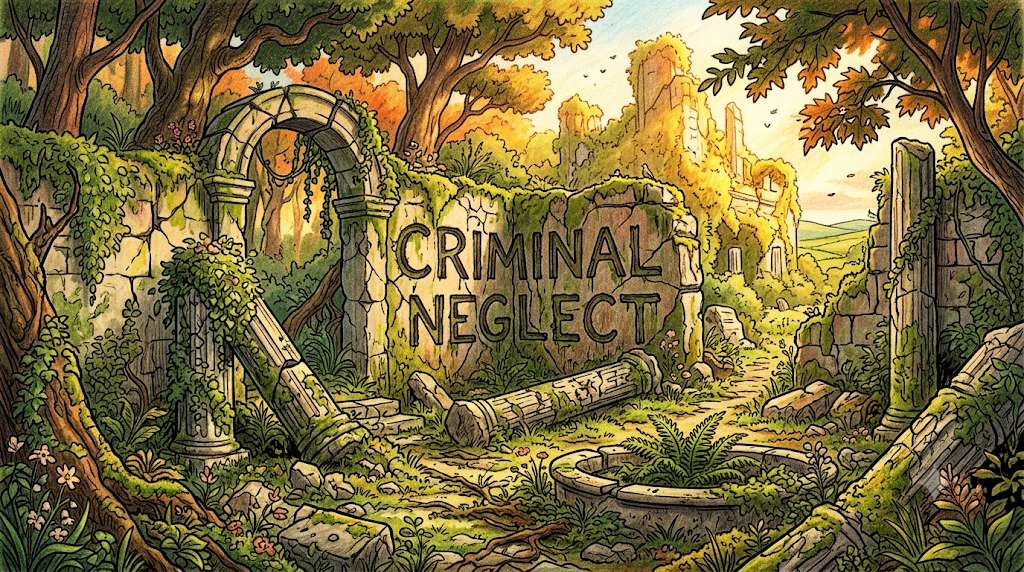
criminal neglect [ˈkrɪmɪnəl nɪˈɡlekt]
품사/뉘앙스 설명
(명사구) 형사상의 방치, 범죄적 태만
법적으로 책임이 있는 사람이 필요한 돌봄을 제공하지 않아서 심각한 피해가 발생할 정도로 극단적인 방치를 강조합니다. 방치가 법적 처벌을 받을 수 있는 수준이라는 것이 핵심 뉘앙스입니다. 수능 독해 법률·사회·심리 지문의 핵심 표현입니다.
- The distinction between poor parenting and criminal neglect is not always clear, and the threshold for state intervention varies significantly between different legal systems and cultures — but most agree that the point is crossed when a child's basic needs for food, shelter, safety, and medical care are consistently unmet. (나쁜 육아와 형사상의 방치 사이의 구별이 항상 명확하지는 않으며 국가 개입의 임계값은 다른 법률 시스템과 문화 사이에서 크게 다르다 — 하지만 대부분은 아이의 음식, 피난처, 안전, 의료 돌봄에 대한 기본적인 필요가 지속적으로 충족되지 않을 때 그 선이 넘어진다고 동의한다.)
- Criminal neglect cases in institutional settings — care homes, schools, prisons — are particularly troubling because the organisations responsible for the welfare of the people in their care have both the power and the obligation to prevent harm, making the failure to act a more serious moral failure than it would be for a private individual. (시설 환경 — 요양원, 학교, 교도소 — 에서의 형사상의 방치 사건은 특히 우려스러운데 돌봄을 받는 사람들의 복지를 책임지는 조직이 해를 방지할 힘과 의무를 모두 가지고 있어 행동하지 않는 것을 사적인 개인의 경우보다 더 심각한 도덕적 실패로 만들기 때문이다.)
- When public services criminally neglect the populations they are supposed to serve — whether through funding cuts that eliminate essential support, bureaucratic failures that leave vulnerable people without help they have applied for, or outright indifference to the suffering of people who lack the power to demand better treatment — the harm caused is systemic and affects not individuals but entire communities. (공공 서비스가 봉사하기로 되어있는 인구를 형사상으로 방치할 때 — 필수적인 지원을 없애는 자금 삭감을 통해서든, 취약한 사람들을 신청한 도움 없이 방치하는 관료적 실패를 통해서든, 더 나은 대우를 요구할 힘이 없는 사람들의 고통에 대한 노골적인 무관심을 통해서든 — 야기된 해는 체계적이며 개인이 아닌 전체 지역 사회에 영향을 미친다.)
숙어 그룹 묶음 1 — 의무와 책임 방치 neglect 핵심 패턴
표현 의미 핵심 뉘앙스 주요 맥락
| neglect one's duties | 의무를 소홀히 하다 | 의무가 있다는 것을 알면서도 제대로 하지 않는 것 | 사회·교육·법률 |
| neglect to do | ~하는 것을 소홀히 하다 | 행동의 부재가 결과로 이어지는 것 | 교육·사회·법률 |
| deliberate neglect | 의도적인 방치 | 고의성이 방치의 심각성을 더욱 높이는 것 | 사회·법률·심리 |
이 세 표현은 모두 neglect의 "마땅히 해야 할 것을 하지 않는" 이미지를 공유하되, 각각 역할이나 책임의 불이행(neglect one's duties)·특정 행동의 부재(neglect to do)·고의적이고 의도적인 방치(deliberate neglect)의 관점에서 접근합니다.
- The nurse was found to have deliberately neglected her duties by neglecting to document several important changes in a patient's condition — a combination of deliberate neglect of her professional responsibilities and neglect to do the basic procedural work that protected patients and staff alike. (간호사는 환자 상태의 여러 중요한 변화를 문서화하는 것을 소홀히 하면서 의도적으로 의무를 소홀히 한 것으로 밝혀졌다 — 전문적 책임의 의도적인 방치와 환자와 직원 모두를 보호하는 기본적인 절차 작업을 소홀히 한 것의 조합이었다.)
- Teachers who neglect to provide feedback on student work are neglecting a core duty of their role — and when this pattern is consistent and applies to certain groups of students but not others, it moves from ordinary neglect of professional obligations into something that looks increasingly like deliberate neglect of the students who most need support. (학생 작업에 대한 피드백을 제공하는 것을 소홀히 하는 선생님들은 자신의 역할의 핵심 의무를 소홀히 하는 것이다 — 그리고 이 패턴이 일관적이고 다른 학생들이 아닌 특정 그룹의 학생들에게 적용될 때 그것은 전문적 의무의 일반적인 소홀에서 지원이 가장 필요한 학생들의 의도적인 방치처럼 보이는 것으로 이동한다.)
- The difference between neglecting to do something important and deliberately neglecting one's duties may seem like a distinction between carelessness and malice, but in professional settings the line matters enormously — accidental omissions can usually be corrected and learned from, while patterns of deliberate neglect of core responsibilities require much more serious responses. (중요한 것을 하는 것을 소홀히 하는 것과 의무를 의도적으로 방치하는 것의 차이는 부주의와 악의 사이의 구별처럼 보일 수 있지만 전문적 환경에서 그 선은 매우 중요하다 — 우발적인 누락은 보통 수정되고 배울 수 있지만 핵심 책임의 의도적인 방치 패턴은 훨씬 더 심각한 대응을 필요로 한다.)
숙어 그룹 묶음 2 — 방치의 결과와 기간 neglect 심화 패턴
표현 의미 핵심 뉘앙스 주요 맥락
| long-term neglect | 장기적 방치 | 방치가 누적되어 회복하기 어려울 만큼 심각해지는 것 | 사회·과학·역사 |
| neglect children | 아이들을 방임하다 | 방임이 눈에 보이지 않는 방식으로도 일어날 수 있는 것 | 사회·심리·교육 |
| criminal neglect | 형사상의 방치 | 방치가 법적 처벌을 받을 수 있는 수준인 것 | 법률·사회·심리 |
이 세 표현은 모두 neglect의 "방치의 결과와 심각성" 이미지를 공유하되, 각각 누적된 오랜 방치(long-term neglect)·아이들에 대한 방임(neglect children)·법적 책임이 따르는 극단적 방치(criminal neglect)의 관점에서 접근합니다.
- Long-term neglect of children's emotional needs can escalate to the point where it crosses the threshold of criminal neglect — not always through dramatic acts of abuse but through the accumulated effect of years of emotional unavailability, inconsistent responses, and failure to provide the nurturing that healthy development requires. (아이들의 감정적 필요에 대한 장기적 방치는 형사상의 방치의 임계값을 넘는 지점까지 악화될 수 있다 — 항상 극적인 학대 행위를 통해서가 아니라 수년간의 감정적 부재, 일관성 없는 반응, 건강한 발달이 필요로 하는 양육을 제공하지 못한 누적 효과를 통해서.)
- The criminal neglect case highlighted how long-term neglect of children in institutional care can be hidden by the very procedures meant to protect them — routine checks, standardised assessments, and administrative documentation that satisfies regulatory requirements without actually capturing whether individual children are receiving adequate care and support. (형사상의 방치 사건은 기관 돌봄에서 아이들에 대한 장기적 방치가 그들을 보호하기 위한 바로 그 절차들에 의해 어떻게 숨겨질 수 있는지를 강조했다 — 개별 아이들이 적절한 돌봄과 지원을 받고 있는지 실제로 포착하지 않으면서 규제 요건을 충족하는 일상적인 점검, 표준화된 평가, 행정 문서화.)
- When we talk about long-term neglect of communities, criminal neglect of vulnerable populations, and society's broader failure to protect children from harm, we are often talking about the same underlying failure of institutional responsibility — the systematic choosing of other priorities over the welfare of those who depend on public systems for protection and support. (지역 사회의 장기적 방치, 취약한 인구에 대한 형사상의 방치, 그리고 해로움으로부터 아이들을 보호하는 사회의 더 넓은 실패에 대해 말할 때 우리는 종종 같은 근본적인 제도적 책임의 실패 — 보호와 지원을 위해 공공 시스템에 의존하는 사람들의 복지보다 다른 우선순위를 체계적으로 선택하는 것 — 에 대해 말하고 있다.)
숙어 그룹 묶음 3 — 우선순위와 세부 사항 neglect 심화 패턴
표현 의미 핵심 뉘앙스 주요 맥락
| neglect in favor of | ~을 위해 ~을 소홀히 하다 | 우선순위의 선택이 다른 것의 방치로 이어지는 것 | 심리·사회·교육 |
| neglect the details | 세부 사항을 소홀히 하다 | 작은 것들의 누적이 큰 결과를 만드는 것 | 교육·과학·사회 |
| neglect the importance of | ~의 중요성을 경시하다 | 인식은 하지만 행동이 따르지 않는 것 | 교육·사회·과학 |
이 세 표현은 모두 neglect의 "충분한 주의를 기울이지 않는" 이미지를 공유하되, 각각 우선순위 선택으로 인한 방치(neglect in favor of)·작고 구체적인 것에 대한 무관심(neglect the details)·중요성을 알지만 행동하지 않는 것(neglect the importance of)의 관점에서 접근합니다.
- Leaders often neglect the details of implementation in favor of strategy, and neglect the importance of those details when they fail to understand that strategy without effective execution is worthless — a gap that becomes most visible when well-intentioned initiatives produce poor outcomes because the specific conditions required for success were never adequately addressed. (지도자들은 종종 전략을 위해 실행의 세부 사항을 소홀히 하고 효과적인 실행 없는 전략은 가치가 없다는 것을 이해하지 못할 때 그 세부 사항의 중요성을 경시한다 — 이 차이는 성공에 필요한 구체적인 조건이 결코 적절히 해결되지 않았기 때문에 잘 의도된 이니셔티브가 나쁜 결과를 만들 때 가장 명확하게 보인다.)
- Researchers who neglect qualitative context in favor of quantitative precision often neglect the importance of the local conditions and human factors that detail why phenomena occur as they do — producing findings that are statistically robust but that miss the mechanisms that would make them actionable. (정량적 정밀성을 위해 정성적 맥락을 소홀히 하는 연구자들은 종종 현상이 왜 그렇게 발생하는지를 자세히 설명하는 지역 조건과 인적 요인의 중요성을 경시하여 — 통계적으로는 견고하지만 실행 가능하게 만들 메커니즘을 놓치는 발견을 만들어낸다.)
- Parents who neglect the details of how their children spend their time online in favor of maintaining peace by not challenging them risk neglecting the importance of digital literacy — failing to notice patterns that, while individually minor, collectively indicate that the child is developing habits of attention and social interaction that will be difficult to change later. (갈등을 피하기 위해 그들에게 도전하지 않는 방식으로 평화를 위해 자녀들이 온라인에서 시간을 보내는 방법의 세부 사항을 소홀히 하는 부모들은 디지털 리터러시의 중요성을 경시하는 위험을 감수한다 — 개별적으로는 사소하지만 집합적으로는 아이가 나중에 바꾸기 어려울 주의와 사회적 상호작용의 습관을 개발하고 있다는 것을 나타내는 패턴을 알아채지 못하는 것이다.)
숙어 그룹 묶음 4 — 건강과 완성 neglect 완성 패턴
표현 의미 핵심 뉘앙스 주요 맥락
| neglect one's health | 건강을 소홀히 하다 | 건강 방치가 장기적으로 더 큰 문제를 만드는 것 | 의학·사회·심리 |
| long-term neglect | 장기적 방치 | 방치가 누적되어 회복하기 어려울 만큼 심각해지는 것 | 사회·과학·역사 |
| neglect in favor of | ~을 위해 ~을 소홀히 하다 | 우선순위의 선택이 다른 것의 방치로 이어지는 것 | 심리·사회·교육 |
이 세 표현은 함께 neglect가 나타내는 개인·시간·우선순위의 스펙트럼을 보여줍니다. neglect one's health는 자신에 대한 방치를, long-term neglect는 시간이 지남에 따른 방치의 누적을, neglect in favor of는 다른 것을 선택하는 과정에서 일어나는 방치를 각각 강조합니다.
- People who neglect their health in favor of work often discover through long-term neglect of their body's signals that the trade-off was less favourable than it seemed — the extra hours worked during periods of health neglect frequently do not compensate for the reduced capacity and higher medical costs that result from conditions that could have been prevented. (일을 위해 건강을 소홀히 하는 사람들은 종종 몸의 신호에 대한 장기적인 소홀을 통해 절충이 보였던 것보다 덜 유리했다는 것을 발견한다 — 건강 소홀 기간 동안 일한 추가 시간은 예방할 수 있었던 상태에서 비롯되는 감소된 능력과 더 높은 의료 비용을 보상하지 못하는 경우가 많다.)
- Long-term neglect of one's health is often the result of neglecting it in favor of things that feel more urgent in the moment — children's needs, work demands, financial pressures — which creates a cycle where the very responsibilities that seem to justify the neglect are eventually undermined by the health consequences that the neglect produces. (자신의 건강의 장기적인 소홀은 종종 그 순간 더 긴급하게 느껴지는 것들 — 아이들의 필요, 업무 요구, 재정적 압박 — 을 위해 건강을 소홀히 하는 결과이며 이것은 방치를 정당화하는 것처럼 보이는 바로 그 책임들이 결국 그 소홀이 만들어내는 건강 결과에 의해 훼손되는 악순환을 만들어낸다.)
- The pattern of neglecting one's health in favor of immediate demands, combined with the long-term neglect of preventive care, represents one of the most common and most costly forms of neglect in modern societies — and addressing it requires not just individual behaviour change but structural changes to working conditions, healthcare access, and the cultural messages that equate busyness with virtue. (즉각적인 요구를 위해 건강을 소홀히 하는 패턴은 예방 치료의 장기적인 소홀과 결합되어 현대 사회에서 가장 흔하고 가장 비용이 많이 드는 방치 형태 중 하나를 나타낸다 — 그리고 그것을 해결하는 것은 개인 행동 변화만이 아니라 근무 조건, 의료 접근, 그리고 바쁨을 미덕과 동일시하는 문화적 메시지에 대한 구조적 변화를 필요로 한다.)
전체 요약표
표현 의미 핵심 뉘앙스
| neglect | 소홀히 하다, 방치하다 / 소홀, 방치 | 해야 할 것을 하지 않아 나빠지도록 내버려 두는 이미지 |
| neglect one's duties | 의무를 소홀히 하다 | 의무가 있다는 것을 알면서도 제대로 하지 않는 것 |
| neglect to do | ~하는 것을 소홀히 하다 | 행동의 부재가 결과로 이어지는 것 |
| neglect the importance of | ~의 중요성을 경시하다 | 인식은 하지만 행동이 따르지 않는 것 |
| neglect children | 아이들을 방임하다 | 방임이 눈에 보이지 않는 방식으로도 일어날 수 있는 것 |
| long-term neglect | 장기적 방치 | 방치가 누적되어 회복하기 어려울 만큼 심각해지는 것 |
| neglect in favor of | ~을 위해 ~을 소홀히 하다 | 우선순위의 선택이 다른 것의 방치로 이어지는 것 |
| neglect the details | 세부 사항을 소홀히 하다 | 작은 것들의 누적이 큰 결과를 만드는 것 |
| deliberate neglect | 의도적인 방치 | 고의성이 방치의 심각성을 더욱 높이는 것 |
| neglect one's health | 건강을 소홀히 하다 | 건강 방치가 장기적으로 더 큰 문제를 만드는 것 |
| criminal neglect | 형사상의 방치 | 방치가 법적 처벌을 받을 수 있는 수준인 것 |
유의어 비교표
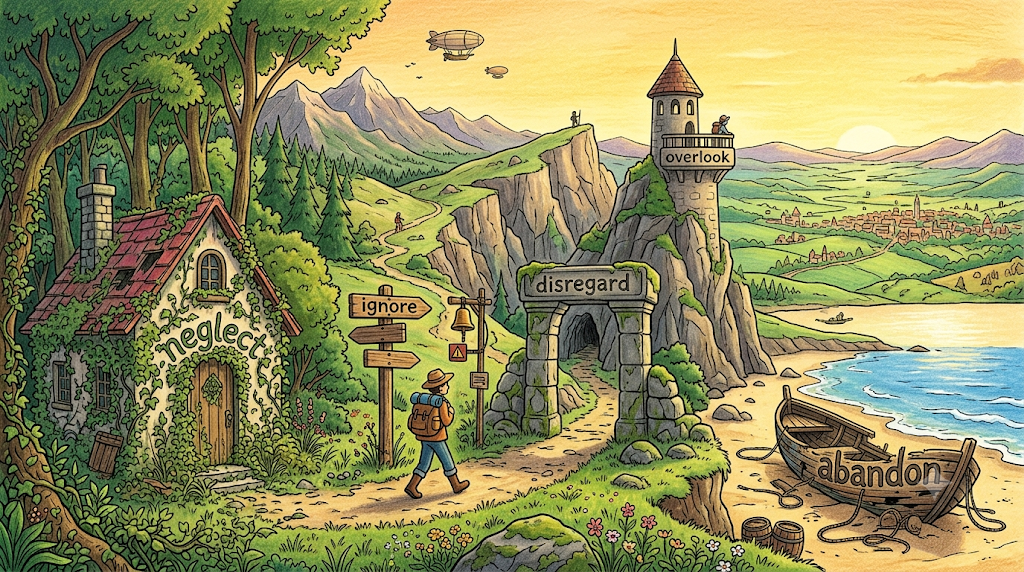
단어 공통점 뉘앙스 차이 예문
| neglect | 방치·소홀 관련 | 마땅히 해야 하거나 돌봐야 할 것을 충분히 하지 않아 나빠지게 두는 것 강조 | neglect one's duties |
| ignore | 방치·소홀 관련 | 보거나 알면서도 모른 척하고 반응하지 않는 것 강조 | ignore a warning |
| disregard | 방치·소홀 관련 | 마땅히 존중받아야 할 것을 의도적으로 없는 것처럼 취급하는 것 강조 | disregard the rules |
| overlook | 방치·소홀 관련 | 실수로 지나치거나 의도적으로 봐주는 것 강조 | overlook a mistake |
| abandon | 방치·소홀 관련 | 완전히 버리거나 포기하는 것 강조 | abandon a project |
결론 정리
neglect는 단순히 "소홀히 하다"가 아니라, 마땅히 주의를 기울이고 돌봐야 할 것을 충분히 하지 않아서 그것이 나빠지거나 손상되도록 내버려 두는 이미지에서 출발해 의무를 소홀히 하다·~하는 것을 소홀히 하다·~의 중요성을 경시하다·아이들을 방임하다·장기적 방치·~을 위해 ~을 소홀히 하다·세부 사항을 소홀히 하다·의도적인 방치·건강을 소홀히 하다·형사상의 방치까지 확장되는 단어다 — neglect가 있는 곳엔 언제나 '마땅히 해야 하거나 돌봐야 할 것을 충분히 하지 않아서 그것이 나빠지거나 손상되도록 내버려 두는' 방치와 태만의 이미지가 있다.
💡 neglect는 "마땅히 해야 하거나 돌봐야 할 것을 충분히 하지 않아서 그것이 나빠지거나 손상되도록 내버려 두는 것을 가리키는" 단어 — neglect one's duties·long-term neglect·deliberate neglect 가 수능 최빈출. ignore(모른 척하다)·disregard(경시하다)와의 구별이 핵심 출제 포인트.
🌟 초등학생 버전 neglect는 단순히 "소홀히 하다"가 아니에요! neglect one's duties는 청소 당번인 날 "귀찮다"는 이유로 교실 청소를 안 하고 나가버리는 것처럼 맡은 역할이나 책임을 충분히 하지 않아서 해야 할 일이 그냥 나빠지도록 내버려 두는 것이고, long-term neglect는 화분에 물 주는 것을 매일 미루다 보니 결국 식물이 말라죽어버린 것처럼 오랫동안 충분히 돌보지 않아서 서서히 나빠지고 망가지도록 내버려 두는 것이에요! 🌍✨


