
- 분류 전체보기 (5618)

| 일 | 월 | 화 | 수 | 목 | 금 | 토 |
|---|---|---|---|---|---|---|
| 1 | 2 | |||||
| 3 | 4 | 5 | 6 | 7 | 8 | 9 |
| 10 | 11 | 12 | 13 | 14 | 15 | 16 |
| 17 | 18 | 19 | 20 | 21 | 22 | 23 |
| 24 | 25 | 26 | 27 | 28 | 29 | 30 |
| 31 |
- work out
- I'm sorry
- too.
- OKay
- oh
- please?
- Excuse me
- no
- come up with
- Read between the lines
- Right?
- set up
- hold on
- Hey
- Please
- Yeah
- pick up
- Sure
- Actually
- Yes
- By The Way
- get through
- I'm glad to hear that.
- Show Up
- please.
- Don't worry
- Sorry
- entrance fee
- well
- make it
- Today
- Total
인과함께
Day423 , whale, whale watching, blue whale, sperm whale, whale song, whale oil, a whale of a time, whale shark, beached whale, whale hunt, save the whales 본문
Day423 , whale, whale watching, blue whale, sperm whale, whale song, whale oil, a whale of a time, whale shark, beached whale, whale hunt, save the whales
미인생 2026. 5. 22. 12:20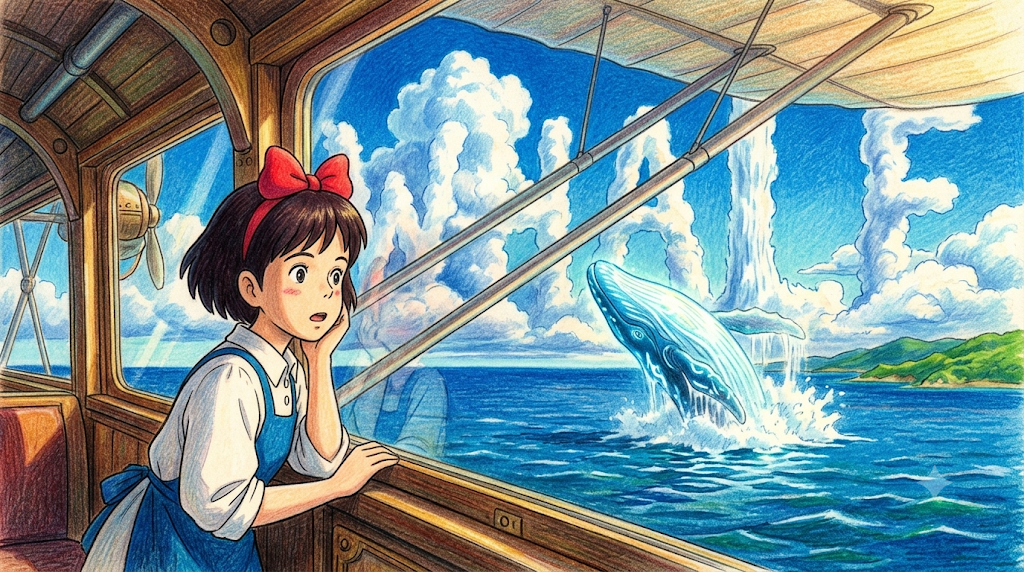
whale [weɪl]
(명사/동사) 고래, 뛰어나다, 크게 치다
"We went whale watching during our trip to Jeju Island."
(우리는 제주도 여행 동안 고래 관광을 하러 갔다.)
'whale'을 단순히 "고래"로만 외우면 수능에서 반드시 틀립니다.
whale은 "바다에서 가장 크고 강력한 생명체, 또는 어떤 분야에서 압도적으로 크거나 뛰어난 것" 이라는 핵심 이미지에서 출발해, 해양 생물·압도적 크기·환경 보호·문화적 상징까지 폭넓게 쓰이는 핵심 다의어입니다. 특히 whale(압도적으로 크고 강력한 것) vs. dolphin(작고 영리한 것) vs. shark(위협적이고 공격적인 것) 의 뉘앙스 차이, a whale of a time(매우 즐거운 시간), beached whale(좌초된 고래) 패턴은 수능 독해 환경·사회·역사·문학 지문에서 핵심적으로 등장합니다.
'whale'은 고대 영어 hwæl(고래)에서 유래했으며, 게르만어 hwalaz(고래)에 뿌리를 두고 있습니다. 어원의 핵심 이미지는 "바다에서 굴러다니는 거대하고 압도적인 존재" 로, 단순한 동물 이름이 아닌 크기와 힘에서 다른 모든 것을 압도하는 탁월함과 위엄의 이미지가 이 단어의 본질입니다.
1. whale watching [weɪl ˈwɒtʃɪŋ]
(명사구/수능) "고래 관찰, 고래 투어"를 뜻합니다. 자연 환경에서 고래를 배를 타고 관찰하는 생태 관광 활동을 강조합니다. 수능 독해 환경·사회·문화·역사 지문의 핵심 표현입니다.
Whale watching has become one of the most popular eco-tourism activities in coastal towns around the world. (고래 관찰은 전 세계 해안 마을에서 가장 인기 있는 생태 관광 활동 중 하나가 됐다.)
2. blue whale [bluː weɪl]
(명사구/수능) "대왕고래"를 뜻합니다. 지구에서 가장 큰 동물로 알려진 종을 강조합니다. 수능 독해 과학·환경·역사 지문에서 자주 등장합니다.
The blue whale is the largest animal ever known to have lived on Earth, with some individuals reaching lengths of over thirty metres. (대왕고래는 지구에서 살았던 것으로 알려진 가장 큰 동물로 일부 개체는 30미터 이상의 길이에 도달한다.)
3. sperm whale [spɜːrm weɪl]
(명사구/수능) "향유고래"를 뜻합니다. 깊은 바다에 잠수하는 이빨 고래 중 가장 큰 종으로 강조합니다. 수능 독해 과학·역사·문학·환경 지문에서 자주 등장합니다.
The sperm whale can dive deeper than any other large animal and can stay underwater for over an hour while searching for giant squid. (향유고래는 다른 어떤 대형 동물보다 더 깊이 잠수할 수 있으며 대왕오징어를 찾는 동안 한 시간 이상 물속에 있을 수 있다.)
4. whale song [weɪl sɒŋ]
(명사구/수능) "고래 노래, 고래 울음소리"를 뜻합니다. 고래들이 의사소통을 위해 내는 복잡하고 아름다운 소리를 강조합니다. 수능 독해 과학·환경·예술·문학 지문에서 자주 등장합니다.
Scientists are still trying to fully understand whale song and believe it may be used for communication, navigation, and finding mates. (과학자들은 여전히 고래 노래를 완전히 이해하려 하고 있으며 그것이 의사소통, 항법, 짝 찾기에 사용될 수 있다고 믿는다.)
5. whale oil [weɪl ɔɪl]
(명사구/수능) "고래 기름"을 뜻합니다. 역사적으로 고래에서 추출한 기름으로 등불이나 산업에 사용됐던 것을 강조합니다. 수능 독해 역사·환경·경제·사회 지문에서 자주 등장합니다.
Before petroleum was discovered, whale oil was used to fuel lamps and was so valuable that it drove a massive whaling industry. (석유가 발견되기 전 고래 기름은 등불을 밝히는 데 사용됐으며 너무 가치 있어 대규모 포경 산업을 이끌었다.)
6. a whale of a time [ə weɪl əv ə taɪm]
(관용구/수능) "매우 즐거운 시간, 아주 신나는 경험"을 뜻합니다. 고래만큼 크고 압도적인 즐거움을 경험하는 것을 강조합니다. 수능 독해 문학·사회·문화 지문에서 자주 등장합니다.
The children had a whale of a time at the beach party and did not want to leave even when the sun began to set. (아이들은 해변 파티에서 매우 즐거운 시간을 보냈으며 해가 지기 시작했을 때도 떠나고 싶어 하지 않았다.)
7. whale shark [weɪl ʃɑːrk]
(명사구/수능) "고래상어"를 뜻합니다. 세계에서 가장 큰 물고기로 고래처럼 크지만 실제로는 상어 종류임을 강조합니다. 수능 독해 과학·환경·자연 지문에서 자주 등장합니다.
Despite its enormous size, the whale shark is a gentle filter-feeder that eats mostly tiny plankton and is not dangerous to humans. (고래상어는 거대한 크기에도 불구하고 주로 작은 플랑크톤을 먹는 온순한 여과 섭식자로 인간에게 위험하지 않다.)
8. beached whale [biːtʃt weɪl]
(명사구/수능) "좌초된 고래, 해변에 쓸려온 고래"를 뜻합니다. 고래가 해변으로 밀려와 갇힌 상황을 강조하며 비유적으로 거대하고 도움이 없는 상태를 나타냅니다. 수능 독해 환경·사회·문학·심리 지문에서 자주 등장합니다.
A beached whale attracts huge numbers of rescuers and scientists who work together to return the animal to the sea before it dies. (좌초된 고래는 동물이 죽기 전에 바다로 돌려보내기 위해 함께 일하는 많은 구조대원과 과학자들을 끌어들인다.)
9. whale hunt [weɪl hʌnt]
(명사구/수능) "고래 사냥, 포경"을 뜻합니다. 고래를 잡기 위한 사냥 활동으로 역사적, 현재적 논쟁을 강조합니다. 수능 독해 역사·환경·사회·문화 지문의 핵심 표현입니다.
The whale hunt was once essential for many coastal communities as a source of food and oil, but today it is highly controversial. (고래 사냥은 한때 많은 해안 공동체에서 식량과 기름의 원천으로 필수적이었지만 오늘날에는 매우 논쟁적이다.)
10. save the whales [seɪv ðə weɪlz]
(동사구/수능) "고래를 구하다, 고래 보호 운동"을 뜻합니다. 1970년대부터 시작된 환경 보호 운동의 상징적 표현을 강조합니다. 수능 독해 환경·사회·역사·교육 지문의 핵심 표현입니다.
The "save the whales" campaign of the 1970s helped change public opinion about hunting these animals and led to international protection laws. (1970년대의 "고래를 구하자" 캠페인은 이 동물들의 사냥에 대한 대중의 의견을 바꾸는 데 도움이 됐으며 국제 보호법으로 이어졌다.)

POINT 1. whale vs. dolphin vs. shark — 수능 최빈출 뉘앙스 구별
세 표현 모두 "해양 동물"과 관련되지만 뉘앙스가 다릅니다.
whale → 압도적으로 크고 강력하며 위엄 있는 것 (크기·위엄·힘 강조), dolphin → 작고 영리하며 친근한 것 (영리함·친근함·우아함 강조), shark → 위협적이고 공격적이며 약자를 쫓는 것 (위협·공격성·탐욕 강조). 수능에서 whale은 반드시 크기와 힘에서 다른 모든 것을 압도한다는 탁월함의 문맥이 함께 등장합니다.
예)
The whale swam slowly and peacefully through the ocean. (고래가 천천히 평화롭게 바다를 헤엄쳤다.) — 크기·위엄·힘 강조 The dolphins jumped playfully around the boat. (돌고래들이 배 주위에서 장난스럽게 뛰었다.) — 영리함·친근함·우아함 강조 The loan shark charged very high interest rates. (고리대금업자가 매우 높은 이자율을 부과했다.) — 위협·공격성·탐욕 강조
POINT 2. whale watching / save the whales — 수능 환경·사회 지문 핵심
whale watching과 save the whales는 수능 독해 환경·사회·역사 지문에서 가장 자주 출제되는 whale 관련 표현입니다.
whale watching → 고래를 자연에서 관찰하는 생태 관광으로 경제적 가치를 만드는 것 (생태 관광·자연 보호·경제 강조), save the whales → 고래 보호 운동의 상징으로 환경 운동의 출발점이 된 것 (환경 운동·국제 협력·상징성 강조). 두 표현이 함께 등장하면 글쓴이가 환경 보호와 경제적 활용의 균형을 논하고 있다는 신호입니다.
POINT 3. hwæl 어원 — 수능 어휘 확장 필수
whale의 어원 hwæl(고래)과 관련된 단어들이 수능에서 자주 출제됩니다.
whaling [ˈweɪlɪŋ] → 포경, 고래잡이 (whale하는 행위), whaler [ˈweɪlər] → 포경선, 포경업자 (whale하는 것), walrus [ˈwɔːlrəs] → 바다코끼리 (같은 어원군에서), wail [weɪl] → 울부짖다 (고래 소리와 같은 어원). 이 단어들은 모두 "바다의 거대하고 압도적인 존재"라는 공통 이미지를 가지고 있습니다.
(명사) ① 고래 (해양 생물)
whale의 가장 기본적인 명사 의미로, 바다에서 가장 큰 포유류를 나타냅니다. 반드시 압도적인 크기와 바다의 생태계에서 중요한 역할을 한다는 문맥이 함께 옵니다.
- A whale surfaced close to the boat and the passengers held their breath as its enormous body rose slowly from the dark water and exhaled a huge cloud of spray. (고래가 배 가까이 수면 위로 올라왔으며 승객들은 그 거대한 몸이 어두운 물에서 천천히 올라와 거대한 물보라를 내뿜자 숨을 죽였다.)
- Scientists track whales using satellite tags to understand their migration routes and how far they travel to find food each year. (과학자들은 고래의 이동 경로와 매년 먹이를 찾기 위해 얼마나 멀리 이동하는지를 이해하기 위해 위성 태그를 사용하여 고래를 추적한다.)
- The whale population in many parts of the world is still recovering from the damage caused by centuries of commercial hunting that nearly wiped out several species. (세계 많은 지역의 고래 개체 수는 일부 종을 거의 멸종시킨 수 세기의 상업적 사냥이 입힌 피해에서 여전히 회복 중이다.)
(명사) ② 압도적인 것, 뛰어난 것 (비유적)
어떤 분야에서 압도적으로 크거나 뛰어난 사람이나 것을 나타냅니다. 수능 독해 경제·사회·문학 지문에서 자주 등장합니다.
- The new company quickly became a whale in the technology industry, its market value growing to ten times that of its nearest competitors within just five years of its founding. (새 회사는 빠르게 기술 산업의 거대 강자가 됐으며 설립 후 불과 5년 만에 시장 가치가 가장 가까운 경쟁사의 10배로 성장했다.)
- In the world of online gaming, a whale is a player who spends enormous amounts of money on in-game purchases, often funding the experience for thousands of players who spend nothing at all. (온라인 게임 세계에서 고래는 게임 내 구매에 엄청난 돈을 쓰는 플레이어로 종종 전혀 돈을 쓰지 않는 수천 명의 플레이어들의 경험에 자금을 지원한다.)
- The investor was considered a whale on the stock market, and when he made significant purchases or sales it could move prices for the entire industry. (그 투자자는 주식 시장의 거대 투자자로 여겨졌으며 그가 중요한 구매나 판매를 할 때 전체 산업의 가격을 움직일 수 있었다.)

뉘앙스·의미 연결 흐름 표
핵심 이미지 연결 흐름 뉘앙스 요약
| 자연·과학 | 대왕고래 → 향유고래 → 고래상어 | blue whale·sperm whale·whale shark |
| 환경·역사 | 고래 사냥 → 고래 기름 → 고래를 구하다 | whale hunt·whale oil·save the whales |
| 문화·경험 | 고래 관찰 → 고래 노래 → 매우 즐거운 시간 | whale watching·whale song·a whale of a time |
어원 흐름 표
단어 구성 요소 의미 연결 흐름 뉘앙스 요약
| 고대 영어 hwæl(고래) | 바다의 거대한 것 → 압도적인 존재 → 위엄 있는 것 | 바다에서 굴러다니는 거대하고 압도적인 존재 |
| whale (명사/동사) | 해양 생물 → 비유적 거대함 → 문화적 상징 | 고래에서 압도적 크기·문화적 상징으로 확장 |
품사별 의미 표
품사 의미 예문
| 명사 | 고래 | A whale swam by. (고래가 지나갔다.) |
| 명사 | 거대한 것 | A whale of a deal. (엄청난 거래.) |
| 동사 | 크게 치다 | He whaled the ball. (그가 공을 세게 쳤다.) |
활용 예문 리스트
- Whale watching tourism has given coastal communities a way to earn money from the ocean without hunting, demonstrating that living whales can be worth far more than dead ones. (고래 관찰 관광은 해안 공동체들에게 사냥 없이 바다에서 돈을 버는 방법을 제공했으며 살아있는 고래가 죽은 것보다 훨씬 더 가치 있을 수 있다는 것을 보여줬다.)
- The haunting beauty of whale song has inspired musicians, scientists, and poets alike, with some compositions incorporating the actual recordings of humpback whales. (고래 노래의 아름다운 아름다움은 음악가, 과학자, 시인 모두에게 영감을 줬으며 일부 작품은 혹등고래의 실제 녹음을 포함한다.)
- Before whale oil was replaced by petroleum, whale populations had been so heavily hunted that some species came close to complete extinction. (고래 기름이 석유로 대체되기 전에 고래 개체 수는 너무 심하게 사냥되어 일부 종이 완전한 멸종에 가까이 이르렀다.)
- They had a whale of a time at the carnival, trying every ride and eating every kind of food they could find from the moment they arrived until the lights finally went out at midnight. (그들은 도착한 순간부터 자정에 불이 꺼질 때까지 모든 놀이기구를 타고 찾을 수 있는 모든 종류의 음식을 먹으며 카니발에서 매우 즐거운 시간을 보냈다.)
- The save the whales movement showed that ordinary people, through protests, petitions, and consumer choices, could influence international policy and change the behaviour of entire industries. (고래를 구하자 운동은 평범한 사람들이 시위, 청원, 소비자 선택을 통해 국제 정책에 영향을 미치고 전체 산업의 행동을 바꿀 수 있다는 것을 보여줬다.)
전체 뉘앙스 설명
whale은 '바다에서 가장 크고 강력한 존재로 다른 모든 것을 압도하는 것의 언어'입니다.
dolphin과의 차이: dolphin은 영리하고 친근하며 우아한 이미지를 강조하고, whale은 압도적인 크기와 힘으로 다른 모든 것을 능가하는 위엄을 강조합니다.
shark와의 차이: shark는 공격적이고 위협적인 이미지를 강조하고, whale은 크기와 힘은 크지만 대체로 온순하고 위엄 있는 이미지를 강조합니다.
fish와의 차이: fish는 단순한 물고기를 강조하고, whale은 포유류로서 더 높은 지능과 복잡한 사회적 행동을 가진 것을 강조합니다.
마지막 핵심 정리
whale은 단순히 "고래"가 아닙니다 — 고대 영어 hwæl(고래)에서 출발해, 고래 관찰(whale watching)·대왕고래(blue whale)·향유고래(sperm whale)·고래 노래(whale song)·고래 기름(whale oil)·매우 즐거운 시간(a whale of a time)·고래상어(whale shark)·좌초된 고래(beached whale)·고래 사냥(whale hunt)·고래를 구하자(save the whales)까지 확장되는 단어이며, whale vs. dolphin vs. shark 뉘앙스 구별·whale watching / save the whales 환경·사회 지문 패턴·hwæl 어원 패밀리가 수능 핵심 출제 포인트입니다.
파생어 표
파생어 발음기호 품사 의미
| whaling | [ˈweɪlɪŋ] | 명사/형용사 | 포경, 고래잡이 |
| whaler | [ˈweɪlər] | 명사 | 포경선, 포경업자 |
| whaling ship | [ˈweɪlɪŋ ʃɪp] | 명사 | 포경선 |
| whaleback | [ˈweɪlbæk] | 명사 | 고래 등 모양의 것 |
| whalesome | [ˈweɪlsəm] | 형용사 | 고래처럼 거대한 (비격식) |
| beachhead | [ˈbiːtʃhed] | 명사 | 교두보 (beached whale과 관련) |
유의어 비교표
단어 공통점 뉘앙스 차이 예문
| whale | 해양 생물 | 크기·위엄·힘 강조 | A whale surfaced. |
| dolphin | 해양 생물 | 영리함·친근함·우아함 강조 | Dolphins leapt nearby. |
| shark | 해양 생물 | 위협·공격성·탐욕 강조 | A shark circled the boat. |
| porpoise | 해양 생물 | 돌고래와 유사한 소형 고래 강조 | A porpoise swam past. |
| orca | 해양 생물 | 영리하고 사회적인 범고래 강조 | An orca hunted seals. |
유의어 예문 리스트
- (dolphin) The dolphins that followed alongside the boat seemed to be playing rather than hunting, turning and diving in perfect synchronisation with each other in the clear blue water. (배 옆을 따라오는 돌고래들은 사냥보다는 놀고 있는 것처럼 보였으며 맑은 파란 물에서 서로 완벽하게 동조하며 돌고 잠수했다.)
- (shark) The marine biologist spent her career studying how sharks actually behave in their natural environment, finding that they are far more complex and less aggressive than popular culture suggests. (해양 생물학자는 커리어를 통해 상어가 자연 환경에서 실제로 어떻게 행동하는지 연구하며 그것들이 대중 문화가 시사하는 것보다 훨씬 더 복잡하고 덜 공격적이라는 것을 발견했다.)
- (porpoise) Unlike whales, the small porpoise moved quickly and efficiently through the water, never staying in one place for long but always seeming to know exactly where it was going. (고래와 달리 작은 쇠돌고래는 물속을 빠르고 효율적으로 움직이며 한 곳에 오래 머물지 않았지만 항상 정확히 어디로 가는지 아는 것 같았다.)
- (orca) The orca is sometimes called the wolf of the sea because, like wolves on land, these animals hunt in organised groups and use complex cooperative strategies to catch their prey. (범고래는 때로 바다의 늑대라고 불리는데 육지의 늑대처럼 이 동물들이 조직화된 그룹으로 사냥하고 먹이를 잡기 위해 복잡한 협력 전략을 사용하기 때문이다.)
결론 정리
whale은 단순히 "고래"가 아니라, 바다에서 가장 크고 강력한 존재로 다른 모든 것을 압도하는 이미지에서 출발해 해양 생물·환경 보호·역사적 자원·문화적 상징·비유적 거대함까지 확장되는 단어다 — whale이 있는 곳엔 언제나 '단순한 동물이 아닌, 크기와 힘에서 다른 모든 것을 압도하는' 탁월함과 위엄의 선언이 있다.
💡 whale은 "크기와 힘에서 다른 모든 것을 압도하는 것"의 언어 — whale watching·save the whales·a whale of a time·whale song·beached whale이 수능 최빈출.
🌟 초등학생 버전 whale은 바다에서 가장 크고 놀라운 동물이에요! a whale of a time은 "고래만큼 엄청나게 즐거운 시간"이라는 뜻이고 save the whales는 "고래를 구하자!"처럼 1970년대에 시작된 환경 보호 운동의 유명한 표어예요! 🐋✨
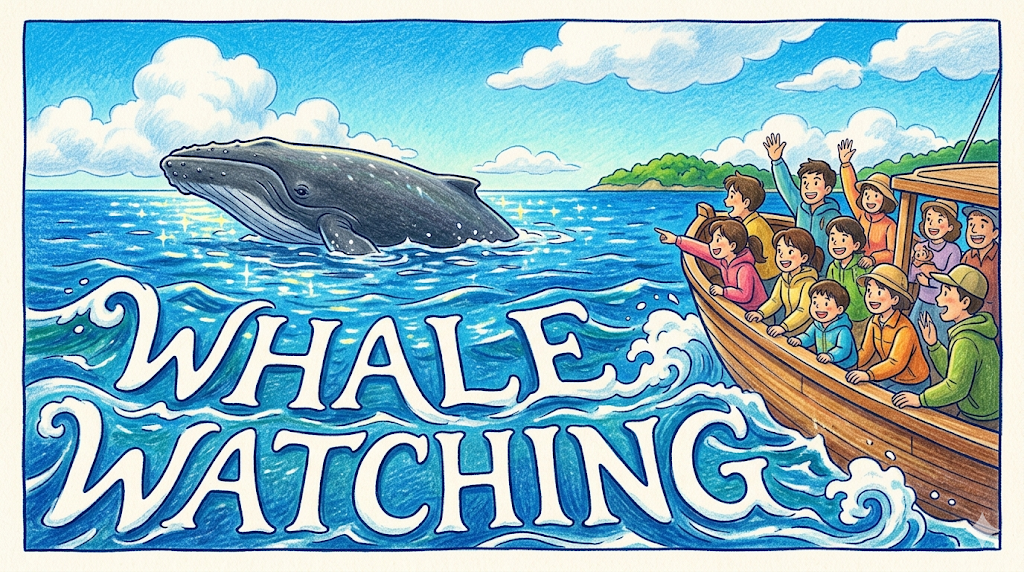
whale watching [weɪl ˈwɒtʃɪŋ]
(명사구) 고래 관찰, 고래 투어
자연 환경에서 고래를 배를 타고 관찰하는 생태 관광 활동을 강조합니다. 고래를 사냥하지 않고도 경제적 가치를 창출하는 지속 가능한 대안임을 보여주는 것이라는 뉘앙스가 강합니다. 수능 독해 환경·사회·문화·역사 지문에서 핵심 표현으로 자주 등장합니다.
- Whale watching has proven that the same communities that once depended on hunting can generate more income from tourism when the animals remain alive and healthy in the ocean. (고래 관찰은 한때 사냥에 의존했던 공동체들이 동물이 바다에서 살아있고 건강하게 남아 있을 때 관광으로 더 많은 수입을 창출할 수 있다는 것을 증명했다.)
- Responsible whale watching requires boats to maintain a safe distance from the animals, move slowly, and avoid making loud noises that could disturb the whales' natural behaviour. (책임감 있는 고래 관찰은 배가 동물로부터 안전한 거리를 유지하고 천천히 움직이며 고래의 자연스러운 행동을 방해할 수 있는 큰 소음을 피해야 한다.)
- Research shows that people who go whale watching often become strong advocates for ocean conservation afterwards because seeing these creatures in person creates an emotional connection that no documentary or photograph can fully replicate. (연구는 고래 관찰을 하러 가는 사람들이 이 동물들을 직접 보는 것이 어떤 다큐멘터리나 사진도 완전히 재현할 수 없는 감정적 연결을 만들기 때문에 이후 종종 해양 보호의 강력한 옹호자가 된다는 것을 보여준다.)

blue whale [bluː weɪl]
(명사구) 대왕고래
지구에서 가장 큰 동물로 알려진 종을 강조합니다. 단순히 크다는 것이 아니라 지구 역사상 존재했던 어떤 생명체보다도 크다는 경이로운 사실이라는 뉘앙스가 강합니다. 수능 독해 과학·환경·역사 지문에서 자주 등장합니다.
- The heart of a blue whale is about the size of a small car, and a human being could crawl through its main blood vessels, giving some sense of just how enormous these animals truly are. (대왕고래의 심장은 소형 자동차만한 크기이며 인간이 주요 혈관을 기어 다닐 수 있어 이 동물들이 진정으로 얼마나 거대한지에 대한 어느 정도의 감각을 준다.)
- The blue whale was hunted to near extinction in the twentieth century, with its population falling from hundreds of thousands to just a few thousand individuals before international protection was finally introduced. (대왕고래는 20세기에 거의 멸종 직전까지 사냥됐으며 국제 보호가 마침내 도입되기 전에 개체 수가 수십만에서 불과 수천으로 감소했다.)
- Scientists studying blue whales have discovered that these animals can communicate across enormous distances using very low frequency sounds that travel through water far more efficiently than sound travels through air. (대왕고래를 연구하는 과학자들은 이 동물들이 소리가 공기를 통해 이동하는 것보다 훨씬 더 효율적으로 물을 통해 이동하는 매우 낮은 주파수 소리를 사용하여 엄청난 거리에 걸쳐 소통할 수 있다는 것을 발견했다.)
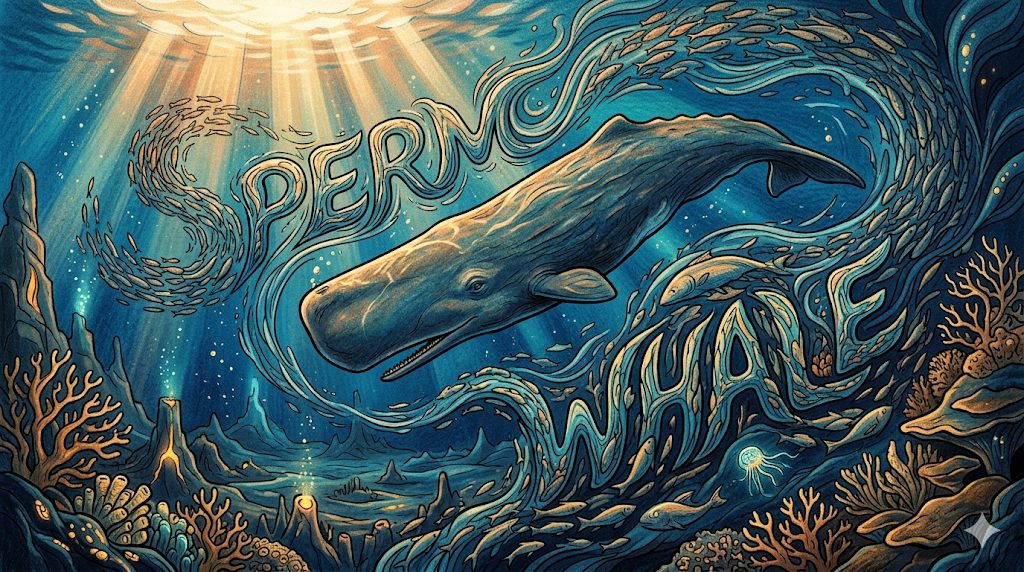
sperm whale [spɜːrm weɪl]
(명사구) 향유고래
깊은 바다에 잠수하는 이빨 고래 중 가장 큰 종을 강조합니다. 역사적으로 포경의 주요 대상이었으며 소설 모비딕의 모델이 된 것이라는 뉘앙스가 강합니다. 수능 독해 과학·역사·문학·환경 지문에서 자주 등장합니다.
- The sperm whale has the largest brain of any animal on Earth and is known for its complex social groups, distinctive clicking sounds, and ability to dive to depths of over a kilometre. (향유고래는 지구상 어떤 동물보다 큰 뇌를 가지고 있으며 복잡한 사회 집단, 독특한 딸깍거리는 소리, 1킬로미터 이상 깊이 잠수하는 능력으로 알려져 있다.)
- Herman Melville's famous novel Moby Dick was inspired by true accounts of sperm whales attacking whaling ships, which apparently happened more often than people today tend to realise. (허먼 멜빌의 유명한 소설 모비 딕은 향유고래가 포경선을 공격하는 실제 이야기에서 영감을 받았으며 오늘날 사람들이 깨닫는 경향이 있는 것보다 더 자주 일어났던 것 같다.)
- The waxy substance called ambergris, found in the intestines of sperm whales, was once worth more than gold by weight because of its use in making perfumes that last a long time on the skin. (향유고래의 장에서 발견되는 용연향이라고 불리는 왁스 같은 물질은 한때 피부에 오래 지속되는 향수를 만드는 데 사용됐기 때문에 무게로 금보다 더 가치 있었다.)

whale song [weɪl sɒŋ]
(명사구) 고래 노래, 고래 울음소리
고래들이 의사소통을 위해 내는 복잡하고 아름다운 소리를 강조합니다. 단순한 동물의 소리가 아니라 복잡한 패턴을 가진 진정한 의미에서의 언어적 소통 가능성이 있다는 것이라는 뉘앙스가 강합니다. 수능 독해 과학·환경·예술·문학 지문에서 자주 등장합니다.
- Whale song recordings made in the 1970s were released as commercial albums and became surprisingly popular, showing that humans were deeply moved by these mysterious sounds even without understanding their meaning. (1970년대에 만들어진 고래 노래 녹음이 상업 앨범으로 출시됐으며 놀랍도록 인기 있게 됐으며 이는 인간이 그 의미를 이해하지 못해도 이 신비한 소리에 깊이 감동받는다는 것을 보여줬다.)
- Scientists have found that whale song changes over time in ways that resemble how human music evolves, with new patterns spreading through whale populations in what appears to be a form of cultural transmission. (과학자들은 고래 노래가 인간 음악이 진화하는 방식과 유사하게 시간이 지남에 따라 변한다는 것을 발견했으며 새로운 패턴이 문화적 전달의 한 형태처럼 보이는 방식으로 고래 개체군을 통해 퍼진다.)
- The impact of human-made ocean noise, such as that from ships and sonar equipment, on whale song is a serious conservation concern because it may interfere with the animals' ability to communicate across the distances required for finding mates. (선박과 소나 장비의 소음과 같은 인간이 만든 바다 소음이 고래 노래에 미치는 영향은 짝을 찾는 데 필요한 거리에 걸쳐 소통하는 동물들의 능력을 방해할 수 있기 때문에 심각한 보전 우려 사항이다.)
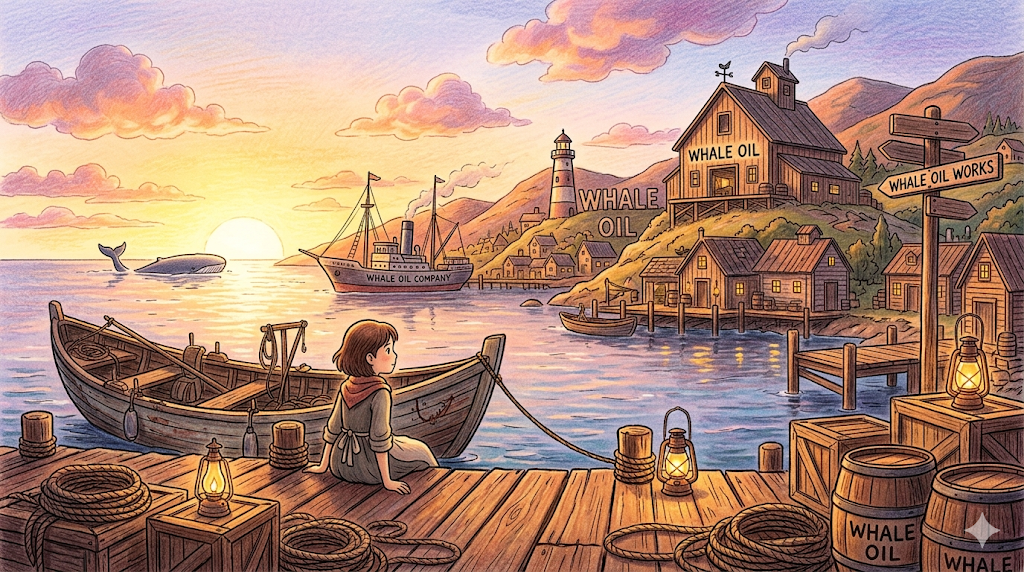
whale oil [weɪl ɔɪl]
(명사구) 고래 기름
역사적으로 고래에서 추출한 기름으로 등불이나 산업에 사용됐던 것을 강조합니다. 석유가 발견되기 전 세계 경제에서 필수적인 자원이었다가 기술 발전으로 대체된 역사의 교훈이라는 뉘앙스가 강합니다. 수능 독해 역사·환경·경제·사회 지문에서 자주 등장합니다.
- Whale oil lit the streets and homes of nineteenth century cities around the world, making the whaling industry one of the most powerful economic forces of that era. (고래 기름은 19세기 전 세계 도시의 거리와 가정을 밝혔으며 포경 산업을 그 시대의 가장 강력한 경제적 힘 중 하나로 만들었다.)
- Historians point out that the discovery of petroleum in 1859 saved many whale species from extinction because it provided a cheaper alternative to whale oil that quickly made the hunting industry far less profitable. (역사가들은 1859년 석유의 발견이 사냥 산업을 훨씬 덜 수익성 있게 만드는 고래 기름의 더 저렴한 대안을 제공했기 때문에 많은 고래 종을 멸종으로부터 구했다고 지적한다.)
- The story of whale oil is often used as an example of how technological change can unexpectedly save the environment, suggesting that future innovations might similarly resolve problems that seem unsolvable today. (고래 기름의 이야기는 종종 기술 변화가 예상치 못하게 환경을 구할 수 있는 방법의 예로 사용되며 미래의 혁신이 오늘날 해결 불가능해 보이는 문제들을 비슷하게 해결할 수 있다고 시사한다.)
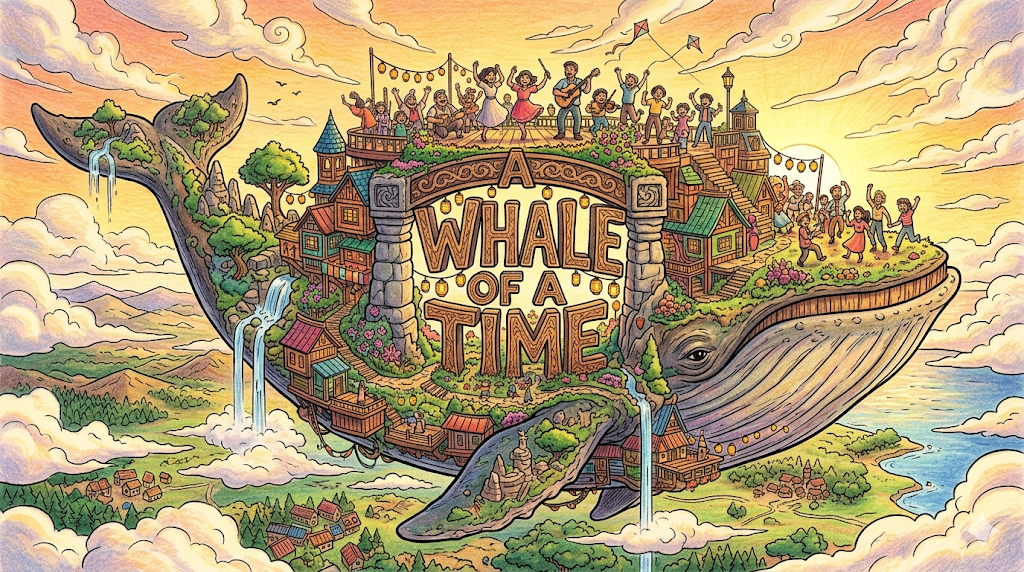
a whale of a time [ə weɪl əv ə taɪm]
(관용구) 매우 즐거운 시간, 아주 신나는 경험
고래만큼 크고 압도적인 즐거움을 경험하는 것을 강조합니다. 규모와 강도에서 보통의 즐거운 경험을 훨씬 넘어서는 특별하고 기억에 남는 것이라는 뉘앙스가 강합니다. 수능 독해 문학·사회·문화 지문에서 자주 등장합니다.
- The whole family had a whale of a time at the reunion, with three generations of cousins running around the garden and the older relatives sharing stories that everyone had heard before but still wanted to hear again. (온 가족이 상봉에서 매우 즐거운 시간을 보냈으며 세 세대의 사촌들이 정원을 뛰어다니고 나이 든 친척들은 모두가 전에 들었지만 여전히 다시 듣고 싶어하는 이야기를 나눴다.)
- The students had a whale of a time during their school trip to the science museum, particularly when they were allowed to touch real fossils and try out the interactive exhibits themselves. (학생들은 특히 실제 화석을 만지고 인터랙티브 전시물을 직접 시험해볼 수 있었을 때 과학 박물관 학교 여행에서 매우 즐거운 시간을 보냈다.)
- She had been nervous about attending the party alone, but she ended up having a whale of a time because the other guests were so welcoming that within an hour she felt as though she had known them all for years. (그녀는 혼자 파티에 참석하는 것에 대해 긴장했지만 다른 손님들이 너무 환영해줘서 한 시간 안에 수년 동안 그들 모두를 알았던 것처럼 느꼈기 때문에 결국 매우 즐거운 시간을 보냈다.)
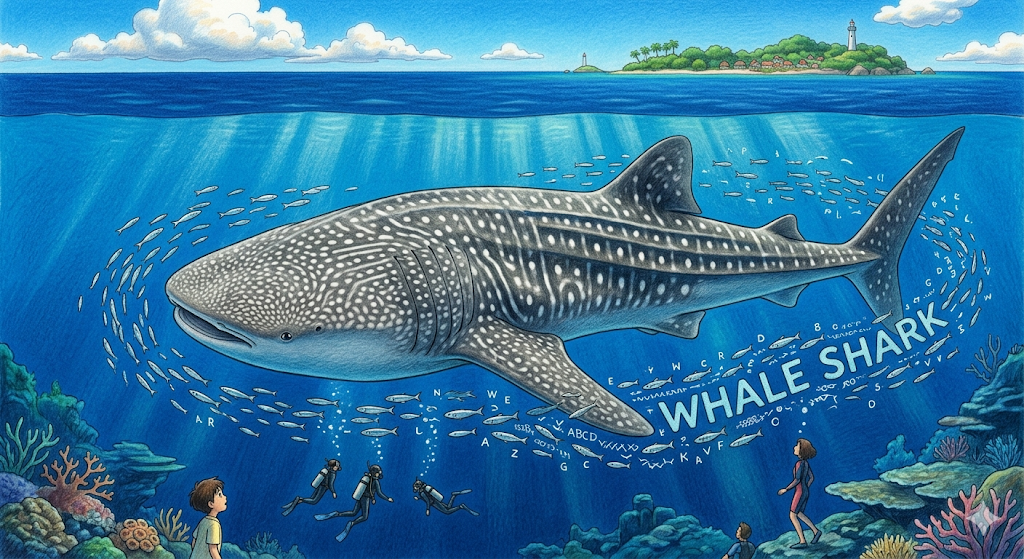
whale shark [weɪl ʃɑːrk]
(명사구) 고래상어
세계에서 가장 큰 물고기로 고래처럼 크지만 실제로는 상어 종류임을 강조합니다. 크기와 온순함의 대조가 인상적인 것이라는 뉘앙스가 강합니다. 수능 독해 과학·환경·자연 지문에서 자주 등장합니다.
- Swimming with a whale shark is considered one of the most extraordinary experiences available in the natural world because the animal is so large and yet so peaceful that it barely seems to notice the divers alongside it. (고래상어와 함께 수영하는 것은 자연 세계에서 이용할 수 있는 가장 놀라운 경험 중 하나로 여겨지는데 그 동물이 너무 크지만 너무 평화로워서 옆의 다이버들을 거의 알아채지 못하는 것 같기 때문이다.)
- The whale shark population is considered endangered because these slow-moving, surface-dwelling animals are vulnerable to collision with boats and often become entangled in fishing nets. (고래상어 개체 수는 이 느리게 움직이고 수면 가까이 사는 동물들이 선박과의 충돌에 취약하고 종종 어망에 얽히기 때문에 위험에 처한 것으로 여겨진다.)
- Despite being called a shark, the whale shark has more in common behaviourally with baleen whales than with predatory sharks, since it feeds by filtering enormous quantities of water to collect the tiny organisms it lives on. (고래상어는 상어라고 불리지만 작은 먹이를 먹기 위해 거대한 양의 물을 여과하여 먹이를 먹기 때문에 포식성 상어보다 수염고래와 행동적으로 더 공통점이 많다.)
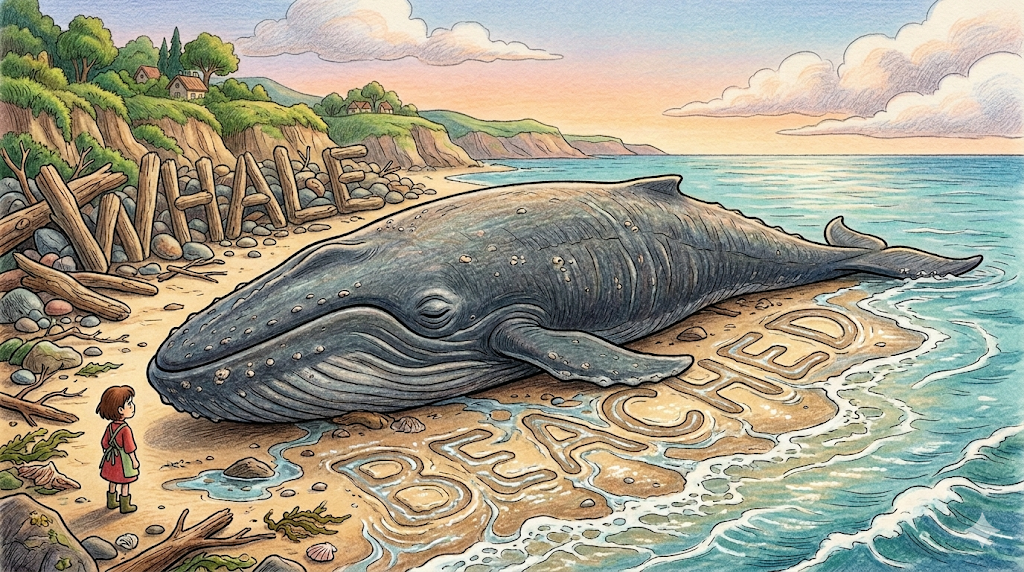
beached whale [biːtʃt weɪl]
(명사구) 좌초된 고래, 해변에 쓸려온 고래
고래가 해변으로 밀려와 갇힌 상황을 강조합니다. 비유적으로는 압도적으로 크고 강력했던 존재가 갑자기 완전히 무력해진 상태를 나타내는 것이라는 뉘앙스가 강합니다. 수능 독해 환경·사회·문학·심리 지문에서 자주 등장합니다.
- Researchers are still investigating why beached whales occur, with theories ranging from illness and disorientation caused by sonar noise to changes in ocean currents and magnetic field disturbances. (연구자들은 왜 좌초된 고래가 발생하는지 아직 조사 중이며 소나 소음으로 인한 질병과 방향 상실에서 해류 변화와 자기장 교란에 이르는 이론들이 있다.)
- When a beached whale is discovered, the response involves marine biologists, veterinarians, and trained volunteers working together in a race against time to keep the animal wet and return it to the water. (좌초된 고래가 발견되면 해양 생물학자, 수의사, 훈련된 자원봉사자들이 동물을 젖게 유지하고 바다로 돌려보내기 위한 시간과의 싸움 속에 함께 일하는 대응이 이루어진다.)
- The image of a beached whale has become a powerful symbol in environmental literature, used to represent the idea of a creature out of its natural element and unable to survive without the environment that supports it. (좌초된 고래의 이미지는 환경 문학에서 강력한 상징이 됐으며 자신의 자연 환경 밖에 있고 그것을 지탱하는 환경 없이는 생존할 수 없는 생명체의 개념을 나타내는 데 사용된다.)
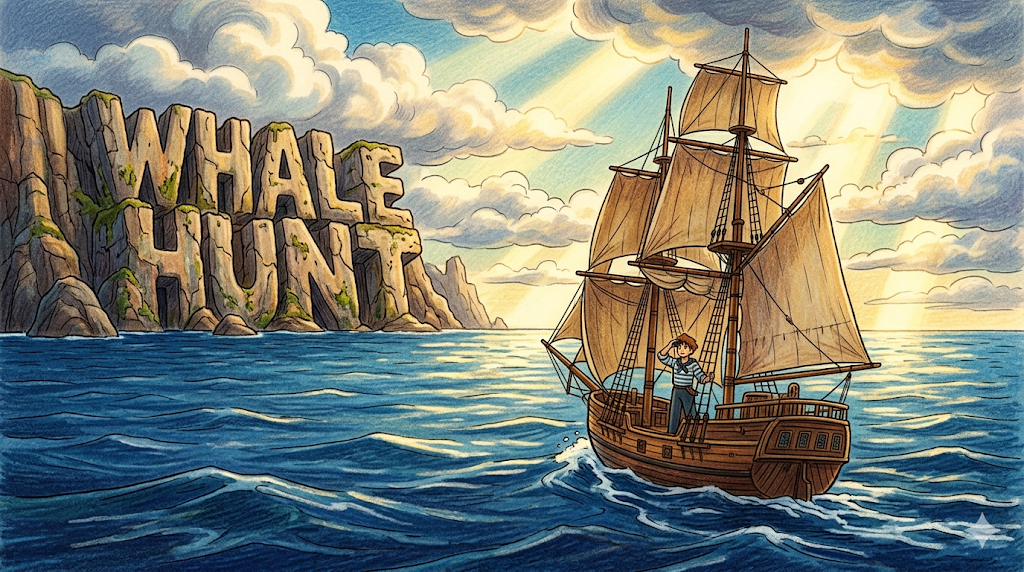
whale hunt [weɪl hʌnt]
(명사구) 고래 사냥, 포경
고래를 잡기 위한 사냥 활동으로 역사적, 현재적 논쟁을 강조합니다. 생존을 위한 전통적 관행과 현대의 환경 윤리 사이의 갈등을 나타내는 것이라는 뉘앙스가 강합니다. 수능 독해 역사·환경·사회·문화 지문에서 핵심 표현으로 자주 등장합니다.
- The whale hunt was for centuries a central part of the economy and culture of communities in Norway, Japan, and the Arctic, providing food, oil, and materials that had no easy substitute. (고래 사냥은 수 세기 동안 노르웨이, 일본, 북극 지역 공동체의 경제와 문화의 핵심 부분이었으며 쉬운 대체물이 없는 음식, 기름, 재료를 제공했다.)
- The debate over the whale hunt highlights the tension between cultural traditions that have existed for generations and the scientific evidence showing that some whale populations cannot sustain continued harvesting. (고래 사냥에 관한 논쟁은 여러 세대에 걸쳐 존재해온 문화적 전통과 일부 고래 개체 수가 지속적인 포획을 견딜 수 없다는 것을 보여주는 과학적 증거 사이의 긴장을 부각시킨다.)
- International opposition to the whale hunt grew dramatically in the late twentieth century as environmental awareness increased and the public began to see whales as intelligent, emotionally complex animals rather than simply a resource to be exploited. (고래 사냥에 대한 국제적 반대는 환경 인식이 높아지고 대중이 고래를 단순히 착취할 자원이 아닌 지능적이고 감정적으로 복잡한 동물로 보기 시작하면서 20세기 후반에 극적으로 증가했다.)

save the whales [seɪv ðə weɪlz]
(동사구) 고래를 구하다, 고래 보호 운동
1970년대부터 시작된 환경 보호 운동의 상징적 표현을 강조합니다. 단순한 슬로건이 아니라 현대 환경 운동이 어떻게 대중의 관심을 모아 실제 정책 변화를 이끌어냈는지를 보여주는 역사적 사례라는 뉘앙스가 강합니다. 수능 독해 환경·사회·역사·교육 지문에서 핵심 표현으로 자주 등장합니다.
- The "save the whales" campaign was one of the first environmental movements to use media, music, and celebrity endorsement to reach a mass audience, providing a template that later campaigns on climate change and biodiversity have followed. ("고래를 구하자" 캠페인은 대중에게 다가가기 위해 미디어, 음악, 유명인 지지를 사용한 최초의 환경 운동 중 하나였으며 이후 기후 변화와 생물 다양성에 관한 캠페인들이 따른 모범을 제공했다.)
- The success of the "save the whales" movement demonstrates that public opinion can change rapidly when people are given compelling information and emotional connection to an issue, even when powerful economic interests oppose change. ("고래를 구하자" 운동의 성공은 강력한 경제적 이익이 변화에 반대할 때도 사람들에게 설득력 있는 정보와 문제에 대한 감정적 연결이 주어지면 여론이 빠르게 바뀔 수 있다는 것을 보여준다.)
- While "save the whales" became a somewhat ironic phrase used to dismiss environmental concerns, the actual movement achieved real results, with the International Whaling Commission's moratorium on commercial whaling allowing several species to begin recovering their numbers. (**"고래를 구하자"**가 환경 우려를 무시하는 데 사용되는 다소 아이러니한 문구가 됐지만 실제 운동은 국제포경위원회의 상업적 포경 모라토리엄이 일부 종이 개체 수를 회복하기 시작할 수 있게 하면서 실제 결과를 달성했다.)
숙어 그룹 묶음 1 — 자연·과학 whale 핵심 패턴
표현 의미 핵심 뉘앙스 주요 맥락
| blue whale | 대왕고래 | 지구 역사상 가장 큰 생명체 | 과학·환경·역사 |
| sperm whale | 향유고래 | 깊은 바다를 탐험하는 지능적 고래 | 과학·역사·문학·환경 |
| whale shark | 고래상어 | 가장 큰 물고기이지만 온순한 필터 섭식자 | 과학·환경·자연 |
이 세 표현은 모두 whale의 "압도적인 크기와 자연의 경이로움"의 이미지를 공유하되, 각각 지구에서 가장 큰 포유류(blue whale)·가장 깊이 잠수하는 이빨 고래(sperm whale)·가장 큰 물고기이지만 온순한 것(whale shark)의 관점에서 접근합니다.
- The ocean contains some of the most extraordinary creatures on Earth — the blue whale as the largest animal, the sperm whale as the deepest diver among large mammals, and the whale shark as the largest fish — each showing how size alone tells only part of the story of what makes a species remarkable. (바다는 지구에서 가장 특별한 생명체들을 포함한다 — 가장 큰 동물로서의 대왕고래, 대형 포유류 중 가장 깊이 잠수하는 향유고래, 가장 큰 물고기로서의 고래상어 — 각각 크기만으로는 종을 특별하게 만드는 것의 이야기의 일부만을 말해준다는 것을 보여준다.)
- The conservation challenges facing the blue whale, sperm whale, and whale shark are different in detail but similar in cause — all three have been harmed by human activities including hunting, pollution, and ocean noise. (대왕고래, 향유고래, 고래상어가 직면하는 보전 도전 과제들은 세부 사항은 다르지만 원인은 비슷하다 — 세 가지 모두 사냥, 오염, 바다 소음을 포함한 인간 활동에 의해 피해를 입었다.)
- Children who learn about the blue whale, the sperm whale, and the whale shark tend to develop a profound respect for the ocean and its creatures, which is why these species are often used as educational tools to teach about the importance of conservation. (대왕고래, 향유고래, 고래상어에 대해 배우는 아이들은 바다와 그 생명체들에 대한 깊은 존중을 키우는 경향이 있으며 이것이 이 종들이 종종 보전의 중요성을 가르치는 교육 도구로 사용되는 이유이다.)
숙어 그룹 묶음 2 — 환경·역사 whale 패턴
표현 의미 핵심 뉘앙스 주요 맥락
| whale hunt | 고래 사냥 | 전통 문화와 환경 윤리 사이의 갈등 | 역사·환경·사회·문화 |
| whale oil | 고래 기름 | 기술 변화가 환경을 구한 역사적 사례 | 역사·환경·경제·사회 |
| save the whales | 고래를 구하자 | 현대 환경 운동의 출발점이 된 상징적 캠페인 | 환경·사회·역사·교육 |
이 세 표현은 모두 whale의 "인간과 고래의 역사적 관계"의 이미지를 공유하되, 각각 고래를 자원으로 이용한 역사(whale hunt·whale oil)와 그 이용을 멈추고 보호로 전환한 운동(save the whales)의 관점에서 접근합니다.
- The history of the whale hunt and the demand for whale oil shows how economic necessity can drive species to near extinction, while the success of the "save the whales" campaign shows that this process can be reversed when people choose to act. (고래 사냥의 역사와 고래 기름에 대한 수요는 경제적 필요가 어떻게 종을 멸종 직전까지 몰 수 있는지를 보여주며 "고래를 구하자" 캠페인의 성공은 사람들이 행동을 선택할 때 이 과정이 역전될 수 있다는 것을 보여준다.)
- The industrial whale hunt that made whale oil so important was eventually replaced by petroleum, but the "save the whales" movement showed that technological alternatives alone are not enough — cultural change in how we value living creatures is equally important. (산업적 고래 사냥으로 고래 기름을 중요하게 만들었던 것은 결국 석유로 대체됐지만 "고래를 구하자" 운동은 기술적 대안만으로는 충분하지 않다는 것을 보여줬다 — 살아있는 생명체를 어떻게 가치 있게 여기는지에 대한 문화적 변화도 동등하게 중요하다.)
- From the perspective of environmental history, whale oil fed the economy that made whale hunts necessary, and the "save the whales" movement represented the moment when society began to ask whether economic need could ever justify the destruction of a species. (환경 역사의 관점에서 고래 기름은 고래 사냥을 필요하게 만든 경제를 먹여 살렸으며 "고래를 구하자" 운동은 사회가 경제적 필요가 종의 파괴를 정당화할 수 있는지 묻기 시작한 순간을 대표했다.)
숙어 그룹 묶음 3 — 문화·경험 whale 심화 패턴
표현 의미 핵심 뉘앙스 주요 맥락
| whale watching | 고래 관찰 | 보호가 경제적 이득을 만드는 지속 가능한 방법 | 환경·사회·문화·역사 |
| whale song | 고래 노래 | 고래의 지능과 소통 능력의 상징 | 과학·환경·예술·문학 |
| a whale of a time | 매우 즐거운 시간 | 고래만큼 크고 압도적인 즐거움 | 문학·사회·문화 |
이 세 표현은 모두 whale의 "고래가 인간의 문화와 경험에 미치는 영향"의 이미지를 공유하되, 각각 고래를 직접 만나는 생태 관광 경험(whale watching)·고래의 복잡한 소통 능력이 예술에 미친 영향(whale song)·일상 언어에서 고래의 크기가 즐거움에 비유되는 것(a whale of a time)의 관점에서 접근합니다.
- The fact that we have gone from whale hunt to whale watching shows a profound cultural shift, while the popularity of whale song recordings and the use of "a whale of a time" in everyday speech both demonstrate how deeply these creatures have embedded themselves in human culture. (고래 사냥에서 고래 관찰로 간 것은 깊은 문화적 전환을 보여주며 고래 노래 녹음의 인기와 일상 대화에서 **"매우 즐거운 시간"**의 사용은 모두 이 생명체들이 얼마나 깊이 인간 문화에 자리를 잡았는지를 보여준다.)
- A child who goes whale watching, hears whale song for the first time, and has a whale of a time doing it will likely grow up with a very different relationship to the ocean than one who has only ever read about these animals in books. (고래 관찰을 하러 가서 처음으로 고래 노래를 듣고 그것을 하면서 매우 즐거운 시간을 보내는 아이는 이 동물들을 책에서만 읽은 아이보다 바다와 매우 다른 관계를 갖고 자랄 것이다.)
- Whale watching and whale song recordings remind us that these animals have rich, complex lives worth protecting, while expressions like "a whale of a time" remind us that whales have been part of human imagination for so long that they have become part of our language itself. (고래 관찰과 고래 노래 녹음은 이 동물들이 보호할 가치가 있는 풍요롭고 복잡한 삶을 산다는 것을 상기시켜 주며 **"매우 즐거운 시간"**과 같은 표현은 고래가 너무 오랫동안 인간의 상상력의 일부가 됐기 때문에 우리 언어 자체의 일부가 됐다는 것을 상기시켜 준다.)
숙어 그룹 묶음 4 — 위기·구조 whale 심화 패턴
표현 의미 핵심 뉘앙스 주요 맥락
| beached whale | 좌초된 고래 | 자연 환경을 잃은 생명체의 무력함 | 환경·사회·문학·심리 |
| save the whales | 고래를 구하자 | 현대 환경 운동의 출발점이 된 상징적 캠페인 | 환경·사회·역사·교육 |
| whale watching | 고래 관찰 | 보호가 경제적 이득을 만드는 지속 가능한 방법 | 환경·사회·문화·역사 |
이 세 표현은 함께 whale이 담고 있는 "인간이 고래를 어떻게 대하는가"의 흐름을 보여줍니다. beached whale → 도움이 필요한 위기에 처한 고래, save the whales → 고래를 보호하자는 인간의 의지, whale watching → 고래를 경제적으로도 이롭게 보호하는 방법으로 연결됩니다.
- The sight of a beached whale struggling on the shore has inspired countless people to join the "save the whales" movement, and many who volunteered in those rescue efforts went on to become strong advocates for whale watching as a sustainable alternative to hunting. (좌초된 고래가 해변에서 힘겹게 버티는 모습은 수많은 사람들이 "고래를 구하자" 운동에 참여하도록 영감을 줬으며 그 구조 활동에 자원봉사한 많은 사람들이 사냥의 지속 가능한 대안으로서 고래 관찰의 강력한 옹호자가 됐다.)
- A beached whale represents the failure of human stewardship — the animal is out of place because its environment has been disrupted — while "save the whales" and whale watching represent two different but complementary responses to that failure. (좌초된 고래는 인간 관리의 실패를 나타낸다 — 그 동물은 환경이 교란됐기 때문에 제자리를 벗어난 것이다 — 반면 **"고래를 구하자"**와 고래 관찰은 그 실패에 대한 두 가지 다르지만 보완적인 대응을 나타낸다.)
- When communities respond to a beached whale with urgent rescue efforts, when people rally around the "save the whales" cause, and when they choose whale watching over hunting, they are all expressing the same fundamental conviction: that these magnificent creatures have a right to exist and thrive in the oceans that belong to all of us. (지역 사회들이 긴급 구조 노력으로 좌초된 고래에 대응하고 사람들이 "고래를 구하자" 대의 주변에 모이며 사냥보다 고래 관찰을 선택할 때 그들은 모두 같은 근본적인 신념을 표현하고 있다: 이 장엄한 생명체들이 우리 모두에게 속하는 바다에서 존재하고 번성할 권리가 있다는 것이다.)
전체 요약표
표현 의미 핵심 뉘앙스
| whale | 고래, 거대한 것 | 크기와 힘에서 다른 모든 것을 압도하는 것 |
| whale watching | 고래 관찰 | 보호가 경제적 이득을 만드는 지속 가능한 방법 |
| blue whale | 대왕고래 | 지구 역사상 가장 큰 생명체 |
| sperm whale | 향유고래 | 깊은 바다를 탐험하는 지능적 고래 |
| whale song | 고래 노래 | 고래의 지능과 소통 능력의 상징 |
| whale oil | 고래 기름 | 기술 변화가 환경을 구한 역사적 사례 |
| a whale of a time | 매우 즐거운 시간 | 고래만큼 크고 압도적인 즐거움 |
| whale shark | 고래상어 | 가장 큰 물고기이지만 온순한 필터 섭식자 |
| beached whale | 좌초된 고래 | 자연 환경을 잃은 생명체의 무력함 |
| whale hunt | 고래 사냥 | 전통 문화와 환경 윤리 사이의 갈등 |
| save the whales | 고래를 구하자 | 현대 환경 운동의 출발점이 된 상징적 캠페인 |
유의어 비교표

단어 공통점 뉘앙스 차이 예문
| whale | 해양 생물 | 크기·위엄·힘 강조 | A whale surfaced. |
| dolphin | 해양 생물 | 영리함·친근함·우아함 강조 | Dolphins leapt nearby. |
| shark | 해양 생물 | 위협·공격성·탐욕 강조 | A shark circled the boat. |
| porpoise | 해양 생물 | 돌고래와 유사한 소형 고래 강조 | A porpoise swam past. |
| orca | 해양 생물 | 영리하고 사회적인 범고래 강조 | An orca hunted seals. |
결론 정리
whale은 단순히 "고래"가 아니라, 바다에서 가장 크고 강력한 존재로 다른 모든 것을 압도하는 이미지에서 출발해 해양 생물·환경 보호·역사적 자원·문화적 상징·비유적 거대함까지 확장되는 단어다 — whale이 있는 곳엔 언제나 '단순한 동물이 아닌, 크기와 힘에서 다른 모든 것을 압도하는' 탁월함과 위엄의 선언이 있다.
💡 whale은 "크기와 힘에서 다른 모든 것을 압도하는 것"의 언어 — whale watching·save the whales·a whale of a time·whale song·beached whale이 수능 최빈출.
🌟 초등학생 버전 whale은 바다에서 가장 크고 놀라운 동물이에요! a whale of a time은 "고래만큼 엄청나게 즐거운 시간"이라는 뜻이고 save the whales는 "고래를 구하자!"처럼 1970년대에 시작된 환경 보호 운동의 유명한 표어예요! 🐋✨


