
- 분류 전체보기 (5618)

| 일 | 월 | 화 | 수 | 목 | 금 | 토 |
|---|---|---|---|---|---|---|
| 1 | 2 | |||||
| 3 | 4 | 5 | 6 | 7 | 8 | 9 |
| 10 | 11 | 12 | 13 | 14 | 15 | 16 |
| 17 | 18 | 19 | 20 | 21 | 22 | 23 |
| 24 | 25 | 26 | 27 | 28 | 29 | 30 |
| 31 |
- work out
- Excuse me
- come up with
- Sure
- Actually
- Don't worry
- pick up
- Yes
- get through
- make it
- oh
- By The Way
- I'm sorry
- too.
- Right?
- no
- entrance fee
- hold on
- set up
- Please
- Sorry
- well
- I'm glad to hear that.
- OKay
- please.
- Hey
- Yeah
- Read between the lines
- Show Up
- please?
- Today
- Total
인과함께
Day421 , wealth, wealth of, accumulate wealth, distribute wealth, national wealth, personal wealth, wealth gap, create wealth, wealth management, old wealth, new wealth 본문
Day421 , wealth, wealth of, accumulate wealth, distribute wealth, national wealth, personal wealth, wealth gap, create wealth, wealth management, old wealth, new wealth
미인생 2026. 5. 21. 05:16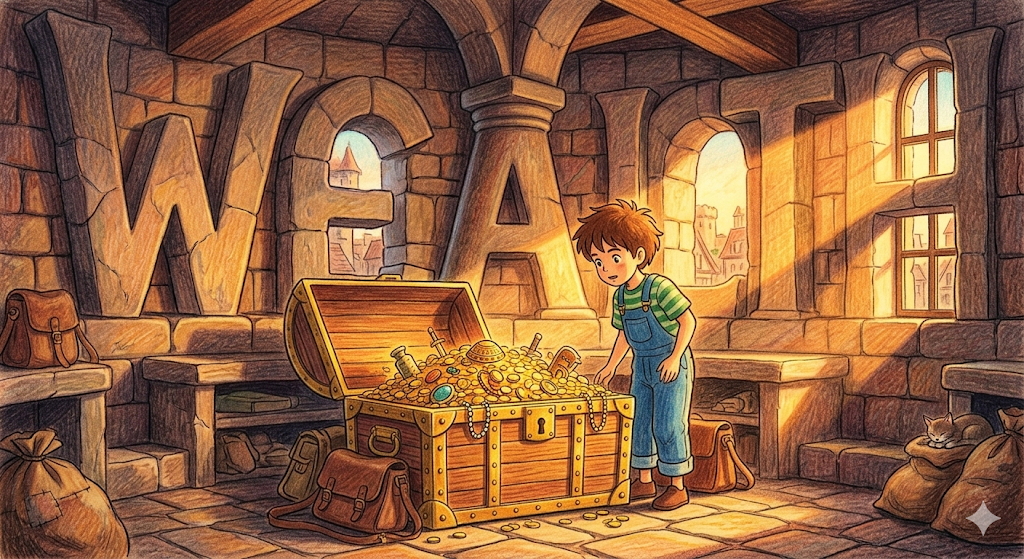
wealth [welθ]
(명사) 부, 재산, 풍부함
"He worked hard to accumulate wealth for his family."
(그는 가족을 위해 부를 축적하려고 열심히 일했다.)
'wealth'를 단순히 "돈"으로만 외우면 수능에서 반드시 틀립니다.
wealth는 "물질적 자원이 풍족하게 있는 상태, 또는 어떤 분야에서 가치 있는 것이 매우 많이 있는 상태" 라는 핵심 이미지에서 출발해, 금전적 부·지식의 풍부함·자연 자원·경험의 축적까지 폭넓게 쓰이는 핵심 다의어입니다. 특히 wealth(풍족하게 축적된 가치 있는 것) vs. money(교환 수단으로서의 돈) vs. fortune(우연히 얻거나 큰 금액의 재산) 의 뉘앙스 차이, a wealth of(풍부한 ~), wealth gap(빈부 격차) 패턴은 수능 독해 경제·사회·역사·교육 지문에서 핵심적으로 등장합니다.
'wealth'는 고대 영어 wela(풍요, 행복, 번영)에서 유래했으며, well(좋은, 잘)과 같은 어원에 뿌리를 두고 있습니다. 어원의 핵심 이미지는 "잘 있는 것, 좋은 상태가 충분히 갖춰진 것" 으로, 단순한 돈이 아닌 좋은 상태가 풍족하게 쌓인 것이라는 풍요와 번영의 이미지가 이 단어의 본질입니다.
1. a wealth of [ə welθ əv]
(명사구/수능) "풍부한 ~, 많은 ~"을 뜻합니다. 어떤 것이 매우 풍부하게 있다는 것을 강조합니다. 수능 독해 교육·사회·과학·문화 지문의 핵심 표현입니다.
The old professor had a wealth of experience in the field and could answer almost any question the students asked with clear and helpful examples. (늙은 교수는 그 분야에서 풍부한 경험을 가지고 있어서 학생들이 묻는 거의 모든 질문에 명확하고 도움이 되는 예를 들어 대답할 수 있었다.)
2. accumulate wealth [əˈkjuːmjəleɪt welθ]
(동사구/수능) "재산을 축적하다, 부를 쌓다"를 뜻합니다. 시간이 지남에 따라 점진적으로 재산을 늘려가는 과정을 강조합니다. 수능 독해 경제·사회·역사 지문의 핵심 표현입니다.
It took three generations of careful saving and smart investment for the family to accumulate wealth significant enough to provide security for everyone. (가족이 모든 사람에게 안정을 제공할 만큼 충분한 재산을 축적하는 데 신중한 저축과 현명한 투자의 3세대가 걸렸다.)
3. distribute wealth [dɪˈstrɪbjuːt welθ]
(동사구/수능) "재산을 분배하다, 부를 나누다"를 뜻합니다. 축적된 재산을 여러 사람이나 집단에게 나누는 것을 강조합니다. 수능 독해 경제·사회·역사·정치 지문의 핵심 표현입니다.
Governments use tax systems as one of the main tools to distribute wealth more fairly across society and fund public services. (정부는 사회 전반에 걸쳐 부를 더 공정하게 분배하고 공공 서비스에 자금을 지원하기 위한 주요 수단 중 하나로 세금 제도를 사용한다.)
4. national wealth [ˈnæʃənəl welθ]
(명사구/수능) "국부, 국가의 부"를 뜻합니다. 한 나라 전체가 보유한 경제적 자원과 가치의 총합을 강조합니다. 수능 독해 경제·역사·사회 지문에서 자주 등장합니다.
A country's national wealth includes not just money and property but also its natural resources, infrastructure, and the education level of its people. (국가의 국부에는 돈과 재산뿐만 아니라 자연 자원, 기반시설, 국민의 교육 수준도 포함된다.)
5. personal wealth [ˈpɜːrsənəl welθ]
(명사구/수능) "개인 재산, 개인의 부"를 뜻합니다. 개인이 소유하는 모든 경제적 가치의 합계를 강조합니다. 수능 독해 경제·사회·심리 지문에서 자주 등장합니다.
Research shows that beyond a certain level, increases in personal wealth do not lead to significant improvements in happiness or life satisfaction. (연구에 따르면 일정 수준을 넘어서면 개인 재산의 증가가 행복이나 삶의 만족도의 상당한 향상으로 이어지지 않는다.)
6. wealth gap [welθ ɡæp]
(명사구/수능) "빈부 격차, 부의 불평등"을 뜻합니다. 부유한 사람들과 가난한 사람들 사이의 재산 차이를 강조합니다. 수능 독해 경제·사회·역사·정치 지문의 핵심 표현입니다.
The wealth gap between the richest and poorest members of society has grown significantly in many countries over the past few decades. (사회의 가장 부유한 사람들과 가장 가난한 사람들 사이의 빈부 격차가 지난 수십 년간 많은 나라에서 크게 증가했다.)
7. create wealth [kriˈeɪt welθ]
(동사구/수능) "부를 창출하다, 재산을 만들다"를 뜻합니다. 경제 활동이나 혁신을 통해 새로운 가치와 재산을 만들어내는 것을 강조합니다. 수능 독해 경제·역사·사회·교육 지문에서 자주 등장합니다.
Entrepreneurs who start new businesses do not just earn money for themselves — they also create wealth for their employees, suppliers, and the broader community. (새 사업을 시작하는 기업가들은 단지 자신을 위해 돈을 버는 것이 아니라 직원, 공급업체, 더 넓은 지역 사회를 위한 부를 창출하기도 한다.)
8. wealth management [welθ ˈmænɪdʒmənt]
(명사구/수능) "자산 관리, 재산 관리"를 뜻합니다. 재산을 효율적으로 운용하고 늘리기 위한 전문적 관리 활동을 강조합니다. 수능 독해 경제·사회·역사 지문에서 자주 등장합니다.
Good wealth management is not just about investing money but also about protecting assets, planning for the future, and making sure resources are used wisely. (좋은 자산 관리는 단지 돈을 투자하는 것이 아니라 자산을 보호하고 미래를 계획하며 자원이 현명하게 사용되도록 하는 것이기도 하다.)
9. old wealth [oʊld welθ]
(명사구/수능) "구세대 부, 세습 재산"을 뜻합니다. 오랜 시간에 걸쳐 여러 세대를 통해 물려받은 재산을 강조합니다. 수능 독해 사회·역사·문화·경제 지문에서 자주 등장합니다.
Old wealth often comes with social connections and traditions that give families advantages beyond just the money itself. (구세대 부는 종종 가족에게 돈 자체를 넘어서는 이점을 주는 사회적 연결과 전통을 수반한다.)
10. new wealth [njuː welθ]
(명사구/수능) "신흥 부, 새로 생긴 재산"을 뜻합니다. 기업이나 혁신을 통해 비교적 최근에 만들어진 재산을 강조합니다. 수능 독해 사회·경제·역사·문화 지문에서 자주 등장합니다.
The technology industry has produced enormous amounts of new wealth in a very short time, changing the social landscape in ways that older forms of wealth creation never did. (기술 산업은 매우 짧은 시간에 엄청난 양의 신흥 부를 만들어내어 구형 부 창출 방식이 결코 하지 못했던 방식으로 사회 지형을 바꿨다.)

POINT 1. wealth vs. money vs. fortune — 수능 최빈출 뉘앙스 구별
세 표현 모두 "재산·돈"과 관련되지만 뉘앙스가 다릅니다.
wealth → 좋은 상태가 풍족하게 쌓인 것, 다양한 형태의 가치 있는 것들의 총합 (풍요·번영·축적된 가치 강조), money → 교환 수단으로 사용되는 화폐 자체 (교환 수단·화폐 강조), fortune → 우연히 얻거나 특별히 큰 금액의 재산, 또는 운 (큰 행운·거대한 재산·운명 강조). 수능에서 wealth는 반드시 다양한 형태의 가치 있는 것들이 풍족하게 축적된 상태라는 문맥이 함께 등장합니다.
예)
The nation's wealth comes from its natural resources and educated workforce. (그 나라의 부는 자연 자원과 교육받은 노동력에서 나온다.) — 풍요·번영·축적된 가치 강조 She did not have much money left after paying all her bills. (그녀는 모든 청구서를 지불하고 나서 돈이 많이 남지 않았다.) — 교환 수단·화폐 강조 He made his fortune by investing in technology companies early. (그는 기술 회사에 일찍 투자하여 큰 재산을 만들었다.) — 큰 행운·거대한 재산·운명 강조
POINT 2. a wealth of / wealth gap — 수능 교육·사회 지문 핵심
a wealth of와 wealth gap은 수능 독해 교육·사회·경제 지문에서 가장 자주 출제되는 wealth 관련 표현입니다.
a wealth of → 어떤 분야에서 가치 있는 것이 매우 풍부하게 있다는 비유적 표현 (풍부함·다양성 강조), wealth gap → 사회 내의 재산 불평등 문제를 직접 가리키는 것 (불평등·격차·사회 문제 강조). 두 표현이 함께 등장하면 글쓴이가 부의 분배와 사회적 자원의 활용에 관해 논하고 있다는 신호입니다.
POINT 3. wela 어원 — 수능 어휘 확장 필수
wealth의 어원 wela(풍요·행복·번영)와 관련된 단어들이 수능에서 자주 출제됩니다.
wealthy [ˈwelθi] → 부유한 (wealth가 많은), well [wel] → 잘, 좋은 (같은 어원), welfare [ˈwelfer] → 복지, 행복 (wela + fare), commonwealth [ˈkɒmənwelθ] → 공화국, 공동체 (공동의 wealth). 이 단어들은 모두 "좋은 상태가 충분히 갖춰진 것"이라는 공통 이미지를 가지고 있습니다.
(명사) ① 부, 재산 (물질적 자원)
wealth의 가장 기본적인 명사 의미로, 돈이나 재산이 풍족하게 있는 상태를 나타냅니다. 반드시 단순한 돈이 아닌 다양한 형태의 가치 있는 자원들이 축적된 상태라는 문맥이 함께 옵니다.
- The discovery of oil transformed the small desert nation into one of great wealth within just a few decades, changing almost every aspect of how people there lived and worked. (석유 발견이 불과 수십 년 만에 작은 사막 나라를 큰 부의 나라로 바꾸어 그곳 사람들이 살고 일하는 방식의 거의 모든 측면을 변화시켰다.)
- Great wealth brings responsibilities as well as privileges — those who have much are often expected to contribute to the wellbeing of the community around them. (큰 부는 특권뿐만 아니라 책임도 가져온다 — 많이 가진 사람들은 종종 주변 지역 사회의 복지에 기여할 것으로 기대된다.)
- The family had lived in modest circumstances for generations, never accumulating significant wealth but always managing to provide their children with a good education and a stable home. (가족은 여러 세대 동안 소박한 환경에서 살았으며 상당한 재산을 축적하지는 못했지만 항상 자녀들에게 좋은 교육과 안정적인 가정을 제공하는 데 성공했다.)
(명사) ② 풍부함, 많음 (비유적)
물질적 재산이 아닌 어떤 분야에서 가치 있는 것이 매우 많이 있는 상태를 나타냅니다. 수능 독해 교육·문학·과학·사회 지문에서 자주 등장합니다.
- The library holds a wealth of knowledge that anyone can access for free, which means it remains one of the most democratic institutions in any city. (도서관은 누구나 무료로 이용할 수 있는 풍부한 지식을 보유하고 있어 모든 도시에서 가장 민주적인 기관 중 하나로 남아 있다.)
- The researcher found a wealth of evidence supporting her theory in the archives, including letters, photographs, and official documents she had not expected to discover. (연구자는 기대하지 못했던 편지, 사진, 공식 문서를 포함하여 기록관에서 그녀의 이론을 뒷받침하는 풍부한 증거를 발견했다.)
- A good teacher brings a wealth of understanding about how different students learn, allowing them to adjust their approach in ways that textbooks and standardised tests cannot always capture. (좋은 선생님은 다양한 학생들이 어떻게 배우는지에 대한 풍부한 이해를 가지고 와서 교과서와 표준화된 시험이 항상 포착할 수 없는 방식으로 접근 방식을 조정할 수 있게 한다.)

뉘앙스·의미 연결 흐름 표
핵심 이미지 연결 흐름 뉘앙스 요약
| 부의 생성·관리 | 부를 창출하다 → 재산을 축적하다 → 자산 관리 | create wealth·accumulate wealth·wealth management |
| 부의 분배·격차 | 재산을 분배하다 → 빈부 격차 → 국부 | distribute wealth·wealth gap·national wealth |
| 부의 형태·성격 | 구세대 부 → 신흥 부 → 개인 재산 | old wealth·new wealth·personal wealth |
어원 흐름 표
단어 구성 요소 의미 연결 흐름 뉘앙스 요약
| 고대 영어 wela(풍요·행복·번영) | 잘 있는 것 → 좋은 상태 → 풍족하게 축적된 것 | 좋은 상태가 풍족하게 쌓인 풍요와 번영의 이미지 |
| wealth (명사) | 물질적 부 → 비유적 풍부함 → 사회적 자원 | 재산에서 지식·경험·자원의 풍부함으로 확장 |
품사별 의미 표
품사 의미 예문
| 명사 | 부, 재산 | Great wealth comes with responsibility. (큰 부는 책임이 따른다.) |
| 명사 | 풍부함 | A wealth of knowledge. (풍부한 지식.) |
활용 예문 리스트
- The Amazon rainforest contains a wealth of biodiversity that scientists are still discovering, and protecting it is seen as essential for the future health of the entire planet. (아마존 열대 우림은 과학자들이 아직 발견하고 있는 풍부한 생물 다양성을 담고 있으며 그것을 보호하는 것이 지구 전체의 미래 건강을 위해 필수적이라고 여겨진다.)
- The wealth gap has widened in many societies over recent decades, raising serious questions about equality of opportunity and the fairness of economic systems that allow such differences to grow. (빈부 격차가 최근 수십 년간 많은 사회에서 넓어졌으며 이러한 차이가 커지도록 허용하는 경제 시스템의 기회 균등과 공정성에 대한 심각한 의문을 제기하고 있다.)
- The company created wealth not only through its products but through the skills and opportunities it developed in thousands of employees who went on to start their own successful businesses. (회사는 제품을 통해서뿐만 아니라 자신들만의 성공적인 사업을 시작하러 나간 수천 명의 직원들에게 개발한 기술과 기회를 통해 부를 창출했다.)
- She worked with a financial adviser for many years on her wealth management, making sure her savings were invested in ways that balanced growth with security for her retirement. (그녀는 은퇴를 위해 성장과 안정을 균형 있게 하는 방식으로 저축이 투자됐는지 확인하기 위해 수년 동안 재무 고문과 자산 관리를 위해 함께 일했다.)
- Historians have long debated whether old wealth or new wealth has been more beneficial for society — whether the stability of established families or the energy of newly successful entrepreneurs creates more lasting progress. (역사가들은 구세대 부와 신흥 부 중 어느 것이 사회에 더 이로운지 — 확립된 가족의 안정성이나 새롭게 성공한 기업가들의 에너지 중 어느 것이 더 오래 지속되는 발전을 만드는지 — 오랫동안 논쟁해왔다.)
전체 뉘앙스 설명
wealth는 '좋은 상태가 풍족하게 쌓인 풍요와 번영의 언어'입니다.
money와의 차이: money는 교환 수단으로 사용되는 화폐 자체를 강조하고, wealth는 돈을 포함한 다양한 형태의 가치 있는 것들이 풍족하게 축적된 더 넓은 상태를 강조합니다.
fortune과의 차이: fortune은 우연히 얻거나 특별히 큰 금액의 재산 또는 운을 강조하고, wealth는 지속적으로 축적되고 유지되는 더 안정적인 형태의 부를 강조합니다.
riches와의 차이: riches는 화려하고 많은 재산을 강조하고, wealth는 더 넓게 물질적·비물질적 가치의 풍족함을 강조합니다.
마지막 핵심 정리
wealth는 단순히 "돈"이 아닙니다 — 고대 영어 wela(풍요·행복·번영)에서 출발해, 풍부한 ~(a wealth of)·재산을 축적하다(accumulate wealth)·재산을 분배하다(distribute wealth)·국부(national wealth)·개인 재산(personal wealth)·빈부 격차(wealth gap)·부를 창출하다(create wealth)·자산 관리(wealth management)·구세대 부(old wealth)·신흥 부(new wealth)까지 확장되는 단어이며, wealth vs. money vs. fortune 뉘앙스 구별·a wealth of / wealth gap 교육·사회 지문 패턴·wela 어원 패밀리가 수능 핵심 출제 포인트입니다.
파생어 표
파생어 발음기호 품사 의미
| wealthy | [ˈwelθi] | 형용사 | 부유한, 풍요로운 |
| welfare | [ˈwelfer] | 명사 | 복지, 행복 |
| commonwealth | [ˈkɒmənwelθ] | 명사 | 공화국, 공동체 |
| well | [wel] | 부사/형용사 | 잘, 좋은 (같은 어원) |
| weal | [wiːl] | 명사 | 번영, 복지 (고어) |
| wellbeing | [ˌwelˈbiːɪŋ] | 명사 | 웰빙, 행복한 상태 |
유의어 비교표
단어 공통점 뉘앙스 차이 예문
| wealth | 재산·풍요 | 축적된 다양한 가치·풍요 강조 | She has great wealth. |
| money | 재산·돈 | 교환 수단·화폐 강조 | Do you have money? |
| fortune | 재산·운 | 큰 행운·거대한 재산 강조 | He made his fortune. |
| riches | 재산·풍요 | 화려하고 많은 재산 강조 | The riches of the king. |
| assets | 재산·자산 | 소유된 경제적 자산·재무 강조 | List all your assets. |
유의어 예문 리스트
- (money) The project ran out of money halfway through and the organisers had to find new sponsors quickly or abandon everything they had worked so hard to build. (프로젝트는 중간에 돈이 떨어졌으며 주최자들은 빠르게 새 스폰서를 찾거나 열심히 만들어온 모든 것을 포기해야 했다.)
- (fortune) She spent her entire fortune on building a school in the village where she had grown up, saying it was the most meaningful thing she had ever done with money. (그녀는 자신이 자란 마을에 학교를 짓는 데 전 재산을 써서 그것이 자신이 돈으로 한 가장 의미 있는 일이라고 말했다.)
- (riches) The old story warned children not to be fooled by the riches of the palace, reminding them that gold walls and jewelled floors meant nothing without kindness and honesty. (오래된 이야기는 아이들에게 궁전의 부유함에 속지 말라고 경고하며 친절함과 정직함 없이는 금 벽과 보석 박힌 바닥이 아무 의미가 없다고 상기시켰다.)
- (assets) The company's most valuable assets were not its buildings or equipment but the talented and dedicated team of people who worked there every day. (회사의 가장 가치 있는 자산은 건물이나 장비가 아니라 매일 그곳에서 일하는 재능 있고 헌신적인 사람들의 팀이었다.)
결론 정리
wealth는 단순히 "돈"이 아니라, 좋은 상태가 풍족하게 쌓인 풍요와 번영의 이미지에서 출발해 물질적 재산·지식의 풍부함·사회적 자원·경제적 불평등까지 확장되는 단어다 — wealth가 있는 곳엔 언제나 '단순한 화폐가 아닌, 좋은 상태가 다양한 형태로 풍족하게 쌓인' 풍요와 번영의 선언이 있다.
💡 wealth는 "좋은 상태가 다양한 형태로 풍족하게 쌓인 것"의 언어 — a wealth of·wealth gap·accumulate wealth·create wealth·national wealth가 수능 최빈출.
🌟 초등학생 버전 wealth는 단지 "돈이 많은 것"이 아니에요! 지식, 경험, 자연 자원처럼 가치 있는 것이 풍부하게 있는 것도 wealth라고 해요! a wealth of는 "경험이 풍부한"처럼 어떤 것이 아주 많이 있다는 뜻이고 wealth gap은 "부자와 가난한 사람 사이의 큰 차이"를 표현할 때 써요! 💰✨

a wealth of [ə welθ əv]
(명사구) 풍부한 ~, 많은 ~
어떤 것이 매우 풍부하게 있다는 것을 강조합니다. 물질적 재산이 아니라 지식, 경험, 정보, 기회 등 다양한 종류의 가치 있는 것이 넘칠 만큼 많이 있다는 비유적 표현이라는 뉘앙스가 강합니다. 수능 독해 교육·사회·과학·문화 지문에서 핵심 표현으로 자주 등장합니다.
- The documentary offered viewers a wealth of information about the deep ocean that most people had never seen before, from strange creatures to underwater mountains. (다큐멘터리는 기이한 생물에서 해저 산까지 대부분의 사람들이 전에 본 적 없는 심해에 관한 풍부한 정보를 시청자들에게 제공했다.)
- She brought a wealth of practical experience to the classroom from her years working in the industry, which meant her students learned not just theory but how things actually worked in real life. (그녀는 산업에서 일한 수년간의 풍부한 실무 경험을 교실에 가져왔으며 이는 학생들이 단지 이론만이 아니라 실제로 일이 어떻게 돌아가는지를 배웠다는 것을 의미했다.)
- The ancient ruins provided archaeologists with a wealth of material to study, revealing details about daily life, trade, and social organisation that no written record had ever captured. (고대 유적은 고고학자들에게 연구할 풍부한 자료를 제공하여 어떤 서면 기록도 포착하지 못했던 일상생활, 무역, 사회 조직에 관한 세부 사항을 드러냈다.)
accumulate wealth [əˈkjuːmjəleɪt welθ]
(동사구) 재산을 축적하다, 부를 쌓다
시간이 지남에 따라 점진적으로 재산을 늘려가는 과정을 강조합니다. 한 번에 얻는 것이 아니라 오랜 시간의 노력과 관리를 통해 서서히 쌓아가는 과정이라는 뉘앙스가 강합니다. 수능 독해 경제·사회·역사 지문에서 핵심 표현으로 자주 등장합니다.
- The ability to accumulate wealth over time depends not only on how much you earn but also on how much you save and how wisely you manage what you have. (재산을 축적하는 능력은 시간이 지남에 따라 얼마나 버는지뿐만 아니라 얼마나 저축하고 가진 것을 얼마나 현명하게 관리하는지에도 달려 있다.)
- Historically, some groups have found it much harder to accumulate wealth than others due to legal barriers, discrimination, and lack of access to the same opportunities and financial institutions. (역사적으로 일부 집단들은 법적 장벽, 차별, 동일한 기회와 금융 기관에 대한 접근 부족으로 인해 다른 집단들보다 재산을 축적하는 것이 훨씬 더 어려웠다.)
- A key insight from behavioural economics is that people often struggle to accumulate wealth not because they earn too little but because small daily spending habits, repeated over years, prevent savings from ever building up significantly. (행동 경제학의 핵심 통찰은 사람들이 종종 너무 적게 벌어서가 아니라 수년에 걸쳐 반복되는 매일의 소액 지출 습관이 저축이 상당히 쌓이는 것을 방지하기 때문에 재산을 축적하는 데 어려움을 겪는다는 것이다.)

distribute wealth [dɪˈstrɪbjuːt welθ]
(동사구) 재산을 분배하다, 부를 나누다
축적된 재산을 여러 사람이나 집단에게 나누는 것을 강조합니다. 불평등을 줄이거나 사회 전체의 행복을 높이기 위한 의도적인 행동이라는 뉘앙스가 강합니다. 수능 독해 경제·사회·역사·정치 지문에서 핵심 표현으로 자주 등장합니다.
- Every society faces the fundamental question of how to distribute wealth in a way that is both economically efficient and socially fair — a balance that different political systems approach in very different ways. (모든 사회는 경제적으로 효율적이면서도 사회적으로 공정한 방식으로 부를 분배하는 방법이라는 근본적인 질문에 직면한다 — 다른 정치 시스템들이 매우 다른 방식으로 접근하는 균형이다.)
- Philanthropists who distribute wealth through charitable giving can make a significant difference to communities that lack access to resources, but critics argue that voluntary charity is no substitute for fair structural systems. (부를 분배하는 자선 기부를 통해 박애주의자들은 자원에 접근이 부족한 지역 사회에 상당한 차이를 만들 수 있지만 비평가들은 자발적 자선이 공정한 구조적 시스템을 대체할 수 없다고 주장한다.)
- How a government chooses to distribute wealth through public spending says a great deal about its priorities — whether it values economic growth, social equality, environmental protection, or some combination of all three. (정부가 공공 지출을 통해 부를 분배하기로 선택하는 방법은 경제 성장, 사회적 평등, 환경 보호, 또는 세 가지 모두의 조합을 중요시하는지에 대한 우선순위에 대해 많은 것을 말해준다.)

national wealth [ˈnæʃənəl welθ]
(명사구) 국부, 국가의 부
한 나라 전체가 보유한 경제적 자원과 가치의 총합을 강조합니다. 단순히 GDP가 아닌 자연 자원, 기반시설, 인적 자본 등 다양한 형태의 가치를 포함하는 것이라는 뉘앙스가 강합니다. 수능 독해 경제·역사·사회 지문에서 자주 등장합니다.
- A country's national wealth is not accurately measured by GDP alone — it must also include the condition of the environment, the health and education of its people, and the strength of its social institutions. (국가의 국부는 GDP만으로는 정확히 측정되지 않는다 — 환경 상태, 국민의 건강과 교육, 사회 제도의 강도도 포함해야 한다.)
- During the colonial period, vast amounts of national wealth were extracted from occupied territories and transferred to the colonising powers, creating economic disadvantages that many nations are still trying to overcome today. (식민지 시기에 방대한 양의 국부가 점령된 영토에서 추출되어 식민지 열강으로 이전됐으며 오늘날에도 많은 나라들이 여전히 극복하려 하는 경제적 불이익을 만들었다.)
- Economists argue that investing in education is one of the most effective ways to grow national wealth over the long term because an educated population is more productive, more innovative, and better able to adapt to changing economic conditions. (경제학자들은 교육받은 인구가 더 생산적이고 더 혁신적이며 변화하는 경제적 조건에 더 잘 적응할 수 있기 때문에 교육 투자가 장기적으로 국부를 늘리는 가장 효과적인 방법 중 하나라고 주장한다.)

personal wealth [ˈpɜːrsənəl welθ]
(명사구) 개인 재산, 개인의 부
개인이 소유하는 모든 경제적 가치의 합계를 강조합니다. 단순한 은행 잔고가 아닌 부동산, 투자, 사업 등 다양한 형태의 자산을 모두 포함하는 것이라는 뉘앙스가 강합니다. 수능 독해 경제·사회·심리 지문에서 자주 등장합니다.
- Personal wealth is affected not only by individual choices and hard work but also by factors outside a person's control, including the family they were born into, the country they live in, and the economic conditions of their time. (개인 재산은 개인의 선택과 노력뿐만 아니라 태어난 가족, 사는 나라, 시대의 경제적 조건을 포함하여 개인이 통제할 수 없는 요인들에 의해서도 영향을 받는다.)
- Studies suggest that personal wealth tends to follow a pattern across a lifetime — people build it slowly in their working years and then gradually use it in retirement — but that pattern looks very different depending on income, education, and access to investment opportunities. (연구에 따르면 개인 재산은 평생에 걸쳐 패턴을 따르는 경향이 있다 — 사람들은 일하는 동안 천천히 쌓고 은퇴 후 서서히 사용한다 — 하지만 그 패턴은 소득, 교육, 투자 기회 접근에 따라 매우 다르게 보인다.)
- The ethics of personal wealth have been debated throughout history — whether individuals have the right to hold as much as they can acquire, or whether society has a legitimate interest in setting limits on how much any one person can own. (개인 재산의 윤리는 역사를 통해 논쟁돼왔다 — 개인이 획득할 수 있는 만큼 보유할 권리가 있는지, 아니면 사회가 어떤 한 사람이 소유할 수 있는 양에 제한을 두는 데 정당한 이해관계가 있는지.)

wealth gap [welθ ɡæp]
(명사구) 빈부 격차, 부의 불평등
사회 내에서 부유한 사람들과 가난한 사람들 사이의 재산 차이를 강조합니다. 단순한 통계적 차이를 넘어 기회의 불평등과 사회적 문제를 낳는 구조적 현상이라는 뉘앙스가 강합니다. 수능 독해 경제·사회·역사·정치 지문에서 핵심 표현으로 자주 등장합니다.
- The wealth gap is not just a financial issue — it affects access to healthcare, education, safe housing, and political power, meaning that its consequences reach into almost every aspect of life. (빈부 격차는 단지 금전적 문제가 아니다 — 의료, 교육, 안전한 주거, 정치적 권력에 대한 접근에 영향을 미쳐 그 결과가 삶의 거의 모든 측면에 미친다는 것을 의미한다.)
- Research shows that countries with smaller wealth gaps tend to have better outcomes across a wide range of measures including health, crime rates, educational achievement, and social trust. (연구에 따르면 빈부 격차가 더 작은 나라들은 건강, 범죄율, 교육 성취도, 사회적 신뢰를 포함한 광범위한 지표에서 더 나은 결과를 보이는 경향이 있다.)
- Addressing the wealth gap requires more than just economic policies — it also involves changing the cultural and institutional barriers that make it difficult for people from poorer backgrounds to access the same opportunities as those from wealthier ones. (빈부 격차를 해결하려면 경제 정책 이상이 필요하다 — 가난한 배경 출신의 사람들이 부유한 배경 출신의 사람들과 같은 기회에 접근하기 어렵게 만드는 문화적, 제도적 장벽을 바꾸는 것도 포함된다.)

create wealth [kriˈeɪt welθ]
(동사구) 부를 창출하다, 재산을 만들다
경제 활동이나 혁신을 통해 새로운 가치와 재산을 만들어내는 것을 강조합니다. 단순히 돈을 버는 것이 아니라 사회 전체에 새로운 가치를 더하는 것이라는 뉘앙스가 강합니다. 수능 독해 경제·역사·사회·교육 지문에서 자주 등장합니다.
- One of the arguments for protecting intellectual property rights is that they incentivise people to create wealth through innovation by ensuring they can benefit financially from their ideas. (지적재산권 보호에 대한 주장 중 하나는 그것이 사람들이 아이디어로 재정적으로 이익을 얻을 수 있도록 보장함으로써 혁신을 통해 부를 창출하도록 유인한다는 것이다.)
- Education systems that teach students not just to follow instructions but to think creatively and solve problems are investing in the human capital that creates wealth for the whole of society. (단지 지시를 따르는 것이 아니라 창의적으로 생각하고 문제를 해결하도록 학생들을 가르치는 교육 시스템은 사회 전체를 위한 부를 창출하는 인적 자본에 투자하고 있다.)
- The industrial revolution demonstrated how new technologies and ways of organising work could create wealth on a scale previously unimaginable, though it also raised profound questions about who should benefit from that wealth. (산업 혁명은 새로운 기술과 일 조직 방법이 이전에 상상할 수 없었던 규모로 부를 창출할 수 있다는 것을 보여줬지만 그 부로 누가 이익을 얻어야 하는지에 대한 심오한 질문도 제기했다.)

wealth management [welθ ˈmænɪdʒmənt]
(명사구) 자산 관리, 재산 관리
재산을 효율적으로 운용하고 늘리기 위한 전문적 관리 활동을 강조합니다. 단순히 돈을 저축하는 것이 아니라 세금, 투자, 유산 계획 등을 포함하는 종합적인 재무 전략이라는 뉘앙스가 강합니다. 수능 독해 경제·사회·역사 지문에서 자주 등장합니다.
- Wealth management has historically been a service available only to the very rich, but digital technology is beginning to make some aspects of it accessible to ordinary people through online tools and automated investment platforms. (자산 관리는 역사적으로 매우 부유한 사람들만이 이용할 수 있는 서비스였지만 디지털 기술이 온라인 도구와 자동화된 투자 플랫폼을 통해 일부 측면을 일반인들에게 접근 가능하게 하기 시작하고 있다.)
- Effective wealth management requires thinking not just about how to grow assets but also about how to protect them from risks, how to plan for different future scenarios, and how to eventually pass them on to future generations. (효과적인 자산 관리는 자산을 어떻게 늘릴지뿐만 아니라 위험으로부터 보호하는 방법, 다양한 미래 시나리오를 계획하는 방법, 결국 다음 세대에 전달하는 방법도 생각하는 것을 필요로 한다.)
- The rise of professional wealth management services in the twentieth century reflected a growing awareness among affluent individuals that simply having money was not enough — making it work effectively required specialised knowledge and careful planning. (20세기 전문적 자산 관리 서비스의 부상은 단순히 돈을 갖는 것으로는 충분하지 않다는 부유한 개인들 사이의 성장하는 인식을 반영했다 — 그것을 효과적으로 작동시키려면 전문화된 지식과 신중한 계획이 필요했다.)

old wealth [oʊld welθ]
(명사구) 구세대 부, 세습 재산
오랜 시간에 걸쳐 여러 세대를 통해 물려받은 재산을 강조합니다. 돈 자체보다도 그것이 가져오는 사회적 연결, 전통, 명성이 더 중요하게 여겨지는 것이라는 뉘앙스가 강합니다. 수능 독해 사회·역사·문화·경제 지문에서 자주 등장합니다.
- Old wealth families often had access to the best schools, professional networks, and social circles not because of their current income but because of the connections and reputations built over generations. (구세대 부 가족들은 종종 현재 소득 때문이 아니라 여러 세대에 걸쳐 쌓인 연결과 명성 때문에 최고의 학교, 전문 네트워크, 사교 모임에 접근할 수 있었다.)
- Sociologists have studied how old wealth tends to reproduce itself across generations through the transmission not only of money but of cultural capital — the tastes, habits, and expectations that give people advantages in education and professional life. (사회학자들은 구세대 부가 돈뿐만 아니라 사람들에게 교육과 직업 생활에서 이점을 주는 취향, 습관, 기대라는 문화적 자본의 전달을 통해 세대를 넘어 자체 재생산하는 경향이 있는 방법을 연구해왔다.)
- The tension between old wealth and the newly rich has been a source of social drama in many cultures — those with inherited advantages often looking down on those who have acquired their means recently, while the latter may resent the former's sense of entitlement. (구세대 부와 신흥 부자 사이의 긴장은 많은 문화에서 사회적 드라마의 원천이 됐다 — 물려받은 이점을 가진 사람들은 종종 최근에 재산을 얻은 사람들을 무시하는 반면 후자는 전자의 특권 의식을 원망할 수 있다.)

new wealth [njuː welθ]
(명사구) 신흥 부, 새로 생긴 재산
기업이나 혁신을 통해 비교적 최근에 만들어진 재산을 강조합니다. 전통이나 상속이 아닌 자신의 능력과 노력으로 만들어낸 것이라는 현대적 에너지의 뉘앙스가 강합니다. 수능 독해 사회·경제·역사·문화 지문에서 자주 등장합니다.
- New wealth created by the technology sector has produced a generation of billionaires who are often younger, less formal, and more willing to challenge traditional institutions than those who inherited their money. (기술 분야가 만들어낸 신흥 부는 종종 더 젊고 덜 격식적이며 돈을 물려받은 사람들보다 전통적인 기관에 도전하려는 의지가 더 강한 억만장자 세대를 만들어냈다.)
- The history of new wealth in industrial societies shows a repeating pattern — people who create wealth through innovation and hard work sometimes struggle to earn the social recognition that comes more automatically to those with inherited status. (산업 사회에서의 신흥 부의 역사는 반복되는 패턴을 보여준다 — 혁신과 노력을 통해 부를 창출하는 사람들은 때로 상속된 지위를 가진 사람들에게 더 자동으로 오는 사회적 인정을 얻기 위해 애쓴다.)
- Whether new wealth will eventually solidify into old wealth — as it has done in every previous era of rapid wealth creation — or whether the speed and scale of change in the modern economy will produce a more fluid class structure, is one of the most interesting questions in contemporary sociology. (신흥 부가 결국 구세대 부로 굳어질지 — 이전의 모든 급격한 부 창출 시대에 그랬던 것처럼 — 아니면 현대 경제의 변화 속도와 규모가 더 유동적인 계층 구조를 만들어낼지는 현대 사회학에서 가장 흥미로운 질문 중 하나이다.)
숙어 그룹 묶음 1 — 부의 생성·관리 wealth 핵심 패턴
표현 의미 핵심 뉘앙스 주요 맥락
| create wealth | 부를 창출하다 | 사회에 새로운 가치를 더하는 경제 활동 | 경제·역사·사회·교육 |
| accumulate wealth | 재산을 축적하다 | 오랜 시간의 노력으로 서서히 쌓아가는 과정 | 경제·사회·역사 |
| wealth management | 자산 관리 | 종합적 재무 전략으로 재산을 관리하는 것 | 경제·사회·역사 |
이 세 표현은 모두 wealth의 "부를 만들고 유지하는" 이미지를 공유하되, 각각 새로운 가치를 만들어내는 것(create wealth)·시간을 들여 점진적으로 쌓아가는 것(accumulate wealth)·이미 있는 재산을 잘 관리하는 것(wealth management)의 관점에서 접근합니다.
- Successful individuals often first create wealth through their business or career, then carefully accumulate wealth by saving and reinvesting rather than spending everything they earn, and finally employ professional wealth management to protect and grow what they have built. (성공한 개인들은 종종 먼저 사업이나 커리어를 통해 부를 창출하고 버는 모든 것을 쓰는 것이 아니라 저축하고 재투자함으로써 신중하게 재산을 축적하며 마침내 만든 것을 보호하고 키우기 위해 전문적인 자산 관리를 활용한다.)
- Societies create wealth most effectively when their institutions allow individuals to accumulate wealth fairly and when there are effective systems of wealth management that ensure resources are used productively rather than wasted. (사회는 제도가 개인들이 공정하게 재산을 축적할 수 있게 하고 자원이 낭비되는 것이 아니라 생산적으로 사용되도록 보장하는 효과적인 자산 관리 시스템이 있을 때 가장 효과적으로 부를 창출한다.)
- The industrial revolution showed how a society could dramatically create wealth when technology improved, how individuals and companies could accumulate wealth faster than ever before, but also how the lack of effective wealth management — at both personal and national levels — could lead to enormous waste and inequality. (산업 혁명은 기술이 향상됐을 때 사회가 어떻게 극적으로 부를 창출할 수 있는지, 개인과 기업이 이전보다 더 빠르게 재산을 축적할 수 있는지, 하지만 또한 개인과 국가 수준 모두에서 효과적인 자산 관리의 부재가 어떻게 엄청난 낭비와 불평등으로 이어질 수 있는지를 보여줬다.)
숙어 그룹 묶음 2 — 부의 분배·격차 wealth 패턴
표현 의미 핵심 뉘앙스 주요 맥락
| distribute wealth | 재산을 분배하다 | 불평등을 줄이기 위한 의도적 나눔 | 경제·사회·역사·정치 |
| wealth gap | 빈부 격차 | 부의 불평등이 낳는 사회적 구조적 문제 | 경제·사회·역사·정치 |
| national wealth | 국부 | 다양한 형태의 자원을 포함한 나라 전체의 부 | 경제·역사·사회 |
이 세 표현은 모두 wealth의 "부의 사회적 분배와 영향"의 이미지를 공유하되, 각각 부를 어떻게 나누는지(distribute wealth)·나누지 않았을 때 생기는 문제(wealth gap)·나라 전체 수준에서의 부(national wealth)의 관점에서 접근합니다.
- How a nation chooses to distribute wealth has a direct effect on the size of its wealth gap, and countries that have developed strong social safety nets tend to have smaller gaps, demonstrating that national wealth can be used to serve the wellbeing of all citizens, not just the most successful. (국가가 부를 분배하기로 선택하는 방법은 빈부 격차의 크기에 직접적인 영향을 미치며 강력한 사회 안전망을 개발한 나라들은 더 작은 격차를 가지는 경향이 있어 국부가 가장 성공한 사람들만이 아닌 모든 시민의 웰빙을 위해 사용될 수 있다는 것을 보여준다.)
- The wealth gap widens when national wealth grows but is not distributed more broadly — a pattern that has led many economists to argue that economic growth alone is not sufficient to improve living standards for everyone and that active redistribution policies are essential. (국부가 성장하지만 더 광범위하게 분배되지 않을 때 빈부 격차가 넓어진다 — 많은 경제학자들이 경제 성장만으로는 모든 사람의 생활 수준을 향상시키기에 충분하지 않으며 적극적인 재분배 정책이 필수적이라고 주장하게 한 패턴이다.)
- National wealth represents a society's collective resources, and how it is distributed determines whether the wealth gap grows or shrinks — choices that reflect not just economics but the values, priorities, and power dynamics of that society at a particular moment in history. (국부는 사회의 집단적 자원을 나타내며 그것이 어떻게 분배되는지는 빈부 격차가 증가하는지 감소하는지를 결정한다 — 경제뿐만 아니라 역사의 특정 순간에 그 사회의 가치, 우선순위, 권력 역학을 반영하는 선택들이다.)
숙어 그룹 묶음 3 — 부의 형태·성격 wealth 심화 패턴
표현 의미 핵심 뉘앙스 주요 맥락
| old wealth | 구세대 부 | 세대를 통해 물려받은 사회적 자본 포함 | 사회·역사·문화·경제 |
| new wealth | 신흥 부 | 혁신과 노력으로 최근에 만들어진 재산 | 사회·경제·역사·문화 |
| personal wealth | 개인 재산 | 개인이 소유하는 다양한 형태의 자산 총합 | 경제·사회·심리 |
이 세 표현은 모두 wealth의 "부의 기원과 성격"의 이미지를 공유하되, 각각 세대를 통해 전달된 안정적인 형태의 부(old wealth)·혁신을 통해 새롭게 생겨난 부(new wealth)·개인이 보유하는 다양한 형태의 자산(personal wealth)의 관점에서 접근합니다.
- A person's personal wealth may have been built through new wealth — their own hard work and entrepreneurship — or inherited as old wealth, and the source of that wealth often shapes their attitudes toward money, risk, and social responsibility in quite different ways. (개인의 개인 재산은 신흥 부 — 자신의 노력과 기업가 정신 — 을 통해 쌓여졌거나 구세대 부로 상속됐을 수 있으며 그 부의 원천은 종종 돈, 위험, 사회적 책임에 대한 태도를 꽤 다른 방식으로 형성한다.)
- The relationship between old wealth and new wealth changes with each generation — what begins as new wealth created by an innovative founder eventually becomes old wealth when it is passed to descendants who had no part in creating it, transforming the character of the personal wealth it represents. (구세대 부와 신흥 부 사이의 관계는 각 세대마다 변한다 — 혁신적인 창업자가 만든 신흥 부로 시작한 것은 결국 그것을 만드는 데 아무런 역할이 없는 후손들에게 전달될 때 구세대 부가 되어 그것이 나타내는 개인 재산의 성격을 변화시킨다.)
- Debates about personal wealth and its limits often draw a distinction between old wealth, which was often seen as carrying responsibilities toward the community, and new wealth, which is sometimes criticised for placing greater emphasis on individual success and market outcomes rather than inherited obligations. (개인 재산과 그 한계에 대한 논쟁은 종종 공동체에 대한 책임을 지는 것으로 보여졌던 구세대 부와 상속된 의무보다 개인적 성공과 시장 결과를 더 강조하는 것으로 때로 비판받는 신흥 부 사이의 구분을 그린다.)
숙어 그룹 묶음 4 — 풍부함·지식 wealth 심화 패턴
| a wealth of | 풍부한 ~ | 물질이 아닌 지식·경험·자료의 풍부함 | 교육·사회·과학·문화 |
| create wealth | 부를 창출하다 | 사회에 새로운 가치를 더하는 경제 활동 | 경제·역사·사회·교육 |
| national wealth | 국부 | 다양한 형태의 자원을 포함한 나라 전체의 부 | 경제·역사·사회 |
이 세 표현은 함께 wealth가 담고 있는 "물질적 부를 넘어선 풍요의 다양한 형태"의 흐름을 보여줍니다. a wealth of → 물질이 아닌 지식이나 경험의 풍부함, create wealth → 새로운 가치를 만들어내는 것, national wealth → 그 가치가 나라 전체의 수준에서 표현되는 것으로 연결됩니다.
- A wealth of research shows that investments in education and healthcare consistently create wealth far beyond their initial cost by improving the productivity of a nation's people and thereby growing national wealth in ways that financial investment alone could never achieve. (풍부한 연구가 교육과 의료에 대한 투자가 국민의 생산성을 향상시키고 그로 인해 금융 투자만으로는 결코 달성할 수 없는 방식으로 국부를 성장시켜 초기 비용을 훨씬 넘어서는 부를 지속적으로 창출한다는 것을 보여준다.)
- Countries with a wealth of natural resources do not automatically create wealth for their citizens — history shows that without strong institutions and fair distribution, those resources can create national wealth on paper without improving the lives of ordinary people. (풍부한 자연 자원을 가진 나라들이 시민들을 위해 자동으로 부를 창출하는 것은 아니다 — 역사는 강력한 제도와 공정한 분배 없이는 그 자원들이 서류상으로는 국부를 창출할 수 있지만 평범한 사람들의 삶을 개선하지 못할 수 있다는 것을 보여준다.)
- The greatest challenge for modern economies is to harness a wealth of technological possibility to create wealth that is broad-based and sustainable — not just growing national wealth in aggregate, but ensuring that growth translates into better lives for everyone, not just those already at the top. (현대 경제에 대한 가장 큰 도전은 풍부한 기술적 가능성을 활용하여 광범위하고 지속 가능한 부를 창출하는 것이다 — 단지 국부를 총체적으로 늘리는 것이 아니라 그 성장이 이미 정상에 있는 사람들만이 아닌 모든 사람에게 더 나은 삶으로 이어지도록 보장하는 것이다.)
전체 요약표
표현 의미 핵심 뉘앙스
| wealth | 부, 재산, 풍부함 | 좋은 상태가 다양한 형태로 풍족하게 쌓인 것 |
| a wealth of | 풍부한 ~ | 물질이 아닌 지식·경험·자료의 풍부함 |
| accumulate wealth | 재산을 축적하다 | 오랜 시간의 노력으로 서서히 쌓아가는 과정 |
| distribute wealth | 재산을 분배하다 | 불평등을 줄이기 위한 의도적 나눔 |
| national wealth | 국부 | 다양한 형태의 자원을 포함한 나라 전체의 부 |
| personal wealth | 개인 재산 | 개인이 소유하는 다양한 형태의 자산 총합 |
| wealth gap | 빈부 격차 | 부의 불평등이 낳는 사회적 구조적 문제 |
| create wealth | 부를 창출하다 | 사회에 새로운 가치를 더하는 경제 활동 |
| wealth management | 자산 관리 | 종합적 재무 전략으로 재산을 관리하는 것 |
| old wealth | 구세대 부 | 세대를 통해 물려받은 사회적 자본 포함 |
| new wealth | 신흥 부 | 혁신과 노력으로 최근에 만들어진 재산 |
유의어 비교표

단어 공통점 뉘앙스 차이 예문
| wealth | 재산·풍요 | 축적된 다양한 가치·풍요 강조 | She has great wealth. |
| money | 재산·돈 | 교환 수단·화폐 강조 | Do you have money? |
| fortune | 재산·운 | 큰 행운·거대한 재산 강조 | He made his fortune. |
| riches | 재산·풍요 | 화려하고 많은 재산 강조 | The riches of the king. |
| assets | 재산·자산 | 소유된 경제적 자산·재무 강조 | List all your assets. |
결론 정리
wealth는 단순히 "돈"이 아니라, 좋은 상태가 풍족하게 쌓인 풍요와 번영의 이미지에서 출발해 물질적 재산·지식의 풍부함·사회적 자원·경제적 불평등까지 확장되는 단어다 — wealth가 있는 곳엔 언제나 '단순한 화폐가 아닌, 좋은 상태가 다양한 형태로 풍족하게 쌓인' 풍요와 번영의 선언이 있다.
💡 wealth는 "좋은 상태가 다양한 형태로 풍족하게 쌓인 것"의 언어 — a wealth of·wealth gap·accumulate wealth·create wealth·national wealth가 수능 최빈출.
🌟 초등학생 버전 wealth는 단지 "돈이 많은 것"이 아니에요! 지식, 경험, 자연 자원처럼 가치 있는 것이 풍부하게 있는 것도 wealth라고 해요! a wealth of는 "경험이 풍부한"처럼 어떤 것이 아주 많이 있다는 뜻이고 wealth gap은 "부자와 가난한 사람 사이의 큰 차이"를 표현할 때 써요! 💰✨


