- 분류 전체보기 (5618)

| 일 | 월 | 화 | 수 | 목 | 금 | 토 |
|---|---|---|---|---|---|---|
| 1 | 2 | |||||
| 3 | 4 | 5 | 6 | 7 | 8 | 9 |
| 10 | 11 | 12 | 13 | 14 | 15 | 16 |
| 17 | 18 | 19 | 20 | 21 | 22 | 23 |
| 24 | 25 | 26 | 27 | 28 | 29 | 30 |
| 31 |
- Actually
- pick up
- no
- By The Way
- Right?
- Sorry
- set up
- I'm sorry
- Hey
- too.
- make it
- Show Up
- Yes
- I'm glad to hear that.
- get through
- well
- entrance fee
- Yeah
- Excuse me
- Sure
- Please
- hold on
- oh
- work out
- Don't worry
- Read between the lines
- come up with
- please?
- please.
- OKay
- Today
- Total
인과함께
Day421 , wall, wall off, hit a wall, wall street, off the wall, drive someone up the wall, wall to wall, fly on the wall, stone wall, break down walls 본문
Day421 , wall, wall off, hit a wall, wall street, off the wall, drive someone up the wall, wall to wall, fly on the wall, stone wall, break down walls
미인생 2026. 5. 21. 05:11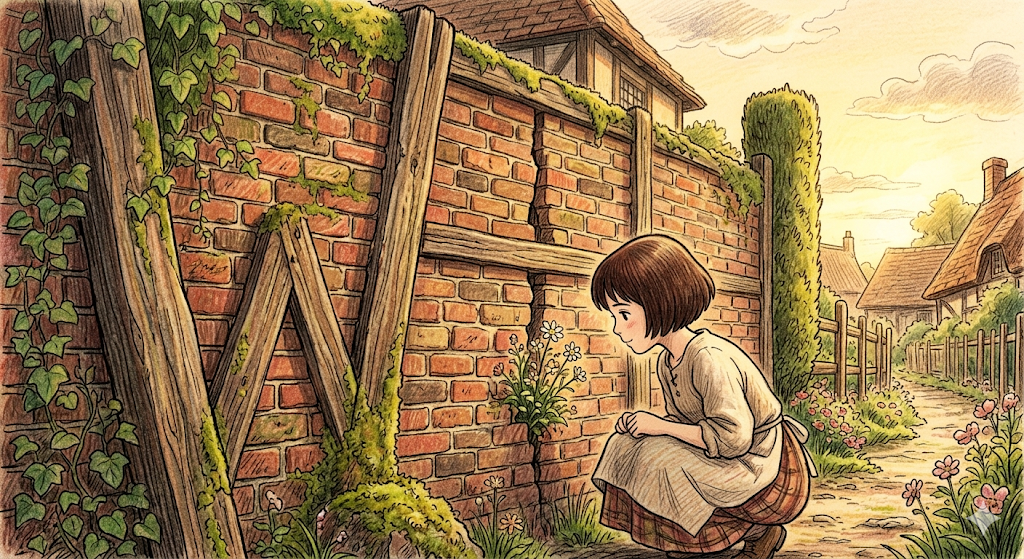
wall [wɔːl]
(명사/동사) 벽, 담 / 벽으로 막다
"They decided to wall off the garden to get some privacy."
(그들은 사생활을 보호받기 위해 정원에 벽을 쳐서 차단하기로 결정했다.)
단순히 "벽"으로만 외우면 수능에서 반드시 틀립니다. wall은 "무언가를 나누거나 막거나 보호하는 단단한 구조물" 이라는 핵심 이미지에서 출발해, 실제 건물의 벽·심리적 장벽·금융 중심지·어려움의 한계·감시의 시점까지 폭넓게 쓰이는 핵심 다의어입니다. 특히 hit a wall(벽에 부딪히다, 한계에 다다르다), off the wall(엉뚱한, 이상한), fly on the wall(몰래 지켜보는 관찰자) 패턴은 수능 독해 심리·사회·논리 지문에서 핵심적으로 등장합니다.
'wall'은 고대 영어 weall(벽, 성벽)에서 유래했으며, 라틴어 vallum(성벽, 방어 장벽)과 연결됩니다. 어원의 핵심 이미지는 "방어하고 구분하기 위해 세운 단단한 구조물" 로, 단순한 건축물을 넘어 심리적 방어·사회적 분리·한계와 장벽·금융 권력·비밀 관찰까지 확장되는 표현의 근원이 된 단어입니다.
1. wall off [wɔːl ɒf]
(일상/심리/수능) "벽으로 막다, 격리하다"를 뜻합니다. 어떤 것이나 사람을 벽이나 장벽으로 분리하는 것을 강조합니다.
The construction team walled off the broken part of the school building while repairs were being made to keep students safe. (공사팀은 학생들의 안전을 위해 수리가 진행되는 동안 학교 건물의 망가진 부분을 벽으로 막았다.)
2. hit a wall [hɪt ə wɔːl]
(일상/심리/수능) "벽에 부딪히다, 한계에 다다르다"를 뜻합니다. 더 이상 나아가지 못하는 한계나 장애물을 만나는 것을 강조합니다.
She hit a wall with her studying after three hours and decided to take a short break before starting again. (그녀는 3시간 후에 공부에서 벽에 부딪혀 다시 시작하기 전에 짧은 휴식을 취하기로 결심했다.)
3. wall street [wɔːl striːt]
(경제/사회/수능) "월 스트리트, 미국 금융 중심지"를 뜻합니다. 미국 뉴욕의 금융 중심지이자 전 세계 금융의 상징을 강조합니다.
The news from Wall Street affected stock markets all over the world and made many people nervous about their savings. (월 스트리트의 소식이 전 세계 주식 시장에 영향을 미쳤으며 많은 사람들을 자신의 저축에 대해 불안하게 만들었다.)
4. off the wall [ɒf ðə wɔːl]
(일상/심리/수능) "엉뚱한, 이상한, 예상 밖의"를 뜻합니다. 보통 범위를 크게 벗어나거나 매우 특이하고 예상치 못한 것을 강조합니다.
Her idea for the school project was completely off the wall, but the teacher loved it and gave her the highest mark in the class. (그녀의 학교 프로젝트 아이디어는 완전히 엉뚱했지만, 선생님은 그것을 좋아했으며 학급에서 가장 높은 점수를 줬다.)
5. drive someone up the wall [draɪv ˈsʌmwʌn ʌp ðə wɔːl]
(일상/심리/수능) "~를 미치게 만들다, 짜증나게 하다"를 뜻합니다. 어떤 것이나 사람이 매우 짜증스럽거나 참기 어렵다는 것을 강조합니다.
The constant noise from the road works outside drove her up the wall while she was trying to study for her important exam. (중요한 시험을 위해 공부하려는 동안 밖의 도로 공사에서 나오는 끊임없는 소음이 그녀를 미치게 만들었다.)
6. wall to wall [wɔːl tə wɔːl]
(일상/사회/수능) "벽에서 벽까지, 처음부터 끝까지, 빽빽한"을 뜻합니다. 공간이나 시간이 완전히 가득 차있는 것을 강조합니다.
The shopping centre was wall to wall with people on the last day of the sale and it was almost impossible to move. (할인 마지막 날 쇼핑 센터는 사람들로 빽빽했으며 이동하기가 거의 불가능했다.)
7. fly on the wall [flaɪ ɒn ðə wɔːl]
(일상/심리/수능) "몰래 지켜보는 관찰자, 벽에 붙은 파리"를 뜻합니다. 아무도 모르게 어떤 상황이나 대화를 몰래 지켜볼 수 있는 상황을 강조합니다.
She wished she could be a fly on the wall during the meeting where the decision about her future was being made. (그녀는 자신의 미래에 대한 결정이 이루어지는 회의 중에 몰래 지켜보는 관찰자가 될 수 있으면 좋겠다고 생각했다.)
8. stone wall [stəʊn wɔːl]
(일상/사회/수능) "돌벽, 완고한 장벽"을 뜻합니다. 물리적인 돌로 된 벽이나, 비유적으로 매우 완고하거나 변하지 않는 장벽을 강조합니다.
Trying to get information out of the organisation felt like hitting a stone wall — every question was met with silence or a vague non-answer. (그 기관에서 정보를 얻으려는 것은 돌벽에 부딪히는 것 같았다 — 모든 질문이 침묵이나 모호한 무응답으로 돌아왔다.)
9. break down walls [breɪk daʊn wɔːlz]
(사회/심리/수능) "벽을 허물다, 장벽을 없애다"를 뜻합니다. 사람들 사이나 집단 사이의 장벽이나 편견을 없애는 것을 강조합니다.
The new programme was designed to break down walls between students from different backgrounds and help them understand each other better. (새 프로그램은 다른 배경을 가진 학생들 사이의 벽을 허물고 서로를 더 잘 이해하도록 돕기 위해 설계됐다.)
10. wall (명사: 심리적 장벽) [wɔːl]
(심리/사회/수능) 명사로 쓰여 "심리적 벽, 장벽"을 뜻합니다. 사람들 사이나 감정을 막는 보이지 않는 장벽을 강조합니다.
She had built a wall around herself after being hurt, and it took years before she felt ready to let anyone get close again. (그녀는 상처를 받은 후 자신 주변에 벽을 쌓았으며, 다시 누군가를 가까이 하고 싶다고 느끼기까지 수년이 걸렸다.)

POINT 1. wall — 수능 최빈출 비유·어휘 패턴
wall은 수능 독해 심리·사회·논리 지문에서 비유적 표현으로 자주 출제됩니다.
hit a wall → 더 이상 나아갈 수 없는 한계에 부딪힐 때 예) She hit a wall with her work. 그녀는 일에서 벽에 부딪혔다. off the wall → 매우 이상하거나 예상 밖일 때 예) An off the wall idea. 엉뚱한 아이디어. fly on the wall → 몰래 지켜보고 싶을 때 예) Be a fly on the wall. 몰래 지켜보는 관찰자가 되다.
POINT 2. wall / fence / barrier — 수능 어휘 핵심 비교
이 세 단어는 수능에서 자주 혼동되는 어휘입니다.
wall → 단단하고 높은 벽 (건물이나 분리를 위한) 예) A brick wall. 벽돌 벽. fence → 울타리 (경계를 위한 낮은 구조물) 예) A garden fence. 정원 울타리. barrier → 장벽 (통과를 막는 것, 물리적·비유적) 예) A language barrier. 언어 장벽.
POINT 3. wall의 다양한 용법 — 수능 독해 문맥 파악 핵심
wall은 수능 독해에서 문맥에 따라 의미가 완전히 달라지는 핵심 단어입니다.
물리적 벽 → A stone wall. 돌벽. 한계 → Hit a wall. 한계에 부딪히다. 금융 → Wall Street. 월 스트리트. 이상함 → Off the wall. 엉뚱한. 관찰 → Fly on the wall. 몰래 지켜보기.
(명사) ① 벽, 담 (물리적)
wall의 가장 기본적인 의미로, 건물이나 공간을 나누는 단단한 구조물을 나타냅니다.
- She painted the wall of her bedroom a soft yellow that made the whole room feel warmer and more welcoming than it had before. (그녀는 침실 벽을 부드러운 노란색으로 칠해 방 전체를 이전보다 더 따뜻하고 더 환영하는 느낌으로 만들었다.)
- The school garden was separated from the road by a high wall that kept the children safely inside during break times. (학교 정원은 쉬는 시간 동안 아이들을 안전하게 안에 두는 높은 벽으로 도로와 분리됐다.)
- The essay used the wall as a symbol of both protection and imprisonment — noting that the same structure that keeps danger out also keeps freedom in, which is why walls so often appear in literature as images of ambiguity. (에세이는 벽을 보호와 감금 모두의 상징으로 사용했다 — 위험을 막는 같은 구조가 자유도 막는다는 것을 지적하며, 이것이 왜 벽이 문학에서 모호함의 이미지로 자주 나타나는지를 설명했다.)
(명사) ② 심리적 벽, 장벽 (비유적)
wall은 비유적으로 사람 사이나 감정을 막는 보이지 않는 장벽을 나타냅니다.
- He had built a wall between himself and his feelings over the years, which made him reliable in a crisis but hard to reach in ordinary moments. (그는 수년에 걸쳐 자신과 자신의 감정 사이에 벽을 쌓았으며, 이것이 위기 상황에서 믿을 수 있게 만들었지만 평범한 순간에 다가가기 어렵게 만들었다.)
- The wall of silence that had existed between the two families for so many years finally came down when their children became friends at the same school. (그렇게 오랫동안 두 가족 사이에 존재했던 침묵의 벽이 마침내 그들의 아이들이 같은 학교에서 친구가 됐을 때 무너졌다.)
- The essay explored how psychological walls are built — arguing that they begin as sensible protective responses to genuine harm but often outlast the original need for protection, eventually keeping out exactly the kind of connection that would help most. (에세이는 심리적 벽이 어떻게 세워지는지 탐구했다 — 그것들이 진짜 해에 대한 합리적인 보호 반응으로 시작하지만 종종 보호가 필요했던 원래의 필요보다 오래 지속되어, 결국 가장 도움이 될 연결을 정확히 막게 된다고 주장했다.)
(동사) ③ 벽으로 막다, 격리하다
wall은 동사로 쓰여 무언가를 벽으로 분리하거나 봉쇄하는 것을 나타냅니다.
- The old part of the city had been walled off from the newer areas for hundreds of years, which was why it had kept so much of its original character. (오래된 도시 지역은 수백 년 동안 새 지역으로부터 벽으로 막혀 있었으며, 이것이 그것이 원래의 특성을 많이 유지할 수 있었던 이유였다.)
- She had walled herself off from new experiences after a difficult period, and it took a good friend to gently help her see that the protection had become a prison. (그녀는 어려운 시기 후에 새로운 경험들로부터 자신을 벽으로 막았으며, 그 보호가 감옥이 됐다는 것을 부드럽게 보도록 도와줄 좋은 친구가 필요했다.)
- The essay argued that walling off problems rather than addressing them is one of the most common and most costly human strategies — because the things we wall off do not disappear but grow in the space we have given them until they demand more attention than the original problem ever required. (에세이는 문제들을 해결하기보다 벽으로 막는 것이 가장 흔하고 가장 대가가 큰 인간 전략 중 하나라고 주장했다 — 우리가 벽으로 막은 것들이 사라지지 않고 원래 문제가 요구했던 것보다 더 많은 주의를 요구할 때까지 우리가 그들에게 준 공간에서 자라기 때문이라고 했다.)

뉘앙스·의미 연결 흐름 표
핵심 이미지 연결 흐름 뉘앙스 요약
| 막거나 분리하는 벽 | 벽으로 막다 → 돌벽 → 벽 허물기 | wall off, stone wall, break down walls |
| 한계와 장벽 | 벽에 부딪히다 → 미치게 하다 → 빽빽한 | hit a wall, drive up the wall, wall to wall |
| 사회적·비유적 의미 | 월 스트리트 → 엉뚱한 → 몰래 보기 | wall street, off the wall, fly on the wall |
어원 흐름 표
단어 구성 요소 의미 연결 흐름 뉘앙스 요약
| 라틴어 vallum(성벽·방어 장벽) → 고대 영어 weall | 방어하고 구분하기 위해 세운 단단한 구조물 → wall | 분리와 보호의 핵심 이미지 |
| wall (명사/동사) | 물리적 벽 → 심리적 장벽 → 금융 권력 → 한계 | 벽에서 장벽·한계·이상함·관찰까지 확장 |
품사별 의미 표
품사 의미 예문
| 명사 | 벽, 담 | A brick wall. |
| 명사 | 심리적 장벽 | Build a wall. |
| 동사 | 벽으로 막다 | Wall off an area. |
| 관용구 | 한계에 부딪히다 | Hit a wall. |
| 관용구 | 짜증나게 하다 | Drive up the wall. |
| 관용구 | 몰래 지켜보기 | Fly on the wall. |
활용 예문 리스트
- She hit a wall with the maths problem after working on it for an hour and decided to leave it for the night and try again with fresh eyes the next morning. (그녀는 한 시간 동안 작업한 후 수학 문제에서 벽에 부딪혀 그날 밤은 포기하고 다음 날 아침 새로운 눈으로 다시 시도하기로 결심했다.)
- His off the wall sense of humour took people by surprise at first, but once they got used to it they realised it was one of the things that made him the most entertaining person in any room. (그의 엉뚱한 유머 감각은 처음에 사람들을 놀라게 했지만, 익숙해지자 그것이 어떤 방에서든 그를 가장 재미있는 사람으로 만드는 것 중 하나라는 것을 깨달았다.)
- She would have loved to be a fly on the wall when her parents saw the surprise she had spent three weeks preparing for their anniversary dinner. (그녀는 부모님이 기념일 만찬을 위해 3주 동안 준비한 깜짝 선물을 봤을 때 몰래 지켜볼 수 있는 관찰자가 됐으면 좋겠다고 생각했다.)
- The new project was designed to break down walls between the science and arts departments, which had worked separately for so long that they had forgotten they shared the same building. (새 프로젝트는 오랫동안 따로 작업해서 같은 건물을 공유한다는 것을 잊어버린 과학과 예술 학과 사이의 벽을 허무는 것을 목표로 했다.)
- The noise from his sister practising the drums every evening was driving him up the wall, but he said nothing because he knew how much she wanted to get better. (매일 저녁 여동생이 드럼을 연습하는 소리가 그를 미치게 만들었지만, 그녀가 더 잘하고 싶어한다는 것을 알았기 때문에 아무 말도 하지 않았다.)
전체 뉘앙스 설명
wall은 '방어하고 구분하기 위해 세운 단단한 구조물에서 출발해 물리적 벽·심리적 장벽·금융 권력의 상징·한계와 좌절·이상한 생각·비밀 관찰까지 확장되는 생동감 넘치는 언어'입니다.
fence와의 차이: fence는 경계를 표시하는 낮은 울타리를 강조하고, wall은 더 높고 단단하며 완전히 분리하는 구조물을 강조합니다. barrier와의 차이: barrier는 일시적이거나 특정 목적으로 설치된 장벽을 강조하고, wall은 더 영구적이고 단단한 구조물이나 장벽을 강조합니다. partition과의 차이: partition은 주로 실내에서 공간을 나누는 얇은 칸막이를 강조하고, wall은 더 두껍고 단단한 구조물을 강조합니다.
마지막 핵심 정리
wall은 단순히 "벽"이 아닙니다 — 라틴어 vallum(성벽)에서 출발해, 물리적 벽(wall)에서 벽으로 막다(wall off)·벽에 부딪히다(hit a wall)·월 스트리트(wall street)·엉뚱한(off the wall)·미치게 하다(drive up the wall)·빽빽한(wall to wall)·몰래 보는 관찰자(fly on the wall)·돌벽(stone wall)·벽을 허물다(break down walls)까지 확장되는 단어이며, hit a wall·off the wall·fly on the wall의 비유적 의미 파악이 수능 핵심 출제 포인트입니다.
파생어 표
파생어 발음기호 품사 의미
| walled | [wɔːld] | 형용사 | 벽으로 둘러싸인 |
| walling | [ˈwɔːlɪŋ] | 명사 | 벽 재료, 벽 쌓기 |
| wallpaper | [ˈwɔːlpeɪpər] | 명사 | 벽지, 배경화면 |
| drywall | [ˈdraɪwɔːl] | 명사 | 석고 보드 |
| firewall | [ˈfaɪərwɔːl] | 명사 | 방화벽 |
유의어 비교표
단어 공통점 뉘앙스 차이 예문
| wall | 벽, 장벽 | 단단하고 영구적·비유 풍부 | A brick wall. |
| fence | 울타리 | 경계 표시용 낮은 구조물 | A garden fence. |
| barrier | 장벽 | 일시적이거나 특정 목적 | A safety barrier. |
| partition | 칸막이 | 실내 공간 분리용 얇은 것 | An office partition. |
| boundary | 경계 | 영역을 나누는 선이나 구조 | A national boundary. |
유의어 예문 리스트
- (fence) She fixed the broken fence at the back of her garden before her dog could discover the gap and escape into the neighbour's yard. (그녀는 개가 틈을 발견하고 이웃 마당으로 탈출하기 전에 정원 뒤쪽의 부서진 울타리를 고쳤다.)
- (barrier) The heavy rain had caused flooding that created a barrier across the main road into town, meaning drivers had to take a much longer route until the water went down. (폭우가 마을로 들어가는 주요 도로를 가로질러 장벽을 만드는 홍수를 일으켜, 물이 빠질 때까지 운전자들이 훨씬 긴 경로를 택해야 했다.)
- (partition) The large office had been divided into smaller working spaces using movable partitions that could be rearranged depending on how many people were using it that day. (대형 사무실은 그날 몇 명이 사용하는지에 따라 재배치할 수 있는 이동식 칸막이를 사용해 더 작은 작업 공간으로 나뉘었다.)
- (boundary) She found it useful to set clear boundaries with her colleagues about when she was available to answer messages and when she needed to focus without interruption. (그녀는 메시지에 응답할 수 있는 시간과 방해 없이 집중이 필요한 시간에 대해 동료들과 명확한 경계를 설정하는 것이 유용하다고 생각했다.)
결론 정리
wall은 단순히 "벽"이 아니라, 라틴어 vallum(성벽)에서 출발해 방어하고 구분하기 위해 세운 단단한 구조물에서 물리적 벽·심리적 장벽·금융 권력의 상징·한계와 좌절·이상한 생각·비밀 관찰까지 확장되는 단어다 — wall이 있는 곳엔 언제나 '단순한 건축물이 아닌, 인간이 자신을 보호하고·한계를 인식하며·장벽을 허물고·비밀을 지키는 방식이 생생하게 살아숨쉬는' 생동감의 선언이 있다.
💡 wall은 "방어하고 구분하기 위해 세운 단단한 구조물에서 출발한" 생동감 넘치는 언어 — hit a wall · off the wall · fly on the wall이 수능 최빈출.
🌟 초등학생 버전 — wall은 벽, 담이지만, "벽에 부딪히다"(hit a wall), "엉뚱한"(off the wall), "몰래 지켜보기"(fly on the wall)처럼 우리 생활과 감정 곳곳에 살아있는 단어예요! 🧱✨

wall off [wɔːl ɒf]
(동사구) 벽으로 막다, 격리하다
어떤 것이나 사람을 벽이나 장벽으로 분리하는 것을 강조합니다. 수능 독해 일상·심리·사회 지문에서 자주 등장합니다.
- The city walled off the old industrial area while planning began for turning it into a new park, which meant people could not see the changes happening until everything was ready. (도시는 그것을 새 공원으로 바꾸기 위한 계획이 시작되는 동안 오래된 공업 지역을 벽으로 막아, 모든 것이 준비될 때까지 사람들이 일어나는 변화를 볼 수 없게 했다.)
- He had learned to wall off his emotions during difficult meetings, which helped him stay professional but also made him harder to read for the people who needed to trust him. (그는 어려운 회의 중에 자신의 감정을 격리하는 법을 배웠는데, 이것이 전문적으로 보이는 데 도움이 됐지만 그를 신뢰해야 하는 사람들에게 이해하기 더 어렵게 만들었다.)
- The essay argued that the instinct to wall off painful experiences is understandable but often counterproductive — because experiences we refuse to examine tend to shape our behaviour in ways we cannot see, whereas those we face honestly lose much of their power over us. (에세이는 고통스러운 경험들을 격리하려는 본능이 이해할 수 있지만 종종 역효과를 낸다고 주장했다 — 우리가 검토하기를 거부하는 경험들이 우리가 볼 수 없는 방식으로 행동을 형성하는 경향이 있는 반면, 솔직하게 직면하는 것들은 우리에 대한 그것들의 힘을 많이 잃기 때문이라고 했다.)
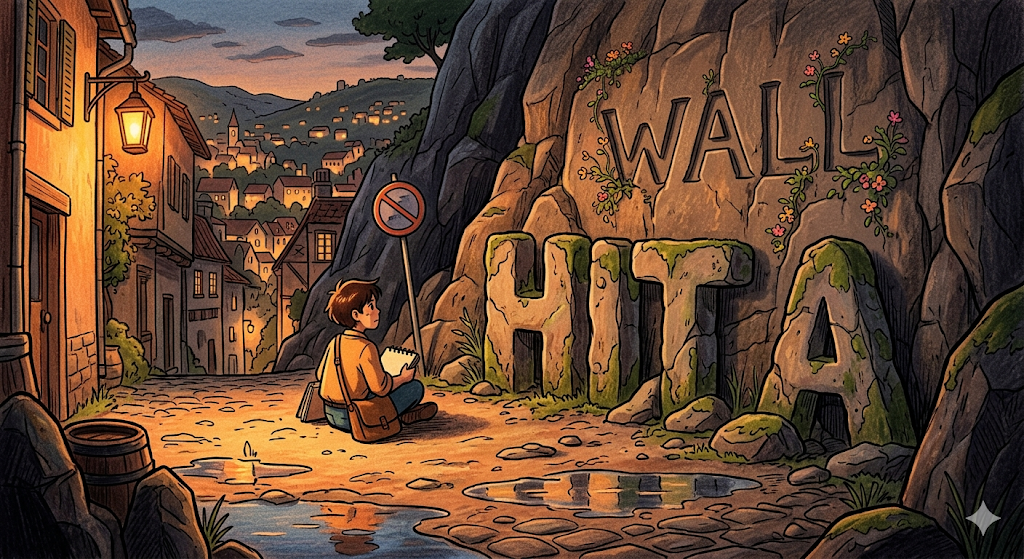
hit a wall [hɪt ə wɔːl]
(동사구) 벽에 부딪히다, 한계에 다다르다
더 이상 나아가지 못하는 한계나 장애물을 만나는 것을 강조합니다. 수능 독해 심리·사회·일상 지문에서 핵심적으로 등장합니다.
- The research team hit a wall when the most important piece of data they needed turned out to be unavailable, and they had to completely rethink their approach. (연구팀은 필요한 가장 중요한 데이터가 이용 불가능한 것으로 밝혀졌을 때 벽에 부딪혀 접근 방법을 완전히 재고해야 했다.)
- She hit a wall emotionally about halfway through the project, feeling like she had nothing left to give — which turned out to be the signal she needed to ask for help rather than continuing alone. (그녀는 프로젝트 중간쯤에 감정적으로 벽에 부딪혀 더 이상 줄 것이 없다고 느꼈는데 — 이것이 혼자 계속하기보다 도움을 요청해야 한다는 신호로 밝혀졌다.)
- The essay used hitting a wall to describe what happens when effort alone is no longer sufficient — arguing that this moment, uncomfortable as it is, often forces the kind of creative rethinking that produces genuinely new solutions rather than more of the same approach. (에세이는 벽에 부딪히는 것을 노력만으로는 더 이상 충분하지 않을 때 일어나는 것을 묘사하는 데 사용했다 — 불편하더라도 이 순간이 종종 같은 접근 방법을 더 많이 하기보다 진정으로 새로운 해결책을 만들어내는 종류의 창의적인 재고를 강요한다고 주장했다.)
숙어 그룹 묶음 1 — 분리·한계 wall 핵심 패턴
표현 의미 핵심 뉘앙스 주요 맥락
| wall off | 벽으로 막다, 격리하다 | 어떤 것이나 사람을 벽으로 분리하는 것 | 일상·심리·수능 |
| hit a wall | 벽에 부딪히다, 한계에 다다르다 | 더 이상 나아갈 수 없는 한계를 만나는 것 | 심리·사회·수능 |
| stone wall | 돌벽, 완고한 장벽 | 물리적이거나 완고한 장벽을 강조하는 것 | 일상·사회·수능 |
이 세 표현은 모두 wall의 "막거나 부딪히는 장벽" 이미지를 공유하되, 각각 의도적으로 분리하는 행위(wall off)·예상치 못하게 한계에 부딪히는 것(hit a wall)·극도로 완고하고 뚫기 어려운 장벽(stone wall)의 관점에서 접근합니다.
- She had tried everything she could think of, but every attempt to get through felt like hitting a stone wall — and eventually she understood that the organisation had effectively walled off that information, making it hit a wall for anyone who tried to access it from outside. (그녀는 생각할 수 있는 모든 것을 시도했지만, 돌파하려는 모든 시도가 돌벽에 부딪히는 것처럼 느껴졌다 — 그리고 결국 그 기관이 그 정보를 효과적으로 벽으로 막아, 외부에서 접근하려는 누구에게든 벽에 부딪히게 만들었다는 것을 이해했다.)
- The essay connected the three by arguing that walling off, stone walls, and hitting a wall describe different perspectives on the same experience — the act of separation from the one who creates it, the nature of the barrier from the one who observes it, and the experience of encountering it from the one who tries to pass. (에세이는 벽으로 막는 것, 돌벽, 그리고 벽에 부딪히는 것이 같은 경험의 다른 관점을 묘사한다고 주장하며 세 가지를 연결했다 — 그것을 만드는 사람의 분리 행위, 그것을 관찰하는 사람의 장벽의 성격, 그리고 통과하려는 사람의 그것을 만나는 경험이다.)
- She concluded that understanding wall off, stone wall, and hit a wall together gives a complete picture of how barriers work — they are built, they resist, and they stop progress — and that recognising which kind of barrier you are facing is the essential first step toward finding the right way through or around it. (wall off, 돌벽, 그리고 벽에 부딪히다를 함께 이해하면 장벽이 어떻게 작동하는지의 완전한 그림을 준다고 그녀는 결론지었다 — 그것들은 세워지고, 저항하며, 발전을 막는다 — 그리고 어떤 종류의 장벽을 직면하고 있는지 인식하는 것이 그것을 통과하거나 우회하는 올바른 방법을 찾는 필수적인 첫 번째 단계라고 했다.)

wall street [wɔːl striːt]
(명사구) 월 스트리트, 미국 금융 중심지
미국 뉴욕의 금융 중심지이자 전 세계 금융의 상징을 강조합니다. 수능 독해 경제·사회·역사 지문에서 자주 등장합니다.
- The decision made by a small group of traders on Wall Street that morning had by the afternoon sent ripples through markets in Europe and Asia that ordinary people noticed in the price of everyday goods within weeks. (그날 아침 월 스트리트의 소수 거래자 그룹이 내린 결정이 오후에 유럽과 아시아의 시장에 파문을 보냈으며, 일반 사람들은 몇 주 안에 일상 상품 가격에서 알아챘다.)
- She had grown up reading about Wall Street and dreaming of working there, but when she finally got there she found it was both more exciting and more ordinary than she had imagined. (그녀는 월 스트리트에 대해 읽고 거기서 일하는 것을 꿈꾸며 자랐지만, 마침내 그곳에 갔을 때 상상했던 것보다 더 흥미롭고 더 평범하다는 것을 발견했다.)
- The essay used Wall Street as shorthand for the tension between financial efficiency and social responsibility — arguing that the same institutions that drive economic growth also bear responsibility for the consequences of their decisions on communities far removed from the trading floors. (에세이는 월 스트리트를 금융 효율성과 사회적 책임 사이의 긴장감을 나타내는 줄임말로 사용했다 — 경제 성장을 이끄는 같은 기관들이 거래소에서 멀리 떨어진 공동체들에 대한 그들의 결정의 결과에 대한 책임도 진다고 주장했다.)

off the wall [ɒf ðə wɔːl]
(형용사구/부사구) 엉뚱한, 이상한, 예상 밖의
보통 범위를 크게 벗어나거나 매우 특이하고 예상치 못한 것을 강조합니다. 수능 독해 심리·사회·일상 지문에서 자주 등장합니다.
- His solution to the problem was completely off the wall — it involved three completely unrelated fields and a method nobody had ever tried before — but it worked better than any of the conventional approaches that had been tried. (문제에 대한 그의 해결책은 완전히 엉뚱했다 — 그것은 세 개의 완전히 관련 없는 분야와 이전에 아무도 시도하지 않은 방법을 포함했다 — 하지만 시도됐던 어떤 기존의 접근 방법보다 더 잘 작동했다.)
- She loved the way her grandmother told stories — they were always slightly off the wall, full of details that seemed impossible but turned out to have actually happened. (그녀는 할머니가 이야기하는 방식을 좋아했다 — 그것들은 항상 약간 엉뚱했으며, 불가능해 보이지만 실제로 일어났던 것으로 밝혀지는 세부 사항들로 가득 차있었다.)
- The essay used off the wall thinking as a case study in creativity — arguing that the most innovative ideas almost always sound unreasonable at first, and that the ability to take off the wall suggestions seriously before dismissing them is one of the qualities that separates genuinely creative thinkers from those who are merely competent. (에세이는 엉뚱한 생각을 창의성의 사례 연구로 사용했다 — 가장 혁신적인 아이디어들이 거의 항상 처음에는 비합리적으로 들리며, 엉뚱한 제안들을 무시하기 전에 진지하게 받아들이는 능력이 진정으로 창의적인 사상가들과 단순히 유능한 사람들을 구별하는 자질 중 하나라고 주장했다.)
숙어 그룹 묶음 2 — 감정·사회 wall 패턴
표현 의미 핵심 뉘앙스 주요 맥락
| off the wall | 엉뚱한, 이상한 | 보통 범위를 크게 벗어난 예상 밖의 것 | 심리·사회·수능 |
| drive someone up the wall | 미치게 만들다 | 매우 짜증스럽거나 참기 어렵게 만드는 것 | 일상·심리·수능 |
| wall to wall | 빽빽한, 처음부터 끝까지 | 공간이나 시간이 완전히 가득 차있는 것 | 일상·사회·수능 |
이 세 표현은 모두 wall의 "벽과 관련된 감정적·사회적 경험" 이미지를 공유하되, 각각 벽 너머의 엉뚱한 것(off the wall)·벽을 타고 올라가고 싶게 만드는 극도의 짜증(drive up the wall)·벽에서 벽까지 완전히 채워진 공간(wall to wall)의 관점에서 접근합니다.
- The wall to wall crowd at the concert was already driving her up the wall before it even started, but the off the wall performance that followed was so extraordinary that she completely forgot her discomfort. (콘서트의 빽빽한 군중이 시작하기도 전에 이미 그녀를 미치게 만들었지만, 이어진 엉뚱한 공연이 너무 특별해서 불편함을 완전히 잊었다.)
- The essay connected the three by noting that off the wall, drive up the wall, and wall to wall all use the word wall to describe extreme experiences — the extreme of unusualness, the extreme of irritation, and the extreme of fullness — showing how the concept of a wall can represent any kind of limit pushed to its maximum. (에세이는 off the wall, drive up the wall, 그리고 wall to wall이 모두 wall이라는 단어를 사용해 극단적인 경험들을 묘사한다고 지적하며 세 가지를 연결했다 — 비정상성의 극단, 짜증의 극단, 그리고 가득 참의 극단 — 벽의 개념이 어떻게 최대한으로 밀어붙인 어떤 종류의 한계든 나타낼 수 있는지를 보여준다고 했다.)
- She concluded that off the wall, up the wall, and wall to wall are three expressions that sound very different but share the same underlying insight — that walls define spaces, and that when something goes beyond, fills up, or crashes against those spaces, the experience is always intense. (off the wall, up the wall, 그리고 wall to wall이 매우 다르게 들리지만 같은 기저의 통찰을 공유하는 세 가지 표현이라고 그녀는 결론지었다 — 벽이 공간을 정의하며, 무언가가 그 공간들을 넘어서거나, 가득 채우거나, 부딪힐 때 경험은 항상 강렬하다는 것이다.)

drive someone up the wall [draɪv ˈsʌmwʌn ʌp ðə wɔːl]
(동사구) ~를 미치게 만들다, 짜증나게 하다
어떤 것이나 사람이 매우 짜증스럽거나 참기 어렵다는 것을 강조합니다. 수능 독해 일상·심리·사회 지문에서 자주 등장합니다.
- The fact that he always left dishes in the sink without washing them drove her up the wall, even though she knew it was a small thing and told herself every time that she would not let it bother her again. (그가 항상 설거지하지 않고 싱크대에 그릇을 두는 것이 그녀를 미치게 만들었는데, 작은 일이라는 것을 알면서도 매번 다시는 신경 쓰지 않겠다고 스스로에게 말했다.)
- It was driving her up the wall not knowing the outcome, and she finally realised that the uncertainty itself was more exhausting than whatever the actual result turned out to be. (결과를 모르는 것이 그녀를 미치게 만들었으며, 그녀는 마침내 불확실성 자체가 실제 결과가 무엇이든 그것보다 더 지치게 만든다는 것을 깨달았다.)
- The essay used driving someone up the wall to explore the psychology of small irritants — arguing that the things that bother us most intensely are often not major problems but minor and repeated ones, because repeated exposure to discomfort is cumulative in a way that single large events are not. (에세이는 미치게 만드는 것을 사용해 작은 자극들의 심리학을 탐구했다 — 우리를 가장 강하게 괴롭히는 것들이 종종 큰 문제가 아니라 사소하고 반복되는 것들인데, 반복적인 불편함에 대한 노출이 단일한 큰 사건들과는 다르게 누적적이기 때문이라고 주장했다.)

wall to wall [wɔːl tə wɔːl]
(형용사/부사) 벽에서 벽까지, 처음부터 끝까지, 빽빽한
공간이나 시간이 완전히 가득 차있는 것을 강조합니다. 수능 독해 일상·사회 지문에서 자주 등장합니다.
- The classroom was wall to wall with students' artwork for the end-of-year exhibition, which made the usually plain room look completely transformed. (학년 말 전시회를 위해 교실이 학생들의 예술 작품으로 빽빽해서, 평소에 평범했던 방이 완전히 변한 것처럼 보였다.)
- The schedule was wall to wall with meetings that week, which left her no time to actually do the work that the meetings were supposed to be planning. (그 주 일정이 회의들로 꽉 차 있었으며, 이것이 그녀에게 회의들이 계획하기로 된 실제 작업을 할 시간을 전혀 남기지 않았다.)
- The essay used wall to wall to examine the modern experience of having no empty space — arguing that just as a room filled wall to wall with furniture leaves no space for movement, a life filled wall to wall with activity leaves no space for the reflection that makes activity meaningful. (에세이는 wall to wall을 사용해 빈 공간이 없는 현대적 경험을 탐구했다 — 가구로 벽에서 벽까지 가득 찬 방이 움직임을 위한 공간을 남기지 않는 것처럼, 활동으로 가득 찬 삶이 활동을 의미 있게 만드는 성찰을 위한 공간을 남기지 않는다고 주장했다.)
숙어 그룹 묶음 3 — 관찰·변화 wall 심화 패턴
표현 의미 핵심 뉘앙스 주요 맥락
| fly on the wall | 몰래 지켜보는 관찰자 | 아무도 모르게 상황을 지켜볼 수 있는 것 | 일상·심리·수능 |
| stone wall | 돌벽, 완고한 장벽 | 물리적이거나 완고하게 저항하는 것 | 일상·사회·수능 |
| break down walls | 벽을 허물다 | 장벽이나 편견을 없애는 것 | 사회·심리·수능 |
이 세 표현은 모두 wall의 "벽과 인간의 관계" 이미지를 공유하되, 각각 벽에 붙어 아무도 모르게 관찰하는 것(fly on the wall)·어떤 힘에도 무너지지 않는 완고한 장벽(stone wall)·장벽이 허물어지는 변화(break down walls)의 관점에서 접근합니다.
- She wished she could be a fly on the wall when the proposal to break down walls between the departments was first presented, because she suspected that some managers would put up a stone wall of resistance before anyone could even explain the idea properly. (그녀는 부서들 사이의 벽을 허무는 제안이 처음 제시됐을 때 몰래 지켜보는 관찰자가 될 수 있으면 좋겠다고 생각했는데, 일부 매니저들이 아무도 아이디어를 제대로 설명하기 전에 돌벽 같은 저항을 세울 것이라고 의심했기 때문이었다.)
- The essay connected the three by arguing that a fly on the wall often sees stone walls being built in real time — through gestures, silences, and subtle exclusions — and that breaking down walls requires first having the courage to watch honestly what goes on when people think nobody is looking. (에세이는 몰래 지켜보는 관찰자가 종종 실시간으로 세워지는 돌벽을 본다고 주장하며 세 가지를 연결했다 — 몸짓, 침묵, 그리고 미묘한 배제를 통해 — 그리고 벽을 허무는 것이 먼저 아무도 지켜보지 않는다고 생각할 때 일어나는 일을 솔직하게 볼 용기를 갖는 것을 필요로 한다고 했다.)
- She concluded that being a fly on the wall, recognising stone walls, and working to break down walls are three aspects of the same commitment to honest observation — seeing things as they are, not as we wish they were, and then doing something about the gap between the two. (몰래 지켜보는 관찰자가 되고, 돌벽을 인식하며, 벽을 허무는 것이 솔직한 관찰에 대한 같은 헌신의 세 가지 측면이라고 그녀는 결론지었다 — 우리가 원하는 것이 아닌 있는 그대로 보고, 그런 다음 두 가지 사이의 간격에 대해 무언가를 하는 것이다.)

fly on the wall [flaɪ ɒn ðə wɔːl]
(명사구) 몰래 지켜보는 관찰자, 벽에 붙은 파리
아무도 모르게 어떤 상황이나 대화를 몰래 지켜볼 수 있는 상황을 강조합니다. 수능 독해 심리·사회·일상 지문에서 자주 등장합니다.
- He would have given anything to be a fly on the wall when his proposal was being discussed by the committee, but all he could do was wait outside in the corridor for the decision to come out. (그는 위원회가 그의 제안을 논의할 때 몰래 지켜보는 관찰자가 되기 위해 무엇이든 줬을 것이지만, 결정이 나오기를 복도 밖에서 기다리는 것이 할 수 있는 전부였다.)
- A fly on the wall at that particular school staff meeting would have heard not just what was said officially but the much more interesting things people said under their breath when they thought nobody was listening. (그 특별한 교직원 회의에서 몰래 지켜보는 관찰자는 공식적으로 말해진 것만 들었을 것이 아니라 아무도 듣지 않는다고 생각했을 때 사람들이 작은 소리로 말하는 훨씬 더 흥미로운 것들도 들었을 것이다.)
- The essay used a fly on the wall to explore the relationship between observation and behaviour — arguing that people consistently behave differently when they know they are being watched, which means that truly understanding human behaviour requires finding ways to observe people when they have forgotten that observation is happening. (에세이는 몰래 지켜보는 관찰자를 사용해 관찰과 행동의 관계를 탐구했다 — 사람들이 지켜보고 있다는 것을 알 때 일관되게 다르게 행동하며, 이것은 인간 행동을 진정으로 이해하기 위해서는 관찰이 일어나고 있다는 것을 잊었을 때 사람들을 관찰하는 방법을 찾아야 한다는 것을 의미한다고 주장했다.)

stone wall [stəʊn wɔːl]
(명사구) 돌벽, 완고한 장벽
물리적인 돌로 된 벽이나, 비유적으로 매우 완고하거나 변하지 않는 장벽을 강조합니다. 수능 독해 일상·사회·심리 지문에서 자주 등장합니다.
- The old farmhouse had stone walls nearly a metre thick that kept it cool in summer and warm in winter, which was exactly why the family had never felt the need to change anything about it. (오래된 농장 주택에는 여름에는 시원하고 겨울에는 따뜻하게 유지하는 거의 1미터 두께의 돌벽이 있었으며, 이것이 가족이 그것에 대해 아무것도 바꿀 필요성을 느끼지 않았던 정확한 이유였다.)
- Every time she tried to raise the issue with her manager it felt like running into a stone wall — the response was always polite, always brief, and completely noncommittal. (그녀가 매니저에게 그 문제를 제기하려 할 때마다 돌벽에 부딪히는 것처럼 느껴졌다 — 반응은 항상 정중하고, 항상 짧으며, 완전히 확답을 주지 않는 것이었다.)
- The essay used stone wall as a metaphor for institutional resistance — arguing that organisations, like stone walls, can appear solid and unmovable from the outside while actually being full of small cracks and weaknesses that, if addressed at the right points, allow them to be changed far more easily than they first appear. (에세이는 돌벽을 제도적 저항의 은유로 사용했다 — 조직들이 돌벽처럼 외부에서 단단하고 움직일 수 없는 것처럼 보일 수 있지만 실제로는 올바른 지점에서 해결되면 처음 보이는 것보다 훨씬 더 쉽게 변화될 수 있는 작은 균열과 약점들로 가득 차있다고 주장했다.)

break down walls [breɪk daʊn wɔːlz]
(동사구) 벽을 허물다, 장벽을 없애다
사람들 사이나 집단 사이의 장벽이나 편견을 없애는 것을 강조합니다. 수능 독해 심리·사회·역사 지문에서 자주 등장합니다.
- Sport has a remarkable ability to break down walls between people who might never otherwise meet or understand each other — when two players compete at their best, their differences become irrelevant. (스포츠는 다른 방법으로는 만나거나 이해하지 못할 사람들 사이의 벽을 허무는 놀라운 능력이 있다 — 두 선수가 최선을 다해 경쟁할 때 그들의 차이는 관련이 없어진다.)
- She found that the best way to break down walls in a new group was not to ignore the differences between people but to create situations where those differences became interesting rather than threatening. (그녀는 새 그룹에서 벽을 허무는 가장 좋은 방법이 사람들 사이의 차이를 무시하는 것이 아니라 그 차이들이 위협적이기보다 흥미로워지는 상황을 만드는 것이라는 것을 발견했다.)
- The essay argued that breaking down walls between communities is never finished work — because new walls are constantly being built by new misunderstandings, new fears, and new changes in circumstances, which means the effort to maintain connection is just as important as the original effort to create it. (에세이는 공동체들 사이의 벽을 허무는 것이 결코 끝난 일이 아니라고 주장했다 — 새로운 오해, 새로운 두려움, 그리고 새로운 상황 변화에 의해 새 벽들이 끊임없이 세워지기 때문에, 연결을 유지하는 노력이 처음에 그것을 만드는 노력만큼 중요하다고 했다.)
숙어 그룹 묶음 4 — 종합 wall 패턴
표현 의미 핵심 뉘앙스 주요 맥락
| hit a wall | 벽에 부딪히다, 한계에 다다르다 | 더 이상 나아갈 수 없는 한계를 만나는 것 | 심리·사회·수능 |
| off the wall | 엉뚱한, 이상한 | 보통 범위를 크게 벗어난 예상 밖의 것 | 심리·사회·수능 |
| fly on the wall | 몰래 지켜보는 관찰자 | 아무도 모르게 상황을 지켜볼 수 있는 것 | 일상·심리·수능 |
이 세 표현은 수능 독해에서 가장 자주 출제되는 wall의 핵심 패턴입니다. hit a wall은 한계에 부딪히는 것을, off the wall은 예상 밖의 창의성을, fly on the wall은 숨겨진 진실을 보는 것을 각각 나타냅니다.
- She had hit a wall with the project and was considering an off the wall solution when she wished she could be a fly on the wall at other companies to see how they handled exactly this kind of problem. (그녀는 프로젝트에서 벽에 부딪혀 다른 회사들에서 몰래 지켜보는 관찰자가 되어 그들이 정확히 이런 종류의 문제를 어떻게 처리하는지 볼 수 있으면 좋겠다고 바라며 엉뚱한 해결책을 고려하고 있었다.)
- The essay argued that hitting a wall, having off the wall ideas, and imagining being a fly on the wall are three responses to the same underlying need — the need for a new perspective when the usual one has stopped working. (에세이는 벽에 부딪히는 것, 엉뚱한 아이디어를 갖는 것, 그리고 몰래 지켜보는 관찰자가 되는 것을 상상하는 것이 모두 같은 근본적인 필요에 대한 세 가지 반응이라고 주장했다 — 평소의 시각이 더 이상 작동하지 않을 때 새로운 관점이 필요한 것이다.)
- She concluded that hitting a wall, thinking off the wall, and being a fly on the wall together describe the full process of creative problem-solving: the moment when standard approaches fail, the willingness to consider the unconventional, and the curiosity to observe what others actually do rather than what they say they do. (벽에 부딪히는 것, 엉뚱하게 생각하는 것, 그리고 몰래 지켜보는 관찰자가 되는 것이 함께 창의적인 문제 해결의 전체 과정을 묘사한다고 그녀는 결론지었다: 표준 접근 방법이 실패하는 순간, 비관습적인 것을 고려하려는 의지, 그리고 사람들이 한다고 말하는 것이 아닌 실제로 하는 것을 관찰하는 호기심이다.)
전체 요약표
표현 의미 핵심 뉘앙스
| wall | 벽, 담 / 심리적 장벽 | 분리와 보호의 핵심 이미지 |
| wall off | 벽으로 막다, 격리하다 | 어떤 것이나 사람을 벽으로 분리하는 것 |
| hit a wall | 벽에 부딪히다, 한계에 다다르다 | 더 이상 나아갈 수 없는 한계를 만나는 것 |
| wall street | 월 스트리트 | 미국 금융 중심지의 상징 |
| off the wall | 엉뚱한, 이상한 | 보통 범위를 크게 벗어난 예상 밖의 것 |
| drive someone up the wall | 미치게 만들다 | 매우 짜증스럽거나 참기 어렵게 만드는 것 |
| wall to wall | 빽빽한, 처음부터 끝까지 | 공간이나 시간이 완전히 가득 차있는 것 |
| fly on the wall | 몰래 지켜보는 관찰자 | 아무도 모르게 상황을 지켜볼 수 있는 것 |
| stone wall | 돌벽, 완고한 장벽 | 물리적이거나 완고하게 저항하는 것 |
| break down walls | 벽을 허물다 | 장벽이나 편견을 없애는 것 |
유의어 비교표

단어 공통점 뉘앙스 차이 예문
| wall | 벽, 장벽 | 단단하고 영구적·비유 풍부 | A brick wall. |
| fence | 울타리 | 경계 표시용 낮은 구조물 | A garden fence. |
| barrier | 장벽 | 일시적이거나 특정 목적 | A safety barrier. |
| partition | 칸막이 | 실내 공간 분리용 얇은 것 | An office partition. |
| boundary | 경계 | 영역을 나누는 선이나 구조 | A national boundary. |
유의어 예문 리스트
- (fence) He spent the Saturday morning replacing the fence panels that the winter storms had blown over, knowing that leaving them down would invite both animals and strangers into the garden. (그는 토요일 아침을 겨울 폭풍이 쓰러뜨린 울타리 패널을 교체하는 데 보냈는데, 그것들을 내버려두면 동물들과 낯선 사람들이 정원에 들어오게 할 것이라는 것을 알았다.)
- (barrier) The language barrier was not as difficult as she had expected — people on both sides were patient and creative, using gestures, drawings, and phones to communicate surprisingly effectively. (언어 장벽이 예상보다 어렵지 않았다 — 양쪽 사람들이 인내심이 있고 창의적이어서 놀랍도록 효과적으로 소통하기 위해 몸짓, 그림, 전화기를 사용했다.)
- (partition) The partition between the two desks was low enough that they could talk easily but high enough to give each person the sense of having their own separate space during the long working day. (두 책상 사이의 칸막이는 쉽게 이야기할 수 있을 만큼 낮았지만 긴 근무일 동안 각 사람에게 자신만의 분리된 공간을 갖는 느낌을 줄 만큼 충분히 높았다.)
- (boundary) She had spent years working out where her personal boundaries were and how to communicate them clearly, and found that most people respected them once they understood them. (그녀는 수년 동안 개인적인 경계가 어디에 있는지 알아내고 명확하게 소통하는 방법을 찾았으며, 대부분의 사람들이 그것들을 이해하면 존중한다는 것을 발견했다.)
결론 정리
wall은 단순히 "벽"이 아니라, 라틴어 vallum(성벽)에서 출발해 방어하고 구분하기 위해 세운 단단한 구조물에서 물리적 벽·심리적 장벽·금융 권력의 상징·한계와 좌절·이상한 생각·비밀 관찰까지 확장되는 단어다 — wall이 있는 곳엔 언제나 '단순한 건축물이 아닌, 인간이 자신을 보호하고·한계를 인식하며·장벽을 허물고·비밀을 지키는 방식이 생생하게 살아숨쉬는' 생동감의 선언이 있다.
💡 wall은 "방어하고 구분하기 위해 세운 단단한 구조물에서 출발한" 생동감 넘치는 언어 — hit a wall · off the wall · fly on the wall이 수능 최빈출.
🌟 초등학생 버전 — wall은 벽, 담이지만, "벽에 부딪히다"(hit a wall), "엉뚱한"(off the wall), "몰래 지켜보기"(fly on the wall)처럼 우리 생활과 감정 곳곳에 살아있는 단어예요! 🧱✨


