- 분류 전체보기 (5448)

| 일 | 월 | 화 | 수 | 목 | 금 | 토 |
|---|---|---|---|---|---|---|
| 1 | 2 | |||||
| 3 | 4 | 5 | 6 | 7 | 8 | 9 |
| 10 | 11 | 12 | 13 | 14 | 15 | 16 |
| 17 | 18 | 19 | 20 | 21 | 22 | 23 |
| 24 | 25 | 26 | 27 | 28 | 29 | 30 |
| 31 |
- make it
- call off
- Excuse me
- Read between the lines
- Don't worry
- please?
- Yes
- Sorry
- too.
- work out
- Actually
- I'm not sure
- hold on
- Please
- please.
- Right?
- Hey
- I'm sorry
- pick up
- Yeah
- well
- oh
- I'm glad to hear that.
- no
- Sure
- entrance fee
- OKay
- By The Way
- come up with
- once in a while
- Today
- Total
인과함께
Day386 , see, see through, see off, see to it, see eye to eye, see the light, see to, wait and see, see fit, long time no see 본문
Day386 , see, see through, see off, see to it, see eye to eye, see the light, see to, wait and see, see fit, long time no see
미인생 2026. 5. 8. 16:39
see [siː]
(동사) 보다, 이해하다, 만나다, 확인하다
단순히 "보다"로만 외우면 수능에서 반드시 틀립니다. see는 "눈으로 인식하거나 마음으로 파악하는" 이라는 핵심 이미지에서 출발해, 실제 시각적 인식·이해·배웅·꿰뚫어 보기·동의까지 폭넓게 쓰이는 핵심 다의어입니다. 특히 see through(꿰뚫어 보다), see eye to eye(의견이 일치하다), see the light(깨닫다) 패턴은 수능 독해 심리·사회·논리 지문에서 핵심적으로 등장합니다.
'see'는 고대 영어 sēon(보다, 인식하다)에서 유래했으며, 인도유럽어 *sekw-(주목하다, 따라가다)와 연결됩니다. 어원의 핵심 이미지는 "눈으로 따라가며 인식하는 것" 으로, 단순한 시각적 행위를 넘어 이해·판단·동행·배웅·꿰뚫어 봄·깨달음까지 확장되는 표현의 근원이 된 단어입니다.
1. see through [siː θruː]
(심리/사회/수능) "꿰뚫어 보다, 간파하다" 또는 "끝까지 해내다"를 뜻합니다. 누군가의 숨겨진 의도나 거짓말을 알아채거나, 어려운 일을 포기하지 않고 끝까지 완수하는 것을 강조합니다.
She could see through his fake smile right away and knew he was not telling the truth about what had happened. (그녀는 그의 가짜 미소를 바로 꿰뚫어 봤으며 그가 일어난 일에 대해 진실을 말하지 않고 있다는 것을 알았다.)
2. see off [siː ɒf]
(일상/사회/수능) "배웅하다" 또는 "물리치다, 이겨내다"를 뜻합니다. 떠나는 사람을 작별 인사로 배웅하거나, 경쟁자나 위협을 물리치는 것을 강조합니다.
The whole family went to the airport to see off their grandmother who was flying back to her home country after a long visit. (온 가족이 오랜 방문 후 고국으로 돌아가는 할머니를 배웅하기 위해 공항에 갔다.)
3. see to it [siː tə ɪt]
(일상/사회/수능) "반드시 ~하도록 하다, 확실히 처리하다"를 뜻합니다. 어떤 일이 반드시 이루어지도록 책임지고 확인하는 것을 강조합니다.
She saw to it that every student had the right materials before the exam started, going around the room to check each desk. (그녀는 시험이 시작되기 전에 모든 학생이 올바른 자료를 갖고 있도록 반드시 확인했으며, 각 책상을 확인하기 위해 방을 돌아다녔다.)
4. see eye to eye [siː aɪ tə aɪ]
(일상/사회/수능) "의견이 일치하다, 서로 동의하다"를 뜻합니다. 두 사람이나 집단이 어떤 주제에 대해 같은 생각을 갖고 있다는 것을 강조합니다.
The two teachers did not always see eye to eye about how to handle difficult students, but they always found a way to work together. (두 선생님은 어려운 학생들을 어떻게 처리할지에 대해 항상 의견이 일치하지는 않았지만, 항상 함께 일하는 방법을 찾았다.)
5. see the light [siː ðə laɪt]
(심리/사회/수능) "깨닫다, 진실을 이해하다" 또는 "종교적으로 눈을 뜨다"를 뜻합니다. 오랫동안 이해하지 못하던 것을 드디어 깨닫거나 변화하는 것을 강조합니다.
After years of making the same mistake, he finally saw the light and understood why he kept failing at the same part of the job. (수년간 같은 실수를 반복한 후, 그는 마침내 깨달아 왜 같은 업무 부분에서 계속 실패했는지 이해했다.)
6. see to [siː tə]
(일상/사회/수능) "~을 처리하다, 돌보다"를 뜻합니다. 어떤 일이나 사람을 책임지고 처리하거나 돌보는 것을 강조합니다.
Can you see to the younger children while I make dinner? They need someone to keep an eye on them. (내가 저녁을 만드는 동안 어린 아이들을 돌봐줄 수 있어? 그들에게는 눈을 떼지 않을 누군가가 필요해.)
7. wait and see [weɪt ənd siː]
(일상/사회/수능) "두고 보다, 결과를 기다리다"를 뜻합니다. 어떤 것의 결과가 나올 때까지 조급하게 행동하지 않고 기다리면서 지켜보는 것을 강조합니다.
Nobody knew if the new plan would work, so they decided to wait and see before making any further changes. (새 계획이 효과가 있을지 아무도 몰랐기 때문에 그들은 추가 변경을 하기 전에 두고 보기로 결정했다.)
8. see fit [siː fɪt]
(학술/사회/수능) "적절하다고 생각하다, ~하는 것이 맞다고 판단하다"를 뜻합니다. 자신의 판단에 따라 어떤 행동이 적절하거나 옳다고 여기는 것을 강조합니다.
The head teacher saw fit to cancel the exam after seeing how many students were absent due to illness that week. (교장 선생님은 그 주에 질병으로 결석한 학생 수를 보고 시험을 취소하는 것이 적절하다고 판단했다.)
9. long time no see [lɒŋ taɪm nəʊ siː]
(일상/문화/수능) "오랜만이야, 오랫동안 못 봤네"를 뜻합니다. 오랫동안 만나지 못한 사람을 다시 만났을 때 반갑게 인사하는 표현을 강조합니다.
"Long time no see!" she said with a big smile when she ran into her old classmate at the supermarket after five years. ("오랜만이야!" 그녀는 5년 만에 슈퍼마켓에서 옛 반 친구를 만났을 때 환한 미소로 말했다.)
10. see (동사: 이해하다, 파악하다) [siː]
(일상/학술/수능) 동사로 쓰여 "이해하다, 알다, 알아보다"를 뜻합니다. 단순히 눈으로 보는 것이 아니라 마음으로 이해하거나 인식하는 것을 강조합니다.
I see what you mean now — the problem is not the plan itself but the way we have been trying to carry it out. (이제 무슨 말인지 이해해 — 문제는 계획 자체가 아니라 우리가 그것을 실행하려는 방식이야.)
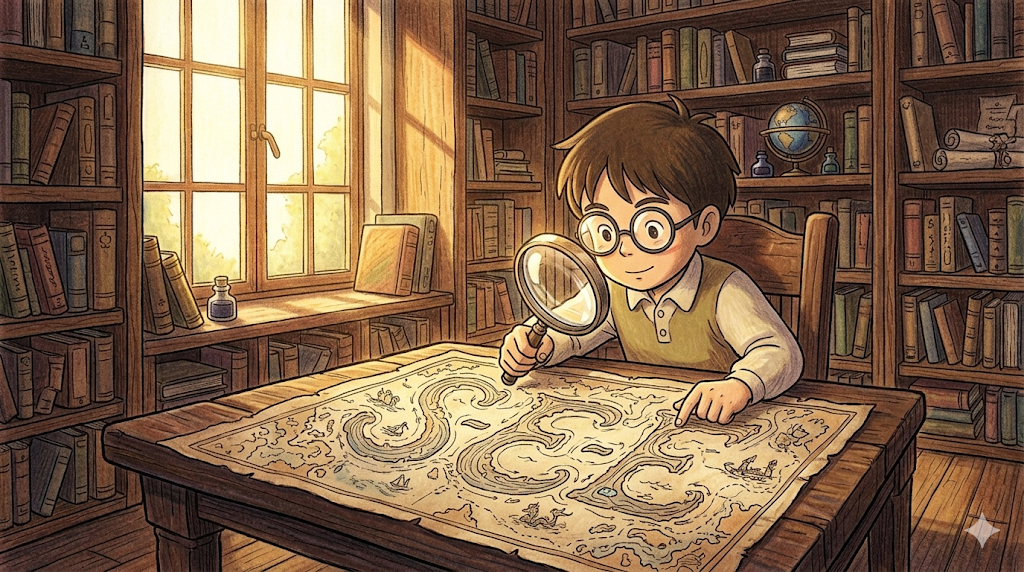
POINT 1. see — 수능 최빈출 비유·어휘 패턴
see는 수능 독해 심리·사회·논리 지문에서 비유적 표현으로 자주 출제됩니다.
see through → 누군가의 거짓이나 의도를 꿰뚫어 볼 때 예) She can see through lies. (그녀는 거짓말을 꿰뚫어 볼 수 있다.) see eye to eye → 두 사람이 같은 의견을 가질 때 예) We see eye to eye on this. (우리는 이것에 의견이 일치한다.) see the light → 오랫동안 이해하지 못하던 것을 깨달을 때 예) She finally saw the light. (그녀는 마침내 깨달았다.)
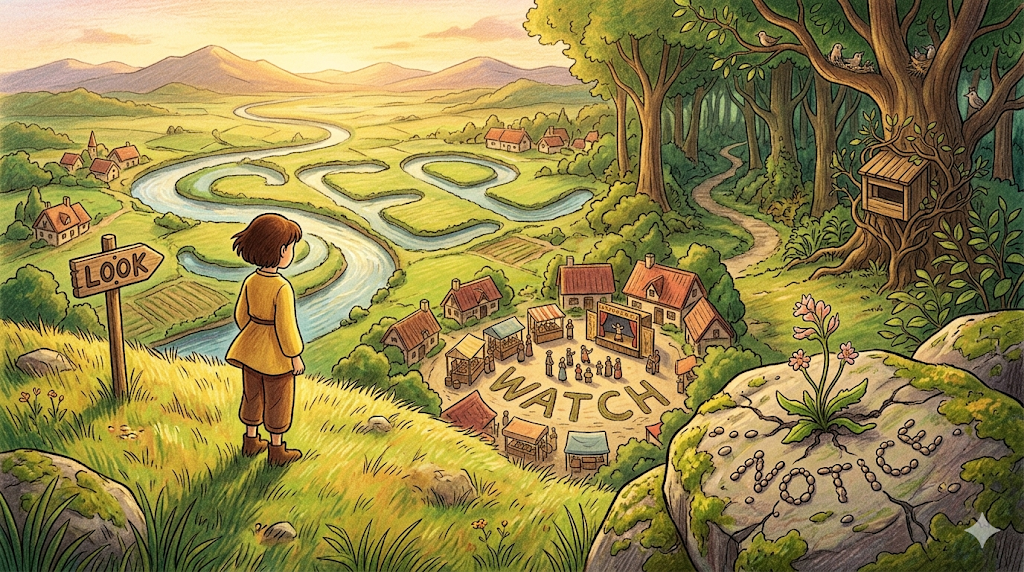
POINT 2. see / look / watch — 수능 어휘 핵심 비교
이 세 단어는 수능에서 자주 혼동되는 어휘입니다.
see → 자연스럽게 눈에 들어오는 것, 이해하는 것 예) I see a bird outside. 나는 밖에 새를 본다. look → 의도적으로 시선을 향하는 것 예) Look at that! 저것 봐! watch → 움직이는 것을 계속 지켜보는 것 예) She watches the game. 그녀는 경기를 본다.
POINT 3. see의 다양한 용법 — 수능 독해 문맥 파악 핵심
see는 수능 독해에서 문맥에 따라 의미가 완전히 달라지는 핵심 단어입니다.
보다 → I see a light. 나는 빛을 본다. 이해 → I see your point. 당신의 요점을 이해한다. 배웅 → She saw him off. 그녀는 그를 배웅했다. 처리 → Please see to it. 그것을 처리해 주세요. 깨달음 → He saw the light. 그는 깨달았다.
(동사) ① 보다 (시각적 인식)
see의 가장 기본적인 의미로, 눈으로 무언가를 인식하는 것을 나타냅니다.
- She looked out of the window and saw a small fox sitting in the garden, completely still and looking straight back at her with bright orange eyes. (그녀는 창문 밖을 보다가 정원에 작은 여우가 앉아 밝은 주황색 눈으로 그녀를 똑바로 바라보며 완전히 가만히 있는 것을 봤다.)
- He could not see the board clearly from the back of the room, so the teacher let him move to a seat closer to the front. (그는 방 뒤에서 칠판을 선명하게 볼 수 없었기 때문에 선생님은 그가 앞쪽에 더 가까운 자리로 옮기도록 허락했다.)
- She saw the lights of the city from the top of the hill and felt excited to finally be arriving after such a long journey. (그녀는 언덕 꼭대기에서 도시의 불빛을 보며 그렇게 긴 여행 끝에 마침내 도착하게 됐다는 것에 흥분했다.)
(동사) ② 이해하다, 파악하다 (정신적)
see는 마음으로 이해하거나 깨닫는 것을 나타냅니다.
- After the teacher explained it a different way, the student finally saw how the formula worked and was able to solve the problem on his own. (선생님이 다른 방식으로 설명해준 후, 학생은 마침내 공식이 어떻게 작동하는지 이해하고 혼자서 문제를 풀 수 있었다.)
- She could see from the way he spoke that something was wrong, even though he was trying hard to pretend everything was fine. (그녀는 그가 모든 것이 괜찮다고 애써 가장하고 있었지만 그가 말하는 방식에서 무언가 잘못됐다는 것을 알 수 있었다.)
- Looking back now, she could see how much she had changed since she first started school and how different her thinking had become over those few short years. (지금 돌아보면, 그녀는 처음 학교를 시작했을 때 이후 자신이 얼마나 변했는지와 그 짧은 몇 년 동안 생각이 얼마나 달라졌는지 알 수 있었다.)
(동사) ③ 만나다, 동행하다 (사회적)
see는 누군가를 만나거나 함께 가는 것을 나타냅니다.
- She was going to see the doctor later that afternoon about the pain in her knee that had been getting slowly worse over the past few weeks. (그녀는 지난 몇 주에 걸쳐 천천히 악화되고 있던 무릎 통증에 대해 그날 오후 늦게 의사를 만날 예정이었다.)
- He saw her to the door after dinner, holding an umbrella over both of them as they walked to her car in the heavy rain. (그는 저녁 식사 후 그녀가 차에 탈 때까지 두 사람 위에 우산을 들고 그녀를 문까지 데려다줬다.)
- They arranged to see each other once a month for coffee, knowing that without a fixed plan they would keep meaning to meet and never actually do it. (그들은 고정된 계획 없이는 계속 만날 의향만 갖고 실제로 만나지 못할 것임을 알면서 커피를 위해 한 달에 한 번 만나기로 약속했다.)

뉘앙스·의미 연결 흐름 표
핵심 이미지 연결 흐름 뉘앙스 요약
| 눈으로 따라가며 인식하는 것 | 시각적 인식 → 이해 → 꿰뚫어 봄 | see, see through, see the light |
| 책임지고 처리하거나 확인하는 것 | 돌보기 → 확실히 처리 → 적절히 판단 | see to, see to it, see fit |
| 함께하거나 기다리는 것 | 배웅 → 기다림 → 오랜만에 만남 | see off, wait and see, long time no see |
어원 흐름 표
단어 구성 요소 의미 연결 흐름 뉘앙스 요약
| 인도유럽어 *sekw-(주목하다·따라가다) → 고대 영어 sēon | 눈으로 따라가며 인식하는 것 → see | 인식과 이해의 핵심 이미지 |
| see (동사) | 시각 → 이해 → 판단 → 동행 → 깨달음 | 보기에서 이해·판단·동행·깨달음까지 확장 |
품사별 의미 표
품사 의미 예문
| 동사 | 보다 (시각) | She sees a bird. |
| 동사 | 이해하다 | I see your point. |
| 동사 | 만나다 | She sees him weekly. |
| 동사구 | 꿰뚫어 보다 | She sees through him. |
| 동사구 | 배웅하다 | He saw her off. |
| 관용구 | 의견이 일치하다 | We see eye to eye. |
활용 예문 리스트
- She could see through his excuse straight away because he had used the exact same story the week before, and she decided to say nothing but to keep a closer eye on him. (그녀는 그가 정확히 같은 이야기를 전 주에도 사용했기 때문에 그의 변명을 바로 꿰뚫어 봤으며, 아무 말도 하지 않지만 그를 더 주의 깊게 지켜보기로 결심했다.)
- They did not see eye to eye on the best way to spend the club's money, but after a long discussion they finally reached an agreement that both sides felt was fair. (그들은 클럽 돈을 쓰는 최선의 방법에 대해 의견이 일치하지 않았지만, 긴 토론 끝에 양측이 공평하다고 느끼는 합의에 마침내 도달했다.)
- After a long talk with her teacher, she finally saw the light and understood why her writing needed to be clearer and more direct. (선생님과의 긴 대화 후, 그녀는 마침내 깨달아 왜 그녀의 글이 더 명확하고 직접적이어야 하는지 이해했다.)
- He asked his colleague to see to the new equipment while he attended the meeting, trusting her to handle any problems that came up. (그는 회의에 참석하는 동안 새 장비를 처리해 달라고 동료에게 부탁했으며, 발생하는 문제들을 그녀가 처리할 것을 믿었다.)
- Nobody was sure if the new schedule would improve things, so they agreed to wait and see how the first month went before deciding whether to make any changes. (새 일정이 상황을 개선할지 아무도 확신하지 못해서 변경 여부를 결정하기 전에 첫 달이 어떻게 진행되는지 두고 보기로 동의했다.)
전체 뉘앙스 설명
see는 '눈으로 따라가며 인식하는 것에서 출발해 시각적 인식·이해·판단·동행·꿰뚫어 봄·깨달음·배웅까지 확장되는 생동감 넘치는 언어'입니다.
look과의 차이: look은 의도적으로 시선을 어떤 방향으로 향하는 것을 강조하고, see는 자연스럽게 눈에 들어오거나 마음으로 이해하는 것을 강조합니다. watch와의 차이: watch는 움직이는 것을 집중해서 계속 지켜보는 것을 강조하고, see는 인식하거나 이해하는 것을 강조합니다. observe와의 차이: observe는 주의 깊게 관찰하거나 규칙을 준수하는 것을 강조하고, see는 더 일상적이고 폭넓은 인식·이해를 강조합니다.
마지막 핵심 정리
see는 단순히 "보다"가 아닙니다 — 인도유럽어 *sekw-(주목하다·따라가다)에서 출발해, 시각적 인식(see)에서 꿰뚫어 보기(see through)·배웅(see off)·반드시 처리(see to it)·의견 일치(see eye to eye)·깨달음(see the light)·처리(see to)·기다림(wait and see)·적절한 판단(see fit)·오랜만에 만남(long time no see)까지 확장되는 단어이며, see through·see eye to eye·see the light의 비유적 의미 파악이 수능 핵심 출제 포인트입니다.
파생어 표
파생어 발음기호 품사 의미
| sight | [saɪt] | 명사 | 시력, 광경, 시야 |
| seen | [siːn] | 과거분사 | 보인, 목격된 |
| seer | [sɪər] | 명사 | 예언자, 선견자 |
| foresee | [fɔːrˈsiː] | 동사 | 예견하다, 예측하다 |
| oversee | [ˌəʊvəˈsiː] | 동사 | 감독하다, 관리하다 |
| unforeseen | [ˌʌnfɔːˈsiːn] | 형용사 | 예상치 못한 |
유의어 비교표
단어 공통점 뉘앙스 차이 예문
| see | 보다, 인식하다 | 자연스러운 시각·이해·판단, 비유 풍부 | She sees a bird. |
| look | 보다 | 의도적으로 시선을 향하는 것 | Look at the board. |
| watch | 보다 | 움직이는 것을 집중해서 지켜보는 것 | She watches TV. |
| observe | 관찰하다 | 주의 깊게 관찰하거나 규칙을 준수하는 것 | He observed the birds. |
| notice | 알아채다 | 주의가 끌려 인식하는 것 | She noticed the change. |
유의어 예문 리스트
- (look) She told him to look both ways before crossing the road, reminding him that even on quiet streets cars could come quickly. (그녀는 그에게 도로를 건너기 전에 양쪽을 보라고 말하며, 조용한 거리에서도 차가 빨리 올 수 있다고 상기시켰다.)
- (watch) He watched his younger sister take her first steps across the living room floor, ready to jump forward and catch her if she started to fall. (그는 거실 바닥을 가로질러 첫걸음을 내딛는 어린 여동생을 지켜보며, 넘어지기 시작하면 앞으로 뛰어가 잡을 준비가 되어 있었다.)
- (observe) The science teacher asked the class to observe what happened when the two liquids were mixed and to write down exactly what they saw. (과학 선생님은 학급에게 두 액체가 혼합됐을 때 일어나는 것을 관찰하고 본 것을 정확하게 적으라고 했다.)
- (notice) She noticed that the quiet boy at the back of the class had stopped doing his work and was staring out of the window with a sad look on his face. (그녀는 교실 뒤쪽의 조용한 남학생이 작업을 멈추고 슬픈 표정으로 창문 밖을 바라보고 있다는 것을 알아챘다.)
결론 정리
see는 단순히 "보다"가 아니라, 고대 영어 sēon(보다·인식하다)에서 출발해 눈으로 따라가며 인식하는 것에서 이해·판단·동행·꿰뚫어 봄·깨달음·배웅까지 확장되는 단어다 — see가 있는 곳엔 언제나 '단순한 시각이 아닌, 인간이 보고·이해하고·깨닫고·함께하는 방식이 생생하게 살아숨쉬는' 생동감의 선언이 있다.
💡 see는 "눈으로 따라가며 인식하는 것에서 출발한" 생동감 넘치는 언어 — see through · see eye to eye · see the light가 수능 최빈출.
🌟 초등학생 버전 — see는 보다이지만, "꿰뚫어 보다"(see through), "의견이 일치하다"(see eye to eye), "오랜만이야"(long time no see)처럼 우리 생활과 감정 곳곳에 살아있는 단어예요! 👀✨
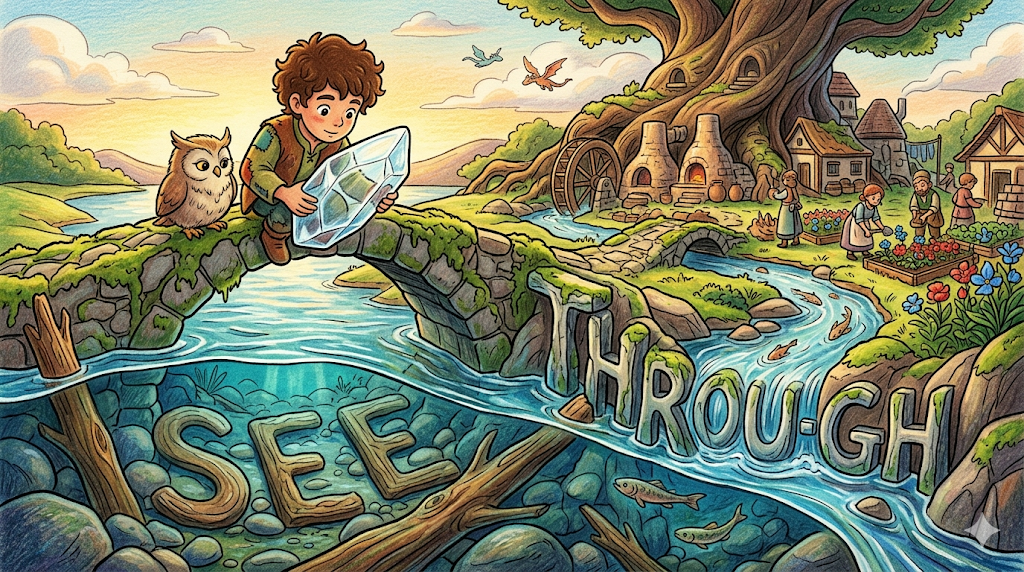
see through [siː θruː]
(동사구) 꿰뚫어 보다, 간파하다 / 끝까지 해내다
누군가의 숨겨진 의도나 거짓말을 알아채거나, 어려운 일을 포기하지 않고 끝까지 완수하는 것을 강조합니다. 수능 독해 심리·사회·논리 지문에서 핵심적으로 등장합니다.
- The detective saw through the suspect's story immediately because several key details did not match what the other witnesses had reported. (형사는 여러 핵심 세부 사항이 다른 목격자들이 보고한 것과 일치하지 않았기 때문에 용의자의 이야기를 즉시 꿰뚫어 봤다.)
- She was determined to see through the difficult project even when everyone else had given up, believing that the result would be worth the effort if they just kept going. (그녀는 다른 모든 사람이 포기했을 때도 계속 나아가면 결과가 노력의 가치가 있을 것이라고 믿으며 어려운 프로젝트를 끝까지 해내기로 결심했다.)
- The essay argued that the ability to see through clever-sounding arguments is one of the most valuable skills a person can develop, because persuasive language often hides weak logic that falls apart the moment you look at it carefully. (에세이는 영리하게 들리는 주장을 꿰뚫어 보는 능력이 사람이 개발할 수 있는 가장 가치 있는 기술 중 하나라고 주장했는데, 설득력 있는 언어는 종종 주의 깊게 들여다보는 순간 산산조각 나는 약한 논리를 숨기기 때문이다.)

see off [siː ɒf]
(동사구) 배웅하다 / 물리치다, 이겨내다
떠나는 사람을 작별 인사로 배웅하거나, 경쟁자나 위협을 물리치는 것을 강조합니다. 수능 독해 사회·일상·문학 지문에서 자주 등장합니다.
- She went down to the train station to see off her best friend who was moving to another city, and they both cried a little even though they promised to video call every week. (그녀는 다른 도시로 이사하는 가장 친한 친구를 배웅하기 위해 기차역으로 내려갔으며, 매주 영상 통화를 약속했음에도 둘 다 조금 울었다.)
- The small local team managed to see off the much bigger opponents in the last ten minutes with two quick goals that nobody had expected. (작은 지역 팀은 아무도 예상하지 못했던 두 번의 빠른 골로 마지막 10분에 훨씬 더 큰 상대를 물리치는 데 성공했다.)
- The essay noted that seeing someone off at an airport or station is one of those ordinary moments that carries extraordinary emotional weight — the mix of love, pride, sadness, and hope that comes with watching someone you care about disappear through a door. (에세이는 공항이나 역에서 누군가를 배웅하는 것이 특별한 감정적 무게를 지닌 평범한 순간 중 하나라고 지적했다 — 아끼는 사람이 문 사이로 사라지는 것을 보는 것과 함께 오는 사랑, 자부심, 슬픔, 희망의 혼합이다.)
숙어 그룹 묶음 1 — 인식·판단 see 핵심 패턴
표현 의미 핵심 뉘앙스 주요 맥락
| see through | 꿰뚫어 보다 / 끝까지 해내다 | 숨겨진 의도를 알아채거나 완수하는 것 | 심리·사회·수능 |
| see off | 배웅하다 / 물리치다 | 떠나는 사람을 보내거나 상대를 이기는 것 | 사회·일상·수능 |
| see to it | 반드시 처리하다 | 어떤 일이 이루어지도록 책임지고 확인하는 것 | 일상·사회·수능 |
이 세 표현은 모두 see의 "눈으로 따라가며 책임지는" 이미지를 공유하되, 각각 숨겨진 것을 끝까지 따라가 알아채는 것(see through)·떠나는 것을 끝까지 따라가 배웅하는 것(see off)·일이 이루어지는 것을 끝까지 따라가 확인하는 것(see to it)의 관점에서 접근합니다.
- She saw to it that her team was properly prepared before the competition, saw off two much stronger teams on the day, and later admitted that she had seen through her own doubts early on and chosen to push forward rather than stop. (그녀는 대회 전에 팀이 제대로 준비되도록 반드시 확인했으며, 당일에 훨씬 더 강한 두 팀을 물리쳤으며, 나중에 초기에 자신의 의심을 꿰뚫어 보고 멈추기보다 앞으로 나아가기로 선택했다고 인정했다.)
- He saw to it that every detail was correct, saw through the attempts of a few people to slow the process down with unnecessary complaints, and saw off the last obstacles on the final day — making the project a success through a combination of care, honesty, and persistence. (그는 모든 세부 사항이 정확하도록 반드시 확인하고, 불필요한 불평으로 과정을 늦추려는 몇 사람의 시도를 꿰뚫어 보며, 마지막 날에 마지막 장애물들을 물리쳤다 — 주의, 정직함, 그리고 인내의 조합으로 프로젝트를 성공으로 만들었다.)
- The essay argued that great leaders see to it that those around them are supported, see through attempts to deceive or mislead, and see off challenges with calm rather than panic — and that these three abilities, taken together, describe what it means to be someone others can genuinely rely on. (에세이는 위대한 리더들은 주변 사람들이 지원받도록 반드시 확인하고, 속이거나 오도하려는 시도를 꿰뚫어 보며, 패닉이 아닌 평정심으로 도전을 물리친다고 주장했다 — 그리고 이 세 가지 능력들을 합치면 다른 사람들이 진정으로 믿을 수 있는 사람이 된다는 것을 묘사한다고 했다.)
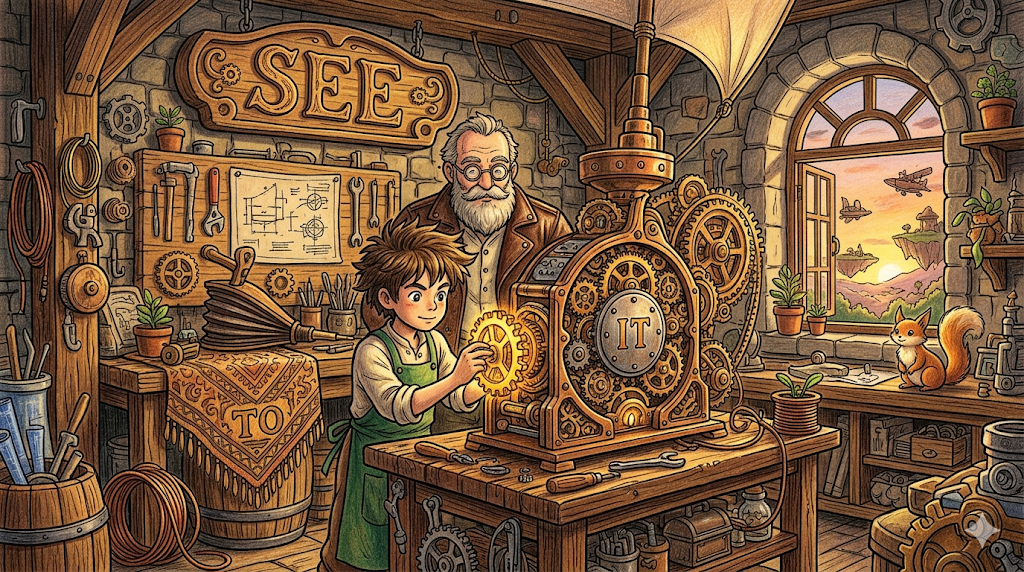
see to it [siː tə ɪt]
(동사구) 반드시 ~하도록 하다, 확실히 처리하다
어떤 일이 반드시 이루어지도록 책임지고 확인하는 것을 강조합니다. 수능 독해 사회·일상·논리 지문에서 자주 등장합니다.
- He saw to it that the new students were introduced to everyone on their first day, knowing from his own experience how strange and lonely that first week could feel. (그는 새 학생들이 첫날에 모든 사람에게 소개되도록 반드시 확인했는데, 자신의 경험으로 첫 주가 얼마나 낯설고 외로울 수 있는지 알았기 때문이었다.)
- The doctor saw to it that her patient left the clinic with all the information she needed, making sure she understood the instructions and knew who to call if she had any concerns. (의사는 환자가 필요한 모든 정보를 갖고 진료소를 떠나도록 반드시 확인했으며, 지시 사항을 이해하고 우려 사항이 있을 경우 누구에게 전화해야 하는지 알도록 했다.)
- The essay suggested that seeing to it that something is done well is a higher level of responsibility than simply doing it yourself — because it requires not just skill but the ability to communicate clearly, trust others, and follow through until the end. (에세이는 무언가가 잘 이루어지도록 반드시 확인하는 것이 단순히 스스로 하는 것보다 더 높은 수준의 책임이라고 제안했다 — 기술뿐만 아니라 명확하게 소통하고, 다른 사람을 신뢰하며, 끝까지 따라가는 능력을 요구하기 때문이다.)

see eye to eye [siː aɪ tə aɪ]
(관용구) 의견이 일치하다, 서로 동의하다
두 사람이나 집단이 어떤 주제에 대해 같은 생각을 갖고 있다는 것을 강조합니다. 수능 독해 사회·심리·일상 지문에서 핵심적으로 등장합니다.
- The two brothers rarely saw eye to eye on anything, but when it came to looking after their elderly mother, they worked together without any argument at all. (두 형제는 어떤 것에도 좀처럼 의견이 일치하지 않았지만, 노모를 돌보는 문제에서는 전혀 다툼 없이 함께 일했다.)
- She and her manager did not always see eye to eye, but she respected his experience and he valued her ideas, which made for a working relationship that was more productive than either of them had expected. (그녀와 매니저는 항상 의견이 일치하지는 않았지만, 그녀는 그의 경험을 존중했고 그는 그녀의 아이디어를 가치 있게 여겼으며, 이것이 두 사람 모두 예상했던 것보다 더 생산적인 업무 관계를 만들었다.)
- The essay argued that not seeing eye to eye with someone is not the same as having nothing in common — that two people can disagree on most things and still share values and respect each other deeply, which is often a more stable foundation for a relationship than perfect agreement. (에세이는 누군가와 의견이 일치하지 않는 것이 공통점이 없는 것과 같지 않다고 주장했다 — 두 사람이 대부분의 것에 동의하지 않으면서도 여전히 가치를 공유하고 서로를 깊이 존중할 수 있으며, 이것이 종종 완벽한 합의보다 더 안정적인 관계의 기반이 된다고 했다.)
숙어 그룹 묶음 2 — 깨달음·기다림 see 패턴
표현 의미 핵심 뉘앙스 주요 맥락
| see eye to eye | 의견이 일치하다 | 두 사람이 같은 생각을 갖고 있는 것 | 사회·심리·수능 |
| see the light | 깨닫다 | 오랫동안 이해하지 못하던 것을 드디어 이해하는 것 | 심리·사회·수능 |
| see to | 처리하다, 돌보다 | 어떤 일이나 사람을 책임지고 처리하는 것 | 일상·사회·수능 |
이 세 표현은 모두 see의 "무언가를 따라가 파악하는" 이미지를 공유하되, 각각 같은 것을 함께 바라보는 것(see eye to eye)·오랫동안 보이지 않던 것이 보이는 것(see the light)·어떤 것을 끝까지 따라가 처리하는 것(see to)의 관점에서 접근합니다.
- Once they finally saw eye to eye on the plan, she saw to all the practical arrangements while he focused on the communication, and by the time the event happened both of them had seen the light about how much easier things go when people work with rather than against each other. (마침내 계획에 대해 의견이 일치하자, 그녀는 모든 실용적인 준비를 처리했으며 그는 소통에 집중했고, 행사가 열릴 때까지 둘 다 사람들이 서로 반대하는 것이 아니라 함께 일할 때 일이 얼마나 더 쉽게 진행되는지에 대해 깨달았다.)
- She had spent years trying to get her team to see eye to eye on the long-term goals, had personally seen to every detail of the planning herself because she did not trust the process, and had only finally seen the light when a colleague told her honestly that the real problem was her inability to delegate. (그녀는 장기 목표에 대해 팀이 의견이 일치하도록 하기 위해 수년을 보냈고, 과정을 신뢰하지 않았기 때문에 직접 계획의 모든 세부 사항을 처리했으며, 동료가 솔직하게 진짜 문제는 위임하는 능력 부족이라고 말했을 때 마침내 깨달았다.)
- The essay concluded that seeing eye to eye is not always necessary for success, that seeing to things carefully and consistently matters more than agreement, and that seeing the light — truly changing how you think based on evidence rather than just saying you have — is one of the rarest and most valuable things one person can do. (에세이는 의견이 일치하는 것이 항상 성공에 필요한 것은 아니며, 일을 신중하고 일관되게 처리하는 것이 동의보다 더 중요하고, 깨닫는 것 — 단지 그렇다고 말하는 것이 아니라 증거에 기반해 생각하는 방식을 진정으로 바꾸는 것 — 이 한 사람이 할 수 있는 가장 드물고 가장 가치 있는 것 중 하나라고 결론지었다.)

see the light [siː ðə laɪt]
(관용구) 깨닫다, 진실을 이해하다
오랫동안 이해하지 못하던 것을 드디어 깨닫거나 생각이 변화하는 것을 강조합니다. 수능 독해 심리·사회·문학 지문에서 자주 등장합니다.
- She resisted the advice for months but eventually saw the light when she lost the same argument three times in a row and realised she had been approaching it from completely the wrong direction. (그녀는 수개월 동안 조언에 저항했지만 같은 논쟁에서 연속 세 번 지고 완전히 잘못된 방향에서 접근하고 있다는 것을 깨달았을 때 결국 깨달았다.)
- The class did not see the light about why grammar mattered until the teacher showed them examples of real misunderstandings that had happened because of a single missing comma or wrong word. (학급은 선생님이 잃어버린 쉼표 하나나 잘못된 단어 때문에 일어난 실제 오해의 예시를 보여줬을 때야 비로소 왜 문법이 중요한지에 대해 깨달았다.)
- The essay explored why people often resist seeing the light even when good evidence is right in front of them — arguing that changing your mind feels like admitting you were wrong, and that for many people the social cost of being seen to be wrong is more painful than the intellectual cost of holding an incorrect belief. (에세이는 사람들이 종종 좋은 증거가 바로 앞에 있을 때도 왜 깨닫기를 저항하는지 탐구했다 — 마음을 바꾸는 것이 자신이 틀렸다고 인정하는 것처럼 느껴지며, 많은 사람들에게 틀렸다고 보이는 사회적 비용이 잘못된 믿음을 갖는 지적 비용보다 더 고통스럽기 때문이라고 주장했다.)
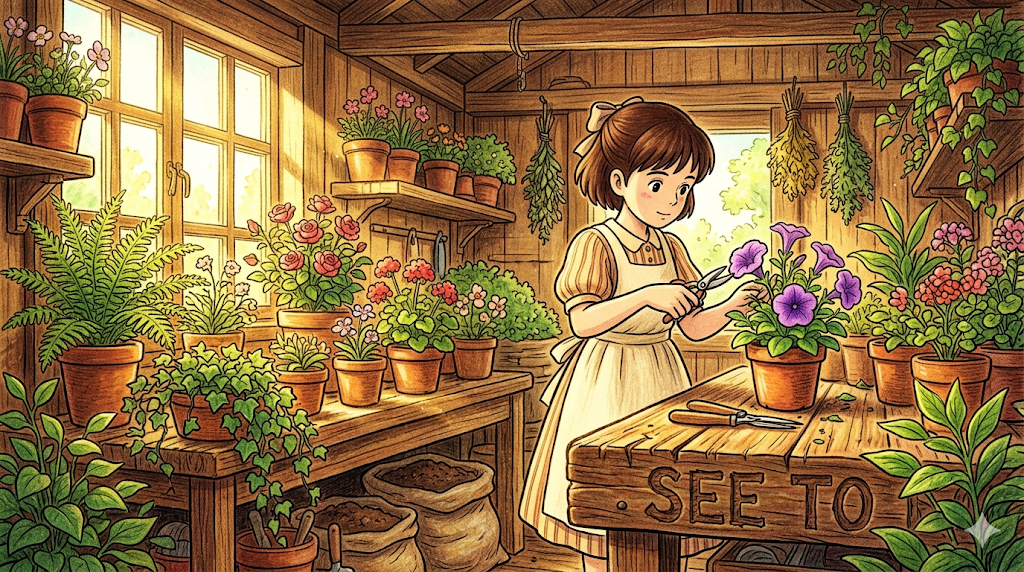
see to [siː tə]
(동사구) ~을 처리하다, 돌보다
어떤 일이나 사람을 책임지고 처리하거나 돌보는 것을 강조합니다. 수능 독해 일상·사회·심리 지문에서 자주 등장합니다.
- She asked her older son to see to the garden while she was away, explaining exactly what needed to be done and making sure he had everything he needed to do it properly. (그녀는 자리를 비운 동안 큰 아들에게 정원을 돌봐달라고 부탁했으며, 무엇을 해야 하는지 정확히 설명하고 그것을 제대로 할 필요한 모든 것이 있도록 확인했다.)
- The school nurse saw to the child's scraped knee quickly and calmly, talking to her about other things to keep her mind off the sting of the antiseptic. (학교 간호사는 소독약의 따끔함에서 마음을 돌리기 위해 다른 것들에 대해 이야기하며 아이의 긁힌 무릎을 빠르고 차분하게 처리했다.)
- The essay argued that knowing how to see to the small things in life — the details that keep relationships, health, and work running smoothly — is just as important as having large ambitions, because it is the consistent attention to the ordinary that usually determines whether extraordinary goals are ever achieved. (에세이는 삶의 작은 것들을 처리하는 방법을 아는 것 — 관계, 건강, 업무가 원활하게 운영되게 유지하는 세부 사항들 — 이 큰 야망을 갖는 것만큼 중요하다고 주장했다 — 왜냐하면 특별한 목표가 달성되는지 여부를 보통 결정하는 것은 평범한 것에 대한 일관된 주의이기 때문이다.)
숙어 그룹 묶음 3 — 시간·판단 see 심화 패턴
표현 의미 핵심 뉘앙스 주요 맥락
| wait and see | 두고 보다 | 결과가 나올 때까지 조급하게 행동하지 않는 것 | 일상·사회·수능 |
| see fit | 적절하다고 판단하다 | 자신의 판단에 따라 행동이 적절하다고 여기는 것 | 학술·사회·수능 |
| long time no see | 오랜만이야 | 오랫동안 만나지 못한 사람을 만났을 때의 인사 | 일상·문화·수능 |
이 세 표현은 모두 see의 "시간과 판단을 통해 인식하는" 이미지를 공유하되, 각각 결과를 기다리며 지켜보는 것(wait and see)·스스로 판단해 적절히 행동하는 것(see fit)·오랜 시간 후에 다시 보게 되는 것(long time no see)의 관점에서 접근합니다.
- She told him she would wait and see what the school saw fit to do about the situation, and that if the outcome was not satisfactory she would write her own letter — but for now, she joked, she would just try to enjoy the long time no see feeling of not being involved in a school meeting. (그녀는 학교가 상황에 대해 어떻게 처리하는 것이 적절하다고 판단하는지 두고 볼 것이며, 결과가 만족스럽지 않으면 직접 편지를 쓸 것이라고 말했다 — 하지만 지금은 농담으로, 학교 회의에 관여하지 않는 오랜만의 느낌을 그냥 즐기려 한다고 했다.)
- After the long time no see reunion with his old friends, he found himself thinking about all the choices he had made — and while he had done what he saw fit at every stage, there were moments he wished he had chosen to wait and see rather than acting so quickly. (오랜만의 오래된 친구들과의 재회 후, 그는 자신이 내린 모든 선택에 대해 생각하게 됐다 — 그리고 각 단계에서 적절하다고 판단한 것을 했지만, 그렇게 빠르게 행동하기보다 두고 봤으면 좋았을 순간들이 있었다.)
- The essay connected the three expressions to explore different relationships with time — that waiting and seeing reflects patience and humility, seeing fit reflects confidence and self-direction, and long time no see reflects how much time passes when we are not paying attention, and that all three are reminders that time shapes us more than we usually realise. (에세이는 세 가지 표현을 연결해 시간과의 다양한 관계를 탐구했다 — 두고 보는 것은 인내심과 겸손을 반영하고, 적절하다고 판단하는 것은 자신감과 자기 주도성을 반영하며, 오랜만이야는 우리가 주의를 기울이지 않을 때 얼마나 많은 시간이 흐르는지를 반영하고, 세 가지 모두 시간이 우리가 보통 인식하는 것보다 더 많이 우리를 형성한다는 것을 상기시켜준다고 했다.)

wait and see [weɪt ənd siː]
(관용구) 두고 보다, 결과를 기다리다
어떤 것의 결과가 나올 때까지 조급하게 행동하지 않고 기다리면서 지켜보는 것을 강조합니다. 수능 독해 일상·사회·심리 지문에서 자주 등장합니다.
- She told her worried friend to wait and see how things developed before drawing any conclusions, pointing out that jumping to decisions too early had caused problems before. (그녀는 걱정하는 친구에게 결론을 내리기 전에 일이 어떻게 발전하는지 두고 보라고 말하며, 너무 일찍 결론으로 뛰어드는 것이 전에 문제를 일으켰다고 지적했다.)
- The scientific community adopted a wait and see approach to the new research, knowing that exciting early results often look very different once larger studies have been completed. (과학 커뮤니티는 흥미로운 초기 결과가 대규모 연구가 완료되면 종종 매우 다르게 보인다는 것을 알면서 새 연구에 두고 보는 접근 방식을 채택했다.)
- The essay argued that waiting and seeing is often misunderstood as passive or weak, when in fact it can require more discipline than acting immediately — because the pressure to do something, anything, when uncertainty is uncomfortable can push people into choices that make the situation worse rather than better. (두고 보는 것이 종종 수동적이거나 약한 것으로 오해받지만, 실제로는 즉각적으로 행동하는 것보다 더 많은 훈련이 필요할 수 있다고 에세이는 주장했다 — 불확실성이 불편할 때 무언가, 어떤 것이라도 해야 한다는 압박이 사람들을 상황을 더 좋게 만들기보다 더 나쁘게 만드는 선택으로 밀어붙일 수 있기 때문이다.)

see fit [siː fɪt]
(동사구) 적절하다고 생각하다, ~하는 것이 맞다고 판단하다
자신의 판단에 따라 어떤 행동이 적절하거나 옳다고 여기는 것을 강조합니다. 수능 독해 학술·사회·심리 지문에서 자주 등장합니다.
- The teacher saw fit to give the whole class an extra day for the assignment when she noticed how many of them were struggling with the material at the same time. (선생님은 많은 학생들이 동시에 자료로 어려움을 겪고 있다는 것을 알아챘을 때 과제에 하루를 더 주는 것이 적절하다고 판단했다.)
- She saw fit to speak honestly with her friend about the problem rather than pretending she had not noticed it, even though she knew the conversation would be uncomfortable. (그녀는 대화가 불편할 것임을 알았지만, 알아채지 못한 척하기보다 문제에 대해 친구와 솔직하게 이야기하는 것이 적절하다고 판단했다.)
- The essay noted that seeing fit to do something implies a level of judgment and authority — that it is a phrase used when someone is making a deliberate choice rather than simply following a rule, and that this distinction matters because it places responsibility clearly on the person making the decision. (적절하다고 판단하여 무언가를 한다는 것은 판단과 권위의 수준을 의미한다고 에세이는 지적했다 — 그것은 단순히 규칙을 따르는 것이 아니라 의도적인 선택을 하고 있을 때 사용되는 표현이며, 이 구별이 중요한 것은 그것이 결정을 내리는 사람에게 책임을 명확하게 놓기 때문이라고 했다.)

long time no see [lɒŋ taɪm nəʊ siː]
(관용구) 오랜만이야, 오랫동안 못 봤네
오랫동안 만나지 못한 사람을 다시 만났을 때 반갑게 인사하는 표현을 강조합니다. 수능 독해 일상·문화 지문에서 자주 등장합니다.
- "Long time no see!" he said when he spotted his old neighbour at the market, and they ended up standing and talking for half an hour, catching up on everything that had happened in the years since they had last met. ("오랜만이야!" 그는 시장에서 옛 이웃을 발견했을 때 말했으며, 그들은 마지막으로 만난 이후 몇 년 동안 일어난 모든 일을 나누며 서서 30분 동안 이야기를 나누게 됐다.)
- The phrase "long time no see" is interesting because it uses a simple, broken form of English to express something that full grammatical sentences would make sound more formal and less warm. ("오랜만이야"라는 표현은 완전한 문법적 문장이 더 격식적이고 덜 따뜻하게 들리게 할 것을 표현하기 위해 단순하고 파편화된 영어 형식을 사용하기 때문에 흥미롭다.)
- The essay used long time no see as an example of how informal language can carry more genuine feeling than formally correct speech — arguing that the willingness to break the rules of language to say something true and warm is itself a form of communication that grammar alone can never fully capture. (에세이는 오랜만이야를 비격식 언어가 형식적으로 올바른 말보다 더 진정한 느낌을 담을 수 있는 방법의 예시로 사용했다 — 진실하고 따뜻한 것을 말하기 위해 언어의 규칙을 기꺼이 어기는 것 자체가 문법만으로는 완전히 포착할 수 없는 소통의 한 형태라고 주장했다.)
숙어 그룹 묶음 4 — 종합 see 패턴
표현 의미 핵심 뉘앙스 주요 맥락
| see through | 꿰뚫어 보다 / 끝까지 해내다 | 숨겨진 의도를 알아채거나 완수하는 것 | 심리·사회·수능 |
| see eye to eye | 의견이 일치하다 | 두 사람이 같은 생각을 갖고 있는 것 | 사회·심리·수능 |
| see the light | 깨닫다 | 오랫동안 이해하지 못하던 것을 이해하는 것 | 심리·사회·수능 |
이 세 표현은 수능 독해에서 가장 자주 출제되는 see의 핵심 패턴입니다. see through는 숨겨진 것을 보는 것을, see eye to eye는 같은 것을 함께 보는 것을, see the light는 오래 보지 못하던 것이 보이는 것을 각각 나타냅니다.
- They had not seen eye to eye for years, but after a long honest conversation they both saw the light about why the other person had made the choices they had, and each of them could finally see through their own assumptions to the real person standing in front of them. (그들은 수년 동안 의견이 일치하지 않았지만, 길고 솔직한 대화 후 둘 다 상대방이 왜 그런 선택을 했는지에 대해 깨달았으며, 각자 마침내 자신의 가정을 꿰뚫어 보고 눈앞에 서 있는 진짜 사람을 볼 수 있었다.)
- The essay argued that seeing eye to eye is easier once you have seen through your own biases, and that seeing the light is not really about changing your opinion but about clearing the thing that was blocking your view of the truth all along. (의견이 일치하는 것은 자신의 편견을 꿰뚫어 본 후 더 쉬워지며, 깨닫는 것은 실제로 의견을 바꾸는 것이 아니라 내내 진실을 보는 것을 막고 있던 것을 제거하는 것이라고 에세이는 주장했다.)
- She concluded that if you want to see eye to eye with someone, you first need to see through the stories each of you tells about the other, and that the moment you see the light about your own part in the problem is usually the moment the relationship starts to improve — because understanding your contribution to a conflict is the one thing you can actually do something about. (그녀는 누군가와 의견이 일치하기를 원한다면 먼저 각자가 상대방에 대해 하는 이야기를 꿰뚫어 보아야 하며, 문제에서 자신의 역할에 대해 깨닫는 순간이 보통 관계가 개선되기 시작하는 순간이라고 결론지었다 — 갈등에 대한 자신의 기여를 이해하는 것이 실제로 무언가를 할 수 있는 유일한 것이기 때문이다.)
전체 요약표
표현 의미 핵심 뉘앙스
| see | 보다, 이해하다, 만나다 | 시각에서 이해·판단·동행·깨달음까지 확장 |
| see through | 꿰뚫어 보다 / 끝까지 해내다 | 숨겨진 의도를 알아채거나 완수하는 것 |
| see off | 배웅하다 / 물리치다 | 떠나는 사람을 보내거나 상대를 이기는 것 |
| see to it | 반드시 처리하다 | 어떤 일이 이루어지도록 책임지고 확인하는 것 |
| see eye to eye | 의견이 일치하다 | 두 사람이 같은 생각을 갖고 있는 것 |
| see the light | 깨닫다 | 오랫동안 이해하지 못하던 것을 이해하는 것 |
| see to | 처리하다, 돌보다 | 어떤 일이나 사람을 책임지고 처리하는 것 |
| wait and see | 두고 보다 | 결과가 나올 때까지 조급하게 행동하지 않는 것 |
| see fit | 적절하다고 판단하다 | 자신의 판단에 따라 행동이 적절하다고 여기는 것 |
| long time no see | 오랜만이야 | 오랫동안 만나지 못한 사람을 만났을 때의 인사 |
유의어 비교표
단어 공통점 뉘앙스 차이 예문
| see | 보다, 인식하다 | 자연스러운 시각·이해·판단, 비유 풍부 | She sees a bird. |
| look | 보다 | 의도적으로 시선을 향하는 것 | Look at the board. |
| watch | 보다 | 움직이는 것을 집중해서 지켜보는 것 | She watches TV. |
| observe | 관찰하다 | 주의 깊게 관찰하거나 규칙을 준수하는 것 | He observed the birds. |
| notice | 알아채다 | 주의가 끌려 인식하는 것 | She noticed the change. |
유의어 예문 리스트
- (look) She asked him to look at the map carefully before they set off so that he would know which turns to take and they would not get lost the way they had the last time. (그녀는 그에게 출발하기 전에 지도를 주의 깊게 보라고 해서 어느 방향으로 꺾어야 하는지 알고 지난번처럼 길을 잃지 않도록 했다.)
- (watch) He watched the clock on the wall as the minutes passed slowly, trying not to think about how much longer the exam would last. (그는 시험이 얼마나 더 지속될지 생각하지 않으려 하며 분이 천천히 지나가는 동안 벽의 시계를 지켜봤다.)
- (observe) The student was asked to observe the reaction carefully and note down any changes in colour, temperature, or smell that happened during the first five minutes. (학생은 반응을 주의 깊게 관찰하고 처음 5분 동안 일어나는 색, 온도 또는 냄새의 변화를 기록하라고 요청받았다.)
- (notice) He noticed that his friend had been very quiet all morning and decided to ask gently if everything was okay rather than pretending not to have seen the change. (그는 친구가 오전 내내 매우 조용했다는 것을 알아채고 변화를 눈치채지 못한 척하기보다 모든 것이 괜찮은지 부드럽게 물어보기로 결심했다.)
결론 정리
see는 단순히 "보다"가 아니라, 고대 영어 sēon(보다·인식하다)에서 출발해 눈으로 따라가며 인식하는 것에서 이해·판단·동행·꿰뚫어 봄·깨달음·배웅까지 확장되는 단어다 — see가 있는 곳엔 언제나 '단순한 시각이 아닌, 인간이 보고·이해하고·깨닫고·함께하는 방식이 생생하게 살아숨쉬는' 생동감의 선언이 있다.
💡 see는 "눈으로 따라가며 인식하는 것에서 출발한" 생동감 넘치는 언어 — see through · see eye to eye · see the light가 수능 최빈출.
🌟 초등학생 버전 — see는 보다이지만, "꿰뚫어 보다"(see through), "의견이 일치하다"(see eye to eye), "오랜만이야"(long time no see)처럼 우리 생활과 감정 곳곳에 살아있는 단어예요! 👀✨


