- 분류 전체보기 (5463)

| 일 | 월 | 화 | 수 | 목 | 금 | 토 |
|---|---|---|---|---|---|---|
| 1 | 2 | |||||
| 3 | 4 | 5 | 6 | 7 | 8 | 9 |
| 10 | 11 | 12 | 13 | 14 | 15 | 16 |
| 17 | 18 | 19 | 20 | 21 | 22 | 23 |
| 24 | 25 | 26 | 27 | 28 | 29 | 30 |
| 31 |
- Right?
- Please
- Yeah
- too.
- OKay
- make it
- Don't worry
- Sorry
- come up with
- I'm not sure
- please?
- once in a while
- work out
- hold on
- well
- entrance fee
- Hey
- call off
- Yes
- Read between the lines
- Excuse me
- I'm sorry
- Sure
- oh
- please.
- no
- By The Way
- I'm glad to hear that.
- pick up
- Actually
- Today
- Total
인과함께
Day349 , odd, odd one out, odd job, against all odds, odd number, at odd times, odd behavior, by odd chance, odds and ends, beat the odds 본문
Day349 , odd, odd one out, odd job, against all odds, odd number, at odd times, odd behavior, by odd chance, odds and ends, beat the odds
미인생 2026. 4. 25. 08:06
odd [ɒd]
(형용사/명사) 이상한, 특이한, 홀수의, 가끔의 / 가능성
단순히 "이상한"으로만 외우면 수능에서 반드시 틀립니다. odd는 "예상이나 일반적인 것에서 벗어난" 이라는 핵심 이미지에서 출발해, 실제 특이한 행동·홀수·불규칙한 시간·가능성이 낮은 것·무작위로 남은 것까지 폭넓게 쓰이는 핵심 다의어입니다. 특히 against all odds(모든 역경을 극복하고), beat the odds(역경을 이기다), odd one out(따돌려진 사람·이질적인 것) 패턴은 수능 독해 심리·사회·논리 지문에서 핵심적으로 등장합니다.
'odd'는 고대 노르드어 oddi(끝, 꼭짓점, 홀수)에서 유래했으며, 게르만어 uzdaz(끝이 뾰족한 것)와 연결됩니다. 어원의 핵심 이미지는 "다른 것들과 짝을 이루지 못하고 남겨진 것" 으로, 단순한 이상함을 넘어 홀수·예외·불규칙성·역경·나머지까지 확장되는 표현의 근원이 된 단어입니다.
🎲 odd의 핵심 뉘앙스
"보통과 다른 이상함. 그리고 그 다름이 불리함이 되기도, 가능성이 되기도 하는 단어."
odd는 '이상한, 홀수의'가 기본이지만, 어떤 맥락에서 쓰이느냐에 따라 남다른 개성, 불리한 확률, 역경을 이겨내는 도전, 소외된 존재까지 다양한 뉘앙스를 품습니다. 같은 '다름'이라도 어떻게 바라보느냐에 따라 결핍이 되기도, 강점이 되기도 해요.
1️⃣ 이상함·특이함을 나타내는 odd
- odd behavior → 이상한 행동. 보통 사람들의 기준에서 벗어난 행동 방식. 중립적이거나 약간 부정적인 뉘앙스
- at odd times → 이상한 시간에, 불규칙하게. 예측할 수 없는 불규칙한 타이밍을 묘사할 때
- by odd chance → 이상한 우연으로, 공교롭게도. 예상치 못한 우연의 일치가 생겼을 때
- odd one out → 따돌려진 하나, 무리에서 튀는 존재. 그룹 속에서 혼자 다른 특성을 가진 사람이나 것
2️⃣ 숫자·잡일을 담은 odd
- odd number → 홀수. 짝수(even number)의 반대. 나눌 수 없는 수의 특성
- odd job → 잡일, 허드렛일. 특정 직업 범주에 들어가지 않는 다양한 소규모 작업들. 'odd-job man'은 만능 수리공
3️⃣ 확률·역경을 담은 odds
- against all odds → 모든 역경을 딛고, 불가능에 가까운 상황에서. 불리한 확률을 뚫고 이뤄낸 성취에 쓰는 강한 표현
- beat the odds → 불리한 확률을 이기다. 가능성이 희박했지만 결국 해내는 것
- odds and ends → 이것저것 잡다한 것들, 자질구레한 물건들. 딱히 분류하기 어려운 자잘한 물건이나 일들
💡 아들에게 이렇게 설명해보세요
"odd는 '이상한'이기도 하고 '홀수'이기도 해. odd one out은 친구들이 다 같은 색 옷을 입었는데 나 혼자 다른 색인 것처럼 '혼자 튀는 존재'야. against all odds는 '모든 역경을 딛고'라는 뜻인데, 이길 확률이 거의 없는데도 해낸 상황에 써. beat the odds는 '불리한 확률을 이긴다'는 거야. 아무도 안 된다고 했는데 결국 해내는 거지. odds and ends는 서랍 속에 굴러다니는 자질구레한 물건들처럼 '이것저것 잡다한 것'이야."
odd = 다름의 두 얼굴. 무리에서 튀는 이상함이기도 하고, 불리한 확률을 이겨내는 도전이기도 하다 — 같은 '다름'이 맥락에 따라 소외가 되기도, 기적이 되기도 한다.
1. odd one out [ɒd wʌn aʊt]
(일상/사회/수능) "따돌려진 사람, 이질적인 것, 어울리지 않는 것"을 뜻합니다. 집단 속에서 유독 다르거나 어울리지 않는 사람이나 것을 강조합니다.
She always felt like the odd one out in her family because everyone else loved sport but she preferred reading and drawing. (그녀는 가족 안에서 항상 이질적인 존재처럼 느꼈는데 다른 모든 사람은 스포츠를 좋아했지만 그녀는 독서와 그림을 더 좋아했기 때문이다.)
2. odd job [ˈɒd dʒɒb]
(일상/사회/수능) "잡일, 임시로 하는 자잘한 일"을 뜻합니다. 정기적이지 않고 다양한 종류의 작은 일들을 강조합니다.
He earned extra money doing odd jobs for his neighbours during the summer, such as mowing lawns, washing cars, and painting fences. (그는 잔디 깎기, 세차, 울타리 페인트칠 같은 이웃을 위한 잡일을 해서 여름 동안 추가 용돈을 벌었다.)
3. against all odds [əˈɡenst ɔːl ɒdz]
(일상/심리/수능) "모든 역경을 극복하고, 불가능에 가까운 상황에서"를 뜻합니다. 성공할 가능성이 매우 낮은 상황에서도 이겨내는 것을 강조하며, 수능에서 가장 자주 출제되는 표현입니다.
Against all odds, the tiny team from the smallest school in the region won the national science competition and surprised everyone who had doubted them. (모든 역경을 극복하고, 지역에서 가장 작은 학교의 작은 팀이 전국 과학 경진대회에서 우승해 그들을 의심했던 모든 사람을 놀라게 했다.)
4. odd number [ˈɒd ˈnʌmbər]
(학술/수학/수능) "홀수"를 뜻합니다. 2로 나눠지지 않는 숫자를 강조하며, 수학적 개념으로서의 odd를 나타냅니다.
She noticed that all the chairs on her side of the room were arranged in odd numbers, which made it impossible to pair everyone up for the partner exercise. (그녀는 방의 자기 쪽에 있는 모든 의자가 홀수로 배치되어 파트너 운동을 위해 모든 사람을 짝지을 수 없다는 것을 알아챘다.)
5. at odd times [æt ɒd taɪmz]
(일상/사회/수능) "불규칙한 시간에, 가끔씩"을 뜻합니다. 정해진 시간이 아닌 예상치 못하거나 불규칙한 시간에 일어나는 것을 강조합니다.
He studied at odd times throughout the day — on the bus, during lunch, and just before bed — because he found it hard to sit still for long periods. (그는 버스에서, 점심 동안, 그리고 자기 바로 전처럼 하루 종일 불규칙한 시간에 공부했는데, 오랫동안 가만히 앉아있기 어렵다는 것을 알았기 때문이다.)
6. odd behavior [ˈɒd bɪˈheɪvjər]
(심리/사회/수능) "이상한 행동, 특이한 행동"을 뜻합니다. 일반적이지 않거나 예상과 다른 행동을 강조합니다.
The teacher noticed some odd behavior in the classroom and gently asked if everything was alright at home, making sure the student knew they could talk to her in private. (선생님은 교실에서 약간의 이상한 행동을 알아채고 집에서 모든 것이 괜찮은지 부드럽게 물어보며 학생이 개인적으로 그녀에게 이야기할 수 있다는 것을 알도록 했다.)
7. by odd chance [baɪ ɒd tʃɑːns]
(일상/문학/수능) "우연히도, 묘하게도"를 뜻합니다. 예상치 못한 우연한 상황이 일어나는 것을 강조합니다.
By odd chance, she ran into her old primary school teacher at the airport just minutes before boarding a flight to the same destination. (묘하게도, 그녀는 같은 목적지로 가는 비행기에 탑승하기 불과 몇 분 전에 공항에서 오래된 초등학교 선생님을 우연히 만났다.)
8. odds and ends [ˈɒdz ənd endz]
(일상/사회/수능) "이런저런 잡동사니, 자투리"를 뜻합니다. 딱히 분류하기 어렵고 잡다한 여러 가지 것들을 강조합니다.
She cleared out the old desk drawer and found it full of odds and ends — old pens, paper clips, foreign coins, and a small toy she had completely forgotten about. (그녀는 낡은 책상 서랍을 정리했고 낡은 펜, 종이 클립, 외국 동전, 그리고 완전히 잊고 있었던 작은 장난감 등 잡동사니로 가득 차 있다는 것을 발견했다.)
9. beat the odds [biːt ðə ɒdz]
(일상/심리/수능) "역경을 이기다, 불리한 상황을 극복하다"를 뜻합니다. 성공 가능성이 낮음에도 불구하고 성공하는 것을 강조합니다.
She beat the odds and got into the top university despite coming from a school with very limited resources and little support for university applications. (그녀는 자원이 매우 제한되고 대학 지원에 대한 지원이 거의 없는 학교 출신임에도 불구하고 역경을 이겨내고 최고 대학에 입학했다.)
10. odd (비유적: 얼마의, 약간의) [ɒd]
(일상/수능) 비유적으로 숫자 뒤에 붙어 "약간 넘는, 대략"을 뜻합니다. 정확하지 않지만 대략적인 수를 나타낼 때 강조합니다.
She had been waiting for thirty-odd minutes before the bus finally arrived, by which point she had given up hope of reaching the library before it closed. (그녀는 버스가 마침내 도착하기 전에 30분이 넘게 기다렸으며, 그 시점에서 도서관이 닫기 전에 도착하려는 희망을 포기했다.)

POINT 1. odd — 수능 최빈출 비유·어휘 패턴
odd는 수능 독해 심리·사회·논리 지문에서 비유적 표현으로 자주 출제됩니다.
against all odds → 불가능에 가까운 상황에서도 이겨낼 때 예) She succeeded against all odds. (그녀는 모든 역경을 극복하고 성공했다.) beat the odds → 낮은 가능성에도 불구하고 성공할 때 예) He beat the odds and recovered. (그는 역경을 이겨내고 회복했다.) odd one out → 집단에서 이질적인 사람이나 것을 나타낼 때 예) Find the odd one out. (이질적인 것을 찾아라.)
POINT 2. odd / strange / unusual — 수능 어휘 핵심 비교
이 세 단어는 수능에서 자주 혼동되는 어휘입니다.
odd → 예상이나 일반적인 것에서 벗어난, 짝이 없는, 홀수의 예) That is an odd idea. (그것은 이상한 생각이다.) strange → 낯설고 익숙하지 않아서 불편함을 줄 수 있는 예) She felt strange in the new city. (그녀는 새 도시에서 낯선 기분이 들었다.) unusual → 보통이나 평범한 것과 달라서 주목할 만한 예) It was an unusual choice. (그것은 특이한 선택이었다.)
POINT 3. odd의 다양한 용법 — 수능 독해 문맥 파악 핵심
odd는 수능 독해에서 문맥에 따라 의미가 완전히 달라지는 핵심 단어입니다.
이상함 → That is odd behaviour. (그것은 이상한 행동이다.) 역경 → Against all odds, she won. (모든 역경을 극복하고, 그녀는 이겼다.) 이질성 → He felt like the odd one out. (그는 이질적인 존재처럼 느꼈다.) 홀수 → Three is an odd number. (3은 홀수이다.) 잡동사니 → The drawer had odds and ends. (서랍에 잡동사니가 있었다.)
(형용사) ① 이상한, 특이한 (일반적이지 않은)
odd의 가장 기본적인 의미로, 보통이나 예상과 다른 것을 나타냅니다.
- She thought it was odd that nobody had shown up to the meeting even though everyone had confirmed they would come the day before. (그녀는 모든 사람이 전날 올 것이라고 확인했음에도 불구하고 아무도 회의에 나타나지 않은 것이 이상하다고 생각했다.)
- There was something slightly odd about the way he kept looking at the door every few minutes, as though he was expecting someone to arrive at any moment. (그가 마치 누군가 언제라도 도착하기를 기대하는 것처럼 몇 분마다 계속 문을 쳐다보는 방식에는 약간 이상한 무언가가 있었다.)
- It felt odd to walk through her old classroom after so many years away and see smaller desks and a completely different set of displays on the walls from the ones she remembered. (오랜 세월 후에 옛 교실을 걷고 기억하는 것과 완전히 다른 작은 책상과 벽의 전시물을 보는 것은 이상하게 느껴졌다.)
(형용사) ② 홀수의 (수학)
odd는 수학에서 2로 나눠지지 않는 숫자를 나타냅니다.
- He learned that any number ending in one, three, five, seven, or nine is always odd, regardless of how large or small the full number is. (그는 1, 3, 5, 7, 또는 9로 끝나는 어떤 숫자든 전체 숫자가 얼마나 크거나 작은지에 관계없이 항상 홀수라는 것을 배웠다.)
- The puzzle asked students to circle all the odd numbers in the grid within two minutes, and the winner would be the one who found the most with the fewest mistakes. (퍼즐은 학생들에게 2분 안에 격자에서 모든 홀수를 동그라미 치도록 요청했으며, 승자는 가장 적은 실수로 가장 많이 찾은 사람이었다.)
- Adding an odd number and an even number always gives you an odd result, which is one of the basic rules of arithmetic that she had memorised in primary school and never forgotten since. (홀수와 짝수를 더하면 항상 홀수 결과가 나오는데, 이것은 그녀가 초등학교에서 외운 후 그 이후로 결코 잊지 않은 산수의 기본 규칙 중 하나이다.)
(형용사) ③ 가끔의, 때때로의 (불규칙적인)
odd는 정기적이지 않고 불규칙하게 일어나는 것을 나타냅니다.
- She read the odd chapter of her book on the train each morning, which meant that although she rarely had long reading sessions, she still managed to finish two or three books a month. (그녀는 매일 아침 기차에서 책의 가끔 한 챕터를 읽었으며, 이것은 비록 긴 독서 세션이 드물었지만 한 달에 두세 권은 여전히 읽을 수 있었다는 것을 의미했다.)
- He did an odd bit of gardening at the weekend when the weather was nice enough, mostly just keeping things tidy rather than attempting anything ambitious. (그는 날씨가 좋을 때 주말에 가끔 조금씩 정원 일을 했으며, 주로 야심 찬 것을 시도하기보다 정돈하는 것이었다.)
- Apart from the odd late night when a deadline was approaching, she kept her sleep schedule very consistent and always tried to be in bed before ten-thirty. (가끔 마감이 다가올 때의 늦은 밤을 제외하고, 그녀는 수면 일정을 매우 일관되게 유지하고 항상 10시 반 전에 잠자리에 들려고 했다.)

뉘앙스·의미 연결 흐름 표
핵심 이미지 연결 흐름 뉘앙스 요약
| 짝이 없어 남겨진 것 | 어울리지 않는 것 → 이질적인 존재 → 잡동사니 | odd one out, odds and ends |
| 일반적인 것에서 벗어난 것 | 특이한 행동 → 이상한 상황 → 우연한 일 | odd behavior, odd one out, by odd chance |
| 낮은 가능성을 넘어서는 것 | 불리한 상황 → 역경 → 역경을 이기는 것 | against all odds, beat the odds |
어원 흐름 표
단어 구성 요소 의미 연결 흐름 뉘앙스 요약
| 고대 노르드어 oddi(끝·홀수) → 게르만어 uzdaz | 짝이 없이 남겨진 것 → 이상한 것 → odd | 짝이 없는 남겨진 것의 핵심 이미지 |
| odd (형용사/명사) | 이상함 → 홀수 → 불규칙 → 역경 → 잡동사니 | 짝 없음에서 이상·역경·나머지까지 확장 |
품사별 의미 표
품사 의미 예문
| 형용사 | 이상한, 특이한 | That is odd behaviour. |
| 형용사 | 홀수의 | Three is an odd number. |
| 형용사 | 가끔의, 임시의 | She does odd jobs. |
| 명사(복수) | 가능성, 역경 | The odds were against us. |
| 관용구 | 모든 역경을 극복하고 | Against all odds, she won. |
| 관용구 | 역경을 이기다 | She beat the odds. |
활용 예문 리스트
- Against all odds, the young scientist's discovery was accepted by the international community after years of being dismissed by people who said her idea was too far outside the established thinking. (모든 역경을 극복하고, 그 젊은 과학자의 발견은 그녀의 아이디어가 기존 사고 밖에 너무 멀리 있다고 말하는 사람들에 의해 수년간 무시된 후 국제 사회로부터 받아들여졌다.)
- She had always felt like the odd one out in her class because her interests were so different from those of everyone around her, but she eventually found a group of people online who shared exactly her passion for astronomy. (그녀는 자신의 관심사가 주변 모든 사람의 것과 너무 달랐기 때문에 항상 학급에서 이질적인 존재처럼 느꼈지만, 결국 온라인에서 자신과 정확히 같은 천문학에 대한 열정을 공유하는 그룹을 찾았다.)
- She beat the odds every time someone told her that a girl from her background would never make it to the top of her profession, and she made a point of going back to her old school every year to tell students that those odds could be beaten. (누군가 그녀의 배경을 가진 여자는 직업 정상에 도달할 수 없다고 말할 때마다 그녀는 역경을 이겼으며, 학생들에게 그 역경을 이길 수 있다고 말하기 위해 매년 옛 학교로 돌아가는 것을 일부러 했다.)
- The drawer was full of odds and ends that had built up over years — buttons with no shirts, keys with no locks, and a collection of small stones she had no memory of collecting. (서랍은 수년에 걸쳐 쌓인 잡동사니로 가득 찼다 — 셔츠 없는 단추들, 자물쇠 없는 열쇠들, 그리고 모은 기억이 없는 작은 돌 모음.)
- By odd chance, the book she had been looking for everywhere turned out to be sitting on the desk of the friend she happened to visit that afternoon — neither of them had known the other was looking for it. (묘하게도, 그녀가 어디서나 찾고 있던 책은 그날 오후 우연히 방문한 친구의 책상에 있었다 — 둘 다 상대방이 그것을 찾고 있다는 것을 몰랐다.)
전체 뉘앙스 설명
odd는 '짝이 없어 남겨진 것에서 출발해 이상함·홀수·불규칙성·역경·잡동사니까지 확장되는 생동감 넘치는 언어'입니다.
strange와의 차이: strange는 낯설고 익숙하지 않아 불편함을 줄 수 있는 것을 강조하고, odd는 일반적인 것에서 벗어나 예상과 다른 것을 강조합니다. unusual과의 차이: unusual은 보통이나 평범한 것과 달라서 주목할 만한 것을 강조하고, odd는 짝이 없거나 어울리지 않아 특이한 것을 강조합니다. weird와의 차이: weird는 더 강하고 부정적인 이상함을 강조하고, odd는 가볍게 흥미롭거나 예상 밖인 것을 강조합니다.
마지막 핵심 정리
odd는 단순히 "이상한"이 아닙니다 — 고대 노르드어 oddi(끝·홀수)에서 출발해, 이상하거나 특이한 것(odd behavior)에서 이질적인 존재(odd one out)·홀수(odd number)·역경(against all odds)·역경 극복(beat the odds)·잡동사니(odds and ends)까지 확장되는 단어이며, against all odds·beat the odds·odd one out의 비유적 의미 파악이 수능 핵심 출제 포인트입니다.
파생어 표
파생어 발음기호 품사 의미
| oddly | [ˈɒdli] | 부사 | 이상하게, 특이하게 |
| oddness | [ˈɒdnəs] | 명사 | 이상함, 특이함 |
| oddity | [ˈɒdɪti] | 명사 | 기이한 것, 특이한 사람 |
| odds | [ɒdz] | 명사 | 가능성, 역경, 차이 |
| odd-looking | [ˈɒd lʊkɪŋ] | 형용사 | 이상하게 생긴 |
| evens | [ˈiːvənz] | 명사 | 짝수 (odd의 반대) |
유의어 비교표
단어 공통점 뉘앙스 차이 예문
| odd | 이상한, 특이한 | 짝이 없어 예상 밖인 것, 비유 풍부 | That is odd. |
| strange | 이상한 | 낯설고 익숙하지 않아 불편할 수 있는 것 | It felt strange. |
| unusual | 특이한 | 평범하지 않아 주목할 만한 것 | It was unusual. |
| peculiar | 기이한 | 더 강하게 특이하거나 이해하기 어려운 것 | It was peculiar. |
| bizarre | 기괴한 | 매우 이상하고 예상을 완전히 벗어난 것 | It was bizarre. |
유의어 예문 리스트
- (strange) She felt strange eating lunch alone on her first day at the new school, but by the end of the week she had already made two friends who sat with her every day. (그녀는 새 학교 첫날 혼자 점심을 먹는 것이 낯설게 느껴졌지만, 한 주가 끝날 무렵 이미 매일 함께 앉는 두 명의 친구를 사귀었다.)
- (unusual) The teacher said it was unusual for a student to master the concept so quickly, but that she should not be surprised by her own ability and should keep pushing herself further. (선생님은 학생이 그렇게 빨리 개념을 터득하는 것이 특이하다고 말했지만, 자신의 능력에 놀라지 말고 계속 자신을 더 밀어붙여야 한다고 했다.)
- (peculiar) There was something peculiar about the smell in the old storeroom at the back of the school that nobody could quite explain — it was not unpleasant, just unlike anything any of them had smelled before. (학교 뒤쪽 낡은 창고의 냄새에는 아무도 설명할 수 없는 기이한 무언가가 있었다 — 불쾌하지는 않았지만, 그들 중 누구도 이전에 맡은 것과 달랐다.)
- (bizarre) The art installation in the town square was so bizarre that people stopped in the street to stare at it and try to figure out what it was supposed to represent. (마을 광장의 예술 설치물은 너무 기괴해서 사람들이 거리에서 멈춰 서서 그것을 바라보며 무엇을 나타내야 하는지 파악하려 했다.)
결론 정리
odd는 단순히 "이상한"이 아니라, 고대 노르드어 oddi(끝·홀수)에서 출발해 짝이 없어 남겨진 것에서 이상함·홀수·불규칙성·역경·잡동사니까지 확장되는 단어다 — odd가 있는 곳엔 언제나 '단순한 이상함이 아닌, 인간이 예상과 다른 것·짝이 없는 것·불리한 상황을 어떻게 마주하는지가 생생하게 살아숨쉬는' 생동감의 선언이 있다.
💡 odd는 "짝이 없어 남겨진 것에서 출발한" 생동감 넘치는 언어 — against all odds · beat the odds · odd one out이 수능 최빈출.
🌟 초등학생 버전 — odd는 "이상하고 특이한" 것을 뜻하지만, "모든 역경을 극복하고"(against all odds), "역경을 이기다"(beat the odds), "잡동사니"(odds and ends)처럼 우리 삶의 도전과 연결된 단어예요! 🌟✨

odd one out [ɒd wʌn aʊt]
(명사구/관용구) 따돌려진 사람, 이질적인 것, 어울리지 않는 것
집단 속에서 유독 다르거나 어울리지 않는 사람이나 것을 강조합니다. 수능 독해 사회·심리·논리 지문에서 핵심적으로 등장합니다.
- In the quiz game, students had to look at four pictures and decide which was the odd one out — the one that did not belong with the other three based on a shared characteristic. (퀴즈 게임에서, 학생들은 네 그림을 보고 공유된 특성을 바탕으로 다른 세 개와 어울리지 않는 이질적인 것이 무엇인지 결정해야 했다.)
- She was used to being the odd one out at family gatherings because her cousins all liked the same kind of music and films, whereas she had never been able to share their enthusiasm for either. (그녀는 사촌들이 모두 같은 종류의 음악과 영화를 좋아한 반면 그녀는 어느 쪽에 대한 그들의 열정을 공유할 수 없었기 때문에 가족 모임에서 이질적인 존재가 되는 것에 익숙했다.)
- Being the odd one out can feel lonely and uncomfortable in the short term, but it often turns out to be what drives a person to develop their own voice and find a path that is truly their own rather than simply following the crowd. (이질적인 존재가 되는 것은 단기적으로 외롭고 불편하게 느껴질 수 있지만, 종종 사람이 자신만의 목소리를 개발하고 단순히 무리를 따르는 것이 아닌 진정으로 자신만의 길을 찾도록 이끄는 것이 된다.)

odd job [ˈɒd dʒɒb]
(명사구) 잡일, 임시로 하는 자잘한 일
정기적이지 않고 다양한 종류의 작은 일들을 강조합니다. 수능 독해 일상·사회 지문에서 자주 등장합니다.
- She took on several odd jobs to save enough money for her first laptop — walking dogs, babysitting, and helping at a local market on Saturday mornings. (그녀는 첫 번째 노트북을 위한 충분한 돈을 모으기 위해 개 산책, 아이 돌봄, 토요일 아침 지역 시장 도움 등 여러 잡일을 맡았다.)
- He preferred doing odd jobs for different people rather than having one fixed role because it gave him variety and the chance to learn a new skill with every different task he was asked to do. (그는 고정된 역할 하나를 갖는 것보다 다양한 사람들을 위한 잡일을 하는 것을 선호했는데, 그것이 다양성과 요청받는 각 다른 과제마다 새로운 기술을 배울 기회를 줬기 때문이다.)
- The essay argued that doing odd jobs as a teenager is one of the best ways to build practical life skills, because the variety of tasks forces you to adapt, problem-solve, and communicate with many different kinds of people in a way that no single formal job ever could. (에세이는 십대에 잡일을 하는 것이 실용적인 삶의 기술을 쌓는 최고의 방법 중 하나라고 주장했는데, 다양한 과제들이 하나의 공식적인 일이 결코 할 수 없는 방식으로 다양한 종류의 사람들과 적응하고, 문제를 해결하며, 소통하도록 강요하기 때문이다.)
숙어 그룹 묶음 1 — 이질성·다양성 odd 핵심 패턴
표현 의미 핵심 뉘앙스 주요 맥락
| odd one out | 이질적인 것, 따돌려진 사람 | 집단에서 유독 다르거나 어울리지 않는 사람·것 | 사회·심리·수능 |
| odd job | 잡일 | 정기적이지 않고 다양한 자잘한 일들 | 일상·사회·수능 |
| odds and ends | 잡동사니 | 딱히 분류하기 어렵고 잡다한 여러 가지 것들 | 일상·사회·수능 |
이 세 표현은 모두 odd의 "짝이 없거나 어울리지 않아 남겨진 것" 이미지를 공유하되, 각각 집단에서 어울리지 않는 사람이나 것(odd one out)·정기적이지 않고 잡다한 일(odd job)·분류하기 어려운 잡다한 물건(odds and ends)의 관점에서 접근합니다.
- She had spent the whole morning sorting through the odds and ends in her old room, doing odd jobs like replacing light bulbs and oiling squeaky hinges, before she finally sat down and admitted to herself that she still felt like the odd one out at family events — even in her own home. (그녀는 마침내 앉아서 여전히 가족 행사에서 — 심지어 자신의 집에서도 — 이질적인 존재처럼 느낀다는 것을 스스로 인정하기 전에, 오래된 방의 잡동사니를 분류하고 전구 교체와 삐걱거리는 경첩에 기름 바르기 같은 잡일을 하며 아침 전체를 보냈다.)
- The community centre had a box of odds and ends that anyone could use for craft projects, and volunteers who came in to do odd jobs around the building often ended up spending an extra hour there because they met someone new and found that they were not quite as much the odd one out as they had always assumed. (지역 사회 센터에는 공예 프로젝트를 위해 누구든 사용할 수 있는 잡동사니 상자가 있었으며, 건물 주변의 잡일을 하러 온 자원봉사자들은 종종 새로운 누군가를 만나 항상 가정했던 것만큼 이질적인 존재가 아니라는 것을 발견했기 때문에 거기서 한 시간을 더 보내게 됐다.)
- She kept a small bag of odds and ends in her car for doing odd jobs whenever she visited her elderly neighbours — a screwdriver, spare batteries, some adhesive tape — and she had never once felt like the odd one out in those visits because the people she helped always made her feel completely at home. (그녀는 노인 이웃을 방문할 때마다 잡일을 하기 위해 차에 드라이버, 예비 배터리, 접착 테이프 등 작은 잡동사니 가방을 보관했으며, 그 방문에서 이질적인 존재처럼 느낀 적은 한 번도 없었는데 그녀가 도운 사람들이 항상 그녀를 완전히 편안하게 만들었기 때문이다.)

against all odds [əˈɡenst ɔːl ɒdz]
(관용구) 모든 역경을 극복하고, 불가능에 가까운 상황에서
성공할 가능성이 매우 낮은 상황에서도 이겨내는 것을 강조하며, 수능에서 가장 자주 출제되는 표현입니다. 수능 독해 심리·사회·논리 지문에서 핵심적으로 등장합니다.
- Against all odds, the old community library managed to stay open thanks to the efforts of a small group of volunteers who refused to let it close without a fight. (모든 역경을 극복하고, 낡은 지역 도서관은 싸우지 않고 문을 닫게 내버려 두기를 거부한 소규모 자원봉사자 그룹의 노력 덕분에 계속 열려 있을 수 있었다.)
- She had survived against all odds after the accident, and the doctors who had treated her said her recovery was unlike anything they had seen before in all their years of practice. (그녀는 사고 후 모든 역경을 극복하고 살아남았으며, 그녀를 치료한 의사들은 그녀의 회복이 자신들의 수년간의 진료에서 전에 본 것과 달랐다고 말했다.)
- The story of how the school against all odds produced three international champions in one year became a source of great pride for the whole town, and the local newspaper ran it on the front page for two days in a row. (학교가 모든 역경을 극복하고 1년에 세 명의 국제 챔피언을 배출한 이야기는 마을 전체의 큰 자부심의 원천이 됐으며, 지역 신문은 이틀 연속 1면에 그것을 실었다.)
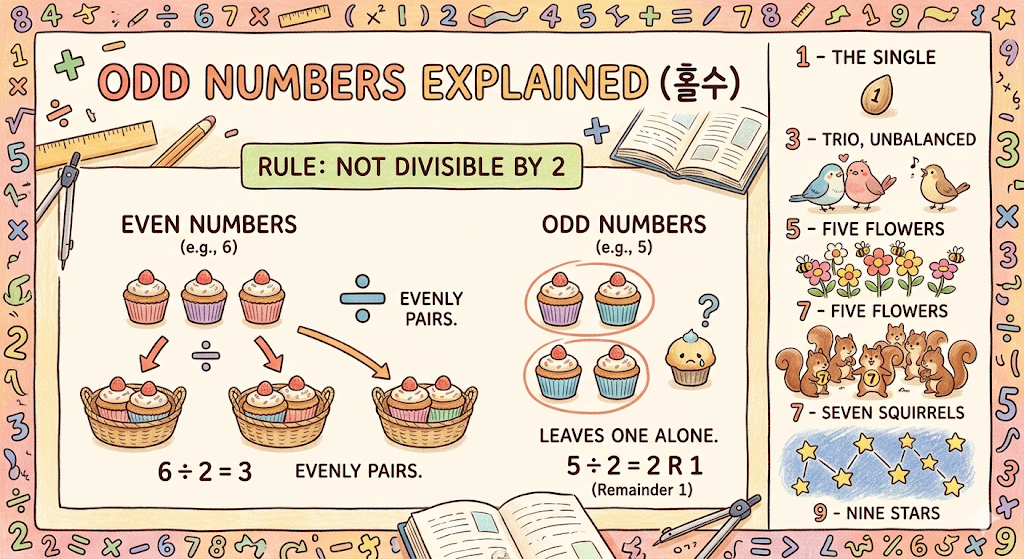
odd number [ˈɒd ˈnʌmbər]
(명사구) 홀수
2로 나눠지지 않는 숫자를 강조합니다. 수능 독해 학술·수학 지문에서 자주 등장합니다.
- The teacher asked the class to line up in pairs, which immediately revealed that there was an odd number of students that day because one person was left standing alone at the end. (선생님은 학급에게 쌍을 지어 줄을 서라고 요청했으며, 이것은 즉시 한 사람이 끝에 혼자 서게 됐기 때문에 그날 홀수의 학생이 있다는 것을 드러냈다.)
- In the number pattern challenge, she noticed that every third number in the sequence was always an odd number, and she used this discovery to predict the next five numbers correctly without having to work them all out from scratch. (숫자 패턴 도전에서, 그녀는 수열의 세 번째 숫자마다 항상 홀수라는 것을 알아챘으며, 이 발견을 사용해 처음부터 모두 계산하지 않고도 다음 다섯 숫자를 정확하게 예측했다.)
- The essay used the concept of odd numbers as a metaphor — just as an odd number cannot be split into two equal halves, there are some things in life that cannot be divided fairly between people, no matter how much effort goes into trying. (에세이는 홀수의 개념을 은유로 사용했다 — 홀수가 두 개의 동등한 절반으로 나눠질 수 없는 것처럼, 삶에는 아무리 많은 노력을 기울여도 사람들 사이에서 공정하게 나눌 수 없는 것들이 있다.)
숙어 그룹 묶음 2 — 역경·가능성 odd 패턴
표현 의미 핵심 뉘앙스 주요 맥락
| against all odds | 모든 역경을 극복하고 | 성공 가능성이 낮은 상황에서도 이겨내는 것 | 심리·사회·수능 |
| beat the odds | 역경을 이기다 | 낮은 가능성에도 불구하고 성공하는 것 | 심리·사회·수능 |
| odd number | 홀수 | 2로 나눠지지 않는 숫자 | 학술·수학·수능 |
이 세 표현은 모두 odd의 "일반적이거나 예상된 것에서 벗어난" 이미지를 공유하되, 각각 불리한 상황을 극복하는 것(against all odds)·낮은 가능성을 넘는 것(beat the odds)·수학적으로 짝이 없어 남겨진 숫자(odd number)의 관점에서 접근합니다.
- The teacher explained that the chance of succeeding in a truly competitive field is statistically like finding an odd number in a sequence of only even ones — but that this is exactly why stories of people who beat the odds and succeed against all odds are so powerful, because they remind us that statistics describe groups, not individuals. (선생님은 진정으로 경쟁적인 분야에서 성공할 기회는 통계적으로 짝수만 있는 수열에서 홀수를 찾는 것과 같다고 설명했다 — 하지만 이것이 바로 역경을 이겨내고 모든 역경을 극복하고 성공한 사람들의 이야기가 그렇게 강력한 이유인데, 그것들이 통계는 집단을 묘사하지 개인을 묘사하지 않는다는 것을 상기시켜주기 때문이다.)
- She had been told that her chances of passing were less than twenty percent, which felt like trying to pull an odd number from a pile of even ones — but she decided to beat the odds by studying harder than she ever had before, and against all odds she not only passed but came second in the whole year group. (그녀는 합격 가능성이 20퍼센트 미만이라는 말을 들었으며, 이는 짝수 더미에서 홀수를 꺼내려는 것처럼 느껴졌다 — 하지만 그녀는 이전보다 더 열심히 공부함으로써 역경을 이기기로 결심했으며, 모든 역경을 극복하고 합격했을 뿐만 아니라 전체 학년에서 2등을 했다.)
- Against all odds, the research team had found a solution that beat the odds of what anyone had thought possible, and fittingly the breakthrough had come on day seven — an odd number that had become their lucky number throughout the long years of work. (모든 역경을 극복하고, 연구팀은 누구도 가능하다고 생각했던 것의 역경을 이기는 해결책을 찾았으며, 적절하게도 그 돌파구는 7일째 — 긴 작업 기간 내내 그들의 행운의 숫자가 된 홀수 — 에 찾아왔다.)

at odd times [æt ɒd taɪmz]
(부사구) 불규칙한 시간에, 가끔씩
정해진 시간이 아닌 예상치 못하거나 불규칙한 시간에 일어나는 것을 강조합니다. 수능 독해 일상·심리 지문에서 자주 등장합니다.
- She practised the piano at odd times throughout the week — sometimes early in the morning before school and sometimes late in the evening — which meant she never felt pressure to sit down for a fixed session but always kept improving. (그녀는 주중에 불규칙한 시간에 피아노를 연습했다 — 때로는 학교 전 이른 아침에, 때로는 늦은 저녁에 — 이것은 고정된 세션을 위해 앉아야 한다는 압박을 느끼지 않았지만 항상 향상됐다는 것을 의미했다.)
- The ideas for her story came to her at odd times — in the shower, on the bus, and just as she was falling asleep — so she kept a small notebook in her pocket at all times so she would never lose a good idea. (이야기에 대한 아이디어는 불규칙한 시간에 떠올랐다 — 샤워 중에, 버스에서, 그리고 막 잠들려 할 때 — 그래서 그녀는 좋은 아이디어를 잃지 않도록 항상 작은 공책을 주머니에 넣고 다녔다.)
- He found that his most creative thinking happened at odd times when he was not trying to think at all, which taught him that giving his brain regular breaks from focused work was just as important as the focused work itself. (그는 전혀 생각하려 하지 않을 때 불규칙한 시간에 가장 창의적인 생각이 일어난다는 것을 발견했으며, 이것이 집중된 작업에서 두뇌에 규칙적인 휴식을 주는 것이 집중된 작업 자체만큼 중요하다는 것을 가르쳐줬다.)

odd behavior [ˈɒd bɪˈheɪvjər]
(명사구) 이상한 행동, 특이한 행동
일반적이지 않거나 예상과 다른 행동을 강조합니다. 수능 독해 심리·사회 지문에서 자주 등장합니다.
- The psychology lesson explained that what looks like odd behavior in one culture may be completely normal in another, which is why it is so important to understand the context before making any judgement about how a person is acting. (심리 수업은 한 문화에서 이상한 행동처럼 보이는 것이 다른 문화에서는 완전히 정상일 수 있다고 설명했으며, 그래서 사람이 어떻게 행동하는지에 대한 어떤 판단을 내리기 전에 맥락을 이해하는 것이 그렇게 중요한 이유이다.)
- She had noticed some odd behavior in her friend over the past few weeks — quieter than usual, slower to respond to messages, and sometimes forgetting things they had planned together. (그녀는 지난 몇 주 동안 친구의 이상한 행동을 알아챘다 — 평소보다 조용하고, 메시지 응답이 느리며, 때로는 함께 계획했던 것을 잊는 것이었다.)
- The science of animal behaviour shows that what looks like odd behavior in an animal is almost always a logical response to a specific environmental pressure, which is a reminder that apparently irrational actions in humans may also have a reason that is not immediately obvious. (동물 행동 과학은 동물의 이상한 행동처럼 보이는 것이 거의 항상 특정 환경적 압박에 대한 논리적 반응이라는 것을 보여주며, 이것은 인간의 겉보기에 비이성적인 행동도 즉시 명확하지 않은 이유가 있을 수 있다는 상기시켜준다.)
숙어 그룹 묶음 3 — 우연·나머지 odd 심화 패턴
표현 의미 핵심 뉘앙스 주요 맥락
| by odd chance | 우연히도, 묘하게도 | 예상치 못한 우연한 상황이 일어나는 것 | 일상·문학·수능 |
| odds and ends | 잡동사니 | 딱히 분류하기 어렵고 잡다한 여러 가지 것들 | 일상·사회·수능 |
| at odd times | 불규칙한 시간에 | 예상치 못하거나 불규칙한 시간에 일어나는 것 | 일상·심리·수능 |
이 세 표현은 모두 odd의 "예상이나 규칙에서 벗어난 것" 이미지를 공유하되, 각각 예상치 못하게 일어나는 우연(by odd chance)·규칙 없이 남겨진 잡다한 것들(odds and ends)·정해진 패턴 없이 불규칙하게 일어나는 것(at odd times)의 관점에서 접근합니다.
- By odd chance, she had been sorting through some odds and ends in the attic at odd times during the week when she found the old photograph that would change everything she thought she knew about her family's history. (묘하게도, 그녀는 가족 역사에 대해 알고 있다고 생각했던 모든 것을 바꿀 오래된 사진을 찾았을 때 주중 불규칙한 시간에 다락방의 잡동사니를 분류하고 있었다.)
- She had been meaning to go through the odds and ends in her bag for weeks and had been doing it at odd times on the bus when, by odd chance, she pulled out a ticket stub she had been looking for since January and realised it had been there all along. (그녀는 몇 주 동안 가방의 잡동사니를 정리하려 했으며 버스에서 불규칙한 시간에 하고 있을 때 묘하게도, 1월부터 찾고 있던 티켓 조각을 꺼내 내내 거기 있었다는 것을 깨달았다.)
- The most interesting discoveries in her research often came by odd chance while she was working on something completely unrelated — which is why she kept odds and ends of notes from every project and reviewed them at odd times whenever she was waiting for something, because she had learned that chance favours those who keep connecting things that others have stopped thinking about. (연구에서 가장 흥미로운 발견들은 완전히 관련 없는 것을 작업하는 동안 묘하게도 찾아왔다 — 그래서 그녀는 모든 프로젝트의 잡동사니 메모를 보관하고 무언가를 기다릴 때마다 불규칙한 시간에 검토했는데, 우연은 다른 사람들이 생각하기를 멈춘 것들을 계속 연결하는 사람들에게 유리하다는 것을 배웠기 때문이다.)
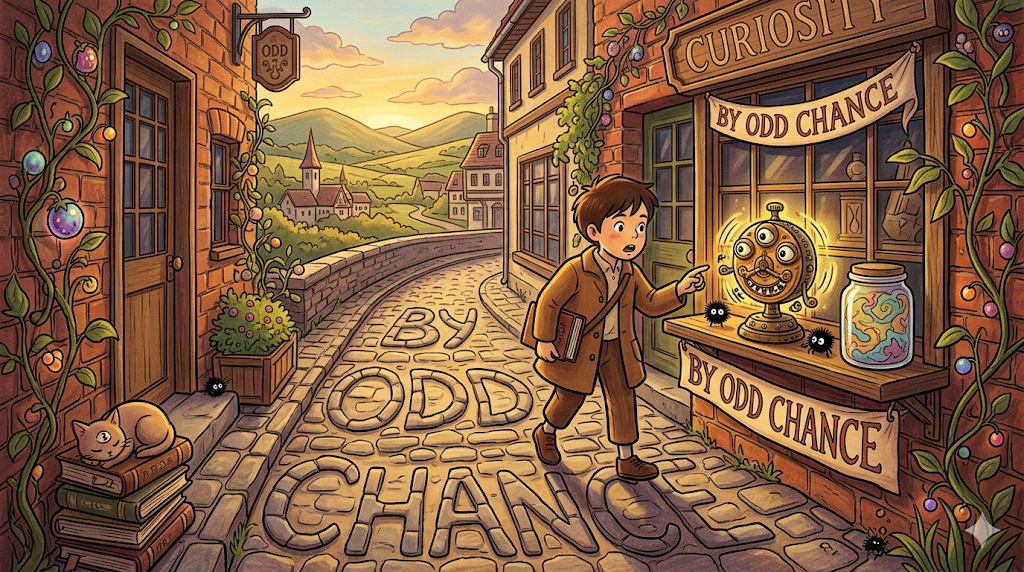
by odd chance [baɪ ɒd tʃɑːns]
(부사구) 우연히도, 묘하게도
예상치 못한 우연한 상황이 일어나는 것을 강조합니다. 수능 독해 일상·문학 지문에서 자주 등장합니다.
- By odd chance, both students had chosen exactly the same topic for their independent study project without ever discussing it with each other, which made their teacher wonder whether they had perhaps been influenced by the same book without realising it. (묘하게도, 두 학생 모두 서로 한 번도 의논하지 않고 독립 연구 프로젝트에 대해 정확히 같은 주제를 선택했으며, 이것은 선생님으로 하여금 그들이 아마도 같은 책에 의해 깨닫지 못한 채 영향을 받았는지 궁금하게 만들었다.)
- She met her best friend by odd chance when they both reached for the same book on the library shelf at exactly the same moment and spent the next twenty minutes arguing about which of them had seen it first. (그녀는 두 사람 모두 정확히 같은 순간에 도서관 선반의 같은 책에 손을 뻗었을 때 묘하게도 가장 친한 친구를 만났으며, 다음 20분을 누가 먼저 봤는지 논쟁하며 보냈다.)
- By odd chance, the scientist happened to be looking at her data in a completely different way on the afternoon of the discovery — not because she had planned to, but because her usual software had crashed — and it was this accidental change of perspective that revealed the pattern she had been searching for. (묘하게도, 그 과학자는 발견한 오후에 완전히 다른 방식으로 데이터를 보고 있었다 — 계획했기 때문이 아니라 평소 소프트웨어가 충돌했기 때문에 — 그리고 이 우연한 관점의 변화가 그녀가 찾고 있던 패턴을 드러냈다.)

odds and ends [ˈɒdz ənd endz]
(명사구) 이런저런 잡동사니, 자투리
딱히 분류하기 어렵고 잡다한 여러 가지 것들을 강조합니다. 수능 독해 일상·사회 지문에서 자주 등장합니다.
- She spent Saturday morning going through the odds and ends in her kitchen cupboard and decided to keep only the things she had used in the past six months, throwing away everything else. (그녀는 토요일 아침을 부엌 찬장의 잡동사니를 정리하며 보냈으며 지난 6개월 동안 사용한 것만 보관하고 나머지는 모두 버리기로 결정했다.)
- The art teacher kept a large box of odds and ends in the corner of the room — fabric scraps, old magazines, bottle tops, and bits of wire — and encouraged students to use them creatively rather than always buying new materials. (미술 선생님은 방 구석에 천 조각, 낡은 잡지, 병뚜껑, 철사 조각 등 큰 잡동사니 상자를 보관하며 학생들이 항상 새 재료를 사는 것보다 창의적으로 사용하도록 격려했다.)
- The idea of odds and ends applies not just to physical objects but also to unfinished thoughts — just as a tidy room is made up of well-organised useful things rather than a pile of clutter, a clear mind is built from ideas that have been properly thought through rather than half-formed thoughts left lying around. (잡동사니의 개념은 물리적 물건뿐만 아니라 미완성 생각에도 적용된다 — 깔끔한 방이 쌓인 잡동사니가 아닌 잘 정리된 유용한 것들로 이루어지듯, 명확한 마음은 아무렇게나 남겨진 반쯤 형성된 생각이 아닌 제대로 생각된 아이디어로 구축된다.)

beat the odds [biːt ðə ɒdz]
(동사구) 역경을 이기다, 불리한 상황을 극복하다
성공 가능성이 낮음에도 불구하고 성공하는 것을 강조합니다. 수능 독해 심리·사회·논리 지문에서 핵심적으로 등장합니다.
- The small business beat the odds by surviving its first five years — a period that most business advisers say is when the majority of new companies fail — and was still growing strongly a decade later. (그 작은 기업은 대부분의 비즈니스 어드바이저들이 새 회사 대다수가 실패하는 시기라고 말하는 — 첫 5년을 살아남아 역경을 이겼으며, 10년 후에도 여전히 강하게 성장하고 있었다.)
- She had been told that students from her school rarely went on to higher education, but she was determined to beat the odds and spent two years working harder than anyone she knew to make sure she had the grades she needed. (그녀는 자신의 학교 학생들이 고등 교육으로 이어지는 경우가 드물다는 말을 들었지만, 역경을 이기기로 결심하고 필요한 성적을 갖추기 위해 2년간 자신이 아는 누구보다 더 열심히 공부했다.)
- What makes beating the odds different from simple luck is the sustained effort it requires — the person who beats the odds has usually done everything in their power to narrow the gap between what the statistics say and what they personally intend to achieve. (역경을 이기는 것이 단순한 운과 다른 것은 그것이 필요로 하는 지속적인 노력이다 — 역경을 이기는 사람은 보통 통계가 말하는 것과 개인적으로 달성하려는 것 사이의 격차를 좁히기 위해 자신의 권한 내에서 모든 것을 했다.)
숙어 그룹 묶음 4 — 종합 odd 패턴
표현 의미 핵심 뉘앙스 주요 맥락
| against all odds | 모든 역경을 극복하고 | 성공 가능성이 낮은 상황에서도 이겨내는 것 | 심리·사회·수능 |
| beat the odds | 역경을 이기다 | 낮은 가능성에도 불구하고 성공하는 것 | 심리·사회·수능 |
| odd one out | 이질적인 것, 따돌려진 사람 | 집단에서 유독 다르거나 어울리지 않는 사람·것 | 사회·심리·수능 |
이 세 표현은 수능 독해에서 가장 자주 출제되는 odd의 핵심 패턴입니다. against all odds는 불가능에 가까운 상황에서도 이겨내는 것을, beat the odds는 낮은 가능성을 넘어 성공하는 것을, odd one out은 집단에서 이질적인 존재를 각각 나타냅니다.
- She had always been the odd one out in her peer group, which meant she understood better than most what it felt like to face a challenge against all odds — and when she eventually beat the odds and found her place, she promised herself she would never forget what that feeling of exclusion had been like. (그녀는 항상 또래 집단에서 이질적인 존재였으며, 이는 모든 역경을 극복하여 도전에 직면하는 것이 어떤 느낌인지 대부분보다 더 잘 이해한다는 것을 의미했다 — 그리고 결국 역경을 이기고 자신의 자리를 찾았을 때, 그 배제의 느낌이 어땠는지 결코 잊지 않겠다고 스스로에게 약속했다.)
- The most inspiring stories of people who beat the odds against all odds are often those of people who were once the odd one out — who were told they did not belong, did not fit, or did not have what it takes — because it is precisely the experience of being different that gives them the strength to keep going when others have stopped. (모든 역경을 극복하고 역경을 이긴 사람들의 가장 영감적인 이야기는 종종 한때 이질적인 존재였던 사람들의 이야기이다 — 속하지 않고, 맞지 않으며, 필요한 것이 없다고 말을 들었던 — 왜냐하면 다른 사람들이 멈췄을 때 계속 나아가는 힘을 주는 것이 정확히 다름의 경험이기 때문이다.)
- The lesson taught by every story of someone who beat the odds against all odds is simple: being the odd one out is not a weakness to be ashamed of but a characteristic that, handled with courage and patience, can become the very thing that sets you apart from the crowd in a way that makes all the difference when it truly matters. (모든 역경을 극복하고 역경을 이긴 모든 이야기가 가르치는 교훈은 간단하다: 이질적인 존재가 되는 것은 부끄러워해야 할 약점이 아니라, 용기와 인내로 다루면 진정으로 중요할 때 모든 차이를 만드는 방식으로 무리에서 자신을 구별하게 하는 바로 그 특성이 될 수 있는 것이다.)
전체 요약표
표현 의미 핵심 뉘앙스
| odd | 이상한, 홀수의, 가끔의 | 짝이 없어 남겨진 것에서 이상·역경·나머지까지 확장 |
| odd one out | 이질적인 것, 따돌려진 사람 | 집단에서 유독 다르거나 어울리지 않는 사람·것 |
| odd job | 잡일 | 정기적이지 않고 다양한 자잘한 일들 |
| against all odds | 모든 역경을 극복하고 | 성공 가능성이 낮은 상황에서도 이겨내는 것 |
| odd number | 홀수 | 2로 나눠지지 않는 숫자 |
| at odd times | 불규칙한 시간에 | 예상치 못하거나 불규칙한 시간에 일어나는 것 |
| odd behavior | 이상한 행동 | 일반적이지 않거나 예상과 다른 행동 |
| by odd chance | 우연히도, 묘하게도 | 예상치 못한 우연한 상황이 일어나는 것 |
| odds and ends | 잡동사니 | 딱히 분류하기 어렵고 잡다한 여러 가지 것들 |
| beat the odds | 역경을 이기다 | 낮은 가능성에도 불구하고 성공하는 것 |
유의어 비교표

단어 공통점 뉘앙스 차이 예문
| odd | 이상한, 특이한 | 짝이 없어 예상 밖인 것, 비유 풍부 | That is odd. |
| strange | 이상한 | 낯설고 익숙하지 않아 불편할 수 있는 것 | It felt strange. |
| unusual | 특이한 | 평범하지 않아 주목할 만한 것 | It was unusual. |
| peculiar | 기이한 | 더 강하게 특이하거나 이해하기 어려운 것 | It was peculiar. |
| bizarre | 기괴한 | 매우 이상하고 예상을 완전히 벗어난 것 | It was bizarre. |
유의어 예문 리스트
- (strange) He found it strange to walk through the empty school building during the holiday, hearing only his own footsteps echo in corridors that were usually full of noise and movement. (그는 방학 동안 빈 학교 건물을 걷으며 보통 소음과 움직임으로 가득한 복도에서 자신의 발소리만 울리는 것을 듣는 것이 낯설게 느껴졌다.)
- (unusual) The teacher noticed that it was unusual for the whole class to be so quiet and attentive at the same time, and she made a mental note to use this particular topic as a starting point more often in future. (선생님은 전체 학급이 동시에 그렇게 조용하고 주의 깊은 것이 특이하다는 것을 알아채고, 앞으로 이 특정 주제를 시작점으로 더 자주 사용하겠다고 마음속으로 메모했다.)
- (peculiar) There was something peculiar about the way the old clock in the hallway had stopped at exactly the same time on three separate occasions, but nobody in the house had ever been able to find an explanation for it. (복도의 낡은 시계가 세 번 별개의 경우에 정확히 같은 시간에 멈춘 방식에는 기이한 무언가가 있었지만, 집 안의 아무도 그에 대한 설명을 찾을 수 없었다.)
- (bizarre) She thought the plot of the film was so bizarre that she found it hard to follow, but her friend loved it precisely because of how unpredictable and unlike anything she had ever seen it was. (그녀는 영화의 줄거리가 너무 기괴해서 따라가기 어렵다고 생각했지만, 친구는 정확히 얼마나 예측 불가능하고 이전에 본 것과 달랐기 때문에 그것을 좋아했다.)
결론 정리
odd는 단순히 "이상한"이 아니라, 고대 노르드어 oddi(끝·홀수)에서 출발해 짝이 없어 남겨진 것에서 이상함·홀수·불규칙성·역경·잡동사니까지 확장되는 단어다 — odd가 있는 곳엔 언제나 '단순한 이상함이 아닌, 인간이 예상과 다른 것·짝이 없는 것·불리한 상황을 어떻게 마주하는지가 생생하게 살아숨쉬는' 생동감의 선언이 있다.
💡 odd는 "짝이 없어 남겨진 것에서 출발한" 생동감 넘치는 언어 — against all odds · beat the odds · odd one out이 수능 최빈출.
🌟 초등학생 버전 — odd는 "이상하고 특이한" 것을 뜻하지만, "모든 역경을 극복하고"(against all odds), "역경을 이기다"(beat the odds), "잡동사니"(odds and ends)처럼 우리 삶의 도전과 연결된 단어예요! 🌟✨


