
- 분류 전체보기 (4959)

| 일 | 월 | 화 | 수 | 목 | 금 | 토 |
|---|---|---|---|---|---|---|
| 1 | 2 | 3 | 4 | 5 | 6 | 7 |
| 8 | 9 | 10 | 11 | 12 | 13 | 14 |
| 15 | 16 | 17 | 18 | 19 | 20 | 21 |
| 22 | 23 | 24 | 25 | 26 | 27 | 28 |
| 29 | 30 | 31 |
Tags
- Excuse me
- Actually
- Sorry
- OKay
- Hey
- Sure
- make it
- entrance fee
- please?
- pick up
- Oh No
- no
- By The Way
- come up with
- set up
- work out
- Yes
- well
- I'm not sure
- Right?
- please.
- Show Up
- What Happened?
- Don't worry
- oh
- too.
- Yeah
- I'm sorry
- I'm glad to hear that.
- Please
Archives
- Today
- Total
인과함께
분노·짜증을 나타내는 유의어angry / furious / irritated / indignant / annoyed 본문
뉘앙스로 배우는 유의어 구별하기
분노·짜증을 나타내는 유의어angry / furious / irritated / indignant / annoyed
미인생 2026. 3. 15. 22:45반응형
😤 분노·짜증을 나타내는 유의어
angry, furious, irritated, indignant, annoyed
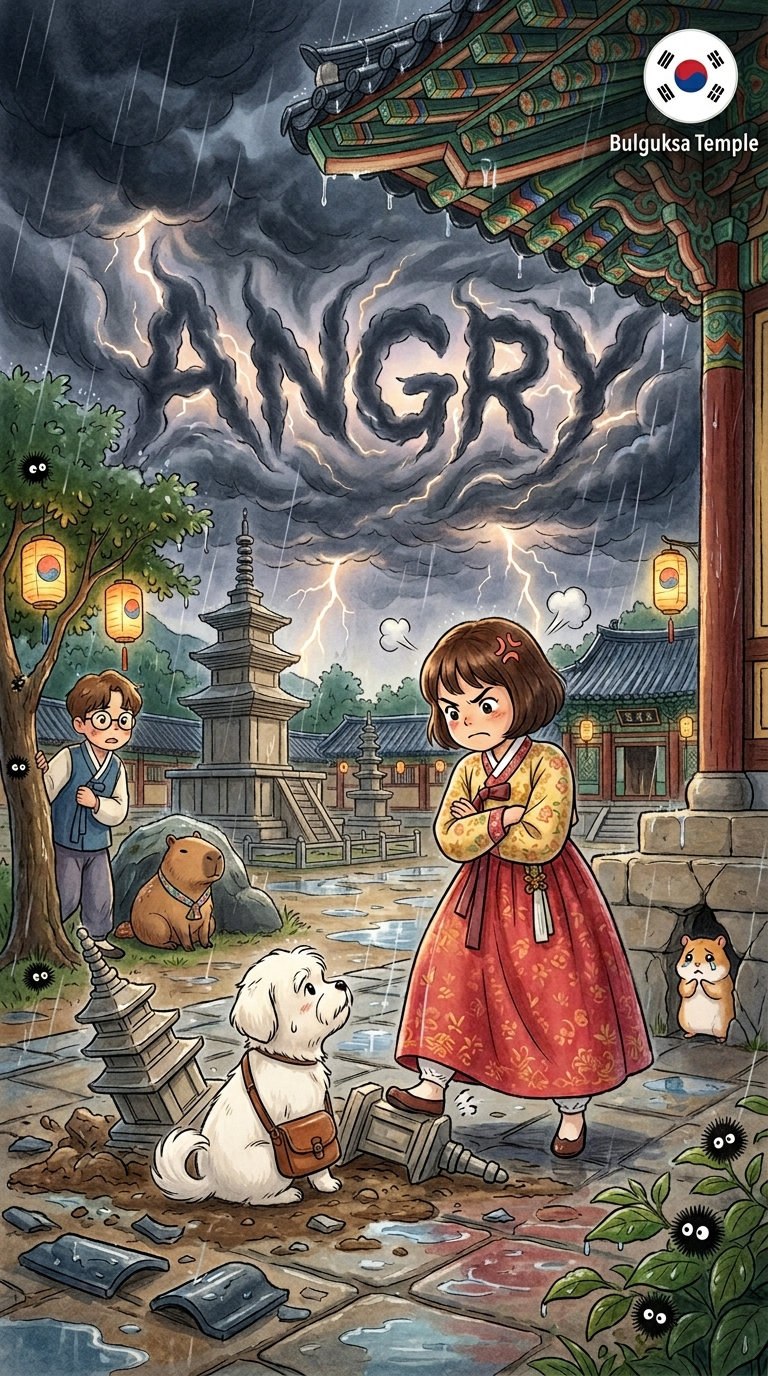 |
1. 🔴 angry [ˈæŋɡri]"화가 난" — 가장 일반적인 분노 표현① She was angry when he forgot her birthday. (그녀는 그가 생일을 잊었을 때 화가 났다.) ② The teacher got angry at the students for cheating. (선생님은 학생들이 부정행위를 해서 화가 났다.) ③ He spoke in an angry tone that silenced the whole room. (그는 화난 어조로 말해 방 안을 조용하게 만들었다.)
|
 |
2. 🔴🔴 furious [ˈfjʊəriəs]"격노한, 맹렬히 화난" — angry보다 훨씬 강렬한 분노① The manager was furious about the leaked documents. (관리자는 유출된 문서에 대해 격노했다.) ② She was absolutely furious when she found out the truth. (그녀는 진실을 알게 되었을 때 완전히 격노했다.) ③ The crowd became furious after the unfair decision was announced. (불공정한 결정이 발표되자 군중은 격렬히 분노했다.)
|
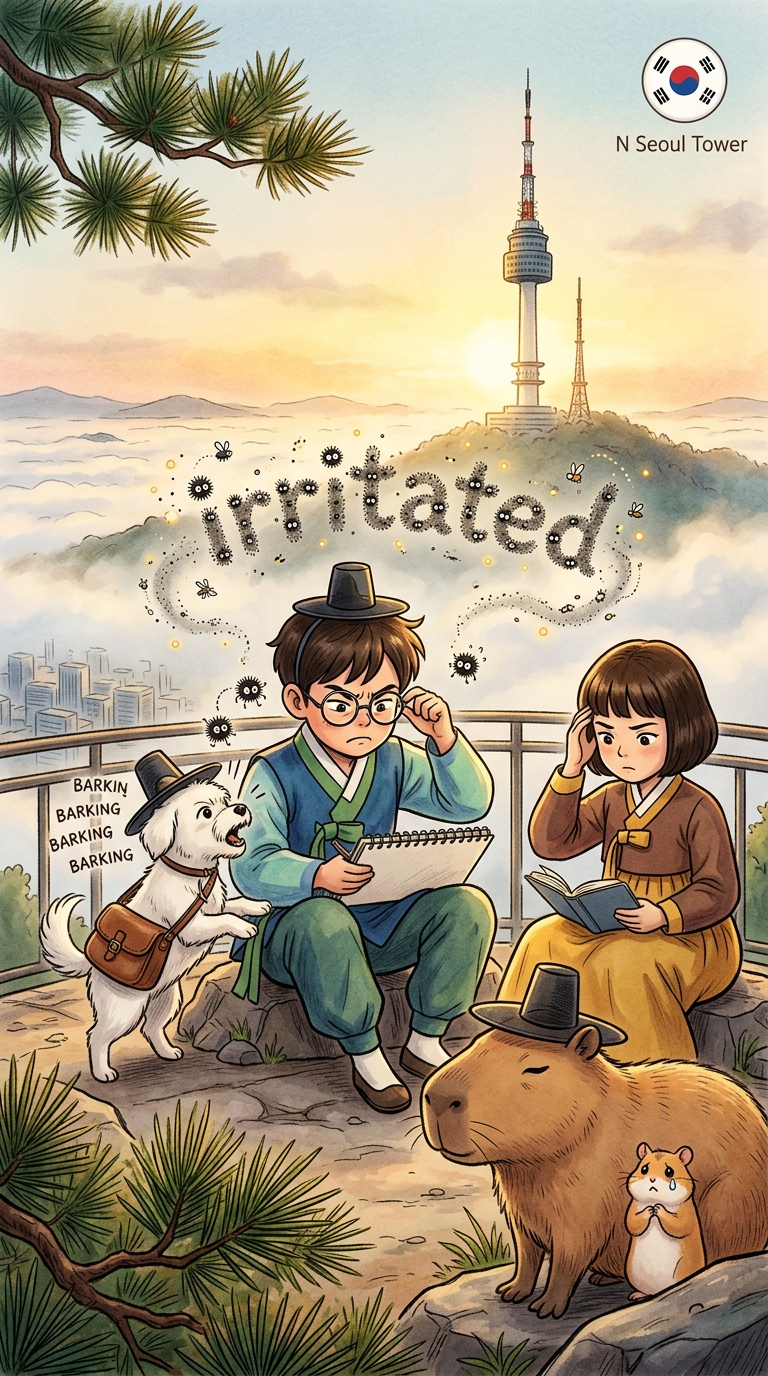 |
3. 🟡 irritated [ˈɪrɪteɪtɪd]"짜증이 난" — 작은 것들이 신경 쓰여서 생기는 가벼운 불쾌감① He felt irritated by the constant noise. (그는 끊임없는 소음에 짜증이 났다.) ② She grew irritated when the same question was asked repeatedly. (같은 질문이 반복되자 그녀는 점점 짜증이 났다.) ③ The slow internet connection left him feeling irritated all morning. (느린 인터넷 연결이 그를 오전 내내 짜증나게 했다.)
|
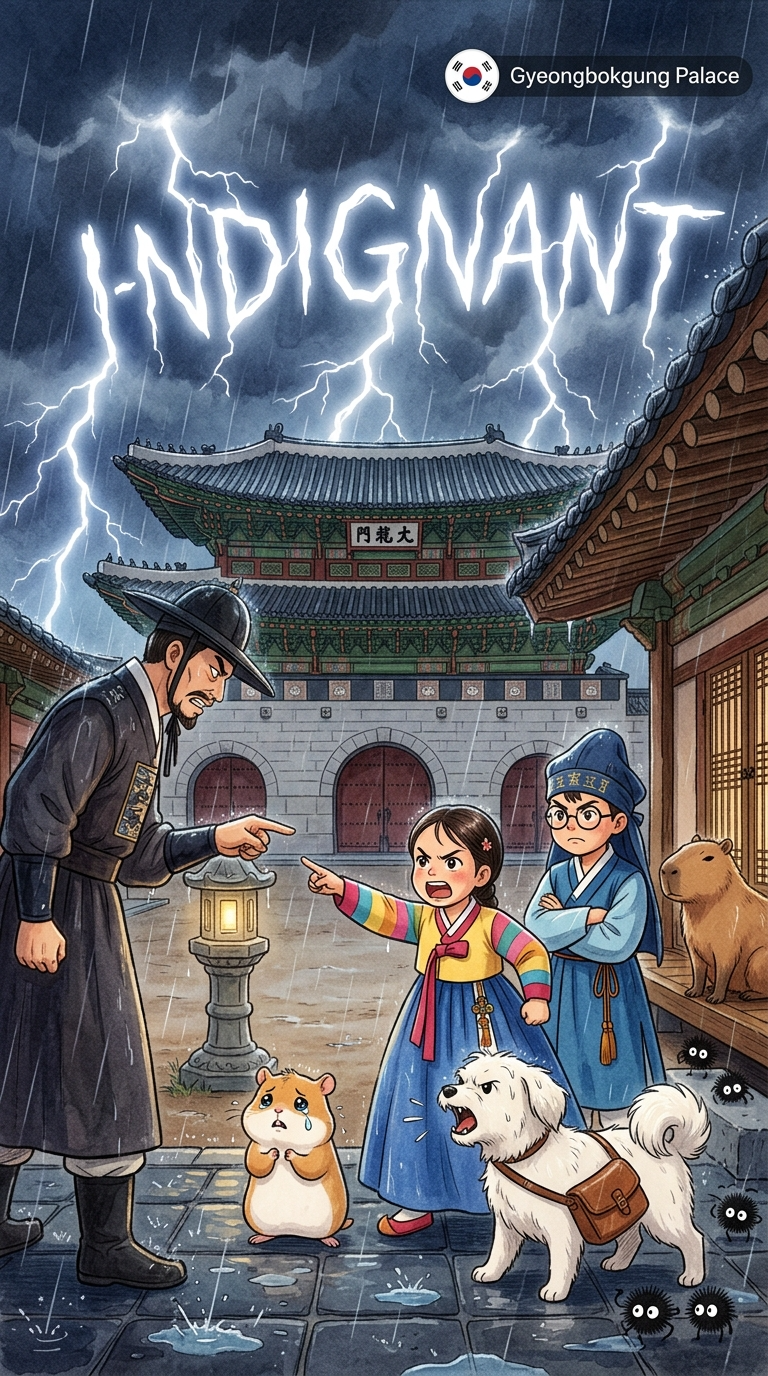 |
4. 🟠 indignant [ɪnˈdɪɡnənt]"분개한" — 불공정하거나 부당한 일에 대한 도덕적 분노① She was indignant at being accused without evidence. (그녀는 증거 없이 고발당한 것에 분개했다.) ② He felt deeply indignant about the unfair treatment of workers. (그는 노동자들의 불공정한 대우에 깊이 분개했다.) ③ The citizens were indignant at the government's failure to act. (시민들은 정부의 무대응에 분개했다.)
|
 |
5. 🟡 annoyed [əˈnɔɪd]"성가심을 느끼는" — irritated와 유사하지만 외부 대상(사람·상황)에 초점① I was annoyed at him for being late again. (나는 그가 또 늦은 것에 짜증이 났다.) ② She was annoyed by the loud music coming from next door. (그녀는 옆집에서 들려오는 시끄러운 음악에 짜증이 났다.) ③ The constant interruptions made the speaker visibly annoyed. (계속되는 방해에 발표자는 눈에 띄게 짜증스러워했다.)
|
📊 강도 비교 한눈에 보기
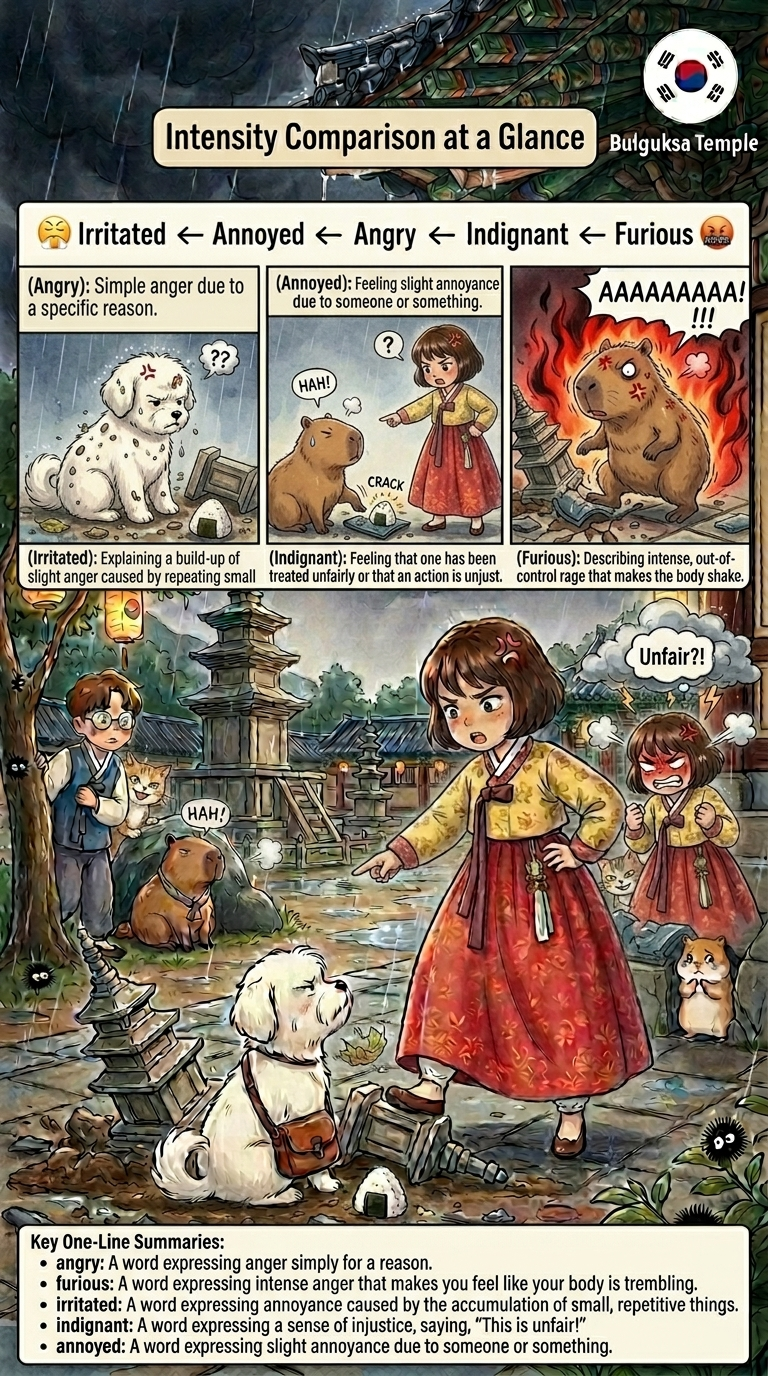
😤 irritated ← annoyed ← angry ← indignant ← furious 🤬
   (짜증)      (성가심)   (화남)   (분개)       (격노)
🧠 핵심 한 줄 요약
단어 핵심 한 줄 요약
| angry | 이유가 있어서 그냥 화가 난 단어. |
| furious | 너무 화나서 몸이 떨릴 것 같은 단어. |
| irritated | 작고 반복되는 것들이 쌓여서 짜증 난 단어. |
| indignant | "이건 불공평해!"라는 억울한 화가 난 단어. |
| annoyed | 누군가나 무언가 때문에 슬쩍 짜증 난 단어. |
반응형