- 분류 전체보기 (4965)

| 일 | 월 | 화 | 수 | 목 | 금 | 토 |
|---|---|---|---|---|---|---|
| 1 | 2 | 3 | 4 | 5 | 6 | 7 |
| 8 | 9 | 10 | 11 | 12 | 13 | 14 |
| 15 | 16 | 17 | 18 | 19 | 20 | 21 |
| 22 | 23 | 24 | 25 | 26 | 27 | 28 |
| 29 | 30 | 31 |
- come up with
- well
- no
- I'm glad to hear that.
- oh
- set up
- Actually
- entrance fee
- Excuse me
- Don't worry
- Sorry
- pick up
- Yeah
- What Happened?
- Yes
- OKay
- Oh No
- Show Up
- too.
- Right?
- Hey
- please.
- Please
- Sure
- I'm not sure
- I'm sorry
- work out
- please?
- make it
- By The Way
- Today
- Total
인과함께
Day92 - nation, united nations, nation state, nation building, developing nation, industrialized nation, native nation, nation's security, birth of a nation, law of nations, nation's economy 본문
Day92 - nation, united nations, nation state, nation building, developing nation, industrialized nation, native nation, nation's security, birth of a nation, law of nations, nation's economy
미인생 2025. 10. 23. 07:19

AI Audio Overview
'nation'은 기본적으로 "국가", **"국민"**이라는 뜻으로 쓰이며, 공통의 역사, 문화, 언어 등을 공유하는 대규모의 인간 집단이나 이들이 주권을 가지고 형성한 정치적 실체를 의미합니다. 정치, 사회, 역사, 경제, 국제 관계 관련 지문에서 핵심 단어로 등장합니다.
1. united nations (국제 연합, UN)
- 해석: 세계 평화와 안전 유지, 국제 협력 증진 등을 목적으로 설립된 국제 기구.
- 예문: The United Nations deployed peacekeeping forces to the region affected by conflict. (국제 연합은 분쟁의 영향을 받은 지역에 평화 유지군을 파견했다.)
- 예문: Membership in the United Nations signifies sovereignty and international recognition. (국제 연합 회원국 지위는 주권과 국제적 인정을 의미한다.)
2. nation state (국가/민족 국가)
- 해석: 단일한 민족이나 문화적 정체성을 기반으로 형성된 주권 국가. (국제 정치학 지문에서 중요)
- 예문: The concept of the nation state became dominant in Europe after the 17th century. (민족 국가 개념은 17세기 이후 유럽에서 지배적이 되었다.)
3. nation building (국가 건설/재건)
- 해석: 분쟁이나 혼란을 겪은 국가에서 안정적인 정치, 경제, 사회 제도를 새로 구축하는 과정.
- 예문: International aid efforts are often focused on post-conflict nation building. (국제 원조 노력은 종종 분쟁 후 국가 건설/재건에 집중된다.)
4. developing nation (개발도상국)
- 해석: 경제 및 산업 발전 수준이 상대적으로 낮고, 선진국에 비해 생활 수준과 인프라가 미흡한 국가.
- 예문: Climate change disproportionately affects the economies of developing nations. (기후 변화는 개발도상국의 경제에 불균형적으로 영향을 미친다.)
5. industrialized nation (산업화된 국가/선진국)
- 해석: 산업 혁명을 거쳐 높은 수준의 산업 발전과 경제 규모를 달성한 국가. (developing nation과 대비)
- 예문: Consumption patterns differ significantly between industrialized nations and emerging economies. (산업화된 국가와 신흥 경제국 사이에는 소비 패턴이 현저히 다르다.)
6. native nation (원주민 국가/부족 국가)
- 해석: 특정 지역에 가장 먼저 정착한 원주민이나 그들이 이룬 부족 공동체.
- 예문: Governments are increasingly recognizing the sovereignty of native nations over their ancestral lands. (정부들은 선조의 땅에 대한 원주민 국가의 주권을 점차 인정하고 있다.)
7. nation's security (국가 안보)
- 해석: 국가의 주권, 영토, 국민의 생명과 재산을 외부 위협으로부터 보호하는 상태.
- 예문: Diplomacy is often the first line of defense for a nation's security. (국가 안보를 위한 첫 번째 방어선은 외교인 경우가 많다.)
8. birth of a nation (국가의 탄생)
- 해석: 새로운 주권 국가가 형성되거나 독립을 선언하는 역사적인 시점. (역사, 정치 지문에서 중요)
- 예문: The birth of a nation is often accompanied by the creation of new foundational myths. (국가의 탄생은 종종 새로운 건국 신화의 창조를 수반한다.)
9. law of nations (국제법/만국 공법)
- 해석: 국가들 사이의 관계와 행위를 규율하는 법규범 체계 (국제법의 구식 표현).
- 예문: Treaties and international customs form the basis of the modern law of nations. (조약과 국제 관습은 현대 국제법의 기초를 형성한다.)
10. nation's economy (국가 경제)
- 해석: 국가 전체의 생산, 소비, 교역 활동 등 경제 시스템의 총체.
- 예문: The stability of the nation's economy depends heavily on global trade conditions. (국가 경제의 안정은 세계 무역 환경에 크게 의존한다.)

대한민국 입시 주요 POINT
'nation'은 국제 관계, 경제 발전의 단계, 주권과 안보, 그리고 문화적 정체성을 다루는 정치, 경제, 사회 지문에서 가장 핵심적인 개념입니다. 국가 간의 관계와 역할 분담이 중요합니다.
1. 발전 단계별 역할 구분 (Developing vs. Industrialized Nation)
지문은 developing nation과 industrialized nation을 대비하며 세계 경제의 불평등과 환경 문제의 책임 분담을 논합니다. 선진국은 개발도상국에 기술 이전이나 재정 지원을 해야 한다는 국제 협력의 필요성이 주요 논점이 됩니다.
2. 주권과 국제 협력의 긴장 (UN / Nation State)
nation state의 기본 전제인 주권과, United Nations를 통한 국제 협력 사이의 긴장 관계를 다룹니다. 글로벌 위기(기후 변화, 전염병) 앞에서 개별 국가가 주권을 일부 양보하고 협력해야 할 필요성이 강조됩니다.
3. 국가의 정체성 확립 (Nation Building / Birth of a Nation)
nation building이나 birth of a nation 관련 논의는 국가 정체성이 어떻게 형성되고 강화되는지를 다룹니다. 특히 갈등 후 재건 과정에서 다양한 민족이나 집단을 통합하는 서사나 제도의 역할이 중요하게 분석됩니다.

nation [ˈneɪʃn] 공동체의 단위, 소속감과 자부심
핵심 뜻
- (명사) 국가, 나라: 특정 영토를 공유하며 정부와 독립적인 주권을 가진 정치적 실체.
- (명사) 국민, 민족: 공통의 언어, 문화, 역사를 공유하는 사람들의 집단.
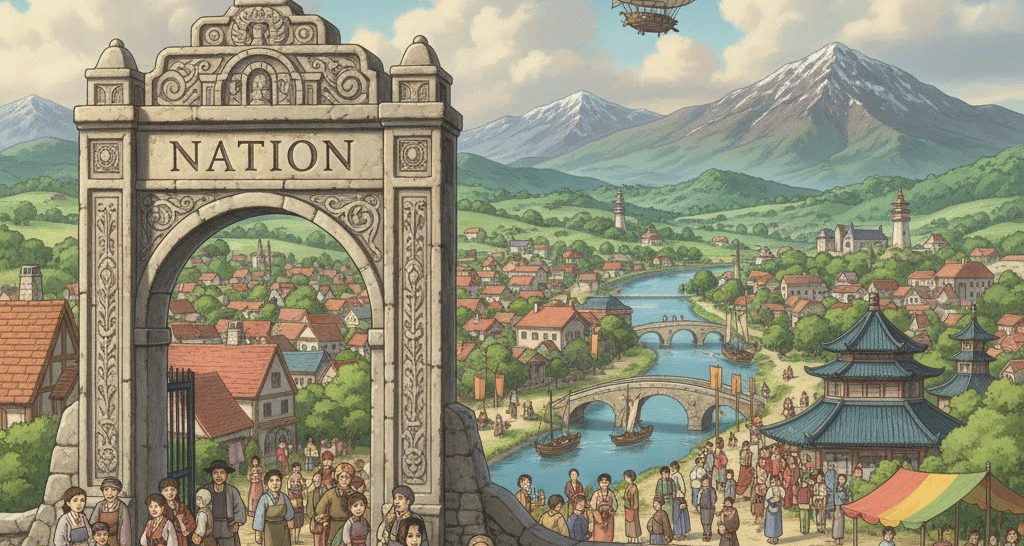
의미 연결 흐름
라틴어 natio ("탄생, 출신지, 종족")에서 유래 → 'nasci' (태어나다) 동사에서 파생 → 구 프랑스어 nacion을 거쳐 영어로 유입 → 즉, 원래 **'공통의 출신지나 조상을 가진 사람들의 집단'**을 의미했음 → 이 의미가 현대 영어에서 '공통의 정체성을 공유하는 사람들의 집단' (국민, 민족) 명사로 굳어졌어요. 나아가 이러한 '사람들의 집단'이 특정 영토에 정착하여 '정부와 주권을 가진 정치적 실체' (국가, 나라)를 뜻하게 되었어요. 즉, **'공통의 정체성을 가진 사람들의 집단 또는 그들의 통치 영역'**을 나타내는 핵심 다의어예요.
품사별 의미와 쉬운 예문
품사 의미 쉬운 예문 해석
| 명사 | 국가, 나라 | The United Nations is an organization of independent nations. | 유엔은 독립적인 국가들의 연합이야. |
| 명사 | 국민, 민족 | The whole nation mourned the loss of the leader. | 전 국민이 지도자의 상실을 애도했어. |

활용 예문
- We need to protect the sovereignty of our nation.
- 우리는 우리 국가의 주권을 보호해야 해.
- The two nations signed a peace treaty.
- 두 나라가 평화 조약에 서명했어.
- A strong sense of unity binds the nation together.
- 강한 단결심이 국민들을 하나로 묶어.
- Every nation has its own unique culture.
- 모든 국가는 고유한 문화를 가지고 있어.
- She is a proud citizen of her nation.
- 그녀는 자신의 나라의 자랑스러운 시민이야.
전체 뉘앙스 설명
- *'nation'**은 명사로서 '영토, 정부, 주권을 가진 정치적 단체(국가)' 또는 **'공통의 정체성(문화, 역사)을 공유하는 사람들(민족)'**이라는 핵심 뉘앙스를 가집니다. 이는 지리적 경계를 가진 '나라'를 의미하는 state나 country와 유사하게 사용되지만, **'민족적 동질성과 주권'**이라는 측면을 더 강하게 내포하는 경향이 있습니다. 핵심적으로 **'정치적/민족적 공동체'**를 포괄하는 다의어예요.

마지막 핵심 정리
- *‘nation’**은 특정 영토를 공유하며 정부와 독립적인 주권을 가진 정치적 실체인 국가, 나라이거나, 공통의 언어, 문화, 역사를 공유하는 사람들의 집단인 국민, 민족을 의미합니다.
파생어 (발음 포함)
- national [ˈnæʃənl] (형용사: 국가의, 국민의)
- nationality [ˌnæʃəˈnæləti] (명사: 국적, 민족)
- international [ˌɪntərˈnæʃənl] (형용사: 국제적인)
유의어 비교
단어 발음 의미 차이점
| country | [ˈkʌntri] | 나라, 국가 (지리적, 정치적 실체) | (명사) 지리적 경계를 가진 영토와 그 정치적 실체 (가장 일반적인 표현). 'nation'이 '국민/민족'의 의미를 강조한다면, 'country'는 '지리적 영토'에 초점. |
| state | [steɪt] | 국가, 주 (주권을 가진 정치 조직) | (명사) 주권을 가진 정치적 단체나 정부 조직. 'nation'이 '민족적 동질성'을 포함한다면, 'state'는 '법적, 정치적 통치 조직'에 초점. |
| people | [ˈpiːpl] | 국민, 민족 (공통의 특성을 가진 사람들) | (명사) 특정 국가, 종족, 또는 문화를 가진 사람들. 'nation'의 '국민, 민족' 의미와 유사. |
| republic | [rɪˈpʌblɪk] | 공화국 (국민 주권의 통치 체제) | (명사) 국민이 주권을 가지는 통치 형태의 국가. 'nation'의 한 유형. |
| homeland | [ˈhoʊmlænd] | 고국, 조국 (애정 어린 표현) | (명사) 태어나거나 영구히 사는 나라 (정서적 유대 강조). 'nation'의 '나라' 의미와 유사하지만, 'homeland'는 '애국심과 정서적 유대'를 강조. |
| province | [ˈprɑːvɪns] | 주, 지방 (국가 내의 행정 구역) | (명사) 국가 내의 행정 구역. 'nation'의 하위 개념. |
| government | [ˈɡʌvərnmənt] | 정부 (통치하는 조직) | (명사) 국가를 통치하는 조직. 'nation'은 '국가 그 자체'라면, 'government'는 '통치하는 기관'. |
| sovereignty | [ˈsɑːvrənti] | 주권 (국가의 최고 권력) | (명사) 국가가 외부의 간섭 없이 최고 권력을 행사하는 상태. 'nation'이 추구하는 가치. |
| foreign | [ˈfɔːrən] | 외국의, 타국의 | (형용사) 자국이 아닌 다른 나라의. 'nation'과 대조됨. |
| citizen | [ˈsɪtɪzn] | 시민, 국민 (국가에 소속된 개인) | (명사) 국가에 소속된 개인. 'nation'의 구성 요소. |
| nation | [ˈneɪʃn] (명사) | 국가, 나라 / 국민, 민족 | 특정 영토를 공유하며 정부와 독립적인 주권을 가진 정치적 실체이거나, 공통의 언어, 문화, 역사를 공유하는 사람들의 집단을 의미하는 것. |
유의어 예문 (해석 포함)
- country (나라)
- Which country are you from?
- 당신은 어느 나라 출신인가요?
- state (국가)
- The issue concerns the security of the state.
- 그 문제는 국가의 안보에 관한 것이야.
- people (국민)
- The President addressed the people in his speech.
- 대통령은 연설에서 국민들에게 연설했어.
- republic (공화국)
- The country transitioned from a monarchy to a republic.
- 그 나라는 군주제에서 공화국으로 전환했어.
- homeland (조국)
- He finally returned to his homeland after many years.
- 그는 수년 만에 마침내 조국으로 돌아왔어.
- province (지방)
- The company has offices in every province.
- 그 회사는 모든 지방에 사무실을 가지고 있어.
- government (정부)
- The government is responsible for public education.
- 정부는 공교육에 책임이 있어.
- sovereignty (주권)
- The treaty respects the sovereignty of both nations.
- 그 조약은 양국의 주권을 존중해.
- foreign (외국의)
- He is an expert in foreign policy.
- 그는 외교 정책 전문가야.
- citizen (국민)
- Every citizen has the right to vote.
- 모든 국민은 투표할 권리가 있어.
- nation (국가)
- Working together will help build a stronger nation.
- 함께 일하는 것은 더 강한 국가를 건설하는 데 도움이 될 거야.
nation에 대해 더 궁금한 점이 있으신가요? 예를 들어, 민족주의의 개념이나 세계화 시대에 국가의 역할 변화에 대한 것인지 알려주세요.
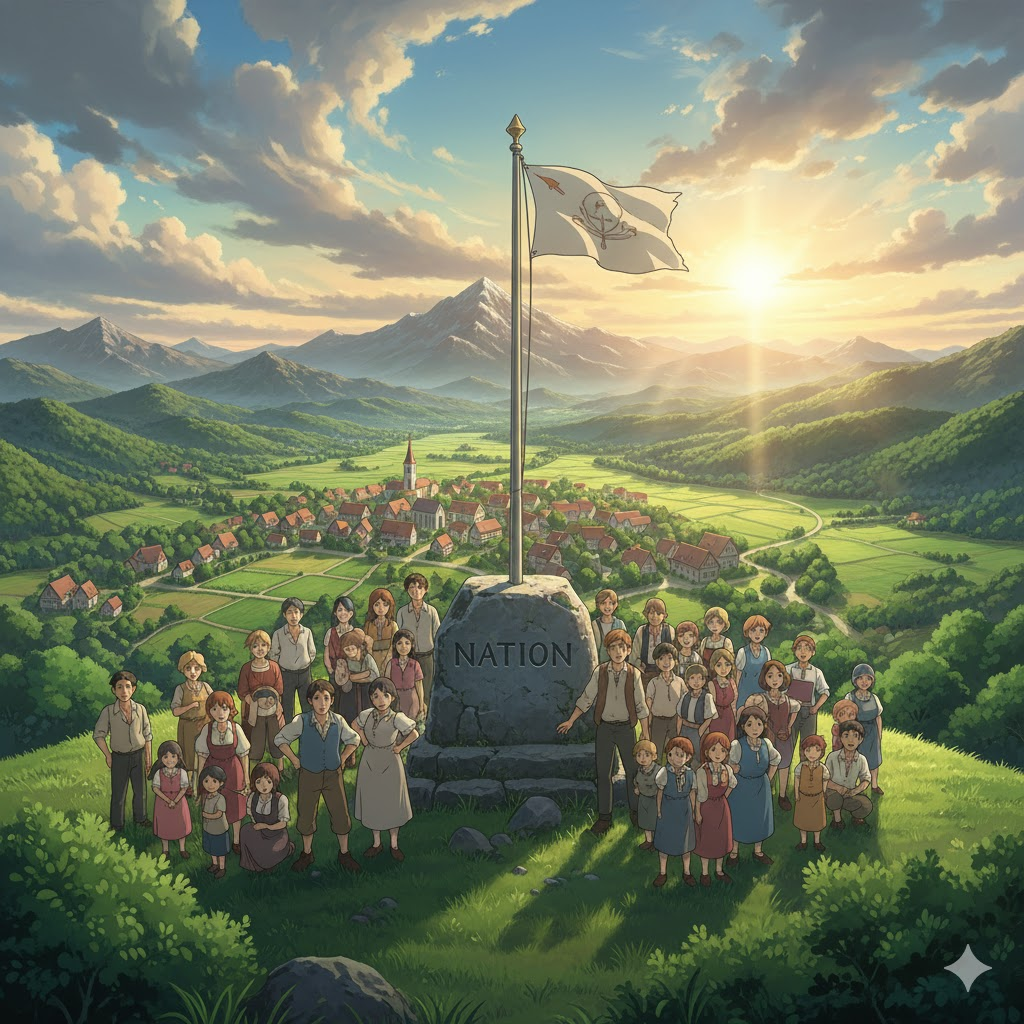
nation [ˈneɪʃən]
(명사) 국가, 나라, 국민
'공통된' '역사'(history), '문화'(culture), '언어'(language), 또는 '정체성'(identity)을 '공유'하는 '대규모' '사람들의' **'집단'**을 의미합니다. 단순히 '영토'(territory)를 넘어서, '주권'(sovereignty)을 가진 '정치적' 실체(nation-state)나 '국민' 전체를 뜻하는 개념이 핵심이며, '단합'(unity)과 '소속감'(belonging)을 강조합니다.
- The entire nation celebrated the national holiday with great excitement.
- The political leader addressed the nation on matters of security and public finance.
- Economic growth is a main goal for every modern nation.
- The founding director spoke of the importance of national pride.
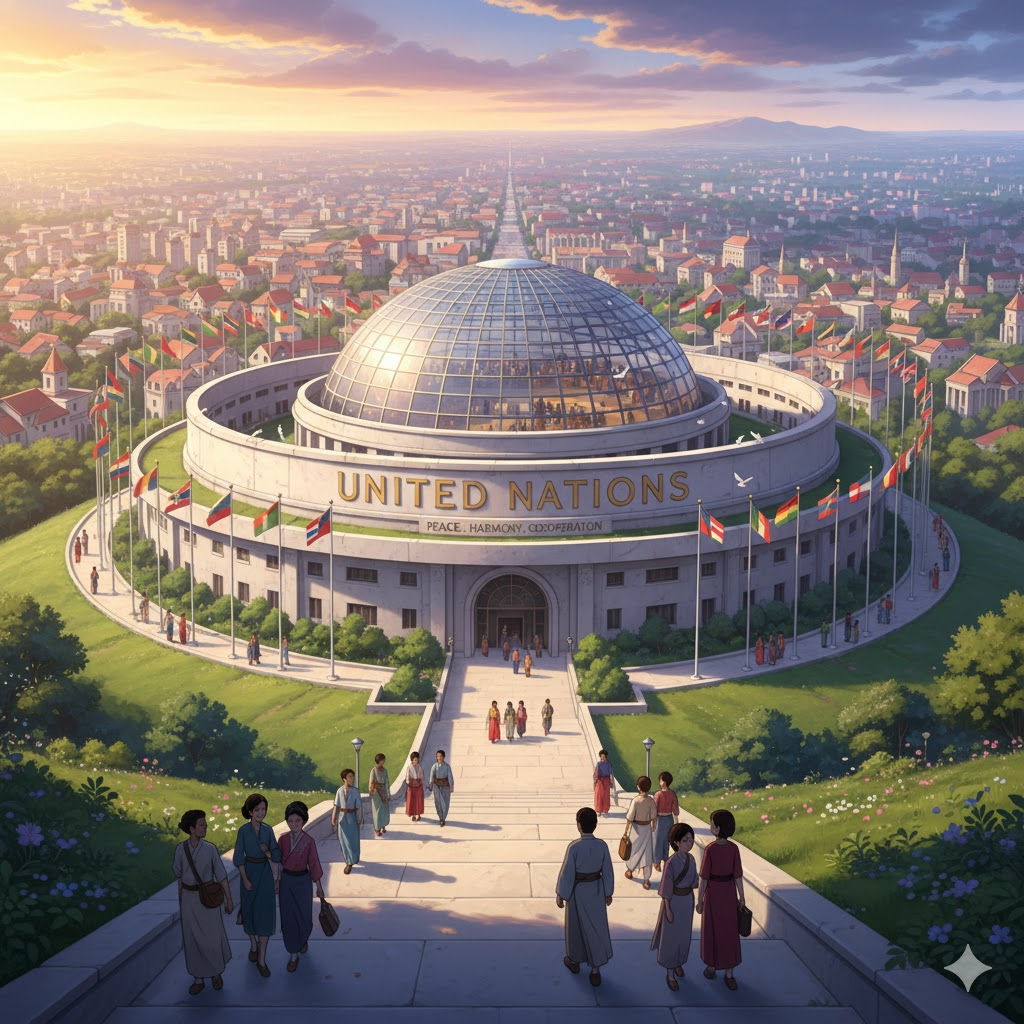
united nations (UN) [juːˌnaɪtɪd ˈneɪʃənz]
(명사) 유엔, 국제 연합
'제2차 세계대전 후'에 '설립'(establish)되어, '국제적인' '평화'(peace), '안보', 그리고 '협력'(cooperation)을 '증진'하는 것을 '목표'(goal)로 하는 '독립적인' '국가들'(nations)의 '연합체'(united)를 의미합니다. 이는 '글로벌' **'거버넌스'**와 '인권'(human rights) 옹호'의 '주요' '기관'(institution)입니다.
- The United Nations is working to combat hunger and disease globally.
- The manager said that the company must adhere to the environmental regulation set by the United Nations.
- The professor gave a lecture on the history of the United Nations and its impact on international law.
- The judge's judgment was praised as being in line with the principles of the United Nations.
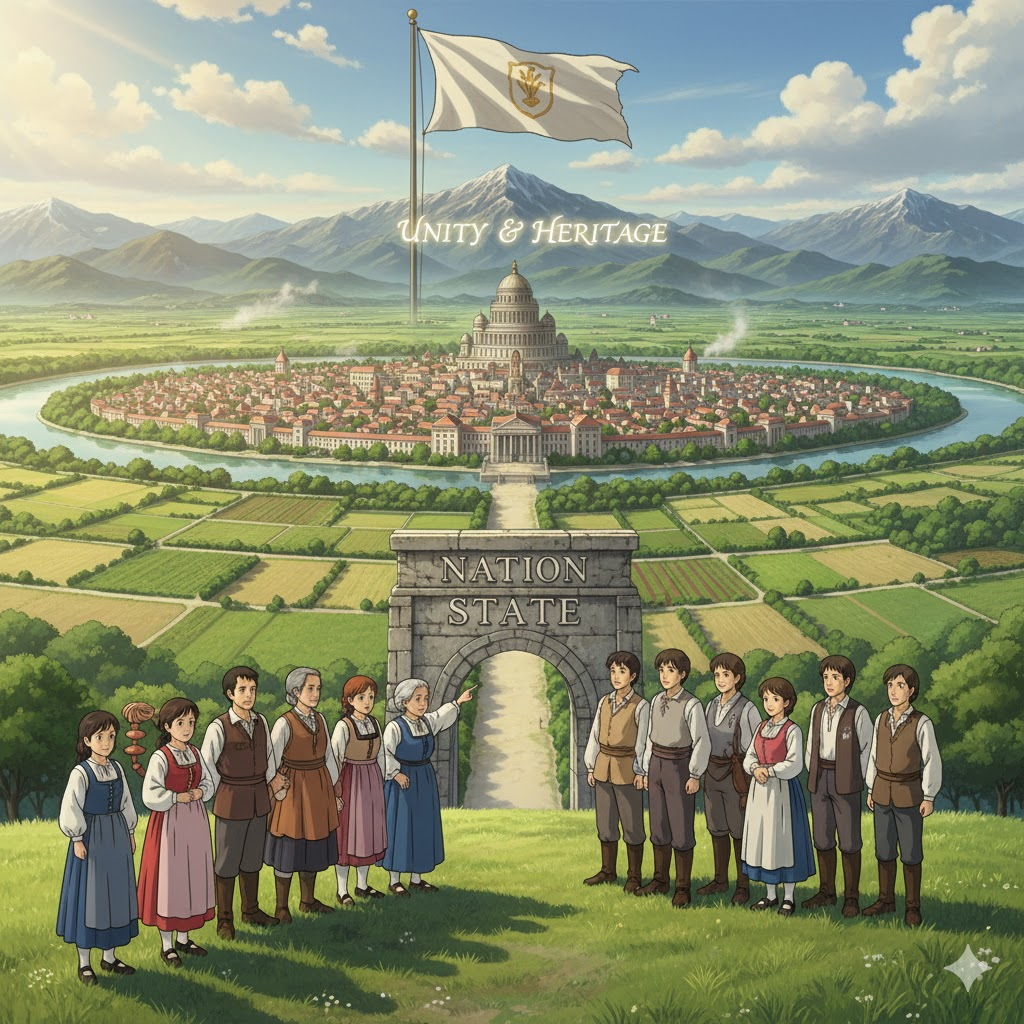
nation state [ˈneɪʃən steɪt]
(명사) 국민 국가 (단일 민족의 주권 국가)
'정치적인' '국가'(state)의 '경계'(border)가 '단일한' '민족'(nation)의 '문화적'(cultural) '경계'와 '일치'하는 것을 '이상'으로 하는 '주권'(sovereignty) 국가를 의미합니다. 이는 '통일된' '정체성'(identity)을 바탕'으로 한 '근대적' '국가' **형태'**에 초점이 맞춰져 있습니다.
- The professor explored the development of the nation state during the age of discovery.
- The concept of national independence is fundamental to the structure of the nation state.
- Conflict often arises in regions where nation states have overlapping ethnic boundaries.
- The political leader emphasized the importance of national culture to the nation state.
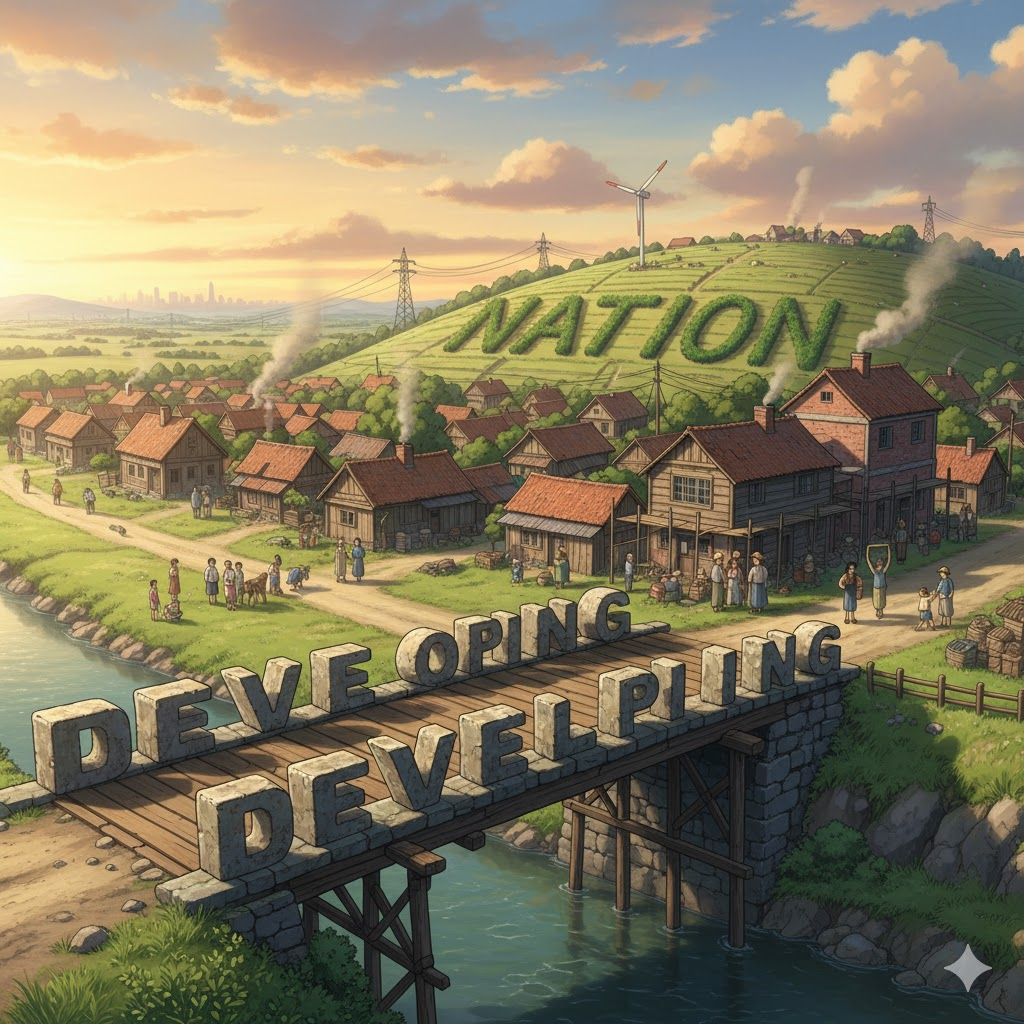
developing nation [dɪˌveləpɪŋ ˈneɪʃən]
(명사) 개발 도상국
'경제적'(economic) '성장'(growth), '산업화', 그리고 '삶의 질'(quality of life) 측면에서 '선진국'(industrialized nation) 수준'에 '도달'하지 못하고', '현재' '발전'(development) 과정'에 있는 **'국가'**를 의미합니다. 이는 '낮은' '국민 소득'(national income)과 '외부' '지원'(aid)에 대한 '의존성'(dependence)에 초점이 맞춰져 있습니다.
- The foundation provides educational grants to students in developing nations.
- Economic aid is essential to spur growth in many developing nations.
- The manager said that the labor market in developing nations is often characterized by low wages.
- Achieving sustainable development is a major challenge for a developing nation.

industrialized nation [ɪnˈdʌstriəlaɪzd ˈneɪʃən]
(명사) 산업화된 국가, 선진국
'이미' '산업화'(Industrial Revolution)를 '경험'했고, '높은' '수준'의 '기술'(technology), '경제적' '성장'(economic growth), 그리고 '삶의 질'을 '달성'한 **'국가'**를 의미합니다. 이는 'developing **nation'**과 대비되며, '세계' '경제'의 '주요' '주체'(main player)입니다.
- The average life expectancy is higher in industrialized nations due to advanced health care.
- The environmental impact of heavy industry is a major issue in industrialized nations.
- The political leaders of industrialized nations met to discuss global trade agreements.
- The manager said that the consumer demand in industrialized nations is for high quality products.

native nation [ˈneɪtɪv ˈneɪʃən]
(명사) 토착 국가, 원주민 국가/부족
'식민지화'(colonization) 이전'부터 '특정' '지역'(area)에서 '거주'하며, '고유'의 '문화'(culture), '언어', 그리고 '정부'(government) 체계'를 '유지'해온 '토착' '민족'(nation) 집단을 의미합니다. 이는 '주권', '권리'(rights), 그리고 '전통'(tradition) **보존'**의 '문제'(issue)에 초점이 맞춰져 있습니다.
- The professor's research shed light on the oral literature of the native nation.
- The government must uphold the human rights and treaty rights of the native nations.
- The manager said that respecting the culture of the native nation is vital to the project's success.
- The museum has a special exhibition dedicated to the history and art of the local native nation.
nation , united nations , nation state , developing nation , industrialized nation , native nation
(명사) 국가, 국민 / (숙어) 국제 연합(유엔), 국민 국가, 개발도상국, 산업화된 국가, 본래의 국가
'nation'은 '공통된 문화, 언어, 역사, 영토를 가진' '사람들의 집단'이나 '국가'를 의미하는 가장 기본적인 단어입니다. United Nations는 '국제 평화와 안보를 유지하기 위한' '국제 조직(UN)'을 의미합니다. nation state는 '단일한 민족이나 문화가' '하나의 정치적 경계를 이룬' '국민 국가'를 의미합니다. developing nation과 industrialized nation은 '경제 발전 수준에 따라' 국가를 분류하는 용어입니다. native nation은 '특정 지역의 원주민 집단이나 부족'을 의미합니다.
- The United Nations works to promote human rights globally. (**국제 연합(유엔)**은 전 세계적으로 인권을 증진하기 위해 노력한다.)
- Many African countries were classified as developing nations. (많은 아프리카 국가들이 개발도상국으로 분류되었다.)
- South Korea is an industrialized nation. (대한민국은 산업화된 국가이다.)
- The concept of the nation state emerged after the Treaty of Westphalia. (국민 국가의 개념은 베스트팔렌 조약 이후에 등장했다.)
- The politician met with the leaders of the native nation. (그 정치인은 본래의 국가(원주민 부족)의 지도자들을 만났다.)
- Cooperation between industrialized nations is key to solving global warming. (산업화된 국가 간의 협력은 지구 온난화를 해결하는 데 핵심이다.)
핵심 뜻
국가, 민족. 지리적, 경제적, 문화적 특성에 따른 국가의 구분 및 국제 조직.
| nation | 국가, 국민 | 명사로, '공동체'. | '공동' '의' '특성' '을' '가진' '사람들' '의' '정치적' '인' '집단' '을' '나타내는' '기본' '개념'. |
| United | 연합된 | 형용사로, '국제' '협력'. | '여러' '국가' '의' '협력' '을' '통해' '운영' '되는' '최고' '의' '국제' '기구' '임을' '나타냄'. |
| state | 주권 국가 | 명사로, '주권'. | '단일' '민족' '과' '정치적' '인' '주권' '이' '결합된' '형태' '임을' '강조함'. |
| developing/industrialized | 개발도상/산업화된 | 형용사로, '경제' '수준'. | '국가' '의' '경제' '발전' '정도' '에' '따른' '분류' '임을' '나타냄'. |
| native | 본래의 | 형용사로, '기원'. | '특정' '지역' '의' '원주민' '집단' '임을' '강조함'. |
비슷한 어휘 깔끔하게 표로 정리하고 밑에 예문,해석 하나씩 나열하기
| country | 국가 (일반적) |
| state | 주권 국가 (법률적) |
| global organization | 국제 기구 |
country
예문: She traveled to over twenty countries.
해석: 그녀는 20개 이상의 국가를 여행했다.
state
예문: The concept of the sovereign state is fundamental to international law.
해석: 주권 국가의 개념은 국제법의 기본이다.
global organization
예문: The problem requires the attention of a global organization.
해석: 그 문제는 국제 기구의 관심이 필요하다.
결론 정리
- *nation**은 국가의 기본 개념이며, 관련 숙어들은 국가의 '국제적 관계', '정치적 형태', '경제 수준'을 나타냅니다.

nation building [ˈneɪʃən ˌbɪldɪŋ]
(명사) 국가 건설, 국가 형성
'분쟁', '실패', 또는 '식민지화'(colonization) 등으로 '약화'되거나, '새롭게' '독립'(independence)한 '국가'(nation)의 '정치적', '사회적', 그리고 '경제적'(economic) '안정'(stability)과 '발전'(development)을 '달성'하기 위해 '제도'(institutions), '인프라', 그리고 '국가' '정체성'(identity)을 '구축'(building)하는 '장기적인'(long-term) '과정'(process)을 의미합니다. 이는 '내전' 후 '평화'(peace) **정착'**의 '주요' **'활동'**입니다.
- The government is seeking international aid for nation building after the armed conflict. (정부는 무력 충돌 후 국가 건설을 위한 국제적인 원조를 구하고 있다.)
- Nation building requires a firm foundation of justice and the rule of law. (국가 건설은 정의와 법의 지배라는 확고한 기초를 필요로 한다.)
- The manager said that leading a major project is like a small-scale act of nation building. (관리자는 중대 프로젝트를 이끄는 것은 작은 규모의 국가 건설 행위와 같다고 말했다.)
- The professor's lecture covered the major challenges of nation building in developing nations. (교수님의 강의는 개발 도상국에서의 국가 건설의 중대한 난제들을 다루었다.)
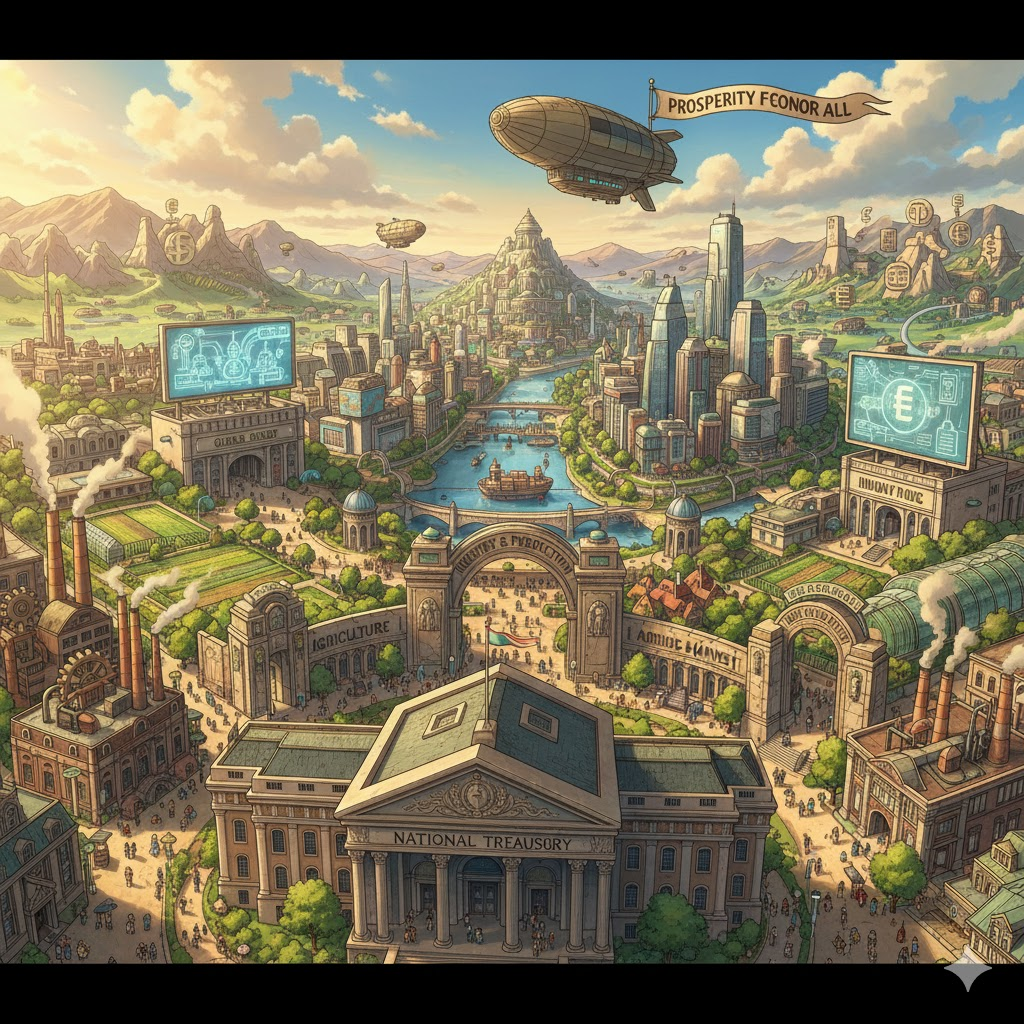
nation’s security [ˈneɪʃənz sɪˈkjʊrəti]
(명사) 국가 안보
'국가'(nation)의 '주권', '영토', 그리고 '시민'(citizen)들의 '안녕'(well-being)을 '외부' 및 '내부' '위협'(threat) (예: 전쟁, 테러, 간첩 **등)**으로부터 '보호'(protect)하고 '유지'(maintain)하는 것을 목표(goal)로 하는 '활동' 및 '정책'(policy)을 의미합니다. 이는 '생존'(survival)과 '안전'(safety)에 '가장' '높은' '중요성'(importance)을 가집니다.
- The government is making a major investment in the nation’s security and intelligence agencies. (정부는 국가 안보와 정보 기관에 중대한 투자를 하고 있다.)
- The political leader said that protecting the nation’s security is the most sacred duty. (그 정치 지도자는 국가 안보를 보호하는 것이 가장 신성한 의무라고 말했다.)
- The issue of data privacy often comes into conflict with the demands of nation’s security. (자료 프라이버시 문제는 종종 국가 안보의 요구와 충돌하게 된다.)
- The manager said that economic stability is a key element of the nation’s security. (관리자는 경제 안정이 국가 안보의 핵심 요소라고 말했다.)
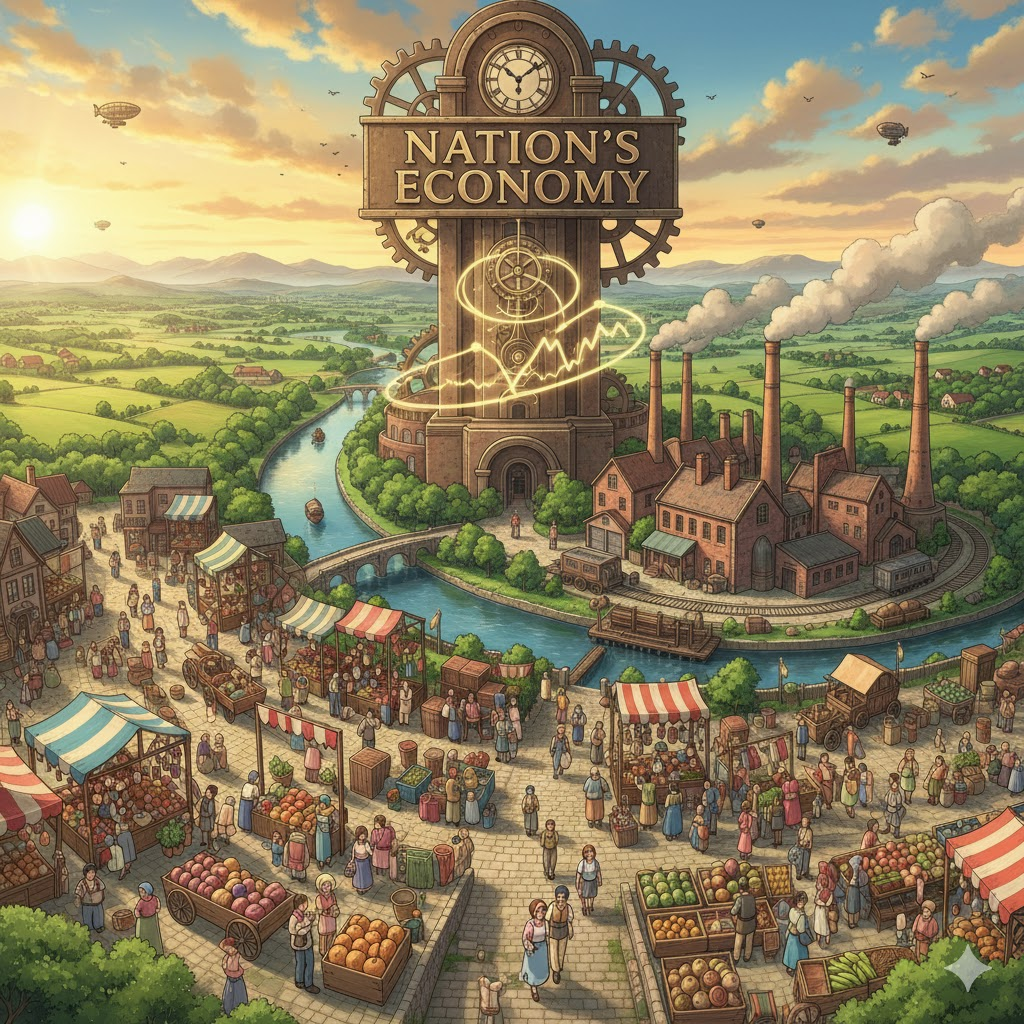
nation’s economy [ˈneɪʃənz ɪˈkɑːnəmi]
(명사) 국가 경제
'특정' '국가'(nation)의 '모든' '생산', '분배', 그리고 '소비'(consumption) 활동을 '포괄'하는 '재정적'(financial) '시스템'(system)을 의미합니다. 이는 '경제 성장'(economic growth), '국민 소득'(national income), 그리고 '시장'(market) **상태'**를 통해 '평가'(evaluate)됩니다.
- The government is implementing new policies to spur the nation’s economy. (정부는 국가 경제를 촉진하기 위한 새로운 정책들을 시행하고 있다.)
- The manager said that the health of the banking sector is vital to the nation’s economy. (관리자는 은행 부문의 건강이 국가 경제에 필수적이라고 말했다.)
- The energy sector is a major engine of the nation’s economy. (에너지 부문은 국가 경제의 주요 원동력이다.)
- The global financial crisis had a serious impact on the nation’s economy. (글로벌 금융 위기는 국가 경제에 심각한 영향을 미쳤다.)

birth of a nation [bɜːrθ əv ə ˈneɪʃən]
(숙어) 국가의 탄생, 건국
'새로운' '국가'(nation)가 '처음'(first) '존재'(existence)를 '시작'(birth)하고 '주권'(sovereignty)을 '확립'하는 '역사적'(historical)이고 '상징적인' '순간'(moment)을 의미합니다. 이는 '독립'(independence) 투쟁'의 '최종적인'(final) '성공'(success)을 강조합니다.
- The declaration of independence is considered the birth of a nation. (독립 선언은 국가의 탄생으로 간주된다.)
- The professor's lecture explored the social and political context surrounding the birth of a nation. (교수님의 강의는 국가의 탄생을 둘러싼 사회적, 정치적 배경을 탐구했다.)
- The statue was erected to honor the founding fathers who guided the birth of the nation. (그 동상은 국가의 탄생을 이끈 국부들을 기리기 위해 세워졌다.)
- The manager said that the start of a new company is like the birth of a nation, requiring a firm foundation. (관리자는 새로운 회사 시작은 확고한 기초를 필요로 하는 국가의 탄생과 같다고 말했다.)

law of nations [lɔː əv ˈneɪʃənz]
(명사) 국제법 (International Law의 옛 명칭)
'국가들'(nations) 사이'의 '관계', '분쟁', 그리고 '상호 작용'을 '규율'하는 '규칙'(rules) 및 '원칙'(principles)의 '체계'(system)를 의미하는 '옛' **'용어'**입니다. 이는 '국가'의 '주권'(sovereignty) **존중'**과 '평화'(peace) 유지'의 '법적'(legal) '기초'(foundation)에 초점이 맞춰져 있습니다.
- The professor's academic discipline is focused on the history and development of the law of nations. (교수님의 학문 분야는 국제법의 역사와 발전에 집중하고 있다.)
- The judge said that the court must apply the principles of the law of nations in the case of armed conflict. (판사는 무력 충돌 사건에서 법원이 국제법의 원칙을 적용해야 한다고 말했다.)
- The United Nations was established to uphold the law of nations and protect human rights. (유엔은 국제법을 옹호하고 인권을 보호하기 위해 설립되었다.)
- The manager said that the company must follow the international trade laws, which are based on the law of nations. (관리자는 회사가 국제법에 근거한 국제 무역 법규를 따라야 한다고 말했다.)
nation building , nation’s security , nation’s economy , birth of a nation , law of nations
(숙어) 국가 건설, 국가 안보, 국가 경제, 국가의 탄생, 국제법 (옛말)
이 표현들은 '국가의 형성', '보호', '핵심 영역'에 초점을 맞춥니다. nation building은 '전쟁 후 등에서' '국가를 재건하고 통합하는' '장기적인 과정'을 의미합니다. nation's security와 nation's economy는 '국가의 가장 중요한 두 가지 핵심 영역'을 나타냅니다. birth of a nation은 '새로운 국가가' '탄생하는' '역사적인 순간'을 의미합니다. law of nations는 '국제법'을 의미하는 옛 용어입니다.
- After the war, the focus shifted to nation building. (전쟁 후, 초점은 국가 건설로 옮겨졌다.)
- Protecting the nation's security is the priority of the government. (국가 안보를 지키는 것은 정부의 최우선 순위이다.)
- The stability of the nation's economy affects every citizen. (국가 경제의 안정은 모든 시민에게 영향을 미친다.)
- The birth of a nation is always a time of great celebration. (국가의 탄생은 항상 큰 축하의 시간이다.)
- Understanding the law of nations is essential for diplomacy. (국제법을 이해하는 것은 외교에 필수적이다.)
- Funding for the nation's security has been increased. (국가 안보를 위한 자금 조달이 증가했다.)
핵심 뜻
국가의 형성 및 핵심 기능. 국가 재건, 안보, 경제와 관련된 공식적인 개념.
| building | 건설 | 명사로, '재건'. | '새로운' '국가' '체제' '와' '사회' '를' '만드는' '장기적' '인' '노력' '을' '나타냄'. |
| security | 안보 | 명사로, '보호'. | '국가' '의' '영토' '와' '국민' '을' '외부' '의' '위협' '으로부터' '지키는' '것을' '의미함'. |
| economy | 경제 | 명사로, '재정'. | '국가' '의' '재정' '상태' '와' '생산' '활동' '을' '포괄' '하는' '개념' '임을' '나타냄'. |
| birth of | ~의 탄생 | 숙어구로, '시작'. | '국가' '가' '새롭게' '독립' '하거나' '시작' '되는' '역사적' '인' '순간' '을' '나타냄'. |
| law of nations | 국제법 | 명사로, '규칙'. | '국가' '간' '의' '관계' '를' '규율' '하는' '법적' '인' '규칙' '을' '의미함'. |
비슷한 어휘 깔끔하게 표로 정리하고 밑에 예문,해석 하나씩 나열하기
| state reconstruction | 국가 재건 |
| national defense | 국방 |
| macroeconomics | 거시 경제학 |
state reconstruction
예문: The focus of the aid was on state reconstruction.
해석: 원조의 초점은 국가 재건에 있었다.
national defense
예문: The budget for national defense was increased.
해석: 국방 예산이 증가했다.
macroeconomics
예문: She studies macroeconomics to understand national trends.
해석: 그녀는 국가 동향을 이해하기 위해 거시 경제학을 공부한다.
결론 정리
이 표현들은 국가의 '재건', '보호', '경제 운영', '탄생', '국제 관계'라는 중요한 측면을 나타냅니다.