- 분류 전체보기 (5681)

| 일 | 월 | 화 | 수 | 목 | 금 | 토 |
|---|---|---|---|---|---|---|
| 1 | 2 | 3 | 4 | 5 | ||
| 6 | 7 | 8 | 9 | 10 | 11 | 12 |
| 13 | 14 | 15 | 16 | 17 | 18 | 19 |
| 20 | 21 | 22 | 23 | 24 | 25 | 26 |
| 27 | 28 | 29 | 30 |
- Excuse me
- come up with
- pick up
- I'm sorry
- I'm glad to hear that.
- make it
- Read between the lines
- Sure
- work out
- Right?
- Yeah
- OKay
- oh
- Show Up
- no
- hold on
- Actually
- By The Way
- too.
- Sorry
- Don't worry
- set up
- please?
- well
- Please
- get through
- please.
- Yes
- Hey
- entrance fee
- Today
- Total
인과함께
Day433 , tolerance, tolerance for, show tolerance, zero tolerance, tolerance level, build tolerance, tolerance of pain, cultural tolerance, tolerance policy, beyond tolerance 본문
Day433 , tolerance, tolerance for, show tolerance, zero tolerance, tolerance level, build tolerance, tolerance of pain, cultural tolerance, tolerance policy, beyond tolerance
미인생 2026. 9. 4. 14:07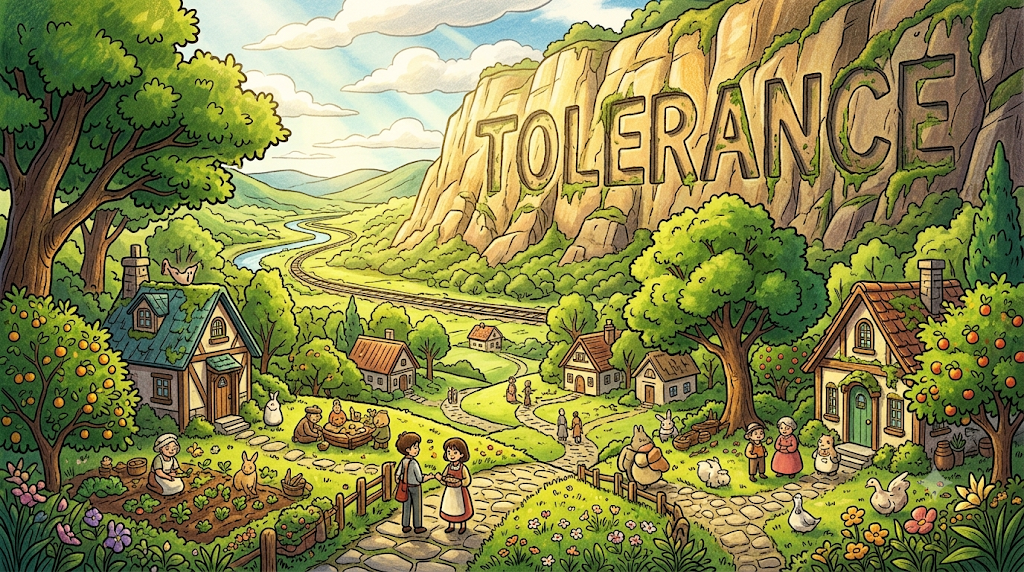
tolerance [ˈtɒlərəns]
(명사) 관용, 포용, 용인 / 내성, 저항력
단순히 "관용"으로만 외우면 수능에서 반드시 틀립니다. tolerance는 "어떤 것을 불편하거나 동의하지 않더라도 받아들이거나 견뎌내는 능력" 이라는 핵심 이미지에서 출발해, 실제 사회적 포용·신체적 내성·정책적 기준·고통 인내·문화적 수용까지 폭넓게 쓰이는 핵심 다의어입니다. 특히 zero tolerance(무관용, 무용납), cultural tolerance(문화적 관용), build tolerance(내성을 키우다) 패턴은 수능 독해 사회·심리·논리 지문에서 핵심적으로 등장합니다.
'tolerance'는 라틴어 tolerantia(인내, 견딤)에서 유래했으며, tolerare(견디다, 참다)와 연결됩니다. 어원의 핵심 이미지는 "불쾌하거나 어렵더라도 그것을 견디어내는 힘" 으로, 단순한 참음을 넘어 사회적 다양성 수용·신체적 저항력·윤리적 경계·문화 간 이해·고통 인내까지 확장되는 표현의 근원이 된 단어입니다.
1. tolerance for [ˈtɒlərəns fɔːr]
(일상/심리/수능) "~에 대한 관용, ~을 견디는 능력"을 뜻합니다. 어떤 것에 대해 얼마나 받아들이거나 견딜 수 있는지의 정도를 강조합니다.
She had very little tolerance for people who were rude to service workers, and she always said something when she saw it happen. (그녀는 서비스 직원들에게 무례한 사람들에 대한 관용이 거의 없었으며, 그것이 일어나는 것을 볼 때 항상 뭔가를 말했다.)
2. show tolerance [ʃəʊ ˈtɒlərəns]
(사회/심리/수능) "관용을 보이다, 포용력을 보여주다"를 뜻합니다. 자신과 다른 사람이나 의견을 받아들이는 태도를 외부적으로 드러내는 것을 강조합니다.
The new teacher showed tolerance towards students who struggled with the material by giving them extra time and never making them feel embarrassed. (새 선생님은 과목에 어려움을 겪는 학생들에게 추가 시간을 주고 절대 창피함을 느끼게 하지 않음으로써 관용을 보여줬다.)
3. zero tolerance [ˈzɪərəʊ ˈtɒlərəns]
(사회/법률/수능) "무관용, 무용납, 절대 용인하지 않음"을 뜻합니다. 어떤 행동이나 상황에 대해 어떠한 예외도 허용하지 않는 엄격한 정책이나 태도를 강조하며, 수능에서 자주 출제되는 표현입니다.
The school had a zero tolerance policy on bullying, which meant that any confirmed case would result in immediate suspension regardless of who was involved. (학교는 괴롭힘에 대한 무관용 정책을 갖고 있었는데, 이것은 확인된 어떤 사건이든 누가 관련됐든 관계없이 즉각적인 정학을 초래한다는 것을 의미했다.)
4. tolerance level [ˈtɒlərəns ˌlevəl]
(과학/사회/수능) "내성 수준, 허용 한계"를 뜻합니다. 어떤 것을 견디거나 받아들일 수 있는 최대 한계를 강조합니다.
Every person has a different tolerance level for stress — what one person handles calmly can be completely overwhelming for another. (모든 사람은 스트레스에 대해 다른 내성 수준을 갖고 있다 — 한 사람이 침착하게 처리하는 것이 다른 사람에게는 완전히 압도적일 수 있다.)
5. build tolerance [bɪld ˈtɒlərəns]
(과학/심리/수능) "내성을 키우다, 저항력을 기르다"를 뜻합니다. 시간이 지남에 따라 어떤 것에 대해 더 잘 견디게 되는 것을 강조합니다.
Athletes build tolerance to physical discomfort through training, which allows them to push further than most people believe is possible. (운동선수들은 훈련을 통해 신체적 불편함에 대한 내성을 키우는데, 이것이 그들이 대부분의 사람들이 가능하다고 믿는 것보다 더 나아갈 수 있게 해준다.)
6. tolerance of pain [ˈtɒlərəns əv peɪn]
(과학/심리/수능) "통증 내성, 고통을 견디는 능력"을 뜻합니다. 신체적 고통을 얼마나 잘 견딜 수 있는지의 능력을 강조합니다.
Research shows that tolerance of pain varies greatly between people and can be affected by mood, sleep, and even social support. (연구는 통증 내성이 사람마다 크게 다르며 기분, 수면, 심지어 사회적 지지에 의해 영향을 받을 수 있다는 것을 보여준다.)
7. cultural tolerance [ˈkʌltʃərəl ˈtɒlərəns]
(사회/학술/수능) "문화적 관용, 문화 간 포용"을 뜻합니다. 자신과 다른 문화나 전통을 받아들이고 존중하는 것을 강조합니다.
Cultural tolerance is not just about accepting difference — it is about understanding why those differences exist and what they mean to the people who hold them. (문화적 관용은 단지 차이를 받아들이는 것이 아니라 그 차이가 왜 존재하는지와 그것을 지닌 사람들에게 무엇을 의미하는지 이해하는 것이다.)
8. tolerance policy [ˈtɒlərəns ˈpɒlɪsi]
(사회/법률/수능) "관용 정책, 용인 방침"을 뜻합니다. 어느 정도까지 어떤 것을 허용하거나 허용하지 않는 공식적인 규칙을 강조합니다.
The company's tolerance policy on late arrivals allowed employees to be up to ten minutes late twice a month without any formal consequence. (회사의 지각에 대한 관용 정책은 직원들이 한 달에 두 번까지 공식적인 결과 없이 10분까지 늦을 수 있도록 허용했다.)
9. beyond tolerance [bɪˈjɒnd ˈtɒlərəns]
(일상/심리/수능) "관용의 한계를 넘어, 견디기 어려운"을 뜻합니다. 어떤 것이 받아들일 수 있는 한계를 초과했을 때를 강조합니다.
The noise from the construction site next door had gone beyond tolerance for the residents, and they finally decided to take formal action. (옆 공사장에서 나오는 소음이 주민들에게는 관용의 한계를 넘어섰으며, 그들은 마침내 공식적인 조치를 취하기로 결정했다.)
10. tolerance (명사: 내성, 저항력) [ˈtɒlərəns]
(과학/의학/수능) 명사로 쓰여 "내성, 저항력"을 뜻합니다. 약물이나 환경적 요인에 대해 시간이 지남에 따라 몸이 덜 반응하게 되는 것을 강조합니다.
Some medicines become less effective over time because the body develops tolerance to them and needs larger doses to get the same result. (일부 약은 시간이 지남에 따라 몸이 그것들에 대한 내성을 발달시켜 같은 결과를 얻기 위해 더 많은 양이 필요하기 때문에 효과가 떨어진다.)
POINT 1. tolerance — 수능 최빈출 비유·어휘 패턴
tolerance는 수능 독해 사회·심리·논리 지문에서 핵심 표현으로 자주 출제됩니다. zero tolerance → 어떤 예외도 없는 엄격한 기준 예) Zero tolerance for cheating. 부정행위에 대한 무관용. cultural tolerance → 다양성을 이해하고 받아들이는 것 예) Cultural tolerance matters. 문화적 관용이 중요하다. build tolerance → 시간이 지남에 따라 저항력을 키우는 것 예) Build tolerance to stress. 스트레스에 대한 내성을 키우다.
POINT 2. tolerance / acceptance / patience — 수능 어휘 핵심 비교
이 세 단어는 수능에서 자주 혼동되는 어휘입니다. tolerance → 동의하지 않지만 견디거나 허용하는 것 예) Tolerance for difference. 차이에 대한 관용. acceptance → 긍정적으로 받아들이고 인정하는 것 예) Acceptance of all people. 모든 사람의 수용. patience → 어려움이나 지연을 조용히 기다리는 것 예) Patience with children. 아이들에 대한 인내심.
POINT 3. tolerance의 다양한 용법 — 수능 독해 문맥 파악 핵심
tolerance는 수능 독해에서 문맥에 따라 의미가 달라지는 핵심 단어입니다. 사회적 → Cultural tolerance. 문화적 관용. 의학적 → Drug tolerance. 약물 내성. 정책적 → Zero tolerance. 무관용 정책. 신체적 → Tolerance of pain. 통증 내성. 한계 → Beyond tolerance. 관용의 한계를 넘어.
(명사) ① 관용, 포용 (사회적)
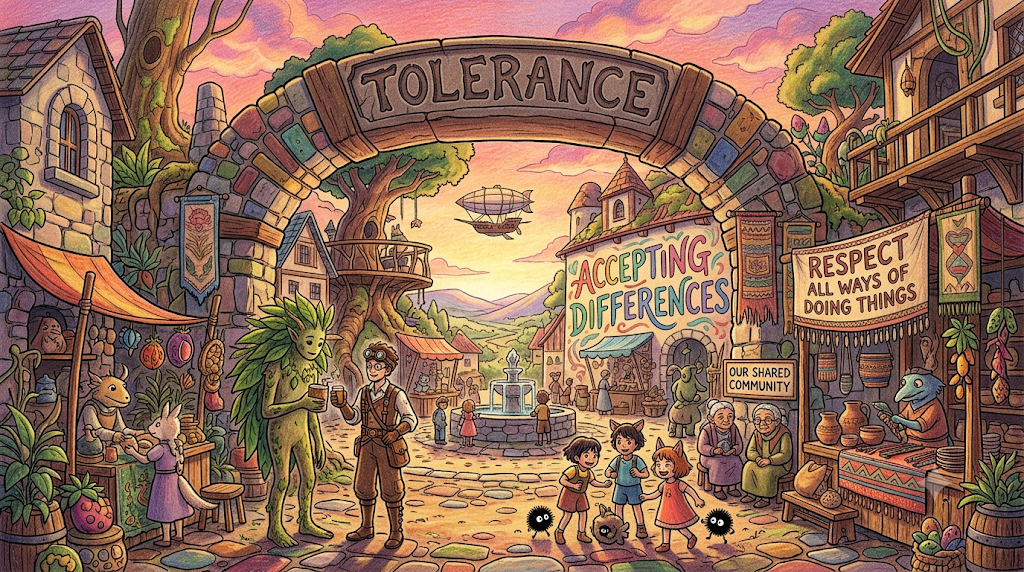
tolerance의 핵심 의미 중 하나로, 자신과 다른 사람이나 의견을 받아들이는 사회적 태도를 나타냅니다.
- Tolerance does not mean agreeing with everyone — it means accepting that other people have the right to live and think differently from you. (관용은 모든 사람에게 동의한다는 것이 아니다 — 다른 사람들이 당신과 다르게 살고 생각할 권리가 있다는 것을 받아들이는 것이다.)
- Growing up in a diverse neighbourhood gave her a natural tolerance for different ways of doing things that her friends from more uniform backgrounds sometimes found surprising. (다양한 이웃에서 자라는 것이 그녀에게 더 획일적인 배경을 가진 친구들이 때때로 놀랍게 여기는 다양한 방식의 일들에 대한 자연스러운 관용을 줬다.)
- The essay argued that tolerance is the minimum requirement for a functioning plural society — necessary but not sufficient, because it stops at accepting difference without requiring us to actually understand or value it. (에세이는 관용이 기능하는 다원적 사회를 위한 최소 요건이라고 주장했다 — 필요하지만 충분하지 않은데, 실제로 차이를 이해하거나 가치 있게 여기도록 요구하지 않고 차이를 받아들이는 데서 멈추기 때문이라고 했다.)

(명사) ② 내성, 저항력 (의학·과학적)
tolerance는 신체가 어떤 것에 대해 점점 덜 반응하게 되는 것을 나타냅니다.
- Regular exposure to cold water can increase the body's tolerance to low temperatures over time, which is why some people can swim outdoors in winter without feeling as uncomfortable as others do. (찬물에 규칙적으로 노출되면 시간이 지남에 따라 낮은 온도에 대한 신체의 내성을 높일 수 있는데, 이것이 일부 사람들이 다른 사람들처럼 불편함을 느끼지 않고 겨울에 야외에서 수영할 수 있는 이유이다.)
- The doctor explained that the patient had developed tolerance to the medication, which meant the original dose was no longer having the same effect and a different approach was needed. (의사는 환자가 약물에 대한 내성을 발달시켰다고 설명했는데, 이것은 원래 용량이 더 이상 같은 효과를 갖지 않으며 다른 접근 방식이 필요하다는 것을 의미했다.)
- The essay used the medical concept of tolerance — the body's decreasing response to repeated exposure — as a metaphor for how we respond to repeated emotional experiences, arguing that both follow the same pattern and require either rest or a changed stimulus to produce a full response again. (에세이는 반복적인 노출에 대한 신체의 감소하는 반응인 의학적 개념의 내성을 반복적인 감정적 경험에 어떻게 반응하는지의 은유로 사용했다 — 둘 다 같은 패턴을 따르며 완전한 반응을 다시 만들기 위해 휴식이나 변화된 자극을 필요로 한다고 주장했다.)
(명사) ③ 허용 한계, 용인 범위 (기술·공학적)
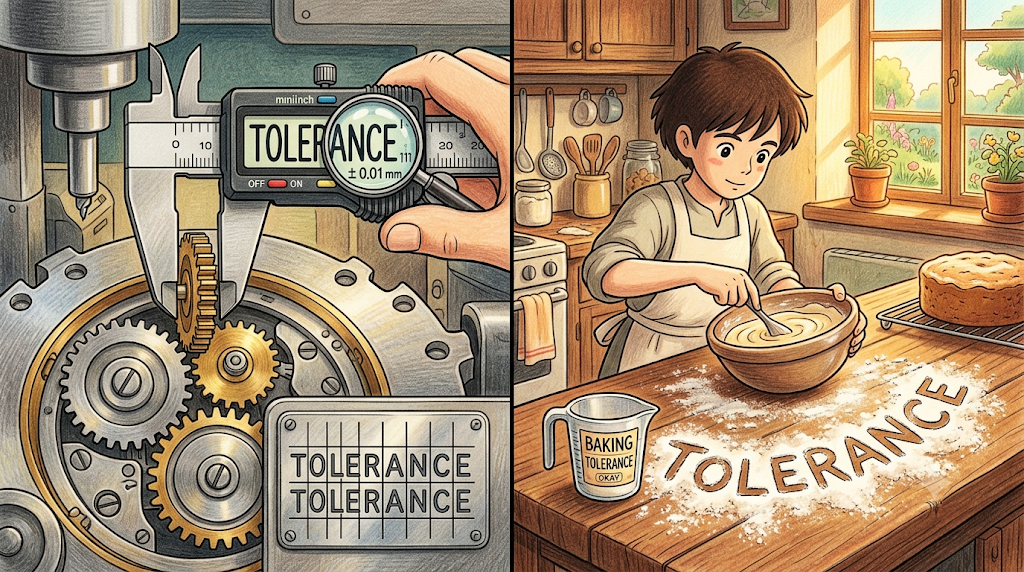
tolerance는 기술적 맥락에서 허용되는 오차나 편차의 범위를 나타냅니다.
- The machine was designed with very tight tolerances, meaning each part had to be made to within a fraction of a millimetre of the specified size. (기계는 매우 엄격한 허용 공차로 설계됐으며, 이것은 각 부품이 지정된 크기의 1밀리미터 이내로 만들어져야 한다는 것을 의미했다.)
- In cooking, the tolerances are generally more forgiving than in engineering — a little more or less flour will not usually ruin a cake the way an extra millimetre of steel might damage a machine. (요리에서 허용 범위는 일반적으로 공학보다 더 관대하다 — 1밀리미터의 여분의 강철이 기계를 손상시킬 수 있는 방식으로 밀가루가 조금 더 많거나 적어도 보통 케이크를 망치지 않는다.)
- The essay drew on the engineering use of tolerance to illuminate its social meaning — arguing that just as every machine operates within certain tolerances and breaks down when these are exceeded, every relationship and every community has its own tolerances and faces a similar risk when they are pushed too far. (에세이는 허용 공차의 공학적 사용을 사회적 의미를 조명하는 데 활용했다 — 모든 기계가 특정 공차 내에서 작동하고 이것이 초과될 때 고장나듯이, 모든 관계와 모든 공동체는 자체적인 공차를 갖고 너무 멀리 밀리면 비슷한 위험에 직면한다고 주장했다.)
뉘앙스·의미 연결 흐름 표
핵심 이미지 연결 흐름 뉘앙스 요약
| 사회적 포용과 한계 | 관용을 보이다 → 문화적 관용 → 관용의 한계를 넘어 | show tolerance, cultural tolerance, beyond tolerance |
| 정책과 기준 | 무관용 → 관용 정책 → 내성 수준 → ~에 대한 관용 | zero tolerance, tolerance policy, tolerance level, tolerance for |
| 신체와 심리적 저항 | 내성을 키우다 → 통증 내성 | build tolerance, tolerance of pain |
어원 흐름 표
단어 구성 요소 의미 연결 흐름 뉘앙스 요약
| 라틴어 tolerare(견디다·참다) → tolerantia(인내·견딤) → tolerance | 불쾌하거나 어렵더라도 견디어내는 힘 | 인내와 수용의 핵심 이미지 |
| tolerance (명사) | 사회적 관용 → 신체적 내성 → 정책적 한계 → 기술적 공차 | 관용에서 포용·내성·기준·한계까지 확장 |
품사별 의미 표
품사 의미 예문
| 명사 | 관용, 포용 | Tolerance for others. |
| 명사 | 내성, 저항력 | Tolerance to drugs. |
| 명사 | 허용 한계 | Within tolerance. |
| 명사구 | 무관용 | Zero tolerance. |
| 명사구 | 문화적 관용 | Cultural tolerance. |
| 동사구 | 내성을 키우다 | Build tolerance. |
활용 예문 리스트
- Zero tolerance for any form of dishonesty in the workplace meant that even small things like taking office supplies home without asking were treated the same as larger violations. (직장에서 어떤 형태의 부정직에 대한 무관용은 허락 없이 사무용품을 집에 가져가는 것과 같은 작은 것조차 더 큰 위반과 같이 처리된다는 것을 의미했다.)
- Cultural tolerance grew significantly in the city over two decades as more people from different backgrounds moved in and residents began to see diversity as a strength rather than a challenge. (문화적 관용은 다른 배경을 가진 더 많은 사람들이 이주하고 주민들이 다양성을 도전이 아닌 강점으로 보기 시작하면서 20년에 걸쳐 그 도시에서 크게 성장했다.)
- She tried to build tolerance for early mornings by going to bed slightly earlier each week and setting her alarm five minutes sooner every few days. (그녀는 매주 조금씩 더 일찍 자고 며칠마다 알람을 5분 더 빨리 설정함으로써 이른 아침에 대한 내성을 키우려고 했다.)
- The patient's tolerance of pain was remarkable — she remained calm and focused throughout the procedure while the doctor worked, which made everything go much more smoothly. (환자의 통증 내성은 놀라웠다 — 그녀는 의사가 작업하는 동안 시술 내내 침착하고 집중된 상태를 유지해서 모든 것이 훨씬 더 순조롭게 진행됐다.)
- The situation had gone beyond tolerance for the staff, who had been dealing with the same unresolved problem for six months without any support from management. (상황이 6개월 동안 경영진의 어떤 지원도 없이 같은 해결되지 않은 문제를 처리해온 직원들에게는 관용의 한계를 넘어섰다.)
전체 뉘앙스 설명
tolerance는 '불쾌하거나 어렵더라도 견디어내는 힘에서 출발해 사회적 다양성 수용·신체적 저항력·윤리적 경계·문화 간 이해·고통 인내까지 확장되는 생동감 넘치는 언어'입니다.
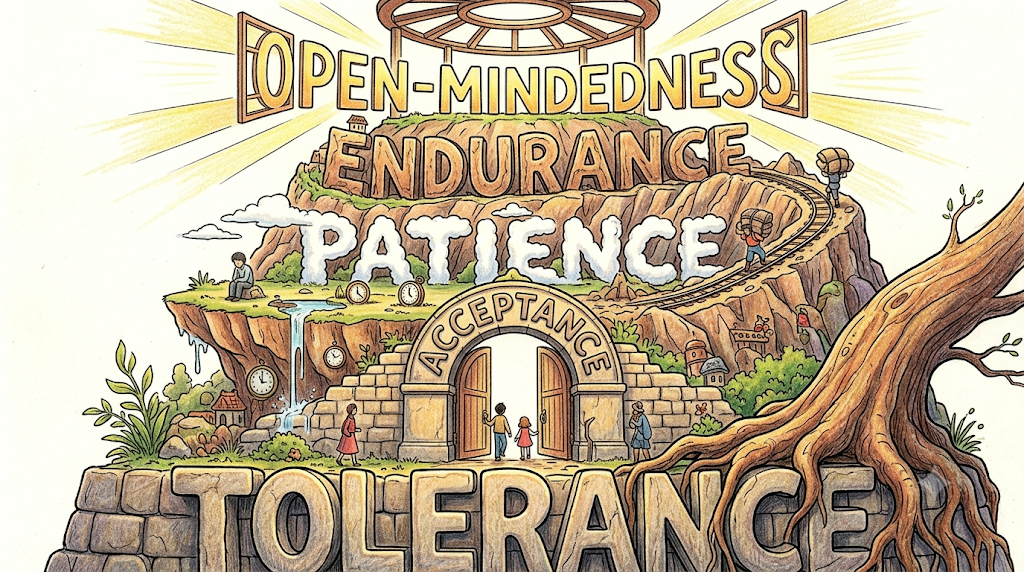
acceptance와의 차이: acceptance는 어떤 것을 긍정적으로 받아들이고 인정하는 것을 강조하고, tolerance는 동의하지 않거나 불편하더라도 허용하거나 견디는 것을 강조합니다. patience와의 차이: patience는 결과를 기다리며 불평하지 않는 것을 강조하고, tolerance는 어떤 것을 허용하거나 견디는 능력의 범위를 강조합니다. endurance와의 차이: endurance는 신체적 어려움을 오래 견디는 것을 강조하고, tolerance는 더 넓은 사회적·신체적·도덕적 허용 범위를 강조합니다.
마지막 핵심 정리
tolerance는 단순히 "관용"이 아닙니다 — 라틴어 tolerare(견디다)에서 출발해, 관용(tolerance)에서 ~에 대한 관용(tolerance for)·관용을 보이다(show tolerance)·무관용(zero tolerance)·내성 수준(tolerance level)·내성을 키우다(build tolerance)·통증 내성(tolerance of pain)·문화적 관용(cultural tolerance)·관용 정책(tolerance policy)·관용의 한계를 넘어(beyond tolerance)까지 확장되는 단어이며, zero tolerance·cultural tolerance·build tolerance의 맥락적 의미 파악이 수능 핵심 출제 포인트입니다.
파생어 표
파생어 발음기호 품사 의미
| tolerant | [ˈtɒlərənt] | 형용사 | 관용적인, 포용적인 |
| tolerantly | [ˈtɒlərəntli] | 부사 | 관용적으로 |
| tolerate | [ˈtɒləreɪt] | 동사 | 관용하다, 견디다 |
| intolerance | [ɪnˈtɒlərəns] | 명사 | 편협함, 불관용 |
| intolerant | [ɪnˈtɒlərənt] | 형용사 | 편협한, 불관용적인 |
유의어 비교표

단어 공통점 뉘앙스 차이 예문
| tolerance | 받아들임, 견딤 | 불편해도 허용·내성·한계·비유 풍부 | Tolerance for others. |
| acceptance | 수용 | 긍정적으로 받아들이는 것 | Acceptance of change. |
| patience | 인내심 | 조용히 기다리는 것 | Patience with delays. |
| endurance | 지구력 | 신체적 어려움을 오래 버티는 것 | Endurance in sport. |
| open-mindedness | 열린 마음 | 새로운 생각을 받아들이는 태도 | Open-mindedness helps. |
유의어 예문 리스트
- (acceptance) Acceptance of her own limitations was the hardest part — not just knowing they existed but genuinely being at peace with them instead of constantly pushing against them. (자신의 한계에 대한 수용이 가장 어려운 부분이었다 — 단지 그것들이 존재한다는 것을 아는 것이 아니라 끊임없이 그것들에 맞서기보다 진정으로 평화롭게 지내는 것이다.)
- (patience) She showed patience with the new employee that she had rarely shown with anyone before, because she could see that he was genuinely trying and just needed more time than most. (그녀는 이전에 거의 누구에게도 보여준 적 없는 인내심을 새 직원에게 보여줬는데, 그가 진정으로 노력하고 있으며 단지 대부분보다 더 많은 시간이 필요하다는 것을 볼 수 있었기 때문이었다.)
- (endurance) The race tested endurance more than speed — the winner was not the fastest runner but the one who had trained to sustain a good pace for the full distance without slowing down. (경주는 속도보다 지구력을 테스트했다 — 우승자는 가장 빠른 주자가 아니라 속도를 늦추지 않고 전체 거리에 걸쳐 좋은 속도를 유지하도록 훈련된 사람이었다.)
- (open-mindedness) Open-mindedness about new methods allowed the team to try approaches that the more experienced members had dismissed, and one of those approaches turned out to be the most effective solution they had ever found. (새로운 방법에 대한 열린 마음이 팀이 더 경험 많은 구성원들이 무시했던 접근 방식을 시도할 수 있게 했으며, 그 접근 방식 중 하나가 그들이 찾은 가장 효과적인 해결책으로 밝혀졌다.)
결론 정리
tolerance는 단순히 "관용"이 아니라, 라틴어 tolerare(견디다)에서 출발해 불쾌하거나 어렵더라도 견디어내는 힘에서 사회적 다양성 수용·신체적 저항력·윤리적 경계·문화 간 이해·고통 인내까지 확장되는 단어다 — tolerance가 있는 곳엔 언제나 '단순한 참음이 아닌, 인간이 차이를 받아들이고·한계를 인식하며·경계를 설정하고·저항력을 키우는 방식이 생생하게 살아숨쉬는' 생동감의 선언이 있다.
💡 tolerance는 "불쾌하거나 어렵더라도 견디어내는 힘에서 출발한" 생동감 넘치는 언어 — zero tolerance · cultural tolerance · build tolerance가 수능 최빈출.
🌟 초등학생 버전 — tolerance는 관용, 포용이지만, "무관용"(zero tolerance), "문화적 관용"(cultural tolerance), "내성을 키우다"(build tolerance)처럼 우리 생활과 사회 곳곳에 살아있는 단어예요! 🌍✨

tolerance for [ˈtɒlərəns fɔːr]
(명사구) ~에 대한 관용, ~을 견디는 능력
어떤 것에 대해 얼마나 받아들이거나 견딜 수 있는지의 정도를 강조합니다. 수능 독해 심리·사회·일상 지문에서 핵심적으로 등장합니다.
- His tolerance for uncertainty was much higher than most people's, which made him well suited to work that changed rapidly and required constant adjustment. (불확실성에 대한 그의 관용은 대부분의 사람들보다 훨씬 높았는데, 이것이 그를 빠르게 변하고 지속적인 조정을 필요로 하는 일에 매우 적합하게 만들었다.)
- She had developed a low tolerance for small talk over the years and found herself steering conversations towards more meaningful topics as quickly as she politely could. (그녀는 수년에 걸쳐 잡담에 대한 낮은 관용을 발달시켰으며 가능한 한 정중하게 빨리 대화를 더 의미 있는 주제로 이끄는 자신을 발견했다.)
- The essay used tolerance for ambiguity as a key variable in explaining differences in how people approach complex problems — arguing that those who can sit with uncertainty longer tend to arrive at more creative solutions than those who need to resolve it quickly. (에세이는 모호함에 대한 관용을 사람들이 복잡한 문제에 접근하는 방식의 차이를 설명하는 핵심 변수로 사용했다 — 불확실성과 더 오래 함께 앉아있을 수 있는 사람들이 그것을 빨리 해결해야 하는 사람들보다 더 창의적인 해결책에 도달하는 경향이 있다고 주장했다.)

show tolerance [ʃəʊ ˈtɒlərəns]
(동사구) 관용을 보이다, 포용력을 보여주다
자신과 다른 사람이나 의견을 받아들이는 태도를 외부적으로 드러내는 것을 강조합니다. 수능 독해 심리·사회·일상 지문에서 자주 등장합니다.
- The experienced manager showed tolerance when the new team member made the same mistake twice, taking time to explain the process more clearly rather than criticising. (경험 많은 매니저는 새 팀원이 같은 실수를 두 번 했을 때 비판하기보다 과정을 더 명확하게 설명하는 시간을 내며 관용을 보여줬다.)
- She found it easier to show tolerance towards strangers than towards people she was close to, which made her wonder whether familiarity really did breed contempt or whether expectations simply rose with closeness. (그녀는 가까운 사람들보다 낯선 사람들에게 관용을 보여주기가 더 쉽다는 것을 알았는데, 이것이 친밀함이 정말로 경멸을 낳는지 아니면 기대치가 단순히 친밀감에 따라 올라가는지 궁금하게 만들었다.)
- The essay argued that showing tolerance is harder than feeling it — because it requires translating an internal disposition into observable behaviour, which means controlling reactions even when those reactions feel justified, which is a significantly more demanding task than simply not minding something. (관용을 보여주는 것이 느끼는 것보다 더 어렵다고 에세이는 주장했다 — 그것이 내부적 성향을 관찰 가능한 행동으로 번역하는 것을 필요로 하는데, 이것은 그 반응이 정당하게 느껴지더라도 반응을 통제하는 것을 의미하며, 이것이 단순히 어떤 것을 신경 쓰지 않는 것보다 훨씬 더 어려운 과제라고 했다.)
숙어 그룹 묶음 1 — 사회적 관용 tolerance 핵심 패턴
표현 의미 핵심 뉘앙스 주요 맥락
| tolerance for | ~에 대한 관용 | 어떤 것을 견디거나 받아들이는 정도 | 심리·사회·수능 |
| show tolerance | 관용을 보이다 | 다른 것을 받아들이는 태도를 외부적으로 드러내는 것 | 심리·사회·수능 |
| zero tolerance | 무관용 | 어떤 예외도 없는 엄격한 기준 | 사회·법률·수능 |
이 세 표현은 모두 tolerance의 "어떤 것을 허용하거나 견디는 범위" 이미지를 공유하되, 각각 개인이 갖고 있는 허용의 정도(tolerance for)·그 허용을 외부에 드러내는 행동(show tolerance)·허용의 한계를 완전히 없애는 극단적 정책(zero tolerance)의 관점에서 접근합니다.
- The school had zero tolerance for physical violence but tried to show tolerance in other areas, recognising that different students had different tolerances for frustration and needed different amounts of time and support. (학교는 신체적 폭력에 대해 무관용이었지만 다른 분야에서는 관용을 보여주려고 했으며, 다른 학생들이 좌절에 대해 다른 관용을 갖고 있으며 다른 양의 시간과 지원이 필요하다는 것을 인식했다.)
- The essay connected the three by arguing that zero tolerance defines the outer boundary of what a community will accept, tolerance for something measures where any individual sits within that boundary, and showing tolerance is the social act that makes the existence of that boundary visible and meaningful to others. (에세이는 무관용이 공동체가 받아들일 것의 외부 경계를 정의하고, 어떤 것에 대한 관용이 어떤 개인이 그 경계 안에서 어디에 있는지를 측정하며, 관용을 보여주는 것이 그 경계의 존재를 다른 사람들에게 가시적이고 의미 있게 만드는 사회적 행위라고 주장하며 세 가지를 연결했다.)
- She concluded that a healthy community needs all three — zero tolerance for genuinely harmful behaviour to protect its members, enough tolerance for difference to allow diverse people to coexist, and the willingness to show tolerance publicly so that everyone knows where they stand. (건강한 공동체는 세 가지 모두가 필요하다고 그녀는 결론지었다 — 구성원을 보호하기 위한 진정으로 해로운 행동에 대한 무관용, 다양한 사람들이 공존할 수 있도록 하는 차이에 대한 충분한 관용, 그리고 모든 사람이 자신의 위치를 알 수 있도록 공개적으로 관용을 보여주려는 의지이다.)
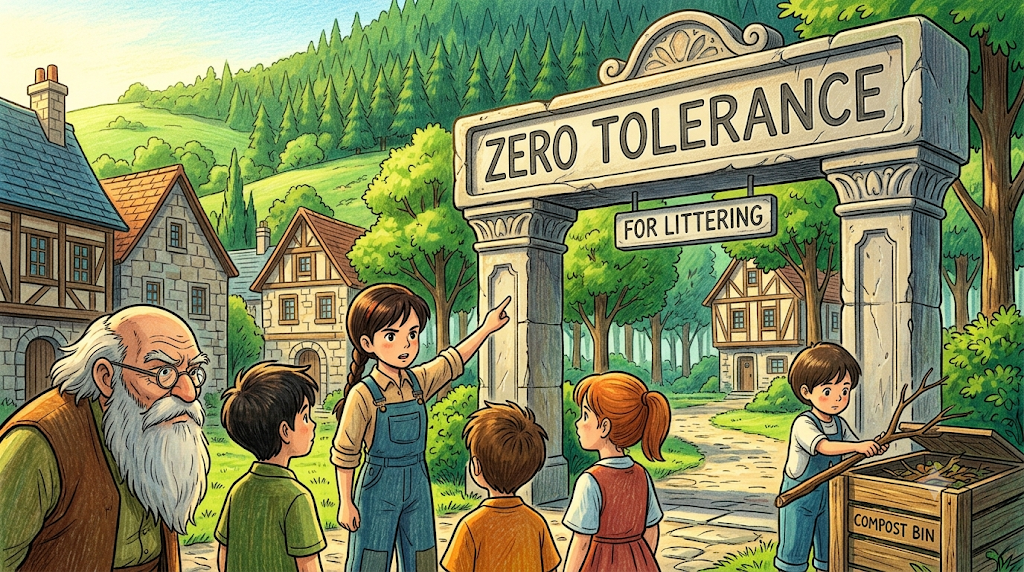
zero tolerance [ˈzɪərəʊ ˈtɒlərəns]
(명사구) 무관용, 무용납, 절대 용인하지 않음
어떤 행동이나 상황에 대해 어떠한 예외도 허용하지 않는 엄격한 정책이나 태도를 강조하며, 수능에서 자주 출제되는 표현입니다.
- The organisation adopted a zero tolerance approach to data privacy breaches, making clear that any employee who mishandled personal information would face immediate disciplinary action. (단체는 데이터 프라이버시 침해에 대한 무관용 접근 방식을 채택해, 개인 정보를 잘못 처리하는 모든 직원은 즉각적인 징계 조치에 직면할 것임을 명확히 했다.)
- Zero tolerance policies can be effective at changing behaviour quickly but risk creating situations where context is ignored and minor cases are treated with the same severity as serious ones. (무관용 정책은 행동을 빠르게 바꾸는 데 효과적일 수 있지만 맥락이 무시되고 사소한 사례가 심각한 것과 같은 심각도로 처리되는 상황을 만들 위험이 있다.)
- The essay used zero tolerance as a case study in the tradeoffs of rule-making — arguing that absolute rules are simpler to apply and less open to abuse through favouritism, but less able to respond to the genuine complexity of human situations, which is why most ethical frameworks end up needing both clear rules and the wisdom to know when context matters. (에세이는 무관용을 규칙 만들기의 절충안에 대한 사례 연구로 사용했다 — 절대적인 규칙이 적용하기 더 단순하고 편애를 통한 남용에 덜 개방적이지만 인간 상황의 진정한 복잡성에 덜 반응할 수 있다고 주장했다 — 이것이 대부분의 윤리적 틀이 결국 명확한 규칙과 맥락이 중요한 때를 알아야 하는 지혜 모두를 필요로 하는 이유라고 했다.)

tolerance level [ˈtɒlərəns ˌlevəl]
(명사구) 내성 수준, 허용 한계
어떤 것을 견디거나 받아들일 수 있는 최대 한계를 강조합니다. 수능 독해 과학·사회·심리 지문에서 자주 등장합니다.
- The engineer tested the bridge's tolerance level by gradually increasing the weight on it until the structure showed the first signs of stress, then recorded the result as the safe load limit. (엔지니어는 구조물이 처음 스트레스 징후를 보일 때까지 점진적으로 무게를 늘려 다리의 허용 한계를 테스트한 다음 그 결과를 안전 하중 한계로 기록했다.)
- Her tolerance level for the daily commute had dropped significantly since she had started working from home two days a week — the same journey that used to feel normal now felt unnecessarily long. (집에서 주 2일 재택근무를 시작한 이후 일일 통근에 대한 그녀의 내성 수준이 크게 떨어졌다 — 평소 정상적으로 느껴지던 같은 여정이 이제는 불필요하게 길게 느껴졌다.)
- The essay used the concept of tolerance level to explore how habituation works — arguing that we tend to adjust our expectations to whatever our normal experience is, which means that improving conditions often raises tolerance levels rather than increasing satisfaction, because what feels comfortable quickly becomes the new baseline. (에세이는 내성 수준의 개념을 사용해 습관화가 어떻게 작동하는지 탐구했다 — 우리가 정상적인 경험이 무엇이든 기대치를 조정하는 경향이 있다고 주장했다 — 이것은 조건을 개선하는 것이 종종 만족을 높이기보다 내성 수준을 높인다는 것을 의미하는데, 편안하게 느껴지는 것이 빠르게 새로운 기준이 되기 때문이라고 했다.)
숙어 그룹 묶음 2 — 한계·기준 tolerance 패턴
표현 의미 핵심 뉘앙스 주요 맥락
| tolerance level | 내성 수준, 허용 한계 | 어떤 것을 견디거나 받아들일 수 있는 최대 한계 | 과학·사회·수능 |
| build tolerance | 내성을 키우다 | 시간이 지남에 따라 저항력을 키우는 것 | 과학·심리·수능 |
| tolerance of pain | 통증 내성 | 신체적 고통을 견디는 능력 | 과학·심리·수능 |
이 세 표현은 모두 tolerance의 "신체적·심리적 저항력의 한계와 성장" 이미지를 공유하되, 각각 현재 견딜 수 있는 최대 한계(tolerance level)·반복적 노출을 통한 저항력 향상(build tolerance)·신체적 고통을 견디는 특정 능력(tolerance of pain)의 관점에서 접근합니다.
- She worked with her doctor to build tolerance to the treatment by starting at a low dose and slowly increasing it, carefully monitoring her tolerance level each week, and comparing it against her tolerance of pain to find the approach that worked best for her. (그녀는 낮은 용량으로 시작해서 천천히 늘리고, 매주 내성 수준을 신중하게 모니터링하며, 자신에게 가장 잘 맞는 접근 방식을 찾기 위해 통증 내성과 비교하면서 의사와 함께 치료에 대한 내성을 키우는 작업을 했다.)
- The essay connected the three by arguing that tolerance levels, the ability to build tolerance, and tolerance of pain all illustrate the same biological principle — that the body adapts to repeated exposure, and that understanding this principle is the key to designing training programmes, medical treatments, and even learning environments more effectively. (내성 수준, 내성을 키우는 능력, 그리고 통증 내성이 모두 같은 생물학적 원리를 설명한다고 주장하며 세 가지를 연결했다 — 신체가 반복적인 노출에 적응하며, 이 원리를 이해하는 것이 훈련 프로그램, 의학적 치료, 심지어 학습 환경을 더 효과적으로 설계하는 열쇠라고 했다.)
- She concluded that understanding your tolerance level, knowing how to build tolerance gradually, and developing tolerance of pain as a skill rather than a fixed trait are all expressions of the same underlying truth — that our limits are not fixed but adaptive, and that the people who improve most are those who understand this and work with it deliberately. (내성 수준을 이해하고, 내성을 점진적으로 키우는 방법을 알며, 통증 내성을 고정된 특성이 아닌 기술로 개발하는 것이 모두 같은 근본적인 진실의 표현이라고 그녀는 결론지었다 — 우리의 한계가 고정된 것이 아니라 적응적이며, 가장 많이 개선되는 사람들이 이것을 이해하고 의도적으로 그것과 함께 작업하는 사람들이라고 했다.)
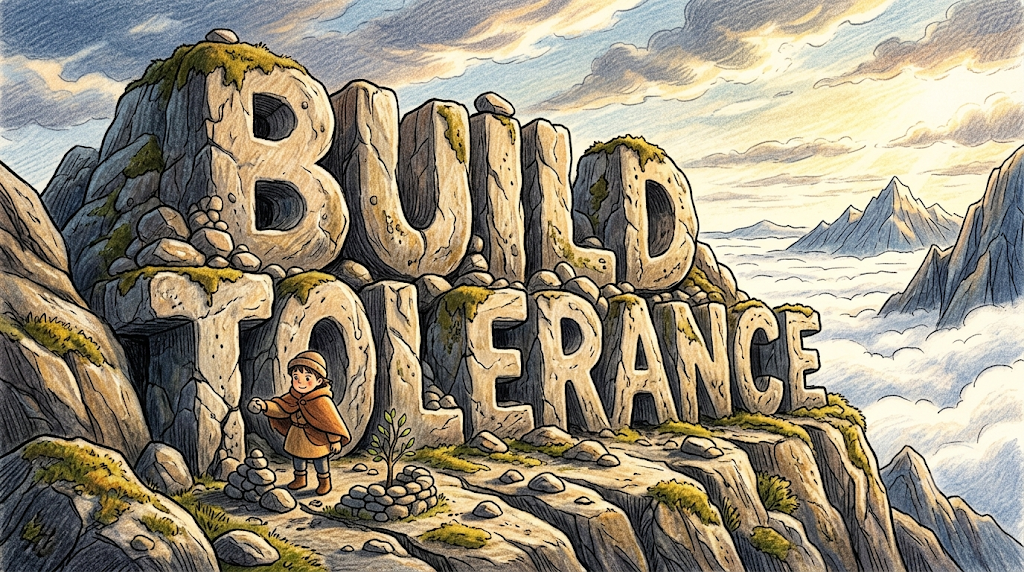
build tolerance [bɪld ˈtɒlərəns]
(동사구) 내성을 키우다, 저항력을 기르다
시간이 지남에 따라 어떤 것에 대해 더 잘 견디게 되는 것을 강조합니다. 수능 독해 과학·심리·사회 지문에서 자주 등장합니다.
- Spending small amounts of time in the cold water each day helped her build tolerance to it over the winter, until she could swim in the outdoor pool without feeling uncomfortable at all. (매일 찬물에서 짧은 시간을 보내는 것이 겨울 내내 그것에 대한 내성을 키우는 데 도움이 됐으며, 마침내 전혀 불편함을 느끼지 않고 야외 수영장에서 수영할 수 있었다.)
- The best way to build tolerance for difficult feedback is to seek it out regularly in low-stakes situations, so that when it comes in high-stakes ones the experience of receiving it is already familiar. (어려운 피드백에 대한 내성을 키우는 가장 좋은 방법은 낮은 위험 상황에서 정기적으로 그것을 찾는 것인데, 높은 위험 상황에서 올 때 그것을 받는 경험이 이미 익숙하게 되기 때문이다.)
- The essay used the process of building tolerance as a model for personal development — arguing that just as the body responds to controlled stress by growing stronger, the mind responds to managed challenges by developing greater resilience, and that understanding this allows us to design our own growth more intelligently. (내성을 키우는 과정을 개인 발전의 모델로 사용했다 — 신체가 제어된 스트레스에 더 강해짐으로써 반응하듯이 마음이 관리된 도전에 더 큰 회복력을 개발함으로써 반응한다고 주장했다 — 이것을 이해하는 것이 우리가 자신의 성장을 더 지능적으로 설계할 수 있게 해준다고 했다.)
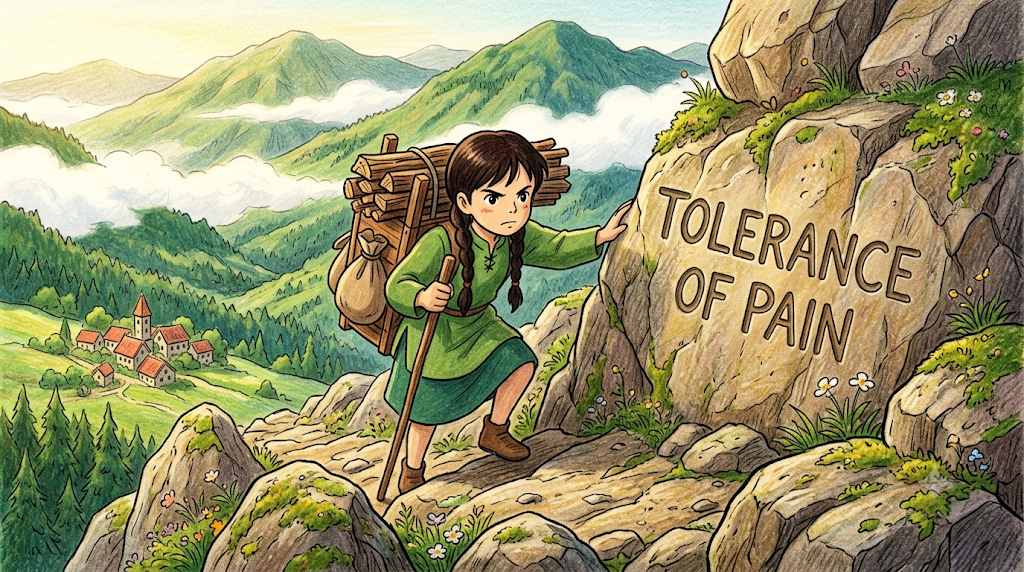
tolerance of pain [ˈtɒlərəns əv peɪn]
(명사구) 통증 내성, 고통을 견디는 능력
신체적 고통을 얼마나 잘 견딜 수 있는지의 능력을 강조합니다. 수능 독해 과학·심리·의학 지문에서 자주 등장합니다.
- Studies show that tolerance of pain is not fixed — it can be increased through conditioning and reduced by factors like lack of sleep, anxiety, and isolation. (연구는 통증 내성이 고정되지 않는다는 것을 보여준다 — 그것은 컨디셔닝을 통해 높일 수 있으며 수면 부족, 불안, 고립과 같은 요인에 의해 줄어들 수 있다.)
- Athletes who have trained for years often develop a higher tolerance of pain than people who have not, though researchers argue this is partly psychological — the willingness to continue rather than the inability to feel discomfort. (수년 동안 훈련한 운동선수들은 종종 그렇지 않은 사람들보다 더 높은 통증 내성을 발달시키는데, 연구자들은 이것이 부분적으로 심리적이라고 주장한다 — 불편함을 느끼지 못하는 것이 아니라 계속하려는 의지이다.)
- The essay used tolerance of pain to explore a broader question about human experience — arguing that what we call pain tolerance is often less about the raw sensory experience and more about the meaning we attach to it, which is why the same physical sensation feels very different depending on whether we chose it or had it imposed on us. (에세이는 통증 내성을 사용해 인간 경험에 대한 더 광범위한 질문을 탐구했다 — 우리가 통증 내성이라고 부르는 것이 종종 원시 감각적 경험에 관한 것보다 우리가 그것에 부착하는 의미에 관한 것이 더 많다고 주장했다 — 이것이 우리가 그것을 선택했는지 아니면 우리에게 강요됐는지에 따라 같은 신체적 감각이 매우 다르게 느껴지는 이유라고 했다.)
숙어 그룹 묶음 3 — 문화·정책 tolerance 심화 패턴
표현 의미 핵심 뉘앙스 주요 맥락
| cultural tolerance | 문화적 관용 | 다른 문화나 전통을 받아들이고 존중하는 것 | 사회·학술·수능 |
| tolerance policy | 관용 정책 | 어느 정도까지 어떤 것을 허용하는 공식적 규칙 | 사회·법률·수능 |
| beyond tolerance | 관용의 한계를 넘어 | 받아들일 수 있는 한계를 초과한 상황 | 일상·심리·수능 |
이 세 표현은 모두 tolerance의 "사회적·공식적 허용 범위와 한계" 이미지를 공유하되, 각각 집단 간 차이를 인정하고 이해하는 사회적 가치(cultural tolerance)·허용 범위를 공식적으로 정의하는 규칙(tolerance policy)·허용 범위가 초과됐을 때의 결과(beyond tolerance)의 관점에서 접근합니다.
- The tolerance policy had been designed to promote cultural tolerance among staff, but when behaviour went beyond tolerance — crossing from difference into actual harm — it made clear that acceptance had limits that everyone needed to respect. (관용 정책은 직원들 사이의 문화적 관용을 촉진하기 위해 설계됐지만, 행동이 관용의 한계를 넘어섰을 때 — 차이에서 실제 해로움으로 넘어갔을 때 — 수용에도 모든 사람이 존중해야 하는 한계가 있다는 것을 명확히 했다.)
- The essay connected the three by arguing that cultural tolerance describes the aspiration, tolerance policy translates it into practical rules, and beyond tolerance marks the point where the aspiration and the rules are no longer sufficient — showing that every society needs not just values but enforcement mechanisms and clear limits. (문화적 관용이 열망을 묘사하고, 관용 정책이 그것을 실용적인 규칙으로 번역하며, 관용의 한계를 넘어서가 열망과 규칙이 더 이상 충분하지 않은 지점을 표시한다고 주장하며 세 가지를 연결했다 — 모든 사회가 가치뿐만 아니라 집행 메커니즘과 명확한 한계도 필요하다는 것을 보여준다고 했다.)
- She concluded that cultural tolerance sets the direction, tolerance policy sets the rules, and the concept of beyond tolerance sets the boundary — and that a society which has all three is not less tolerant for having limits but more honest about what tolerance actually means: not the absence of standards but the thoughtful application of them. (문화적 관용이 방향을 설정하고, 관용 정책이 규칙을 설정하며, 관용의 한계를 넘어서의 개념이 경계를 설정한다고 그녀는 결론지었다 — 그리고 세 가지를 모두 갖춘 사회는 한계를 갖는 것으로 덜 관용적인 것이 아니라 관용이 실제로 무엇을 의미하는지에 대해 더 정직하다: 기준의 부재가 아니라 그것의 사려 깊은 적용이라고 했다.)
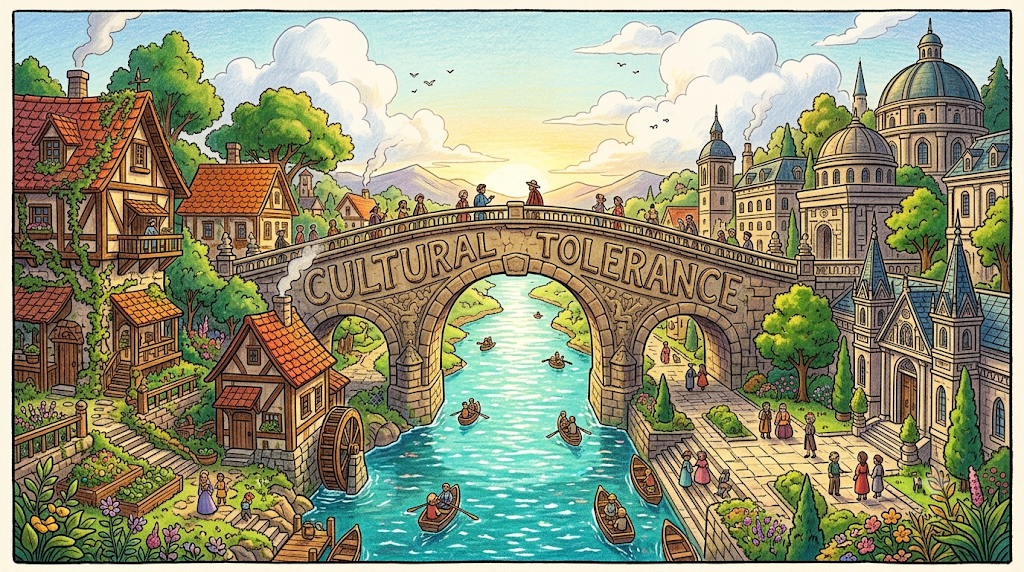
cultural tolerance [ˈkʌltʃərəl ˈtɒlərəns]
(명사구) 문화적 관용, 문화 간 포용
자신과 다른 문화나 전통을 받아들이고 존중하는 것을 강조합니다. 수능 독해 사회·학술·심리 지문에서 자주 등장합니다.
- Cultural tolerance in the classroom meant that students were encouraged to share traditions from their own backgrounds without being judged or asked to explain why those traditions existed. (교실에서의 문화적 관용은 학생들이 그 전통이 왜 존재하는지 판단받거나 설명하도록 요청받지 않고 자신의 배경에서 온 전통을 공유하도록 장려받는다는 것을 의미했다.)
- She had grown up in a family that valued cultural tolerance not just as a political position but as a genuine curiosity about how other people lived — which made her a much more interesting person to talk to than those who had never questioned their own assumptions. (그녀는 문화적 관용을 단지 정치적 입장으로서가 아니라 다른 사람들이 어떻게 사는지에 대한 진정한 호기심으로 가치 있게 여기는 가족에서 자랐다 — 이것이 그녀를 자신의 가정을 결코 의문시한 적이 없는 사람들보다 훨씬 더 흥미로운 대화 상대로 만들었다.)
- The essay argued that cultural tolerance is more than a social virtue — it is an epistemic one, because exposure to different ways of organising life, making meaning, and solving problems gives us access to a wider range of possible solutions to human challenges than any single culture can produce on its own. (에세이는 문화적 관용이 사회적 덕목 이상이라고 주장했다 — 그것은 인식론적 덕목이기도 한데, 삶을 조직하고, 의미를 만들며, 문제를 해결하는 다양한 방식에 노출되는 것이 어떤 단일 문화도 혼자 생산할 수 없는 인간 도전에 대한 가능한 해결책의 더 넓은 범위에 접근할 수 있게 해주기 때문이라고 했다.)
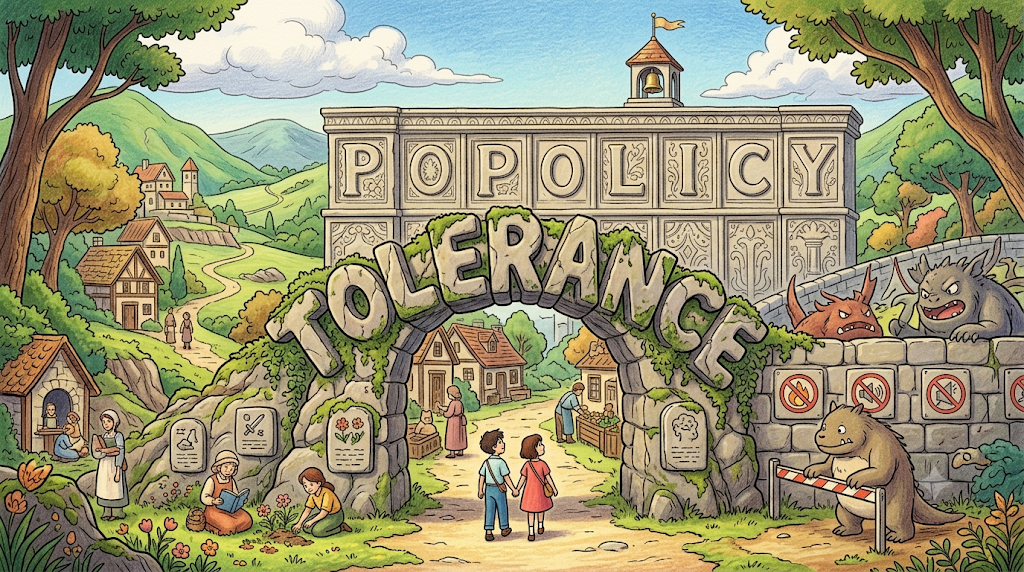
tolerance policy [ˈtɒlərəns ˈpɒlɪsi]
(명사구) 관용 정책, 용인 방침
어느 정도까지 어떤 것을 허용하거나 허용하지 않는 공식적인 규칙을 강조합니다. 수능 독해 사회·법률·심리 지문에서 자주 등장합니다.
- The school's tolerance policy on uniform required shirts to be tucked in at all times, but allowed some variation in shoe colour, which most students found a reasonable balance between consistency and flexibility. (교복에 대한 학교의 관용 정책은 셔츠를 항상 안에 넣어야 한다고 요구했지만 신발 색상에 약간의 변형을 허용했으며, 대부분의 학생들은 이것이 일관성과 유연성 사이의 합리적인 균형이라고 생각했다.)
- Developing a clear tolerance policy for minor rule-breaking actually reduced the amount of time managers spent on disciplinary matters, because everyone knew exactly where the boundaries were and the number of disputes about edge cases fell sharply. (사소한 규칙 위반에 대한 명확한 관용 정책을 개발하는 것이 실제로 매니저들이 징계 문제에 보내는 시간의 양을 줄였는데, 모든 사람이 경계가 어디 있는지 정확히 알았고 경계 사례에 대한 분쟁 수가 급격히 줄었기 때문이었다.)
- The essay explored tolerance policies as a way of examining the relationship between rules and values — arguing that well-designed policies make values operational by translating them into specific, consistent standards that everyone can understand and apply, while poorly designed ones create confusion by being either too vague or too rigid. (에세이는 관용 정책을 규칙과 가치의 관계를 검토하는 방법으로 탐구했다 — 잘 설계된 정책이 모든 사람이 이해하고 적용할 수 있는 구체적이고 일관된 기준으로 번역함으로써 가치를 실행 가능하게 만드는 반면, 잘못 설계된 것들은 너무 모호하거나 너무 경직돼서 혼란을 만든다고 주장했다.)

beyond tolerance [bɪˈjɒnd ˈtɒlərəns]
(형용사구) 관용의 한계를 넘어, 견디기 어려운
어떤 것이 받아들일 수 있는 한계를 초과했을 때를 강조합니다. 수능 독해 일상·심리·사회 지문에서 자주 등장합니다.
- The working conditions had become beyond tolerance for many employees — long hours, poor pay, no breaks, and a culture that rewarded overwork rather than results — and resignations began to increase sharply. (근무 조건이 많은 직원들에게 관용의 한계를 넘어서게 됐다 — 긴 시간, 낮은 임금, 휴식 없음, 그리고 결과가 아닌 과로를 보상하는 문화 — 그리고 사직이 급격히 증가하기 시작했다.)
- She had reached a point where the uncertainty had gone beyond tolerance and she needed a decision — any decision — so she could stop living with the constant anxiety of not knowing what was coming next. (그녀는 불확실성이 관용의 한계를 넘어서서 결정이 필요한 지점에 도달했다 — 다음에 무슨 일이 올지 모르는 끊임없는 불안감을 안고 사는 것을 멈출 수 있도록 어떤 결정이든 필요했다.)
- The essay used the phrase beyond tolerance to explore the psychology of thresholds — arguing that human beings are remarkably adaptable and can endure a great deal, but that this same adaptability means the point at which things tip from tolerable to intolerable is often sudden rather than gradual, because small increments accumulate until a single final one crosses the line. (에세이는 관용의 한계를 넘어서라는 표현을 사용해 임계점의 심리학을 탐구했다 — 인간이 놀랍도록 적응적이며 많은 것을 견딜 수 있다고 주장했지만, 이 같은 적응성이 참을 수 있는 것에서 참을 수 없는 것으로 넘어지는 지점이 점진적이 아닌 종종 갑작스럽다는 것을 의미한다고 했다 — 작은 증가가 하나의 마지막 것이 선을 넘을 때까지 축적되기 때문이라고 했다.)
숙어 그룹 묶음 4 — 종합 tolerance 패턴
표현 의미 핵심 뉘앙스 주요 맥락
| zero tolerance | 무관용 | 어떤 예외도 없는 엄격한 기준 | 사회·법률·수능 |
| cultural tolerance | 문화적 관용 | 다른 문화나 전통을 받아들이고 존중하는 것 | 사회·학술·수능 |
| build tolerance | 내성을 키우다 | 시간이 지남에 따라 저항력을 키우는 것 | 과학·심리·수능 |
이 세 표현은 수능 독해에서 가장 자주 출제되는 tolerance의 핵심 패턴입니다. zero tolerance는 허용 범위의 완전한 제거를, cultural tolerance는 사회적 다양성에 대한 수용을, build tolerance는 저항력의 점진적 성장을 각각 나타냅니다.
- She had worked to build tolerance for different ways of working, which had strengthened her cultural tolerance over the years, but even she found that certain behaviours were beyond zero tolerance — things that no amount of cultural understanding could justify because they crossed clear ethical lines. (그녀는 다른 방식의 일하기에 대한 내성을 키우기 위해 노력했으며, 이것이 수년에 걸쳐 그녀의 문화적 관용을 강화했지만, 그녀조차 특정 행동들이 무관용의 범위를 넘어서는 것을 발견했다 — 명확한 윤리적 선을 넘기 때문에 어떤 양의 문화적 이해도 정당화할 수 없는 것들이었다.)
- The essay argued that zero tolerance, cultural tolerance, and building tolerance represent three different and sometimes competing values — the need for clear limits, the need for openness, and the need for growth — and that navigating between them is one of the central challenges of both personal and social life. (무관용, 문화적 관용, 그리고 내성 키우기가 세 가지 다르고 때로는 경쟁하는 가치를 나타낸다고 에세이는 주장했다 — 명확한 한계의 필요성, 개방성의 필요성, 그리고 성장의 필요성 — 그리고 그것들 사이를 탐색하는 것이 개인적이고 사회적인 삶 모두의 중심적인 도전 중 하나라고 했다.)
- She concluded that the relationship between zero tolerance, cultural tolerance, and building tolerance is not a contradiction but a progression — you need to know your limits before you can expand them, you need cultural openness to understand which limits are truly necessary, and you need to build tolerance over time to extend your capacity for both — and that wisdom lies in knowing which of the three the current moment calls for. (무관용, 문화적 관용, 그리고 내성 키우기 사이의 관계가 모순이 아니라 진행이라고 그녀는 결론지었다 — 한계를 확장하기 전에 그것을 알아야 하고, 어떤 한계가 진정으로 필요한지 이해하기 위해 문화적 개방성이 필요하며, 둘 모두에 대한 능력을 확장하기 위해 시간이 지남에 따라 내성을 키워야 한다 — 그리고 지혜는 현재 순간이 세 가지 중 어떤 것을 요구하는지 아는 데 있다고 했다.)
전체 요약표
표현 의미 핵심 뉘앙스
| tolerance | 관용, 포용 / 내성, 저항력 | 인내와 수용의 핵심 이미지 |
| tolerance for | ~에 대한 관용 | 어떤 것을 견디거나 받아들이는 정도 |
| show tolerance | 관용을 보이다 | 다른 것을 받아들이는 태도를 외부적으로 드러내는 것 |
| zero tolerance | 무관용 | 어떤 예외도 없는 엄격한 기준 |
| tolerance level | 내성 수준, 허용 한계 | 어떤 것을 견디거나 받아들일 수 있는 최대 한계 |
| build tolerance | 내성을 키우다 | 시간이 지남에 따라 저항력을 키우는 것 |
| tolerance of pain | 통증 내성 | 신체적 고통을 견디는 능력 |
| cultural tolerance | 문화적 관용 | 다른 문화나 전통을 받아들이고 존중하는 것 |
| tolerance policy | 관용 정책 | 어느 정도까지 어떤 것을 허용하는 공식적 규칙 |
| beyond tolerance | 관용의 한계를 넘어 | 받아들일 수 있는 한계를 초과한 상황 |
유의어 비교표
단어 공통점 뉘앙스 차이 예문
| tolerance | 받아들임, 견딤 | 불편해도 허용·내성·한계·비유 풍부 | Tolerance for others. |
| acceptance | 수용 | 긍정적으로 받아들이는 것 | Acceptance of change. |
| patience | 인내심 | 조용히 기다리는 것 | Patience with delays. |
| endurance | 지구력 | 신체적 어려움을 오래 버티는 것 | Endurance in sport. |
| open-mindedness | 열린 마음 | 새로운 생각을 받아들이는 태도 | Open-mindedness helps. |
유의어 예문 리스트
- (acceptance) Acceptance of the things she could not change had taken her years to achieve, and she still found it easier to accept external circumstances than internal ones. (바꿀 수 없는 것들의 수용이 그녀에게 달성하는 데 수년이 걸렸으며, 그녀는 여전히 내부적인 것보다 외부 상황을 받아들이는 것이 더 쉽다는 것을 알았다.)
- (patience) Patience with the process was what separated the people who eventually succeeded from those who did not — not talent or effort, but the willingness to keep going when progress was slow and invisible. (과정에 대한 인내심이 결국 성공한 사람들과 그렇지 않은 사람들을 구분하는 것이었다 — 재능이나 노력이 아니라 발전이 느리고 보이지 않을 때도 계속하려는 의지였다.)
- (endurance) Physical endurance could be trained, but mental endurance — the ability to keep going when the mind wanted to stop — required a different kind of work that most training programmes did not address. (신체적 지구력은 훈련될 수 있었지만 정신적 지구력 — 마음이 멈추고 싶을 때도 계속하는 능력 — 은 대부분의 훈련 프로그램이 다루지 않는 다른 종류의 작업을 필요로 했다.)
- (open-mindedness) His open-mindedness about different approaches to the problem was what made him such a valuable collaborator — he never dismissed an idea before he had at least considered whether it might work. (문제에 대한 다양한 접근 방식에 대한 그의 열린 마음이 그를 그렇게 가치 있는 협력자로 만든 것이었다 — 그는 아이디어가 효과가 있을 수 있는지 적어도 고려하기 전에 결코 무시하지 않았다.)
결론 정리
tolerance는 단순히 "관용"이 아니라, 라틴어 tolerare(견디다)에서 출발해 불쾌하거나 어렵더라도 견디어내는 힘에서 사회적 다양성 수용·신체적 저항력·윤리적 경계·문화 간 이해·고통 인내까지 확장되는 단어다 — tolerance가 있는 곳엔 언제나 '단순한 참음이 아닌, 인간이 차이를 받아들이고·한계를 인식하며·경계를 설정하고·저항력을 키우는 방식이 생생하게 살아숨쉬는' 생동감의 선언이 있다.
💡 tolerance는 "불쾌하거나 어렵더라도 견디어내는 힘에서 출발한" 생동감 넘치는 언어 — zero tolerance · cultural tolerance · build tolerance가 수능 최빈출.
🌟 초등학생 버전 — tolerance는 관용, 포용이지만, "무관용"(zero tolerance), "문화적 관용"(cultural tolerance), "내성을 키우다"(build tolerance)처럼 우리 생활과 사회 곳곳에 살아있는 단어예요! 🌍✨


